The Beetroot Marvel: An Exhaustive Deep Dive into the Profound Health Benefits of Beta vulgaris
Often overlooked yet undeniably vibrant, the beetroot (Beta vulgaris) stands as a quintessential superfood, a testament to nature’s potent pharmacy. From its earthy roots to its leafy greens, every part of this crimson gem offers an astounding array of health-promoting compounds. Beyond its distinctive color and sweet, earthy flavor, beetroot has been revered for centuries in traditional medicine and is now a focal point of modern scientific inquiry, revealing a comprehensive profile of benefits ranging from cardiovascular support and enhanced athletic performance to potent antioxidant and anti-inflammatory effects. This definitive guide delves into the intricate mechanisms and extensive advantages of incorporating beets into your diet, exploring their rich history, diverse bioactive components, and practical applications for optimal health.
A Journey Through Time: The Historical Significance of Beetroot
The history of beetroot is as rich and layered as its nutritional composition. Originating in prehistoric times along the coasts of North Africa, Asia, and Europe, wild beets were initially cultivated for their greens, with the roots primarily used for medicinal purposes. Ancient Greeks consumed beet leaves, while the Romans utilized beets for fever reduction and digestive health. Historical texts from the Middle Ages indicate beets were used as a treatment for various ailments, including digestive issues and blood-related conditions. It wasn’t until the 16th century that the round, fleshy root we recognize today began to gain culinary prominence. Over time, different cultivars emerged, leading to the diverse types of beets we see, including sugar beets for industrial sugar production and red beets for their culinary and medicinal value. This enduring legacy underscores beetroot’s consistent role as a valuable plant resource throughout human civilization.
Botanical Profile: Understanding the Plant Behind the Power
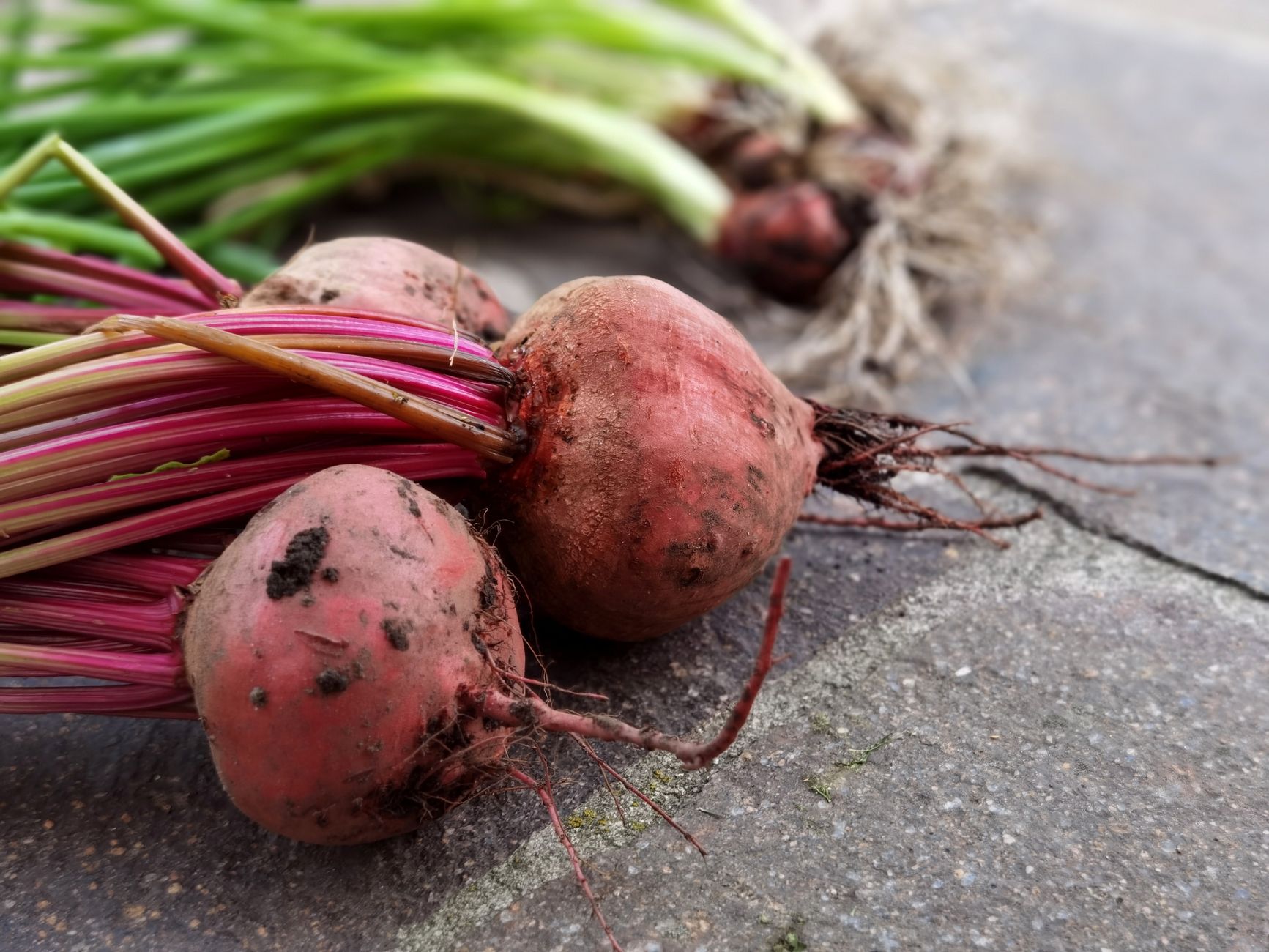
Beta vulgaris is a species in the Amaranthaceae family, which also includes spinach and quinoa. It is a herbaceous biennial plant, meaning it completes its life cycle over two years. In its first year, it develops the edible taproot and a rosette of leaves. In the second year, if left undisturbed, it produces a tall flowering stem with small green flowers, followed by seeds. The most commonly consumed part is the root, which can vary in shape from round to cylindrical and in color from deep crimson to golden, white, or even striped. The leaves, often referred to as beet greens, are also highly nutritious and can be consumed similarly to spinach or Swiss chard.

Its robust nature and adaptability to various climates have allowed beets to become a staple crop globally, contributing significantly to both agricultural economies and public health. The vibrant coloration of the red beet, in particular, is due to unique pigments that are at the heart of many of its celebrated health benefits.
The Nutritional Cornucopia: A Symphony of Micronutrients
Beetroot is far more than just its striking color; it’s a nutritional powerhouse, packed with an impressive array of vitamins, minerals, and dietary fiber, all while being remarkably low in calories. A typical serving of beets provides substantial amounts of:
- Vitamins: Rich in Vitamin C, an essential antioxidant; Folate (Vitamin B9), crucial for cell growth and function; and smaller amounts of Vitamin B6, B1, B2, and Vitamin K.
- Minerals: A significant source of Manganese, vital for bone health and metabolism; Potassium, important for blood pressure regulation; Iron, essential for oxygen transport; Magnesium, involved in muscle and nerve function; and Copper, Phosphorus, and Zinc.
- Dietary Fiber: Both soluble and insoluble fiber contribute to digestive health, satiety, and blood sugar regulation.
However, the true magic of beets lies beyond these basic nutrients, residing in a complex tapestry of unique bioactive compounds.
Unveiling the Bioactive Compounds: The Scientific Core of Beet’s Benefits
The profound health benefits attributed to beetroot stem primarily from its distinctive profile of bioactive compounds, each playing a crucial role in promoting wellness. Understanding these compounds is key to appreciating the root’s multifaceted therapeutic potential.
Dietary Nitrates: The Nitric Oxide Pathway Catalyst
Perhaps the most extensively studied bioactive compounds in beets are their high concentrations of inorganic nitrates. When consumed, these dietary nitrates are converted by oral bacteria into nitrites, which are then further reduced to nitric oxide (NO) in the body. Nitric oxide is a potent vasodilator, meaning it relaxes and widens blood vessels, thereby improving blood flow and reducing blood pressure. This intricate biochemical pathway is central to many of beet’s cardiovascular and athletic performance benefits. The production of NO from nitrates is particularly advantageous under conditions of low oxygen (hypoxia), making it crucial for tissue oxygenation and cellular efficiency, especially during physical exertion.
Betalains: The Potent Antioxidants and Anti-inflammatory Pigments
The striking red and yellow hues of beets are due to betalains, a class of unique nitrogen-containing pigments not found in many other plants. Betalains are divided into two main groups: betacyanins (red-violet pigments like betanin and isobetanin) and betaxanthins (yellow-orange pigments). These compounds are exceptionally powerful antioxidants, scavenging free radicals and protecting cells from oxidative damage, which is a major contributor to chronic diseases and aging. Moreover, betalains exhibit significant anti-inflammatory properties, inhibiting inflammatory enzymes and pathways, thus helping to reduce systemic inflammation. Their structural stability in the gut also allows them to exert effects throughout the digestive tract.
Other Noteworthy Phytochemicals: A Symphony of Support
- Flavonoids and Polyphenols: Beets contain a variety of other phenolic compounds and flavonoids, which contribute to their overall antioxidant capacity and exert protective effects against various diseases.
- Saponins: These compounds have demonstrated cholesterol-lowering properties and may support immune function.
- Carotenoids: While less abundant than in other vegetables, beets do contain some carotenoids, which are beneficial for eye health and provide additional antioxidant support.
- Amino Acids: Beets are a good source of various amino acids, including betaine, which plays a role in liver function and cellular methylation processes.
The Extensive Health Benefits of Beetroot: A Detailed Exploration
With its remarkable array of nutrients and bioactive compounds, beetroot offers a plethora of scientifically backed health advantages.
1. Revolutionary Cardiovascular Health Support
The most celebrated benefit of beetroot is its profound impact on cardiovascular health, primarily driven by its high nitrate content. As detailed, dietary nitrates convert into nitric oxide, which relaxes the smooth muscles of blood vessels, leading to vasodilation. This process effectively lowers both systolic and diastolic blood pressure, making beets a valuable dietary intervention for individuals with hypertension. Regular consumption can significantly contribute to maintaining healthy blood pressure levels, thereby reducing the risk of heart disease, stroke, and other cardiovascular complications. Beyond blood pressure, beets may also improve endothelial function (the inner lining of blood vessels) and reduce arterial stiffness, leading to better overall vascular health.
2. Unleashing Athletic Performance and Stamina
For athletes and fitness enthusiasts, beetroot has emerged as a natural ergogenic aid. The increased nitric oxide production from beet nitrates enhances oxygen delivery to muscles during exercise, improving efficiency and reducing the oxygen cost of physical activity. This leads to several performance benefits: increased stamina, reduced fatigue, and improved exercise duration, particularly in high-intensity endurance sports. Studies have shown that consuming beet juice before exercise can extend time to exhaustion, improve sprint performance, and enhance recovery. The improved blood flow also aids in faster removal of metabolic byproducts from muscles, contributing to quicker recovery post-exertion.
3. Potent Antioxidant and Anti-inflammatory Powerhouse
The vibrant betalain pigments in beetroot are not merely aesthetic; they are powerful free-radical scavengers. By neutralizing harmful free radicals, betalains protect cells, DNA, and lipids from oxidative damage, a key factor in aging and the development of chronic diseases like cancer and heart disease. Furthermore, these compounds possess significant anti-inflammatory properties. They can inhibit pro-inflammatory enzymes like cyclooxygenase-2 (COX-2), similar to how some pharmaceutical anti-inflammatory drugs work, effectively reducing systemic inflammation. This dual action makes beets an excellent food for mitigating cellular stress and promoting overall cellular health.
4. Supporting Liver Detoxification and Function
Beetroot plays a crucial role in supporting liver health and detoxification processes. The betalains, alongside other compounds like betaine (trimethylglycine), enhance phase II detoxification enzymes in the liver. These enzymes are responsible for conjugating toxins with other molecules, making them water-soluble and easier for the body to excrete. Betaine, in particular, is involved in methylation pathways, which are vital for numerous metabolic processes, including liver fat metabolism and homocysteine regulation. By promoting efficient detoxification, beets help the liver neutralize and eliminate harmful substances, protecting it from damage and improving its overall function.
5. Enhancing Digestive Health and Gut Microbiome
Rich in dietary fiber, beetroot is a boon for digestive health. Both soluble and insoluble fibers contribute to a healthy gut. Insoluble fiber adds bulk to stool, promoting regular bowel movements and preventing constipation. Soluble fiber feeds beneficial gut bacteria, acting as a prebiotic and fostering a diverse and healthy gut microbiome. A thriving gut microbiome is linked to improved digestion, enhanced nutrient absorption, bolstered immune function, and even better mood. The unique compounds in beets may also have a positive influence on the gut environment, reducing inflammation and supporting intestinal barrier integrity.
6. Boosting Brain Health and Cognitive Function
The nitrate-derived nitric oxide in beetroot also extends its benefits to brain health. Improved blood flow to the brain, a direct result of vasodilation, can enhance cognitive function, particularly in areas associated with executive functions like decision-making and working memory. Research suggests that regular consumption of beet products may help slow age-related cognitive decline by ensuring adequate oxygen and nutrient supply to brain cells. Furthermore, the antioxidant and anti-inflammatory properties of betalains protect brain cells from oxidative stress and inflammation, which are implicated in neurodegenerative diseases.
7. Potential Anti-Cancer Properties
Emerging research suggests that beetroot, particularly its betalains, may possess significant anti-cancer properties. Studies indicate that betacyanins can inhibit the proliferation of cancer cells and induce apoptosis (programmed cell death) in various cancer lines, including colon, breast, prostate, and pancreatic cancer cells. These compounds may also modulate gene expression involved in cancer progression and metastasis. While more human trials are needed, the preliminary evidence highlights beetroot’s potential as a chemopreventive agent and a supportive food in cancer therapy.
8. Aiding Blood Sugar Regulation
Despite its natural sweetness, beetroot has a relatively low glycemic index and can play a supportive role in blood sugar management. The high fiber content slows down glucose absorption in the gut, preventing rapid spikes in blood sugar levels after meals. Some studies also suggest that certain compounds in beets may improve insulin sensitivity, although this area requires further investigation. For individuals managing diabetes or seeking to prevent metabolic disorders, incorporating beets into a balanced diet can be a beneficial strategy.
9. Supporting Eye Health
While not as concentrated as in other colorful vegetables, beets do contain some carotenoids like lutein and zeaxanthin, which are crucial for eye health. These antioxidants accumulate in the retina and macula, protecting the eyes from harmful high-energy light waves and oxidative damage, thereby potentially reducing the risk of age-related macular degeneration and cataracts.
10. Enhancing Bone Health
Beetroot contributes to bone health through its supply of essential minerals such as manganese, magnesium, and copper. Manganese is critical for bone formation and the synthesis of connective tissues. Magnesium plays a role in calcium absorption and bone mineralization, while copper is involved in collagen production, a vital component of bone structure. Additionally, the presence of nitrates might indirectly benefit bone health by improving overall vascular supply to bone tissue.
Practical Applications: Incorporating Beet into Your Lifestyle
Beetroot is remarkably versatile and can be enjoyed in numerous forms, each offering distinct advantages.
- Fresh Beets: Raw beets can be grated into salads, spiralized into noodles, or juiced. Cooked beets, whether roasted, boiled, or steamed, make a delicious and nutritious side dish. Their earthy sweetness pairs well with both savory and sweet preparations.
- Beet Juice: Fresh beet juice is a highly concentrated source of nitrates and other compounds. Many athletes prefer beet juice for its immediate impact on performance.
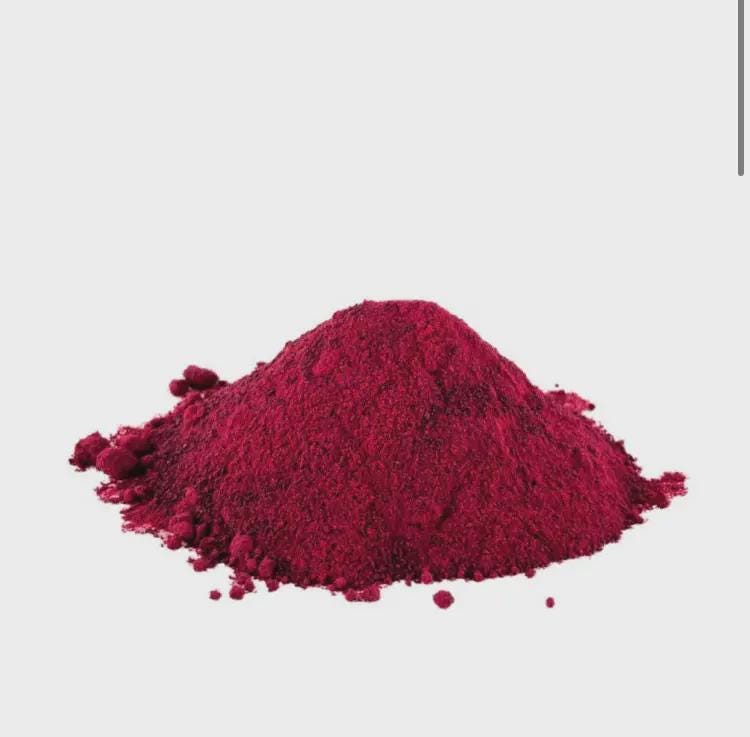
- Beet Powder: Made from dried and ground beets, beet powder is a convenient way to add beet’s benefits to smoothies, yogurts, or baked goods. It retains much of the nutritional value.
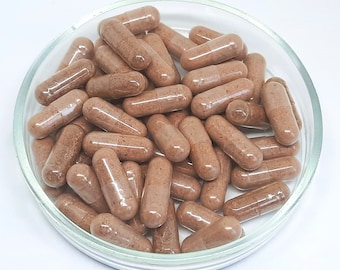
Beet Supplements and Capsules
For those who find the taste or preparation of fresh beets challenging, or for individuals seeking a precise dosage, beet supplements and capsules offer a convenient alternative. These are typically made from concentrated beet powder and standardized for nitrate content. They provide a reliable way to harness the benefits of beets, particularly for cardiovascular health and athletic performance. When choosing supplements, it is crucial to opt for reputable brands that provide third-party testing and transparency regarding their nitrate levels. While supplements can be effective, they should not entirely replace a diet rich in whole foods, as whole beets offer a broader spectrum of nutrients and fiber that work synergistically.
Potential Side Effects and Considerations
While generally safe and beneficial for most people, there are a few considerations when consuming beetroot:
- Beeturia: A harmless condition where urine or stool turns pink or red after consuming beets due to the excretion of betalains. This is more common in individuals with iron deficiency.
- Oxalates: Beets contain oxalates, which can contribute to kidney stone formation in susceptible individuals. Those prone to kidney stones should consume beets in moderation.
- Drug Interactions: Due to their blood pressure-lowering effects, individuals on medication for hypertension should consult their doctor to ensure beet consumption does not lead to excessively low blood pressure.
- Digestive Upset: Some individuals may experience mild digestive upset, especially when introducing large amounts of beets into their diet due to the fiber content. Starting with smaller portions is advisable.
Conclusion: The Enduring Power of Beetroot
Beetroot is unequivocally a nutritional powerhouse, a testament to the profound healing and performance-enhancing capabilities found in nature. From its ancient origins to its modern scientific validation, the humble beet has consistently proven its worth. Its unique composition of dietary nitrates, potent betalain antioxidants, and a wealth of essential vitamins and minerals orchestrates a symphony of health benefits, including superior cardiovascular health, enhanced athletic endurance, robust anti-inflammatory action, detoxification support, and improved cognitive function. Whether enjoyed raw, cooked, juiced, or supplemented, integrating this vibrant root into your daily regimen is a powerful step towards achieving holistic well-being and unlocking your body’s full potential.

Summary of Usage and Dosage Recommendations
For general health benefits, a serving of about 70-100 grams of whole beets (raw or cooked) a few times a week is beneficial. For specific purposes like athletic performance or blood pressure management, higher doses of concentrated beet juice or supplements might be considered, often in the range of 250-500 ml of beet juice (providing 300-500 mg of nitrates) consumed 2-3 hours before exercise or daily for blood pressure. Beet powder dosages typically range from 1-2 teaspoons per day. Always consult with a healthcare professional before making significant dietary changes or starting new supplements, especially if you have underlying health conditions or are on medication.
Disclaimer: For informational purposes only. Not medical advice. Consult a qualified healthcare professional before use.