The Ultimate Guide to Lady’s Mantle: Health Benefits and Uses

The Ultimate Guide to Lady’s Mantle: Health Benefits, Bioactive Compounds, and Traditional Uses

Lady’s Mantle, botanically classified as Alchemilla vulgaris (and encompassing closely related species such as Alchemilla mollis), is a premier botanical specimen in traditional European herbalism. Celebrated for centuries as a “panacea for women’s ailments,” this resilient perennial herb belongs to the Rosaceae (Rose) family. Its name, derived from the Arabic word “alkemelych” (alchemy), speaks to the profound mystique and therapeutic esteem surrounding the plant. Medieval alchemists believed that the dew droplets gathered on its uniquely shaped leaves possessed a pure, transformative energy capable of assisting in the search for the Philosopher’s Stone.

Today, modern phytotherapy and pharmacology have begun to validate what ancient herbalists knew intuitively. Through rigorous chemical profiling, scientists have identified a diverse array of bioactive compounds within the aerial parts of Lady’s Mantle that contribute to its powerful astringent, anti-inflammatory, wound-healing, and endocrine-modulating properties. This comprehensive guide provides an exhaustive analysis of Lady’s Mantle, exploring its botanical characteristics, complex biochemistry, historically rooted applications, and modern scientific findings.

Botanical Overview and Unique Characteristics

Lady’s Mantle is native to the temperate and subarctic regions of Europe, North America, and Asia. It thrives in damp meadows, pastures, open woodlands, and along mountain paths. Morphologically, the plant is characterized by its semi-circular, fan-shaped leaves which feature delicate, soft hairs on both the upper and lower surfaces. These leaves are divided into seven to nine finely serrated lobes, giving them a pleated appearance reminiscent of a draped medieval cloak—hence the common name “Lady’s Mantle,” historically associated with the Virgin Mary.

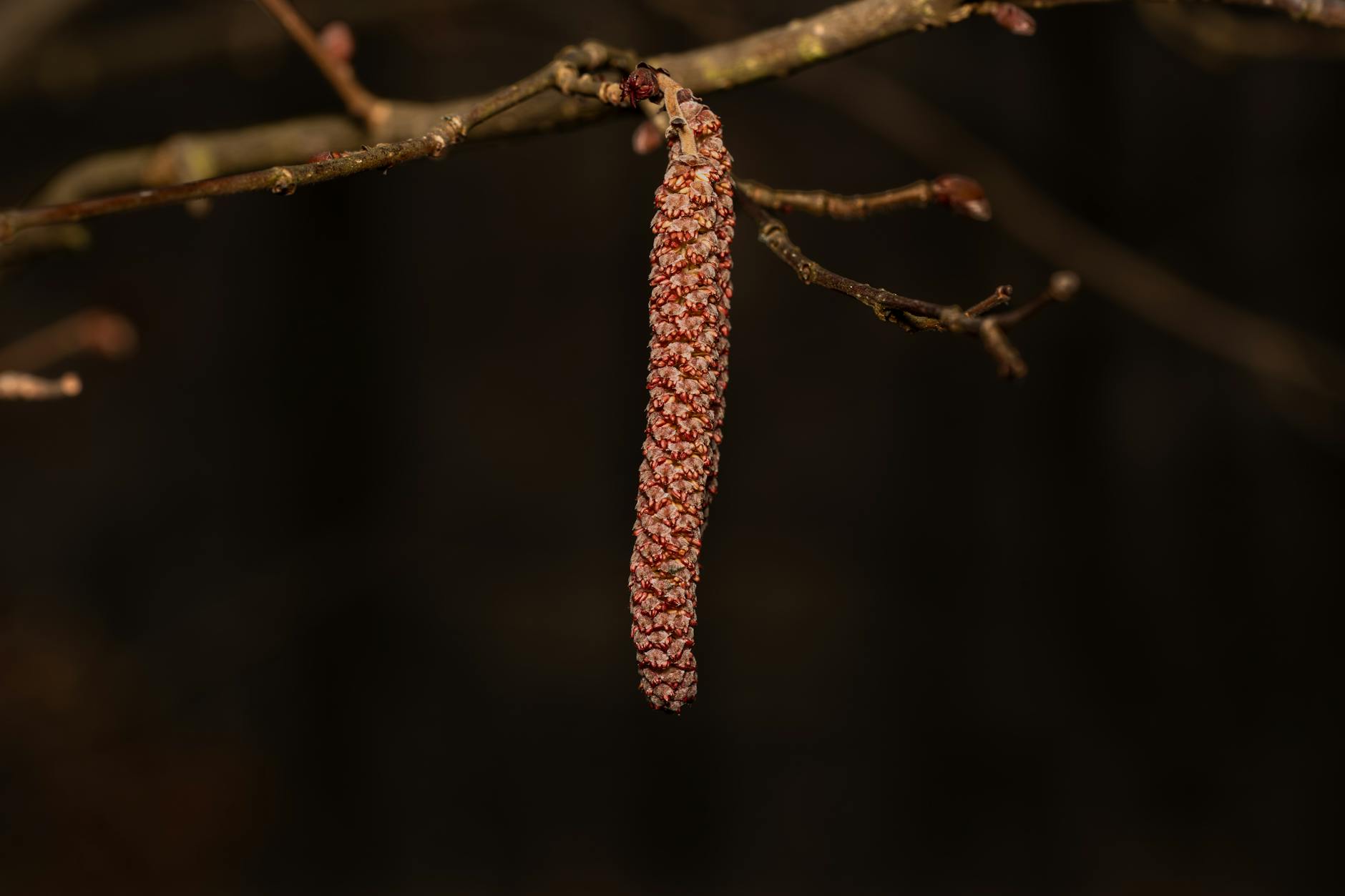
Lady's Mantle Botanical Photo

One of the most biologically fascinating aspects of Alchemilla vulgaris is the phenomenon of guttation. During the night, when soil moisture is high and transpiration is low, the plant expels excess water and metabolic byproducts through specialized pores at the leaf margins called hydathodes. This results in the formation of perfect, glistening droplets resting at the center of its funnel-like leaves. Because the leaves are highly hydrophobic due to a fine coating of epicuticular wax, these droplets remain bead-like and suspended. This liquid, historically called “celestial water,” was prized by alchemists for its supposed purity and energetic potency, and it remains a defining physical trait of the plant in wild foraging circles.

Historical Context and Traditional Medicine

The history of Lady’s Mantle is rich with folklore, spiritual symbolism, and empirical medical practice. During the Middle Ages, the plant was transitioned from its association with pagan fertility deities to a symbol of Marian devotion. It was believed to restore “maidenhood” or elasticity to the tissues of the female reproductive system, a metaphor for its potent tissue-toning and astringent effects. Renowned herbalists of the Renaissance, such as Nicholas Culpeper and John Gerard, extensively documented its utility in staunching external hemorrhages, healing deep wounds, reducing excessive menstrual bleeding, and supporting recovery after childbirth.
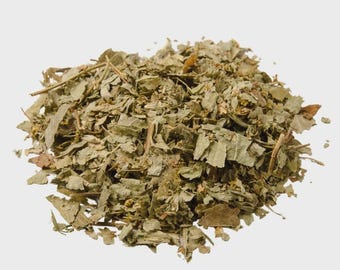
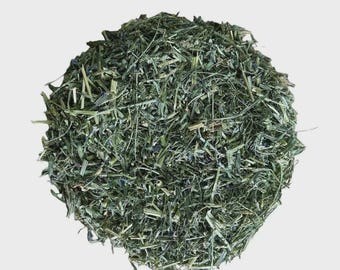
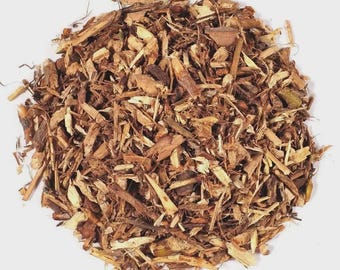
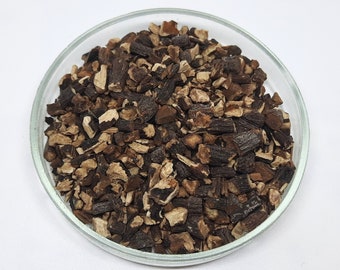
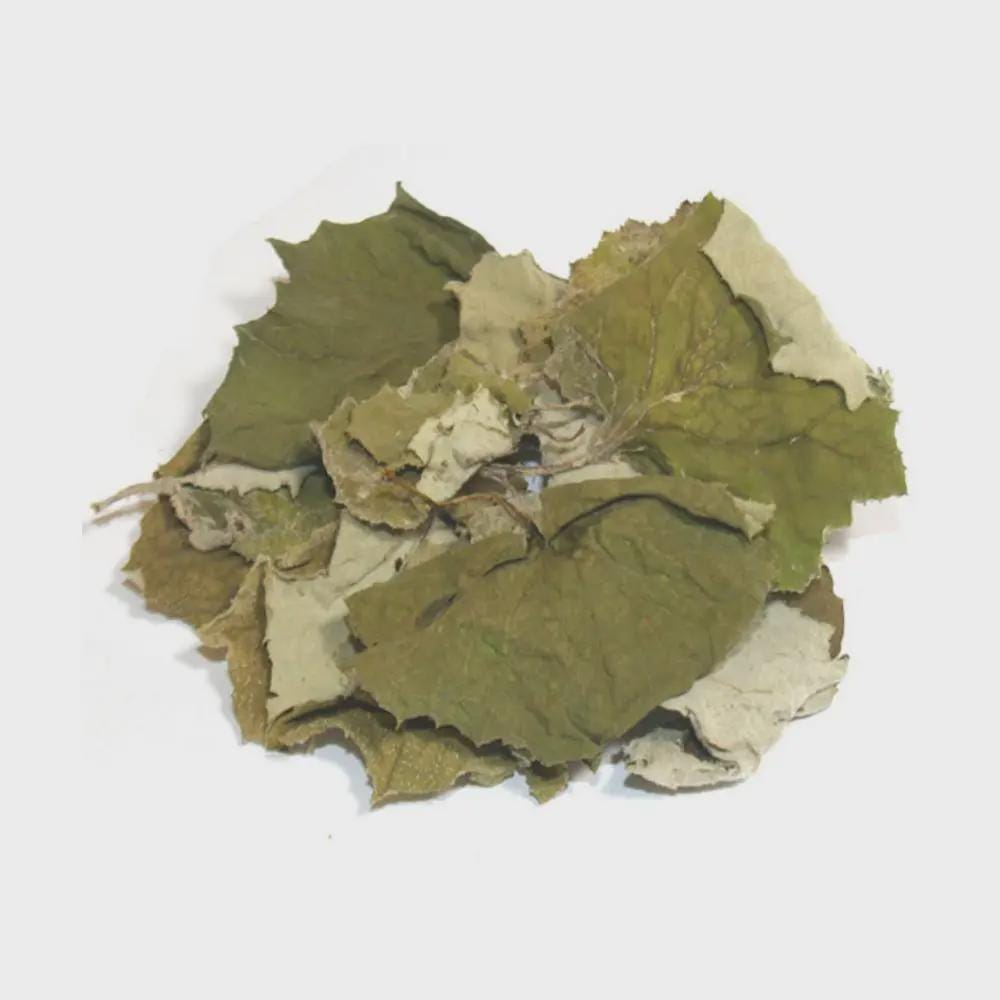
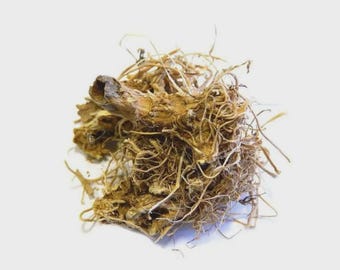
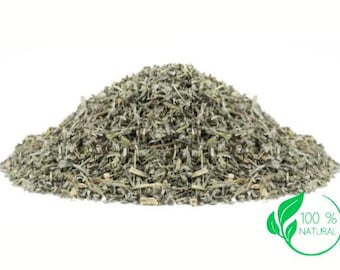
Lady's Mantle Dried Herb

In traditional European folk medicine, a strong decoction of the dried herb was utilized as an oral rinse to soothe bleeding gums, a gargle for sore throats, and a vaginal douche to alleviate leucorrhea (atypical vaginal discharge). It was also commonly administered as a tea to address acute gastrointestinal distress, such as diarrhea and enteritis. The overarching theme of Lady’s Mantle’s historical use is its capacity to “bind and strengthen”—to dry up excess fluids, tone lax tissues, and control internal and external bleeding.

Phytochemical Blueprint and Active Compounds

The therapeutic efficacy of Alchemilla vulgaris is directly linked to its intricate secondary metabolite profile. The aerial parts of the plant, collected during the flowering period between June and August, contain a dense concentration of polyphenols. The primary active constituents include:

  • Hydrolyzable Tannins (Ellagitannins and Gallotannins): Comprising up to 6% to 8% of the plant’s dry weight, these compounds (such as pedunculagin, castalagin, and agrimoniin) are responsible for the herb’s intense astringency. Tannins work by binding to and precipitating proteins, creating a protective barrier over damaged tissues, contracting blood vessels, and exerting powerful anti-inflammatory effects.
  • Flavonoids: Lady’s Mantle contains high levels of flavonol glycosides, including quercetin, kaempferol, rutin, and hyperoside. These compounds are potent antioxidants that scavenge reactive oxygen species (ROS), protect cellular structures from oxidative degradation, and modulate inflammatory pathways.
  • Phenolic Acids: Specifically salicylic, caffeic, m-coumaric, and ferulic acids. Salicylic acid provides mild analgesic and anti-inflammatory properties, making the herb effective at relieving localized pain and swelling.
  • Proanthocyanidins (Condensed Tannins): These compounds synergize with hydrolyzable tannins to enhance cardiovascular integrity, strengthen collagen structures, and improve overall microcirculation.
  • Phytosterols: Including beta-sitosterol, which acts as a precursor for hormone synthesis and helps modulate immune responses and lipid metabolism.

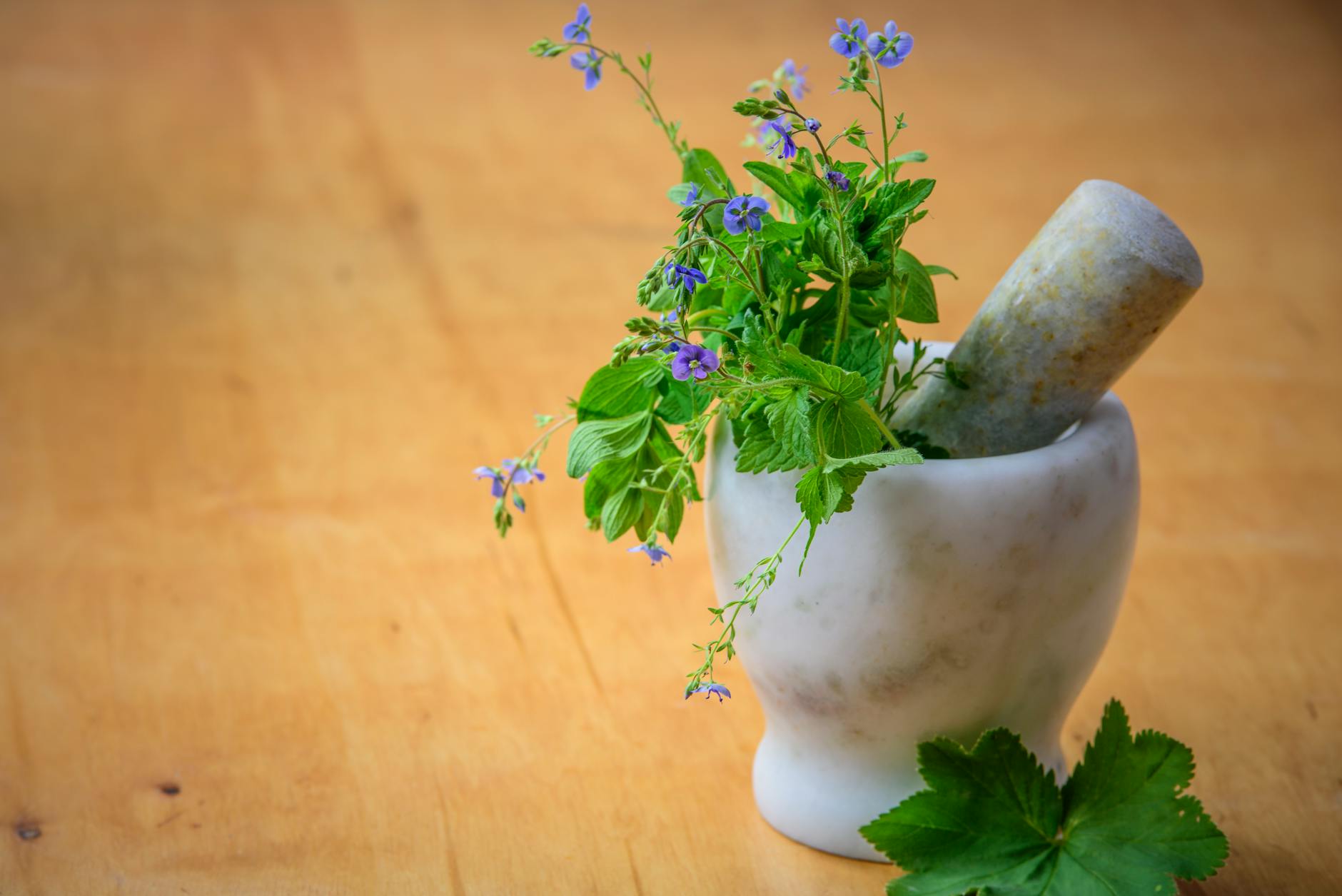
Lady's Mantle Plant Profile

The combination of these phytochemicals creates a multi-targeted therapeutic agent. While the tannins stabilize physical tissue barriers, the flavonoids and phenolic acids downregulate inflammatory cascades (such as the NF-kB pathway) and suppress the enzymatic breakdown of vital structural proteins like collagen and elastin.

In-Depth Health Benefits and Mechanisms of Action

1. Gynecological Support and Menstrual Regulation

Lady’s Mantle is perhaps best known for its supportive effects on the female reproductive tract. Its primary application is in the management of menorrhagia (abnormally heavy or prolonged menstrual bleeding) and metrorrhagia (intermenstrual bleeding). The mechanism is largely mechanical and vascular: the high concentration of ellagitannins acts directly on the vascular beds of the endometrium, promoting vasoconstriction and localized coagulation, which effectively tempers excessive blood flow.

Furthermore, Lady’s Mantle is classified as a uterine tonic. It helps balance and regulate the tone of the uterine smooth muscle. For women experiencing dysmenorrhea (painful menstrual cramps), the herb’s antispasmodic properties, mediated by its flavonoid and salicylic acid content, help alleviate painful spasms. Some clinical observations and traditional models suggest that Lady’s Mantle exerts a mild, indirect progestogenic effect, assisting in balancing the estrogen-to-progesterone ratio during the luteal phase of the menstrual cycle. This makes it a valuable resource for addressing symptoms of Premenstrual Syndrome (PMS), irregular menstrual cycles, and the unpredictable vasomotor symptoms (hot flashes and night sweats) associated with perimenopause.

2. Wound Healing, Tissue Regeneration, and Skincare

When applied topically, Lady’s Mantle accelerates the healing process of minor wounds, cuts, scrapes, and burns. The astringent tannins precipitate the proteins on the surface of damaged cells, creating an antiseptic “scab-like” layer that shields the wound bed from environmental pathogens and mechanical irritation. This action minimizes the risk of secondary infections and reduces local fluid loss.

Furthermore, scientific studies have shown that extracts of Alchemilla vulgaris inhibit the activity of elastase and collagenase—two enzymes responsible for degrading collagen and elastin fibers in the skin. By preserving these structural proteins, Lady’s Mantle promotes healthy tissue regeneration and improves skin elasticity. This has led to its inclusion in high-end cosmetic formulations designed to combat signs of aging, reduce the appearance of stretch marks, soothe eczema, and calm acne-prone skin. Its anti-inflammatory properties also work to minimize localized redness, swelling, and capillary fragility.

3. Gastrointestinal Integrity and Anti-Diarrheal Action

The astringent nature of Lady’s Mantle makes it highly effective at addressing digestive disorders, particularly acute, non-specific diarrhea. Upon ingestion, the tannins interact with the mucosal lining of the gastrointestinal tract, forming a protective, anti-inflammatory layer that reduces fluid secretion into the bowel lumen. This decreases peristaltic hypermotility, helping to solidify stool and calm cramping.

Additionally, Lady’s Mantle protects the stomach lining. Studies suggest that its antioxidant compounds shield the gastric mucosa from oxidative stress and chemical irritants (such as NSAIDs or excess gastric acid), potentially mitigating the development of gastritis and peptic ulcers. The herb also exerts a mild antimicrobial effect against common gut pathogens while remaining gentle on the beneficial microflora of the digestive tract.

4. Cardiovascular and Microcirculatory Health

The flavonoids and proanthocyanidins in Lady’s Mantle contribute significantly to vascular health. These compounds protect the endothelial cells lining the blood vessels from oxidative damage, which is a key driver of atherosclerosis. By enhancing the synthesis of nitric oxide and maintaining capillary elasticity, Lady’s Mantle supports healthy microcirculation. This is beneficial not only for uterine health but also for alleviating symptoms associated with venous insufficiency, such as varicose veins, heavy legs, and localized fluid retention (edema).

5. Oral Health and Mucosal Repair

Because of its rapid tissue-toning and mild antiseptic properties, Lady’s Mantle is highly effective in oral care. Standard infusions of the herb can be utilized as a mouthwash or gargle to treat aphthous ulcers (canker sores), bleeding gums (gingivitis), and sore throats. It helps minimize discomfort, reduces mucosal inflammation, and speeds up the healing of minor abrasions in the oral cavity, such as those caused by dental procedures or orthodontic appliances.

Commercial Preparations and Modern Supplements

In the modern wellness market, Lady’s Mantle is available in several convenient delivery formats, allowing consumers and practitioners to tailor its administration to specific health needs. These commercial preparations ensure that the therapeutic properties of Alchemilla vulgaris are accessible in standardized, shelf-stable, and highly bioavailable forms.
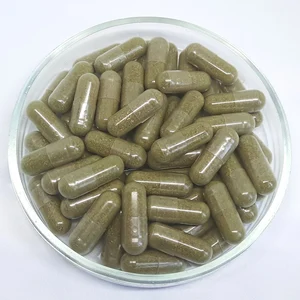
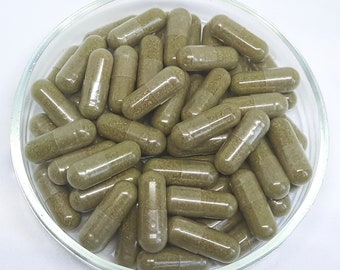
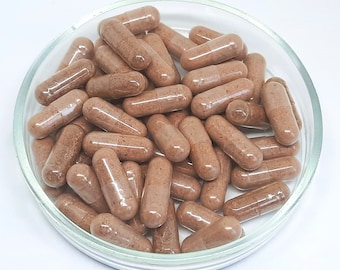
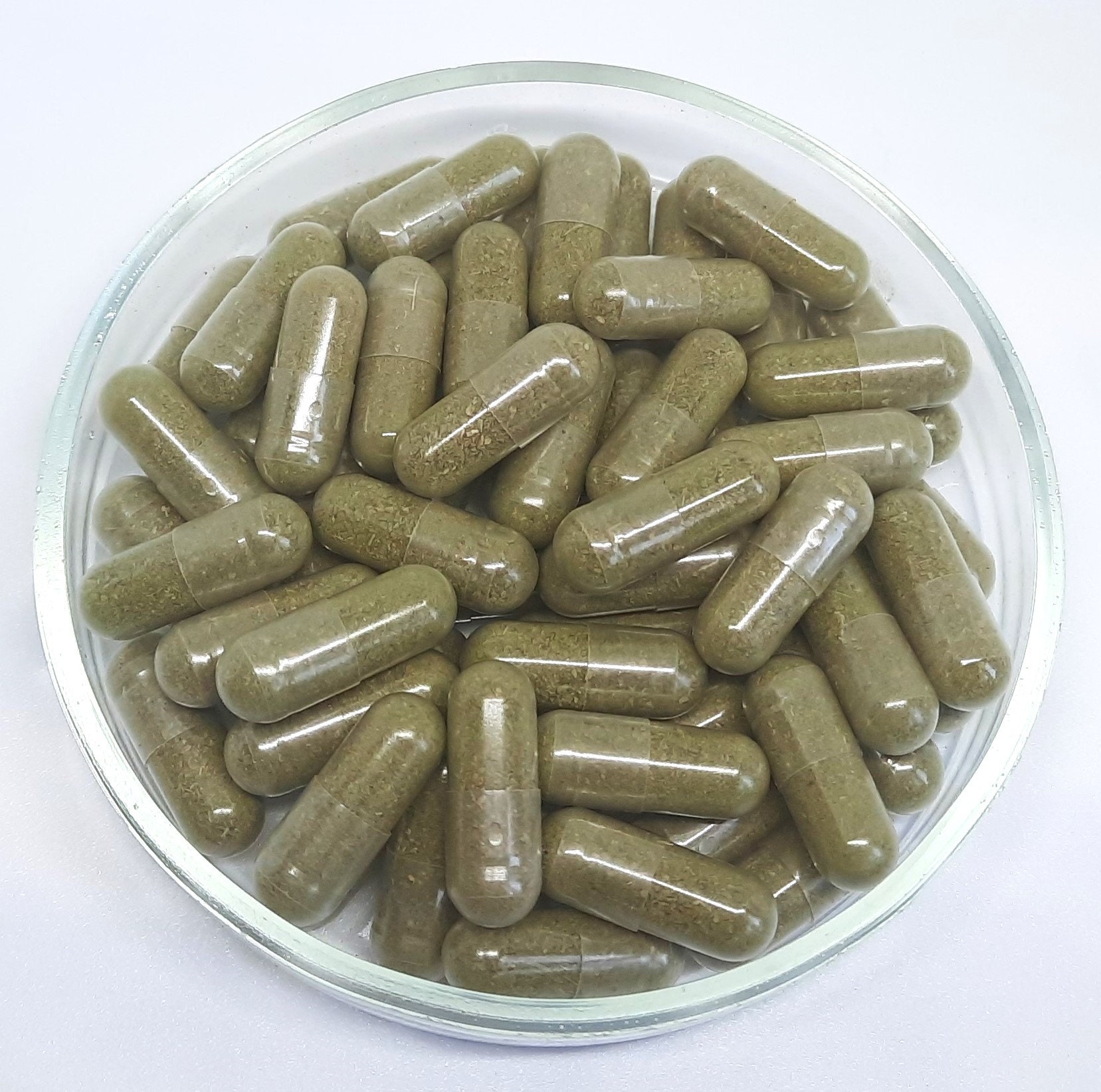
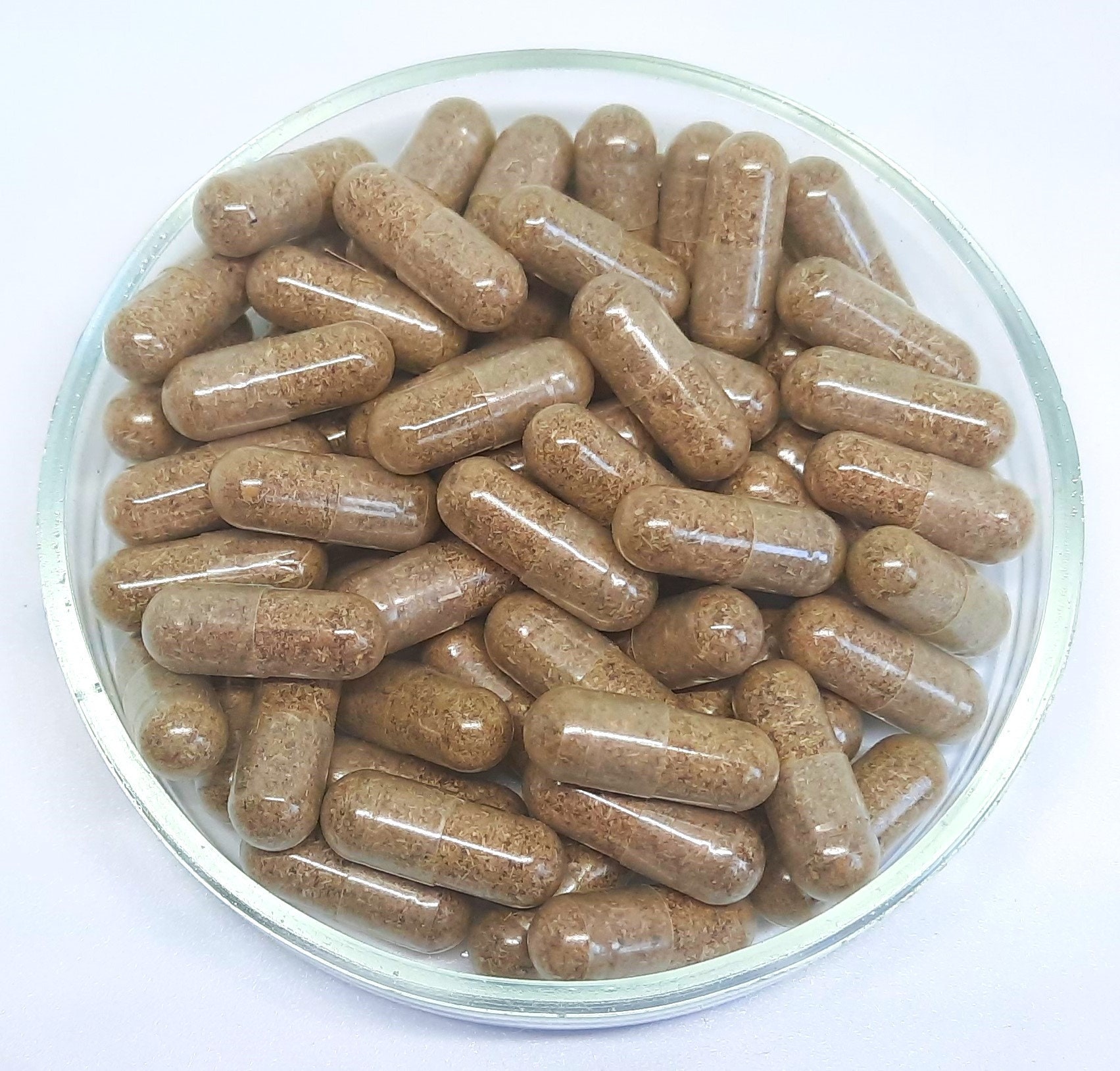
Lady's Mantle Capsules

For those seeking targeted systemic support, particularly for gynecological balance, cardiovascular microcirculation, or digestive health, standardized oral supplements are highly recommended. These include:

  • Standardized Capsules: Encapsulated dry extracts of Lady’s Mantle offer a convenient, pre-measured dose. These supplements are often standardized to contain a specific percentage of active tannins or flavonoids, ensuring consistent therapeutic potency with every serving.
  • Liquid Phytocaps: These contain concentrated liquid extracts enclosed in a vegetarian shell, combining the rapid absorption of a liquid with the convenience of a capsule.
  • Liquid Tinctures and Glycerites: Hydro-alcoholic extractions (tinctures) are exceptionally efficient at capturing both the water-soluble tannins and the alcohol-soluble flavonoids of the plant. Glycerites, which use vegetable glycerin instead of alcohol, offer a sweeter, alcohol-free alternative that is gentle on sensitive digestive tracts.
  • Loose-Leaf Herbal Blends: For traditionalists, high-quality, cut-and-sifted dried Lady’s Mantle leaves are widely available. These can be brewed into healing infusions, either on their own or combined with complementary herbs like Raspberry Leaf, Yarrow, or Chamomile.

Dosage Guidelines and Practical Protocols

To maximize the therapeutic benefits of Lady’s Mantle while ensuring absolute safety, it is essential to follow standardized dosage guidelines. The appropriate protocol depends largely on the form of the herb being utilized and the specific condition being addressed.

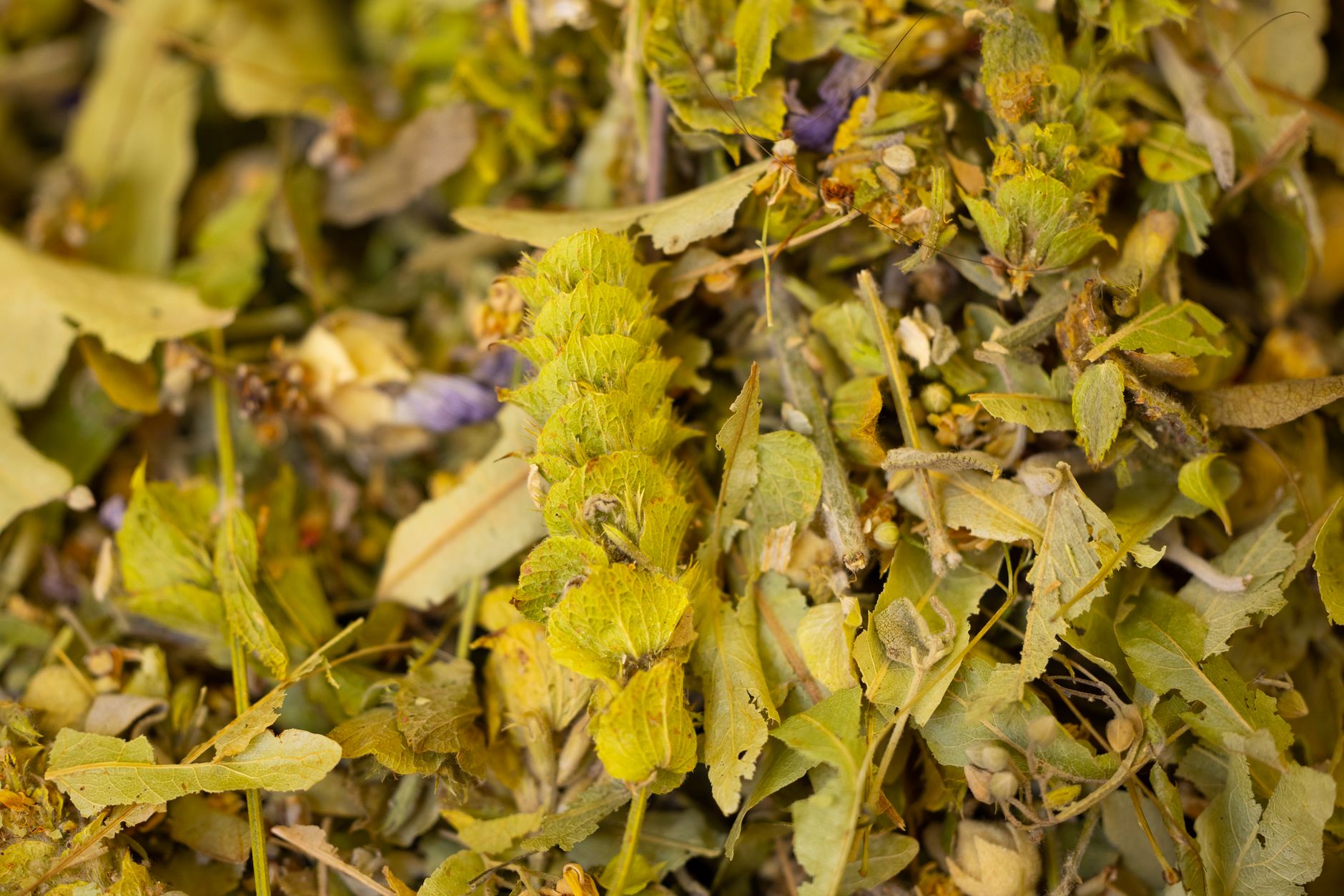
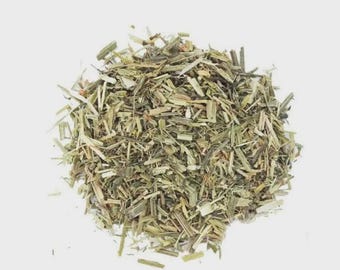
Lady's Mantle Natural Herb

Standard Protocols and Administration Methods

  • Herbal Infusion (Tea):

    To prepare a therapeutic infusion, pour 250 ml (about 1 cup) of boiling water over 1 to 2 teaspoons (approximately 2 to 4 grams) of dried Lady’s Mantle herb. Cover the vessel tightly to prevent volatile compounds from escaping, and allow it to steep for 10 to 15 minutes. Strain the liquid before drinking. For chronic conditions such as menstrual irregularities or mild digestive issues, consume 2 to 3 cups daily between meals.
  • Liquid Tincture (1:5 ratio in 45% ethanol):

    Take 2 to 4 ml (approximately 40 to 80 drops) dissolved in a small amount of water or juice, up to three times daily. Tinctures are highly absorbed and are particularly useful for acute dysmenorrhea or rapid relief from heavy menstrual bleeding.
  • Standardized Capsules:

    Follow the manufacturer’s specific labeling instructions, as concentrations can vary. A typical therapeutic dosage ranges from 500 mg to 1000 mg of standardized extract taken one to two times daily.
  • Topical Applications (Compresses, Rinses, and Baths):

    For wound care, skin irritation, or hemorrhoids, prepare a strong decoction by boiling 15 to 20 grams of the dried herb in 500 ml of water for 15 minutes. Allow the mixture to cool to room temperature, strain it thoroughly, and apply it directly to the affected area using a clean cotton compress. For oral health (canker sores or bleeding gums), use this cooled decoction as an active mouthwash or gargle 3 to 4 times per day.

Safety, Contraindications, and Potential Drug Interactions

Lady’s Mantle is generally recognized as safe (GRAS) when consumed in recommended therapeutic doses. However, due to its high concentration of active compounds, several precautions must be observed:

  • Pregnancy and Lactation: Because Lady’s Mantle is a uterine tonic capable of stimulating uterine contractions and modulating pelvic blood flow, it should be avoided during the first two trimesters of pregnancy. Some traditional practitioners recommend its use in the final weeks of pregnancy to prepare the uterus for labor, but this should only be done under the direct supervision of a qualified healthcare provider or certified midwife.
  • Iron Absorption: The high tannin content in Lady’s Mantle can bind to dietary iron (particularly non-heme iron found in plant sources) and reduce its absorption in the gastrointestinal tract. Individuals with iron-deficiency anemia should avoid consuming Lady’s Mantle tea concurrently with meals or iron supplements; instead, space administration at least two hours apart.
  • Medication Interactions: Theoretically, the astringent tannins in Lady’s Mantle may bind to and reduce the absorption of orally administered prescription medications if taken at the exact same time. It is advised to take Lady’s Mantle supplements at least one hour before or two hours after oral pharmaceutical medications.
  • Pre-Existing Liver Conditions: While rare, excessively high and prolonged consumption of plants extremely rich in hydrolyzable tannins can put a strain on the liver. Individuals with pre-existing hepatic insufficiency should consult their doctor before commencing long-term therapy.

Conclusion: The Modern Rebirth of a Classical Remedy

Lady’s Mantle remains a cornerstone of botanical medicine, representing a bridge between ancient alchemical tradition and rigorous modern phytotherapy. Its unique phytochemical composition—characterized by a synergistic blend of astringent ellagitannins, protective flavonoids, and anti-inflammatory phenolic acids—equips it to address a diverse spectrum of health concerns. From balancing the delicate intricacies of the female reproductive system to restoring compromised skin barriers and soothing inflamed gastrointestinal tracts, this humble plant continues to earn its legendary reputation.

By incorporating standardized preparations of Lady’s Mantle into a modern wellness routine under the guidance of healthcare professionals, individuals can safely harness its time-tested therapeutic power. As clinical research continues to explore its pharmacologically active components, Alchemilla vulgaris stands secure in its position as a premier, versatile botanical ally for cellular protection, tissue integrity, and holistic vitality.

Disclaimer: For informational purposes only. Not medical advice. Consult a qualified healthcare professional before use.

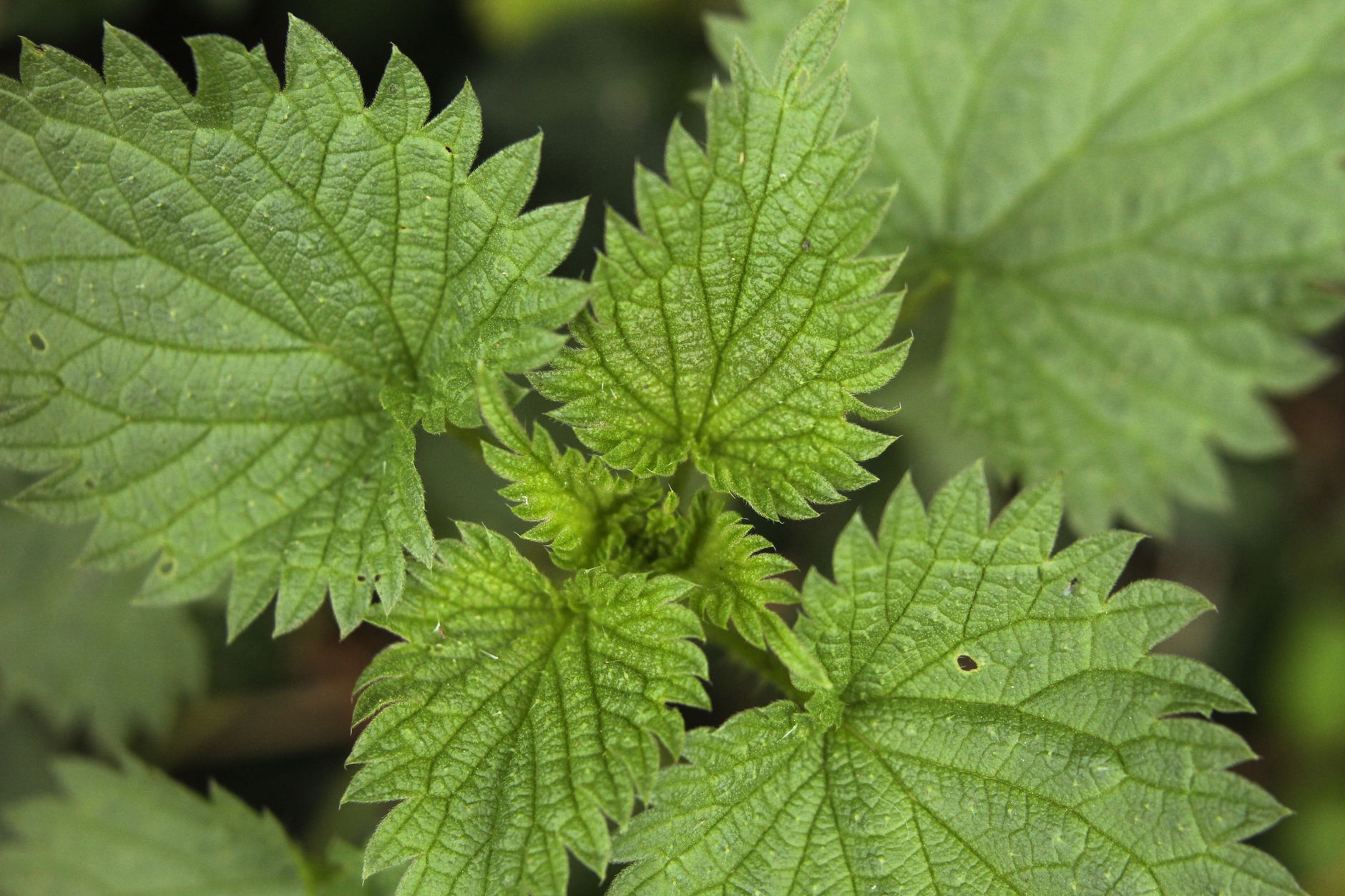
The Ultimate Guide to Vervain: Health Benefits and Uses

The Ancient Elixir Reborn: A Definitive Deep Dive into the Profound Health Benefits of Vervain (Verbena officinalis)

In the vast tapestry of botanical medicine, few herbs carry the weight of history and the breadth of traditional reverence quite like Vervain, scientifically known as Verbena officinalis. Often dismissed as a mere wayside weed by the untrained eye, this unassuming plant has been cherished for millennia across diverse cultures, revered not only for its mystical properties but, more significantly, for its extensive array of therapeutic applications. From ancient Roman physicians prescribing it for digestive woes to Celtic druids harnessing its power for spiritual purification, Vervain has consistently demonstrated a remarkable capacity to support human health in a multitude of ways. Today, as we increasingly turn towards holistic and natural remedies, the spotlight once again illuminates Vervain, prompting a deeper exploration into its scientifically-backed benefits and practical usage. This comprehensive guide aims to peel back the layers of myth and tradition, revealing the robust phytochemical profile and profound health advantages that make Vervain a truly indispensable herb in the modern pursuit of wellness.

Vervain’s Pedigree: A Botanical and Historical Overview

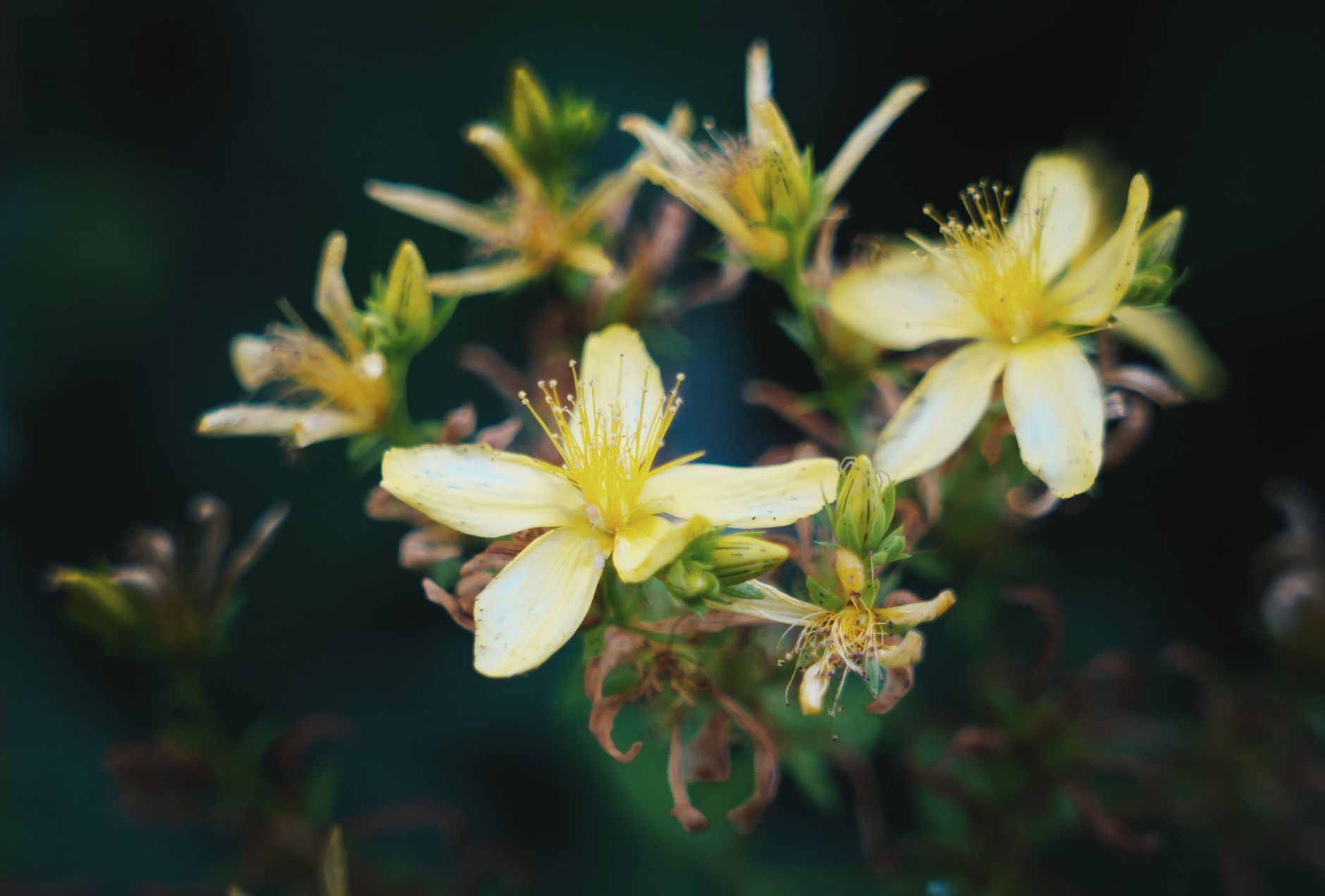
Verbena officinalis, commonly known as Common Vervain, Holy Herb, Enchanter’s Plant, or simpler’s joy, belongs to the Verbenaceae family. It is a perennial herbaceous plant native to Europe and Asia, now naturalized in many parts of the world. Characterized by its square, branching stems, deeply lobed leaves, and delicate spikes of pale purple to lilac flowers, Vervain often grows in disturbed grounds, meadows, and along roadsides, reaching heights of 30 to 100 centimeters. Its somewhat bitter taste and distinct aroma are tell-tale signs of its potent medicinal compounds.

The historical reverence for Vervain is nothing short of extraordinary. Ancient Egyptians associated it with the goddess Isis and used it in sacred rituals, while the Romans christened it Herba Sacra, or ‘holy herb,’ employing it in rites of purification and as a protective amulet. The Greeks attributed magical qualities to it, believing it could ward off evil and inspire prophetic dreams. Celtic folklore is replete with references to Vervain as a powerful herb used by druids for divination, healing, and invoking blessings. Medieval European herbalists extensively documented its use for a plethora of ailments, cementing its reputation as a versatile and potent medicinal plant. This long-standing tradition is not merely anecdotal; it underscores a persistent observation of its efficacy that modern science is only now beginning to fully elucidate.

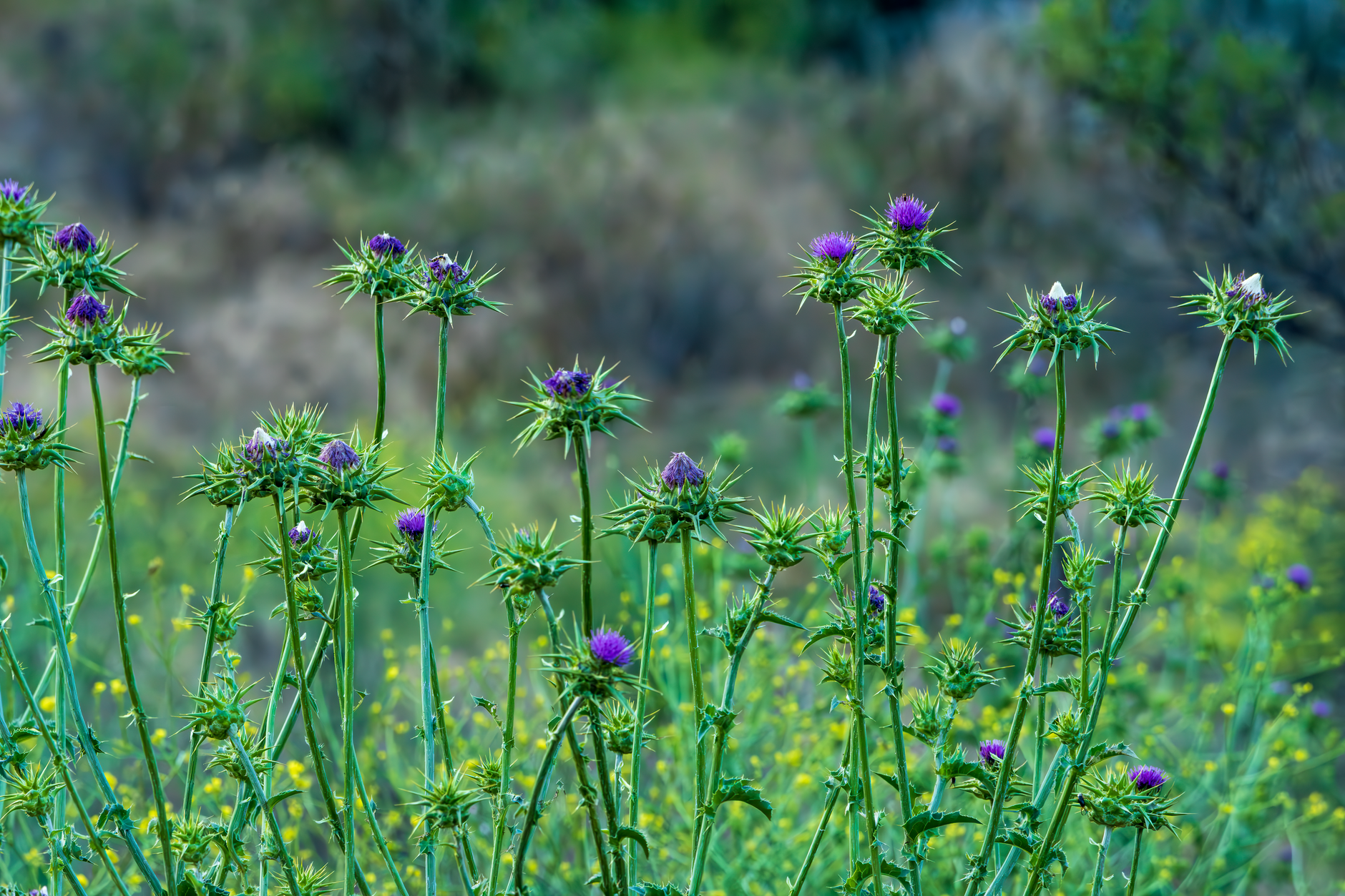
Vervain Botanical Photo

The Phytochemical Symphony: Unveiling Vervain’s Bioactive Compounds

The therapeutic prowess of Vervain stems from its intricate chemical composition, a symphony of bioactive compounds working in concert to exert its beneficial effects. Understanding these constituents is key to appreciating the herb’s diverse applications.

  • Iridoid Glycosides: Verbenalin and Hastatoside

    These are arguably the most prominent and well-researched compounds in Vervain. Verbenalin and hastatoside are primarily responsible for many of Vervain’s pharmacological actions, particularly its sedative, anti-inflammatory, and antispasmodic properties. Verbenalin, in particular, has been studied for its potential to interact with the central nervous system, contributing to the herb’s anxiolytic and sleep-promoting effects. It is believed to influence neurotransmitter pathways, potentially modulating GABAergic activity, which is crucial for relaxation and reducing neuronal excitability. Hastatoside, while structurally similar, contributes to the herb’s overall adaptogenic and anti-inflammatory profile, helping the body to manage stress responses and mitigate inflammatory cascades.

  • Flavonoids: Luteolin, Apigenin, and Quercetin

    Like many medicinal plants, Vervain is rich in flavonoids, powerful polyphenolic compounds known for their antioxidant, anti-inflammatory, and neuroprotective activities. Luteolin and apigenin are particularly noteworthy for their ability to scavenge free radicals, thus protecting cells from oxidative damage, a primary driver of aging and chronic disease. These flavonoids also exert anti-inflammatory effects by inhibiting various enzymes and signaling pathways involved in inflammation, such as COX-2 and NF-κB. Furthermore, emerging research suggests their potential in modulating brain function, offering neuroprotective benefits and supporting cognitive health.

  • Verbascoside (Acteoside)

    This phenylpropanoid glycoside is a potent antioxidant and anti-inflammatory agent found in many plants within the Verbenaceae family. Verbascoside contributes significantly to Vervain’s ability to combat oxidative stress and dampen inflammatory responses. Its multifaceted actions include inhibiting lipid peroxidation, reducing the production of pro-inflammatory cytokines, and protecting cellular integrity, making it a crucial component in the herb’s protective effects on organs like the liver and brain.

  • Volatile Oils

    While present in smaller quantities, the volatile oils contribute to Vervain’s characteristic aroma and may offer mild antimicrobial and calming properties. These include compounds like citral, limonene, and geraniol, which are often associated with aromatherapy and exert subtle therapeutic effects through inhalation and absorption.

  • Mucilage and Tannins

    Vervain also contains mucilage, a viscous polysaccharide that provides a soothing, demulcent effect on mucous membranes, making it beneficial for digestive and respiratory irritation. Tannins, on the other hand, impart astringent properties, contributing to its traditional use in wound healing and as a digestive tonic.

Vervain Plant Profile

Comprehensive Health Benefits of Vervain: A Deeper Look

The rich biochemical profile of Vervain translates into a broad spectrum of health benefits, addressing various bodily systems and promoting overall well-being. Each of these benefits is rooted in the synergistic action of its active compounds.

Alleviating Stress and Anxiety: A Natural Anxiolytic

Perhaps one of Vervain’s most celebrated applications is its profound ability to calm the nervous system. As a nervine, it exhibits gentle sedative and anxiolytic effects without inducing strong drowsiness. The iridoid glycosides, particularly verbenalin, are believed to play a central role here by modulating neurotransmitter activity in the brain. Research suggests that Vervain may influence GABAergic pathways, enhancing the inhibitory action of gamma-aminobutyric acid (GABA), a primary calming neurotransmitter. This leads to a reduction in neuronal excitability, fostering a sense of tranquility and alleviating feelings of nervousness, tension, and irritability. It can also help to lower cortisol levels, the body’s primary stress hormone, thus mitigating the physiological impacts of chronic stress and promoting mental equilibrium. For individuals grappling with mild to moderate anxiety, general nervousness, or the mental fatigue associated with prolonged stress, Vervain offers a gentle yet effective botanical alternative to support emotional resilience and promote relaxation.

Promoting Digestive Health: Soothing the Gut

Vervain has been traditionally employed as a digestive aid, and its efficacy in this regard is multi-faceted. Its bitter compounds stimulate the production of digestive enzymes and bile, which are crucial for the efficient breakdown and absorption of nutrients. This choleretic action helps improve liver function and prevents stagnation in the digestive tract. Furthermore, Vervain possesses antispasmodic properties, primarily attributed to its iridoid glycosides, which can help relax the smooth muscles of the gastrointestinal tract. This makes it effective in alleviating abdominal cramps, bloating, and discomfort associated with conditions like irritable bowel syndrome (IBS) or indigestion. The mucilage content also provides a demulcent effect, soothing irritated mucous membranes along the digestive tract, which can be particularly beneficial for those experiencing inflammation or sensitivity within the gut.

Hepatoprotective Properties: Supporting Liver Function

The liver, a vital organ for detoxification and metabolism, can greatly benefit from Vervain’s protective actions. The herb’s rich antioxidant profile, particularly its flavonoids and verbascoside, helps to neutralize free radicals and reduce oxidative stress within liver cells. This antioxidant defense mechanism is critical in protecting the liver from damage caused by environmental toxins, medications, and metabolic byproducts. Additionally, Vervain’s mild choleretic effect, stimulating bile flow, aids the liver in its detoxification processes, facilitating the elimination of waste products and toxins from the body. Traditional herbal medicine has long utilized Vervain as a liver tonic, particularly after periods of illness or exposure to toxins, underscoring its historical recognition as a supporter of hepatic health.

Anti-inflammatory and Analgesic Effects: Easing Discomfort

Chronic inflammation is at the root of many diseases and discomforts. Vervain exhibits significant anti-inflammatory and analgesic (pain-relieving) properties, making it a valuable herb for managing various inflammatory conditions. The iridoid glycosides, flavonoids, and verbascoside work synergistically to inhibit key inflammatory mediators and pathways, such as cyclooxygenase-2 (COX-2) and nuclear factor-kappa B (NF-κB). By modulating these pathways, Vervain can help reduce systemic inflammation, thereby alleviating pain and swelling. It has been traditionally used to ease headaches, muscle aches, joint pain associated with conditions like arthritis, and even menstrual cramps. Its ability to calm both nervous tension and physical inflammation makes it particularly effective for psychosomatic pain where stress exacerbates physical discomfort.

Enhancing Lactation: A Galactagogue

For centuries, Vervain has been revered as a galactagogue, an herb that helps increase milk production in nursing mothers. While the exact mechanisms are still under investigation, it is believed that Vervain may influence hormonal pathways involved in lactation, potentially stimulating the release of prolactin, the hormone responsible for milk synthesis. Its calming properties may also contribute indirectly by reducing stress in new mothers, as stress can sometimes inhibit milk flow. It is important for pregnant women to note that Vervain is generally contraindicated during pregnancy due to its potential uterine stimulant effects, but it has a long history of safe and effective use post-delivery for supporting lactation. Consultation with a healthcare provider is always recommended before use, especially during breastfeeding.

Respiratory Support: Calming Coughs and Congestion

Vervain’s expectorant and antispasmodic qualities make it a useful ally for respiratory health. The mucilage content helps to soothe irritated mucous membranes in the respiratory tract, while also thinning and loosening phlegm, making it easier to expel. This expectorant action can be particularly beneficial for productive coughs and congestion associated with colds, flu, or bronchitis. Furthermore, its antispasmodic properties can help relax the bronchial muscles, which may reduce the frequency and intensity of spasmodic coughs. The anti-inflammatory compounds also help to reduce inflammation in the airways, contributing to overall respiratory comfort and easier breathing.

Neuroprotective Potential: Safeguarding Brain Health

The brain, being highly susceptible to oxidative stress and inflammation, can benefit from Vervain’s protective compounds. The potent antioxidants, particularly flavonoids and verbascoside, help to neutralize free radicals that can damage brain cells and contribute to neurodegenerative diseases. By reducing oxidative stress and inflammation within the central nervous system, Vervain may help preserve neuronal integrity and function. While more extensive human research is needed, preclinical studies suggest its potential in supporting cognitive health, memory, and protecting against age-related cognitive decline, aligning with its traditional use for ‘nervous debility’ and promoting mental clarity.

Antimicrobial and Antifungal Properties

Beyond its well-known uses, Vervain also demonstrates mild antimicrobial and antifungal activities. Various compounds within the herb, including certain volatile oils and phenolic acids, have shown inhibitory effects against a range of bacteria and fungi in in vitro studies. This contributes to its traditional use in topical preparations for minor skin infections and wound healing, helping to cleanse and protect the affected area while promoting recovery.

Diuretic Action: Supporting Kidney Health

Vervain is recognized as a gentle diuretic, meaning it promotes the production and excretion of urine. This action helps the body eliminate excess fluid and waste products, reducing fluid retention and supporting kidney function. Its diuretic properties can be beneficial in cases of mild edema or to support the urinary system in clearing toxins. However, it’s a mild action and not intended for severe renal conditions, emphasizing its role as a supportive rather than primary treatment.

Practical Applications and Forms of Vervain

Vervain can be incorporated into a wellness routine in several forms, each offering different advantages based on the desired effect and convenience.

Teas and Infusions: The Traditional Approach

One of the most common and traditional ways to consume Vervain is as a tea or infusion. This method allows for a gentle extraction of its water-soluble compounds, providing a calming and soothing beverage. To prepare, steep 1-2 teaspoons of dried Vervain herb in a cup of hot water for 5-10 minutes. The tea has a slightly bitter, herbaceous flavor, which some may find an acquired taste. It is particularly effective for promoting relaxation, aiding digestion, and supporting respiratory health. For those seeking its nervine properties, a cup of Vervain tea before bedtime can significantly improve sleep quality and reduce nighttime anxiety.

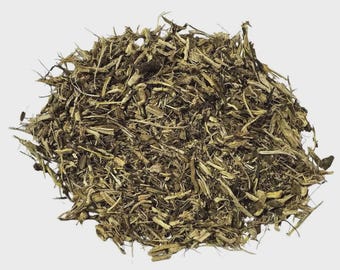
Vervain Dried Herb

Tinctures: Concentrated Potency

Vervain tinctures are alcohol-based extracts that offer a more concentrated form of the herb’s beneficial compounds. Tinctures are convenient for those who prefer not to brew teas or who require a more potent dose. They are typically taken by diluting a few drops in water or juice. This form allows for quick absorption and is often favored for acute conditions like sudden anxiety, digestive spasms, or when needing a stronger sedative effect for sleep. The concentration of active compounds in tinctures can vary, so it is crucial to follow the dosage instructions provided by the manufacturer or a qualified herbalist.

Poultices and Compresses: External Applications

Historically, Vervain has also been used externally in the form of poultices or compresses. A poultice involves crushing fresh or rehydrated dried leaves and stems into a paste and applying it directly to the skin. Compresses involve soaking a cloth in a strong Vervain infusion. These topical applications have been traditionally used to soothe minor skin irritations, reduce inflammation in localized areas (such as sprains or bruises), alleviate muscle aches, and promote wound healing due to its anti-inflammatory and mild antimicrobial properties.

Capsules and Extracts: Modern Convenience

For those seeking convenience and standardized dosing, Vervain is also available in capsule or powdered extract form. These products typically contain a concentrated extract of the herb, ensuring a consistent amount of active compounds in each dose. Capsules are an excellent option for long-term supplementation to support overall well-being, manage chronic stress, or provide daily liver support. They bypass the taste of the herb, making them palatable for everyone. When choosing encapsulated supplements, it is advisable to select reputable brands that provide information on the standardization of active compounds to ensure potency and quality.

Vervain Capsules

Dosage, Safety, and Precautions

While Vervain is generally considered safe for most adults when used appropriately, it is crucial to adhere to recommended dosages and be aware of potential contraindications and side effects.

  • General Dosage Guidelines:

    • Tea/Infusion: 1-2 teaspoons of dried herb per cup of hot water, steeped for 5-10 minutes, 1-3 times daily.
    • Tincture: 2-5 ml (40-100 drops) of a 1:5 tincture, 2-3 times daily, or as directed by a practitioner.
    • Capsules/Extracts: Follow product-specific instructions, as concentrations vary widely. Typically, 500-1000 mg of dried herb equivalent per dose.

    It is always best to start with a lower dose and gradually increase it, observing your body’s response.

  • Important Precautions:

    • Pregnancy: Vervain is generally contraindicated during pregnancy due to its potential uterotonic (uterine stimulant) effects, which could theoretically induce contractions.
    • Breastfeeding: While traditionally used as a galactagogue, it is prudent for nursing mothers to consult a healthcare professional before use.
    • Drug Interactions: Vervain may interact with certain medications. Due to its mild sedative properties, it could potentiate the effects of sedative medications, anxiolytics, and alcohol. Its potential effects on blood clotting (though minor) might warrant caution with anticoagulant or antiplatelet drugs.
    • Digestive Upset: In some sensitive individuals, particularly at higher doses, Vervain may cause mild digestive upset, nausea, or vomiting, primarily due to its bitter compounds.
    • Allergies: As with any herb, allergic reactions are possible, though rare. Discontinue use if symptoms like rash, itching, or swelling occur.
    • Underlying Health Conditions: Individuals with pre-existing medical conditions, especially liver disease or kidney disease, should exercise caution and consult a healthcare professional before using Vervain.
  • Professional Consultation: Always consult with a qualified healthcare provider, herbalist, or naturopath before incorporating Vervain into your health regimen, especially if you are pregnant, breastfeeding, taking medications, or have any chronic health conditions.

Conclusion: Embracing Vervain in Modern Wellness

From the mystical groves of ancient civilizations to the rigorous laboratories of modern science, Vervain (Verbena officinalis) has consistently proven its worth as a formidable ally in health and wellness. Its intricate blend of iridoid glycosides, flavonoids, and other bioactive compounds underpins a remarkable array of benefits, from calming the nervous system and easing anxiety to supporting digestive health, protecting the liver, and alleviating inflammation. As we navigate the complexities of contemporary life, the wisdom embedded in ancient herbal traditions, now increasingly validated by scientific inquiry, offers profound solutions. Vervain stands as a shining example of this synergy, inviting us to reconnect with nature’s apothecary and integrate its gentle yet potent healing powers into our daily lives. Whether enjoyed as a soothing tea, a potent tincture, or a convenient capsule, Vervain offers a holistic path towards greater balance, resilience, and vitality.

Vervain Natural Herb

Disclaimer: For informational purposes only. Not medical advice. Consult a qualified healthcare professional before use.

The Ultimate Guide to Dandelion Leaf: Health Benefits and Uses

Unearthing Nature’s Potent Elixir: A Definitive Deep-Dive into the Health Benefits of Dandelion Leaf

Often dismissed as a common garden weed, the humble dandelion (*Taraxacum officinale*) harbors an astonishing array of health-promoting properties, particularly within its vibrant green leaves. For centuries, across diverse cultures, this resilient plant has been revered not as an agricultural nuisance, but as a powerhouse of nutrition and a cornerstone of traditional medicine. From its bitter flavor signaling potent digestive aids to its rich tapestry of vitamins, minerals, and unique bioactive compounds, dandelion leaf offers a holistic spectrum of benefits that modern science is increasingly validating. This exhaustive guide delves into the profound advantages of incorporating dandelion leaf into your wellness regimen, exploring its rich history, intricate biochemistry, and myriad applications for optimal health.

A Journey Through Time: The Historical Significance and Ethnobotany of Dandelion Leaf

The history of dandelion use stretches back thousands of years, painting a picture of its widespread appreciation long before pharmaceutical advancements. Ancient Egyptians, Romans, and Greeks recognized its medicinal value, often employing it as a tonic and a liver aid. In traditional Chinese medicine (TCM), dandelion (known as *Pu Gong Ying*) has been a staple for addressing liver and stomach ailments, promoting lactation, and alleviating various inflammatory conditions. Its cooling and detoxifying properties were highly prized for clearing “heat” and “toxins” from the body.

Similarly, Ayurvedic medicine, originating from India, incorporated dandelion into its therapeutic practices, primarily for its bitter taste, which is believed to stimulate digestion and purify the blood. European folk medicine, particularly during the Middle Ages, saw the dandelion rise to prominence as a versatile remedy. Herbalists and apothecaries prescribed it for a broad spectrum of conditions, ranging from kidney and liver disorders to skin issues, fever, and digestive complaints. The very name “dandelion” is derived from the French “dent de lion,” meaning “lion’s tooth,” a vivid description of its serrated leaves, hinting at its robust and powerful nature.

Dandelion Leaf Dried Herb

This enduring legacy across continents and centuries underscores the plant’s inherent efficacy and validates its continued relevance in contemporary herbalism. The continuity of its traditional uses provides a strong foundation for understanding the profound health benefits that modern research is now meticulously uncovering and explaining at a molecular level.

Botanical Profile: Identifying the Virtuous *Taraxacum officinale*

Dandelion, scientifically classified as *Taraxacum officinale*, is a perennial herbaceous plant belonging to the Asteraceae family, which also includes sunflowers and daisies. It is instantly recognizable by its characteristic bright yellow flowers, which eventually transform into spherical seed heads (puffballs) containing numerous parachuted seeds that are dispersed by wind. While the entire plant – roots, leaves, and flowers – possesses medicinal properties, the leaves are particularly celebrated for their nutritional density and therapeutic compounds.

The leaves grow in a basal rosette formation, typically close to the ground. They are deeply lobed or toothed, giving them the “lion’s tooth” appearance, with smooth, hairless surfaces. Their color ranges from a vibrant light green to a deeper, richer green, depending on age and growing conditions. Young leaves are generally less bitter and more palatable, making them ideal for culinary applications. As the plant matures, the leaves become more robust in flavor and slightly tougher in texture, often preferred for teas and medicinal preparations where a stronger concentration of bitter compounds is desired.

Dandelion Leaf Botanical Photo

Dandelions are remarkably adaptable, thriving in a wide range of climates and soil types, making them one of the most ubiquitous and accessible wild edibles. This widespread availability further enhances their appeal as a natural remedy, offering a readily available source of potent nutrients and beneficial compounds for those seeking natural health solutions.

The Chemical Symphony: Bioactive Compounds in Dandelion Leaf

The therapeutic prowess of dandelion leaf stems from its extraordinarily rich and diverse phytochemical profile. It is a veritable treasure trove of vitamins, minerals, and unique bioactive compounds that synergistically contribute to its wide array of health benefits. Understanding these constituents is key to appreciating the depth of its medicinal action.

Vitamins and Minerals: Essential Micronutrients

  • Vitamin K: Dandelion leaves are an exceptional source of Vitamin K1, crucial for blood clotting, bone metabolism, and maintaining arterial health.
  • Vitamin A (as Beta-Carotene): Rich in beta-carotene, a powerful antioxidant precursor to Vitamin A, essential for vision, immune function, and skin health.
  • Vitamin C: A potent antioxidant vital for immune support, collagen synthesis, and protecting cells from oxidative damage.
  • B Vitamins: Contains various B vitamins (e.g., B1, B2, B6, folate), which are critical for energy metabolism, nerve function, and red blood cell production.
  • Potassium: An outstanding source of potassium, an electrolyte crucial for fluid balance, nerve signals, and muscle contractions, often linked to its diuretic effect.
  • Calcium: Contributes to bone health, nerve transmission, and muscle function.
  • Iron: Essential for oxygen transport in the blood and preventing anemia.
  • Magnesium: Involved in over 300 biochemical reactions in the body, supporting muscle and nerve function, blood glucose control, and blood pressure regulation.

Phytonutrients: The True Powerhouses

  • Flavonoids: These powerful plant pigments act as antioxidants and anti-inflammatory agents. Key flavonoids in dandelion leaf include luteolin, apigenin, quercetin, and caffeic acid. They protect cells from damage, modulate immune responses, and may have anti-cancer properties.
  • Sesquiterpene Lactones: These bitter compounds, such as taraxinic acid, taraxacerin, and lactucopicrin, are responsible for dandelion’s characteristic taste and much of its medicinal effect, particularly its diuretic, choleretic (bile-stimulating), and anti-inflammatory actions.
  • Phenolic Acids: Chlorogenic acid and chicoric acid are prominent. These compounds exhibit strong antioxidant activity, contribute to blood sugar regulation, and possess anti-inflammatory and antiviral properties.
  • Carotenoids: Beyond beta-carotene, dandelion leaves contain lutein and zeaxanthin, which are crucial for eye health, protecting against age-related macular degeneration.
  • Coumarins: These compounds contribute to the plant’s anti-inflammatory and potential anticoagulant effects.
  • Triterpenoids: Including taraxasterol, these compounds have demonstrated anti-inflammatory and hepatoprotective (liver-protective) properties.
  • Inulin: While more concentrated in the root, the leaves also contain some inulin, a type of prebiotic fiber that feeds beneficial gut bacteria, supporting digestive health.

Dandelion Leaf Plant Profile

The sheer density and variety of these bioactive compounds make dandelion leaf an exceptionally potent botanical, offering a multi-faceted approach to health improvement rather than targeting a single ailment. This synergistic interplay among its constituents is what gives dandelion leaf its remarkable therapeutic breadth.

Comprehensive Health Benefits: Unpacking the Mechanisms of Action

With its rich biochemical profile, dandelion leaf exerts a wide range of beneficial effects on the human body, supported by both traditional wisdom and emerging scientific research. Let’s explore these in detail:

1. Potent Diuretic Properties for Fluid Balance

Dandelion leaf is perhaps most renowned for its natural diuretic action, helping the body shed excess fluid without depleting essential minerals. Unlike many conventional diuretics that can lead to potassium loss, dandelion leaf is a significant source of potassium itself. This unique characteristic makes it a “potassium-sparing” diuretic, effectively promoting urine production while replenishing the very electrolyte often lost, thereby supporting healthy blood pressure and reducing the risk of electrolyte imbalance. The sesquiterpene lactones and flavonoids are believed to stimulate kidney function, increasing sodium and water excretion, which can be particularly beneficial for individuals experiencing mild water retention, bloating, or even mild hypertension.

2. Superior Liver Support and Detoxification

The liver is our body’s primary detoxification organ, and dandelion leaf is a remarkable ally in supporting its crucial functions. Its bitter compounds, particularly the sesquiterpene lactones, stimulate the production and flow of bile from the liver and gallbladder (a choleretic and cholagogue effect). Increased bile flow is vital for emulsifying fats, aiding in nutrient absorption (especially fat-soluble vitamins), and facilitating the elimination of toxins and metabolic waste products from the body. Flavonoids and phenolic acids, such as chlorogenic acid, also contribute their antioxidant power, protecting liver cells from oxidative damage induced by environmental toxins, alcohol, and metabolic byproducts, thus fostering optimal liver health and detoxification pathways.

3. Promoting Robust Digestive Health

Beyond its liver-supporting role, dandelion leaf is an excellent digestive tonic. The bitter taste, primarily from sesquiterpene lactones, acts as a physiological signal to the digestive system, stimulating the release of digestive enzymes, gastric juices, and bile even before food is consumed. This ‘bitter reflex’ prepares the stomach and intestines for digestion, improving the breakdown and absorption of nutrients and alleviating symptoms like indigestion, gas, and bloating. Furthermore, the presence of inulin (a prebiotic fiber) helps nourish beneficial gut bacteria, contributing to a healthy gut microbiome, which is foundational for overall digestive function and immune health.

4. Powerful Antioxidant Defense Against Oxidative Stress

The sheer volume of antioxidants found in dandelion leaf makes it a formidable protector against oxidative stress, a major contributor to chronic diseases and premature aging. Flavonoids (like luteolin and quercetin), phenolic acids (like chlorogenic acid), carotenoids (beta-carotene, lutein, zeaxanthin), and vitamins C and A work in concert to neutralize harmful free radicals. These free radicals, byproducts of metabolism and environmental exposure, can damage cellular structures, DNA, and proteins. By scavenging these reactive species, dandelion leaf helps reduce cellular damage, supports cellular repair mechanisms, and may lower the risk of various degenerative conditions, including cardiovascular disease and certain cancers.

5. Alleviating Inflammation Throughout the Body

Chronic inflammation is an underlying factor in numerous health conditions, from arthritis to heart disease. Dandelion leaf possesses significant anti-inflammatory properties attributed to its diverse phytochemicals. Research suggests that compounds like sesquiterpene lactones, flavonoids, and triterpenoids can modulate various inflammatory pathways, including the suppression of pro-inflammatory cytokines and enzymes like COX-2 (cyclooxygenase-2). This makes dandelion leaf a valuable natural agent for reducing inflammation, potentially easing pain and swelling associated with conditions such as arthritis, gout, and other inflammatory disorders, contributing to overall well-being and cellular resilience.

6. Supporting Healthy Blood Sugar Regulation

Preliminary research indicates that dandelion leaf may play a role in managing blood sugar levels, offering a potential benefit for individuals with insulin resistance or type 2 diabetes. Compounds such as chlorogenic acid have been studied for their ability to influence glucose metabolism by inhibiting carbohydrate-digesting enzymes, reducing glucose absorption from the gut, and enhancing insulin sensitivity. Its diuretic effect may also help eliminate excess sugar from the body. While more extensive human trials are needed, these initial findings suggest a promising role for dandelion leaf in supporting glycemic control as part of a comprehensive health strategy.

7. Contributing to Cardiovascular Health

The cardiovascular benefits of dandelion leaf are multi-faceted. Its potassium-rich diuretic action can help manage blood pressure by reducing fluid volume. The antioxidants protect blood vessels from oxidative damage and inflammation, which are key factors in atherosclerosis. Some studies suggest dandelion may also contribute to healthy cholesterol levels, potentially by influencing lipid metabolism in the liver. Furthermore, the presence of Vitamin K supports arterial health by preventing calcium buildup in the arteries, collectively contributing to a healthier heart and circulatory system.

8. Boosting Immune System Function

With its high content of Vitamin C, beta-carotene (precursor to Vitamin A), and other antioxidants, dandelion leaf is a natural immune booster. These nutrients are critical for the proper functioning of various immune cells and for protecting them from damage. Beyond its direct nutritional impact, the detoxifying effects on the liver and its support for a healthy gut microbiome (via prebiotics) indirectly strengthen the immune system, as a significant portion of immune activity originates in the gut. Its potential antimicrobial properties also contribute to the body’s defense mechanisms against pathogens.

9. Enhancing Bone Health and Strength

Dandelion leaf is an excellent source of Vitamin K and calcium, two critical nutrients for maintaining strong and healthy bones. Vitamin K is essential for the activation of proteins involved in bone mineralization and helps regulate calcium in the body, ensuring it is deposited in the bones and not in arteries. Calcium, of course, is the primary structural component of bones and teeth. Regular intake of dandelion leaf can contribute significantly to meeting daily requirements for these bone-essential nutrients, supporting bone density and reducing the risk of osteoporosis.

10. Promoting Radiant Skin Health

The internal benefits of dandelion leaf often manifest externally through healthier skin. Its detoxifying and anti-inflammatory properties can help clear the body of toxins that might otherwise contribute to skin issues like acne, eczema, and psoriasis. The high antioxidant content protects skin cells from environmental damage, while vitamins A and C are vital for skin regeneration and collagen production, leading to a more radiant, clearer, and healthier complexion. Some traditional uses even involve topical application of dandelion leaf preparations for skin irritations.

11. Potential Support for Weight Management

While not a magic bullet for weight loss, dandelion leaf can contribute to weight management efforts. Its diuretic action helps reduce water retention, which can contribute to a lighter feeling and less bloating. Its digestive aid properties improve nutrient absorption and can make digestion more efficient. Furthermore, the potential for blood sugar regulation may help stabilize energy levels and reduce cravings, indirectly supporting dietary adherence. Its nutrient density also means it can be a valuable, low-calorie addition to a weight-conscious diet.

12. Emerging Research on Anti-Cancer Properties

Although research is still in its early stages and primarily conducted in test tubes and animal models, dandelion leaf extracts have shown promising anti-cancer properties. Studies suggest that certain compounds in dandelion, particularly the sesquiterpene lactones, may induce apoptosis (programmed cell death) in various cancer cell lines, including colon, prostate, and breast cancer, while leaving healthy cells unharmed. It may also inhibit cancer cell proliferation and metastasis. It is crucial to emphasize that dandelion leaf is not a cure for cancer, and individuals undergoing cancer treatment should consult their healthcare provider before using any herbal remedies.

Practical Applications and Forms of Dandelion Leaf

Dandelion leaf is incredibly versatile and can be easily incorporated into your diet and wellness routine in various forms:

  • Fresh Leaves: Young, tender dandelion leaves can be harvested from chemical-free areas and added to salads, sandwiches, smoothies, or sautéed like spinach. They offer a slightly bitter, peppery flavor that complements many dishes.
  • Dried Leaves for Tea/Infusion: Dried dandelion leaves make a robust, healthful tea. Simply steep 1-2 teaspoons of dried leaves in hot water for 5-10 minutes. This is an excellent way to harness its diuretic and digestive benefits.
  • Tinctures: Dandelion leaf tinctures are concentrated liquid extracts that offer a convenient way to consume the herb. They are typically taken diluted in water.
  • Capsules or Supplements: For those who prefer a standardized and convenient dose without the bitter taste, dandelion leaf is widely available in capsule or tablet form. These supplements often contain concentrated extracts, ensuring a consistent intake of beneficial compounds.

Dandelion Leaf Capsules

Dosage and Preparation Guidelines

The appropriate dosage of dandelion leaf can vary depending on the form, individual health status, and desired therapeutic effect. It is always recommended to start with a lower dose and gradually increase it while monitoring your body’s response.

  • Fresh Leaves: As a culinary addition, consume a handful (e.g., 1-2 cups chopped) daily or a few times a week.
  • Tea/Infusion: For a tea, steep 1-2 teaspoons (2-4 grams) of dried dandelion leaf in 8 ounces of hot water for 5-10 minutes. Drink 2-3 cups per day.
  • Tincture: Follow the manufacturer’s instructions, typically 1-2 ml, 2-3 times per day.
  • Capsules: Standardized extracts vary, but a common dose might be 500-1500 mg of dried leaf equivalent per day, often split into two doses. Always adhere to the product label instructions.

For therapeutic use, it is highly advisable to consult with a qualified healthcare professional, especially a herbalist or naturopathic doctor, to determine the most appropriate form and dosage for your specific health needs and to avoid potential interactions with medications or existing conditions.

Dandelion Leaf Natural Herb

Potential Side Effects and Contraindications

While dandelion leaf is generally considered safe for most people, particularly when consumed in moderate culinary amounts, certain precautions and contraindications should be considered:

  • Allergies: Individuals with allergies to plants in the Asteraceae/Compositae family (e.g., ragweed, daisies, marigolds, chrysanthemums) may experience allergic reactions to dandelion.
  • Gallbladder Issues: Due to its choleretic and cholagogue effects, dandelion leaf can stimulate bile flow. Individuals with gallstones or bile duct obstruction should exercise caution and consult a doctor before use, as it could potentially exacerbate these conditions.
  • Medication Interactions:
    • Diuretics: Dandelion’s diuretic properties can amplify the effects of prescription diuretics, potentially leading to dehydration or electrolyte imbalances.
    • Blood Thinners (Anticoagulants): Dandelion leaf contains Vitamin K, which plays a role in blood clotting. While the amount in dietary intake is unlikely to cause issues, concentrated supplements might theoretically interfere with anticoagulant medications like warfarin.
    • Diabetes Medications: Given its potential to lower blood sugar, dandelion leaf might enhance the effects of anti-diabetic drugs, potentially leading to hypoglycemia.
    • Acid-reducing Medications: Dandelion can increase stomach acid production, potentially counteracting the effects of antacids or H2 blockers.
  • Gastrointestinal Upset: Some individuals may experience mild gastrointestinal discomfort, such as heartburn, diarrhea, or upset stomach, particularly when first introducing dandelion leaf or consuming large quantities.

Pregnant and breastfeeding women should consult their healthcare provider before using dandelion leaf medicinally, as comprehensive safety data in these populations is limited.

Conclusion: Embracing the Untamed Power of Dandelion Leaf

From a humble garden inhabitant to a revered medicinal herb, the dandelion leaf stands as a testament to nature’s profound capacity for healing and nourishment. Its extraordinary wealth of vitamins, minerals, and bioactive compounds – including potent flavonoids, sesquiterpene lactones, and phenolic acids – underpins its extensive range of health benefits. Whether supporting liver detoxification, aiding digestion, promoting fluid balance, bolstering the immune system, or providing a robust antioxidant defense, dandelion leaf offers a holistic and powerful adjunct to a healthy lifestyle.

By understanding its historical significance, biochemical intricacies, and practical applications, we can move beyond simply seeing a “weed” and instead recognize a versatile, potent, and accessible botanical ally. As research continues to unravel its full potential, incorporating dandelion leaf, in its various forms, represents a conscious step towards embracing ancient wisdom and modern science for enduring vitality and well-being. Always remember to source dandelion responsibly, ideally from organic, chemical-free environments, and consult with a healthcare professional, especially for therapeutic applications.

Disclaimer: For informational purposes only. Not medical advice. Consult a qualified healthcare professional before use.

The Ultimate Guide to Uva Ursi Leaf: Health Benefits and Uses

Unveiling the Power of Bearberry: An Exhaustive Guide to the Health Benefits of Uva Ursi Leaf

For centuries, across diverse cultures and continents, humanity has turned to the bounty of nature for healing and sustenance. Among the myriad botanical treasures, the Uva Ursi leaf, commonly known as Bearberry, stands as a testament to traditional herbal wisdom, particularly renowned for its profound impact on urinary tract health. This evergreen shrub, scientifically identified as Arctostaphylos uva-ursi, has earned its place in pharmacopoeias and folk remedies alike, celebrated for its potent bioactive compounds and their multifaceted therapeutic applications. Delving beyond its widespread reputation as a urinary antiseptic, this exhaustive guide aims to illuminate the intricate science, rich history, and comprehensive health benefits associated with Uva Ursi leaf, providing a definitive resource for those seeking to understand this remarkable botanical ally.

From its distinct botanical characteristics to its complex chemical composition, the journey through Uva Ursi’s medicinal prowess reveals a plant deeply integrated into both ecological systems and human health practices. Understanding how its leaves yield their therapeutic effects requires a careful exploration of phytochemistry, traditional preparation methods, and modern scientific validation. Whether you are a herbal enthusiast, a health professional, or simply curious about natural remedies, this article will equip you with a profound and detailed understanding of Uva Ursi leaf, ensuring a thorough appreciation for its enduring legacy and potential applications in contemporary wellness.

Botanical Profile and Habitat: The Enduring Bearberry

Arctostaphylos uva-ursi, often simply referred to as Uva Ursi, derives its evocative common name, “Bearberry,” from the observation that bears are particularly fond of its bright red berries. This hardy, low-growing evergreen shrub belongs to the Ericaceae family, which also includes blueberries and cranberries. It typically forms dense mats, sprawling across rocky slopes, open woodlands, and sandy soils in temperate and subarctic regions across the Northern Hemisphere, including North America, Europe, and Asia. Its adaptability to harsh environments underscores its resilience and widespread distribution.

The plant itself is characterized by small, leathery, spoon-shaped leaves that are glossy green on the upper surface and paler beneath, often turning reddish-bronze in colder months. These leaves, which are the primary part used for medicinal purposes, are densely arranged along creeping stems. In spring, Uva Ursi produces delicate, bell-shaped flowers, typically white or pink, clustered at the ends of its branches. These blossoms eventually give way to the distinctive, spherical, bright red or pinkish-red berries, which, though edible for wildlife, are mealy and somewhat astringent for human consumption. It is the leaves, however, with their rich concentration of phenolic glycosides, tannins, and flavonoids, that hold the true medicinal value, forming the cornerstone of its traditional and modern therapeutic uses.

Uva Ursi Leaf Botanical Photo

A Tapestry of Time: Historical Context and Traditional Uses

The history of Uva Ursi as a medicinal plant stretches back millennia, intertwined with the survival and healing practices of indigenous peoples and early European civilizations. Archaeological evidence and ethnobotanical records reveal its widespread use by Native American tribes, including the Ojibwa, Cree, and Algonquin, who valued it not only for its berries but primarily for the leaves. They employed Uva Ursi infusions and decoctions for a range of ailments, most notably for treating bladder and kidney infections, as well as for its diuretic properties to alleviate swelling and fluid retention. Beyond urinary complaints, it was also used topically for skin conditions and internally for digestive issues and as a general tonic.

In Europe, Uva Ursi made its official entry into medicine in the 13th century, finding its way into herbal texts and pharmacopoeias. By the 18th century, it was well-established in British and American medical practices as a potent urinary antiseptic and astringent. Physicians like Linnaeus and Buchan documented its efficacy, recommending it for conditions such as cystitis, nephritis, and urethritis. The plant’s reputation was so strong that it was officially listed in the United States Pharmacopoeia until 1926. This long-standing tradition of use, predating modern antibiotics, highlights Uva Ursi’s critical role in managing urinary tract infections and related inflammatory conditions when other options were scarce or nonexistent, cementing its legacy as a foundational herb in ethnopharmacology.

Uva Ursi Leaf Dried Herb

The Core of Efficacy: Key Bioactive Compounds

The remarkable therapeutic effects of Uva Ursi leaf are directly attributable to its rich and complex phytochemical composition. The synergy of various compounds contributes to its diverse actions within the body. Foremost among these are phenolic glycosides, particularly arbutin, which is considered the primary active constituent, alongside its isomer, methylarbutin. These compounds undergo a critical transformation within the body, which is central to Uva Ursi’s urinary tract benefits.

Uva Ursi Leaf Plant Profile

Arbutin and its Transformative Journey:

  • Arbutin: This is the most abundant and well-studied compound in Uva Ursi leaves. When ingested, arbutin is not directly active. Instead, it travels through the digestive system largely intact. Upon reaching the kidneys, arbutin is metabolized and hydrolyzed, primarily by bacterial beta-glucosidase enzymes in the bladder, into hydroquinone. This transformation is crucial for its antiseptic action.
  • Hydroquinone: This derivative is the true active antimicrobial agent. Hydroquinone exhibits significant antiseptic properties, particularly effective against common urinary tract pathogens such as Escherichia coli, Proteus mirabilis, and Staphylococcus saprophyticus. Its efficacy is pH-dependent; hydroquinone is most active in an alkaline urine environment (pH 7.0–8.0). This alkalinity is vital because it prevents the reabsorption of hydroquinone back into the bloodstream from the renal tubules, ensuring a higher concentration in the urine where it can exert its antimicrobial effects. In acidic urine, hydroquinone is rapidly reabsorbed and inactivated, diminishing its therapeutic impact. This necessity for alkaline urine is a key consideration for practical usage.

Beyond Arbutin: The Supporting Cast of Phytochemicals

  • Tannins: Uva Ursi leaves are exceptionally rich in tannins, particularly gallotannins and ellagitannins. These compounds are responsible for the plant’s potent astringent properties. Tannins work by precipitating proteins, which leads to a tightening of tissues and a reduction in inflammation and secretions. In the context of the urinary tract, this astringency can help to soothe irritated mucous membranes, reduce leakage, and provide a protective barrier against invading microbes. Their presence also contributes to Uva Ursi’s traditional use in managing diarrhea and as a topical wound healer.
  • Flavonoids: These ubiquitous plant pigments contribute to Uva Ursi’s antioxidant and anti-inflammatory profile. Flavonoids such as quercetin and kaempferol derivatives found in Uva Ursi help to scavenge free radicals, reduce oxidative stress, and modulate inflammatory pathways. This complementary action supports the overall health of the urinary system, potentially mitigating tissue damage caused by infection and inflammation.
  • Iridoids and Triterpenes: While present in smaller quantities, these compounds may also contribute to Uva Ursi’s anti-inflammatory and antiseptic actions, adding to the holistic therapeutic effect observed in the whole plant extract.

Primary Health Benefits: A Deep Dive into Uva Ursi’s Efficacy

The synergy of its bioactive compounds endows Uva Ursi leaf with a range of therapeutic benefits, primarily concentrated on urinary tract health, but extending to other areas due to its anti-inflammatory and antioxidant properties.

1. Unrivaled Support for Urinary Tract Health: The Gold Standard Application

Uva Ursi’s most celebrated and well-researched application is in the prevention and treatment of uncomplicated urinary tract infections (UTIs) and other urinary inflammatory conditions like cystitis and urethritis. The mechanism is a sophisticated interplay of its key compounds:

  • Antiseptic Action of Hydroquinone: As detailed, the arbutin in Uva Ursi is metabolized into hydroquinone in the bladder, particularly under alkaline conditions. Hydroquinone acts as a potent urinary antiseptic, directly inhibiting the growth and proliferation of bacteria responsible for UTIs. It disrupts bacterial cell walls and metabolic processes, effectively sterilizing the urinary environment. This targeted action makes it highly effective against a broad spectrum of uropathogens without necessarily impacting beneficial gut flora to the same extent as systemic antibiotics. The critical emphasis on alkaline urine cannot be overstated; dietary adjustments, such as avoiding acidic foods and incorporating alkaline-forming foods or bicarbonate, are often recommended to maximize hydroquinone’s efficacy in the bladder.
  • Anti-inflammatory and Astringent Effects: Beyond its direct antimicrobial action, Uva Ursi’s tannins and flavonoids contribute significantly to alleviating UTI symptoms. The tannins exert an astringent effect, which helps to tighten and tone the mucous membranes lining the urinary tract. This action not only reduces inflammation, irritation, and discomfort often associated with UTIs but also forms a protective barrier that can hinder bacterial adhesion to the bladder wall. By reducing inflammation, Uva Ursi can mitigate symptoms like dysuria (painful urination), urgency, and frequency, offering symptomatic relief alongside its antibacterial properties.
  • Diuretic Properties: Uva Ursi possesses mild diuretic properties, which means it promotes increased urine production and flow. This “flushing” action is beneficial in UTIs as it physically helps to wash bacteria out of the urinary tract, preventing their establishment and proliferation. When combined with the antiseptic effects of hydroquinone, the diuretic action provides a powerful dual approach to combating urinary infections, aiding in both eradication and prevention.

2. Potent Anti-inflammatory Capabilities

While often overshadowed by its UTI benefits, Uva Ursi’s significant anti-inflammatory properties extend its therapeutic potential beyond the urinary system. The flavonoids and tannins present in the leaves are key players here. Flavonoids, being powerful antioxidants, can modulate the body’s inflammatory response by inhibiting pro-inflammatory enzymes and signaling pathways. Tannins, through their astringent action, reduce swelling and inflammation by constricting tissues and reducing capillary permeability. This comprehensive anti-inflammatory effect means Uva Ursi can be beneficial in alleviating inflammation in other mucous membranes, such as those of the digestive tract, potentially offering relief from conditions characterized by irritation and swelling.

3. Antioxidant Defense and Cellular Protection

The presence of various phenolic compounds, particularly flavonoids and the hydroquinone derivatives, bestows Uva Ursi with considerable antioxidant activity. Antioxidants are crucial for neutralizing free radicals, unstable molecules that can cause oxidative stress and cellular damage, contributing to aging and chronic diseases. By scavenging these free radicals, Uva Ursi helps protect cells and tissues from oxidative damage, thereby supporting overall cellular health and potentially reducing the risk of conditions exacerbated by oxidative stress. This protective mechanism underscores its holistic benefit, moving beyond merely targeting pathogens to supporting systemic well-being.

4. Gastrointestinal Support through Astringency

The high tannin content in Uva Ursi leaves makes it a traditional remedy for certain gastrointestinal complaints, particularly diarrhea. Tannins work by forming a protective layer on the inflamed mucous membranes of the gut, reducing fluid secretion, and tightening the intestinal lining. This astringent action can help to firm up stools and reduce the frequency of bowel movements, offering symptomatic relief from acute, non-infectious diarrhea. However, it’s important to use it judiciously for this purpose due to potential side effects with prolonged high-dose use.

Forms of Uva Ursi and Practical Usage

Uva Ursi is available in several forms, each offering distinct advantages for administration and dosage. The choice of form often depends on individual preference, the specific condition being addressed, and the desired concentration of active compounds.

1. Herbal Tea / Infusion: The Traditional Method

Traditionally, Uva Ursi leaves are prepared as a tea or infusion. This method involves steeping dried leaves in hot water. To maximize the extraction of arbutin and minimize the extraction of tannins (which can cause stomach upset in high concentrations), it is often recommended to use a cold infusion or a lukewarm infusion, allowing the leaves to soak for several hours or overnight. A typical preparation might involve 1-2 teaspoons of dried Uva Ursi leaves steeped in 200ml of cold water for 6-12 hours, then strained and consumed. This method helps to ensure that the beneficial compounds are released effectively while maintaining a palatable and tolerable concentration. For symptomatic relief of acute UTIs, consuming this infusion several times a day for a short duration is common practice.

2. Tinctures: Concentrated Potency

Tinctures are concentrated liquid extracts of Uva Ursi, typically made by macerating the leaves in alcohol and water. This method effectively extracts a broad spectrum of the plant’s bioactive compounds. Tinctures offer convenience and a more precise dosage compared to teas, with a few drops typically diluted in water. They are absorbed relatively quickly and provide a potent dose of the herb’s active constituents. Due to their concentrated nature, tinctures are often preferred for acute conditions where rapid action is desired, but careful adherence to dosage instructions from a qualified practitioner or product label is essential.

3. Capsules and Standardized Extracts: Modern Convenience

Uva Ursi Leaf Capsules

For those seeking convenience and consistent potency, Uva Ursi is widely available in capsule or tablet form, often as standardized extracts. Standardized extracts ensure that each dose contains a guaranteed amount of the primary active compound, typically arbutin (e.g., standardized to 10-20% arbutin). This standardization allows for more precise dosing and ensures the therapeutic efficacy of the supplement. Capsules bypass the taste of the herb, which some find bitter or astringent, and are easy to integrate into a daily supplement regimen. This form is particularly popular for both acute management of UTIs and for individuals seeking a preventative measure, although long-term use is generally discouraged without professional guidance.

Dosage and Administration: Navigating Uva Ursi Safely

Appropriate dosage of Uva Ursi is crucial for maximizing its benefits while minimizing potential risks. Given the presence of hydroquinone, which can be toxic in high doses or prolonged exposure, Uva Ursi should always be used with caution and preferably under the guidance of a healthcare professional, especially for recurrent or severe conditions. General guidelines suggest:

  • For Teas/Infusions: Typically, 2-3 cups per day, prepared from 1-2 teaspoons of dried herb, for a maximum of 5-7 days.
  • For Standardized Extracts (Capsules/Tablets): Products usually recommend doses that deliver 400-840 mg of arbutin daily, divided into 2-3 doses. Again, short-term use (no more than 5 days, up to a maximum of 1 week in a month) is critical.
  • Making Urine Alkaline: To enhance the efficacy of hydroquinone, it is often recommended to consume alkaline-forming foods or agents like sodium bicarbonate (baking soda) or potassium citrate while taking Uva Ursi. Avoiding acidic foods and beverages (like citrus fruits, cranberry juice, and coffee) is also advised. This ensures the pH of the urine remains elevated, allowing for optimal conversion and activity of hydroquinone.

Potential Side Effects and Precautions: Prudent Use is Paramount

While Uva Ursi is a powerful natural remedy, it is not without potential side effects, especially with misuse or prolonged consumption. The primary concern stems from hydroquinone, its active metabolite.

  • Gastrointestinal Upset: The high tannin content can irritate the stomach lining, leading to nausea, vomiting, or stomach discomfort, particularly if taken on an empty stomach or in large doses.
  • Hydroquinone Toxicity: Prolonged use (beyond 5-7 days) or excessive doses can lead to systemic hydroquinone toxicity. Symptoms may include liver damage, kidney damage, ringing in the ears (tinnitus), convulsions, and even collapse. It is imperative to adhere to recommended short-term usage.
  • Skin Irritation: Topical application of hydroquinone can cause skin irritation, redness, and dermatitis in sensitive individuals.
  • Contraindications:

    • Pregnancy and Breastfeeding: Uva Ursi is contraindicated during pregnancy due to potential uterine stimulating effects and the risk of hydroquinone exposure to the fetus. It is also not recommended for breastfeeding mothers as hydroquinone can pass into breast milk.
    • Children: Due to potential toxicity, Uva Ursi is generally not recommended for children.
    • Kidney Disease: Individuals with pre-existing kidney disease should strictly avoid Uva Ursi as its metabolites can stress already compromised kidneys.
    • Liver Conditions: Those with liver disease should also exercise extreme caution or avoid Uva Ursi due to the potential for hepatotoxicity.
    • Ulcerative Colitis, Crohn’s Disease: Due to its astringent nature and potential for GI irritation, it should be used with caution in individuals with inflammatory bowel conditions.
  • Drug Interactions: Uva Ursi can interfere with the absorption of certain medications, particularly iron supplements, due to its tannin content. It may also interact with drugs that affect kidney or liver function, or those that aim to acidify or alkalize urine. Always consult a healthcare provider before combining Uva Ursi with prescription medications.

Cultivation and Sustainability: Respecting a Natural Resource

Uva Ursi is a slow-growing plant, and wild harvesting can impact its natural populations if not managed sustainably. Many commercial sources now cultivate Uva Ursi or practice responsible wildcrafting to ensure the longevity of this valuable herb. Consumers are encouraged to seek out products from reputable suppliers who prioritize sustainable sourcing practices, contributing to the preservation of this important botanical resource.

Uva Ursi Leaf Natural Herb

Conclusion: A Time-Honored Ally, Wisely Employed

The Uva Ursi leaf stands as a venerable example of nature’s pharmacy, offering a potent and targeted approach to urinary tract health, buttressed by anti-inflammatory and antioxidant benefits. Its historical use spans centuries, with traditional wisdom now increasingly supported by a deeper scientific understanding of its complex phytochemistry. The transformative journey of arbutin to hydroquinone in an alkaline urinary environment represents a sophisticated natural defense mechanism against common urinary pathogens, making Uva Ursi a valuable herb for those grappling with uncomplicated UTIs.

However, the power of Uva Ursi necessitates respect and judicious application. Its potential for toxicity with prolonged or excessive use underscores the critical importance of adhering to recommended dosages and durations, typically short-term. As with all potent herbal remedies, consultation with a knowledgeable healthcare professional is paramount before incorporating Uva Ursi into any health regimen, particularly for individuals with pre-existing conditions, those on medication, or during pregnancy and breastfeeding. When employed wisely and responsibly, Uva Ursi leaf continues to be a profound botanical ally, offering a natural pathway to relief and wellness for the urinary system and beyond, affirming its enduring legacy in the realm of herbal medicine.

Disclaimer: For informational purposes only. Not medical advice. Consult a qualified healthcare professional before use.

The Ultimate Guide to Wormwood: Health Benefits and Uses

The Definitive Guide to Wormwood (Artemisia Absinthium): Unveiling Its Profound Health Benefits

For millennia, across diverse cultures and continents, the humble yet potent herb known as Wormwood (*Artemisia absinthium*) has held a revered place in traditional medicine. From ancient Egyptian scrolls to the intricate pharmacopoeias of medieval Europe, its distinctive bitter taste and remarkable therapeutic properties have been harnessed to address a myriad of ailments. Far from merely being the iconic ingredient in the fabled spirit absinthe, Wormwood is a complex botanical powerhouse, brimming with bioactive compounds that offer a spectrum of health benefits, particularly in the realms of digestive health, parasitic expulsion, and anti-inflammatory action. This exhaustive guide delves deep into the rich history, intricate chemistry, and compelling health advantages of Wormwood, providing a comprehensive resource for those seeking to understand and potentially incorporate this extraordinary herb into their wellness journey.

Our exploration will transcend anecdotal evidence, drawing upon both historical wisdom and emerging scientific insights to paint a complete picture of *Artemisia absinthium*. We will unravel the mystery behind its primary active compounds, dissect their mechanisms of action, and provide practical guidance on its various forms and safe usage. Prepare to embark on a definitive deep-dive into the world of Wormwood, an herb whose time-honored efficacy is increasingly validated by modern research.

A Journey Through Time: The Historical and Cultural Significance of Wormwood

The story of Wormwood is as old as civilization itself, interwoven with the healing practices and mythologies of ancient peoples. Its Latin name, *Artemisia*, is believed to derive from Artemis, the Greek goddess of the hunt and wild nature, also associated with healing and childbirth, underscoring its ancient feminine and therapeutic connections. The epithet *absinthium* comes from the Greek word “apsinthion,” meaning “undrinkable,” a nod to its intensely bitter flavor profile.

In ancient Egypt, Wormwood was a prized ingredient, documented in the Ebers Papyrus (circa 1550 BC) for its use in treating intestinal worms and as a digestive aid. The Greeks employed it to expel tapeworms, soothe stomach pains, and stimulate menstruation. Hippocrates, the father of medicine, prescribed it for jaundice and anemia, while Pliny the Elder lauded its benefits for stomach ailments and as an antidote to poisoning. Roman soldiers were said to chew wormwood leaves to combat fatigue.

During the Middle Ages, Wormwood continued its reign as a prominent medicinal herb. It was brewed into tonics to combat fevers, stimulate appetite, and purify the blood. Its strong aroma and perceived protective qualities also led to its use in rituals to ward off evil spirits and as an insect repellent. Fast forward to the 19th century, and Wormwood found a new, albeit controversial, celebrity as the key botanical in absinthe, the emerald-green spirit that captivated artists and writers, leading to both fascination and unwarranted vilification due to its thujone content.

Botanical Characteristics: Identifying the Elusive Green Fairy

*Artemisia absinthium* belongs to the Asteraceae family, which also includes sunflowers and daisies. It is a perennial herbaceous plant native to temperate regions of Eurasia and North Africa, commonly found in dry, infertile soil, along roadsides, and in uncultivated areas. Its distinctive appearance makes it relatively easy to identify.

The plant typically grows to a height of 0.6 to 1.2 meters (2 to 4 feet), characterized by its silvery-green, finely divided leaves covered in silky white hairs, giving them a soft, almost downy texture. These leaves are arranged spirally and are deeply lobed. The stems are usually greenish-gray and branched. In late summer, Wormwood produces small, globe-shaped, yellowish-green flower heads arranged in leafy panicles. The entire plant, especially when crushed, emits a strong, aromatic scent, a testament to its rich essential oil content. Its most defining characteristic, however, is the intensely bitter taste of its leaves, which is far more pronounced than that of most other bitter herbs.

Wormwood Botanical Photo

The Potent Arsenal: Decoding Wormwood’s Bioactive Compounds

The remarkable therapeutic effects of Wormwood are attributable to a complex synergy of various bioactive compounds. While its bitterness is legendary, it’s the interplay of these chemical constituents that confers its medicinal power. Understanding these compounds is key to appreciating the herb’s multifaceted benefits.

Thujone: The Conundrum and the Key

Perhaps the most famous, and often misunderstood, compound in Wormwood is thujone. Present in two isomeric forms, alpha-thujone and beta-thujone, it is a monoterpene ketone that contributes significantly to the herb’s aroma and, in higher concentrations, its psychoactive properties associated with traditional absinthe. Thujone acts primarily as a GABA-A receptor antagonist in the brain. GABA (gamma-aminobutyric acid) is an inhibitory neurotransmitter, meaning it calms neural activity. By blocking GABA receptors, thujone can lead to increased neuronal excitability, which, at very high doses, can manifest as convulsions or seizures. However, it’s crucial to differentiate between the extremely high concentrations found in historical absinthe (often due to poor distillation practices and high-proof alcohol) and the much lower levels typically present in modern herbal preparations. In carefully controlled doses, thujone may also possess antimicrobial and anthelmintic (anti-parasitic) properties, contributing to Wormwood’s efficacy against various pathogens.

Sesquiterpene Lactones: The Bitter Powerhouses

The characteristic intense bitterness of Wormwood is primarily due to its sesquiterpene lactones, with absinthin and anabsinthin being the most prominent. These compounds are far more than just flavor agents; they are potent drivers of many of Wormwood’s therapeutic actions. Absinthin, in particular, is considered one of the bitterest known natural substances. Upon ingestion, these bitter compounds stimulate bitter taste receptors on the tongue, triggering a cascade of physiological responses. This includes increased salivation, enhanced secretion of gastric juices (hydrochloric acid and digestive enzymes), and stimulation of bile production and flow from the liver and gallbladder (choleretic and cholagogue effects). This comprehensive digestive stimulation significantly improves digestion, nutrient absorption, and helps alleviate symptoms like bloating, gas, and indigestion. Furthermore, some sesquiterpene lactones have demonstrated anti-inflammatory and antiparasitic activities, adding layers to Wormwood’s medicinal profile.

Wormwood Plant Profile

Flavonoids: Antioxidant and Anti-inflammatory Guardians

Wormwood is rich in a variety of flavonoids, including artemisinin (though in much smaller quantities than in *Artemisia annua*, the source of the antimalarial drug), quercetin, kaempferol, and rutin. Flavonoids are well-known plant pigments with powerful antioxidant properties, capable of neutralizing free radicals and reducing oxidative stress throughout the body. This protective action contributes to cellular health and may play a role in preventing chronic diseases. Additionally, many flavonoids exhibit significant anti-inflammatory effects by modulating various inflammatory pathways, such as inhibiting pro-inflammatory enzymes and cytokines. These compounds also contribute to Wormwood’s potential antimicrobial properties and may support cardiovascular health.

Essential Oils: Aromatic Antiseptics

The volatile essential oils of Wormwood, besides thujone, contain a complex mixture of other monoterpenes and sesquiterpenes, including chamazulene, pinene, sabinene, and linalool. These oils contribute to the herb’s distinctive aroma and possess a range of therapeutic properties. They are particularly noted for their antiseptic, antimicrobial, and insecticidal actions. When applied topically (highly diluted) or inhaled, they can offer benefits related to respiratory health or pain relief, though internal consumption of concentrated essential oil is generally not recommended due to high thujone content and potential toxicity.

Other Compounds of Interest

Beyond these primary categories, Wormwood also contains lignans, phenolic acids (like caffeic and ferulic acids), tannins, and coumarins. These compounds further contribute to its overall pharmacological activity, offering additional antioxidant, anti-inflammatory, and potentially detoxifying effects, showcasing the synergistic complexity that makes whole-plant medicine so effective.

Comprehensive Health Benefits: The Therapeutic Scope of Wormwood

Armed with this diverse array of bioactive compounds, Wormwood offers a broad spectrum of health benefits, many of which have been validated by modern research and extensive traditional use.

A. Digestive Health and Gastric Support: The Bitter Tonic

Wormwood’s most celebrated and well-documented benefit lies in its profound impact on the digestive system. The intense bitterness from sesquiterpene lactones acts as a powerful digestive stimulant. By activating bitter taste receptors, it triggers a reflex arc that:

  • Increases Salivation: Initiates the digestive process by providing enzymes for initial carbohydrate breakdown.
  • Stimulates Gastric Acid Production: Enhances the secretion of hydrochloric acid (HCl) and pepsin, crucial for protein digestion and sterilizing ingested food. This is particularly beneficial for individuals with hypochlorhydria (low stomach acid), which can lead to indigestion, bloating, and nutrient malabsorption.
  • Promotes Bile Flow: Acts as a choleretic (increases bile production in the liver) and cholagogue (stimulates bile release from the gallbladder). Bile is essential for fat digestion and absorption of fat-soluble vitamins, as well as for detoxification processes.
  • Alleviates Indigestion and Dyspepsia: By optimizing the entire digestive cascade, Wormwood can significantly reduce symptoms like bloating, gas, stomach cramps, and a feeling of fullness after meals. It can improve appetite, particularly in individuals experiencing appetite loss due to illness or debility.

B. Potent Antiparasitic and Antimicrobial Properties: A Natural Defense

Historically and currently, Wormwood is highly valued for its ability to combat internal parasites. Its anthelmintic properties are attributed to thujone, sesquiterpene lactones, and other essential oil components, which are toxic to various species of intestinal worms, including pinworms, roundworms, and hookworms. The compounds are believed to disrupt the nervous systems or metabolic processes of these parasites, leading to their expulsion. In modern herbal medicine, Wormwood is often included in multi-herb antiparasitic protocols. Beyond parasites, its essential oils and flavonoids confer significant antibacterial and antifungal properties, making it useful against a range of microbial pathogens, potentially aiding in conditions like SIBO (Small Intestinal Bacterial Overgrowth) and candidiasis, although more specific research is needed for these applications.

C. Anti-inflammatory and Pain Relief Potential

The rich flavonoid content and certain sesquiterpene lactones in Wormwood exhibit notable anti-inflammatory effects. These compounds work by modulating inflammatory pathways, such as inhibiting pro-inflammatory cytokines (e.g., TNF-alpha) and enzymes. This anti-inflammatory action makes Wormwood a potential candidate for managing chronic inflammatory conditions. Preliminary research, for example, has explored its use in inflammatory bowel diseases (IBD) like Crohn’s disease, showing promising results in reducing disease activity and steroid dependency in some patients, though more extensive clinical trials are required. While not a direct analgesic, by reducing underlying inflammation, it can indirectly help alleviate associated pain.

D. Antioxidant Powerhouse: Battling Oxidative Stress

The flavonoids and phenolic acids present in *Artemisia absinthium* are potent antioxidants. They effectively scavenge free radicals, unstable molecules that cause oxidative stress and cellular damage, contributing to aging and chronic diseases like cancer, heart disease, and neurodegenerative disorders. By mitigating oxidative stress, Wormwood contributes to cellular protection, supports overall cellular integrity, and may enhance the body’s natural defense mechanisms.

E. Immune Modulation: Supporting the Body’s Defenses

While not a direct immune stimulant, Wormwood’s multifaceted actions indirectly support immune function. By improving digestive health, it enhances nutrient absorption, which is critical for a robust immune system. Its anti-inflammatory and antimicrobial properties reduce the burden on the immune system, allowing it to function more effectively. Some compounds may also have direct immunomodulatory effects, helping to balance immune responses, particularly in inflammatory conditions.

F. Emerging Potential in Cancer Research

While Artemisinin, derived from *Artemisia annua* (Sweet Wormwood), is widely researched for its promising anticancer properties, *Artemisia absinthium* itself contains compounds that have shown preliminary anticancer activity in *in vitro* studies. Flavonoids, sesquiterpene lactones, and other phenolic compounds in Wormwood have demonstrated abilities to inhibit cancer cell proliferation, induce apoptosis (programmed cell death), and suppress tumor growth in various cancer cell lines. This area of research is still in its early stages for *A. absinthium*, but it highlights the broader therapeutic potential of the *Artemisia* genus.

Practical Usage and Forms of Wormwood

Wormwood can be utilized in several forms, each with its own advantages and considerations regarding concentration and safety. The method of preparation often dictates the compound profile and intensity of its effects.

Traditional Preparations: Embracing Herbal Heritage

  • Wormwood Tea (Infusion): This is one of the most common and traditional ways to consume Wormwood. A small amount of dried leaves (typically 1/2 to 1 teaspoon) is steeped in hot water for 5-10 minutes. Due to its extreme bitterness, it’s often combined with other herbs like peppermint or anise, or sweetened with honey. This method primarily extracts water-soluble compounds like bitter sesquiterpene lactones and some flavonoids, making it excellent for digestive stimulation and appetite enhancement.
  • Tinctures: Alcohol-based tinctures are concentrated liquid extracts, providing a convenient and potent way to consume Wormwood. The alcohol helps extract a broader spectrum of compounds, including some of the essential oils. Dosages are typically measured in drops, offering precise control over intake. Tinctures are particularly effective for antiparasitic protocols and systemic digestive support.

Wormwood Dried Herb

Modern Supplementation: Convenience and Standardization

  • Capsules or Tablets: For those who find the bitter taste of Wormwood unpalatable, capsules or tablets offer a convenient alternative. These often contain powdered dried herb or standardized extracts, ensuring a consistent dosage of active compounds. They are widely available as single-herb supplements or as part of complex herbal formulas, especially for digestive health or parasite cleanses. When purchasing, look for products that specify the absence or very low levels of thujone if concerns exist.
  • Essential Oil: While Wormwood essential oil exists, it is extremely potent and contains high concentrations of thujone. It is generally NOT recommended for internal consumption due to its potential toxicity. Topical application should only be done with extreme dilution and under professional guidance. Its primary uses are often in aromatherapy (with caution) or as an insect repellent.

Wormwood Capsules

Dosage, Safety, and Potential Side Effects: Prudent Use is Key

While Wormwood offers significant health benefits, it is a potent herb that must be used with caution and respect. Its strength necessitates careful dosing and awareness of potential contraindications and side effects. Always consult with a qualified healthcare professional or a knowledgeable herbalist before starting any new herbal regimen, especially if you have underlying health conditions or are taking medications.

General Dosage Guidelines:

  • Dried Herb (for tea): Typically 0.5 to 1 gram (approximately 1/2 to 1 teaspoon) steeped in 150-250 ml of hot water, consumed 15-30 minutes before meals for digestive support, up to three times a day. Not for continuous long-term use.
  • Tincture (1:5 ratio): Generally 1-4 ml, up to three times daily. Start with the lower dose and gradually increase if needed and tolerated.
  • Capsules/Tablets: Follow manufacturer’s instructions, as concentrations vary widely. Typical doses might range from 200-500 mg of powdered herb per capsule, taken 1-3 times daily.

It is crucial to emphasize that these are general guidelines. Individual needs, the specific preparation, and the thujone content can all influence appropriate dosage. Modern Wormwood supplements often guarantee very low or no thujone content for safety.

Thujone Concerns and Toxicity:

The primary safety concern with Wormwood, particularly in large doses or prolonged use, is its thujone content. Excessive thujone intake can lead to neurotoxicity, manifesting as:

  • Nausea, vomiting, and dizziness.
  • Tremors and restlessness.
  • Insomnia.
  • In severe cases: convulsions, seizures, and paralysis.

However, it is important to reiterate that such severe reactions are typically associated with extremely high doses of thujone found in illegally distilled or highly concentrated, unregulated preparations. Modern, reputable herbal supplements and teas contain significantly lower and generally safe levels of thujone, especially when used for short durations.

Contraindications and Precautions:

  • Pregnancy and Breastfeeding: Wormwood is contraindicated during pregnancy due to its emmenagogue (stimulates menstrual flow) and potential abortifacient effects. It should also be avoided by breastfeeding mothers.
  • Epilepsy/Seizure Disorders: Due to thujone’s GABA-A antagonist activity, individuals with a history of epilepsy or seizure disorders should strictly avoid Wormwood.
  • Kidney Disease: High doses may be irritating to the kidneys; use with caution or avoid.
  • Allergies: Individuals allergic to plants in the Asteraceae family (e.g., ragweed, marigolds, daisies) may experience allergic reactions to Wormwood.
  • Stomach Ulcers/Gastritis: While beneficial for digestion, its bitterness and gastric stimulant action could exacerbate symptoms in acute cases of stomach ulcers or severe gastritis.
  • Medication Interactions: Wormwood may interact with certain medications, including anti-seizure drugs, blood thinners (due to coumarins), and potentially drugs metabolized by the liver. Always consult a healthcare provider.

Duration of Use:

Wormwood is generally recommended for short-term use (typically 2-4 weeks), followed by a break. It is not intended for continuous, long-term consumption due to the potential for thujone accumulation and other adverse effects. Cycling the herb is a common practice to maximize benefits and minimize risks.

Wormwood Natural Herb

Conclusion: Embracing the Bitter Wisdom of Wormwood

Wormwood (*Artemisia absinthium*) stands as a testament to the enduring power of botanical medicine. From its ancient origins as a revered digestive tonic and antiparasitic agent to its complex chemical profile now better understood by modern science, this herb offers a profound array of health benefits. Its unparalleled ability to stimulate digestion, combat intestinal invaders, and mitigate inflammation makes it an invaluable asset in the herbal pharmacopeia.

While the historical shadow of absinthe and its thujone content once cast a pall over Wormwood, contemporary understanding and responsible preparation methods have illuminated its safe and effective therapeutic potential. By respecting its potency, adhering to recommended dosages, and exercising prudence, individuals can judiciously harness the bitter wisdom of Wormwood to support their digestive health, fortify their defenses against pathogens, and contribute to overall well-being. As with all powerful natural remedies, informed decision-making and consultation with healthcare professionals remain paramount to unlocking the full spectrum of its benefits safely and effectively.

Disclaimer: For informational purposes only. Not medical advice. Consult a qualified healthcare professional before use.

The Ultimate Guide to Sweet Wormwood / Artemisia annua /: Health Benefits and Uses

The Profound Health Benefits of Sweet Wormwood (Artemisia annua): An Exhaustive Deep-Dive

In the vast pantheon of medicinal plants, Sweet Wormwood, scientifically known as Artemisia annua, stands out as a botanical marvel with a rich history and an increasingly validated scientific profile. This humble herb, often overshadowed by its more famous cousin Artemisia absinthium (common wormwood), possesses a unique array of bioactive compounds that confer a spectrum of impressive health benefits. From its ancient roots in Traditional Chinese Medicine (TCM) to its groundbreaking role in modern pharmacology, Sweet Wormwood has captured the attention of researchers and health enthusiasts alike. This definitive guide will delve into the intricate world of Artemisia annua, exploring its historical significance, botanical characteristics, complex chemical composition, and the profound health advantages it offers.

A Journey Through Time: Historical Context of Sweet Wormwood

The story of Sweet Wormwood is deeply intertwined with human civilization, particularly within the annals of Traditional Chinese Medicine (TCM). Known in China as Qinghao, its use dates back over 2,000 years, with the earliest written record appearing in the “Fifty-two Prescriptions” unearthed from the Mawangdui Han tombs in 168 BCE. Ancient Chinese texts describe its efficacy in treating fevers and chills, symptoms strikingly similar to malaria. Ge Hong, a renowned physician from the 4th century CE, specifically documented its use for intermittent fevers, advising to “take a handful of Qinghao, soak it in two sheng of water, wring it out, and drink the juice whole.” This cold extraction method, crucial for preserving the plant’s delicate active compounds, predates modern pharmaceutical techniques and highlights an intuitive understanding of its properties.

While its antimalarial properties were largely forgotten by the Western world for centuries, Artemisia annua continued to be a staple in traditional Asian pharmacopoeias, valued for its ability to clear heat, detoxify, and alleviate various ailments. It was not until the 20th century, amidst the urgent global health crisis posed by drug-resistant malaria, that scientists rediscovered its potential. This rediscovery, spearheaded by Chinese scientist Tu Youyou, who was awarded the Nobel Prize in Physiology or Medicine in 2015, marked a pivotal moment, transforming Sweet Wormwood from a traditional folk remedy into a cornerstone of global public health. Her work led to the isolation and synthesis of artemisinin, the primary antimalarial compound, which has since saved millions of lives worldwide.

Botanical Overview: Understanding the Plant

Artemisia annua is an annual herbaceous plant belonging to the Asteraceae family, which also includes daisies and sunflowers. Native to temperate Asia, particularly China, it has naturalized in various parts of the world, including Europe and North America. The plant typically grows to a height of 1-2 meters (3-6 feet) under optimal conditions, characterized by its distinctive feathery, deeply dissected leaves and small, yellowish-green flowers arranged in loose panicles. The leaves, stems, and flowers are covered in glandular trichomes, which are responsible for producing and storing the plant’s characteristic aromatic essential oils and, more importantly, its therapeutic compounds, including artemisinin.

The aroma of Sweet Wormwood is often described as fresh, camphorous, and slightly bitter, a testament to its rich volatile oil content. It thrives in sunny environments with well-drained soil and is known for its rapid growth cycle. Its preference for specific environmental conditions and the complex biosynthetic pathways involved in producing its active compounds contribute to variations in artemisinin content, which can be influenced by factors such as climate, soil, harvest time, and plant genetics. This botanical complexity underscores the importance of sourcing high-quality Artemisia annua for medicinal applications.

Sweet Wormwood / Artemisia annua / Botanical Photo

The Chemical Symphony: Bioactive Compounds of Sweet Wormwood

The therapeutic prowess of Artemisia annua stems from a sophisticated blend of bioactive compounds, not just a single molecule. While artemisinin is undoubtedly the most celebrated, a diverse array of other secondary metabolites work synergistically to exert the plant’s multifaceted health benefits. Understanding these compounds and their interactions is key to appreciating the holistic nature of this medicinal herb.

Artemisinin: The Antimalarial Powerhouse

Artemisinin is a sesquiterpene lactone characterized by a unique endoperoxide bridge, a chemical structure crucial for its potent antimalarial activity. Its mechanism of action involves interaction with iron present in infected red blood cells. When artemisinin encounters iron, specifically heme iron from the breakdown of hemoglobin by malaria parasites, the endoperoxide bridge is cleaved, releasing highly reactive free radicals. These free radicals then damage parasitic proteins, lipids, and DNA, leading to the rapid destruction of the parasite. This unique mechanism is particularly effective against multi-drug resistant strains of Plasmodium falciparum, making artemisinin and its derivatives (artesunate, artemether, dihydroartemisinin) the cornerstone of Artemisinin-based Combination Therapies (ACTs) for malaria globally.

Flavonoids: Antioxidant and Anti-inflammatory Agents

Artemisia annua is rich in various flavonoids, including quercetin, luteolin, kaempferol, and apigenin. These polyphenolic compounds are renowned for their robust antioxidant and anti-inflammatory properties. Flavonoids scavenge free radicals, thereby protecting cells from oxidative damage, which is implicated in numerous chronic diseases, including cardiovascular disease, neurodegenerative disorders, and cancer. Their anti-inflammatory effects are mediated through the modulation of signaling pathways involved in inflammation, such as the inhibition of pro-inflammatory cytokines (e.g., TNF-α, IL-6) and enzymes (e.g., COX-2, iNOS). This broad-spectrum activity contributes significantly to the plant’s overall therapeutic profile.

Coumarins: Anticoagulant and Antimicrobial Properties

Coumarins, such as scopoletin and esculetin, are another class of compounds found in Sweet Wormwood. These compounds exhibit a range of biological activities, including anticoagulant, anti-inflammatory, and antimicrobial effects. Scopoletin, in particular, has been studied for its potential to inhibit platelet aggregation, suggesting a role in cardiovascular health by reducing the risk of blood clot formation. Additionally, coumarins contribute to the plant’s defense mechanisms against pathogens, offering additional antimicrobial support.

Essential Oils: Aromatic and Therapeutic Volatiles

The essential oil of Artemisia annua is a complex mixture of volatile terpenes, including artemisia ketone, camphor, cineole, and alpha-pinene. These compounds impart the plant’s characteristic aroma and contribute to its therapeutic actions. The essential oil has demonstrated significant antimicrobial, antifungal, and insecticidal properties. For instance, artemisia ketone has shown activity against certain bacteria and fungi, while the overall essential oil can act as a natural insect repellent, reflecting traditional uses of the plant. These volatile compounds may also contribute to the plant’s anxiolytic and sedative properties observed in some traditional applications.

Sweet Wormwood / Artemisia annua / Plant Profile

Unveiling the Health Benefits: A Comprehensive Analysis

The synergistic action of its diverse compounds bestows upon Sweet Wormwood an impressive array of health benefits, ranging from its well-established antimalarial effects to burgeoning research into its anticancer and antimicrobial potentials.

1. Potent Antimalarial Efficacy

This is arguably the most globally recognized benefit of Artemisia annua. Artemisinin and its derivatives form the basis of Artemisinin-based Combination Therapies (ACTs), which are the most effective treatments for uncomplicated Plasmodium falciparum malaria. Artemisinin acts rapidly to clear parasites from the bloodstream, significantly reducing fever and other symptoms. Its unique mechanism of action, targeting the parasite’s iron metabolism, makes it effective even against drug-resistant strains, offering a critical lifeline in regions where malaria remains endemic. The whole plant itself, when prepared appropriately, has also shown promise, with some studies suggesting that the presence of other compounds in the plant may enhance artemisinin’s bioavailability and efficacy, and potentially reduce the risk of resistance development compared to isolated artemisinin.

2. Broad-Spectrum Anti-inflammatory Effects

Beyond its antimalarial role, Artemisia annua exhibits significant anti-inflammatory properties, largely attributed to its flavonoid content and other sesquiterpenes. These compounds modulate key inflammatory pathways, inhibiting the production of pro-inflammatory cytokines such as TNF-α, IL-1β, and IL-6, as well as blocking the activity of enzymes like COX-2 and iNOS, which are central to inflammation and pain. This makes Sweet Wormwood a potential natural agent for managing chronic inflammatory conditions such as rheumatoid arthritis, inflammatory bowel disease (IBD), and asthma, by dampening the systemic inflammatory response without the severe side effects often associated with conventional anti-inflammatory drugs. Research continues to explore its potential in modulating the immune response to reduce pathological inflammation.

3. Promising Anticancer Potential

One of the most exciting and actively researched areas for Artemisia annua is its potential in cancer therapy, primarily driven by artemisinin. The anticancer mechanism is strikingly similar to its antimalarial action: cancer cells, especially rapidly proliferating ones, often accumulate significantly higher levels of iron than normal cells. This increased iron uptake is critical for their rapid growth and division. Artemisinin selectively targets these iron-rich cancer cells, leading to the activation of the endoperoxide bridge, production of reactive oxygen species (ROS), and subsequent oxidative stress and damage to the cancer cells’ DNA, proteins, and mitochondria. This results in programmed cell death (apoptosis) in malignant cells, while largely sparing healthy cells with lower iron concentrations. Studies have shown efficacy against various cancer cell lines, including breast, prostate, colon, leukemia, and lung cancers. While promising, more human clinical trials are needed to fully establish its role as a therapeutic agent in oncology, especially in combination with conventional treatments.

4. Antimicrobial and Antifungal Properties

The essential oils and other compounds present in Artemisia annua confer significant antimicrobial and antifungal activities. Extracts of the plant have demonstrated inhibitory effects against a range of bacteria, including some multidrug-resistant strains, as well as various fungal species, including Candida albicans. This broad-spectrum activity suggests its potential as a natural antiseptic and an agent against common infections. Traditional uses of the herb for skin conditions, wounds, and internal infections are supported by these findings, highlighting its potential role in natural first-aid and supportive therapy for microbial challenges. Further research is exploring its efficacy against parasites beyond malaria, such as giardia and toxoplasma, based on its potent antiparasitic nature.

Sweet Wormwood / Artemisia annua / Dried Herb

5. Immune System Modulation and Support

Artemisia annua is believed to possess immunomodulatory properties, meaning it can help balance and support the immune system. While it can reduce excessive inflammatory responses, it also contains compounds that may enhance certain aspects of immune function, helping the body defend against pathogens. Its ability to combat infections (bacterial, viral, parasitic) is a direct form of immune support. Furthermore, its antioxidant capacity helps protect immune cells from oxidative stress, ensuring their optimal function. This dual action of dampening harmful inflammation while bolstering defense mechanisms makes it a valuable herb for overall immune health, particularly during seasonal challenges or periods of immune compromise.

6. Potential Digestive Health Benefits

In traditional medicine, bitter herbs like wormwood are often used to stimulate digestive function. Artemisia annua, with its mildly bitter taste, is thought to promote the secretion of digestive enzymes and bile, aiding in the breakdown and absorption of nutrients. This can lead to improved appetite, reduced bloating, and better overall digestive efficiency. Its anti-inflammatory and antimicrobial properties may also contribute to a healthier gut microbiome and reduce inflammation within the gastrointestinal tract, potentially offering relief for conditions like irritable bowel syndrome (IBS) or other digestive discomforts, though specific research on these applications is still emerging.

Practical Usage and Considerations

Sweet Wormwood can be utilized in various forms, each with its own advantages and considerations. The choice of form often depends on the desired effect, tradition of use, and personal preference.

Dried Herb for Teas and Infusions

Traditionally, Sweet Wormwood is consumed as a tea or infusion. The dried aerial parts of the plant (leaves, stems, flowers) are steeped in hot water. This method is excellent for extracting water-soluble compounds like certain flavonoids and some volatile oils, making it suitable for general health support, digestive aid, and mild anti-inflammatory effects. For antimalarial purposes, the traditional cold water extraction (as advised by Ge Hong) is often preferred to preserve artemisinin, which degrades in hot water. Whole leaf preparations, in general, are thought to provide a broader spectrum of compounds that may work synergistically.

Tinctures and Liquid Extracts

Tinctures involve extracting the plant’s active compounds using alcohol (or sometimes glycerin). This method effectively extracts both water-soluble and alcohol-soluble compounds, including artemisinin and other lipophilic constituents. Tinctures offer concentrated forms of the herb, allowing for precise dosing and rapid absorption. They are a popular choice for those seeking systemic effects and can be particularly potent for targeting specific conditions.

Capsules and Tablets

For convenience and standardized dosing, Sweet Wormwood is widely available in capsule or tablet form. These supplements often contain powdered dried herb, extracts standardized to artemisinin content, or isolated artemisinin. Capsules are an excellent option for consistent intake and are often preferred for their ease of use. When selecting capsules, it is crucial to look for reputable brands that provide third-party testing for purity and potency, especially regarding artemisinin content. This form is particularly popular for targeted therapeutic uses, such as in supportive protocols for malaria prevention (in endemic areas, under medical supervision) or adjunctive cancer therapies (again, under strict medical guidance).

Sweet Wormwood / Artemisia annua / Capsules

Essential Oil

The essential oil of Artemisia annua is primarily used for its aromatic and topical antimicrobial properties. Due to its potent concentration and potential for toxicity, it is generally not recommended for internal consumption unless specifically formulated and supervised by a qualified practitioner. It can be diffused for its aromatic benefits or diluted and applied topically for skin conditions or insect repellent purposes, always performing a patch test first.

Dosage and Safety Considerations

The appropriate dosage of Sweet Wormwood varies significantly depending on the form, the specific health condition being addressed, and individual factors such as age, weight, and overall health. There is no universally established dosage for all applications, and it is imperative to consult with a qualified healthcare professional before incorporating Artemisia annua into any health regimen, particularly for serious conditions like malaria or cancer.

While generally considered safe for short-term use, Sweet Wormwood can have potential side effects. These may include mild gastrointestinal upset (nausea, vomiting, diarrhea), dizziness, or allergic reactions in sensitive individuals. Long-term use, especially of high doses of isolated artemisinin, requires careful monitoring. Pregnancy and breastfeeding are typically contraindications due to insufficient safety data. Individuals with a history of liver or kidney disease should exercise caution. Furthermore, Sweet Wormwood may interact with certain medications, including anticoagulants, antidiabetic drugs, and other antimalarials, necessitating medical consultation.

Sweet Wormwood / Artemisia annua / Natural Herb

Conclusion: The Enduring Legacy and Future Potential of Sweet Wormwood

Sweet Wormwood (Artemisia annua) is far more than just an antimalarial drug; it is a botanical powerhouse with a diverse spectrum of scientifically validated and traditionally recognized health benefits. Its historical journey from an ancient Chinese remedy for fevers to a Nobel Prize-winning medicine for malaria underscores the enduring value of traditional knowledge merged with modern scientific inquiry. The synergistic interplay of compounds like artemisinin, flavonoids, and essential oils contributes to its potent antimalarial, anti-inflammatory, anticancer, antimicrobial, and immunomodulatory effects.

As research continues to unravel the complexities of Artemisia annua, its potential applications in addressing some of the most pressing global health challenges, from drug-resistant infections to chronic diseases, become increasingly clear. However, like all potent natural remedies, respectful and informed usage is paramount. Consulting with healthcare professionals to ensure safe and effective integration into personal health strategies is always recommended. The legacy of Sweet Wormwood is a testament to nature’s profound pharmacy, offering hope and healing through its delicate balance of powerful bioactive compounds.

Disclaimer: For informational purposes only. Not medical advice. Consult a qualified healthcare professional before use.

The Ultimate Guide to Hawthorn: Health Benefits and Uses

The Definitive Guide to Hawthorn: Unveiling the Ancient Heart Herb’s Modern Health Benefits

For centuries, nestled within the hedges and woodlands of Europe, Asia, and North America, a unassuming shrub or small tree has offered more than just seasonal beauty. Hawthorn, scientifically known as Crataegus, has long been revered in traditional medicine as a powerful tonic for the heart and circulatory system. From ancient folklore to modern scientific inquiry, its reputation as a “heart herb” has only grown stronger. This exhaustive guide delves into the rich history, intricate botanical profile, sophisticated chemical composition, and profound health benefits of Hawthorn, providing a comprehensive understanding of why this remarkable plant deserves its esteemed place in natural health.

In an era where cardiovascular diseases remain a leading global health concern, the search for natural, supportive therapies is more pertinent than ever. Hawthorn stands out not merely as a historical curiosity, but as a subject of extensive contemporary research, continually affirming its efficacy in promoting cardiovascular wellness, alongside a spectrum of other therapeutic properties. Prepare to embark on a deep dive into the world of Hawthorn, exploring its mechanisms of action, practical applications, and the science that underpins its enduring legacy.

A Journey Through Time: Hawthorn’s Botanical Profile and Historical Significance

The genus Crataegus encompasses hundreds of species, all belonging to the rose family (Rosaceae). Typically a thorny shrub or small tree, Hawthorn is easily identifiable by its deeply lobed leaves, clusters of white or pink flowers in spring, and vibrant red berries (haws) in autumn. These berries, along with the flowers and leaves, are the parts traditionally used for medicinal purposes. Its resilience allows it to thrive in diverse environments, from hedgerows and forest edges to cultivated gardens, making it a ubiquitous presence across its native continents.

Hawthorn’s historical roots run deep. In ancient Greece and Rome, it was associated with hope and fertility, often used in wedding ceremonies. Its wood was considered sacred, believed to ward off evil. However, it was in the Middle Ages that its medicinal properties began to be seriously documented, particularly in Europe. Herbalists and folk practitioners utilized Hawthorn primarily for its astringent qualities, treating digestive issues and kidney stones. It wasn’t until the late 19th and early 20th centuries that its specific affinity for the heart began to be recognized and extensively utilized by Western physicians, earning it the moniker “the heart tonic.” Simultaneously, Traditional Chinese Medicine (TCM) had long embraced Hawthorn (Shan Zha) for centuries, primarily for its ability to aid digestion, particularly of fatty foods, and to invigorate blood circulation, implicitly acknowledging its cardiovascular benefits.

Hawthorn Botanical Photo

The Chemical Symphony: Unpacking Hawthorn’s Bioactive Compounds

The profound therapeutic effects of Hawthorn are not attributable to a single compound but rather to a complex interplay of various bioactive constituents working synergistically. This intricate chemical profile is what gives Hawthorn its broad spectrum of pharmacological actions, particularly within the cardiovascular system.

The primary active compounds found in Hawthorn are:

  • Flavonoids: These are arguably the most significant contributors to Hawthorn’s cardiovascular benefits. Key flavonoids include oligomeric proanthocyanidins (OPCs), vitexin, rutin, hyperoside, and quercetin. OPCs, in particular, are potent antioxidants and are known for their ability to strengthen blood vessels, improve circulation, and reduce inflammation. Vitexin, hyperoside, and rutin contribute to the vasodilation effects and offer significant antioxidant protection.
  • Triterpene Acids: Compounds like ursolic acid and oleanolic acid are also present. These triterpenes have demonstrated anti-inflammatory, cardioprotective, and even mild hypotensive (blood pressure-lowering) properties, further complementing the action of the flavonoids.
  • Phenolic Acids: Caffeic acid and chlorogenic acid are examples of phenolic acids found in Hawthorn. These compounds possess strong antioxidant capabilities, helping to scavenge free radicals and protect cellular integrity, especially within the cardiovascular system.
  • Amines: While less studied than flavonoids and triterpenes, amines such as tyramine and phenethylamine are also present and may contribute to Hawthorn’s effects, though their exact roles in the overall therapeutic profile are still under investigation.

The combination of these compounds provides a multi-targeted approach to heart health, addressing various facets of cardiovascular function from cellular protection to circulatory dynamics.

Hawthorn Plant Profile

The Heart of the Matter: Detailed Health Benefits of Hawthorn

Hawthorn’s reputation as a cardioprotective herb is well-earned, supported by decades of research. Its benefits extend far beyond the heart, however, touching upon various other aspects of human health.

1. Comprehensive Cardiovascular Support

This is where Hawthorn truly shines. Its multifaceted action makes it a valuable adjunctive therapy for a range of heart conditions.

  • Supporting Congestive Heart Failure (CHF): Numerous clinical trials have demonstrated Hawthorn’s efficacy in improving symptoms and quality of life in patients with mild to moderate CHF. Its mechanisms are complex:
    • Positive Inotropic Effect: Hawthorn can subtly enhance the contractility of the heart muscle, leading to a stronger, more efficient pump action. This is achieved without significantly increasing myocardial oxygen demand, a crucial distinction from some conventional cardiac drugs.
    • Vasodilation: The flavonoids and OPCs promote the relaxation of smooth muscle in blood vessel walls, leading to vasodilation. This reduces peripheral vascular resistance, making it easier for the heart to pump blood, thereby decreasing cardiac workload.
    • Improved Coronary Blood Flow: By dilating coronary arteries, Hawthorn can enhance blood flow to the heart muscle itself, ensuring it receives adequate oxygen and nutrients.
    • Anti-arrhythmic Potential: Some research suggests Hawthorn may help stabilize heart rhythm, though more research is needed in this specific area.

    Patients often report reduced shortness of breath, less fatigue, and improved exercise tolerance. It’s important to note that Hawthorn is typically used as an adjunct to standard medical therapy, not as a replacement.

  • Blood Pressure Regulation: Hawthorn has shown promise in helping to manage hypertension, particularly mild to moderate cases. The vasodilation caused by its compounds, specifically the flavonoids, helps to lower blood pressure. Furthermore, some studies indicate it may exert a mild ACE-inhibitory effect, similar to a class of pharmaceutical drugs used to lower blood pressure. Its gentle diuretic action can also contribute to reduced fluid volume and, consequently, lower blood pressure. This effect is usually gradual and cumulative, making it suitable for long-term supportive care.
  • Cholesterol and Lipid Management: While not its primary role, Hawthorn’s antioxidant properties can indirectly benefit cholesterol profiles. By preventing the oxidation of low-density lipoprotein (LDL) cholesterol, it reduces the formation of atherosclerotic plaque, a key factor in heart disease. Some animal studies also suggest it may influence lipid metabolism, potentially lowering total cholesterol and triglyceride levels, though human studies are less conclusive in this area.
  • Relief from Angina Pectoris: By improving coronary blood flow and reducing the heart’s workload, Hawthorn can help alleviate the chest pain associated with angina. Increased oxygen delivery to the myocardium combined with reduced oxygen demand translates to less ischemic stress on the heart muscle.

2. Potent Antioxidant Properties

The rich concentration of flavonoids, proanthocyanidins, and phenolic acids makes Hawthorn an exceptionally powerful antioxidant. These compounds actively neutralize free radicals, unstable molecules that can cause oxidative stress and cellular damage throughout the body. Oxidative stress is a major contributor to aging, chronic diseases, and, significantly, the progression of cardiovascular disease. By mitigating oxidative damage, Hawthorn helps protect blood vessels, heart tissue, and other organs from cellular degradation, contributing to overall health and disease prevention.

3. Anti-inflammatory Effects

Chronic inflammation is increasingly recognized as a root cause of many non-communicable diseases, including atherosclerosis. Hawthorn’s bioactive compounds, particularly its flavonoids and triterpene acids, exhibit significant anti-inflammatory properties. They work by modulating inflammatory pathways, reducing the production of pro-inflammatory cytokines and enzymes. This systemic anti-inflammatory action not only supports cardiovascular health by preventing arterial damage but can also benefit other inflammatory conditions within the body.

4. Support for Digestive Health

As noted in TCM, Hawthorn berries (Shan Zha) have a long history of use as a digestive aid. They are particularly known for assisting in the digestion of fats and proteins. The berries contain organic acids and enzymes that can stimulate the production of digestive juices, alleviate indigestion, reduce bloating, and improve nutrient absorption. Their mild astringent properties may also help tone the digestive tract.

5. Anxiolytic and Mild Sedative Effects

Beyond its physical benefits, Hawthorn has been traditionally used to calm the nervous system and reduce anxiety. Some studies suggest that certain compounds in Hawthorn may interact with neurotransmitter systems, such as GABA receptors, to exert mild anxiolytic (anxiety-reducing) and sedative effects. While not as potent as pharmaceutical anxiolytics, it can be a gentle natural option for those experiencing mild anxiety, nervousness, or difficulty sleeping, particularly when associated with heart palpitations or stress.

6. Skin Health and Anti-aging Potential

Through its robust antioxidant and anti-inflammatory mechanisms, Hawthorn may contribute to healthier skin. By protecting skin cells from oxidative damage caused by environmental stressors (like UV radiation and pollution) and reducing inflammation, it can potentially support skin elasticity, reduce signs of aging, and promote a more radiant complexion. Improved circulation, a hallmark of Hawthorn’s benefits, also means better nutrient and oxygen delivery to skin cells, further enhancing skin vitality.

Forms of Hawthorn: From Traditional Brews to Standardized Supplements

Hawthorn is available in various forms, catering to different preferences and therapeutic needs. The choice of form often depends on the desired concentration, ease of use, and specific condition being addressed.

Dried Herb for Teas and Infusions

Traditionally, Hawthorn leaves, flowers, and berries were dried and used to make nourishing teas. A simple infusion involves steeping the dried plant material in hot water. This method provides a gentle way to consume Hawthorn, offering a comforting and mild therapeutic effect. Teas are often preferred for general wellness, mild anxiety, or digestive support.

Hawthorn Dried Herb

Liquid Extracts and Tinctures

Tinctures are concentrated alcoholic extracts of Hawthorn, offering a more potent delivery of its active compounds. They are absorbed quickly and allow for flexible dosing. Glycerites, alcohol-free liquid extracts, are also available for those who prefer to avoid alcohol. These forms are often recommended when a stronger, more targeted effect is desired, especially for cardiovascular support.

Standardized Capsules and Tablets

For consistent and precise dosing, standardized Hawthorn extracts in capsule or tablet form are widely available. These products are typically standardized to a specific percentage of flavonoids (e.g., 2% total flavonoids or 1.8% vitexin rhamnoside) or oligomeric proanthocyanidins (OPCs). Standardization ensures that each dose contains a consistent amount of the key active compounds, which is crucial for achieving predictable therapeutic outcomes and for studies comparing efficacy. This form is often recommended by healthcare professionals for specific cardiovascular conditions due to its reliability and ease of integration into daily routines.

Hawthorn Capsules

Practical Usage, Dosage Guidelines, and Safety Considerations

While Hawthorn is generally considered safe for most people, proper usage and awareness of potential interactions are paramount, especially given its potent effects on the cardiovascular system.

General Dosage Guidelines:

  • Standardized Extracts (Capsules/Tablets): For cardiovascular support, typical dosages range from 160 mg to 900 mg per day, divided into 2-3 doses. Look for extracts standardized to contain 1.8% to 2.2% vitexin-2″-rhamnoside or 18% to 20% oligomeric proanthocyanidins (OPCs). The higher end of this range (e.g., 300 mg three times daily) is often used in clinical studies for heart failure.
  • Tinctures: Doses can range from 1-2 ml, 2-3 times per day, depending on the concentration of the specific product.
  • Teas/Infusions: Use 1-2 teaspoons of dried leaves, flowers, or berries per cup of hot water, steeped for 10-15 minutes, 2-3 times daily. This form is less concentrated and more for general wellness.

It is crucial to understand that the effects of Hawthorn are not immediate; they typically build up over several weeks or even months of consistent use. Patience and adherence to the regimen are key to experiencing its full benefits.

Potential Side Effects:

Hawthorn is well-tolerated by most individuals. Mild side effects are rare but can include:

  • Nausea
  • Stomach upset
  • Fatigue
  • Dizziness
  • Sweating
  • Headache

These symptoms are usually transient and often resolve as the body adjusts to the herb.

Contraindications and Drug Interactions:

This is the most critical aspect of Hawthorn usage, especially for individuals with pre-existing heart conditions or those on medication.

  • Heart Medications: Hawthorn can potentiate the effects of certain cardiovascular drugs, leading to dangerously low blood pressure or an excessively slow heart rate. This includes:
    • Digoxin: Hawthorn can increase the effects of digoxin, a potent heart medication, leading to toxicity.
    • Beta-Blockers and Calcium Channel Blockers: Used for blood pressure and heart rate control, Hawthorn can amplify their effects.
    • Nitrates: Medications like nitroglycerin for angina can have their hypotensive effects enhanced by Hawthorn.
    • Antihypertensives: Hawthorn can augment the blood pressure-lowering effects of other anti-hypertensive drugs.
  • Blood Thinners (Anticoagulants): While not definitively proven, some theoretical concerns exist that Hawthorn’s mild anti-inflammatory properties might interact with blood-thinning medications like warfarin, potentially increasing the risk of bleeding.
  • Pregnancy and Breastfeeding: Due to a lack of sufficient research, Hawthorn is generally not recommended during pregnancy or breastfeeding.
  • Surgery: Discontinue Hawthorn use at least two weeks before any scheduled surgery due to potential interactions with anesthesia and bleeding risk.

Always consult a healthcare professional before starting Hawthorn, especially if you have a heart condition, are on any medications, or are pregnant/breastfeeding. Self-treating serious heart conditions with Hawthorn alone is not recommended and can be dangerous.

Hawthorn Natural Herb

Conclusion: Hawthorn – A Time-Tested Ally for Modern Health

Hawthorn stands as a testament to nature’s profound healing capabilities. Its rich history as a folk remedy, coupled with robust modern scientific validation, cements its status as one of the most important cardiovascular herbs available today. From supporting optimal heart function and blood pressure regulation to offering potent antioxidant and anti-inflammatory protection, Hawthorn provides a holistic approach to maintaining health and vitality.

The intricate synergy of its flavonoids, triterpenes, and other compounds offers a gentle yet effective way to support the heart, making it a valuable adjunct in the management of various cardiovascular concerns. Beyond the heart, its benefits extend to digestion, mental well-being, and even skin health, showcasing its versatile therapeutic profile. As research continues to unravel the full spectrum of its actions, Hawthorn remains a beacon of hope for natural health, inviting us to rediscover the enduring power of botanical medicine. However, as with all potent natural remedies, respectful use, informed decision-making, and professional guidance are essential to harness its benefits safely and effectively, ensuring this ancient heart herb continues to nurture wellness for generations to come.

Disclaimer: For informational purposes only. Not medical advice. Consult a qualified healthcare professional before use.

The Ultimate Guide to Goat’s Rue: Health Benefits and Uses

The Profound Health Benefits of Goat’s Rue: A Definitive Deep Dive into Nature’s Pharmaceutical Gem

In the vast tapestry of traditional herbal medicine, certain plants stand out for their enduring legacy and remarkable efficacy. Among these revered botanicals is Goat’s Rue, scientifically known as Galega officinalis. Often overlooked in contemporary wellness discussions, this unassuming perennial herb possesses a rich history and a compelling array of health benefits that warrant a thorough exploration. From its ancient use as a potent lactagogue to its modern-day recognition for profound blood sugar regulation, Goat’s Rue represents a unique intersection of folk wisdom and scientific intrigue. This exhaustive guide delves into the intricate botanical profile, historical significance, potent bioactive compounds, and the myriad health advantages that cement Goat’s Rue’s position as a true pharmaceutical gem from nature.

Botanical Profile and Historical Roots: Tracing the Legacy of Galega officinalis

Galega officinalis, commonly known as Goat’s Rue, French Lilac, Italian Vetch, or Professor-weed, belongs to the Fabaceae family, which also includes peas and beans. This hardy perennial herb typically grows to a height of one to two meters, characterized by its distinctive pinnate leaves and dense clusters of delicate, lilac-purple or white flowers, which bloom from early summer to autumn. Native to parts of Europe, Western Asia, and North Africa, Goat’s Rue thrives in moist, nitrogen-rich soils, often found in meadows, riverbanks, and waste grounds. Its name, “Galega,” is derived from the Greek word “gala,” meaning milk, a testament to its long-standing reputation for enhancing milk production in livestock and, traditionally, in humans.

The historical journey of Goat’s Rue is as rich and complex as its biochemical makeup. Records suggest its use dates back to ancient times, where it was utilized across various cultures for its diverse medicinal properties. In ancient Egypt, Greece, and Rome, herbalists recognized its diuretic and diaphoretic qualities, employing it to promote urination and sweating, thereby aiding in detoxification. Medieval European folk medicine frequently prescribed Goat’s Rue as a remedy for fevers, parasitic infections, and even plague, often attributing its efficacy to its perceived ability to “cleanse” the body. However, it was its remarkable impact on lactation and its emerging role in managing blood sugar that truly solidified its place in the annals of herbalism. For centuries, farmers observed that consuming Goat’s Rue increased milk yield in their goats and cows, a discovery that naturally extended its application to human mothers struggling with insufficient milk supply. This empirical observation laid the groundwork for its lasting legacy as a potent galactagogue.

Goat's Rue Botanical Photo

The Bioactive Arsenal: Key Chemical Compounds and Their Mechanisms of Action

The therapeutic prowess of Goat’s Rue is not merely anecdotal; it is firmly rooted in a sophisticated array of bioactive compounds that work synergistically to exert their health benefits. The plant’s rich phytochemical profile includes alkaloids, flavonoids, tannins, saponins, and chromium salts, but one compound stands out as the primary driver of its most celebrated effects: galegine.

Galegine (Isoamylene Guanidine): The Precursor to Modern Diabetes Medication
Galegine is a guanidine derivative that has captivated scientific interest for decades. Its profound ability to lower blood glucose levels was first identified in the early 20th century. This discovery proved to be a pivotal moment in pharmacology, as galegine’s chemical structure served as the inspiration for the synthesis of metformin, one of the most widely prescribed drugs for Type 2 diabetes globally. Galegine primarily functions by inhibiting gluconeogenesis (the production of glucose in the liver) and enhancing peripheral glucose uptake, thereby reducing the amount of glucose circulating in the bloodstream. Its mechanism is complex, involving interactions with various enzymatic pathways that regulate glucose metabolism, making it a potent natural antidiabetic agent.

Alkaloids: Diverse Physiological Impacts
Beyond galegine, Goat’s Rue contains other alkaloids, though in smaller quantities. These nitrogen-containing organic compounds are known for their potent physiological effects. While research specifically on the other alkaloids in Goat’s Rue is ongoing, alkaloids in general often contribute to a plant’s medicinal properties, including analgesic, anti-inflammatory, and antimicrobial actions, subtly contributing to the herb’s overall therapeutic spectrum.

Flavonoids: Antioxidant and Anti-inflammatory Powerhouses
Goat’s Rue is abundant in flavonoids, a diverse group of plant pigments renowned for their powerful antioxidant and anti-inflammatory properties. These compounds combat oxidative stress by scavenging free radicals, which are unstable molecules that can damage cells and contribute to chronic diseases. By reducing oxidative damage, flavonoids support cellular health, mitigate inflammation, and potentially offer protective effects against cardiovascular disease, neurodegenerative disorders, and certain cancers. The presence of flavonoids like quercetin and kaempferol derivatives further enhances Goat’s Rue’s capacity to support systemic health.

Tannins: Astringent and Digestive Aids
Tannins are astringent compounds that contribute to the plant’s traditional use in digestive health. They can bind to proteins, forming protective layers on mucous membranes, which may help to soothe irritated gut linings, reduce inflammation, and offer mild antimicrobial effects. This astringency can also contribute to its diuretic properties by influencing kidney function indirectly.

Saponins: Immune Modulators and Cholesterollowering Agents
Saponins are naturally occurring glycosides that produce a frothing effect when mixed with water. In Goat’s Rue, saponins contribute to its diverse pharmacological actions, including potential immune-modulating effects and, in some plant species, cholesterol-lowering properties. Their presence further enhances the herb’s holistic impact on metabolic and systemic health.

Chromium Salts: Synergistic Metabolic Support
The presence of naturally occurring chromium salts in Goat’s Rue is particularly noteworthy given its role in glucose metabolism. Chromium is an essential trace mineral that enhances the action of insulin, facilitating the transport of glucose into cells. This synergistic effect with galegine and other compounds amplifies Goat’s Rue’s potential to improve insulin sensitivity and regulate blood sugar levels, offering a comprehensive approach to metabolic support.

Goat's Rue Plant Profile

The Myriad Health Benefits of Goat’s Rue: Unpacking Its Therapeutic Potential

The rich biochemical tapestry of Goat’s Rue translates into a wide spectrum of health benefits, many of which have been supported by both traditional use and contemporary scientific inquiry.

1. Profound Blood Sugar Regulation and Antidiabetic Potential

Perhaps the most celebrated and scientifically validated benefit of Goat’s Rue lies in its exceptional ability to modulate blood glucose levels. The primary active compound, galegine, directly impacts several critical pathways involved in glucose metabolism. It significantly reduces hepatic glucose output, meaning it lessens the amount of glucose produced by the liver, especially overnight when fasting. Simultaneously, galegine has been shown to improve insulin sensitivity, allowing the body’s cells to more efficiently absorb glucose from the bloodstream. This dual action makes Goat’s Rue a powerful ally for individuals managing prediabetes, Type 2 diabetes, or those seeking to maintain healthy blood sugar levels. Its historical link to metformin underscores its profound influence on this area of health, offering a natural approach to metabolic balance by helping to prevent post-meal glucose spikes and supporting sustained energy levels.

2. Potent Lactogenic Properties: Supporting Breastfeeding Mothers

For centuries, Goat’s Rue has been revered as one of the most effective galactagogues in traditional medicine, earning its name “Goat’s Rue” due to its milk-boosting effects in livestock. For breastfeeding mothers experiencing insufficient milk supply, Goat’s Rue offers a natural and gentle solution. While the exact mechanisms are still being fully elucidated, it is believed to stimulate the growth of mammary tissue and increase the production of prolactin, the hormone primarily responsible for milk synthesis. It also appears to enhance the overall milk flow, making it easier for infants to feed effectively. Many mothers report noticeable increases in milk volume and improved let-down reflex after consistent use, making it a valuable herb for those facing challenges with lactation, particularly in cases of insufficient glandular tissue or post-mastitis recovery.

3. Digestive Health and Metabolic Support

Beyond its direct impact on blood sugar, Goat’s Rue contributes to broader digestive and metabolic wellness. The tannins present in the herb exert an astringent effect, which can help tone and strengthen the digestive lining, potentially alleviating mild gastrointestinal discomfort. Its traditional use as a diuretic also aids in kidney function, promoting the elimination of excess fluids and toxins from the body, which can indirectly support metabolic processes. By contributing to improved glucose metabolism and potentially aiding in detoxification, Goat’s Rue offers a holistic approach to maintaining a healthy internal environment, impacting nutrient absorption and waste elimination.

4. Antioxidant and Anti-inflammatory Effects

The rich concentration of flavonoids and other phenolic compounds in Goat’s Rue positions it as a significant source of antioxidants. These compounds actively neutralize harmful free radicals, which are major contributors to cellular damage and chronic inflammation. Chronic inflammation is a root cause of numerous health issues, including cardiovascular diseases, autoimmune conditions, and neurodegenerative disorders. By mitigating oxidative stress and inflammation, Goat’s Rue supports overall cellular integrity, enhances the body’s natural defense mechanisms, and may contribute to preventing the onset and progression of various age-related and inflammatory conditions, fostering long-term health and vitality.

5. Other Traditional and Emerging Benefits

  • Diuretic Properties: Historically, Goat’s Rue was used to promote urination, aiding in the removal of excess fluids and potentially supporting kidney health and preventing the formation of kidney stones.
  • Anthelmintic Action: In traditional medicine, it was also employed as an anthelmintic, helping to expel intestinal worms and parasites.
  • Antimicrobial Potential: Preliminary research suggests that some compounds in Goat’s Rue may possess mild antimicrobial properties, contributing to its traditional use against various infections.
  • Weight Management Support: By stabilizing blood sugar and improving insulin sensitivity, Goat’s Rue can indirectly support healthy weight management, as balanced glucose levels often lead to reduced cravings and improved fat metabolism.

Practical Usage and Forms of Goat’s Rue

Goat’s Rue is available in several forms, catering to different preferences and needs. Understanding the various preparations and their applications is key to incorporating this powerful herb into a wellness regimen effectively.

1. Dried Herb: Teas, Infusions, and Decoctions

The dried aerial parts of Goat’s Rue are a traditional and versatile form of consumption. They can be prepared as a tea or infusion by steeping one to two teaspoons of the dried herb in hot water for 10-15 minutes. This method is particularly popular for supporting lactation, as the warm liquid can also be soothing. For a more potent extraction, particularly for compounds that are less water-soluble, a decoction can be made by simmering the herb in water for a longer period. The dried herb can also be used to create tinctures at home by soaking it in alcohol for several weeks, extracting a broader spectrum of its bioactive compounds. This form allows for flexible dosing and can be integrated into daily routines easily.

Goat's Rue Dried Herb

2. Capsules and Standardized Extracts

For convenience and precise dosing, Goat’s Rue is widely available in capsule form. These supplements often contain standardized extracts, ensuring a consistent level of active compounds, such as galegine. This form is ideal for individuals seeking specific therapeutic effects, especially for blood sugar management, where consistent and measured intake is crucial. Capsules offer a tasteless and easy-to-integrate option into daily supplementation routines, eliminating the need for preparation and ensuring bioavailability through concentrated extracts. When choosing capsules, it is vital to opt for reputable brands that provide transparency regarding their sourcing and extraction methods to ensure purity and potency.

Goat's Rue Capsules

3. Liquid Extracts and Tinctures

Liquid extracts and tinctures offer another effective way to consume Goat’s Rue. These are typically alcohol-based solutions that provide a concentrated form of the herb, allowing for rapid absorption. Tinctures are often preferred for their convenience and the ability to adjust dosage easily with drops. They are particularly useful for those who have difficulty swallowing pills or prefer a more immediate effect. The alcohol medium helps to extract a wider range of compounds, making tinctures a potent choice for comprehensive benefits. As with capsules, selecting a high-quality tincture from a trusted manufacturer is paramount.

Dosage, Safety, and Precautions: Navigating Responsible Usage

While Goat’s Rue offers significant health benefits, it is crucial to approach its use with informed caution and respect for its potent effects. Dosage recommendations can vary widely based on the form of the herb, the concentration of active compounds, and individual physiological responses. For general guidelines:

  • Dried Herb (Tea/Infusion): 1-2 teaspoons of dried herb steeped in 1 cup of hot water, 2-3 times daily.
  • Capsules/Extracts: Typically 500-1000 mg per day, often divided into multiple doses. Standardized extracts should follow manufacturer’s instructions, especially concerning galegine content.
  • Tinctures: 1-2 ml, 2-3 times daily, or as directed by a healthcare professional.

It is always recommended to start with a lower dose and gradually increase it while monitoring the body’s response.

Potential Side Effects:

Goat’s Rue is generally considered safe for most adults when used appropriately. However, potential side effects can include:

  • Hypoglycemia: Due to its blood sugar-lowering effects, individuals, especially those taking diabetes medication, are at risk of blood sugar dropping too low (hypoglycemia). Symptoms include dizziness, sweating, confusion, and weakness.
  • Gastrointestinal Upset: Mild nausea, stomach discomfort, or diarrhea may occur in some individuals.
  • Allergic Reactions: As with any plant product, allergic reactions are possible, manifesting as skin rashes, itching, or, rarely, more severe symptoms.

Contraindications and Warnings:

  • Pregnancy and Breastfeeding (beyond lactation support): While traditionally used as a galactagogue, its use during pregnancy is generally discouraged due to lack of extensive safety data. For lactation support, consultation with a healthcare provider is essential to ensure it is safe and appropriate.
  • Diabetes Medication: Individuals on insulin, metformin, sulfonylureas, or other antidiabetic drugs MUST consult a doctor before using Goat’s Rue. Combining it with these medications can lead to dangerous hypoglycemia. Regular blood sugar monitoring is critical.
  • Surgery: Due to its potential impact on blood sugar and possibly blood clotting (though not strongly established), it is advisable to discontinue Goat’s Rue at least two weeks before any scheduled surgery.
  • Kidney or Liver Conditions: Individuals with pre-existing kidney or liver disease should use Goat’s Rue with caution and under medical supervision.
  • Children: There is insufficient data on the safety of Goat’s Rue for children; therefore, its use is not recommended.

The importance of consulting with a qualified healthcare professional, particularly an herbalist or a physician knowledgeable in botanical medicine, cannot be overstated before starting any new herbal supplement, especially if you have underlying health conditions or are taking other medications. This ensures safe and effective integration into your health regimen, maximizing benefits while minimizing risks.

Goat's Rue Natural Herb

Conclusion: Embracing the Enduring Power of Goat’s Rue

Goat’s Rue, or Galega officinalis, stands as a testament to the enduring power and therapeutic depth of the plant kingdom. From its humble origins in European meadows to its crucial role in inspiring modern diabetes pharmacology, its journey through history is marked by profound utility and remarkable efficacy. Its potent array of bioactive compounds, particularly galegine, flavonoids, and chromium salts, offers a synergistic approach to supporting holistic health. Whether heralded for its ability to naturally regulate blood sugar, significantly enhance lactation, or contribute to overall metabolic and antioxidant defense, Goat’s Rue is far more than just a historical curiosity. It is a vital natural remedy with well-documented benefits that continue to be explored and appreciated in contemporary wellness practices. As with all powerful herbal allies, responsible and informed usage, ideally under professional guidance, will unlock the full potential of this exceptional botanical, allowing individuals to harness its ancient wisdom for modern health challenges.

Disclaimer: For informational purposes only. Not medical advice. Consult a qualified healthcare professional before use.

The Ultimate Guide to Valerian: Health Benefits and Uses

Valerian: Unveiling the Ancient Herb’s Profound Health Benefits for Modern Wellness

In an increasingly fast-paced world, the quest for natural remedies to support health and well-being has led many back to the wisdom of ancient traditions. Among these time-honored botanicals, Valerian (Valeriana officinalis) stands out as a veritable powerhouse, renowned for its calming and sleep-inducing properties. For centuries, this unassuming herb has been a trusted ally in combating sleeplessness, alleviating anxiety, and fostering a profound sense of tranquility. This exhaustive guide delves deep into the multifaceted health benefits of Valerian, exploring its rich historical tapestry, intricate botanical profile, sophisticated chemical composition, and the scientific mechanisms that underpin its therapeutic efficacy. Our aim is to provide a definitive resource for anyone seeking to understand and harness the full potential of this remarkable plant for enhanced wellness.

A Journey Through Time: The Historical Significance of Valerian

The story of Valerian is etched into the annals of herbal medicine, dating back more than two millennia. Its name is thought to derive from the Latin word “valere,” meaning “to be strong” or “to be healthy,” a testament to the high regard in which it was held by ancient civilizations. The earliest documented use of Valerian can be traced to ancient Greece, where Hippocrates, often considered the “Father of Medicine,” described its medicinal properties, particularly for insomnia. Galen, another prominent Greek physician, later recommended it for its calming effects and its ability to treat various nervous conditions. During the Roman Empire, Valerian was not only used for sleep but also as a remedy for heart palpitations, headaches, and even as an antispasmodic for menstrual cramps.

Throughout the Middle Ages, Valerian continued to be a staple in European herbal medicine. It was believed to possess protective qualities and was sometimes hung in homes to ward off evil spirits or used in folk remedies for epilepsy. By the 16th century, the renowned botanist and physician, Paracelsus, advocated for its use as a natural sedative. Its popularity truly soared during World War I, when it was widely used to treat “shell shock” (a form of PTSD) among soldiers, underscoring its profound capacity to soothe nervous agitation and trauma. This extensive historical lineage firmly establishes Valerian not merely as a trending supplement but as a consistently trusted botanical with a well-earned reputation across diverse cultures and epochs.

Botanical Insights: Understanding the Valerian Plant

Valeriana officinalis, commonly known as garden valerian, is a perennial flowering plant belonging to the Caprifoliaceae family, which also includes honeysuckle. Native to Europe and Asia, it has since naturalized in many parts of North America. The plant typically grows to a height of 1 to 2 meters (3 to 6 feet), producing tall, hollow, ridged stems. Its distinctive features include pinnate leaves with 7 to 10 pairs of toothed leaflets and clusters of small, fragrant, pale pink or white flowers that bloom in the summer.

However, it is not the visually appealing flowers or leaves that hold its primary medicinal value, but rather its rhizome (underground stem) and roots. These subterranean parts are characterized by a strong, rather pungent odor, which some describe as earthy or musky, often likened to old socks or unwashed feet, particularly after drying. This unique aroma is a telltale sign of the presence of its volatile compounds, which are key to its therapeutic effects. The roots are typically harvested in the autumn, when their concentration of active compounds is at its peak, then carefully dried and processed for medicinal use.

Valerian Botanical Photo

The Enigmatic Scent: A Key to Its Efficacy

The characteristic odor of Valerian is often attributed to the presence of isovaleric acid, a compound found in its essential oil. While initially off-putting to some, this scent is an indicator of the herb’s potency. The drying process further enhances the odor as certain precursors break down into these volatile compounds. This distinct aroma has even been observed to attract cats, similar to catnip, highlighting the complex array of biochemicals present within the plant. Understanding the botanical aspects provides a foundational appreciation for the natural origins of this powerful herbal remedy.

The Science Behind the Soothing Power: Unraveling Valerian’s Bioactive Compounds

The therapeutic efficacy of Valerian is not attributed to a single compound but rather to a complex interplay of various bioactive constituents working in synergy. This phytocomplex approach, common in herbal medicine, suggests that the whole plant extract often provides superior benefits compared to isolated compounds. Researchers have identified several classes of compounds responsible for Valerian’s sedative, anxiolytic, and muscle-relaxant effects. These include valepotriates, valerenic acid and its derivatives, lignans, flavanones, and essential oils.

Valerian Plant Profile

Valerenic Acid and its Derivatives: The GABAergic Connection

Perhaps the most extensively studied active compounds in Valerian are valerenic acid and its structural analogues, acetoxyvalerenic acid and hydroxyvalerenic acid. These compounds are believed to be central to Valerian’s ability to promote relaxation and sleep by interacting with the gamma-aminobutyric acid (GABA) neurotransmitter system in the brain. GABA is the primary inhibitory neurotransmitter in the central nervous system, responsible for reducing neuronal excitability and inducing a sense of calm. Valerenic acid has been shown to inhibit the enzyme responsible for breaking down GABA, leading to an increased concentration of GABA in the synaptic cleft. Furthermore, some studies suggest that valerenic acid may directly bind to GABAA receptors, mimicking the effects of GABA itself, similar to how benzodiazepines (e.g., Valium) work, but without the significant side effects or addictive potential associated with pharmaceutical drugs. This enhancement of GABAergic neurotransmission is a key mechanism explaining Valerian’s sedative and anxiolytic properties.

Valepotriates: Natural Sedatives and Muscle Relaxants

Valepotriates (iridoids) are another class of compounds found in Valerian, including valtrate and isovaltrate. While they are chemically unstable and easily degraded during extraction and storage, particularly in water-based preparations like teas, their presence in fresh or carefully processed extracts is significant. Valepotriates are thought to contribute to Valerian’s sedative and muscle-relaxant effects, possibly through modulating adenosine receptors and other neurotransmitter systems. They have also been implicated in reducing muscle spasms and tension, offering relief beyond just mental calm. However, due to their instability, standardized extracts often focus more on valerenic acid content.

Lignans and Flavanones: Antioxidant and Anxiolytic Properties

Valerian also contains various lignans, such as hydroxypinoresinol, which may bind to benzodiazepine receptors, further contributing to its anxiolytic effects. Additionally, several flavanones, including hesperidin and linarin, are present. These compounds are known for their antioxidant properties and have been shown to possess mild sedative and anxiolytic activities. Linarin, in particular, has demonstrated the ability to modulate GABAA receptors and influence serotonin receptors, which play crucial roles in mood regulation and sleep cycles. The synergistic action of these diverse compounds underscores the holistic nature of Valerian’s therapeutic profile, where each component contributes to the overall calming and restorative effect.

Essential Oils: Aroma and Activity

The distinctive aroma of Valerian root is primarily due to its essential oil content, which includes monoterpenes and sesquiterpenes, such as camphene, borneol, bornyl acetate, and isovaleric acid. While the essential oil components may contribute to some of Valerian’s effects, particularly through aromatherapy, their direct sedative impact is generally considered less significant than that of valerenic acid and valepotriates when ingested.

Primary Health Benefits of Valerian: A Detailed Exploration

Valerian’s rich biochemical profile translates into a wide array of health benefits, primarily centered around its ability to calm the nervous system and promote restorative sleep. Let’s explore these benefits in detail.

1. Profound Sleep Promotion and Insomnia Relief

This is arguably Valerian’s most celebrated and well-researched benefit. Millions worldwide struggle with insomnia, a condition characterized by difficulty falling asleep, staying asleep, or experiencing non-restorative sleep. Valerian has been shown in numerous clinical studies to improve various parameters of sleep quality. It is believed to act as a mild sedative, primarily by increasing the availability of GABA in the brain, as previously discussed. This leads to a reduction in brain activity, making it easier to drift into sleep. Unlike many pharmaceutical sleeping pills, Valerian typically does not cause morning grogginess or dependence, making it an attractive natural alternative.

Research indicates that Valerian can significantly reduce the time it takes to fall asleep (sleep latency) and improve the subjective perception of sleep quality. Some studies also suggest it may increase slow-wave sleep (deep sleep), which is crucial for physical restoration and memory consolidation. While the effects may not be as immediate or potent as prescription sedatives, Valerian’s gentle, cumulative action makes it highly effective for chronic sleep disturbances when used consistently over several weeks. It helps in re-establishing natural sleep patterns without disrupting the REM sleep cycle as much as synthetic drugs.

2. Significant Anxiety Reduction and Stress Management

Beyond sleep, Valerian excels as a natural anxiolytic, helping to mitigate the symptoms of anxiety and general nervousness. Its ability to enhance GABAergic neurotransmission plays a crucial role here, as inadequate GABA activity is often associated with heightened anxiety and stress responses. By promoting GABA’s calming effects, Valerian can reduce feelings of unease, tension, and overthinking, making it easier to cope with daily stressors.

Clinical trials have demonstrated Valerian’s efficacy in reducing psychological and physiological markers of stress. Individuals experiencing performance anxiety, general anxiety disorder, or situational stress may find significant relief. It works by “taking the edge off” without causing heavy sedation in many users, allowing for clearer thought and reduced emotional reactivity. This makes it a valuable tool for managing the acute symptoms of anxiety, as well as for promoting a more resilient nervous system over time.

3. Muscle Relaxation and Spasm Relief

Valerian’s antispasmodic properties are less widely known but equally valuable. The valepotriates and other compounds within the herb can exert a direct relaxing effect on smooth muscles. This benefit extends to various conditions involving muscle tension and spasms, including gastrointestinal cramps, menstrual cramps (dysmenorrhea), and general muscle soreness or tension often associated with stress. By easing muscular contractions, Valerian can provide comfort and alleviate pain, contributing to an overall sense of relaxation and well-being. This mechanism also indirectly supports sleep by releasing physical tension that might otherwise hinder rest.

4. Alleviation of Menopausal Symptoms

For women navigating the menopausal transition, Valerian offers specific benefits, particularly in addressing sleep disturbances and hot flashes. The hormonal fluctuations during menopause often lead to increased anxiety, insomnia, and disruptive hot flashes. Several studies have explored Valerian’s role in this context, finding that it can significantly improve sleep quality in menopausal women, helping them achieve more consistent and restorative rest. While its direct impact on hot flashes is still being researched, its calming effects on the nervous system can indirectly reduce the frequency and intensity of stress-induced hot flashes, contributing to a better quality of life during this transitional period.

5. Other Potential Benefits: A Glimpse into Broader Applications

While the above are Valerian’s primary and most substantiated benefits, ongoing research suggests additional applications:

  • Restless Leg Syndrome (RLS): Some anecdotal evidence and preliminary studies suggest Valerian may help alleviate the uncomfortable sensations and urges to move the legs associated with RLS, thereby improving sleep quality for affected individuals.
  • Mild Pain Relief: Its muscle-relaxant and calming properties may offer some relief for tension headaches and mild musculoskeletal pain, especially when stress is a contributing factor.
  • Improvement in Cognitive Function (indirectly): By promoting better sleep and reducing anxiety, Valerian indirectly supports cognitive functions like concentration, memory, and mood stability, as these are often impaired by sleep deprivation and chronic stress.

Forms of Valerian and Practical Usage: Harnessing Its Potential

Valerian is available in several forms, catering to different preferences and needs. Understanding these forms and appropriate usage guidelines is crucial for maximizing its benefits and ensuring safety.

Traditional Preparations: Dried Herb for Teas and Tinctures

Historically, Valerian was consumed as a tea or tincture. To prepare a Valerian tea, the dried root is typically steeped in hot water. The strong, earthy aroma is most noticeable in this form. Tinctures, which are alcohol-based extracts, offer a more concentrated form and have a longer shelf life. Both teas and tinctures allow for rapid absorption of the active compounds.

Valerian Dried Herb

Modern Convenience: Capsules and Standardized Extracts

Today, Valerian is most commonly found in capsule or tablet form, often as standardized extracts. Standardization ensures that each dose contains a consistent amount of the key active compounds, such as valerenic acid. This form is convenient, odorless, and allows for precise dosing, making it a popular choice for consistent use in managing sleep and anxiety.

Valerian Capsules

Dosage Guidelines and Best Practices

Dosage can vary significantly based on the form, concentration, and individual response. Always consult with a healthcare professional before starting any new supplement, especially if you have underlying health conditions or are taking other medications. General guidelines include:

  • For Insomnia: A common dose is 300-600 mg of Valerian extract (standardized to 0.4-0.8% valerenic acid) taken 30 minutes to 2 hours before bedtime. For teas, 1-2 grams of dried root steeped for 10-15 minutes.
  • For Anxiety: Lower doses, typically 120-200 mg, can be taken three times daily, or as needed for acute anxiety, though consistent use often yields better results.
  • Consistency is Key: Valerian’s effects may not be immediate; it often works best when taken consistently over several days or weeks for chronic issues, allowing the body to adjust and build up the active compounds.
  • Avoid Combining: Do not combine Valerian with alcohol or other sedatives (prescription or over-the-counter) without medical supervision, as it can intensify their effects.
  • Start Low, Go Slow: Begin with the lowest effective dose and gradually increase if needed, while monitoring your body’s response.

Safety Profile and Potential Side Effects

Valerian is generally considered safe for most adults when used appropriately and for short periods (up to several weeks). However, like all potent botanicals, it is not without potential side effects and contraindications.

Common Side Effects

Most side effects are mild and uncommon, including:

  • Drowsiness or Dizziness: This is the most common side effect, especially if taken during the day or in higher doses. It’s why it’s recommended for bedtime use.
  • Headaches: Some individuals may experience mild headaches.
  • Gastrointestinal Upset: Nausea, stomach upset, or diarrhea can occur in sensitive individuals.
  • Paradoxical Stimulation: Rarely, some individuals may experience increased excitability or restlessness instead of sedation.

Contraindications and Precautions

Certain populations and conditions warrant caution or avoidance:

  • Pregnancy and Breastfeeding: There is insufficient research on Valerian’s safety during pregnancy and lactation. It is generally advised to avoid use.
  • Liver Disease: While rare, some concerns exist about potential liver toxicity with very high doses or prolonged use, especially in individuals with pre-existing liver conditions. Consult a doctor.
  • Surgery: Valerian can interact with anesthesia and other medications used during surgery. It should be discontinued at least two weeks before any scheduled surgical procedure.
  • Children: Valerian use in children should only be under the guidance of a healthcare professional.
  • Operating Machinery or Driving: Due to its sedative effects, individuals should avoid driving or operating heavy machinery until they know how Valerian affects them.

Drug Interactions

Valerian can interact with several medications, potentially enhancing their effects:

  • Sedatives (e.g., Benzodiazepines, Barbiturates): Valerian can amplify the sedative effects of these drugs, leading to excessive drowsiness and respiratory depression.
  • Antidepressants: Specific interactions are not well-established, but caution is advised, especially with SSRIs, as Valerian may affect serotonin pathways.
  • Alcohol: Valerian can increase the sedative effects of alcohol, leading to dangerous levels of drowsiness.
  • Antihistamines (sedating): Similar to other sedatives, Valerian can enhance the drowsy effects of sedating antihistamines.

Always inform your doctor or pharmacist about all supplements and medications you are taking to prevent potential adverse interactions.

Choosing a Quality Valerian Supplement

Given the variability in herbal products, selecting a high-quality Valerian supplement is paramount. Look for products that:

  • Are Standardized: Opt for extracts standardized to contain a specific percentage of valerenic acid (e.g., 0.4-0.8%), as this indicates consistent potency.
  • Are Third-Party Tested: This ensures purity, potency, and freedom from contaminants like heavy metals or pesticides.
  • Specify the Plant Part: Ensure the product uses the root or rhizome, as these are the parts with proven medicinal value.
  • Reputable Brands: Choose brands with a strong reputation for quality and transparency in their manufacturing processes.

Conclusion: Valerian – A Timeless Ally for Serenity and Sleep

Valerian, with its rich historical legacy and scientifically validated mechanisms of action, stands as a testament to the enduring power of natural medicine. From its ancient origins as a remedy for sleeplessness and nervousness to its modern application as a gentle yet effective botanical supplement, its journey through human history is deeply intertwined with our quest for calm and restorative sleep. The complex symphony of its bioactive compounds, particularly valerenic acid, works harmoniously to modulate the brain’s GABAergic system, offering a natural pathway to tranquility without the harsh side effects often associated with pharmaceutical interventions.

Whether battling occasional insomnia, managing daily stressors, or seeking relief from muscle tension, Valerian offers a holistic approach to wellness. Its ability to promote deep, natural sleep, alleviate anxiety, and relax the body makes it an invaluable tool in a world increasingly burdened by stress and sleep deprivation. While generally safe, informed usage, adherence to recommended dosages, and consultation with healthcare professionals remain crucial for maximizing its benefits and ensuring a safe experience. Embracing Valerian means tapping into centuries of herbal wisdom, offering a gentle yet profound path towards a more serene and restful existence.

Valerian Natural Herb

Disclaimer: For informational purposes only. Not medical advice. Consult a qualified healthcare professional before use.

The Ultimate Guide to White Willow Bark: Health Benefits and Uses

The Ancient Wisdom and Modern Science of White Willow Bark: A Definitive Guide to Its Health Benefits

For millennia, humanity has looked to the natural world for healing, and few botanical remedies boast a history as rich and impactful as White Willow Bark. Revered across civilizations for its remarkable pain-relieving and anti-inflammatory properties, this humble bark from the Salix alba tree stands as a testament to nature’s profound pharmacy. In an era increasingly seeking natural alternatives to synthetic medications, White Willow Bark emerges as a powerful, time-tested solution for a myriad of health concerns. This exhaustive guide delves deep into the historical significance, intricate botanical profile, sophisticated chemical composition, and extensive health benefits of White Willow Bark, offering a definitive resource for those looking to understand and harness its therapeutic potential.

Historical Roots and the Genesis of Modern Medicine

The story of White Willow Bark as a medicinal agent is as old as civilization itself, tracing its origins back to ancient Mesopotamia, Egypt, and Greece. Texts from as far back as 2000 BCE, including the Sumerian and Egyptian papyri, mention the use of willow for pain and inflammation. Hippocrates, the father of medicine, advised chewing on willow bark to alleviate pain and fever around 400 BCE. Indigenous peoples across North America also utilized willow bark extensively for headaches, fevers, muscle pain, and various inflammatory conditions, often preparing it as a tea or poultice. This widespread traditional use across diverse cultures underscores its undeniable efficacy and inherent value as a therapeutic herb.

The true turning point in willow bark’s journey into modern medicine came in the 18th century. In 1763, the Reverend Edward Stone famously presented a paper to the Royal Society of London detailing his successful use of willow bark in treating malarial fevers. His observations laid the groundwork for scientific inquiry, inspiring chemists to isolate the active compounds responsible for its effects. This culminated in 1828 when Johann Buchner, a German pharmacist, successfully isolated a bitter, yellow, crystalline glycoside he named “salicin” from willow bark. This discovery was a pivotal moment, as salicin would later be synthesized to produce salicylic acid, the precursor to acetylsalicylic acid – more commonly known as aspirin. Thus, White Willow Bark not only provided direct therapeutic benefits but also served as the very blueprint for one of the most widely used synthetic drugs in history, forever cementing its place at the crossroads of traditional herbalism and pharmaceutical innovation.

White Willow Bark Dried Herb

Botanical Profile: Unveiling the Source of Healing

White Willow Bark is derived from the White Willow tree, scientifically known as Salix alba. This deciduous tree, native to Europe, Central Asia, and North Africa, thrives in moist soils, typically along riverbanks and in wetland areas. It is easily recognizable by its deeply fissured, greyish-brown bark and its characteristic slender, flexible branches adorned with silvery-green leaves, which give the tree its “white” appellation. The bark is harvested from trees typically two to three years old, ensuring a potent concentration of its active constituents. It is the inner bark, specifically, that holds the highest therapeutic value, carefully collected and dried for medicinal use.

White Willow Bark Botanical Photo

The botanical characteristics of Salix alba are not merely aesthetic; they reflect its evolutionary adaptation and its chemical arsenal. The flexibility of its branches, for instance, allows it to withstand strong winds and floods, while its deep root system anchors it firmly in waterlogged soil. These very adaptations hint at the plant’s robust biological activity, which translates into its medicinal properties. Understanding the plant’s natural habitat and growth patterns provides insight into its inherent resilience and the potent compounds it synthesizes to protect itself, many of which offer remarkable health benefits to humans.

The Science Behind the Soothing: Key Bioactive Compounds

The therapeutic prowess of White Willow Bark lies in its complex interplay of bioactive compounds, with salicin being the most prominent and extensively studied. However, it is crucial to recognize that the bark’s overall efficacy is often attributed to a synergistic effect of multiple constituents, rather than salicin acting in isolation.

Salicin and Its Transformation

Salicin is a phenolic glycoside that, upon ingestion, is metabolized by bacteria in the gut and then by enzymes in the liver into salicylic alcohol, which is then oxidized to salicylic acid. This is the very same active metabolite found in aspirin. Salicylic acid exerts its primary therapeutic effects by inhibiting the activity of cyclooxygenase (COX) enzymes, specifically COX-1 and COX-2. These enzymes are crucial for the synthesis of prostaglandins, which are lipid compounds that mediate pain, inflammation, and fever responses in the body. By reducing prostaglandin production, salicin effectively diminishes these physiological symptoms. The key distinction between salicin from White Willow Bark and synthetic aspirin is the slower conversion of salicin into salicylic acid. This gradual release often leads to a more sustained, yet gentler, anti-inflammatory and analgesic effect, typically with fewer gastrointestinal side effects compared to rapidly absorbed synthetic aspirin.

Beyond Salicin: A Symphony of Phytochemicals

While salicin is the star, White Willow Bark also contains a rich array of other beneficial compounds that contribute to its overall health profile:

  • Flavonoids: These powerful plant pigments possess potent antioxidant and anti-inflammatory properties. Quercetin, catechin, and apigenin are examples of flavonoids found in willow bark. They work by scavenging free radicals, reducing oxidative stress, and further modulating inflammatory pathways, thereby enhancing the effects of salicin.
  • Tannins: Known for their astringent properties, tannins contribute to willow bark’s traditional use in wound healing and as an antiseptic. They also have antioxidant capabilities and can help soothe irritated mucous membranes, which may contribute to its gentler effect on the stomach compared to synthetic NSAIDs.
  • Polyphenols: A broad category of plant compounds, polyphenols are celebrated for their significant antioxidant activity. They help protect cells from damage caused by free radicals, which are implicated in aging and various chronic diseases, thereby supporting overall cellular health and reducing systemic inflammation.
  • Volatile Oils: While present in smaller quantities, these compounds can contribute to the bark’s aroma and potentially offer mild antiseptic or soothing effects.

The comprehensive therapeutic action of White Willow Bark, therefore, is not solely due to the COX inhibition by salicylic acid, but rather a sophisticated orchestration of these diverse phytochemicals. This synergistic effect often results in a more holistic and balanced response in the body, which is a hallmark of many traditional herbal remedies.

White Willow Bark Plant Profile

Comprehensive Health Benefits of White Willow Bark

The multifaceted chemical composition of White Willow Bark translates into a broad spectrum of health benefits, primarily centered around its pain-relieving, anti-inflammatory, and fever-reducing capabilities.

Natural Pain Relief (Analgesic Properties)

White Willow Bark is perhaps best known for its ability to alleviate pain. The slow-release conversion of salicin to salicylic acid provides sustained analgesic effects, making it particularly effective for chronic pain conditions where a consistent, gentle pain modulation is desired. It has been extensively studied and traditionally used for:

  • Headaches: From tension headaches to migraines, willow bark can help reduce the intensity and frequency of head pain. Its anti-inflammatory action may target the underlying vascular or inflammatory processes contributing to headaches.
  • Back Pain: Chronic lower back pain, a pervasive issue, often responds well to regular use of willow bark. Clinical studies have shown significant reductions in pain intensity and an improvement in mobility for individuals suffering from this condition.
  • Muscle Aches and Soreness: Whether from strenuous exercise or general body aches, the anti-inflammatory properties help soothe tired and inflamed muscles, promoting faster recovery.
  • Menstrual Cramps (Dysmenorrhea): By reducing the production of pain-inducing prostaglandins, willow bark can effectively mitigate the severity of menstrual cramps, offering a natural alternative for managing monthly discomfort.

The gradual onset of action, typically slower than synthetic aspirin, is often compensated by a longer-lasting effect and a reduced likelihood of stomach upset, making it a favorable option for individuals seeking sustained relief without harsh immediate side effects.

Potent Anti-Inflammatory Effects

Inflammation is the body’s natural response to injury or infection, but chronic or excessive inflammation can lead to a host of debilitating conditions. White Willow Bark’s ability to inhibit COX enzymes is central to its anti-inflammatory prowess, providing relief for:

  • Arthritis (Osteoarthritis and Rheumatoid Arthritis): Perhaps one of its most celebrated uses. In osteoarthritis, willow bark helps reduce pain and stiffness associated with cartilage degeneration. For rheumatoid arthritis, an autoimmune inflammatory condition, its systemic anti-inflammatory effects can help manage joint swelling, pain, and improve overall joint function. The reduction in prostaglandin synthesis directly addresses the inflammatory cascade at the cellular level.
  • Tendonitis and Bursitis: These conditions involve inflammation of tendons and bursae, respectively. Willow bark can help reduce the localized inflammation, easing pain and supporting the healing process.
  • General Inflammatory Conditions: Beyond specific ailments, the broad anti-inflammatory action can contribute to overall well-being by dampening systemic inflammatory markers that are often linked to chronic diseases.

Fever Reduction (Antipyretic)

Just as in ancient times, White Willow Bark remains a valuable natural remedy for reducing fevers. Its antipyretic action is also mediated through the inhibition of prostaglandin synthesis. Prostaglandins play a key role in the body’s thermoregulatory center in the hypothalamus, signaling it to raise body temperature. By dampening this signal, salicylic acid helps to reset the body’s thermostat, facilitating a reduction in fever. This gentle yet effective action makes it a suitable option for managing fever associated with colds, flu, and other mild infections.

Antioxidant Properties

Beyond its well-known analgesic and anti-inflammatory effects, the presence of flavonoids and polyphenols endows White Willow Bark with significant antioxidant capabilities. Antioxidants are crucial for neutralizing free radicals, unstable molecules that can damage cells and DNA, contributing to oxidative stress, aging, and the development of chronic diseases like cardiovascular disease, cancer, and neurodegenerative disorders. By reducing oxidative stress, White Willow Bark not only combats inflammation but also supports general cellular health and offers protective effects against long-term degenerative processes.

Practical Applications and Forms of White Willow Bark

White Willow Bark is available in several forms, catering to various preferences and needs, from traditional herbal preparations to modern standardized supplements.

Capsules and Tablets

The most common and convenient form for consistent dosage, White Willow Bark capsules and tablets typically contain standardized extracts, ensuring a specific amount of salicin per serving. This standardization is crucial for therapeutic efficacy and safety, allowing users to precisely control their intake. Standardized extracts are often concentrated, meaning a smaller dose can deliver significant benefits. They are ideal for individuals seeking a reliable, measured approach to integrating willow bark into their health regimen, especially for chronic conditions requiring sustained relief.

White Willow Bark Capsules

Teas and Tinctures

For those who prefer traditional methods, White Willow Bark can be prepared as a tea by steeping the dried bark in hot water. This method allows for a more immediate, albeit often less concentrated, absorption of compounds. Tinctures, which are alcohol-based extracts, offer a potent and rapidly absorbed form of the herb. Both teas and tinctures allow for customizability, though achieving precise salicin levels can be more challenging than with standardized capsules. They are often favored for acute symptoms where a quick initial response is desired or for those who appreciate the ritual of herbal preparation.

Topical Applications

Willow bark extracts can also be incorporated into creams, salves, or poultices for localized pain relief. While topical application may not deliver systemic analgesic effects, it can be beneficial for soothing muscle soreness, minor joint pain, or skin irritations due to its anti-inflammatory and astringent properties. This method is particularly useful for individuals who may be sensitive to oral consumption or prefer targeted relief.

Dosage, Safety, and Important Considerations

While White Willow Bark is a natural remedy, it is potent and should be used with respect and caution. The therapeutic dosage typically ranges from 120 mg to 240 mg of salicin per day, often divided into multiple doses. However, higher doses (up to 480 mg of salicin daily) have been used under professional guidance for severe pain. Always follow the specific instructions on the product label or consult a healthcare practitioner for personalized advice.

Potential Side Effects:

Generally, White Willow Bark is well-tolerated. However, like any active substance, it can cause side effects in some individuals, particularly at higher doses:

  • Gastrointestinal Upset: Stomach upset, heartburn, or nausea, though less common and usually milder than with synthetic aspirin, can occur.
  • Allergic Reactions: Individuals allergic to aspirin or other salicylates should avoid willow bark due to potential cross-reactivity. Symptoms can include skin rashes, hives, or breathing difficulties.
  • Tinnitus: Ringing in the ears can be a sign of salicylate toxicity, though rare with willow bark at recommended doses.

Contraindications and Precautions:

It is crucial to exercise caution and consult a healthcare professional before using White Willow Bark if you:

  • Are Allergic to Aspirin: This is the most significant contraindication.
  • Are Pregnant or Breastfeeding: Salicylates can cross the placenta and pass into breast milk, potentially posing risks to the fetus or infant.
  • Have Bleeding Disorders: White Willow Bark can thin the blood, increasing the risk of bleeding.
  • Are Taking Anticoagulants (Blood Thinners): Medications like Warfarin, Heparin, or other NSAIDs can interact synergistically, leading to an increased risk of bleeding.
  • Are Taking Diuretics or Beta-Blockers: Salicylates can potentially interfere with the effectiveness of these medications.
  • Have Kidney or Liver Disease: Impaired organ function may affect the metabolism and elimination of salicin, leading to accumulation.
  • Have Asthma or Nasal Polyps: Individuals with aspirin-exacerbated respiratory disease should avoid willow bark.
  • Are Under 16 Years of Age: Due to the risk of Reye’s syndrome, a rare but serious condition associated with aspirin use in children and adolescents with viral infections, willow bark should be avoided.

Always inform your healthcare provider about all supplements and medications you are taking to avoid potential interactions and ensure safe usage.

White Willow Bark Natural Herb

Choosing Quality White Willow Bark Supplements

The efficacy and safety of White Willow Bark supplements largely depend on their quality. When selecting a product, consider the following:

  • Standardization: Look for products standardized to a specific percentage of salicin (e.g., 15% or 25% salicin). This ensures consistency and therapeutic potency.
  • Reputable Brands: Choose brands known for quality control, transparency, and good manufacturing practices (GMP).
  • Third-Party Testing: Supplements tested by independent third-party laboratories for purity, potency, and absence of contaminants (heavy metals, pesticides) offer an additional layer of assurance.
  • Extraction Method: Understand how the extract is made. Some methods may preserve a broader spectrum of beneficial compounds.
  • Formulation: Decide whether capsules, tinctures, or teas best suit your needs and lifestyle.

Conclusion: White Willow Bark – A Pillar of Natural Healing

From the ancient riverbanks where it first offered its healing secrets to the sophisticated laboratories that deciphered its molecular mechanisms, White Willow Bark stands as a powerful emblem of natural medicine’s enduring relevance. Its rich historical tapestry, coupled with compelling modern scientific validation, affirms its position as a potent and versatile herbal remedy. With its remarkable ability to alleviate pain, reduce inflammation, and lower fever, primarily through the gentle action of salicin and the synergistic effects of other phytochemicals, White Willow Bark offers a compelling natural alternative for a wide range of conditions.

As we continue to navigate the complexities of modern health, the wisdom embedded in nature’s pharmacy, exemplified by White Willow Bark, provides a valuable pathway to well-being. By understanding its benefits, proper usage, and potential considerations, individuals can thoughtfully integrate this ancient herb into their holistic health journey, unlocking the profound soothing power that has benefited humanity for millennia.

Disclaimer: For informational purposes only. Not medical advice. Consult a qualified healthcare professional before use.

The Ultimate Guide to Elecampane: Health Benefits and Uses

Elecampane: Unearthing the Profound Health Benefits of *Inula Helenium*

For centuries, nestled within the annals of traditional herbal medicine, lies a revered botanical powerhouse known as Elecampane (*Inula helenium*). This majestic plant, celebrated for its striking yellow, daisy-like flowers and formidable root system, has garnered a formidable reputation across diverse cultures as a potent therapeutic agent. From ancient Greek physicians to modern-day herbalists, Elecampane has been lauded for its wide-ranging health benefits, particularly its profound impact on respiratory and digestive health. This comprehensive guide embarks on an exhaustive journey to explore the intricate science, rich history, and practical applications of Elecampane, establishing its rightful place as a cornerstone of natural wellness.

Often referred to as “Elfwort,” “Horse-heal,” or “Scabwort,” Elecampane’s nomenclature itself hints at its enduring legacy as a healer. Its robust root, the primary medicinal part, harbors a complex symphony of bioactive compounds that orchestrate its impressive pharmacological activities. As we delve deeper, we will uncover how this ancient herb continues to offer compelling solutions to contemporary health challenges, supported by both ancestral wisdom and emerging scientific understanding.

Botanical Profile and Elecampane’s Enduring Historical Roots

Botanical Characteristics of *Inula Helenium*

Elecampane, scientifically classified as *Inula helenium*, belongs to the Asteraceae family, making it a relative of sunflowers and daisies. It is a striking perennial herb native to Eurasia, though it has naturalized in parts of North America. Characterized by its towering stature, often reaching heights of 5 to 8 feet (1.5 to 2.5 meters), Elecampane boasts large, lance-shaped basal leaves that can grow up to 2 feet long, tapering towards the stem. The stem itself is thick, furrowed, and hairy.

The plant’s most visually appealing feature are its radiant, golden-yellow, daisy-like flower heads, which bloom from mid to late summer. These composite flowers feature numerous ray florets surrounding a central disc. However, it is beneath the soil where Elecampane truly reveals its medicinal treasure: a thick, fleshy, branched rhizome (rootstock) with a characteristic pungent, camphoraceous aroma and a bitter taste, which intensifies upon drying. This rhizome is the primary source of the herb’s powerful therapeutic compounds, making careful cultivation and harvesting crucial for maximizing its medicinal efficacy.

Elecampane Botanical Photo

A Journey Through Time: Elecampane’s Historical Significance

The rich history of Elecampane as a medicinal herb dates back millennia, firmly embedding it in the tapestry of ancient healing traditions. Its use is extensively documented in classical Greek and Roman texts, where its therapeutic prowess was widely recognized. Hippocrates, the “father of medicine,” prescribed Elecampane for various ailments, particularly digestive complaints. Dioscorides, a celebrated Greek physician, pharmacologist, and botanist, meticulously detailed its expectorant and diuretic properties in his seminal work, *De Materia Medica*, which served as a pharmaceutical standard for over 1,500 years.

The Roman natural philosopher Pliny the Elder, in his *Naturalis Historia*, also praised Elecampane, noting its use for indigestion and as a general tonic. He even suggested eating the root with honey as a remedy. Moving into the Middle Ages, Elecampane remained a staple in European monasteries and apothecaries. Herbalists like Hildegard von Bingen recommended it for chest complaints and to promote general well-being. Its traditional European applications extended to treating coughs, asthma, bronchitis, and parasitic infections, solidifying its reputation as a versatile and indispensable herb.

Beyond Europe, traces of Elecampane’s influence can be found in other healing systems. While not a primary herb in traditional Chinese medicine, its properties align with qi-regulating and phlegm-resolving herbs. Native American tribes also incorporated related *Inula* species into their materia medica for similar respiratory and digestive benefits, often preparing decoctions or poultices from the root. This consistent recognition across diverse cultures underscores Elecampane’s enduring efficacy and validates its revered status in global herbal traditions.

The Science Within: Bioactive Compounds of Elecampane

The remarkable therapeutic benefits attributed to Elecampane are not mere folklore; they are meticulously orchestrated by a complex array of bioactive compounds found primarily in its root. These phytochemicals work synergistically to exert a wide spectrum of pharmacological actions, offering a sophisticated explanation for its traditional uses. Understanding these key constituents is paramount to appreciating the herb’s profound impact on human health.

Elecampane Plant Profile

Sesquiterpene Lactones: The Core Therapeutic Agents

Foremost among Elecampane’s active constituents are its sesquiterpene lactones, particularly alantolactone, isoalantolactone, and dihydroalantolactone. These compounds are responsible for much of the herb’s distinct aroma and its most potent therapeutic effects. Their mechanisms of action are multifaceted:

  • Anti-inflammatory Properties: Sesquiterpene lactones, especially alantolactone, have been shown to inhibit key inflammatory pathways, such as the nuclear factor kappa-light-chain-enhancer of activated B cells (NF-κB) pathway. NF-κB plays a central role in regulating immune responses and inflammation. By modulating this pathway, Elecampane can help reduce the production of pro-inflammatory cytokines and mediators, thereby alleviating inflammation in various tissues, including the respiratory tract and digestive system.
  • Antimicrobial and Antifungal Effects: These compounds exhibit significant antimicrobial activity against a broad spectrum of bacteria, including some responsible for respiratory and gastrointestinal infections. Furthermore, they demonstrate potent antifungal properties, particularly against yeast and dermatophytes. This makes Elecampane a valuable ally in combating infectious agents that can compromise overall health.
  • Anthelmintic Action: Alantolactone and isoalantolactone are particularly well-regarded for their vermifuge (worm-expelling) properties. They work by disrupting the cellular structures and metabolic processes of intestinal parasites, leading to their paralysis and expulsion from the host. This traditional use has been supported by modern pharmacological studies.

Inulin: A Prebiotic Powerhouse

Elecampane root is an exceptionally rich source of inulin, a type of fructan (a soluble dietary fiber) that can constitute up to 45% of its dried weight. Inulin is not digested or absorbed in the upper gastrointestinal tract but travels intact to the large intestine, where it serves as a powerful prebiotic.

  • Gut Microbiome Support: As a prebiotic, inulin selectively feeds beneficial gut bacteria, such as *Bifidobacteria* and *Lactobacilli*. This promotes a healthy, balanced gut microbiome, which is crucial for nutrient absorption, immune system function, and overall digestive health. By fostering a flourishing environment for beneficial bacteria, inulin helps suppress the growth of pathogenic microorganisms.
  • Digestive Regularity: The bulk-forming nature of inulin helps to soften stool and increase its volume, promoting regular bowel movements and alleviating constipation. It also contributes to a sense of fullness, potentially aiding in weight management.
  • Blood Sugar Regulation: Inulin has been shown to positively impact blood sugar levels by slowing glucose absorption and improving insulin sensitivity. Its low glycemic index makes it a beneficial component for individuals managing blood sugar.

Volatile Oils and Other Constituents

In addition to sesquiterpene lactones and inulin, Elecampane root contains a range of other important compounds that contribute to its therapeutic profile:

  • Volatile Oils: These aromatic compounds, including bornyl acetate, caryophyllene, and traces of thymol, contribute to Elecampane’s characteristic scent and possess antiseptic and anti-inflammatory properties, further enhancing its respiratory benefits.
  • Flavonoids: Compounds like quercetin and rutin are potent antioxidants. They help neutralize free radicals, reduce oxidative stress, and exert additional anti-inflammatory effects, protecting cells from damage and supporting cardiovascular health.
  • Phytosterols, Saponins, and Triterpenes: These compounds also contribute to Elecampane’s broad spectrum of effects, including anti-inflammatory, immune-modulating, and adaptogenic properties, though their exact mechanisms in the context of Elecampane are still under active investigation.

The synergistic interaction of these diverse bioactive compounds makes Elecampane a truly holistic medicinal herb, capable of addressing a wide array of health concerns through multiple physiological pathways.

Comprehensive Health Benefits of Elecampane

Elecampane’s rich chemical composition translates into an impressive array of health benefits that have been utilized for centuries and are increasingly supported by contemporary scientific inquiry. Its primary reputation lies in its profound effects on the respiratory and digestive systems, but its influence extends to immune modulation, inflammation reduction, and beyond.

1. Respiratory Health & Lung Support

Elecampane is perhaps most renowned as a pulmonary tonic, earning it the moniker “lungwort” in some traditions. Its potent expectorant, antitussive, and antimicrobial actions make it an indispensable herb for a variety of respiratory conditions.

  • Expectorant and Antitussive Properties: The sesquiterpene lactones and volatile oils in Elecampane stimulate the mucous membranes of the respiratory tract, increasing the production of thin, watery mucus. This action, known as secretolysis, helps to liquefy thick, tenacious phlegm, making it easier to cough up and expel from the lungs. Simultaneously, its demulcent (soothing) properties help to calm irritated bronchial passages, reducing the urge to cough, thus providing both productive expectoration and relief from persistent coughing spasms. This dual action is crucial for clearing congestion in conditions like bronchitis, common colds, and flu.
  • Bronchodilator Effects: While not as potent as pharmaceutical bronchodilators, some compounds in Elecampane may exert a mild bronchodilatory effect, helping to relax the smooth muscles surrounding the bronchioles. This can be particularly beneficial for individuals experiencing wheezing or mild bronchoconstriction associated with conditions like asthma or chronic obstructive pulmonary disease (COPD), facilitating easier breathing.
  • Antimicrobial Action: Elecampane’s sesquiterpene lactones (e.g., alantolactone) have demonstrated direct antimicrobial activity against a range of respiratory pathogens, including bacteria (e.g., *Staphylococcus aureus*, *Streptococcus pneumoniae*) and certain fungi. By helping to combat these infectious agents, Elecampane supports the body’s natural defenses against respiratory infections, potentially shortening their duration and reducing their severity.
  • Anti-inflammatory Support: The anti-inflammatory compounds within Elecampane reduce inflammation in the bronchial tubes and lung tissue, which is often a significant component of chronic respiratory diseases and acute infections. By mitigating inflammation, it helps to alleviate swelling and irritation, further contributing to improved respiratory function.

2. Digestive System Fortification

Beyond its lung-healing prowess, Elecampane serves as a formidable ally for digestive wellness, primarily due to its rich inulin content and anthelmintic properties.

  • Prebiotic Power of Inulin: As extensively discussed, the high concentration of inulin in Elecampane root acts as a potent prebiotic. It selectively nourishes beneficial gut bacteria, such as *Bifidobacteria* and *Lactobacilli*, promoting a healthy gut microbiome. A balanced microbiome is essential for optimal digestion, nutrient absorption, and immune function. By fermenting inulin, these beneficial bacteria produce short-chain fatty acids (SCFAs) like butyrate, which nourish colon cells, maintain gut barrier integrity, and exert systemic anti-inflammatory effects. This contributes to better bowel regularity, alleviation of constipation, and overall gastrointestinal comfort.
  • Anthelmintic Properties: Elecampane has a long history of use as a vermifuge, particularly against intestinal worms like roundworms, hookworms, and pinworms. The sesquiterpene lactones, especially alantolactone, are the primary agents responsible for this effect. These compounds are believed to interfere with the metabolic processes and nervous systems of parasites, leading to their paralysis and expulsion from the digestive tract. This traditional application continues to be explored in modern phytotherapy as a natural approach to parasitic infections.
  • Bitter Tonic and Digestive Stimulant: Elecampane root possesses a distinctly bitter taste, which, like other bitter herbs, stimulates the production of digestive juices, including saliva, stomach acid, bile, and pancreatic enzymes. This action prepares the digestive system for food intake, enhancing the efficiency of digestion and absorption. It can be particularly beneficial for individuals experiencing indigestion, bloating, or poor appetite. The choleretic effect (stimulation of bile flow) further aids in the digestion of fats.

3. Immune System Modulation

Elecampane’s multifaceted compounds contribute to its ability to modulate and strengthen the immune system, making it a valuable herb for overall immune resilience.

  • Immunostimulant Effects: Some research suggests that Elecampane may enhance the activity of immune cells, such as macrophages and lymphocytes, which are critical for recognizing and eliminating pathogens. This immunostimulant effect can help the body mount a more robust defense against infections, both viral and bacterial.
  • Antimicrobial and Antifungal Action: By directly combating a wide range of pathogens, Elecampane contributes to immune system support by reducing the infectious load on the body. This broad-spectrum activity provides a protective barrier, complementing the immune system’s efforts.
  • Anti-inflammatory Impact: Chronic inflammation can suppress immune function and make the body more susceptible to illness. Elecampane’s anti-inflammatory constituents help to bring the immune response into balance, preventing excessive or prolonged inflammation that can be detrimental to immune health.

4. Anti-inflammatory and Antioxidant Prowess

Chronic inflammation and oxidative stress are underlying factors in many modern diseases. Elecampane offers significant protective benefits against both.

  • Inhibition of Inflammatory Pathways: The sesquiterpene lactones, particularly alantolactone, have been shown to inhibit key inflammatory mediators, such as NF-κB, which plays a pivotal role in inflammatory and immune responses. By modulating these pathways, Elecampane can effectively reduce systemic inflammation, making it potentially beneficial for managing conditions characterized by chronic inflammation, such as arthritis or inflammatory bowel disease.
  • Scavenging Free Radicals: Flavonoids like quercetin and rutin, along with other phenolic compounds found in Elecampane, are potent antioxidants. They actively scavenge harmful free radicals, which are unstable molecules that can cause cellular damage, contribute to aging, and increase the risk of chronic diseases. By neutralizing these free radicals, Elecampane helps protect cells and tissues from oxidative stress, supporting overall cellular health and longevity.

5. Potential Antidiabetic Effects

The high inulin content in Elecampane root lends it potential benefits in managing blood sugar levels, which is crucial for individuals with diabetes or those at risk.

  • Improved Glucose Metabolism: As a soluble fiber, inulin slows down the absorption of glucose from the digestive tract into the bloodstream, leading to a more gradual rise in blood sugar levels after meals. This prevents sharp spikes and crashes.
  • Enhanced Insulin Sensitivity: Regular intake of inulin has been associated with improved insulin sensitivity, meaning the body’s cells respond more effectively to insulin, which facilitates glucose uptake. This can be a significant advantage for individuals with type 2 diabetes or insulin resistance.
  • Gut Hormone Modulation: The fermentation of inulin by gut bacteria can also influence the release of gut hormones (e.g., GLP-1) that play a role in glucose regulation and satiety.

6. Skin Health and Topical Applications

Elecampane’s antimicrobial and anti-inflammatory properties extend to topical applications, offering benefits for various skin conditions.

  • Wound Healing: Applied as a poultice or compress, Elecampane can help to cleanse wounds, reduce inflammation, and promote tissue regeneration, thanks to its antiseptic and healing compounds.
  • Addressing Skin Infections: Its antifungal and antibacterial actions make it useful for managing fungal skin infections (e.g., ringworm) and bacterial skin irritations.
  • Soothing Skin Conditions: The anti-inflammatory properties can help soothe irritated skin, making it a potential adjunct for conditions like eczema or dermatitis.

Practical Applications: How to Use Elecampane

Elecampane can be incorporated into a wellness routine through various traditional and modern preparations, each offering unique advantages for targeting specific health concerns.

Traditional Preparations of Elecampane

For centuries, herbalists have skillfully transformed Elecampane root into potent remedies, leveraging its medicinal properties through time-honored methods.

  • Decoction (Tea): This is one of the most common and effective ways to use Elecampane, especially for respiratory and digestive issues. A decoction is prepared by simmering the dried, chopped root in water.
    • Preparation: Add 1-2 teaspoons of dried Elecampane root to 8-10 ounces of cold water. Bring to a boil, then reduce heat and simmer for 15-20 minutes. Strain and drink.
    • Usage: Drink 2-3 cups daily. For respiratory complaints, adding honey can further soothe the throat and enhance expectorant properties.
    • Benefits: Ideal for stimulating productive coughs, soothing bronchial irritation, and aiding digestion.
  • Tinctures: Tinctures are concentrated liquid extracts made by steeping Elecampane root in alcohol and water. They offer convenience, a longer shelf life, and potent delivery of bioactive compounds.
    • Preparation: Typically, dried root is soaked in a mixture of alcohol (usually 40-60%) and water for several weeks, then strained.
    • Usage: Standard dosage often ranges from 1-5 ml, 2-3 times daily, diluted in water. Always follow product-specific instructions.
    • Benefits: Offers systemic effects, useful for both acute and chronic conditions, and easily absorbed.
  • Syrups: Elecampane syrup is particularly effective for soothing coughs and sore throats, often combined with other demulcent or expectorant herbs.
    • Preparation: A strong decoction of Elecampane is reduced and combined with honey or another sweetener to create a palatable, viscous syrup.
    • Usage: 1-2 teaspoons as needed for cough relief.
    • Benefits: Palatable for children and those with sensitive throats, coats and soothes irritated mucous membranes.
  • Poultices/Compresses: For external applications, Elecampane can be used to treat skin conditions, wounds, or chest congestion.
    • Preparation: A thick paste is made from powdered Elecampane root and a small amount of warm water, or a strong decoction is used to soak a cloth.
    • Usage: Apply the paste directly to the affected area or place the soaked cloth as a compress.
    • Benefits: Addresses localized inflammation, infections, and promotes healing.

Elecampane Dried Herb

Modern Supplements: Elecampane Capsules and Extracts

For those seeking convenience and standardized dosages, Elecampane is readily available in modern supplement forms, offering a consistent and potent way to experience its benefits.

  • Capsules and Tablets: Encapsulated Elecampane root powder or extracts provide a straightforward way to consume the herb without the bitter taste. These are often standardized to contain a certain percentage of active compounds, ensuring consistency.
    • Usage: Follow the dosage recommendations on the product label, typically 500-1000 mg once or twice daily.
    • Benefits: Convenient, tasteless, and allows for precise dosing, making it easy to integrate into daily routines.
  • Liquid Extracts: Similar to tinctures but sometimes made with glycerin or other non-alcoholic solvents, liquid extracts offer concentrated benefits in a flexible format.
    • Usage: A few drops or a small dropperful diluted in water, 1-3 times daily.
    • Benefits: Fast absorption, can be customized to individual needs, and suitable for those avoiding alcohol.

Elecampane Capsules

Dosage and Safety Considerations for Elecampane

While Elecampane is a powerful and generally safe herb when used appropriately, it is crucial to approach its use with an understanding of proper dosage, potential side effects, and contraindications. Consulting with a qualified healthcare professional or a seasoned herbalist is always recommended before incorporating any new herbal remedy into your regimen, especially if you have underlying health conditions or are taking other medications.

General Guidelines for Dosage

Dosage can vary significantly depending on the form of Elecampane used, the concentration of the product, and individual factors such as age, weight, and the specific health concern being addressed. Always start with the lowest effective dose and gradually increase if needed, while monitoring your body’s response.

  • Dried Root (for decoctions): Typically, 1-3 grams of dried root per cup of water, simmered for 10-20 minutes, 2-3 times daily.
  • Tincture (1:5 ratio, 40% alcohol): 1-4 ml, 2-3 times daily.
  • Standardized Extracts (capsules): Usually 250-500 mg, 1-3 times daily, depending on the concentration of active compounds (e.g., sesquiterpene lactones, inulin).

These are general guidelines; always refer to specific product instructions or the advice of a healthcare practitioner.

Potential Side Effects

Elecampane is generally well-tolerated, but some individuals may experience side effects, particularly with high doses or prolonged use:

  • Allergic Reactions: As a member of the Asteraceae (daisy) family, Elecampane can trigger allergic reactions in individuals sensitive to plants like ragweed, chamomile, marigolds, or chrysanthemums. Symptoms may include skin rash, itching, hives, or respiratory distress.
  • Gastrointestinal Upset: Due to its high inulin content, some individuals may experience mild digestive upset, such as gas, bloating, or diarrhea, especially when first starting to use Elecampane or with excessive doses. Starting with a low dose and gradually increasing can help mitigate these effects.
  • Nausea and Vomiting: Very high doses of Elecampane may sometimes cause nausea or vomiting due to its bitter taste and potent compounds.

Contraindications and Precautions

Certain conditions and circumstances warrant caution or avoidance of Elecampane:

  • Pregnancy and Lactation: There is insufficient scientific evidence regarding the safety of Elecampane during pregnancy and breastfeeding. It is generally advised to avoid its use during these periods unless specifically recommended and supervised by a qualified healthcare provider.
  • Allergies: Individuals with known allergies to plants in the Asteraceae family should avoid Elecampane.
  • Diabetes: While Elecampane may help regulate blood sugar, individuals with diabetes who are on insulin or oral hypoglycemic medications should use it with caution and under medical supervision, as it may potentiate the effects of these drugs and lead to hypoglycemia. Blood sugar levels should be closely monitored.
  • Kidney Disease: Due to its mild diuretic properties, individuals with severe kidney conditions should consult a doctor before use.
  • Drug Interactions: Elecampane may potentially interact with certain medications.
    • Anticoagulants/Antiplatelet Drugs: Some compounds might theoretically affect blood clotting, though concrete evidence is limited. Caution is advised for individuals taking blood thinners like warfarin.
    • Immunosuppressants: As Elecampane may have immunostimulant properties, it could theoretically interfere with immunosuppressant medications.
    • Diuretics: May enhance the effects of diuretic medications.
  • Chronic Conditions: Individuals with chronic liver or kidney disease, or any serious medical condition, should always seek professional medical advice before using Elecampane.

It is paramount to source Elecampane from reputable suppliers to ensure its purity, potency, and absence of contaminants. Always prioritize organic or ethically wildcrafted options to guarantee the highest quality and sustainability of this powerful natural herb.

Elecampane Natural Herb

Conclusion: Elecampane – A Resurgent Ancient Remedy

Elecampane (*Inula helenium*) stands as a testament to the enduring power of botanical medicine, bridging ancient wisdom with modern scientific inquiry. Its venerable history, stretching back to the classical physicians of Greece and Rome, speaks volumes about its sustained efficacy across millennia. From its towering presence in the landscape to the intricate network of bioactive compounds within its roots, Elecampane offers a holistic approach to wellness.

We have explored its profound benefits for respiratory health, acting as an expectorant, antitussive, and antimicrobial agent that helps clear congestion and soothe irritated airways. Its significant impact on digestive health, primarily through the prebiotic power of inulin and its anthelmintic properties, underscores its role in fostering a robust gut microbiome and alleviating parasitic burdens. Furthermore, Elecampane’s ability to modulate the immune system, combat inflammation, and neutralize oxidative stress highlights its broad therapeutic utility, extending even to potential benefits for blood sugar regulation and topical skin health.

As interest in natural remedies continues to grow, Elecampane is experiencing a well-deserved resurgence. Whether utilized in traditional decoctions and tinctures or in convenient modern capsules and extracts, its multifaceted actions offer a compelling option for those seeking natural support for their health. However, as with all potent herbs, responsible use, adherence to dosage guidelines, and consultation with healthcare professionals remain paramount to safely harness the full spectrum of benefits that this remarkable plant has to offer. Elecampane truly embodies the wisdom of nature, providing a powerful, time-tested tool for enhancing human vitality.

Disclaimer: For informational purposes only. Not medical advice. Consult a qualified healthcare professional before use.

The Ultimate Guide to Coltsfoot Herb: Health Benefits and Uses

Coltsfoot Herb: An Exhaustive Deep-Dive into the Historical Uses, Bioactive Compounds, and Health Benefits of Tussilago farfara

For centuries, the unassuming Coltsfoot herb (Tussilago farfara) has been revered across diverse cultures as a potent botanical ally, particularly in the realm of respiratory health. Its distinctive early spring blossoms, appearing long before its namesake hoof-shaped leaves, have heralded its medicinal arrival even in the coldest climes. This comprehensive guide delves into the rich tapestry of Coltsfoot’s history, meticulously dissects its complex biochemical composition, and illuminates the scientific underpinnings of its purported health benefits, providing an unparalleled resource for anyone seeking a profound understanding of this venerable plant.

From ancient apothecaries to modern herbalists, Coltsfoot has maintained its esteemed position, primarily due to its remarkable demulcent, antitussive, and anti-inflammatory properties. However, its use is not without nuances, particularly concerning certain naturally occurring compounds. This article aims to provide an exhaustive, evidence-informed perspective, balancing its traditional efficacy with crucial safety considerations, making it the definitive resource for exploring the therapeutic potential of Tussilago farfara.

Botanical Overview: Unveiling Tussilago farfara

Tussilago farfara, commonly known as Coltsfoot, is a perennial herbaceous plant belonging to the Asteraceae family, which also includes sunflowers and daisies. Its botanical name, “Tussilago,” is derived from the Latin “tussis” (cough) and “agere” (to drive away), a direct testament to its long-standing traditional use as a cough remedy. “Farfara” refers to the mealy white underside of its leaves.

One of Coltsfoot’s most distinctive characteristics is its unique phenology. In early spring, often while snow still speckles the ground, bright yellow, dandelion-like flowers emerge directly from the rhizomes, preceding the development of its large, cordate, or heart-shaped leaves. These leaves, which appear later in the season, are typically dark green on the upper surface and covered with a dense, white, felt-like down on the underside, giving them their characteristic “colt’s foot” shape. The plant thrives in disturbed soils, roadsides, and open fields across Europe, Asia, and North Africa, and has become naturalized in North America.

Coltsfoot Herb Botanical Photo

The entire plant, including the flowers, leaves, and roots, has been utilized for medicinal purposes, though the leaves are most commonly employed in herbal preparations due to their higher concentration of specific beneficial compounds and often lower levels of compounds of concern when collected at the right time.

A Journey Through Time: Historical Context and Traditional Uses

The medicinal use of Coltsfoot is deeply embedded in the annals of herbal medicine, spanning millennia and cultures. Its reputation as a superior respiratory aid dates back to antiquity.

Ancient Greece and Rome: Physicians like Dioscorides and Pliny the Elder documented Coltsfoot’s use for coughs, asthma, and other lung ailments. The smoke from dried Coltsfoot leaves was traditionally inhaled to alleviate chronic coughs and breathing difficulties, a practice that persisted for centuries.

Traditional European Medicine: Throughout the Middle Ages and into the Renaissance, Coltsfoot remained a cornerstone of European herbal pharmacopoeias. It was often smoked as a herbal tobacco for respiratory conditions, included in cough syrups, lozenges, and lung tonics. Nicholas Culpeper, a renowned 17th-century English herbalist, praised Coltsfoot for its ability to “ease the cough” and “rid the chest and lungs of phlegm.” It was also applied externally as a poultice for skin inflammations, wounds, and ulcers.

Native American Traditions: Indigenous tribes in North America also recognized the therapeutic value of Coltsfoot, despite its European origins. They incorporated it into their healing practices for various respiratory complaints, applying poultices to the chest for congestion, and utilizing it for other ailments ranging from headaches to skin irritations.

The consistent thread throughout its historical usage has been its efficacy in soothing irritated mucous membranes, reducing inflammation, and aiding in the expectoration of mucus, making it an invaluable remedy for a wide spectrum of respiratory discomforts.

Coltsfoot Herb Dried Herb

Decoding the Efficacy: Key Bioactive Compounds

The therapeutic properties of Coltsfoot are attributable to a complex synergy of various bioactive compounds. Understanding these constituents is crucial for appreciating the herb’s mechanisms of action.

1. Mucilage: The Soothing Shield
Coltsfoot is exceptionally rich in mucilage, a complex polysaccharide that forms a gelatinous, soothing substance when mixed with water. This mucilage is primarily composed of various polyuronic acids and sugars. When ingested or applied, it coats and protects irritated mucous membranes of the respiratory and digestive tracts. This demulcent action provides a physical barrier, reducing irritation, inflammation, and reflexive coughing. The mucilage also helps to lubricate the throat, making swallowing easier and soothing sore throats.

2. Flavonoids: Antioxidant and Anti-inflammatory Powerhouses
The herb contains a variety of flavonoids, including rutin, hyperoside, and quercetin derivatives. Flavonoids are well-known for their potent antioxidant activity, scavenging free radicals that contribute to cellular damage and inflammation. Their anti-inflammatory effects are mediated through various pathways, including the inhibition of enzymes involved in prostaglandin synthesis and the modulation of cytokine production, which are key mediators of the inflammatory response. These actions contribute significantly to Coltsfoot’s ability to reduce inflammation in the respiratory tract.

3. Triterpenes and Saponins: Expectorant and Anti-inflammatory
Coltsfoot contains triterpene saponins, such as faradiol and arnidiol. Saponins are known for their expectorant properties, meaning they help to thin and loosen mucus in the airways, making it easier to cough up. This facilitates the clearance of respiratory passages, alleviating congestion and productive coughs. Triterpenes also exhibit anti-inflammatory effects, further enhancing the herb’s capacity to reduce swelling and irritation in the lungs and bronchial tubes.

4. Tannins: Astringent Properties
Tannins are phenolic compounds that possess astringent properties, meaning they can contract tissues and reduce secretions. In Coltsfoot, tannins may contribute to its ability to dry up excessive mucus and provide a mild antiseptic effect on mucous membranes, particularly beneficial in cases of runny nose or mild infections.

Coltsfoot Herb Plant Profile

5. Pyrrolizidine Alkaloids (PAs): A Critical Consideration
Coltsfoot naturally contains pyrrolizidine alkaloids (PAs), specifically senkirkine and tussilagine. PAs are a class of compounds found in various plants that can be hepatotoxic (damaging to the liver) and potentially carcinogenic, particularly when consumed in large quantities or over extended periods. It is crucial to distinguish between different types of PAs and their metabolic pathways. Unsaturated PAs, which are present in Coltsfoot, are of particular concern. Modern herbal science and regulatory bodies often recommend the use of PA-free or very low-PA preparations of Coltsfoot, or the use of specific plant parts collected at specific times of the year (e.g., leaves harvested in late summer after flowering) when PA content is naturally lower, or for external use only. Some commercially available extracts are specifically processed to remove PAs, addressing this safety concern directly. This aspect is paramount for safe and responsible usage.

Comprehensive Health Benefits of Coltsfoot Herb

Leveraging its rich array of bioactive compounds, Coltsfoot offers a spectrum of health benefits, primarily centered around respiratory and anti-inflammatory support.

1. Exceptional Respiratory Support: A Demulcent and Expectorant Powerhouse

Coltsfoot’s reputation as a respiratory tonic is well-deserved and rooted in its multi-faceted action on the respiratory system. The high mucilage content plays a pivotal role. When this mucilage comes into contact with the irritated lining of the throat and bronchial tubes, it forms a protective, soothing layer. This demulcent action effectively shields the sensitive mucous membranes from further irritation, which can be triggered by dry air, pollutants, or persistent coughing. By reducing irritation, Coltsfoot helps to quell the cough reflex, making it particularly beneficial for dry, hacking coughs and sore throats.

Beyond its soothing effects, the triterpene saponins contribute significantly to its expectorant properties. These compounds stimulate the respiratory tract’s natural mechanisms to produce thinner, less viscous mucus. This thinning action facilitates the removal of phlegm and other irritants from the airways, making it easier to cough them up and clear the lungs. This combined demulcent and expectorant effect makes Coltsfoot highly effective in managing conditions such as acute and chronic bronchitis, laryngitis, spasmodic coughs, and even aiding in the symptomatic relief of asthma by helping to clear congested airways and reduce inflammation.

2. Potent Anti-inflammatory Properties

Inflammation is a common underlying factor in many respiratory conditions, from a simple sore throat to chronic bronchitis. Coltsfoot’s flavonoids, such as quercetin derivatives, along with its triterpenes, exhibit significant anti-inflammatory activity. These compounds work by modulating key inflammatory pathways within the body. They can inhibit the production of pro-inflammatory mediators like prostaglandins and leukotrienes, which are responsible for pain, swelling, and redness. By dampening the inflammatory response, Coltsfoot helps to alleviate discomfort, reduce swelling in the airways, and promote healing of irritated tissues, contributing to overall respiratory comfort and recovery.

3. Soothing Gastrointestinal Discomfort

While primarily known for its respiratory benefits, the demulcent properties of Coltsfoot’s mucilage can also extend to the digestive tract. Just as it soothes inflamed airways, it can provide a protective coating to the delicate lining of the esophagus, stomach, and intestines. This makes it potentially useful for alleviating mild gastrointestinal irritations, such as those associated with indigestion, heartburn, or even mild cases of gastritis, by calming irritated mucous membranes and providing symptomatic relief.

4. Traditional Topical Applications: Wound Healing and Skin Soother

Historically, Coltsfoot has been employed externally as a poultice or compress for various skin conditions. Its anti-inflammatory and demulcent properties make it suitable for soothing minor skin irritations, insect bites, rashes, and even superficial wounds. The mucilage helps to moisten and protect the affected area, while the flavonoids and triterpenes work to reduce inflammation and promote healing. This topical application is also a way to utilize the herb’s benefits without internal consumption, thereby circumventing concerns related to PAs when whole herb preparations are used.

5. Mild Antispasmodic Action

Some traditional uses and anecdotal evidence suggest that Coltsfoot possesses mild antispasmodic properties. This means it may help to relax smooth muscles, particularly in the bronchial tubes. This action could contribute to its effectiveness in relieving spasmodic coughs, where involuntary contractions of the airways lead to sudden, uncontrollable coughing fits. By gently relaxing these muscles, Coltsfoot can help to ease the intensity and frequency of such coughs, providing much-needed relief.

Methods of Preparation and Practical Usage

Coltsfoot can be prepared in various forms, each offering distinct advantages and considerations, especially regarding the management of PAs.

1. Herbal Tea (Infusion)

The most traditional method of consumption, a tea is prepared by infusing dried Coltsfoot leaves or flowers in hot water. For a standard infusion, one to two teaspoons of dried herb are steeped in a cup of boiling water for 10-15 minutes, then strained. This method extracts the water-soluble mucilage, flavonoids, and some other beneficial compounds. Due to the presence of PAs, teas made from whole dried herb should be used sparingly and for short durations (e.g., 4-6 weeks maximum per year), or ideally, use certified PA-free preparations. For external applications, a stronger infusion can be used as a compress.

2. Tinctures

Tinctures are concentrated liquid extracts made by steeping the herb in alcohol. They offer a more potent and convenient form of administration. Tinctures often contain a broader spectrum of compounds, including some that are less water-soluble. When sourcing Coltsfoot tincture, it is paramount to ensure it is explicitly labeled as “PA-free” or made from specific extracts designed to remove or minimize PA content, especially for internal use. Dosage typically involves a few drops or a small amount diluted in water, as advised by a qualified practitioner or product instructions.

3. Syrups and Lozenges

Coltsfoot extracts are often incorporated into herbal cough syrups and lozenges, especially formulations designed for respiratory relief. These preparations are designed for ease of use and often combine Coltsfoot with other complementary herbs. As with tinctures, ensure these products are made from PA-free Coltsfoot extracts for internal consumption.

4. Poultices and Compresses (External Use)

For external applications, fresh or dried Coltsfoot leaves can be crushed and applied directly to the skin as a poultice. Alternatively, a strong tea can be made and applied as a warm compress. This method is particularly safe as it avoids internal consumption of PAs while still leveraging the herb’s anti-inflammatory and soothing properties for skin irritations, minor wounds, and muscular aches.

Coltsfoot Herb Capsules

5. Capsules and Supplements

For those seeking standardized dosages and convenience, Coltsfoot is available in capsule form. These typically contain powdered dried herb or concentrated extracts. When considering capsules for internal use, it is absolutely essential to choose products that are explicitly certified as “PA-free” or “pyrrolizidine alkaloid-free.” Reputable manufacturers often employ specialized processing techniques or select specific cultivars or harvesting times to ensure the safety of their products. Always check for third-party certifications or assurances from the manufacturer regarding PA content.

Important Considerations and Potential Side Effects (A Focus on Pyrrolizidine Alkaloids)

While Coltsfoot offers significant health benefits, its safe use hinges on a clear understanding of its potential risks, primarily associated with pyrrolizidine alkaloids (PAs).

Understanding Pyrrolizidine Alkaloids (PAs)

PAs are naturally occurring compounds found in over 6,000 plant species. In Coltsfoot, the PAs senkirkine and tussilagine are present. The concern with PAs, particularly unsaturated PAs, is their potential for hepatotoxicity (liver damage) and carcinogenicity (cancer-causing effects) when metabolized in the liver. This metabolic process converts the PAs into reactive pyrrolic metabolites that can bind to DNA and proteins, leading to cellular damage.

Acute vs. Chronic Toxicity:

  • Acute toxicity can occur with very high doses, leading to acute liver failure.
  • Chronic toxicity is more common with regular, prolonged exposure to lower doses, potentially resulting in veno-occlusive disease (a serious liver condition where small veins in the liver become blocked) and an increased risk of liver cancer over time.

Mitigating Risks: Safe Usage Practices

Given the concerns surrounding PAs, responsible use of Coltsfoot necessitates specific precautions:

  • Choose PA-Free Products: The most crucial recommendation is to exclusively use Coltsfoot products that are explicitly labeled and certified as “PA-free” or “pyrrolizidine alkaloid-free” for internal consumption. Many reputable herbal supplement manufacturers now offer such extracts, having processed them to remove or significantly reduce PA levels.
  • Avoid Self-Harvesting: Unless one is an expert in botany and analytical chemistry, self-harvesting and processing Coltsfoot for internal use is strongly discouraged due to variable PA levels based on plant part, geography, and harvesting time.
  • External Use Preference: For applications like poultices or compresses on the skin, the risk of systemic PA absorption is minimal, making external use a safer option for whole herb preparations.
  • Short-Term Use Only (for whole herb): If using non-certified whole herb preparations internally (which is generally discouraged), usage should be strictly limited to short periods (e.g., 2-4 weeks, not exceeding 6 weeks per year) and at low doses.
  • Consult a Healthcare Professional: Always consult with a qualified herbalist, naturopath, or medical doctor before using Coltsfoot, especially if you have existing health conditions, are taking medications, or are pregnant/breastfeeding.

Contraindications and Precautions

  • Pregnancy and Breastfeeding: Coltsfoot should be strictly avoided during pregnancy and breastfeeding due to the potential hepatotoxic and genotoxic effects of PAs, which can cross the placental barrier or be excreted in breast milk.
  • Liver Disease: Individuals with pre-existing liver conditions (e.g., hepatitis, cirrhosis) should absolutely avoid Coltsfoot due to its potential to exacerbate liver damage.
  • Children: Due to their developing liver systems and greater susceptibility, Coltsfoot should not be given to children.
  • Drug Interactions: Caution is advised if taking medications that affect the liver (e.g., acetaminophen, certain antifungal drugs), as Coltsfoot could potentially increase the burden on the liver. Consult a healthcare provider.
  • Allergies: Individuals with allergies to plants in the Asteraceae family (e.g., ragweed, chamomile, marigolds) may experience allergic reactions to Coltsfoot.

Dosage Guidelines and Sourcing Quality

General dosage recommendations for Coltsfoot are challenging to provide without specifying the form (tea, tincture, capsule) and whether it’s a PA-free extract or whole herb. Given the PA concerns, it is imperative to follow dosage instructions provided by manufacturers of certified PA-free products or as advised by a qualified healthcare practitioner.

  • For PA-Free Extracts/Supplements: Adhere strictly to the manufacturer’s recommended dosage on the product label. These dosages are typically formulated to provide therapeutic effects safely.
  • For Traditional Teas (from whole herb, with extreme caution): Historically, 1-2 teaspoons of dried leaves per cup of boiling water, steeped for 10-15 minutes, 2-3 times daily for a very limited duration. However, this is largely discouraged for modern internal use due to PA concerns unless specifically advised by a highly knowledgeable professional overseeing the specific plant material.

Coltsfoot Herb Natural Herb

Sourcing Quality: The quality and safety of Coltsfoot products vary significantly. Always prioritize reputable suppliers who can provide documentation of third-party testing for purity, potency, and critically, the absence or negligible levels of pyrrolizidine alkaloids. Look for certifications and clear labeling regarding PA content. Purchasing from trusted sources is paramount for ensuring both efficacy and safety.

Conclusion: Embracing Coltsfoot Responsibly

Coltsfoot herb, Tussilago farfara, stands as a testament to nature’s profound healing capabilities, especially for conditions afflicting the respiratory system. Its centuries-old legacy as a demulcent, expectorant, and anti-inflammatory agent is well-supported by its unique blend of mucilage, flavonoids, triterpenes, and other beneficial compounds. From soothing persistent coughs and clearing congested airways to calming irritated skin, its therapeutic applications are historically vast and clinically relevant.

However, the journey with Coltsfoot must be navigated with an informed and cautious approach, primarily due to the presence of pyrrolizidine alkaloids. The advancements in herbal science and extraction techniques have thankfully provided safer avenues for enjoying its benefits through certified PA-free products. By prioritizing responsible sourcing, adhering to recommended dosages, and consulting with healthcare professionals, individuals can confidently and safely integrate this remarkable herb into their wellness protocols, truly harnessing the venerable power of Tussilago farfara for respiratory health and beyond.

Disclaimer: For informational purposes only. Not medical advice. Consult a qualified healthcare professional before use.

The Ultimate Guide to St. John’s wort: Health Benefits and Uses

The Profound Health Benefits of St. John’s Wort: A Definitive Deep-Dive Guide

For centuries, humanity has turned to the natural world for healing and solace, and among the pantheon of revered botanicals, St. John’s wort stands as an undisputed titan. Scientifically known as Hypericum perforatum, this vibrant yellow-flowered plant has captivated herbalists, physicians, and researchers alike with its remarkable therapeutic potential. While its reputation is most strongly linked to supporting mood and alleviating symptoms of mild to moderate depression, the spectrum of its health benefits extends far beyond the realm of mental well-being, encompassing antiviral, anti-inflammatory, and neuroprotective properties. This exhaustive guide delves into the intricate science, rich history, and practical applications of St. John’s wort, providing a comprehensive understanding of why this ancient herb continues to be a cornerstone in modern natural medicine.

In an era where the pursuit of holistic health solutions is paramount, understanding the nuanced efficacy and safety profiles of potent herbal remedies like St. John’s wort becomes increasingly vital. This article aims to unpack the complex mechanisms by which its unique bioactive compounds interact with the human body, offering a definitive resource for anyone seeking to explore the multifaceted advantages of integrating this powerful plant into a well-considered health regimen. From its humble botanical origins to its sophisticated molecular actions, prepare for an unparalleled journey into the world of Hypericum perforatum.

Botanical Heritage and Historical Reverence

Unveiling the Plant: Hypericum perforatum

St. John’s wort, a hardy perennial herb, is instantly recognizable by its striking golden-yellow flowers that typically bloom around the feast day of St. John the Baptist, hence its common name. The species name, perforatum, refers to the tiny, translucent dots or “perforations” visible on its leaves when held up to the light. These seemingly innocuous dots are, in fact, oil glands brimming with many of the plant’s potent bioactive compounds. Growing up to three feet tall, this robust plant thrives in meadows, roadsides, and open woods across Europe, Asia, and North Africa, and has since naturalized in many other temperate regions globally.

St. John's wort Botanical Photo

A Legacy of Healing: St. John’s Wort Through the Ages

The therapeutic use of St. John’s wort stretches back into antiquity, with its medicinal properties documented by some of the most influential figures in ancient medicine. Dioscorides, the Greek physician and botanist of the 1st century AD, meticulously described its use in his seminal work, “De Materia Medica,” primarily for its wound-healing and anti-inflammatory attributes. Hippocrates, often hailed as the “Father of Medicine,” also referenced the *Hypericum* genus for various ailments. During the Middle Ages, its reputation expanded, with herbalists employing it not only for physical wounds and burns but also for conditions associated with melancholy, nerve pain, and even as a “devil-chaser,” believed to ward off evil spirits and negative influences, hinting at its early association with mental well-being.

European folk medicine traditions consistently highlighted St. John’s wort as a remedy for “nervous conditions,” including anxiety, insomnia, and sorrow. Its bright, sun-like flowers were often seen as a symbol of hope and light, reinforcing its role in dispelling darkness, both literal and metaphorical. This long-standing historical recognition, passed down through generations of herbal wisdom, laid the groundwork for the intensive scientific investigation that would eventually validate many of its traditional applications.

The Bioactive Symphony: Key Chemical Constituents of St. John’s Wort

The remarkable efficacy of St. John’s wort stems from a complex interplay of numerous chemical compounds working synergistically. Unlike synthetic drugs that often target a single pathway, the therapeutic breadth of this herb is attributed to an “entourage effect,” where multiple constituents contribute to a holistic biological response. While hundreds of compounds have been identified, research has primarily focused on a few key classes of molecules for their profound medicinal actions.

St. John's wort Plant Profile

Hypericin: The Iconic Naphthodianthrone

Hypericin is perhaps the most famous compound associated with St. John’s wort, often historically considered its primary antidepressant constituent. This striking red pigment, a naphthodianthrone, is concentrated in the dark glands of the flowers and leaves. Its proposed mechanisms of action include acting as a weak monoamine oxidase (MAO) inhibitor, thereby increasing levels of neurotransmitters like serotonin, norepinephrine, and dopamine in the synaptic cleft. While early research emphasized this mechanism, more recent studies suggest its MAO inhibitory effect is less potent than initially believed, playing a supportive rather than a dominant role in its antidepressant action. Hypericin also exhibits antiviral and antibacterial properties, contributing to the plant’s traditional use in wound healing.

Hyperforin: The Potent Phloroglucinol Derivative

Emerging as a more significant player in the antidepressant effects of St. John’s wort, hyperforin is a phloroglucinol derivative that has garnered considerable scientific attention. Unlike hypericin, hyperforin primarily acts as a reuptake inhibitor for several key neurotransmitters. It significantly inhibits the reuptake of serotonin, norepinephrine, and dopamine, effectively increasing their availability in the brain and enhancing mood regulation. Furthermore, hyperforin also modulates the reuptake of gamma-aminobutyric acid (GABA) and glutamate, two crucial neurotransmitters involved in calming and excitatory processes, respectively. This broad-spectrum action on multiple neurotransmitter systems gives hyperforin a distinct advantage, contributing to a more robust and comprehensive antidepressant effect compared to selective reuptake inhibitors.

Flavonoids: Antioxidant and Neuroprotective Powerhouses

The flavonoid content of St. John’s wort is substantial and includes compounds such as quercetin, rutin, kaempferol, hyperoside, and various proanthocyanidins. These compounds are renowned for their potent antioxidant and anti-inflammatory properties. In the context of neurological health, flavonoids can cross the blood-brain barrier, offering neuroprotective effects by scavenging free radicals and reducing oxidative stress, which is often implicated in mood disorders and neurodegenerative conditions. They also contribute to the herb’s overall mood-stabilizing effects by modulating various enzyme activities and influencing neurotrophic factors, such as Brain-Derived Neurotrophic Factor (BDNF), which plays a crucial role in neuronal plasticity and survival.

Other Important Constituents

Beyond these primary compounds, St. John’s wort contains essential oils (like α-pinene and caryophyllene), xanthones, tannins, and phenolic acids. These components contribute to the plant’s diverse therapeutic profile, including its antimicrobial, anti-inflammatory, and astringent properties, reinforcing the concept that the herb’s full power lies in the intricate synergy of its entire phytochemical makeup.

Profound Health Benefits of St. John’s Wort

Alleviating Mild to Moderate Depression and Mood Disorders

The most extensively researched and clinically validated health benefit of St. John’s wort is its efficacy in treating symptoms of mild to moderate depression. Numerous randomized controlled trials and meta-analyses have demonstrated that standardized extracts of *Hypericum perforatum* are as effective as conventional antidepressant medications, such as selective serotonin reuptake inhibitors (SSRIs), but often with a more favorable side effect profile. The primary mechanisms involve the previously discussed reuptake inhibition of serotonin, norepinephrine, and dopamine by hyperforin, leading to increased levels of these mood-regulating neurotransmitters in the synaptic cleft. Additionally, hypericin and flavonoids contribute to this effect through weaker MAO inhibition and neuroprotective actions, respectively. This multi-target approach may explain its broad therapeutic spectrum and superior efficacy compared to single-mechanism drugs for some individuals.

Studies show that St. John’s wort can help reduce depressive symptoms such as persistent sadness, loss of interest, fatigue, sleep disturbances, and feelings of worthlessness. The onset of therapeutic effects typically occurs within 2 to 4 weeks, similar to pharmaceutical antidepressants. It is crucial to note that while highly effective for mild to moderate cases, St. John’s wort is generally not recommended for severe depression, bipolar disorder, or psychotic depression, which require more intensive medical intervention and careful psychiatric supervision.

Reducing Anxiety and Stress

Beyond its antidepressant effects, St. John’s wort also exhibits anxiolytic (anxiety-reducing) properties. The modulation of GABAergic systems by hyperforin contributes to a calming effect, helping to alleviate feelings of nervousness, restlessness, and general anxiety. Its ability to improve sleep quality, often disrupted by anxiety and stress, further supports its role in mental well-being. By fostering a more balanced neurotransmitter environment and reducing overall physiological stress responses, the herb can help individuals cope more effectively with daily stressors and promote a greater sense of tranquility.

Supporting Nerve Health and Alleviating Nerve Pain

Historically, St. John’s wort has been employed to soothe nerve-related discomfort, and modern research begins to elucidate these traditional applications. Its anti-inflammatory properties, attributed to flavonoids and other phenolic compounds, can help reduce inflammation around nerve tissues, which is often a contributing factor to nerve pain. While direct nerve regeneration effects are still largely in the realm of preclinical research, its neuroprotective capabilities suggest a role in maintaining nerve integrity. Anecdotal reports and some exploratory studies indicate potential benefits for conditions like sciatica, neuralgia, and even the burning sensation associated with shingles, though more robust human clinical trials are needed to fully substantiate these claims.

Promoting Wound Healing and Skin Health (Topical Applications)

The use of St. John’s wort for skin conditions and wound healing is one of its oldest and most enduring applications. The plant’s anti-inflammatory, antimicrobial, and astringent properties make it an excellent topical remedy. Hyperforin, in particular, has demonstrated significant antibacterial activity against gram-positive bacteria, including antibiotic-resistant strains like MRSA, making it valuable for preventing wound infections. Flavonoids and tannins contribute to its astringent effects, helping to tighten tissues and promote healing. St. John’s wort-infused oils and salves are traditionally used for minor burns, cuts, abrasions, bruises, insect bites, and various skin irritations such as eczema and psoriasis. It is believed to aid in tissue regeneration and reduce scarring, while also offering soothing relief.

Antiviral and Antimicrobial Properties

Both hypericin and hyperforin have demonstrated impressive antiviral and antimicrobial activities in various in vitro and animal studies. Hypericin has shown activity against enveloped viruses, including herpes simplex virus (HSV), influenza virus, and even HIV in laboratory settings. Its mechanism involves disrupting the viral envelope or interfering with viral replication. Hyperforin’s broad-spectrum antibacterial properties, especially against resistant bacteria, hold promise for future applications, though systemic human use for infections requires further extensive research to establish safety and efficacy, especially given potential drug interactions.

Anti-inflammatory and Antioxidant Effects

The rich concentration of flavonoids, phenolic acids, and other polyphenols in St. John’s wort bestows it with significant anti-inflammatory and antioxidant capabilities. These compounds actively combat oxidative stress by neutralizing free radicals, which are unstable molecules that can damage cells and contribute to chronic diseases, aging, and inflammation. By reducing inflammation throughout the body, St. John’s wort may offer protective benefits against a range of conditions, from cardiovascular disease to certain neurological disorders, though further research is needed to quantify these systemic benefits comprehensively.

Menopausal Symptoms Relief

For women navigating the complexities of menopause, St. John’s wort has shown promise in alleviating some common symptoms. Its mood-enhancing properties can help mitigate mood swings, irritability, and feelings of depression often associated with hormonal fluctuations. Furthermore, its ability to improve sleep quality can address insomnia, another prevalent menopausal complaint. While not a direct hormonal remedy, its supportive effects on mental well-being and sleep can significantly enhance the quality of life during this transitional phase. Often, St. John’s wort is found in herbal formulations combined with other botanicals like black cohosh to provide a more comprehensive approach to menopausal symptom management.

Forms of St. John’s Wort and Practical Usage

St. John’s wort is available in several forms, each suited for different applications and varying in potency. The choice of form often depends on the desired therapeutic effect and individual preference.

Dried Herb for Teas and Infusions

Traditionalists and those seeking a milder effect often turn to the dried herb to prepare teas or infusions. This involves steeping the dried flowers and leaves in hot water. While a comforting way to consume the herb, the concentration of active compounds, particularly hyperforin and hypericin, can vary significantly, making precise dosing challenging. This form is generally considered less potent for addressing clinical depression but can be beneficial for mild anxiety, promoting relaxation, or as part of a general wellness routine.

St. John's wort Dried Herb

Standardized Extracts (Capsules/Tablets)

For systemic effects, especially in the treatment of mild to moderate depression, standardized extracts in capsule or tablet form are overwhelmingly recommended by healthcare professionals and supported by clinical research. These products are manufactured to contain consistent levels of key active compounds, typically standardized to 0.3% hypericin and/or 2-5% hyperforin. This standardization ensures a predictable and reproducible dosage, which is crucial for achieving therapeutic effects and minimizing variability between batches. When selecting a supplement, look for reputable brands that provide transparency regarding their standardization process and third-party testing.

St. John's wort Capsules

Tinctures and Liquid Extracts

Tinctures are liquid alcoholic extracts of St. John’s wort, offering another form of concentrated delivery. They can be absorbed relatively quickly and allow for flexible dosing by adjusting the number of drops. Similar to capsules, the quality and standardization of tinctures can vary, so choosing a reputable manufacturer is paramount. They are often favored by those who have difficulty swallowing pills or prefer liquid formulations.

Topical Oils and Salves

For external use, such as wound healing, nerve pain, and skin conditions, St. John’s wort infused oils and salves are highly effective. These are typically prepared by infusing the fresh or dried flowering tops of the plant in a carrier oil (like olive or sunflower oil) for several weeks, allowing the lipophilic active compounds to extract. The resulting red-colored oil is then used directly or incorporated into salves, creams, and lotions. This form leverages the plant’s anti-inflammatory, antimicrobial, and soothing properties directly on the affected area.

Important Considerations and Potential Side Effects

While St. John’s wort offers significant health benefits, it is a potent herb that requires careful consideration and professional guidance, especially due to its well-documented drug interactions.

Critical Drug Interactions

The most significant cautionary note regarding St. John’s wort pertains to its potent enzyme-inducing properties. It is a powerful inducer of cytochrome P450 3A4 (CYP3A4) liver enzymes and the P-glycoprotein efflux pump, which are critical for the metabolism and transport of numerous pharmaceutical drugs. This induction can lead to a *reduced effectiveness* of concurrently administered medications. Key drug interactions include:

  • Oral Contraceptives: St. John’s wort can decrease the efficacy of birth control pills, leading to unplanned pregnancies.
  • Antidepressants (SSRIs, SNRIs): Combining St. John’s wort with conventional antidepressants can dangerously increase serotonin levels, potentially leading to serotonin syndrome, a serious condition characterized by agitation, confusion, rapid heart rate, and muscle rigidity.
  • Anticoagulants (e.g., Warfarin): It can decrease the effectiveness of blood thinners, increasing the risk of blood clots.
  • Immunosuppressants (e.g., Cyclosporine, Tacrolimus): Crucial for transplant patients, St. John’s wort can lead to organ rejection by reducing drug concentrations.
  • Digoxin: May reduce the effectiveness of this heart medication.
  • HIV Protease Inhibitors and NNRTIs: Can reduce the concentration of these critical antiretroviral drugs, leading to treatment failure.
  • Chemotherapy Drugs: Interactions are complex and can affect the efficacy and toxicity of various cancer treatments.
  • Migraine Medications (Triptans): Increased risk of serotonin syndrome.

Due to these extensive interactions, it is absolutely essential to consult with a healthcare professional before combining St. John’s wort with any other medications, prescription or over-the-counter.

Photosensitivity

A notable side effect, particularly with higher doses or in individuals with fair skin, is photosensitivity. St. John’s wort, specifically hypericin, can increase the skin’s sensitivity to sunlight, leading to exaggerated sunburns, rashes, or blistering. It is advisable to use adequate sun protection (sunscreen, protective clothing, avoiding peak sun hours) while taking St. John’s wort, especially during the initial weeks of use or if planning extended sun exposure.

Common Side Effects

Compared to pharmaceutical antidepressants, St. John’s wort generally has a milder side effect profile. Common side effects, if they occur, are usually mild and temporary, including:

  • Digestive upset (nausea, stomach ache)
  • Dry mouth
  • Fatigue or restlessness
  • Dizziness
  • Headache
  • Allergic reactions (skin rash, itching)

Contraindications

St. John’s wort is contraindicated for individuals with severe depression, bipolar disorder (it may induce mania), or those undergoing surgery (due to potential interactions with anesthesia). It is also not recommended for pregnant or breastfeeding women, as insufficient safety data is available. Individuals with a history of photosensitivity or those undergoing fertility treatments should also exercise caution or avoid its use.

Duration of Use

Like many natural remedies, St. John’s wort requires consistent use over several weeks for its full therapeutic effects to manifest. A typical course of treatment for depression involves continuous use for at least 4-6 weeks to assess efficacy. Long-term use should always be guided and monitored by a qualified healthcare practitioner.

Professional Consultation is Paramount

Given the powerful nature of St. John’s wort and its potential for significant drug interactions, it is imperative to consult a doctor, pharmacist, or qualified herbalist before beginning any supplementation. This is especially true if you are currently taking other medications, have underlying health conditions, or are considering its use for mental health conditions.

Dosage and Administration for Optimal Benefit

For the treatment of mild to moderate depression, the most common and scientifically supported dosage of standardized St. John’s wort extract is typically between 600 mg and 900 mg per day. This is often divided into two or three doses (e.g., 300 mg three times daily, or 450 mg twice daily). The extract should be standardized to contain specific concentrations of its active compounds, usually 0.3% hypericin and 2-5% hyperforin, as these are the ratios shown to be most effective in clinical trials. It’s crucial to follow the specific instructions on the product label and any guidance from your healthcare provider.

St. John's wort Natural Herb

Consistency is key when taking St. John’s wort; missing doses can reduce its overall effectiveness. As mentioned, the therapeutic effects are not immediate and usually require 2-4 weeks to become noticeable, with full benefits often observed after 4-6 weeks of regular intake. For topical applications, a sufficient amount of St. John’s wort oil or salve should be gently massaged into the affected skin area 2-3 times daily, or as needed, ensuring the area is clean before application. Always begin with the lowest effective dose and adjust as needed under professional supervision to gauge individual response and minimize potential side effects.

Conclusion: St. John’s Wort – A Pillar of Herbal Medicine

St. John’s wort, Hypericum perforatum, stands as a testament to the enduring power of natural medicine. From its ancient roots in folk healing to its modern validation through rigorous scientific inquiry, this remarkable herb continues to offer a compelling array of health benefits. Its well-established efficacy in alleviating symptoms of mild to moderate depression, coupled with its capacity to reduce anxiety, support nerve health, promote wound healing, and exhibit antiviral and anti-inflammatory actions, solidifies its position as a truly versatile botanical.

The intricate synergy of its bioactive compounds, particularly hypericin, hyperforin, and various flavonoids, orchestrates a complex biological response that addresses multiple pathways involved in mental and physical well-being. While its benefits are profound, the critical importance of understanding its potential for drug interactions and photosensitivity cannot be overstated. Responsible usage, guided by professional medical advice, is paramount to harness its therapeutic potential safely and effectively.

As research continues to unravel the full spectrum of its mechanisms and applications, St. John’s wort remains a beacon of hope for many seeking natural, evidence-based approaches to health. By embracing both its historical wisdom and contemporary scientific understanding, individuals can make informed decisions, integrating this powerful herb judiciously into their journey toward optimal health and vitality.

Disclaimer: For informational purposes only. Not medical advice. Consult a qualified healthcare professional before use.

The Ultimate Guide to Jacob’s Ladder: Health Benefits and Uses

The Profound Health Benefits of Jacob’s Ladder: An Exhaustive Deep-Dive into Nature’s Calming Elixir

In the vast tapestry of traditional herbal medicine, certain plants stand out for their multifaceted therapeutic potential, often passed down through generations. Among these venerable botanicals is Jacob’s Ladder, scientifically known as Polemonium caeruleum. More than just a striking ornamental garden perennial with its elegant blue flowers and ladder-like leaves, this unassuming herb harbors a wealth of bioactive compounds that contribute to its long-standing reputation as a powerful natural remedy. This comprehensive guide aims to unravel the intricate health benefits of Jacob’s Ladder, delving into its botanical characteristics, historical significance, complex phytochemical profile, and practical applications, making it the definitive resource for anyone seeking to understand this remarkable plant.

From supporting respiratory wellness to calming an agitated nervous system, Jacob’s Ladder offers a gentle yet potent approach to holistic health. Its journey from ancient folk medicine to contemporary research continues to unveil its impressive therapeutic capabilities, positioning it as a valuable asset in the modern pursuit of natural well-being. This exploration will meticulously detail the mechanisms of action behind its benefits, providing an evidence-informed perspective on how this botanical ally can contribute to a healthier, more balanced life.

Botanical Overview and Distinctive Characteristics of Polemonium caeruleum

Jacob’s Ladder, belonging to the Polemoniaceae family, is a captivating herbaceous perennial native to temperate regions of Europe, Asia, and North America. Its common name, “Jacob’s Ladder,” is inspired by the distinctive arrangement of its pinnate leaves, which ascend the stem in a ladder-like fashion, evoking the biblical story of Jacob’s dream. The plant typically grows to a height of 1 to 3 feet (30-90 cm) and is characterized by its delicate, bell-shaped flowers, usually a vibrant sky-blue, though variations in white and pink also exist. These charming blossoms, often appearing in late spring to early summer, add to its aesthetic appeal, making it a favorite in cottage gardens and naturalized landscapes.

Beyond its visual charm, the plant’s robust root system and aerial parts are the primary sources of its medicinal properties. Thriving in moist, well-drained soils and preferring partial shade, Polemonium caeruleum is a resilient species, often found growing in meadows, woodland edges, and along riverbanks. Its adaptability and widespread distribution have contributed to its accessibility and integration into diverse traditional medicinal practices across various cultures. Understanding its botanical identity is the first step in appreciating the profound gifts it offers to human health.

Jacob's Ladder Botanical Photo

A Glimpse into History: Traditional Uses and Folkloric Significance

The historical use of Jacob’s Ladder as a medicinal herb dates back centuries, with its presence documented in European folk medicine, particularly in Russia and Eastern Europe. Traditionally, the roots and rhizomes were the most prized parts of the plant, often prepared as decoctions or tinctures. It gained significant recognition as an expectorant, primarily used to alleviate coughs, bronchitis, and other respiratory ailments, especially those characterized by thick, tenacious mucus.

Beyond its respiratory benefits, Jacob’s Ladder was also revered for its calming and sedative properties. It was frequently employed to soothe nervous conditions, alleviate anxiety, reduce restlessness, and promote restful sleep, serving as a gentle nervine in times of stress and emotional distress. Its applications extended to treating convulsions, epilepsy, and various neurological disorders, reflecting a deep-seated belief in its ability to modulate the nervous system. Furthermore, it was used topically for wound healing and as a diuretic to support kidney function. This rich historical tapestry underscores the versatile and comprehensive therapeutic reputation that Jacob’s Ladder has earned over generations, laying the groundwork for modern scientific investigation into its remarkable capabilities.

Unveiling the Phytochemical Profile: The Bioactive Compounds of Jacob’s Ladder

The therapeutic efficacy of Jacob’s Ladder stems from its complex array of bioactive compounds, each contributing synergistically to its health benefits. Modern phytochemistry has allowed us to isolate and identify these constituents, providing a scientific basis for the herb’s traditional uses.

Jacob's Ladder Plant Profile

Saponins: The Respiratory and Calming Powerhouses

Perhaps the most prominent and well-researched group of compounds in Jacob’s Ladder are its triterpenoid saponins, particularly a unique class known as polemoniosides. These compounds are largely responsible for the herb’s renowned expectorant and sedative properties. Saponins work by irritating the gastric mucosa, which reflexively stimulates the bronchial glands, increasing the secretion of a thinner, more fluid mucus. This thinning action helps to loosen phlegm, making it easier to expel from the respiratory tract, thereby clearing airways and alleviating coughs. Beyond their mucolytic action, certain saponins, including polemoniosides, have demonstrated mild sedative effects, interacting with the central nervous system to promote relaxation and reduce nervous excitability, contributing significantly to the herb’s traditional use for anxiety and insomnia.

Flavonoids: Antioxidant and Anti-inflammatory Agents

Jacob’s Ladder is also rich in various flavonoids, potent plant pigments known for their strong antioxidant and anti-inflammatory properties. Quercetin, kaempferol, and their glycosides are among the flavonoids identified. These compounds combat oxidative stress by scavenging free radicals, which are unstable molecules that can damage cells and contribute to chronic diseases. By reducing oxidative damage, flavonoids help protect cellular integrity and support overall health. Their anti-inflammatory action is crucial for mitigating inflammatory responses throughout the body, offering relief from conditions exacerbated by chronic inflammation, ranging from respiratory irritations to systemic inflammatory states.

Phenolic Acids: Multifaceted Protective Compounds

In addition to flavonoids, Jacob’s Ladder contains a variety of phenolic acids, such as caffeic acid and ferulic acid. These compounds further bolster the herb’s antioxidant and anti-inflammatory capabilities. Phenolic acids contribute to the plant’s defense mechanisms against environmental stressors and play a vital role in human health by protecting against cellular damage, supporting cardiovascular health, and potentially exhibiting antimicrobial effects. Their combined action with flavonoids creates a robust defense against oxidative damage and inflammation, reinforcing the plant’s therapeutic potential.

Coumarins and Essential Oils: Complementary Bioactivity

While present in smaller quantities, coumarins contribute to the diverse pharmacological profile of Jacob’s Ladder, potentially offering antispasmodic and mild anticoagulant properties. The presence of essential oils, though not extensively characterized, suggests additional aromatic and therapeutic qualities, which may contribute to its traditional use as a calming agent. The intricate interplay of all these compounds highlights the holistic nature of herbal medicine, where the sum is often greater than the individual parts.

Comprehensive Health Benefits of Jacob’s Ladder: A Detailed Exploration

The synergistic action of its bioactive compounds endows Jacob’s Ladder with a spectrum of health benefits, addressing various bodily systems and promoting overall well-being. Each benefit is rooted in specific phytochemical actions, validated by both traditional knowledge and emerging scientific understanding.

1. Exceptional Respiratory Support and Expectorant Action

One of the most celebrated uses of Jacob’s Ladder is its profound impact on respiratory health. The high concentration of saponins, particularly polemoniosides, is the primary driver of this benefit. When ingested, these saponins exert a reflex action on the bronchial glands, stimulating them to increase the production of serous (watery) mucus while simultaneously reducing the viscosity of existing phlegm. This mucolytic effect transforms thick, sticky secretions into a thinner, more mobile form, making it significantly easier for the body’s cilia to clear them from the airways through coughing. This action is invaluable in conditions like bronchitis, persistent coughs, asthma, and other respiratory ailments where mucus accumulation and congestion are prevalent. By promoting effective expectoration, Jacob’s Ladder helps to soothe irritated mucous membranes, alleviate chest congestion, and facilitate easier breathing, contributing to faster recovery from respiratory infections.

2. Calming the Nervous System: Anxiolytic and Sedative Properties

Jacob’s Ladder has long been cherished as a gentle yet effective nervine, offering significant support for the nervous system. Its anxiolytic (anxiety-reducing) and mild sedative properties make it an excellent natural remedy for individuals struggling with stress, anxiety, restlessness, and insomnia. The saponins and potentially other unidentified compounds within the plant interact with neurotransmitter systems in the brain, subtly modulating neural activity to induce a state of relaxation without causing excessive drowsiness or impaired cognitive function, unlike some synthetic sedatives. It helps to calm an overactive mind, ease nervous tension, and promote a sense of tranquility, which is conducive to restful sleep. For those experiencing nervous excitability, mild palpitations due to stress, or difficulty unwinding after a demanding day, Jacob’s Ladder provides a comforting embrace, helping to restore balance to the nervous system and improve overall mental well-being.

3. Potent Anti-inflammatory and Antioxidant Effects

The rich flavonoid and phenolic acid content of Jacob’s Ladder underpins its substantial anti-inflammatory and antioxidant capabilities. Chronic inflammation is a root cause of numerous health problems, from cardiovascular disease to autoimmune disorders, and oxidative stress contributes significantly to aging and cellular damage. The compounds in Jacob’s Ladder effectively scavenge free radicals, neutralizing their harmful effects and protecting cells, tissues, and DNA from oxidative damage. Furthermore, these phytochemicals modulate inflammatory pathways, reducing the production of pro-inflammatory mediators and helping to resolve inflammatory responses throughout the body. This dual action makes Jacob’s Ladder a valuable ally in mitigating systemic inflammation, supporting cellular repair, and enhancing the body’s resilience against environmental stressors and age-related decline, promoting a more youthful and vibrant internal environment.

4. Potential for Cardiovascular Support

While not a primary focus, emerging research and traditional wisdom suggest potential cardiovascular benefits. The antioxidant properties of flavonoids and phenolic acids contribute to protecting blood vessels from oxidative damage, a key factor in the development of atherosclerosis and other cardiovascular diseases. Additionally, some saponins have been studied for their potential to help modulate cholesterol levels. The herb’s calming effect on the nervous system can also indirectly benefit heart health by reducing stress-induced heart rate fluctuations and blood pressure spikes. While more targeted research is needed, these preliminary indications highlight a promising area for further investigation into Jacob’s Ladder’s comprehensive health profile.

5. Diuretic Properties and Kidney Support

Jacob’s Ladder has historically been used as a mild diuretic, assisting the body in eliminating excess fluids and promoting healthy kidney function. By increasing urine output, it can help to flush out toxins, reduce water retention, and support the overall health of the urinary system. This gentle diuretic action can be beneficial in cases of mild edema, supporting kidney detoxification, and helping to maintain fluid balance within the body. It offers a natural way to encourage healthy urinary flow without being overly harsh on the kidneys.

6. Antispasmodic and Muscle Relaxant Qualities

Certain compounds in Jacob’s Ladder possess antispasmodic properties, meaning they can help to relax smooth muscles. This effect can be particularly beneficial in alleviating cramps, whether muscular or associated with digestive discomfort. For individuals experiencing spasms in the respiratory tract, its antispasmodic action can further complement its expectorant effects by reducing cough intensity and bronchoconstriction. This contributes to its overall soothing effect on the body, providing relief from various types of involuntary muscle contractions.

Practical Applications: How to Incorporate Jacob’s Ladder into Your Wellness Routine

Jacob’s Ladder is available in various forms, each offering different advantages for integration into a holistic health regimen. The choice of form often depends on the desired concentration, convenience, and specific health goals.

1. Dried Herb for Teas and Decoctions

The traditional method of using Jacob’s Ladder involves preparing infusions (teas) or decoctions from the dried herb. For an infusion, dried leaves and flowers are steeped in hot water, typically for 10-15 minutes, yielding a pleasant, earthy brew. Decoctions, usually made from the root, involve simmering the herb in water for a longer period (20-30 minutes) to extract the more resilient compounds, especially saponins. These preparations are excellent for respiratory support, providing a warm, soothing drink that helps to loosen phlegm and calm a cough. They also deliver the nervine benefits in a gentle, comforting manner, perfect for evening relaxation.

Jacob's Ladder Dried Herb

2. Tinctures and Liquid Extracts

Tinctures are concentrated liquid extracts made by macerating the herb in alcohol, often combined with water. They offer a potent and convenient way to consume Jacob’s Ladder, as the alcohol effectively extracts a broad spectrum of bioactive compounds. Tinctures are typically taken in small doses, diluted in water, and are readily absorbed by the body, making them ideal for acute conditions or when a higher concentration of active compounds is desired. They provide a precise dosing mechanism and have a long shelf life, making them a popular choice for consistent daily use for nervous system support or respiratory ailments.

3. Capsules and Standardized Supplements

For those seeking convenience and standardized dosages, Jacob’s Ladder is also available in capsule form. These supplements often contain powdered dried herb or standardized extracts, ensuring a consistent amount of active compounds in each dose. Capsules are an excellent option for individuals who prefer not to consume teas or tinctures or who require a more precise and easily administered dosage. They are particularly beneficial for long-term supportive care, ensuring a steady intake of the herb’s beneficial constituents for conditions like chronic anxiety or recurrent respiratory issues.

Jacob's Ladder Capsules

4. Topical Applications

Historically, poultices and compresses made from Jacob’s Ladder were applied topically to aid in wound healing and soothe skin irritations. While less common today, the anti-inflammatory and antioxidant properties of the herb suggest potential benefits for localized skin support. A strong infusion can be used as a wash or compress for minor cuts, scrapes, or inflamed skin areas, leveraging its natural healing capabilities.

Dosage and Administration: A Note on Safety and Efficacy

While Jacob’s Ladder is generally considered safe for most individuals, appropriate dosing is crucial for both efficacy and safety. Dosage recommendations can vary widely based on the form of the herb (dried herb, tincture, extract, capsules), the concentration of active compounds, and the individual’s specific health needs and sensitivities. As a general guideline:

  • Dried Herb (Tea/Decoction): Typically, 1-2 teaspoons of dried herb per cup of hot water, consumed 2-3 times daily.
  • Tincture: 1-2 ml, 2-3 times daily, or as directed on the product label.
  • Capsules: Follow the manufacturer’s instructions, usually 1-2 capsules, 1-3 times daily.

It is always recommended to start with the lowest effective dose and gradually increase if needed, while closely monitoring the body’s response. For optimal results and personalized advice, especially for specific health conditions or if taking other medications, consulting with a qualified healthcare practitioner or a knowledgeable herbalist is highly advisable. They can provide guidance tailored to your individual constitution and health status, ensuring safe and effective use of Jacob’s Ladder.

Potential Side Effects and Precautions

Jacob’s Ladder is generally well-tolerated. However, like all herbal remedies, it may not be suitable for everyone. Potential side effects are typically mild and rare but can include gastrointestinal upset (nausea, mild stomach discomfort), particularly when consumed in very large doses. Individuals with known allergies to plants in the Polemoniaceae family should exercise caution.

  • Pregnancy and Breastfeeding: Due to a lack of sufficient safety data, Jacob’s Ladder is generally not recommended for pregnant or breastfeeding women.
  • Children: Use in children should be under the guidance of a healthcare professional.
  • Medication Interactions: While no significant interactions are widely reported, individuals on sedative medications, blood thinners, or diuretics should consult their doctor before using Jacob’s Ladder due to its potential calming and mild diuretic effects.
  • Surgery: Discontinue use at least two weeks before scheduled surgery due to potential mild effects on clotting (though this is largely theoretical based on coumarin presence, not extensively proven for Jacob’s Ladder).

Always listen to your body and discontinue use if any adverse reactions occur. Prioritizing safety and informed decision-making is paramount when integrating any powerful botanical into your health regimen.

Jacob's Ladder Natural Herb

Conclusion: Jacob’s Ladder – A Timeless Botanical Treasure

Jacob’s Ladder, Polemonium caeruleum, stands as a testament to the enduring power of nature’s pharmacy. Its rich history of traditional use, spanning centuries and cultures, is now increasingly supported by scientific inquiry into its complex phytochemical profile. From its remarkable ability to soothe the respiratory system and ease persistent coughs to its gentle yet effective action in calming the nervous system and promoting restful sleep, this multifaceted herb offers a holistic approach to wellness.

The potent combination of saponins, flavonoids, phenolic acids, and other compounds contributes to its expectorant, anxiolytic, sedative, anti-inflammatory, and antioxidant properties, making it a valuable addition to any natural health toolkit. Whether consumed as a comforting tea, a concentrated tincture, or a convenient capsule, Jacob’s Ladder provides a natural pathway to greater balance and vitality. As we continue to rediscover and appreciate the profound gifts of the plant kingdom, Jacob’s Ladder shines brightly as a timeless botanical treasure, inviting us to embrace its gentle strength and integrate its ancient wisdom into our modern lives for enhanced health and well-being.

Disclaimer: For informational purposes only. Not medical advice. Consult a qualified healthcare professional before use.

The Ultimate Guide to Elecampane . Inula helenium: Health Benefits and Uses

Elecampane: A Definitive Deep Dive into the Profound Health Benefits of Inula Helenium

In the vast tapestry of botanical medicine, certain herbs stand out not only for their robust historical use but also for an ever-growing body of scientific evidence supporting their efficacy. Among these venerable plants is Elecampane, scientifically known as Inula helenium. This majestic perennial, often recognized by its striking yellow, daisy-like flowers and towering stature, has been revered across diverse cultures for millennia. From ancient Greek physicians to medieval herbalists and modern naturopaths, Elecampane has consistently earned its reputation as a potent healer, particularly noted for its remarkable impact on respiratory, digestive, and immune systems. This comprehensive guide will meticulously explore the multifaceted health benefits of Elecampane, delving into its rich history, distinct botanical characteristics, potent bioactive compounds, and practical applications, providing an exhaustive resource for those seeking to understand this extraordinary plant.

The Storied Past: Elecampane’s Ancient Roots and Historical Significance

The history of Elecampane is as profound as the plant itself, interwoven with mythology, folklore, and the annals of traditional medicine. Its botanical name, Inula helenium, is said to derive from Helen of Troy, with legend claiming the plant sprang from her tears, or that she carried a bunch of Elecampane when she was abducted by Paris. Regardless of the exact truth behind the myth, it underscores the plant’s long-held esteem. The Roman natural philosopher Pliny the Elder lauded Elecampane for its digestive properties and its ability to “cheer the mind,” while the Greek physician Dioscorides, in his seminal work De Materia Medica, detailed its use for coughs, shortness of breath, and digestive complaints. Throughout the Middle Ages, it was a staple in monastic gardens and apothecaries, valued for its expectorant, antiseptic, and tonic qualities. European herbalists frequently prescribed it for lung ailments, including chronic coughs, bronchitis, and asthma, often referring to it as “elfdock” or “scabwort.” Its warming and stimulating properties made it a popular remedy for conditions associated with cold and dampness, further cementing its role in traditional healing systems.

Botanical Profile and Identification: Unveiling the Plant of Helen

Inula helenium is a member of the Asteraceae family, making it a relative of sunflowers and daisies. Native to Europe and Asia, it has naturalized in parts of North America. It is a striking perennial herb, typically growing to an impressive height of 3 to 6 feet, and occasionally reaching up to 8 feet. The plant is characterized by its large, rough, ovate-lanceolate basal leaves, which can measure up to 2 feet in length, tapering towards the base. The upper leaves are smaller and clasp the stem. In mid-to-late summer, Elecampane produces large, solitary, bright yellow, daisy-like flower heads, often 2-4 inches in diameter, perched atop sturdy stems. However, it is the root – the rhizome and rootlets – that holds the greatest medicinal value. When harvested, typically in autumn after the second year of growth, the root is thick, fleshy, and highly aromatic, possessing a unique bitter taste that hints at its potent medicinal compounds. The dried root often exhibits a grayish-brown exterior and a yellowish-white interior.

Elecampane . Inula helenium Botanical Photo

The Chemical Arsenal: Decoding Elecampane’s Bioactive Compounds

The profound therapeutic effects of Elecampane can be attributed to its complex synergy of bioactive compounds, primarily concentrated in its root. These constituents work harmoniously to exert a wide array of pharmacological actions. The most significant compounds include:

  • Sesquiterpene Lactones: This class of compounds, particularly alantolactone and isoalantolactone, are perhaps the most well-known active ingredients. These compounds are responsible for many of Elecampane’s antimicrobial, anti-inflammatory, and anthelminthic (anti-parasitic) properties. They contribute to the herb’s characteristic bitter taste and are potent modulators of various cellular pathways.
  • Inulin: A complex fructan (a type of dietary fiber), inulin constitutes a significant portion of the Elecampane root, sometimes up to 45%. Unlike starches, inulin is not digested in the upper gastrointestinal tract but reaches the colon intact, where it acts as a powerful prebiotic. It selectively stimulates the growth of beneficial gut bacteria, such as Bifidobacteria and Lactobacilli, contributing significantly to gut health.
  • Volatile Oils: Elecampane root contains a range of essential oils, including alantone, azulene, and other monoterpenes and sesquiterpenes. These oils contribute to the herb’s aromatic properties and possess antiseptic, expectorant, and carminative actions. They play a role in soothing respiratory passages and aiding digestion.
  • Phytosterols, Triterpenoids, and Flavonoids: These compounds offer additional antioxidant, anti-inflammatory, and protective benefits, contributing to the overall therapeutic profile of the plant.

Elecampane . Inula helenium Plant Profile

Unveiling the Health Benefits: A Deep Dive into Elecampane’s Therapeutic Prowess

Elecampane’s rich biochemical composition translates into a wide spectrum of health benefits, addressing multiple bodily systems with remarkable efficacy.

1. Superior Respiratory Support and Expectorant Action

Elecampane is perhaps most renowned for its profound effects on the respiratory system. It acts as a powerful expectorant, meaning it helps to clear mucus and phlegm from the lungs and airways. This action is primarily attributed to the volatile oils and sesquiterpene lactones, which stimulate the production of thin, watery mucus, making existing thick phlegm easier to cough up. Furthermore, it possesses antitussive properties, helping to soothe irritating coughs, particularly those associated with bronchitis, asthma, and whooping cough. The anti-inflammatory actions of compounds like alantolactone also help to reduce inflammation in the bronchial tubes, alleviating congestion and facilitating easier breathing. By supporting mucociliary clearance, Elecampane helps the respiratory system naturally expel pathogens and irritants, thus promoting overall lung health and resilience against infections. Its warming nature also makes it particularly beneficial for “cold” conditions of the lungs, characterized by copious, stagnant mucus.

2. Potent Digestive Aid and Gut Health Enhancer

Beyond its respiratory fame, Elecampane is an exceptional digestive tonic. The high concentration of inulin in its root makes it a significant prebiotic. As an undigestible fiber, inulin travels to the large intestine where it selectively ferments, nourishing beneficial gut bacteria such as Bifidobacterium and Lactobacillus species. This selective feeding promotes a healthy gut microbiome, which is crucial for nutrient absorption, immune function, and overall well-being. A balanced microbiome can help alleviate symptoms of digestive disorders, including bloating, gas, and irregular bowel movements. Furthermore, Elecampane’s bitter taste stimulates digestive secretions, including bile and stomach acid, enhancing the breakdown of food and improving nutrient assimilation. Its carminative properties, attributed to volatile oils, can help reduce flatulence and ease digestive discomfort. Traditionally, it has also been used to stimulate appetite and improve general digestive vigor.

3. Natural Antimicrobial and Anti-Parasitic Warrior

The sesquiterpene lactones, especially alantolactone and isoalantolactone, confer significant antimicrobial and anti-parasitic properties upon Elecampane. These compounds have been studied for their ability to inhibit the growth of various bacteria, fungi, and even certain parasites. Historically, Elecampane was highly valued as an anthelminthic, used to expel intestinal worms, particularly roundworms and threadworms. Modern research continues to explore its efficacy against a range of pathogens, suggesting its potential role in managing infections. Its action is thought to involve disruption of microbial cell membranes and inhibition of key enzymatic processes essential for pathogen survival. This makes Elecampane a valuable natural agent for supporting the body’s defenses against internal invaders, complementing its role in gut health.

4. Anti-inflammatory and Immunomodulatory Effects

Chronic inflammation is a root cause of many modern diseases. Elecampane exhibits notable anti-inflammatory properties, primarily due to its sesquiterpene lactones, which can modulate inflammatory pathways. These compounds have been shown to inhibit the production of pro-inflammatory mediators, helping to reduce systemic inflammation. By dampening the inflammatory response, Elecampane can offer relief in conditions where inflammation plays a central role. Moreover, the plant also possesses immunomodulatory effects, meaning it can help balance and strengthen the immune system. While it fights off pathogens, it also appears to support the body’s innate immune responses, making it a valuable herb for maintaining overall immune resilience, particularly during seasonal challenges or recovery from illness. The synergy of its compounds ensures a comprehensive approach to immune support.

5. Other Potential Benefits: Mood and Skin Health

Beyond its primary uses, Elecampane has been historically cited for other therapeutic applications. Pliny the Elder’s assertion that it “cheers the mind” suggests a traditional understanding of its potential mood-enhancing or nervine properties, although modern research in this area is limited. However, its general tonic effects and ability to improve gut health (which is intimately linked to brain health via the gut-brain axis) could indirectly contribute to mental well-being. Furthermore, due to its antiseptic and anti-inflammatory qualities, Elecampane has been traditionally used externally in poultices or washes for skin conditions, including wounds, rashes, and fungal infections. Its ability to combat microbes and reduce inflammation could indeed offer benefits for skin health, though concentrated research is needed to fully delineate these applications.

Traditional Usage and Preparation: Harnessing the Power of the Root

The medicinal potency of Elecampane resides predominantly in its roots and rhizomes, which are typically harvested in the autumn of the plant’s second or third year. Once harvested, the roots are carefully cleaned, sliced, and dried to preserve their active compounds. The traditional methods of preparing Elecampane allow for different extraction and concentration of its beneficial components.

  • Decoctions (Teas): A common and gentle way to extract the water-soluble compounds like inulin, decoctions are made by simmering dried Elecampane root in water for a period. This creates a warming, slightly bitter tea, excellent for respiratory ailments and digestive support.
  • Tinctures: Alcohol-based tinctures are potent extracts that capture both water-soluble and alcohol-soluble compounds, including the volatile oils and sesquiterpene lactones. Tinctures offer a concentrated form, allowing for precise dosing and extended shelf life, often preferred for respiratory and anti-parasitic uses.
  • Syrups: Historically, Elecampane root was combined with honey or sugar to create soothing syrups, particularly for coughs and sore throats. Honey’s own antimicrobial and demulcent properties complement Elecampane’s expectorant action.
  • Powdered Root: Dried and powdered root can be encapsulated or mixed with liquids, offering a convenient way to consume the entire spectrum of the plant’s compounds, including its beneficial fiber content.

Elecampane . Inula helenium Dried Herb

Modern Applications and Supplementation: Elecampane in the 21st Century

In contemporary herbal medicine, Elecampane continues to be a highly valued botanical, with its applications mirroring traditional uses but often benefiting from modern extraction techniques and standardized preparations. As awareness of its benefits grows, Elecampane is increasingly incorporated into wellness routines, both as a standalone supplement and as a component of complex herbal formulations.

The advent of standardized extracts ensures consistent potency of key active compounds, such as alantolactone, making it easier for practitioners and users to achieve desired therapeutic effects. Elecampane supplements are available in various forms, catering to different preferences and needs:

  • Capsules and Tablets: These provide a convenient, tasteless way to consume powdered Elecampane root or standardized extracts. They are ideal for individuals who find the bitter taste of tinctures or teas unpalatable but wish to benefit from the herb’s properties, particularly for digestive health (prebiotic) or systemic support.
  • Liquid Extracts (Tinctures): Still a popular choice, liquid extracts offer rapid absorption and can be easily adjusted for dosage. They are often favored for acute respiratory conditions where quick action is desired.
  • Herbal Syrups: Many commercial herbal cough syrups incorporate Elecampane, capitalizing on its expectorant and soothing qualities for respiratory relief. These often combine Elecampane with other complementary herbs and natural sweeteners.

Consumers today seek natural solutions for health maintenance, and Elecampane, with its scientifically backed benefits, fits perfectly into this paradigm. Its role as a broad-spectrum support for respiratory, digestive, and immune systems makes it a versatile and attractive option for holistic health practitioners and individuals alike.

Elecampane . Inula helenium Capsules

Dosage and Administration: Safe and Effective Use

Determining the correct dosage of Elecampane depends on various factors, including the form of the herb (dried root, tincture, capsule), the concentration of active compounds, the individual’s age, health status, and the specific condition being addressed. It is always prudent to consult with a qualified healthcare professional, such as a herbalist, naturopath, or physician, before incorporating Elecampane into your regimen, especially for therapeutic purposes.

General guidelines for adult dosages are:

  • Decoction (Tea): 1-2 teaspoons of dried, cut root per cup of water. Simmer for 10-15 minutes, strain, and drink 2-3 times daily.
  • Tincture (1:5 strength, 40-50% alcohol): 1-4 ml (20-80 drops) taken 2-3 times daily.
  • Powdered Root/Capsules: 1-2 grams of powdered root, 2-3 times daily, or as directed on the product label for standardized extracts.

It is generally recommended to start with a lower dose and gradually increase it, observing the body’s response. For specific conditions like parasitic infections, higher doses might be considered under professional guidance. Due to its potent nature, Elecampane is often used in cycles rather than continuously for very long periods, especially for its anti-parasitic effects.

Potential Side Effects and Contraindications: A Note of Caution

While Elecampane is generally considered safe for most people when used appropriately, certain precautions and contraindications should be noted:

  • Pregnancy and Breastfeeding: Elecampane is traditionally contraindicated during pregnancy and breastfeeding due to a lack of sufficient safety data and its potential emmenagogic (menstrual flow-promoting) effects.
  • Allergies: Individuals with allergies to plants in the Asteraceae/Compositae family (e.g., ragweed, daisies, marigolds, chrysanthemums) may be sensitive to Elecampane and should exercise caution, as cross-reactivity is possible.
  • Blood Sugar Levels: Due to its high inulin content, Elecampane can affect blood sugar levels, though generally in a beneficial way for those with diabetes. However, diabetic individuals should monitor their blood glucose closely and consult their doctor.
  • Digestive Sensitivity: High doses may cause mild digestive upset in some individuals due to its potent bitter taste or strong medicinal action. Starting with low doses is advisable.
  • Drug Interactions: While specific drug interactions are not well-documented, Elecampane’s effects on digestion and potential immunomodulatory properties could theoretically interact with certain medications. Always discuss with a healthcare provider if you are on prescription drugs.

Responsible and informed usage, preferably under the guidance of a healthcare professional, is key to maximizing the benefits of Elecampane while minimizing potential risks.

Elecampane . Inula helenium Natural Herb

Conclusion: Elecampane, A Timeless Botanical Treasure

Elecampane, Inula helenium, stands as a testament to the enduring power of nature’s pharmacy. From its mythical origins intertwined with Helen of Troy to its prominent role in ancient medical texts and its resurgence in modern herbalism, this magnificent plant has consistently offered profound healing. Its rich chemical profile, characterized by potent sesquiterpene lactones and the prebiotic powerhouse inulin, underpins its well-documented benefits for respiratory health, digestive wellness, immune function, and antimicrobial defense. As research continues to unravel the intricacies of its mechanisms of action, Elecampane remains an indispensable herb for those seeking holistic support for their well-being. By understanding its historical context, botanical nature, and the science behind its therapeutic effects, we can truly appreciate Elecampane not just as a plant, but as a timeless botanical treasure with a significant role to play in enhancing human health.

Disclaimer: For informational purposes only. Not medical advice. Consult a qualified healthcare professional before use.

The Ultimate Guide to Lady’s Bedstraw Herb: Health Benefits and Uses

Unveiling the Timeless Wisdom of Lady’s Bedstraw Herb: A Definitive Guide to Its Profound Health Benefits

For centuries, humanity has turned to the bounty of nature for healing and sustenance. Among the myriad botanical treasures, Lady’s Bedstraw, scientifically known as *Galium verum*, stands as a testament to the enduring power of traditional herbal medicine. This delicate yet robust plant, often overlooked in modern discourse, possesses an extraordinary array of health benefits that have been cherished across diverse cultures for generations. From supporting vital detoxification pathways to soothing inflamed skin, Lady’s Bedstraw offers a holistic approach to wellness, rooted in its unique phytochemical composition. This exhaustive guide delves deep into the multifaceted virtues of Lady’s Bedstraw, exploring its rich history, scientific underpinnings, and practical applications, aiming to illuminate its significant role in natural health.

Botanical Overview: The Humble Grandeur of Galium Verum

Lady’s Bedstraw, a member of the extensive Rubiaceae family (which also includes coffee!), is a perennial herb native to temperate regions of Europe, Asia, and North Africa. It thrives in grasslands, dry meadows, and along roadsides, often forming dense mats of golden-yellow flowers during summer. The plant typically grows to a height of 30 to 100 centimeters, characterized by its slender, square stems and whorled leaves, usually in groups of 6 to 8, resembling tiny stars. Its most distinguishing feature, however, is the profusion of small, intensely fragrant yellow flowers that bloom in terminal panicles, releasing a sweet, honey-like scent, particularly pronounced when dried. This aromatic quality contributes to its historical use as a bedding material, lending its name “Bedstraw” to its lineage. The roots of *Galium verum* also possess a reddish dye, a testament to its broader utility beyond medicinal applications.

Lady's Bedstraw Herb Botanical Photo

A Tapestry of Tradition: Historical and Ethnobotanical Significance

The history of Lady’s Bedstraw is interwoven with human civilization, reflecting its versatile utility in various aspects of daily life. Its name itself, “Lady’s Bedstraw,” is thought to derive from its association with the Virgin Mary, symbolizing purity, and its historical use as stuffing for mattresses and pillows. Its pleasant aroma and purported insect-repelling properties made it a popular choice for bedding, especially in medieval Europe. Beyond comfort, its medicinal properties were widely recognized. Ancient European herbalists employed it for its diuretic, diaphoretic, and astringent qualities. It was traditionally used to treat urinary tract ailments, skin conditions, and as a lymphatic tonic. In Scandinavian folklore, it was believed to ward off evil spirits and was often hung in homes or barns for protection. Perhaps one of its most fascinating historical uses was its role in cheesemaking. The plant contains an enzyme that acts as a natural rennet, enabling the coagulation of milk to produce cheese, particularly appreciated in regions where animal rennet was scarce or prohibited. This rich historical context underscores its deep integration into traditional European folk medicine and daily life.

The Phytochemical Powerhouse: Decoding Lady’s Bedstraw’s Bioactive Compounds

The remarkable health benefits attributed to Lady’s Bedstraw are not mere folklore but are increasingly substantiated by modern scientific investigation into its complex phytochemical profile. This herb is a rich reservoir of bioactive compounds, each contributing synergistically to its therapeutic effects. Key constituents include iridoid glycosides, flavonoids, phenolic acids, tannins, and saponins.

Lady's Bedstraw Herb Plant Profile

  • Iridoid Glycosides: These compounds, such as asperuloside and monotropein, are characteristic of the Rubiaceae family and are believed to be responsible for many of Lady’s Bedstraw’s diuretic, anti-inflammatory, and potentially antispasmodic properties. Asperuloside, in particular, has been studied for its ability to promote fluid excretion, thereby supporting kidney and bladder function.
  • Flavonoids: Lady’s Bedstraw is abundant in flavonoids like quercetin, rutin, and hyperoside. These potent antioxidants play a crucial role in mitigating oxidative stress, protecting cells from damage caused by free radicals. Their anti-inflammatory action also contributes significantly to the herb’s ability to soothe various systemic inflammations and support vascular integrity. Quercetin, for instance, is known for its antihistamine effects and its capacity to stabilize mast cells, which can be beneficial in managing allergic reactions.
  • Phenolic Acids: Compounds such as caffeic acid and chlorogenic acid further bolster the herb’s antioxidant and anti-inflammatory capabilities. These acids are effective scavengers of free radicals and can modulate immune responses, contributing to overall cellular protection and health.
  • Tannins: Present in significant amounts, tannins contribute to the herb’s astringent properties. This makes Lady’s Bedstraw valuable for topical applications, where it can help to tighten tissues, reduce secretions, and promote wound healing. Internally, tannins can also exert mild antiseptic effects and support digestive health by toning mucous membranes.
  • Saponins: These compounds contribute to the herb’s mild detergent-like action and may play a role in its diuretic and expectorant effects, although their presence is generally less dominant compared to other constituents.

Comprehensive Health Benefits: A Deep Dive into Therapeutic Actions

The synergistic action of these diverse phytochemicals endows Lady’s Bedstraw with a wide spectrum of therapeutic applications, ranging from internal detoxification to external skin care.

1. Unparalleled Support for the Lymphatic System

Perhaps one of the most revered benefits of Lady’s Bedstraw, and a cornerstone of its traditional use, is its profound ability to support the lymphatic system. The lymphatic system is a vital component of the immune system and plays a critical role in fluid balance, waste removal, and immune surveillance. When the lymphatic system becomes sluggish or congested, it can lead to fluid retention, swelling (edema), weakened immunity, and a buildup of toxins. Lady’s Bedstraw is considered a gentle yet effective lymphatic tonic and “cleanser.” It is believed to stimulate lymphatic flow, helping to move stagnant lymph, reduce swelling, and promote the elimination of metabolic waste products from the body. This action can be particularly beneficial for individuals experiencing swollen glands, fluid retention, or those looking to support their body’s natural detoxification processes. By facilitating lymphatic drainage, the herb indirectly strengthens immune function and enhances the body’s ability to fight off infections.

2. Nurturing Urinary Tract Health: A Natural Diuretic and Tonic

Lady’s Bedstraw possesses well-documented diuretic properties, primarily attributed to its iridoid glycosides and certain flavonoids. A diuretic promotes the excretion of urine, which helps to flush out the urinary tract, preventing the accumulation of bacteria and reducing the risk of urinary tract infections (UTIs). Moreover, its diuretic action aids in reducing fluid retention throughout the body, providing relief from conditions like mild edema. Beyond mere fluid excretion, Lady’s Bedstraw acts as a tonic for the entire urinary system, strengthening and soothing the delicate tissues of the kidneys and bladder. It can help alleviate irritation and inflammation within the urinary tract, making it a valuable adjunct for managing cystitis, bladder spasms, and even kidney gravel or small stones. Its mild antispasmodic properties further contribute to easing discomfort associated with urinary issues.

3. Radiant Skin: Topical and Internal Benefits for Dermatological Conditions

Historically, Lady’s Bedstraw has been a cherished remedy for a variety of skin ailments, applied both internally and externally. Its potent anti-inflammatory, antiseptic, and astringent properties make it exceptionally beneficial for skin health. When applied topically as a poultice, compress, or wash, it can soothe inflamed skin conditions such as eczema, psoriasis, acne, and rashes. The astringent tannins help to tighten pores, reduce redness, and promote the healing of minor wounds, cuts, and burns by forming a protective layer over the damaged tissue. Its antiseptic qualities prevent infection, while flavonoids reduce inflammation, accelerating the regeneration of healthy skin cells. Taken internally, its lymphatic and diuretic actions contribute to clearer skin by supporting the body’s internal detoxification pathways, reducing the burden of toxins that can often manifest as skin problems.

4. Digestive Harmony: Aiding Gut Health

While not its primary claim to fame, Lady’s Bedstraw also offers gentle support for the digestive system. Its bitter compounds can stimulate digestive secretions, improving appetite and aiding in the breakdown of food. It has been traditionally used as a mild stomach tonic and a carminative, helping to relieve indigestion, bloating, and gas. The tannins present may also exert a mild astringent effect on the intestinal lining, which can be beneficial in cases of mild diarrhea by toning the mucous membranes and reducing inflammation.

5. Anti-inflammatory and Antioxidant Powerhouse

The rich array of flavonoids and phenolic acids within Lady’s Bedstraw makes it a formidable agent against inflammation and oxidative stress. Chronic inflammation is a root cause of many modern diseases, including cardiovascular issues, autoimmune disorders, and neurodegenerative conditions. By modulating inflammatory pathways and scavenging harmful free radicals, Lady’s Bedstraw helps to protect cells and tissues from damage, thereby contributing to overall systemic health and disease prevention. This dual action of reducing inflammation and providing antioxidant defense underscores its broad therapeutic potential.

6. Astringent and Antiseptic Qualities for Oral and External Care

The tannins in Lady’s Bedstraw impart significant astringent properties, which means it can cause tissues to contract and reduce secretions. This makes it an excellent ingredient for gargles and mouthwashes to help with sore throats, tonsillitis, or gum inflammation. Its mild antiseptic action, derived from several compounds, further aids in combating bacterial growth, making it a useful natural remedy for minor oral infections or as a general oral hygiene rinse. Externally, this astringency is key to its role in wound healing and skin tightening.

Traditional Preparations and Modern Usage: Harnessing Lady’s Bedstraw

Lady’s Bedstraw can be incorporated into a wellness routine through various forms, depending on the desired effect and individual preference.

Lady's Bedstraw Herb Dried Herb

1. Herbal Infusion (Tea)

One of the most common and gentle ways to use Lady’s Bedstraw is as an herbal infusion. To prepare, steep 1-2 teaspoons of dried herb in a cup of hot water for 10-15 minutes, then strain. This tea can be consumed 2-3 times daily for general lymphatic support, diuretic effects, or digestive aid. It has a pleasant, slightly grassy taste.

2. Tinctures

Tinctures are concentrated liquid extracts of the herb, made by macerating the plant material in alcohol. They offer a convenient and potent way to consume Lady’s Bedstraw, with dosage typically ranging from 2-5 ml, 2-3 times a day, depending on the concentration and individual needs. Tinctures are often favored for their long shelf life and quick absorption.

Lady's Bedstraw Herb Capsules

3. Capsules and Supplements

For those seeking convenience and standardized dosing, Lady’s Bedstraw is available in capsule or tablet form. These supplements often contain dried and powdered herb or concentrated extracts. It is crucial to choose reputable brands that provide clear information on the herb’s origin, processing, and concentration to ensure purity and efficacy. Follow the manufacturer’s recommended dosage unless advised otherwise by a healthcare professional.

4. Topical Applications (Poultices, Compresses, Washes)

For skin conditions, a strong infusion can be used as a wash or compress. A poultice can be made by mashing fresh or rehydrated dried herb and applying it directly to the affected skin, covered with a clean cloth. This method is particularly effective for soothing skin irritations, minor wounds, and swelling.

Lady's Bedstraw Herb Natural Herb

Dosage and Administration: Navigating Responsible Use

While Lady’s Bedstraw is generally considered safe for most individuals, appropriate dosing is crucial for maximizing benefits and minimizing potential risks. General recommendations are:

  • For Tea/Infusion: 1-2 teaspoons of dried herb steeped in 200-250 ml of hot water, 2-3 times daily.
  • For Tincture (1:5 ratio, 25% alcohol): 2-5 ml, 2-3 times daily.
  • For Capsules: Follow the specific dosage instructions on the product label, which can vary based on concentration.

It is always advisable to start with a lower dose and gradually increase it while monitoring your body’s response. For specific health concerns or chronic conditions, consulting with a qualified healthcare professional or an experienced herbalist is highly recommended before integrating Lady’s Bedstraw into your regimen, especially to ensure it aligns with your overall health plan and any existing medications.

Potential Side Effects and Contraindications: A Note of Caution

Lady’s Bedstraw is generally well-tolerated, but like all natural remedies, it may not be suitable for everyone. Potential considerations include:

  • Pregnancy and Lactation: Due to insufficient research, pregnant and breastfeeding women should exercise caution and consult a healthcare provider before using Lady’s Bedstraw.
  • Allergies: Individuals with known allergies to plants in the Rubiaceae family should avoid its use.
  • Kidney Conditions: While beneficial for urinary health, individuals with severe kidney disease or those on dialysis should avoid diuretic herbs unless specifically advised by their physician.
  • Drug Interactions: As a diuretic, Lady’s Bedstraw could potentially interact with diuretic medications or other drugs that affect fluid balance or blood pressure. Its potential to influence blood clotting (though not strongly established) warrants caution for those on anticoagulant medications.
  • Gastrointestinal Upset: In rare cases, some individuals may experience mild stomach upset or nausea, particularly with high doses.

Always listen to your body and discontinue use if adverse reactions occur. Prioritize sourcing high-quality, organic Lady’s Bedstraw to ensure purity and potency.

Cultivation and Harvesting: Bringing Lady’s Bedstraw to Your Garden

For gardening enthusiasts, Lady’s Bedstraw is a relatively easy plant to cultivate. It prefers full sun to partial shade and well-drained soil. It can be propagated from seeds in spring or by division of roots. The aerial parts of the plant, including stems, leaves, and flowers, are typically harvested during its flowering period in summer when its active constituents are at their peak. After harvesting, the plant material should be dried in a well-ventilated, shaded area to preserve its medicinal properties and aromatic qualities.

Conclusion: Lady’s Bedstraw – A Resurgent Star in Herbal Medicine

Lady’s Bedstraw, *Galium verum*, is far more than just a pretty wildflower with a charming history. It embodies a rich heritage of traditional medicine, offering a formidable array of health benefits rooted in its complex chemical composition. Its remarkable ability to support the lymphatic and urinary systems, coupled with its anti-inflammatory, antioxidant, and skin-healing properties, positions it as a valuable asset in the modern pursuit of holistic wellness. As scientific interest in traditional herbal remedies continues to grow, Lady’s Bedstraw stands ready to reclaim its rightful place as a potent, versatile, and accessible botanical ally. By understanding its intricate mechanisms and respecting its proper usage, we can continue to harness the timeless wisdom of this humble yet powerful herb for profound health and vitality.

Disclaimer: For informational purposes only. Not medical advice. Consult a qualified healthcare professional before use.

The Ultimate Guide to Lady’s Mantle: Health Benefits and Uses

The Profound Health Benefits of Lady’s Mantle: A Definitive Deep-Dive Guide

Lady’s Mantle, scientifically known as Alchemilla vulgaris (or often Alchemilla mollis for the ornamental variety, though Alchemilla vulgaris agg. refers to a complex of microspecies), is a revered herb with a rich tapestry of history, folklore, and medicinal application. This unassuming perennial, often found gracing meadows and woodlands across Europe and parts of Asia, has captivated herbalists and healers for centuries, primarily for its remarkable benefits in women’s health. Its name itself, derived from “Our Lady’s Mantle,” reflects its ancient association with the Virgin Mary, symbolizing purity and protection. The unique way its leaves collect dew drops, resembling tiny pearls, also contributed to its mystical appeal and its connection to alchemy, where alchemists believed these dewdrops held magical properties crucial for their quest for the philosopher’s stone.

Beyond its mystical aura, Lady’s Mantle holds a significant place in traditional medicine, cherished for its astringent, anti-inflammatory, and hormonal balancing properties. Modern scientific inquiry has begun to unravel the complex phytochemistry behind these traditional uses, confirming many of the long-held beliefs about its therapeutic potential. This comprehensive guide will delve deep into the botanical characteristics, historical significance, bioactive compounds, and a wide array of health benefits that make Lady’s Mantle an invaluable botanical ally, particularly for women navigating various life stages.

Botanical Overview: Unveiling the Characteristics of Lady’s Mantle

Lady’s Mantle is a hardy perennial herb belonging to the Rosaceae family, the same family as roses and strawberries. It typically grows to a height of 10 to 50 centimeters, forming dense clumps of distinctive, fan-shaped leaves that are softly hairy and have deeply lobed or toothed margins. These leaves are its most recognizable feature, especially in the early morning when they beautifully capture and hold droplets of dew or rainwater on their scalloped edges, giving them a shimmering, jewel-like appearance. This phenomenon, known as guttation, is not just aesthetically pleasing but also contributes to the plant’s unique interaction with its environment.

The plant produces small, inconspicuous, yellowish-green flowers clustered in cymes, blooming from late spring through summer. These flowers, while not showy, are crucial for its reproduction and contribute to its overall botanical profile. Lady’s Mantle thrives in moist, well-drained soils and prefers partial shade but can tolerate full sun in cooler climates. Its robust nature and ability to self-seed make it a resilient plant, often found in grasslands, along riverbanks, and in open woodlands. Understanding these botanical attributes provides a foundation for appreciating its ecological role and its journey from a wild plant to a cherished medicinal herb.

Lady's Mantle Botanical Photo

A Journey Through Time: Historical and Cultural Significance

The history of Lady’s Mantle is deeply interwoven with European folklore, medicine, and spiritual beliefs. Its ancient name, Alchemilla, literally translates to “little alchemist,” reflecting the fascination alchemists had with the dewdrops collected on its leaves, which they believed to be the purest form of water, essential for their transformational experiments. These “heavenly water” droplets were thought to possess potent healing and rejuvenating powers, used in various elixirs and cosmetic preparations to restore youth and beauty.

In folk medicine, Lady’s Mantle’s reputation as a “women’s herb” solidified over centuries. It was extensively used by midwives and herbalists for a myriad of gynecological issues, from regulating menstrual cycles and easing childbirth to addressing menopausal symptoms. Nicholas Culpeper, the renowned 17th-century English herbalist, praised its efficacy in “healing wounds inward and outward” and its particular benefits for women. Beyond women’s health, it was also employed as a vulnerary (wound-healing) herb, an astringent for digestive complaints, and a general tonic. Its enduring presence in traditional pharmacopeias across Europe underscores its perceived therapeutic versatility and its deep roots in cultural healing practices.

Phytochemistry: Unpacking the Bioactive Compounds

The therapeutic efficacy of Lady’s Mantle is attributed to its rich and diverse phytochemical profile. Modern scientific analysis has identified several key classes of bioactive compounds that work synergistically to produce its wide-ranging health benefits. Understanding these components is crucial to appreciating the mechanisms behind its traditional uses.

The most prominent compounds found in Lady’s Mantle are:

  • Tannins: These are polyphenolic compounds responsible for the herb’s powerful astringent properties. Lady’s Mantle is particularly rich in ellagitannins and gallotannins. Tannins bind to proteins, forming a protective layer on mucous membranes and skin. This action helps to tighten tissues, reduce secretions, and decrease inflammation, making them effective for conditions like diarrhea, excessive menstrual bleeding, and wound healing. Their astringency also contributes to their antiseptic properties by inhibiting microbial growth.
  • Flavonoids: Lady’s Mantle contains various flavonoids, including quercetin, rutin, and kaempferol. Flavonoids are potent antioxidants that help neutralize free radicals, thereby reducing oxidative stress and cellular damage. They also exhibit anti-inflammatory, antiallergic, and antiviral properties, contributing to the herb’s overall protective and immune-modulating effects. Some flavonoids may also have a mild phytoestrogenic action, which could contribute to its benefits in hormonal balance.
  • Salicylic Acid: Present in smaller amounts, salicylic acid is a precursor to aspirin and is known for its anti-inflammatory and analgesic (pain-relieving) properties. It can help alleviate pain associated with menstrual cramps and contribute to the herb’s anti-inflammatory actions.
  • Saponins: These compounds have expectorant properties and may contribute to the herb’s traditional use in respiratory ailments, though this is not its primary application. They also possess anti-inflammatory and immune-stimulating effects.
  • Essential Oils: While not a primary component, trace amounts of essential oils contribute to the herb’s subtle aroma and may offer mild antiseptic and soothing effects.
  • Bitter Principles: These compounds stimulate digestion and bile production, supporting overall gastrointestinal health.

The synergistic interaction of these compounds explains why whole plant extracts often offer broader benefits than isolated constituents. The high concentration of tannins, in particular, underpins many of its traditional applications, especially those related to tissue tightening and reduction of fluid secretions.

Lady's Mantle Plant Profile

Comprehensive Health Benefits of Lady’s Mantle

Lady’s Mantle’s therapeutic profile is broad, but its most celebrated applications revolve around women’s health. However, its astringent and anti-inflammatory properties extend its benefits to other bodily systems as well.

1. Women’s Health: The Quintessential Female Tonic

Lady’s Mantle’s reputation as a “women’s herb” is well-deserved, with a long history of traditional use supported by some modern research focusing on its gynecological applications.

  • Menstrual Irregularities and Heavy Bleeding (Menorrhagia): The potent astringent action of tannins in Lady’s Mantle is highly beneficial for regulating menstrual flow. By tightening blood vessels and tissues in the uterus, it can help reduce excessive bleeding during menstruation. This makes it a valuable herb for women experiencing menorrhagia or prolonged periods. It’s thought to help tone the uterine muscles, contributing to more efficient uterine contractions during menstruation, which can further aid in regulating flow and reducing the duration of bleeding.
  • Painful Menstruation (Dysmenorrhea): While primarily known for its astringent qualities, Lady’s Mantle also possesses anti-inflammatory and mild analgesic properties, partly due to the presence of salicylic acid and flavonoids. These components can help alleviate the uterine cramping and discomfort associated with dysmenorrhea, offering a natural alternative for pain management during periods.
  • Premenstrual Syndrome (PMS) Support: Though not a direct hormonal regulator in the way some other herbs are, Lady’s Mantle is often used as part of a holistic approach to PMS. Its ability to reduce inflammation and discomfort, combined with its traditional role in balancing the female system, can help mitigate symptoms like bloating, breast tenderness, and mood fluctuations indirectly by promoting overall uterine health and reducing systemic inflammation.
  • Menopausal Symptoms: As women transition through menopause, they often experience a range of challenging symptoms, including hot flashes, night sweats, and vaginal dryness. Lady’s Mantle, while not a phytoestrogen powerhouse, is traditionally used to support the body during this phase. Its toning effect on the pelvic tissues and its ability to reduce inflammation can offer comfort. Some herbalists suggest its mild balancing effect on the endocrine system may contribute to its efficacy in managing certain menopausal discomforts.
  • Uterine Toning and Postpartum Recovery: Historically, Lady’s Mantle was a key herb for postpartum women. Its astringent properties are believed to help the uterus contract and return to its pre-pregnancy size more efficiently, thereby reducing postpartum bleeding and promoting faster recovery. Its tissue-healing capabilities also make it beneficial for perineal tears or episiotomy recovery when applied topically as a wash.
  • Vaginal Discharge (Leucorrhea): Due to its astringent and antiseptic properties, Lady’s Mantle is traditionally used as a vaginal wash or douche to manage excessive or unhealthy vaginal discharge (leucorrhea) by tightening tissues and inhibiting microbial growth.

2. Digestive Health and Gut Support

The prominent astringent action of Lady’s Mantle extends significantly to the gastrointestinal tract, offering relief for various digestive complaints.

  • Diarrhea and Dysentery: The high tannin content forms a protective layer on the intestinal lining, reducing fluid secretion, tightening inflamed tissues, and decreasing gut motility. This makes it an excellent remedy for acute and chronic diarrhea, including traveler’s diarrhea, and has been traditionally used even for dysentery. It helps to firm up stools and alleviate abdominal discomfort caused by inflammation.
  • Indigestion and Gastric Inflammation: By reducing inflammation in the stomach and intestines, Lady’s Mantle can soothe irritated mucous membranes and provide relief from indigestion, heartburn, and mild gastritis. Its bitter principles can also stimulate digestive juices, further aiding the digestive process.

3. Wound Healing and Skin Health

Lady’s Mantle’s astringent, anti-inflammatory, and antiseptic properties make it a valuable herb for external applications, particularly for skin issues and wound care.

  • Wound Healing: Applied as a compress, poultice, or wash, Lady’s Mantle can accelerate the healing of minor cuts, scrapes, and superficial wounds. The tannins help to constrict blood vessels, reduce bleeding, and form a protective barrier, preventing infection and promoting tissue regeneration. Its anti-inflammatory components also reduce swelling and redness around the injury.
  • Skin Conditions: For conditions like eczema, rashes, and insect bites, the herb’s anti-inflammatory and soothing properties can help reduce itching, redness, and irritation. Its astringency can also help dry out weeping lesions and tighten pores, making it useful for oily skin and mild acne.
  • Sore Throats and Mouth Ulcers: As a gargle, the astringent infusion can soothe inflamed mucous membranes in the throat and mouth, providing relief from sore throats, laryngitis, and mouth ulcers by tightening tissues and reducing inflammation.

4. Anti-inflammatory and Antioxidant Properties

Beyond specific applications, the flavonoids and other phenolic compounds in Lady’s Mantle contribute to its overall anti-inflammatory and antioxidant capabilities, which are fundamental to general health and disease prevention.

  • Reducing Systemic Inflammation: Chronic low-grade inflammation is linked to numerous chronic diseases. The anti-inflammatory compounds in Lady’s Mantle can help modulate inflammatory pathways throughout the body, potentially offering protective benefits against various inflammatory conditions.
  • Cellular Protection: As potent antioxidants, the flavonoids help to scavenge harmful free radicals that contribute to oxidative stress, cellular damage, and aging. This protective action is vital for maintaining cellular integrity and function across all organ systems.

Forms of Usage and Preparation

Lady’s Mantle can be incorporated into health routines in several forms, each offering distinct advantages. The choice of form often depends on the specific ailment and desired potency.

1. Teas and Infusions (Traditional Use)

This is arguably the most common and traditional way to consume Lady’s Mantle, especially when using dried herb. An infusion is excellent for internal use to address menstrual issues, digestive problems, or as a general tonic, and can also be used externally as a wash or compress.

Preparation: Steep 1-2 teaspoons of dried Lady’s Mantle herb in a cup of boiling water for 10-15 minutes. Strain and drink. For a stronger infusion, especially for external use, you can increase the herb quantity or steeping time. It can be consumed 2-3 times a day. For external use, allow the infusion to cool completely before applying.

Lady's Mantle Dried Herb

2. Tinctures (Concentrated Extracts)

Tinctures are alcohol-based extracts that provide a more concentrated form of the herb’s constituents. They are convenient for daily use and have a long shelf life.

Preparation: Tinctures are typically prepared by macerating the fresh or dried herb in an alcohol-water solution. They are best purchased from reputable herbal suppliers to ensure quality and standardization. Dosage usually involves a few drops or a small dropperful diluted in water, 1-3 times daily, depending on the concentration and desired effect. Always follow the product-specific instructions.

3. Capsules and Supplements (Convenience and Standardization)

For those who prefer convenience or dislike the taste of herbal teas, Lady’s Mantle is available in capsule form. These often contain powdered dried herb or standardized extracts, offering consistent dosing.

Considerations: When choosing capsules, look for products from reputable manufacturers that provide information on the source and processing of the herb. Standardized extracts may offer a more consistent level of active compounds, though the synergistic effect of the whole plant is often preferred by traditional herbalists.

Lady's Mantle Capsules

4. Topical Applications: Compresses, Poultices, and Washes

For skin conditions, wounds, or inflammation, Lady’s Mantle can be applied externally.

  • Compress: Soak a clean cloth in a strong, cooled infusion of Lady’s Mantle and apply it to the affected area. This is ideal for bruises, sprains, inflamed skin, or sore breasts.
  • Poultice: A fresh poultice can be made by mashing fresh Lady’s Mantle leaves into a paste and applying directly to wounds or inflamed areas, covered with a clean cloth.
  • Wash/Douche: A diluted, cooled infusion can be used as a gargle for sore throats or as a vaginal wash (douche) for leucorrhea or postpartum care, always ensuring proper hygiene.

Lady's Mantle Natural Herb

Dosage and Administration

Determining the correct dosage for Lady’s Mantle, like any herbal remedy, can vary based on the form of the herb, the concentration, the individual’s health status, and the specific condition being addressed. It is always advisable to consult with a qualified healthcare professional or an experienced herbalist before starting any new herbal regimen, especially for chronic conditions or if you are taking other medications.

  • For Tea/Infusion: A common dosage is 1-2 teaspoons of dried herb steeped in 1 cup (250 ml) of boiling water for 10-15 minutes, drunk 2-3 times a day. For stronger effects, particularly for heavy bleeding, some practitioners may suggest up to 3-4 cups daily.
  • For Tincture: Standard tincture dosages typically range from 1-2 ml (20-40 drops) taken 1-3 times daily, diluted in a small amount of water. Always refer to the product label for specific instructions as concentrations can vary between manufacturers.
  • For Capsules: Dosage will depend on the strength of the capsule (e.g., mg per capsule) and whether it’s a plain powdered herb or an extract. Follow the manufacturer’s recommendations, which often range from 500 mg to 1000 mg, taken 1-3 times daily.

For acute conditions like heavy menstrual bleeding or diarrhea, it might be taken more frequently for a short period. For chronic issues or general toning, a lower, consistent dosage over a longer period may be more appropriate. It’s often recommended to take a break from continuous use of astringent herbs after several weeks to prevent potential issues like nutrient malabsorption, although this is less of a concern with Lady’s Mantle due to its balanced profile.

Potential Side Effects and Contraindications

Lady’s Mantle is generally considered safe for most adults when used appropriately. However, like all potent herbs, it can have potential side effects and is contraindicated in certain situations.

  • Gastrointestinal Upset: Due to its high tannin content, excessive consumption, especially on an empty stomach, may lead to mild stomach upset, nausea, or constipation in sensitive individuals. Starting with a lower dose and increasing gradually can help mitigate this.
  • Pregnancy and Breastfeeding: Lady’s Mantle is traditionally used postpartum, but its use during pregnancy is generally discouraged due to its uterine toning properties, which could theoretically stimulate contractions. While there’s limited scientific data on its safety during pregnancy, it’s best to avoid it as a precautionary measure unless under strict guidance from a qualified healthcare provider. Similarly, due to lack of sufficient research, its use during breastfeeding should be approached with caution.
  • Iron Absorption: The tannins in Lady’s Mantle can bind to non-heme iron (iron from plant sources), potentially inhibiting its absorption. Individuals with iron deficiency or anemia should consume Lady’s Mantle infusions or supplements between meals, rather than with them, to minimize this effect.
  • Drug Interactions: While specific interactions are not widely documented, theoretically, its astringent properties could interfere with the absorption of certain medications if taken simultaneously. It’s prudent to take Lady’s Mantle at least an hour before or after any prescription medications. Individuals on blood-thinning medications should consult their doctor due to salicylic acid content, although the amount is typically small.
  • Liver Concerns: There have been rare reports of liver issues associated with Lady’s Mantle, particularly when consumed in large quantities or over prolonged periods, possibly due to certain alkaloids or interactions with specific liver conditions. Individuals with pre-existing liver conditions should exercise extreme caution and consult a physician.
  • Allergies: As with any plant, allergic reactions are possible, though rare. Discontinue use if you experience any signs of an allergic reaction.

Always source Lady’s Mantle from reputable suppliers to ensure purity and avoid contamination with other plant species.

Conclusion

Lady’s Mantle stands as a testament to the enduring wisdom of traditional herbal medicine. From its mystical connection to alchemy and its symbolic association with feminine purity to its practical applications across centuries, this remarkable herb continues to offer a wealth of health benefits. Its rich phytochemical profile, dominated by powerful tannins and protective flavonoids, underpins its well-documented efficacy, particularly in women’s health, digestive complaints, and wound healing.

As modern science increasingly validates the traditional uses of botanicals, Lady’s Mantle emerges as a powerful, natural ally for those seeking holistic support for menstrual health, menopausal transitions, and general well-being. While its gentle yet effective action makes it a popular choice, understanding its proper usage, potential contraindications, and seeking professional guidance ensures its safe and beneficial integration into a comprehensive health regimen. Lady’s Mantle is more than just a plant; it is a profound gift from nature, embodying the intricate balance between tradition, science, and the art of healing.

Disclaimer: For informational purposes only. Not medical advice. Consult a qualified healthcare professional before use.
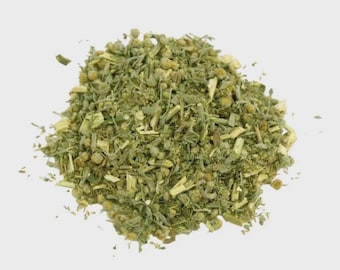
The Ultimate Guide to St. John’s Wort: Health Benefits and Uses

Unveiling the Power of Hypericum: An Exhaustive Guide to the Health Benefits of St. John’s Wort

For centuries, humanity has turned to the natural world for healing and solace, often discovering profound medicinal properties hidden within flora. Among these botanical treasures, St. John’s Wort (Hypericum perforatum) stands out as a particularly well-researched and widely utilized herb, renowned primarily for its mood-enhancing capabilities. Far more than just a remedy for the blues, this vibrant yellow-flowered plant boasts a complex phytochemical profile that underpins a diverse array of therapeutic actions, ranging from neurological support to wound healing. This comprehensive guide delves deep into the science, history, and practical applications of St. John’s Wort, aiming to provide an exhaustive resource for anyone seeking to understand the full spectrum of its health benefits.

In an era where holistic health and natural remedies are gaining increasing traction, understanding the intricate mechanisms by which herbs like St. John’s Wort exert their effects is paramount. This article will meticulously explore its rich historical tapestry, elucidate the key bioactive compounds responsible for its efficacy, and dissect the scientific evidence supporting its use for various conditions. From its well-established role in mental well-being to its lesser-known topical applications, we will navigate the multifaceted potential of this remarkable herb, equipping readers with the knowledge necessary to make informed decisions about its integration into a health regimen, always emphasizing the critical importance of professional medical consultation.

A Journey Through Time: The Historical Roots and Etymology of St. John’s Wort

The story of St. John’s Wort is deeply interwoven with human history, stretching back thousands of years to ancient civilizations. Its use can be traced to ancient Greece, where physicians like Hippocrates and Dioscorides documented its medicinal properties. Pliny the Elder, in his monumental work “Natural History,” also referenced Hypericum, noting its utility for various ailments. The name “St. John’s Wort” itself is steeped in tradition and folklore, believed to derive from its propensity to bloom around June 24th, the feast day of St. John the Baptist. The “wort” suffix, an Old English term meaning “plant” or “herb,” further cements its historical significance as a revered medicinal plant.

Throughout the Middle Ages, St. John’s Wort maintained its prominence in European folk medicine. It was often gathered on St. John’s Day, imbued with mystical protective qualities, and hung over doors to ward off evil spirits. Beyond superstition, it was a trusted remedy for melancholy, nerve pain, wounds, burns, and even snake bites. Its vibrant yellow flowers, when crushed, release a reddish oil, which was traditionally used to prepare healing balms and tinctures. This long-standing tradition of use, passed down through generations, laid the groundwork for modern scientific inquiry into its therapeutic potential, bridging the gap between ancient wisdom and contemporary pharmacological understanding.

Botanical Profile: Understanding Hypericum perforatum

St. John’s Wort, scientifically known as Hypericum perforatum, is a perennial herbaceous plant belonging to the Hypericaceae family. It is easily recognizable by its striking bright yellow, five-petaled flowers, which typically appear in late spring and summer. The plant can grow up to 3 feet (90 cm) tall and features numerous small, oval leaves. A distinctive characteristic, and the origin of its specific epithet “perforatum,” is the presence of translucent dots on its leaves. These “perforations” are actually oil glands that contain many of the plant’s active compounds, becoming visible when held up to the light.

Globally distributed, Hypericum perforatum is native to Europe and Asia but has naturalized in many other temperate regions, including parts of North and South America, Australia, and New Zealand. It thrives in sunny, well-drained soils, often found growing wild in meadows, roadsides, and open woodlands. The medicinal parts of the plant are primarily the aerial parts, particularly the flowers and upper leaves, which are harvested during the flowering season when the concentration of bioactive compounds is at its peak. The careful identification of Hypericum perforatum is crucial, as there are many species within the Hypericum genus, not all of which possess the same medicinal properties.

St. John's Wort Botanical Photo

The Chemical Arsenal: Key Bioactive Compounds and Their Mechanisms of Action

The remarkable therapeutic effects of St. John’s Wort are not attributable to a single compound but rather to a synergistic interplay of various phytochemicals. Modern research has identified several classes of compounds that contribute to its efficacy, with hypericin and hyperforin being the most extensively studied and often standardized in commercial extracts. However, a broader spectrum of constituents, including flavonoids, phloroglucinols, xanthones, and essential oils, also plays a crucial role.

Hypericin: This naphthodianthrone derivative is one of the most iconic compounds of St. John’s Wort, responsible for the reddish pigment released when the flowers are crushed. Historically, hypericin was believed to be the primary active antidepressant compound, primarily due to its weak monoamine oxidase (MAO) inhibitory activity. MAO inhibitors work by preventing the breakdown of neurotransmitters like serotonin, norepinephrine, and dopamine, thus increasing their availability in the synaptic cleft. While early research focused heavily on hypericin, subsequent studies suggest its contribution to antidepressant effects is more nuanced and less dominant than initially thought, particularly when compared to hyperforin.

Hyperforin: Emerging as a more significant contributor to the antidepressant activity, hyperforin is a phloroglucinol derivative. Its primary mechanism of action involves the inhibition of the reuptake of several key neurotransmitters: serotonin, norepinephrine, dopamine, GABA (gamma-aminobutyric acid), and L-glutamate. By blocking the reuptake pumps in neuronal synapses, hyperforin effectively increases the concentration of these neurotransmitters, leading to enhanced mood regulation. Furthermore, hyperforin has been shown to modulate transient receptor potential channel 6 (TRPC6) activity, influencing synaptic plasticity and neuronal signaling, which contributes to its broad psychotropic effects. Its potent induction of cytochrome P450 enzymes (particularly CYP3A4) is also attributable to hyperforin, a critical factor in St. John’s Wort’s well-known drug interactions.

Flavonoids: St. John’s Wort is rich in various flavonoids, including quercetin, kaempferol, and rutin. These compounds are powerful antioxidants, protecting cells from oxidative stress and free radical damage, which can contribute to mood disorders and neurodegenerative processes. Flavonoids also possess anti-inflammatory properties and may contribute to the overall neuroprotective effects of the herb. Their interaction with various enzyme systems and receptor sites further enhances the holistic therapeutic profile of St. John’s Wort.

Xanthones and Proanthocyanidins: These compounds also contribute to the antioxidant and anti-inflammatory effects. Xanthones, like mangiferin, have shown diverse biological activities, including neuroprotection. Proanthocyanidins are potent antioxidants that can help improve vascular health and protect against cellular damage.

The collective action of these compounds, rather than the isolated effect of any single one, is believed to be responsible for the broad spectrum of therapeutic benefits observed with St. John’s Wort, highlighting the complexity and synergy inherent in phytomedicine.

St. John's Wort Plant Profile

Core Health Benefits: A Deep Dive into Therapeutic Applications

1. Mood Enhancement and Depression Management

The most celebrated and scientifically supported application of St. John’s Wort is its efficacy in addressing symptoms of mild to moderate depression. Numerous clinical trials and meta-analyses have consistently demonstrated that standardized extracts of St. John’s Wort can be as effective as conventional antidepressant medications (such as SSRIs) for these conditions, often with a more favorable side effect profile. The antidepressant mechanism is multifaceted, primarily involving the actions of hyperforin. By inhibiting the reuptake of serotonin, norepinephrine, and dopamine in the brain, it effectively increases the availability of these mood-regulating neurotransmitters in the synaptic cleft. This sustained elevation of neurochemical levels helps to alleviate feelings of sadness, anhedonia (loss of pleasure), and low mood.

Beyond neurotransmitter reuptake inhibition, St. John’s Wort also modulates other crucial pathways. It appears to influence GABAergic and glutamatergic systems, which are vital for neuronal excitability and relaxation. Dysregulation in these systems is implicated in various mood disorders. Furthermore, its anti-inflammatory and antioxidant properties, largely attributed to its flavonoid content, may play a role in neuroprotection and in combating the systemic inflammation increasingly linked to depression. It is imperative to note that while effective for mild to moderate forms, St. John’s Wort is generally not recommended as a monotherapy for severe depression, bipolar disorder, or other serious mental health conditions, which require specialized medical intervention.

2. Alleviation of Anxiety and Stress

Beyond its antidepressant effects, St. John’s Wort has demonstrated anxiolytic (anxiety-reducing) properties. The same mechanisms that contribute to its antidepressant effects – namely, the modulation of neurotransmitters like serotonin, norepinephrine, and GABA – also help to calm the nervous system and reduce feelings of anxiety. By restoring a more balanced neurochemical environment, St. John’s Wort can help individuals cope better with stress, diminish nervous tension, and improve overall emotional resilience. Some studies suggest it can be particularly beneficial for anxiety symptoms that co-occur with depressive states, offering a broader spectrum of mood stabilization. Its adaptogenic qualities, although not as pronounced as some other herbs, may also contribute to the body’s ability to adapt to stressors more effectively.

3. Management of Menopausal Symptoms

The hormonal fluctuations experienced during menopause often lead to a range of challenging symptoms, including hot flashes, mood swings, irritability, and sleep disturbances. St. John’s Wort has shown promise in alleviating some of these menopausal discomforts. Clinical research indicates that it can significantly improve psychological and somatic symptoms associated with perimenopause and menopause, particularly mood changes, anxiety, and sleep problems. While it does not directly impact hormone levels in the same way as hormone replacement therapy, its ability to stabilize mood and improve sleep quality can substantially enhance the quality of life for women navigating this transitional phase. Its mild sedative properties may contribute to better sleep, further reducing the overall burden of menopausal symptoms.

4. Wound Healing and Topical Applications

Historically, St. John’s Wort was highly valued for its external healing properties, a tradition that modern science has begun to validate. The reddish oil extracted from the flowers, rich in hypericin and hyperforin, possesses potent anti-inflammatory, antimicrobial, and antiviral characteristics. When applied topically, St. John’s Wort oil or salve can accelerate the healing of minor wounds, burns, bruises, and skin irritations. It works by reducing inflammation at the site of injury, promoting cell regeneration, and providing a protective barrier against bacterial infection. Its analgesic properties can also help to soothe pain associated with cuts and abrasions. This traditional use continues today, with many natural health practitioners recommending St. John’s Wort-infused oils for skin conditions and nerve pain, such as sciatica or shingles, due to its ability to support nerve tissue regeneration and reduce localized discomfort.

5. Antiviral Potential

Emerging research has explored the antiviral properties of St. John’s Wort, primarily attributed to hypericin. In vitro studies have shown that hypericin can inhibit the replication of various enveloped viruses, including herpes simplex virus (HSV), influenza virus, and even some retroviruses. The exact mechanisms are still being elucidated but are thought to involve interference with viral budding and particle maturation, as well as light-dependent inactivation of viral particles. While these findings are largely from laboratory settings and require further clinical investigation, they underscore another intriguing aspect of St. John’s Wort’s complex pharmacology and its potential for broader therapeutic applications beyond mood disorders.

6. Anti-inflammatory and Antioxidant Effects

The presence of numerous flavonoids, such as quercetin, kaempferol, and rutin, along with other phenolic compounds, imbues St. John’s Wort with significant anti-inflammatory and antioxidant capabilities. Chronic inflammation and oxidative stress are known contributors to a wide range of diseases, including neurodegenerative disorders, cardiovascular disease, and certain cancers. By scavenging free radicals and modulating inflammatory pathways, St. John’s Wort can help mitigate cellular damage and systemic inflammation. This systemic protective effect contributes to its overall therapeutic profile, potentially supporting general health and well-being beyond its more targeted actions on mood and skin.

Forms of St. John’s Wort and Practical Usage

St. John’s Wort is available in various forms, catering to different therapeutic needs and preferences. The choice of form often depends on the specific condition being addressed and the desired potency.

1. Standardized Extracts (Capsules/Tablets)

The most common and clinically studied form for internal use, particularly for mood disorders, are standardized extracts found in capsules or tablets. These products are formulated to contain a specific concentration of key bioactive compounds, most commonly hypericin (e.g., 0.3%) or hyperforin (e.g., 2-5%). Standardization ensures consistency in potency and predictable therapeutic effects, which is crucial for safety and efficacy. When selecting a supplement, it is vital to choose a reputable brand that provides clear information about the standardization of its extract. Typical dosages for depression range from 300 mg to 900 mg per day, divided into two or three doses, often taken over several weeks to observe full effects.

St. John's Wort Capsules

2. Dried Herb and Teas

For those who prefer traditional herbal preparations, the dried aerial parts of St. John’s Wort can be used to make infusions (teas). While teas offer a gentler approach and are pleasant for general well-being, the concentration of active compounds can vary significantly, making precise dosing challenging. A typical preparation involves steeping 1-2 teaspoons of dried herb in hot water for 5-10 minutes. Teas are often consumed for mild anxiety, stress reduction, or as a general tonic, but may not provide the standardized therapeutic levels required for clinical depression. They also retain the full spectrum of phytochemicals, which some believe offers a more holistic benefit.

St. John's Wort Dried Herb

3. Tinctures and Liquid Extracts

Tinctures are concentrated liquid extracts made by macerating St. John’s Wort in alcohol or a glycerin solution. They offer a convenient way to consume the herb, with dosages typically measured in drops. Tinctures can be effective for both internal and external applications and provide a more potent dose than teas. Like standardized capsules, the quality and concentration can vary between brands, so selecting a reputable source is important.

4. Topical Oils and Salves

St. John’s Wort-infused oils and salves are excellent for external use, leveraging the herb’s anti-inflammatory, antimicrobial, and nerve-soothing properties. These preparations are made by infusing dried St. John’s Wort flowers in a carrier oil (like olive or sunflower oil) over several weeks, often in sunlight, which helps extract the reddish pigments and active compounds. The resulting red oil is then used directly or incorporated into salves for minor cuts, burns, bruises, muscle pain, nerve pain (e.g., sciatica, neuralgia), and skin irritations.

Dosage and Administration: A Guide to Responsible Use

When considering St. John’s Wort for therapeutic purposes, particularly for mood disorders, it is paramount to adhere to appropriate dosages and to understand that effects may not be immediate. For mild to moderate depression, a typical regimen involves 300 mg of a standardized extract (e.g., 0.3% hypericin or 2-5% hyperforin) taken three times daily, or 450 mg taken twice daily, totaling 900 mg per day. Some individuals may start with a lower dose and gradually increase it. It can take 2 to 4 weeks to experience the full therapeutic benefits, mirroring the onset time of many conventional antidepressants. Consistent use is key, and abruptly discontinuing treatment is generally not recommended.

For anxiety or generalized stress, lower doses may be sufficient, or it might be combined with other calming herbs. Topical applications, such as oils or salves, can be applied to affected skin areas 2-3 times daily, or as needed for pain relief and wound healing. It is crucial to always follow the specific dosage instructions provided by the manufacturer of the chosen product, as formulations and concentrations can vary. Regardless of the intended use, professional guidance from a healthcare provider is indispensable before initiating St. John’s Wort supplementation, especially if you have underlying health conditions or are taking other medications.

Potential Side Effects and Critical Drug Interactions

While generally well-tolerated, St. John’s Wort is not without potential side effects and, more importantly, significant drug interactions. The most common side effects are usually mild and may include digestive upset, dry mouth, fatigue, restlessness, headaches, and dizziness. Some individuals may experience increased photosensitivity, making them more susceptible to sunburn, especially those with fair skin. It is advisable to use sunscreen and protective clothing when exposed to strong sunlight during St. John’s Wort therapy.

The most critical aspect of St. John’s Wort safety pertains to its potent drug interactions, primarily mediated by hyperforin’s induction of the cytochrome P450 3A4 (CYP3A4) enzyme system in the liver and the P-glycoprotein efflux pump. These systems are crucial for metabolizing and transporting a vast array of medications. By increasing their activity, St. John’s Wort can accelerate the breakdown and elimination of many drugs, drastically reducing their effectiveness. Key interactions include:

  • Antidepressants (SSRIs, SNRIs, TCAs): Concomitant use can lead to serotonin syndrome, a potentially life-threatening condition characterized by confusion, agitation, rapid heart rate, high blood pressure, dilated pupils, muscle rigidity, and tremors.
  • Oral Contraceptives: St. John’s Wort can reduce the effectiveness of birth control pills, leading to unplanned pregnancies.
  • Anticoagulants (e.g., Warfarin): It can decrease the efficacy of blood thinners, increasing the risk of blood clots.
  • Digoxin: Reduces the effectiveness of this heart medication.
  • Immunosuppressants (e.g., Cyclosporine, Tacrolimus): Can lead to organ transplant rejection by lowering drug levels.
  • Antiretroviral drugs (for HIV/AIDS): Significantly reduces the concentration of these vital medications.
  • Chemotherapy drugs: May reduce the effectiveness of certain cancer treatments.
  • Anxiety medications (Benzodiazepines): Can alter their metabolism.
  • Migraine medications (Triptans): Increased risk of serotonin syndrome.
  • Statins (cholesterol-lowering drugs): May reduce their effectiveness.

Due to these extensive and potentially serious interactions, it is absolutely essential to consult with a healthcare professional before combining St. John’s Wort with any prescription medication or other supplements. Self-medication without professional guidance can lead to adverse outcomes.

Contraindications and Special Populations

St. John’s Wort is contraindicated in certain individuals and conditions. It should not be used by:

  • Individuals taking any of the medications listed above due to interaction risks.
  • Pregnant or breastfeeding women, as safety in these populations has not been definitively established.
  • Children and adolescents without strict medical supervision.
  • Individuals with severe depression, bipolar disorder, schizophrenia, or other serious psychiatric conditions, as it may exacerbate symptoms or interact negatively with prescribed treatments.
  • People undergoing surgery, as it can interact with anesthetics and other perioperative medications; discontinuation several weeks prior to surgery is usually recommended.

Individuals with known allergies to plants in the Hypericaceae family should also avoid St. John’s Wort. Always disclose all medications and supplements you are taking to your healthcare provider to ensure safe and appropriate use.

Quality and Standardization: Ensuring Efficacy and Safety

The efficacy and safety of St. John’s Wort supplements are highly dependent on product quality and standardization. Due to variations in cultivation, harvesting, and extraction methods, the concentration of active compounds can differ significantly between products. It is crucial to choose supplements from reputable manufacturers that provide:

  • Standardization: Look for products standardized to a specific percentage of hypericin (e.g., 0.3%) or hyperforin (e.g., 2-5%), as these are the compounds primarily linked to its antidepressant effects. Hyperforin standardization is often preferred as it is considered more active.
  • Third-Party Testing: Independent laboratory testing helps confirm the purity, potency, and absence of contaminants (e.g., heavy metals, pesticides) in the product.
  • Clear Labeling: Labels should clearly list ingredients, dosage, and warnings.

Purchasing from trusted sources helps ensure that you are receiving a product that aligns with clinical research and safety standards.

St. John's Wort Natural Herb

Conclusion: Harnessing the Therapeutic Potential of St. John’s Wort Responsibly

St. John’s Wort, with its rich historical legacy and scientifically validated therapeutic properties, represents a potent botanical ally in the pursuit of holistic health. Its primary role in alleviating symptoms of mild to moderate depression and anxiety is well-established, underpinned by a complex synergy of bioactive compounds, particularly hyperforin and hypericin, that modulate critical neurotransmitter systems. Beyond its celebrated mental health benefits, St. John’s Wort also offers promising applications in managing menopausal symptoms, promoting wound healing, and exhibiting antiviral and anti-inflammatory effects, showcasing its versatility as a natural remedy.

However, the power of St. John’s Wort comes with significant responsibilities. Its capacity to interact with a broad spectrum of pharmaceutical medications through its influence on the CYP3A4 enzyme and P-glycoprotein necessitates extreme caution and mandatory consultation with a healthcare professional. Photosensitivity and other mild side effects also warrant consideration. By understanding its intricate mechanisms, respecting its potent interactions, and choosing high-quality, standardized products, individuals can responsibly harness the profound health benefits of St. John’s Wort, integrating this remarkable herb into a well-informed and professionally guided wellness strategy.

Disclaimer: For informational purposes only. Not medical advice. Consult a qualified healthcare professional before use.
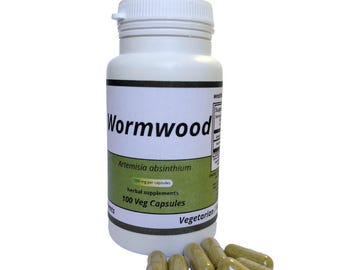
The Ultimate Guide to Buckthorn Bark . Frangula alnus: Health Benefits and Uses

The Profound Health Benefits of Buckthorn Bark (Frangula alnus): A Definitive Deep Dive Guide

In the vast tapestry of traditional herbal medicine, certain plants stand out for their enduring efficacy and significant historical impact. Among these revered botanicals is Buckthorn Bark, scientifically known as Frangula alnus, and commonly referred to as Alder Buckthorn or Black Alder. For centuries, this unassuming shrub has been a cornerstone in natural health practices, primarily celebrated for its potent contributions to digestive wellness. This comprehensive guide aims to unravel the intricate health benefits of Buckthorn Bark, exploring its botanical nuances, the sophisticated chemistry behind its actions, its rich historical narrative, and the precise guidelines for its safe and effective utilization in modern contexts. Our journey will delve into the molecular mechanisms that confer its renowned laxative properties, examine potential secondary benefits, and outline crucial safety considerations, providing a truly exhaustive resource for those seeking to understand this remarkable herb.

Botanical Profile and the Enduring Legacy of Frangula alnus

Frangula alnus, belonging to the Rhamnaceae family, is a deciduous shrub or small tree native to Europe, parts of Asia, and northern Africa. It thrives in damp, acidic soils, frequently found in wetlands, woodlands, and hedgerows. Characterized by its smooth, dark brown bark, oval leaves with prominent veins, and small greenish flowers that mature into dark purple berries, the plant is relatively inconspicuous until its unique properties are brought to light. The medicinal component exclusively utilized is the bark, which historically required careful preparation to harness its benefits safely.

The history of Buckthorn Bark as a medicinal agent stretches back many centuries, firmly embedded in European folk medicine. Ancient texts and traditional healers often cited its efficacy in alleviating stubborn constipation, referring to it by various local names. Its widespread use persisted through the medieval period and into the early modern era, solidifying its reputation as a reliable purgative. The knowledge of its specific actions and the critical importance of proper processing—particularly the aging of the bark—was passed down through generations, underscoring a deep understanding of its therapeutic potential and inherent risks even before the advent of modern pharmacology.

Buckthorn Bark  . Frangula alnus Botanical Photo

Unveiling the Bioactive Arsenal: Chemical Composition of Buckthorn Bark

The remarkable therapeutic effects of Buckthorn Bark are primarily attributed to its complex array of bioactive compounds, chief among them being the anthraquinone glycosides. These compounds are responsible for its well-documented laxative properties and represent the core of its pharmacological activity. The bark contains a variety of these glycosides, including frangulins (frangulin A and B) and glucofrangulins (glucofrangulin A and B), which are O-glycosides of emodin and chrysophanol, respectively. Emodin and chrysophanol are the active anthraquinone aglycones, which are the non-sugar portions of the glycosides.

When the bark is ingested, these anthraquinone glycosides act as ‘prodrugs.’ They remain largely inactive until they reach the colon. Here, the resident gut microbiota, specifically certain anaerobic bacteria, play a crucial role. These bacteria possess enzymes that hydrolyze the glycosides, cleaving off the sugar moieties and converting the inactive glycosides into their pharmacologically active forms: anthrones and anthranols. This transformation is critical, as the aglycones (anthrones/anthranols) are the true agents responsible for the bark’s profound effects on the bowel.

Beyond the primary anthraquinones, Buckthorn Bark also contains other phytochemicals that may contribute to its overall profile, albeit to a lesser extent in terms of laxative action. These include various flavonoids, tannins, and saponins. Flavonoids are known for their antioxidant and anti-inflammatory potential, while tannins can exert astringent effects. However, for the purposes of digestive health and specifically its laxative use, the anthraquinone glycosides undeniably dominate the therapeutic narrative, making the understanding of their metabolism and mechanism of action paramount.

Buckthorn Bark  . Frangula alnus Plant Profile

The Primary Health Benefit: A Potent and Precise Laxative Action

The most celebrated and scientifically validated health benefit of Buckthorn Bark is its efficacy as a stimulant laxative. This action is carefully orchestrated through a dual mechanism within the colon, mediated by the active anthrones and anthranols derived from its glycosides.

Detailed Mechanism of Action:

  1. Inhibition of Water and Electrolyte Absorption: Upon activation in the colon, the anthrones and anthranols exert a direct effect on the epithelial cells lining the colonic mucosa. They inhibit the activity of Na+/K+-ATPase, a crucial enzyme responsible for the active transport of sodium and potassium ions out of the intestinal lumen and into the bloodstream. By interfering with this pump, they effectively reduce the reabsorption of water and electrolytes (particularly sodium and chloride) from the feces back into the body. This leads to a higher concentration of water and electrolytes remaining within the colonic lumen, which helps to soften the stool and increase its volume.
  2. Stimulation of Peristalsis: Concurrently, these active metabolites directly irritate the nerve endings within the colonic wall. This irritation stimulates the intrinsic nerve plexuses (specifically the myenteric plexus), which are responsible for coordinating the rhythmic contractions of the intestinal muscles known as peristalsis. By enhancing the frequency and strength of these muscular contractions, Buckthorn Bark accelerates the transit time of stool through the colon. The combined effect of increased fecal volume (due to retained water) and enhanced colonic motility results in a more efficient and complete bowel evacuation, providing significant relief from constipation.

This precise, colon-specific action distinguishes Buckthorn Bark from many other laxatives. Unlike bulk-forming laxatives that work by absorbing water to create larger, softer stools, or osmotic laxatives that draw water into the colon through osmotic pressure, stimulant laxatives like Buckthorn Bark directly influence both water dynamics and muscular contractions. This makes it particularly effective for atonic constipation, where the bowel musculature is sluggish, and for chronic constipation when other, gentler methods have proven insufficient. It has historically been employed, albeit with strict medical supervision, in preparing patients for colonoscopies or other bowel procedures, due to its reliable purging effect.

Traditional Usage and the Art of Preparation

The traditional application of Buckthorn Bark is steeped in careful consideration, particularly regarding its preparation. It is paramount to understand that fresh Buckthorn Bark contains compounds that can induce strong emetic (vomiting) and nauseating effects. To circumvent this, traditional herbalists developed a crucial processing step: the bark must be either aged for at least one year after harvesting or subjected to a heat treatment (such as drying at a specific temperature) to oxidize and neutralize these undesirable compounds. This aging or heat treatment allows the pre-anthraquinones to convert into the less irritating but equally effective anthraquinone glycosides, ensuring its safe use as a laxative.

Traditionally, the dried and aged bark was most commonly prepared as a decoction. This involves simmering the bark in water for a period, allowing the active constituents to be extracted into the liquid. A typical preparation might involve boiling a small amount of bark in water for 10-15 minutes, then straining and consuming the liquid, often before bedtime to allow the laxative effect to manifest the following morning. Tinctures, which are alcoholic extracts of the herb, were another popular method, offering a more concentrated and shelf-stable form of the medicine. These traditional forms allowed for a degree of dose adjustment, though precise standardization was, of course, a modern development.

Buckthorn Bark  . Frangula alnus Dried Herb

Modern Applications and Supplementation: Bridging Tradition with Contemporary Needs

In contemporary herbal medicine, Buckthorn Bark continues to be a valued natural remedy for constipation, adapting its traditional forms into more convenient and standardized preparations. The fundamental principle remains the same: using aged or heat-treated bark to ensure safety and efficacy. Modern science has allowed for a deeper understanding of the optimal extraction methods and standardization of active compounds, leading to more consistent therapeutic outcomes.

Today, Buckthorn Bark is widely available in several forms:

  • Standardized Extracts: These extracts are carefully processed to ensure a consistent concentration of anthraquinone glycosides, typically quantified as glucofrangulins. This standardization is crucial for predictable dosing and efficacy, reducing variability often associated with crude herbal preparations.
  • Capsules and Tablets: For ease of use and precise dosage, dried and powdered Buckthorn Bark extract is encapsulated or pressed into tablets. This format offers convenience, portability, and eliminates the need for preparation, making it a popular choice for many users seeking relief from occasional constipation.
  • Herbal Teas: While less potent than concentrated extracts, tea bags containing dried Buckthorn Bark are also available. These offer a gentler approach and are often combined with other digestive herbs to enhance palatability and provide a broader spectrum of benefits.
  • Liquid Tinctures: Similar to traditional tinctures, modern versions are often standardized and provide a concentrated form that can be easily added to water or juice.

The shift towards standardized extracts and convenient dosage forms has made Buckthorn Bark more accessible and safer for regulated use, allowing individuals to benefit from its potent laxative effects without the complexities of historical preparation methods. Nevertheless, the emphasis on quality control and adherence to recommended dosages remains paramount.

Buckthorn Bark  . Frangula alnus Capsules

Dosage and Administration: Precision for Efficacy and Safety

The effective dosage of Buckthorn Bark, particularly for its laxative effects, is highly dependent on the form of preparation and the individual’s sensitivity. Given its potent action, precise dosing is critical to achieve the desired therapeutic outcome without inducing excessive bowel movements or discomfort. For standardized extracts, dosages are typically expressed in terms of the total anthraquinone glycosides, often around 10-30 mg per dose, taken once daily, usually in the evening. This allows the active compounds sufficient time to be processed by gut bacteria and exert their effects, leading to a bowel movement approximately 8-12 hours later.

When using dried bark for a decoction, a common recommendation might involve simmering 0.5-2 grams of the aged bark in a cup of water. It is always advised to start with the lowest effective dose and gradually increase if necessary, under the guidance of a healthcare professional. This titration approach helps to minimize side effects while maximizing relief. Importantly, Buckthorn Bark, like other stimulant laxatives, is intended for short-term use only, typically no longer than one to two weeks. Its mechanism, while effective, is not designed for chronic daily use due to potential risks of dependency and adverse effects, which will be discussed in detail.

Safety, Side Effects, and Contraindications: A Crucial Understanding

While Buckthorn Bark offers significant benefits for acute and occasional constipation, its potent nature necessitates a thorough understanding of its safety profile, potential side effects, and strict contraindications. Responsible usage hinges upon adhering to these guidelines to prevent adverse health outcomes.

Key Safety Considerations:

  • The Danger of Fresh Bark: As previously emphasized, consuming fresh Buckthorn Bark is extremely dangerous due to the presence of highly irritating compounds that can cause severe vomiting, abdominal pain, and gastroenteritis. Only aged or properly heat-treated bark should ever be used.
  • Short-Term Use Only: This is perhaps the most critical instruction. Buckthorn Bark is designed for occasional relief of constipation, not for long-term daily management. Prolonged use (beyond 1-2 weeks) can lead to several serious issues.

Potential Side Effects:

  • Abdominal Cramping and Discomfort: Due to its stimulant action, some individuals may experience abdominal cramps, gas, or mild discomfort as the colon contracts. This is generally dose-dependent.
  • Electrolyte Imbalance: Prolonged or excessive use can lead to significant loss of electrolytes, particularly potassium, through increased stool output. Hypokalemia (low potassium) can cause muscle weakness, fatigue, and can be dangerous, especially for individuals on certain medications or with pre-existing heart conditions.
  • Dehydration: Increased fluid excretion into the colon, coupled with reduced reabsorption, can lead to dehydration if fluid intake is not adequately maintained.
  • Melanosis Coli: Long-term use of anthraquinone laxatives can cause a benign, reversible pigmentation of the colonic mucosa, known as melanosis coli. While considered harmless, it is a marker of chronic stimulant laxative use.
  • Laxative Dependency (‘Lazy Bowel Syndrome’): Continuous reliance on stimulant laxatives can lead to the colon becoming less responsive to natural stimuli, potentially resulting in a vicious cycle where the bowel becomes dependent on the laxative to function. This is often referred to as ‘lazy bowel syndrome.’

Absolute Contraindications:

  • Pregnancy and Breastfeeding: The active compounds can pass into breast milk and potentially affect the fetus or infant. Its use is generally contraindicated.
  • Inflammatory Bowel Diseases (IBD): Conditions such as Crohn’s disease and ulcerative colitis are exacerbated by stimulant laxatives, which can worsen inflammation and symptoms.
  • Intestinal Obstruction: Any form of intestinal blockage, appendicitis, or undiagnosed acute abdominal pain (e.g., severe stomach ache) are absolute contraindications, as stimulant laxatives can worsen these conditions and lead to serious complications.
  • Children Under 12: Its use is generally not recommended for young children due to sensitivity and potential for adverse effects.
  • Individuals with Kidney or Heart Conditions: Those prone to electrolyte imbalances or on medications affecting electrolytes must exercise extreme caution and seek medical advice before use.

Drug Interactions:

Buckthorn Bark can interact with several medications, increasing the risk of side effects:

  • Diuretics: Concomitant use can increase potassium loss, leading to severe hypokalemia.
  • Corticosteroids: Similar to diuretics, these can also enhance potassium depletion.
  • Cardiac Glycosides (e.g., Digoxin): Hypokalemia induced by Buckthorn Bark can potentiate the effects and toxicity of cardiac glycosides, leading to dangerous heart rhythm disturbances.

Regulatory Status and Quality Control

The regulatory status of Buckthorn Bark varies by region. In many parts of Europe, it is recognized as an over-the-counter laxative, often included in pharmacopeias. The World Health Organization (WHO) also acknowledges its traditional use for constipation. However, stringent quality control measures are essential. Reputable suppliers ensure that the bark is correctly aged or treated, and that extracts are standardized to provide a consistent and safe level of active compounds. Consumers should always prioritize products from trusted manufacturers that provide transparent information about sourcing and processing.

Buckthorn Bark  . Frangula alnus Natural Herb

Conclusion: Harnessing the Power of Buckthorn Bark Responsibly

Buckthorn Bark (Frangula alnus) stands as a testament to the enduring power of nature in addressing common human ailments. Its well-defined mechanism as a stimulant laxative, driven by its unique anthraquinone glycosides, provides highly effective relief for occasional constipation. From its deep roots in historical herbal traditions to its modern manifestations as standardized supplements, its primary benefit for digestive health remains unparalleled among natural remedies of its class. However, the comprehensive exploration of its properties underscores a critical message: efficacy must always be balanced with caution.

The imperative of using only aged or treated bark, adhering strictly to short-term usage guidelines, and being acutely aware of its potential side effects and contraindications cannot be overstated. For those suffering from infrequent bouts of constipation, Buckthorn Bark offers a potent and natural solution, provided it is approached with respect for its power and an informed understanding of its precise application. As with any potent medicinal herb, consultation with a healthcare professional before incorporating Buckthorn Bark into one’s health regimen is always recommended, ensuring its appropriate and safe use for individual health needs.

Disclaimer: For informational purposes only. Not medical advice. Consult a qualified healthcare professional before use.

The Ultimate Guide to Leuzea: Health Benefits and Uses

The Comprehensive Guide to Leuzea (Maral Root): Nature’s Premier Adaptogen and Anabolic Secret

Leuzea, scientifically known as Rhaponticum carthamoides and colloquially referred to as Maral Root, stands as one of the most potent and historically significant botanical treasures of the Siberian wilderness. Found primarily in the sub-alpine zones of the Altai Mountains, this perennial herbaceous plant has long been a cornerstone of traditional medicine in Russia, Mongolia, and China. In recent decades, it has transitioned from a folk remedy used by nomadic hunters to a scientifically validated powerhouse in the realms of sports nutrition, cognitive enhancement, and metabolic health. This guide provides an exhaustive analysis of Leuzea, exploring its chemical intricacies, physiological impacts, and practical applications for the modern health-conscious individual.

Botanical Characteristics and Geographic Origin

The Rhaponticum carthamoides plant belongs to the Asteraceae family. It is characterized by its robust, thistle-like appearance, reaching heights of up to two meters under optimal conditions. Its most distinctive feature is its massive, woody rhizome and the deep purple, globe-shaped flowers that bloom in the brief Siberian summer. The plant is exceptionally hardy, evolved to survive the extreme temperatures and thin air of high altitudes. This environmental resilience is often cited by herbalists as the source of the plant’s concentrated bioactivity; as the herb fights to survive in harsh climates, it produces secondary metabolites that, when consumed by humans, offer similar resilience to biological and environmental stressors.

Leuzea Botanical Photo

The name “Maral Root” originates from the Maral deer, a species of elk native to the region. Indigenous hunters observed that during the mating season or when the animals were injured or exhausted, they would instinctively dig up and consume the roots of this plant. The deer experienced a visible restoration of vigor and strength, leading locals to adopt the root for human use. Historically, it was believed that the root could cure fourteen different ailments and bestow the user with the endurance of a Maral stag. This ethno-botanical history eventually caught the attention of Soviet scientists in the mid-20th century, leading to some of the most rigorous pharmacological studies ever conducted on an adaptogenic plant.

Traditional Uses and Historical Context

In traditional Siberian folk medicine, Leuzea was primarily utilized as a restorative tonic to combat general fatigue and the physical toll of long, harsh winters. It was frequently prepared as a decoction or a hydro-alcoholic tincture using the dried rhizomes. Beyond general vitality, it was prized for its ability to improve recovery after illness, enhance male libido, and sharpen the senses for long hunting expeditions. In the 1940s and 50s, the Soviet Union integrated Leuzea into the official pharmacopoeia, standardizing its use for “overwork” and cognitive exhaustion.

Leuzea Dried Herb

During the Cold War, Leuzea became a “state secret” of sorts within the Soviet athletic and military spheres. It was famously administered to elite Olympic athletes and cosmonauts to improve physical output and psychological resilience without the side effects associated with synthetic stimulants. Unlike the central nervous system stimulants found in Western medicine at the time, Leuzea was recognized for its ability to increase work capacity while simultaneously calming the nervous system, a hallmark of a true adaptogen. This historical usage paved the way for the modern understanding of its non-hormonal anabolic properties.

Detailed Chemical Composition and Active Bioactive Compounds

The pharmacological potency of Leuzea is attributed to a complex array of bioactive compounds, most notably ecdysteroids. While many plants contain ecdysteroids as a defense mechanism against insects, Rhaponticum carthamoides is unique for its high concentration and variety of these molecules. The most significant compound is 20-hydroxyecdysone (20-E), also known as ecdysterone. Unlike synthetic anabolic steroids, ecdysteroids do not bind to androgen receptors, meaning they do not disrupt the body’s natural hormone balance or cause virilization in women.

Leuzea Plant Profile

In addition to 20-hydroxyecdysone, the chemical profile of Leuzea includes:

  • Flavonoids: Such as quercetin and kaempferol, which provide potent antioxidant support and improve vascular health.
  • Phenolic Acids: Including chlorogenic and caffeic acids, which contribute to the plant’s anti-inflammatory properties.
  • Tannins: Which offer mild astringent properties and support digestive health.
  • Polyacetylenes and Triterpene Glycosides: These compounds play secondary roles in immune modulation and cellular protection.
  • Essential Oils and Minerals: Leuzea is a natural source of phosphorus, magnesium, and manganese, minerals vital for ATP production and bone density.

The synergy between these compounds creates a multi-targeted effect on the human body, influencing everything from protein synthesis at the ribosomal level to the regulation of neurotransmitters in the brain.

The Anabolic Effect: Muscle Growth and Physical Performance

One of the most researched benefits of Leuzea is its anabolic activity. For decades, athletes have used Leuzea to increase lean muscle mass and accelerate recovery after intense training sessions. The mechanism of action is distinctly different from that of testosterone or its derivatives. 20-hydroxyecdysone appears to stimulate protein synthesis by increasing the activity of polyribosomes—the cellular components where protein assembly occurs. This leads to a positive nitrogen balance, which is the essential state for muscle hypertrophy.

Furthermore, Leuzea has been shown to increase the concentration of glycogen in the muscles and liver. Glycogen is the primary fuel source for high-intensity exercise; by increasing these stores, Leuzea allows for longer, more grueling workouts before the onset of fatigue. It also aids in the rapid clearance of metabolic waste products, such as lactic acid and ammonia, which significantly reduces post-exercise soreness. Because it is non-androgenic, it can be used safely by both men and women without fear of hormonal imbalances, making it one of the few truly effective and safe natural ergogenic aids available today.

Adaptogenic Properties and Stress Management

As a classic adaptogen, Leuzea helps the body maintain homeostasis (internal balance) in the face of various stressors. This is achieved primarily through the modulation of the Hypothalamic-Pituitary-Adrenal (HPA) axis. When the body is under stress, the adrenal glands release cortisol. Chronic elevation of cortisol leads to muscle breakdown, fat accumulation, and immune suppression. Leuzea acts as a buffer, preventing the overproduction of cortisol and ensuring that the body does not enter a state of chronic catabolism.

Beyond the hormonal aspect, Leuzea enhances the cellular response to heat, oxidation, and hypoxia (low oxygen levels). It increases the production of heat shock proteins, which help repair damaged cellular structures. This makes Leuzea particularly valuable for people living in high-stress environments, those suffering from burnout, or individuals recovering from chronic illnesses. It provides a steady, clean energy that is felt as increased alertness and motivation, rather than the jittery spike and crash associated with caffeine or other stimulants.

Cognitive Enhancement and Neuroprotection

Recent neuropharmacological research has highlighted Leuzea’s potential as a nootropic. The compounds in the root have been found to influence glutamate receptors and GABAergic pathways in the brain. Glutamate is the brain’s primary excitatory neurotransmitter, essential for learning and memory, while GABA is the primary inhibitory neurotransmitter, responsible for relaxation. By balancing these systems, Leuzea improves focus, mental clarity, and the ability to handle complex cognitive tasks under pressure.

Leuzea also exhibits neuroprotective qualities. It helps protect neurons from oxidative stress and neurotoxicity, which are major factors in age-related cognitive decline. Some studies suggest that the extract can improve cerebral blood flow, ensuring that the brain receives adequate oxygen and nutrients. This combination of increased energy metabolism in the brain and protection against damage makes Maral Root a compelling supplement for students, professionals, and the elderly alike.

Metabolic Health and Cardiovascular Support

Leuzea’s impact on metabolism extends beyond muscle tissue. It has been observed to improve lipid profiles by lowering LDL (bad) cholesterol and triglycerides while maintaining or increasing HDL (good) cholesterol. This is likely due to the plant’s influence on bile acid metabolism and liver function. Furthermore, Leuzea can help stabilize blood sugar levels by improving insulin sensitivity. This makes it a potential adjunctive therapy for metabolic syndrome and type 2 diabetes management, though more human trials are needed in this specific area.

From a cardiovascular perspective, the flavonoids in Leuzea promote vasodilation and improve the elasticity of blood vessels. This can lead to more efficient circulation and a reduction in blood pressure. Additionally, Leuzea has mild anti-platelet properties, which helps prevent the formation of harmful blood clots without the side effects of traditional blood thinners. By improving the efficiency of the heart and the health of the arteries, Leuzea supports long-term cardiovascular resilience.

Practical Usage: Capsules, Extracts, and Standardization

When looking to incorporate Leuzea into a health regimen, the form and quality of the supplement are paramount. Because the active ecdysteroids are concentrated in the roots and seeds, standardized extracts are generally preferred over raw root powder. Standardization ensures a consistent concentration of 20-hydroxyecdysone, which is the primary driver of the herb’s benefits. Most high-quality supplements are standardized to contain between 5% and 20% ecdysterone.

Leuzea Capsules

Capsules are the most convenient form for consistent dosing, especially for those using Leuzea for its anabolic or adaptogenic properties. The typical dosage for a standardized extract ranges from 200mg to 500mg, taken once or twice daily. For athletes, it is often recommended to take a dose approximately 30 to 60 minutes before training to maximize the ergogenic effect. Because Leuzea is fat-soluble, taking it with a meal that contains some healthy fats can significantly improve the absorption of the ecdysteroids.

Dosage Guidelines and Safety Profile

Leuzea is remarkably well-tolerated by the human body. In over half a century of documented use in Eastern Europe and Russia, there have been no reports of toxicity or serious adverse effects at standard dosages. Unlike many other performance enhancers, it does not tax the liver or kidneys, nor does it suppress natural hormone production. However, because it is an “activating” herb, some sensitive individuals may experience mild insomnia if taken late in the evening. It is generally best consumed in the morning or early afternoon.

Leuzea Natural Herb

Recommended protocols for Leuzea usage often involve “cycling.” While there is no evidence of dependency, cycling the herb (e.g., 8 weeks on followed by 2 weeks off) is a common practice to maintain the body’s sensitivity to its adaptogenic effects. As with any potent botanical, pregnant or breastfeeding women and individuals on pharmaceutical medications should consult with a healthcare professional before starting supplementation. In particular, those on blood-thinning medications or insulin should be monitored due to Leuzea’s natural effects on blood viscosity and glucose metabolism.

Conclusion: The Future of Rhaponticum carthamoides

In an era where the search for natural, side-effect-free performance and health enhancers is at an all-time high, Leuzea (Maral Root) stands out as an exceptional candidate. Its unique combination of non-hormonal anabolic activity, potent neuroprotection, and systemic adaptogenic support makes it a versatile tool for anyone looking to optimize their physical and mental well-being. As modern science continues to unravel the complexities of ecdysteroids and the other bioactive molecules within this Siberian wonder, Leuzea is poised to move from the fringes of herbalism into the mainstream of functional medicine and elite nutrition. Whether you are an athlete seeking a competitive edge, a professional managing high levels of stress, or simply someone looking to support their longevity, the ancient wisdom of the Maral Root offers a scientifically backed path to resilience and vitality.

Disclaimer: For informational purposes only. Not medical advice. Consult a qualified healthcare professional before use.

The Ultimate Guide to St. John’s wort: Health Benefits and Uses

The Comprehensive Guide to St. John’s Wort: Nature’s Premier Botanical for Emotional and Physical Wellness

St. John’s wort, scientifically known as Hypericum perforatum, stands as one of the most extensively researched and culturally significant medicinal herbs in human history. Traditionally harvested around the feast of St. John the Baptist in late June, this perennial flowering plant has traversed centuries of medical lore—from the ancient Greek physicians like Hippocrates and Galen to the rigorous clinical laboratories of the modern era. Today, it is recognized globally as a primary alternative treatment for mild-to-moderate depression, yet its therapeutic profile extends far beyond mental health, encompassing anti-inflammatory, antimicrobial, and neuroprotective properties. This guide explores the multifaceted nature of St. John’s wort, providing an exhaustive analysis of its botanical characteristics, chemical complexity, and clinical applications.

Botanical Characteristics and Ecological Origins

A member of the Hypericaceae family, St. John’s wort is native to Europe but has naturalized across North and South America, Asia, and Australia. It is easily identified by its bright yellow, five-petaled flowers, which possess numerous stamens that give the center a “fuzzy” appearance. A unique botanical marker of the species is the presence of translucent “perforations” on its leaves. These are not actually holes but rather secretory glands containing essential oils and bioactive compounds. When the flower buds or seed pods are crushed, they release a deep reddish-purple liquid, primarily due to the presence of hypericin.

The plant thrives in well-drained soil and abundant sunlight, often found in meadows, roadsides, and forest clearings. Its resilience and ability to spread have led to it being classified as a weed in certain agricultural contexts, yet its medicinal value remains undisputed. Understanding the plant’s morphology is crucial for herbalists, as the concentration of active metabolites varies significantly between the flowers, leaves, and stems. The peak concentration of therapeutic compounds is typically found during the flowering stage, which is why traditional harvesting methods emphasize the midsummer period.

St. John's wort Botanical Photo

In the wild, the plant serves as a vital component of the local ecosystem, providing pollen for various insects. However, for humans, the focus remains on the “perforatum” aspect—the microscopic oil glands that synthesize the complex chemical cocktail responsible for the herb’s antidepressant and healing effects. Researchers suggest that these secondary metabolites evolved as a defense mechanism against herbivores and UV radiation, which explains why the plant’s efficacy is often tied to its exposure to intense sunlight during growth.

The Complex Chemistry of St. John’s Wort: Beyond Hypericin

To understand how St. John’s wort interacts with the human body, one must look at its sophisticated chemical profile. For decades, hypericin was thought to be the sole active ingredient responsible for the herb’s mood-lifting properties. However, modern pharmacological research has revealed that the plant’s efficacy results from a synergistic relationship between several classes of compounds, including naphthodianthrones, phloroglucinols, flavonoids, and xanthones.

Hypericin and pseudohypericin are the primary naphthodianthrones. These compounds are known for their dark red pigment and were the first to be standardized in commercial extracts. While hypericin has some MAO-inhibiting properties, its role is now seen as part of a larger team. The phloroglucinol derivative known as hyperforin is currently considered the most potent antidepressant constituent. Hyperforin acts as a broad-spectrum reuptake inhibitor, preventing the brain from reabsorbing serotonin, dopamine, norepinephrine, gamma-aminobutyric acid (GABA), and glutamate. This multi-layered approach to neurotransmitter modulation is rare and distinguishes St. John’s wort from synthetic Selective Serotonin Reuptake Inhibitors (SSRIs), which typically target a narrower range of pathways.

St. John's wort Plant Profile

Additionally, the plant is rich in flavonoids such as quercetin, hyperoside, and rutin. These molecules provide potent antioxidant protection, reducing oxidative stress in the central nervous system. Xanthones present in the herb offer further neuroprotective benefits and contribute to its anti-inflammatory action. This chemical diversity is why whole-plant extracts or standardized extracts containing both hypericin and hyperforin are generally preferred over isolated compounds. The “entourage effect” ensures that the body receives the full spectrum of therapeutic benefits while potentially minimizing the side effects associated with high doses of a single chemical.

Historical Context and Traditional Medicinal Uses

The history of St. John’s wort is steeped in both medical practice and folklore. In ancient Greece, it was used to treat wounds, burns, and “melancholia.” The name Hypericum is derived from the Greek words “hyper” (above) and “eikon” (picture), referring to the tradition of hanging the herb above portraits to ward off evil spirits. During the Middle Ages, it was regarded as a protective herb, believed to shield households from thunder and malevolent influences. It was often called “Fuga Daemonum” (Scare-Devil) because of its perceived ability to banish the “darkness” of the mind—a poetic but accurate early description of depression.

In traditional European folk medicine, St. John’s wort was most commonly utilized in two forms: a tea for internal ailments and a red-infused oil for external wounds. The oil, made by macerating the fresh flowers in a carrier oil like olive or sunflower oil, was a staple in the kits of medieval battlefield surgeons. It was highly prized for its ability to speed up the healing of puncture wounds and nerve-rich areas, such as the fingers and toes. This tradition persists today, with modern herbalists using the oil to treat shingles, sciatica, and general neuralgia.

St. John's wort Dried Herb

The transition from folk remedy to clinically validated medicine began in the late 20th century, particularly in Germany, where the herb became a mainstream prescription for depression. Today, it remains one of the most prescribed antidepressants in several European countries, supported by hundreds of clinical trials that validate the wisdom of the ancient physicians who first identified its value for the “weary soul.”

Clinical Applications: Depression and Mental Health

The primary modern use of St. John’s wort is in the treatment of mild-to-moderate major depressive disorder (MDD). Numerous meta-analyses, including those by the Cochrane Collaboration, have concluded that St. John’s wort extracts are significantly more effective than placebos and are comparable in efficacy to standard antidepressants such as fluoxetine (Prozac) and sertraline (Zoloft). One of the greatest advantages of the herb is its superior tolerability profile; patients taking St. John’s wort typically report fewer side effects—such as nausea, sexual dysfunction, and fatigue—than those taking synthetic SSRIs or tricyclic antidepressants.

The mechanism of action for its antidepressant effect is primarily attributed to the inhibition of neurotransmitter reuptake. By keeping more serotonin, dopamine, and norepinephrine available in the synaptic cleft, the herb helps regulate mood, sleep cycles, and reward processing. Furthermore, recent studies suggest that St. John’s wort may influence the hypothalamic-pituitary-adrenal (HPA) axis, helping to regulate the body’s cortisol response to chronic stress. This makes it an excellent option for individuals whose depression is closely linked to anxiety and burnout.

Beyond clinical depression, St. John’s wort has shown promise in managing Somatoform Disorders—conditions where mental distress manifests as physical symptoms like pain or gastrointestinal upset. It is also frequently used to alleviate the symptoms of Seasonal Affective Disorder (SAD). Because the plant is so intimately tied to light (both in its growth and its chemical nature), it seems uniquely suited to helping the brain navigate the “winter blues” caused by lack of sunlight.

St. John’s Wort for Hormonal Health and Menopause

Another significant area of therapeutic use is in women’s health, particularly regarding Premenstrual Syndrome (PMS) and Menopausal symptoms. During the perimenopausal transition, many women experience a combination of psychological symptoms (mood swings, irritability, anxiety) and physical symptoms (hot flashes, night sweats). St. John’s wort has been shown in clinical trials to reduce the frequency and severity of hot flashes, especially when combined with other herbs like Black Cohosh.

The herb’s impact on GABA receptors also makes it useful for the irritability and tension associated with PMS. By stabilizing mood and improving sleep quality, it provides a holistic alternative to hormonal replacement therapy for many women. However, due to its interaction with the liver’s detoxification pathways, women taking oral contraceptives should exercise extreme caution, as the herb can reduce the effectiveness of birth control medication.

St. John's wort Capsules

Usage, Forms, and Dosage Recommendations

St. John’s wort is available in various forms, including capsules, tablets, liquid tinctures, teas, and topical oils. For most clinical purposes, standardized extracts in capsule form are recommended. This is because the concentration of active hypericin (usually standardized to 0.3%) and hyperforin (usually 3-5%) can be precisely measured. A common dosage for mild-to-moderate depression is 300 mg of a standardized extract taken three times daily. It is important to note that, like most antidepressants, the effects of St. John’s wort are not immediate; it typically takes 2 to 4 weeks of consistent use to notice a significant improvement in mood.

For those preferring a more traditional approach, the dried herb can be prepared as an infusion. One to two teaspoons of the dried flowers and leaves steeped in hot water for 10 minutes can provide a gentle therapeutic effect, though the concentration of hyperforin in tea is significantly lower than in alcohol-based tinctures or standardized capsules. For topical use, the red-infused oil can be applied directly to the skin to treat minor burns, bruises, or neuralgic pain, but users should avoid sun exposure on the treated area to prevent photosensitivity.

Safety, Drug Interactions, and Precautions

While St. John’s wort is generally safe for most people, it is famous in the medical community for its potential to interact with a wide range of pharmaceutical drugs. This occurs because the herb induces the Cytochrome P450 (CYP3A4) enzyme system in the liver and the P-glycoprotein transporter. These systems are responsible for breaking down and clearing many medications from the body. When St. John’s wort “speeds up” these enzymes, it causes other drugs to be metabolized too quickly, rendering them ineffective.

  • Critical Interactions: St. John’s wort should not be taken with blood thinners (Warfarin), organ transplant rejection drugs (Cyclosporine), HIV medications (Protease inhibitors), certain heart medications (Digoxin), or oral contraceptives.
  • Serotonin Syndrome: It should never be combined with prescription SSRIs, SNRIs, or MAOIs, as this can lead to an overabundance of serotonin in the brain, a potentially life-threatening condition known as serotonin syndrome.
  • Photosensitivity: High doses of hypericin can make the skin and eyes more sensitive to ultraviolet light. Fair-skinned individuals should take care to wear sunscreen and sunglasses when using the herb regularly.
  • Pregnancy and Nursing: Due to a lack of long-term safety data, it is generally advised that pregnant and breastfeeding women avoid the use of St. John’s wort.

St. John's wort Natural Herb

Conclusion: Integrating St. John’s Wort into Modern Wellness

St. John’s wort remains a powerhouse of botanical medicine, offering a bridge between ancient tradition and modern science. Its ability to modulate multiple neurotransmitter pathways makes it a sophisticated tool for mental health, while its topical applications continue to provide relief for nerve and skin ailments. However, its potency is exactly why it must be used with respect and caution. It is not merely a “supplement” but a biologically active pharmacological agent.

For individuals struggling with mild depression or the hormonal fluctuations of menopause, St. John’s wort offers a well-tolerated, effective alternative to synthetic drugs. By working with a healthcare professional to ensure no contraindications with existing medications, users can safely harness the “bottled sunshine” of this remarkable plant. As research continues into its neuroprotective and anti-viral properties, the legacy of St. John’s wort as a cornerstone of the herbal pharmacopeia is only set to grow stronger.

Disclaimer: For informational purposes only. Not medical advice. Consult a qualified healthcare professional before use.
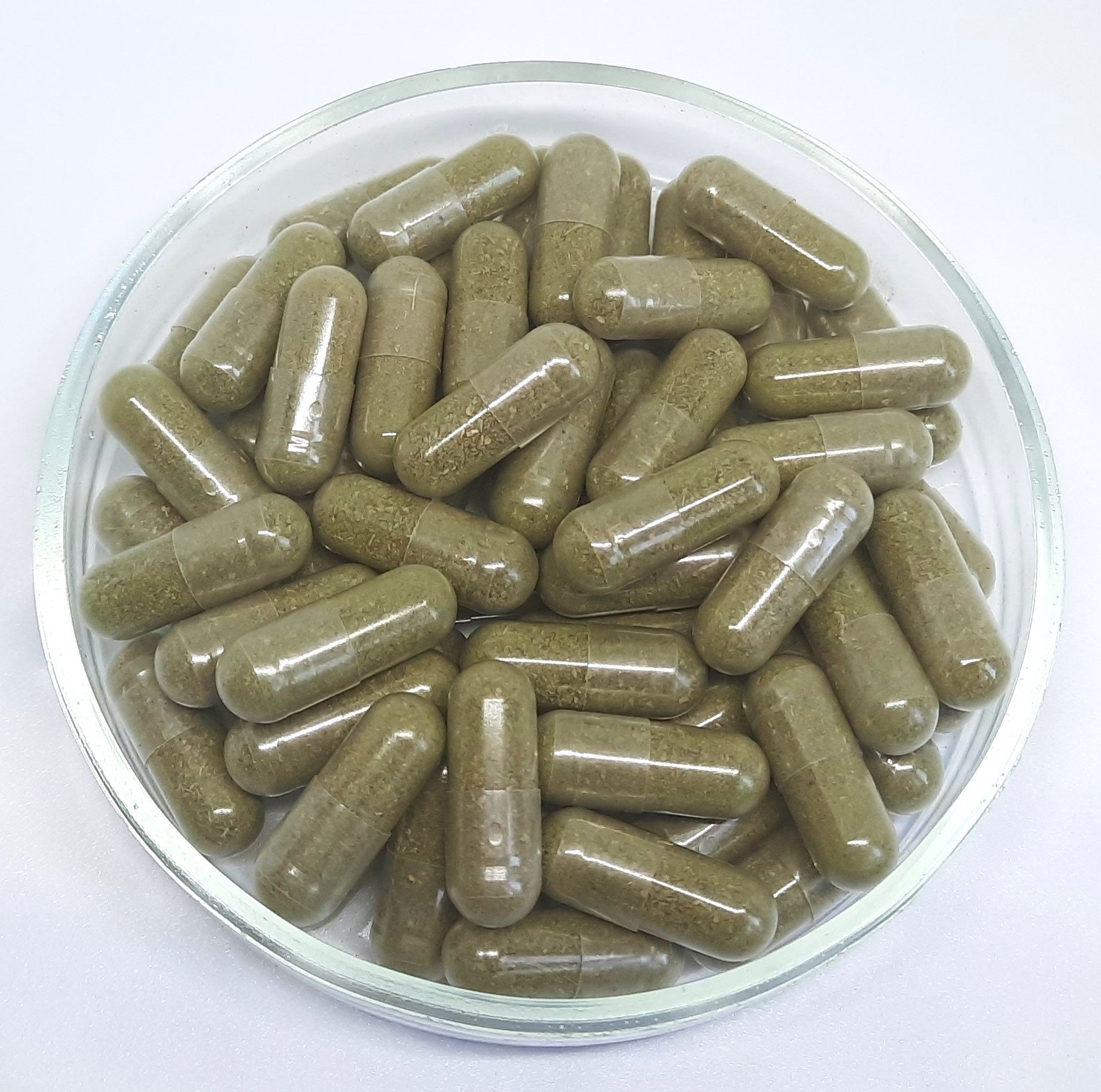
The Ultimate Guide to Lady’s Mantle: Health Benefits and Uses

The Ultimate Guide to Lady’s Mantle: Science, Tradition, and Therapeutic Benefits

Lady’s Mantle, scientifically known as Alchemilla vulgaris, is a perennial herb that has occupied a place of honor in European herbalism for centuries. Often referred to as “the woman’s best friend,” this plant belongs to the Rosaceae family and is native to the temperate and subarctic regions of Europe and Greenland. Its common name, Lady’s Mantle, is derived from the scalloped, pleated shape of its leaves, which early herbalists believed resembled the cloak or mantle of the Virgin Mary. However, its botanical name, Alchemilla, hints at a more mystical past. The name comes from the Arabic word ‘Alkemelych’ (alchemy), referring to the plant’s unique ability to collect dew on its leaves—a liquid that alchemists once believed was the purest form of water, essential for the quest to turn base metals into gold.

Beyond folklore and alchemy, Lady’s Mantle is a powerhouse of bioactive compounds. It is primarily valued for its astringent, anti-inflammatory, and emmenagogue properties. Modern phytotherapy recognizes its utility in treating various gynecological disorders, gastrointestinal issues, and dermatological conditions. This guide provides an exhaustive analysis of the plant’s chemical profile, historical significance, and the biological mechanisms that make it a cornerstone of natural medicine.

Lady's Mantle Botanical Photo

Botanical Characteristics and the Alchemical Mystery

The botanical structure of Lady’s Mantle is as intriguing as its history. The plant is characterized by its circular, kidney-shaped leaves with serrated edges and distinct pleats. One of the most fascinating physiological phenomena of Alchemilla is guttation. Unlike simple dew that condenses from the atmosphere, the droplets found on Lady’s Mantle leaves are often excreted by the plant itself through specialized pores called hydathodes. This “celestial water” was thought by ancients to possess magical properties, but we now know it contains a mixture of minerals and organic compounds from the plant’s vascular system.

The plant typically grows in damp meadows, pastures, and mountain slopes. Its flowers are small, yellow-green, and lack petals, forming airy clusters that bloom from late spring through summer. While there are many species within the Alchemilla genus, Alchemilla vulgaris and Alchemilla mollis are the most frequently discussed in therapeutic contexts, with the former being the primary choice for medicinal extracts.

Detailed Chemical Composition and Bioactive Compounds

The therapeutic efficacy of Lady’s Mantle is rooted in its sophisticated chemical makeup. The plant is particularly rich in tannins, flavonoids, and phenolic acids, which work synergistically to provide systemic health benefits. Understanding these compounds is crucial to grasping how the herb interacts with human physiology.

  • Tannins (6-8%): Primarily ellagitannins (such as pedunculagin and alchemillein) and gallotannins. Tannins are responsible for the plant’s potent astringency. They work by cross-linking proteins on the surface of tissues, creating a protective “tannin-protein” layer that reduces inflammation, stops minor bleeding (hemostatic effect), and protects against bacterial invasion.
  • Flavonoids: These include quercetin, kaempferol, and luteolin glycosides. Flavonoids are powerful antioxidants that neutralize free radicals, reduce oxidative stress, and modulate inflammatory pathways. They are instrumental in the herb’s ability to protect vascular integrity and improve circulation.
  • Salicylic Acid: Though present in smaller amounts than in willow bark, the salicylic acid in Lady’s Mantle contributes to its mild analgesic and anti-inflammatory effects, making it useful for soothing menstrual cramps and localized pain.
  • Proanthocyanidins: These condensed tannins offer cardiovascular protection and support the strength of connective tissues.
  • Essential Oils and Phytosterols: These trace components contribute to the plant’s antimicrobial properties and help balance hormonal precursors in the body.

Lady's Mantle Plant Profile

Gynecological Health: The Primary Sphere of Influence

Lady’s Mantle is perhaps most famous for its profound impact on the female reproductive system. For centuries, it has been used to treat “women’s complaints,” and modern science is beginning to validate these traditional uses through the study of its astringent and hormonal-balancing effects.

Management of Menorrhagia and Dysmenorrhea

One of the most evidence-supported uses of Lady’s Mantle is in the treatment of menorrhagia (heavy menstrual bleeding). The high concentration of ellagitannins acts as a local styptic, causing the constriction of blood vessels in the uterine lining. When consumed as a tea or tincture, it helps tone the uterus and reduce excessive flow without the side effects often associated with synthetic hormonal therapies. Furthermore, its antispasmodic properties help alleviate dysmenorrhea (painful cramping) by relaxing the smooth muscles of the uterus.

Hormonal Balancing and Menopause

While Lady’s Mantle does not contain hormones, it is considered a “tonicum” for the female endocrine system. It is often used to regulate irregular menstrual cycles and is frequently recommended during the transition into menopause. By reducing night sweats, hot flashes, and anxiety, the herb provides a stabilizing effect on the nervous system during periods of significant hormonal fluctuation. Some herbalists also suggest its use post-childbirth to help the uterus return to its pre-pregnancy state and to promote healing of the pelvic tissues.

Lady's Mantle Capsules

Gastrointestinal and Digestive Support

The astringent nature of Alchemilla vulgaris extends its benefits to the digestive tract. The tannins present in the herb react with the mucous membranes of the stomach and intestines, forming a protective barrier that can soothe irritation and combat infection.

Lady’s Mantle is a traditional remedy for acute, non-specific diarrhea. By binding to proteins in the gut, the tannins help consolidate stool and reduce the frequency of bowel movements. Additionally, its anti-inflammatory action makes it a helpful adjunct therapy for individuals suffering from mild inflammatory bowel conditions or gastritis. Because it inhibits the growth of certain pathogenic bacteria while remaining gentle on the system, it serves as an effective natural alternative for digestive upsets.

Dermatological Applications and Wound Healing

Topically, Lady’s Mantle is a remarkably effective skin healer. Its name—”Mantle”—is fitting as it acts as a protective shield for the skin. The herb’s ability to accelerate wound healing is attributed to its high antioxidant content and its capacity to stimulate fibroblasts, the cells responsible for collagen production.

Historically, Lady’s Mantle was used on the battlefield to treat wounds and stop hemorrhaging. In modern skincare, it is utilized in anti-aging formulations because it inhibits the enzymes elastase and collagenase, which break down the skin’s structural proteins. This helps maintain skin elasticity and reduces the appearance of fine lines. Furthermore, its antimicrobial properties make it an excellent wash for acne-prone skin, eczema, and minor burns. Applying a cooled infusion of Lady’s Mantle to the skin can reduce redness and tighten pores, acting as a natural, chemical-free toner.

Lady's Mantle Dried Herb

Oral Health and Anti-Inflammatory Action

The use of Lady’s Mantle as a mouthwash or gargle is a lesser-known but highly effective application. For those suffering from bleeding gums (gingivitis), mouth ulcers (aphthous stomatitis), or a sore throat, the herb provides rapid relief. The tannins help to “tighten” the gums and stop bleeding, while the anti-inflammatory flavonoids reduce swelling and pain in the oral cavity. Regular rinsing with a Lady’s Mantle decoction after dental procedures can also speed up the healing of the gums and prevent secondary infections.

Beyond the mouth, the systemic anti-inflammatory effects of Alchemilla are being studied for their potential in managing joint pain and oxidative stress. By reducing the production of pro-inflammatory cytokines, the herb may provide a holistic approach to managing chronic low-grade inflammation throughout the body.

Practical Usage: Tea, Tinctures, and Topical Compresses

To reap the benefits of Lady’s Mantle, one must understand the proper methods of preparation. The aerial parts of the plant (leaves and flowers) are harvested during the flowering season for maximum potency.

  • Herbal Tea (Infusion): To prepare a therapeutic tea, use 1-2 teaspoons of dried Lady’s Mantle herb per cup of boiling water. Let it steep for 10 to 15 minutes. This allows the tannins and flavonoids to extract fully. Drinking 2-3 cups a day is the standard recommendation for menstrual support or digestive issues.
  • Tincture: A 1:5 ratio of herb to alcohol (usually 40% ethanol) is common. Tinctures offer a more concentrated dose of the plant’s active constituents and are convenient for long-term use. A typical dosage is 2-4 ml, taken three times daily.
  • Topical Wash/Compress: For skin irritations or wound healing, a stronger decoction can be made by simmering the herb in water for 15 minutes. Once cooled, a clean cloth can be soaked in the liquid and applied to the affected area for 20 minutes.
  • Capsules and Standardized Extracts: For those who prefer a precise dosage without the taste of tannins, capsules containing powdered herb or standardized extracts are widely available in health stores.

Lady's Mantle Natural Herb

Safety, Contraindications, and Interactions

Lady’s Mantle is generally considered safe for most people when consumed in appropriate amounts. However, due to its high tannin content, long-term use at very high doses should be avoided, as excessive tannins can theoretically cause liver stress or interfere with iron absorption. Individuals with sensitive stomachs may experience minor nausea if they drink the tea on an empty stomach.

Pregnancy and Breastfeeding: While Lady’s Mantle is often used to prepare the uterus for childbirth in the final weeks of pregnancy, it should generally be avoided during the first and second trimesters unless under the supervision of a qualified healthcare provider, as its emmenagogue properties could potentially stimulate the uterus.

Drug Interactions: Because tannins can bind to certain medications and reduce their absorption, it is advisable to consume Lady’s Mantle at least two hours before or after taking pharmaceutical drugs, especially those for blood thinning or heart conditions.

Conclusion: The Timeless Relevance of Alchemilla

Lady’s Mantle stands as a testament to the enduring power of traditional herbal medicine. From its mystical roots in alchemical dew-gathering to its modern application in gynecological and dermatological health, Alchemilla vulgaris offers a gentle yet effective solution for a variety of ailments. Its rich concentration of tannins and flavonoids provides a scientific basis for its use as an astringent, anti-inflammatory, and healing agent. Whether used as a comforting tea for menstrual cramps, a soothing wash for troubled skin, or a natural remedy for digestive upsets, Lady’s Mantle remains a versatile and essential herb in the natural pharmacy. As research continues to uncover the depths of its bioactive potential, this “mantle” of healing is likely to remain a cornerstone of holistic wellness for generations to come.

Disclaimer: For informational purposes only. Not medical advice. Consult a qualified healthcare professional before use.

The Ultimate Guide to St. John’s Wort: Health Benefits and Uses

The Ultimate Guide to St. John’s Wort: A Comprehensive Analysis of Science, History, and Healing

St. John’s Wort, known botanically as Hypericum perforatum, stands as one of the most rigorously studied and commercially successful medicinal herbs in the modern pharmacopeia. While many herbal remedies rely primarily on anecdotal evidence or traditional lore, St. John’s Wort has bridged the gap between ancient folklore and contemporary clinical science. This flowering perennial, characterized by its bright yellow petals and unique translucent leaf glands, has been utilized for over two millennia to treat a spectrum of ailments ranging from external wounds to internal psychological distress. In this exhaustive guide, we explore the intricate botanical profile, the sophisticated chemical interactions within the human brain, and the practical considerations for those looking to integrate this powerful botanical into their wellness routine.

Botanical Characteristics and Morphology

The name Hypericum perforatum is deeply descriptive of the plant’s physical nature. The species name, “perforatum,” refers to the tiny, translucent dots that can be seen when the leaves are held up to the light. These are not actually holes, but rather glandular structures containing essential oils and bioactive compounds. These glands are the primary factory for the plant’s medicinal secondary metabolites. St. John’s Wort typically grows to a height of one to three feet, featuring branched stems and oppositely arranged, oblong leaves. The flowers, which bloom most vibrantly around the summer solstice (near the feast of St. John the Baptist, hence the name), possess five petals with black dots along the margins. These dots contain high concentrations of hypericin, one of the plant’s most famous compounds.

St. John's Wort Botanical Photo

Ecologically, the plant is incredibly hardy, native to Europe and Asia but now naturalized in temperate regions throughout North and South America, as well as Australia. While it is often classified as a noxious weed in agricultural settings due to its toxicity to livestock (causing photosensitivity in grazing animals), its value in human medicine remains unparalleled. Understanding the botanical integrity of the plant is crucial for wildcrafters and herbalists, as the concentration of active ingredients can vary significantly based on the soil quality, altitude, and the precise timing of the harvest during the flowering cycle.

The Complex Chemistry: Bioactive Compounds and Pharmacodynamics

The therapeutic efficacy of St. John’s Wort is not attributed to a single “magic bullet” molecule but rather to a synergistic “entourage effect” of several classes of compounds. The two most prominent and studied constituents are hypericin (a naphthodianthrone) and hyperforin (a phloroglucinol derivative). For decades, hypericin was thought to be the primary antidepressant agent. However, recent research has shifted the focus significantly toward hyperforin, identifying it as a potent modulator of neurotransmitter activity.

Hyperforin works through a unique mechanism that distinguishes it from standard pharmaceutical Selective Serotonin Reuptake Inhibitors (SSRIs). While SSRIs primarily target serotonin, hyperforin has been shown to inhibit the reuptake of multiple neurotransmitters simultaneously, including serotonin, norepinephrine, dopamine, gamma-aminobutyric acid (GABA), and glutamate. By increasing the concentrations of these chemicals in the synaptic cleft, St. John’s Wort helps to regulate mood, reduce anxiety, and improve overall cognitive resilience. Furthermore, the plant contains a rich array of flavonoids, such as quercetin and rutin, which provide potent antioxidant and anti-inflammatory benefits, protecting neural tissues from oxidative stress.

St. John's Wort Plant Profile

Another critical aspect of its chemistry is the presence of xanthones. These compounds have shown promise in laboratory settings for their antimicrobial and antiviral properties. When these various elements—the naphthodianthrones, phloroglucinols, flavonoids, and xanthones—interact within the human body, they create a multi-targeted approach to health that modern synthetic drugs often struggle to replicate. This complexity is why standardized extracts, which guarantee a specific percentage of hypericin or hyperforin, are preferred in clinical settings over raw plant material.

Historical Context and Traditional Applications

Historically, St. John’s Wort was viewed through a lens of both medicine and mysticism. In Ancient Greece, physicians like Dioscorides and Hippocrates recommended the herb for sciatica and as a diuretic. During the Middle Ages, the plant was believed to possess “apotropaic” properties, meaning it could ward off evil spirits and “melancholy.” It was frequently hung over doorways or carried in amulets to protect the wearer from madness and bad luck. This early association with treating melancholy is particularly fascinating, as it mirrors our modern use of the herb for clinical depression.

Traditional preparations were not limited to internal consumption. “Red Oil,” a maceration of the fresh flowers in a carrier oil like olive oil, has been a staple of European folk medicine for centuries. When the clear oil is infused with the flowers, the hypericin bleeds out, turning the liquid a deep, blood-red color. This oil was applied topically to treat burns, wounds, and nerve pain (such as shingles). The historical transition from a “spirit-protecting” herb to a scientifically validated antidepressant represents one of the most successful evolutions in the history of ethnobotany.

St. John's Wort Dried Herb

In the traditional Chinese medicine (TCM) framework, while not a primary native herb, similar species have been used to clear heat and resolve toxins. In Western herbalism, the dried herb remains a popular choice for teas and infusions, particularly for those seeking a gentler, more holistic approach to nervine support. Using the dried aerial parts allows for the consumption of the full spectrum of the plant’s water-soluble components, which can be particularly soothing for the digestive system and mild nervous tension.

Clinical Efficacy: St. John’s Wort and Depression

The most celebrated use of St. John’s Wort is its efficacy in treating mild-to-moderate depression. Dozens of double-blind, placebo-controlled trials have compared standardized extracts of the herb against both placebos and standard pharmaceutical antidepressants like fluoxetine (Prozac) and sertraline (Zoloft). A landmark Cochrane Review, which analyzed 29 clinical trials involving over 5,000 patients, concluded that St. John’s Wort extracts were significantly more effective than placebos and worked just as well as standard antidepressants, but with far fewer side effects.

The side-effect profile is where St. John’s Wort truly shines in a clinical context. Many patients on SSRIs struggle with weight gain, sexual dysfunction, and extreme lethargy. Research indicates that patients taking St. John’s Wort are much less likely to experience these specific adverse effects. However, it is vital to note that for severe, major depressive disorder (MDD) or cases involving suicidal ideation, the evidence for St. John’s Wort is less robust, and professional psychiatric intervention is mandatory. The herb functions best as a tool for “unsticking” the mind from persistent low-grade gloom and seasonal affective disorder (SAD).

Beyond Mood: Menopause, PMS, and Somatization

While depression takes center stage, St. John’s Wort offers significant benefits for women’s reproductive health. During the perimenopausal transition, many women experience a combination of hot flashes and psychological symptoms like irritability and anxiety. Clinical studies have shown that the combination of St. John’s Wort and Black Cohosh can dramatically improve quality of life during menopause. By stabilizing neurotransmitter levels, the herb helps regulate the body’s internal thermostat and reduces the psychological “edge” that often accompanies hormonal shifts.

Furthermore, the herb is used to treat somatization disorders—conditions where psychological distress manifests as physical pain. Because it acts on the central nervous system, it can help dampen the perception of chronic pain, particularly when that pain is linked to fibromyalgia or chronic fatigue syndrome. The anti-inflammatory flavonoids within the plant also contribute to its systemic benefits, reducing the low-grade inflammation that often underlies mood disorders and chronic pain states.

Modern Delivery: Capsules and Standardized Extracts

In the modern health market, the most common way to consume St. John’s Wort is via encapsulated supplements. This method offers the highest level of precision, which is critical for achieving therapeutic results. Standardized extracts usually contain 0.3% hypericin and up to 3% to 5% hyperforin. This standardization ensures that the consumer is receiving a consistent dose of the most active pharmacological components, which can vary wildly in raw teas or low-quality powders.

St. John's Wort Capsules

When choosing a capsule, it is important to look for third-party testing labels. Because the supplement industry is not regulated as strictly as the pharmaceutical industry, the actual content of hyperforin can degrade if the product is not manufactured and stored correctly. Hyperforin is particularly sensitive to light and oxygen. High-quality manufacturers often use opaque capsules or specialized packaging to preserve the potency of the delicate chemical bonds that allow the herb to interact with the brain’s neurotransmitter transporters.

Safety, Interactions, and the P450 Enzyme System

Despite its natural origins, St. John’s Wort is a potent pharmacological agent that requires respect and caution. Its most significant drawback is its interaction with other medications. The herb is a powerful inducer of the cytochrome P450 enzyme system in the liver, specifically the CYP3A4 isoenzyme. This enzyme is responsible for metabolizing approximately 50% of all pharmaceutical drugs. When St. John’s Wort “speeds up” these enzymes, it causes the body to process other drugs too quickly, rendering them ineffective.

Critical interactions include:

  • Oral Contraceptives: It can decrease the effectiveness of birth control, leading to breakthrough bleeding or unintended pregnancy.
  • Anticoagulants (Warfarin): It may reduce the blood-thinning effect, increasing the risk of clots.
  • Immunosuppressants (Cyclosporine): This is particularly dangerous for organ transplant recipients.
  • HIV Medications: It can lower the viral suppression efficacy of certain protease inhibitors.
  • SSRIs and MAOIs: Combining St. John’s Wort with other antidepressants can lead to Serotonin Syndrome, a potentially life-threatening condition caused by excessive serotonin accumulation.

Additionally, some users experience photosensitivity—a condition where the skin becomes hypersensitive to sunlight, leading to rapid burning or rashes. This is caused by hypericin reacting with UV light in the bloodstream. While rare at standard dosages, individuals with fair skin should exercise caution when spending prolonged time in the sun while taking the herb.

Dosage Guidelines and Practical Usage

For those cleared by a healthcare professional to use St. John’s Wort, the standard adult dosage for mild-to-moderate depression is typically 900mg per day, divided into three 300mg doses. It is important to note that, much like pharmaceutical antidepressants, the effects of St. John’s Wort are not immediate. It generally takes two to four weeks of consistent use before a noticeable improvement in mood occurs. This “lag time” is necessary for the brain to adjust its receptor sensitivity and for neurotransmitter levels to reach a new equilibrium.

St. John's Wort Natural Herb

When discontinuing the herb, it is often recommended to taper the dose gradually over a week or two rather than stopping abruptly. While it does not carry the same “withdrawal” profile as some synthetic drugs, a gradual reduction helps the nervous system re-calibrate more smoothly. For topical use, the red oil can be applied two to three times daily to unbroken skin. Always perform a patch test first to ensure no allergic reaction occurs, as the botanical complexity of the plant can occasionally trigger sensitivity in certain individuals.

Conclusion: The Future of Hypericum Perforatum

St. John’s Wort remains a cornerstone of natural medicine, offering a sophisticated, multi-targeted approach to mental and physical health. As our understanding of the gut-brain axis and neuroinflammation grows, it is likely that we will discover even more ways in which the flavonoids and phloroglucinols in this plant support human homeostasis. By combining the wisdom of the past with the rigorous standards of modern science, St. John’s Wort continues to be a vital ally for those seeking balance in an increasingly stressful world. Whether used as a standardized extract for mood support or a traditional oil for healing, Hypericum perforatum is a testament to the enduring power of botanical medicine.

Disclaimer: For informational purposes only. Not medical advice. Consult a qualified healthcare professional before use.

The Ultimate Guide to Mugwort Herb: Health Benefits and Uses

The Comprehensive Guide to Mugwort Herb: Ancient Wisdom Meets Modern Science

Mugwort, scientifically known as Artemisia vulgaris, stands as one of the most storied and versatile plants in the annals of botanical medicine. Often referred to as the “Mother of Herbs,” this perennial plant belongs to the Asteraceae family and has been a cornerstone of traditional healing systems across Europe, Asia, and North America for millennia. While it is frequently found growing wild along roadsides and in nitrogen-rich soils, its humble appearance belies a sophisticated chemical profile that offers a wide array of therapeutic benefits, ranging from digestive support to neurological modulation. In this exhaustive guide, we will explore the multifaceted nature of Mugwort, diving deep into its botanical characteristics, historical significance, bioactive compounds, and contemporary health applications.

Botanical Overview and Identification of Artemisia Vulgaris

Mugwort is a hardy, aromatic perennial that can reach heights of up to two meters. It is characterized by its deeply lobed, pinnate leaves which possess a distinctively dark green upper surface and a silvery-white, downy underside. This silver sheen, caused by the presence of fine trichomes (tiny hairs), is a key identifying feature that distinguishes it from other similar-looking plants in the Artemisia genus. The stems are typically reddish-purple or woody in color, supporting small, inconspicuous yellow or reddish-brown flowers that bloom in late summer. These flowers are wind-pollinated, reflecting the plant’s evolutionary adaptation to diverse ecological niches.

The plant’s resilience is legendary; it thrives in disturbed soils and temperate climates, often colonizing areas where other plants struggle. Historically, its ubiquity led to its widespread adoption by various cultures. For the modern herbalist, understanding the botanical nuances of Mugwort is essential for sustainable harvesting. The leaves and flowering tops are the primary parts used in therapeutic preparations, as they contain the highest concentration of essential oils and bitter principles. Understanding the plant’s life cycle—from its early spring emergence to its late-season flowering—allows for optimal potency in harvesting.

Mugwort Herb Botanical Photo

The Historical and Cultural Significance of the “Mother of Herbs”

The history of Mugwort is as rich as its chemical composition. Its name is believed to derive from the Old English “mucgwyrt,” where “mucg” refers to a midge (a small fly) and “wyrt” means herb or root. This suggests its early use as an insect repellent. In ancient Greece, the plant was associated with Artemis, the goddess of the hunt and childbirth, which hints at its long-standing use in reproductive health and midwifery. Roman soldiers were known to place Mugwort leaves in their sandals to prevent foot fatigue during long marches, a practice that highlights its supposed anti-inflammatory and invigorating properties.

In Eastern traditions, particularly in Traditional Chinese Medicine (TCM), Mugwort plays a central role in “moxibustion.” This technique involves burning aged, dried Mugwort (moxa) near specific acupuncture points to stimulate the flow of Qi (energy) and blood. The heat generated by the slow-burning herb is believed to penetrate deep into the tissues, dispelling “dampness” and “cold” from the body. Meanwhile, in European folklore, Mugwort was considered a protective herb, often hung over doorways to ward off evil spirits or worn by travelers to ensure safe passage. This intersection of physical medicine and spiritual practice defines Mugwort’s legacy as a bridge between the tangible and the ethereal.

Detailed Chemical Composition and Bioactive Compounds

The therapeutic efficacy of Mugwort is rooted in its complex array of secondary metabolites. The plant is a powerhouse of volatile oils, bitter principles, and antioxidants that work synergistically to affect various biological systems. One of the primary constituents is 1,8-cineole (eucalyptol), which contributes to the herb’s decongestant and anti-inflammatory effects. Additionally, Mugwort contains varying levels of thujone, a monoterpene ketone that, while controversial in high doses, is responsible for the plant’s antimicrobial and neuro-modulatory properties.

Beyond volatile oils, Mugwort is rich in flavonoids such as quercetin and kaempferol, which provide significant antioxidant protection by neutralizing free radicals and reducing oxidative stress. It also contains coumarin derivatives, which have been studied for their ability to improve blood circulation and reduce edema. The “bitter” nature of the herb comes from sesquiterpene lactones, compounds that play a crucial role in stimulating digestive secretions. When these compounds interact with the bitter receptors on the tongue, they trigger a cephalic response that prepares the entire gastrointestinal tract for efficient digestion.

Mugwort Herb Plant Profile

Digestive Health: The Power of Bitter Principles

Mugwort has long been utilized as a digestive tonic, particularly for those suffering from sluggish digestion or hypochlorhydria (low stomach acid). The mechanism of action is primarily driven by its bitter sesquiterpene lactones. These compounds stimulate the vagus nerve, which in turn increases the production of saliva, gastric acid, bile, and pancreatic enzymes. By enhancing the secretion of these digestive fluids, Mugwort aids in the breakdown of fats and proteins, ensuring more efficient nutrient absorption and reducing symptoms such as bloating, gas, and indigestion.

Furthermore, Mugwort possesses mild choleretic and cholagogue properties, meaning it stimulates both the production of bile in the liver and its release from the gallbladder. This is particularly beneficial for individuals with biliary stasis or those who struggle to digest fatty meals. Its antimicrobial action also helps in maintaining a healthy balance of gut flora, potentially inhibiting the overgrowth of pathogenic bacteria and fungi. In traditional European herbalism, a small cup of Mugwort tea taken before a meal was the standard remedy for restoring a weakened appetite and toning the digestive organs.

Neurological Benefits: Sleep, Anxiety, and Lucid Dreaming

Perhaps one of the most fascinating aspects of Mugwort is its influence on the nervous system and the subconscious mind. Mugwort is classified as a nervine, meaning it has a tonifying and calming effect on the nerves. It is frequently used to alleviate mild anxiety and restlessness, helping to ground the individual and promote a sense of calm. However, its most famous application in this realm is its use as a “dream herb.” For centuries, practitioners have used Mugwort to enhance the vividness of dreams and facilitate lucid dreaming—the state of being aware that one is dreaming while the dream is in progress.

This effect is likely due to the interaction of thujone and other terpenes with the GABA receptors in the brain. By modulating neurotransmitter activity, Mugwort can extend the REM (Rapid Eye Movement) phase of sleep, where most dreaming occurs. Many users report that drinking Mugwort tea or sleeping with a Mugwort-filled “dream pillow” leads to more colorful, narrative, and memorable dreams. While scientific research into lucid dreaming is still evolving, the anecdotal evidence spanning centuries suggests a potent connection between the biochemical components of Mugwort and the deep layers of the human psyche.

Reproductive Health and Emmenagogue Properties

Mugwort’s historical association with the goddess Artemis is deeply reflected in its use as a women’s health tonic. It is recognized as an emmenagogue—a substance that stimulates blood flow in the pelvic area and uterus. This makes it particularly effective for addressing delayed or suppressed menstruation (amenorrhea) caused by stress or systemic stagnation. By promoting circulation to the reproductive organs, Mugwort helps to regulate the menstrual cycle and alleviate the discomfort associated with dysmenorrhea (painful periods).

In addition to its physical effects, Mugwort is often used to balance the hormonal fluctuations that contribute to PMS symptoms such as irritability, mood swings, and water retention. It is important to note, however, that because of its ability to stimulate uterine contractions, Mugwort is strictly contraindicated during pregnancy, as it could potentially lead to miscarriage. In the postpartum period, some traditions use the herb to help the uterus return to its normal size and to support the emotional transition into motherhood, though such use should always be guided by a qualified healthcare professional.

Traditional Preparations: Tea, Tinctures, and Dried Herbs

The versatility of Mugwort allows for several methods of preparation, each highlighting different aspects of its chemistry. The most common form is an infusion or tea, made by steeping the dried leaves in hot water. This method effectively extracts the bitter principles and water-soluble flavonoids, making it ideal for digestive issues. However, because Mugwort is quite bitter, it is often blended with other herbs like peppermint or ginger to improve the flavor profile.

For those seeking a more concentrated and portable option, alcohol-based tinctures are highly effective. Alcohol acts as a powerful solvent, extracting both the volatile oils and the more resinous compounds that water might leave behind. Tinctures are often preferred for addressing nervous system issues or for use as a dream enhancer. Beyond internal use, the dried herb remains a staple in traditional practices. Whether used as a smudge for environmental cleansing or bundled into moxa sticks for heat therapy, the physical presence of the dried plant remains a vital part of the herbalist’s toolkit.

Mugwort Herb Dried Herb

Modern Supplementation: Mugwort Capsules and Extracts

As interest in traditional medicine grows, the supplement industry has made Mugwort more accessible through standardized capsules and concentrated extracts. Capsules offer a convenient way to consume the herb without experiencing its intense bitterness, making them a popular choice for long-term digestive or reproductive support. These products are often standardized to contain specific levels of active compounds, ensuring consistent potency across different batches.

When selecting a Mugwort supplement, it is crucial to look for products that use high-quality, organic raw materials. Since Mugwort can accumulate heavy metals from the soil, sourcing is of the utmost importance. Modern extracts also undergo rigorous testing to ensure that the thujone content remains within safe therapeutic limits. For individuals with busy lifestyles, these modern delivery systems provide the benefits of Mugwort with the precision and safety expected in contemporary health practices.

Mugwort Herb Capsules

Topical Applications and Skin Health

While often overshadowed by its internal uses, Mugwort is an exceptional herb for topical application. Its anti-inflammatory and antimicrobial properties make it a valuable ingredient in salves, oils, and balms. In many Asian cultures, Mugwort-infused baths are used to soothe itchy skin, alleviate eczema, and treat fungal infections like athlete’s foot. The presence of vitamin E and other antioxidants in the plant helps to protect the skin from environmental damage and promotes the healing of minor wounds and scrapes.

In the realm of modern skincare, Mugwort has gained significant popularity as a “K-beauty” (Korean beauty) ingredient. Known for its ability to calm sensitive or acne-prone skin, Mugwort extracts are featured in essences, masks, and serums. It works by reducing redness and soothing irritation, making it an ideal choice for those with rosacea or compromised skin barriers. Its ability to detoxify the skin and improve circulation results in a more radiant and balanced complexion.

Safety, Side Effects, and Contraindications

Despite its many benefits, Mugwort must be used with respect and caution. As mentioned previously, it is an emmenagogue and must be avoided during pregnancy. Furthermore, individuals who are allergic to plants in the Asteraceae family (such as ragweed, daisies, or marigolds) may experience allergic reactions when using Mugwort, ranging from contact dermatitis to respiratory distress. Long-term use of Mugwort is generally not recommended due to the thujone content, which can be neurotoxic in very high, cumulative doses.

It is also important to consider potential drug interactions. Because Mugwort can stimulate the liver and affect blood flow, it may interact with blood thinners or medications metabolized by the liver. Always consult with a healthcare provider or a clinical herbalist before incorporating Mugwort into your routine, especially if you have pre-existing medical conditions or are taking prescription medications. Moderation and informed usage are key to reaping the benefits of this powerful botanical while minimizing risk.

Dosage Guidelines and Practical Usage

Determining the correct dosage of Mugwort depends on the form of the herb and the specific health goal. For a standard infusion, one to two teaspoons of dried leaves per cup of water, steeped for 5-10 minutes, is typical. This can be taken up to three times a day for digestive support. If using a tincture (1:5 ratio in 40% alcohol), a dose of 2-4 ml taken three times daily is often recommended. For those using capsules, following the manufacturer’s instructions is generally the safest approach, as concentrations can vary between brands.

For those using Mugwort for dream work, a smaller dose taken shortly before bedtime is usually sufficient. This could be half a cup of tea or a small dose of tincture. It is often recommended to use the herb for this purpose in cycles—for example, three nights on and four nights off—to prevent the development of a tolerance and to allow the subconscious mind to integrate the experiences. Regardless of the method, starting with a lower dose and gradually increasing it allows the individual to assess their sensitivity to the herb.

Mugwort Herb Natural Herb

Conclusion: Integrating Mugwort into Modern Life

Mugwort is much more than a common weed; it is a complex therapeutic agent with a legacy that spans continents and centuries. By combining its traditional “bitter” digestive support with its unique ability to modulate the nervous system and enhance the dream state, Mugwort offers a holistic approach to wellness that addresses both the body and the mind. Whether you are seeking relief from digestive discomfort, looking to regulate your menstrual cycle, or wishing to explore the deeper reaches of your subconscious, this remarkable herb provides a natural, time-tested solution.

As we continue to validate ancient herbal wisdom through modern scientific research, Mugwort remains at the forefront of the botanical revolution. Its rich phytochemical profile and diverse applications make it an indispensable tool for anyone interested in natural health. By understanding its botanical characteristics, respecting its potency, and utilizing it with intention, we can harness the profound healing power of the “Mother of Herbs” to improve our quality of life in the modern world.

Disclaimer: For informational purposes only. Not medical advice. Consult a qualified healthcare professional before use.

The Ultimate Guide to Vervain Herb: Health Benefits and Uses

The Comprehensive Guide to Vervain Herb: A Deep Dive into the Health Benefits of Verbena Officinalis

Vervain, botanically known as Verbena officinalis, is a perennial flowering plant that has occupied a central position in the pharmacopeia of traditional herbalism for millennia. Often referred to as “the holy herb” or “Simpler’s Joy,” its history spans across diverse civilizations, from the ancient Druids of Gaul to the physicians of the Roman Empire and the practitioners of Traditional Chinese Medicine. While it may appear as a modest, slender plant with delicate pale-violet flowers, its chemical complexity and physiological impact are profound. This guide provides an exhaustive exploration of the Vervain herb, dissecting its botanical characteristics, chemical profile, and the multifaceted ways it supports human health.

Botanical Overview and Morphological Characteristics

The genus Verbena encompasses approximately 250 species, but Verbena officinalis is the primary species utilized for medicinal purposes in Europe and Asia. It is a hardy perennial that typically reaches heights of 30 to 100 centimeters. The plant is characterized by its square, stiff stems—a common feature of many plants in the Verbenaceae family—and its deeply lobed, opposite leaves. The flowers are small, sessile, and arranged in long, slender spikes that bloom from mid-summer into early autumn.

Understanding the botanical identity of Vervain is crucial for ensuring the efficacy of herbal preparations. Unlike the ornamental “Garden Verbena” or the citrus-scented Lemon Verbena (Aloysia citrodora), Verbena officinalis possesses a bitter, astringent flavor profile that signals its high concentration of therapeutic alkaloids and glycosides. This bitterness is the hallmark of its function as a digestive tonic and nervine.

Vervain Herb Botanical Photo

Historical Context: From Sacred Rituals to Clinical Use

Historically, Vervain was shrouded in myth and mysticism. The Romans believed it was a sacred plant, using it to purify altars and in diplomatic treaties. In Christian folklore, it was said to have been used to staunch the wounds of Christ on Mount Calvary, leading to its name “Herb of the Cross.” Beyond the spiritual associations, historical herbalists like Nicholas Culpeper categorized it as a plant of Venus, attributing it to the treatment of the liver, spleen, and nervous disorders.

In traditional folk medicine, it was a “simpler’s” favorite because of its versatility. It was applied topically for wound healing, brewed as a tea for “melancholy,” and used as a wash for inflammatory skin conditions. Today, modern phytotherapy has moved beyond folklore to investigate the molecular basis of these traditional claims, validating Vervain’s role as a potent anti-inflammatory, neuroprotective, and sedative agent.

Vervain Herb Dried Herb

Detailed Chemical Composition and Bioactive Compounds

The therapeutic efficacy of Vervain is a result of its rich secondary metabolites. The primary bioactive constituents include iridoid glycosides, phenylpropanoid glycosides, flavonoids, and volatile oils. Each of these classes of compounds contributes to the herb’s overall physiological effect through distinct mechanisms of action.

Iridoid Glycosides: Verbenalin and Hastatoside

Iridoids are among the most significant compounds in Vervain. Verbenalin and hastatoside are the primary glycosides responsible for the herb’s sedative and sleep-promoting properties. These compounds are believed to interact with the central nervous system, potentially modulating GABAergic pathways. By influencing the inhibitory neurotransmitters in the brain, Vervain helps to dampen overactive neuronal firing, thereby reducing anxiety and facilitating the transition into sleep.

Phenylpropanoid Glycosides: Verbascoside

Verbascoside (also known as acteoside) is a powerful antioxidant and anti-inflammatory agent found in high concentrations within the leaves and flowers of Verbena officinalis. Verbascoside has been extensively studied for its neuroprotective capabilities. It works by scavenging reactive oxygen species (ROS) and inhibiting the production of pro-inflammatory cytokines such as TNF-alpha and interleukin-6. This makes Vervain a promising candidate for managing chronic inflammatory states and protecting the brain from oxidative stress-induced damage.

Flavonoids and Phenolic Acids

Vervain contains a variety of flavonoids, including luteolin and apigenin, which are known for their ability to strengthen capillary walls and exert anxiolytic effects. Furthermore, caffeic acid and its derivatives provide additional antioxidant support, shielding cells from environmental toxins and metabolic waste products. The presence of tannins contributes to the herb’s astringency, making it effective for toning mucosal membranes and supporting wound healing.

Vervain Herb Plant Profile

Key Health Benefits of Vervain Herb

1. Support for the Nervous System and Mental Health

One of the most celebrated uses of Vervain is its role as a nervine tonic. Unlike heavy sedatives, Vervain acts as a “trophorestorative” for the nervous system, meaning it helps to nourish and restore the nerves over time. It is particularly indicated for “type A” personalities or those who experience “neck-up” tension—headaches, jaw clenching, and mental fatigue resulting from chronic stress. By modulating the hypothalamic-pituitary-adrenal (HPA) axis, Vervain helps the body maintain a more balanced response to external stressors.

2. Digestive Support and Hepatoprotective Properties

As a bitter herb, Vervain stimulates the gustatory receptors on the tongue, which in turn triggers a cephalic reflex that increases the secretion of saliva, gastric acid, and bile. This “bitter reflex” is essential for optimal digestion and nutrient absorption. Furthermore, Vervain has been traditionally used to support liver and gallbladder health. Its cholagogue properties stimulate the flow of bile, aiding in the detoxification process and helping the liver process fats more efficiently. Modern research into its hepatoprotective effects suggests that the iridoids in Vervain may help prevent liver damage caused by chemical toxins.

3. Respiratory Health and Expectorant Action

Vervain is a common ingredient in traditional European cough formulas. It acts as an expectorant, helping to thin mucus and facilitate its expulsion from the respiratory tract. This makes it useful for managing bronchitis, asthma, and the congestion associated with the common cold. Its anti-inflammatory properties also help to soothe irritated tissues in the throat and lungs, reducing the urge to cough and improving breathing comfort.

4. Anti-Inflammatory and Analgesic Effects

The combination of verbascoside and iridoids gives Vervain significant analgesic (pain-relieving) properties. It has been used historically for the relief of tension headaches and migraines. Furthermore, its ability to inhibit inflammatory mediators makes it a valuable adjunct therapy for joint pain and arthritis. Topical applications of Vervain infused oils or poultices can also be used to reduce localized inflammation and accelerate the healing of minor abrasions and skin irritations.

5. Women’s Health and Hormonal Balance

In traditional herbalism, Vervain was often employed to support the female reproductive system. It is considered an emmenagogue, meaning it can help stimulate and regulate menstrual flow. It has also been used to alleviate the symptoms of premenstrual syndrome (PMS), particularly the emotional irritability and bloating that often accompany the cycle. Some historical accounts also mention its use as a galactagogue to increase breast milk production, though modern nursing mothers should always consult a healthcare provider before use.

Modern Delivery Systems: Capsules and Supplements

While tea remains a popular way to consume Vervain, modern technology has allowed for the creation of concentrated extracts and capsules. These delivery systems offer several advantages, including standardized dosing of active compounds like verbenalin. For individuals who find the intense bitterness of the liquid herb unpalatable, capsules provide a convenient alternative that bypasses the taste buds while still delivering the therapeutic phytochemicals to the digestive system.

When selecting a supplement, it is vital to look for “Full Spectrum” extracts or those standardized to specific glycoside content. This ensures that the delicate balance of the plant’s chemistry is preserved. High-quality capsules are often used by those seeking the neuroprotective and anxiolytic benefits of Vervain on a consistent, daily basis, as they allow for precise control over intake levels.

Vervain Herb Capsules

Usage, Dosage, and Preparation

Integrating Vervain into a wellness routine can be done through several methods, depending on the desired outcome:

  • Herbal Infusion (Tea): Use 1-2 teaspoons of dried herb per cup of boiling water. Steep for 10-15 minutes. Note that a longer steep time will extract more bitters, which is excellent for digestion but may require honey or lemon to mask the flavor.
  • Tincture: A 1:5 ratio in 40% alcohol is common. Typical dosage is 2-4 ml taken three times daily. Tinctures are often preferred for their rapid absorption into the bloodstream.
  • Topical Poultice: Fresh or rehydrated dried leaves can be applied directly to the skin to soothe minor wounds, insect bites, or inflammatory skin conditions.
  • Capsules: Follow the manufacturer’s instructions, typically ranging from 500mg to 1000mg per day, depending on the concentration of the extract.

Safety Precautions and Contraindications

While Vervain is generally recognized as safe when used in appropriate amounts, certain precautions must be observed. Due to its potential emmenagogue effects, Vervain should be avoided during pregnancy, as it could theoretically stimulate uterine contractions. Furthermore, individuals with known allergies to members of the Verbenaceae family should exercise caution.

Because Vervain can influence the central nervous system, it may potentiate the effects of sedative medications or anti-anxiety drugs. It is always recommended to consult with a qualified healthcare professional before beginning any new herbal regimen, especially for those with pre-existing medical conditions or those taking prescription pharmaceuticals.

Vervain Herb Natural Herb

Conclusion: The Timeless Relevance of Vervain

In an era characterized by high stress, environmental toxins, and a prevalence of inflammatory disorders, the Vervain herb remains as relevant today as it was in the time of the Druids. Its unique ability to soothe the nervous system while simultaneously tonifying the digestive and hepatic systems makes it a cornerstone of holistic health. Whether used as a gentle tea to wind down after a demanding day or as a concentrated supplement to support long-term neuroprotection, Verbena officinalis stands as a testament to the power of botanical medicine. By understanding its complex chemistry and respecting its traditional applications, we can harness the profound benefits of this “holy herb” to cultivate a more balanced and resilient state of health.

Disclaimer: For informational purposes only. Not medical advice. Consult a qualified healthcare professional before use.