The Definitive Guide to Wormwood (Artemisia Absinthium): Unveiling Its Profound Health Benefits
For millennia, across diverse cultures and continents, the humble yet potent herb known as Wormwood (*Artemisia absinthium*) has held a revered place in traditional medicine. From ancient Egyptian scrolls to the intricate pharmacopoeias of medieval Europe, its distinctive bitter taste and remarkable therapeutic properties have been harnessed to address a myriad of ailments. Far from merely being the iconic ingredient in the fabled spirit absinthe, Wormwood is a complex botanical powerhouse, brimming with bioactive compounds that offer a spectrum of health benefits, particularly in the realms of digestive health, parasitic expulsion, and anti-inflammatory action. This exhaustive guide delves deep into the rich history, intricate chemistry, and compelling health advantages of Wormwood, providing a comprehensive resource for those seeking to understand and potentially incorporate this extraordinary herb into their wellness journey.
Our exploration will transcend anecdotal evidence, drawing upon both historical wisdom and emerging scientific insights to paint a complete picture of *Artemisia absinthium*. We will unravel the mystery behind its primary active compounds, dissect their mechanisms of action, and provide practical guidance on its various forms and safe usage. Prepare to embark on a definitive deep-dive into the world of Wormwood, an herb whose time-honored efficacy is increasingly validated by modern research.
A Journey Through Time: The Historical and Cultural Significance of Wormwood
The story of Wormwood is as old as civilization itself, interwoven with the healing practices and mythologies of ancient peoples. Its Latin name, *Artemisia*, is believed to derive from Artemis, the Greek goddess of the hunt and wild nature, also associated with healing and childbirth, underscoring its ancient feminine and therapeutic connections. The epithet *absinthium* comes from the Greek word “apsinthion,” meaning “undrinkable,” a nod to its intensely bitter flavor profile.
In ancient Egypt, Wormwood was a prized ingredient, documented in the Ebers Papyrus (circa 1550 BC) for its use in treating intestinal worms and as a digestive aid. The Greeks employed it to expel tapeworms, soothe stomach pains, and stimulate menstruation. Hippocrates, the father of medicine, prescribed it for jaundice and anemia, while Pliny the Elder lauded its benefits for stomach ailments and as an antidote to poisoning. Roman soldiers were said to chew wormwood leaves to combat fatigue.
During the Middle Ages, Wormwood continued its reign as a prominent medicinal herb. It was brewed into tonics to combat fevers, stimulate appetite, and purify the blood. Its strong aroma and perceived protective qualities also led to its use in rituals to ward off evil spirits and as an insect repellent. Fast forward to the 19th century, and Wormwood found a new, albeit controversial, celebrity as the key botanical in absinthe, the emerald-green spirit that captivated artists and writers, leading to both fascination and unwarranted vilification due to its thujone content.
Botanical Characteristics: Identifying the Elusive Green Fairy
*Artemisia absinthium* belongs to the Asteraceae family, which also includes sunflowers and daisies. It is a perennial herbaceous plant native to temperate regions of Eurasia and North Africa, commonly found in dry, infertile soil, along roadsides, and in uncultivated areas. Its distinctive appearance makes it relatively easy to identify.
The plant typically grows to a height of 0.6 to 1.2 meters (2 to 4 feet), characterized by its silvery-green, finely divided leaves covered in silky white hairs, giving them a soft, almost downy texture. These leaves are arranged spirally and are deeply lobed. The stems are usually greenish-gray and branched. In late summer, Wormwood produces small, globe-shaped, yellowish-green flower heads arranged in leafy panicles. The entire plant, especially when crushed, emits a strong, aromatic scent, a testament to its rich essential oil content. Its most defining characteristic, however, is the intensely bitter taste of its leaves, which is far more pronounced than that of most other bitter herbs.

The Potent Arsenal: Decoding Wormwood’s Bioactive Compounds
The remarkable therapeutic effects of Wormwood are attributable to a complex synergy of various bioactive compounds. While its bitterness is legendary, it’s the interplay of these chemical constituents that confers its medicinal power. Understanding these compounds is key to appreciating the herb’s multifaceted benefits.
Thujone: The Conundrum and the Key
Perhaps the most famous, and often misunderstood, compound in Wormwood is thujone. Present in two isomeric forms, alpha-thujone and beta-thujone, it is a monoterpene ketone that contributes significantly to the herb’s aroma and, in higher concentrations, its psychoactive properties associated with traditional absinthe. Thujone acts primarily as a GABA-A receptor antagonist in the brain. GABA (gamma-aminobutyric acid) is an inhibitory neurotransmitter, meaning it calms neural activity. By blocking GABA receptors, thujone can lead to increased neuronal excitability, which, at very high doses, can manifest as convulsions or seizures. However, it’s crucial to differentiate between the extremely high concentrations found in historical absinthe (often due to poor distillation practices and high-proof alcohol) and the much lower levels typically present in modern herbal preparations. In carefully controlled doses, thujone may also possess antimicrobial and anthelmintic (anti-parasitic) properties, contributing to Wormwood’s efficacy against various pathogens.
Sesquiterpene Lactones: The Bitter Powerhouses
The characteristic intense bitterness of Wormwood is primarily due to its sesquiterpene lactones, with absinthin and anabsinthin being the most prominent. These compounds are far more than just flavor agents; they are potent drivers of many of Wormwood’s therapeutic actions. Absinthin, in particular, is considered one of the bitterest known natural substances. Upon ingestion, these bitter compounds stimulate bitter taste receptors on the tongue, triggering a cascade of physiological responses. This includes increased salivation, enhanced secretion of gastric juices (hydrochloric acid and digestive enzymes), and stimulation of bile production and flow from the liver and gallbladder (choleretic and cholagogue effects). This comprehensive digestive stimulation significantly improves digestion, nutrient absorption, and helps alleviate symptoms like bloating, gas, and indigestion. Furthermore, some sesquiterpene lactones have demonstrated anti-inflammatory and antiparasitic activities, adding layers to Wormwood’s medicinal profile.

Flavonoids: Antioxidant and Anti-inflammatory Guardians
Wormwood is rich in a variety of flavonoids, including artemisinin (though in much smaller quantities than in *Artemisia annua*, the source of the antimalarial drug), quercetin, kaempferol, and rutin. Flavonoids are well-known plant pigments with powerful antioxidant properties, capable of neutralizing free radicals and reducing oxidative stress throughout the body. This protective action contributes to cellular health and may play a role in preventing chronic diseases. Additionally, many flavonoids exhibit significant anti-inflammatory effects by modulating various inflammatory pathways, such as inhibiting pro-inflammatory enzymes and cytokines. These compounds also contribute to Wormwood’s potential antimicrobial properties and may support cardiovascular health.
Essential Oils: Aromatic Antiseptics
The volatile essential oils of Wormwood, besides thujone, contain a complex mixture of other monoterpenes and sesquiterpenes, including chamazulene, pinene, sabinene, and linalool. These oils contribute to the herb’s distinctive aroma and possess a range of therapeutic properties. They are particularly noted for their antiseptic, antimicrobial, and insecticidal actions. When applied topically (highly diluted) or inhaled, they can offer benefits related to respiratory health or pain relief, though internal consumption of concentrated essential oil is generally not recommended due to high thujone content and potential toxicity.
Other Compounds of Interest
Beyond these primary categories, Wormwood also contains lignans, phenolic acids (like caffeic and ferulic acids), tannins, and coumarins. These compounds further contribute to its overall pharmacological activity, offering additional antioxidant, anti-inflammatory, and potentially detoxifying effects, showcasing the synergistic complexity that makes whole-plant medicine so effective.
Comprehensive Health Benefits: The Therapeutic Scope of Wormwood
Armed with this diverse array of bioactive compounds, Wormwood offers a broad spectrum of health benefits, many of which have been validated by modern research and extensive traditional use.
A. Digestive Health and Gastric Support: The Bitter Tonic
Wormwood’s most celebrated and well-documented benefit lies in its profound impact on the digestive system. The intense bitterness from sesquiterpene lactones acts as a powerful digestive stimulant. By activating bitter taste receptors, it triggers a reflex arc that:
- Increases Salivation: Initiates the digestive process by providing enzymes for initial carbohydrate breakdown.
- Stimulates Gastric Acid Production: Enhances the secretion of hydrochloric acid (HCl) and pepsin, crucial for protein digestion and sterilizing ingested food. This is particularly beneficial for individuals with hypochlorhydria (low stomach acid), which can lead to indigestion, bloating, and nutrient malabsorption.
- Promotes Bile Flow: Acts as a choleretic (increases bile production in the liver) and cholagogue (stimulates bile release from the gallbladder). Bile is essential for fat digestion and absorption of fat-soluble vitamins, as well as for detoxification processes.
- Alleviates Indigestion and Dyspepsia: By optimizing the entire digestive cascade, Wormwood can significantly reduce symptoms like bloating, gas, stomach cramps, and a feeling of fullness after meals. It can improve appetite, particularly in individuals experiencing appetite loss due to illness or debility.
B. Potent Antiparasitic and Antimicrobial Properties: A Natural Defense
Historically and currently, Wormwood is highly valued for its ability to combat internal parasites. Its anthelmintic properties are attributed to thujone, sesquiterpene lactones, and other essential oil components, which are toxic to various species of intestinal worms, including pinworms, roundworms, and hookworms. The compounds are believed to disrupt the nervous systems or metabolic processes of these parasites, leading to their expulsion. In modern herbal medicine, Wormwood is often included in multi-herb antiparasitic protocols. Beyond parasites, its essential oils and flavonoids confer significant antibacterial and antifungal properties, making it useful against a range of microbial pathogens, potentially aiding in conditions like SIBO (Small Intestinal Bacterial Overgrowth) and candidiasis, although more specific research is needed for these applications.
C. Anti-inflammatory and Pain Relief Potential
The rich flavonoid content and certain sesquiterpene lactones in Wormwood exhibit notable anti-inflammatory effects. These compounds work by modulating inflammatory pathways, such as inhibiting pro-inflammatory cytokines (e.g., TNF-alpha) and enzymes. This anti-inflammatory action makes Wormwood a potential candidate for managing chronic inflammatory conditions. Preliminary research, for example, has explored its use in inflammatory bowel diseases (IBD) like Crohn’s disease, showing promising results in reducing disease activity and steroid dependency in some patients, though more extensive clinical trials are required. While not a direct analgesic, by reducing underlying inflammation, it can indirectly help alleviate associated pain.
D. Antioxidant Powerhouse: Battling Oxidative Stress
The flavonoids and phenolic acids present in *Artemisia absinthium* are potent antioxidants. They effectively scavenge free radicals, unstable molecules that cause oxidative stress and cellular damage, contributing to aging and chronic diseases like cancer, heart disease, and neurodegenerative disorders. By mitigating oxidative stress, Wormwood contributes to cellular protection, supports overall cellular integrity, and may enhance the body’s natural defense mechanisms.
E. Immune Modulation: Supporting the Body’s Defenses
While not a direct immune stimulant, Wormwood’s multifaceted actions indirectly support immune function. By improving digestive health, it enhances nutrient absorption, which is critical for a robust immune system. Its anti-inflammatory and antimicrobial properties reduce the burden on the immune system, allowing it to function more effectively. Some compounds may also have direct immunomodulatory effects, helping to balance immune responses, particularly in inflammatory conditions.
F. Emerging Potential in Cancer Research
While Artemisinin, derived from *Artemisia annua* (Sweet Wormwood), is widely researched for its promising anticancer properties, *Artemisia absinthium* itself contains compounds that have shown preliminary anticancer activity in *in vitro* studies. Flavonoids, sesquiterpene lactones, and other phenolic compounds in Wormwood have demonstrated abilities to inhibit cancer cell proliferation, induce apoptosis (programmed cell death), and suppress tumor growth in various cancer cell lines. This area of research is still in its early stages for *A. absinthium*, but it highlights the broader therapeutic potential of the *Artemisia* genus.
Practical Usage and Forms of Wormwood
Wormwood can be utilized in several forms, each with its own advantages and considerations regarding concentration and safety. The method of preparation often dictates the compound profile and intensity of its effects.
Traditional Preparations: Embracing Herbal Heritage
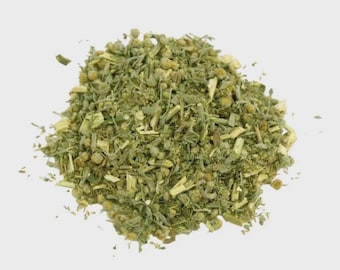
- Wormwood Tea (Infusion): This is one of the most common and traditional ways to consume Wormwood. A small amount of dried leaves (typically 1/2 to 1 teaspoon) is steeped in hot water for 5-10 minutes. Due to its extreme bitterness, it’s often combined with other herbs like peppermint or anise, or sweetened with honey. This method primarily extracts water-soluble compounds like bitter sesquiterpene lactones and some flavonoids, making it excellent for digestive stimulation and appetite enhancement.
- Tinctures: Alcohol-based tinctures are concentrated liquid extracts, providing a convenient and potent way to consume Wormwood. The alcohol helps extract a broader spectrum of compounds, including some of the essential oils. Dosages are typically measured in drops, offering precise control over intake. Tinctures are particularly effective for antiparasitic protocols and systemic digestive support.
Modern Supplementation: Convenience and Standardization
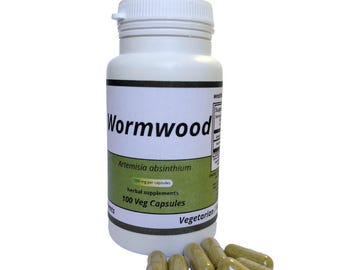
- Capsules or Tablets: For those who find the bitter taste of Wormwood unpalatable, capsules or tablets offer a convenient alternative. These often contain powdered dried herb or standardized extracts, ensuring a consistent dosage of active compounds. They are widely available as single-herb supplements or as part of complex herbal formulas, especially for digestive health or parasite cleanses. When purchasing, look for products that specify the absence or very low levels of thujone if concerns exist.
- Essential Oil: While Wormwood essential oil exists, it is extremely potent and contains high concentrations of thujone. It is generally NOT recommended for internal consumption due to its potential toxicity. Topical application should only be done with extreme dilution and under professional guidance. Its primary uses are often in aromatherapy (with caution) or as an insect repellent.
Dosage, Safety, and Potential Side Effects: Prudent Use is Key
While Wormwood offers significant health benefits, it is a potent herb that must be used with caution and respect. Its strength necessitates careful dosing and awareness of potential contraindications and side effects. Always consult with a qualified healthcare professional or a knowledgeable herbalist before starting any new herbal regimen, especially if you have underlying health conditions or are taking medications.
General Dosage Guidelines:
- Dried Herb (for tea): Typically 0.5 to 1 gram (approximately 1/2 to 1 teaspoon) steeped in 150-250 ml of hot water, consumed 15-30 minutes before meals for digestive support, up to three times a day. Not for continuous long-term use.
- Tincture (1:5 ratio): Generally 1-4 ml, up to three times daily. Start with the lower dose and gradually increase if needed and tolerated.
- Capsules/Tablets: Follow manufacturer’s instructions, as concentrations vary widely. Typical doses might range from 200-500 mg of powdered herb per capsule, taken 1-3 times daily.
It is crucial to emphasize that these are general guidelines. Individual needs, the specific preparation, and the thujone content can all influence appropriate dosage. Modern Wormwood supplements often guarantee very low or no thujone content for safety.
Thujone Concerns and Toxicity:
The primary safety concern with Wormwood, particularly in large doses or prolonged use, is its thujone content. Excessive thujone intake can lead to neurotoxicity, manifesting as:
- Nausea, vomiting, and dizziness.
- Tremors and restlessness.
- Insomnia.
- In severe cases: convulsions, seizures, and paralysis.
However, it is important to reiterate that such severe reactions are typically associated with extremely high doses of thujone found in illegally distilled or highly concentrated, unregulated preparations. Modern, reputable herbal supplements and teas contain significantly lower and generally safe levels of thujone, especially when used for short durations.
Contraindications and Precautions:
- Pregnancy and Breastfeeding: Wormwood is contraindicated during pregnancy due to its emmenagogue (stimulates menstrual flow) and potential abortifacient effects. It should also be avoided by breastfeeding mothers.
- Epilepsy/Seizure Disorders: Due to thujone’s GABA-A antagonist activity, individuals with a history of epilepsy or seizure disorders should strictly avoid Wormwood.
- Kidney Disease: High doses may be irritating to the kidneys; use with caution or avoid.
- Allergies: Individuals allergic to plants in the Asteraceae family (e.g., ragweed, marigolds, daisies) may experience allergic reactions to Wormwood.
- Stomach Ulcers/Gastritis: While beneficial for digestion, its bitterness and gastric stimulant action could exacerbate symptoms in acute cases of stomach ulcers or severe gastritis.
- Medication Interactions: Wormwood may interact with certain medications, including anti-seizure drugs, blood thinners (due to coumarins), and potentially drugs metabolized by the liver. Always consult a healthcare provider.
Duration of Use:
Wormwood is generally recommended for short-term use (typically 2-4 weeks), followed by a break. It is not intended for continuous, long-term consumption due to the potential for thujone accumulation and other adverse effects. Cycling the herb is a common practice to maximize benefits and minimize risks.

Conclusion: Embracing the Bitter Wisdom of Wormwood
Wormwood (*Artemisia absinthium*) stands as a testament to the enduring power of botanical medicine. From its ancient origins as a revered digestive tonic and antiparasitic agent to its complex chemical profile now better understood by modern science, this herb offers a profound array of health benefits. Its unparalleled ability to stimulate digestion, combat intestinal invaders, and mitigate inflammation makes it an invaluable asset in the herbal pharmacopeia.
While the historical shadow of absinthe and its thujone content once cast a pall over Wormwood, contemporary understanding and responsible preparation methods have illuminated its safe and effective therapeutic potential. By respecting its potency, adhering to recommended dosages, and exercising prudence, individuals can judiciously harness the bitter wisdom of Wormwood to support their digestive health, fortify their defenses against pathogens, and contribute to overall well-being. As with all powerful natural remedies, informed decision-making and consultation with healthcare professionals remain paramount to unlocking the full spectrum of its benefits safely and effectively.
Disclaimer: For informational purposes only. Not medical advice. Consult a qualified healthcare professional before use.