The Profound Health Benefits of Sweet Wormwood (Artemisia annua): An Exhaustive Deep-Dive
In the vast pantheon of medicinal plants, Sweet Wormwood, scientifically known as Artemisia annua, stands out as a botanical marvel with a rich history and an increasingly validated scientific profile. This humble herb, often overshadowed by its more famous cousin Artemisia absinthium (common wormwood), possesses a unique array of bioactive compounds that confer a spectrum of impressive health benefits. From its ancient roots in Traditional Chinese Medicine (TCM) to its groundbreaking role in modern pharmacology, Sweet Wormwood has captured the attention of researchers and health enthusiasts alike. This definitive guide will delve into the intricate world of Artemisia annua, exploring its historical significance, botanical characteristics, complex chemical composition, and the profound health advantages it offers.
A Journey Through Time: Historical Context of Sweet Wormwood
The story of Sweet Wormwood is deeply intertwined with human civilization, particularly within the annals of Traditional Chinese Medicine (TCM). Known in China as Qinghao, its use dates back over 2,000 years, with the earliest written record appearing in the “Fifty-two Prescriptions” unearthed from the Mawangdui Han tombs in 168 BCE. Ancient Chinese texts describe its efficacy in treating fevers and chills, symptoms strikingly similar to malaria. Ge Hong, a renowned physician from the 4th century CE, specifically documented its use for intermittent fevers, advising to “take a handful of Qinghao, soak it in two sheng of water, wring it out, and drink the juice whole.” This cold extraction method, crucial for preserving the plant’s delicate active compounds, predates modern pharmaceutical techniques and highlights an intuitive understanding of its properties.
While its antimalarial properties were largely forgotten by the Western world for centuries, Artemisia annua continued to be a staple in traditional Asian pharmacopoeias, valued for its ability to clear heat, detoxify, and alleviate various ailments. It was not until the 20th century, amidst the urgent global health crisis posed by drug-resistant malaria, that scientists rediscovered its potential. This rediscovery, spearheaded by Chinese scientist Tu Youyou, who was awarded the Nobel Prize in Physiology or Medicine in 2015, marked a pivotal moment, transforming Sweet Wormwood from a traditional folk remedy into a cornerstone of global public health. Her work led to the isolation and synthesis of artemisinin, the primary antimalarial compound, which has since saved millions of lives worldwide.
Botanical Overview: Understanding the Plant
Artemisia annua is an annual herbaceous plant belonging to the Asteraceae family, which also includes daisies and sunflowers. Native to temperate Asia, particularly China, it has naturalized in various parts of the world, including Europe and North America. The plant typically grows to a height of 1-2 meters (3-6 feet) under optimal conditions, characterized by its distinctive feathery, deeply dissected leaves and small, yellowish-green flowers arranged in loose panicles. The leaves, stems, and flowers are covered in glandular trichomes, which are responsible for producing and storing the plant’s characteristic aromatic essential oils and, more importantly, its therapeutic compounds, including artemisinin.
The aroma of Sweet Wormwood is often described as fresh, camphorous, and slightly bitter, a testament to its rich volatile oil content. It thrives in sunny environments with well-drained soil and is known for its rapid growth cycle. Its preference for specific environmental conditions and the complex biosynthetic pathways involved in producing its active compounds contribute to variations in artemisinin content, which can be influenced by factors such as climate, soil, harvest time, and plant genetics. This botanical complexity underscores the importance of sourcing high-quality Artemisia annua for medicinal applications.

The Chemical Symphony: Bioactive Compounds of Sweet Wormwood
The therapeutic prowess of Artemisia annua stems from a sophisticated blend of bioactive compounds, not just a single molecule. While artemisinin is undoubtedly the most celebrated, a diverse array of other secondary metabolites work synergistically to exert the plant’s multifaceted health benefits. Understanding these compounds and their interactions is key to appreciating the holistic nature of this medicinal herb.
Artemisinin: The Antimalarial Powerhouse
Artemisinin is a sesquiterpene lactone characterized by a unique endoperoxide bridge, a chemical structure crucial for its potent antimalarial activity. Its mechanism of action involves interaction with iron present in infected red blood cells. When artemisinin encounters iron, specifically heme iron from the breakdown of hemoglobin by malaria parasites, the endoperoxide bridge is cleaved, releasing highly reactive free radicals. These free radicals then damage parasitic proteins, lipids, and DNA, leading to the rapid destruction of the parasite. This unique mechanism is particularly effective against multi-drug resistant strains of Plasmodium falciparum, making artemisinin and its derivatives (artesunate, artemether, dihydroartemisinin) the cornerstone of Artemisinin-based Combination Therapies (ACTs) for malaria globally.
Flavonoids: Antioxidant and Anti-inflammatory Agents
Artemisia annua is rich in various flavonoids, including quercetin, luteolin, kaempferol, and apigenin. These polyphenolic compounds are renowned for their robust antioxidant and anti-inflammatory properties. Flavonoids scavenge free radicals, thereby protecting cells from oxidative damage, which is implicated in numerous chronic diseases, including cardiovascular disease, neurodegenerative disorders, and cancer. Their anti-inflammatory effects are mediated through the modulation of signaling pathways involved in inflammation, such as the inhibition of pro-inflammatory cytokines (e.g., TNF-α, IL-6) and enzymes (e.g., COX-2, iNOS). This broad-spectrum activity contributes significantly to the plant’s overall therapeutic profile.
Coumarins: Anticoagulant and Antimicrobial Properties
Coumarins, such as scopoletin and esculetin, are another class of compounds found in Sweet Wormwood. These compounds exhibit a range of biological activities, including anticoagulant, anti-inflammatory, and antimicrobial effects. Scopoletin, in particular, has been studied for its potential to inhibit platelet aggregation, suggesting a role in cardiovascular health by reducing the risk of blood clot formation. Additionally, coumarins contribute to the plant’s defense mechanisms against pathogens, offering additional antimicrobial support.
Essential Oils: Aromatic and Therapeutic Volatiles
The essential oil of Artemisia annua is a complex mixture of volatile terpenes, including artemisia ketone, camphor, cineole, and alpha-pinene. These compounds impart the plant’s characteristic aroma and contribute to its therapeutic actions. The essential oil has demonstrated significant antimicrobial, antifungal, and insecticidal properties. For instance, artemisia ketone has shown activity against certain bacteria and fungi, while the overall essential oil can act as a natural insect repellent, reflecting traditional uses of the plant. These volatile compounds may also contribute to the plant’s anxiolytic and sedative properties observed in some traditional applications.

Unveiling the Health Benefits: A Comprehensive Analysis
The synergistic action of its diverse compounds bestows upon Sweet Wormwood an impressive array of health benefits, ranging from its well-established antimalarial effects to burgeoning research into its anticancer and antimicrobial potentials.
1. Potent Antimalarial Efficacy
This is arguably the most globally recognized benefit of Artemisia annua. Artemisinin and its derivatives form the basis of Artemisinin-based Combination Therapies (ACTs), which are the most effective treatments for uncomplicated Plasmodium falciparum malaria. Artemisinin acts rapidly to clear parasites from the bloodstream, significantly reducing fever and other symptoms. Its unique mechanism of action, targeting the parasite’s iron metabolism, makes it effective even against drug-resistant strains, offering a critical lifeline in regions where malaria remains endemic. The whole plant itself, when prepared appropriately, has also shown promise, with some studies suggesting that the presence of other compounds in the plant may enhance artemisinin’s bioavailability and efficacy, and potentially reduce the risk of resistance development compared to isolated artemisinin.
2. Broad-Spectrum Anti-inflammatory Effects
Beyond its antimalarial role, Artemisia annua exhibits significant anti-inflammatory properties, largely attributed to its flavonoid content and other sesquiterpenes. These compounds modulate key inflammatory pathways, inhibiting the production of pro-inflammatory cytokines such as TNF-α, IL-1β, and IL-6, as well as blocking the activity of enzymes like COX-2 and iNOS, which are central to inflammation and pain. This makes Sweet Wormwood a potential natural agent for managing chronic inflammatory conditions such as rheumatoid arthritis, inflammatory bowel disease (IBD), and asthma, by dampening the systemic inflammatory response without the severe side effects often associated with conventional anti-inflammatory drugs. Research continues to explore its potential in modulating the immune response to reduce pathological inflammation.
3. Promising Anticancer Potential
One of the most exciting and actively researched areas for Artemisia annua is its potential in cancer therapy, primarily driven by artemisinin. The anticancer mechanism is strikingly similar to its antimalarial action: cancer cells, especially rapidly proliferating ones, often accumulate significantly higher levels of iron than normal cells. This increased iron uptake is critical for their rapid growth and division. Artemisinin selectively targets these iron-rich cancer cells, leading to the activation of the endoperoxide bridge, production of reactive oxygen species (ROS), and subsequent oxidative stress and damage to the cancer cells’ DNA, proteins, and mitochondria. This results in programmed cell death (apoptosis) in malignant cells, while largely sparing healthy cells with lower iron concentrations. Studies have shown efficacy against various cancer cell lines, including breast, prostate, colon, leukemia, and lung cancers. While promising, more human clinical trials are needed to fully establish its role as a therapeutic agent in oncology, especially in combination with conventional treatments.
4. Antimicrobial and Antifungal Properties
The essential oils and other compounds present in Artemisia annua confer significant antimicrobial and antifungal activities. Extracts of the plant have demonstrated inhibitory effects against a range of bacteria, including some multidrug-resistant strains, as well as various fungal species, including Candida albicans. This broad-spectrum activity suggests its potential as a natural antiseptic and an agent against common infections. Traditional uses of the herb for skin conditions, wounds, and internal infections are supported by these findings, highlighting its potential role in natural first-aid and supportive therapy for microbial challenges. Further research is exploring its efficacy against parasites beyond malaria, such as giardia and toxoplasma, based on its potent antiparasitic nature.

5. Immune System Modulation and Support
Artemisia annua is believed to possess immunomodulatory properties, meaning it can help balance and support the immune system. While it can reduce excessive inflammatory responses, it also contains compounds that may enhance certain aspects of immune function, helping the body defend against pathogens. Its ability to combat infections (bacterial, viral, parasitic) is a direct form of immune support. Furthermore, its antioxidant capacity helps protect immune cells from oxidative stress, ensuring their optimal function. This dual action of dampening harmful inflammation while bolstering defense mechanisms makes it a valuable herb for overall immune health, particularly during seasonal challenges or periods of immune compromise.
6. Potential Digestive Health Benefits
In traditional medicine, bitter herbs like wormwood are often used to stimulate digestive function. Artemisia annua, with its mildly bitter taste, is thought to promote the secretion of digestive enzymes and bile, aiding in the breakdown and absorption of nutrients. This can lead to improved appetite, reduced bloating, and better overall digestive efficiency. Its anti-inflammatory and antimicrobial properties may also contribute to a healthier gut microbiome and reduce inflammation within the gastrointestinal tract, potentially offering relief for conditions like irritable bowel syndrome (IBS) or other digestive discomforts, though specific research on these applications is still emerging.
Practical Usage and Considerations
Sweet Wormwood can be utilized in various forms, each with its own advantages and considerations. The choice of form often depends on the desired effect, tradition of use, and personal preference.
Dried Herb for Teas and Infusions
Traditionally, Sweet Wormwood is consumed as a tea or infusion. The dried aerial parts of the plant (leaves, stems, flowers) are steeped in hot water. This method is excellent for extracting water-soluble compounds like certain flavonoids and some volatile oils, making it suitable for general health support, digestive aid, and mild anti-inflammatory effects. For antimalarial purposes, the traditional cold water extraction (as advised by Ge Hong) is often preferred to preserve artemisinin, which degrades in hot water. Whole leaf preparations, in general, are thought to provide a broader spectrum of compounds that may work synergistically.
Tinctures and Liquid Extracts
Tinctures involve extracting the plant’s active compounds using alcohol (or sometimes glycerin). This method effectively extracts both water-soluble and alcohol-soluble compounds, including artemisinin and other lipophilic constituents. Tinctures offer concentrated forms of the herb, allowing for precise dosing and rapid absorption. They are a popular choice for those seeking systemic effects and can be particularly potent for targeting specific conditions.
Capsules and Tablets
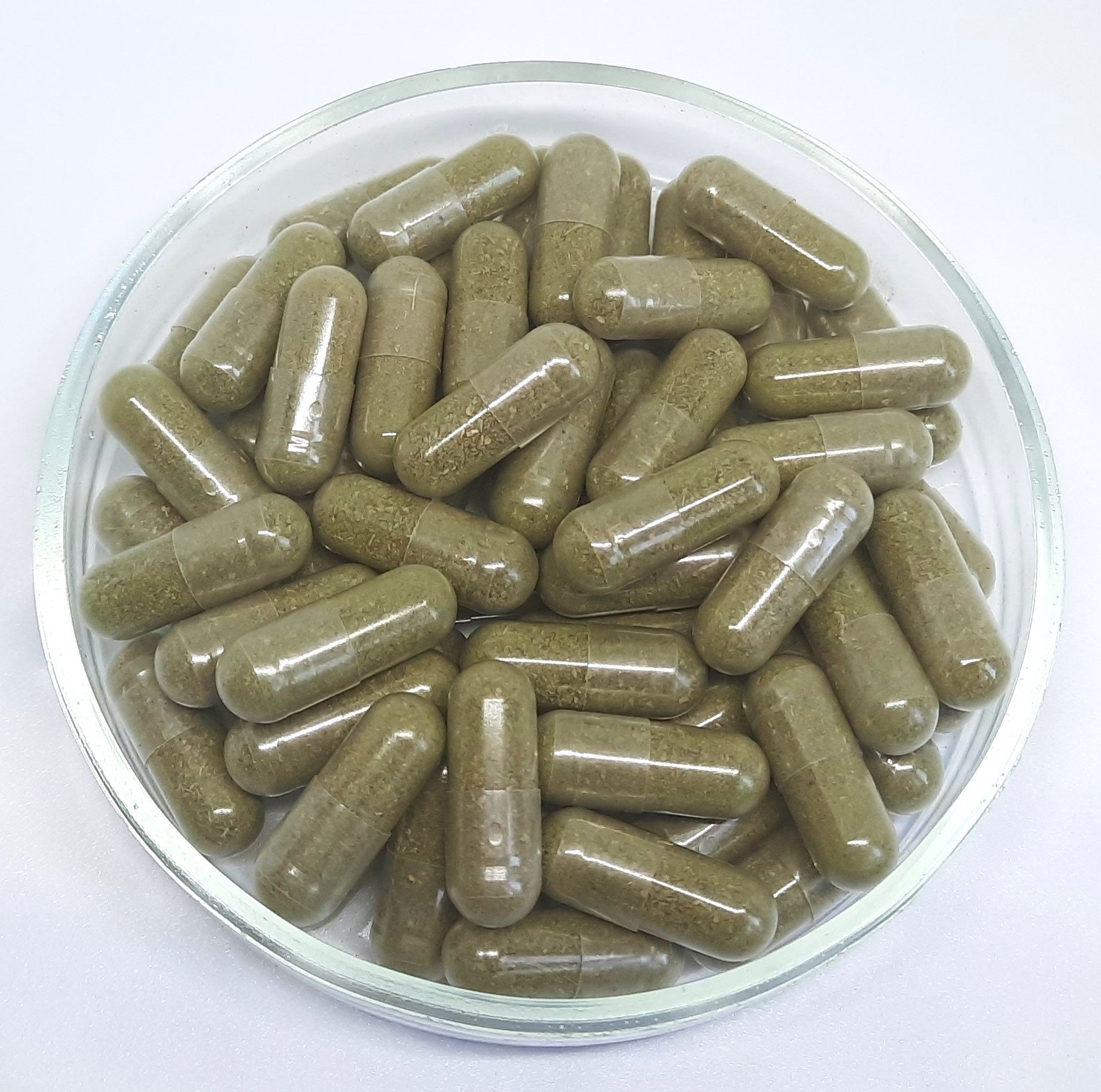
For convenience and standardized dosing, Sweet Wormwood is widely available in capsule or tablet form. These supplements often contain powdered dried herb, extracts standardized to artemisinin content, or isolated artemisinin. Capsules are an excellent option for consistent intake and are often preferred for their ease of use. When selecting capsules, it is crucial to look for reputable brands that provide third-party testing for purity and potency, especially regarding artemisinin content. This form is particularly popular for targeted therapeutic uses, such as in supportive protocols for malaria prevention (in endemic areas, under medical supervision) or adjunctive cancer therapies (again, under strict medical guidance).
Essential Oil
The essential oil of Artemisia annua is primarily used for its aromatic and topical antimicrobial properties. Due to its potent concentration and potential for toxicity, it is generally not recommended for internal consumption unless specifically formulated and supervised by a qualified practitioner. It can be diffused for its aromatic benefits or diluted and applied topically for skin conditions or insect repellent purposes, always performing a patch test first.
Dosage and Safety Considerations
The appropriate dosage of Sweet Wormwood varies significantly depending on the form, the specific health condition being addressed, and individual factors such as age, weight, and overall health. There is no universally established dosage for all applications, and it is imperative to consult with a qualified healthcare professional before incorporating Artemisia annua into any health regimen, particularly for serious conditions like malaria or cancer.
While generally considered safe for short-term use, Sweet Wormwood can have potential side effects. These may include mild gastrointestinal upset (nausea, vomiting, diarrhea), dizziness, or allergic reactions in sensitive individuals. Long-term use, especially of high doses of isolated artemisinin, requires careful monitoring. Pregnancy and breastfeeding are typically contraindications due to insufficient safety data. Individuals with a history of liver or kidney disease should exercise caution. Furthermore, Sweet Wormwood may interact with certain medications, including anticoagulants, antidiabetic drugs, and other antimalarials, necessitating medical consultation.

Conclusion: The Enduring Legacy and Future Potential of Sweet Wormwood
Sweet Wormwood (Artemisia annua) is far more than just an antimalarial drug; it is a botanical powerhouse with a diverse spectrum of scientifically validated and traditionally recognized health benefits. Its historical journey from an ancient Chinese remedy for fevers to a Nobel Prize-winning medicine for malaria underscores the enduring value of traditional knowledge merged with modern scientific inquiry. The synergistic interplay of compounds like artemisinin, flavonoids, and essential oils contributes to its potent antimalarial, anti-inflammatory, anticancer, antimicrobial, and immunomodulatory effects.
As research continues to unravel the complexities of Artemisia annua, its potential applications in addressing some of the most pressing global health challenges, from drug-resistant infections to chronic diseases, become increasingly clear. However, like all potent natural remedies, respectful and informed usage is paramount. Consulting with healthcare professionals to ensure safe and effective integration into personal health strategies is always recommended. The legacy of Sweet Wormwood is a testament to nature’s profound pharmacy, offering hope and healing through its delicate balance of powerful bioactive compounds.
Disclaimer: For informational purposes only. Not medical advice. Consult a qualified healthcare professional before use.