Unveiling the Power of Bearberry: An Exhaustive Guide to the Health Benefits of Uva Ursi Leaf
For centuries, across diverse cultures and continents, humanity has turned to the bounty of nature for healing and sustenance. Among the myriad botanical treasures, the Uva Ursi leaf, commonly known as Bearberry, stands as a testament to traditional herbal wisdom, particularly renowned for its profound impact on urinary tract health. This evergreen shrub, scientifically identified as Arctostaphylos uva-ursi, has earned its place in pharmacopoeias and folk remedies alike, celebrated for its potent bioactive compounds and their multifaceted therapeutic applications. Delving beyond its widespread reputation as a urinary antiseptic, this exhaustive guide aims to illuminate the intricate science, rich history, and comprehensive health benefits associated with Uva Ursi leaf, providing a definitive resource for those seeking to understand this remarkable botanical ally.
From its distinct botanical characteristics to its complex chemical composition, the journey through Uva Ursi’s medicinal prowess reveals a plant deeply integrated into both ecological systems and human health practices. Understanding how its leaves yield their therapeutic effects requires a careful exploration of phytochemistry, traditional preparation methods, and modern scientific validation. Whether you are a herbal enthusiast, a health professional, or simply curious about natural remedies, this article will equip you with a profound and detailed understanding of Uva Ursi leaf, ensuring a thorough appreciation for its enduring legacy and potential applications in contemporary wellness.
Botanical Profile and Habitat: The Enduring Bearberry
Arctostaphylos uva-ursi, often simply referred to as Uva Ursi, derives its evocative common name, “Bearberry,” from the observation that bears are particularly fond of its bright red berries. This hardy, low-growing evergreen shrub belongs to the Ericaceae family, which also includes blueberries and cranberries. It typically forms dense mats, sprawling across rocky slopes, open woodlands, and sandy soils in temperate and subarctic regions across the Northern Hemisphere, including North America, Europe, and Asia. Its adaptability to harsh environments underscores its resilience and widespread distribution.
The plant itself is characterized by small, leathery, spoon-shaped leaves that are glossy green on the upper surface and paler beneath, often turning reddish-bronze in colder months. These leaves, which are the primary part used for medicinal purposes, are densely arranged along creeping stems. In spring, Uva Ursi produces delicate, bell-shaped flowers, typically white or pink, clustered at the ends of its branches. These blossoms eventually give way to the distinctive, spherical, bright red or pinkish-red berries, which, though edible for wildlife, are mealy and somewhat astringent for human consumption. It is the leaves, however, with their rich concentration of phenolic glycosides, tannins, and flavonoids, that hold the true medicinal value, forming the cornerstone of its traditional and modern therapeutic uses.

A Tapestry of Time: Historical Context and Traditional Uses
The history of Uva Ursi as a medicinal plant stretches back millennia, intertwined with the survival and healing practices of indigenous peoples and early European civilizations. Archaeological evidence and ethnobotanical records reveal its widespread use by Native American tribes, including the Ojibwa, Cree, and Algonquin, who valued it not only for its berries but primarily for the leaves. They employed Uva Ursi infusions and decoctions for a range of ailments, most notably for treating bladder and kidney infections, as well as for its diuretic properties to alleviate swelling and fluid retention. Beyond urinary complaints, it was also used topically for skin conditions and internally for digestive issues and as a general tonic.
In Europe, Uva Ursi made its official entry into medicine in the 13th century, finding its way into herbal texts and pharmacopoeias. By the 18th century, it was well-established in British and American medical practices as a potent urinary antiseptic and astringent. Physicians like Linnaeus and Buchan documented its efficacy, recommending it for conditions such as cystitis, nephritis, and urethritis. The plant’s reputation was so strong that it was officially listed in the United States Pharmacopoeia until 1926. This long-standing tradition of use, predating modern antibiotics, highlights Uva Ursi’s critical role in managing urinary tract infections and related inflammatory conditions when other options were scarce or nonexistent, cementing its legacy as a foundational herb in ethnopharmacology.

The Core of Efficacy: Key Bioactive Compounds
The remarkable therapeutic effects of Uva Ursi leaf are directly attributable to its rich and complex phytochemical composition. The synergy of various compounds contributes to its diverse actions within the body. Foremost among these are phenolic glycosides, particularly arbutin, which is considered the primary active constituent, alongside its isomer, methylarbutin. These compounds undergo a critical transformation within the body, which is central to Uva Ursi’s urinary tract benefits.

Arbutin and its Transformative Journey:
- Arbutin: This is the most abundant and well-studied compound in Uva Ursi leaves. When ingested, arbutin is not directly active. Instead, it travels through the digestive system largely intact. Upon reaching the kidneys, arbutin is metabolized and hydrolyzed, primarily by bacterial beta-glucosidase enzymes in the bladder, into hydroquinone. This transformation is crucial for its antiseptic action.
- Hydroquinone: This derivative is the true active antimicrobial agent. Hydroquinone exhibits significant antiseptic properties, particularly effective against common urinary tract pathogens such as Escherichia coli, Proteus mirabilis, and Staphylococcus saprophyticus. Its efficacy is pH-dependent; hydroquinone is most active in an alkaline urine environment (pH 7.0–8.0). This alkalinity is vital because it prevents the reabsorption of hydroquinone back into the bloodstream from the renal tubules, ensuring a higher concentration in the urine where it can exert its antimicrobial effects. In acidic urine, hydroquinone is rapidly reabsorbed and inactivated, diminishing its therapeutic impact. This necessity for alkaline urine is a key consideration for practical usage.
Beyond Arbutin: The Supporting Cast of Phytochemicals
- Tannins: Uva Ursi leaves are exceptionally rich in tannins, particularly gallotannins and ellagitannins. These compounds are responsible for the plant’s potent astringent properties. Tannins work by precipitating proteins, which leads to a tightening of tissues and a reduction in inflammation and secretions. In the context of the urinary tract, this astringency can help to soothe irritated mucous membranes, reduce leakage, and provide a protective barrier against invading microbes. Their presence also contributes to Uva Ursi’s traditional use in managing diarrhea and as a topical wound healer.
- Flavonoids: These ubiquitous plant pigments contribute to Uva Ursi’s antioxidant and anti-inflammatory profile. Flavonoids such as quercetin and kaempferol derivatives found in Uva Ursi help to scavenge free radicals, reduce oxidative stress, and modulate inflammatory pathways. This complementary action supports the overall health of the urinary system, potentially mitigating tissue damage caused by infection and inflammation.
- Iridoids and Triterpenes: While present in smaller quantities, these compounds may also contribute to Uva Ursi’s anti-inflammatory and antiseptic actions, adding to the holistic therapeutic effect observed in the whole plant extract.
Primary Health Benefits: A Deep Dive into Uva Ursi’s Efficacy
The synergy of its bioactive compounds endows Uva Ursi leaf with a range of therapeutic benefits, primarily concentrated on urinary tract health, but extending to other areas due to its anti-inflammatory and antioxidant properties.
1. Unrivaled Support for Urinary Tract Health: The Gold Standard Application
Uva Ursi’s most celebrated and well-researched application is in the prevention and treatment of uncomplicated urinary tract infections (UTIs) and other urinary inflammatory conditions like cystitis and urethritis. The mechanism is a sophisticated interplay of its key compounds:
- Antiseptic Action of Hydroquinone: As detailed, the arbutin in Uva Ursi is metabolized into hydroquinone in the bladder, particularly under alkaline conditions. Hydroquinone acts as a potent urinary antiseptic, directly inhibiting the growth and proliferation of bacteria responsible for UTIs. It disrupts bacterial cell walls and metabolic processes, effectively sterilizing the urinary environment. This targeted action makes it highly effective against a broad spectrum of uropathogens without necessarily impacting beneficial gut flora to the same extent as systemic antibiotics. The critical emphasis on alkaline urine cannot be overstated; dietary adjustments, such as avoiding acidic foods and incorporating alkaline-forming foods or bicarbonate, are often recommended to maximize hydroquinone’s efficacy in the bladder.
- Anti-inflammatory and Astringent Effects: Beyond its direct antimicrobial action, Uva Ursi’s tannins and flavonoids contribute significantly to alleviating UTI symptoms. The tannins exert an astringent effect, which helps to tighten and tone the mucous membranes lining the urinary tract. This action not only reduces inflammation, irritation, and discomfort often associated with UTIs but also forms a protective barrier that can hinder bacterial adhesion to the bladder wall. By reducing inflammation, Uva Ursi can mitigate symptoms like dysuria (painful urination), urgency, and frequency, offering symptomatic relief alongside its antibacterial properties.
- Diuretic Properties: Uva Ursi possesses mild diuretic properties, which means it promotes increased urine production and flow. This “flushing” action is beneficial in UTIs as it physically helps to wash bacteria out of the urinary tract, preventing their establishment and proliferation. When combined with the antiseptic effects of hydroquinone, the diuretic action provides a powerful dual approach to combating urinary infections, aiding in both eradication and prevention.
2. Potent Anti-inflammatory Capabilities
While often overshadowed by its UTI benefits, Uva Ursi’s significant anti-inflammatory properties extend its therapeutic potential beyond the urinary system. The flavonoids and tannins present in the leaves are key players here. Flavonoids, being powerful antioxidants, can modulate the body’s inflammatory response by inhibiting pro-inflammatory enzymes and signaling pathways. Tannins, through their astringent action, reduce swelling and inflammation by constricting tissues and reducing capillary permeability. This comprehensive anti-inflammatory effect means Uva Ursi can be beneficial in alleviating inflammation in other mucous membranes, such as those of the digestive tract, potentially offering relief from conditions characterized by irritation and swelling.
3. Antioxidant Defense and Cellular Protection
The presence of various phenolic compounds, particularly flavonoids and the hydroquinone derivatives, bestows Uva Ursi with considerable antioxidant activity. Antioxidants are crucial for neutralizing free radicals, unstable molecules that can cause oxidative stress and cellular damage, contributing to aging and chronic diseases. By scavenging these free radicals, Uva Ursi helps protect cells and tissues from oxidative damage, thereby supporting overall cellular health and potentially reducing the risk of conditions exacerbated by oxidative stress. This protective mechanism underscores its holistic benefit, moving beyond merely targeting pathogens to supporting systemic well-being.
4. Gastrointestinal Support through Astringency
The high tannin content in Uva Ursi leaves makes it a traditional remedy for certain gastrointestinal complaints, particularly diarrhea. Tannins work by forming a protective layer on the inflamed mucous membranes of the gut, reducing fluid secretion, and tightening the intestinal lining. This astringent action can help to firm up stools and reduce the frequency of bowel movements, offering symptomatic relief from acute, non-infectious diarrhea. However, it’s important to use it judiciously for this purpose due to potential side effects with prolonged high-dose use.
Forms of Uva Ursi and Practical Usage
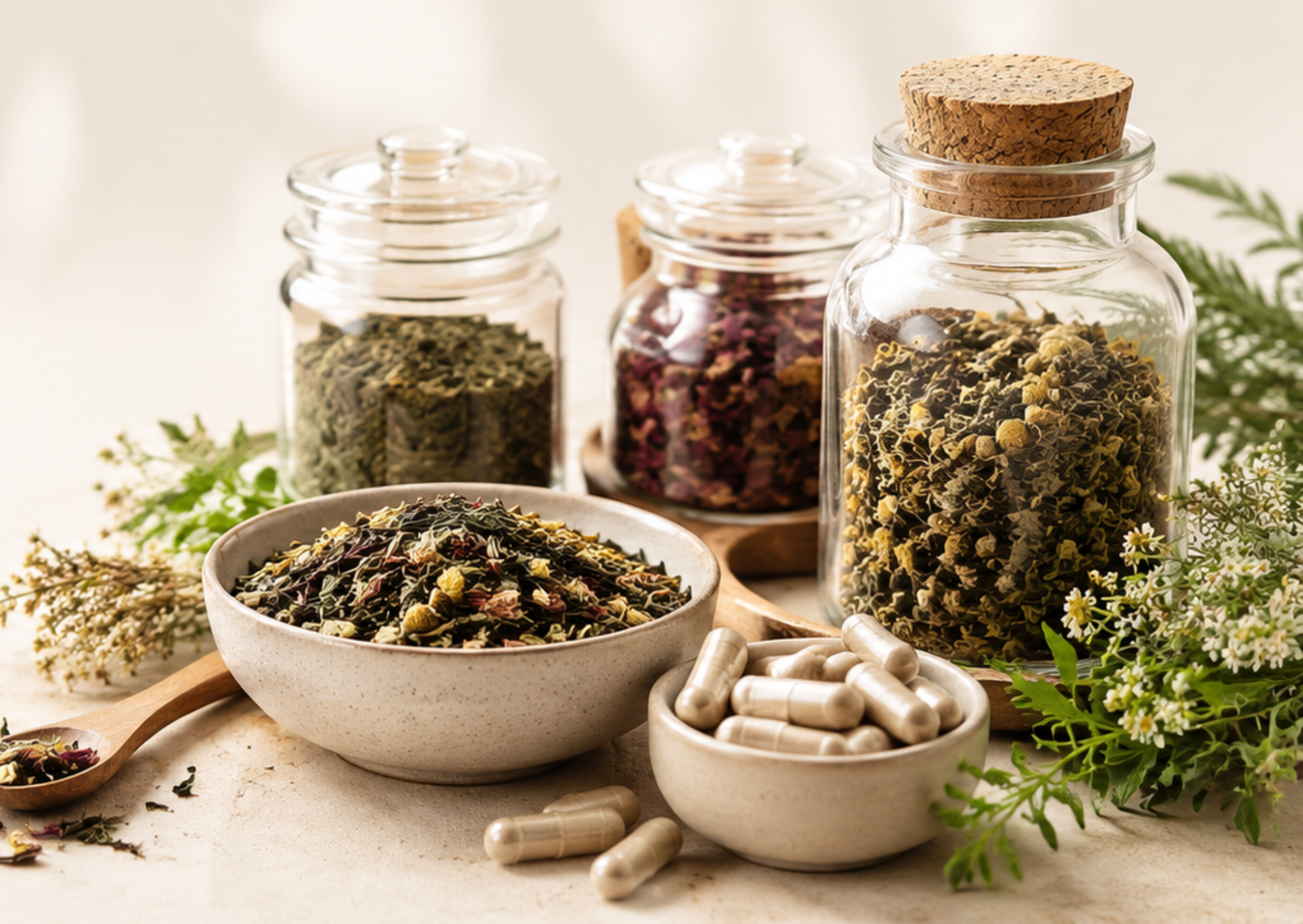
Uva Ursi is available in several forms, each offering distinct advantages for administration and dosage. The choice of form often depends on individual preference, the specific condition being addressed, and the desired concentration of active compounds.
1. Herbal Tea / Infusion: The Traditional Method
Traditionally, Uva Ursi leaves are prepared as a tea or infusion. This method involves steeping dried leaves in hot water. To maximize the extraction of arbutin and minimize the extraction of tannins (which can cause stomach upset in high concentrations), it is often recommended to use a cold infusion or a lukewarm infusion, allowing the leaves to soak for several hours or overnight. A typical preparation might involve 1-2 teaspoons of dried Uva Ursi leaves steeped in 200ml of cold water for 6-12 hours, then strained and consumed. This method helps to ensure that the beneficial compounds are released effectively while maintaining a palatable and tolerable concentration. For symptomatic relief of acute UTIs, consuming this infusion several times a day for a short duration is common practice.
2. Tinctures: Concentrated Potency
Tinctures are concentrated liquid extracts of Uva Ursi, typically made by macerating the leaves in alcohol and water. This method effectively extracts a broad spectrum of the plant’s bioactive compounds. Tinctures offer convenience and a more precise dosage compared to teas, with a few drops typically diluted in water. They are absorbed relatively quickly and provide a potent dose of the herb’s active constituents. Due to their concentrated nature, tinctures are often preferred for acute conditions where rapid action is desired, but careful adherence to dosage instructions from a qualified practitioner or product label is essential.
3. Capsules and Standardized Extracts: Modern Convenience

For those seeking convenience and consistent potency, Uva Ursi is widely available in capsule or tablet form, often as standardized extracts. Standardized extracts ensure that each dose contains a guaranteed amount of the primary active compound, typically arbutin (e.g., standardized to 10-20% arbutin). This standardization allows for more precise dosing and ensures the therapeutic efficacy of the supplement. Capsules bypass the taste of the herb, which some find bitter or astringent, and are easy to integrate into a daily supplement regimen. This form is particularly popular for both acute management of UTIs and for individuals seeking a preventative measure, although long-term use is generally discouraged without professional guidance.
Dosage and Administration: Navigating Uva Ursi Safely
Appropriate dosage of Uva Ursi is crucial for maximizing its benefits while minimizing potential risks. Given the presence of hydroquinone, which can be toxic in high doses or prolonged exposure, Uva Ursi should always be used with caution and preferably under the guidance of a healthcare professional, especially for recurrent or severe conditions. General guidelines suggest:
- For Teas/Infusions: Typically, 2-3 cups per day, prepared from 1-2 teaspoons of dried herb, for a maximum of 5-7 days.
- For Standardized Extracts (Capsules/Tablets): Products usually recommend doses that deliver 400-840 mg of arbutin daily, divided into 2-3 doses. Again, short-term use (no more than 5 days, up to a maximum of 1 week in a month) is critical.
- Making Urine Alkaline: To enhance the efficacy of hydroquinone, it is often recommended to consume alkaline-forming foods or agents like sodium bicarbonate (baking soda) or potassium citrate while taking Uva Ursi. Avoiding acidic foods and beverages (like citrus fruits, cranberry juice, and coffee) is also advised. This ensures the pH of the urine remains elevated, allowing for optimal conversion and activity of hydroquinone.
Potential Side Effects and Precautions: Prudent Use is Paramount
While Uva Ursi is a powerful natural remedy, it is not without potential side effects, especially with misuse or prolonged consumption. The primary concern stems from hydroquinone, its active metabolite.
- Gastrointestinal Upset: The high tannin content can irritate the stomach lining, leading to nausea, vomiting, or stomach discomfort, particularly if taken on an empty stomach or in large doses.
- Hydroquinone Toxicity: Prolonged use (beyond 5-7 days) or excessive doses can lead to systemic hydroquinone toxicity. Symptoms may include liver damage, kidney damage, ringing in the ears (tinnitus), convulsions, and even collapse. It is imperative to adhere to recommended short-term usage.
- Skin Irritation: Topical application of hydroquinone can cause skin irritation, redness, and dermatitis in sensitive individuals.
-
Contraindications:
- Pregnancy and Breastfeeding: Uva Ursi is contraindicated during pregnancy due to potential uterine stimulating effects and the risk of hydroquinone exposure to the fetus. It is also not recommended for breastfeeding mothers as hydroquinone can pass into breast milk.
- Children: Due to potential toxicity, Uva Ursi is generally not recommended for children.
- Kidney Disease: Individuals with pre-existing kidney disease should strictly avoid Uva Ursi as its metabolites can stress already compromised kidneys.
- Liver Conditions: Those with liver disease should also exercise extreme caution or avoid Uva Ursi due to the potential for hepatotoxicity.
- Ulcerative Colitis, Crohn’s Disease: Due to its astringent nature and potential for GI irritation, it should be used with caution in individuals with inflammatory bowel conditions.
- Drug Interactions: Uva Ursi can interfere with the absorption of certain medications, particularly iron supplements, due to its tannin content. It may also interact with drugs that affect kidney or liver function, or those that aim to acidify or alkalize urine. Always consult a healthcare provider before combining Uva Ursi with prescription medications.
Cultivation and Sustainability: Respecting a Natural Resource
Uva Ursi is a slow-growing plant, and wild harvesting can impact its natural populations if not managed sustainably. Many commercial sources now cultivate Uva Ursi or practice responsible wildcrafting to ensure the longevity of this valuable herb. Consumers are encouraged to seek out products from reputable suppliers who prioritize sustainable sourcing practices, contributing to the preservation of this important botanical resource.

Conclusion: A Time-Honored Ally, Wisely Employed
The Uva Ursi leaf stands as a venerable example of nature’s pharmacy, offering a potent and targeted approach to urinary tract health, buttressed by anti-inflammatory and antioxidant benefits. Its historical use spans centuries, with traditional wisdom now increasingly supported by a deeper scientific understanding of its complex phytochemistry. The transformative journey of arbutin to hydroquinone in an alkaline urinary environment represents a sophisticated natural defense mechanism against common urinary pathogens, making Uva Ursi a valuable herb for those grappling with uncomplicated UTIs.
However, the power of Uva Ursi necessitates respect and judicious application. Its potential for toxicity with prolonged or excessive use underscores the critical importance of adhering to recommended dosages and durations, typically short-term. As with all potent herbal remedies, consultation with a knowledgeable healthcare professional is paramount before incorporating Uva Ursi into any health regimen, particularly for individuals with pre-existing conditions, those on medication, or during pregnancy and breastfeeding. When employed wisely and responsibly, Uva Ursi leaf continues to be a profound botanical ally, offering a natural pathway to relief and wellness for the urinary system and beyond, affirming its enduring legacy in the realm of herbal medicine.
Disclaimer: For informational purposes only. Not medical advice. Consult a qualified healthcare professional before use.