Unveiling the Timeless Wisdom of Lady’s Bedstraw Herb: A Definitive Guide to Its Profound Health Benefits
For centuries, humanity has turned to the bounty of nature for healing and sustenance. Among the myriad botanical treasures, Lady’s Bedstraw, scientifically known as *Galium verum*, stands as a testament to the enduring power of traditional herbal medicine. This delicate yet robust plant, often overlooked in modern discourse, possesses an extraordinary array of health benefits that have been cherished across diverse cultures for generations. From supporting vital detoxification pathways to soothing inflamed skin, Lady’s Bedstraw offers a holistic approach to wellness, rooted in its unique phytochemical composition. This exhaustive guide delves deep into the multifaceted virtues of Lady’s Bedstraw, exploring its rich history, scientific underpinnings, and practical applications, aiming to illuminate its significant role in natural health.
Botanical Overview: The Humble Grandeur of Galium Verum
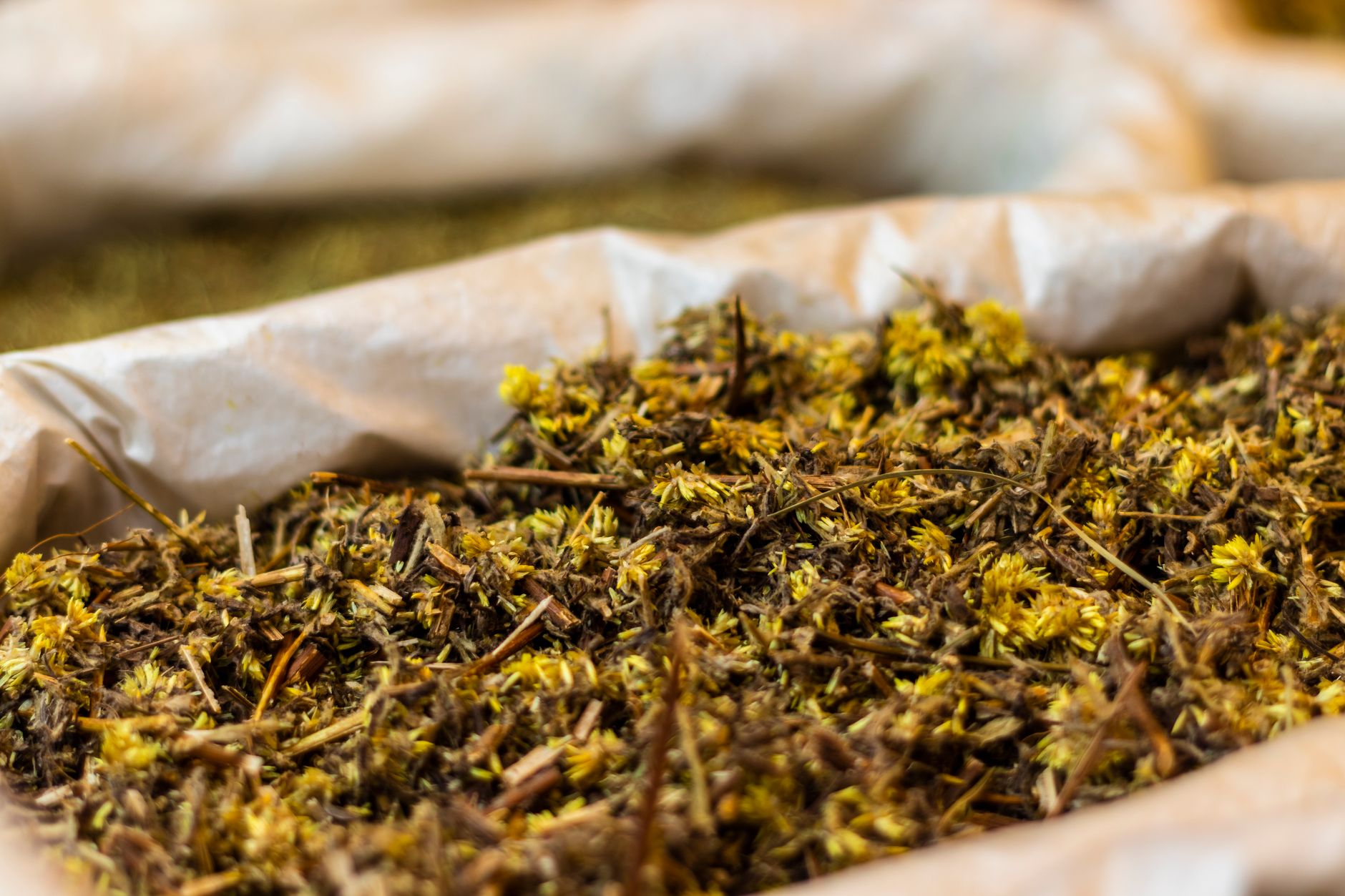
Lady’s Bedstraw, a member of the extensive Rubiaceae family (which also includes coffee!), is a perennial herb native to temperate regions of Europe, Asia, and North Africa. It thrives in grasslands, dry meadows, and along roadsides, often forming dense mats of golden-yellow flowers during summer. The plant typically grows to a height of 30 to 100 centimeters, characterized by its slender, square stems and whorled leaves, usually in groups of 6 to 8, resembling tiny stars. Its most distinguishing feature, however, is the profusion of small, intensely fragrant yellow flowers that bloom in terminal panicles, releasing a sweet, honey-like scent, particularly pronounced when dried. This aromatic quality contributes to its historical use as a bedding material, lending its name “Bedstraw” to its lineage. The roots of *Galium verum* also possess a reddish dye, a testament to its broader utility beyond medicinal applications.
A Tapestry of Tradition: Historical and Ethnobotanical Significance
The history of Lady’s Bedstraw is interwoven with human civilization, reflecting its versatile utility in various aspects of daily life. Its name itself, “Lady’s Bedstraw,” is thought to derive from its association with the Virgin Mary, symbolizing purity, and its historical use as stuffing for mattresses and pillows. Its pleasant aroma and purported insect-repelling properties made it a popular choice for bedding, especially in medieval Europe. Beyond comfort, its medicinal properties were widely recognized. Ancient European herbalists employed it for its diuretic, diaphoretic, and astringent qualities. It was traditionally used to treat urinary tract ailments, skin conditions, and as a lymphatic tonic. In Scandinavian folklore, it was believed to ward off evil spirits and was often hung in homes or barns for protection. Perhaps one of its most fascinating historical uses was its role in cheesemaking. The plant contains an enzyme that acts as a natural rennet, enabling the coagulation of milk to produce cheese, particularly appreciated in regions where animal rennet was scarce or prohibited. This rich historical context underscores its deep integration into traditional European folk medicine and daily life.
The Phytochemical Powerhouse: Decoding Lady’s Bedstraw’s Bioactive Compounds
The remarkable health benefits attributed to Lady’s Bedstraw are not mere folklore but are increasingly substantiated by modern scientific investigation into its complex phytochemical profile. This herb is a rich reservoir of bioactive compounds, each contributing synergistically to its therapeutic effects. Key constituents include iridoid glycosides, flavonoids, phenolic acids, tannins, and saponins.
- Iridoid Glycosides: These compounds, such as asperuloside and monotropein, are characteristic of the Rubiaceae family and are believed to be responsible for many of Lady’s Bedstraw’s diuretic, anti-inflammatory, and potentially antispasmodic properties. Asperuloside, in particular, has been studied for its ability to promote fluid excretion, thereby supporting kidney and bladder function.
- Flavonoids: Lady’s Bedstraw is abundant in flavonoids like quercetin, rutin, and hyperoside. These potent antioxidants play a crucial role in mitigating oxidative stress, protecting cells from damage caused by free radicals. Their anti-inflammatory action also contributes significantly to the herb’s ability to soothe various systemic inflammations and support vascular integrity. Quercetin, for instance, is known for its antihistamine effects and its capacity to stabilize mast cells, which can be beneficial in managing allergic reactions.
- Phenolic Acids: Compounds such as caffeic acid and chlorogenic acid further bolster the herb’s antioxidant and anti-inflammatory capabilities. These acids are effective scavengers of free radicals and can modulate immune responses, contributing to overall cellular protection and health.
- Tannins: Present in significant amounts, tannins contribute to the herb’s astringent properties. This makes Lady’s Bedstraw valuable for topical applications, where it can help to tighten tissues, reduce secretions, and promote wound healing. Internally, tannins can also exert mild antiseptic effects and support digestive health by toning mucous membranes.
- Saponins: These compounds contribute to the herb’s mild detergent-like action and may play a role in its diuretic and expectorant effects, although their presence is generally less dominant compared to other constituents.
Comprehensive Health Benefits: A Deep Dive into Therapeutic Actions
The synergistic action of these diverse phytochemicals endows Lady’s Bedstraw with a wide spectrum of therapeutic applications, ranging from internal detoxification to external skin care.
1. Unparalleled Support for the Lymphatic System
Perhaps one of the most revered benefits of Lady’s Bedstraw, and a cornerstone of its traditional use, is its profound ability to support the lymphatic system. The lymphatic system is a vital component of the immune system and plays a critical role in fluid balance, waste removal, and immune surveillance. When the lymphatic system becomes sluggish or congested, it can lead to fluid retention, swelling (edema), weakened immunity, and a buildup of toxins. Lady’s Bedstraw is considered a gentle yet effective lymphatic tonic and “cleanser.” It is believed to stimulate lymphatic flow, helping to move stagnant lymph, reduce swelling, and promote the elimination of metabolic waste products from the body. This action can be particularly beneficial for individuals experiencing swollen glands, fluid retention, or those looking to support their body’s natural detoxification processes. By facilitating lymphatic drainage, the herb indirectly strengthens immune function and enhances the body’s ability to fight off infections.
2. Nurturing Urinary Tract Health: A Natural Diuretic and Tonic
Lady’s Bedstraw possesses well-documented diuretic properties, primarily attributed to its iridoid glycosides and certain flavonoids. A diuretic promotes the excretion of urine, which helps to flush out the urinary tract, preventing the accumulation of bacteria and reducing the risk of urinary tract infections (UTIs). Moreover, its diuretic action aids in reducing fluid retention throughout the body, providing relief from conditions like mild edema. Beyond mere fluid excretion, Lady’s Bedstraw acts as a tonic for the entire urinary system, strengthening and soothing the delicate tissues of the kidneys and bladder. It can help alleviate irritation and inflammation within the urinary tract, making it a valuable adjunct for managing cystitis, bladder spasms, and even kidney gravel or small stones. Its mild antispasmodic properties further contribute to easing discomfort associated with urinary issues.
3. Radiant Skin: Topical and Internal Benefits for Dermatological Conditions
Historically, Lady’s Bedstraw has been a cherished remedy for a variety of skin ailments, applied both internally and externally. Its potent anti-inflammatory, antiseptic, and astringent properties make it exceptionally beneficial for skin health. When applied topically as a poultice, compress, or wash, it can soothe inflamed skin conditions such as eczema, psoriasis, acne, and rashes. The astringent tannins help to tighten pores, reduce redness, and promote the healing of minor wounds, cuts, and burns by forming a protective layer over the damaged tissue. Its antiseptic qualities prevent infection, while flavonoids reduce inflammation, accelerating the regeneration of healthy skin cells. Taken internally, its lymphatic and diuretic actions contribute to clearer skin by supporting the body’s internal detoxification pathways, reducing the burden of toxins that can often manifest as skin problems.
4. Digestive Harmony: Aiding Gut Health
While not its primary claim to fame, Lady’s Bedstraw also offers gentle support for the digestive system. Its bitter compounds can stimulate digestive secretions, improving appetite and aiding in the breakdown of food. It has been traditionally used as a mild stomach tonic and a carminative, helping to relieve indigestion, bloating, and gas. The tannins present may also exert a mild astringent effect on the intestinal lining, which can be beneficial in cases of mild diarrhea by toning the mucous membranes and reducing inflammation.
5. Anti-inflammatory and Antioxidant Powerhouse
The rich array of flavonoids and phenolic acids within Lady’s Bedstraw makes it a formidable agent against inflammation and oxidative stress. Chronic inflammation is a root cause of many modern diseases, including cardiovascular issues, autoimmune disorders, and neurodegenerative conditions. By modulating inflammatory pathways and scavenging harmful free radicals, Lady’s Bedstraw helps to protect cells and tissues from damage, thereby contributing to overall systemic health and disease prevention. This dual action of reducing inflammation and providing antioxidant defense underscores its broad therapeutic potential.
6. Astringent and Antiseptic Qualities for Oral and External Care
The tannins in Lady’s Bedstraw impart significant astringent properties, which means it can cause tissues to contract and reduce secretions. This makes it an excellent ingredient for gargles and mouthwashes to help with sore throats, tonsillitis, or gum inflammation. Its mild antiseptic action, derived from several compounds, further aids in combating bacterial growth, making it a useful natural remedy for minor oral infections or as a general oral hygiene rinse. Externally, this astringency is key to its role in wound healing and skin tightening.
Traditional Preparations and Modern Usage: Harnessing Lady’s Bedstraw
Lady’s Bedstraw can be incorporated into a wellness routine through various forms, depending on the desired effect and individual preference.
1. Herbal Infusion (Tea)
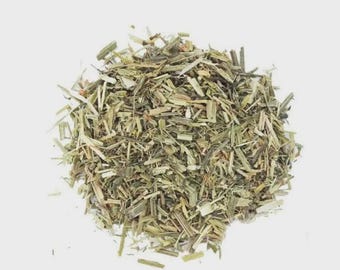
One of the most common and gentle ways to use Lady’s Bedstraw is as an herbal infusion. To prepare, steep 1-2 teaspoons of dried herb in a cup of hot water for 10-15 minutes, then strain. This tea can be consumed 2-3 times daily for general lymphatic support, diuretic effects, or digestive aid. It has a pleasant, slightly grassy taste.
2. Tinctures
Tinctures are concentrated liquid extracts of the herb, made by macerating the plant material in alcohol. They offer a convenient and potent way to consume Lady’s Bedstraw, with dosage typically ranging from 2-5 ml, 2-3 times a day, depending on the concentration and individual needs. Tinctures are often favored for their long shelf life and quick absorption.

3. Capsules and Supplements
For those seeking convenience and standardized dosing, Lady’s Bedstraw is available in capsule or tablet form. These supplements often contain dried and powdered herb or concentrated extracts. It is crucial to choose reputable brands that provide clear information on the herb’s origin, processing, and concentration to ensure purity and efficacy. Follow the manufacturer’s recommended dosage unless advised otherwise by a healthcare professional.
4. Topical Applications (Poultices, Compresses, Washes)
For skin conditions, a strong infusion can be used as a wash or compress. A poultice can be made by mashing fresh or rehydrated dried herb and applying it directly to the affected skin, covered with a clean cloth. This method is particularly effective for soothing skin irritations, minor wounds, and swelling.
Dosage and Administration: Navigating Responsible Use
While Lady’s Bedstraw is generally considered safe for most individuals, appropriate dosing is crucial for maximizing benefits and minimizing potential risks. General recommendations are:
- For Tea/Infusion: 1-2 teaspoons of dried herb steeped in 200-250 ml of hot water, 2-3 times daily.
- For Tincture (1:5 ratio, 25% alcohol): 2-5 ml, 2-3 times daily.
- For Capsules: Follow the specific dosage instructions on the product label, which can vary based on concentration.
It is always advisable to start with a lower dose and gradually increase it while monitoring your body’s response. For specific health concerns or chronic conditions, consulting with a qualified healthcare professional or an experienced herbalist is highly recommended before integrating Lady’s Bedstraw into your regimen, especially to ensure it aligns with your overall health plan and any existing medications.
Potential Side Effects and Contraindications: A Note of Caution
Lady’s Bedstraw is generally well-tolerated, but like all natural remedies, it may not be suitable for everyone. Potential considerations include:
- Pregnancy and Lactation: Due to insufficient research, pregnant and breastfeeding women should exercise caution and consult a healthcare provider before using Lady’s Bedstraw.
- Allergies: Individuals with known allergies to plants in the Rubiaceae family should avoid its use.
- Kidney Conditions: While beneficial for urinary health, individuals with severe kidney disease or those on dialysis should avoid diuretic herbs unless specifically advised by their physician.
- Drug Interactions: As a diuretic, Lady’s Bedstraw could potentially interact with diuretic medications or other drugs that affect fluid balance or blood pressure. Its potential to influence blood clotting (though not strongly established) warrants caution for those on anticoagulant medications.
- Gastrointestinal Upset: In rare cases, some individuals may experience mild stomach upset or nausea, particularly with high doses.
Always listen to your body and discontinue use if adverse reactions occur. Prioritize sourcing high-quality, organic Lady’s Bedstraw to ensure purity and potency.
Cultivation and Harvesting: Bringing Lady’s Bedstraw to Your Garden
For gardening enthusiasts, Lady’s Bedstraw is a relatively easy plant to cultivate. It prefers full sun to partial shade and well-drained soil. It can be propagated from seeds in spring or by division of roots. The aerial parts of the plant, including stems, leaves, and flowers, are typically harvested during its flowering period in summer when its active constituents are at their peak. After harvesting, the plant material should be dried in a well-ventilated, shaded area to preserve its medicinal properties and aromatic qualities.
Conclusion: Lady’s Bedstraw – A Resurgent Star in Herbal Medicine
Lady’s Bedstraw, *Galium verum*, is far more than just a pretty wildflower with a charming history. It embodies a rich heritage of traditional medicine, offering a formidable array of health benefits rooted in its complex chemical composition. Its remarkable ability to support the lymphatic and urinary systems, coupled with its anti-inflammatory, antioxidant, and skin-healing properties, positions it as a valuable asset in the modern pursuit of holistic wellness. As scientific interest in traditional herbal remedies continues to grow, Lady’s Bedstraw stands ready to reclaim its rightful place as a potent, versatile, and accessible botanical ally. By understanding its intricate mechanisms and respecting its proper usage, we can continue to harness the timeless wisdom of this humble yet powerful herb for profound health and vitality.
Disclaimer: For informational purposes only. Not medical advice. Consult a qualified healthcare professional before use.