

Elecampane: A Definitive Deep Dive into the Profound Health Benefits of Inula Helenium
In the vast tapestry of botanical medicine, certain herbs stand out not only for their robust historical use but also for an ever-growing body of scientific evidence supporting their efficacy. Among these venerable plants is Elecampane, scientifically known as Inula helenium. This majestic perennial, often recognized by its striking yellow, daisy-like flowers and towering stature, has been revered across diverse cultures for millennia. From ancient Greek physicians to medieval herbalists and modern naturopaths, Elecampane has consistently earned its reputation as a potent healer, particularly noted for its remarkable impact on respiratory, digestive, and immune systems. This comprehensive guide will meticulously explore the multifaceted health benefits of Elecampane, delving into its rich history, distinct botanical characteristics, potent bioactive compounds, and practical applications, providing an exhaustive resource for those seeking to understand this extraordinary plant.
The Storied Past: Elecampane’s Ancient Roots and Historical Significance
The history of Elecampane is as profound as the plant itself, interwoven with mythology, folklore, and the annals of traditional medicine. Its botanical name, Inula helenium, is said to derive from Helen of Troy, with legend claiming the plant sprang from her tears, or that she carried a bunch of Elecampane when she was abducted by Paris. Regardless of the exact truth behind the myth, it underscores the plant’s long-held esteem. The Roman natural philosopher Pliny the Elder lauded Elecampane for its digestive properties and its ability to “cheer the mind,” while the Greek physician Dioscorides, in his seminal work De Materia Medica, detailed its use for coughs, shortness of breath, and digestive complaints. Throughout the Middle Ages, it was a staple in monastic gardens and apothecaries, valued for its expectorant, antiseptic, and tonic qualities. European herbalists frequently prescribed it for lung ailments, including chronic coughs, bronchitis, and asthma, often referring to it as “elfdock” or “scabwort.” Its warming and stimulating properties made it a popular remedy for conditions associated with cold and dampness, further cementing its role in traditional healing systems.
Botanical Profile and Identification: Unveiling the Plant of Helen
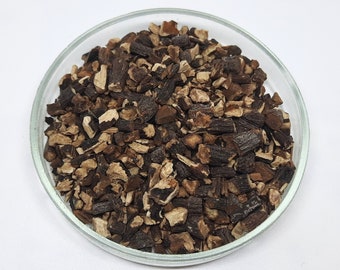
Inula helenium is a member of the Asteraceae family, making it a relative of sunflowers and daisies. Native to Europe and Asia, it has naturalized in parts of North America. It is a striking perennial herb, typically growing to an impressive height of 3 to 6 feet, and occasionally reaching up to 8 feet. The plant is characterized by its large, rough, ovate-lanceolate basal leaves, which can measure up to 2 feet in length, tapering towards the base. The upper leaves are smaller and clasp the stem. In mid-to-late summer, Elecampane produces large, solitary, bright yellow, daisy-like flower heads, often 2-4 inches in diameter, perched atop sturdy stems. However, it is the root – the rhizome and rootlets – that holds the greatest medicinal value. When harvested, typically in autumn after the second year of growth, the root is thick, fleshy, and highly aromatic, possessing a unique bitter taste that hints at its potent medicinal compounds. The dried root often exhibits a grayish-brown exterior and a yellowish-white interior.

The Chemical Arsenal: Decoding Elecampane’s Bioactive Compounds
The profound therapeutic effects of Elecampane can be attributed to its complex synergy of bioactive compounds, primarily concentrated in its root. These constituents work harmoniously to exert a wide array of pharmacological actions. The most significant compounds include:
- Sesquiterpene Lactones: This class of compounds, particularly alantolactone and isoalantolactone, are perhaps the most well-known active ingredients. These compounds are responsible for many of Elecampane’s antimicrobial, anti-inflammatory, and anthelminthic (anti-parasitic) properties. They contribute to the herb’s characteristic bitter taste and are potent modulators of various cellular pathways.
- Inulin: A complex fructan (a type of dietary fiber), inulin constitutes a significant portion of the Elecampane root, sometimes up to 45%. Unlike starches, inulin is not digested in the upper gastrointestinal tract but reaches the colon intact, where it acts as a powerful prebiotic. It selectively stimulates the growth of beneficial gut bacteria, such as Bifidobacteria and Lactobacilli, contributing significantly to gut health.
- Volatile Oils: Elecampane root contains a range of essential oils, including alantone, azulene, and other monoterpenes and sesquiterpenes. These oils contribute to the herb’s aromatic properties and possess antiseptic, expectorant, and carminative actions. They play a role in soothing respiratory passages and aiding digestion.
- Phytosterols, Triterpenoids, and Flavonoids: These compounds offer additional antioxidant, anti-inflammatory, and protective benefits, contributing to the overall therapeutic profile of the plant.

Unveiling the Health Benefits: A Deep Dive into Elecampane’s Therapeutic Prowess
Elecampane’s rich biochemical composition translates into a wide spectrum of health benefits, addressing multiple bodily systems with remarkable efficacy.
1. Superior Respiratory Support and Expectorant Action
Elecampane is perhaps most renowned for its profound effects on the respiratory system. It acts as a powerful expectorant, meaning it helps to clear mucus and phlegm from the lungs and airways. This action is primarily attributed to the volatile oils and sesquiterpene lactones, which stimulate the production of thin, watery mucus, making existing thick phlegm easier to cough up. Furthermore, it possesses antitussive properties, helping to soothe irritating coughs, particularly those associated with bronchitis, asthma, and whooping cough. The anti-inflammatory actions of compounds like alantolactone also help to reduce inflammation in the bronchial tubes, alleviating congestion and facilitating easier breathing. By supporting mucociliary clearance, Elecampane helps the respiratory system naturally expel pathogens and irritants, thus promoting overall lung health and resilience against infections. Its warming nature also makes it particularly beneficial for “cold” conditions of the lungs, characterized by copious, stagnant mucus.
2. Potent Digestive Aid and Gut Health Enhancer
Beyond its respiratory fame, Elecampane is an exceptional digestive tonic. The high concentration of inulin in its root makes it a significant prebiotic. As an undigestible fiber, inulin travels to the large intestine where it selectively ferments, nourishing beneficial gut bacteria such as Bifidobacterium and Lactobacillus species. This selective feeding promotes a healthy gut microbiome, which is crucial for nutrient absorption, immune function, and overall well-being. A balanced microbiome can help alleviate symptoms of digestive disorders, including bloating, gas, and irregular bowel movements. Furthermore, Elecampane’s bitter taste stimulates digestive secretions, including bile and stomach acid, enhancing the breakdown of food and improving nutrient assimilation. Its carminative properties, attributed to volatile oils, can help reduce flatulence and ease digestive discomfort. Traditionally, it has also been used to stimulate appetite and improve general digestive vigor.
3. Natural Antimicrobial and Anti-Parasitic Warrior
The sesquiterpene lactones, especially alantolactone and isoalantolactone, confer significant antimicrobial and anti-parasitic properties upon Elecampane. These compounds have been studied for their ability to inhibit the growth of various bacteria, fungi, and even certain parasites. Historically, Elecampane was highly valued as an anthelminthic, used to expel intestinal worms, particularly roundworms and threadworms. Modern research continues to explore its efficacy against a range of pathogens, suggesting its potential role in managing infections. Its action is thought to involve disruption of microbial cell membranes and inhibition of key enzymatic processes essential for pathogen survival. This makes Elecampane a valuable natural agent for supporting the body’s defenses against internal invaders, complementing its role in gut health.
4. Anti-inflammatory and Immunomodulatory Effects
Chronic inflammation is a root cause of many modern diseases. Elecampane exhibits notable anti-inflammatory properties, primarily due to its sesquiterpene lactones, which can modulate inflammatory pathways. These compounds have been shown to inhibit the production of pro-inflammatory mediators, helping to reduce systemic inflammation. By dampening the inflammatory response, Elecampane can offer relief in conditions where inflammation plays a central role. Moreover, the plant also possesses immunomodulatory effects, meaning it can help balance and strengthen the immune system. While it fights off pathogens, it also appears to support the body’s innate immune responses, making it a valuable herb for maintaining overall immune resilience, particularly during seasonal challenges or recovery from illness. The synergy of its compounds ensures a comprehensive approach to immune support.
5. Other Potential Benefits: Mood and Skin Health
Beyond its primary uses, Elecampane has been historically cited for other therapeutic applications. Pliny the Elder’s assertion that it “cheers the mind” suggests a traditional understanding of its potential mood-enhancing or nervine properties, although modern research in this area is limited. However, its general tonic effects and ability to improve gut health (which is intimately linked to brain health via the gut-brain axis) could indirectly contribute to mental well-being. Furthermore, due to its antiseptic and anti-inflammatory qualities, Elecampane has been traditionally used externally in poultices or washes for skin conditions, including wounds, rashes, and fungal infections. Its ability to combat microbes and reduce inflammation could indeed offer benefits for skin health, though concentrated research is needed to fully delineate these applications.
Traditional Usage and Preparation: Harnessing the Power of the Root
The medicinal potency of Elecampane resides predominantly in its roots and rhizomes, which are typically harvested in the autumn of the plant’s second or third year. Once harvested, the roots are carefully cleaned, sliced, and dried to preserve their active compounds. The traditional methods of preparing Elecampane allow for different extraction and concentration of its beneficial components.
- Decoctions (Teas): A common and gentle way to extract the water-soluble compounds like inulin, decoctions are made by simmering dried Elecampane root in water for a period. This creates a warming, slightly bitter tea, excellent for respiratory ailments and digestive support.
- Tinctures: Alcohol-based tinctures are potent extracts that capture both water-soluble and alcohol-soluble compounds, including the volatile oils and sesquiterpene lactones. Tinctures offer a concentrated form, allowing for precise dosing and extended shelf life, often preferred for respiratory and anti-parasitic uses.
- Syrups: Historically, Elecampane root was combined with honey or sugar to create soothing syrups, particularly for coughs and sore throats. Honey’s own antimicrobial and demulcent properties complement Elecampane’s expectorant action.
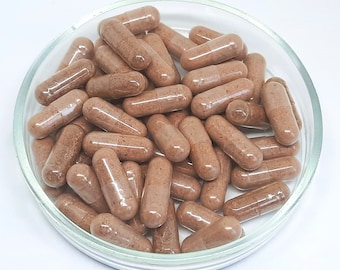
- Powdered Root: Dried and powdered root can be encapsulated or mixed with liquids, offering a convenient way to consume the entire spectrum of the plant’s compounds, including its beneficial fiber content.
Modern Applications and Supplementation: Elecampane in the 21st Century
In contemporary herbal medicine, Elecampane continues to be a highly valued botanical, with its applications mirroring traditional uses but often benefiting from modern extraction techniques and standardized preparations. As awareness of its benefits grows, Elecampane is increasingly incorporated into wellness routines, both as a standalone supplement and as a component of complex herbal formulations.
The advent of standardized extracts ensures consistent potency of key active compounds, such as alantolactone, making it easier for practitioners and users to achieve desired therapeutic effects. Elecampane supplements are available in various forms, catering to different preferences and needs:
- Capsules and Tablets: These provide a convenient, tasteless way to consume powdered Elecampane root or standardized extracts. They are ideal for individuals who find the bitter taste of tinctures or teas unpalatable but wish to benefit from the herb’s properties, particularly for digestive health (prebiotic) or systemic support.
- Liquid Extracts (Tinctures): Still a popular choice, liquid extracts offer rapid absorption and can be easily adjusted for dosage. They are often favored for acute respiratory conditions where quick action is desired.
- Herbal Syrups: Many commercial herbal cough syrups incorporate Elecampane, capitalizing on its expectorant and soothing qualities for respiratory relief. These often combine Elecampane with other complementary herbs and natural sweeteners.
Consumers today seek natural solutions for health maintenance, and Elecampane, with its scientifically backed benefits, fits perfectly into this paradigm. Its role as a broad-spectrum support for respiratory, digestive, and immune systems makes it a versatile and attractive option for holistic health practitioners and individuals alike.
Dosage and Administration: Safe and Effective Use
Determining the correct dosage of Elecampane depends on various factors, including the form of the herb (dried root, tincture, capsule), the concentration of active compounds, the individual’s age, health status, and the specific condition being addressed. It is always prudent to consult with a qualified healthcare professional, such as a herbalist, naturopath, or physician, before incorporating Elecampane into your regimen, especially for therapeutic purposes.
General guidelines for adult dosages are:
- Decoction (Tea): 1-2 teaspoons of dried, cut root per cup of water. Simmer for 10-15 minutes, strain, and drink 2-3 times daily.
- Tincture (1:5 strength, 40-50% alcohol): 1-4 ml (20-80 drops) taken 2-3 times daily.
- Powdered Root/Capsules: 1-2 grams of powdered root, 2-3 times daily, or as directed on the product label for standardized extracts.
It is generally recommended to start with a lower dose and gradually increase it, observing the body’s response. For specific conditions like parasitic infections, higher doses might be considered under professional guidance. Due to its potent nature, Elecampane is often used in cycles rather than continuously for very long periods, especially for its anti-parasitic effects.
Potential Side Effects and Contraindications: A Note of Caution
While Elecampane is generally considered safe for most people when used appropriately, certain precautions and contraindications should be noted:
- Pregnancy and Breastfeeding: Elecampane is traditionally contraindicated during pregnancy and breastfeeding due to a lack of sufficient safety data and its potential emmenagogic (menstrual flow-promoting) effects.
- Allergies: Individuals with allergies to plants in the Asteraceae/Compositae family (e.g., ragweed, daisies, marigolds, chrysanthemums) may be sensitive to Elecampane and should exercise caution, as cross-reactivity is possible.
- Blood Sugar Levels: Due to its high inulin content, Elecampane can affect blood sugar levels, though generally in a beneficial way for those with diabetes. However, diabetic individuals should monitor their blood glucose closely and consult their doctor.
- Digestive Sensitivity: High doses may cause mild digestive upset in some individuals due to its potent bitter taste or strong medicinal action. Starting with low doses is advisable.
- Drug Interactions: While specific drug interactions are not well-documented, Elecampane’s effects on digestion and potential immunomodulatory properties could theoretically interact with certain medications. Always discuss with a healthcare provider if you are on prescription drugs.
Responsible and informed usage, preferably under the guidance of a healthcare professional, is key to maximizing the benefits of Elecampane while minimizing potential risks.

Conclusion: Elecampane, A Timeless Botanical Treasure
Elecampane, Inula helenium, stands as a testament to the enduring power of nature’s pharmacy. From its mythical origins intertwined with Helen of Troy to its prominent role in ancient medical texts and its resurgence in modern herbalism, this magnificent plant has consistently offered profound healing. Its rich chemical profile, characterized by potent sesquiterpene lactones and the prebiotic powerhouse inulin, underpins its well-documented benefits for respiratory health, digestive wellness, immune function, and antimicrobial defense. As research continues to unravel the intricacies of its mechanisms of action, Elecampane remains an indispensable herb for those seeking holistic support for their well-being. By understanding its historical context, botanical nature, and the science behind its therapeutic effects, we can truly appreciate Elecampane not just as a plant, but as a timeless botanical treasure with a significant role to play in enhancing human health.
Disclaimer: For informational purposes only. Not medical advice. Consult a qualified healthcare professional before use.