

The Profound Health Benefits of Jacob’s Ladder: An Exhaustive Deep-Dive into Nature’s Calming Elixir
In the vast tapestry of traditional herbal medicine, certain plants stand out for their multifaceted therapeutic potential, often passed down through generations. Among these venerable botanicals is Jacob’s Ladder, scientifically known as Polemonium caeruleum. More than just a striking ornamental garden perennial with its elegant blue flowers and ladder-like leaves, this unassuming herb harbors a wealth of bioactive compounds that contribute to its long-standing reputation as a powerful natural remedy. This comprehensive guide aims to unravel the intricate health benefits of Jacob’s Ladder, delving into its botanical characteristics, historical significance, complex phytochemical profile, and practical applications, making it the definitive resource for anyone seeking to understand this remarkable plant.
From supporting respiratory wellness to calming an agitated nervous system, Jacob’s Ladder offers a gentle yet potent approach to holistic health. Its journey from ancient folk medicine to contemporary research continues to unveil its impressive therapeutic capabilities, positioning it as a valuable asset in the modern pursuit of natural well-being. This exploration will meticulously detail the mechanisms of action behind its benefits, providing an evidence-informed perspective on how this botanical ally can contribute to a healthier, more balanced life.
Botanical Overview and Distinctive Characteristics of Polemonium caeruleum
Jacob’s Ladder, belonging to the Polemoniaceae family, is a captivating herbaceous perennial native to temperate regions of Europe, Asia, and North America. Its common name, “Jacob’s Ladder,” is inspired by the distinctive arrangement of its pinnate leaves, which ascend the stem in a ladder-like fashion, evoking the biblical story of Jacob’s dream. The plant typically grows to a height of 1 to 3 feet (30-90 cm) and is characterized by its delicate, bell-shaped flowers, usually a vibrant sky-blue, though variations in white and pink also exist. These charming blossoms, often appearing in late spring to early summer, add to its aesthetic appeal, making it a favorite in cottage gardens and naturalized landscapes.
Beyond its visual charm, the plant’s robust root system and aerial parts are the primary sources of its medicinal properties. Thriving in moist, well-drained soils and preferring partial shade, Polemonium caeruleum is a resilient species, often found growing in meadows, woodland edges, and along riverbanks. Its adaptability and widespread distribution have contributed to its accessibility and integration into diverse traditional medicinal practices across various cultures. Understanding its botanical identity is the first step in appreciating the profound gifts it offers to human health.
A Glimpse into History: Traditional Uses and Folkloric Significance
The historical use of Jacob’s Ladder as a medicinal herb dates back centuries, with its presence documented in European folk medicine, particularly in Russia and Eastern Europe. Traditionally, the roots and rhizomes were the most prized parts of the plant, often prepared as decoctions or tinctures. It gained significant recognition as an expectorant, primarily used to alleviate coughs, bronchitis, and other respiratory ailments, especially those characterized by thick, tenacious mucus.
Beyond its respiratory benefits, Jacob’s Ladder was also revered for its calming and sedative properties. It was frequently employed to soothe nervous conditions, alleviate anxiety, reduce restlessness, and promote restful sleep, serving as a gentle nervine in times of stress and emotional distress. Its applications extended to treating convulsions, epilepsy, and various neurological disorders, reflecting a deep-seated belief in its ability to modulate the nervous system. Furthermore, it was used topically for wound healing and as a diuretic to support kidney function. This rich historical tapestry underscores the versatile and comprehensive therapeutic reputation that Jacob’s Ladder has earned over generations, laying the groundwork for modern scientific investigation into its remarkable capabilities.
Unveiling the Phytochemical Profile: The Bioactive Compounds of Jacob’s Ladder
The therapeutic efficacy of Jacob’s Ladder stems from its complex array of bioactive compounds, each contributing synergistically to its health benefits. Modern phytochemistry has allowed us to isolate and identify these constituents, providing a scientific basis for the herb’s traditional uses.

Saponins: The Respiratory and Calming Powerhouses
Perhaps the most prominent and well-researched group of compounds in Jacob’s Ladder are its triterpenoid saponins, particularly a unique class known as polemoniosides. These compounds are largely responsible for the herb’s renowned expectorant and sedative properties. Saponins work by irritating the gastric mucosa, which reflexively stimulates the bronchial glands, increasing the secretion of a thinner, more fluid mucus. This thinning action helps to loosen phlegm, making it easier to expel from the respiratory tract, thereby clearing airways and alleviating coughs. Beyond their mucolytic action, certain saponins, including polemoniosides, have demonstrated mild sedative effects, interacting with the central nervous system to promote relaxation and reduce nervous excitability, contributing significantly to the herb’s traditional use for anxiety and insomnia.
Flavonoids: Antioxidant and Anti-inflammatory Agents
Jacob’s Ladder is also rich in various flavonoids, potent plant pigments known for their strong antioxidant and anti-inflammatory properties. Quercetin, kaempferol, and their glycosides are among the flavonoids identified. These compounds combat oxidative stress by scavenging free radicals, which are unstable molecules that can damage cells and contribute to chronic diseases. By reducing oxidative damage, flavonoids help protect cellular integrity and support overall health. Their anti-inflammatory action is crucial for mitigating inflammatory responses throughout the body, offering relief from conditions exacerbated by chronic inflammation, ranging from respiratory irritations to systemic inflammatory states.
Phenolic Acids: Multifaceted Protective Compounds
In addition to flavonoids, Jacob’s Ladder contains a variety of phenolic acids, such as caffeic acid and ferulic acid. These compounds further bolster the herb’s antioxidant and anti-inflammatory capabilities. Phenolic acids contribute to the plant’s defense mechanisms against environmental stressors and play a vital role in human health by protecting against cellular damage, supporting cardiovascular health, and potentially exhibiting antimicrobial effects. Their combined action with flavonoids creates a robust defense against oxidative damage and inflammation, reinforcing the plant’s therapeutic potential.
Coumarins and Essential Oils: Complementary Bioactivity
While present in smaller quantities, coumarins contribute to the diverse pharmacological profile of Jacob’s Ladder, potentially offering antispasmodic and mild anticoagulant properties. The presence of essential oils, though not extensively characterized, suggests additional aromatic and therapeutic qualities, which may contribute to its traditional use as a calming agent. The intricate interplay of all these compounds highlights the holistic nature of herbal medicine, where the sum is often greater than the individual parts.
Comprehensive Health Benefits of Jacob’s Ladder: A Detailed Exploration
The synergistic action of its bioactive compounds endows Jacob’s Ladder with a spectrum of health benefits, addressing various bodily systems and promoting overall well-being. Each benefit is rooted in specific phytochemical actions, validated by both traditional knowledge and emerging scientific understanding.
1. Exceptional Respiratory Support and Expectorant Action
One of the most celebrated uses of Jacob’s Ladder is its profound impact on respiratory health. The high concentration of saponins, particularly polemoniosides, is the primary driver of this benefit. When ingested, these saponins exert a reflex action on the bronchial glands, stimulating them to increase the production of serous (watery) mucus while simultaneously reducing the viscosity of existing phlegm. This mucolytic effect transforms thick, sticky secretions into a thinner, more mobile form, making it significantly easier for the body’s cilia to clear them from the airways through coughing. This action is invaluable in conditions like bronchitis, persistent coughs, asthma, and other respiratory ailments where mucus accumulation and congestion are prevalent. By promoting effective expectoration, Jacob’s Ladder helps to soothe irritated mucous membranes, alleviate chest congestion, and facilitate easier breathing, contributing to faster recovery from respiratory infections.
2. Calming the Nervous System: Anxiolytic and Sedative Properties
Jacob’s Ladder has long been cherished as a gentle yet effective nervine, offering significant support for the nervous system. Its anxiolytic (anxiety-reducing) and mild sedative properties make it an excellent natural remedy for individuals struggling with stress, anxiety, restlessness, and insomnia. The saponins and potentially other unidentified compounds within the plant interact with neurotransmitter systems in the brain, subtly modulating neural activity to induce a state of relaxation without causing excessive drowsiness or impaired cognitive function, unlike some synthetic sedatives. It helps to calm an overactive mind, ease nervous tension, and promote a sense of tranquility, which is conducive to restful sleep. For those experiencing nervous excitability, mild palpitations due to stress, or difficulty unwinding after a demanding day, Jacob’s Ladder provides a comforting embrace, helping to restore balance to the nervous system and improve overall mental well-being.
3. Potent Anti-inflammatory and Antioxidant Effects
The rich flavonoid and phenolic acid content of Jacob’s Ladder underpins its substantial anti-inflammatory and antioxidant capabilities. Chronic inflammation is a root cause of numerous health problems, from cardiovascular disease to autoimmune disorders, and oxidative stress contributes significantly to aging and cellular damage. The compounds in Jacob’s Ladder effectively scavenge free radicals, neutralizing their harmful effects and protecting cells, tissues, and DNA from oxidative damage. Furthermore, these phytochemicals modulate inflammatory pathways, reducing the production of pro-inflammatory mediators and helping to resolve inflammatory responses throughout the body. This dual action makes Jacob’s Ladder a valuable ally in mitigating systemic inflammation, supporting cellular repair, and enhancing the body’s resilience against environmental stressors and age-related decline, promoting a more youthful and vibrant internal environment.
4. Potential for Cardiovascular Support
While not a primary focus, emerging research and traditional wisdom suggest potential cardiovascular benefits. The antioxidant properties of flavonoids and phenolic acids contribute to protecting blood vessels from oxidative damage, a key factor in the development of atherosclerosis and other cardiovascular diseases. Additionally, some saponins have been studied for their potential to help modulate cholesterol levels. The herb’s calming effect on the nervous system can also indirectly benefit heart health by reducing stress-induced heart rate fluctuations and blood pressure spikes. While more targeted research is needed, these preliminary indications highlight a promising area for further investigation into Jacob’s Ladder’s comprehensive health profile.
5. Diuretic Properties and Kidney Support
Jacob’s Ladder has historically been used as a mild diuretic, assisting the body in eliminating excess fluids and promoting healthy kidney function. By increasing urine output, it can help to flush out toxins, reduce water retention, and support the overall health of the urinary system. This gentle diuretic action can be beneficial in cases of mild edema, supporting kidney detoxification, and helping to maintain fluid balance within the body. It offers a natural way to encourage healthy urinary flow without being overly harsh on the kidneys.
6. Antispasmodic and Muscle Relaxant Qualities
Certain compounds in Jacob’s Ladder possess antispasmodic properties, meaning they can help to relax smooth muscles. This effect can be particularly beneficial in alleviating cramps, whether muscular or associated with digestive discomfort. For individuals experiencing spasms in the respiratory tract, its antispasmodic action can further complement its expectorant effects by reducing cough intensity and bronchoconstriction. This contributes to its overall soothing effect on the body, providing relief from various types of involuntary muscle contractions.
Practical Applications: How to Incorporate Jacob’s Ladder into Your Wellness Routine
Jacob’s Ladder is available in various forms, each offering different advantages for integration into a holistic health regimen. The choice of form often depends on the desired concentration, convenience, and specific health goals.
1. Dried Herb for Teas and Decoctions
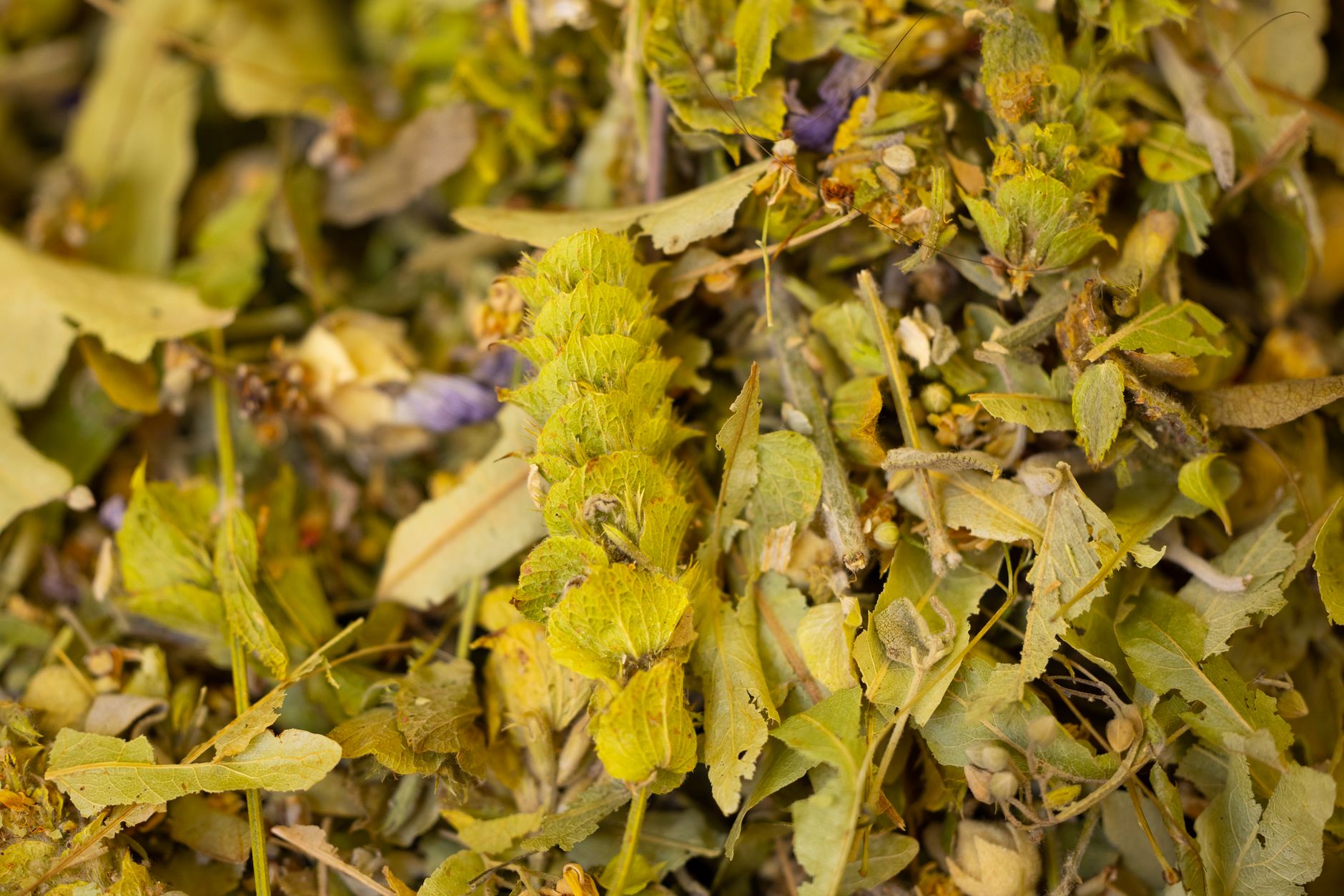
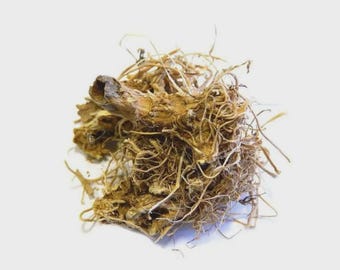
The traditional method of using Jacob’s Ladder involves preparing infusions (teas) or decoctions from the dried herb. For an infusion, dried leaves and flowers are steeped in hot water, typically for 10-15 minutes, yielding a pleasant, earthy brew. Decoctions, usually made from the root, involve simmering the herb in water for a longer period (20-30 minutes) to extract the more resilient compounds, especially saponins. These preparations are excellent for respiratory support, providing a warm, soothing drink that helps to loosen phlegm and calm a cough. They also deliver the nervine benefits in a gentle, comforting manner, perfect for evening relaxation.
2. Tinctures and Liquid Extracts
Tinctures are concentrated liquid extracts made by macerating the herb in alcohol, often combined with water. They offer a potent and convenient way to consume Jacob’s Ladder, as the alcohol effectively extracts a broad spectrum of bioactive compounds. Tinctures are typically taken in small doses, diluted in water, and are readily absorbed by the body, making them ideal for acute conditions or when a higher concentration of active compounds is desired. They provide a precise dosing mechanism and have a long shelf life, making them a popular choice for consistent daily use for nervous system support or respiratory ailments.
3. Capsules and Standardized Supplements
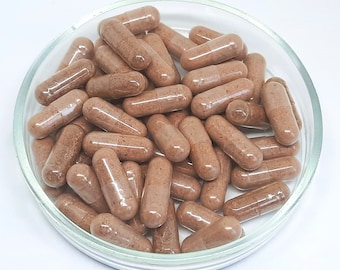
For those seeking convenience and standardized dosages, Jacob’s Ladder is also available in capsule form. These supplements often contain powdered dried herb or standardized extracts, ensuring a consistent amount of active compounds in each dose. Capsules are an excellent option for individuals who prefer not to consume teas or tinctures or who require a more precise and easily administered dosage. They are particularly beneficial for long-term supportive care, ensuring a steady intake of the herb’s beneficial constituents for conditions like chronic anxiety or recurrent respiratory issues.
4. Topical Applications
Historically, poultices and compresses made from Jacob’s Ladder were applied topically to aid in wound healing and soothe skin irritations. While less common today, the anti-inflammatory and antioxidant properties of the herb suggest potential benefits for localized skin support. A strong infusion can be used as a wash or compress for minor cuts, scrapes, or inflamed skin areas, leveraging its natural healing capabilities.
Dosage and Administration: A Note on Safety and Efficacy
While Jacob’s Ladder is generally considered safe for most individuals, appropriate dosing is crucial for both efficacy and safety. Dosage recommendations can vary widely based on the form of the herb (dried herb, tincture, extract, capsules), the concentration of active compounds, and the individual’s specific health needs and sensitivities. As a general guideline:
- Dried Herb (Tea/Decoction): Typically, 1-2 teaspoons of dried herb per cup of hot water, consumed 2-3 times daily.
- Tincture: 1-2 ml, 2-3 times daily, or as directed on the product label.
- Capsules: Follow the manufacturer’s instructions, usually 1-2 capsules, 1-3 times daily.
It is always recommended to start with the lowest effective dose and gradually increase if needed, while closely monitoring the body’s response. For optimal results and personalized advice, especially for specific health conditions or if taking other medications, consulting with a qualified healthcare practitioner or a knowledgeable herbalist is highly advisable. They can provide guidance tailored to your individual constitution and health status, ensuring safe and effective use of Jacob’s Ladder.
Potential Side Effects and Precautions
Jacob’s Ladder is generally well-tolerated. However, like all herbal remedies, it may not be suitable for everyone. Potential side effects are typically mild and rare but can include gastrointestinal upset (nausea, mild stomach discomfort), particularly when consumed in very large doses. Individuals with known allergies to plants in the Polemoniaceae family should exercise caution.
- Pregnancy and Breastfeeding: Due to a lack of sufficient safety data, Jacob’s Ladder is generally not recommended for pregnant or breastfeeding women.
- Children: Use in children should be under the guidance of a healthcare professional.
- Medication Interactions: While no significant interactions are widely reported, individuals on sedative medications, blood thinners, or diuretics should consult their doctor before using Jacob’s Ladder due to its potential calming and mild diuretic effects.
- Surgery: Discontinue use at least two weeks before scheduled surgery due to potential mild effects on clotting (though this is largely theoretical based on coumarin presence, not extensively proven for Jacob’s Ladder).
Always listen to your body and discontinue use if any adverse reactions occur. Prioritizing safety and informed decision-making is paramount when integrating any powerful botanical into your health regimen.
Conclusion: Jacob’s Ladder – A Timeless Botanical Treasure
Jacob’s Ladder, Polemonium caeruleum, stands as a testament to the enduring power of nature’s pharmacy. Its rich history of traditional use, spanning centuries and cultures, is now increasingly supported by scientific inquiry into its complex phytochemical profile. From its remarkable ability to soothe the respiratory system and ease persistent coughs to its gentle yet effective action in calming the nervous system and promoting restful sleep, this multifaceted herb offers a holistic approach to wellness.
The potent combination of saponins, flavonoids, phenolic acids, and other compounds contributes to its expectorant, anxiolytic, sedative, anti-inflammatory, and antioxidant properties, making it a valuable addition to any natural health toolkit. Whether consumed as a comforting tea, a concentrated tincture, or a convenient capsule, Jacob’s Ladder provides a natural pathway to greater balance and vitality. As we continue to rediscover and appreciate the profound gifts of the plant kingdom, Jacob’s Ladder shines brightly as a timeless botanical treasure, inviting us to embrace its gentle strength and integrate its ancient wisdom into our modern lives for enhanced health and well-being.
Disclaimer: For informational purposes only. Not medical advice. Consult a qualified healthcare professional before use.