The Profound Health Benefits of St. John’s Wort: A Definitive Deep-Dive Guide
For centuries, humanity has turned to the natural world for healing and solace, and among the pantheon of revered botanicals, St. John’s wort stands as an undisputed titan. Scientifically known as Hypericum perforatum, this vibrant yellow-flowered plant has captivated herbalists, physicians, and researchers alike with its remarkable therapeutic potential. While its reputation is most strongly linked to supporting mood and alleviating symptoms of mild to moderate depression, the spectrum of its health benefits extends far beyond the realm of mental well-being, encompassing antiviral, anti-inflammatory, and neuroprotective properties. This exhaustive guide delves into the intricate science, rich history, and practical applications of St. John’s wort, providing a comprehensive understanding of why this ancient herb continues to be a cornerstone in modern natural medicine.
In an era where the pursuit of holistic health solutions is paramount, understanding the nuanced efficacy and safety profiles of potent herbal remedies like St. John’s wort becomes increasingly vital. This article aims to unpack the complex mechanisms by which its unique bioactive compounds interact with the human body, offering a definitive resource for anyone seeking to explore the multifaceted advantages of integrating this powerful plant into a well-considered health regimen. From its humble botanical origins to its sophisticated molecular actions, prepare for an unparalleled journey into the world of Hypericum perforatum.
Botanical Heritage and Historical Reverence
Unveiling the Plant: Hypericum perforatum
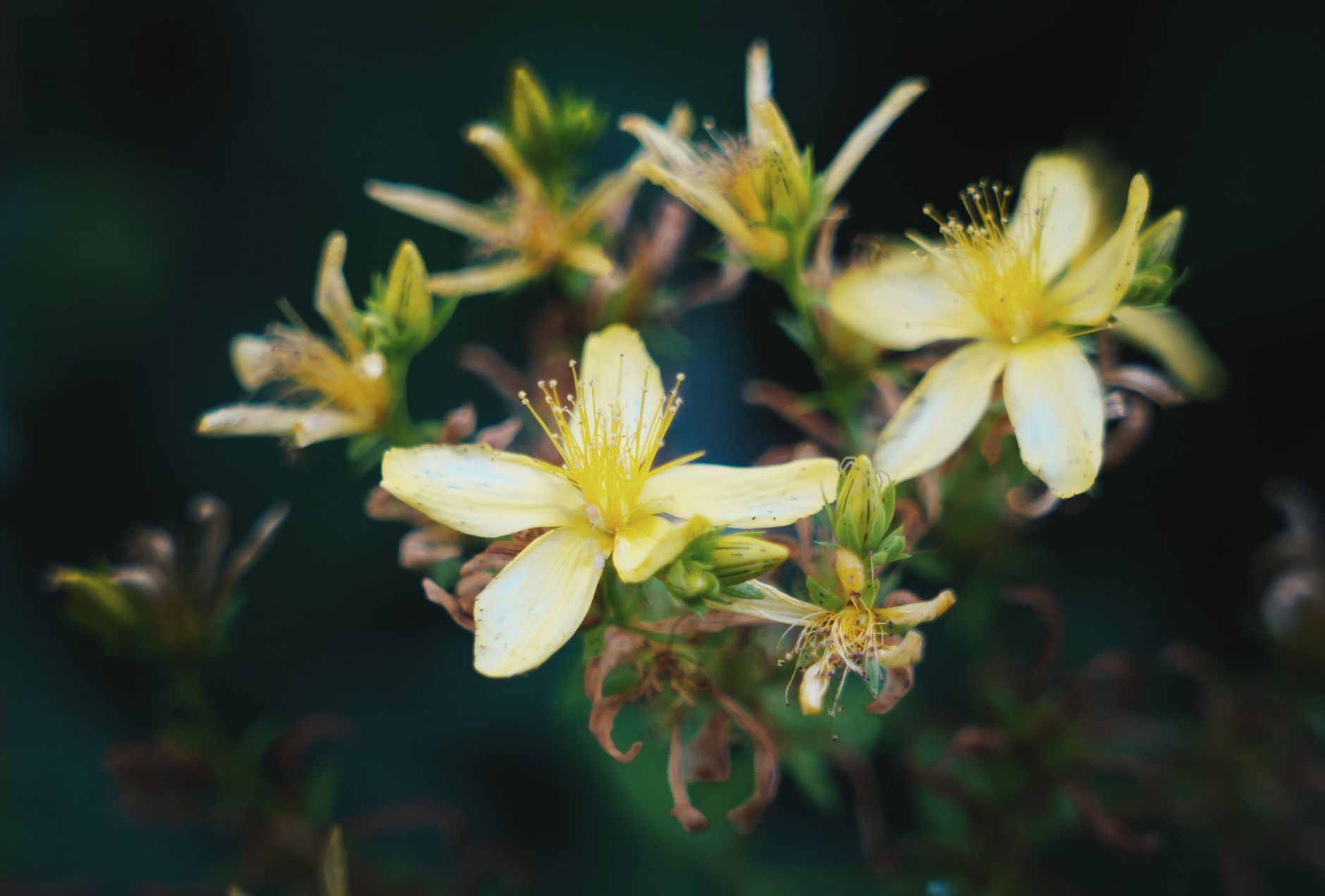
St. John’s wort, a hardy perennial herb, is instantly recognizable by its striking golden-yellow flowers that typically bloom around the feast day of St. John the Baptist, hence its common name. The species name, perforatum, refers to the tiny, translucent dots or “perforations” visible on its leaves when held up to the light. These seemingly innocuous dots are, in fact, oil glands brimming with many of the plant’s potent bioactive compounds. Growing up to three feet tall, this robust plant thrives in meadows, roadsides, and open woods across Europe, Asia, and North Africa, and has since naturalized in many other temperate regions globally.

A Legacy of Healing: St. John’s Wort Through the Ages
The therapeutic use of St. John’s wort stretches back into antiquity, with its medicinal properties documented by some of the most influential figures in ancient medicine. Dioscorides, the Greek physician and botanist of the 1st century AD, meticulously described its use in his seminal work, “De Materia Medica,” primarily for its wound-healing and anti-inflammatory attributes. Hippocrates, often hailed as the “Father of Medicine,” also referenced the *Hypericum* genus for various ailments. During the Middle Ages, its reputation expanded, with herbalists employing it not only for physical wounds and burns but also for conditions associated with melancholy, nerve pain, and even as a “devil-chaser,” believed to ward off evil spirits and negative influences, hinting at its early association with mental well-being.
European folk medicine traditions consistently highlighted St. John’s wort as a remedy for “nervous conditions,” including anxiety, insomnia, and sorrow. Its bright, sun-like flowers were often seen as a symbol of hope and light, reinforcing its role in dispelling darkness, both literal and metaphorical. This long-standing historical recognition, passed down through generations of herbal wisdom, laid the groundwork for the intensive scientific investigation that would eventually validate many of its traditional applications.
The Bioactive Symphony: Key Chemical Constituents of St. John’s Wort
The remarkable efficacy of St. John’s wort stems from a complex interplay of numerous chemical compounds working synergistically. Unlike synthetic drugs that often target a single pathway, the therapeutic breadth of this herb is attributed to an “entourage effect,” where multiple constituents contribute to a holistic biological response. While hundreds of compounds have been identified, research has primarily focused on a few key classes of molecules for their profound medicinal actions.

Hypericin: The Iconic Naphthodianthrone
Hypericin is perhaps the most famous compound associated with St. John’s wort, often historically considered its primary antidepressant constituent. This striking red pigment, a naphthodianthrone, is concentrated in the dark glands of the flowers and leaves. Its proposed mechanisms of action include acting as a weak monoamine oxidase (MAO) inhibitor, thereby increasing levels of neurotransmitters like serotonin, norepinephrine, and dopamine in the synaptic cleft. While early research emphasized this mechanism, more recent studies suggest its MAO inhibitory effect is less potent than initially believed, playing a supportive rather than a dominant role in its antidepressant action. Hypericin also exhibits antiviral and antibacterial properties, contributing to the plant’s traditional use in wound healing.
Hyperforin: The Potent Phloroglucinol Derivative
Emerging as a more significant player in the antidepressant effects of St. John’s wort, hyperforin is a phloroglucinol derivative that has garnered considerable scientific attention. Unlike hypericin, hyperforin primarily acts as a reuptake inhibitor for several key neurotransmitters. It significantly inhibits the reuptake of serotonin, norepinephrine, and dopamine, effectively increasing their availability in the brain and enhancing mood regulation. Furthermore, hyperforin also modulates the reuptake of gamma-aminobutyric acid (GABA) and glutamate, two crucial neurotransmitters involved in calming and excitatory processes, respectively. This broad-spectrum action on multiple neurotransmitter systems gives hyperforin a distinct advantage, contributing to a more robust and comprehensive antidepressant effect compared to selective reuptake inhibitors.
Flavonoids: Antioxidant and Neuroprotective Powerhouses
The flavonoid content of St. John’s wort is substantial and includes compounds such as quercetin, rutin, kaempferol, hyperoside, and various proanthocyanidins. These compounds are renowned for their potent antioxidant and anti-inflammatory properties. In the context of neurological health, flavonoids can cross the blood-brain barrier, offering neuroprotective effects by scavenging free radicals and reducing oxidative stress, which is often implicated in mood disorders and neurodegenerative conditions. They also contribute to the herb’s overall mood-stabilizing effects by modulating various enzyme activities and influencing neurotrophic factors, such as Brain-Derived Neurotrophic Factor (BDNF), which plays a crucial role in neuronal plasticity and survival.
Other Important Constituents
Beyond these primary compounds, St. John’s wort contains essential oils (like α-pinene and caryophyllene), xanthones, tannins, and phenolic acids. These components contribute to the plant’s diverse therapeutic profile, including its antimicrobial, anti-inflammatory, and astringent properties, reinforcing the concept that the herb’s full power lies in the intricate synergy of its entire phytochemical makeup.
Profound Health Benefits of St. John’s Wort
Alleviating Mild to Moderate Depression and Mood Disorders
The most extensively researched and clinically validated health benefit of St. John’s wort is its efficacy in treating symptoms of mild to moderate depression. Numerous randomized controlled trials and meta-analyses have demonstrated that standardized extracts of *Hypericum perforatum* are as effective as conventional antidepressant medications, such as selective serotonin reuptake inhibitors (SSRIs), but often with a more favorable side effect profile. The primary mechanisms involve the previously discussed reuptake inhibition of serotonin, norepinephrine, and dopamine by hyperforin, leading to increased levels of these mood-regulating neurotransmitters in the synaptic cleft. Additionally, hypericin and flavonoids contribute to this effect through weaker MAO inhibition and neuroprotective actions, respectively. This multi-target approach may explain its broad therapeutic spectrum and superior efficacy compared to single-mechanism drugs for some individuals.
Studies show that St. John’s wort can help reduce depressive symptoms such as persistent sadness, loss of interest, fatigue, sleep disturbances, and feelings of worthlessness. The onset of therapeutic effects typically occurs within 2 to 4 weeks, similar to pharmaceutical antidepressants. It is crucial to note that while highly effective for mild to moderate cases, St. John’s wort is generally not recommended for severe depression, bipolar disorder, or psychotic depression, which require more intensive medical intervention and careful psychiatric supervision.
Reducing Anxiety and Stress
Beyond its antidepressant effects, St. John’s wort also exhibits anxiolytic (anxiety-reducing) properties. The modulation of GABAergic systems by hyperforin contributes to a calming effect, helping to alleviate feelings of nervousness, restlessness, and general anxiety. Its ability to improve sleep quality, often disrupted by anxiety and stress, further supports its role in mental well-being. By fostering a more balanced neurotransmitter environment and reducing overall physiological stress responses, the herb can help individuals cope more effectively with daily stressors and promote a greater sense of tranquility.
Supporting Nerve Health and Alleviating Nerve Pain
Historically, St. John’s wort has been employed to soothe nerve-related discomfort, and modern research begins to elucidate these traditional applications. Its anti-inflammatory properties, attributed to flavonoids and other phenolic compounds, can help reduce inflammation around nerve tissues, which is often a contributing factor to nerve pain. While direct nerve regeneration effects are still largely in the realm of preclinical research, its neuroprotective capabilities suggest a role in maintaining nerve integrity. Anecdotal reports and some exploratory studies indicate potential benefits for conditions like sciatica, neuralgia, and even the burning sensation associated with shingles, though more robust human clinical trials are needed to fully substantiate these claims.
Promoting Wound Healing and Skin Health (Topical Applications)
The use of St. John’s wort for skin conditions and wound healing is one of its oldest and most enduring applications. The plant’s anti-inflammatory, antimicrobial, and astringent properties make it an excellent topical remedy. Hyperforin, in particular, has demonstrated significant antibacterial activity against gram-positive bacteria, including antibiotic-resistant strains like MRSA, making it valuable for preventing wound infections. Flavonoids and tannins contribute to its astringent effects, helping to tighten tissues and promote healing. St. John’s wort-infused oils and salves are traditionally used for minor burns, cuts, abrasions, bruises, insect bites, and various skin irritations such as eczema and psoriasis. It is believed to aid in tissue regeneration and reduce scarring, while also offering soothing relief.
Antiviral and Antimicrobial Properties
Both hypericin and hyperforin have demonstrated impressive antiviral and antimicrobial activities in various in vitro and animal studies. Hypericin has shown activity against enveloped viruses, including herpes simplex virus (HSV), influenza virus, and even HIV in laboratory settings. Its mechanism involves disrupting the viral envelope or interfering with viral replication. Hyperforin’s broad-spectrum antibacterial properties, especially against resistant bacteria, hold promise for future applications, though systemic human use for infections requires further extensive research to establish safety and efficacy, especially given potential drug interactions.
Anti-inflammatory and Antioxidant Effects
The rich concentration of flavonoids, phenolic acids, and other polyphenols in St. John’s wort bestows it with significant anti-inflammatory and antioxidant capabilities. These compounds actively combat oxidative stress by neutralizing free radicals, which are unstable molecules that can damage cells and contribute to chronic diseases, aging, and inflammation. By reducing inflammation throughout the body, St. John’s wort may offer protective benefits against a range of conditions, from cardiovascular disease to certain neurological disorders, though further research is needed to quantify these systemic benefits comprehensively.
Menopausal Symptoms Relief
For women navigating the complexities of menopause, St. John’s wort has shown promise in alleviating some common symptoms. Its mood-enhancing properties can help mitigate mood swings, irritability, and feelings of depression often associated with hormonal fluctuations. Furthermore, its ability to improve sleep quality can address insomnia, another prevalent menopausal complaint. While not a direct hormonal remedy, its supportive effects on mental well-being and sleep can significantly enhance the quality of life during this transitional phase. Often, St. John’s wort is found in herbal formulations combined with other botanicals like black cohosh to provide a more comprehensive approach to menopausal symptom management.
Forms of St. John’s Wort and Practical Usage
St. John’s wort is available in several forms, each suited for different applications and varying in potency. The choice of form often depends on the desired therapeutic effect and individual preference.
Dried Herb for Teas and Infusions
Traditionalists and those seeking a milder effect often turn to the dried herb to prepare teas or infusions. This involves steeping the dried flowers and leaves in hot water. While a comforting way to consume the herb, the concentration of active compounds, particularly hyperforin and hypericin, can vary significantly, making precise dosing challenging. This form is generally considered less potent for addressing clinical depression but can be beneficial for mild anxiety, promoting relaxation, or as part of a general wellness routine.

Standardized Extracts (Capsules/Tablets)
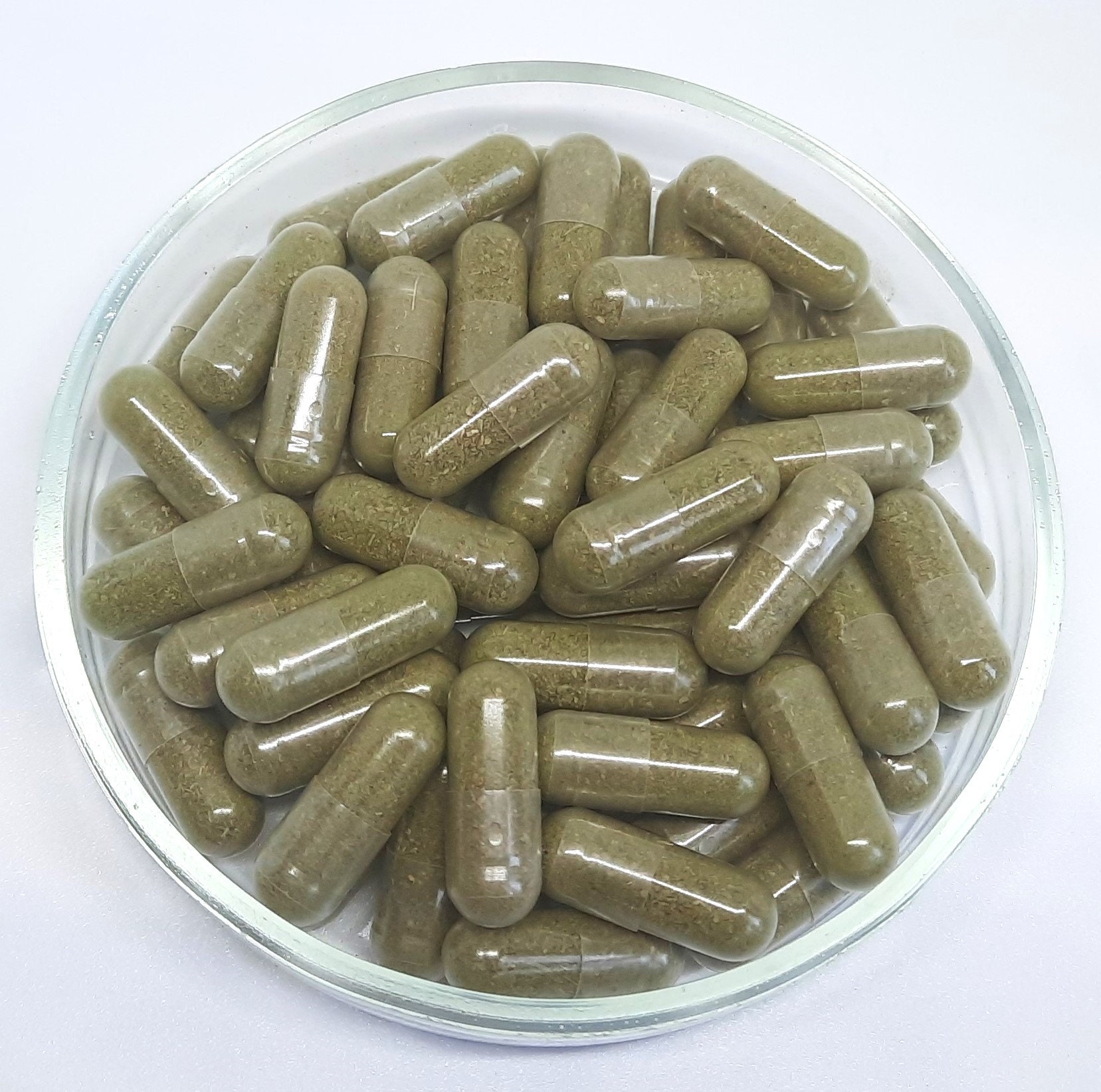
For systemic effects, especially in the treatment of mild to moderate depression, standardized extracts in capsule or tablet form are overwhelmingly recommended by healthcare professionals and supported by clinical research. These products are manufactured to contain consistent levels of key active compounds, typically standardized to 0.3% hypericin and/or 2-5% hyperforin. This standardization ensures a predictable and reproducible dosage, which is crucial for achieving therapeutic effects and minimizing variability between batches. When selecting a supplement, look for reputable brands that provide transparency regarding their standardization process and third-party testing.
Tinctures and Liquid Extracts
Tinctures are liquid alcoholic extracts of St. John’s wort, offering another form of concentrated delivery. They can be absorbed relatively quickly and allow for flexible dosing by adjusting the number of drops. Similar to capsules, the quality and standardization of tinctures can vary, so choosing a reputable manufacturer is paramount. They are often favored by those who have difficulty swallowing pills or prefer liquid formulations.
Topical Oils and Salves
For external use, such as wound healing, nerve pain, and skin conditions, St. John’s wort infused oils and salves are highly effective. These are typically prepared by infusing the fresh or dried flowering tops of the plant in a carrier oil (like olive or sunflower oil) for several weeks, allowing the lipophilic active compounds to extract. The resulting red-colored oil is then used directly or incorporated into salves, creams, and lotions. This form leverages the plant’s anti-inflammatory, antimicrobial, and soothing properties directly on the affected area.
Important Considerations and Potential Side Effects
While St. John’s wort offers significant health benefits, it is a potent herb that requires careful consideration and professional guidance, especially due to its well-documented drug interactions.
Critical Drug Interactions
The most significant cautionary note regarding St. John’s wort pertains to its potent enzyme-inducing properties. It is a powerful inducer of cytochrome P450 3A4 (CYP3A4) liver enzymes and the P-glycoprotein efflux pump, which are critical for the metabolism and transport of numerous pharmaceutical drugs. This induction can lead to a *reduced effectiveness* of concurrently administered medications. Key drug interactions include:
- Oral Contraceptives: St. John’s wort can decrease the efficacy of birth control pills, leading to unplanned pregnancies.
- Antidepressants (SSRIs, SNRIs): Combining St. John’s wort with conventional antidepressants can dangerously increase serotonin levels, potentially leading to serotonin syndrome, a serious condition characterized by agitation, confusion, rapid heart rate, and muscle rigidity.
- Anticoagulants (e.g., Warfarin): It can decrease the effectiveness of blood thinners, increasing the risk of blood clots.
- Immunosuppressants (e.g., Cyclosporine, Tacrolimus): Crucial for transplant patients, St. John’s wort can lead to organ rejection by reducing drug concentrations.
- Digoxin: May reduce the effectiveness of this heart medication.
- HIV Protease Inhibitors and NNRTIs: Can reduce the concentration of these critical antiretroviral drugs, leading to treatment failure.
- Chemotherapy Drugs: Interactions are complex and can affect the efficacy and toxicity of various cancer treatments.
- Migraine Medications (Triptans): Increased risk of serotonin syndrome.
Due to these extensive interactions, it is absolutely essential to consult with a healthcare professional before combining St. John’s wort with any other medications, prescription or over-the-counter.
Photosensitivity
A notable side effect, particularly with higher doses or in individuals with fair skin, is photosensitivity. St. John’s wort, specifically hypericin, can increase the skin’s sensitivity to sunlight, leading to exaggerated sunburns, rashes, or blistering. It is advisable to use adequate sun protection (sunscreen, protective clothing, avoiding peak sun hours) while taking St. John’s wort, especially during the initial weeks of use or if planning extended sun exposure.
Common Side Effects
Compared to pharmaceutical antidepressants, St. John’s wort generally has a milder side effect profile. Common side effects, if they occur, are usually mild and temporary, including:
- Digestive upset (nausea, stomach ache)
- Dry mouth
- Fatigue or restlessness
- Dizziness
- Headache
- Allergic reactions (skin rash, itching)
Contraindications
St. John’s wort is contraindicated for individuals with severe depression, bipolar disorder (it may induce mania), or those undergoing surgery (due to potential interactions with anesthesia). It is also not recommended for pregnant or breastfeeding women, as insufficient safety data is available. Individuals with a history of photosensitivity or those undergoing fertility treatments should also exercise caution or avoid its use.
Duration of Use
Like many natural remedies, St. John’s wort requires consistent use over several weeks for its full therapeutic effects to manifest. A typical course of treatment for depression involves continuous use for at least 4-6 weeks to assess efficacy. Long-term use should always be guided and monitored by a qualified healthcare practitioner.
Professional Consultation is Paramount
Given the powerful nature of St. John’s wort and its potential for significant drug interactions, it is imperative to consult a doctor, pharmacist, or qualified herbalist before beginning any supplementation. This is especially true if you are currently taking other medications, have underlying health conditions, or are considering its use for mental health conditions.
Dosage and Administration for Optimal Benefit
For the treatment of mild to moderate depression, the most common and scientifically supported dosage of standardized St. John’s wort extract is typically between 600 mg and 900 mg per day. This is often divided into two or three doses (e.g., 300 mg three times daily, or 450 mg twice daily). The extract should be standardized to contain specific concentrations of its active compounds, usually 0.3% hypericin and 2-5% hyperforin, as these are the ratios shown to be most effective in clinical trials. It’s crucial to follow the specific instructions on the product label and any guidance from your healthcare provider.
Consistency is key when taking St. John’s wort; missing doses can reduce its overall effectiveness. As mentioned, the therapeutic effects are not immediate and usually require 2-4 weeks to become noticeable, with full benefits often observed after 4-6 weeks of regular intake. For topical applications, a sufficient amount of St. John’s wort oil or salve should be gently massaged into the affected skin area 2-3 times daily, or as needed, ensuring the area is clean before application. Always begin with the lowest effective dose and adjust as needed under professional supervision to gauge individual response and minimize potential side effects.
Conclusion: St. John’s Wort – A Pillar of Herbal Medicine
St. John’s wort, Hypericum perforatum, stands as a testament to the enduring power of natural medicine. From its ancient roots in folk healing to its modern validation through rigorous scientific inquiry, this remarkable herb continues to offer a compelling array of health benefits. Its well-established efficacy in alleviating symptoms of mild to moderate depression, coupled with its capacity to reduce anxiety, support nerve health, promote wound healing, and exhibit antiviral and anti-inflammatory actions, solidifies its position as a truly versatile botanical.
The intricate synergy of its bioactive compounds, particularly hypericin, hyperforin, and various flavonoids, orchestrates a complex biological response that addresses multiple pathways involved in mental and physical well-being. While its benefits are profound, the critical importance of understanding its potential for drug interactions and photosensitivity cannot be overstated. Responsible usage, guided by professional medical advice, is paramount to harness its therapeutic potential safely and effectively.
As research continues to unravel the full spectrum of its mechanisms and applications, St. John’s wort remains a beacon of hope for many seeking natural, evidence-based approaches to health. By embracing both its historical wisdom and contemporary scientific understanding, individuals can make informed decisions, integrating this powerful herb judiciously into their journey toward optimal health and vitality.
Disclaimer: For informational purposes only. Not medical advice. Consult a qualified healthcare professional before use.