The Profound Health Benefits of Lady’s Mantle: A Definitive Deep-Dive Guide
Lady’s Mantle, scientifically known as Alchemilla vulgaris (or often Alchemilla mollis for the ornamental variety, though Alchemilla vulgaris agg. refers to a complex of microspecies), is a revered herb with a rich tapestry of history, folklore, and medicinal application. This unassuming perennial, often found gracing meadows and woodlands across Europe and parts of Asia, has captivated herbalists and healers for centuries, primarily for its remarkable benefits in women’s health. Its name itself, derived from “Our Lady’s Mantle,” reflects its ancient association with the Virgin Mary, symbolizing purity and protection. The unique way its leaves collect dew drops, resembling tiny pearls, also contributed to its mystical appeal and its connection to alchemy, where alchemists believed these dewdrops held magical properties crucial for their quest for the philosopher’s stone.
Beyond its mystical aura, Lady’s Mantle holds a significant place in traditional medicine, cherished for its astringent, anti-inflammatory, and hormonal balancing properties. Modern scientific inquiry has begun to unravel the complex phytochemistry behind these traditional uses, confirming many of the long-held beliefs about its therapeutic potential. This comprehensive guide will delve deep into the botanical characteristics, historical significance, bioactive compounds, and a wide array of health benefits that make Lady’s Mantle an invaluable botanical ally, particularly for women navigating various life stages.
Botanical Overview: Unveiling the Characteristics of Lady’s Mantle
Lady’s Mantle is a hardy perennial herb belonging to the Rosaceae family, the same family as roses and strawberries. It typically grows to a height of 10 to 50 centimeters, forming dense clumps of distinctive, fan-shaped leaves that are softly hairy and have deeply lobed or toothed margins. These leaves are its most recognizable feature, especially in the early morning when they beautifully capture and hold droplets of dew or rainwater on their scalloped edges, giving them a shimmering, jewel-like appearance. This phenomenon, known as guttation, is not just aesthetically pleasing but also contributes to the plant’s unique interaction with its environment.
The plant produces small, inconspicuous, yellowish-green flowers clustered in cymes, blooming from late spring through summer. These flowers, while not showy, are crucial for its reproduction and contribute to its overall botanical profile. Lady’s Mantle thrives in moist, well-drained soils and prefers partial shade but can tolerate full sun in cooler climates. Its robust nature and ability to self-seed make it a resilient plant, often found in grasslands, along riverbanks, and in open woodlands. Understanding these botanical attributes provides a foundation for appreciating its ecological role and its journey from a wild plant to a cherished medicinal herb.

A Journey Through Time: Historical and Cultural Significance
The history of Lady’s Mantle is deeply interwoven with European folklore, medicine, and spiritual beliefs. Its ancient name, Alchemilla, literally translates to “little alchemist,” reflecting the fascination alchemists had with the dewdrops collected on its leaves, which they believed to be the purest form of water, essential for their transformational experiments. These “heavenly water” droplets were thought to possess potent healing and rejuvenating powers, used in various elixirs and cosmetic preparations to restore youth and beauty.
In folk medicine, Lady’s Mantle’s reputation as a “women’s herb” solidified over centuries. It was extensively used by midwives and herbalists for a myriad of gynecological issues, from regulating menstrual cycles and easing childbirth to addressing menopausal symptoms. Nicholas Culpeper, the renowned 17th-century English herbalist, praised its efficacy in “healing wounds inward and outward” and its particular benefits for women. Beyond women’s health, it was also employed as a vulnerary (wound-healing) herb, an astringent for digestive complaints, and a general tonic. Its enduring presence in traditional pharmacopeias across Europe underscores its perceived therapeutic versatility and its deep roots in cultural healing practices.
Phytochemistry: Unpacking the Bioactive Compounds
The therapeutic efficacy of Lady’s Mantle is attributed to its rich and diverse phytochemical profile. Modern scientific analysis has identified several key classes of bioactive compounds that work synergistically to produce its wide-ranging health benefits. Understanding these components is crucial to appreciating the mechanisms behind its traditional uses.
The most prominent compounds found in Lady’s Mantle are:
- Tannins: These are polyphenolic compounds responsible for the herb’s powerful astringent properties. Lady’s Mantle is particularly rich in ellagitannins and gallotannins. Tannins bind to proteins, forming a protective layer on mucous membranes and skin. This action helps to tighten tissues, reduce secretions, and decrease inflammation, making them effective for conditions like diarrhea, excessive menstrual bleeding, and wound healing. Their astringency also contributes to their antiseptic properties by inhibiting microbial growth.
- Flavonoids: Lady’s Mantle contains various flavonoids, including quercetin, rutin, and kaempferol. Flavonoids are potent antioxidants that help neutralize free radicals, thereby reducing oxidative stress and cellular damage. They also exhibit anti-inflammatory, antiallergic, and antiviral properties, contributing to the herb’s overall protective and immune-modulating effects. Some flavonoids may also have a mild phytoestrogenic action, which could contribute to its benefits in hormonal balance.
- Salicylic Acid: Present in smaller amounts, salicylic acid is a precursor to aspirin and is known for its anti-inflammatory and analgesic (pain-relieving) properties. It can help alleviate pain associated with menstrual cramps and contribute to the herb’s anti-inflammatory actions.
- Saponins: These compounds have expectorant properties and may contribute to the herb’s traditional use in respiratory ailments, though this is not its primary application. They also possess anti-inflammatory and immune-stimulating effects.
- Essential Oils: While not a primary component, trace amounts of essential oils contribute to the herb’s subtle aroma and may offer mild antiseptic and soothing effects.
- Bitter Principles: These compounds stimulate digestion and bile production, supporting overall gastrointestinal health.
The synergistic interaction of these compounds explains why whole plant extracts often offer broader benefits than isolated constituents. The high concentration of tannins, in particular, underpins many of its traditional applications, especially those related to tissue tightening and reduction of fluid secretions.

Comprehensive Health Benefits of Lady’s Mantle
Lady’s Mantle’s therapeutic profile is broad, but its most celebrated applications revolve around women’s health. However, its astringent and anti-inflammatory properties extend its benefits to other bodily systems as well.
1. Women’s Health: The Quintessential Female Tonic
Lady’s Mantle’s reputation as a “women’s herb” is well-deserved, with a long history of traditional use supported by some modern research focusing on its gynecological applications.
- Menstrual Irregularities and Heavy Bleeding (Menorrhagia): The potent astringent action of tannins in Lady’s Mantle is highly beneficial for regulating menstrual flow. By tightening blood vessels and tissues in the uterus, it can help reduce excessive bleeding during menstruation. This makes it a valuable herb for women experiencing menorrhagia or prolonged periods. It’s thought to help tone the uterine muscles, contributing to more efficient uterine contractions during menstruation, which can further aid in regulating flow and reducing the duration of bleeding.
- Painful Menstruation (Dysmenorrhea): While primarily known for its astringent qualities, Lady’s Mantle also possesses anti-inflammatory and mild analgesic properties, partly due to the presence of salicylic acid and flavonoids. These components can help alleviate the uterine cramping and discomfort associated with dysmenorrhea, offering a natural alternative for pain management during periods.
- Premenstrual Syndrome (PMS) Support: Though not a direct hormonal regulator in the way some other herbs are, Lady’s Mantle is often used as part of a holistic approach to PMS. Its ability to reduce inflammation and discomfort, combined with its traditional role in balancing the female system, can help mitigate symptoms like bloating, breast tenderness, and mood fluctuations indirectly by promoting overall uterine health and reducing systemic inflammation.
- Menopausal Symptoms: As women transition through menopause, they often experience a range of challenging symptoms, including hot flashes, night sweats, and vaginal dryness. Lady’s Mantle, while not a phytoestrogen powerhouse, is traditionally used to support the body during this phase. Its toning effect on the pelvic tissues and its ability to reduce inflammation can offer comfort. Some herbalists suggest its mild balancing effect on the endocrine system may contribute to its efficacy in managing certain menopausal discomforts.
- Uterine Toning and Postpartum Recovery: Historically, Lady’s Mantle was a key herb for postpartum women. Its astringent properties are believed to help the uterus contract and return to its pre-pregnancy size more efficiently, thereby reducing postpartum bleeding and promoting faster recovery. Its tissue-healing capabilities also make it beneficial for perineal tears or episiotomy recovery when applied topically as a wash.
- Vaginal Discharge (Leucorrhea): Due to its astringent and antiseptic properties, Lady’s Mantle is traditionally used as a vaginal wash or douche to manage excessive or unhealthy vaginal discharge (leucorrhea) by tightening tissues and inhibiting microbial growth.
2. Digestive Health and Gut Support
The prominent astringent action of Lady’s Mantle extends significantly to the gastrointestinal tract, offering relief for various digestive complaints.
- Diarrhea and Dysentery: The high tannin content forms a protective layer on the intestinal lining, reducing fluid secretion, tightening inflamed tissues, and decreasing gut motility. This makes it an excellent remedy for acute and chronic diarrhea, including traveler’s diarrhea, and has been traditionally used even for dysentery. It helps to firm up stools and alleviate abdominal discomfort caused by inflammation.
- Indigestion and Gastric Inflammation: By reducing inflammation in the stomach and intestines, Lady’s Mantle can soothe irritated mucous membranes and provide relief from indigestion, heartburn, and mild gastritis. Its bitter principles can also stimulate digestive juices, further aiding the digestive process.
3. Wound Healing and Skin Health
Lady’s Mantle’s astringent, anti-inflammatory, and antiseptic properties make it a valuable herb for external applications, particularly for skin issues and wound care.
- Wound Healing: Applied as a compress, poultice, or wash, Lady’s Mantle can accelerate the healing of minor cuts, scrapes, and superficial wounds. The tannins help to constrict blood vessels, reduce bleeding, and form a protective barrier, preventing infection and promoting tissue regeneration. Its anti-inflammatory components also reduce swelling and redness around the injury.
- Skin Conditions: For conditions like eczema, rashes, and insect bites, the herb’s anti-inflammatory and soothing properties can help reduce itching, redness, and irritation. Its astringency can also help dry out weeping lesions and tighten pores, making it useful for oily skin and mild acne.
- Sore Throats and Mouth Ulcers: As a gargle, the astringent infusion can soothe inflamed mucous membranes in the throat and mouth, providing relief from sore throats, laryngitis, and mouth ulcers by tightening tissues and reducing inflammation.
4. Anti-inflammatory and Antioxidant Properties
Beyond specific applications, the flavonoids and other phenolic compounds in Lady’s Mantle contribute to its overall anti-inflammatory and antioxidant capabilities, which are fundamental to general health and disease prevention.
- Reducing Systemic Inflammation: Chronic low-grade inflammation is linked to numerous chronic diseases. The anti-inflammatory compounds in Lady’s Mantle can help modulate inflammatory pathways throughout the body, potentially offering protective benefits against various inflammatory conditions.
- Cellular Protection: As potent antioxidants, the flavonoids help to scavenge harmful free radicals that contribute to oxidative stress, cellular damage, and aging. This protective action is vital for maintaining cellular integrity and function across all organ systems.
Forms of Usage and Preparation
Lady’s Mantle can be incorporated into health routines in several forms, each offering distinct advantages. The choice of form often depends on the specific ailment and desired potency.
1. Teas and Infusions (Traditional Use)
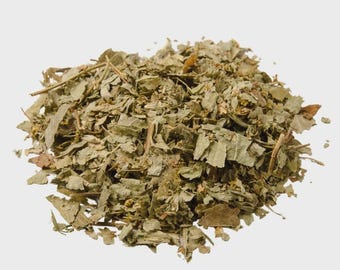
This is arguably the most common and traditional way to consume Lady’s Mantle, especially when using dried herb. An infusion is excellent for internal use to address menstrual issues, digestive problems, or as a general tonic, and can also be used externally as a wash or compress.
Preparation: Steep 1-2 teaspoons of dried Lady’s Mantle herb in a cup of boiling water for 10-15 minutes. Strain and drink. For a stronger infusion, especially for external use, you can increase the herb quantity or steeping time. It can be consumed 2-3 times a day. For external use, allow the infusion to cool completely before applying.
2. Tinctures (Concentrated Extracts)
Tinctures are alcohol-based extracts that provide a more concentrated form of the herb’s constituents. They are convenient for daily use and have a long shelf life.
Preparation: Tinctures are typically prepared by macerating the fresh or dried herb in an alcohol-water solution. They are best purchased from reputable herbal suppliers to ensure quality and standardization. Dosage usually involves a few drops or a small dropperful diluted in water, 1-3 times daily, depending on the concentration and desired effect. Always follow the product-specific instructions.
3. Capsules and Supplements (Convenience and Standardization)
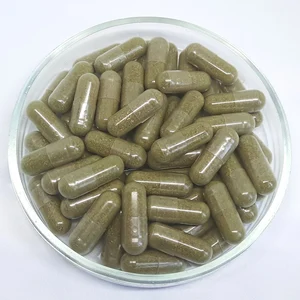
For those who prefer convenience or dislike the taste of herbal teas, Lady’s Mantle is available in capsule form. These often contain powdered dried herb or standardized extracts, offering consistent dosing.
Considerations: When choosing capsules, look for products from reputable manufacturers that provide information on the source and processing of the herb. Standardized extracts may offer a more consistent level of active compounds, though the synergistic effect of the whole plant is often preferred by traditional herbalists.
4. Topical Applications: Compresses, Poultices, and Washes
For skin conditions, wounds, or inflammation, Lady’s Mantle can be applied externally.
- Compress: Soak a clean cloth in a strong, cooled infusion of Lady’s Mantle and apply it to the affected area. This is ideal for bruises, sprains, inflamed skin, or sore breasts.
- Poultice: A fresh poultice can be made by mashing fresh Lady’s Mantle leaves into a paste and applying directly to wounds or inflamed areas, covered with a clean cloth.
- Wash/Douche: A diluted, cooled infusion can be used as a gargle for sore throats or as a vaginal wash (douche) for leucorrhea or postpartum care, always ensuring proper hygiene.

Dosage and Administration
Determining the correct dosage for Lady’s Mantle, like any herbal remedy, can vary based on the form of the herb, the concentration, the individual’s health status, and the specific condition being addressed. It is always advisable to consult with a qualified healthcare professional or an experienced herbalist before starting any new herbal regimen, especially for chronic conditions or if you are taking other medications.
- For Tea/Infusion: A common dosage is 1-2 teaspoons of dried herb steeped in 1 cup (250 ml) of boiling water for 10-15 minutes, drunk 2-3 times a day. For stronger effects, particularly for heavy bleeding, some practitioners may suggest up to 3-4 cups daily.
- For Tincture: Standard tincture dosages typically range from 1-2 ml (20-40 drops) taken 1-3 times daily, diluted in a small amount of water. Always refer to the product label for specific instructions as concentrations can vary between manufacturers.
- For Capsules: Dosage will depend on the strength of the capsule (e.g., mg per capsule) and whether it’s a plain powdered herb or an extract. Follow the manufacturer’s recommendations, which often range from 500 mg to 1000 mg, taken 1-3 times daily.
For acute conditions like heavy menstrual bleeding or diarrhea, it might be taken more frequently for a short period. For chronic issues or general toning, a lower, consistent dosage over a longer period may be more appropriate. It’s often recommended to take a break from continuous use of astringent herbs after several weeks to prevent potential issues like nutrient malabsorption, although this is less of a concern with Lady’s Mantle due to its balanced profile.
Potential Side Effects and Contraindications
Lady’s Mantle is generally considered safe for most adults when used appropriately. However, like all potent herbs, it can have potential side effects and is contraindicated in certain situations.
- Gastrointestinal Upset: Due to its high tannin content, excessive consumption, especially on an empty stomach, may lead to mild stomach upset, nausea, or constipation in sensitive individuals. Starting with a lower dose and increasing gradually can help mitigate this.
- Pregnancy and Breastfeeding: Lady’s Mantle is traditionally used postpartum, but its use during pregnancy is generally discouraged due to its uterine toning properties, which could theoretically stimulate contractions. While there’s limited scientific data on its safety during pregnancy, it’s best to avoid it as a precautionary measure unless under strict guidance from a qualified healthcare provider. Similarly, due to lack of sufficient research, its use during breastfeeding should be approached with caution.
- Iron Absorption: The tannins in Lady’s Mantle can bind to non-heme iron (iron from plant sources), potentially inhibiting its absorption. Individuals with iron deficiency or anemia should consume Lady’s Mantle infusions or supplements between meals, rather than with them, to minimize this effect.
- Drug Interactions: While specific interactions are not widely documented, theoretically, its astringent properties could interfere with the absorption of certain medications if taken simultaneously. It’s prudent to take Lady’s Mantle at least an hour before or after any prescription medications. Individuals on blood-thinning medications should consult their doctor due to salicylic acid content, although the amount is typically small.
- Liver Concerns: There have been rare reports of liver issues associated with Lady’s Mantle, particularly when consumed in large quantities or over prolonged periods, possibly due to certain alkaloids or interactions with specific liver conditions. Individuals with pre-existing liver conditions should exercise extreme caution and consult a physician.
- Allergies: As with any plant, allergic reactions are possible, though rare. Discontinue use if you experience any signs of an allergic reaction.
Always source Lady’s Mantle from reputable suppliers to ensure purity and avoid contamination with other plant species.
Conclusion
Lady’s Mantle stands as a testament to the enduring wisdom of traditional herbal medicine. From its mystical connection to alchemy and its symbolic association with feminine purity to its practical applications across centuries, this remarkable herb continues to offer a wealth of health benefits. Its rich phytochemical profile, dominated by powerful tannins and protective flavonoids, underpins its well-documented efficacy, particularly in women’s health, digestive complaints, and wound healing.
As modern science increasingly validates the traditional uses of botanicals, Lady’s Mantle emerges as a powerful, natural ally for those seeking holistic support for menstrual health, menopausal transitions, and general well-being. While its gentle yet effective action makes it a popular choice, understanding its proper usage, potential contraindications, and seeking professional guidance ensures its safe and beneficial integration into a comprehensive health regimen. Lady’s Mantle is more than just a plant; it is a profound gift from nature, embodying the intricate balance between tradition, science, and the art of healing.
Disclaimer: For informational purposes only. Not medical advice. Consult a qualified healthcare professional before use.