The Comprehensive Guide to St. John’s Wort: Nature’s Premier Botanical for Emotional and Physical Wellness
St. John’s wort, scientifically known as Hypericum perforatum, stands as one of the most extensively researched and culturally significant medicinal herbs in human history. Traditionally harvested around the feast of St. John the Baptist in late June, this perennial flowering plant has traversed centuries of medical lore—from the ancient Greek physicians like Hippocrates and Galen to the rigorous clinical laboratories of the modern era. Today, it is recognized globally as a primary alternative treatment for mild-to-moderate depression, yet its therapeutic profile extends far beyond mental health, encompassing anti-inflammatory, antimicrobial, and neuroprotective properties. This guide explores the multifaceted nature of St. John’s wort, providing an exhaustive analysis of its botanical characteristics, chemical complexity, and clinical applications.
Botanical Characteristics and Ecological Origins
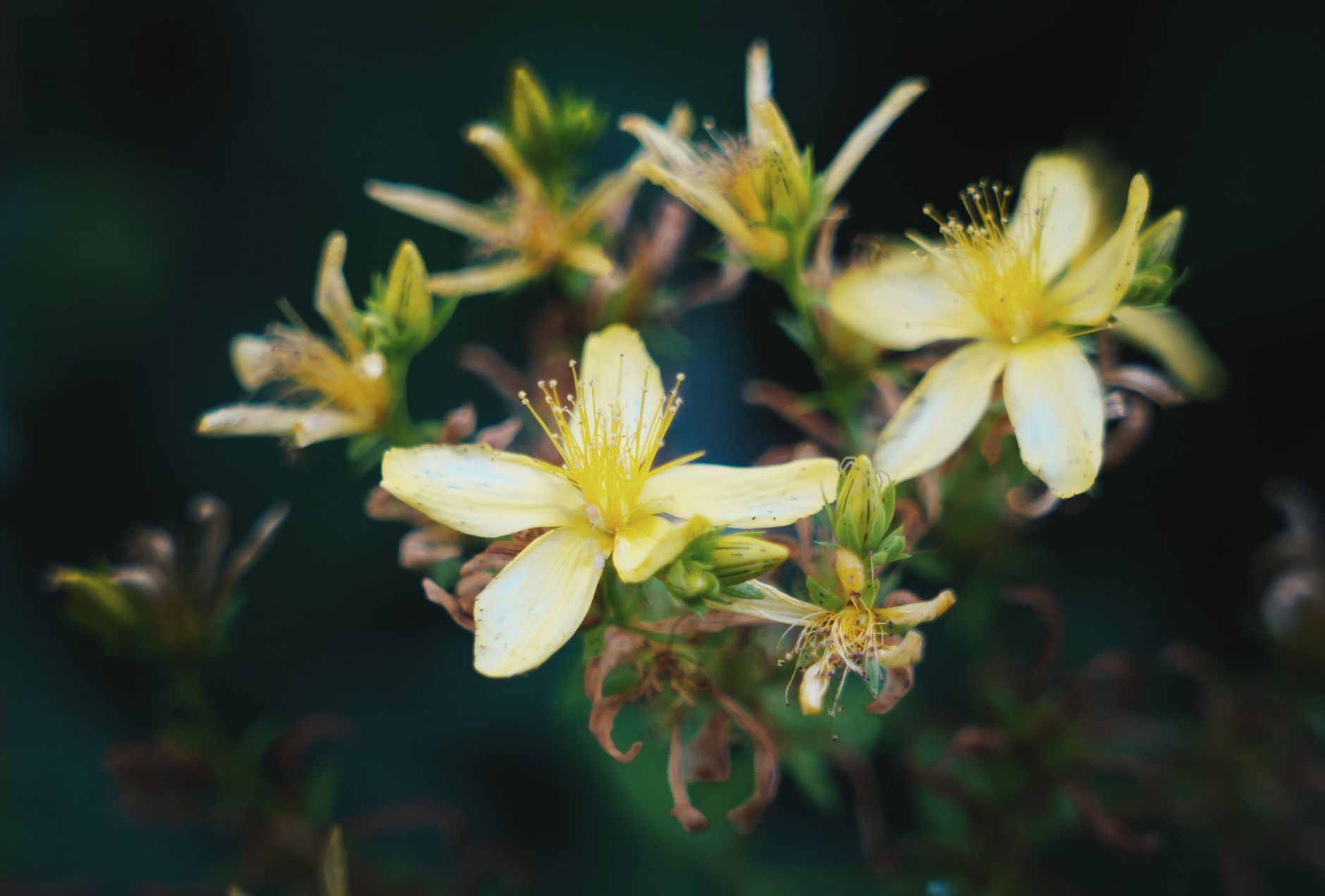
A member of the Hypericaceae family, St. John’s wort is native to Europe but has naturalized across North and South America, Asia, and Australia. It is easily identified by its bright yellow, five-petaled flowers, which possess numerous stamens that give the center a “fuzzy” appearance. A unique botanical marker of the species is the presence of translucent “perforations” on its leaves. These are not actually holes but rather secretory glands containing essential oils and bioactive compounds. When the flower buds or seed pods are crushed, they release a deep reddish-purple liquid, primarily due to the presence of hypericin.
The plant thrives in well-drained soil and abundant sunlight, often found in meadows, roadsides, and forest clearings. Its resilience and ability to spread have led to it being classified as a weed in certain agricultural contexts, yet its medicinal value remains undisputed. Understanding the plant’s morphology is crucial for herbalists, as the concentration of active metabolites varies significantly between the flowers, leaves, and stems. The peak concentration of therapeutic compounds is typically found during the flowering stage, which is why traditional harvesting methods emphasize the midsummer period.

In the wild, the plant serves as a vital component of the local ecosystem, providing pollen for various insects. However, for humans, the focus remains on the “perforatum” aspect—the microscopic oil glands that synthesize the complex chemical cocktail responsible for the herb’s antidepressant and healing effects. Researchers suggest that these secondary metabolites evolved as a defense mechanism against herbivores and UV radiation, which explains why the plant’s efficacy is often tied to its exposure to intense sunlight during growth.
The Complex Chemistry of St. John’s Wort: Beyond Hypericin
To understand how St. John’s wort interacts with the human body, one must look at its sophisticated chemical profile. For decades, hypericin was thought to be the sole active ingredient responsible for the herb’s mood-lifting properties. However, modern pharmacological research has revealed that the plant’s efficacy results from a synergistic relationship between several classes of compounds, including naphthodianthrones, phloroglucinols, flavonoids, and xanthones.
Hypericin and pseudohypericin are the primary naphthodianthrones. These compounds are known for their dark red pigment and were the first to be standardized in commercial extracts. While hypericin has some MAO-inhibiting properties, its role is now seen as part of a larger team. The phloroglucinol derivative known as hyperforin is currently considered the most potent antidepressant constituent. Hyperforin acts as a broad-spectrum reuptake inhibitor, preventing the brain from reabsorbing serotonin, dopamine, norepinephrine, gamma-aminobutyric acid (GABA), and glutamate. This multi-layered approach to neurotransmitter modulation is rare and distinguishes St. John’s wort from synthetic Selective Serotonin Reuptake Inhibitors (SSRIs), which typically target a narrower range of pathways.

Additionally, the plant is rich in flavonoids such as quercetin, hyperoside, and rutin. These molecules provide potent antioxidant protection, reducing oxidative stress in the central nervous system. Xanthones present in the herb offer further neuroprotective benefits and contribute to its anti-inflammatory action. This chemical diversity is why whole-plant extracts or standardized extracts containing both hypericin and hyperforin are generally preferred over isolated compounds. The “entourage effect” ensures that the body receives the full spectrum of therapeutic benefits while potentially minimizing the side effects associated with high doses of a single chemical.
Historical Context and Traditional Medicinal Uses
The history of St. John’s wort is steeped in both medical practice and folklore. In ancient Greece, it was used to treat wounds, burns, and “melancholia.” The name Hypericum is derived from the Greek words “hyper” (above) and “eikon” (picture), referring to the tradition of hanging the herb above portraits to ward off evil spirits. During the Middle Ages, it was regarded as a protective herb, believed to shield households from thunder and malevolent influences. It was often called “Fuga Daemonum” (Scare-Devil) because of its perceived ability to banish the “darkness” of the mind—a poetic but accurate early description of depression.
In traditional European folk medicine, St. John’s wort was most commonly utilized in two forms: a tea for internal ailments and a red-infused oil for external wounds. The oil, made by macerating the fresh flowers in a carrier oil like olive or sunflower oil, was a staple in the kits of medieval battlefield surgeons. It was highly prized for its ability to speed up the healing of puncture wounds and nerve-rich areas, such as the fingers and toes. This tradition persists today, with modern herbalists using the oil to treat shingles, sciatica, and general neuralgia.

The transition from folk remedy to clinically validated medicine began in the late 20th century, particularly in Germany, where the herb became a mainstream prescription for depression. Today, it remains one of the most prescribed antidepressants in several European countries, supported by hundreds of clinical trials that validate the wisdom of the ancient physicians who first identified its value for the “weary soul.”
Clinical Applications: Depression and Mental Health
The primary modern use of St. John’s wort is in the treatment of mild-to-moderate major depressive disorder (MDD). Numerous meta-analyses, including those by the Cochrane Collaboration, have concluded that St. John’s wort extracts are significantly more effective than placebos and are comparable in efficacy to standard antidepressants such as fluoxetine (Prozac) and sertraline (Zoloft). One of the greatest advantages of the herb is its superior tolerability profile; patients taking St. John’s wort typically report fewer side effects—such as nausea, sexual dysfunction, and fatigue—than those taking synthetic SSRIs or tricyclic antidepressants.
The mechanism of action for its antidepressant effect is primarily attributed to the inhibition of neurotransmitter reuptake. By keeping more serotonin, dopamine, and norepinephrine available in the synaptic cleft, the herb helps regulate mood, sleep cycles, and reward processing. Furthermore, recent studies suggest that St. John’s wort may influence the hypothalamic-pituitary-adrenal (HPA) axis, helping to regulate the body’s cortisol response to chronic stress. This makes it an excellent option for individuals whose depression is closely linked to anxiety and burnout.
Beyond clinical depression, St. John’s wort has shown promise in managing Somatoform Disorders—conditions where mental distress manifests as physical symptoms like pain or gastrointestinal upset. It is also frequently used to alleviate the symptoms of Seasonal Affective Disorder (SAD). Because the plant is so intimately tied to light (both in its growth and its chemical nature), it seems uniquely suited to helping the brain navigate the “winter blues” caused by lack of sunlight.
St. John’s Wort for Hormonal Health and Menopause
Another significant area of therapeutic use is in women’s health, particularly regarding Premenstrual Syndrome (PMS) and Menopausal symptoms. During the perimenopausal transition, many women experience a combination of psychological symptoms (mood swings, irritability, anxiety) and physical symptoms (hot flashes, night sweats). St. John’s wort has been shown in clinical trials to reduce the frequency and severity of hot flashes, especially when combined with other herbs like Black Cohosh.
The herb’s impact on GABA receptors also makes it useful for the irritability and tension associated with PMS. By stabilizing mood and improving sleep quality, it provides a holistic alternative to hormonal replacement therapy for many women. However, due to its interaction with the liver’s detoxification pathways, women taking oral contraceptives should exercise extreme caution, as the herb can reduce the effectiveness of birth control medication.
Usage, Forms, and Dosage Recommendations
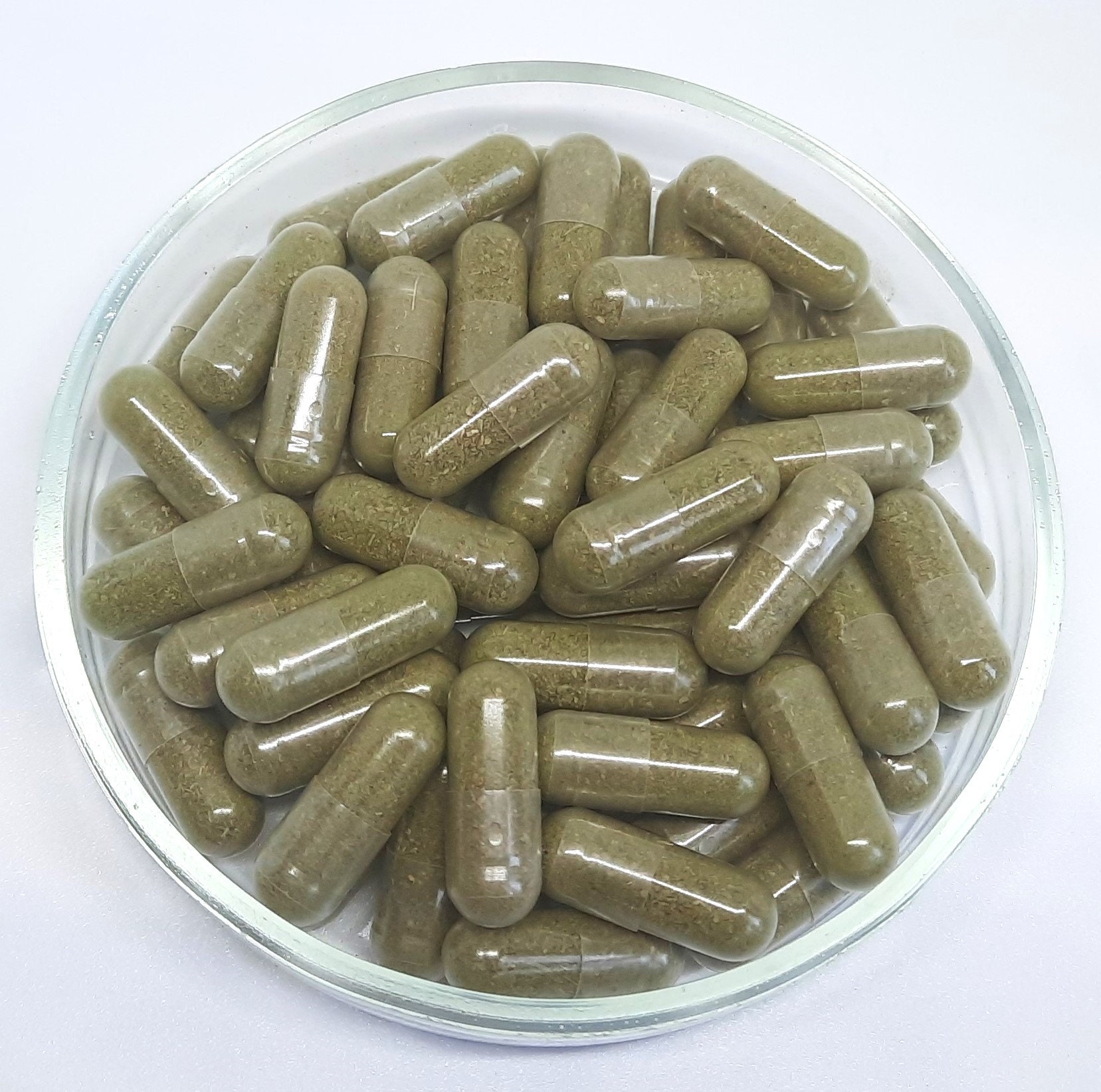
St. John’s wort is available in various forms, including capsules, tablets, liquid tinctures, teas, and topical oils. For most clinical purposes, standardized extracts in capsule form are recommended. This is because the concentration of active hypericin (usually standardized to 0.3%) and hyperforin (usually 3-5%) can be precisely measured. A common dosage for mild-to-moderate depression is 300 mg of a standardized extract taken three times daily. It is important to note that, like most antidepressants, the effects of St. John’s wort are not immediate; it typically takes 2 to 4 weeks of consistent use to notice a significant improvement in mood.
For those preferring a more traditional approach, the dried herb can be prepared as an infusion. One to two teaspoons of the dried flowers and leaves steeped in hot water for 10 minutes can provide a gentle therapeutic effect, though the concentration of hyperforin in tea is significantly lower than in alcohol-based tinctures or standardized capsules. For topical use, the red-infused oil can be applied directly to the skin to treat minor burns, bruises, or neuralgic pain, but users should avoid sun exposure on the treated area to prevent photosensitivity.
Safety, Drug Interactions, and Precautions
While St. John’s wort is generally safe for most people, it is famous in the medical community for its potential to interact with a wide range of pharmaceutical drugs. This occurs because the herb induces the Cytochrome P450 (CYP3A4) enzyme system in the liver and the P-glycoprotein transporter. These systems are responsible for breaking down and clearing many medications from the body. When St. John’s wort “speeds up” these enzymes, it causes other drugs to be metabolized too quickly, rendering them ineffective.
- Critical Interactions: St. John’s wort should not be taken with blood thinners (Warfarin), organ transplant rejection drugs (Cyclosporine), HIV medications (Protease inhibitors), certain heart medications (Digoxin), or oral contraceptives.
- Serotonin Syndrome: It should never be combined with prescription SSRIs, SNRIs, or MAOIs, as this can lead to an overabundance of serotonin in the brain, a potentially life-threatening condition known as serotonin syndrome.
- Photosensitivity: High doses of hypericin can make the skin and eyes more sensitive to ultraviolet light. Fair-skinned individuals should take care to wear sunscreen and sunglasses when using the herb regularly.
- Pregnancy and Nursing: Due to a lack of long-term safety data, it is generally advised that pregnant and breastfeeding women avoid the use of St. John’s wort.
Conclusion: Integrating St. John’s Wort into Modern Wellness
St. John’s wort remains a powerhouse of botanical medicine, offering a bridge between ancient tradition and modern science. Its ability to modulate multiple neurotransmitter pathways makes it a sophisticated tool for mental health, while its topical applications continue to provide relief for nerve and skin ailments. However, its potency is exactly why it must be used with respect and caution. It is not merely a “supplement” but a biologically active pharmacological agent.
For individuals struggling with mild depression or the hormonal fluctuations of menopause, St. John’s wort offers a well-tolerated, effective alternative to synthetic drugs. By working with a healthcare professional to ensure no contraindications with existing medications, users can safely harness the “bottled sunshine” of this remarkable plant. As research continues into its neuroprotective and anti-viral properties, the legacy of St. John’s wort as a cornerstone of the herbal pharmacopeia is only set to grow stronger.
Disclaimer: For informational purposes only. Not medical advice. Consult a qualified healthcare professional before use.