The Ultimate Guide to Lady’s Mantle: Science, Tradition, and Therapeutic Benefits
Lady’s Mantle, scientifically known as Alchemilla vulgaris, is a perennial herb that has occupied a place of honor in European herbalism for centuries. Often referred to as “the woman’s best friend,” this plant belongs to the Rosaceae family and is native to the temperate and subarctic regions of Europe and Greenland. Its common name, Lady’s Mantle, is derived from the scalloped, pleated shape of its leaves, which early herbalists believed resembled the cloak or mantle of the Virgin Mary. However, its botanical name, Alchemilla, hints at a more mystical past. The name comes from the Arabic word ‘Alkemelych’ (alchemy), referring to the plant’s unique ability to collect dew on its leaves—a liquid that alchemists once believed was the purest form of water, essential for the quest to turn base metals into gold.
Beyond folklore and alchemy, Lady’s Mantle is a powerhouse of bioactive compounds. It is primarily valued for its astringent, anti-inflammatory, and emmenagogue properties. Modern phytotherapy recognizes its utility in treating various gynecological disorders, gastrointestinal issues, and dermatological conditions. This guide provides an exhaustive analysis of the plant’s chemical profile, historical significance, and the biological mechanisms that make it a cornerstone of natural medicine.

Botanical Characteristics and the Alchemical Mystery
The botanical structure of Lady’s Mantle is as intriguing as its history. The plant is characterized by its circular, kidney-shaped leaves with serrated edges and distinct pleats. One of the most fascinating physiological phenomena of Alchemilla is guttation. Unlike simple dew that condenses from the atmosphere, the droplets found on Lady’s Mantle leaves are often excreted by the plant itself through specialized pores called hydathodes. This “celestial water” was thought by ancients to possess magical properties, but we now know it contains a mixture of minerals and organic compounds from the plant’s vascular system.
The plant typically grows in damp meadows, pastures, and mountain slopes. Its flowers are small, yellow-green, and lack petals, forming airy clusters that bloom from late spring through summer. While there are many species within the Alchemilla genus, Alchemilla vulgaris and Alchemilla mollis are the most frequently discussed in therapeutic contexts, with the former being the primary choice for medicinal extracts.
Detailed Chemical Composition and Bioactive Compounds
The therapeutic efficacy of Lady’s Mantle is rooted in its sophisticated chemical makeup. The plant is particularly rich in tannins, flavonoids, and phenolic acids, which work synergistically to provide systemic health benefits. Understanding these compounds is crucial to grasping how the herb interacts with human physiology.
- Tannins (6-8%): Primarily ellagitannins (such as pedunculagin and alchemillein) and gallotannins. Tannins are responsible for the plant’s potent astringency. They work by cross-linking proteins on the surface of tissues, creating a protective “tannin-protein” layer that reduces inflammation, stops minor bleeding (hemostatic effect), and protects against bacterial invasion.
- Flavonoids: These include quercetin, kaempferol, and luteolin glycosides. Flavonoids are powerful antioxidants that neutralize free radicals, reduce oxidative stress, and modulate inflammatory pathways. They are instrumental in the herb’s ability to protect vascular integrity and improve circulation.
- Salicylic Acid: Though present in smaller amounts than in willow bark, the salicylic acid in Lady’s Mantle contributes to its mild analgesic and anti-inflammatory effects, making it useful for soothing menstrual cramps and localized pain.
- Proanthocyanidins: These condensed tannins offer cardiovascular protection and support the strength of connective tissues.
- Essential Oils and Phytosterols: These trace components contribute to the plant’s antimicrobial properties and help balance hormonal precursors in the body.

Gynecological Health: The Primary Sphere of Influence
Lady’s Mantle is perhaps most famous for its profound impact on the female reproductive system. For centuries, it has been used to treat “women’s complaints,” and modern science is beginning to validate these traditional uses through the study of its astringent and hormonal-balancing effects.
Management of Menorrhagia and Dysmenorrhea
One of the most evidence-supported uses of Lady’s Mantle is in the treatment of menorrhagia (heavy menstrual bleeding). The high concentration of ellagitannins acts as a local styptic, causing the constriction of blood vessels in the uterine lining. When consumed as a tea or tincture, it helps tone the uterus and reduce excessive flow without the side effects often associated with synthetic hormonal therapies. Furthermore, its antispasmodic properties help alleviate dysmenorrhea (painful cramping) by relaxing the smooth muscles of the uterus.
Hormonal Balancing and Menopause
While Lady’s Mantle does not contain hormones, it is considered a “tonicum” for the female endocrine system. It is often used to regulate irregular menstrual cycles and is frequently recommended during the transition into menopause. By reducing night sweats, hot flashes, and anxiety, the herb provides a stabilizing effect on the nervous system during periods of significant hormonal fluctuation. Some herbalists also suggest its use post-childbirth to help the uterus return to its pre-pregnancy state and to promote healing of the pelvic tissues.
Gastrointestinal and Digestive Support
The astringent nature of Alchemilla vulgaris extends its benefits to the digestive tract. The tannins present in the herb react with the mucous membranes of the stomach and intestines, forming a protective barrier that can soothe irritation and combat infection.
Lady’s Mantle is a traditional remedy for acute, non-specific diarrhea. By binding to proteins in the gut, the tannins help consolidate stool and reduce the frequency of bowel movements. Additionally, its anti-inflammatory action makes it a helpful adjunct therapy for individuals suffering from mild inflammatory bowel conditions or gastritis. Because it inhibits the growth of certain pathogenic bacteria while remaining gentle on the system, it serves as an effective natural alternative for digestive upsets.
Dermatological Applications and Wound Healing
Topically, Lady’s Mantle is a remarkably effective skin healer. Its name—”Mantle”—is fitting as it acts as a protective shield for the skin. The herb’s ability to accelerate wound healing is attributed to its high antioxidant content and its capacity to stimulate fibroblasts, the cells responsible for collagen production.
Historically, Lady’s Mantle was used on the battlefield to treat wounds and stop hemorrhaging. In modern skincare, it is utilized in anti-aging formulations because it inhibits the enzymes elastase and collagenase, which break down the skin’s structural proteins. This helps maintain skin elasticity and reduces the appearance of fine lines. Furthermore, its antimicrobial properties make it an excellent wash for acne-prone skin, eczema, and minor burns. Applying a cooled infusion of Lady’s Mantle to the skin can reduce redness and tighten pores, acting as a natural, chemical-free toner.
Oral Health and Anti-Inflammatory Action
The use of Lady’s Mantle as a mouthwash or gargle is a lesser-known but highly effective application. For those suffering from bleeding gums (gingivitis), mouth ulcers (aphthous stomatitis), or a sore throat, the herb provides rapid relief. The tannins help to “tighten” the gums and stop bleeding, while the anti-inflammatory flavonoids reduce swelling and pain in the oral cavity. Regular rinsing with a Lady’s Mantle decoction after dental procedures can also speed up the healing of the gums and prevent secondary infections.
Beyond the mouth, the systemic anti-inflammatory effects of Alchemilla are being studied for their potential in managing joint pain and oxidative stress. By reducing the production of pro-inflammatory cytokines, the herb may provide a holistic approach to managing chronic low-grade inflammation throughout the body.
Practical Usage: Tea, Tinctures, and Topical Compresses
To reap the benefits of Lady’s Mantle, one must understand the proper methods of preparation. The aerial parts of the plant (leaves and flowers) are harvested during the flowering season for maximum potency.
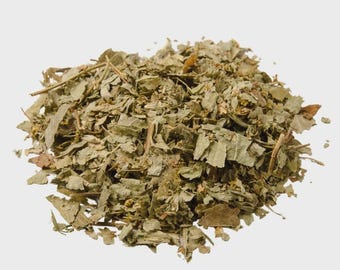
- Herbal Tea (Infusion): To prepare a therapeutic tea, use 1-2 teaspoons of dried Lady’s Mantle herb per cup of boiling water. Let it steep for 10 to 15 minutes. This allows the tannins and flavonoids to extract fully. Drinking 2-3 cups a day is the standard recommendation for menstrual support or digestive issues.
- Tincture: A 1:5 ratio of herb to alcohol (usually 40% ethanol) is common. Tinctures offer a more concentrated dose of the plant’s active constituents and are convenient for long-term use. A typical dosage is 2-4 ml, taken three times daily.
- Topical Wash/Compress: For skin irritations or wound healing, a stronger decoction can be made by simmering the herb in water for 15 minutes. Once cooled, a clean cloth can be soaked in the liquid and applied to the affected area for 20 minutes.
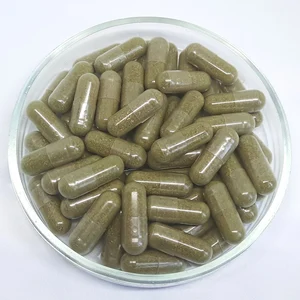
- Capsules and Standardized Extracts: For those who prefer a precise dosage without the taste of tannins, capsules containing powdered herb or standardized extracts are widely available in health stores.

Safety, Contraindications, and Interactions
Lady’s Mantle is generally considered safe for most people when consumed in appropriate amounts. However, due to its high tannin content, long-term use at very high doses should be avoided, as excessive tannins can theoretically cause liver stress or interfere with iron absorption. Individuals with sensitive stomachs may experience minor nausea if they drink the tea on an empty stomach.
Pregnancy and Breastfeeding: While Lady’s Mantle is often used to prepare the uterus for childbirth in the final weeks of pregnancy, it should generally be avoided during the first and second trimesters unless under the supervision of a qualified healthcare provider, as its emmenagogue properties could potentially stimulate the uterus.
Drug Interactions: Because tannins can bind to certain medications and reduce their absorption, it is advisable to consume Lady’s Mantle at least two hours before or after taking pharmaceutical drugs, especially those for blood thinning or heart conditions.
Conclusion: The Timeless Relevance of Alchemilla
Lady’s Mantle stands as a testament to the enduring power of traditional herbal medicine. From its mystical roots in alchemical dew-gathering to its modern application in gynecological and dermatological health, Alchemilla vulgaris offers a gentle yet effective solution for a variety of ailments. Its rich concentration of tannins and flavonoids provides a scientific basis for its use as an astringent, anti-inflammatory, and healing agent. Whether used as a comforting tea for menstrual cramps, a soothing wash for troubled skin, or a natural remedy for digestive upsets, Lady’s Mantle remains a versatile and essential herb in the natural pharmacy. As research continues to uncover the depths of its bioactive potential, this “mantle” of healing is likely to remain a cornerstone of holistic wellness for generations to come.
Disclaimer: For informational purposes only. Not medical advice. Consult a qualified healthcare professional before use.