The Ultimate Guide to St. John’s Wort: A Comprehensive Analysis of Science, History, and Healing
St. John’s Wort, known botanically as Hypericum perforatum, stands as one of the most rigorously studied and commercially successful medicinal herbs in the modern pharmacopeia. While many herbal remedies rely primarily on anecdotal evidence or traditional lore, St. John’s Wort has bridged the gap between ancient folklore and contemporary clinical science. This flowering perennial, characterized by its bright yellow petals and unique translucent leaf glands, has been utilized for over two millennia to treat a spectrum of ailments ranging from external wounds to internal psychological distress. In this exhaustive guide, we explore the intricate botanical profile, the sophisticated chemical interactions within the human brain, and the practical considerations for those looking to integrate this powerful botanical into their wellness routine.
Botanical Characteristics and Morphology
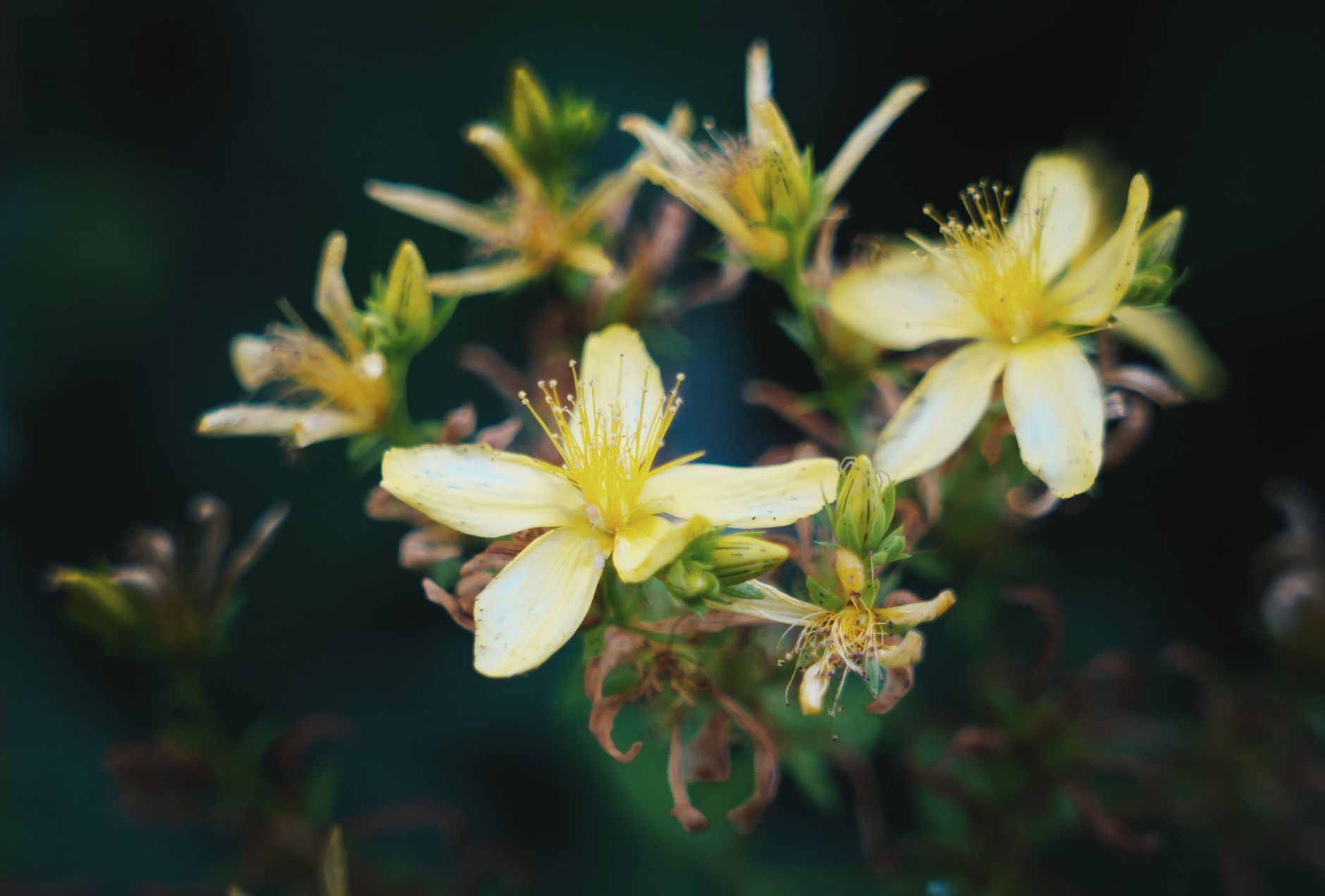
The name Hypericum perforatum is deeply descriptive of the plant’s physical nature. The species name, “perforatum,” refers to the tiny, translucent dots that can be seen when the leaves are held up to the light. These are not actually holes, but rather glandular structures containing essential oils and bioactive compounds. These glands are the primary factory for the plant’s medicinal secondary metabolites. St. John’s Wort typically grows to a height of one to three feet, featuring branched stems and oppositely arranged, oblong leaves. The flowers, which bloom most vibrantly around the summer solstice (near the feast of St. John the Baptist, hence the name), possess five petals with black dots along the margins. These dots contain high concentrations of hypericin, one of the plant’s most famous compounds.

Ecologically, the plant is incredibly hardy, native to Europe and Asia but now naturalized in temperate regions throughout North and South America, as well as Australia. While it is often classified as a noxious weed in agricultural settings due to its toxicity to livestock (causing photosensitivity in grazing animals), its value in human medicine remains unparalleled. Understanding the botanical integrity of the plant is crucial for wildcrafters and herbalists, as the concentration of active ingredients can vary significantly based on the soil quality, altitude, and the precise timing of the harvest during the flowering cycle.
The Complex Chemistry: Bioactive Compounds and Pharmacodynamics
The therapeutic efficacy of St. John’s Wort is not attributed to a single “magic bullet” molecule but rather to a synergistic “entourage effect” of several classes of compounds. The two most prominent and studied constituents are hypericin (a naphthodianthrone) and hyperforin (a phloroglucinol derivative). For decades, hypericin was thought to be the primary antidepressant agent. However, recent research has shifted the focus significantly toward hyperforin, identifying it as a potent modulator of neurotransmitter activity.
Hyperforin works through a unique mechanism that distinguishes it from standard pharmaceutical Selective Serotonin Reuptake Inhibitors (SSRIs). While SSRIs primarily target serotonin, hyperforin has been shown to inhibit the reuptake of multiple neurotransmitters simultaneously, including serotonin, norepinephrine, dopamine, gamma-aminobutyric acid (GABA), and glutamate. By increasing the concentrations of these chemicals in the synaptic cleft, St. John’s Wort helps to regulate mood, reduce anxiety, and improve overall cognitive resilience. Furthermore, the plant contains a rich array of flavonoids, such as quercetin and rutin, which provide potent antioxidant and anti-inflammatory benefits, protecting neural tissues from oxidative stress.

Another critical aspect of its chemistry is the presence of xanthones. These compounds have shown promise in laboratory settings for their antimicrobial and antiviral properties. When these various elements—the naphthodianthrones, phloroglucinols, flavonoids, and xanthones—interact within the human body, they create a multi-targeted approach to health that modern synthetic drugs often struggle to replicate. This complexity is why standardized extracts, which guarantee a specific percentage of hypericin or hyperforin, are preferred in clinical settings over raw plant material.
Historical Context and Traditional Applications
Historically, St. John’s Wort was viewed through a lens of both medicine and mysticism. In Ancient Greece, physicians like Dioscorides and Hippocrates recommended the herb for sciatica and as a diuretic. During the Middle Ages, the plant was believed to possess “apotropaic” properties, meaning it could ward off evil spirits and “melancholy.” It was frequently hung over doorways or carried in amulets to protect the wearer from madness and bad luck. This early association with treating melancholy is particularly fascinating, as it mirrors our modern use of the herb for clinical depression.
Traditional preparations were not limited to internal consumption. “Red Oil,” a maceration of the fresh flowers in a carrier oil like olive oil, has been a staple of European folk medicine for centuries. When the clear oil is infused with the flowers, the hypericin bleeds out, turning the liquid a deep, blood-red color. This oil was applied topically to treat burns, wounds, and nerve pain (such as shingles). The historical transition from a “spirit-protecting” herb to a scientifically validated antidepressant represents one of the most successful evolutions in the history of ethnobotany.

In the traditional Chinese medicine (TCM) framework, while not a primary native herb, similar species have been used to clear heat and resolve toxins. In Western herbalism, the dried herb remains a popular choice for teas and infusions, particularly for those seeking a gentler, more holistic approach to nervine support. Using the dried aerial parts allows for the consumption of the full spectrum of the plant’s water-soluble components, which can be particularly soothing for the digestive system and mild nervous tension.
Clinical Efficacy: St. John’s Wort and Depression
The most celebrated use of St. John’s Wort is its efficacy in treating mild-to-moderate depression. Dozens of double-blind, placebo-controlled trials have compared standardized extracts of the herb against both placebos and standard pharmaceutical antidepressants like fluoxetine (Prozac) and sertraline (Zoloft). A landmark Cochrane Review, which analyzed 29 clinical trials involving over 5,000 patients, concluded that St. John’s Wort extracts were significantly more effective than placebos and worked just as well as standard antidepressants, but with far fewer side effects.
The side-effect profile is where St. John’s Wort truly shines in a clinical context. Many patients on SSRIs struggle with weight gain, sexual dysfunction, and extreme lethargy. Research indicates that patients taking St. John’s Wort are much less likely to experience these specific adverse effects. However, it is vital to note that for severe, major depressive disorder (MDD) or cases involving suicidal ideation, the evidence for St. John’s Wort is less robust, and professional psychiatric intervention is mandatory. The herb functions best as a tool for “unsticking” the mind from persistent low-grade gloom and seasonal affective disorder (SAD).
Beyond Mood: Menopause, PMS, and Somatization
While depression takes center stage, St. John’s Wort offers significant benefits for women’s reproductive health. During the perimenopausal transition, many women experience a combination of hot flashes and psychological symptoms like irritability and anxiety. Clinical studies have shown that the combination of St. John’s Wort and Black Cohosh can dramatically improve quality of life during menopause. By stabilizing neurotransmitter levels, the herb helps regulate the body’s internal thermostat and reduces the psychological “edge” that often accompanies hormonal shifts.
Furthermore, the herb is used to treat somatization disorders—conditions where psychological distress manifests as physical pain. Because it acts on the central nervous system, it can help dampen the perception of chronic pain, particularly when that pain is linked to fibromyalgia or chronic fatigue syndrome. The anti-inflammatory flavonoids within the plant also contribute to its systemic benefits, reducing the low-grade inflammation that often underlies mood disorders and chronic pain states.
Modern Delivery: Capsules and Standardized Extracts
In the modern health market, the most common way to consume St. John’s Wort is via encapsulated supplements. This method offers the highest level of precision, which is critical for achieving therapeutic results. Standardized extracts usually contain 0.3% hypericin and up to 3% to 5% hyperforin. This standardization ensures that the consumer is receiving a consistent dose of the most active pharmacological components, which can vary wildly in raw teas or low-quality powders.
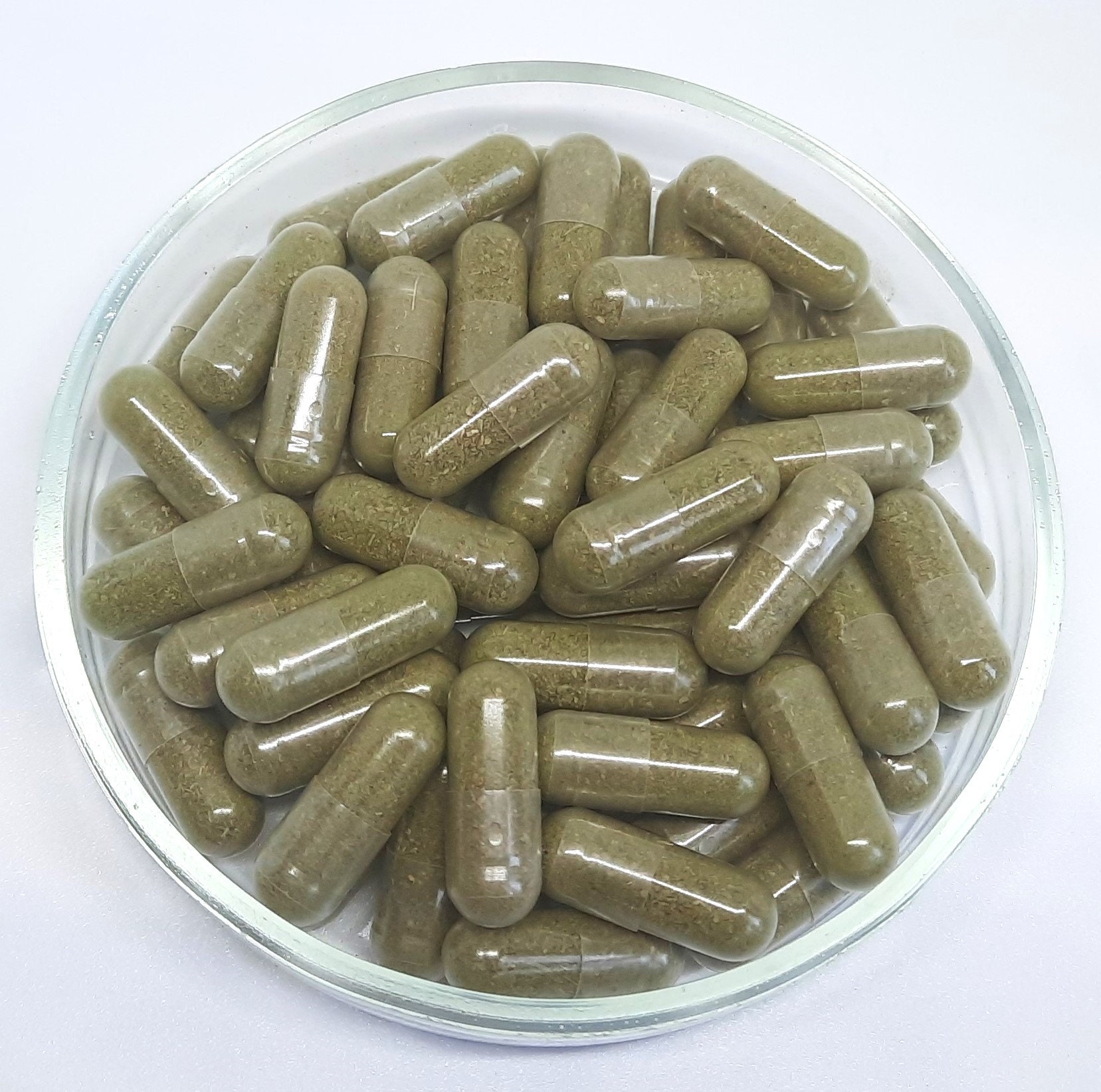
When choosing a capsule, it is important to look for third-party testing labels. Because the supplement industry is not regulated as strictly as the pharmaceutical industry, the actual content of hyperforin can degrade if the product is not manufactured and stored correctly. Hyperforin is particularly sensitive to light and oxygen. High-quality manufacturers often use opaque capsules or specialized packaging to preserve the potency of the delicate chemical bonds that allow the herb to interact with the brain’s neurotransmitter transporters.
Safety, Interactions, and the P450 Enzyme System
Despite its natural origins, St. John’s Wort is a potent pharmacological agent that requires respect and caution. Its most significant drawback is its interaction with other medications. The herb is a powerful inducer of the cytochrome P450 enzyme system in the liver, specifically the CYP3A4 isoenzyme. This enzyme is responsible for metabolizing approximately 50% of all pharmaceutical drugs. When St. John’s Wort “speeds up” these enzymes, it causes the body to process other drugs too quickly, rendering them ineffective.
Critical interactions include:
- Oral Contraceptives: It can decrease the effectiveness of birth control, leading to breakthrough bleeding or unintended pregnancy.
- Anticoagulants (Warfarin): It may reduce the blood-thinning effect, increasing the risk of clots.
- Immunosuppressants (Cyclosporine): This is particularly dangerous for organ transplant recipients.
- HIV Medications: It can lower the viral suppression efficacy of certain protease inhibitors.
- SSRIs and MAOIs: Combining St. John’s Wort with other antidepressants can lead to Serotonin Syndrome, a potentially life-threatening condition caused by excessive serotonin accumulation.
Additionally, some users experience photosensitivity—a condition where the skin becomes hypersensitive to sunlight, leading to rapid burning or rashes. This is caused by hypericin reacting with UV light in the bloodstream. While rare at standard dosages, individuals with fair skin should exercise caution when spending prolonged time in the sun while taking the herb.
Dosage Guidelines and Practical Usage
For those cleared by a healthcare professional to use St. John’s Wort, the standard adult dosage for mild-to-moderate depression is typically 900mg per day, divided into three 300mg doses. It is important to note that, much like pharmaceutical antidepressants, the effects of St. John’s Wort are not immediate. It generally takes two to four weeks of consistent use before a noticeable improvement in mood occurs. This “lag time” is necessary for the brain to adjust its receptor sensitivity and for neurotransmitter levels to reach a new equilibrium.
When discontinuing the herb, it is often recommended to taper the dose gradually over a week or two rather than stopping abruptly. While it does not carry the same “withdrawal” profile as some synthetic drugs, a gradual reduction helps the nervous system re-calibrate more smoothly. For topical use, the red oil can be applied two to three times daily to unbroken skin. Always perform a patch test first to ensure no allergic reaction occurs, as the botanical complexity of the plant can occasionally trigger sensitivity in certain individuals.
Conclusion: The Future of Hypericum Perforatum
St. John’s Wort remains a cornerstone of natural medicine, offering a sophisticated, multi-targeted approach to mental and physical health. As our understanding of the gut-brain axis and neuroinflammation grows, it is likely that we will discover even more ways in which the flavonoids and phloroglucinols in this plant support human homeostasis. By combining the wisdom of the past with the rigorous standards of modern science, St. John’s Wort continues to be a vital ally for those seeking balance in an increasingly stressful world. Whether used as a standardized extract for mood support or a traditional oil for healing, Hypericum perforatum is a testament to the enduring power of botanical medicine.
Disclaimer: For informational purposes only. Not medical advice. Consult a qualified healthcare professional before use.