
The Comprehensive Guide to Mugwort Herb: Ancient Wisdom Meets Modern Science
Mugwort, scientifically known as Artemisia vulgaris, stands as one of the most storied and versatile plants in the annals of botanical medicine. Often referred to as the “Mother of Herbs,” this perennial plant belongs to the Asteraceae family and has been a cornerstone of traditional healing systems across Europe, Asia, and North America for millennia. While it is frequently found growing wild along roadsides and in nitrogen-rich soils, its humble appearance belies a sophisticated chemical profile that offers a wide array of therapeutic benefits, ranging from digestive support to neurological modulation. In this exhaustive guide, we will explore the multifaceted nature of Mugwort, diving deep into its botanical characteristics, historical significance, bioactive compounds, and contemporary health applications.
Botanical Overview and Identification of Artemisia Vulgaris
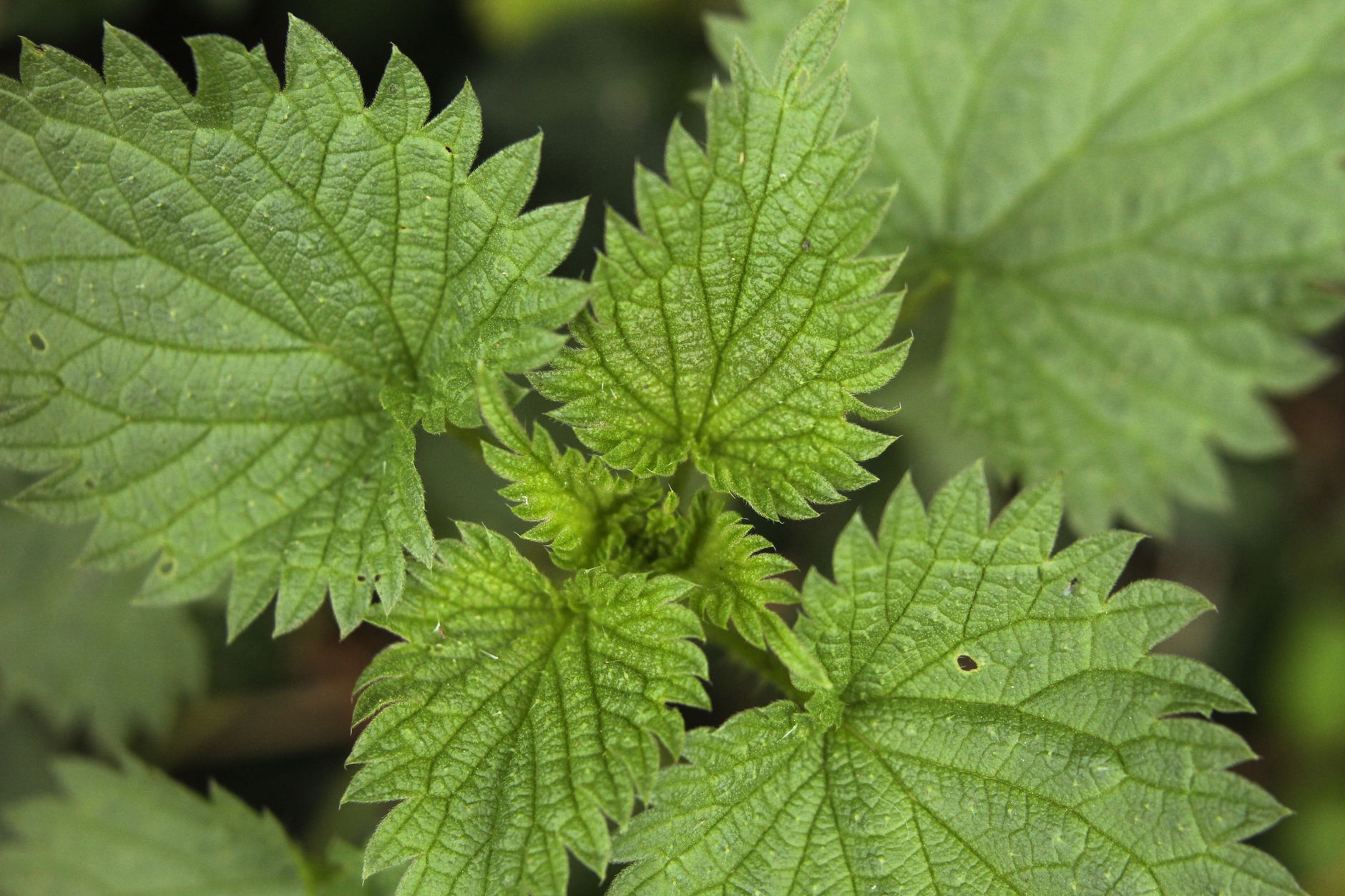
Mugwort is a hardy, aromatic perennial that can reach heights of up to two meters. It is characterized by its deeply lobed, pinnate leaves which possess a distinctively dark green upper surface and a silvery-white, downy underside. This silver sheen, caused by the presence of fine trichomes (tiny hairs), is a key identifying feature that distinguishes it from other similar-looking plants in the Artemisia genus. The stems are typically reddish-purple or woody in color, supporting small, inconspicuous yellow or reddish-brown flowers that bloom in late summer. These flowers are wind-pollinated, reflecting the plant’s evolutionary adaptation to diverse ecological niches.
The plant’s resilience is legendary; it thrives in disturbed soils and temperate climates, often colonizing areas where other plants struggle. Historically, its ubiquity led to its widespread adoption by various cultures. For the modern herbalist, understanding the botanical nuances of Mugwort is essential for sustainable harvesting. The leaves and flowering tops are the primary parts used in therapeutic preparations, as they contain the highest concentration of essential oils and bitter principles. Understanding the plant’s life cycle—from its early spring emergence to its late-season flowering—allows for optimal potency in harvesting.

The Historical and Cultural Significance of the “Mother of Herbs”
The history of Mugwort is as rich as its chemical composition. Its name is believed to derive from the Old English “mucgwyrt,” where “mucg” refers to a midge (a small fly) and “wyrt” means herb or root. This suggests its early use as an insect repellent. In ancient Greece, the plant was associated with Artemis, the goddess of the hunt and childbirth, which hints at its long-standing use in reproductive health and midwifery. Roman soldiers were known to place Mugwort leaves in their sandals to prevent foot fatigue during long marches, a practice that highlights its supposed anti-inflammatory and invigorating properties.
In Eastern traditions, particularly in Traditional Chinese Medicine (TCM), Mugwort plays a central role in “moxibustion.” This technique involves burning aged, dried Mugwort (moxa) near specific acupuncture points to stimulate the flow of Qi (energy) and blood. The heat generated by the slow-burning herb is believed to penetrate deep into the tissues, dispelling “dampness” and “cold” from the body. Meanwhile, in European folklore, Mugwort was considered a protective herb, often hung over doorways to ward off evil spirits or worn by travelers to ensure safe passage. This intersection of physical medicine and spiritual practice defines Mugwort’s legacy as a bridge between the tangible and the ethereal.
Detailed Chemical Composition and Bioactive Compounds
The therapeutic efficacy of Mugwort is rooted in its complex array of secondary metabolites. The plant is a powerhouse of volatile oils, bitter principles, and antioxidants that work synergistically to affect various biological systems. One of the primary constituents is 1,8-cineole (eucalyptol), which contributes to the herb’s decongestant and anti-inflammatory effects. Additionally, Mugwort contains varying levels of thujone, a monoterpene ketone that, while controversial in high doses, is responsible for the plant’s antimicrobial and neuro-modulatory properties.
Beyond volatile oils, Mugwort is rich in flavonoids such as quercetin and kaempferol, which provide significant antioxidant protection by neutralizing free radicals and reducing oxidative stress. It also contains coumarin derivatives, which have been studied for their ability to improve blood circulation and reduce edema. The “bitter” nature of the herb comes from sesquiterpene lactones, compounds that play a crucial role in stimulating digestive secretions. When these compounds interact with the bitter receptors on the tongue, they trigger a cephalic response that prepares the entire gastrointestinal tract for efficient digestion.
Digestive Health: The Power of Bitter Principles
Mugwort has long been utilized as a digestive tonic, particularly for those suffering from sluggish digestion or hypochlorhydria (low stomach acid). The mechanism of action is primarily driven by its bitter sesquiterpene lactones. These compounds stimulate the vagus nerve, which in turn increases the production of saliva, gastric acid, bile, and pancreatic enzymes. By enhancing the secretion of these digestive fluids, Mugwort aids in the breakdown of fats and proteins, ensuring more efficient nutrient absorption and reducing symptoms such as bloating, gas, and indigestion.
Furthermore, Mugwort possesses mild choleretic and cholagogue properties, meaning it stimulates both the production of bile in the liver and its release from the gallbladder. This is particularly beneficial for individuals with biliary stasis or those who struggle to digest fatty meals. Its antimicrobial action also helps in maintaining a healthy balance of gut flora, potentially inhibiting the overgrowth of pathogenic bacteria and fungi. In traditional European herbalism, a small cup of Mugwort tea taken before a meal was the standard remedy for restoring a weakened appetite and toning the digestive organs.
Neurological Benefits: Sleep, Anxiety, and Lucid Dreaming
Perhaps one of the most fascinating aspects of Mugwort is its influence on the nervous system and the subconscious mind. Mugwort is classified as a nervine, meaning it has a tonifying and calming effect on the nerves. It is frequently used to alleviate mild anxiety and restlessness, helping to ground the individual and promote a sense of calm. However, its most famous application in this realm is its use as a “dream herb.” For centuries, practitioners have used Mugwort to enhance the vividness of dreams and facilitate lucid dreaming—the state of being aware that one is dreaming while the dream is in progress.
This effect is likely due to the interaction of thujone and other terpenes with the GABA receptors in the brain. By modulating neurotransmitter activity, Mugwort can extend the REM (Rapid Eye Movement) phase of sleep, where most dreaming occurs. Many users report that drinking Mugwort tea or sleeping with a Mugwort-filled “dream pillow” leads to more colorful, narrative, and memorable dreams. While scientific research into lucid dreaming is still evolving, the anecdotal evidence spanning centuries suggests a potent connection between the biochemical components of Mugwort and the deep layers of the human psyche.
Reproductive Health and Emmenagogue Properties
Mugwort’s historical association with the goddess Artemis is deeply reflected in its use as a women’s health tonic. It is recognized as an emmenagogue—a substance that stimulates blood flow in the pelvic area and uterus. This makes it particularly effective for addressing delayed or suppressed menstruation (amenorrhea) caused by stress or systemic stagnation. By promoting circulation to the reproductive organs, Mugwort helps to regulate the menstrual cycle and alleviate the discomfort associated with dysmenorrhea (painful periods).
In addition to its physical effects, Mugwort is often used to balance the hormonal fluctuations that contribute to PMS symptoms such as irritability, mood swings, and water retention. It is important to note, however, that because of its ability to stimulate uterine contractions, Mugwort is strictly contraindicated during pregnancy, as it could potentially lead to miscarriage. In the postpartum period, some traditions use the herb to help the uterus return to its normal size and to support the emotional transition into motherhood, though such use should always be guided by a qualified healthcare professional.
Traditional Preparations: Tea, Tinctures, and Dried Herbs
The versatility of Mugwort allows for several methods of preparation, each highlighting different aspects of its chemistry. The most common form is an infusion or tea, made by steeping the dried leaves in hot water. This method effectively extracts the bitter principles and water-soluble flavonoids, making it ideal for digestive issues. However, because Mugwort is quite bitter, it is often blended with other herbs like peppermint or ginger to improve the flavor profile.
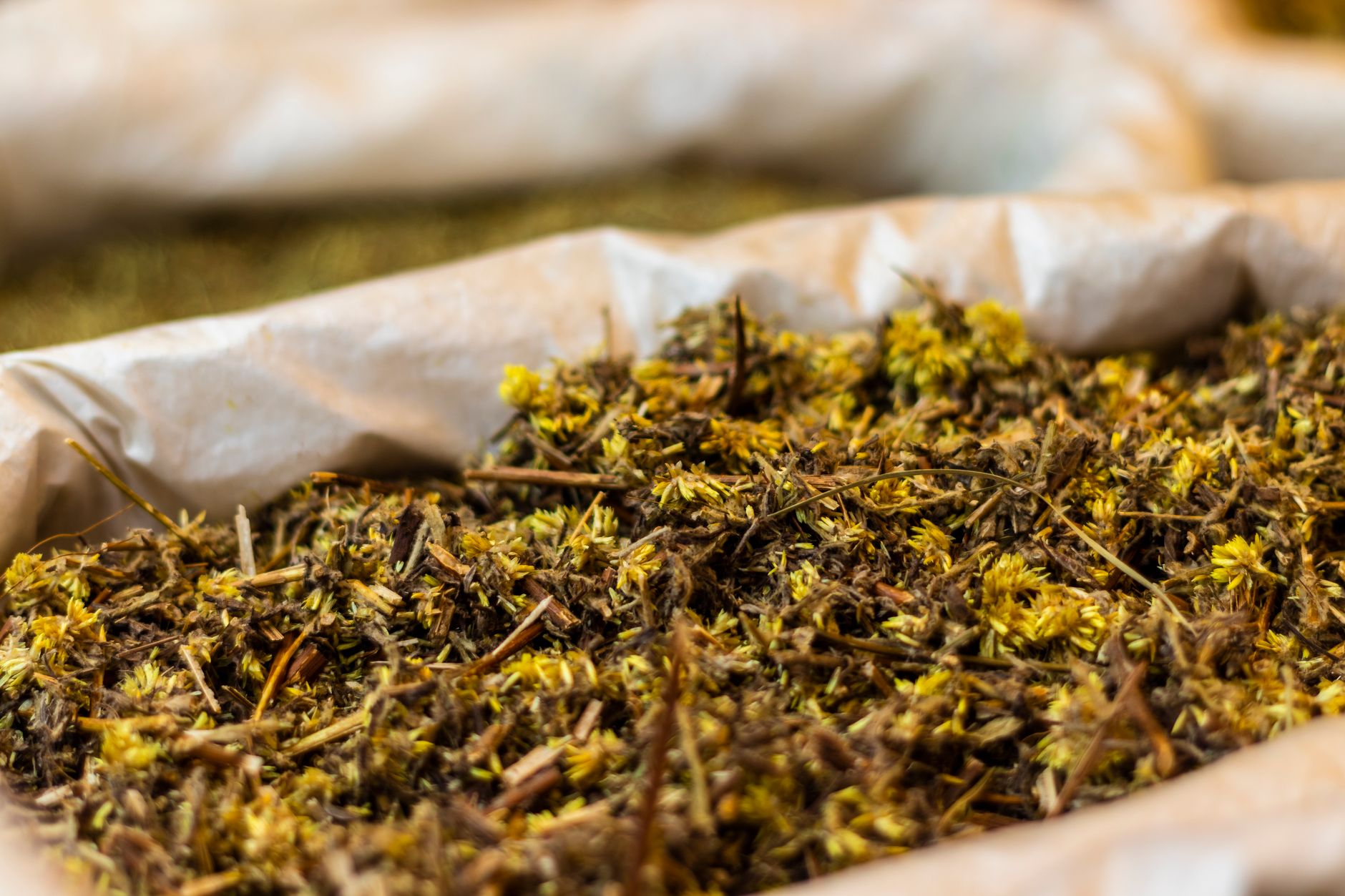
For those seeking a more concentrated and portable option, alcohol-based tinctures are highly effective. Alcohol acts as a powerful solvent, extracting both the volatile oils and the more resinous compounds that water might leave behind. Tinctures are often preferred for addressing nervous system issues or for use as a dream enhancer. Beyond internal use, the dried herb remains a staple in traditional practices. Whether used as a smudge for environmental cleansing or bundled into moxa sticks for heat therapy, the physical presence of the dried plant remains a vital part of the herbalist’s toolkit.
Modern Supplementation: Mugwort Capsules and Extracts
As interest in traditional medicine grows, the supplement industry has made Mugwort more accessible through standardized capsules and concentrated extracts. Capsules offer a convenient way to consume the herb without experiencing its intense bitterness, making them a popular choice for long-term digestive or reproductive support. These products are often standardized to contain specific levels of active compounds, ensuring consistent potency across different batches.
When selecting a Mugwort supplement, it is crucial to look for products that use high-quality, organic raw materials. Since Mugwort can accumulate heavy metals from the soil, sourcing is of the utmost importance. Modern extracts also undergo rigorous testing to ensure that the thujone content remains within safe therapeutic limits. For individuals with busy lifestyles, these modern delivery systems provide the benefits of Mugwort with the precision and safety expected in contemporary health practices.

Topical Applications and Skin Health
While often overshadowed by its internal uses, Mugwort is an exceptional herb for topical application. Its anti-inflammatory and antimicrobial properties make it a valuable ingredient in salves, oils, and balms. In many Asian cultures, Mugwort-infused baths are used to soothe itchy skin, alleviate eczema, and treat fungal infections like athlete’s foot. The presence of vitamin E and other antioxidants in the plant helps to protect the skin from environmental damage and promotes the healing of minor wounds and scrapes.
In the realm of modern skincare, Mugwort has gained significant popularity as a “K-beauty” (Korean beauty) ingredient. Known for its ability to calm sensitive or acne-prone skin, Mugwort extracts are featured in essences, masks, and serums. It works by reducing redness and soothing irritation, making it an ideal choice for those with rosacea or compromised skin barriers. Its ability to detoxify the skin and improve circulation results in a more radiant and balanced complexion.
Safety, Side Effects, and Contraindications
Despite its many benefits, Mugwort must be used with respect and caution. As mentioned previously, it is an emmenagogue and must be avoided during pregnancy. Furthermore, individuals who are allergic to plants in the Asteraceae family (such as ragweed, daisies, or marigolds) may experience allergic reactions when using Mugwort, ranging from contact dermatitis to respiratory distress. Long-term use of Mugwort is generally not recommended due to the thujone content, which can be neurotoxic in very high, cumulative doses.
It is also important to consider potential drug interactions. Because Mugwort can stimulate the liver and affect blood flow, it may interact with blood thinners or medications metabolized by the liver. Always consult with a healthcare provider or a clinical herbalist before incorporating Mugwort into your routine, especially if you have pre-existing medical conditions or are taking prescription medications. Moderation and informed usage are key to reaping the benefits of this powerful botanical while minimizing risk.
Dosage Guidelines and Practical Usage
Determining the correct dosage of Mugwort depends on the form of the herb and the specific health goal. For a standard infusion, one to two teaspoons of dried leaves per cup of water, steeped for 5-10 minutes, is typical. This can be taken up to three times a day for digestive support. If using a tincture (1:5 ratio in 40% alcohol), a dose of 2-4 ml taken three times daily is often recommended. For those using capsules, following the manufacturer’s instructions is generally the safest approach, as concentrations can vary between brands.
For those using Mugwort for dream work, a smaller dose taken shortly before bedtime is usually sufficient. This could be half a cup of tea or a small dose of tincture. It is often recommended to use the herb for this purpose in cycles—for example, three nights on and four nights off—to prevent the development of a tolerance and to allow the subconscious mind to integrate the experiences. Regardless of the method, starting with a lower dose and gradually increasing it allows the individual to assess their sensitivity to the herb.
Conclusion: Integrating Mugwort into Modern Life
Mugwort is much more than a common weed; it is a complex therapeutic agent with a legacy that spans continents and centuries. By combining its traditional “bitter” digestive support with its unique ability to modulate the nervous system and enhance the dream state, Mugwort offers a holistic approach to wellness that addresses both the body and the mind. Whether you are seeking relief from digestive discomfort, looking to regulate your menstrual cycle, or wishing to explore the deeper reaches of your subconscious, this remarkable herb provides a natural, time-tested solution.
As we continue to validate ancient herbal wisdom through modern scientific research, Mugwort remains at the forefront of the botanical revolution. Its rich phytochemical profile and diverse applications make it an indispensable tool for anyone interested in natural health. By understanding its botanical characteristics, respecting its potency, and utilizing it with intention, we can harness the profound healing power of the “Mother of Herbs” to improve our quality of life in the modern world.
Disclaimer: For informational purposes only. Not medical advice. Consult a qualified healthcare professional before use.