The Comprehensive Guide to Vervain Herb: A Deep Dive into the Health Benefits of Verbena Officinalis
Vervain, botanically known as Verbena officinalis, is a perennial flowering plant that has occupied a central position in the pharmacopeia of traditional herbalism for millennia. Often referred to as “the holy herb” or “Simpler’s Joy,” its history spans across diverse civilizations, from the ancient Druids of Gaul to the physicians of the Roman Empire and the practitioners of Traditional Chinese Medicine. While it may appear as a modest, slender plant with delicate pale-violet flowers, its chemical complexity and physiological impact are profound. This guide provides an exhaustive exploration of the Vervain herb, dissecting its botanical characteristics, chemical profile, and the multifaceted ways it supports human health.
Botanical Overview and Morphological Characteristics
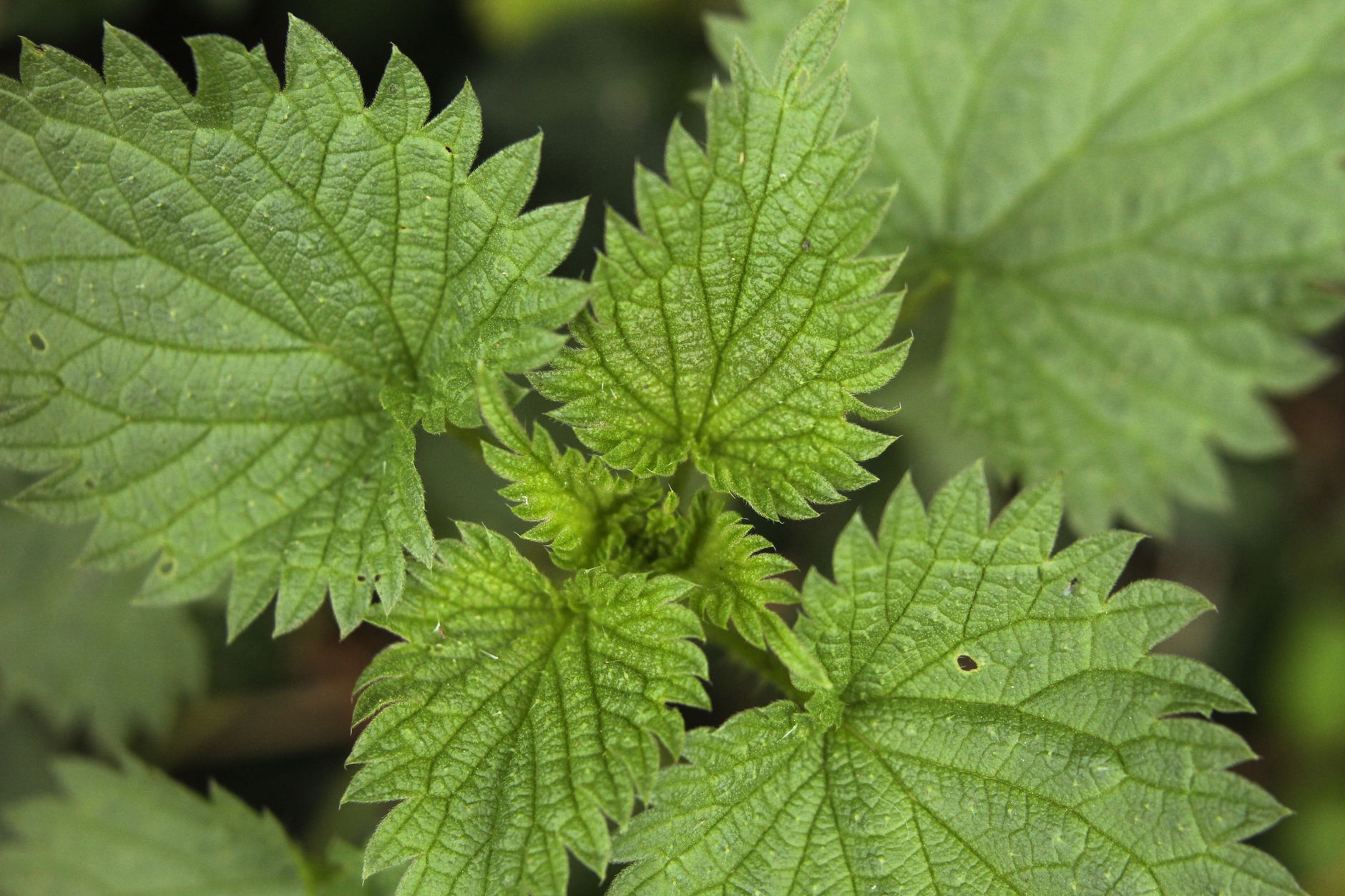
The genus Verbena encompasses approximately 250 species, but Verbena officinalis is the primary species utilized for medicinal purposes in Europe and Asia. It is a hardy perennial that typically reaches heights of 30 to 100 centimeters. The plant is characterized by its square, stiff stems—a common feature of many plants in the Verbenaceae family—and its deeply lobed, opposite leaves. The flowers are small, sessile, and arranged in long, slender spikes that bloom from mid-summer into early autumn.
Understanding the botanical identity of Vervain is crucial for ensuring the efficacy of herbal preparations. Unlike the ornamental “Garden Verbena” or the citrus-scented Lemon Verbena (Aloysia citrodora), Verbena officinalis possesses a bitter, astringent flavor profile that signals its high concentration of therapeutic alkaloids and glycosides. This bitterness is the hallmark of its function as a digestive tonic and nervine.
Historical Context: From Sacred Rituals to Clinical Use
Historically, Vervain was shrouded in myth and mysticism. The Romans believed it was a sacred plant, using it to purify altars and in diplomatic treaties. In Christian folklore, it was said to have been used to staunch the wounds of Christ on Mount Calvary, leading to its name “Herb of the Cross.” Beyond the spiritual associations, historical herbalists like Nicholas Culpeper categorized it as a plant of Venus, attributing it to the treatment of the liver, spleen, and nervous disorders.
In traditional folk medicine, it was a “simpler’s” favorite because of its versatility. It was applied topically for wound healing, brewed as a tea for “melancholy,” and used as a wash for inflammatory skin conditions. Today, modern phytotherapy has moved beyond folklore to investigate the molecular basis of these traditional claims, validating Vervain’s role as a potent anti-inflammatory, neuroprotective, and sedative agent.

Detailed Chemical Composition and Bioactive Compounds
The therapeutic efficacy of Vervain is a result of its rich secondary metabolites. The primary bioactive constituents include iridoid glycosides, phenylpropanoid glycosides, flavonoids, and volatile oils. Each of these classes of compounds contributes to the herb’s overall physiological effect through distinct mechanisms of action.
Iridoid Glycosides: Verbenalin and Hastatoside
Iridoids are among the most significant compounds in Vervain. Verbenalin and hastatoside are the primary glycosides responsible for the herb’s sedative and sleep-promoting properties. These compounds are believed to interact with the central nervous system, potentially modulating GABAergic pathways. By influencing the inhibitory neurotransmitters in the brain, Vervain helps to dampen overactive neuronal firing, thereby reducing anxiety and facilitating the transition into sleep.
Phenylpropanoid Glycosides: Verbascoside
Verbascoside (also known as acteoside) is a powerful antioxidant and anti-inflammatory agent found in high concentrations within the leaves and flowers of Verbena officinalis. Verbascoside has been extensively studied for its neuroprotective capabilities. It works by scavenging reactive oxygen species (ROS) and inhibiting the production of pro-inflammatory cytokines such as TNF-alpha and interleukin-6. This makes Vervain a promising candidate for managing chronic inflammatory states and protecting the brain from oxidative stress-induced damage.
Flavonoids and Phenolic Acids
Vervain contains a variety of flavonoids, including luteolin and apigenin, which are known for their ability to strengthen capillary walls and exert anxiolytic effects. Furthermore, caffeic acid and its derivatives provide additional antioxidant support, shielding cells from environmental toxins and metabolic waste products. The presence of tannins contributes to the herb’s astringency, making it effective for toning mucosal membranes and supporting wound healing.

Key Health Benefits of Vervain Herb
1. Support for the Nervous System and Mental Health
One of the most celebrated uses of Vervain is its role as a nervine tonic. Unlike heavy sedatives, Vervain acts as a “trophorestorative” for the nervous system, meaning it helps to nourish and restore the nerves over time. It is particularly indicated for “type A” personalities or those who experience “neck-up” tension—headaches, jaw clenching, and mental fatigue resulting from chronic stress. By modulating the hypothalamic-pituitary-adrenal (HPA) axis, Vervain helps the body maintain a more balanced response to external stressors.
2. Digestive Support and Hepatoprotective Properties
As a bitter herb, Vervain stimulates the gustatory receptors on the tongue, which in turn triggers a cephalic reflex that increases the secretion of saliva, gastric acid, and bile. This “bitter reflex” is essential for optimal digestion and nutrient absorption. Furthermore, Vervain has been traditionally used to support liver and gallbladder health. Its cholagogue properties stimulate the flow of bile, aiding in the detoxification process and helping the liver process fats more efficiently. Modern research into its hepatoprotective effects suggests that the iridoids in Vervain may help prevent liver damage caused by chemical toxins.
3. Respiratory Health and Expectorant Action
Vervain is a common ingredient in traditional European cough formulas. It acts as an expectorant, helping to thin mucus and facilitate its expulsion from the respiratory tract. This makes it useful for managing bronchitis, asthma, and the congestion associated with the common cold. Its anti-inflammatory properties also help to soothe irritated tissues in the throat and lungs, reducing the urge to cough and improving breathing comfort.
4. Anti-Inflammatory and Analgesic Effects
The combination of verbascoside and iridoids gives Vervain significant analgesic (pain-relieving) properties. It has been used historically for the relief of tension headaches and migraines. Furthermore, its ability to inhibit inflammatory mediators makes it a valuable adjunct therapy for joint pain and arthritis. Topical applications of Vervain infused oils or poultices can also be used to reduce localized inflammation and accelerate the healing of minor abrasions and skin irritations.
5. Women’s Health and Hormonal Balance
In traditional herbalism, Vervain was often employed to support the female reproductive system. It is considered an emmenagogue, meaning it can help stimulate and regulate menstrual flow. It has also been used to alleviate the symptoms of premenstrual syndrome (PMS), particularly the emotional irritability and bloating that often accompany the cycle. Some historical accounts also mention its use as a galactagogue to increase breast milk production, though modern nursing mothers should always consult a healthcare provider before use.
Modern Delivery Systems: Capsules and Supplements
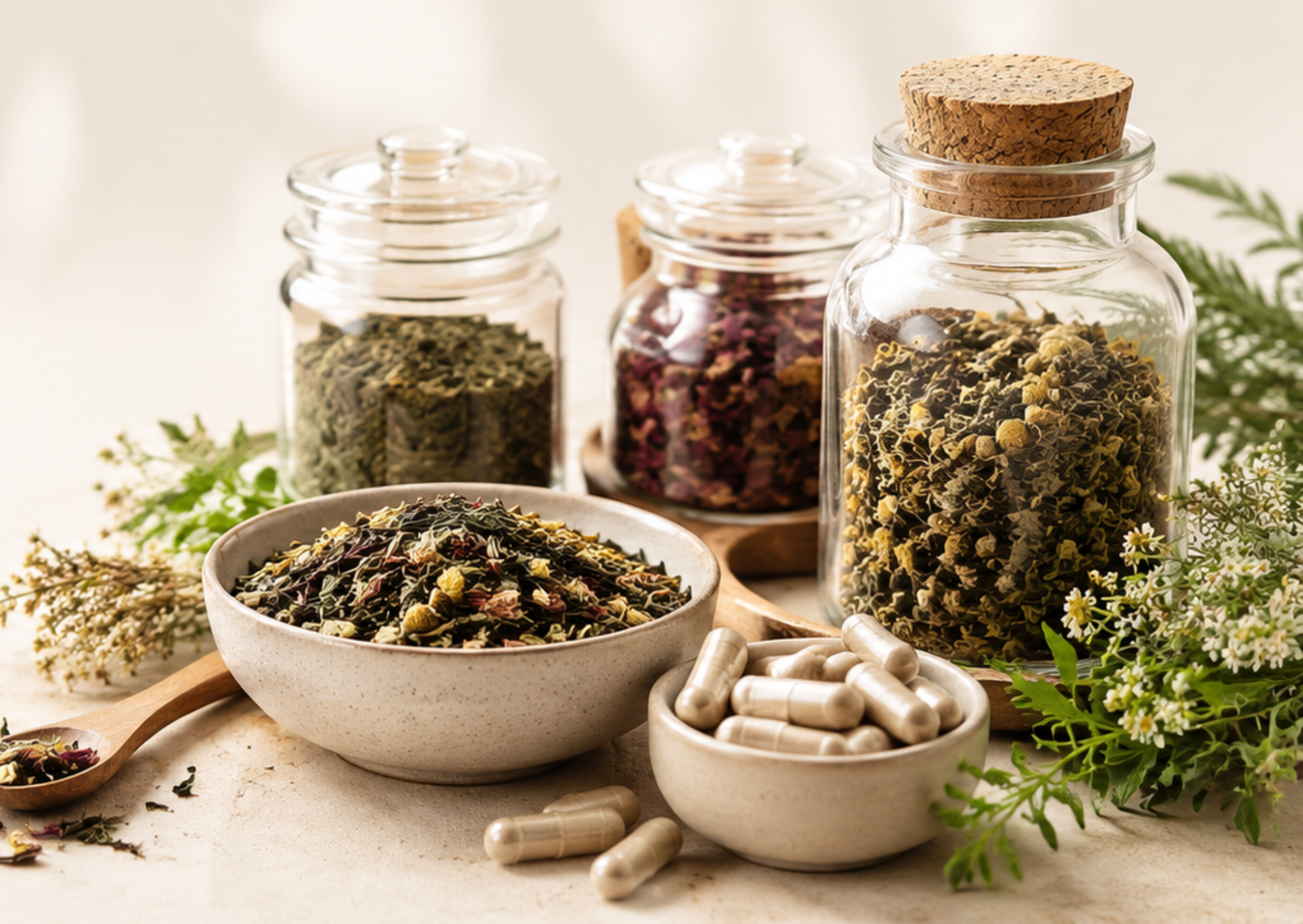
While tea remains a popular way to consume Vervain, modern technology has allowed for the creation of concentrated extracts and capsules. These delivery systems offer several advantages, including standardized dosing of active compounds like verbenalin. For individuals who find the intense bitterness of the liquid herb unpalatable, capsules provide a convenient alternative that bypasses the taste buds while still delivering the therapeutic phytochemicals to the digestive system.
When selecting a supplement, it is vital to look for “Full Spectrum” extracts or those standardized to specific glycoside content. This ensures that the delicate balance of the plant’s chemistry is preserved. High-quality capsules are often used by those seeking the neuroprotective and anxiolytic benefits of Vervain on a consistent, daily basis, as they allow for precise control over intake levels.

Usage, Dosage, and Preparation
Integrating Vervain into a wellness routine can be done through several methods, depending on the desired outcome:
- Herbal Infusion (Tea): Use 1-2 teaspoons of dried herb per cup of boiling water. Steep for 10-15 minutes. Note that a longer steep time will extract more bitters, which is excellent for digestion but may require honey or lemon to mask the flavor.
- Tincture: A 1:5 ratio in 40% alcohol is common. Typical dosage is 2-4 ml taken three times daily. Tinctures are often preferred for their rapid absorption into the bloodstream.
- Topical Poultice: Fresh or rehydrated dried leaves can be applied directly to the skin to soothe minor wounds, insect bites, or inflammatory skin conditions.
- Capsules: Follow the manufacturer’s instructions, typically ranging from 500mg to 1000mg per day, depending on the concentration of the extract.
Safety Precautions and Contraindications
While Vervain is generally recognized as safe when used in appropriate amounts, certain precautions must be observed. Due to its potential emmenagogue effects, Vervain should be avoided during pregnancy, as it could theoretically stimulate uterine contractions. Furthermore, individuals with known allergies to members of the Verbenaceae family should exercise caution.
Because Vervain can influence the central nervous system, it may potentiate the effects of sedative medications or anti-anxiety drugs. It is always recommended to consult with a qualified healthcare professional before beginning any new herbal regimen, especially for those with pre-existing medical conditions or those taking prescription pharmaceuticals.

Conclusion: The Timeless Relevance of Vervain
In an era characterized by high stress, environmental toxins, and a prevalence of inflammatory disorders, the Vervain herb remains as relevant today as it was in the time of the Druids. Its unique ability to soothe the nervous system while simultaneously tonifying the digestive and hepatic systems makes it a cornerstone of holistic health. Whether used as a gentle tea to wind down after a demanding day or as a concentrated supplement to support long-term neuroprotection, Verbena officinalis stands as a testament to the power of botanical medicine. By understanding its complex chemistry and respecting its traditional applications, we can harness the profound benefits of this “holy herb” to cultivate a more balanced and resilient state of health.
Disclaimer: For informational purposes only. Not medical advice. Consult a qualified healthcare professional before use.