The Ultimate Guide to Iceland Moss: Health Benefits and Uses

Iceland Moss: Unearthing the Profound Health Benefits of Cetraria islandica – A Definitive Deep-Dive Guide

Nestled within the rugged, pristine landscapes of the Northern Hemisphere, particularly the volcanic terrain of Iceland, thrives a remarkable organism often mistaken for a common plant: Iceland Moss (Cetraria islandica). Far from being a true moss, this resilient species is, in fact, a lichen – a symbiotic organism comprising a fungus and an alga. For centuries, this unassuming natural wonder has been a cornerstone of traditional medicine and even a survival food in harsh climates, its humble appearance belying a complex array of potent bioactive compounds. Today, scientific inquiry is increasingly validating the ancestral wisdom surrounding Iceland Moss, revealing its significant potential as a multifaceted natural health ally. This exhaustive guide aims to unravel the intricate tapestry of Iceland Moss’s health benefits, delving into its botanical characteristics, historical significance, chemical composition, and practical applications, providing an unparalleled resource for understanding this extraordinary lichen.

Botanical Profile: The Resilient Architect of the Tundra

Cetraria islandica is a fascinating exemplar of adaptation and ecological synergy. It belongs to the family Parmeliaceae and is characterized by a thalloid structure, meaning it lacks true roots, stems, and leaves. Instead, its body, or thallus, consists of flattened, irregularly branched, and often curled lobes that can range in color from olive green to grayish-brown, frequently displaying reddish-brown tips. These lobes are typically somewhat leathery or cartilaginous when fresh, becoming brittle when dry. It can grow up to 10 centimeters in height, forming dense mats across its preferred habitats.

Its natural habitat spans the subarctic and arctic regions, flourishing in nutrient-poor, acidic soils, rocky outcrops, heathlands, and open woodlands across Iceland, Scandinavia, Russia, and even parts of North America. Its ability to thrive in such harsh, exposed environments is a testament to its robust cellular machinery and its capacity to synthesize protective compounds, which are precisely the agents that contribute to its medicinal value. The lichen’s slow growth rate, however, underscores the importance of sustainable harvesting practices to preserve its populations.
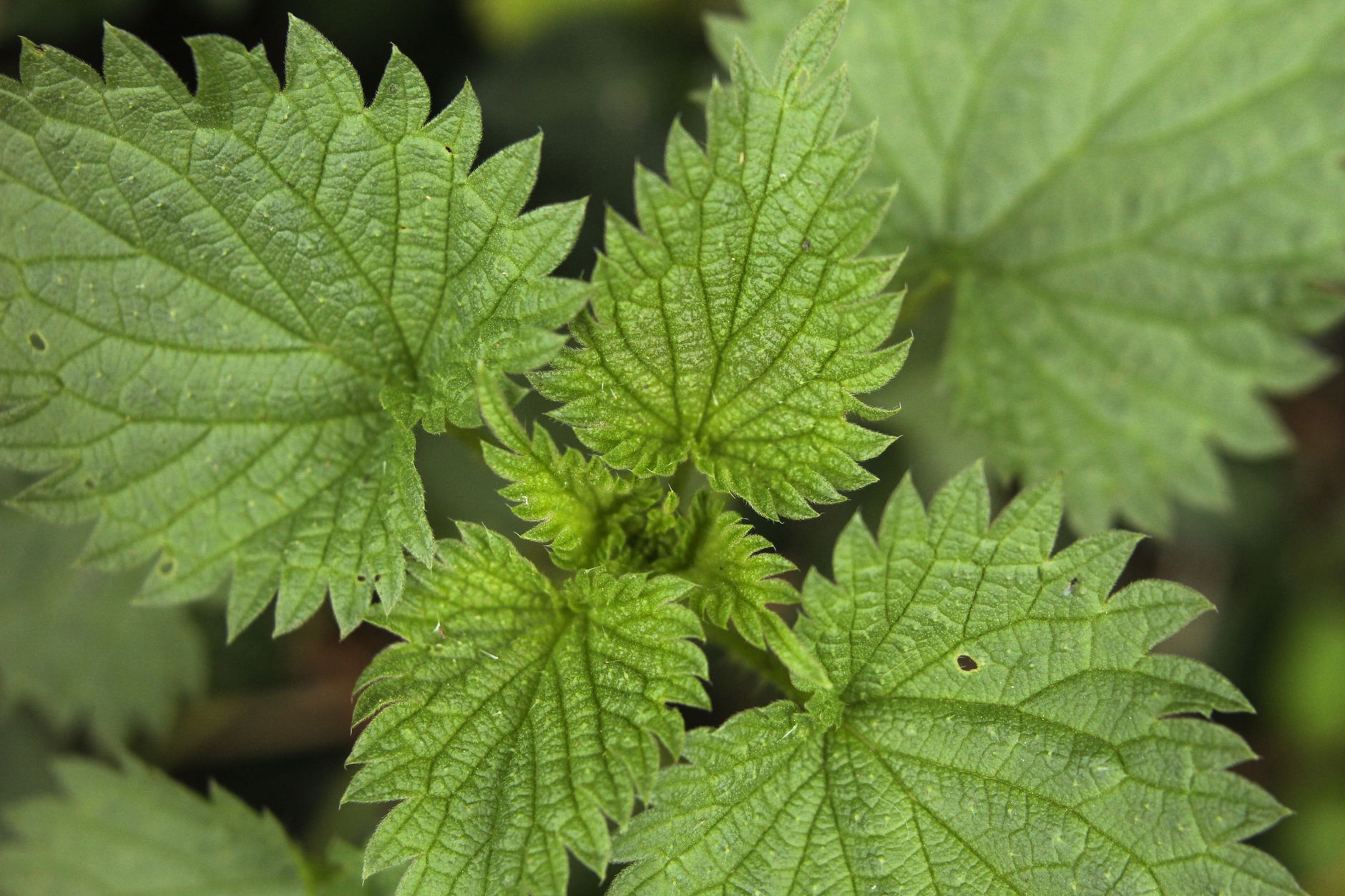
Iceland Moss Botanical Photo

A Rich Tapestry of History and Traditional Uses

The journey of Iceland Moss from a subsistence food to a revered herbal remedy is deeply embedded in the annals of Northern European history. For centuries, particularly in Iceland and Scandinavia, it was a crucial famine food, ground into flour to make bread or porridge, providing sustenance during lean times when conventional crops failed. Its high carbohydrate content, primarily in the form of complex polysaccharides, offered vital caloric support, even if its somewhat bitter taste required careful preparation.

Beyond its role in survival, Iceland Moss gained significant recognition for its medicinal properties. Traditional healers and folk practitioners observed its profound effects, especially on respiratory and digestive ailments. It was widely used to alleviate persistent coughs, sore throats, bronchitis, and even lung conditions like tuberculosis, owing to its soothing, mucilaginous properties. For digestive complaints, it was employed to quell stomach upset, stimulate appetite, and address conditions ranging from diarrhea to gastritis. Its inclusion in various European pharmacopoeias dating back centuries, such as the German and British Pharmacopoeias, further solidified its status as a valuable medicinal herb, a testament to generations of empirical observation and successful therapeutic applications.
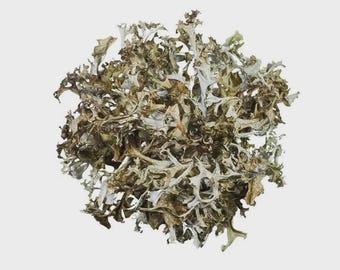
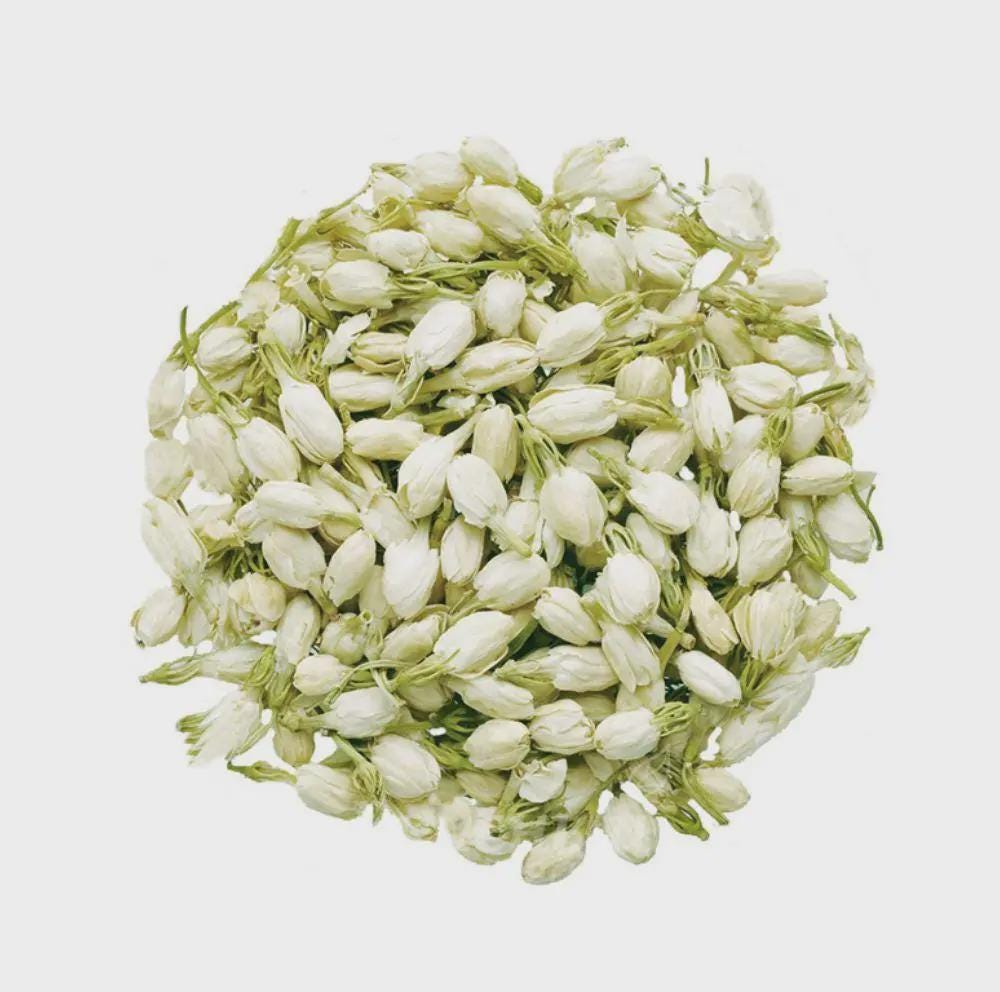
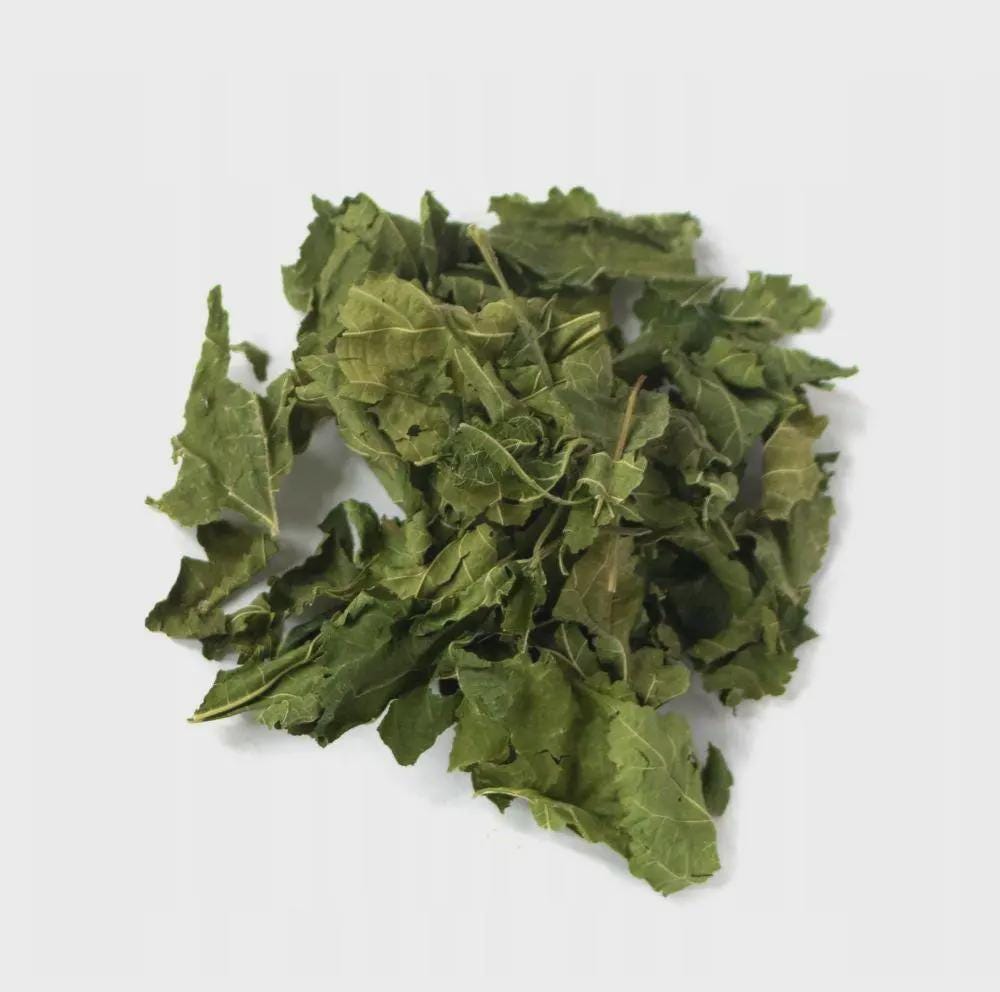
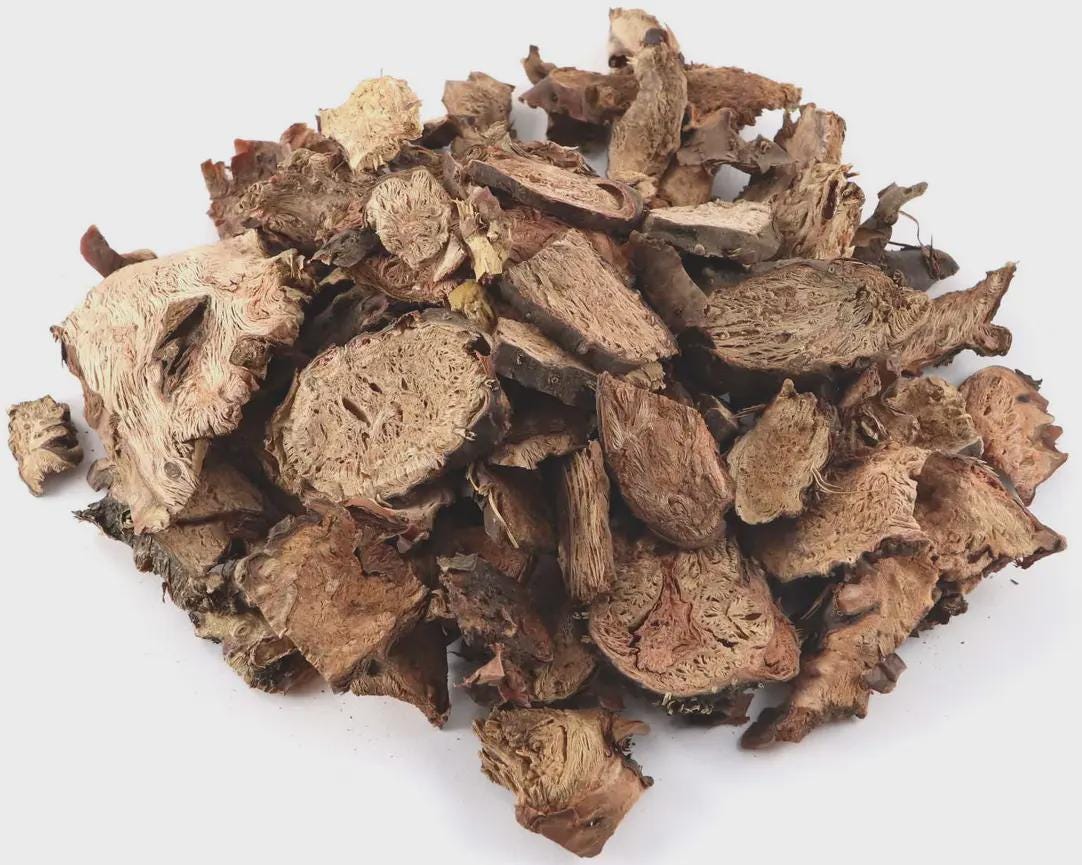
Iceland Moss Dried Herb

The Science Behind the Sensation: A Symphony of Bioactive Compounds

The remarkable health benefits of Iceland Moss are attributable to a complex synergy of bioactive compounds, each contributing to its therapeutic profile. Modern phytochemical analysis has identified several key constituents:

Polysaccharides: The Mucilaginous Soothers

The most abundant and perhaps most notable compounds are water-soluble polysaccharides, primarily **lichenin** and **isolichenin**. These are complex carbohydrates, essentially a type of glucomannan, which constitute a significant portion (up to 70%) of the lichen’s dry weight. When exposed to water, these polysaccharides swell considerably, forming a thick, viscous mucilage. This mucilaginous property is central to many of Iceland Moss’s traditional uses. They create a protective coating over mucous membranes, soothing irritation, reducing inflammation, and offering a demulcent effect. Beyond their physical protective role, these polysaccharides, similar to beta-glucans found in mushrooms and oats, exhibit immunomodulatory properties. They can interact with immune cells, potentially stimulating macrophage activity and enhancing overall immune responses, contributing to the body’s defense mechanisms against pathogens.

Lichen Acids: The Potent Protectors

Iceland Moss is also rich in a diverse group of secondary metabolites known as lichen acids, or depsides and depsidones. Key examples include **usnic acid**, **fumarprotocetraric acid**, **protolichesterinic acid**, and **cetraria acid**. These compounds are largely responsible for the lichen’s characteristic bitter taste and a significant portion of its antimicrobial, anti-inflammatory, and antioxidant activities. Usnic acid, in particular, is well-studied for its broad-spectrum antimicrobial effects against bacteria (including some antibiotic-resistant strains), fungi, and even some viruses. It acts by disrupting cellular metabolism and inhibiting enzyme systems in microorganisms. Other lichen acids contribute to the plant’s anti-inflammatory capabilities by modulating various inflammatory pathways, such as inhibiting pro-inflammatory cytokines and enzymes like COX-2. Furthermore, many of these lichen acids possess potent antioxidant properties, scavenging free radicals and protecting cellular structures from oxidative damage, which is a key contributor to aging and chronic diseases.

Minerals, Vitamins, and Bitter Principles

Beyond these primary compounds, Iceland Moss also contains various trace elements, B vitamins, and other bitter principles that stimulate digestive secretions and enhance overall gut function. The synergistic interplay of these diverse compounds creates a holistic therapeutic effect that is greater than the sum of its individual parts.

Iceland Moss Plant Profile

Unveiling the Health Benefits: A Deep Dive

The intricate chemical composition of Iceland Moss translates into a broad spectrum of scientifically recognized and traditionally validated health benefits, making it a compelling natural remedy for a variety of conditions.

1. Exceptional Respiratory Health Support

One of the most celebrated uses of Iceland Moss is its profound impact on respiratory health. The high concentration of mucilaginous polysaccharides (lichenin and isolichenin) forms a protective, soothing layer over the irritated mucous membranes of the throat, larynx, and bronchi. This demulcent action effectively coats and protects inflamed tissues, reducing irritation and the urge to cough. For dry, unproductive coughs, it helps to alleviate the scratchiness and discomfort. For productive coughs, while not directly an expectorant, its soothing action can ease the expulsion of mucus by reducing irritation and inflammation in the airways, making breathing more comfortable. It is widely used for:

  • Sore Throats and Pharyngitis: Provides immediate relief by coating the inflamed throat.
  • Coughs (Dry and Irritating): Reduces the frequency and intensity of coughing fits.
  • Bronchitis and Asthma: Soothes bronchial passages, potentially reducing inflammation and irritation.
  • Common Cold and Flu Symptoms: Eases coughs, hoarseness, and general respiratory discomfort associated with upper respiratory tract infections.

The anti-inflammatory properties of its lichen acids further contribute to reducing swelling and irritation in the respiratory system, offering comprehensive relief.

2. Promoting Digestive Harmony and Gastric Protection

Iceland Moss is equally efficacious in nurturing digestive health. The mucilage acts as a protective barrier within the gastrointestinal tract, much like it does in the respiratory system. It coats the stomach lining and intestinal walls, shielding them from irritants, stomach acid, and digestive enzymes. This protective effect makes it particularly beneficial for:

  • Gastritis and Peptic Ulcers: Helps to soothe the inflamed mucosal lining and promote healing.
  • Indigestion and Heartburn: Can alleviate discomfort by neutralizing excess acid and coating the esophagus.
  • Loss of Appetite: The bitter principles in Iceland Moss stimulate the production of digestive juices, enhancing appetite and improving overall digestion. This traditional use is particularly valuable during recovery from illness or in cases of general debility.
  • Irregular Bowel Movements: The mucilaginous fiber can act as a mild bulk-forming laxative, promoting regularity without harsh stimulation, and can also help normalize stool consistency in cases of mild diarrhea by absorbing excess water.

Furthermore, the polysaccharides can act as prebiotics, nourishing beneficial gut bacteria and promoting a healthy microbiome, which is crucial for overall digestive health and immune function.

3. Robust Immune System Support

The immunomodulatory properties of Iceland Moss, primarily attributed to its complex polysaccharides, are gaining increasing scientific attention. These compounds are structurally similar to beta-glucans, known immune activators. They can stimulate various immune cells, including macrophages, lymphocytes, and natural killer cells, enhancing the body’s ability to identify and combat pathogens. This immune-boosting effect means Iceland Moss can contribute to:

  • Strengthening General Immunity: Regular consumption may help to bolster the body’s natural defenses, making it more resilient to infections.
  • Faster Recovery from Illness: By supporting immune function, it can aid in a more rapid and complete recovery from colds, flu, and other infectious diseases.

4. Potent Antimicrobial and Antiviral Properties

The lichen acids, especially usnic acid, bestow Iceland Moss with significant antimicrobial capabilities. Usnic acid is a powerful natural antibiotic that has demonstrated efficacy against a range of Gram-positive bacteria, including strains of Staphylococcus aureus and Mycobacterium tuberculosis. It also exhibits antifungal activity against various yeasts and dermatophytes. While research into its antiviral properties is ongoing, some studies suggest it may possess inhibitory effects against certain viruses. These properties make Iceland Moss valuable for:

  • Combating Infections: Can be used topically for minor wounds and skin infections, or internally to support the body in fighting respiratory and gastrointestinal infections.
  • Oral Hygiene: Some traditional uses include chewing the dried lichen for oral health, potentially due to its antimicrobial action against bacteria that cause gum disease and bad breath.

5. Anti-inflammatory Effects

Chronic inflammation is a root cause of many modern diseases. Iceland Moss, through its blend of lichen acids, exhibits notable anti-inflammatory effects. These compounds can modulate inflammatory pathways, such as inhibiting the production of pro-inflammatory cytokines and enzymes like COX-2, which are key mediators of inflammation in the body. This makes Iceland Moss a valuable adjunctive therapy for:

  • Reducing Inflammation: Beneficial in inflammatory conditions affecting the respiratory and digestive tracts.
  • Pain Relief: While not a primary analgesic, its anti-inflammatory action can indirectly contribute to reducing pain associated with inflammatory conditions.

6. Antioxidant Powerhouse

Many of the lichen acids found in Iceland Moss, along with other phenolic compounds, possess significant antioxidant activity. They work by scavenging harmful free radicals, which are unstable molecules that can damage cells, DNA, and proteins, leading to oxidative stress, accelerated aging, and the development of chronic diseases like cancer, heart disease, and neurodegenerative disorders. By neutralizing these free radicals, Iceland Moss contributes to:

  • Cellular Protection: Safeguards cells from oxidative damage.
  • Anti-aging Effects: Supports overall cellular health and longevity.
  • Disease Prevention: Reduces the burden of oxidative stress, potentially lowering the risk of various chronic illnesses.
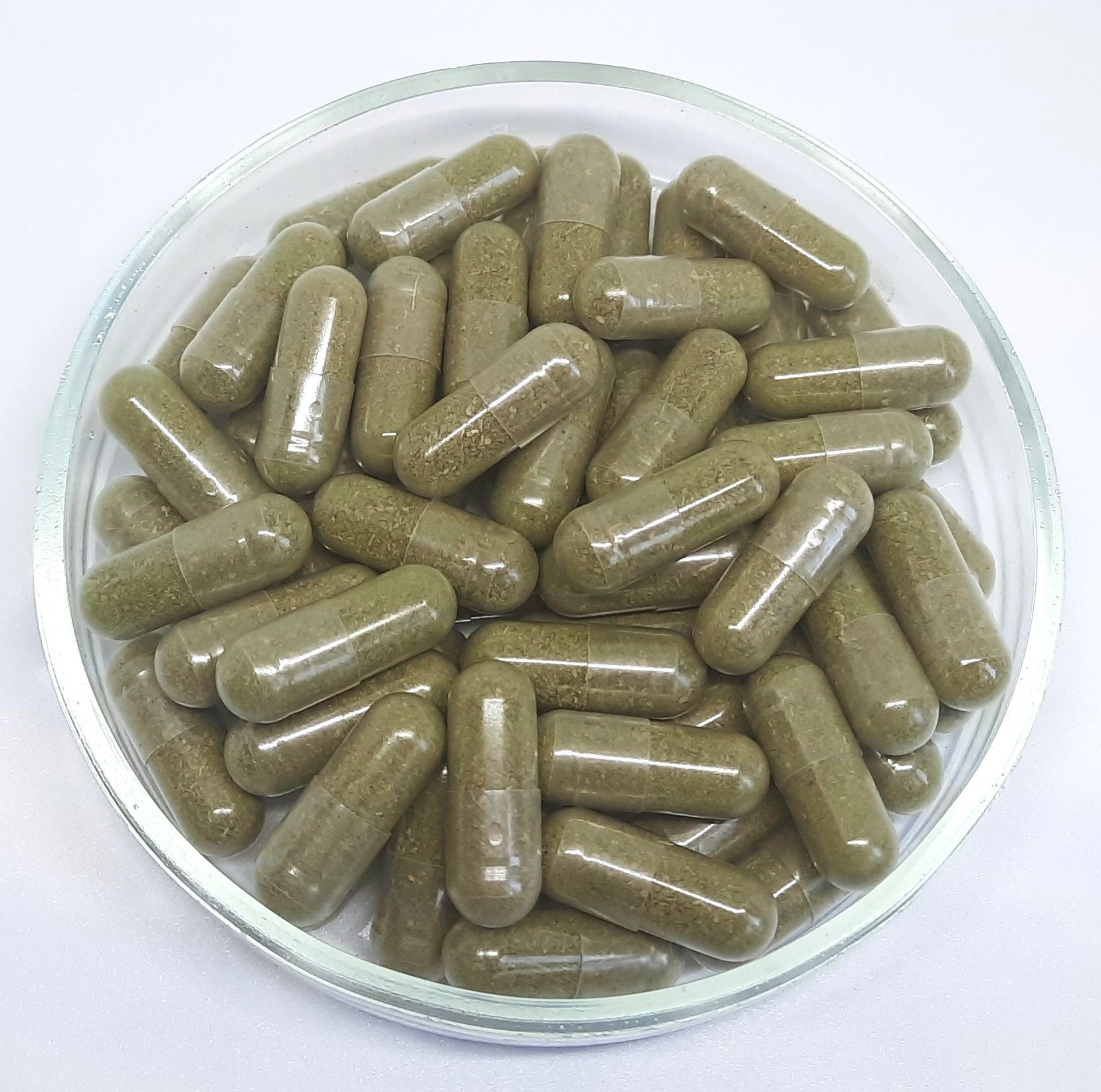
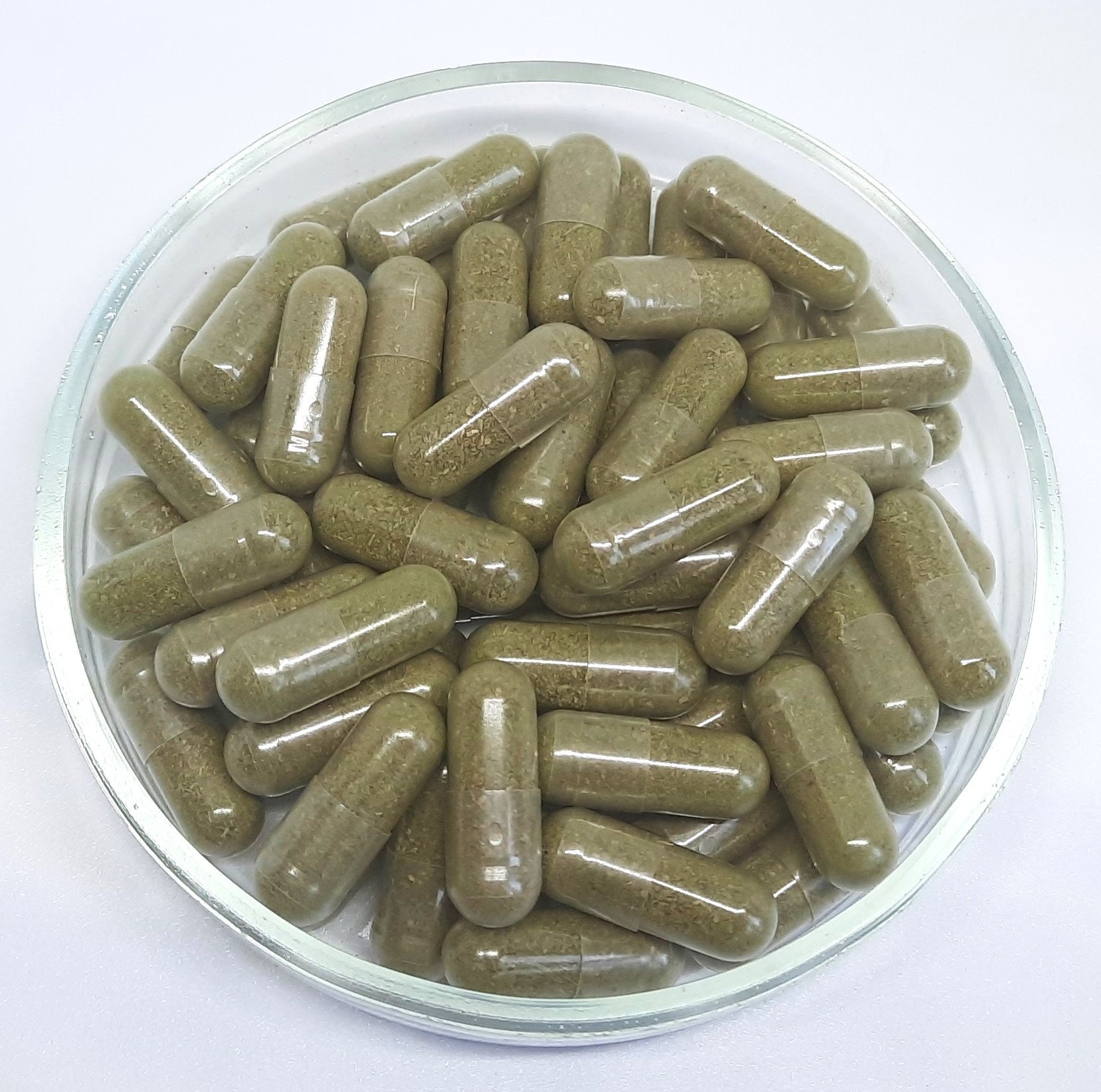
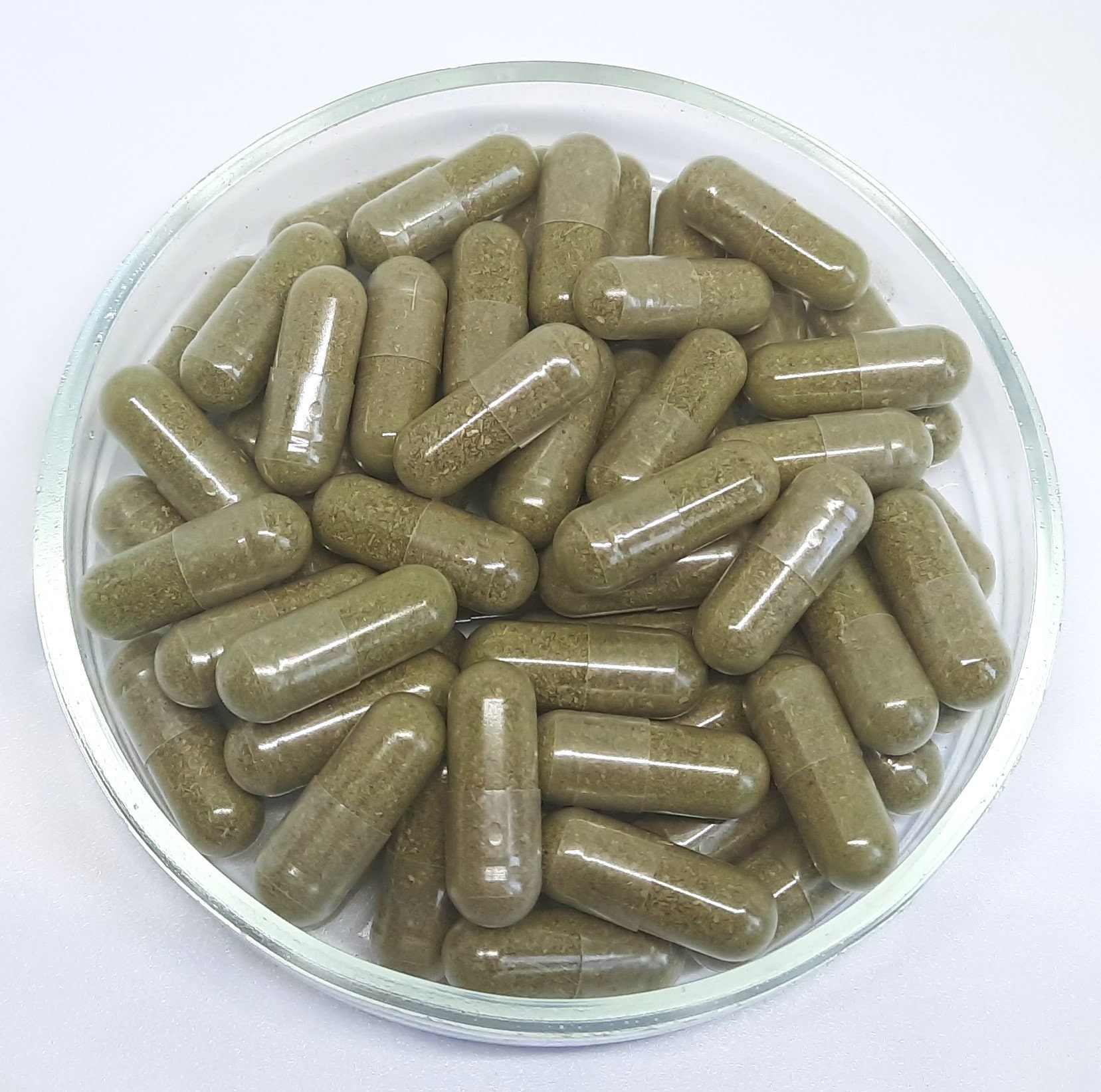
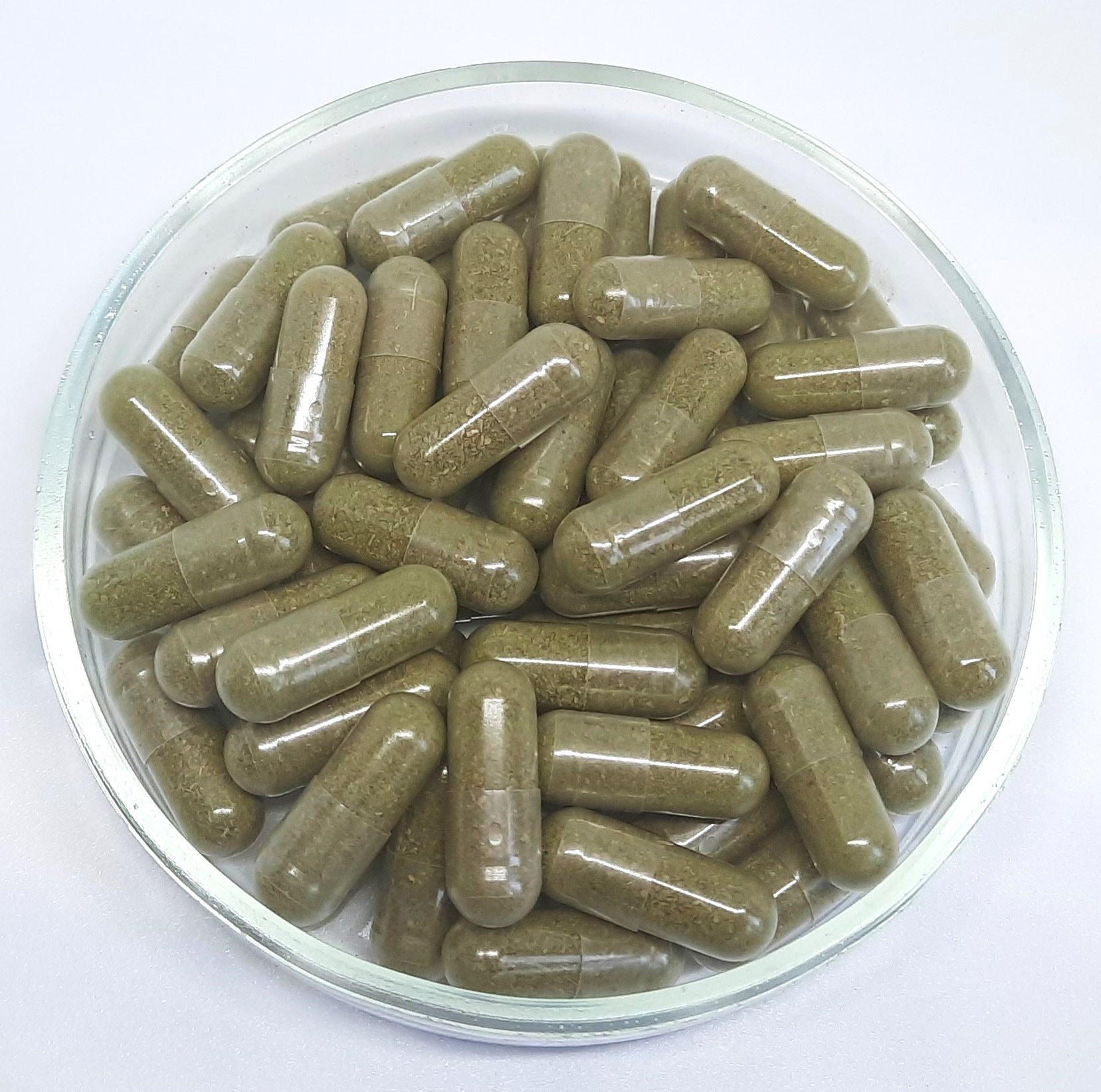
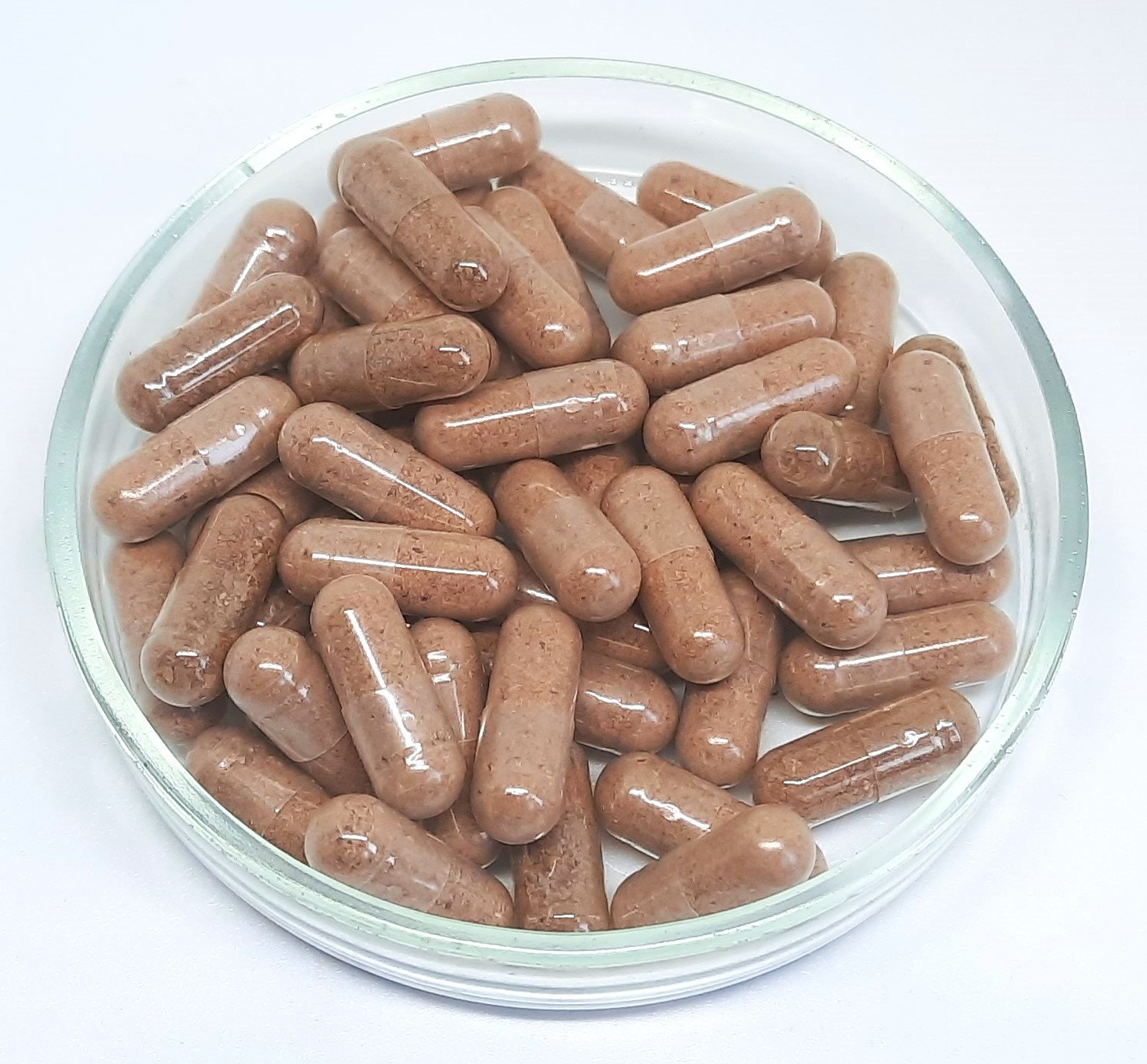
Iceland Moss Capsules

Practical Applications and Forms of Consumption

Iceland Moss is available in various forms, allowing for versatile application depending on the intended therapeutic effect and user preference. Careful preparation is key to harnessing its benefits, especially due to its inherent bitterness.

1. Teas and Infusions

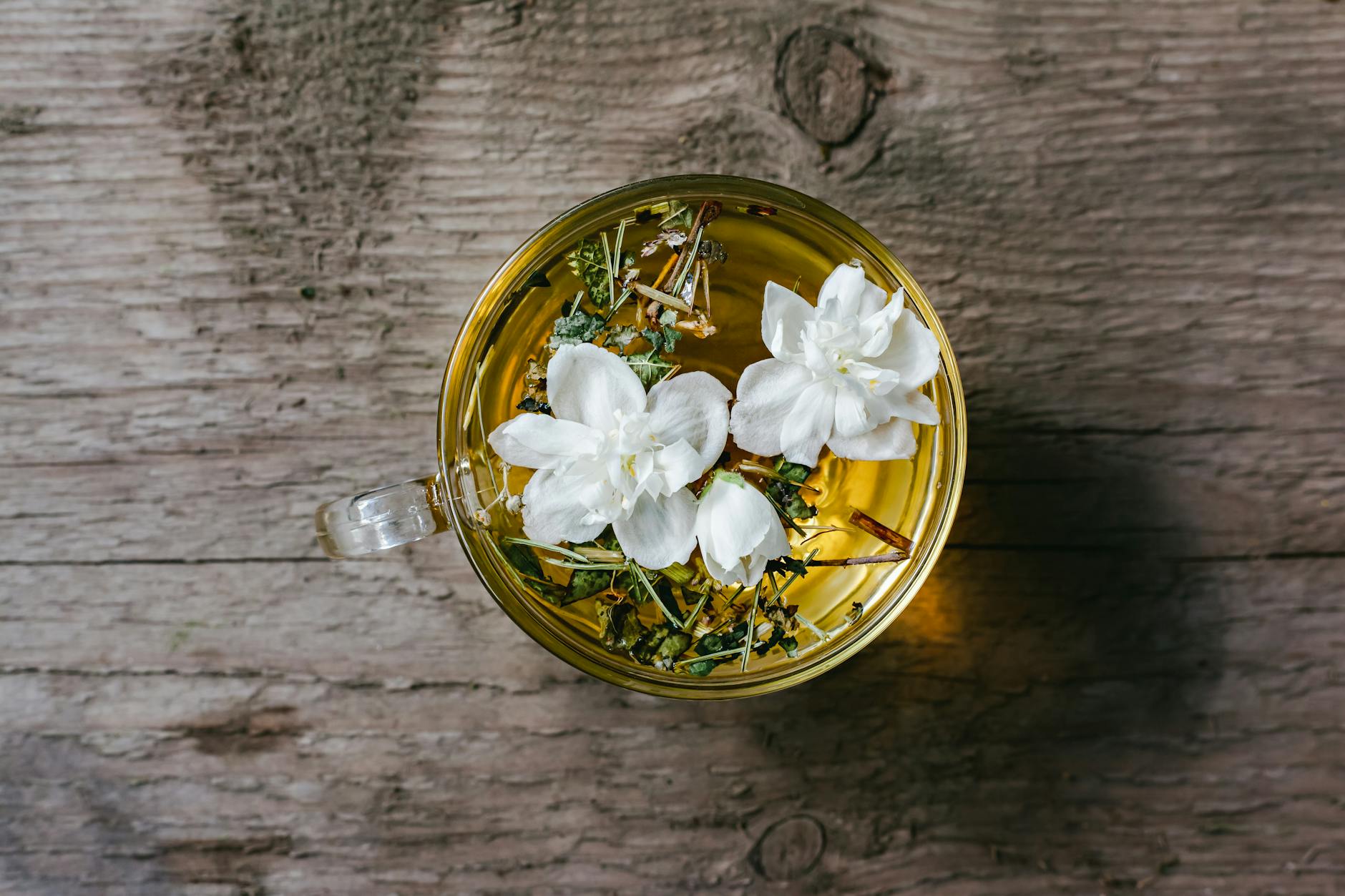
This is one of the most common methods of consumption. To prepare a soothing tea, particularly for respiratory or digestive issues, it is often recommended to use cold maceration or a very gentle simmer. A typical preparation involves soaking 1-2 teaspoons of dried Iceland Moss in a cup of cold water for several hours, then gently warming (not boiling) and straining. This method helps to extract the mucilaginous polysaccharides while minimizing the release of overly bitter lichen acids. For stimulating appetite or for stronger antimicrobial effects, a decoction (simmering for 10-15 minutes) can be made, though it will be more bitter.

2. Syrups and Lozenges

Iceland Moss syrups are particularly popular for coughs and sore throats, especially for children, as the sweetness helps to mask the bitter taste. These often combine Iceland Moss extract with other soothing herbs and honey. Lozenges and pastilles offer convenient, localized relief for irritated throats and hoarseness, slowly releasing the demulcent mucilage directly where it’s needed.

3. Tinctures and Extracts

Alcoholic or glycerine-based tinctures provide a concentrated form of Iceland Moss, allowing for precise dosing and rapid absorption. These are often preferred by herbalists for their potency and extended shelf life, offering a convenient way to integrate its benefits into a daily regimen.

4. Capsules and Supplements

For those who find the taste challenging or prefer a standardized dose, Iceland Moss is available in capsule form. These supplements typically contain powdered lichen or concentrated extracts, offering a convenient way to consume the herb without the need for preparation. This form ensures consistent delivery of bioactive compounds and is often chosen for general immune support, digestive regulation, or as part of a long-term wellness strategy.

Dosage and Preparation Guidelines

The appropriate dosage of Iceland Moss can vary depending on the form, concentration, and the specific health condition being addressed. General guidelines often suggest:

  • For Teas: 1-2 grams of dried lichen steeped in 1 cup of water, 2-3 times daily. For cold maceration, soak for 2-4 hours or overnight.
  • For Syrups/Lozenges: Follow product-specific instructions, as concentrations vary widely.
  • For Tinctures: Typically 1-2 ml, 2-3 times daily, diluted in water.
  • For Capsules: Usually 500-1000 mg of powdered lichen or equivalent extract, 1-3 times daily.

It is always crucial to start with the lowest effective dose and observe your body’s response. When using commercially prepared products, adhere strictly to the manufacturer’s dosage recommendations. Due to its unique bitter taste, some individuals may find it more palatable when mixed with honey, fruit juice, or other herbs like peppermint.
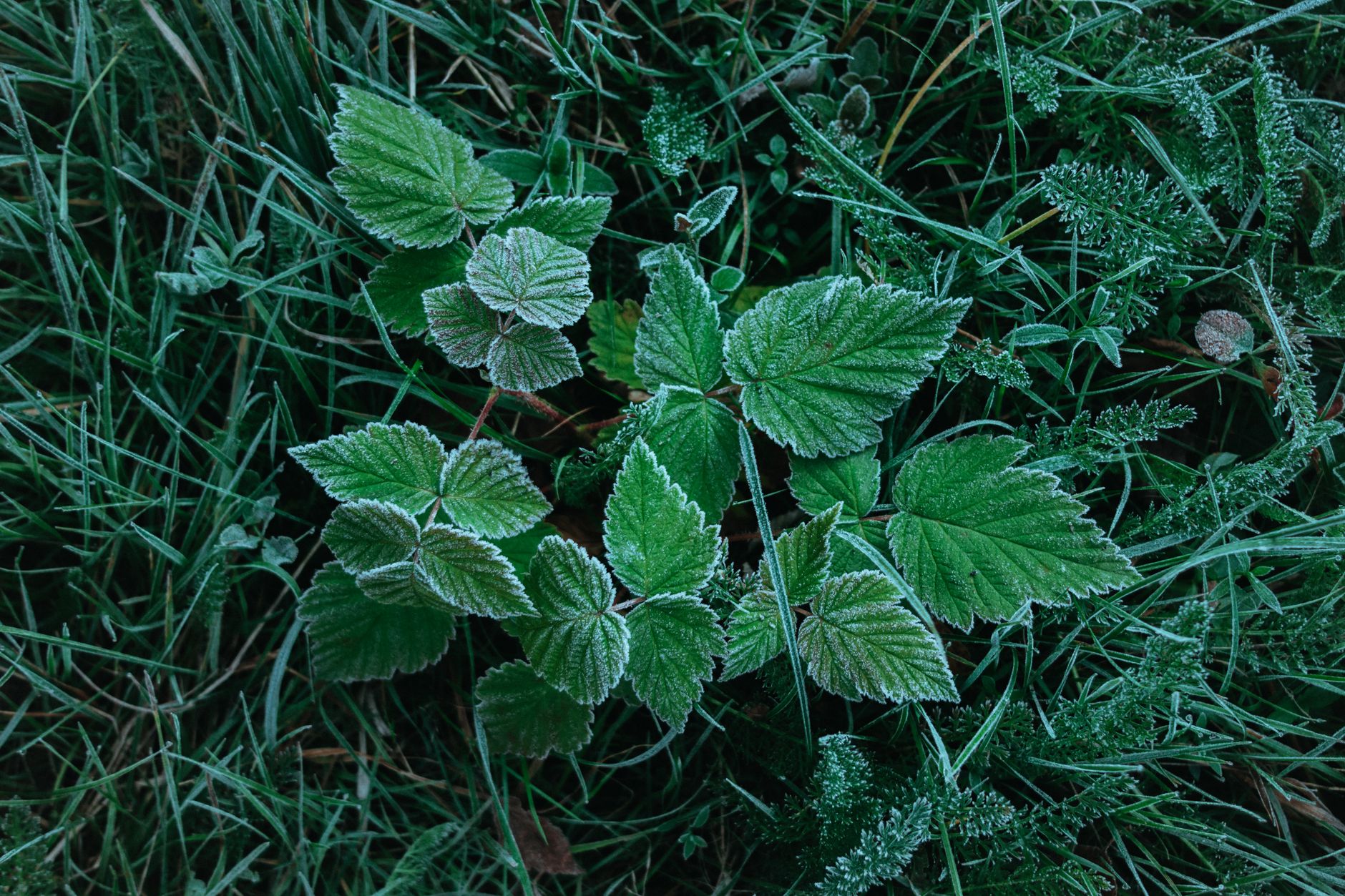
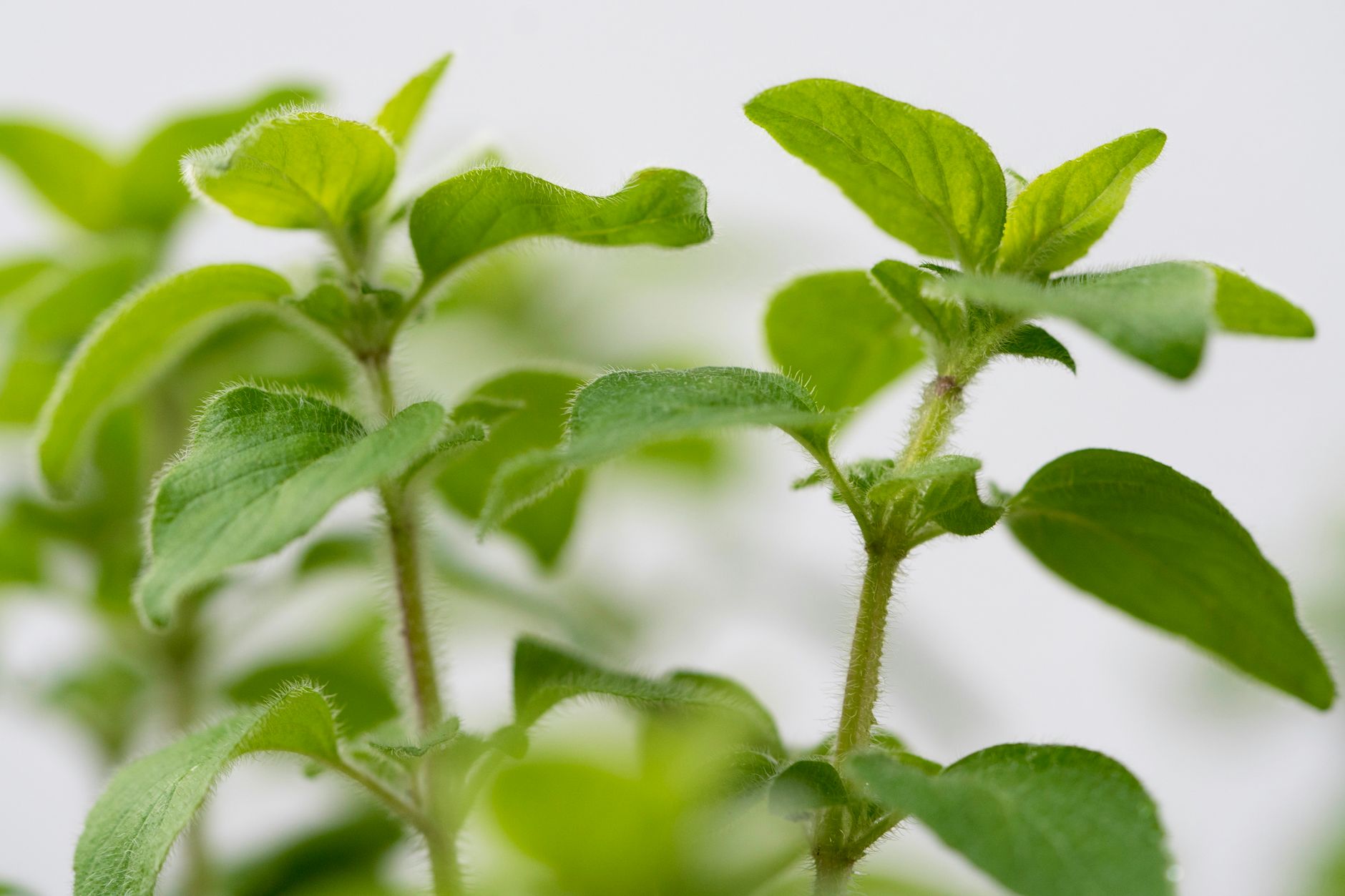
Iceland Moss Natural Herb

Potential Side Effects and Contraindications

Iceland Moss is generally considered safe for most people when consumed in recommended doses. However, like all natural remedies, it is not without potential considerations:

  • Bitter Taste: The strong bitter principles can be off-putting for some, and in high concentrations, may cause mild stomach upset or nausea in very sensitive individuals.
  • Gastrointestinal Discomfort: Very rarely, individuals may experience mild digestive upset such as bloating or diarrhea, particularly if consuming very large quantities.
  • Allergic Reactions: While uncommon, allergic reactions to lichens are possible. Discontinue use if you experience symptoms like rash, itching, or swelling.
  • Pregnancy and Breastfeeding: Due to a lack of sufficient safety data, Iceland Moss is generally not recommended for use during pregnancy or breastfeeding. It is always best to consult with a healthcare provider.
  • Drug Interactions: There is limited research on potential drug interactions. Theoretically, the immunomodulatory effects could interact with immunosuppressant drugs. Additionally, the mucilaginous content could potentially interfere with the absorption of orally administered medications if taken simultaneously. It is advisable to take Iceland Moss at least two hours apart from other medications.

As with any herbal supplement, individuals with pre-existing medical conditions or those taking prescription medications should consult a healthcare professional before incorporating Iceland Moss into their regimen.

Sourcing and Sustainability

Given the slow growth rate of lichens and their sensitivity to environmental changes, sustainable sourcing of Iceland Moss is paramount. When purchasing Iceland Moss products, look for reputable suppliers who practice ethical wild-harvesting or cultivation methods that minimize ecological impact. Organic certification can also be an indicator of responsible sourcing and purity, ensuring the product is free from pesticides and heavy metals.

Conclusion: An Ancient Remedy for Modern Wellness

Iceland Moss stands as a powerful testament to the enduring wisdom of traditional herbal medicine, now increasingly corroborated by contemporary scientific research. From its humble origins as a survival food in the unforgiving Northern climes to its esteemed position in modern pharmacopoeias, Cetraria islandica offers a rich array of health benefits. Its unique blend of mucilaginous polysaccharides provides unparalleled soothing for respiratory and digestive ailments, while its potent lichen acids deliver significant antimicrobial, anti-inflammatory, and antioxidant protection. As we navigate an era where natural, holistic approaches to health are gaining traction, Iceland Moss emerges as a versatile and potent ally for supporting respiratory function, promoting digestive equilibrium, and bolstering immune resilience. Embracing this resilient lichen is to embrace a piece of ancient wisdom, a natural marvel poised to contribute significantly to holistic well-being in the modern world.

Disclaimer: For informational purposes only. Not medical advice. Consult a qualified healthcare professional before use.

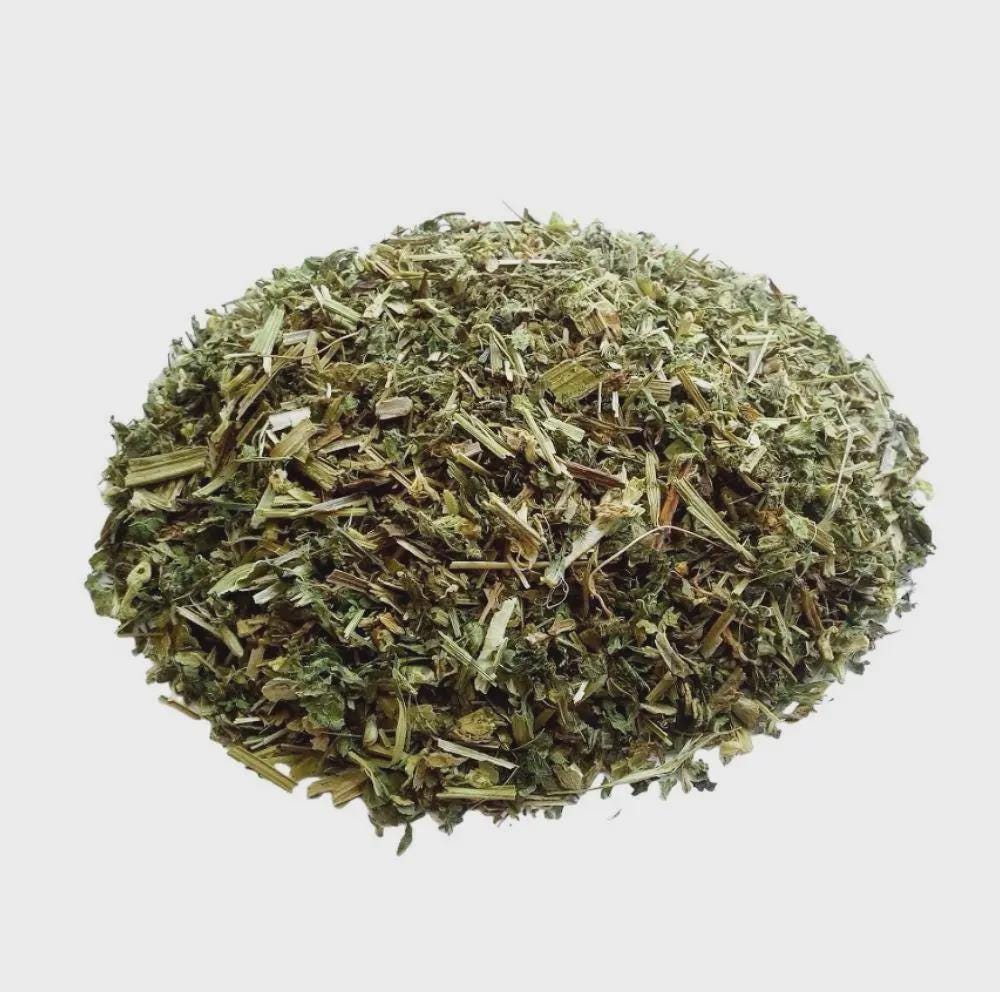
The Ultimate Guide to White dead nettle herb: Health Benefits and Uses

The Profound Health Benefits of White Dead Nettle (Lamium album): An Exhaustive Deep-Dive Guide

In the vast tapestry of botanical medicine, certain plants stand out for their enduring legacy and remarkable therapeutic properties. Among these revered herbs is the White Dead Nettle, scientifically known as Lamium album. Often mistaken for its stinging cousin due to a superficial resemblance, this gentle yet potent member of the mint family (Lamiaceae) offers a wealth of health benefits that have been cherished in traditional medicine for centuries. From soothing inflammation to supporting women’s health and bolstering respiratory function, White Dead Nettle presents a multifaceted approach to natural well-being. This exhaustive guide delves deep into the botanical characteristics, historical significance, complex phytochemical profile, and the evidence-backed health advantages of this often-overlooked herbaceous powerhouse.

Botanical Profile: Distinguishing the Gentle Giant

Lamium album, commonly referred to as White Dead Nettle, is a perennial herbaceous plant native to Eurasia. It thrives in various habitats, including hedgerows, woodland edges, disturbed ground, and meadows, often appearing as a common “weed.” Its name, “dead nettle,” is a crucial differentiator: unlike the stinging nettle (Urtica dioica), White Dead Nettle does not possess stinging hairs, making it safe to handle and consume. The plant typically grows to a height of 30-80 centimeters, featuring square stems characteristic of the mint family. Its leaves are opposite, ovate to heart-shaped, serrated at the edges, and somewhat wrinkled, resembling those of the stinging nettle, though they lack the stinging urticating trichomes.

The most distinctive feature of Lamium album is its pure white, tubular, two-lipped flowers, which appear in whorls in the leaf axils from spring through autumn. These delicate blossoms are highly attractive to bees, hence another common name, “bee nettle.” The upper lip of the flower forms a hood, while the lower lip is typically three-lobed. The entire plant, especially when crushed, emits a mild, slightly earthy aroma. Understanding these botanical nuances is essential for accurate identification and appreciation of its unique medicinal properties, setting it apart from other plants and establishing its distinct place in the herbal pharmacopoeia.

White dead nettle herb Botanical Photo

A Walk Through History: Traditional Uses of White Dead Nettle

The therapeutic utility of White Dead Nettle is not a recent discovery; its medicinal applications are deeply embedded in the annals of traditional European herbalism, tracing back through centuries. Ancient Greek and Roman texts do not explicitly mention Lamium album, possibly due to its relatively less dramatic appearance compared to other herbs, but its uses gained prominence in medieval European folk medicine. Herbalists and apothecaries of the era recognized its gentle yet effective properties, primarily focusing on its astringent, anti-inflammatory, and expectorant actions.

Historically, White Dead Nettle was widely employed for a range of ailments. It was a common remedy for respiratory conditions, including coughs, bronchitis, and catarrh, where its demulcent and expectorant qualities were highly valued for soothing irritated mucous membranes and aiding in the expulsion of phlegm. Women’s health also greatly benefited from this herb; it was traditionally used to address menstrual irregularities, particularly heavy bleeding (menorrhagia), and to alleviate symptoms associated with leucorrhea (vaginal discharge) due to its purported tonic and astringent effects on the uterine tissues. Furthermore, its topical application in poultices and washes was common for treating minor wounds, burns, skin rashes, and hemorrhoids, underscoring its historical role as a versatile vulnerary and anti-inflammatory agent for dermatological concerns. The continuous thread of these traditional applications serves as a testament to its perceived efficacy and foundational knowledge that modern research now seeks to validate.

The Phytochemical Powerhouse: Unveiling White Dead Nettle’s Bioactive Compounds

The profound health benefits attributed to White Dead Nettle are not mere folklore but are increasingly supported by scientific investigations into its intricate biochemical composition. The plant is a rich reservoir of diverse bioactive compounds, each contributing synergistically to its therapeutic spectrum. Understanding these constituents is key to appreciating the herb’s holistic efficacy.

  • Flavonoids: Potent Antioxidants and Anti-inflammatories

    White Dead Nettle is particularly rich in flavonoids, a class of polyphenolic compounds renowned for their robust antioxidant and anti-inflammatory capabilities. Key flavonoids identified include quercetin, kaempferol, rutin, apigenin, and luteolin. These compounds function by scavenging free radicals, thereby mitigating oxidative stress, a primary contributor to cellular damage and chronic diseases. Furthermore, flavonoids exert anti-inflammatory effects by inhibiting various pro-inflammatory enzymes and pathways, such as cyclooxygenase (COX) and lipoxygenase (LOX), and by modulating the production of inflammatory cytokines. This dual action is crucial for reducing inflammation throughout the body, from joint pain to internal organ irritation.

  • Iridoid Glycosides: Targeted Anti-inflammatory and Analgesic Effects

    Another significant group of compounds found in Lamium album are iridoid glycosides, with lamioside and alboside being prominent examples. These compounds are believed to contribute significantly to the herb’s anti-inflammatory and analgesic (pain-relieving) properties. Iridoids are known to influence various physiological processes, including immune responses and inflammation cascades, offering a more specific mechanism for pain and inflammation management compared to general antioxidant effects.

  • Mucilage: The Soothing Demulcent

    The presence of mucilage, a complex polysaccharide, is responsible for White Dead Nettle’s demulcent properties. When ingested, mucilage forms a soothing, protective layer over mucous membranes in the digestive and respiratory tracts. This protective barrier helps to reduce irritation, inflammation, and discomfort, making the herb particularly effective for soothing sore throats, coughs, gastric irritation, and even urinary tract discomfort.

  • Tannins: Astringency and Antiseptic Action

    Tannins are phenolic compounds that impart an astringent taste and effect. In White Dead Nettle, tannins contribute to its ability to tighten and tone tissues, reduce secretions, and provide mild antiseptic properties. This makes the herb valuable for conditions involving excessive discharge, such as heavy menstrual bleeding, leucorrhea, and diarrhea. Topically, tannins help to constrict blood vessels and promote wound healing by creating a protective layer that aids tissue regeneration and prevents infection.

  • Phenolic Acids: Broader Antioxidant and Antimicrobial Spectrum

    Beyond flavonoids, White Dead Nettle also contains various phenolic acids, including caffeic acid and rosmarinic acid. These compounds further bolster the herb’s antioxidant capacity and exhibit notable antimicrobial properties, helping to combat certain bacteria and fungi, thereby contributing to its antiseptic qualities and potential role in immune support.

  • Saponins and Essential Oils: Supporting Roles

    While present in smaller quantities, saponins may contribute to its expectorant actions, aiding in the loosening of mucus. Trace amounts of essential oils provide some aromatic qualities and may also possess mild antimicrobial or anti-inflammatory effects, adding to the herb’s overall therapeutic synergy.

The intricate interplay of these diverse phytochemicals allows White Dead Nettle to exert its wide array of beneficial effects, making it a truly holistic herbal remedy.

White dead nettle herb Plant Profile

The Comprehensive Health Benefits of White Dead Nettle

The rich biochemical tapestry of White Dead Nettle translates into a broad spectrum of health benefits, addressing various bodily systems. Modern research, while still emerging in some areas, increasingly supports the traditional uses of this versatile herb.

1. Potent Anti-inflammatory and Analgesic Properties

One of the most well-documented benefits of White Dead Nettle is its powerful anti-inflammatory action. The synergistic effect of flavonoids, iridoid glycosides, and phenolic acids contributes significantly to this property. These compounds work by modulating key inflammatory pathways within the body. For instance, some flavonoids can inhibit the activity of cyclooxygenase (COX-1 and COX-2) enzymes, which are central to the production of prostaglandins, mediators of pain and inflammation. Similarly, they can suppress the production of pro-inflammatory cytokines such as TNF-alpha and interleukins. This comprehensive anti-inflammatory effect makes White Dead Nettle a valuable ally in managing conditions characterized by chronic inflammation, including various forms of arthritis, muscular pain, joint stiffness, and even systemic inflammatory responses. Its analgesic properties, stemming from its ability to reduce inflammation and potentially influence pain perception pathways, offer natural relief without the side effects often associated with conventional pain medications.

2. Superior Respiratory Health Support

For centuries, White Dead Nettle has been a go-to remedy for respiratory ailments, and its chemical composition perfectly explains this efficacy. The mucilage content provides a demulcent action, coating and soothing irritated mucous membranes throughout the respiratory tract. This protective layer reduces throat scratchiness, cough irritation, and inflammation in the bronchial passages. Additionally, saponins and certain flavonoids act as mild expectorants, helping to thin and loosen tenacious phlegm and mucus, making it easier to expel. This makes the herb particularly beneficial for conditions such as bronchitis, catarrh, stubborn coughs, and even asthma, where clearing airways and reducing inflammation are paramount. Regular consumption as a tea can significantly alleviate discomfort and promote clearer breathing.

3. Enhancing Digestive System Wellness

White Dead Nettle offers substantial support for digestive health through its combined astringent, demulcent, and anti-inflammatory properties. The tannins present in the herb exert an astringent effect on the gastrointestinal lining, helping to reduce excessive secretions and tighten tissues. This action is particularly useful in managing diarrhea, where it can help to slow down bowel motility and reduce fluid loss. Simultaneously, the mucilage content provides a soothing, protective barrier over the gastric and intestinal mucosa, which can alleviate irritation from conditions like gastritis, peptic ulcers, and general indigestion. By reducing inflammation in the gut and providing a protective coating, White Dead Nettle promotes a calmer and more balanced digestive environment, supporting overall gut integrity and function.

4. A Cornerstone for Women’s Health and Uterine Support

Perhaps one of the most celebrated traditional uses of White Dead Nettle is its application in women’s health. It is revered for its ability to tone the uterine tissues and help regulate menstrual cycles. The astringent action of tannins is particularly relevant here, as it can help reduce excessive menstrual bleeding (menorrhagia) by constricting blood vessels and firming up uterine tissues. Beyond heavy bleeding, it has been traditionally used to address other gynecological concerns such as leucorrhea (excessive vaginal discharge), again owing to its astringent and mild antiseptic qualities that help to reduce discharge and maintain a healthy vaginal environment. Some herbalists also recommend it for postpartum recovery, believing it aids in uterine contraction and healing after childbirth. The plant’s overall anti-inflammatory and tonic properties contribute to a healthier reproductive system, offering a gentle yet effective herbal support for various female physiological processes.

5. Promoting Skin Health and Accelerating Wound Healing

Topically, White Dead Nettle is an exceptional herb for skin care and wound management. Its astringent properties, primarily from tannins, help to constrict pores, reduce oiliness, and dry out weeping skin conditions. The antiseptic qualities, attributed to tannins and phenolic acids, aid in preventing infections in minor cuts, scrapes, and abrasions. Furthermore, the powerful anti-inflammatory compounds (flavonoids, iridoid glycosides) work to reduce redness, swelling, and itching associated with skin irritations like eczema, rashes, insect bites, and minor burns. When applied as a poultice or compress, White Dead Nettle can accelerate the healing process by promoting tissue regeneration, reducing inflammation, and creating a clean environment for recovery, making it a valuable addition to any natural first-aid kit for dermatological concerns.

6. Supporting Urinary Tract Health

While not its most prominent benefit, White Dead Nettle possesses mild diuretic properties that can contribute to urinary tract health. By gently increasing urine flow, it can assist the body in flushing out waste products and potentially bacteria, thus supporting kidney and bladder function. The demulcent action of mucilage also extends to the urinary tract, helping to soothe irritated bladder linings and potentially reduce discomfort associated with mild urinary tract infections (UTIs) or general bladder irritation. This makes it a supportive herb for maintaining a healthy urinary system, though it should not replace medical treatment for acute infections.

7. An Antioxidant Powerhouse for Cellular Protection

The high concentration of flavonoids and phenolic acids makes White Dead Nettle a formidable antioxidant. Antioxidants are crucial for neutralizing free radicals, unstable molecules that cause oxidative stress, leading to cellular damage, accelerated aging, and contributing to the development of numerous chronic diseases, including cardiovascular disease, neurodegenerative disorders, and certain cancers. By effectively scavenging these free radicals, White Dead Nettle helps protect cells and tissues from damage, preserves cellular integrity, and supports overall physiological function. This protective effect underscores its role in promoting longevity and disease prevention, making it a valuable herb for general well-being and proactive health maintenance.

8. Immune System Modulation and Antimicrobial Action

Through its anti-inflammatory, antioxidant, and mild antiseptic properties, White Dead Nettle indirectly supports and modulates the immune system. By reducing the overall inflammatory burden and protecting cells from oxidative damage, it helps the immune system function more efficiently. The phenolic acids and tannins contribute to its mild antimicrobial effects, potentially inhibiting the growth of certain bacteria and fungi. While not a potent antimicrobial on its own, its combined actions can help the body resist minor infections and maintain a robust immune response, particularly beneficial during cold and flu season or when the body is under stress.

Practical Applications: Integrating White Dead Nettle into Your Wellness Routine

White Dead Nettle is a versatile herb that can be incorporated into a natural health regimen in various forms, depending on the desired effect and convenience. Its adaptability makes it accessible for both internal and external applications.

1. Herbal Teas and Infusions

The most common and gentle way to consume White Dead Nettle is as an herbal tea. An infusion is prepared by pouring hot (but not boiling) water over dried or fresh leaves and flowers, allowing them to steep for 5-10 minutes. This method is ideal for respiratory issues, digestive complaints, and general well-being. The warmth and moisture also enhance its demulcent properties, providing immediate soothing relief for sore throats.

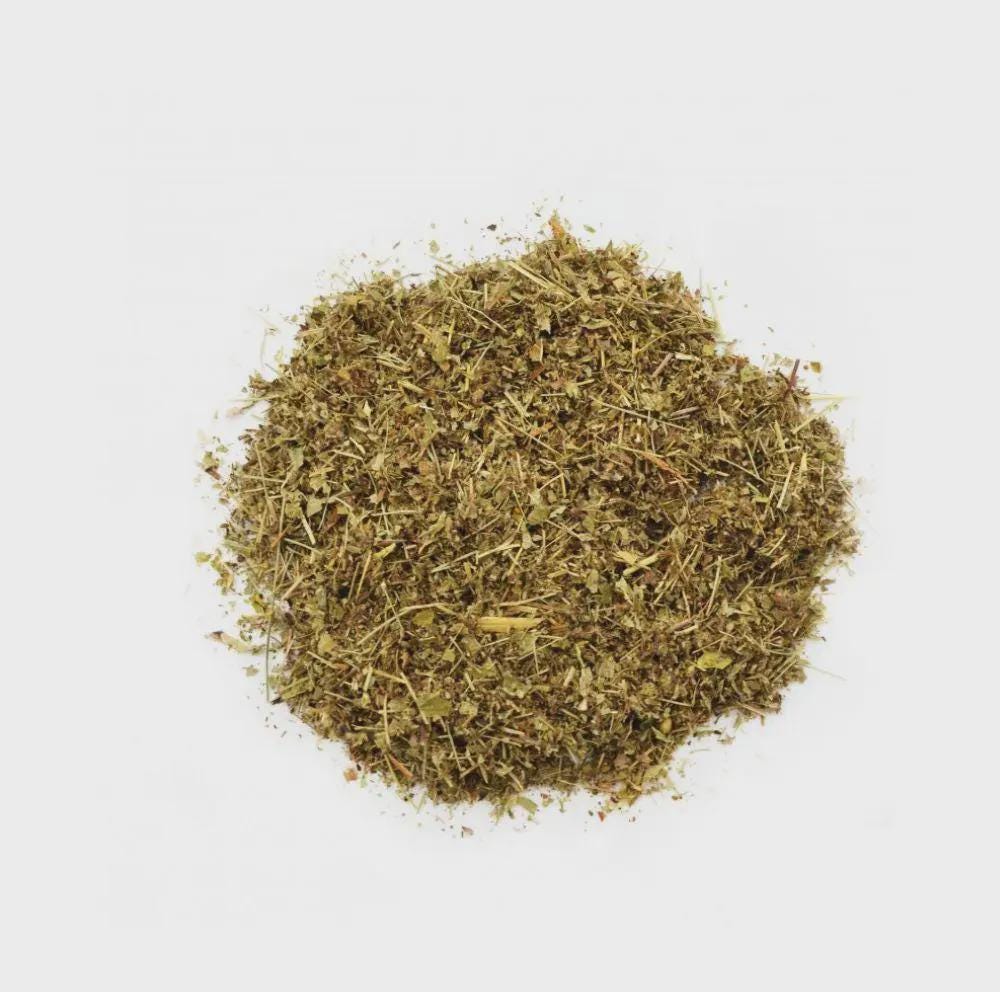
White dead nettle herb Dried Herb

2. Tinctures

Tinctures are concentrated liquid extracts of the herb, typically made by soaking the plant material in alcohol and water. This form offers a more potent and shelf-stable option, allowing for precise dosing and easy absorption. Tinctures are often preferred for systemic conditions like chronic inflammation, women’s health issues, or when a stronger therapeutic effect is desired. They are usually taken by diluting a few drops in water.

3. Poultices and Compresses for Topical Use

For external applications, such as for skin conditions, minor wounds, or hemorrhoids, White Dead Nettle can be used as a poultice or a compress. A poultice involves crushing fresh leaves and flowers to create a paste, which is then directly applied to the affected area. A compress is made by soaking a clean cloth in a strong infusion or diluted tincture and applying it to the skin. These topical applications leverage the herb’s astringent, anti-inflammatory, and antiseptic properties to promote healing and reduce irritation.

4. Culinary Uses

The young leaves of White Dead Nettle are edible and nutritious. They can be added to salads, cooked like spinach, or incorporated into soups and stews. When cooked, their flavor is mild and slightly earthy, making them a nutritious addition to the diet, providing vitamins, minerals, and other beneficial compounds in a whole-food form.

5. Capsules and Supplements

For those seeking convenience and standardized dosing, White Dead Nettle is also available in capsule or tablet form. These supplements typically contain dried, powdered herb or concentrated extracts. This method ensures a consistent dosage of the active compounds, making it a popular choice for individuals who wish to integrate White Dead Nettle into their daily routine without the need for preparation. When choosing supplements, it’s crucial to select reputable brands that ensure purity and potency.

White dead nettle herb Capsules

Dosage Recommendations and Preparation Guidelines

While White Dead Nettle is generally considered safe for most individuals, appropriate dosing is crucial for maximizing benefits and minimizing potential side effects. Dosage can vary based on the form of the herb, the concentration, and individual needs. It is always advisable to consult with a qualified healthcare practitioner or an experienced herbalist before starting any new herbal regimen, especially if you have underlying health conditions or are taking other medications.

  • For Herbal Tea/Infusion: Typically, 1-2 teaspoons of dried herb (leaves and flowers) steeped in 1 cup (240ml) of hot water for 5-10 minutes. This can be consumed 2-3 times daily. For fresh herb, use a slightly larger quantity, about 1 tablespoon.
  • For Tincture: Standard dosing often ranges from 1-4 ml (20-80 drops) of a 1:5 extract, taken 2-3 times per day. Always follow the specific instructions on the product label, as concentrations can vary.
  • For Capsules/Supplements: Follow the manufacturer’s recommendations, which typically range from 300-500 mg of powdered herb or extract, 1-2 times daily. Ensure the product specifies the standardization if it’s an extract, indicating the concentration of active compounds.
  • For Topical Applications (Poultices/Compresses): Apply as needed to the affected area. For compresses, a strong infusion can be used, soaked in a cloth, and applied for 15-30 minutes, several times a day.

It is always recommended to start with the lowest effective dose and gradually increase if needed, while monitoring your body’s response. Consistency is key when using herbal remedies for chronic conditions.

Potential Side Effects and Precautions

White Dead Nettle is widely regarded as a safe herb with a low incidence of side effects, especially when consumed within recommended dosages. However, as with any natural remedy, certain precautions should be observed:

  • Pregnancy and Breastfeeding: Due to insufficient research on its effects during pregnancy and lactation, it is generally advised for pregnant and breastfeeding women to avoid White Dead Nettle or use it only under strict medical supervision. Its traditional use for uterine toning might be a concern during pregnancy.
  • Drug Interactions: Although rare, the herb’s mild diuretic and astringent properties could theoretically interact with certain medications. Individuals taking blood thinners, diuretics, or medications for diabetes or blood pressure should exercise caution and consult their doctor before use. The tannins could also interfere with the absorption of some medications if taken simultaneously.
  • Allergic Reactions: While uncommon, individuals sensitive to plants in the Lamiaceae (mint) family may experience allergic reactions. Discontinue use if any adverse symptoms such as skin rash, itching, or digestive upset occur.
  • Underlying Health Conditions: People with pre-existing medical conditions, particularly those affecting the liver, kidneys, or blood clotting, should seek professional medical advice before incorporating White Dead Nettle into their health regimen.

Overall, for most healthy adults, White Dead Nettle is a safe and beneficial herb when used appropriately. Adhering to recommended dosages and being mindful of individual sensitivities are the best practices for safe and effective use.

White dead nettle herb Natural Herb

Conclusion: Embracing the Gentle Power of White Dead Nettle

The White Dead Nettle (Lamium album) stands as a testament to the profound healing power of nature, offering a diverse array of health benefits rooted in centuries of traditional use and increasingly validated by modern scientific inquiry. From its distinctive botanical features that set it apart from its stinging counterpart to its rich tapestry of bioactive compounds like flavonoids, iridoids, mucilage, and tannins, every aspect of this humble plant contributes to its remarkable therapeutic efficacy.

As a potent anti-inflammatory and analgesic, a comprehensive supporter of respiratory and digestive health, a valuable ally in women’s well-being, and an effective agent for skin care and wound healing, White Dead Nettle truly embodies a holistic approach to natural medicine. Its antioxidant and mild antimicrobial properties further solidify its role in immune modulation and overall cellular protection. Whether enjoyed as a soothing tea, a concentrated tincture, a convenient supplement, or a topical application, Lamium album provides a gentle yet powerful means to enhance vitality and address a wide range of health concerns. Embracing this versatile herb can be a significant step towards a more natural and balanced path to wellness, always with the understanding that consulting with healthcare professionals ensures its safe and effective integration into your personal health journey.

Disclaimer: For informational purposes only. Not medical advice. Consult a qualified healthcare professional before use.
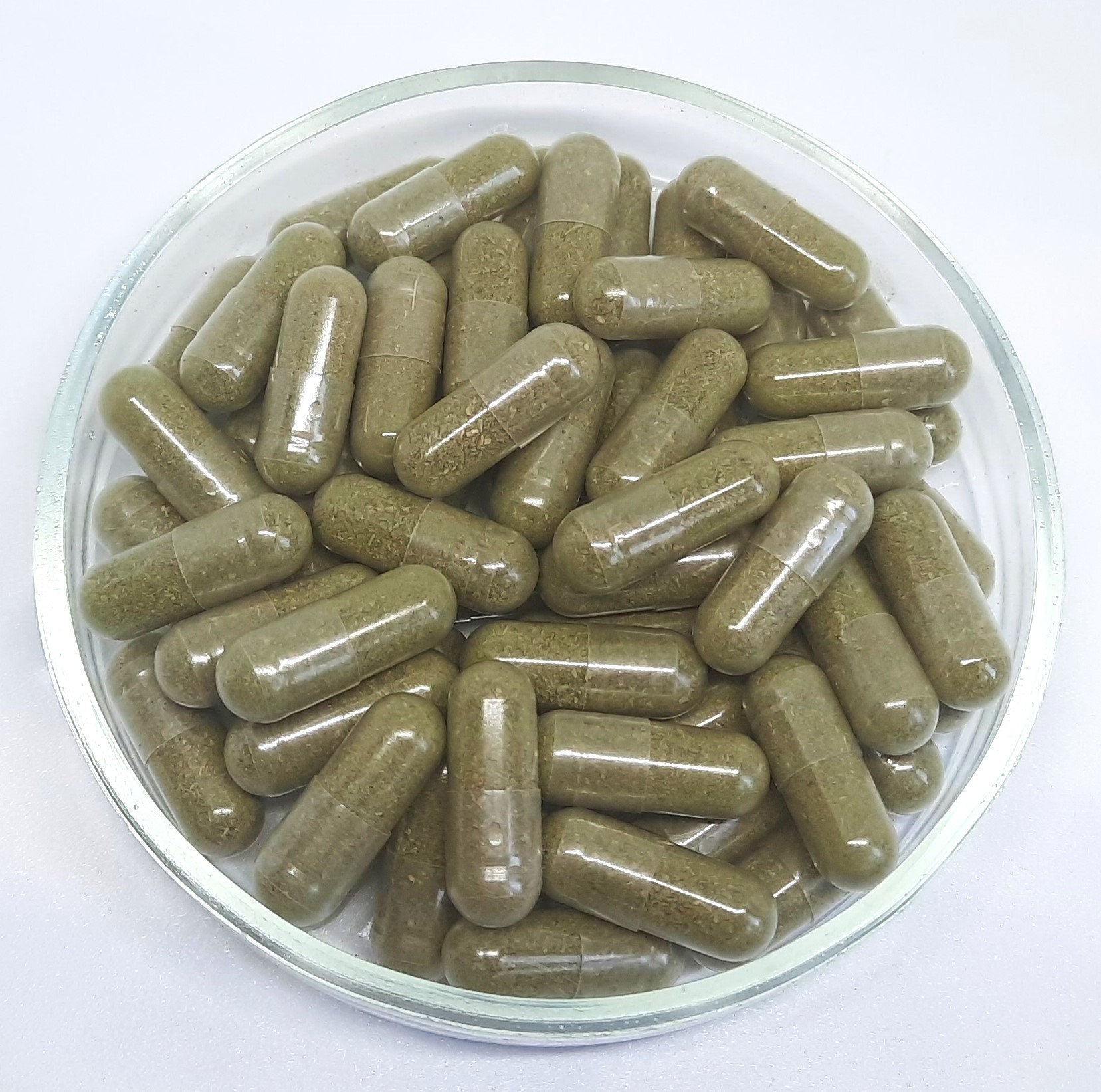
The Ultimate Guide to Cocklebur Herb: Health Benefits and Uses

Unlocking the Power of Nature: A Deep Dive into the Health Benefits of Cocklebur Herb (Cang Er Zi)

In the vast tapestry of traditional medicine, certain herbs stand out for their enduring legacy and remarkable therapeutic potential. Among these is the Cocklebur Herb, scientifically known as Xanthium sibiricum or Xanthium strumarium, widely recognized in Traditional Chinese Medicine (TCM) as “Cang Er Zi.” Often overlooked in mainstream herbal discourse, this humble plant boasts a rich profile of bioactive compounds that underpin its diverse health benefits. From alleviating stubborn allergic rhinitis and sinusitis to exhibiting potent anti-inflammatory and even preliminary anti-cancer properties, Cocklebur Herb represents a profound connection between ancient wisdom and modern scientific inquiry. This exhaustive guide delves into the intricate mechanisms, historical applications, and evidence-based insights surrounding Cocklebur Herb, aiming to illuminate its significant role in natural health and wellness.

As we navigate the complexities of contemporary health challenges, the search for natural remedies that are both effective and sustainable intensifies. Cocklebur Herb emerges as a compelling candidate, offering a multifaceted approach to wellness. Its traditional uses, honed over centuries, provide a strong foundation for understanding its therapeutic scope, while ongoing scientific research begins to unravel the biochemical pathways through which it exerts its beneficial effects. Join us as we explore the fascinating world of Cang Er Zi, a plant with a prickly exterior but a profound healing essence.

Botanical Profile and Historical Roots of Cocklebur Herb

The Cocklebur plant, a member of the Asteraceae (sunflower) family, is a ubiquitous annual herb found across temperate regions worldwide, often thriving in disturbed soils, roadsides, and agricultural fields. While there are several species, Xanthium sibiricum and Xanthium strumarium are the primary species utilized medicinally, particularly their dried fruits, which are traditionally prepared. The plant itself is characterized by its rough, hairy stems, lobed leaves, and, most distinctively, its burred fruits covered in hooked spines, which readily attach to fur and clothing, aiding in seed dispersal – a characteristic that gives the plant its common name, “cocklebur.”

Cocklebur Herb Botanical Photo

The historical journey of Cocklebur Herb is predominantly rooted in Traditional Chinese Medicine (TCM), where it has been documented for over a thousand years. In TCM, Cang Er Zi is classified as a warm, pungent, and slightly toxic herb, traditionally associated with the lung and liver meridians. Its primary function has been to “dispel wind-cold” and “unblock nasal passages,” making it a cornerstone for treating various respiratory ailments, including chronic rhinitis, sinusitis, and the common cold. Beyond respiratory issues, ancient texts also describe its use for relieving pain, especially rheumatic conditions, and for addressing certain skin afflictions like pruritus and urticaria. This extensive historical application underscores its versatility and effectiveness within a holistic healing framework, paving the way for modern investigations into its underlying pharmacological actions.

The Pharmacological Blueprint: Bioactive Compounds of Cocklebur Herb

The remarkable therapeutic properties of Cocklebur Herb are attributed to a complex symphony of bioactive compounds residing within its fruits, leaves, and stems. Scientific analysis has revealed a rich chemical profile, predominantly comprising sesquiterpene lactones, flavonoids, caffeic acid derivatives, and other volatile compounds. Understanding these constituents is crucial for comprehending the herb’s mechanisms of action.

Among the most significant compounds are the **sesquiterpene lactones**, including xanthatin, xanthumin, xanthol, xanthinin, and xanthium lactone. These compounds are largely responsible for many of Cocklebur Herb’s observed pharmacological activities, particularly its anti-inflammatory, analgesic, and antimicrobial effects. For instance, xanthatin has been extensively studied for its ability to inhibit inflammatory mediators and pathways. It can modulate nitric oxide production, prostaglandin synthesis, and the expression of pro-inflammatory cytokines such as TNF-α and IL-6, thereby reducing inflammatory responses at a cellular level. Similarly, xanthumin contributes to pain relief by interacting with various receptors and pathways involved in nociception.

Cocklebur Herb Plant Profile

Beyond sesquiterpene lactones, **flavonoids** like quercetin and kaempferol derivatives are also present. These compounds are renowned for their potent antioxidant properties, helping to neutralize free radicals and reduce oxidative stress, which is a common underlying factor in many chronic diseases. Flavonoids also possess anti-inflammatory and immune-modulating effects, contributing to the herb’s overall therapeutic spectrum. **Caffeic acid derivatives** further enhance its antioxidant capacity and may also play a role in its anti-inflammatory and antiviral activities. Other constituents include fatty acids, alkaloids, and phenolic acids, each contributing to the synergistic effects observed when the whole herb is used. The precise interaction and bioavailability of these compounds are what give Cocklebur Herb its holistic efficacy, moving beyond the impact of any single isolated component.

Comprehensive Health Benefits of Cocklebur Herb

The array of bioactive compounds in Cocklebur Herb translates into a wide spectrum of health benefits, ranging from targeted relief for specific ailments to broader systemic support.

1. Exceptional Relief for Respiratory Ailments: Allergic Rhinitis and Sinusitis

One of the most celebrated and scientifically supported uses of Cocklebur Herb is its profound efficacy in treating respiratory conditions, particularly allergic rhinitis (hay fever) and chronic sinusitis. The herb’s ability to “dispel wind-cold” in TCM terms corresponds to its modern pharmacological actions of reducing inflammation, alleviating congestion, and exhibiting antihistaminic properties. The sesquiterpene lactones, especially xanthatin, actively inhibit the release of histamine from mast cells, thereby reducing the allergic cascade responsible for sneezing, itching, and rhinorrhea. Furthermore, these compounds help to decrease the production of inflammatory cytokines and chemokines in the nasal passages, which are critical drivers of nasal inflammation and congestion in allergic reactions and infections. By reducing swelling and promoting the drainage of mucus, Cocklebur Herb effectively clears blocked sinuses, mitigates nasal discharge, and restores comfortable breathing. This decongestant action is not merely symptomatic relief but addresses the underlying inflammatory processes, offering a more sustainable solution for chronic sufferers.

2. Potent Anti-inflammatory and Analgesic Properties

Beyond respiratory relief, Cocklebur Herb exhibits significant anti-inflammatory and analgesic effects that extend to various parts of the body. Its compounds, particularly xanthatin, have been shown to inhibit key inflammatory enzymes such as cyclooxygenase-2 (COX-2) and lipoxygenase (LOX), similar to how conventional non-steroidal anti-inflammatory drugs (NSAIDs) operate, but potentially with fewer side effects. By suppressing these pathways, the herb effectively reduces the production of prostaglandins and leukotrienes, which are powerful mediators of pain and inflammation. This makes it a valuable natural agent for conditions such as arthritis, myalgia (muscle pain), and other inflammatory musculoskeletal disorders. The analgesic effect is thought to be multifaceted, involving both the reduction of inflammation and direct interaction with pain perception pathways, offering a holistic approach to pain management without the sole reliance on opioids or synthetic anti-inflammatories.

3. Antimicrobial and Antifungal Efficacy

Traditional uses of Cocklebur Herb often included treating various infections, and modern research supports its antimicrobial and antifungal capabilities. Extracts of Xanthium species have demonstrated inhibitory effects against a range of bacteria, including common pathogens like *Staphylococcus aureus*, *Escherichia coli*, and *Pseudomonas aeruginosa*. This antibacterial action is attributed to the disruption of bacterial cell membranes and interference with their metabolic processes by compounds such as xanthatin. Moreover, the herb has shown promise against certain fungal strains, making it potentially useful for treating dermatological fungal infections and other candidal overgrowths. This broad-spectrum activity positions Cocklebur Herb as a natural alternative or adjuvant therapy in managing infectious conditions, particularly those that might exhibit resistance to conventional treatments.

Cocklebur Herb Dried Herb

4. Dermatological Benefits: Skin Health and Wound Healing

The anti-inflammatory, antimicrobial, and antioxidant properties of Cocklebur Herb contribute significantly to its utility in dermatological applications. It has been traditionally used to manage various skin conditions such as eczema, psoriasis, pruritus (itching), and urticaria (hives). By reducing inflammation and oxidative stress, the herb can alleviate the redness, swelling, and discomfort associated with these conditions. Its antimicrobial action helps prevent secondary infections in compromised skin, while its ability to modulate immune responses can soothe allergic skin reactions. Some studies also suggest its potential role in accelerating wound healing by promoting cell proliferation and collagen synthesis, making it a valuable ingredient in natural skin care formulations aimed at repair and regeneration. The topical application of prepared extracts or poultices leverages these benefits directly at the site of concern.

5. Promising Anticancer Potential (Research Stage)

Emerging research has shed light on the potential anticancer activities of Cocklebur Herb, particularly its sesquiterpene lactones. Studies have indicated that compounds like xanthatin can induce apoptosis (programmed cell death) in various cancer cell lines, including those of liver, breast, colon, and lung cancers, while often sparing healthy cells. Mechanisms include inhibiting cell proliferation, suppressing angiogenesis (the formation of new blood vessels that feed tumors), and interfering with cell cycle progression. While these findings are largely from *in vitro* (test-tube) and *in vivo* (animal) studies, they highlight a compelling area for future research and drug development. It is crucial to emphasize that Cocklebur Herb is not a proven cancer cure and should not be used as a primary cancer treatment without strict medical supervision. However, its potential as a complementary therapy or a source for novel anticancer agents is a vibrant field of study.

6. Antioxidant Powerhouse

The presence of flavonoids and caffeic acid derivatives imbues Cocklebur Herb with robust antioxidant capabilities. These compounds actively scavenge free radicals, which are unstable molecules that can cause cellular damage, contribute to aging, and increase the risk of chronic diseases. By reducing oxidative stress, Cocklebur Herb helps protect cells and tissues from damage, supports overall cellular health, and potentially mitigates the onset or progression of various degenerative conditions. This antioxidant power is fundamental to many of its other benefits, acting as a foundational support for systemic wellness.

Traditional Preparations and Modern Applications

Historically, Cocklebur Herb (Cang Er Zi) has been predominantly used in traditional medicine as a decoction. The dried fruits are typically processed – often stir-fried with wine or salt to reduce potential toxicity and enhance therapeutic efficacy – and then boiled in water to create a medicinal tea. This decoction is consumed orally for internal conditions like respiratory ailments, or applied topically as a wash for skin issues. Poultices made from the crushed herb have also been used externally for localized pain and inflammation. In TCM, Cang Er Zi is frequently combined with other herbs, such as Magnolia Flower (Xin Yi Hua) for synergistic effects in clearing nasal passages, or with herbs like Licorice Root (Gan Cao) for detoxification and harmonizing purposes.

Cocklebur Herb Capsules

In modern herbalism and nutraceuticals, Cocklebur Herb is available in various forms to cater to contemporary preferences and dosages. Extracts, both liquid and powdered, offer a more concentrated and standardized approach to administration. These extracts can be found in encapsulated forms, making consumption convenient and precise. Tinctures, which are alcohol-based extractions, provide another liquid option for easy dosing. The standardization of these products often aims to quantify the concentration of key bioactive compounds, ensuring consistency in potency. However, it is essential to remember that the “whole herb” approach, as practiced in traditional medicine, often emphasizes the synergistic interplay of all compounds, which might be partially lost in highly fractionated extracts. Nevertheless, modern formulations make the benefits of Cocklebur Herb accessible to a wider audience, facilitating its integration into daily health routines under proper guidance.

Safety, Dosage, and Important Considerations

While Cocklebur Herb offers a wealth of benefits, it is crucial to approach its use with informed caution. The plant, particularly its seeds and young sprouts, contains compounds like carboxyatractyloside and xanthostrumarin, which can be toxic if consumed in large quantities or in improper preparations. Unprocessed Cocklebur can lead to liver damage, nephrotoxicity, gastrointestinal upset, and in severe cases, even death. This highlights the absolute necessity of using professionally prepared and processed forms of the herb.

In Traditional Chinese Medicine, the fruits of *Xanthium sibiricum* are typically stir-fried (chao) to reduce their toxicity and enhance their therapeutic properties. The typical dosage for dried, processed Cang Er Zi in decoction ranges from 3-9 grams per day, depending on the specific condition, the individual’s constitution, and the practitioner’s recommendation. For modern encapsulated extracts, dosages will vary widely based on concentration and should strictly adhere to manufacturer guidelines or the advice of a qualified healthcare practitioner.

Cocklebur Herb Natural Herb

Contraindications include pregnancy and breastfeeding, as the safety profile for these groups has not been established. Individuals with pre-existing liver conditions should avoid Cocklebur Herb due to its potential hepatotoxicity. It may also interact with certain medications, including anticoagulants and anti-diabetic drugs, necessitating a thorough consultation with a healthcare professional before use. Symptoms of toxicity can include nausea, vomiting, abdominal pain, drowsiness, and jaundice. Discontinue use immediately and seek medical attention if any adverse reactions occur. Always source Cocklebur Herb products from reputable suppliers who can guarantee proper processing and quality control, ensuring that the benefits are realized without undue risk.

Conclusion: Embracing the Enduring Legacy of Cocklebur Herb

Cocklebur Herb, or Cang Er Zi, stands as a testament to the enduring power of natural medicine, bridging ancient wisdom with contemporary scientific understanding. Its rich array of bioactive compounds, particularly the sesquiterpene lactones, underpins its well-documented efficacy in addressing a range of health concerns, most notably allergic rhinitis, sinusitis, and various inflammatory conditions. The herb’s antimicrobial, antioxidant, and even emerging anticancer properties further solidify its position as a valuable botanical asset in the pursuit of holistic well-being.

However, the journey with Cocklebur Herb must be undertaken with respect for its potent nature and potential toxicities. Proper processing, informed dosing, and professional guidance are paramount to harnessing its therapeutic benefits safely and effectively. As research continues to unravel the intricate mechanisms of this versatile plant, Cocklebur Herb promises to remain a subject of fascination and a source of natural relief for those who seek to integrate traditional remedies into a modern health paradigm. By embracing this powerful herb responsibly, we can unlock its full potential and contribute to a deeper appreciation of nature’s profound healing capabilities.

Disclaimer: For informational purposes only. Not medical advice. Consult a qualified healthcare professional before use.

The Ultimate Guide to Horseradish: Health Benefits and Uses

The Comprehensive Guide to Horseradish: Exploring the Scientific Prowess and Therapeutic Potency of Armoracia rusticana

Horseradish (Armoracia rusticana) is far more than a pungent condiment served alongside roast beef or integrated into cocktail sauces. For centuries, this perennial plant of the Brassicaceae family—sharing a lineage with broccoli, cabbage, and mustard—has been revered by herbalists and clinical researchers alike for its profound medicinal properties. Characterized by its long, tapered white root and large, coarse green leaves, horseradish represents a concentrated source of bioactive secondary metabolites. These compounds, specifically glucosinolates, provide the plant with its signature “heat” and its formidable ability to combat pathogens, reduce inflammation, and support systemic health. This guide serves as an exhaustive deep-dive into the botanical, chemical, and therapeutic dimensions of horseradish, providing a professional overview of why this root remains a cornerstone of natural pharmacology.

Botanical Characteristics and Ecological Origins

The botanical profile of horseradish is as robust as its flavor. Native to Southeastern Europe and Western Asia, Armoracia rusticana is an incredibly hardy plant that thrives in temperate climates. It features a deep-reaching taproot system that can penetrate several feet into the soil, allowing the plant to accumulate a rich array of minerals and nutrients from the earth. The leaves can grow up to a meter in height, but the true medicinal treasure lies beneath the surface. The root itself is relatively odorless until it is bruised, cut, or grated. This physical disruption triggers an enzymatic reaction that releases the volatile oils responsible for the plant’s therapeutic efficacy. Understanding the plant’s morphology is essential for recognizing how it concentrates its active ingredients during the growing season, typically harvested in the late autumn or early spring when the concentration of glucosinolates is at its peak.

Horseradish Botanical Photo

The Complex Chemistry of Horseradish: Glucosinolates and Isothiocyanates

The health benefits of horseradish are primarily derived from its unique chemical composition, dominated by a group of sulfur-containing compounds known as glucosinolates. The most prominent glucosinolate in horseradish is sinigrin. When the root cells are ruptured, an enzyme called myrosinase comes into contact with sinigrin, hydrolyzing it into allyl isothiocyanate (AITC). This volatile compound is the primary agent behind the “sinus-clearing” effect of the plant. Unlike the capsaicin in chili peppers, which stimulates heat receptors in the mouth, AITC targets the TRPA1 receptors in the nasal passages and lungs, facilitating an immediate physiological response. Beyond sinigrin, horseradish contains gluconasturtiin and significant levels of Vitamin C, potassium, calcium, and magnesium, all of which contribute to its antioxidant capacity.

From a molecular perspective, allyl isothiocyanate is a potent electrophile. It interacts with various cellular pathways to induce a protective response against oxidative stress and microbial invasion. Research indicates that these isothiocyanates can influence phase II detoxification enzymes in the liver, helping the body to neutralize and excrete carcinogens and environmental toxins. The concentration of these compounds in horseradish is significantly higher—up to ten times more—than in other cruciferous vegetables like broccoli, making it an exceptionally dense source of chemopreventive agents. The synergy between these phytochemicals and the plant’s mineral content creates a multifaceted therapeutic profile that supports the immune, respiratory, and urinary systems.

Horseradish Plant Profile

Respiratory Health and Sinusitis Management

One of the most clinically recognized uses of horseradish is in the treatment of respiratory ailments. Because allyl isothiocyanate is volatile, it travels through the respiratory tract quickly upon ingestion. This action stimulates the mucous membranes, thinning thick mucus and promoting its expulsion—a process known as expectoration. For individuals suffering from chronic sinusitis, bronchitis, or the common cold, horseradish acts as a natural decongestant. By increasing blood flow to the respiratory tissues and thinning secretions, it helps to clear blocked airways and reduce the pressure associated with sinus infections. Furthermore, its antimicrobial properties ensure that it doesn’t just treat the symptoms but also addresses the underlying bacterial or viral load.

Historical Context and Traditional Medicine

The history of horseradish spans thousands of years, with mentions in Egyptian records dating back to 1500 BCE. The Ancient Greeks utilized it as a rub for lower back pain and as an aphrodisiac, while in the Middle Ages, it gained prominence in Central Europe as a treatment for scurvy due to its high Vitamin C content. In traditional Jewish culture, horseradish is used during the Passover Seder as a “bitter herb,” symbolizing the harshness of slavery. However, beyond its symbolic use, it was a staple in “Four Thieves Vinegar” and other medieval tinctures used to ward off the plague and other infectious diseases. This deep historical usage underscores a long-standing human recognition of the plant’s potent antibacterial and preservative qualities.

Horseradish Dried Herb

Antibacterial and Urinary Tract Benefits

Horseradish is a powerful natural antibiotic. Numerous laboratory studies have demonstrated that its volatile oils are effective against a wide range of pathogenic bacteria, including Escherichia coli, Staphylococcus aureus, and Salmonella typhimurium. One of the most effective applications of horseradish is in the management of urinary tract infections (UTIs). The active compounds are excreted through the urine, where they exert an antimicrobial effect directly on the bladder and urinary tract lining. In Germany, a standardized combination of horseradish root and nasturtium herb is an approved medical treatment for acute and recurrent UTIs, often serving as a viable alternative to synthetic antibiotics for uncomplicated infections. This prevents the disruption of the gut microbiome typically associated with pharmaceutical antibiotics while effectively clearing the infection.

Antioxidant Properties and Cancer Prevention

Modern oncology has taken a keen interest in the glucosinolates found in horseradish. These compounds are precursors to isothiocyanates, which have been shown to inhibit the growth of cancer cells and induce apoptosis (programmed cell death) in various tumor lines. Specifically, research into lung, colon, and stomach cancers suggests that regular consumption of horseradish may lower the risk of malignancy. The high levels of peroxidase enzymes in the root also play a role in neutralizing free radicals. Peroxidase is an enzyme that breaks down hydrogen peroxide, a metabolic byproduct that can cause DNA damage if left unchecked. By enhancing the body’s internal antioxidant defenses, horseradish helps maintain cellular integrity and long-term health.

The Rise of Horseradish Supplements and Capsules

While fresh horseradish root is highly effective, its intense heat and short shelf life make it difficult for some individuals to consume regularly. This has led to the development of horseradish capsules and supplements. These products are often standardized to contain specific levels of glucosinolates, ensuring a consistent therapeutic dose without the overwhelming sensory experience of eating the raw root. Capsules are particularly beneficial for those using horseradish for chronic conditions like sinusitis or urinary tract support, as they allow for precise dosing and can be combined with other herbs like garlic or vitamin C for enhanced immune support. When selecting a supplement, it is vital to choose products that utilize freeze-drying or low-heat processing, as high temperatures can denature the myrosinase enzyme and reduce the efficacy of the sinigrin conversion.

Horseradish Capsules

Digestive Health and Metabolic Support

In traditional herbalism, horseradish is classified as a “digestive stimulant.” Its pungent flavor stimulates the production of saliva and gastric juices, which are essential for the efficient breakdown of proteins and fats. For individuals with a sluggish digestive system, a small amount of horseradish before a heavy meal can prevent bloating and indigestion. Furthermore, some studies suggest that the compounds in horseradish may influence thermogenesis—the process by which the body burns calories to produce heat. While not a “weight loss miracle,” its ability to stimulate circulation and metabolic activity makes it a valuable addition to a health-conscious diet. It also acts as a mild diuretic, helping the body flush out excess fluids and reduce edema without depleting essential electrolytes.

Anti-Inflammatory and Analgesic Effects

Topical and internal applications of horseradish have long been used to manage pain. When applied as a poultice, the root acts as a rubefacient, meaning it increases local blood circulation to the skin’s surface. This creates a warming sensation that can soothe sore muscles and arthritic joints. Internally, the anti-inflammatory properties of isothiocyanates help to reduce systemic inflammation. Chronic inflammation is a known driver of many modern diseases, including cardiovascular disease and autoimmune disorders. By modulating inflammatory cytokines, horseradish contributes to a more balanced immune response. This dual action—stimulating the immune system to fight pathogens while cooling chronic inflammation—highlights the adaptogenic-like qualities of this potent root.

Practical Usage, Dosage, and Culinary Integration

Integrating horseradish into a daily routine can be done through various methods. For culinary use, fresh grating is always superior, as the volatile oils dissipate quickly once the root is exposed to air. To preserve the heat, one can add vinegar to the grated root immediately, which stabilizes the isothiocyanates. In terms of therapeutic dosage, most traditional protocols suggest 1/2 to 1 teaspoon of freshly grated root two to three times per day for acute respiratory or urinary issues. For those using capsules, following the manufacturer’s guidance (typically 500mg to 1000mg daily) is recommended. It is important to drink plenty of water when consuming horseradish to assist the kidneys in flushing the active compounds through the urinary system.

Horseradish Natural Herb

Safety Considerations and Contraindications

While horseradish is generally safe for most people when consumed in culinary amounts, its high potency requires caution in specific contexts. Due to its intense stimulating effect on the digestive tract, individuals with stomach ulcers, acid reflux, or inflammatory bowel diseases (like Crohn’s or Ulcerative Colitis) should avoid concentrated doses. Furthermore, horseradish contains small amounts of goitrogens, which can interfere with iodine uptake in the thyroid if consumed in massive quantities over long periods. Those with hypothyroidism should consult a healthcare provider before starting a daily supplement regimen. Finally, because of its diuretic and stimulant properties, it is generally advised that pregnant or nursing women avoid medicinal doses, although standard culinary use is typically considered safe.

Conclusion: The Enduring Value of the Horseradish Root

Horseradish stands as a testament to the power of plant-based medicine. Its ability to bridge the gap between a simple kitchen ingredient and a potent pharmacological agent is rare. From its sinus-clearing volatile oils to its cancer-fighting glucosinolates and its ability to treat resistant urinary tract infections, Armoracia rusticana offers a wealth of benefits for the modern health seeker. Whether consumed as a fresh condiment, a dried herb in teas, or a standardized capsule, horseradish remains one of nature’s most effective tools for maintaining respiratory clarity, microbial balance, and cellular health. As research continues to uncover the nuances of its biochemical pathways, the respect for this humble, pungent root is only set to grow in the global medical community.

Disclaimer: For informational purposes only. Not medical advice. Consult a qualified healthcare professional before use.

The Ultimate Guide to Birch Leaves: Health Benefits and Uses

The Definitive Guide to Birch Leaves: Botanical Wonders, Therapeutic Applications, and Scientific Insights

For millennia, the graceful, silver-barked birch tree has stood as a symbol of purification, renewal, and vitality across the temperate zones of the Northern Hemisphere. Belonging to the genus Betula, birch trees are not merely aesthetic wonders of temperate forests; they are powerful botanical pharmacies. While birch sap and birch bark have received significant attention in modern wellness circles, the delicate, bright green birch leaves (primarily from the Silver Birch, Betula pendula, and the Downy Birch, Betula pubescens) hold an extraordinary wealth of health-promoting compounds. This comprehensive guide explores the deep historical context, complex biochemistry, scientifically validated health benefits, and practical applications of birch leaves.

Modern pharmacognosy—the study of medicinal drugs derived from natural sources—has renewed its focus on birch leaves. No longer regarded as simple folklore remedies, these leaves are recognized by major regulatory bodies, such as the European Medicines Agency (EMA), as effective traditional herbal medicines. Whether used to support renal health, reduce systemic inflammation, or soothe complex dermatological conditions, birch leaves represent a bridge between ancient herbal wisdom and modern, evidence-based wellness practices.

Botanical Profile and Ecological Characteristics of the Birch Tree

The Betulaceae family comprises a diverse range of deciduous trees and shrubs, but it is the genus Betula that captures the essence of northern woodlands. Birch trees are pioneer species, meaning they are among the first to colonize open spaces, clearings, and areas recovering from ecological disturbances. Their striking white bark, which contains high concentrations of betulin, serves as a natural shield against thermal stress and pests. The leaves of the birch tree are typically alternate, simple, and characterized by doubly serrated margins. They feature a distinct triangular or ovate-rhomboid shape, ending in a sharp tip.

During the spring, young birch leaves emerge covered in sticky resin glands and fine hairs. It is during this early stage of development, typically in late spring when the leaves are still vibrant and tender, that their concentration of bioactive compounds reaches its peak. Harvesting at this precise biological moment ensures that the leaves contain the highest ratios of flavonoids, essential oils, and therapeutic resins, which are essential for medicinal applications.

Birch Leaves Botanical Photo

The ecological resilience of the birch tree translates directly into its robust chemical defense mechanisms. Because these trees thrive in acidic, nutrient-poor soils and tolerate extreme winter conditions, they synthesize a sophisticated array of secondary metabolites. These molecules, designed to protect the tree from ultraviolet radiation, oxidative stress, and herbivores, are the very components that provide therapeutic benefits to humans when the leaves are properly harvested, dried, and prepared.

Historical Context and Traditional Ethnobotany

To fully understand the therapeutic footprint of birch leaves, one must journey back through the history of Eurasian and indigenous North American cultures. In Celtic mythology, the birch tree (known as Beith) represented the first letter of the Ogham alphabet and symbolized new beginnings, purification, and protection. During spring festivals, birch twigs and leaves were used to sweep away the stagnant energy of winter and encourage fertility and growth. In Slavic folklore, the birch tree was considered a sacred entity, deeply tied to water spirits and spring rituals that celebrated the return of life to the earth.

In traditional European medicine, particularly in Germany, Scandinavia, and Russia, birch leaves were the cornerstone of “spring cure” tonics. After a winter of heavy, nutrient-sparse foods, communities relied on birch leaf infusions to stimulate the kidneys, cleanse the blood, and revitalize metabolic function. The leaves were also integrated into the bathhouses (such as the Russian banya and Finnish sauna), where birch branches (called venik or vihta) were used to massage the skin. This practice stimulated local circulation, encouraged sweating, and allowed the therapeutic volatile oils of the leaves to penetrate the skin and respiratory pathways.

Birch Leaves Dried Herb

Native American tribes, including the Ojibwe and Algonquin, utilized birch leaves to brew soothing teas for joint pain and urinary tract discomfort. The leaves were also crushed into poultices to treat bruises, minor wounds, and insect bites. These historical applications highlight a universal recognition across disconnected cultures: the birch tree is a gentle yet highly effective purifier. Today, modern science validates these centuries-old practices, identifying the exact molecular pathways through which birch leaves exert their physiological benefits.

Phytochemical Profile: The Science Behind the Synergy

The health benefits of birch leaves are not the result of a single “miracle” compound. Instead, they arise from a complex, naturally occurring synergy of secondary metabolites. Chemical analysis of Betula pendula leaves reveals a rich matrix of flavonoids, triterpenes, phenolic acids, tannins, and essential minerals. Understanding these compounds is essential to appreciating how birch leaves interact with human biological systems.

Flavonoids make up the most abundant class of active compounds in birch leaves, often constituting up to 3% of the dry weight. The primary flavonoids include hyperoside (quercetin-3-O-galactoside), quercitrin, rutin, and luteolin glycosides. These molecules are powerful antioxidants that scavenge free radicals, reduce cellular oxidative stress, and modulate inflammatory pathways. Hyperoside, in particular, is highly valued for its ability to support vascular health and promote renal filtration.

Birch Leaves Plant Profile

In addition to flavonoids, birch leaves contain highly valuable triterpenes, such as betulin, betulinic acid, and lupeol. While these compounds are found in even higher concentrations in the bark, their presence in the leaves contributes significantly to their anti-inflammatory, antimicrobial, and skin-regenerative properties. Phenolic acids, such as chlorogenic acid and caffeic acid, provide additional metabolic and cellular support, while condensed tannins lend the leaves mild astringent properties, helping to tone tissues and soothe irritated mucous membranes.

Crucially, birch leaves are exceptionally high in mineral salts, particularly potassium. When we look at the diuretic mechanism of birch leaves, this high potassium-to-sodium ratio is vital. Unlike synthetic diuretics that deplete the body of potassium—potentially leading to muscle cramps, cardiac arrhythmias, and electrolyte imbalances—birch leaves provide a natural “aquaretic” effect. They encourage the excretion of water and waste products while simultaneously replenishing potassium levels, making them a safe and balanced option for long-term renal support.

Comprehensive Health Benefits of Birch Leaves

1. Renal Support, Aquaresis, and Urinary Tract Health

The primary and most celebrated medicinal use of birch leaves is their ability to support the urinary system. Birch leaves act as an aquaretic, meaning they increase the volume of urine excreted without disturbing the body’s delicate electrolyte balance. This is primarily driven by the synergy between hyperoside, other flavonoid glycosides, and high concentrations of potassium salts. By increasing urinary flow, birch leaves help physically flush out the kidneys, ureters, and bladder.

This flushing action is highly beneficial for preventing and managing lower urinary tract infections (UTIs) and urethritis. By accelerating urine output, birch leaves help prevent bacteria (such as Escherichia coli) from adhering to the mucosal walls of the urinary tract. Furthermore, the mild anti-inflammatory and antimicrobial compounds within the leaves help soothe the irritated lining of the bladder, reducing the pain, burning, and urgency associated with acute cystitis. For individuals prone to kidney stones (nephrolithiasis) or gravel, regular consumption of birch leaf tea can help prevent the crystallization of minerals, assisting the body in expelling micro-calculi before they develop into painful stones.

2. Anti-Inflammatory Action and Joint Mobility

For centuries, individuals suffering from gout, osteoarthritis, and rheumatoid arthritis have turned to birch leaves for systemic relief. Modern scientific investigations confirm that birch leaf extracts inhibit key enzymes involved in the inflammatory cascade, specifically cyclooxygenase-2 (COX-2) and lipoxygenase (LOX). By modulating these enzymes, birch leaves help reduce the synthesis of pro-inflammatory prostaglandins and leukotrienes, which are responsible for joint pain, swelling, and stiffness.

In the case of gout, the diuretic properties of birch leaves play a dual role. Gout is caused by the accumulation of uric acid crystals within the joints, leading to intense pain and inflammation. Birch leaves promote the excretion of uric acid through the kidneys, helping to lower systemic levels of this metabolic waste product. Simultaneously, the anti-inflammatory flavonoids work locally to reduce swelling and ease pain in affected joints, such as the big toe, knees, and wrists. When used consistently, birch leaves support overall joint mobility and can reduce reliance on non-steroidal anti-inflammatory drugs (NSAIDs), which often carry gastrointestinal and cardiovascular side effects.

3. Dermatological Regeneration and Soothing Properties

The therapeutic benefits of birch leaves extend outward to the skin. Thanks to their antioxidant, anti-inflammatory, and astringent properties, birch leaf preparations are highly effective at addressing chronic skin conditions like eczema, psoriasis, and contact dermatitis. The presence of betulinic acid and lupeol stimulates cellular regeneration and collagen synthesis, accelerating the healing of minor wounds, abrasions, and skin irritations.

When applied topically as a compress, wash, or integrated into skincare formulations, birch leaf extract helps soothe itching, reduce redness, and restore the skin’s natural lipid barrier. Its mild astringency, courtesy of natural tannins, helps refine skin texture, minimize the appearance of pores, and balance sebum production, making it an excellent natural treatment for acne-prone skin. Additionally, because oxidative stress is a major driver of premature aging, the high concentration of flavonoids in birch leaves helps shield the skin from environmental stressors, such as UV radiation and pollution, preserving skin elasticity and youthfulness.

4. Detoxification and Metabolic Support

In the realm of holistic health, the liver and kidneys are the body’s primary detoxification organs. By enhancing renal filtration and promoting healthy bile flow (choleretic effect), birch leaves support the body’s natural waste-elimination processes. This internal cleansing action helps clear metabolic byproducts, environmental toxins, and systemic waste from the bloodstream.

Furthermore, emerging research suggests that the phenolic compounds in birch leaves may help support healthy metabolic function. Studies indicate that chlorogenic acid can assist in modulating glucose absorption in the digestive tract and supporting healthy lipid metabolism. By reducing systemic inflammation and oxidative stress, birch leaves support vascular integrity and help protect against metabolic syndrome—a cluster of conditions that increase the risk of heart disease, stroke, and type 2 diabetes.

Modern Preparations, Supplements, and Synergies

As the scientific validation of birch leaves has grown, so too have the options for incorporating them into modern wellness routines. While traditional loose-leaf teas remain incredibly popular and highly effective, advanced manufacturing techniques now allow for standardized extracts, concentrated liquid tinctures, and convenient capsule formulations designed for busy, modern lifestyles.

Birch Leaves Capsules

Standardized dry extracts in capsule form offer a precise, consistent dose of active compounds, such as hyperoside. These supplements are highly valued by individuals seeking targeted support for chronic joint inflammation, systemic fluid retention, or recurrent urinary tract issues. When choosing a supplement, it is crucial to select products that are certified organic and free from synthetic binders, fillers, and heavy metals. This ensures that you receive the pure, unadulterated synergy of the birch leaf’s natural chemistry, optimized for maximum bio-availability and therapeutic efficacy.

Dosage Guidelines, Safety, and Contraindications

To safely maximize the therapeutic benefits of birch leaves, it is important to understand proper preparation, dosage, and safety considerations. Depending on your personal wellness goals, birch leaves can be consumed as an infusion, taken as a tincture, or ingested as a standardized dietary supplement.

  • Traditional Birch Leaf Infusion (Tea): Pour 150–250 ml of boiling water over 1 to 2 teaspoons (approximately 2 to 3 grams) of dried, high-quality birch leaves. Cover the cup and allow the mixture to steep for 10 to 15 minutes. This prolonged steeping time is essential to extract the water-soluble flavonoids and minerals. Drink 3 to 4 cups daily, ideally between meals. To maximize the aquaretic effect, it is critical to consume plenty of additional water throughout the day.
  • Liquid Extract / Tincture (1:5 ratio): Take 2 to 4 ml of birch leaf tincture in a small glass of water three times daily. This form is highly convenient and allows for rapid absorption of the lipophilic active components, such as triterpenes.
  • Standardized Capsules: Follow the manufacturer’s instructions, which typically recommend 500 to 1000 mg of standardized extract taken 1 to 3 times daily.

Birch Leaves Natural Herb

While birch leaves are exceptionally gentle and generally well-tolerated by the vast majority of individuals, certain safety guidelines must be observed. Because birch leaves stimulate fluid elimination, they should not be used by individuals suffering from fluid retention (edema) caused by severe, decompensated heart failure or advanced renal disease. In these situations, forcing diuresis can put dangerous stress on compromised cardiovascular and renal systems.

Additionally, individuals with known hypersensitivities or allergies to birch pollen should exercise caution when using birch leaf preparations, as there is a potential for cross-reactivity. Due to a lack of comprehensive safety data, pregnant and lactating women should consult their healthcare provider before using medicinal doses of birch leaves. Always purchase your herbs and supplements from reputable sources to ensure they are free from environmental contaminants, pesticides, and heavy metals.

Conclusion: Embracing the Purification of the Forest

In an age dominated by synthetic solutions and complex pharmaceutical interventions, the birch leaf stands as a gentle yet profoundly effective alternative. It offers a holistic approach to detoxification, joint comfort, and urinary health. Supported by centuries of traditional use and validated by modern pharmacological research, these vibrant green leaves are far more than a simple folk remedy; they are a sophisticated botanical ally designed to support, purify, and revitalize the human body.

By incorporating birch leaves into your daily routine—whether through a soothing afternoon cup of tea, a targeted dietary supplement, or a restorative skincare application—you tap into the deep, resilient vitality of the temperate forests. As we continue to seek balance and harmony in our modern lives, embracing the pure, natural chemistry of the birch tree reminds us of the profound wisdom and healing power found within the natural world.

Disclaimer: For informational purposes only. Not medical advice. Consult a qualified healthcare professional before use.

The Ultimate Guide to Walnut Shell Partitions / Walnut Septa: Health Benefits and Uses

The Comprehensive Guide to Walnut Shell Partitions (Walnut Septa): Nature’s Hidden Therapeutic Powerhouse

For centuries, the walnut tree (Juglans regia) has been celebrated worldwide for its highly nutritious kernels, rich in omega-3 fatty acids and antioxidants. However, in the shadow of this global culinary staple lies an overlooked botanical treasure: the walnut shell partition, scientifically known as the walnut septum or Diaphragma juglandis. These thin, woody, membranous walls that separate the halves of the walnut kernel are typically discarded as agricultural waste. Yet, in traditional medicine systems across Eastern Europe, Central Asia, and China, walnut septa have long been revered as a potent therapeutic agent.

Modern pharmacological research is finally catching up to this ancient wisdom, validating the use of walnut septa for endocrine support, metabolic regulation, cardiovascular health, and cellular defense. This exhaustive guide provides an in-depth, scientifically validated analysis of the biological mechanisms, phytochemical composition, and clinical applications of walnut shell partitions.

1. Botanical Profile and Structural Characteristics of Walnut Septa

To appreciate the therapeutic value of the walnut septum, one must first understand its biological purpose within the fruit of the Juglans regia tree. The walnut is botanically classified as a drupe. Inside the hard outer green husk (hull) lies the lignified endocarp (the shell), which encloses the seed (the kernel). Separating the lobes of this seed is the septum—a thin, fibrous, diaphragmatic partition.

Biologically, the partition wall serves as a protective barrier and a vascular conduit. During the growth phase of the drupe, the septum transports crucial nutrients, minerals, and defense compounds from the tree’s vascular system into the developing seed. Because of this specialized transport role, the septum accumulates a highly concentrated repository of bioactive secondary metabolites. These compounds protect the vulnerable seed from fungal pathogens, oxidative degradation, and insect predation. When dried, these partition walls turn a deep reddish-brown color, indicating a dense concentration of polymerized tannins and polyphenols.

Walnut Shell Partitions / Walnut Septa Botanical Photo

In the framework of Traditional Chinese Medicine (TCM), where it is known as Fen Xin Mu, the septum is classified as an astringent herb. It is believed to possess a neutral energetic property, targeting the Kidney and Spleen meridians. By securing the essence (Jing) and resolving dampness, it has historically been deployed to treat conditions associated with fluid leakage, cognitive decline, and metabolic fatigue.

2. The Phytochemical Profile: A Scientific Breakdown

The therapeutic efficacy of walnut shell partitions is directly tied to their complex chemical matrix. Unlike the edible kernel, which is rich in lipids and proteins, the septum is a dense lignocellulosic structure saturated with specialized secondary metabolites. Understanding these active components reveals how walnut septa exert their physiological effects on the human body.

Polyphenols and Flavonoids

Walnut septa are exceptional sources of natural antioxidants. Analytical chemistry techniques, including High-Performance Liquid Chromatography (HPLC), have identified a vast array of phenolic acids and flavonoids within the membrane. These include gallic acid, ellagic acid, syringic acid, chlorogenic acid, rutin, quercetin, and hyperoside. These molecules act as powerful free radical scavengers, neutralizing reactive oxygen species (ROS) and preventing oxidative stress at the cellular level.

Tannins (Hydrolyzable and Condensed)

The characteristic bitter taste and astringent feel of walnut septum tea are due to its high concentration of tannins. The partitions contain both condensed tannins (proanthocyanidins) and hydrolyzable tannins (ellagitannins and gallotannins). When ingested, hydrolyzable tannins are metabolized by the human gut microbiota into urolithins—metabolites known for their profound anti-inflammatory, anti-aging, and prebiotic properties.

Walnut Shell Partitions / Walnut Septa Plant Profile

Naphthoquinones (Juglone)

Juglone (5-hydroxy-1,4-naphthoquinone) is a unique organic compound found primarily in plants of the Juglandaceae family. While highly concentrated in green walnut hulls, trace therapeutic amounts are also present in the internal partition walls. Juglone exhibits potent antimicrobial, antifungal, and antiparasitic properties, making it a critical player in the septum’s defensive chemical arsenal.

Essential Minerals and High Iodine Content

One of the most biologically significant attributes of walnut septa is their mineral composition. They are notably rich in bioavailable iodine. Iodine is a critical micronutrient required for the synthesis of thyroid hormones. In addition to iodine, the septa contain significant levels of potassium, magnesium, zinc, iron, and manganese, all of which act as essential cofactors in numerous enzymatic reactions across the human body.

3. Key Health Benefits of Walnut Shell Partitions

Due to this rich phytochemistry, walnut shell partitions offer a broad range of physiological benefits. Below, we explore the primary areas where modern science and traditional practice intersect to support human health.

A. Endocrine Support and Thyroid Regulation

The thyroid gland requires iodine to synthesize thyroxine (T4) and triiodothyronine (T3), hormones that regulate metabolism, body temperature, heart rate, and cellular energy production. A deficiency in bioavailable iodine can lead to hypothyroidism, sluggish metabolism, chronic fatigue, and the development of a goiter.

Walnut septa have historically been used in Eastern European folk medicine as a natural remedy for thyroid disorders. The high content of organic, bioavailable iodine within the partitions makes them an excellent supportive therapy for individuals suffering from mild iodine deficiency and subclinical hypothyroidism. Unlike synthetic iodine supplements, which can sometimes trigger autoimmune thyroid responses if dosed incorrectly, the natural iodine in walnut septa is absorbed gradually alongside protective antioxidants, offering a gentler therapeutic path.

B. Blood Sugar Regulation and Anti-Diabetic Action

Type 2 diabetes mellitus is characterized by insulin resistance and chronic hyperglycemia. Research indicates that the aqueous extract of walnut septa can play a significant role in managing blood glucose levels through multiple metabolic pathways:

  • Alpha-Glucosidase Inhibition: The polyphenols and tannins in walnut septa have been shown to inhibit alpha-glucosidase, an enzyme located in the brush border of the small intestine that breaks down complex carbohydrates into glucose. By slowing this enzymatic process, walnut septa help prevent postprandial (post-meal) blood sugar spikes.
  • Insulin Sensitization: Bioactive compounds in the septa help activate AMP-activated protein kinase (AMPK), a master regulator of energy homeostasis. AMPK activation increases GLUT4 glucose transporter translocation to cell membranes, facilitating glucose uptake into skeletal muscle and adipose tissue without requiring excess insulin.
  • Protection of Pancreatic Beta Cells: The intense antioxidant profile of the septa protects the insulin-producing beta cells of the pancreas from oxidative damage, preserving their structural and functional integrity over time.

C. Cardiovascular Protection and Lipid Optimization

Cardiovascular diseases (CVD) remain a leading cause of mortality worldwide. Atherosclerosis, the hardening and narrowing of the arteries, is driven by chronic inflammation and the oxidation of Low-Density Lipoprotein (LDL) cholesterol. Walnut septa contribute to cardiovascular wellness through several mechanisms:

First, the high concentrations of ellagic acid and gallic acid prevent the oxidation of LDL cholesterol. Oxidized LDL is highly atherogenic; by preventing this oxidation process, walnut septa reduce the formation of arterial plaque. Second, the active compounds encourage the production of endothelial nitric oxide (NO), a vasodilator that relaxes blood vessels, improves blood flow, and helps maintain healthy, normal blood pressure levels. Finally, studies suggest that regular consumption of walnut septum extracts helps balance lipid profiles by lowering total cholesterol and triglycerides while supporting High-Density Lipoprotein (HDL) levels.

D. Anti-Inflammatory, Antioxidant, and Anti-Aging Actions

At the root of almost all chronic degenerative diseases, including arthritis, neurodegeneration, and cellular senescence, lies chronic low-grade inflammation and oxidative stress. The massive antioxidant capacity of walnut septa provides powerful systemic defense.

The ellagitannins present in the septa are metabolized by gut bacteria into urolithin A. Urolithin A has gained significant scientific attention for its ability to stimulate mitophagy—the process by which cells clear out damaged, dysfunctional mitochondria and replace them with healthy ones. This cellular rejuvenation process is a key pathway in anti-aging therapy, helping to preserve muscle function, cognitive sharpness, and overall metabolic vitality as the body ages.

Walnut Shell Partitions / Walnut Septa Dried Herb

E. Gastrointestinal Health and Microbiome Modulation

The high tannin content of walnut septa makes them highly effective for soothing gastrointestinal upset. Tannins exert a mild astringent effect on the mucous membranes of the digestive tract, helping to reduce inflammation, tone the intestinal walls, and alleviate acute diarrhea.

Furthermore, the polyphenols in walnut septa act as prebiotic substances. While human digestive enzymes cannot fully break down these complex molecules, beneficial gut microbes (such as Bifidobacteria and Lactobacilli) feed on them. This selective feeding helps optimize the gut microbiome, suppressing pathogenic bacteria while promoting a diverse, healthy microbial ecosystem. A balanced microbiome is essential not only for digestion but also for immune function and the gut-brain axis.

4. Modern Delivery Systems: Capsules, Extracts, and Supplements

While drinking traditional walnut septum tea remains highly popular, modern botanical science has developed more convenient and standardized delivery methods. Today, consumers can access the benefits of walnut septa through high-quality capsules and concentrated liquid extracts.

Walnut Shell Partitions / Walnut Septa Capsules

Capsules containing finely micronized walnut septum powder or standardized dry extracts offer several advantages over liquid decoctions. First, they mask the intensely bitter, astringent taste of the raw partitions, making them much easier to consume daily. Second, encapsulation ensures a precise and consistent dosage of active compounds, such as iodine and polyphenols, which can vary wildly in home-brewed teas depending on water temperature and steeping time.

For those seeking targeted metabolic or thyroid support, look for standardized supplements that guarantee a specific concentration of total polyphenols. Capsules are highly convenient for modern lifestyles, allowing individuals to integrate this traditional remedy easily into their daily wellness routines.

5. Practical Applications, Preparation, and Dosage Guidelines

For those who prefer a traditional, hands-on approach to herbalism, dried walnut shell partitions can be easily prepared at home. There are two primary methods of preparation: aqueous decoctions (teas) and alcohol-based tinctures.

How to Prepare a Walnut Septum Decoction (Tea)

A decoction is the preferred method for extracting the water-soluble compounds, minerals, and tannins from the tough, woody structure of the septum.

  1. Take approximately 1 to 2 tablespoons of dried walnut septa (about 5–10 grams).
  2. Place the septa in a small saucepan and add 2 cups (500 ml) of filtered water.
  3. Bring the mixture to a boil, then reduce the heat to low, cover the pot, and let it simmer gently for 15 to 20 minutes. The liquid will turn a deep, dark reddish-brown color.
  4. Remove from heat and let it steep for another 10 minutes.
  5. Strain the liquid through a fine-mesh sieve or cheesecloth to remove the woody pieces.
  6. Drink 1/2 cup of this tea up to twice daily, preferably 30 minutes before meals. Because of its astringent and bitter taste, you may add a touch of raw honey or lemon if desired.

Preparing an Alcohol-Based Tincture

An alcohol tincture is highly effective at extracting the hydrophobic active compounds, such as juglone and certain flavonoids, while offering a shelf-life of several years.

  1. Fill a clean glass jar about half-full with dried walnut septa.
  2. Pour high-proof food-grade alcohol (such as 80-proof vodka or brandy) over the septa, ensuring they are completely submerged with at least an inch of liquid above them.
  3. Seal the jar tightly and store it in a cool, dark place (like a pantry) for 4 to 6 weeks. Shake the jar vigorously every few days to aid the extraction process.
  4. After 6 weeks, strain the liquid through a coffee filter into a clean amber dropper bottle.
  5. A standard serving is typically 20 to 30 drops diluted in a small glass of water, taken 1 to 2 times daily.

Walnut Shell Partitions / Walnut Septa Natural Herb

6. Safety, Precautions, and Potential Side Effects

While walnut shell partitions are a natural botanical product with a long history of safe use, they are biochemically potent and should be used with mindfulness and respect. Consider the following safety guidelines before beginning any regimen:

  • Tree Nut Allergies: Although the septum is not the edible kernel, individuals with severe allergies to walnuts or other tree nuts must avoid walnut septa entirely to prevent potential anaphylactic or allergic reactions.
  • Thyroid Conditions: Because of the high iodine content, individuals with hyperthyroidism, Graves’ disease, or those taking thyroid medications (such as levothyroxine) should consult their endocrinologist before using walnut septa. Excess iodine intake can alter thyroid function in sensitive individuals.
  • Gastrointestinal Sensitivity: Due to the high tannin content, drinking large quantities of the tea on an empty stomach may cause mild nausea or stomach irritation in sensitive individuals. Always start with a lower dose to assess your personal tolerance.
  • Pregnancy and Lactation: There is currently insufficient clinical data regarding the safety of walnut septum extracts during pregnancy and breastfeeding. It is advised to avoid therapeutic use during these times unless directed by a qualified healthcare professional.
  • Drug Interactions: Because of its potential blood-sugar-lowering and blood-pressure-lowering effects, those taking insulin, oral anti-diabetic medications, or antihypertensive drugs should monitor their levels closely, as dosage adjustments of prescription medications may be necessary.

7. Conclusion: Embracing the Full Circle of Nature

The walnut septum serves as a powerful reminder of nature’s efficiency. What modern commercial processing often discards as useless waste, ancient botanical systems and modern pharmacology recognize as a potent medicine. Packed with thyroid-supporting iodine, heart-healthy polyphenols, gut-balancing tannins, and longevity-promoting ellagitannins, the humble walnut shell partition is a true health ally.

Whether enjoyed as a warm, restorative decoction, taken as a potent alcohol tincture, or consumed as a standardized capsule, incorporating walnut septa into your wellness routine can help harmonize the endocrine system, stabilize metabolic pathways, and provide comprehensive cellular protection. As clinical interest in this botanical continue to grow, the walnut septum is firmly securing its rightful place in the modern natural health movement.

Disclaimer: For informational purposes only. Not medical advice. Consult a qualified healthcare professional before use.
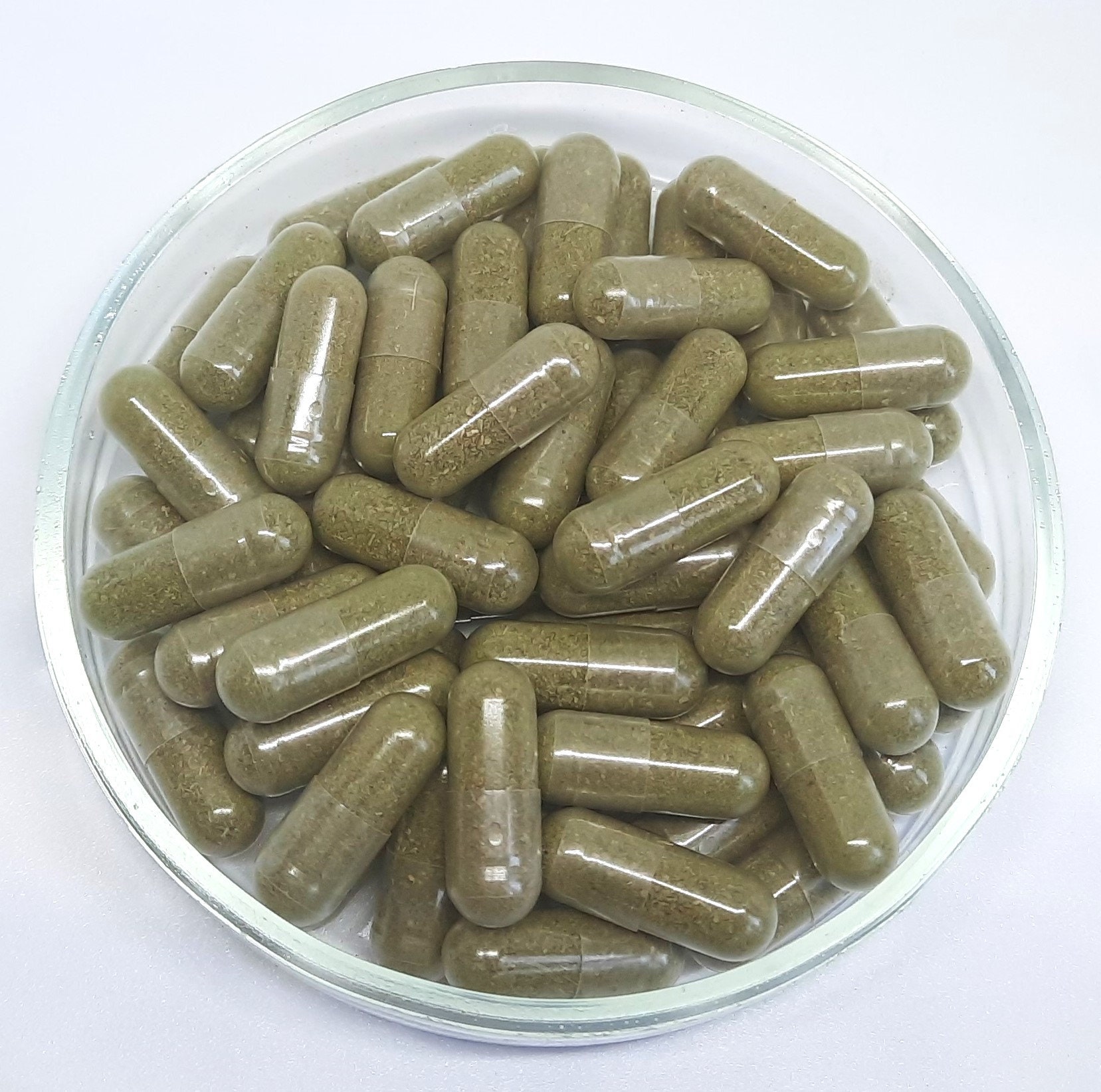
The Ultimate Guide to Chaste Tree Berry: Health Benefits and Uses

Chaste Tree Berry (Vitex agnus-castus): The Definitive Guide to Science, Benefits, and Clinical Applications

For thousands of years, Chaste Tree Berry, botanically known as Vitex agnus-castus, has occupied a central role in traditional pharmacopeias across the Mediterranean and Central Asia. Often referred to simply as “Vitex” or “Chasteberry,” this resilient deciduous shrub is celebrated for its profound ability to modulate the delicate human endocrine system. Unlike many synthetic interventions that introduce exogenous hormones into the body, Vitex works via upstream neuroendocrine pathways, encouraging the pituitary gland to optimize its own production of key reproductive hormones. Today, a robust body of clinical research supports its traditional use, confirming its efficacy in managing premenstrual syndrome (PMS), regulating irregular menstrual cycles, combating hormonal acne, and supporting fertility.

This comprehensive guide delivers an exhaustive, science-backed exploration of Chaste Tree Berry. We will examine its botanical characteristics, delve deep into its multi-layered historical usage, decode its complex phytochemical profile, and break down the precise biochemical mechanisms by which it interacts with dopamine receptors and the hypothalamic-pituitary-ovarian (HPO) axis. Additionally, we will outline practical dosage protocols, potential side effects, and essential safety considerations for integrating this powerful botanical into modern therapeutic regimens.

Botanical Overview and Ecological Profile

Chaste Tree Berry is a member of the Lamiaceae (mint) family, though it was historically classified under Verbenaceae. Characterized by its palmate, hand-shaped leaves that resemble those of hemp, the shrub can grow up to several meters in height. During mid-to-late summer, it produces dense, terminal spikes of highly fragrant, lavender-blue, pink, or white flowers. These flowers eventually give way to hard, dark purple-to-black drupes, which are the primary medicinally active parts of the plant. These berries are roughly the size of peppercorns and possess a distinct warm, aromatic, and slightly bitter flavor profile.

Chaste Tree Berry Botanical Photo

Native to the warm, temperate shorelines of the Mediterranean basin, Southern Europe, and Western Asia, the plant thrives in damp soils, frequently lining stream banks, river valleys, and coastal areas. It is exceptionally hardy, possessing high drought tolerance once established, and thrives in full sun. The plant’s resilience and vigorous growth habit reflect its concentration of secondary metabolites—compounds developed by the plant to defend against environmental stressors, pathogens, and UV radiation, which coincidentally serve as the source of its therapeutic power in human physiology.

Historical Roots and Traditional Applications

The history of Chaste Tree Berry is rich with folklore, ethnobotanical applications, and classical medical theory. The common name “Chasteberry” and the species name agnus-castus (derived from the Greek agnos and Latin castus, both meaning “chaste”) stem from the ancient belief that the plant could suppress libido. In ancient Greece, the renowned physician Hippocrates (circa 460–377 BCE) recommended the use of Vitex for controlling localized inflammation, managing postpartum hemorrhage, and treating splenomegaly. Dioscorides, the celebrated Greek physician and pharmacologist, noted in his seminal work De Materia Medica that the seeds could reduce sexual desire, leading Athenian women during the festival of Thesmophoria to strew the leaves on their beds to preserve their chastity in honor of the goddess Demeter.

Chaste Tree Berry Dried Herb

In the medieval era, this traditional belief was embraced by Christian monastic communities. Monks consumed the ground berries as a culinary spice in their communal dining halls to assist them in maintaining their vows of celibacy, earning the botanical the colloquial name “Monk’s Pepper.” Meanwhile, in Traditional European Medicine (TEM), Vitex was widely utilized as an emmenagogue—an agent designed to stimulate and normalize menstrual flow—and as a remedy for “hysteria,” a historical umbrella term for various emotional and somatic symptoms now understood to be related to premenstrual dysphoric disorder (PMDD) and hormonal fluctuations. It was also utilized to stimulate lactation in nursing mothers, a use that hints at its complex, dose-dependent relationship with the hormone prolactin.

Chemical Composition: The Molecular Architecture of Vitex

The therapeutic efficacy of Chaste Tree Berry is not attributable to a single active ingredient, but rather to a complex, synergistic matrix of bioactive secondary metabolites. Isolating single compounds from Vitex often results in a loss of clinical efficacy, indicating that the holistic interaction of these phytochemicals is required to achieve its endocrine-balancing effects. The primary classes of bioactive compounds found within the dried drupes include:

  • Iridoid Glycosides: The primary marker compounds used for standardization in pharmaceutical preparations are agnuside and aucubin. While these compounds are not direct hormonal modulators themselves, they serve as crucial indicators of extract quality and possess significant anti-inflammatory and hepatoprotective activities.
  • Diterpenes: Labdane-type diterpenes, including rotundifuran, 6beta,7beta-diacetoxy-13-hydroxy-8(14)-labden, and clerodadienols, represent some of the most pharmacologically active constituents. These diterpenes are responsible for the plant’s dopaminergic activity, directly binding to dopamine D2 receptors in the anterior pituitary.
  • Flavonoids: Vitex contains a rich spectrum of lipophilic and hydrophilic flavonoids, including casticin, penduletin, chrysosplenol D, artemetin, and luteolin. Casticin, in particular, has been extensively researched for its anti-inflammatory, pro-apoptotic (in cancer cell lines), and selective estrogen receptor modulating (SERM) properties.
  • Essential Oils: The volatile oil fraction of the berry is rich in monoterpenes and sesquiterpenes, including alpha-pinene, beta-caryophyllene, sabinene, limonene, and 1,8-cineole. These compounds contribute to the herb’s antimicrobial, spasmolytic, and digestive properties.
  • Triglycerides and Fatty Acids: The seeds yield essential fatty acids, including oleic, linoleic, palmitic, and stearic acids, which support cellular membrane integrity and aid in the absorption of the herb’s lipophilic constituents.

Chaste Tree Berry Plant Profile

Mechanisms of Action: How Vitex Modulates the Endocrine System

Unlike synthetic hormone replacement therapies or oral contraceptives that flood the bloodstream with synthetic estrogens or progestins, Chaste Tree Berry operates as an indirect endocrine regulator. It exerts its primary effects by communicating with the central nervous system, specifically modulating the hypothalamic-pituitary-ovarian (HPO) axis. Understanding this mechanism requires looking at several distinct, highly integrated biological pathways:

1. Dopaminergic Activity and Prolactin Inhibition

The core mechanism of Vitex is its potent dopaminergic activity. The labdane diterpenes present in the extract structurally mimic dopamine, the primary neurochemical responsible for inhibiting the secretion of prolactin from the lactotroph cells of the anterior pituitary gland. By binding directly to dopamine D2 (D2R) receptors, Vitex suppresses excessive prolactin release. High levels of prolactin (hyperprolactinemia), even when subtle or transient (such as during periods of acute psychological stress), can disrupt the pulsatile release of Gonadotropin-Releasing Hormone (GnRH) from the hypothalamus.

2. Normalization of the Luteal Phase and Progesterone Enhancement

By suppressing transient hyperprolactinemia, Vitex restores the normal pulsatile release of luteinizing hormone (LH) and follicle-stimulating hormone (FSH). Under normal physiological conditions, a mid-cycle surge of LH triggers ovulation and prompts the remnants of the ovarian follicle to transform into the corpus luteum. The corpus luteum is the body’s primary producer of progesterone during the second half of the menstrual cycle (the luteal phase). When prolactin is chronically elevated, it inhibits this LH surge, leading to “luteal phase defect” or corpus luteum insufficiency. By restoring correct LH signaling, Vitex enhances the development of the corpus luteum, thereby boosting endogenous progesterone production and correcting the common hormonal state known as “estrogen dominance.”

3. Modulation of the Opioidergic and Estrogenic Systems

In addition to its dopaminergic pathway, research indicates that compounds within Chaste Tree Berry bind to mu- and kappa-opioid receptors. The opioidergic system is deeply involved in regulating pain perception, mood, and the hypothalamic control of reproduction. This explains why Vitex is highly effective in mitigating the psychological symptoms of PMS, such as anxiety, irritability, and depressive moods. Furthermore, certain flavonoids in Vitex demonstrate selective estrogen receptor modulation (SERM) activity, binding preferentially to estrogen receptor-beta (ER-beta) rather than estrogen receptor-alpha (ER-alpha). ER-beta is abundant in brain, bone, and vascular tissues, where it exerts protective, non-proliferative effects, helping to stabilize mood and support cardiovascular health without overstimulating uterine or breast tissue.

Clinically Validated Health Benefits of Chaste Tree Berry

1. Alleviation of Premenstrual Syndrome (PMS) and PMDD

The clinical efficacy of Vitex in treating the physical and psychological symptoms of PMS is highly documented. Double-blind, placebo-controlled clinical trials have repeatedly demonstrated that Vitex extract significantly reduces PMS symptoms, including irritability, mood swings, anxiety, anger, headaches, and bloating. In a landmark randomized controlled trial published in the British Medical Journal (BMJ), researchers found that over three menstrual cycles, standard Vitex extract (specifically the Ze 440 extract) reduced PMS symptoms by over 50% in more than half of the active group, showing a clear superiority over the placebo.

For those suffering from Premenstrual Dysphoric Disorder (PMDD)—a severe, disabling extension of PMS—Vitex has been evaluated alongside selective serotonin reuptake inhibitors (SSRIs), the conventional pharmacological standard of care. Studies have shown that while SSRIs may resolve depressive symptoms slightly faster, Vitex offers a highly comparable therapeutic outcome with significantly fewer side effects, especially regarding sexual dysfunction, fatigue, and gastrointestinal distress.

2. Relief from Cyclic Mastalgia (Breast Tenderness)

Cyclic mastalgia, characterized by bilateral breast pain and swelling that worsens during the premenstrual phase, is a direct consequence of elevated prolactin levels and an unfavorable estrogen-to-progesterone ratio. Elevated prolactin sensitizes breast tissue, making it highly reactive to cyclic hormonal changes. By stimulating dopamine receptors and lowering prolactin secretion, Vitex rapidly reduces breast tissue congestion, swelling, and pain. Clinical trials comparing Vitex to conventional treatments (such as bromocriptine or topical NSAIDs) have demonstrated that Chasteberry provides equal, if not superior, relief with an exceptional safety profile, making it a first-line natural treatment for cyclic breast pain.

3. Regulation of Irregular Menstrual Cycles and Amenorrhea

Oligomenorrhea (infrequent periods), polymenorrhea (too-frequent periods), and secondary amenorrhea (the cessation of menstruation in women of reproductive age) are frequently caused by underlying hormonal imbalances, specifically corpus luteum insufficiency and elevated prolactin. By restoring a rhythmic, pulsatile secretion of LH and promoting a healthy luteal phase, Vitex acts as a natural cycle regulator. It helps establish a predictable 28-to-30-day cycle, ensuring that ovulation occurs regularly and that the uterine lining builds up and sheds in a coordinated, healthy manner.

4. Supporting Fertility and Addressing Luteal Phase Defects

For couples struggling with unexplained infertility, Vitex can be an invaluable clinical tool. Luteal phase defect (LPD) is a leading cause of early-stage infertility and recurrent early miscarriage. In women with LPD, the corpus luteum fails to produce sufficient progesterone to sustain a thick, nutrient-rich endometrial lining, preventing a fertilized ovum from successfully implanting. By optimizing LH levels and enhancing progesterone synthesis, Vitex extends the duration of the luteal phase, giving a fertilized egg the necessary time and hormonal support to implant and thrive. A notable clinical trial using a combination supplement containing Vitex and green tea extract showed a significantly higher rate of pregnancy in the active group compared to the placebo group after three months of use.

5. Management of Hormonal Acne

Hormonal acne typically manifests as painful, cystic blemishes along the jawline, chin, and neck, spiking in severity during the premenstrual week. This condition is driven by relative progesterone deficiency, which allows circulating androgens (such as testosterone and dihydrotestosterone) to exert a greater effect on the sebaceous glands, leading to excess sebum production and clogged pores. By restoring the correct balance between estrogen and progesterone and reducing PMS-related stress hormones, Vitex helps decrease sebum viscosity and reduces the incidence and severity of inflammatory hormonal breakouts from the inside out.

Forms of Supplementation: Selecting the Right Delivery System

To achieve clinical efficacy, choosing the correct delivery format and quality of Chaste Tree Berry is critical. Because many of the active compounds (especially the diterpenes and flavonoids) are lipophilic (fat-soluble), standard water infusions (teas) are generally less effective than concentrated extracts. The primary supplement forms available on the market include:

Chaste Tree Berry Capsules

  • Standardized Dry Extracts (Capsules/Tablets): This is the most clinically validated format. Look for products standardized to contain specific percentages of active marker compounds, typically 0.5% to 0.6% agnuside or 0.1% to 0.18% casticin. Standardized extracts, such as the European-sourced Ze 440 or BNO 1095, offer consistent, reproducible dosing that mirrors the therapeutic protocols used in landmark scientific studies.
  • Liquid Tinctures (Hydroethanolic Extracts): Liquid extracts utilize a water-and-ethanol solvent mixture to capture both the water-soluble iridoid glycosides and the alcohol-soluble diterpenes and essential oils. Tinctures offer excellent bioavailability, quick absorption, and allow for easy dose adjustments, though the strong, bitter taste can be a deterrent for some individuals.
  • Whole Powdered Berries: This represents the raw, un-concentrated herb. While it provides the full, natural spectrum of the plant’s constituents, larger doses (typically in the range of 500 mg to 1000 mg) are required to match the potency of concentrated extracts. This format is ideal for long-term, low-dose tonic support rather than acute clinical intervention.

Dosage Protocols, Administration, and Timing

When implementing a Vitex protocol, clinical timing is just as important as the dosage itself. Because Chaste Tree Berry works by retraining the hypothalamic-pituitary-ovarian axis, it requires a sustained, cumulative stimulus to shift endocrine patterns. The body’s pituitary-gonadal feedback loop operates on monthly cycles, meaning changes do not happen overnight.

Chaste Tree Berry Natural Herb

To maximize the clinical efficacy of your supplementation, adhere to the following guidelines:

  • Morning Administration: Vitex should ideally be taken once daily in the early morning on an empty stomach, approximately 30 minutes before breakfast. This timing aligns with the natural circadian rhythm of the pituitary gland, which is highly active during sleep and early morning hours, maximizing the herb’s dopaminergic and prolactin-inhibiting effects.
  • Standard Dosage Ranges:
    • Standardized Extract: 20 mg to 40 mg of concentrated dry extract daily.
    • Liquid Tincture (1:5 extraction ratio): 1.5 mL to 3.0 mL (approx. 30 to 60 drops) daily.
    • Powdered Berry Capsules: 400 mg to 500 mg daily.
  • The Rule of Three Cycles: Patient compliance is critical. Clinical trials demonstrate that while some improvements may be felt within the first cycle, the full therapeutic benefits of Chaste Tree Berry generally manifest after three to six consecutive months of daily use. It is recommended to use the herb continuously throughout the entire menstrual cycle (including during menstruation) rather than cycling on and off, unless otherwise directed by a healthcare professional.

Side Effects, Safety Profile, and Contraindications

Chaste Tree Berry is exceptionally well-tolerated by the vast majority of users, with serious adverse events being exceedingly rare. Clinical trials report an adverse effect profile that is virtually indistinguishable from placebo. However, because of its powerful hormonal modulating effects, there are several key side effects, contraindications, and drug interactions that must be carefully managed:

Potential Side Effects

In a small percentage of sensitive individuals, mild, transient side effects may occur. These can include mild gastrointestinal distress (such as bloating, nausea, or diarrhea), minor acne flares (which usually resolve within the first month as the body adjusts), temporary headaches, dizziness, and mild changes in menstrual flow (such as a temporarily heavier period as the uterine lining normalizes).

Contraindications and High-Risk Groups

  • Pregnancy and Lactation: Vitex is strictly contraindicated during pregnancy. Because it alters luteinizing hormone and progesterone levels, it could theoretically disrupt the delicate hormonal balance required to sustain a pregnancy. While it was traditionally used to promote milk flow, modern clinical safety data is insufficient to recommend its use during lactation without direct medical supervision, as its prolactin-lowering effects could theoretically suppress milk production if taken in high doses.
  • Hormone-Sensitive Cancers: Women diagnosed with, or possessing a high genetic risk for, hormone-sensitive conditions—such as breast, uterine, or ovarian cancers, as well as severe uterine fibroids or endometriosis—should consult an oncologist before using Vitex, due to its potential (albeit weak and selective) estrogen receptor binding.
  • In Vitro Fertilization (IVF) and Assisted Reproductive Technologies: Vitex should not be used concurrently with IVF drugs or other ovarian stimulants. The herb can interfere with the tightly controlled, synthetic hormonal protocols required for these procedures, potentially leading to ovarian hyperstimulation or cycle cancellation.

Known Drug Interactions

Because Vitex works through dopaminergic and endocrine pathways, it can interact with several classes of pharmaceutical medications:

  • Dopamine Antagonists and Agonists: Medications that block dopamine receptors (such as antipsychotics like haloperidol or antiemetics like metoclopramide) or those that stimulate them (such as Parkinson’s medications like levodopa or bromocriptine) may interact with Vitex, either reducing the drug’s efficacy or compounding its side effects.
  • Oral Contraceptives and Hormone Replacement Therapy (HRT): Since Vitex naturally modulates estrogen and progesterone levels, combining it with exogenous synthetic hormones (such as birth control pills, patches, or hormonal IUDs) may alter the efficacy of the medication. While it will not necessarily “cancel out” birth control, the combination can lead to breakthrough bleeding, spotting, or reduced contraceptive reliability.

Conclusion: The Master Regulator of Female Reproductive Health

Chaste Tree Berry stands out as a premier example of botanical medicine’s ability to offer elegant, physiological solutions to complex endocrine imbalances. By utilizing a neuroendocrine pathway to regulate dopamine, normalize prolactin, and naturally elevate progesterone, Vitex addresses the root causes of menstrual dysfunction, PMS, cyclic mastalgia, and luteal-phase fertility challenges. Rather than overriding the body’s innate wisdom, Vitex works as a gentle, persistent catalyst, guiding the endocrine system back to its natural rhythm.

For those seeking a natural, clinically validated approach to hormonal harmony, Vitex is a highly effective option. However, because of its systemic effects, successful treatment relies on patient education, precise dosing, and clinical patience. When integrated mindfully, ideally under the guidance of a qualified healthcare practitioner, Chaste Tree Berry remains a cornerstone of natural reproductive healthcare, offering a time-tested, scientific path to long-term vitality and hormonal balance.

Disclaimer: For informational purposes only. Not medical advice. Consult a qualified healthcare professional before use.
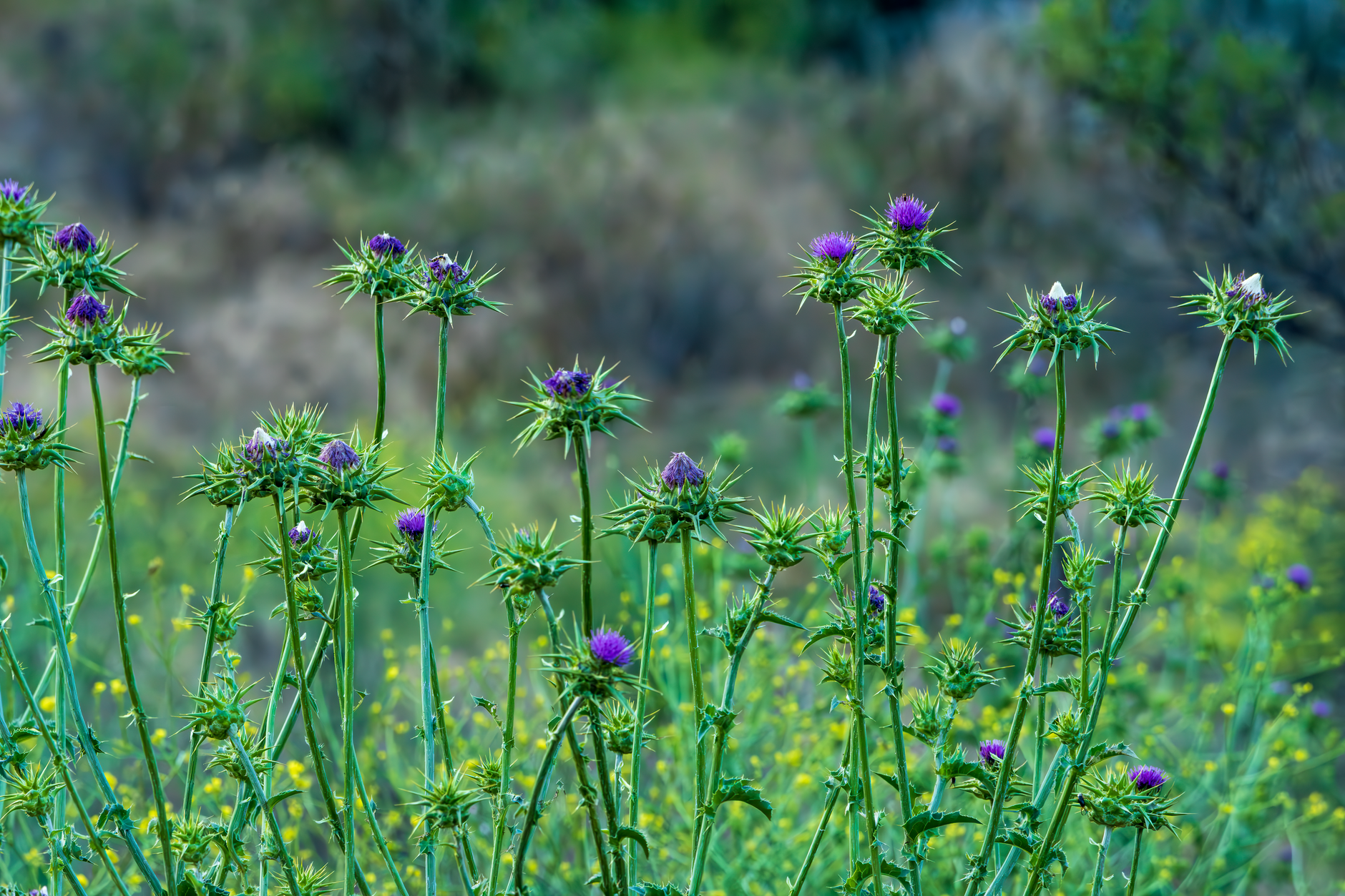
The Ultimate Guide to Black Cohosh: Health Benefits and Uses

The Definitive Guide to Black Cohosh: Health Benefits, Phytochemistry, and Clinical Applications

Black Cohosh (Actaea racemosa, formerly known as Cimicifuga racemosa) stands as one of the most thoroughly researched and widely utilized botanical remedies in the world. Renowned primarily for its role in mitigating the symptoms of menopause, this perennial herb has a rich history that spans centuries of traditional Indigenous medicine, 19th-century eclectic medical practice, and modern clinical pharmacology. Today, as women increasingly seek evidence-based, natural alternatives to conventional Hormone Replacement Therapy (HRT), Black Cohosh continues to attract significant scientific interest. This comprehensive guide explores the botanical profile, deep historical roots, complex phytochemistry, clinical health benefits, and safe application of this remarkable botanical therapeutic.

Botanical Profile and Ecological Characteristics

Belonging to the buttercup family (Ranunculaceae), Black Cohosh is a stately, shade-loving perennial native to the rich, deciduous woodlands of eastern North America, ranging from southern Ontario to Georgia, and west to Arkansas and Missouri. The plant thrives in moist, organic-rich soils under the dense canopy of hardwood forests, where it plays an integral role in the forest floor ecosystem.

Visually, Black Cohosh is highly distinctive. It produces large, deeply lobed, tripod-pinnate leaves that resemble those of the astilbe. During its mid-summer blooming period, the plant sends up dramatic, slender flower spikes—known botanically as racemes—that can reach heights of up to eight feet. These racemes bear hundreds of tiny, delicate, creamy-white flowers that lack petals but feature dense, tufted stamens. This ethereal appearance has earned the plant several descriptive common names, including “fairy candle” and “bugbane,” the latter referring to the plant’s pungent, insect-repelling scent.

Black Cohosh Botanical Photo

While the aerial portions of the plant are visually striking, the medicinal power of Black Cohosh resides entirely underground. The plant develops a thick, dark, knotted rhizome system adorned with fibrous rootlets. This subterranean structure is harvested in the autumn after the aerial parts have died back. The dried rhizome is intensely bitter, woody, and contains the dense concentration of bioactive secondary metabolites that drive the plant’s therapeutic actions.

Ethnobotanical History and Traditional Uses

The therapeutic journey of Black Cohosh began long before the advent of modern pharmacology. Native American tribes, including the Algonquin, Cherokee, and Iroquois, recognized the profound healing properties of the plant’s roots. They referred to it by various names, including “cohost” (an Algonquian word meaning “rough,” describing the texture of the rhizome) and “rattleroot” or “snakeroot,” because the dry seedpods rattle in the wind, and the root was traditionally used as a poultice for snakebites.

Indigenous healers utilized decoctions of the root for an array of conditions. It was a primary remedy for gynecological complaints, including painful menstruation (dysmenorrhea), childbirth recovery, uterine spasms, and ovarian pain. Beyond women’s reproductive health, Black Cohosh was highly valued as an anti-inflammatory and analgesic agent. It was administered to soothe musculoskeletal pain, joint stiffness, neuralgic pain, and respiratory conditions such as whooping cough and bronchitis.

Black Cohosh Dried Herb

In the 19th century, European settlers and Eclectic physicians—a group of American doctors who specialized in botanical and non-invasive therapies—adopted Black Cohosh into their pharmacopeia. It became a cornerstone ingredient in Lydia Pinkham’s Vegetable Compound, a highly popular patent medicine marketed for female complaints in the late 1800s. The Eclectics expanded its use, employing it under the name “Macrotys” to treat rheumatic fever, muscular rheumatism, nervous disorders, and pelvic congestion, laying the groundwork for its transition into modern European phytomedicine during the mid-20th century.

Phytochemical Profile: Understanding the Active Compounds

The pharmacological efficacy of Black Cohosh is not attributable to a single constituent, but rather to a complex matrix of synergistic secondary metabolites. For decades, researchers have worked to isolate and characterize these compounds to understand their precise mechanisms of action within the human body. The primary bioactive groups identified in the rhizome include triterpene glycosides, phenolic acids, flavonoids, and volatile oils.

Black Cohosh Plant Profile

The most prominent and chemically unique compounds in Black Cohosh are the cycloartane-type triterpene glycosides. Chief among these are actein, 27-deoxyactein, and cimicifugoside. These molecules are believed to play a critical role in modulating physiological pathways, particularly within the central nervous system. Alongside these glycosides, Black Cohosh is rich in phenolic acids, including caffeic acid, ferulic acid, and isoferulic acid. These compounds exert potent antioxidant and anti-inflammatory effects, scavenging free radicals and downregulating pro-inflammatory cytokines.

One of the most significant scientific shifts in understanding Black Cohosh involves its endocrine activity. Early research hypothesized that the herb contained phytoestrogens, specifically formononetin (an isoflavone), which would bind directly to estrogen receptors. However, advanced phytochemical analyses have demonstrated that high-quality, standardized extracts of *Actaea racemosa* do not contain clinically relevant amounts of formononetin, nor do they exhibit classic estrogenic activity. Instead, modern pharmacology classifies Black Cohosh as a Selective Estrogen Receptor Modulator (SERM) or, more accurately, a central nervous system modulator that acts via neurotransmitter pathways, particularly the serotonergic, dopaminergic, and GABAergic systems.

The Core Health Benefits of Black Cohosh

1. Management of Vasomotor Symptoms in Menopause

The most widely celebrated and clinically validated benefit of Black Cohosh is its capacity to alleviate vasomotor symptoms associated with the menopausal transition, specifically hot flashes and night sweats. During perimenopause and menopause, declining ovarian function leads to a depletion of circulating estrogen. This hormonal drop disrupts the thermoregulatory center in the hypothalamus, which is highly sensitive to changes in neurotransmitter levels, particularly serotonin and norepinephrine.

Because Black Cohosh operates as a central neuromodulator rather than a direct hormone mimic, it helps stabilize the thermoregulatory center. Clinical trials have shown that standardized extracts of Black Cohosh significantly reduce the frequency, duration, and severity of hot flashes. It offers a viable, non-hormonal therapy for women who cannot undergo conventional hormone replacement therapy (HRT) due to medical contraindications, such as a history of estrogen-sensitive cancers or cardiovascular disease.

2. Improvement of Sleep Quality and Insomnia

Sleep disturbances, night sweats, and frequent nocturnal awakenings are common and distressing symptoms of menopause. By stabilizing hypothalamic thermoregulation, Black Cohosh indirectly improves sleep quality by preventing the disruptive night sweats that cause sudden waking. Furthermore, emerging research suggests that compounds within the plant interact with gamma-aminobutyric acid (GABA) receptors, the brain’s primary inhibitory neurotransmitters. By promoting GABAergic pathway activation, Black Cohosh exerts a mild sedative and anxiolytic effect, helping to facilitate deeper, more restorative sleep patterns without the groggy side effects often associated with pharmaceutical sleep aids.

3. Mood Stabilization and Anxiety Reduction

The hormonal fluctuations of the menopausal transition frequently manifest as mood swings, irritability, anxiety, and mild depressive symptoms. Serotonin is a key neurotransmitter involved in mood regulation, and its synthesis and receptor sensitivity decline in tandem with estrogen levels. Black Cohosh has been shown to interact with serotonin receptors (specifically the 5-HT1A and 5-HT7 subtypes). This serotonergic modulation helps buffer the emotional instability associated with menopause, providing a natural stabilizing effect that enhances overall psychological well-being and resilience.

4. Bone Health and Osteoporosis Support

As estrogen levels drop during postmenopause, women experience an accelerated rate of bone resorption, significantly increasing the risk of osteopenia and osteoporosis. While human clinical trials are ongoing, preliminary in vitro and animal studies suggest that Black Cohosh may help preserve bone mineral density. The mechanism appears to involve the regulation of osteoblasts (bone-building cells) and the inhibition of osteoclasts (cells that break down bone tissue). This potential dual action suggests that Black Cohosh may exert a protective, SERM-like effect on the skeletal system without stimulating endometrial or breast tissue growth.

5. Support for Polycystic Ovary Syndrome (PCOS) and Dysmenorrhea

Beyond menopause, Black Cohosh is increasingly investigated for its potential benefits in managing Polycystic Ovary Syndrome (PCOS) and painful menstruation (dysmenorrhea). In cases of PCOS, the herb is sometimes utilized alongside standard therapies to help regulate ovulation and improve luteinizing hormone (LH) to follicle-stimulating hormone (FSH) ratios. Its traditional role as a uterine spasmolytic also makes it a valuable natural therapeutic for reducing the severity of pelvic cramping and congestion during the menstrual cycle.

Modern Supplementation: Formulations and Standardization

To achieve predictable and therapeutic results, selecting the appropriate form of Black Cohosh is essential. In the commercial market, consumers will find a variety of preparations, ranging from raw dried powders to sophisticated, standardized extracts.

Black Cohosh Capsules

The vast majority of clinical research validating the efficacy of Black Cohosh has been conducted using standardized extract formulations. The gold standard in clinical research is the isopropanolic or ethanolic extract of the rhizome, standardized to contain a specific percentage of triterpene glycosides (typically measured as 2.5% to 8% triterpene glycosides, or quantified by specific marker compounds like 27-deoxyactein). Standardized capsules and tablets ensure that the user receives a consistent, therapeutic dose of active constituents in every serving, bypassing the natural variability inherent in raw herbal powders.

Other common preparations include liquid tinctures, which are hydroethanolic extractions of the fresh or dried rhizome. Tinctures offer rapid absorption and easy dose customization but contain variable amounts of the active glycosides unless specifically standardized. Traditional decoctions—made by simmering the tough, woody root in water—are still favored by traditional herbalists, though they are generally less convenient and have a highly bitter, astringent taste that many find unpalatable.

Dosage Guidelines, Safety Profile, and Drug Interactions

When incorporating Black Cohosh into a wellness regimen, safety and precise dosing should remain paramount. The standard, clinically supported dosage for a standardized dry extract of Black Cohosh typically ranges from 40 mg to 80 mg once or twice daily. When utilizing liquid tinctures (1:5 strength), a common dose is 2 to 4 mL taken two to three times per day in a small amount of water or juice.

Black Cohosh Natural Herb

Black Cohosh is generally well-tolerated by most individuals when consumed at recommended dosages for up to six to twelve months. The most common mild side effects include transient gastrointestinal upset, mild headaches, dizziness, and a feeling of heaviness in the limbs. These symptoms are typically self-limiting and resolve upon reducing the dose or discontinuing use.

The Hepatotoxicity Debate

Over the past two decades, sporadic case reports have linked Black Cohosh consumption with liver damage (hepatotoxicity). However, extensive reviews by international regulatory bodies, including the United States Pharmacopeia (USP) and the European Medicines Agency (EMA), have concluded that a direct causal relationship between pure *Actaea racemosa* and liver injury is extremely rare. In many reported cases, the liver issues were attributed to product adulteration (where cheaper, non-medicinal Asian species of *Actaea* were substituted for authentic North American Black Cohosh) or pre-existing liver conditions. Nonetheless, as a precautionary measure, individuals with a history of liver disease or those taking medications that affect liver function should consult a healthcare provider and monitor liver enzymes during use.

Contraindications and Drug Interactions

  • Pregnancy and Lactation: Black Cohosh should not be used during pregnancy, particularly in the first and second trimesters, due to its traditional classification as an emmenagogue (a substance that stimulates menstrual flow) and its potential to cause uterine contractions. Its safety profile during lactation has not been fully established.
  • Hormone-Sensitive Cancers: While current evidence suggests that Black Cohosh does not exert direct estrogenic effects on breast or endometrial tissue, women with a history of, or active treatment for, estrogen-receptor-positive breast, ovarian, or uterine cancer should consult their oncologist before initiating use.
  • Pharmaceutical Interactions: Because Black Cohosh is metabolized in part by the liver’s cytochrome P450 enzyme pathway, it may interact with medications metabolized by the same enzymes, such as certain statins, blood thinners, and anti-arrhythmic drugs. Additionally, combining Black Cohosh with conventional HRT or oral contraceptives should only be done under the direct supervision of a qualified medical practitioner.

Conclusion: An Essential Botanical in Integrative Gynecology

Black Cohosh represents a bridge between ancient herbal wisdom and rigorous modern science. Its unique ability to modulate neurotransmitter pathways and safely address the multifaceted challenges of menopause makes it an invaluable tool in the field of integrative medicine. By selecting high-quality, standardized extracts, adhering to appropriate dosing guidelines, and working in partnership with healthcare professionals, individuals can successfully harness the therapeutic power of this remarkable forest native to support vitality, hormonal balance, and long-term well-being.

Disclaimer: For informational purposes only. Not medical advice. Consult a qualified healthcare professional before use.
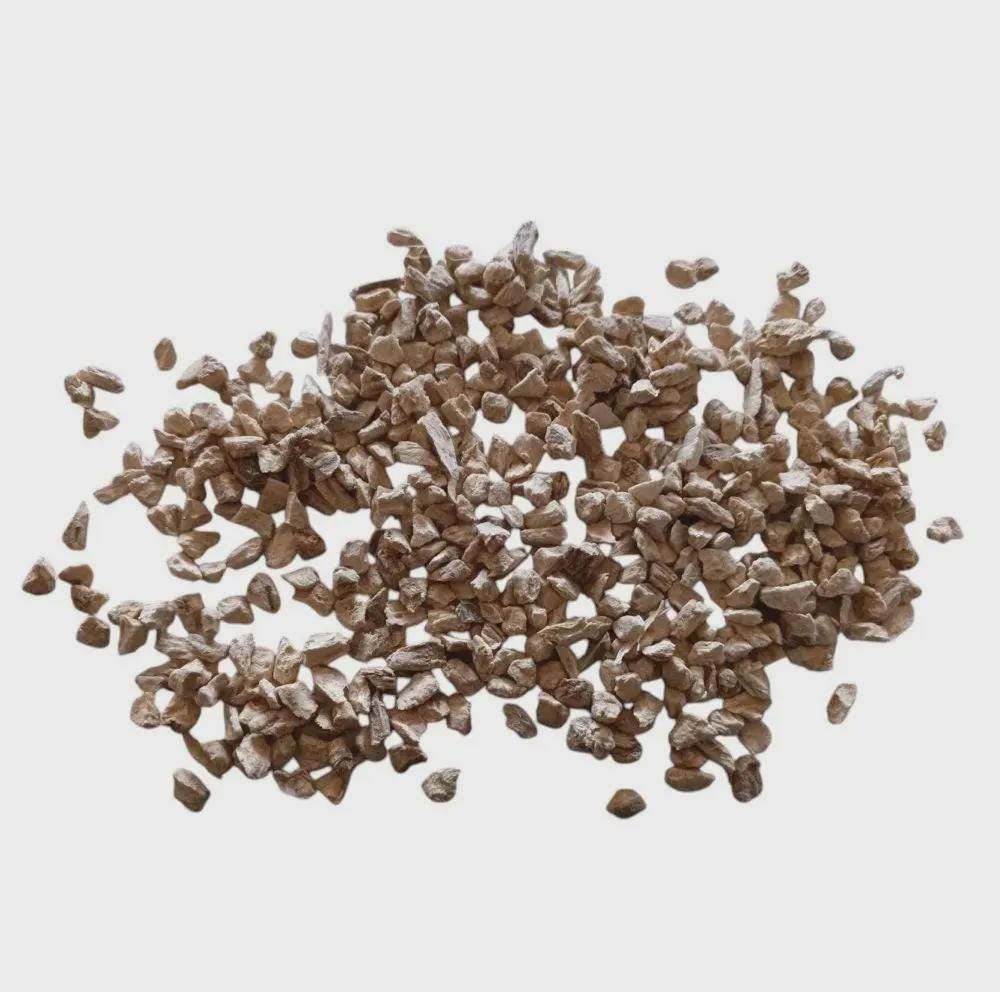
The Ultimate Guide to Skullcap: Health Benefits and Uses

The Definitive Guide to Skullcap: Botanical Profiles, Bioactive Compounds, and Therapeutic Health Benefits

The botanical genus Scutellaria, collectively known as Skullcap, represents one of the most clinically significant and historically rich groups of therapeutic herbs in both Western herbalism and Traditional Chinese Medicine (TCM). For centuries, distinct cultures separated by vast oceans identified the therapeutic potential of these unique, helmet-flowered plants belonging to the mint family (Lamiaceae). Today, modern pharmacology, clinical trials, and biochemistry are validating what traditional practitioners have long known: Skullcap is a powerhouse of therapeutic potential, offering profound support for the nervous system, cognitive health, immune function, and inflammatory modulation.

To fully understand Skullcap, one must first recognize that the term refers primarily to two distinct species with different phytochemical profiles and clinical applications: American Skullcap (Scutellaria lateriflora) and Chinese Skullcap (Scutellaria baicalensis). While they share some similarities, American Skullcap is traditionally valued as a premiere nervine trophorestorative to soothe an overactive nervous system, whereas Chinese Skullcap, known as Huang Qin, is celebrated for its powerful anti-inflammatory, antimicrobial, and systemic cooling properties. This comprehensive guide provides an exhaustive analysis of both species, their biochemical constituents, historical significance, health benefits, and safe usage guidelines.

Botanical Characteristics and Ecological Origins

The genus name Scutellaria is derived from the Latin word “scutella,” meaning a small dish, tray, or shield, which refers to the unique shape of the persistent calyx that covers the seeds after the flowers have fallen. This structure resembles a miniature helmet or cap, giving rise to the common name “Skullcap.”

Scutellaria lateriflora, or American Skullcap, is a hardy perennial herb native to wet woods, meadows, and swamp margins throughout North America. It features upright, square stems typical of the Lamiaceae family, reaching heights of one to three feet. Its delicate, opposite, ovate leaves boast serrated edges, and during the mid-to-late summer, it produces one-sided racemes of small, two-lipped tubular flowers of a striking blue-to-purple hue.

Skullcap Botanical Photo

In contrast, Scutellaria baicalensis, native to East Asia—including China, Siberia, Mongolia, and Korea—thrives in sunny, dry sandy soils and grassy slopes. The plant is slightly smaller, with lanceolate leaves and larger, deeper purple flowers. The primary therapeutic part of Scutellaria baicalensis is its thick, golden-yellow taproot, which reflects its high concentration of yellow-pigmented flavonoids and explains its Chinese name, “Huang Qin,” which translates literally to “yellow herb.”

Historical Context and Traditional Medicine Systems

The therapeutic legacy of Skullcap spans two highly developed, independent medical traditions. By examining how ancestral healers utilized these plants, we gain valuable insights into their physiological affinities.

American Skullcap in Western Herbalism

Native American tribes, including the Cherokee, Iroquois, and Micmac, utilized American Skullcap extensively. It was traditionally employed as a gynecological aid to promote menstruation, relieve breast pain, and facilitate recovery after childbirth. It was also highly regarded for its profound calming effects on the nervous system, used to soothe hysteria, nervous tension, and physical tremors.

During the 19th century, the Eclectic medical movement in the United States—a group of physicians who integrated botanical medicine with conventional practices—embraced Scutellaria lateriflora as an essential nervine. They prescribed it to treat chorea (involuntary movement disorders), epilepsy, neuralgia, insomnia, and “delirium tremens” caused by alcohol withdrawal. It earned the colloquial name “Mad-Dog Weed” because of its historical use in treating the intense nervous excitability associated with rabies infections.

Skullcap Dried Herb

Chinese Skullcap (Huang Qin) in Traditional Chinese Medicine

In Traditional Chinese Medicine, Scutellaria baicalensis is a foundational herb, first documented in the ancient text Shennong Bencao Jing (The Divine Farmer’s Herb-Root Classic), written over two thousand years ago. Within the TCM framework, Huang Qin is classified as an herb that “clears heat and dries dampness.” It is traditionally used to address pathological heat conditions in the upper burner (the chest, lungs, and head), making it a staple remedy for respiratory tract infections, high fevers, irritability, and hot inflammatory skin conditions.

Furthermore, Huang Qin is utilized to soothe “internal damp-heat” manifesting as gastrointestinal distress, diarrhea, or jaundice. It is also famous for its clinical use in “quieting the fetus” during pregnancy, particularly when excessive heat in the maternal body threatens to cause premature contractions or bleeding.

The Complex Phytochemistry of Scutellaria

The therapeutic efficacy of Skullcap is driven by an extraordinarily rich and unique cocktail of bioactive secondary metabolites, dominated by unique lipophilic and hydrophilic flavonoids, volatile oils, iridoids, and diterpenes. Although American and Chinese Skullcaps share some overlapping compounds, their specific chemical profiles differ, leading to distinct therapeutic emphasis.

Skullcap Plant Profile

The Dominant Flavonoids and Their Mechanisms

The root of Scutellaria baicalensis is particularly renowned for containing massive concentrations of specific flavones that are rarely found in other botanical families. The most well-studied of these include:

  • Baicalin and Baicalein: Baicalin is a glycoside compound that is metabolized by intestinal microbiota into its aglycone form, baicalein. Baicalein is highly bioavailable and easily crosses the blood-brain barrier. It acts as a potent antioxidant, a selective GABA-A receptor positive allosteric modulator, and an inhibitor of the inflammatory cascade.
  • Wogonin and Wogonoside: Wogonin possesses profound neuroprotective and anti-inflammatory properties. It operates partly by downregulating the expression of inducible nitric oxide synthase (iNOS) and cyclooxygenase-2 (COX-2), thereby decreasing the production of pro-inflammatory nitric oxide and prostaglandins.
  • Oroxylin A: A highly bioactive flavone that has demonstrated strong anti-cancer, anti-inflammatory, and neuroprotective properties. Interestingly, unlike baicalein, oroxylin A has been shown to act as a GABA-A receptor antagonist in certain pathways, contributing to improved cognitive performance, memory consolidation, and alertness.
  • Chrysin: Found in both species, chrysin is a well-known flavonoid that exhibits mild anxiolytic properties through its interaction with central benzodiazepine receptors, and has also been studied for its ability to inhibit the aromatase enzyme, which converts testosterone to estrogen.

In the aerial parts of Scutellaria lateriflora, we find a unique composition of flavonoids including scutellarin, baicalin, apigenin, and luteolin. Additionally, American Skullcap contains significant levels of the amino acids glutamine and gamma-aminobutyric acid (GABA) directly in its raw tissues, which contributes synergistically to its immediate calming effect on the central nervous system.

Detailed Scientific Health Benefits of Skullcap

1. Anxiolytic Activity and Central Nervous System Support

One of the most widely recognized uses of American Skullcap (Scutellaria lateriflora) is its ability to reduce anxiety, acute stress, and nervous tension without inducing significant motor impairment or daytime lethargy. Unlike pharmaceutical sedatives, which often cause severe dependency and cognitive fog, Skullcap modulates the nervous system gently.

The primary mechanism behind this benefit is the herb’s ability to bind to the benzodiazepine site of the GABA-A (gamma-aminobutyric acid) receptor. GABA is the primary inhibitory neurotransmitter in the human brain, responsible for slowing down overactive neuronal firing. By acting as a positive allosteric modulator of GABA-A, compounds like baicalein and scutellarin increase the receptor’s affinity for GABA, facilitating a profound calming effect on the mind and body. This action stabilizes an overactive sympathetic nervous system (the “fight-or-flight” response), making it highly beneficial for individuals suffering from generalized anxiety disorder (GAD), panic attacks, ADHD, and chronic stress.

2. Neuroprotection and Cognitive Preservation

Both species of Skullcap display impressive neuroprotective properties that make them valuable in the fight against neurodegenerative diseases such as Alzheimer’s, Parkinson’s, and age-related cognitive decline. Chronic neuroinflammation and oxidative stress are the primary drivers of neuronal death in these conditions.

Baicalein and wogonin have been shown to inhibit the activation of microglia—the resident immune cells of the brain. When chronically activated, microglia release a destructive storm of pro-inflammatory cytokines, reactive oxygen species (ROS), and nitric oxide, which damages surrounding neurons. Furthermore, research indicates that baicalein directly inhibits the aggregation of amyloid-beta proteins and alpha-synuclein, the toxic proteins responsible for forming the plaques and tangles characteristic of Alzheimer’s and Parkinson’s diseases. By maintaining blood-brain barrier integrity and preventing excitotoxicity (neuronal death caused by excess glutamate), Skullcap acts as a comprehensive shield for the brain.

3. Potent Anti-Inflammatory and Antioxidant Action

Systemic, low-grade inflammation is the root cause of almost every chronic modern illness, including cardiovascular disease, diabetes, arthritis, and autoimmune conditions. Scutellaria baicalensis is a premier natural anti-inflammatory agent, often compared in efficacy to non-steroidal anti-inflammatory drugs (NSAIDs) but with significantly fewer gastrointestinal side effects.

The active constituents in Skullcap downregulate the arachidonic acid cascade. Specifically, baicalein and wogonin inhibit the activity of cyclooxygenase-2 (COX-2) and 5-lipoxygenase (5-LOX), the enzymes responsible for synthesizing inflammatory prostaglandins and leukotrienes. Additionally, Skullcap compounds block the activation of Nuclear Factor-kappa B (NF-kB), a master genetic switch that controls the transcription of multiple inflammatory cytokines, such as Tumor Necrosis Factor-alpha (TNF-α), Interleukin-6 (IL-6), and Interleukin-1-beta (IL-1β). Concurrently, its rich flavonoid profile acts as a direct scavenger of free radicals, raising levels of endogenous antioxidant enzymes like superoxide dismutase (SOD) and glutathione peroxidase.

4. Antimicrobial, Antiviral, and Immunomodulatory Benefits

In an era of increasing antibiotic resistance, the antimicrobial properties of Chinese Skullcap have attracted significant scientific interest. Huang Qin exhibits a broad spectrum of activity against bacteria, viruses, and fungi.

  • Antiviral Properties: Baicalin and baicalein have demonstrated powerful inhibitory effects against various viral pathogens, including influenza viruses (H1N1, H3N2), respiratory syncytial virus (RSV), herpes simplex virus (HSV), and even coronaviruses. They achieve this by inhibiting viral entry into host cells, interfering with viral replication enzymes (such as neuraminidase and viral polymerases), and preventing the runaway immune response known as a “cytokine storm.”
  • Antibacterial and Biofilm Disruption: Skullcap extracts have been shown to inhibit the growth of pathogenic bacteria, including Staphylococcus aureus (including MRSA), Helicobacter pylori, and oral pathogens like Streptococcus mutans. Crucially, Skullcap can disrupt bacterial biofilms—protective matrices that bacteria build around themselves to resist antibiotics—making resistant bacterial strains susceptible to treatment once again.

5. Cardiovascular Protection and Metabolic Support

The cardioprotective and metabolic benefits of Scutellaria baicalensis are deeply tied to its ability to modulate vascular health and lipid metabolism. Research indicates that wogonin and baicalein possess vasodilatory properties, helping to lower blood pressure by promoting nitric oxide production in endothelial cells and blocking calcium channels in vascular smooth muscle.

Additionally, Skullcap supports metabolic health by helping to regulate blood glucose levels and lipid profiles. It activates Adenosine Monophosphate-Activated Protein Kinase (AMPK), often called the metabolic master switch. AMPK activation enhances insulin sensitivity, promotes glucose uptake into skeletal muscles, and inhibits lipogenesis (fat accumulation) in the liver. This makes Skullcap a highly promising supportive herb for managing metabolic syndrome, type 2 diabetes, and non-alcoholic fatty liver disease (NAFLD).

Forms of Administration and Supplementation

Depending on the therapeutic goal, Skullcap is consumed in several forms, each possessing distinct advantages regarding bioavailability and convenience.

Skullcap Capsules

Standardized Extracts and Capsules

Capsules containing standardized extracts of Scutellaria baicalensis are highly popular for systemic anti-inflammatory, neuroprotective, and metabolic support. These capsules are typically standardized to contain a specific percentage of the active flavonoid baicalin (often ranging from 30% to 95%). This allows for precise, high-dose therapeutic targeting. Capsules are highly convenient for daily use and bypass the intensely bitter taste of the raw root.

Liquid Alcohol Tinctures

For American Skullcap (Scutellaria lateriflora), fresh-plant alcohol tinctures are widely considered the gold standard. Many of the volatile and delicate compounds in American Skullcap are highly sensitive to heat and oxidation during drying processes. A liquid extract prepared from fresh, organic flowering tops captures the full spectrum of active compounds, including the volatile oils and active glycosides, ensuring rapid absorption and fast-acting relief from acute anxiety or tension.

Teas and Infusions

Dried leaves of American Skullcap can be brewed into a relaxing herbal tea. While less concentrated than tinctures, drinking hot Skullcap infusions is an excellent, gentle ritual to support sleep hygiene and unwind after a stressful day. For Chinese Skullcap, the hard root is typically decocted (simmered for 20-30 minutes) rather than infused, extracting the water-soluble baicalin glycosides to create a potent, medicinal beverage.

Dosage Guidelines and Practical Application

When incorporating Skullcap into a health regimen, it is crucial to use the appropriate dosage corresponding to the specific species and form of the herb. Below are the generally accepted clinical ranges:

Skullcap Natural Herb

American Skullcap (Scutellaria lateriflora)

  • Liquid Tincture (1:2 fresh or 1:5 dry, 40-50% ethanol): 2 to 4 mL, taken up to three times daily in a small amount of water.
  • Dried Herb Infusion: 1 to 2 teaspoons of dried leaf steeped in 8 ounces of boiling water for 10-15 minutes. Drink 2 to 3 times daily.
  • Standardized Powder/Capsules: 350 to 500 mg, taken twice daily.

Chinese Skullcap (Scutellaria baicalensis – Root)

  • Standardized Extract (Standardized to 80-90% Baicalin): 250 to 500 mg, taken 1 to 2 times daily.
  • Decoction (Raw Root): 3 to 9 grams of the dried root simmered in water daily.
  • Fluid Extract (1:5): 2 to 6 mL, taken three times daily.

Safety, Side Effects, and Drug Interactions

When sourced from high-quality, reputable manufacturers, both species of Skullcap are generally considered safe and well-tolerated by most individuals. However, as with all pharmacologically active herbs, certain precautions must be observed.

The Historical Context of Adulteration

In the late 20th century, reports emerged linking “Skullcap” to cases of hepatotoxicity (liver damage). Upon rigorous botanical and chemical investigation, it was discovered that these products had been heavily adulterated with plants belonging to the genus Teucrium (commonly known as Germander). Germander contains highly toxic diterpenes that cause severe liver damage. True, pure Scutellaria lateriflora and Scutellaria baicalensis are not inherently hepatotoxic. To ensure safety, consumers must purchase products from verified brands that perform stringent identity testing, such as High-Performance Thin-Layer Chromatography (HPTLC).

Potential Side Effects

Some individuals may experience mild side effects, which can include:

  • Mild gastrointestinal discomfort or loose stools (more common with high doses of Chinese Skullcap root).
  • Drowsiness or excessive relaxation, especially if American Skullcap is combined with alcohol or other sedative substances.
  • Slight hypoglycemia, as Chinese Skullcap can lower blood glucose levels.

Contraindications and Drug Interactions

Due to its systemic pharmacological actions, Skullcap should be used with caution in the following circumstances:

  • Pregnancy and Lactation: While Chinese Skullcap has been used traditionally to quiet the fetus, it should only be used under the close supervision of a qualified healthcare practitioner. American Skullcap should be avoided during pregnancy due to its historical use as an emmenagogue (stimulating blood flow in the pelvic area).
  • Sedative Medications: Because of its strong affinity for GABA-A receptors, Skullcap may potentiate the effects of pharmaceutical sedatives, sleep medications, and anxiolytics, including benzodiazepines (e.g., Xanax, Valium), barbiturates, and over-the-counter sleep aids.
  • Hypoglycemic Drugs: Since Scutellaria baicalensis can lower blood glucose levels, individuals taking insulin or oral diabetes medications must monitor their blood sugar closely to prevent hypoglycemia.
  • Surgery: Due to its mild blood-thinning effects and impact on the central nervous system, it is recommended to discontinue the use of Skullcap at least two weeks before scheduled surgical procedures.

Conclusion

Skullcap stands out as a versatile and potent genus in botanical medicine. Whether utilizing the aerial leaves of American Skullcap to restore and calm a frayed nervous system, or employing the vibrant gold root of Chinese Skullcap to combat systemic inflammation, viral infections, and oxidative stress, these plants offer scientifically validated pathways to healing. By understanding their phytochemistry, respecting traditional applications, and prioritizing quality and purity, we can safely harness the profound health-promoting benefits of Skullcap to support vitality and longevity in the modern world.

Disclaimer: For informational purposes only. Not medical advice. Consult a qualified healthcare professional before use.
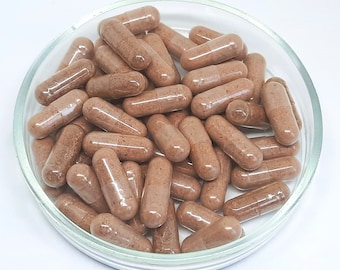
The Ultimate Guide to Japanese yam: Health Benefits and Uses

Introduction to Japanese Yam (Yamaimo and Nagaimo)

The Japanese yam, known botanically under the genus Dioscorea, holds a highly revered position in both the culinary traditions and natural pharmacopeias of East Asia. Unlike typical Western sweet potatoes, which belong to the morning glory family (Convolvulaceae), the true Japanese yam is a member of the Dioscoreaceae family. Most commonly represented by species such as Dioscorea japonica (often called Yamaimo or Jinenjo) and Dioscorea opposita (synonymous with Dioscorea polystachya, widely known as Nagaimo), this root vegetable is unique due to its highly mucilaginous texture and its ability to be consumed raw.

Historically valued as a restorative “strength food” in Japan, China, and Korea, the Japanese yam is classified as a tonic herb of the highest order. It is celebrated for its capacity to increase vitality, support robust digestion, and enhance longevity. Modern nutritional science and pharmacology have begun to validate these traditional assertions, uncovering a complex matrix of bioactive compounds, storage proteins, resistant starches, and steroidal saponins that exert profound therapeutic effects on the human body. This definitive guide explores the botanical properties, biochemical profile, historical medical applications, and scientifically backed health benefits of this remarkable tuber.

Botanical Profile and Varieties of Japanese Yam

To fully understand the therapeutic and culinary versatility of the Japanese yam, one must distinguish between its primary cultivars. The term “Japanese yam” generally encompasses three distinct varieties of the Dioscorea genus, each possessing unique physical traits, growing conditions, and textures:

  • Nagaimo (Dioscorea opposita): This is the most common and widely cultivated variety. It features a long, cylindrical, light-tan root with a high water content and a crisp, watery texture. Because of its high moisture levels, it is slightly less viscous than other varieties, making it highly versatile for grating raw, slicing into salads, or stir-frying.
  • Yamaimo (Dioscorea japonica): Often referred to as the mountain yam, this variety grows wild in the mountainous regions of Japan. It has a lower water content and a significantly stickier, more elastic mucilage when grated. It is highly sought after for its intense flavor and concentrated nutritional density.
  • Jinenjo (Wild Japanese Yam): Considered the king of wild yams, Jinenjo grows deep in mountainous soil and is extremely difficult to harvest. Its root is thin, elongated, and highly concentrated in nutrients, yielding an incredibly thick, sticky paste when grated. Jinenjo is prized as a premium health tonic and culinary delicacy.

A notable botanical feature of the Japanese yam is its vine growth. The plant produces heart-shaped leaves and small, aerial tubers known as mukago (yam berries), which are also edible and nutrient-dense. The underground tuber, however, remains the primary focus of both agriculture and medicine, requiring loose, well-draining, and deep volcanic soil to develop its signature elongated, nutrient-rich roots.

Japanese yam Botanical Photo

The Bioactive Chemistry: What Makes It a Superfood?

The pharmacological efficacy of the Japanese yam is attributed to its rich array of secondary metabolites and structural macromolecules. When the yam is grated or crushed, it undergoes a transformation, releasing a viscous, slimy substance. Far from being a mere culinary curiosity, this mucilage is a complex matrix of glycoproteins, water-soluble polysaccharides, and digestive enzymes that serve vital protective roles within the plant and offer immense therapeutic benefits to the human gastrointestinal tract.

Among the most biologically active compounds found within Dioscorea species is diosgenin. Diosgenin is a naturally occurring steroidal saponin that serves as a precursor for the semi-synthetic production of progesterone, estrogen, cortisone, and other steroid hormones. While the human body cannot directly synthesize hormones from diosgenin in the same manner as a laboratory, clinical studies suggest that diosgenin exerts direct phytoestrogenic, anti-inflammatory, and lipid-lowering effects within biological systems.

Furthermore, Japanese yam contains a highly specialized storage protein known as dioscorin. Dioscorin makes up a substantial portion of the soluble protein content in the tuber. Molecular analyses have revealed that dioscorin possesses potent antioxidant properties, acting as a scavenger of reactive oxygen species (ROS). It also exhibits carbonic anhydrase and trypsin inhibitory activities, which contribute to its immunomodulatory and anti-hypertensive mechanisms in human physiology.

Japanese yam Plant Profile

Historical Context and Traditional Medicine Systems

In Traditional Chinese Medicine (TCM), the dried root of Dioscorea opposita is known as Shan Yao (Chinese Yam). It is classified as an elite herb in the Shennong Ben Cao Jing, a foundational text of Chinese herbalism compiled thousands of years ago. Within this framework, Shan Yao is unique because it simultaneously tonifies both Yin and Yang, addressing deficiencies across three primary meridian systems: the Spleen, Lung, and Kidney.

For the Spleen, Shan Yao is utilized to treat digestive weakness, chronic fatigue, poor appetite, and loose stools by strengthening the digestive fire (Spleen Qi). For the Lungs, it is prescribed to address chronic dry cough, wheezing, and respiratory weakness, owing to its deeply lubricating, demulcent properties. For the Kidneys, it is viewed as an essential tonic to preserve essence (Jing), manage frequent urination, alleviate lower back weakness, and address reproductive issues such as nocturnal emissions or vaginal discharge.

In Japanese Kampo medicine, the yam is utilized in similar ways, frequently incorporated into complex herbal formulations designed to restore metabolic vitality and counteract the degenerative effects of aging. The traditional consumption of raw grated yam (known as Tororo) over hot rice or noodles was intentionally popularized as a functional food therapy to help laborers withstand the oppressive heat and humidity of Japanese summers, promoting rapid recovery from physical exhaustion.

Japanese yam Dried Herb

Deep-Dive into the Health Benefits of Japanese Yam

1. Gastrointestinal Health and Digestive Support

One of the most immediate and palpable benefits of Japanese yam is its soothing effect on the gastrointestinal tract. The mucilage of the yam is rich in soluble dietary fibers and mucopolysaccharides that act as a demulcent. Upon ingestion, this viscous gel forms a protective, anti-inflammatory barrier along the mucosal lining of the esophagus, stomach, and intestines. This protective coating is highly beneficial for individuals suffering from gastrointestinal disorders such as gastritis, peptic ulcers, acid reflux, and inflammatory bowel diseases (IBD) like ulcerative colitis.

Additionally, Japanese yam is exceptionally rich in natural digestive enzymes, particularly amylase and diastase. These enzymes facilitate the efficient breakdown of complex carbohydrates into easily absorbable simple sugars, significantly reducing the digestive burden on the pancreas and stomach. Because it can be consumed raw, these heat-sensitive enzymes remain completely intact and active during ingestion. The high concentration of resistant starch also acts as a potent prebiotic, selectively nourishing beneficial gut bacteria such as Bifidobacteria and Lactobacilli, which in turn produce short-chain fatty acids (SCFAs) like butyrate to support colon health and systemic immunity.

2. Hormonal Regulation, Menopause, and Reproductive Support

The endocrine-modulating properties of Japanese yam have made it a subject of extensive pharmacological research. The steroidal saponin diosgenin plays a central role here. While the human digestive tract does not convert diosgenin into progesterone or DHEA through metabolic pathways, diosgenin interacts directly with estrogen receptors throughout the body, acting as a selective estrogen receptor modulator (SERM). This adaptogenic estrogenic activity helps buffer hormonal fluctuations, providing relief from common menopausal symptoms such as hot flashes, night sweats, mood disturbances, and vaginal dryness.

Furthermore, clinical and animal studies suggest that diosgenin supports ovarian function and may aid in regulating menstrual cycles in premenopausal women. In men, the saponins in Japanese yam have been shown to support healthy testosterone synthesis, improve sperm quality, and enhance overall libido and vitality. By supporting the adrenal glands and helping regulate the hypothalamic-pituitary-adrenal (HPA) axis, Japanese yam acts as an adaptogen, reducing the hormonal imbalances caused by chronic emotional or physiological stress.

3. Glycemic Control and Metabolic Health

Despite being a starchy tuber, Japanese yam is an excellent food choice for metabolic health and blood glucose management. The key to this paradox lies in its structural carbohydrates. The abundant mucilage and soluble fiber significantly delay gastric emptying and slow down the enzymatic hydrolysis of carbohydrates in the small intestine. This results in a slow, sustained release of glucose into the bloodstream, preventing the sharp postprandial insulin spikes associated with highly processed starches.

Scientific studies have also revealed that the active compounds in Dioscorea, particularly diosgenin and specific water-soluble polysaccharides, improve insulin sensitivity at the cellular level. They achieve this by upregulating the expression of glucose transporter 4 (GLUT4) in skeletal muscle and adipose tissues, allowing cells to clear glucose from the blood more efficiently. Additionally, the presence of amylase inhibitors in the yam further modulates carbohydrate digestion, making it a valuable dietary intervention for individuals managing type 2 diabetes or metabolic syndrome.

4. Cardiovascular Protection and Lipid Optimization

The cardiovascular benefits of Japanese yam are multi-faceted, addressing cholesterol management, blood pressure regulation, and vascular health. The soluble fibers and steroidal saponins within the root bind to bile acids and dietary cholesterol in the intestinal lumen, promoting their excretion and reducing the hepatic synthesis of low-density lipoprotein (LDL) cholesterol. This lipotropic action helps maintain a healthy lipid profile, reducing the risk of atherosclerosis and arterial plaque accumulation.

Moreover, the storage protein dioscorin has been shown to exhibit Angiotensin-Converting Enzyme (ACE) inhibitory activity. ACE inhibitors are a primary class of clinical medications used to treat hypertension by relaxing blood vessels and reducing blood volume. By naturally inhibiting this enzyme, dioscorin helps maintain optimal vascular tone and healthy blood pressure levels. The high potassium-to-sodium ratio of the raw tuber further supports this effect, promoting fluid balance and alleviating cardiovascular strain.

5. Immunomodulation and Anti-Inflammatory Effects

Chronic, low-grade inflammation is widely recognized as the underlying driver of most modern degenerative diseases, including arthritis, cardiovascular disease, and neurodegeneration. Japanese yam contains a potent array of anti-inflammatory agents, including dioscorin, allantoin, and various phenolic compounds. Allantoin, in particular, is a well-known cell-proliferant and healing agent that stimulates tissue regeneration and dampens localized inflammatory cascades.

On an immunological level, the bioactive polysaccharides in Japanese yam have been shown to stimulate macrophage activity, enhance phagocytosis, and promote the production of critical immunoglobulins and cytokines. This immunomodulatory effect means that instead of blindly suppressing or over-activating the immune system, the compounds in the yam help tune the immune response—boosting defense mechanisms against viral and bacterial pathogens while simultaneously quelling auto-inflammatory responses that can lead to tissue damage.

Supplemental Forms and Modern Applications

For individuals seeking to harness the therapeutic benefits of Japanese yam without consuming large quantities of the fresh root, the modern health industry offers several highly effective supplemental forms. These preparations allow for standardized dosing of key active ingredients, particularly diosgenin and soluble polysaccharides.

Japanese yam Capsules

Standardized capsules typically contain concentrated extracts of either Dioscorea opposita or Dioscorea villosa (wild yam). These capsules are highly favored for their convenience and targeted efficacy, particularly for managing menopausal symptoms, supporting adrenal health, and reducing systemic inflammation. When choosing a supplement, it is crucial to opt for products that specify their standardization percentage of diosgenin (often ranging from 10% to 20%) to ensure clinical-grade potency. For general wellness, powdered extracts of dried Shan Yao are widely used in custom herbal blends, teas, and smoothies to gently nourish the digestive system and boost daily energy levels.

Culinary Preparation and Traditional Recipes

In Japanese gastronomy, the culinary preparation of the yam is an art form designed to maximize both flavor and therapeutic value. Because of its unique structural properties, it is one of the very few yams that can be consumed raw. Grated raw Japanese yam is known as Tororo. It has a slippery, viscous, and creamy consistency that is incredibly refreshing. It is traditionally seasoned with dashi, soy sauce, and mirin, and then poured over hot barley rice (a dish called Mugitoro) or cold soba noodles (Tororo Soba).

When cooked, the texture of the yam changes dramatically. Sliced and lightly sautéed or grilled, it loses its slipperiness and takes on a delightfully crisp, nutty character similar to a water chestnut. In Japanese home cooking, grated yams are also used as a natural binding agent and rising helper in dishes like Okonomiyaki (savory cabbage pancakes). The addition of the grated root imparts an exceptionally fluffy, airy texture to the batter, replacing the need for excess flour or artificial raising agents while infusing the meal with highly digestible prebiotic fibers.

Dosage, Safety, Side Effects, and Contraindications

When consumed as a whole food, Japanese yam is exceptionally safe and well-tolerated by the vast majority of individuals. However, there are specific practical and physiological considerations to keep in mind, particularly regarding raw handling and therapeutic supplementation:

  • Handling Precautions (Itchiness): The peel and outer flesh of raw Japanese yam contain microscopic needle-like crystals of calcium oxalate (known as raphides). When these crystals come into contact with sensitive skin during peeling or grating, they can cause temporary, intense itching or mild contact dermatitis. To prevent this, it is recommended to wear gloves, or to soak the peeled root in a mild vinegar-and-water solution, which neutralizes and dissolves the oxalate crystals. Cooking or drying the root also completely destroys these raphides.
  • Hormone-Sensitive Conditions: Because diosgenin possesses mild phytoestrogenic properties, individuals with severe hormone-sensitive conditions—such as breast, ovarian, or uterine cancer, endometriosis, or uterine fibroids—should exercise caution when consuming high-dose standardized supplements. While dietary intake is generally safe, concentrated capsules should be discussed with an oncology or endocrine specialist.
  • Suggested Dosages:
    • Fresh Root: 50 to 100 grams daily is a standard, health-promoting culinary serving.
    • Dried Herb (Shan Yao): 9 to 15 grams per day, typically prepared as a decoction or steeped in hot water as a therapeutic tea.
    • Standardized Extract Capsules: 500 to 1000 mg daily of an extract standardized to contain 10-20% diosgenin, ideally split into two doses taken with meals.

Japanese yam Natural Herb

Conclusion: Integrating Japanese Yam into a Modern Wellness Routine

The Japanese yam stands out as a premier example of food as medicine. From its historical status as a restorative mountain tonic to its modern application in digestive, endocrine, and cardiovascular health, this versatile tuber offers a comprehensive suite of benefits. Its rich array of mucopolysaccharides, digestive enzymes, storage proteins like dioscorin, and active saponins like diosgenin work synergistically to support the body’s innate healing and regulatory pathways.

Whether enjoyed raw as a cooling, prebiotic-rich Tororo over grains, added to traditional soups, or taken as a standardized extract capsule for targeted hormonal and anti-inflammatory support, integrating Japanese yam into your wellness routine is a powerful way to promote long-term vitality, robust digestion, and metabolic balance. As modern science continues to unravel the biochemical secrets of this ancient root, its status as a vital superfood remains firmly validated.

Disclaimer: For informational purposes only. Not medical advice. Consult a qualified healthcare professional before use.

The Ultimate Guide to Jasmine: Health Benefits and Uses

The Therapeutic Power of Jasmine: An Exhaustive Scientific and Clinical Deep Dive into Its Bioactive Compounds and Health Benefits

For millennia, the delicate, white blossoms of the genus Jasminum have captivated humanity. Renowned for their intoxicating, sweet fragrance, these climbing shrubs of the olive family (Oleaceae) have occupied a revered position in traditional medicine, religious rituals, and perfumery across Asia, the Middle East, and the Mediterranean. Beyond its olfactory appeal, contemporary ethnobotanical and pharmacological research has begun to systematically uncover the molecular underpinnings of jasmine’s therapeutic efficacy. Far from being a mere sensory indulgence, jasmine exhibits a complex phytochemical matrix capable of modulating neurotransmitter systems, mitigating chronic inflammation, counteracting oxidative stress, and supporting metabolic homeostasis.

This comprehensive guide aims to dissect the biological profile of jasmine, analyzing its primary active constituents, exploring its validated health benefits, tracing its historical usage, and establishing evidence-based guidelines for its modern applications in clinical and domestic wellness settings.

Botanical Profile and Taxonomy of the Jasminum Genus

The genus Jasminum comprises over 200 individual species, native primarily to tropical and subtropical regions of Eurasia, Africa, and Oceania. Among these, two species have attained paramount status in pharmacological and therapeutic research: Jasminum officinale (commonly known as Common Jasmine or Poet’s Jasmine) and Jasminum sambac (Arabian Jasmine). Both species are perennial climbing woody vines characterized by pinnate or simple leaves and salverform, highly aromatic flowers that typically bloom during the cooler hours of late evening and early morning.

Jasmine Botanical Photo

The morphology of these plants dictates their high concentration of volatile essential oils. The delicate petals contain specialized secretory structures that synthesize and store complex mixtures of monoterpenes, sesquiterpenes, and phenylpropanoids. These compounds serve evolutionary purposes, such as attracting nocturnal pollinators and protecting the plant from environmental pathogens and herbivorous insects. When harvested at precise physiological stages, these botanical structures yield the potent extracts utilized in modern clinical and aromatherapeutic applications.

Historical and Cultural Context of Jasmine in Traditional Medicine

The ethnobotanical history of jasmine is rich and geographically diverse. In Ayurveda, the traditional medical system of India, jasmine (referred to as Jati) has been classified as a cooling, soothing herb capable of balancing the Pitta and Kapha doshas. Ancient Sanskrit texts document its application for cooling the blood, healing oral ulcers, soothing ophthalmic inflammation, and alleviating emotional distress. Its topical application in the form of infused oils was a cornerstone of ancient dermatological therapies and wound-healing protocols.

Similarly, Traditional Chinese Medicine (TCM) utilizes the dried buds of Jasminum sambac (known as Mo Li Hua) to regulate the flow of Qi (the vital life force) and clear dampness. In the TCM framework, jasmine is believed to enter the spleen, stomach, and liver meridians. It is frequently prescribed to treat abdominal pain, diarrhea, flatulence, and liver Qi stagnation, which often manifests clinically as anxiety, irritability, and premenstrual syndrome (PMS). In western Asia and Mediterranean antiquity, Greco-Arabic medicine (Unani) utilized jasmine preparations as nervines, aphrodisiacs, and uterine tonics, highlighting its systemic influence on the human nervous and endocrine systems.

Jasmine Dried Herb

Phytochemical Architecture: The Bioactive Compounds of Jasmine

The therapeutic virtues of jasmine are directly attributable to its highly complex phytochemical profile. Through advanced analytical techniques such as Gas Chromatography-Mass Spectrometry (GC-MS) and High-Performance Liquid Chromatography (HPLC), scientists have identified dozens of bioactive compounds working in synergy within jasmine extracts. The most prominent chemical classes found in the plant include:

  • Monoterpenols (mainly Linalool): Linalool is a naturally occurring terpene alcohol known for its profound sedative, anxiolytic, and anti-inflammatory properties. It acts as a primary modulator of central nervous system activity.
  • Esters (Benzyl Acetate and Methyl Anthranilate): Benzyl acetate is the dominant volatile compound responsible for jasmine’s characteristic sweet aroma. Pharmacologically, it has been shown to cross the blood-brain barrier rapidly, exerting soothing and spasmolytic effects.
  • Ketones (Jasmone and Methyl Jasmonate): Jasmones are unique cyclic ketones that serve as potent plant signaling molecules. Research indicates they possess significant immunomodulatory and neuroprotective qualities.
  • Secoiridoid Glucosides (Sambacin, Jasminin, and Sambacosides): These non-volatile compounds, found abundantly in aqueous and ethanolic extracts of jasmine leaves and flowers, exhibit robust antioxidant, antiviral, and cardioprotective actions.
  • Flavonoids and Polyphenols (Quercetin, Kaempferol, and Rutin): These polyphenolic agents scavenge free radicals, inhibit lipid peroxidation, and downregulate pro-inflammatory enzymatic pathways.

Jasmine Plant Profile

Mechanisms of Action: How Jasmine Interacts with Human Physiology

1. Neuropharmacological Modulation and Stress Reduction

One of the most scientifically validated applications of jasmine is its capacity to induce relaxation and mitigate psychological stress. This anxiolytic effect is primarily mediated through the inhalation of its volatile organic compounds, particularly linalool and benzyl acetate. When inhaled, these molecules bind to olfactory receptors, triggering electrical signals that travel directly to the olfactory bulb and the limbic system—the emotional center of the brain.

Neurochemical studies demonstrate that jasmine inhalation enhances the activity of Gamma-Aminobutyric Acid (GABA), the primary inhibitory neurotransmitter in the mammalian central nervous system. By mimicking or potentiating GABAergic transmission, jasmine extracts reduce neuronal excitability, lower the heart rate, and induce a state of physiological tranquility. Furthermore, clinical trials monitoring electroencephalogram (EEG) activity during jasmine aromatherapy show an increase in alpha wave activity, which is directly correlated with alert relaxation and a reduction in autonomic nervous system arousal.

2. Antioxidant Defense and Cellular Protection

Chronic oxidative stress, driven by an imbalance between reactive oxygen species (ROS) and endogenous antioxidant defenses, is a foundational driver of cardiovascular disease, neurodegeneration, and premature cellular aging. Jasmine flowers are rich in polyphenols and secoiridoid glucosides that function as potent free radical scavengers.

These bioactive compounds donate hydrogen atoms to highly reactive free radicals, neutralizing them before they can initiate lipid peroxidation of cell membranes or induce oxidative damage to cellular DNA. In vitro assays demonstrate that aqueous extracts of Jasminum officinale significantly upregulate the expression of endogenous antioxidant enzymes, including Superoxide Dismutase (SOD), Catalase (CAT), and Glutathione Peroxidase (GPx), thereby fortifying the body’s intrinsic cellular defense mechanisms.

3. Anti-Inflammatory and Immunomodulatory Activity

Systemic, low-grade inflammation is closely linked to metabolic syndrome, arthritis, and autoimmune conditions. Phytochemicals present in jasmine, particularly methyl jasmonate and quercetin, have been shown to modulate key inflammatory pathways. Research indicates that these molecules suppress the activation of Nuclear Factor-kappa B (NF-κB), a primary transcription factor that orchestrates the expression of pro-inflammatory cytokines.

By inhibiting NF-κB, jasmine extracts lead to a marked reduction in the synthesis of inflammatory mediators such as Tumor Necrosis Factor-alpha (TNF-α), Interleukin-6 (IL-6), and Interleukin-1 beta (IL-1β). Additionally, jasmine compounds downregulate the activity of Cyclooxygenase-2 (COX-2) and Inducible Nitric Oxide Synthase (iNOS), the enzymes responsible for generating pain and localized inflammatory responses.

4. Antimicrobial and Antiviral Efficacy

With the rise of antibiotic-resistant pathogens, researchers are increasingly looking to botanicals for antimicrobial solutions. Jasmine extracts exhibit broad-spectrum antimicrobial activity against a variety of Gram-positive and Gram-negative bacteria, as well as several pathogenic fungi. Compounds such as linalool and benzyl alcohol disrupt the cell membrane integrity of microorganisms, causing intracellular leakage and subsequent cell death.

Furthermore, isolated secoiridoid glucosides from Jasminum sambac have demonstrated noteworthy antiviral activity against common viral strains, including the Herpes Simplex Virus (HSV) and influenza viruses. This makes jasmine a valuable natural adjunct in supporting the immune system and promoting topical microbial hygiene.

5. Metabolic and Glycemic Regulation

Emerging research suggests that jasmine tea (traditionally green or white tea scented with jasmine blossoms) and concentrated jasmine extracts play a beneficial role in metabolic health. The synergistic action of jasmine’s volatile compounds and tea catechins improves insulin sensitivity and glucose uptake in peripheral tissues. Jasmine extracts have been shown to inhibit alpha-glucosidase and alpha-amylase, the key digestive enzymes responsible for breaking down carbohydrates into glucose. By delaying carbohydrate absorption in the small intestine, jasmine helps prevent postprandial blood glucose spikes, making it an excellent supportive option for individuals managing type 2 diabetes or metabolic syndrome.

Modern Preparations and Applications of Jasmine

To harness the therapeutic properties of jasmine, various preparation methods are utilized depending on the clinical or wellness goal. The most common forms include:

Jasmine Tea (Scented and Infused)

Typically crafted by layering high-quality green or white tea leaves with fresh jasmine blossoms, this beverage allows the tea leaves to absorb the volatile essential oils of the flower. The resulting brew is exceptionally rich in epigallocatechin gallate (EGCG) from the tea base, combined with the relaxing, digestive-soothing compounds of jasmine. It is primarily consumed for cognitive clarity, metabolic support, and gastrointestinal relaxation.

Essential Oils and Absolutes

Due to the delicate nature of jasmine petals, steam distillation is rarely used, as the high heat can destroy the aromatic compounds. Instead, jasmine essential oil is obtained via solvent extraction or modern carbon dioxide (CO2) extraction to produce a highly concentrated “absolute.” This absolute is widely used in clinical aromatherapy, topical formulations, and sensory therapies designed to target anxiety, sleep disturbances, and muscular tension.

Standardized Capsules, Tablets, and Liquid Extracts

For systemic therapeutic applications—such as targeted anti-inflammatory therapy, metabolic regulation, or chronic stress management—clinicians often recommend standardized dietary supplements. These oral preparations provide precise, concentrated doses of active secoiridoids, flavonoids, and terpenes, ensuring consistent therapeutic outcomes that cannot be achieved through tea consumption alone.

Jasmine Capsules

Comparative Phytochemical Profiles: Jasminum officinale vs. Jasminum sambac

While sharing many therapeutic qualities, the two primary species of jasmine exhibit unique chemical signatures that dictate their specific clinical applications:

Jasminum officinale (Poet’s Jasmine)

  • Primary Bioactive Compounds: High concentration of linalool, benzyl acetate, and phytol.
  • Primary Therapeutic Focus: Central nervous system support, profound sedation, anxiety mitigation, and sleep architecture enhancement.
  • Common Clinical Use: Clinical aromatherapy for panic disorders, insomnia, and nervous exhaustion.

Jasminum sambac (Arabian Jasmine)

  • Primary Bioactive Compounds: Rich in secoiridoid glucosides (sambacosides), methyl anthranilate, and robust polyphenols.
  • Primary Therapeutic Focus: Immunomodulation, cardiovascular protection, metabolic support, and antimicrobial activity.
  • Common Clinical Use: Internal herbal extracts, digestive tonics, skin-healing ointments, and glycemic-control formulations.

Dosage Guidelines, Safety Profile, and Contraindications

When incorporating jasmine into a wellness regimen, understanding proper dosage and safety boundaries is critical to preventing adverse reactions and optimizing therapeutic efficacy.

Jasmine Natural Herb

Suggested Dosage Guidelines

  • Jasmine Tea: 1 to 3 cups daily, brewed by steeping 1–2 teaspoons of high-quality loose-leaf jasmine tea in hot water (approx. 80°C/176°F) for 3 to 5 minutes. Consuming it after meals can optimize its digestive and insulin-sensitizing benefits.
  • Jasmine Essential Oil (Aromatherapy): 3 to 5 drops in an ultrasonic cold-mist diffuser for active inhalation therapy, limited to 30-to-60-minute sessions to prevent olfactory fatigue.
  • Topical Application: Jasmine absolute must always be diluted in a suitable carrier oil (such as jojoba, sweet almond, or argan oil) at a concentration of 1% to 2% (approximately 6 to 12 drops of jasmine absolute per ounce of carrier oil).
  • Oral Supplements (Capsules/Extracts): Dosages vary based on extract concentration. Standardized formulations typically range from 250 mg to 500 mg per day of dry extract, taken under the guidance of a qualified healthcare practitioner.

Safety Considerations and Toxicology

Jasmine is generally recognized as safe (GRAS) by major food and health regulatory bodies when consumed in dietary amounts. However, certain safety protocols must be observed:

  • Pregnancy and Lactation: While the moderate consumption of jasmine tea is generally considered safe, high-dose jasmine supplements and concentrated essential oil applications should be avoided during pregnancy. Historically, jasmine has been utilized as an emmenagogue (a substance that stimulates blood flow in the pelvic area and uterus) and may stimulate mild uterine contractions.
  • Allergenic Potential: Jasmine absolute contains naturally occurring compounds like benzyl alcohol and linalool, which are known contact allergens. A 24-hour patch test is highly recommended prior to applying any jasmine-infused topical formulation to sensitive skin areas.
  • Inhalation Sensitivity: Individuals with hyper-reactive airways, asthma, or severe respiratory allergies should use caution when initiating jasmine aromatherapy, as strong botanical scents can occasionally trigger bronchospasms in sensitive populations.

Conclusion: The Future of Jasmine in Integrative Medicine

Jasmine is far more than an exquisite ornamental plant with a legendary aroma. Modern science continues to validate what ancient medical traditions have asserted for centuries: that the chemical matrix of Jasminum possesses profound healing capabilities. From its GABA-mediated anxiolytic properties to its powerful antioxidant, anti-inflammatory, and metabolic-regulating actions, jasmine stands out as a versatile therapeutic agent in integrative medicine.

As pharmacology moves toward natural, multi-target botanical therapies, jasmine remains a highly promising candidate for further clinical research. Whether enjoyed as a comforting cup of antioxidant-rich tea, utilized in clinical aromatherapy to reduce chronic stress, or taken as a standardized extract for cellular health, jasmine represents a bridge between sensory pleasure and evidence-based clinical wellness.

Disclaimer: For informational purposes only. Not medical advice. Consult a qualified healthcare professional before use.

The Ultimate Guide to Thyme Herb: Health Benefits and Uses

The Ultimate Guide to Thyme Herb: Science, Health Benefits, and Practical Applications

Thyme (Thymus vulgaris), a resilient, aromatic subshrub belonging to the mint family (Lamiaceae), has transitioned over millennia from a sacred temple incense and ancient embalming agent to one of the most thoroughly researched therapeutic herbs in modern phytotherapy. While long celebrated for its contributions to global culinary traditions, contemporary scientific investigations have unveiled a sophisticated chemical blueprint within thyme that supports respiratory health, exhibits potent antimicrobial properties, modulates systemic inflammation, and provides robust antioxidant defense. This comprehensive, evidence-based guide explores the historical legacy, botanical profile, bioactive compounds, clinical benefits, and practical applications of this extraordinary medicinal herb.

The Historical Legacy and Ethnobotanical Roots of Thyme

The therapeutic utilization of thyme spans several of the world’s most influential ancient civilizations. The name “thyme” is believed to derive from the Greek word thymon, meaning “to fumigate” or “to offer incense,” reflecting its ancient use as a purifying agent. In ancient Egypt, thyme was a vital component of the complex chemical mixtures used for mummification. The high concentration of volatile monoterpenes—most notably thymol—acted as a natural preservative, preventing microbial decay and organic decomposition, an early recognition of the plant’s powerful antimicrobial properties.

In classical Greece, thyme was synonymous with physical strength, vigor, and courage. Soldiers bathed in thyme infusions prior to battle, and its presence in temples was thought to cleanse the spirit and physical environment. The Greek physician Hippocrates, often regarded as the father of modern medicine, documented thyme’s therapeutic utility as an expectorant and respiratory aid, prescribing it for chest congestion and respiratory distress.

Thyme Herb Dried Herb

Throughout the Middle Ages, the ethnobotanical importance of thyme continued to expand. It was commonly placed under pillows to ward off nightmares and facilitate restful sleep, while ladies-in-waiting embroidered sprigs of thyme onto the tunics of knights to instill bravery. During the devastating European plague outbreaks, thyme was burned in public squares to purify the air and worn in protective satchels around the neck. Though medieval populations lacked knowledge of germ theory, their empirical observations of thyme’s protective, airborne disinfecting qualities were remarkably accurate, driven by the volatile essential oils that actively combat airborne pathogens.

Botanical Profile, Taxonomy, and Cultivation of Thymus vulgaris

Taxonomically, the genus Thymus comprises over 300 species of perennial herbaceous plants and subshrubs. Among these, Thymus vulgaris (common thyme) remains the primary species utilized for medicinal and culinary applications. Characterized by its low-growing, woody, and highly branched habit, the plant typically reaches heights of 15 to 30 centimeters. Its leaves are small, narrow, elliptical to linear, and arranged oppositely along the square, pubescent stems. The leaf margins are distinctly revolute (curled downward), and the underside of each leaf is covered in a dense layer of tiny, glandular trichomes (plant hairs) that contain the plant’s highly concentrated essential oil.

Thyme Herb Botanical Photo

Thyme produces small, bilabiate flowers ranging in color from pale lavender to deep pinkish-purple, which bloom in dense terminal clusters during the late spring and summer. These flowers are highly attractive to pollinators, particularly honeybees, yielding a distinctively fragrant and medicinally active honey. Native to the arid, rocky soils of the Mediterranean basin, Thymus vulgaris is uniquely adapted to survive in harsh, drought-prone environments. It thrives in well-drained, alkaline, or sandy soils and requires full sun exposure to optimize the synthesis of its volatile secondary metabolites. The stress of dry, sunny conditions actually stimulates the plant to produce higher concentrations of its protective essential oils, enhancing its therapeutic potency.

Phytochemical Composition: The Molecular Architecture of Thyme

The pharmacological efficacy of thyme is directly attributable to its complex, synergistic matrix of secondary metabolites. The plant’s therapeutic profile is dictated not by a single compound, but by a diverse array of volatile monoterpenes, flavonoids, and phenolic acids located primarily within the glandular trichomes of the leaves.

Thyme Herb Plant Profile

1. Volatile Monoterpenes: Thymol and Carvacrol

The principal active constituents of thyme essential oil are the isomeric monoterpene phenols thymol (2-isopropyl-5-methylphenol) and carvacrol (5-isopropyl-2-methylphenol). Depending on the specific chemotype (chemical race) of the plant, environmental factors, and harvest timing, thymol can comprise up to 50% to 70% of the total essential oil content. Both thymol and carvacrol possess profound hydrophobic properties, allowing them to readily integrate into and disrupt the lipid-rich cell membranes of pathogenic bacteria, fungi, and parasites. This membrane permeabilization leads to the leakage of critical intracellular contents, the collapse of the cellular proton-motive force, and subsequent cell death.

2. Flavonoids and Polyphenols

Beyond its volatile oils, thyme is rich in non-volatile polyphenolic compounds. These include prominent flavonoids such as luteolin, apigenin, and thymonin. These flavonoids act as powerful systemic antioxidants, scavenging reactive oxygen species (ROS), chelating transition metal ions, and inhibiting lipid peroxidation. Apigenin and luteolin have also been shown to modulate key inflammatory pathways, including the inhibition of nuclear factor-kappa B (NF-κB) and cyclooxygenase-2 (COX-2) enzymes, thereby reducing the production of pro-inflammatory cytokines.

3. Phenolic Acids

The most abundant phenolic acid in thyme is rosmarinic acid, a caffeic acid ester. Rosmarinic acid is highly bioavailable and exhibits robust anti-inflammatory, antiviral, and neuroprotective properties. It works synergistically with the flavonoid content of thyme to protect cellular DNA from oxidative damage, stabilize cell membranes, and modulate the immunological response to chronic stressors.

Comprehensive Therapeutic and Health Benefits of Thyme

Driven by its diverse chemical profile, thyme acts as a multi-system therapeutic agent. Decades of in vitro, in vivo, and clinical studies have validated its efficacy across several major physiological pathways.

1. Advanced Respiratory Support and Bronchodilation

Thyme has long been clinically recognized for its therapeutic efficacy in managing respiratory tract infections, acute bronchitis, pertussis, and chronic asthma. The spasmolytic (muscle-relaxing) action of thyme is primarily mediated by thymol and carvacrol, which act as natural calcium channel blockers in tracheal smooth muscle cells. By inhibiting the influx of extracellular calcium ions into these cells, thyme prevents the muscle contractions that lead to bronchospasm, thereby promoting bronchodilation and easing breathing.

Furthermore, thyme acts as a powerful secretomotoric and secretolytic agent. It stimulates the ciliary activity of the respiratory tract’s epithelial lining, accelerating the upward movement of mucus (mucociliary clearance). Simultaneously, it thins thick, tenacious bronchial secretions, making coughs more productive and facilitating the rapid expulsion of pathogens and cellular debris from the respiratory tree. Clinical trials have demonstrated that combinations of thyme and ivy (Hedera helix) extract significantly reduce the severity and frequency of cough fits in patients suffering from acute bronchitis, showing efficacy comparable to synthetic antitussive drugs but with an outstanding safety profile.

2. Broad-Spectrum Antimicrobial and Antifungal Efficacy

The emergence of multi-drug resistant (MDR) bacterial strains has led researchers back to botanical antimicrobials, with thyme standing at the forefront of this scientific inquiry. Thymol and carvacrol exhibit remarkable bactericidal activity against both Gram-positive and Gram-negative pathogens, including Staphylococcus aureus (including MRSA strains), Streptococcus pneumoniae, Escherichia coli, Klebsiella pneumoniae, and Pseudomonas aeruginosa. Because thyme’s active compounds target multiple sites on the bacterial cell wall and membrane simultaneously, bacteria are highly unlikely to develop resistance to them.

In addition to its antibacterial qualities, thyme is a potent antifungal agent. It effectively inhibits the growth and morphological transition of Candida albicans, a common opportunistic yeast responsible for mucosal and systemic infections. Thymol disrupts the structural integrity of fungal cell walls by interfering with ergosterol synthesis, a vital component of fungal membranes. This makes thyme preparations highly beneficial for topical applications in dermatophytosis (such as athlete’s foot and ringworm) and oral thrush.

3. Cardiovascular Protection and Blood Pressure Regulation

Emerging scientific literature suggests that thyme plays a supportive role in cardiovascular health. Animal and laboratory models have shown that wild thyme extracts can significantly reduce heart rate and peripheral vascular resistance, leading to a reduction in systemic blood pressure. This antihypertensive effect is believed to be mediated by the vasorelaxant properties of thyme’s polyphenols, which promote the release of nitric oxide—a natural vasodilator—from the vascular endothelium.

Additionally, the high concentration of antioxidants in thyme helps mitigate the oxidation of low-density lipoprotein (LDL) cholesterol. The oxidation of LDL is a primary initiating factor in the development of atherosclerosis (hardening of the arteries). By preventing this oxidative modification, thyme helps preserve arterial elasticity, reduce plaque formation, and lower the long-term risk of myocardial infarction and stroke.

4. Gastrointestinal Health and Microbiome Optimization

Thyme exerts a carminative, spasmolytic, and antimicrobial influence on the gastrointestinal tract. It stimulates the secretion of digestive enzymes, gastric juices, and bile, optimizing nutrient breakdown and absorption. Its spasmolytic action on gastrointestinal smooth muscle helps alleviate painful abdominal cramping, flatulence, and bloating.

Moreover, thyme’s selective antimicrobial properties make it a valuable tool in managing dysbiosis and Small Intestinal Bacterial Overgrowth (SIBO). While toxic to pathogenic organisms such as Helicobacter pylori (the bacterium responsible for peptic ulcers) and Clostridium difficile, thyme appears to be gentler on beneficial lactic acid bacteria within the gut microbiome. Rosmarinic acid also provides a protective barrier for the gastric mucosa, reducing the inflammatory cascade associated with gastritis and ulcerative conditions.

5. Immunomodulation and Antioxidant Defense

Chronic, low-grade inflammation and oxidative stress are the underlying drivers of nearly all modern chronic diseases, including neurodegeneration, metabolic syndrome, and autoimmune disorders. Thyme acts as a systemic shield against these processes. The flavonoids luteolin and apigenin directly suppress the activation of the NLRP3 inflammasome, a multiprotein complex responsible for triggering cellular inflammatory responses.

Concurrently, thyme active constituents upregulate the body’s endogenous antioxidant response element (ARE) pathway via the activation of nuclear factor erythroid 2-related factor 2 (Nrf2). This master genetic switch increases the cellular production of crucial protective enzymes, including superoxide dismutase (SOD), catalase, and glutathione peroxidase, equipping cells to handle environmental toxins, metabolic byproducts, and physical stress with greater resilience.

Modern Pharmaceutical Formulations, Capsules, and Supplements

As the scientific validation of thyme has matured, the natural product industry has developed sophisticated extraction methods to deliver standardized therapeutic doses of the herb. While traditional tea infusions remain highly beneficial, modern standardized capsules and liquid supplements offer clinical precision and convenience.

Thyme Herb Capsules

Standardized thyme capsules typically feature dry extracts of the leaves, formulated to guarantee a specific concentration of active volatile markers, primarily thymol and carvacrol, or total phenolic content. These capsules allow for target-specific delivery, ensuring that the volatile monoterpenes are protected from degradation in the acidic environment of the stomach and can be systematically absorbed in the small intestine. This is particularly advantageous when addressing systemic issues such as intestinal dysbiosis, vascular inflammation, or chronic bronchial congestion.

For individuals who find the strong, pungent taste of raw thyme or liquid thyme extracts unpalatable, encapsulated supplements provide an odorless and tasteless alternative. When choosing a thyme supplement, it is crucial to select products that utilize high-performance liquid chromatography (HPLC) testing to verify chemical potency and ensure the product is free from heavy metals, pesticides, and microbial contaminants. These clean, highly concentrated formulations make it possible to achieve therapeutic plasma concentrations of thymol and its metabolites that would be difficult to replicate through culinary consumption alone.

Practical Culinary Integration, Tea Preparation, and Dosages

Incorporating thyme into daily life can be achieved through various traditional and modern methods, depending on the therapeutic objective. Below are the most effective ways to utilize this versatile herb:

1. Standard Medicinal Thyme Infusion (Tea)

To support respiratory health, soothe a sore throat, or aid digestion, a standard hot infusion is highly effective. Because the therapeutic compounds in thyme are highly volatile, the preparation method must prevent these oils from escaping in the steam.

  • Ingredients: 1 to 2 teaspoons of high-quality dried thyme leaves (or 1 tablespoon of fresh thyme).
  • Instructions: Place the herb in a mug and pour 250 ml (about 8 ounces) of freshly boiled water (ideal temp: 95°C/203°F) directly over the leaves.
  • Critical Step: Immediately cover the mug with a lid or saucer to trap the evaporating volatile oils. Allow the mixture to steep covered for 10 to 15 minutes.
  • Consumption: Strain the leaves and drink warm. For respiratory support, inhaling the steam from the cup before drinking provides localized bronchodilation and antimicrobial action. This tea can be consumed 3 to 4 times daily.

Thyme Herb Natural Herb

2. Culinary Integration

In the culinary arts, thyme is a cornerstone of Mediterranean cuisine, forming the backbone of spice blends like French Herbes de Provence and Middle Eastern Za’atar. It pairs exceptionally well with roasted root vegetables, lean meats, stews, and tomato-based sauces. Adding thyme to cooking not only enhances flavor but also serves a functional role: when cooking meats at high temperatures, the antioxidant compounds in thyme actively inhibit the formation of heterocyclic amines (HCAs), which are carcinogenic compounds that form during high-heat grilling.

3. Guidelines for Therapeutic Dosages

While individual requirements may vary based on health status and clinical goals, standard herbal dosing guidelines are as follows:

  • Dried Herb (for Infusion): 1 to 2 grams of dried herb per cup of water, up to four times daily.
  • Fluid Extract (1:1 in 25% ethanol): 1 to 2 ml, taken three times daily in water.
  • Tincture (1:5 in 45% ethanol): 2 to 6 ml, taken three times daily.
  • Standardized Capsules: Follow the manufacturer’s specific instructions, typically ranging from 250 mg to 500 mg, standardized to thymol content, taken 1 to 2 times daily.

Toxicology, Safety, Contraindications, and Drug Interactions

Thyme is classified as Generally Recognized as Safe (GRAS) by the United States Food and Drug Administration (FDA) when consumed in typical dietary quantities. However, when transitioning to concentrated therapeutic doses, certain safety parameters must be observed.

1. Contraindications and Special Populations

  • Pregnancy and Lactation: While culinary consumption of thyme is entirely safe during pregnancy, therapeutic doses, concentrated extracts, and thyme essential oil must be strictly avoided. Thyme has historical use as an emmenagogue (a substance that stimulates menstrual flow) and possesses uterine-stimulating properties that could potentially increase the risk of miscarriage or early labor.
  • Bleeding Disorders: Thyme contains compounds that can slow blood clotting. Due to this antiplatelet activity, individuals with bleeding disorders or those scheduled for elective surgical procedures should discontinue high-dose thyme supplements at least two weeks prior to surgery to minimize the risk of excessive bleeding.
  • Hormone-Sensitive Conditions: Some in vitro studies suggest that thyme may exhibit mild estrogenic activity. Individuals with uterine fibroids, endometriosis, or hormone-sensitive cancers (such as breast, ovarian, or uterine cancers) should exercise caution with concentrated supplements.

2. Essential Oil Safety Warning

It is crucial to differentiate between thyme herbal preparations (teas, extracts, capsules) and pure thyme essential oil. Thyme essential oil is an incredibly concentrated phytochemically active liquid containing extremely high percentages of thymol and carvacrol. It is highly dermacaustic (capable of burning skin) and can cause severe mucosal irritation and systemic toxicity if ingested. Thyme essential oil should never be taken internally without direct supervision from a qualified clinical aromatherapist or medical professional. For topical applications, it must always be diluted in a suitable carrier oil (such as jojoba or sweet almond oil) to a concentration of no more than 1% to 2% to prevent contact dermatitis.

3. Potential Drug Interactions

  • Anticoagulant/Antiplatelet Medications: High-dose thyme may interact synergistically with blood thinners (such as warfarin, aspirin, clopidogrel, and heparin), potentially increasing the risk of bruising and bleeding.
  • Anticholinergic and Cholinergic Drugs: Thyme may affect acetylcholinesterase activity, which could theoretically interfere with medications used for Alzheimer’s disease (such as donepezil) or glaucoma medications.

Conclusion

Thyme (*Thymus vulgaris*) stands as a profound testament to the power of botanical medicine, seamlessly bridging ancient ethnobotanical wisdom with rigorous modern clinical science. Its diverse phytochemical matrix—anchored by the powerful therapeutic properties of thymol, carvacrol, rosmarinic acid, and key flavonoids—provides holistic support for the respiratory, cardiovascular, digestive, and immune systems.

Whether utilized as a comforting, aromatic hot tea for acute respiratory relief, integrated regularly into culinary creations to lower inflammation, or taken as a standardized high-potency capsule for targeted antimicrobial support, thyme remains an indispensable ally in the pursuit of natural, vibrant health. As scientific research continues to unravel its molecular capabilities, this humble Mediterranean subshrub solidifies its position as a cornerstone of preventive and therapeutic medicine.

Disclaimer: For informational purposes only. Not medical advice. Consult a qualified healthcare professional before use.

The Ultimate Guide to Horsetail /Shavegrass: Health Benefits and Uses

Introduction to Horsetail (Equisetum arvense)

Horsetail, taxonomically known as Equisetum arvense and frequently referred to by its common name Shavegrass, is one of the most anatomically unique and biochemically complex botanicals used in traditional and modern herbal medicine. It is a living relic of the prehistoric world, representing the sole surviving genus of the class Equisetopsida. During the Carboniferous period, nearly 350 million years ago, giant treelike relatives of modern horsetail dominated the global flora, reaching heights of over one hundred feet. Today, this perennial, non-flowering herbaceous plant persists across the temperate, arctic, and moist regions of the Northern Hemisphere, carrying with it an extraordinary evolutionary legacy and an unparalleled concentration of bioavailable minerals.

The common name “Shavegrass” stems from the historical and practical use of the plant’s sterile stems, which are exceptionally rich in silica. Before the advent of modern abrasive cleaning materials, artisans, metalworkers, and homemakers used dried horsetail stems to polish pewter, copper, brass, and fine wooden furniture. The plant’s high mineral density provides a natural, micro-abrasive texture that effectively cleanses without scratching surfaces. In the realm of health and medicine, this same dense mineral matrix, coupled with a highly complex array of secondary metabolites, renders horsetail an invaluable therapeutic agent for structural, metabolic, and systemic health.

Botanical Characteristics and Evolutionary Morphology

Botanically, Equisetum arvense is a spore-producing vascular plant that reproduces via spores rather than seeds. It exhibits a striking dimorphism, producing two entirely distinct types of stems during its annual lifecycle. In early spring, the plant sends up fertile, non-photosynthetic stems that are fleshy, pale brown to off-white, and terminate in a spore-bearing cone known as a strobilus. These fertile stems lack leaves and branches, relying on stored nutrients within the extensive, deep-running rhizome system to support spore dissemination.

Once the fertile stems wither and disperse their spores, the sterile, photosynthetic vegetative stems emerge in late spring and persist until the first hard frosts of winter. These sterile stems are characterized by their bright green color, jointed hollow segments, and whorls of needle-like leaves that radiate from the nodes, giving the plant the characteristic appearance of a horse’s tail. These sterile stems are the primary source of medicinal preparations, harvested during their peak vigor in mid-to-late summer when their silica and flavonoid concentrations reach their maximum pharmacological potency.

Horsetail /Shavegrass Botanical Photo

The subterranean architecture of horsetail is equally remarkable. Its rhizomes can penetrate the soil to depths of over six feet, allowing the plant to access deep mineral reserves that are entirely out of reach for shallow-rooted vegetation. This deep-mining capability explains why horsetail is such an exceptional bio-accumulator of trace minerals, particularly silicic acid, which it draws up from the earth and polymerizes into a resilient crystalline lattice within its cell walls. This structurally reinforcing silica deposit provides the plant with its structural rigidity and acts as a physical defense mechanism against herbivorous insects and pathogenic fungi.

Historical Context and Traditional Medicine Systems

The therapeutic utilization of horsetail spans millennia and is documented across diverse historical medical traditions. Ancient Greek and Roman physicians, including Dioscorides, Galen, and Pliny the Elder, widely prescribed horsetail for its profound hemostatic (blood-stopping) properties. Pliny noted that the plant possessed such extraordinary astringency that merely holding it in one’s hand could help stem hemorrhages and epistaxis (nosebleeds). It was also extensively utilized in Greco-Roman medicine to treat chronic pulmonary conditions, kidney disorders, and persistent wounds.

In traditional European herbalism, horsetail was classified as a cold, dry, and highly astringent herb. It was primary to the treatment of urinary incontinence, cystitis, urethritis, and nocturnal enuresis in children. Renowned European herbalists like Nicholas Culpeper recommended horsetail decoctions to heal ruptured membranes, quiet inflammatory joint conditions, and encourage the knitting of fractured bones. Its ability to dry up excess catarrh, stop internal bleeding, and strengthen the structural “integrity” of the body’s tissues made it a cornerstone of monastic medicine and folk practices alike.

Horsetail /Shavegrass Dried Herb

Native American tribes, including the Cherokee, Chippewa, and Potawatomi, utilized indigenous species of Equisetum for a wide variety of therapeutic applications. Infusions of the plant were administered as powerful diuretics to flush the urinary tract, resolve painful urination, and support prostate health. Additionally, topical washes made from the boiled herb were applied to slow-healing ulcers, burns, fractures, and skin eruptions to accelerate tissue regeneration and prevent secondary infections. This cross-cultural consensus across centuries underscores the reliable efficacy of horsetail in supporting tissue repair and fluid balance.

Phytochemical Profile: The Science Behind the Synergy

The physiological efficacy of horsetail is not attributable to a single compound, but rather to a complex, synergistic matrix of organic minerals, flavonoids, phenolic acids, and alkaloids. To understand how horsetail acts upon human physiology, one must dissect its primary active constituents:

  • Bioavailable Silica (Silicic Acid): Unlike the inorganic silica found in quartz or sand, horsetail contains exceptionally high concentrations of water-soluble, bioavailable silicic acid ($H_4SiO_4$). This compound is easily absorbed by the human digestive tract, providing the fundamental raw material required for the synthesis of collagen, elastin, and glycosaminoglycans, which form the structural framework of connective tissues.
  • Flavonoids: Horsetail is rich in antioxidant flavonoids, including quercetin, kaempferol, luteolin, apigenin, and their glycoside derivatives (such as equisethrin). These compounds are potent free radical scavengers that inhibit lipid peroxidation, protect vascular endothelia, and modulate the inflammatory cascade by downregulating pro-inflammatory enzymes.
  • Phenolic Acids: Chlorogenic acid, chicoric acid, and caffeic acid esters are abundant in the plant. These polyphenols contribute to the herb’s robust antioxidant, hepatoprotective, and antimicrobial activities, helping to safeguard cellular structures from oxidative degradation.
  • Saponins: Phytochemical analyses reveal the presence of equisetonin, a unique saponin that assists in emulsifying fat-soluble substances, enhancing the bioavailability of other nutrients, and supporting the plant’s mild antimicrobial properties.
  • Alkaloids: Minor amounts of alkaloids, including nicotine, palustrine, and palustrinine, are present in certain chemotypes of Equisetum. While these occur in trace, non-toxic concentrations in Equisetum arvense, they play a subtle role in modulating neurological and neuromuscular pathways.
  • Minerals and Electrolytes: Beyond silica, the herb is a dense reservoir of potassium, calcium, manganese, magnesium, iron, sulfur, and phosphorus. The high potassium-to-sodium ratio is particularly crucial, as it drives the plant’s notable diuretic action without inducing potassium depletion.

Horsetail /Shavegrass Plant Profile

Comprehensive Health Benefits and Mechanisms of Action

1. Structural Integrity: Bone Mineral Density and Osteogenesis

One of the most biologically significant applications of Equisetum arvense is its role in promoting osteogenesis and maintaining bone mineral density. Bone is a dynamic tissue constantly undergoing remodeling through the balanced activities of bone-resorbing osteoclasts and bone-forming osteoblasts. Silica is a foundational element in this process. It is highly concentrated in the active growth areas of young bones, where it acts as a stabilizing agent for the deposition of calcium and phosphorus onto the collagenous bone matrix.

Research indicates that dietary silica from horsetail stimulates the proliferation of osteoblasts while simultaneously suppressing the activity of osteoclasts. By enhancing the synthesis of Type I collagen—the primary protein matrix of bone tissue—silica provides the flexible scaffolding required to prevent bones from becoming brittle. Without adequate silica, calcium cannot be efficiently incorporated into the bone matrix, leading to reduced bone density and an elevated risk of osteopenia and osteoporosis. Horsetail supplementation therefore acts as a critical biological co-factor, improving bone tensile strength and accelerating the healing of skeletal fractures.

2. Dermatological, Trichological, and Ungual Health

The connection between horsetail and the health of hair, skin, and nails is deeply rooted in its high silica and antioxidant content. Hair shafts and nails are composed primarily of keratin, a fibrous structural protein that relies on disulfide bonds and mineral cross-linking for its strength, elasticity, and resistance to environmental damage. Silica is a key component of the hair shaft; a higher silica content in the hair results in a lower rate of shedding, increased tensile strength, and enhanced luster.

When consumed internally or applied topically as a rinse, horsetail extracts deliver orthosilicic acid directly to the hair follicles, optimizing microcirculation and promoting the delivery of vital nutrients. For the nails, horsetail is a classic remedy for brittle nail syndrome (onychoschizia). It strengthens the nail plate, reduces splitting, prevents horizontal ridges, and boosts resistance to fungal infections. In skin health, the silica in horsetail is crucial for the optimal synthesis of collagen and elastin. By maintaining the integrity of the extracellular matrix, it supports skin elasticity, accelerates wound healing, reduces the appearance of fine lines, and helps soothe inflammatory skin conditions like eczema and psoriasis.

3. Aquaretic and Urinary Tract Support

Unlike synthetic loop diuretics that can cause dangerous depletions of vital electrolytes (particularly potassium), horsetail is classified as an “aquaretic.” It promotes the excretion of water from the body without significantly altering the excretion of essential electrolytes. This specialized diuretic effect is primarily mediated by the plant’s high mineral salts (especially potassium) and active flavonoids, which gently stimulate renal filtration and increase urine volume.

This aquaretic action is highly beneficial for flushing pathogenic bacteria, inflammatory debris, and microscopic crystals out of the urinary tract. Consequently, horsetail is widely used as an adjunctive treatment for acute and chronic cystitis, urethritis, and benign prostatic hyperplasia (BPH). By increasing urinary flow, it reduces the residence time of bacteria in the bladder, thereby preventing the colonization of the urinary mucosa. Furthermore, its natural astringent and anti-inflammatory properties soothe irritated mucosal linings, alleviating the burning sensations often associated with urinary tract infections.

4. Wound Healing, Hemostasis, and Tissue Regeneration

The traditional reputation of horsetail as a premier wound-healing agent is supported by modern pharmacological insights into its astringent and collagen-boosting mechanisms. The high concentration of silica and tannins in the plant exerts a localized styptic and hemostatic effect when applied to minor cuts, nosebleeds, and ulcers. Tannins precipitate proteins on the surface of damaged tissues, forming a protective, antimicrobial barrier that seals capillaries and stops localized bleeding.

Simultaneously, the bioavailable silica accelerates the proliferative phase of wound healing. It stimulates fibroblasts to produce collagen and glycosaminoglycans, which are essential for forming healthy granulation tissue and re-epithelializing damaged skin. Horsetail extracts also exhibit significant anti-inflammatory and antiseptic activities, keeping the wound bed clean, reducing swelling, and minimizing the risk of scar tissue formation. This dual action of stopping bleeding while actively rebuilding tissue makes it highly valuable for treating slow-healing skin ulcers, bedsores, and post-surgical incisions.

5. Antioxidant and Immunomodulatory Protection

Chronic oxidative stress and low-grade systemic inflammation are major drivers of cellular aging, cardiovascular decline, and degenerative joint diseases. Horsetail contains a rich array of polyphenols and flavonoids that act as powerful endogenous antioxidant boosters. These molecules directly neutralize reactive oxygen species (ROS), quench free radicals, and inhibit the activity of pro-inflammatory enzymes such as cyclooxygenase (COX) and lipoxygenase (LOX).

By modulating these inflammatory pathways, horsetail helps mitigate tissue destruction in chronic conditions like rheumatoid arthritis and osteoarthritis. Its immunomodulatory properties help regulate the body’s inflammatory response, preventing runaway inflammation while supporting the immune system’s natural defense mechanisms. Additionally, the plant’s active constituents have demonstrated mild antimicrobial and antifungal activities, protecting the body against a broad spectrum of environmental pathogens.

Commercial Forms, Supplements, and Standardized Extracts

For individuals seeking to incorporate the therapeutic virtues of horsetail into their health regimens, the modern natural product industry offers several delivery systems. Choosing the appropriate form depends on the specific health objective and the desired bioavailability of the active compounds.

Horsetail /Shavegrass Capsules

Standardized Capsules and Dry Extracts: This is one of the most reliable and convenient methods for therapeutic dosing, particularly for bone mineralization and hair, skin, and nail support. High-quality capsules contain dry powder standardized to guarantee a specific percentage of organic silica (often ranging from 7% to 10% silica). Standardized extracts ensure consistent, concentrated delivery of the active orthosilicic acid without requiring the consumption of large volumes of liquid infusions.

Teas, Decocts, and Dried Herb Infusions: For those preferring traditional preparation methods, loose dried horsetail is widely available. Because silica is tightly bound within the plant’s fibrous cell walls, a simple hot water steep (like a typical tea) is often insufficient to extract the full mineral content. To unlock the bioavailable silica, a decoction is recommended. This involves boiling the dried herb in water for 20 to 30 minutes, allowing the mineral crystals to dissolve into the liquid. This mineral-rich decoction can be consumed warm or cooled and used as a nutritive hair rinse or topical compress.

Liquid Tinctures and Glycerites: Hydroethanolic extracts (tinctures) are excellent for capturing the plant’s soluble flavonoids, phenolic acids, and trace minerals. Tinctures offer rapid systemic absorption and are highly stable. They are particularly favored for targeted urinary tract support and quick administration, though they may contain lower concentrations of the heavy structural silica compared to a properly prepared hot-water decoction or standardized dry extract capsule.

Dosage Guidelines and Practical Application

While horsetail is generally highly tolerated, achieving optimal therapeutic outcomes requires adhering to established, evidence-based dosage guidelines. The table below outlines typical daily parameters across different preparations:

Preparation Type Recommended Dosage Primary Indications
Standardized Dry Extract (7% Silica) 300 mg to 600 mg, taken 2–3 times daily with meals Bone density support, nail strengthening, skin elasticity, hair growth
Herbal Decoction (Boiled Tea) 2 to 4 grams of dried herb boiled in 150ml water for 25 mins, thrice daily Urinary tract flushing, mild edema, throat gargle, topical wound compress
Liquid Tincture (1:5 ratio) 2 ml to 4 ml (approx. 40–80 drops), taken 3 times daily in water Acute urinary discomfort, systemic antioxidant support, general tonic
Topical Hair & Skin Rinse Use cooled decoction freely as a final rinse or skin tonic after cleansing Soothes scalp irritation, improves hair luster, tightens loose skin pores

For structural and cosmetic benefits, consistency is key. Bone mineralization and improvements in hair and nail quality operate on slow cellular timelines; therefore, a continuous regimen of 8 to 12 weeks is typically required to notice significant physiological changes. For acute urinary flushing, shorter, more intensive cycles of 1 to 2 weeks are standard, accompanied by generous water consumption to maximize the aquaretic effect.

Safety, Side Effects, and Contraindications

While horsetail is safe and highly beneficial when utilized correctly, several critical pharmacological factors must be considered to prevent adverse events. Understanding these parameters ensures that users can harness the plant’s full therapeutic potential without risk.

A primary concern with raw, unprocessed Equisetum arvense is the presence of the enzyme thiaminase. This enzyme breaks down thiamine (Vitamin B1) in the digestive tract, and prolonged intake of thiaminase-active plants can theoretically lead to B-vitamin depletion and neurological symptoms (similar to Bracken poisoning in livestock). However, modern commercially prepared horsetail supplements are typically heat-treated during processing, which denatures and deactivates the thiaminase enzyme, making them safe for long-term consumption. When utilizing raw, wild-harvested horsetail, it is essential to limit continuous intake or co-administer a high-quality B-complex supplement to maintain healthy thiamine levels.

Horsetail /Shavegrass Natural Herb

Additionally, horsetail’s potent aquaretic action means it should not be paired with pharmaceutical diuretic drugs, as this combination can lead to excessive dehydration, electrolyte imbalances, or low blood pressure. Due to its potential to affect mineral balance, individuals suffering from severe kidney disease, congestive heart failure, or severe cardiac arrhythmias should avoid horsetail unless monitored by a qualified healthcare professional. Because of its trace alkaloid content and a lack of safety data, horsetail is not recommended for pregnant or lactating women, nor should it be administered to young children.

Conclusion

Horsetail (Shavegrass) represents a remarkable intersection of botanical antiquity and modern therapeutic validation. Its unique physiological composition, characterized by an unmatched abundance of bioavailable organic silica, structurally reinforcing minerals, and protective antioxidants, offers a natural, highly effective means of supporting the body’s structural framework. From fortifying bone matrix and promoting youthful, elastic skin to enhancing hair luster and supporting a healthy urinary system, this prehistoric botanical continues to prove its clinical relevance in modern wellness. By understanding its chemical composition, respecting its active mechanisms, and utilizing high-quality standardized preparations, health-conscious consumers can safely harness the profound restorative power of one of Earth’s oldest living plants.

Disclaimer: For informational purposes only. Not medical advice. Consult a qualified healthcare professional before use.
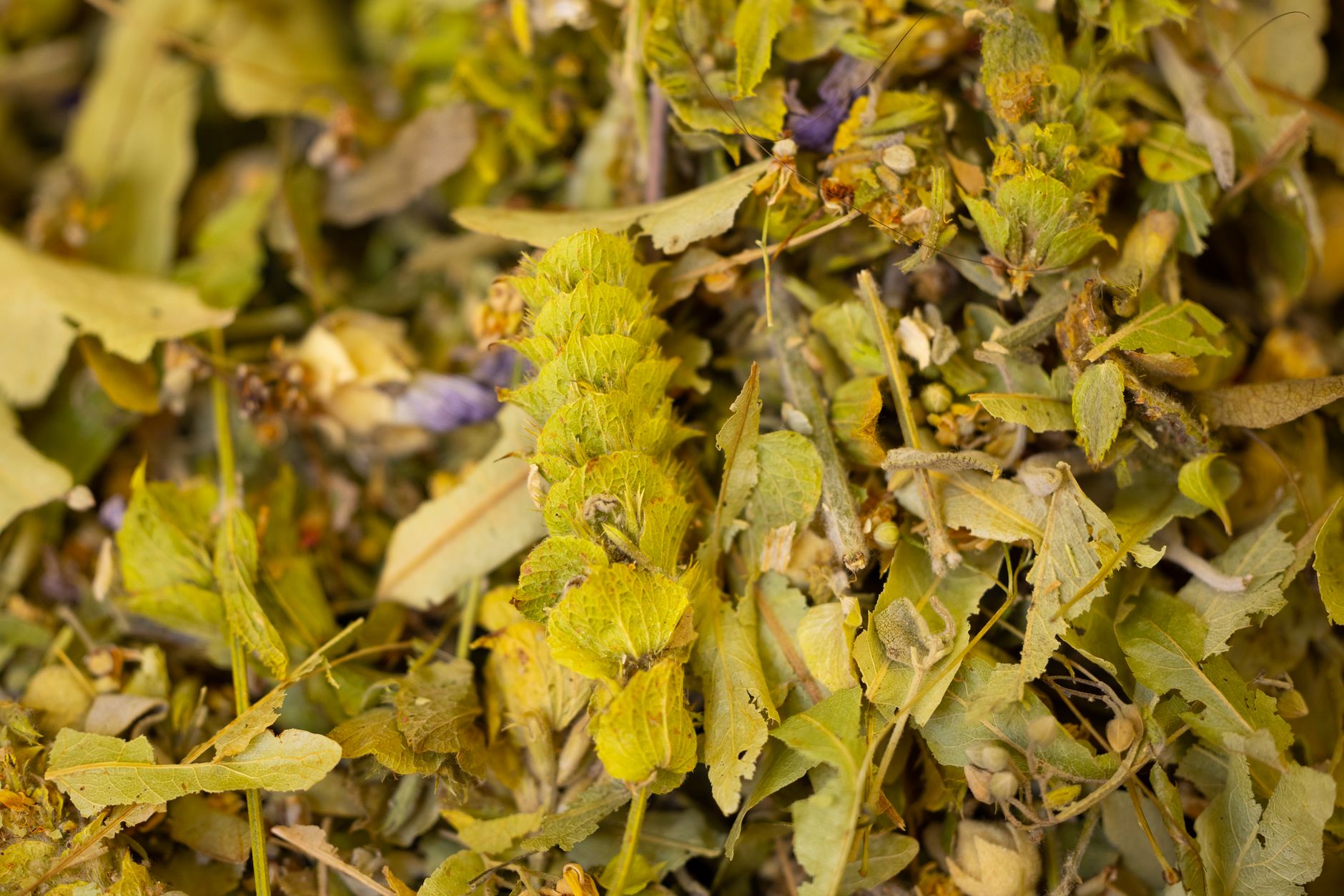
The Ultimate Guide to Lemongrass Herb: Health Benefits and Uses

Introduction to Lemongrass: The Ancient Botanical Powerhouse

Lemongrass, botanically classified under the genus Cymbopogon, is a tall, perennial, aromatic grass native to the tropical and subtropical regions of Asia, Africa, and Oceania. Highly esteemed for its distinct citrus-like aroma and sharp, herbaceous flavor, lemongrass has transcended its origins as a regional culinary staple to become one of the most thoroughly researched botanicals in modern ethnopharmacology. For millennia, traditional practitioners of Ayurvedic, Traditional Chinese Medicine (TCM), and various African folk medicine systems have utilized lemongrass herb preparations to address an array of physiological ailments, including gastrointestinal disorders, fevers, systemic inflammation, and nervous system imbalances.

Today, contemporary clinical studies are systematically validating what traditional healers have known for generations: lemongrass is not merely a flavoring agent, but a complex therapeutic agent. Its multifaceted health benefits arise from a rich matrix of volatile essential oils, polyphenolic compounds, flavonoids, and essential micronutrients. This comprehensive guide explores the botanical profile, intricate chemical composition, evidence-based therapeutic actions, traditional practices, and practical safety protocols associated with the medical integration of the lemongrass herb.

Botanical Characteristics and Taxonomy of Cymbopogon

The genus Cymbopogon belongs to the Poaceae (grass) family and encompasses over 50 distinct species. Among these, two primary species are widely cultivated for medicinal and culinary applications: Cymbopogon citratus (commonly known as West Indian lemongrass) and Cymbopogon flexuosus (East Indian lemongrass). Both species are characterized by their coarse, glaucous, linear leaves that grow in dense, robust clumps, reaching heights of up to two meters. The foliage emits a powerful lemon-scented fragrance when crushed, a physical trait resulting from the specialized secretory cells that synthesize and store volatile essential oils.

Lemongrass Herb Botanical Photo

Underneath the surface, lemongrass features a short, stout rhizomatous root system that anchors the plant firmly in well-drained, sandy-loam soils. It thrives in high-temperature, humid environments with abundant sunlight, making it highly resilient to tropical weather patterns. From an agricultural perspective, the plant serves as an ecological protector, reducing soil erosion due to its extensive root systems while acting as a natural pest deterrent because of the high concentration of insecticidal compounds concentrated within its long, slender blades.

The Bioactive Micro-Universe: Chemical Composition of Lemongrass

The therapeutic efficacy of the lemongrass herb lies in its complex phytochemistry. The plant is essentially a natural laboratory, synthesizing an array of secondary metabolites that act synergistically to produce physiological benefits within the human body. The primary active component of lemongrass essential oil is citral, an aliphatic monoterpene aldehyde that constitutes up to 70% to 85% of the total volatile oil yield. Citral itself exists as an isomeric mixture of two geometric isomers: geranial (trans-citral, which provides the strong, sweet lemon scent) and neral (cis-citral, which possesses a milder, citrus-herbal undertone).

Lemongrass Herb Plant Profile

Beyond citral, the pharmacological profile of lemongrass is enriched by several other crucial chemical compounds, which include:

  • Myrcene: A monoterpene hydrocarbon known for its potent analgesic, sedative, and anti-inflammatory properties. Myrcene acts as an important synergizer, enhancing the systemic absorption of other phytoconstituents across biological membranes.
  • Geraniol: An acyclic monoterpene alcohol that exhibits robust antimicrobial, antifungal, and antioxidant properties. It plays a significant role in membrane permeabilization of pathogenic microorganisms.
  • Limonene: A common cyclic monoterpene known for its chemopreventive, anxiolytic, and gastroprotective activities.
  • Polyphenols and Flavonoids: These include luteolin, apigenin, quercetin, kaempferol, and chlorogenic acid. These compounds act as powerful free radical scavengers, mitigating oxidative stress at the cellular level.
  • Saponins and Tannins: Natural astringents and immune-modifying agents that support intestinal integrity and possess anti-diarrheal effects.

Therapeutic Benefits and Mechanisms of Action

1. Robust Anti-Inflammatory and Pain Relief Pathways

Chronic systemic inflammation is a major underlying driver of many degenerative diseases, including cardiovascular pathology, rheumatoid arthritis, and metabolic syndrome. Lemongrass herb acts as a potent modulator of the body’s inflammatory cascade. Research indicates that both citral and myrcene inhibit the expression of cyclooxygenase-2 (COX-2) and inducible nitric oxide synthase (iNOS), the primary enzymes responsible for synthesizing pro-inflammatory mediators like prostaglandins and nitric oxide. Furthermore, the active compounds in lemongrass suppress the activation of Nuclear Factor-kappa B (NF-κB), a master transcription factor that orchestrates the release of inflammatory cytokines such as Tumor Necrosis Factor-alpha (TNF-α), Interleukin-1 beta (IL-1β), and Interleukin-6 (IL-6). By down-regulating these inflammatory pathways, lemongrass preparations offer noticeable relief from acute musculoskeletal pain, joint discomfort, and inflammatory bowel symptoms.

2. Gastrointestinal Preservation and Metabiotic Optimization

In traditional medicine systems, lemongrass is frequently administered as a primary remedy for digestive complaints, including dyspepsia, flatulence, abdominal cramping, and gastric ulcers. Modern pharmacological investigations support these uses, demonstrating that lemongrass possesses strong cytoprotective and antispasmodic qualities. The essential oils in lemongrass exert a relaxing effect on the smooth muscles of the digestive tract, preventing spasmodic contractions and easing colic. Additionally, studies have highlighted the ability of lemongrass extracts to protect the gastric mucosa from damage caused by ethanol, aspirin, or high stress levels. It achieves this by promoting the synthesis of protective mucus, sustaining mucosal blood flow, and scavenging reactive oxygen species that damage the lining of the stomach. Furthermore, its natural antimicrobial properties selectively target pathogenic gut microbes, such as Helicobacter pylori, without significantly disrupting beneficial probiotic strains, thereby encouraging a balanced gut microbiome.

3. Cardiovascular Defense and Lipid Regulation

Maintaining cardiovascular health is crucial, and lemongrass provides support through several biological pathways. Experimental studies demonstrate that regular intake of lemongrass infusions or extracts can help maintain healthy cholesterol levels. It works by inhibiting the activity of HMG-CoA reductase, the rate-limiting enzyme in cholesterol synthesis, which in turn helps manage low-density lipoprotein (LDL) cholesterol and triglyceride levels without depleting high-density lipoproteins (HDL). Additionally, lemongrass has mild vasodilatory properties. The high potassium content, combined with the presence of active monoterpenes, promotes the relaxation of vascular smooth muscle tissues. This decreases peripheral vascular resistance, helping to maintain blood pressure within a healthy range and reducing mechanical strain on the heart.

4. Advanced Antimicrobial, Antifungal, and Antiparasitic Efficacy

As antibiotic resistance continues to challenge modern medicine, natural antimicrobial agents are receiving increased clinical focus. Lemongrass herb has demonstrated strong, broad-spectrum antimicrobial activity. Citral and geraniol disrupt the cell membrane integrity of several pathogens, including gram-positive bacteria like Staphylococcus aureus and gram-negative bacteria such as Escherichia coli and Pseudomonas aeruginosa. In the context of mycological infections, lemongrass is highly effective against dermatophytes and yeasts, particularly Candida albicans. It works by inhibiting the synthesis of ergosterol, an essential component of the fungal cell membrane, which leads to cell lysis. Furthermore, its antiparasitic and insecticidal properties make it highly valuable in global health efforts to manage vector-borne diseases and parasitic infections naturally.

5. Anxiolytic, Neuroprotective, and Sleep-Promoting Properties

In addition to physical health, lemongrass also supports mental and emotional well-being. Historically used as a mild sedative and nerve tonic, lemongrass interacts with the central nervous system to reduce anxiety and improve sleep quality. The mechanism behind these calming effects is believed to involve the GABAergic system. Active constituents like myrcene and citral modulate gamma-aminobutyric acid (GABA) receptors in the brain, enhancing the inhibitory action of this neurotransmitter. This leads to reduced neuronal excitability, helping to ease anxiety, soothe tension, and promote deep, restorative sleep. Additionally, the herb’s high concentration of antioxidants helps protect delicate brain tissue from oxidative stress, which is a key factor in cognitive decline and neurodegenerative diseases.

Traditional Uses, Ethnobotany, and Cultural Heritage

The ethnobotanical history of lemongrass is deeply rooted in tropical cultures, where the plant has served as both a culinary staple and a household remedy. In Ayurvedic medicine, lemongrass is known as Bhustrina, translating to “earth grass.” Here, it is classified as a warming herb with sharp, dry, and light qualities, used to balance the Vata and Kapha doshas, stimulate the digestive fire (Agni), and clear respiratory pathways during seasonal transitions.

Lemongrass Herb Dried Herb

In South and Southeast Asian cuisine, particularly in Thai, Vietnamese, Indonesian, and Sri Lankan traditions, fresh lemongrass is systematically incorporated into daily meals. The lower, bulbous portion of the stem is finely sliced or bruised to release its aromatic oils into curries, soups (such as the world-renowned Tom Yum soup), marinades, and stir-fries. Beyond its culinary appeal, this historical practice represents a form of preventative healthcare, ensuring that families receive daily micro-doses of anti-inflammatory and digestive-boosting phytonutrients.

In Caribbean and South American folk medicine, “fever grass” tea is a widely used home remedy. Brewed from the dried or fresh leaves of the plant, this infusion is consumed to induce sweating (diaphoresis) to help break fevers, relieve cold and flu symptoms, and ease muscle soreness. The integration of lemongrass into daily life across these diverse cultures highlights its versatility, safety, and deep-seated place in human wellness traditions.

Modern Formulations: Capsules, Supplements, and Extracts

For individuals seeking the therapeutic benefits of lemongrass without the need to prepare fresh decoctions, the natural health industry offers several highly standardized dietary supplement options. Standardized dry extracts in capsule form provide a concentrated, consistent dose of the plant’s active compounds. These supplements are particularly beneficial for targeting chronic systemic issues, such as elevated blood lipids, metabolic imbalances, or persistent inflammatory conditions.

Lemongrass Herb Capsules

When choosing lemongrass capsules, look for products standardized to guarantee a specific percentage of citral or polyphenols. High-quality manufacturing standards, such as Good Manufacturing Practices (GMP) and third-party laboratory verification, ensure that the product is free from heavy metals, synthetic additives, and microbial contaminants. Additionally, encapsulated forms help bypass the strong, astringent taste of the raw herb, making daily supplementation simple and easy to incorporate into a modern wellness routine.

Practical Administration and Dosage Guidelines

To maximize the therapeutic benefits of lemongrass, it is helpful to understand the different methods of preparation and their recommended dosages:

1. Herbal Infusion (Tea)

For general digestive support, immune health, and relaxation, a classic herbal infusion is highly effective. To prepare, steep 1 to 2 teaspoons of dried lemongrass herb (or 1 tablespoon of fresh, chopped stalks) in 8 ounces of boiling water for 10 to 15 minutes. Ensure the vessel is covered during steeping to prevent the therapeutic volatile oils from escaping in the steam. This infusion can be consumed 2 to 3 times daily.

2. Standardized Dietary Capsules

When using encapsulated supplements, follow the specific manufacturer instructions, as concentrations can vary. A typical daily dose ranges between 350 mg to 500 mg of standardized extract, taken 1 to 2 times per day with food to optimize absorption and prevent any potential gastrointestinal irritation.

3. Essential Oil (Aromatic and Topical Use Only)

Lemongrass essential oil is highly concentrated and must be handled with care. For aromatherapy, add 3 to 5 drops to a cold-mist diffuser to help reduce stress and improve mental focus. For topical application to ease joint or muscle discomfort, dilute the essential oil in a suitable carrier oil (such as jojoba, sweet almond, or fractionated coconut oil) at a maximum concentration of 1% (approximately 3 to 5 drops of essential oil per ounce of carrier oil).

Lemongrass Herb Natural Herb

Safety Protocols, Contraindications, and Drug Interactions

While lemongrass is generally recognized as safe (GRAS) by major food and health authorities when consumed in culinary amounts, certain precautions should be observed when using therapeutic doses:

  • Pregnancy and Lactation: Pregnant individuals should avoid therapeutic doses of lemongrass, particularly concentrated supplements and essential oils. Certain compounds in the plant, such as citral and myrcene, have shown uterine-stimulating properties in animal models when consumed in high doses, which could pose a risk to the pregnancy.
  • Topical Sensitivity: Due to its high citral content, undiluted lemongrass essential oil can cause contact dermatitis or skin irritation. Always perform a patch test on a small area of skin before widespread topical use, and never apply the oil to open wounds or sensitive mucous membranes.
  • Renal Considerations: Individuals with pre-existing kidney conditions should use caution with high-dose, long-term lemongrass supplementation, as the kidneys work to filter and excrete its active metabolites.
  • Drug Interactions: Lemongrass may interact with certain medications. Because of its mild blood-sugar-lowering effects, individuals taking antidiabetic drugs should monitor their glucose levels closely to avoid hypoglycemia. Additionally, because the liver processes lemongrass compounds through the cytochrome P450 enzyme pathway, it could potentially alter the metabolism of medications cleared by these same pathways.

As with any new therapeutic supplement, it is highly recommended to consult with a qualified healthcare provider or a clinical herbalist before beginning a high-dose lemongrass regimen, especially if you have pre-existing medical conditions or are taking prescribed medications.

Conclusion: Integrating Lemongrass into a Modern Wellness Plan

The lemongrass herb is a prime example of the power of botanical medicine, bridging the gap between traditional healing practices and modern scientific research. From its potent anti-inflammatory and cellular antioxidant actions to its ability to support digestion, protect cardiovascular health, and ease everyday stress, this versatile grass offers a wealth of evidence-based health benefits.

Whether enjoyed as a soothing evening tea, taken as a standardized capsule for targeted support, or utilized in aromatherapy to create a calming space, lemongrass remains an invaluable asset to natural health. By incorporating high-quality, sustainably sourced lemongrass into your daily routine and following proper safety guidelines, you can harness the protective and restorative properties of this ancient plant to support long-term health and vitality.

Disclaimer: For informational purposes only. Not medical advice. Consult a qualified healthcare professional before use.
The Ultimate Guide to White mulberry leaf: Health Benefits and Uses

The Ultimate Guide to White Mulberry Leaf: Health Benefits, Phytochemicals, and Science-Backed Uses

In the rapidly evolving landscape of natural medicine and functional nutrition, few botanicals have garnered as much scientific attention in recent years as the White Mulberry leaf (Morus alba). Cultivated for millennia across East Asia, this remarkable deciduous leaf is transitioning from its traditional role in sericulture and ancient herbal systems into a premier, evidence-based supplement for metabolic health. Modern research is continuously validating what historical herbalists knew intuitively: White Mulberry leaf possesses a sophisticated array of bioactive compounds capable of profoundly influencing human physiology.

This comprehensive deep-dive guide explores the multi-faceted world of White Mulberry leaf. From its botanical origins and rich historical context to its complex chemical profile and therapeutic benefits, we will analyze how this natural wonder can be leveraged to support blood sugar regulation, cardiovascular health, weight management, and cellular longevity.

Botanical Overview and Characteristics of Morus alba

The White Mulberry, scientifically classified as Morus alba, belongs to the Moraceae family, which also includes figs, breadfruit, and jackfruit. Native to northern and central China, the tree is highly adaptable and has naturalized across temperate and subtropical regions globally, including Europe, North America, and Africa. Characterized by its rapid growth, the tree can reach heights of up to 15 meters. Its leaves are highly polymorphic, meaning they can vary significantly in shape even on the same branch—ranging from simple, unlobed ovals with serrated margins to deeply lobed, complex structures.

White mulberry leaf Botanical Photo

The physiological resilience of Morus alba contributes directly to its complex phytochemical makeup. The leaves serve as the primary respiratory and photosynthetic organs of the tree, synthesizing a rich diversity of secondary metabolites to protect the plant from environmental stressors, UV radiation, and microbial pathogens. When harvested at precise times—typically in late spring when the leaves are young and vibrant, or in late autumn after the first frost—the concentration of these protective compounds reaches its peak, yielding a highly potent therapeutic material.

Historical Context and Traditional Medicine Systems

The history of the White Mulberry tree is intimately intertwined with the development of Asian civilization. For over 5,000 years, Morus alba was the cornerstone of the silk industry (sericulture), as its leaves represent the exclusive food source for the silkworm (Bombyx mori). Beyond its industrial importance, the tree held an esteemed position in Traditional Chinese Medicine (TCM), where it is known as “Sang Ye.” First documented in the legendary agricultural text Shennong Bencao Jing, Sang Ye was classified as a cold herb belonging to the Lung and Liver meridians.

White mulberry leaf Dried Herb

Traditional practitioners utilized dried White Mulberry leaves to clear “Lung Heat” (addressing coughs, bronchitis, and fever), soothe “Liver Fire” (improving red, dry, or painful eyes), and cool the blood. It was also brewed as a nourishing daily tea to address “wasting and thirsting disorder,” an ancient clinical description corresponding closely to modern type 2 diabetes. Similarly, in Ayurvedic medicine and traditional Middle Eastern practices, preparations of the leaf were utilized for their bitter, astringent properties to tone the digestive system, purify the blood, and restore metabolic equilibrium.

The Phytochemical Profile: Unlocking the Bioactive Compounds

The therapeutic efficacy of White Mulberry leaf is not driven by a single “magic bullet” compound, but rather by a synergistic matrix of unique alkaloids, flavonoids, phenolic acids, and polysaccharides. To understand how the leaf interacts with the human body, we must examine these constituents at a molecular level.

1-Deoxynojirimycin (DNJ): The Glycemic Regulator

The most famous and pharmacologically significant compound in Morus alba is 1-deoxynojirimycin (DNJ). DNJ is a polyhydroxy alkaloid (specifically an iminosugar) that structurally mimics glucose molecules. This structural similarity allows DNJ to act as a highly selective, competitive inhibitor of alpha-glucosidase enzymes located in the brush border of the human small intestine. By blocking these enzymes, DNJ prevents the breakdown of complex carbohydrates into simple sugars, thereby altering systemic glucose absorption.

Flavonoids and Phenolic Compounds

White Mulberry leaves are extraordinarily rich in polyphenols, particularly flavonoids such as quercetin, rutin, isoquercitrin, and astragalin. These compounds are powerful free-radical scavengers that mitigate oxidative stress. Rutin, in particular, is highly valued for its ability to strengthen capillaries, support microcirculation, and exert anti-inflammatory effects throughout the vascular system.

White mulberry leaf Plant Profile

Polysaccharides and Essential Nutrients

In addition to active secondary metabolites, the leaf contain soluble polysaccharides that demonstrate promising immunomodulatory and prebiotic actions. They also boast a robust nutritional profile, delivering essential minerals (calcium, potassium, iron, zinc, and magnesium), vitamins (vitamin C, beta-carotene, and B-complex vitamins), and a well-balanced spectrum of essential amino acids.

The Health Benefits of White Mulberry Leaf: What the Science Says

Modern clinical trials and in vivo studies have shed light on the specific mechanisms of action through which White Mulberry leaf exerts its health-promoting properties. The following sections detail the primary therapeutic benefits validated by contemporary research.

1. Exceptional Blood Sugar Regulation and Glycemic Control

The primary clinical application of White Mulberry leaf is in the management of postprandial (post-meal) blood glucose levels. When we consume carbohydrates (such as starches and sucrose), digestive enzymes like maltase, sucrase, and amylase break them down into glucose so they can be absorbed into the bloodstream.

Because the DNJ in White Mulberry leaf competitively binds to these enzymes, the rate of carbohydrate digestion is significantly slowed. Consequently, glucose is released into the bloodstream gradually rather than in a sudden surge. This prevents the sharp insulin spikes that exhaust pancreatic beta-cells over time. Multiple randomized, double-blind, placebo-controlled clinical trials have demonstrated that administering White Mulberry leaf extract prior to carbohydrate-rich meals significantly reduces both post-meal blood glucose excursions and insulin secretion in healthy individuals, prediabetic patients, and those with type 2 diabetes.

2. Cardiovascular Support and Lipid Optimization

Atherosclerosis and cardiovascular disease are closely linked to chronic inflammation and lipid imbalances. White Mulberry leaf extract targets these pathways through several distinct mechanisms:

  • Inhibition of LDL Oxidation: The abundant polyphenols (specifically quercetin and rutin) prevent the oxidation of Low-Density Lipoprotein (LDL) cholesterol. Oxidized LDL is a key driver of plaque formation in the arterial walls.
  • Lipid Panel Improvement: Clinical studies show that regular intake of Morus alba leaf extract can lead to significant reductions in total cholesterol, LDL cholesterol, and serum triglycerides, while simultaneously increasing High-Density Lipoprotein (HDL) “good” cholesterol.
  • Endothelial Protection: The leaf’s active constituents stimulate nitric oxide production in endothelial cells, promoting vasodilation, improving arterial elasticity, and helping to maintain healthy blood pressure levels.

3. Weight Management and Anti-Obesity Mechanisms

Obesity is a complex metabolic state characterized by adipocyte hypertrophy and chronic low-grade inflammation. White Mulberry leaf aids weight management through metabolic modulation rather than nervous system stimulation:

  • Slowing Carbohydrate Absorption: By limiting the uptake of dietary sugars, the body is less prone to storing excess glucose as adipose tissue (fat).
  • AMPK Activation: Emerging research indicates that components of Morus alba leaf can activate Adenosine Monophosphate-Activated Protein Kinase (AMPK). Known as the body’s metabolic master switch, AMPK activation enhances fatty acid oxidation (fat burning) and increases cellular energy expenditure.
  • Adipogenesis Regulation: Cell studies demonstrate that mulberry leaf extract downregulates key transcription factors responsible for adipogenesis (the creation of new fat cells), thereby suppressing lipid accumulation in existing fat cells.

4. Potent Anti-Inflammatory and Antioxidant Properties

Chronic cellular inflammation and oxidative stress are the underlying drivers of virtually all degenerative diseases, including arthritis, neurodegeneration, and metabolic syndrome. The rich concentration of flavonoids and chlorogenic acid in White Mulberry leaf directly neutralizes reactive oxygen species (ROS). Furthermore, the extract has been shown to suppress the NF-kB (Nuclear Factor-kappa B) pathway, which in turn reduces the production of pro-inflammatory cytokines such as Tumor Necrosis Factor-alpha (TNF-α), Interleukin-6 (IL-6), and inducible nitric oxide synthase (iNOS).

White Mulberry Leaf Supplements and Modern Formulations

For individuals seeking to incorporate the therapeutic benefits of Morus alba into their daily wellness regimens, the modern supplement market offers several convenient delivery formats, each tailored to different lifestyles and clinical goals.

White mulberry leaf Capsules

Capsules and tablets containing standardized extracts represent the most precise dosing method. When choosing a supplement, look for “standardized extracts” that specify the percentage of active DNJ (typically ranging from 1% to 5% DNJ). This ensures that you are receiving a consistent, therapeutically active dose in every serving. For those who prefer a more traditional approach, organic loose-leaf teas or fine powders can be easily integrated into smoothies or enjoyed as a warm, caffeine-free beverage. When choosing capsules, verify that the manufacturer employs strict third-party testing to guarantee purity and the absence of heavy metals or synthetic fillers.

Dosages, Safety, and Practical Usage Guidelines

To maximize the clinical efficacy of White Mulberry leaf while maintaining safety, users must adhere to established, research-supported protocols regarding timing and dosing.

Optimal Dosing Guidelines

Based on successful clinical trials, the standard daily dose of White Mulberry leaf extract ranges from 500 mg to 1,500 mg per day. For optimal results in managing blood sugar spikes, the dose should be divided and administered 15 to 30 minutes before carbohydrate-heavy meals. This strategic timing allows the DNJ molecules to arrive in the small intestine ahead of the food, effectively binding to the alpha-glucosidase enzymes before dietary starches can reach them.

Safety Profile and Side Effects

White Mulberry leaf is exceptionally well-tolerated by the vast majority of individuals, demonstrating an excellent safety profile in long-term toxicity studies. However, because it alters the digestion of carbohydrates, some individuals—especially during the first few days of use—may experience mild gastrointestinal side effects. These can include bloating, mild abdominal cramping, or flatulence. These symptoms occur because undigested carbohydrates pass into the colon, where they are fermented by beneficial gut microflora. This effect typically resolves as the gut microbiome adapts.

White mulberry leaf Natural Herb

Contraindications and Drug Interactions

Because of its highly effective blood glucose-lowering capabilities, individuals diagnosed with diabetes who are currently taking oral hypoglycemic medications (such as Metformin, glipizide, or acarbose) or using insulin must consult their primary healthcare physician before using White Mulberry leaf. Combining these substances can result in an additive effect, increasing the risk of hypoglycemia (low blood sugar). Additionally, pregnant and lactating women should avoid use due to a lack of comprehensive safety data within these specific populations.

Conclusion

The transition of White Mulberry leaf from an ancient botanical staple to a validated, modern therapeutic agent highlights the power of integrative medicine. By combining the wisdom of traditional practices with strict clinical scrutiny, we have unlocked a natural tool perfectly suited to combat the metabolic challenges of modern life. With its unparalleled ability to temper glycemic spikes through enzyme inhibition, optimize lipid markers, suppress chronic cellular inflammation, and shield the cardiovascular system from oxidative damage, Morus alba stands out as a foundational botanical for preventive health.

Whether utilized as a standardized daily capsule to support metabolic resilience or brewed as a calming evening tea, integrating White Mulberry leaf into a healthy lifestyle represents a scientifically validated path toward optimal vitality and long-term metabolic harmony.

Disclaimer: For informational purposes only. Not medical advice. Consult a qualified healthcare professional before use.

The Ultimate Guide to Wild Strawberry Leaf: Health Benefits and Uses

The Ultimate Guide to Wild Strawberry Leaf: Health Benefits, Bioactive Compounds, and Traditional Uses

While the sweet, vibrant fruit of the wild strawberry (Fragaria vesca) has captured human culinary interest for millennia, its foliage holds an equally prestigious place in the annals of traditional herbal medicine. Wild strawberry leaves are a powerhouse of bioactive compounds, historically revered as a natural therapeutic agent for digestive ailments, systemic inflammation, metabolic imbalances, and skin conditions. Today, modern pharmacology is beginning to validate many of these historical applications, highlighting the plant’s rich phytochemistry and therapeutic adaptability.

This comprehensive guide dives deep into the botanical characteristics, historical contexts, phytochemistry, physiological mechanisms, and practical clinical applications of wild strawberry leaf. Whether you are an herbalist, a health enthusiast, or looking to integrate natural remedies into your wellness regimen, this guide offers an exhaustive, science-backed exploration of this overlooked botanical treasure.

Botanical Overview and Taxonomy of Fragaria vesca

The wild strawberry, scientifically classified as Fragaria vesca, belongs to the Rosaceae (rose) family. This perennial herbaceous plant is native throughout the Northern Hemisphere, thriving in diverse habitats ranging from open woodlands and forest clearings to meadows and rocky slopes. Unlike cultivated garden strawberries (Fragaria × ananassa), which are complex polyploid hybrids, Fragaria vesca is a diploid species, possessing a simpler genetic structure that yields highly concentrated secondary metabolites.

The morphological characteristics of the wild strawberry leaf are crucial for proper botanical identification. The leaves are trifoliate—arranged in groups of three leaflets—attached to long, slender, hairy petioles that emerge from a central crown. Each leaflet is obovate to ovate in shape, featuring sharply serrated margins and a distinct venous structure. The upper surface of the leaf typically exhibits a bright, vibrant green hue with a smooth or slightly sparse hairy texture, while the underside is noticeably paler and covered in soft, silky, pubescent hairs that provide protection against moisture loss and herbivory.

Wild Strawberry Leaf Botanical Photo

Understanding the physiological cycle of the plant is vital for wild harvesting. The leaves are at their biochemical peak during the late spring and early summer months, just as the plant begins to flower but before the energy of the rhizome is entirely diverted to fruit production. During this window, the concentration of active tannins, volatile oils, and flavonoids within the foliage reaches its maximum potential, rendering the harvested leaves highly potent for dried preservation or fresh extraction.

Historical Context and Traditional Medicine Systems

The medicinal use of wild strawberry leaf spans centuries, across various cultures and traditional medicine systems. In European folk medicine, the leaves were recognized as a cooling, drying, and astringent remedy. Renowned historical herbalists, including Pedanius Dioscorides and later medieval writers like John Gerard and Nicholas Culpeper, documented the use of Fragaria leaves to soothe internal inflammations, cool hot fevers, and act as a reliable diuretic to cleanse the kidneys and bladder.

In Native American traditional medicine, various tribes utilized wild strawberry leaf infusions as a vital digestive tonic. The Cherokee and Iroquois nations, among others, formulated decoctions from the roots and leaves to treat acute gastrointestinal distress, including diarrhea and dysentery. The high astringency of the leaves made them a primary choice for treating oral thrush, bleeding gums, and painful sore throats. Furthermore, the leaves were frequently applied topically as poultices to soothe inflamed skin, treat minor burns, and accelerate the healing of slow-closing wounds.

Wild Strawberry Leaf Dried Herb

During the 18th and 19th centuries in Europe, the leaves were often consumed as a daily general health tonic. Known as “Schwarzer Tee” alternatives or herbal substitutes during times of tea shortages, infusions of dried wild strawberry leaves provided a caffeine-free, mineral-dense beverage that not only pleased the palate with its mild, earthy, slightly sweet flavor profile but also fortified the body’s natural defenses against seasonal pathogens and metabolic stagnation.

Phytochemical Profile: The Science of the Leaf

The therapeutic efficacy of wild strawberry leaf is directly linked to its complex, synergistic phytochemical composition. Unlike synthetic pharmaceuticals that isolate a single active ingredient, the medicinal profile of Fragaria vesca relies on a matrix of polyphenols, flavonoids, organic acids, and essential minerals that work in tandem to produce physiological effects.

To appreciate how wild strawberry leaf interacts with human biology, we must examine its key primary and secondary metabolites:

  • Tannins (Ellagitannins and Condensed Tannins): Making up to 10% of the leaf’s dry weight, tannins are the dominant active constituents. They include monomeric ellagitannins, such as pedunculagin, and oligomeric compounds like agrimoniin. These polyphenols are highly astringent; they bind to and precipitate proteins, forming a protective, anti-inflammatory barrier over mucosal membranes and raw tissues.
  • Flavonoids: The leaves contain abundant flavonols, principally quercetin, kaempferol, and their glycosidic derivatives (such as rutin and quercitrin). These compounds are celebrated for their profound antioxidant, anti-inflammatory, and vasodilatory properties, helping to modulate cellular signaling pathways and combat oxidative stress.
  • Proanthocyanidins: Often referred to as condensed tannins, these oligomeric compounds provide powerful vascular protection, neutralizing free radicals and reinforcing collagen structures throughout the body’s connective tissues and blood vessel walls.
  • Phenolic Acids: Chlorogenic acid, caffeic acid, gallic acid, and ellagic acid are present in significant quantities. These acids exhibit strong antimicrobial, antiviral, and chemoprotective properties, contributing to systemic cellular health and cellular regeneration.
  • Volatile Oils: Though present in trace amounts, the essential oil of the leaf contains monoterpenes and sesquiterpenes, which provide subtle aromatic qualities and contribute mild antimicrobial and antispasmodic effects when brewed as an infusion.
  • Mineral and Nutrient Content: Wild strawberry leaves are naturally rich in essential minerals, most notably calcium, iron, magnesium, potassium, and silica, alongside significant levels of Vitamin C (ascorbic acid). This makes the leaf an excellent nutritive supplement for replenishing vital electrolytes and supporting bone, skin, and vascular integrity.

Wild Strawberry Leaf Plant Profile

In-Depth Health Benefits and Mechanisms of Action

1. Gastrointestinal and Digestive Restoration

The primary clinical application of wild strawberry leaf centers on its action within the gastrointestinal tract. The dense concentration of tannins exerts a powerful astringent effect. When consumed as an infusion, these tannins interact with the inflamed mucosal lining of the stomach and intestines, precipitating surface proteins to form a temporary, micro-thin protective membrane. This barrier serves a dual purpose: it insulates the raw, irritated gut wall from aggressive gastric juices and pathogenic toxins, while simultaneously reducing the secretion of fluids into the intestinal lumen.

Consequently, wild strawberry leaf is an exceptional natural remedy for managing acute, non-specific diarrhea, irritable bowel syndrome (IBS) flare-ups, and general enteritis. By toning the relaxed, hyper-secretory tissues of the digestive tract, it helps restore normal bowel motility and solidifies stools without paralyzing the natural peristaltic action of the intestines—a common and undesirable side effect of many synthetic anti-diarrheal medications.

2. Cellular Defense, Antioxidant, and Anti-Inflammatory Activity

Every cell in the human body is subjected to oxidative stress caused by reactive oxygen species (ROS) and environmental toxins. The flavonoids (quercetin and kaempferol) and phenolic acids (ellagic and gallic acids) within wild strawberry leaves act as potent radical scavengers. They donate electrons to unstable free radicals, effectively neutralizing them before they can initiate lipid peroxidation of cell membranes or induce DNA damage.

Furthermore, these phytochemicals modulate key cellular inflammatory cascades. Research indicates that ellagic acid and quercetin downregulate the expression of pro-inflammatory cytokines, including tumor necrosis factor-alpha (TNF-α), interleukin-6 (IL-6), and the inflammatory enzymes cyclooxygenase-2 (COX-2) and inducible nitric oxide synthase (iNOS). This systemic reduction in inflammatory mediators makes wild strawberry leaf a valuable supportive herb for chronic inflammatory conditions, such as rheumatoid arthritis, osteoarthritis, and metabolic inflammation.

3. Cardiovascular and Vasodilatory Support

The cardiovascular benefits of Fragaria vesca leaf are largely attributed to its impact on endothelial function and vascular tone. The oligomeric proanthocyanidins and flavonoids help maintain the elasticity of blood vessels by preventing the degradation of collagen and elastin fibers. Additionally, active compounds in the leaf stimulate the endothelial production of nitric oxide (NO)—a key gas signaling molecule that instructs the smooth muscle surrounding blood vessels to relax.

This vasodilatory response promotes improved peripheral circulation, lowers systemic vascular resistance, and aids in the gentle regulation of blood pressure. The antioxidant properties also work to prevent the oxidation of low-density lipoprotein (LDL) cholesterol; oxidized LDL is a primary driver in the formation of arterial plaques, meaning that regular consumption of wild strawberry leaf tea can be an active component of a long-term strategy to prevent atherosclerosis and support overall cardiovascular longevity.

4. Renal Cleansing and Urinary Tract Health

As a natural, mild diuretic, wild strawberry leaf encourages the kidneys to excrete excess water and sodium from the body without depleting essential potassium stores, thanks to the herb’s naturally high mineral content. This gentle diuretic action helps flush the urinary tract, clearing out metabolic wastes, excess uric acid, and potential bacterial pathogens that may be colonizing the bladder or urethra.

By increasing urine volume and flow, wild strawberry leaf assists in preventing the crystallization of minerals that lead to the formation of kidney stones. It is also frequently utilized in herbal formulations targeting cystitis and urinary tract infections (UTIs), where its soothing, anti-inflammatory, and mild antimicrobial properties work directly on the mucosal linings of the urinary passages to alleviate pain, burning, and irritation during urination.

5. Oral Health, Topical Wound Healing, and Astringency

The localized astringent and antimicrobial properties of the leaf make it a stellar topical therapeutic agent. When prepared as a concentrated decoction or mouthwash, wild strawberry leaf effectively treats oral inflammatory conditions such as gingivitis, bleeding gums, aphthous ulcers (canker sores), and pharyngitis (sore throat). The tannins tighten loose, inflamed gum tissues, reducing bleeding and creating a hostile environment for periodontal pathogens.

Topically, cool compresses soaked in wild strawberry leaf infusion can be applied to minor cuts, abrasions, eczema outbreaks, and insect bites. The herb aids in drawing together the edges of minor wounds (wound contraction), minimizing localized edema, limiting capillary bleeding, and preventing secondary bacterial infections, thereby facilitating a faster and cleaner dermal regeneration process.

Modern Delivery Systems: Supplements and Standardized Extracts

While traditional herbalism relies heavily on raw infusions, the modern wellness industry has developed various delivery methods to standardize and maximize the therapeutic potential of wild strawberry leaf. For individuals seeking targeted systemic benefits, such as chronic anti-inflammatory support or metabolic regulation, standardized capsules and liquid extracts provide a convenient and highly concentrated alternative to loose herbal teas.

Wild Strawberry Leaf Capsules

Capsules and tableted supplements typically contain either finely pulverized, low-temperature dehydrated wild strawberry leaves or highly concentrated dry extracts standardized to contain a specific percentage of active polyphenols or ellagitannins. These delivery systems bypass the taste profile of the herb—which can be intensely astringent for some—and ensure a consistent, measurable dose of active constituents with every serving. Standardized capsules are especially favored by travelers or individuals seeking consistent joint, cardiovascular, or gastrointestinal support on a daily basis.

Liquid extracts and alcohol-based tinctures offer another highly bioavailable format. Tinctures (typically prepared at a 1:5 ratio using a hydro-ethanolic solvent) are exceptionally efficient at extracting both the water-soluble tannins and the alcohol-soluble flavonoids and volatile oils. This liquid format allows for rapid absorption through the oral mucosa and stomach lining, making it an excellent choice for acute digestive discomfort, vascular spasms, or rapid immune support.

Practical Preparation, Usage, and Dosage Guidelines

To safely unlock the full therapeutic spectrum of wild strawberry leaf, proper preparation and dosing are key. The herb can be enjoyed and utilized in several distinct preparation styles depending on the therapeutic target:

1. Traditional Herbal Infusion (Tea)

This is the classic method for addressing digestive upset, mild urinary issues, or simply enjoying a nutritive, daily antioxidant beverage. To prepare:

  • Place 1 to 2 teaspoons of high-quality dried wild strawberry leaves (or 2 tablespoons of freshly crushed leaves) into a ceramic or glass teapot.
  • Pour 8 to 10 ounces of freshly boiled water (ideal temperature around 200°F or 93°C) directly over the leaves.
  • Cover the vessel tightly to prevent the volatile compounds from escaping in the steam.
  • Allow the mixture to steep for 10 to 15 minutes. For a more astringent, tannin-rich brew (ideal for active diarrhea), extend the steeping time to 20 minutes.
  • Strain the liquid and drink warm. You may consume up to 3 cups per day.

2. Concentrated Oral Rinse or Topical Decoction

For oral health or dermal applications, a stronger extraction is necessary to pull out the maximum density of mucosal-protecting tannins. To prepare:

  • In a small saucepan, combine 3 tablespoons of dried wild strawberry leaves with 12 ounces of cold water.
  • Bring the mixture to a gentle boil over medium-low heat, then immediately reduce the heat to low, cover, and let it simmer for 15 to 20 minutes.
  • Remove from heat and let it cool completely with the lid on.
  • Strain the liquid. Use this concentrated liquid as a gargle for sore throats, a mouthwash for bleeding gums, or soak a clean cotton cloth in it to use as a soothing skin compress. Do not swallow large amounts of this concentrated decoction, as the high tannin concentration may cause mild, temporary nausea.

Wild Strawberry Leaf Natural Herb

3. Standardized Supplementation Dosage

When utilizing commercial capsules or tinctures, always refer to the specific manufacturer’s label instructions, as concentrations can vary wildly. However, general herbal guidelines suggest:

  • Standardized Dry Extract Capsules: 350 mg to 500 mg, taken 1 to 2 times daily with a full glass of water.
  • Liquid Tincture (1:5 extraction): 2 to 4 mL (approximately 40 to 80 drops), diluted in a small amount of water or juice, taken up to 3 times daily.

Safety, Contraindications, and Drug Interactions

While wild strawberry leaf is widely regarded as a exceptionally safe, gentle, and non-toxic herb suitable for long-term use by most individuals, certain precautions and contraindications should be noted to prevent adverse events:

1. Rosaceae Family Allergies

Individuals with known allergies or hypersitivities to plants within the Rosaceae family—including strawberries, raspberries, blackberries, apples, peaches, or plums—must exercise caution when consuming wild strawberry leaf. Although allergic reactions to the foliage are rare compared to the fruit, they can manifest as localized oral itching, skin rashes, hives, or mild digestive distress. Perform a skin patch test or consult an allergist if you suspect a potential cross-reactivity.

2. Pregnancy and Lactation Considerations

In traditional midwifery, wild strawberry leaf (often combined with red raspberry leaf) has occasionally been used as a uterine tonic to prepare the body for labor. However, due to its mild potential to stimulate uterine smooth muscle activity, pregnant individuals should avoid consuming highly concentrated extracts or therapeutic doses of wild strawberry leaf during the first and second trimesters, unless under the direct supervision of a qualified healthcare practitioner or certified midwife. Standard, occasional consumption of a mild tea is generally considered safe, but caution is always warranted during pregnancy.

3. High Tannin Sensitivity and Nutrient Absorption

The dense tannin content of Fragaria vesca can cause mild stomach upset or nausea in individuals with highly sensitive stomachs, especially if consumed in large quantities on an empty stomach. Furthermore, tannins are natural chelating agents; they bind to essential dietary minerals, most notably non-heme iron (found in plant-based foods) and calcium, inhibiting their absorption in the digestive tract. To avoid nutritional deficiencies, it is highly recommended to consume wild strawberry leaf tea or supplements at least one to two hours apart from major meals or daily mineral supplements.

4. Pharmaceutical Drug Interactions

Because of its blood-pressure-lowering (vasodilatory) and mild diuretic properties, wild strawberry leaf may theoretically potentiate the effects of prescription antihypertensive medications (such as beta-blockers or ACE inhibitors) and pharmaceutical diuretics (such as furosemide). If you are currently taking medications for cardiovascular or renal disorders, consult with your primary care physician before integrating therapeutic doses of wild strawberry leaf into your regimen to prevent blood pressure from dropping too low or experiencing electrolyte imbalances.

Conclusion: Integrating Wild Strawberry Leaf Into Modern Wellness

The wild strawberry leaf stands as a prime example of nature’s quiet potency. Behind its delicate, serrated appearance lies a highly structured assembly of healing compounds—from protein-binding tannins that soothe the gut, to potent flavonoids that quell systemic inflammation and protect the vascular system. Far from being a mere byproduct of a beloved summer fruit, the foliage of Fragaria vesca deserves a permanent place in the modern herbal toolkit.

Whether utilized as a warm, daily wellness tea to fortify cellular health, a targeted remedy for acute digestive disturbances, or as standardized capsules to support cardiovascular and metabolic longevity, this versatile herb bridges the gap between ancient botanical wisdom and modern physiological science. By understanding its chemical nature, respecting its potency, and administering it with care, you can harness the profound health benefits of wild strawberry leaf to support a vibrant, balanced, and naturally aligned lifestyle.

Disclaimer: For informational purposes only. Not medical advice. Consult a qualified healthcare professional before use.

The Ultimate Guide to Blue Mallow: Health Benefits and Uses

The Ultimate Guide to Blue Mallow (Malva sylvestris): Health Benefits, Phytochemistry, and Practical Uses

In the vast kingdom of botanical medicine, few plants bridge the gap between striking visual beauty and profound therapeutic efficacy as seamlessly as Blue Mallow (Malva sylvestris). Known colloquially as common mallow, high mallow, or wild mallow, this resilient perennial herb has been a cornerstone of traditional European, Mediterranean, and Asian herbalism for millennia. Today, modern pharmacognosy and clinical research are validating what ancient healers knew intuitively: Blue Mallow is a powerhouse of soothing mucilage, potent antioxidants, and anti-inflammatory compounds.

This comprehensive guide offers an exhaustive, scientifically rigorous exploration of Blue Mallow. We will delve into its botanical profile, trace its rich ethnobotanical history, dissect its complex phytochemical makeup, and analyze its diverse health benefits. Furthermore, we will provide practical instructions on how to incorporate this elegant botanical into your daily wellness regimen.

Botanical Profile and Taxonomical Overview

Blue Mallow belongs to the Malvaceae family, a botanical group famous for producing plants rich in mucilage—a thick, gooey substance composed of polysaccharides. This family also includes well-known plants such as marshmallow (Althaea officinalis), hibiscus (Hibiscus sabdariffa), and okra (Abelmoschus esculentus). Malva sylvestris is native to Europe, North Africa, and Western Asia, though it has naturalized across many temperate regions of the world, including North America and Australia.

Physically, the plant is characterized by its erect, branching stems that can grow up to three to four feet in height. It features palmately lobed, kidney-shaped leaves with serrated margins. However, its most defining feature is its striking flowers. These blossoms display five inversely heart-shaped petals boasting a deep violet-blue or magenta hue, accented by darker, radiating veins. These petals contain highly concentrated pigments that shift in color depending on the pH of their environment, a property that has long fascinated chemists and herbalists alike.

Blue Mallow Botanical Photo

The plant thrives in disturbed soils, along roadsides, in sunny meadows, and in coastal fields. Its adaptability and resilience are mirrored in its chemical robustness. Every part of the plant—from the deep-growing taproot to the leaves and flowers—possesses medicinal properties, though the delicate flowers and nutrient-dense leaves are most commonly harvested for therapeutic preparations.

Ethnobotanical History: A Legacy of Healing

The historical usage of Blue Mallow stretches back to antiquity. In ancient Rome and Greece, the plant was regarded not only as a medicine but also as a highly nutritious food source. The famous Roman statesman and writer Cicero mentioned consuming mallow dishes, while the Greek philosopher Pythagoras advocated for its use to promote mental tranquility and physical balance.

Throughout the Middle Ages, Blue Mallow was cultivated extensively in monastery gardens across Europe. It was classified as an “omnimorbia”—a cure-all—due to its versatile soothing properties. Traditional healers used mallow preparations to treat a wide array of ailments, ranging from dry coughs and sore throats to stomach ulcers, skin inflammations, and urinary tract infections. It was also utilized as an antidote to stings and insect bites when applied as a fresh poultice.

Blue Mallow Dried Herb

In traditional Chinese medicine (TCM) and Ayurvedic systems, related species of mallow were utilized to clear heat, resolve dampness, and soothe irritated mucous membranes. The common thread across all these historical traditions is the recognition of the plant’s cooling, moistening, and softening nature—qualities highly valued in treating conditions characterized by heat, dryness, and irritation.

Phytochemical Profile: The Science Behind the Magic

The therapeutic efficacy of Blue Mallow is a direct result of its complex and synergistic phytochemical composition. When we analyze the plant in a laboratory setting, several key classes of bioactive compounds emerge as the primary drivers of its health benefits.

1. Mucilaginous Polysaccharides

The most prominent active component of Blue Mallow is its high concentration of mucilage. This is a complex mixture of water-soluble polysaccharides, primarily composed of L-rhamnose, D-galactose, D-galacturonic acid, and D-glucuronic acid. When these polysaccharides come into contact with water, they swell to form a slippery, gelatinous gel. This gel acts as a physical barrier, coating and protecting inflamed or irritated mucous membranes throughout the respiratory, gastrointestinal, and urinary tracts.

2. Anthocyanins and Polyphenols

The vibrant blue-violet color of the flowers is due to an abundance of anthocyanins. The primary anthocyanin found in Blue Mallow is malvin (malvidin 3,5-diglucoside), along with delphinidin and cyanidin derivatives. Anthocyanins are exceptionally potent antioxidants that scavenge free radicals, reduce oxidative stress, and protect cellular structures from damage. Additionally, the plant contains rich profiles of phenolic acids (such as ferulic, caffeic, and chlorogenic acids) and flavonoids (including quercetin, kaempferol, and apigenin), which contribute to its systemic anti-inflammatory actions.

Blue Mallow Plant Profile

3. Tannins and Terpenoids

Blue Mallow contains moderate amounts of tannins, which exert a mild astringent effect. This astringency works in tandem with the soothing mucilage; while the mucilage coats and hydrates tissues, the tannins help to tone, tighten, and strengthen compromised cellular barriers. Terpenoids and sterols (such as beta-sitosterol) are also present, contributing to the plant’s antimicrobial and immune-modulating properties.

Comprehensive Health Benefits of Blue Mallow

Given its rich array of bioactive compounds, Blue Mallow offers a broad spectrum of preventative and therapeutic health benefits. Below, we examine the primary systems of the body that benefit most from this versatile herb.

1. Respiratory System Support: The Ultimate Demulcent

One of the most well-established clinical applications of Blue Mallow is the treatment of upper respiratory tract irritation. When a person suffers from a dry, hacking cough, bronchitis, laryngitis, or a sore throat, the delicate tissues of the pharynx and larynx become inflamed and hypersensitive.

The mucilage in Blue Mallow acts as a classic demulcent. Upon consumption as a tea or syrup, it forms a soothing, protective layer over the irritated sensory nerve endings in the throat. This physical coating directly dampens the cough reflex, reduces the urge to cough, and facilitates the healing of underlying tissues. Furthermore, its mild expectorant properties help to thin and loosen stubborn, viscous mucus, making it easier to clear from the bronchial pathways.

2. Gastrointestinal Health and Mucosal Integrity

The digestive tract is lined with a delicate mucosal barrier that is highly susceptible to irritation from stomach acid, inflammatory foods, pathogens, and stress. Blue Mallow serves as an excellent natural ally for maintaining gastrointestinal health.

For individuals suffering from gastroesophageal reflux disease (GERD), gastritis, or peptic ulcers, Blue Mallow tea can help neutralize the irritating effects of excess hydrochloric acid by coating the stomach lining. In the lower digestive tract, the herb’s mucilaginous fibers absorb water and add bulk to the stool. This action helps to soothe irritable bowel syndrome (IBS) symptoms, acting as a gentle, non-habit-forming bulk laxative to relieve constipation while simultaneously calming diarrhea by absorbing excess liquid and toxins.

3. Dermatological Applications: Soothing and Wound Healing

When applied topically, Blue Mallow acts as an exceptional emollient and vulnerability agent (wound healer). The combination of soothing mucilage, astringent tannins, and anti-inflammatory flavonoids makes it highly effective for managing various skin conditions.

  • Eczema and Psoriasis: Its deep hydrating and anti-inflammatory properties help soothe itching, reduce redness, and restore the skin’s natural lipid barrier.
  • Wound and Burn Healing: Blue Mallow stimulates tissue regeneration. Studies suggest that its extracts can promote cell proliferation and collagen synthesis, speeding up the recovery of minor cuts, abrasions, and sunburns.
  • Anti-Aging and Skin Hydration: Due to its high antioxidant content, topical formulations of Blue Mallow protect the skin from UV-induced oxidative damage and premature aging, while its polysaccharides lock in moisture to plumb and soften the skin.

4. Anti-Inflammatory and Immune-Modulating Properties

Chronic inflammation is the root cause of many degenerative diseases. The high concentration of anthocyanins and flavonoids in Blue Mallow exerts systemic anti-inflammatory effects by inhibiting key inflammatory pathways and enzymes, such as cyclooxygenase (COX-2) and inducible nitric oxide synthase (iNOS).

Additionally, research indicates that the polysaccharides in Blue Mallow can modulate the immune system. They help activate macrophages and stimulate the release of specific cytokines, thereby enhancing the body’s natural defense mechanisms against viral and bacterial pathogens without over-activating the immune response.

Forms of Administration and Modern Supplements

In modern herbal medicine, Blue Mallow is utilized in several different forms to suit specific therapeutic needs. Understanding these forms allows consumers and practitioners to maximize the therapeutic potential of the plant.

Capsules and Standardized Dietary Supplements

For those seeking targeted therapeutic dosages without the preparation time of traditional teas, standardized capsules and dietary supplements are highly convenient. These products are typically formulated using concentrated dry extracts of the flowers or leaves, ensuring a consistent level of bioactive compounds, such as polyphenols or mucilaginous polysaccharides, in every serving.

Blue Mallow Capsules

Capsules are particularly beneficial for systemic conditions, such as chronic low-grade inflammation, digestive tract lining support, and overall immune system maintenance. When purchasing supplements, look for reputable brands that offer third-party testing for purity, potency, and the absence of heavy metals or contaminants.

Traditional Herbal Infusions (Teas)

Brewing a tea is the time-tested method for extracting the water-soluble mucilage and antioxidants from Blue Mallow. Depending on the desired therapeutic outcome, two brewing methods are highly recommended:

  • Hot Infusion: Add 1–2 teaspoons of dried Blue Mallow flowers and leaves to a cup of hot water (around 190°F / 88°C). Steep for 10–15 minutes. This method is excellent for extracting the vibrant anthocyanins and volatile compounds, yielding a beautiful blue or purple tea that turns pink with a squeeze of lemon (due to the pH change). This is ideal for sore throats and respiratory support.
  • Cold Infusion (The Mucilage Method): To maximize the extraction of the thick, soothing mucilage, place 2 tablespoons of dried herb in a jar of room-temperature or cold water. Allow it to steep for 4 to 8 hours (or overnight). Strain and drink. This method preserves the delicate polysaccharide structures from heat degradation, resulting in a highly viscous, soothing drink perfect for digestive and urinary tract healing.

Topical Poultices, Salves, and Cosmetics

For skin issues, a strong herbal infusion can be cooled and applied directly as a compress. Alternatively, the dried herb can be finely ground and mixed with warm water to create a poultice. In the cosmetic industry, Blue Mallow extract is a prized ingredient in high-end creams, serums, and lotions designed for sensitive, dry, or aging skin.

Dosage Guidelines and Practical Usage

While Blue Mallow is a exceptionally safe herb with a long history of dietary use, adhering to sensible dosage guidelines ensures optimal efficacy and safety. The table below outlines standard recommended dosages for various forms of administration:

Blue Mallow Natural Herb

Form of Preparation Standard Recommended Dosage Frequency of Use
Dried Flower/Leaf Tea 1 to 2 teaspoons (approx. 2-4g) per cup of water 3 to 4 times daily as needed
Standardized Capsules 400mg to 600mg per capsule 1 to 2 times daily with meals
Liquid Extract / Tincture (1:5) 2ml to 4ml dissolved in water or juice 3 times daily
Topical Compress / Wash Strong infusion (double the strength of standard tea) Apply to affected area 2 to 3 times daily

Safety, Contraindications, and Potential Drug Interactions

Blue Mallow is generally classified as safe (GRAS – Generally Recognized as Safe) with no known toxicity or severe side effects reported in scientific literature. It is gentle enough for children and elderly individuals when used in appropriate dosages. However, as with any therapeutic botanical, there are a few important considerations to keep in mind:

1. Delayed Drug Absorption

Because Blue Mallow is rich in mucilage, it forms a physical barrier along the mucosal lining of the stomach and small intestine. While this is highly beneficial for healing inflammation, it can temporarily slow down or reduce the absorption of orally administered prescription medications, vitamins, or mineral supplements.

Precaution: To prevent any potential interactions, it is highly recommended to consume Blue Mallow preparations (especially concentrated cold infusions or supplements) at least 1 to 2 hours before or after taking any oral pharmaceutical medications.

2. Pregnancy and Lactation

While there are no specific studies indicating harm, comprehensive safety data regarding the use of concentrated Blue Mallow extracts during pregnancy and lactation is limited. Pregnant or nursing mothers should consult with their healthcare provider before incorporating therapeutic doses of Blue Mallow supplements into their routine, though occasional culinary use of the leaves or a weak cup of tea is generally considered safe.

3. Blood Sugar Management

Some preliminary animal studies suggest that the rich polysaccharide content of Blue Mallow may assist in slowing carbohydrate digestion, potentially leading to a mild hypoglycemic (blood sugar lowering) effect. Individuals with diabetes or those taking blood sugar-lowering medications should monitor their glucose levels closely when starting a regular regimen of Blue Mallow.

Conclusion: The Timeless Value of Blue Mallow

Blue Mallow stands as a testament to the enduring power of plant-based medicine. It represents a beautiful convergence of history, aesthetics, and modern science. Whether you are seeking a natural, soothing remedy for a persistent dry cough, looking to heal a compromised digestive tract, aiming to calm sensitive skin, or simply looking to enjoy a stunningly beautiful and antioxidant-rich herbal tea, Malva sylvestris offers a safe, gentle, and highly effective solution.

By understanding its phytochemical complexity, choosing the right form of administration, and respecting proper dosage guidelines, you can successfully harness the rich therapeutic legacy of this vibrant blue treasure of the natural world.

Disclaimer: For informational purposes only. Not medical advice. Consult a qualified healthcare professional before use.
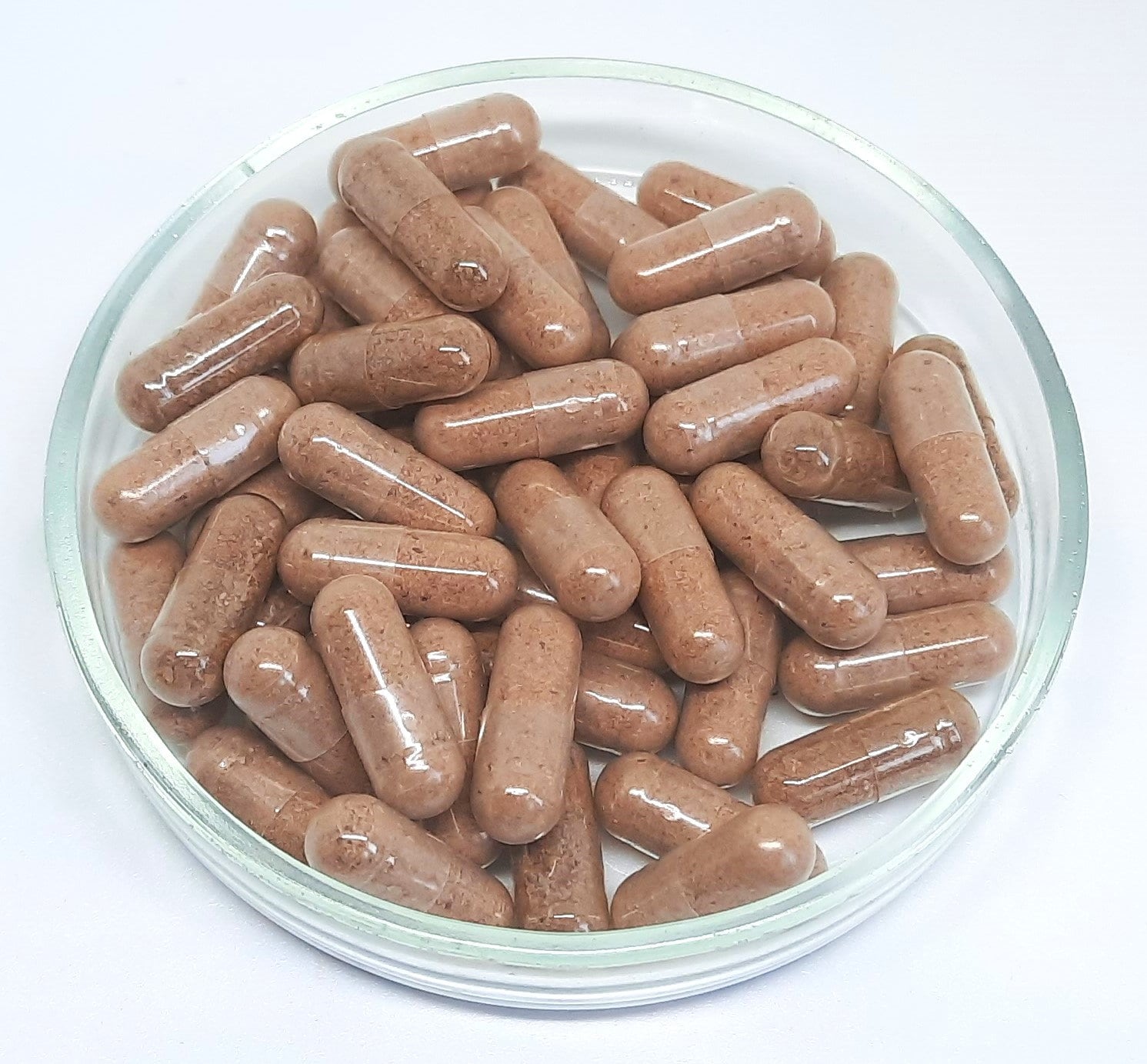
The Ultimate Guide to Rhodiola Rosea: Health Benefits and Uses

The Definitive Guide to Rhodiola Rosea: Science, Health Benefits, and Practical Applications of the Ultimate Adaptogen

In the modern era of chronic stressors, cognitive demands, and metabolic imbalances, human search for systemic resilience has turned toward the ancient plant kingdom. Among the elite class of botanical agents known as adaptogens, none possesses a more formidable scientific profile or a richer history of empirical validation than Rhodiola Rosea. Commonly known as the “Golden Root,” “Arctic Root,” or “Siberian Ginseng,” this extraordinary perennial plant thrives in some of the coldest, most inhospitable alpine regions of Europe, Asia, and North America. It is within these extreme environmental conditions that the plant synthesizes a dense arsenal of highly specialized secondary metabolites designed to survive physiological stress—compounds that, when consumed by humans, confer remarkable physiological adaptability, cognitive enhancement, and metabolic optimization.

This comprehensive guide explores the deep botanical, historical, and chemical complexities of Rhodiola Rosea. Backed by clinical trials and preclinical pharmacological research, we will analyze the precise cellular mechanisms through which this potent botanical mitigates burnout, boosts cellular energy production, protects the central nervous system, and balances the endocrine response to acute and chronic stress.

Historical Context and Ethnobotanical Heritage

The human relationship with Rhodiola Rosea spans millennia, deeply woven into the survival strategies of circumpolar and high-altitude populations. For generations, traditional healers in northern Europe and Asia recognized that the thick, fragrant rhizomes of this plant could fortify the human body against bitter cold, physical exhaustion, and the psychological weight of prolonged winters. In Scandinavian folklore, Viking warriors relied on Rhodiola Rosea to sustain their legendary physical stamina, enhance mental focus, and accelerate recovery after intense physical battles.

Further east, across the vast expanses of Siberia, local populations consumed a tea brewed from the golden root to prevent altitude sickness, treat infectious respiratory ailments, and promote overall longevity. In traditional Chinese medicine (TCM), where it is known as Hong Jing Tian, Rhodiola was prized for its ability to tonify the vital life force (Qi), nourish the blood, and clear heat from the lungs. Emperors of the Chinese dynasties would dispatch elite expeditions deep into the Altai Mountains of Siberia to harvest and return with this rare, prized botanical commodity.

Rhodiola Rosea Dried Herb

The modern scientific journey of Rhodiola Rosea accelerated significantly during the mid-20th century. During the height of the Cold War, the Soviet Union launched intensive, classified research programs aimed at identifying natural substances that could enhance the performance of military personnel, elite athletes, cosmonauts, and industrial workers. Under the guidance of pioneering pharmacologist Dr. Nikolai Lazarev, who coined the term “adaptogen” in 1947, and later Dr. Israel Brekhman, Soviet scientists conducted extensive clinical investigations into Rhodiola Rosea. This research confirmed its unique ability to increase non-specific resistance to multiple physical, chemical, and biological stressors without causing adverse side effects or disrupting normal homeostatic parameters.

Botanical Characteristics and Ecological Niche

Taxonomically classified within the Crassulaceae family, Rhodiola rosea is a dioecious, succulent herbaceous plant. It is primarily characterized by its ability to thrive in challenging alpine locations, such as rocky cliffs, glacial moraines, and cold mountain crevices at elevations reaching up to 3,000 meters. The plant exhibits striking morphological adaptations to conserve moisture and resist extreme UV radiation, featuring fleshy, glaucous green leaves arranged spirally along erect, stout stems that grow from a thick, woody, fragrant rhizome.
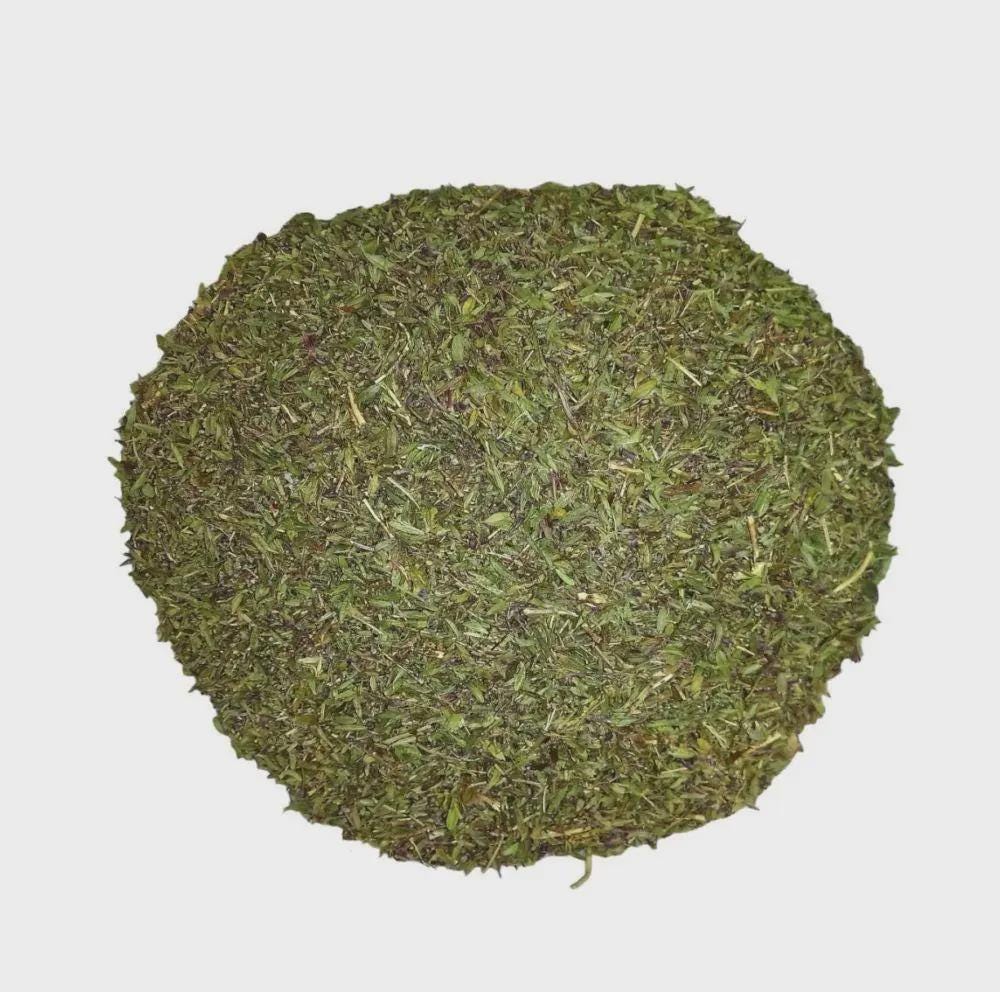
Rhodiola Rosea Botanical Photo

The most biochemically vital portion of the plant is its subterranean root and rhizome system. When sliced, the fresh rhizome releases a distinct, pleasant aroma reminiscent of old roses—a characteristic that inspired its botanical name, rosea, coined by the famous Swedish taxonomist Carl Linnaeus. This scent is attributed to the presence of volatile monoterpenes, including geraniol and rosiridol. The evolutionary pressure of surviving sub-zero temperatures, thin atmospheric oxygen, and intense solar radiation forces the root system to accumulate a diverse suite of defensive phytochemicals. These same molecules act as potent biological response modifiers when introduced to the human biochemistry.

The Phytochemical Blueprint: Bioactive Compounds

The therapeutic efficacy of Rhodiola Rosea is not the result of a single molecule, but rather a synergistic interplay of over 140 distinct bioactive compounds. These molecules fall into several primary chemical classifications, each contributing to the herb’s multi-systemic physiological effects:

  • Phenylpropanoids (The Rosavins): This class includes rosavin, rosin, and rosarin. Crucially, these specific phenylpropanoids are unique to the species Rhodiola rosea. Their presence serves as the definitive chemical fingerprint used in laboratory assays to distinguish authentic *R. rosea* from other related species within the Rhodiola genus (such as *R. crenulata* or *R. quadrifida*).
  • Phenylethanol Derivatives: This category is led by salidroside (also known as rhodioloside) and its aglycone precursor, p-tyrosol. Salidroside is one of the most pharmacologically active compounds in the plant, celebrated for its profound neuroprotective, anti-inflammatory, and cellular energy-promoting properties.
  • Flavonoids: Including tricin, herbacetin, and rhodionin, these compounds provide potent antioxidant protection, neutralizing reactive oxygen species (ROS) and mitigating systemic oxidative stress.
  • Monoterpenes and Triterpenes: Such as rosiridol and daucosterol, which contribute to the herb’s overall antimicrobial and immunomodulatory profiles.
  • Proanthocyanidins: Highly complex condensed tannins that exert cardiovascular-protective and vascular-strengthening properties.

Rhodiola Rosea Plant Profile

In the pharmaceutical and nutraceutical industries, commercial preparations of Rhodiola Rosea are typically standardized to contain a specific, biologically active ratio: 3% rosavins and 1% salidroside. This natural 3:1 ratio mirrors the phytochemical fingerprint of wild Siberian Rhodiola and is considered the therapeutic gold standard for achieving optimal adaptogenic synergy.

Primary Health Benefits and Scientific Mechanisms of Action

1. Modulation of the Stress Response: The HPA Axis and Sympathoadrenal System

At the core of Rhodiola Rosea’s adaptogenic power is its capacity to balance the human body’s stress response networks. When an individual encounters a physical or emotional stressor, the Sympathoadrenal System (SAS) and the Hypothalamic-Pituitary-Adrenal (HPA) axis are activated. This cascade triggers the release of catecholamines (adrenaline and noradrenaline) and glucocorticoids (principally cortisol) into the bloodstream.

While acute activation is life-saving, chronic activation of this system leads to elevated cortisol, systemic inflammation, neural atrophy, and profound burnout. Rhodiola Rosea acts as a molecular thermostat for this system. Research demonstrates that salidroside and rosavins downregulate the overexpression of Corticotropin-Releasing Factor (CRF) and decrease the secretion of cortisol, preventing the HPA axis from falling into a state of chronic hyper-reactivity.

Furthermore, Rhodiola modulates the expression of neuropeptide Y (NPY) and heat shock proteins (specifically Hsp70). Hsp70 acts as a molecular chaperone, protecting cellular proteins from degradation under physical or thermal stress. By maintaining healthy levels of Hsp70 and preventing the depletion of NPY, Rhodiola Rosea shields cellular integrity and prevents the structural and functional collapse that typically follows prolonged physiological or psychological stress.

2. Cognitive Enhancement, Neuroprotection, and Neurotransmitter Regulation

Rhodiola Rosea is highly regarded in modern neuropharmacology as a potent, non-stimulant cognitive enhancer (nootropic). Unlike synthetic stimulants that force the rapid release of neurotransmitters and lead to subsequent receptor downregulation and “crashes,” Rhodiola optimizes brain chemistry through subtle, sustainable pathways:

  • Monoamine Oxidase (MAO) Inhibition: Research indicates that compounds within Rhodiola Rosea naturally inhibit the activity of Monoamine Oxidase-A (MAO-A) and Monoamine Oxidase-B (MAO-B). These enzymes are responsible for breaking down key neurotransmitters: serotonin, dopamine, and norepinephrine. By inhibiting MAO, Rhodiola increases the availability and lifespan of these mood- and focus-regulating chemicals within the synaptic cleft.
  • Enhancement of Blood-Brain Barrier Permeability: It facilitates the transport of neurotransmitter precursors, such as 5-hydroxytryptophan (5-HTP) and L-tyrosine, across the blood-brain barrier, thereby accelerating the synthesis of serotonin and dopamine in the central nervous system.
  • Upregulation of BDNF: Brain-Derived Neurotrophic Factor (BDNF) is a vital protein that stimulates neurogenesis, promotes synaptic plasticity, and supports long-term memory formation. Salidroside has been shown to upregulate BDNF expression in the hippocampus, offering neuroprotective benefits against neurodegenerative decline and age-related cognitive impairment.
  • Acetylcholinesterase (AChE) Modulation: Rhodiola exhibits mild inhibitory action against AChE, the enzyme that degrades acetylcholine. Acetylcholine is the primary neurotransmitter involved in memory consolidation, executive function, and focus. By preserving its levels, Rhodiola enhances mental processing speed and sustained attention during demanding cognitive tasks.

3. Cellular Energy Optimization, ATP Production, and Athletic Performance

Beyond its neurological effects, Rhodiola Rosea is an exceptional ergogenic aid that optimizes cellular energy kinetics. The human body relies on adenosine triphosphate (ATP) generated within the mitochondria to power every biological process, from muscle contraction to neural transmission.

Preclinical studies show that Rhodiola Rosea stimulates the synthesis and resynthesis of ATP in skeletal muscle and brain tissue during intense physical exertion. This effect is driven primarily by its active constituent, salidroside, which activates AMP-activated protein kinase (AMPK). AMPK is the master regulator of energy homeostasis in the body; its activation stimulates mitochondrial biogenesis, enhances glucose uptake in skeletal muscles, and promotes fatty acid oxidation.

By shifting metabolism toward efficient mitochondrial respiration, Rhodiola increases the body’s maximal oxygen uptake ($VO_2$ max) and delays the onset of anaerobic metabolism. This translates to reduced lactic acid accumulation in muscle tissue, lower markers of muscle damage (such as creatine kinase and lactate dehydrogenase), and faster physical recovery times for athletes. Furthermore, it protects myocardial tissue from ischemic injury during intense physical training by maintaining balanced coronary blood flow and mitigating oxidative damage to cardiac cells.

4. Alleviation of Mental Fatigue, Burnout, and Depressive Symptoms

Modern clinical psychiatry has shown significant interest in Rhodiola Rosea for its potential as an adjunctive or standalone intervention for mild-to-moderate depression, generalized anxiety disorder (GAD), and occupational burnout.

In a landmark phase III randomized, double-blind, placebo-controlled clinical trial, participants diagnosed with mild-to-moderate depression who received standardized Rhodiola Rosea extract demonstrated statistically significant improvements in overall depressive symptoms, insomnia, emotional instability, and somatization, compared to the placebo group. The therapeutic efficacy is believed to result from the dual action of serotonergic upregulation and the reduction of inflammatory cytokines, such as tumor necrosis factor-alpha (TNF-α) and interleukin-6 (IL-6), which are increasingly recognized as primary drivers of neuroinflammation and treatment-resistant depressive states.

In patients experiencing burnout or chronic fatigue syndrome (CFS), clinical evaluations have shown that daily supplementation with Rhodiola Rosea significantly improves morning cortisol curves, enhances mental alertness, reduces self-reported fatigue, and improves executive function within just one to two weeks of commencing therapy.

5. Metabolic and Immunomodulatory Support

Emerging research suggests that Rhodiola Rosea’s bioactive compounds play a supportive role in regulating metabolic health and immune function. Through the activation of the AMPK pathway, Rhodiola improves insulin sensitivity and cellular glucose transport via the upregulation of glucose transporter 4 (GLUT4) translocation. This makes it a promising botanical candidate for supporting metabolic health, healthy blood glucose management, and lipid metabolism.

Immunologically, Rhodiola acts as a biological response modifier. It enhances the phagocytic activity of macrophages, stimulates the proliferation of T-lymphocytes and natural killer (NK) cells, and helps modulate the immune response, offering systemic protection against environmental pathogens without triggering autoimmune hyper-reactivity.

Selecting Quality Supplements and Understanding Formulations

The global surge in demand for Rhodiola Rosea has led to a highly saturated supplement market, making quality control, identification, and standardization critical considerations for consumers and clinicians alike.

Rhodiola Rosea Capsules

When selecting a Rhodiola Rosea supplement, it is vital to review the ingredient label for specific standardization metrics. Look for extracts standardized to contain at least 3% rosavins and 1% salidroside. This ratio ensures that the product is derived from genuine Rhodiola rosea rather than cheaper species like Rhodiola crenulata, which contains high levels of salidroside but lacks the unique rosavin compounds. Additionally, prioritizing brands that perform third-party testing for heavy metals, pesticides, and microbial contaminants ensures you are consuming a pure, therapeutically viable extract free from adulteration.

Dosage Protocols, Cycling Strategies, and Safety Profiles

To maximize the clinical benefits of Rhodiola Rosea while minimizing the potential for desensitization, it is highly recommended to follow structured dosage and scheduling guidelines:

Recommended Daily Dosages

  • For Cognitive Enhancement, Anxiety, and Burnout: 200 mg to 400 mg per day of an extract standardized to 3% rosavins and 1% salidroside.
  • For Athletic Endurance and Physical Performance: 300 mg to 600 mg taken approximately 45 to 60 minutes prior to physical training or athletic competition.
  • For Mild-to-Moderate Depressive Symptoms: Up to 680 mg per day, often divided into two equal doses of 340 mg.

Rhodiola Rosea Natural Herb

Administration Timing and Cycling Protocols

Due to its mild energizing and stimulating qualities, Rhodiola Rosea should ideally be consumed on an empty stomach first thing in the morning or early in the afternoon. Avoid taking Rhodiola late in the evening, as its ATP-boosting and neurotransmitter-sparing properties can interfere with natural sleep architecture and delay sleep onset.

To prevent metabolic adaptation and maintain cellular sensitivity to its active constituents, many phytotherapists suggest cycling Rhodiola Rosea. Common protocols include using the herb for 6 to 12 weeks followed by a 1- to 2-week cessation period, or a “5 days on, 2 days off” weekly routine. This strategy preserves the long-term efficacy of its adaptogenic actions on the HPA axis and neuroreceptor sites.

Safety, Side Effects, and Contraindications

Rhodiola Rosea has an excellent safety profile and is generally very well tolerated. In clinical trials, adverse effects are rare, typically mild, and easily managed. Occasional side effects may include mild dizziness, dry mouth, or transient gastrointestinal upset when starting supplementation.

However, specific contraindications apply. Individuals diagnosed with bipolar disorder or those prone to manic episodes should avoid Rhodiola Rosea due to its potential to trigger manic or hypomanic states through its stimulating action on monoaminergic pathways. Additionally, because of its potential interactions with prescription medications, consultation with a qualified medical professional is essential if you are taking:

  • Selective Serotonin Reuptake Inhibitors (SSRIs) or MAOIs: Combining Rhodiola with these medications can theoretically increase the risk of serotonin syndrome.
  • Antihypertensive Medications: Rhodiola may exert a mild hypotensive effect, which could potentiate the actions of blood-pressure-lowering drugs.
  • Hypoglycemic Medications: Due to its ability to improve insulin sensitivity and lower blood glucose, concurrent use may require dosage adjustments of diabetes medications under medical supervision.

Conclusion: The Future of Adaptogenic Medicine

Rhodiola Rosea stands out as a premier adaptogen, demonstrating how traditional herbal wisdom can align perfectly with modern scientific discovery. From the rugged cliffs of high-altitude mountain ranges to cutting-edge biochemical laboratories, this resilient plant has proven its ability to help the human body adapt, survive, and thrive amidst stress.

By regulating stress pathways, elevating neurotransmitter availability, boosting cellular energy, and protecting vulnerable neural structures, Rhodiola Rosea offers a comprehensive, multi-targeted approach to modern wellness. Whether your goal is to overcome professional burnout, sharpen your cognitive focus, improve physical endurance, or cultivate emotional stability, incorporating high-quality, standardized Rhodiola Rosea into your routine provides a powerful tool for building systemic resilience and achieving optimal health.

Disclaimer: For informational purposes only. Not medical advice. Consult a qualified healthcare professional before use.