The Ultimate Guide to White Mulberry Leaf: Health Benefits, Phytochemicals, and Science-Backed Uses
In the rapidly evolving landscape of natural medicine and functional nutrition, few botanicals have garnered as much scientific attention in recent years as the White Mulberry leaf (Morus alba). Cultivated for millennia across East Asia, this remarkable deciduous leaf is transitioning from its traditional role in sericulture and ancient herbal systems into a premier, evidence-based supplement for metabolic health. Modern research is continuously validating what historical herbalists knew intuitively: White Mulberry leaf possesses a sophisticated array of bioactive compounds capable of profoundly influencing human physiology.
This comprehensive deep-dive guide explores the multi-faceted world of White Mulberry leaf. From its botanical origins and rich historical context to its complex chemical profile and therapeutic benefits, we will analyze how this natural wonder can be leveraged to support blood sugar regulation, cardiovascular health, weight management, and cellular longevity.
Botanical Overview and Characteristics of Morus alba
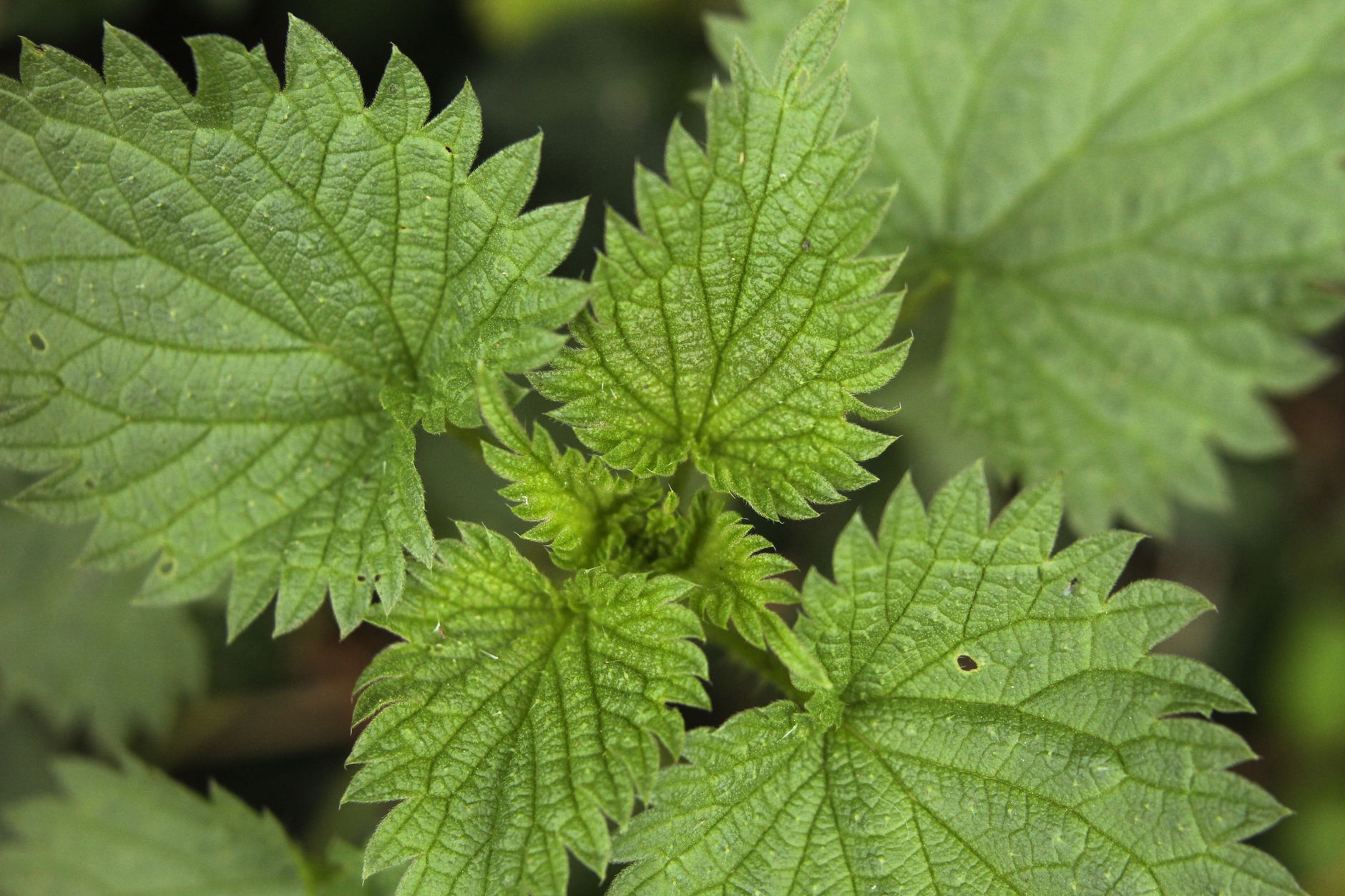
The White Mulberry, scientifically classified as Morus alba, belongs to the Moraceae family, which also includes figs, breadfruit, and jackfruit. Native to northern and central China, the tree is highly adaptable and has naturalized across temperate and subtropical regions globally, including Europe, North America, and Africa. Characterized by its rapid growth, the tree can reach heights of up to 15 meters. Its leaves are highly polymorphic, meaning they can vary significantly in shape even on the same branch—ranging from simple, unlobed ovals with serrated margins to deeply lobed, complex structures.

The physiological resilience of Morus alba contributes directly to its complex phytochemical makeup. The leaves serve as the primary respiratory and photosynthetic organs of the tree, synthesizing a rich diversity of secondary metabolites to protect the plant from environmental stressors, UV radiation, and microbial pathogens. When harvested at precise times—typically in late spring when the leaves are young and vibrant, or in late autumn after the first frost—the concentration of these protective compounds reaches its peak, yielding a highly potent therapeutic material.
Historical Context and Traditional Medicine Systems
The history of the White Mulberry tree is intimately intertwined with the development of Asian civilization. For over 5,000 years, Morus alba was the cornerstone of the silk industry (sericulture), as its leaves represent the exclusive food source for the silkworm (Bombyx mori). Beyond its industrial importance, the tree held an esteemed position in Traditional Chinese Medicine (TCM), where it is known as “Sang Ye.” First documented in the legendary agricultural text Shennong Bencao Jing, Sang Ye was classified as a cold herb belonging to the Lung and Liver meridians.
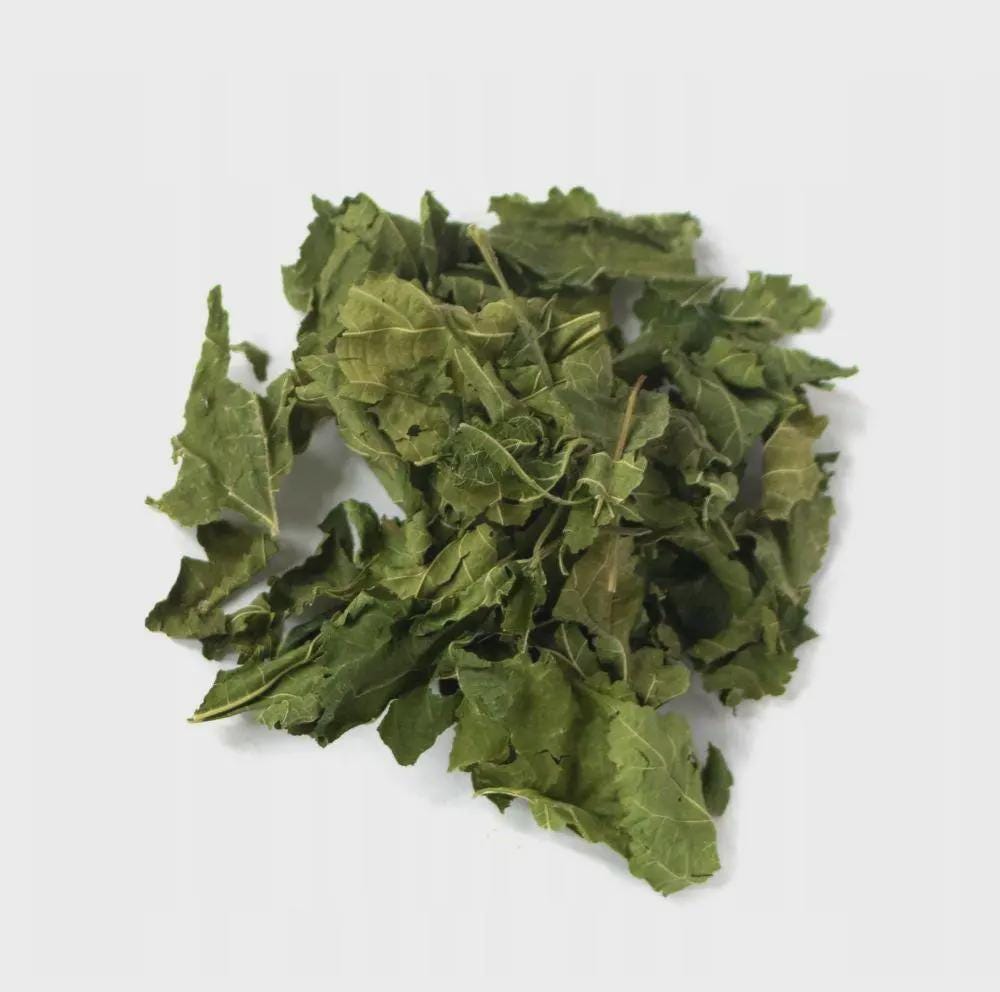
Traditional practitioners utilized dried White Mulberry leaves to clear “Lung Heat” (addressing coughs, bronchitis, and fever), soothe “Liver Fire” (improving red, dry, or painful eyes), and cool the blood. It was also brewed as a nourishing daily tea to address “wasting and thirsting disorder,” an ancient clinical description corresponding closely to modern type 2 diabetes. Similarly, in Ayurvedic medicine and traditional Middle Eastern practices, preparations of the leaf were utilized for their bitter, astringent properties to tone the digestive system, purify the blood, and restore metabolic equilibrium.
The Phytochemical Profile: Unlocking the Bioactive Compounds
The therapeutic efficacy of White Mulberry leaf is not driven by a single “magic bullet” compound, but rather by a synergistic matrix of unique alkaloids, flavonoids, phenolic acids, and polysaccharides. To understand how the leaf interacts with the human body, we must examine these constituents at a molecular level.
1-Deoxynojirimycin (DNJ): The Glycemic Regulator
The most famous and pharmacologically significant compound in Morus alba is 1-deoxynojirimycin (DNJ). DNJ is a polyhydroxy alkaloid (specifically an iminosugar) that structurally mimics glucose molecules. This structural similarity allows DNJ to act as a highly selective, competitive inhibitor of alpha-glucosidase enzymes located in the brush border of the human small intestine. By blocking these enzymes, DNJ prevents the breakdown of complex carbohydrates into simple sugars, thereby altering systemic glucose absorption.
Flavonoids and Phenolic Compounds
White Mulberry leaves are extraordinarily rich in polyphenols, particularly flavonoids such as quercetin, rutin, isoquercitrin, and astragalin. These compounds are powerful free-radical scavengers that mitigate oxidative stress. Rutin, in particular, is highly valued for its ability to strengthen capillaries, support microcirculation, and exert anti-inflammatory effects throughout the vascular system.
Polysaccharides and Essential Nutrients
In addition to active secondary metabolites, the leaf contain soluble polysaccharides that demonstrate promising immunomodulatory and prebiotic actions. They also boast a robust nutritional profile, delivering essential minerals (calcium, potassium, iron, zinc, and magnesium), vitamins (vitamin C, beta-carotene, and B-complex vitamins), and a well-balanced spectrum of essential amino acids.
The Health Benefits of White Mulberry Leaf: What the Science Says
Modern clinical trials and in vivo studies have shed light on the specific mechanisms of action through which White Mulberry leaf exerts its health-promoting properties. The following sections detail the primary therapeutic benefits validated by contemporary research.
1. Exceptional Blood Sugar Regulation and Glycemic Control
The primary clinical application of White Mulberry leaf is in the management of postprandial (post-meal) blood glucose levels. When we consume carbohydrates (such as starches and sucrose), digestive enzymes like maltase, sucrase, and amylase break them down into glucose so they can be absorbed into the bloodstream.
Because the DNJ in White Mulberry leaf competitively binds to these enzymes, the rate of carbohydrate digestion is significantly slowed. Consequently, glucose is released into the bloodstream gradually rather than in a sudden surge. This prevents the sharp insulin spikes that exhaust pancreatic beta-cells over time. Multiple randomized, double-blind, placebo-controlled clinical trials have demonstrated that administering White Mulberry leaf extract prior to carbohydrate-rich meals significantly reduces both post-meal blood glucose excursions and insulin secretion in healthy individuals, prediabetic patients, and those with type 2 diabetes.
2. Cardiovascular Support and Lipid Optimization
Atherosclerosis and cardiovascular disease are closely linked to chronic inflammation and lipid imbalances. White Mulberry leaf extract targets these pathways through several distinct mechanisms:
- Inhibition of LDL Oxidation: The abundant polyphenols (specifically quercetin and rutin) prevent the oxidation of Low-Density Lipoprotein (LDL) cholesterol. Oxidized LDL is a key driver of plaque formation in the arterial walls.
- Lipid Panel Improvement: Clinical studies show that regular intake of Morus alba leaf extract can lead to significant reductions in total cholesterol, LDL cholesterol, and serum triglycerides, while simultaneously increasing High-Density Lipoprotein (HDL) “good” cholesterol.
- Endothelial Protection: The leaf’s active constituents stimulate nitric oxide production in endothelial cells, promoting vasodilation, improving arterial elasticity, and helping to maintain healthy blood pressure levels.
3. Weight Management and Anti-Obesity Mechanisms
Obesity is a complex metabolic state characterized by adipocyte hypertrophy and chronic low-grade inflammation. White Mulberry leaf aids weight management through metabolic modulation rather than nervous system stimulation:
- Slowing Carbohydrate Absorption: By limiting the uptake of dietary sugars, the body is less prone to storing excess glucose as adipose tissue (fat).
- AMPK Activation: Emerging research indicates that components of Morus alba leaf can activate Adenosine Monophosphate-Activated Protein Kinase (AMPK). Known as the body’s metabolic master switch, AMPK activation enhances fatty acid oxidation (fat burning) and increases cellular energy expenditure.
- Adipogenesis Regulation: Cell studies demonstrate that mulberry leaf extract downregulates key transcription factors responsible for adipogenesis (the creation of new fat cells), thereby suppressing lipid accumulation in existing fat cells.
4. Potent Anti-Inflammatory and Antioxidant Properties
Chronic cellular inflammation and oxidative stress are the underlying drivers of virtually all degenerative diseases, including arthritis, neurodegeneration, and metabolic syndrome. The rich concentration of flavonoids and chlorogenic acid in White Mulberry leaf directly neutralizes reactive oxygen species (ROS). Furthermore, the extract has been shown to suppress the NF-kB (Nuclear Factor-kappa B) pathway, which in turn reduces the production of pro-inflammatory cytokines such as Tumor Necrosis Factor-alpha (TNF-α), Interleukin-6 (IL-6), and inducible nitric oxide synthase (iNOS).
White Mulberry Leaf Supplements and Modern Formulations
For individuals seeking to incorporate the therapeutic benefits of Morus alba into their daily wellness regimens, the modern supplement market offers several convenient delivery formats, each tailored to different lifestyles and clinical goals.
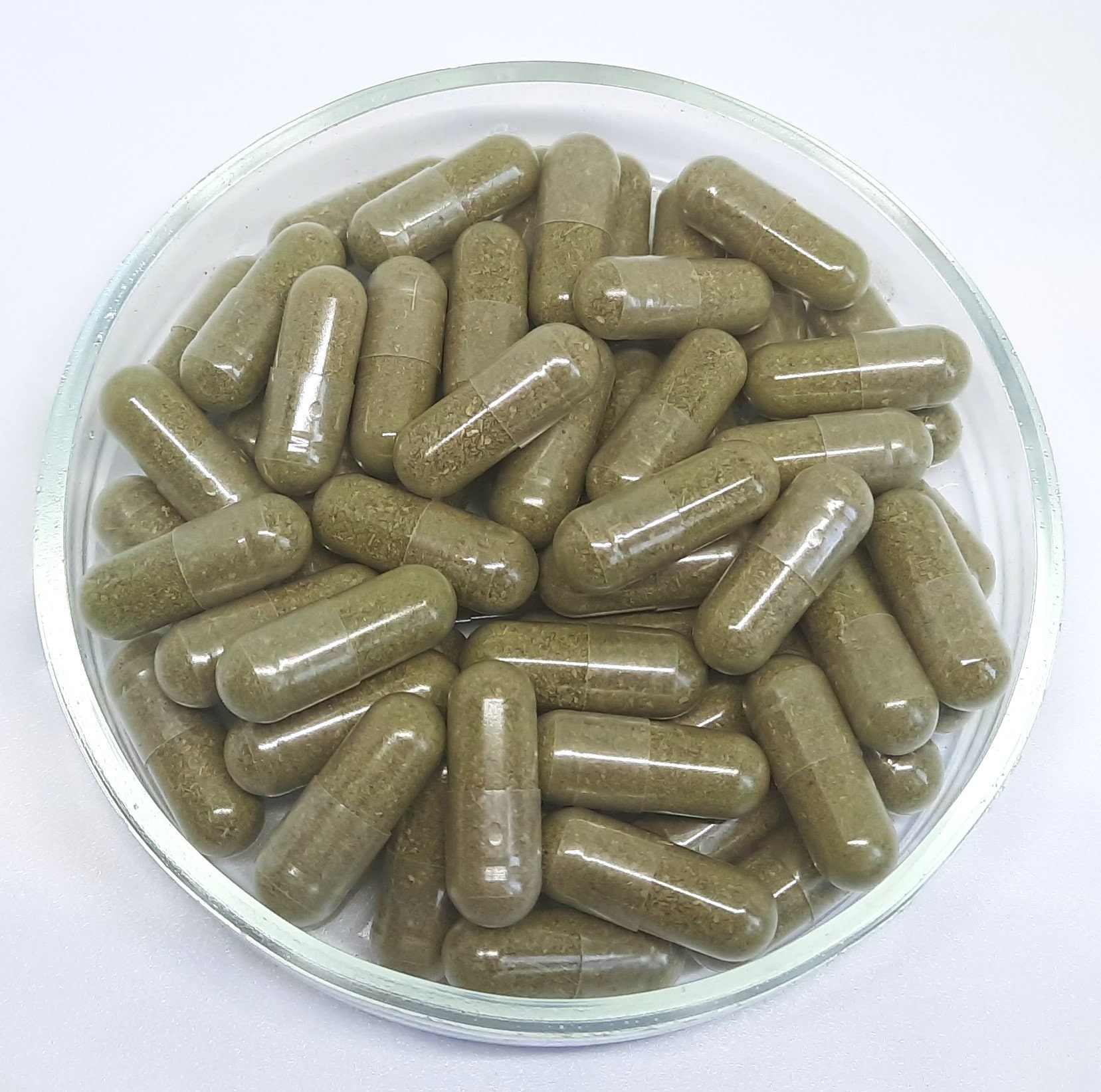
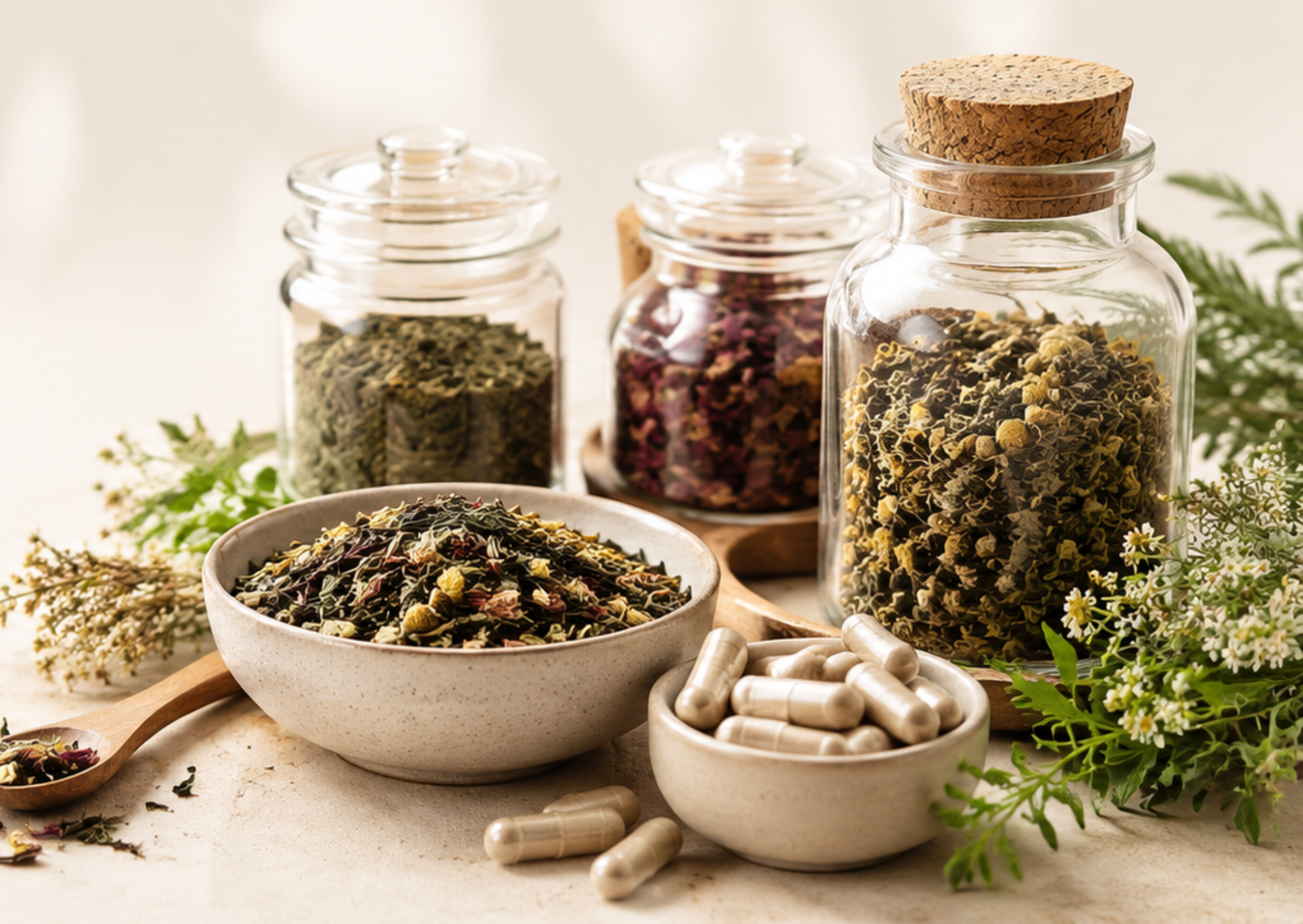
Capsules and tablets containing standardized extracts represent the most precise dosing method. When choosing a supplement, look for “standardized extracts” that specify the percentage of active DNJ (typically ranging from 1% to 5% DNJ). This ensures that you are receiving a consistent, therapeutically active dose in every serving. For those who prefer a more traditional approach, organic loose-leaf teas or fine powders can be easily integrated into smoothies or enjoyed as a warm, caffeine-free beverage. When choosing capsules, verify that the manufacturer employs strict third-party testing to guarantee purity and the absence of heavy metals or synthetic fillers.
Dosages, Safety, and Practical Usage Guidelines
To maximize the clinical efficacy of White Mulberry leaf while maintaining safety, users must adhere to established, research-supported protocols regarding timing and dosing.
Optimal Dosing Guidelines
Based on successful clinical trials, the standard daily dose of White Mulberry leaf extract ranges from 500 mg to 1,500 mg per day. For optimal results in managing blood sugar spikes, the dose should be divided and administered 15 to 30 minutes before carbohydrate-heavy meals. This strategic timing allows the DNJ molecules to arrive in the small intestine ahead of the food, effectively binding to the alpha-glucosidase enzymes before dietary starches can reach them.
Safety Profile and Side Effects
White Mulberry leaf is exceptionally well-tolerated by the vast majority of individuals, demonstrating an excellent safety profile in long-term toxicity studies. However, because it alters the digestion of carbohydrates, some individuals—especially during the first few days of use—may experience mild gastrointestinal side effects. These can include bloating, mild abdominal cramping, or flatulence. These symptoms occur because undigested carbohydrates pass into the colon, where they are fermented by beneficial gut microflora. This effect typically resolves as the gut microbiome adapts.
Contraindications and Drug Interactions
Because of its highly effective blood glucose-lowering capabilities, individuals diagnosed with diabetes who are currently taking oral hypoglycemic medications (such as Metformin, glipizide, or acarbose) or using insulin must consult their primary healthcare physician before using White Mulberry leaf. Combining these substances can result in an additive effect, increasing the risk of hypoglycemia (low blood sugar). Additionally, pregnant and lactating women should avoid use due to a lack of comprehensive safety data within these specific populations.
Conclusion
The transition of White Mulberry leaf from an ancient botanical staple to a validated, modern therapeutic agent highlights the power of integrative medicine. By combining the wisdom of traditional practices with strict clinical scrutiny, we have unlocked a natural tool perfectly suited to combat the metabolic challenges of modern life. With its unparalleled ability to temper glycemic spikes through enzyme inhibition, optimize lipid markers, suppress chronic cellular inflammation, and shield the cardiovascular system from oxidative damage, Morus alba stands out as a foundational botanical for preventive health.
Whether utilized as a standardized daily capsule to support metabolic resilience or brewed as a calming evening tea, integrating White Mulberry leaf into a healthy lifestyle represents a scientifically validated path toward optimal vitality and long-term metabolic harmony.
Disclaimer: For informational purposes only. Not medical advice. Consult a qualified healthcare professional before use.