
Introduction to Lemongrass: The Ancient Botanical Powerhouse
Lemongrass, botanically classified under the genus Cymbopogon, is a tall, perennial, aromatic grass native to the tropical and subtropical regions of Asia, Africa, and Oceania. Highly esteemed for its distinct citrus-like aroma and sharp, herbaceous flavor, lemongrass has transcended its origins as a regional culinary staple to become one of the most thoroughly researched botanicals in modern ethnopharmacology. For millennia, traditional practitioners of Ayurvedic, Traditional Chinese Medicine (TCM), and various African folk medicine systems have utilized lemongrass herb preparations to address an array of physiological ailments, including gastrointestinal disorders, fevers, systemic inflammation, and nervous system imbalances.
Today, contemporary clinical studies are systematically validating what traditional healers have known for generations: lemongrass is not merely a flavoring agent, but a complex therapeutic agent. Its multifaceted health benefits arise from a rich matrix of volatile essential oils, polyphenolic compounds, flavonoids, and essential micronutrients. This comprehensive guide explores the botanical profile, intricate chemical composition, evidence-based therapeutic actions, traditional practices, and practical safety protocols associated with the medical integration of the lemongrass herb.
Botanical Characteristics and Taxonomy of Cymbopogon
The genus Cymbopogon belongs to the Poaceae (grass) family and encompasses over 50 distinct species. Among these, two primary species are widely cultivated for medicinal and culinary applications: Cymbopogon citratus (commonly known as West Indian lemongrass) and Cymbopogon flexuosus (East Indian lemongrass). Both species are characterized by their coarse, glaucous, linear leaves that grow in dense, robust clumps, reaching heights of up to two meters. The foliage emits a powerful lemon-scented fragrance when crushed, a physical trait resulting from the specialized secretory cells that synthesize and store volatile essential oils.

Underneath the surface, lemongrass features a short, stout rhizomatous root system that anchors the plant firmly in well-drained, sandy-loam soils. It thrives in high-temperature, humid environments with abundant sunlight, making it highly resilient to tropical weather patterns. From an agricultural perspective, the plant serves as an ecological protector, reducing soil erosion due to its extensive root systems while acting as a natural pest deterrent because of the high concentration of insecticidal compounds concentrated within its long, slender blades.
The Bioactive Micro-Universe: Chemical Composition of Lemongrass
The therapeutic efficacy of the lemongrass herb lies in its complex phytochemistry. The plant is essentially a natural laboratory, synthesizing an array of secondary metabolites that act synergistically to produce physiological benefits within the human body. The primary active component of lemongrass essential oil is citral, an aliphatic monoterpene aldehyde that constitutes up to 70% to 85% of the total volatile oil yield. Citral itself exists as an isomeric mixture of two geometric isomers: geranial (trans-citral, which provides the strong, sweet lemon scent) and neral (cis-citral, which possesses a milder, citrus-herbal undertone).

Beyond citral, the pharmacological profile of lemongrass is enriched by several other crucial chemical compounds, which include:
- Myrcene: A monoterpene hydrocarbon known for its potent analgesic, sedative, and anti-inflammatory properties. Myrcene acts as an important synergizer, enhancing the systemic absorption of other phytoconstituents across biological membranes.
- Geraniol: An acyclic monoterpene alcohol that exhibits robust antimicrobial, antifungal, and antioxidant properties. It plays a significant role in membrane permeabilization of pathogenic microorganisms.
- Limonene: A common cyclic monoterpene known for its chemopreventive, anxiolytic, and gastroprotective activities.
- Polyphenols and Flavonoids: These include luteolin, apigenin, quercetin, kaempferol, and chlorogenic acid. These compounds act as powerful free radical scavengers, mitigating oxidative stress at the cellular level.
- Saponins and Tannins: Natural astringents and immune-modifying agents that support intestinal integrity and possess anti-diarrheal effects.
Therapeutic Benefits and Mechanisms of Action
1. Robust Anti-Inflammatory and Pain Relief Pathways
Chronic systemic inflammation is a major underlying driver of many degenerative diseases, including cardiovascular pathology, rheumatoid arthritis, and metabolic syndrome. Lemongrass herb acts as a potent modulator of the body’s inflammatory cascade. Research indicates that both citral and myrcene inhibit the expression of cyclooxygenase-2 (COX-2) and inducible nitric oxide synthase (iNOS), the primary enzymes responsible for synthesizing pro-inflammatory mediators like prostaglandins and nitric oxide. Furthermore, the active compounds in lemongrass suppress the activation of Nuclear Factor-kappa B (NF-κB), a master transcription factor that orchestrates the release of inflammatory cytokines such as Tumor Necrosis Factor-alpha (TNF-α), Interleukin-1 beta (IL-1β), and Interleukin-6 (IL-6). By down-regulating these inflammatory pathways, lemongrass preparations offer noticeable relief from acute musculoskeletal pain, joint discomfort, and inflammatory bowel symptoms.
2. Gastrointestinal Preservation and Metabiotic Optimization
In traditional medicine systems, lemongrass is frequently administered as a primary remedy for digestive complaints, including dyspepsia, flatulence, abdominal cramping, and gastric ulcers. Modern pharmacological investigations support these uses, demonstrating that lemongrass possesses strong cytoprotective and antispasmodic qualities. The essential oils in lemongrass exert a relaxing effect on the smooth muscles of the digestive tract, preventing spasmodic contractions and easing colic. Additionally, studies have highlighted the ability of lemongrass extracts to protect the gastric mucosa from damage caused by ethanol, aspirin, or high stress levels. It achieves this by promoting the synthesis of protective mucus, sustaining mucosal blood flow, and scavenging reactive oxygen species that damage the lining of the stomach. Furthermore, its natural antimicrobial properties selectively target pathogenic gut microbes, such as Helicobacter pylori, without significantly disrupting beneficial probiotic strains, thereby encouraging a balanced gut microbiome.
3. Cardiovascular Defense and Lipid Regulation
Maintaining cardiovascular health is crucial, and lemongrass provides support through several biological pathways. Experimental studies demonstrate that regular intake of lemongrass infusions or extracts can help maintain healthy cholesterol levels. It works by inhibiting the activity of HMG-CoA reductase, the rate-limiting enzyme in cholesterol synthesis, which in turn helps manage low-density lipoprotein (LDL) cholesterol and triglyceride levels without depleting high-density lipoproteins (HDL). Additionally, lemongrass has mild vasodilatory properties. The high potassium content, combined with the presence of active monoterpenes, promotes the relaxation of vascular smooth muscle tissues. This decreases peripheral vascular resistance, helping to maintain blood pressure within a healthy range and reducing mechanical strain on the heart.
4. Advanced Antimicrobial, Antifungal, and Antiparasitic Efficacy
As antibiotic resistance continues to challenge modern medicine, natural antimicrobial agents are receiving increased clinical focus. Lemongrass herb has demonstrated strong, broad-spectrum antimicrobial activity. Citral and geraniol disrupt the cell membrane integrity of several pathogens, including gram-positive bacteria like Staphylococcus aureus and gram-negative bacteria such as Escherichia coli and Pseudomonas aeruginosa. In the context of mycological infections, lemongrass is highly effective against dermatophytes and yeasts, particularly Candida albicans. It works by inhibiting the synthesis of ergosterol, an essential component of the fungal cell membrane, which leads to cell lysis. Furthermore, its antiparasitic and insecticidal properties make it highly valuable in global health efforts to manage vector-borne diseases and parasitic infections naturally.
5. Anxiolytic, Neuroprotective, and Sleep-Promoting Properties
In addition to physical health, lemongrass also supports mental and emotional well-being. Historically used as a mild sedative and nerve tonic, lemongrass interacts with the central nervous system to reduce anxiety and improve sleep quality. The mechanism behind these calming effects is believed to involve the GABAergic system. Active constituents like myrcene and citral modulate gamma-aminobutyric acid (GABA) receptors in the brain, enhancing the inhibitory action of this neurotransmitter. This leads to reduced neuronal excitability, helping to ease anxiety, soothe tension, and promote deep, restorative sleep. Additionally, the herb’s high concentration of antioxidants helps protect delicate brain tissue from oxidative stress, which is a key factor in cognitive decline and neurodegenerative diseases.
Traditional Uses, Ethnobotany, and Cultural Heritage
The ethnobotanical history of lemongrass is deeply rooted in tropical cultures, where the plant has served as both a culinary staple and a household remedy. In Ayurvedic medicine, lemongrass is known as Bhustrina, translating to “earth grass.” Here, it is classified as a warming herb with sharp, dry, and light qualities, used to balance the Vata and Kapha doshas, stimulate the digestive fire (Agni), and clear respiratory pathways during seasonal transitions.

In South and Southeast Asian cuisine, particularly in Thai, Vietnamese, Indonesian, and Sri Lankan traditions, fresh lemongrass is systematically incorporated into daily meals. The lower, bulbous portion of the stem is finely sliced or bruised to release its aromatic oils into curries, soups (such as the world-renowned Tom Yum soup), marinades, and stir-fries. Beyond its culinary appeal, this historical practice represents a form of preventative healthcare, ensuring that families receive daily micro-doses of anti-inflammatory and digestive-boosting phytonutrients.
In Caribbean and South American folk medicine, “fever grass” tea is a widely used home remedy. Brewed from the dried or fresh leaves of the plant, this infusion is consumed to induce sweating (diaphoresis) to help break fevers, relieve cold and flu symptoms, and ease muscle soreness. The integration of lemongrass into daily life across these diverse cultures highlights its versatility, safety, and deep-seated place in human wellness traditions.
Modern Formulations: Capsules, Supplements, and Extracts
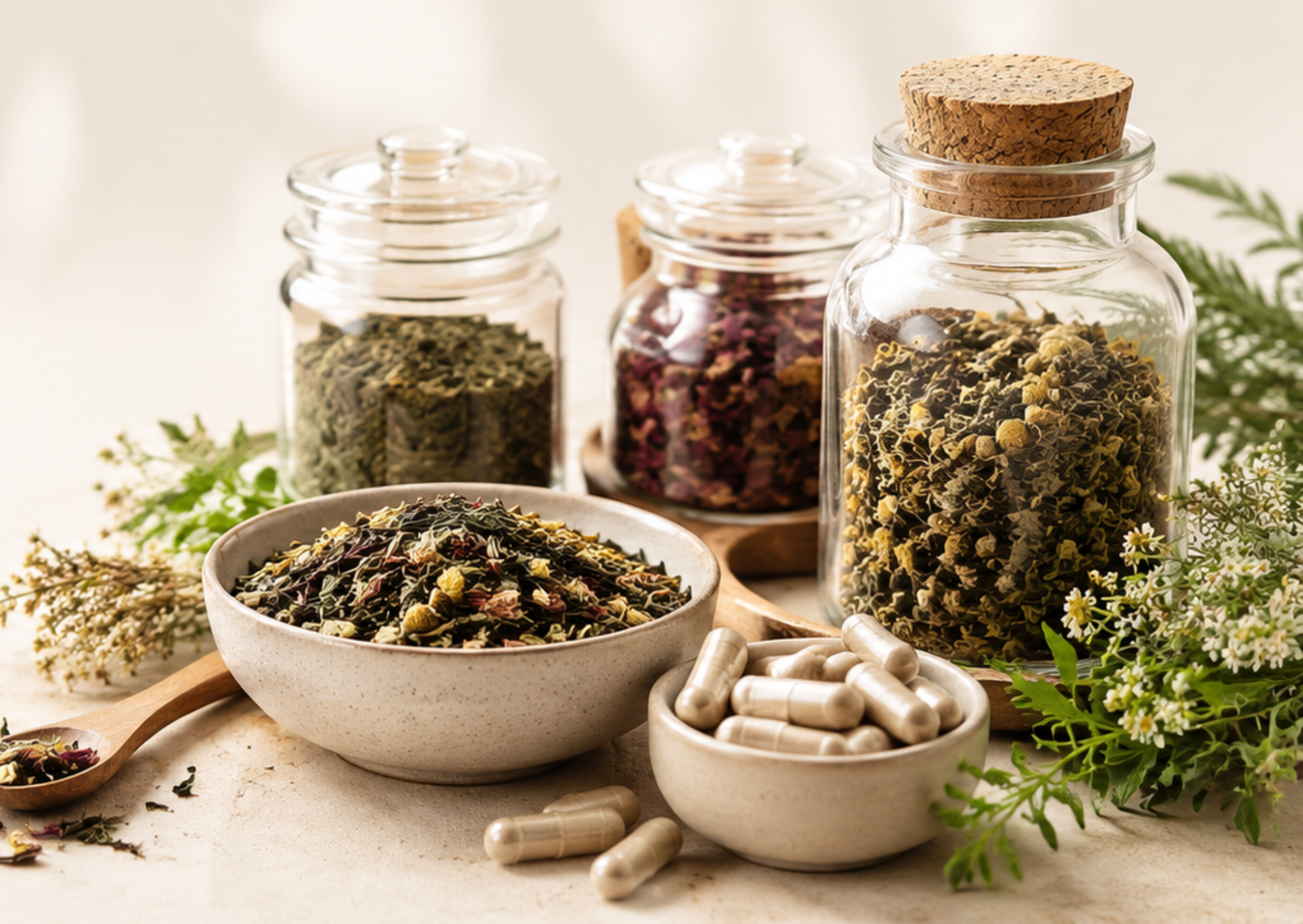
For individuals seeking the therapeutic benefits of lemongrass without the need to prepare fresh decoctions, the natural health industry offers several highly standardized dietary supplement options. Standardized dry extracts in capsule form provide a concentrated, consistent dose of the plant’s active compounds. These supplements are particularly beneficial for targeting chronic systemic issues, such as elevated blood lipids, metabolic imbalances, or persistent inflammatory conditions.

When choosing lemongrass capsules, look for products standardized to guarantee a specific percentage of citral or polyphenols. High-quality manufacturing standards, such as Good Manufacturing Practices (GMP) and third-party laboratory verification, ensure that the product is free from heavy metals, synthetic additives, and microbial contaminants. Additionally, encapsulated forms help bypass the strong, astringent taste of the raw herb, making daily supplementation simple and easy to incorporate into a modern wellness routine.
Practical Administration and Dosage Guidelines
To maximize the therapeutic benefits of lemongrass, it is helpful to understand the different methods of preparation and their recommended dosages:
1. Herbal Infusion (Tea)
For general digestive support, immune health, and relaxation, a classic herbal infusion is highly effective. To prepare, steep 1 to 2 teaspoons of dried lemongrass herb (or 1 tablespoon of fresh, chopped stalks) in 8 ounces of boiling water for 10 to 15 minutes. Ensure the vessel is covered during steeping to prevent the therapeutic volatile oils from escaping in the steam. This infusion can be consumed 2 to 3 times daily.
2. Standardized Dietary Capsules
When using encapsulated supplements, follow the specific manufacturer instructions, as concentrations can vary. A typical daily dose ranges between 350 mg to 500 mg of standardized extract, taken 1 to 2 times per day with food to optimize absorption and prevent any potential gastrointestinal irritation.
3. Essential Oil (Aromatic and Topical Use Only)
Lemongrass essential oil is highly concentrated and must be handled with care. For aromatherapy, add 3 to 5 drops to a cold-mist diffuser to help reduce stress and improve mental focus. For topical application to ease joint or muscle discomfort, dilute the essential oil in a suitable carrier oil (such as jojoba, sweet almond, or fractionated coconut oil) at a maximum concentration of 1% (approximately 3 to 5 drops of essential oil per ounce of carrier oil).
Safety Protocols, Contraindications, and Drug Interactions
While lemongrass is generally recognized as safe (GRAS) by major food and health authorities when consumed in culinary amounts, certain precautions should be observed when using therapeutic doses:
- Pregnancy and Lactation: Pregnant individuals should avoid therapeutic doses of lemongrass, particularly concentrated supplements and essential oils. Certain compounds in the plant, such as citral and myrcene, have shown uterine-stimulating properties in animal models when consumed in high doses, which could pose a risk to the pregnancy.
- Topical Sensitivity: Due to its high citral content, undiluted lemongrass essential oil can cause contact dermatitis or skin irritation. Always perform a patch test on a small area of skin before widespread topical use, and never apply the oil to open wounds or sensitive mucous membranes.
- Renal Considerations: Individuals with pre-existing kidney conditions should use caution with high-dose, long-term lemongrass supplementation, as the kidneys work to filter and excrete its active metabolites.
- Drug Interactions: Lemongrass may interact with certain medications. Because of its mild blood-sugar-lowering effects, individuals taking antidiabetic drugs should monitor their glucose levels closely to avoid hypoglycemia. Additionally, because the liver processes lemongrass compounds through the cytochrome P450 enzyme pathway, it could potentially alter the metabolism of medications cleared by these same pathways.
As with any new therapeutic supplement, it is highly recommended to consult with a qualified healthcare provider or a clinical herbalist before beginning a high-dose lemongrass regimen, especially if you have pre-existing medical conditions or are taking prescribed medications.
Conclusion: Integrating Lemongrass into a Modern Wellness Plan
The lemongrass herb is a prime example of the power of botanical medicine, bridging the gap between traditional healing practices and modern scientific research. From its potent anti-inflammatory and cellular antioxidant actions to its ability to support digestion, protect cardiovascular health, and ease everyday stress, this versatile grass offers a wealth of evidence-based health benefits.
Whether enjoyed as a soothing evening tea, taken as a standardized capsule for targeted support, or utilized in aromatherapy to create a calming space, lemongrass remains an invaluable asset to natural health. By incorporating high-quality, sustainably sourced lemongrass into your daily routine and following proper safety guidelines, you can harness the protective and restorative properties of this ancient plant to support long-term health and vitality.
Disclaimer: For informational purposes only. Not medical advice. Consult a qualified healthcare professional before use.