Introduction to Horsetail (Equisetum arvense)
Horsetail, taxonomically known as Equisetum arvense and frequently referred to by its common name Shavegrass, is one of the most anatomically unique and biochemically complex botanicals used in traditional and modern herbal medicine. It is a living relic of the prehistoric world, representing the sole surviving genus of the class Equisetopsida. During the Carboniferous period, nearly 350 million years ago, giant treelike relatives of modern horsetail dominated the global flora, reaching heights of over one hundred feet. Today, this perennial, non-flowering herbaceous plant persists across the temperate, arctic, and moist regions of the Northern Hemisphere, carrying with it an extraordinary evolutionary legacy and an unparalleled concentration of bioavailable minerals.
The common name “Shavegrass” stems from the historical and practical use of the plant’s sterile stems, which are exceptionally rich in silica. Before the advent of modern abrasive cleaning materials, artisans, metalworkers, and homemakers used dried horsetail stems to polish pewter, copper, brass, and fine wooden furniture. The plant’s high mineral density provides a natural, micro-abrasive texture that effectively cleanses without scratching surfaces. In the realm of health and medicine, this same dense mineral matrix, coupled with a highly complex array of secondary metabolites, renders horsetail an invaluable therapeutic agent for structural, metabolic, and systemic health.
Botanical Characteristics and Evolutionary Morphology
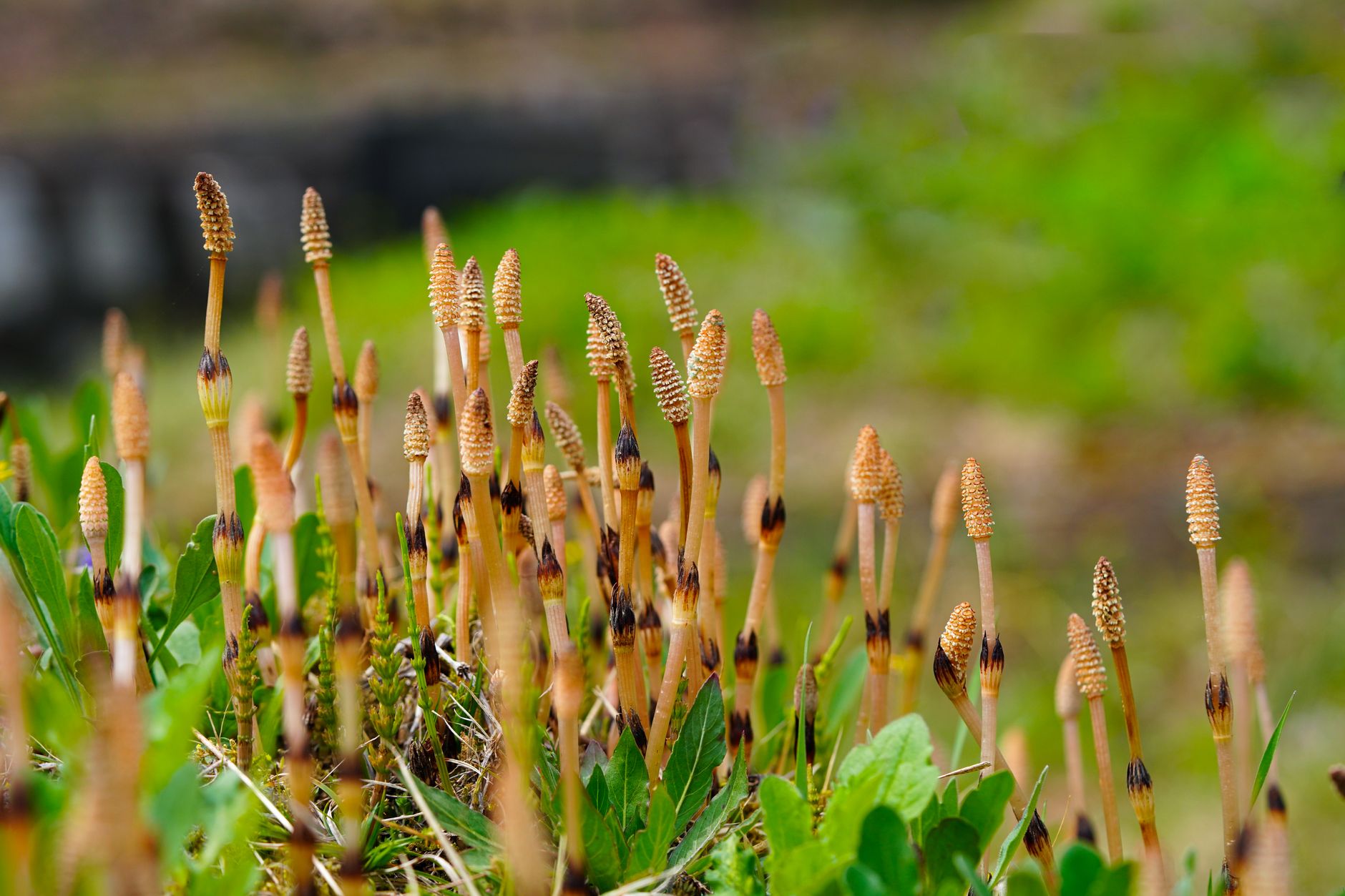
Botanically, Equisetum arvense is a spore-producing vascular plant that reproduces via spores rather than seeds. It exhibits a striking dimorphism, producing two entirely distinct types of stems during its annual lifecycle. In early spring, the plant sends up fertile, non-photosynthetic stems that are fleshy, pale brown to off-white, and terminate in a spore-bearing cone known as a strobilus. These fertile stems lack leaves and branches, relying on stored nutrients within the extensive, deep-running rhizome system to support spore dissemination.
Once the fertile stems wither and disperse their spores, the sterile, photosynthetic vegetative stems emerge in late spring and persist until the first hard frosts of winter. These sterile stems are characterized by their bright green color, jointed hollow segments, and whorls of needle-like leaves that radiate from the nodes, giving the plant the characteristic appearance of a horse’s tail. These sterile stems are the primary source of medicinal preparations, harvested during their peak vigor in mid-to-late summer when their silica and flavonoid concentrations reach their maximum pharmacological potency.

The subterranean architecture of horsetail is equally remarkable. Its rhizomes can penetrate the soil to depths of over six feet, allowing the plant to access deep mineral reserves that are entirely out of reach for shallow-rooted vegetation. This deep-mining capability explains why horsetail is such an exceptional bio-accumulator of trace minerals, particularly silicic acid, which it draws up from the earth and polymerizes into a resilient crystalline lattice within its cell walls. This structurally reinforcing silica deposit provides the plant with its structural rigidity and acts as a physical defense mechanism against herbivorous insects and pathogenic fungi.
Historical Context and Traditional Medicine Systems
The therapeutic utilization of horsetail spans millennia and is documented across diverse historical medical traditions. Ancient Greek and Roman physicians, including Dioscorides, Galen, and Pliny the Elder, widely prescribed horsetail for its profound hemostatic (blood-stopping) properties. Pliny noted that the plant possessed such extraordinary astringency that merely holding it in one’s hand could help stem hemorrhages and epistaxis (nosebleeds). It was also extensively utilized in Greco-Roman medicine to treat chronic pulmonary conditions, kidney disorders, and persistent wounds.
In traditional European herbalism, horsetail was classified as a cold, dry, and highly astringent herb. It was primary to the treatment of urinary incontinence, cystitis, urethritis, and nocturnal enuresis in children. Renowned European herbalists like Nicholas Culpeper recommended horsetail decoctions to heal ruptured membranes, quiet inflammatory joint conditions, and encourage the knitting of fractured bones. Its ability to dry up excess catarrh, stop internal bleeding, and strengthen the structural “integrity” of the body’s tissues made it a cornerstone of monastic medicine and folk practices alike.
Native American tribes, including the Cherokee, Chippewa, and Potawatomi, utilized indigenous species of Equisetum for a wide variety of therapeutic applications. Infusions of the plant were administered as powerful diuretics to flush the urinary tract, resolve painful urination, and support prostate health. Additionally, topical washes made from the boiled herb were applied to slow-healing ulcers, burns, fractures, and skin eruptions to accelerate tissue regeneration and prevent secondary infections. This cross-cultural consensus across centuries underscores the reliable efficacy of horsetail in supporting tissue repair and fluid balance.
Phytochemical Profile: The Science Behind the Synergy
The physiological efficacy of horsetail is not attributable to a single compound, but rather to a complex, synergistic matrix of organic minerals, flavonoids, phenolic acids, and alkaloids. To understand how horsetail acts upon human physiology, one must dissect its primary active constituents:
- Bioavailable Silica (Silicic Acid): Unlike the inorganic silica found in quartz or sand, horsetail contains exceptionally high concentrations of water-soluble, bioavailable silicic acid ($H_4SiO_4$). This compound is easily absorbed by the human digestive tract, providing the fundamental raw material required for the synthesis of collagen, elastin, and glycosaminoglycans, which form the structural framework of connective tissues.
- Flavonoids: Horsetail is rich in antioxidant flavonoids, including quercetin, kaempferol, luteolin, apigenin, and their glycoside derivatives (such as equisethrin). These compounds are potent free radical scavengers that inhibit lipid peroxidation, protect vascular endothelia, and modulate the inflammatory cascade by downregulating pro-inflammatory enzymes.
- Phenolic Acids: Chlorogenic acid, chicoric acid, and caffeic acid esters are abundant in the plant. These polyphenols contribute to the herb’s robust antioxidant, hepatoprotective, and antimicrobial activities, helping to safeguard cellular structures from oxidative degradation.
- Saponins: Phytochemical analyses reveal the presence of equisetonin, a unique saponin that assists in emulsifying fat-soluble substances, enhancing the bioavailability of other nutrients, and supporting the plant’s mild antimicrobial properties.
- Alkaloids: Minor amounts of alkaloids, including nicotine, palustrine, and palustrinine, are present in certain chemotypes of Equisetum. While these occur in trace, non-toxic concentrations in Equisetum arvense, they play a subtle role in modulating neurological and neuromuscular pathways.
- Minerals and Electrolytes: Beyond silica, the herb is a dense reservoir of potassium, calcium, manganese, magnesium, iron, sulfur, and phosphorus. The high potassium-to-sodium ratio is particularly crucial, as it drives the plant’s notable diuretic action without inducing potassium depletion.

Comprehensive Health Benefits and Mechanisms of Action
1. Structural Integrity: Bone Mineral Density and Osteogenesis
One of the most biologically significant applications of Equisetum arvense is its role in promoting osteogenesis and maintaining bone mineral density. Bone is a dynamic tissue constantly undergoing remodeling through the balanced activities of bone-resorbing osteoclasts and bone-forming osteoblasts. Silica is a foundational element in this process. It is highly concentrated in the active growth areas of young bones, where it acts as a stabilizing agent for the deposition of calcium and phosphorus onto the collagenous bone matrix.
Research indicates that dietary silica from horsetail stimulates the proliferation of osteoblasts while simultaneously suppressing the activity of osteoclasts. By enhancing the synthesis of Type I collagen—the primary protein matrix of bone tissue—silica provides the flexible scaffolding required to prevent bones from becoming brittle. Without adequate silica, calcium cannot be efficiently incorporated into the bone matrix, leading to reduced bone density and an elevated risk of osteopenia and osteoporosis. Horsetail supplementation therefore acts as a critical biological co-factor, improving bone tensile strength and accelerating the healing of skeletal fractures.
2. Dermatological, Trichological, and Ungual Health
The connection between horsetail and the health of hair, skin, and nails is deeply rooted in its high silica and antioxidant content. Hair shafts and nails are composed primarily of keratin, a fibrous structural protein that relies on disulfide bonds and mineral cross-linking for its strength, elasticity, and resistance to environmental damage. Silica is a key component of the hair shaft; a higher silica content in the hair results in a lower rate of shedding, increased tensile strength, and enhanced luster.
When consumed internally or applied topically as a rinse, horsetail extracts deliver orthosilicic acid directly to the hair follicles, optimizing microcirculation and promoting the delivery of vital nutrients. For the nails, horsetail is a classic remedy for brittle nail syndrome (onychoschizia). It strengthens the nail plate, reduces splitting, prevents horizontal ridges, and boosts resistance to fungal infections. In skin health, the silica in horsetail is crucial for the optimal synthesis of collagen and elastin. By maintaining the integrity of the extracellular matrix, it supports skin elasticity, accelerates wound healing, reduces the appearance of fine lines, and helps soothe inflammatory skin conditions like eczema and psoriasis.
3. Aquaretic and Urinary Tract Support
Unlike synthetic loop diuretics that can cause dangerous depletions of vital electrolytes (particularly potassium), horsetail is classified as an “aquaretic.” It promotes the excretion of water from the body without significantly altering the excretion of essential electrolytes. This specialized diuretic effect is primarily mediated by the plant’s high mineral salts (especially potassium) and active flavonoids, which gently stimulate renal filtration and increase urine volume.
This aquaretic action is highly beneficial for flushing pathogenic bacteria, inflammatory debris, and microscopic crystals out of the urinary tract. Consequently, horsetail is widely used as an adjunctive treatment for acute and chronic cystitis, urethritis, and benign prostatic hyperplasia (BPH). By increasing urinary flow, it reduces the residence time of bacteria in the bladder, thereby preventing the colonization of the urinary mucosa. Furthermore, its natural astringent and anti-inflammatory properties soothe irritated mucosal linings, alleviating the burning sensations often associated with urinary tract infections.
4. Wound Healing, Hemostasis, and Tissue Regeneration
The traditional reputation of horsetail as a premier wound-healing agent is supported by modern pharmacological insights into its astringent and collagen-boosting mechanisms. The high concentration of silica and tannins in the plant exerts a localized styptic and hemostatic effect when applied to minor cuts, nosebleeds, and ulcers. Tannins precipitate proteins on the surface of damaged tissues, forming a protective, antimicrobial barrier that seals capillaries and stops localized bleeding.
Simultaneously, the bioavailable silica accelerates the proliferative phase of wound healing. It stimulates fibroblasts to produce collagen and glycosaminoglycans, which are essential for forming healthy granulation tissue and re-epithelializing damaged skin. Horsetail extracts also exhibit significant anti-inflammatory and antiseptic activities, keeping the wound bed clean, reducing swelling, and minimizing the risk of scar tissue formation. This dual action of stopping bleeding while actively rebuilding tissue makes it highly valuable for treating slow-healing skin ulcers, bedsores, and post-surgical incisions.
5. Antioxidant and Immunomodulatory Protection
Chronic oxidative stress and low-grade systemic inflammation are major drivers of cellular aging, cardiovascular decline, and degenerative joint diseases. Horsetail contains a rich array of polyphenols and flavonoids that act as powerful endogenous antioxidant boosters. These molecules directly neutralize reactive oxygen species (ROS), quench free radicals, and inhibit the activity of pro-inflammatory enzymes such as cyclooxygenase (COX) and lipoxygenase (LOX).
By modulating these inflammatory pathways, horsetail helps mitigate tissue destruction in chronic conditions like rheumatoid arthritis and osteoarthritis. Its immunomodulatory properties help regulate the body’s inflammatory response, preventing runaway inflammation while supporting the immune system’s natural defense mechanisms. Additionally, the plant’s active constituents have demonstrated mild antimicrobial and antifungal activities, protecting the body against a broad spectrum of environmental pathogens.
Commercial Forms, Supplements, and Standardized Extracts
For individuals seeking to incorporate the therapeutic virtues of horsetail into their health regimens, the modern natural product industry offers several delivery systems. Choosing the appropriate form depends on the specific health objective and the desired bioavailability of the active compounds.
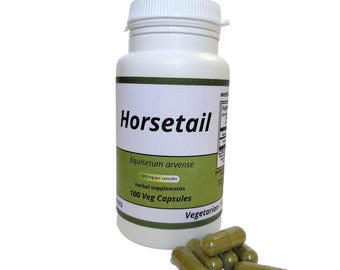
Standardized Capsules and Dry Extracts: This is one of the most reliable and convenient methods for therapeutic dosing, particularly for bone mineralization and hair, skin, and nail support. High-quality capsules contain dry powder standardized to guarantee a specific percentage of organic silica (often ranging from 7% to 10% silica). Standardized extracts ensure consistent, concentrated delivery of the active orthosilicic acid without requiring the consumption of large volumes of liquid infusions.
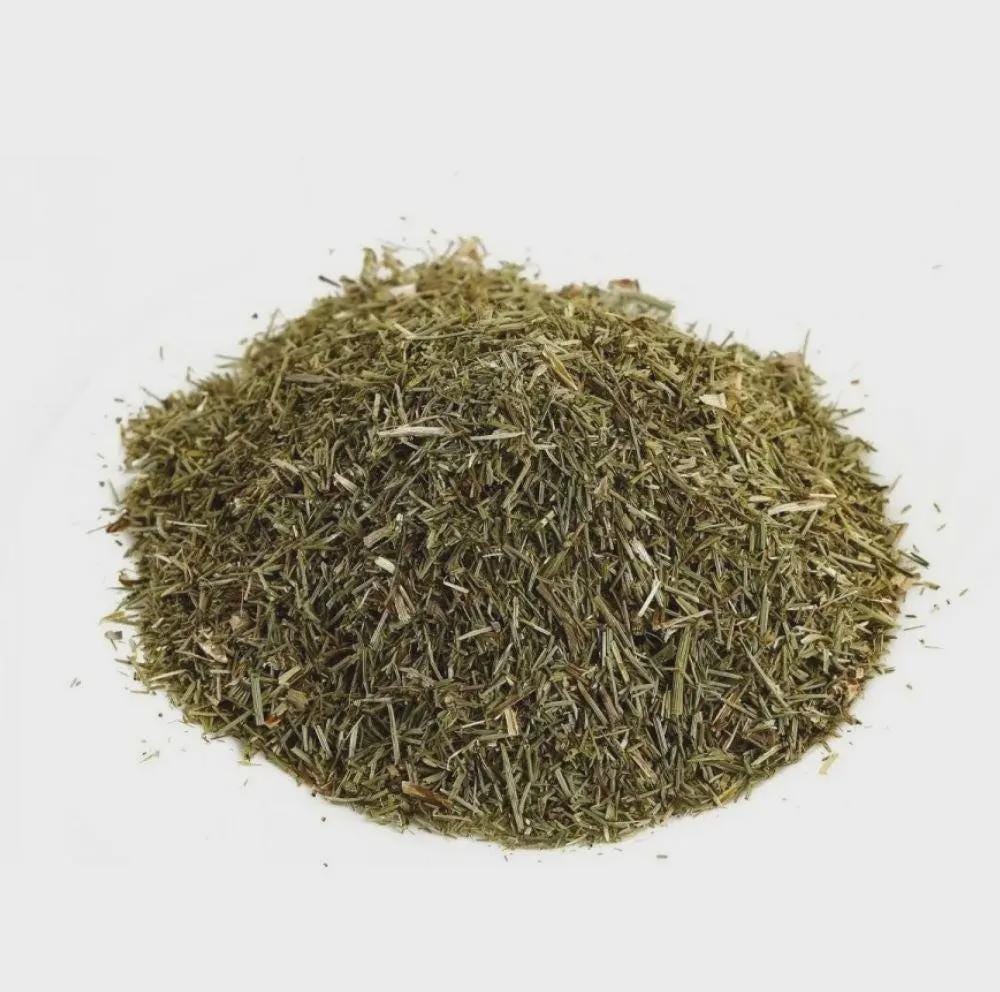
Teas, Decocts, and Dried Herb Infusions: For those preferring traditional preparation methods, loose dried horsetail is widely available. Because silica is tightly bound within the plant’s fibrous cell walls, a simple hot water steep (like a typical tea) is often insufficient to extract the full mineral content. To unlock the bioavailable silica, a decoction is recommended. This involves boiling the dried herb in water for 20 to 30 minutes, allowing the mineral crystals to dissolve into the liquid. This mineral-rich decoction can be consumed warm or cooled and used as a nutritive hair rinse or topical compress.
Liquid Tinctures and Glycerites: Hydroethanolic extracts (tinctures) are excellent for capturing the plant’s soluble flavonoids, phenolic acids, and trace minerals. Tinctures offer rapid systemic absorption and are highly stable. They are particularly favored for targeted urinary tract support and quick administration, though they may contain lower concentrations of the heavy structural silica compared to a properly prepared hot-water decoction or standardized dry extract capsule.
Dosage Guidelines and Practical Application
While horsetail is generally highly tolerated, achieving optimal therapeutic outcomes requires adhering to established, evidence-based dosage guidelines. The table below outlines typical daily parameters across different preparations:
| Preparation Type | Recommended Dosage | Primary Indications |
|---|---|---|
| Standardized Dry Extract (7% Silica) | 300 mg to 600 mg, taken 2–3 times daily with meals | Bone density support, nail strengthening, skin elasticity, hair growth |
| Herbal Decoction (Boiled Tea) | 2 to 4 grams of dried herb boiled in 150ml water for 25 mins, thrice daily | Urinary tract flushing, mild edema, throat gargle, topical wound compress |
| Liquid Tincture (1:5 ratio) | 2 ml to 4 ml (approx. 40–80 drops), taken 3 times daily in water | Acute urinary discomfort, systemic antioxidant support, general tonic |
| Topical Hair & Skin Rinse | Use cooled decoction freely as a final rinse or skin tonic after cleansing | Soothes scalp irritation, improves hair luster, tightens loose skin pores |
For structural and cosmetic benefits, consistency is key. Bone mineralization and improvements in hair and nail quality operate on slow cellular timelines; therefore, a continuous regimen of 8 to 12 weeks is typically required to notice significant physiological changes. For acute urinary flushing, shorter, more intensive cycles of 1 to 2 weeks are standard, accompanied by generous water consumption to maximize the aquaretic effect.
Safety, Side Effects, and Contraindications
While horsetail is safe and highly beneficial when utilized correctly, several critical pharmacological factors must be considered to prevent adverse events. Understanding these parameters ensures that users can harness the plant’s full therapeutic potential without risk.
A primary concern with raw, unprocessed Equisetum arvense is the presence of the enzyme thiaminase. This enzyme breaks down thiamine (Vitamin B1) in the digestive tract, and prolonged intake of thiaminase-active plants can theoretically lead to B-vitamin depletion and neurological symptoms (similar to Bracken poisoning in livestock). However, modern commercially prepared horsetail supplements are typically heat-treated during processing, which denatures and deactivates the thiaminase enzyme, making them safe for long-term consumption. When utilizing raw, wild-harvested horsetail, it is essential to limit continuous intake or co-administer a high-quality B-complex supplement to maintain healthy thiamine levels.
Additionally, horsetail’s potent aquaretic action means it should not be paired with pharmaceutical diuretic drugs, as this combination can lead to excessive dehydration, electrolyte imbalances, or low blood pressure. Due to its potential to affect mineral balance, individuals suffering from severe kidney disease, congestive heart failure, or severe cardiac arrhythmias should avoid horsetail unless monitored by a qualified healthcare professional. Because of its trace alkaloid content and a lack of safety data, horsetail is not recommended for pregnant or lactating women, nor should it be administered to young children.
Conclusion
Horsetail (Shavegrass) represents a remarkable intersection of botanical antiquity and modern therapeutic validation. Its unique physiological composition, characterized by an unmatched abundance of bioavailable organic silica, structurally reinforcing minerals, and protective antioxidants, offers a natural, highly effective means of supporting the body’s structural framework. From fortifying bone matrix and promoting youthful, elastic skin to enhancing hair luster and supporting a healthy urinary system, this prehistoric botanical continues to prove its clinical relevance in modern wellness. By understanding its chemical composition, respecting its active mechanisms, and utilizing high-quality standardized preparations, health-conscious consumers can safely harness the profound restorative power of one of Earth’s oldest living plants.
Disclaimer: For informational purposes only. Not medical advice. Consult a qualified healthcare professional before use.