
The Ultimate Guide to Thyme Herb: Science, Health Benefits, and Practical Applications
Thyme (Thymus vulgaris), a resilient, aromatic subshrub belonging to the mint family (Lamiaceae), has transitioned over millennia from a sacred temple incense and ancient embalming agent to one of the most thoroughly researched therapeutic herbs in modern phytotherapy. While long celebrated for its contributions to global culinary traditions, contemporary scientific investigations have unveiled a sophisticated chemical blueprint within thyme that supports respiratory health, exhibits potent antimicrobial properties, modulates systemic inflammation, and provides robust antioxidant defense. This comprehensive, evidence-based guide explores the historical legacy, botanical profile, bioactive compounds, clinical benefits, and practical applications of this extraordinary medicinal herb.
—
The Historical Legacy and Ethnobotanical Roots of Thyme
The therapeutic utilization of thyme spans several of the world’s most influential ancient civilizations. The name “thyme” is believed to derive from the Greek word thymon, meaning “to fumigate” or “to offer incense,” reflecting its ancient use as a purifying agent. In ancient Egypt, thyme was a vital component of the complex chemical mixtures used for mummification. The high concentration of volatile monoterpenes—most notably thymol—acted as a natural preservative, preventing microbial decay and organic decomposition, an early recognition of the plant’s powerful antimicrobial properties.
In classical Greece, thyme was synonymous with physical strength, vigor, and courage. Soldiers bathed in thyme infusions prior to battle, and its presence in temples was thought to cleanse the spirit and physical environment. The Greek physician Hippocrates, often regarded as the father of modern medicine, documented thyme’s therapeutic utility as an expectorant and respiratory aid, prescribing it for chest congestion and respiratory distress.
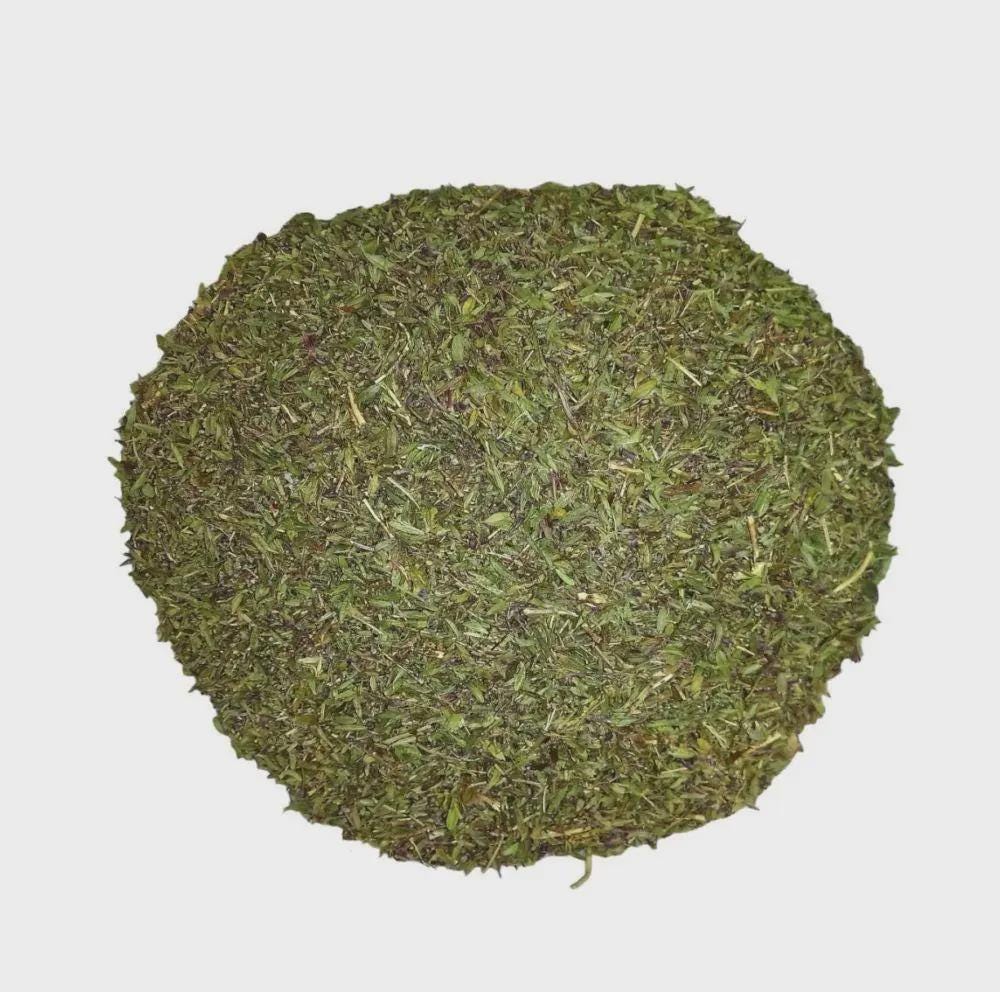
Throughout the Middle Ages, the ethnobotanical importance of thyme continued to expand. It was commonly placed under pillows to ward off nightmares and facilitate restful sleep, while ladies-in-waiting embroidered sprigs of thyme onto the tunics of knights to instill bravery. During the devastating European plague outbreaks, thyme was burned in public squares to purify the air and worn in protective satchels around the neck. Though medieval populations lacked knowledge of germ theory, their empirical observations of thyme’s protective, airborne disinfecting qualities were remarkably accurate, driven by the volatile essential oils that actively combat airborne pathogens.
—
Botanical Profile, Taxonomy, and Cultivation of Thymus vulgaris
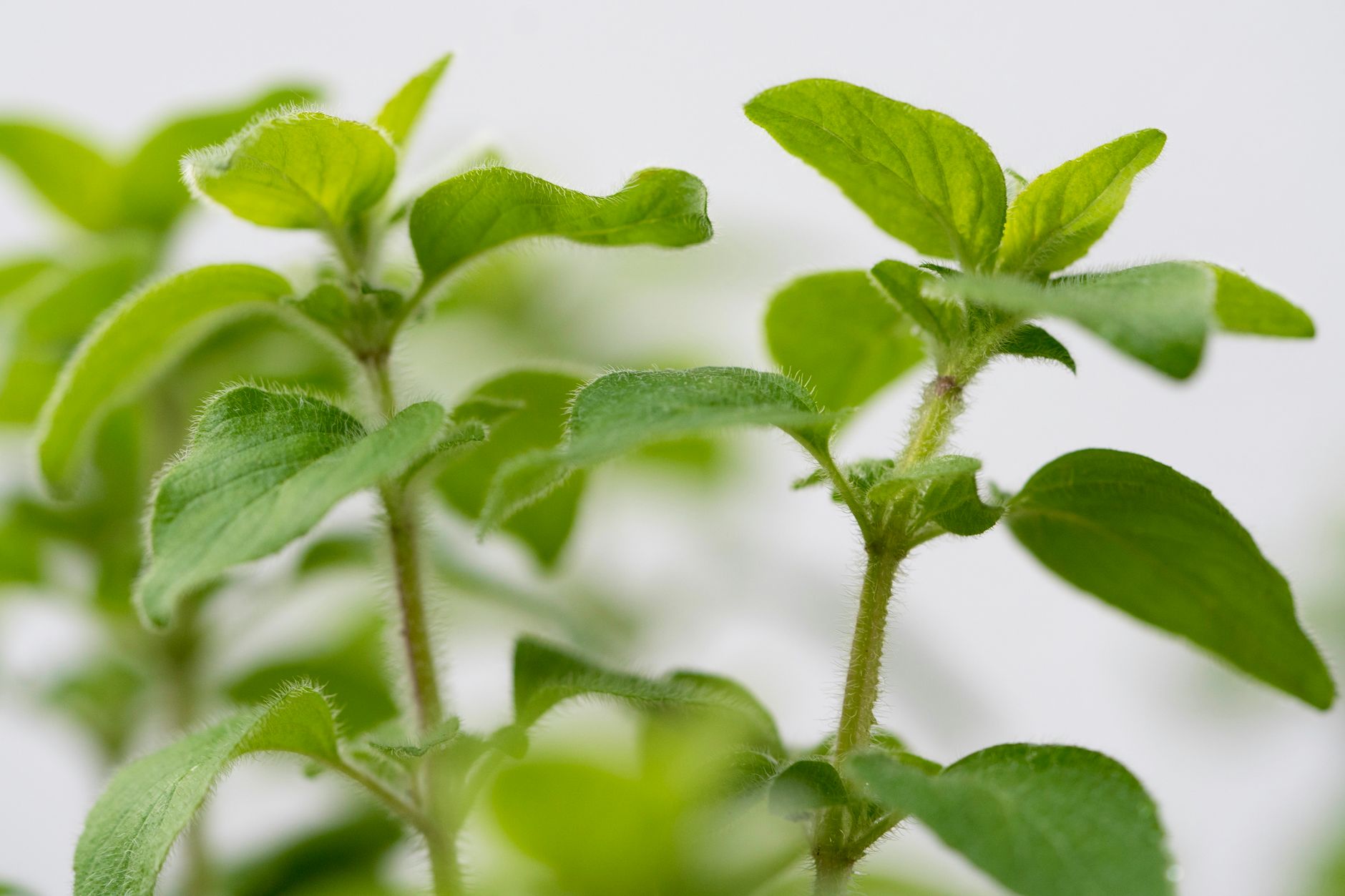
Taxonomically, the genus Thymus comprises over 300 species of perennial herbaceous plants and subshrubs. Among these, Thymus vulgaris (common thyme) remains the primary species utilized for medicinal and culinary applications. Characterized by its low-growing, woody, and highly branched habit, the plant typically reaches heights of 15 to 30 centimeters. Its leaves are small, narrow, elliptical to linear, and arranged oppositely along the square, pubescent stems. The leaf margins are distinctly revolute (curled downward), and the underside of each leaf is covered in a dense layer of tiny, glandular trichomes (plant hairs) that contain the plant’s highly concentrated essential oil.

Thyme produces small, bilabiate flowers ranging in color from pale lavender to deep pinkish-purple, which bloom in dense terminal clusters during the late spring and summer. These flowers are highly attractive to pollinators, particularly honeybees, yielding a distinctively fragrant and medicinally active honey. Native to the arid, rocky soils of the Mediterranean basin, Thymus vulgaris is uniquely adapted to survive in harsh, drought-prone environments. It thrives in well-drained, alkaline, or sandy soils and requires full sun exposure to optimize the synthesis of its volatile secondary metabolites. The stress of dry, sunny conditions actually stimulates the plant to produce higher concentrations of its protective essential oils, enhancing its therapeutic potency.
—
Phytochemical Composition: The Molecular Architecture of Thyme
The pharmacological efficacy of thyme is directly attributable to its complex, synergistic matrix of secondary metabolites. The plant’s therapeutic profile is dictated not by a single compound, but by a diverse array of volatile monoterpenes, flavonoids, and phenolic acids located primarily within the glandular trichomes of the leaves.
1. Volatile Monoterpenes: Thymol and Carvacrol
The principal active constituents of thyme essential oil are the isomeric monoterpene phenols thymol (2-isopropyl-5-methylphenol) and carvacrol (5-isopropyl-2-methylphenol). Depending on the specific chemotype (chemical race) of the plant, environmental factors, and harvest timing, thymol can comprise up to 50% to 70% of the total essential oil content. Both thymol and carvacrol possess profound hydrophobic properties, allowing them to readily integrate into and disrupt the lipid-rich cell membranes of pathogenic bacteria, fungi, and parasites. This membrane permeabilization leads to the leakage of critical intracellular contents, the collapse of the cellular proton-motive force, and subsequent cell death.
2. Flavonoids and Polyphenols
Beyond its volatile oils, thyme is rich in non-volatile polyphenolic compounds. These include prominent flavonoids such as luteolin, apigenin, and thymonin. These flavonoids act as powerful systemic antioxidants, scavenging reactive oxygen species (ROS), chelating transition metal ions, and inhibiting lipid peroxidation. Apigenin and luteolin have also been shown to modulate key inflammatory pathways, including the inhibition of nuclear factor-kappa B (NF-κB) and cyclooxygenase-2 (COX-2) enzymes, thereby reducing the production of pro-inflammatory cytokines.
3. Phenolic Acids
The most abundant phenolic acid in thyme is rosmarinic acid, a caffeic acid ester. Rosmarinic acid is highly bioavailable and exhibits robust anti-inflammatory, antiviral, and neuroprotective properties. It works synergistically with the flavonoid content of thyme to protect cellular DNA from oxidative damage, stabilize cell membranes, and modulate the immunological response to chronic stressors.
—
Comprehensive Therapeutic and Health Benefits of Thyme
Driven by its diverse chemical profile, thyme acts as a multi-system therapeutic agent. Decades of in vitro, in vivo, and clinical studies have validated its efficacy across several major physiological pathways.
1. Advanced Respiratory Support and Bronchodilation
Thyme has long been clinically recognized for its therapeutic efficacy in managing respiratory tract infections, acute bronchitis, pertussis, and chronic asthma. The spasmolytic (muscle-relaxing) action of thyme is primarily mediated by thymol and carvacrol, which act as natural calcium channel blockers in tracheal smooth muscle cells. By inhibiting the influx of extracellular calcium ions into these cells, thyme prevents the muscle contractions that lead to bronchospasm, thereby promoting bronchodilation and easing breathing.
Furthermore, thyme acts as a powerful secretomotoric and secretolytic agent. It stimulates the ciliary activity of the respiratory tract’s epithelial lining, accelerating the upward movement of mucus (mucociliary clearance). Simultaneously, it thins thick, tenacious bronchial secretions, making coughs more productive and facilitating the rapid expulsion of pathogens and cellular debris from the respiratory tree. Clinical trials have demonstrated that combinations of thyme and ivy (Hedera helix) extract significantly reduce the severity and frequency of cough fits in patients suffering from acute bronchitis, showing efficacy comparable to synthetic antitussive drugs but with an outstanding safety profile.
2. Broad-Spectrum Antimicrobial and Antifungal Efficacy
The emergence of multi-drug resistant (MDR) bacterial strains has led researchers back to botanical antimicrobials, with thyme standing at the forefront of this scientific inquiry. Thymol and carvacrol exhibit remarkable bactericidal activity against both Gram-positive and Gram-negative pathogens, including Staphylococcus aureus (including MRSA strains), Streptococcus pneumoniae, Escherichia coli, Klebsiella pneumoniae, and Pseudomonas aeruginosa. Because thyme’s active compounds target multiple sites on the bacterial cell wall and membrane simultaneously, bacteria are highly unlikely to develop resistance to them.
In addition to its antibacterial qualities, thyme is a potent antifungal agent. It effectively inhibits the growth and morphological transition of Candida albicans, a common opportunistic yeast responsible for mucosal and systemic infections. Thymol disrupts the structural integrity of fungal cell walls by interfering with ergosterol synthesis, a vital component of fungal membranes. This makes thyme preparations highly beneficial for topical applications in dermatophytosis (such as athlete’s foot and ringworm) and oral thrush.
3. Cardiovascular Protection and Blood Pressure Regulation
Emerging scientific literature suggests that thyme plays a supportive role in cardiovascular health. Animal and laboratory models have shown that wild thyme extracts can significantly reduce heart rate and peripheral vascular resistance, leading to a reduction in systemic blood pressure. This antihypertensive effect is believed to be mediated by the vasorelaxant properties of thyme’s polyphenols, which promote the release of nitric oxide—a natural vasodilator—from the vascular endothelium.
Additionally, the high concentration of antioxidants in thyme helps mitigate the oxidation of low-density lipoprotein (LDL) cholesterol. The oxidation of LDL is a primary initiating factor in the development of atherosclerosis (hardening of the arteries). By preventing this oxidative modification, thyme helps preserve arterial elasticity, reduce plaque formation, and lower the long-term risk of myocardial infarction and stroke.
4. Gastrointestinal Health and Microbiome Optimization
Thyme exerts a carminative, spasmolytic, and antimicrobial influence on the gastrointestinal tract. It stimulates the secretion of digestive enzymes, gastric juices, and bile, optimizing nutrient breakdown and absorption. Its spasmolytic action on gastrointestinal smooth muscle helps alleviate painful abdominal cramping, flatulence, and bloating.
Moreover, thyme’s selective antimicrobial properties make it a valuable tool in managing dysbiosis and Small Intestinal Bacterial Overgrowth (SIBO). While toxic to pathogenic organisms such as Helicobacter pylori (the bacterium responsible for peptic ulcers) and Clostridium difficile, thyme appears to be gentler on beneficial lactic acid bacteria within the gut microbiome. Rosmarinic acid also provides a protective barrier for the gastric mucosa, reducing the inflammatory cascade associated with gastritis and ulcerative conditions.
5. Immunomodulation and Antioxidant Defense
Chronic, low-grade inflammation and oxidative stress are the underlying drivers of nearly all modern chronic diseases, including neurodegeneration, metabolic syndrome, and autoimmune disorders. Thyme acts as a systemic shield against these processes. The flavonoids luteolin and apigenin directly suppress the activation of the NLRP3 inflammasome, a multiprotein complex responsible for triggering cellular inflammatory responses.
Concurrently, thyme active constituents upregulate the body’s endogenous antioxidant response element (ARE) pathway via the activation of nuclear factor erythroid 2-related factor 2 (Nrf2). This master genetic switch increases the cellular production of crucial protective enzymes, including superoxide dismutase (SOD), catalase, and glutathione peroxidase, equipping cells to handle environmental toxins, metabolic byproducts, and physical stress with greater resilience.
—
Modern Pharmaceutical Formulations, Capsules, and Supplements
As the scientific validation of thyme has matured, the natural product industry has developed sophisticated extraction methods to deliver standardized therapeutic doses of the herb. While traditional tea infusions remain highly beneficial, modern standardized capsules and liquid supplements offer clinical precision and convenience.

Standardized thyme capsules typically feature dry extracts of the leaves, formulated to guarantee a specific concentration of active volatile markers, primarily thymol and carvacrol, or total phenolic content. These capsules allow for target-specific delivery, ensuring that the volatile monoterpenes are protected from degradation in the acidic environment of the stomach and can be systematically absorbed in the small intestine. This is particularly advantageous when addressing systemic issues such as intestinal dysbiosis, vascular inflammation, or chronic bronchial congestion.
For individuals who find the strong, pungent taste of raw thyme or liquid thyme extracts unpalatable, encapsulated supplements provide an odorless and tasteless alternative. When choosing a thyme supplement, it is crucial to select products that utilize high-performance liquid chromatography (HPLC) testing to verify chemical potency and ensure the product is free from heavy metals, pesticides, and microbial contaminants. These clean, highly concentrated formulations make it possible to achieve therapeutic plasma concentrations of thymol and its metabolites that would be difficult to replicate through culinary consumption alone.
—
Practical Culinary Integration, Tea Preparation, and Dosages
Incorporating thyme into daily life can be achieved through various traditional and modern methods, depending on the therapeutic objective. Below are the most effective ways to utilize this versatile herb:
1. Standard Medicinal Thyme Infusion (Tea)
To support respiratory health, soothe a sore throat, or aid digestion, a standard hot infusion is highly effective. Because the therapeutic compounds in thyme are highly volatile, the preparation method must prevent these oils from escaping in the steam.
- Ingredients: 1 to 2 teaspoons of high-quality dried thyme leaves (or 1 tablespoon of fresh thyme).
- Instructions: Place the herb in a mug and pour 250 ml (about 8 ounces) of freshly boiled water (ideal temp: 95°C/203°F) directly over the leaves.
- Critical Step: Immediately cover the mug with a lid or saucer to trap the evaporating volatile oils. Allow the mixture to steep covered for 10 to 15 minutes.
- Consumption: Strain the leaves and drink warm. For respiratory support, inhaling the steam from the cup before drinking provides localized bronchodilation and antimicrobial action. This tea can be consumed 3 to 4 times daily.

2. Culinary Integration
In the culinary arts, thyme is a cornerstone of Mediterranean cuisine, forming the backbone of spice blends like French Herbes de Provence and Middle Eastern Za’atar. It pairs exceptionally well with roasted root vegetables, lean meats, stews, and tomato-based sauces. Adding thyme to cooking not only enhances flavor but also serves a functional role: when cooking meats at high temperatures, the antioxidant compounds in thyme actively inhibit the formation of heterocyclic amines (HCAs), which are carcinogenic compounds that form during high-heat grilling.
3. Guidelines for Therapeutic Dosages
While individual requirements may vary based on health status and clinical goals, standard herbal dosing guidelines are as follows:
- Dried Herb (for Infusion): 1 to 2 grams of dried herb per cup of water, up to four times daily.
- Fluid Extract (1:1 in 25% ethanol): 1 to 2 ml, taken three times daily in water.
- Tincture (1:5 in 45% ethanol): 2 to 6 ml, taken three times daily.
- Standardized Capsules: Follow the manufacturer’s specific instructions, typically ranging from 250 mg to 500 mg, standardized to thymol content, taken 1 to 2 times daily.
—
Toxicology, Safety, Contraindications, and Drug Interactions
Thyme is classified as Generally Recognized as Safe (GRAS) by the United States Food and Drug Administration (FDA) when consumed in typical dietary quantities. However, when transitioning to concentrated therapeutic doses, certain safety parameters must be observed.
1. Contraindications and Special Populations
- Pregnancy and Lactation: While culinary consumption of thyme is entirely safe during pregnancy, therapeutic doses, concentrated extracts, and thyme essential oil must be strictly avoided. Thyme has historical use as an emmenagogue (a substance that stimulates menstrual flow) and possesses uterine-stimulating properties that could potentially increase the risk of miscarriage or early labor.
- Bleeding Disorders: Thyme contains compounds that can slow blood clotting. Due to this antiplatelet activity, individuals with bleeding disorders or those scheduled for elective surgical procedures should discontinue high-dose thyme supplements at least two weeks prior to surgery to minimize the risk of excessive bleeding.
- Hormone-Sensitive Conditions: Some in vitro studies suggest that thyme may exhibit mild estrogenic activity. Individuals with uterine fibroids, endometriosis, or hormone-sensitive cancers (such as breast, ovarian, or uterine cancers) should exercise caution with concentrated supplements.
2. Essential Oil Safety Warning
It is crucial to differentiate between thyme herbal preparations (teas, extracts, capsules) and pure thyme essential oil. Thyme essential oil is an incredibly concentrated phytochemically active liquid containing extremely high percentages of thymol and carvacrol. It is highly dermacaustic (capable of burning skin) and can cause severe mucosal irritation and systemic toxicity if ingested. Thyme essential oil should never be taken internally without direct supervision from a qualified clinical aromatherapist or medical professional. For topical applications, it must always be diluted in a suitable carrier oil (such as jojoba or sweet almond oil) to a concentration of no more than 1% to 2% to prevent contact dermatitis.
3. Potential Drug Interactions
- Anticoagulant/Antiplatelet Medications: High-dose thyme may interact synergistically with blood thinners (such as warfarin, aspirin, clopidogrel, and heparin), potentially increasing the risk of bruising and bleeding.
- Anticholinergic and Cholinergic Drugs: Thyme may affect acetylcholinesterase activity, which could theoretically interfere with medications used for Alzheimer’s disease (such as donepezil) or glaucoma medications.
—
Conclusion
Thyme (*Thymus vulgaris*) stands as a profound testament to the power of botanical medicine, seamlessly bridging ancient ethnobotanical wisdom with rigorous modern clinical science. Its diverse phytochemical matrix—anchored by the powerful therapeutic properties of thymol, carvacrol, rosmarinic acid, and key flavonoids—provides holistic support for the respiratory, cardiovascular, digestive, and immune systems.
Whether utilized as a comforting, aromatic hot tea for acute respiratory relief, integrated regularly into culinary creations to lower inflammation, or taken as a standardized high-potency capsule for targeted antimicrobial support, thyme remains an indispensable ally in the pursuit of natural, vibrant health. As scientific research continues to unravel its molecular capabilities, this humble Mediterranean subshrub solidifies its position as a cornerstone of preventive and therapeutic medicine.
Disclaimer: For informational purposes only. Not medical advice. Consult a qualified healthcare professional before use.