The Therapeutic Power of Jasmine: An Exhaustive Scientific and Clinical Deep Dive into Its Bioactive Compounds and Health Benefits
For millennia, the delicate, white blossoms of the genus Jasminum have captivated humanity. Renowned for their intoxicating, sweet fragrance, these climbing shrubs of the olive family (Oleaceae) have occupied a revered position in traditional medicine, religious rituals, and perfumery across Asia, the Middle East, and the Mediterranean. Beyond its olfactory appeal, contemporary ethnobotanical and pharmacological research has begun to systematically uncover the molecular underpinnings of jasmine’s therapeutic efficacy. Far from being a mere sensory indulgence, jasmine exhibits a complex phytochemical matrix capable of modulating neurotransmitter systems, mitigating chronic inflammation, counteracting oxidative stress, and supporting metabolic homeostasis.
This comprehensive guide aims to dissect the biological profile of jasmine, analyzing its primary active constituents, exploring its validated health benefits, tracing its historical usage, and establishing evidence-based guidelines for its modern applications in clinical and domestic wellness settings.
Botanical Profile and Taxonomy of the Jasminum Genus
The genus Jasminum comprises over 200 individual species, native primarily to tropical and subtropical regions of Eurasia, Africa, and Oceania. Among these, two species have attained paramount status in pharmacological and therapeutic research: Jasminum officinale (commonly known as Common Jasmine or Poet’s Jasmine) and Jasminum sambac (Arabian Jasmine). Both species are perennial climbing woody vines characterized by pinnate or simple leaves and salverform, highly aromatic flowers that typically bloom during the cooler hours of late evening and early morning.

The morphology of these plants dictates their high concentration of volatile essential oils. The delicate petals contain specialized secretory structures that synthesize and store complex mixtures of monoterpenes, sesquiterpenes, and phenylpropanoids. These compounds serve evolutionary purposes, such as attracting nocturnal pollinators and protecting the plant from environmental pathogens and herbivorous insects. When harvested at precise physiological stages, these botanical structures yield the potent extracts utilized in modern clinical and aromatherapeutic applications.
Historical and Cultural Context of Jasmine in Traditional Medicine
The ethnobotanical history of jasmine is rich and geographically diverse. In Ayurveda, the traditional medical system of India, jasmine (referred to as Jati) has been classified as a cooling, soothing herb capable of balancing the Pitta and Kapha doshas. Ancient Sanskrit texts document its application for cooling the blood, healing oral ulcers, soothing ophthalmic inflammation, and alleviating emotional distress. Its topical application in the form of infused oils was a cornerstone of ancient dermatological therapies and wound-healing protocols.
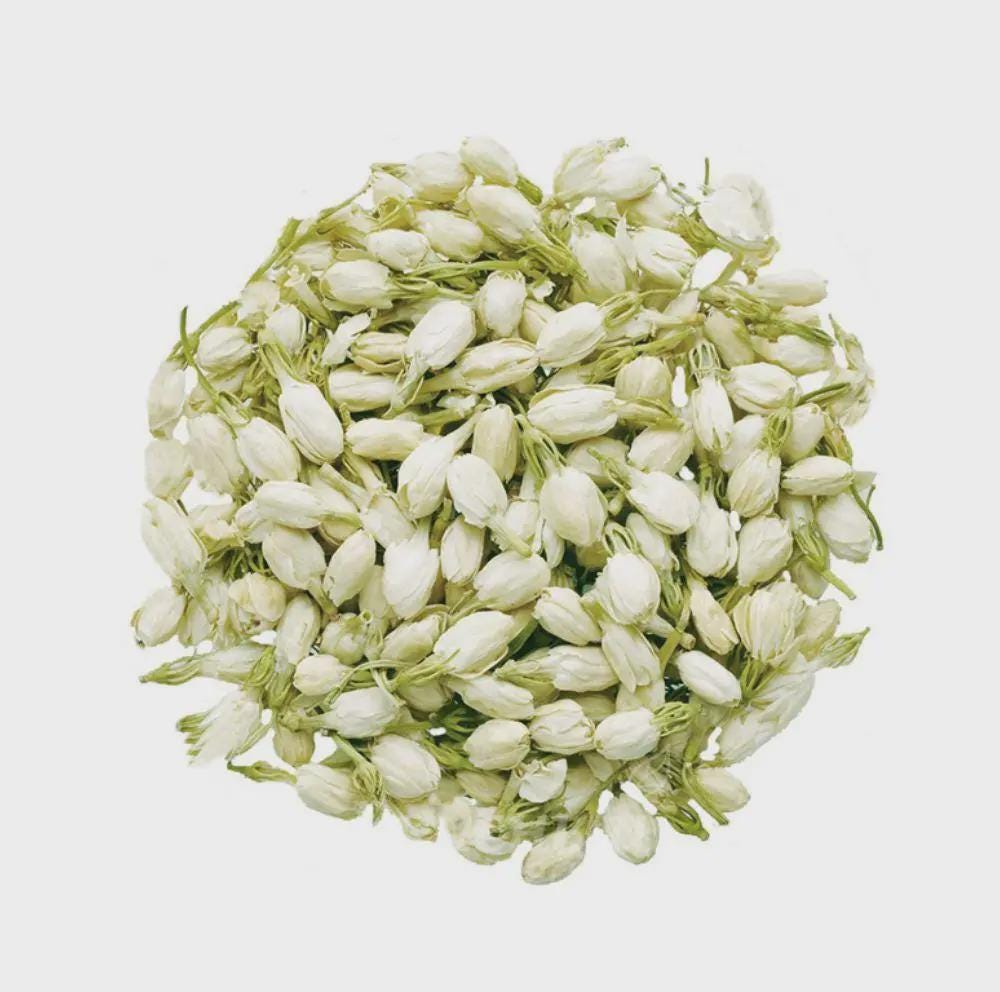
Similarly, Traditional Chinese Medicine (TCM) utilizes the dried buds of Jasminum sambac (known as Mo Li Hua) to regulate the flow of Qi (the vital life force) and clear dampness. In the TCM framework, jasmine is believed to enter the spleen, stomach, and liver meridians. It is frequently prescribed to treat abdominal pain, diarrhea, flatulence, and liver Qi stagnation, which often manifests clinically as anxiety, irritability, and premenstrual syndrome (PMS). In western Asia and Mediterranean antiquity, Greco-Arabic medicine (Unani) utilized jasmine preparations as nervines, aphrodisiacs, and uterine tonics, highlighting its systemic influence on the human nervous and endocrine systems.
Phytochemical Architecture: The Bioactive Compounds of Jasmine
The therapeutic virtues of jasmine are directly attributable to its highly complex phytochemical profile. Through advanced analytical techniques such as Gas Chromatography-Mass Spectrometry (GC-MS) and High-Performance Liquid Chromatography (HPLC), scientists have identified dozens of bioactive compounds working in synergy within jasmine extracts. The most prominent chemical classes found in the plant include:
- Monoterpenols (mainly Linalool): Linalool is a naturally occurring terpene alcohol known for its profound sedative, anxiolytic, and anti-inflammatory properties. It acts as a primary modulator of central nervous system activity.
- Esters (Benzyl Acetate and Methyl Anthranilate): Benzyl acetate is the dominant volatile compound responsible for jasmine’s characteristic sweet aroma. Pharmacologically, it has been shown to cross the blood-brain barrier rapidly, exerting soothing and spasmolytic effects.
- Ketones (Jasmone and Methyl Jasmonate): Jasmones are unique cyclic ketones that serve as potent plant signaling molecules. Research indicates they possess significant immunomodulatory and neuroprotective qualities.
- Secoiridoid Glucosides (Sambacin, Jasminin, and Sambacosides): These non-volatile compounds, found abundantly in aqueous and ethanolic extracts of jasmine leaves and flowers, exhibit robust antioxidant, antiviral, and cardioprotective actions.
- Flavonoids and Polyphenols (Quercetin, Kaempferol, and Rutin): These polyphenolic agents scavenge free radicals, inhibit lipid peroxidation, and downregulate pro-inflammatory enzymatic pathways.
Mechanisms of Action: How Jasmine Interacts with Human Physiology
1. Neuropharmacological Modulation and Stress Reduction
One of the most scientifically validated applications of jasmine is its capacity to induce relaxation and mitigate psychological stress. This anxiolytic effect is primarily mediated through the inhalation of its volatile organic compounds, particularly linalool and benzyl acetate. When inhaled, these molecules bind to olfactory receptors, triggering electrical signals that travel directly to the olfactory bulb and the limbic system—the emotional center of the brain.
Neurochemical studies demonstrate that jasmine inhalation enhances the activity of Gamma-Aminobutyric Acid (GABA), the primary inhibitory neurotransmitter in the mammalian central nervous system. By mimicking or potentiating GABAergic transmission, jasmine extracts reduce neuronal excitability, lower the heart rate, and induce a state of physiological tranquility. Furthermore, clinical trials monitoring electroencephalogram (EEG) activity during jasmine aromatherapy show an increase in alpha wave activity, which is directly correlated with alert relaxation and a reduction in autonomic nervous system arousal.
2. Antioxidant Defense and Cellular Protection
Chronic oxidative stress, driven by an imbalance between reactive oxygen species (ROS) and endogenous antioxidant defenses, is a foundational driver of cardiovascular disease, neurodegeneration, and premature cellular aging. Jasmine flowers are rich in polyphenols and secoiridoid glucosides that function as potent free radical scavengers.
These bioactive compounds donate hydrogen atoms to highly reactive free radicals, neutralizing them before they can initiate lipid peroxidation of cell membranes or induce oxidative damage to cellular DNA. In vitro assays demonstrate that aqueous extracts of Jasminum officinale significantly upregulate the expression of endogenous antioxidant enzymes, including Superoxide Dismutase (SOD), Catalase (CAT), and Glutathione Peroxidase (GPx), thereby fortifying the body’s intrinsic cellular defense mechanisms.
3. Anti-Inflammatory and Immunomodulatory Activity
Systemic, low-grade inflammation is closely linked to metabolic syndrome, arthritis, and autoimmune conditions. Phytochemicals present in jasmine, particularly methyl jasmonate and quercetin, have been shown to modulate key inflammatory pathways. Research indicates that these molecules suppress the activation of Nuclear Factor-kappa B (NF-κB), a primary transcription factor that orchestrates the expression of pro-inflammatory cytokines.
By inhibiting NF-κB, jasmine extracts lead to a marked reduction in the synthesis of inflammatory mediators such as Tumor Necrosis Factor-alpha (TNF-α), Interleukin-6 (IL-6), and Interleukin-1 beta (IL-1β). Additionally, jasmine compounds downregulate the activity of Cyclooxygenase-2 (COX-2) and Inducible Nitric Oxide Synthase (iNOS), the enzymes responsible for generating pain and localized inflammatory responses.
4. Antimicrobial and Antiviral Efficacy
With the rise of antibiotic-resistant pathogens, researchers are increasingly looking to botanicals for antimicrobial solutions. Jasmine extracts exhibit broad-spectrum antimicrobial activity against a variety of Gram-positive and Gram-negative bacteria, as well as several pathogenic fungi. Compounds such as linalool and benzyl alcohol disrupt the cell membrane integrity of microorganisms, causing intracellular leakage and subsequent cell death.
Furthermore, isolated secoiridoid glucosides from Jasminum sambac have demonstrated noteworthy antiviral activity against common viral strains, including the Herpes Simplex Virus (HSV) and influenza viruses. This makes jasmine a valuable natural adjunct in supporting the immune system and promoting topical microbial hygiene.
5. Metabolic and Glycemic Regulation
Emerging research suggests that jasmine tea (traditionally green or white tea scented with jasmine blossoms) and concentrated jasmine extracts play a beneficial role in metabolic health. The synergistic action of jasmine’s volatile compounds and tea catechins improves insulin sensitivity and glucose uptake in peripheral tissues. Jasmine extracts have been shown to inhibit alpha-glucosidase and alpha-amylase, the key digestive enzymes responsible for breaking down carbohydrates into glucose. By delaying carbohydrate absorption in the small intestine, jasmine helps prevent postprandial blood glucose spikes, making it an excellent supportive option for individuals managing type 2 diabetes or metabolic syndrome.
Modern Preparations and Applications of Jasmine
To harness the therapeutic properties of jasmine, various preparation methods are utilized depending on the clinical or wellness goal. The most common forms include:
Jasmine Tea (Scented and Infused)
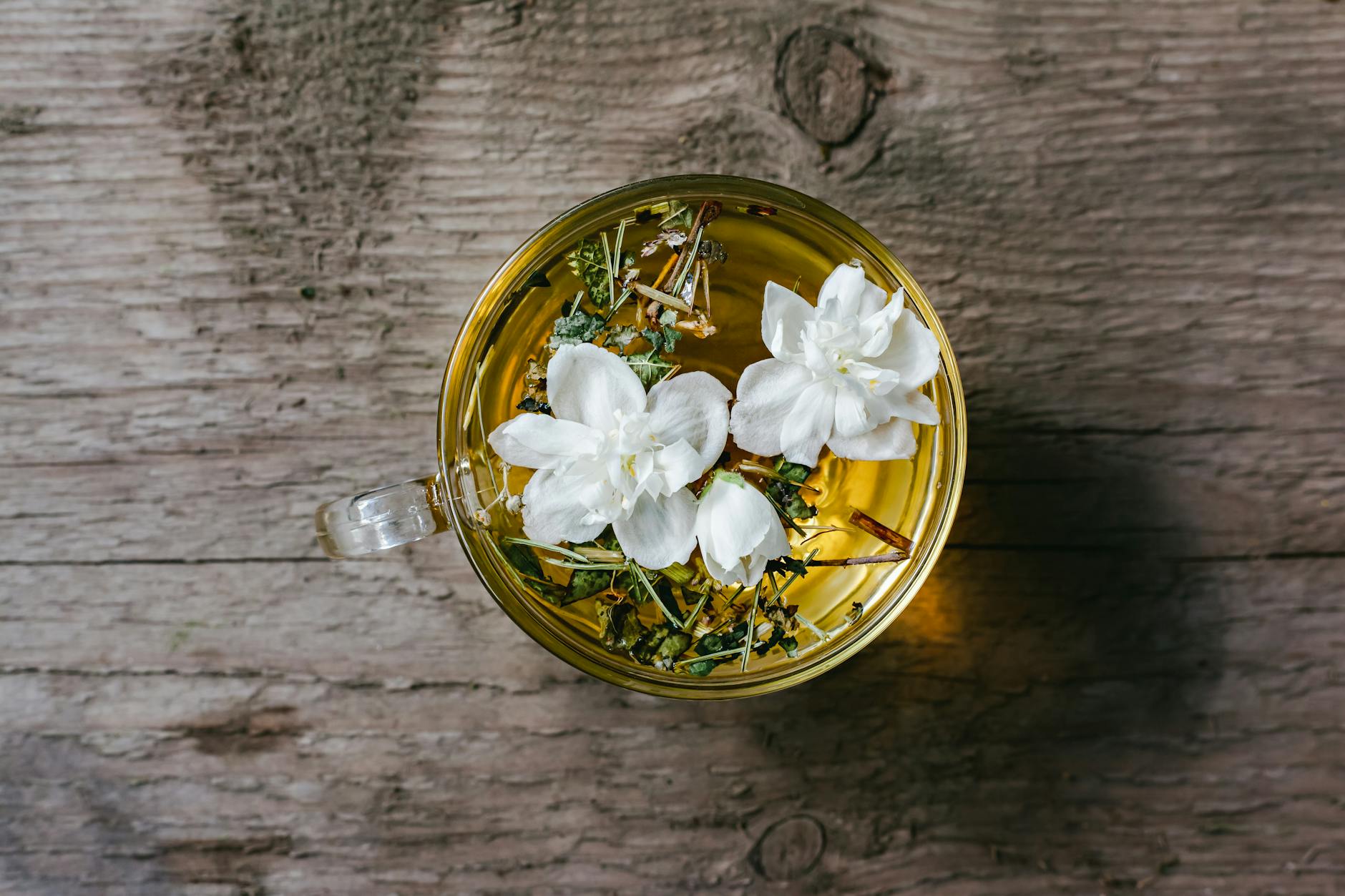
Typically crafted by layering high-quality green or white tea leaves with fresh jasmine blossoms, this beverage allows the tea leaves to absorb the volatile essential oils of the flower. The resulting brew is exceptionally rich in epigallocatechin gallate (EGCG) from the tea base, combined with the relaxing, digestive-soothing compounds of jasmine. It is primarily consumed for cognitive clarity, metabolic support, and gastrointestinal relaxation.
Essential Oils and Absolutes
Due to the delicate nature of jasmine petals, steam distillation is rarely used, as the high heat can destroy the aromatic compounds. Instead, jasmine essential oil is obtained via solvent extraction or modern carbon dioxide (CO2) extraction to produce a highly concentrated “absolute.” This absolute is widely used in clinical aromatherapy, topical formulations, and sensory therapies designed to target anxiety, sleep disturbances, and muscular tension.
Standardized Capsules, Tablets, and Liquid Extracts
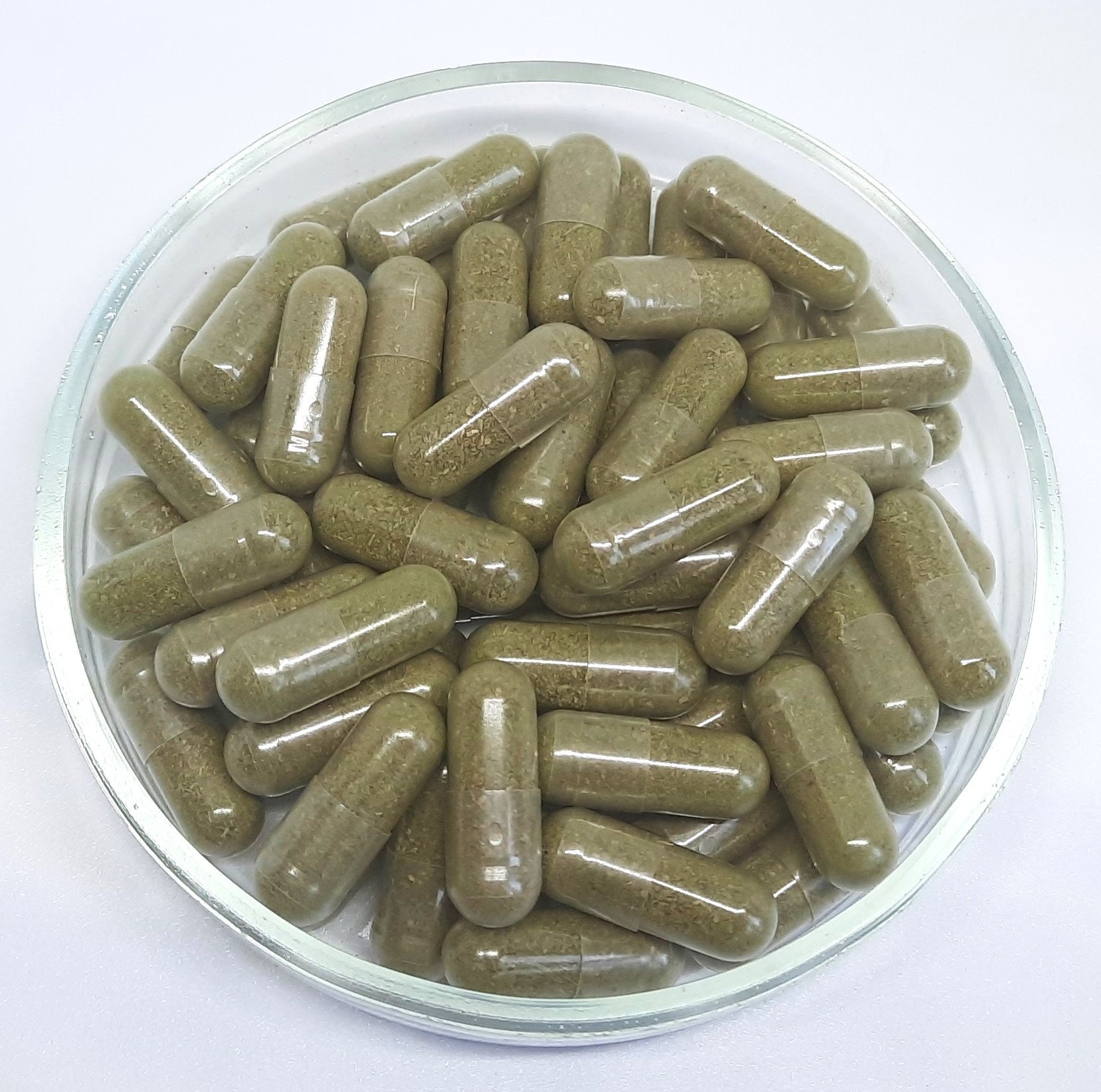
For systemic therapeutic applications—such as targeted anti-inflammatory therapy, metabolic regulation, or chronic stress management—clinicians often recommend standardized dietary supplements. These oral preparations provide precise, concentrated doses of active secoiridoids, flavonoids, and terpenes, ensuring consistent therapeutic outcomes that cannot be achieved through tea consumption alone.
Comparative Phytochemical Profiles: Jasminum officinale vs. Jasminum sambac
While sharing many therapeutic qualities, the two primary species of jasmine exhibit unique chemical signatures that dictate their specific clinical applications:
Jasminum officinale (Poet’s Jasmine)
- Primary Bioactive Compounds: High concentration of linalool, benzyl acetate, and phytol.
- Primary Therapeutic Focus: Central nervous system support, profound sedation, anxiety mitigation, and sleep architecture enhancement.
- Common Clinical Use: Clinical aromatherapy for panic disorders, insomnia, and nervous exhaustion.
Jasminum sambac (Arabian Jasmine)
- Primary Bioactive Compounds: Rich in secoiridoid glucosides (sambacosides), methyl anthranilate, and robust polyphenols.
- Primary Therapeutic Focus: Immunomodulation, cardiovascular protection, metabolic support, and antimicrobial activity.
- Common Clinical Use: Internal herbal extracts, digestive tonics, skin-healing ointments, and glycemic-control formulations.
Dosage Guidelines, Safety Profile, and Contraindications
When incorporating jasmine into a wellness regimen, understanding proper dosage and safety boundaries is critical to preventing adverse reactions and optimizing therapeutic efficacy.

Suggested Dosage Guidelines
- Jasmine Tea: 1 to 3 cups daily, brewed by steeping 1–2 teaspoons of high-quality loose-leaf jasmine tea in hot water (approx. 80°C/176°F) for 3 to 5 minutes. Consuming it after meals can optimize its digestive and insulin-sensitizing benefits.
- Jasmine Essential Oil (Aromatherapy): 3 to 5 drops in an ultrasonic cold-mist diffuser for active inhalation therapy, limited to 30-to-60-minute sessions to prevent olfactory fatigue.
- Topical Application: Jasmine absolute must always be diluted in a suitable carrier oil (such as jojoba, sweet almond, or argan oil) at a concentration of 1% to 2% (approximately 6 to 12 drops of jasmine absolute per ounce of carrier oil).
- Oral Supplements (Capsules/Extracts): Dosages vary based on extract concentration. Standardized formulations typically range from 250 mg to 500 mg per day of dry extract, taken under the guidance of a qualified healthcare practitioner.
Safety Considerations and Toxicology
Jasmine is generally recognized as safe (GRAS) by major food and health regulatory bodies when consumed in dietary amounts. However, certain safety protocols must be observed:
- Pregnancy and Lactation: While the moderate consumption of jasmine tea is generally considered safe, high-dose jasmine supplements and concentrated essential oil applications should be avoided during pregnancy. Historically, jasmine has been utilized as an emmenagogue (a substance that stimulates blood flow in the pelvic area and uterus) and may stimulate mild uterine contractions.
- Allergenic Potential: Jasmine absolute contains naturally occurring compounds like benzyl alcohol and linalool, which are known contact allergens. A 24-hour patch test is highly recommended prior to applying any jasmine-infused topical formulation to sensitive skin areas.
- Inhalation Sensitivity: Individuals with hyper-reactive airways, asthma, or severe respiratory allergies should use caution when initiating jasmine aromatherapy, as strong botanical scents can occasionally trigger bronchospasms in sensitive populations.
Conclusion: The Future of Jasmine in Integrative Medicine
Jasmine is far more than an exquisite ornamental plant with a legendary aroma. Modern science continues to validate what ancient medical traditions have asserted for centuries: that the chemical matrix of Jasminum possesses profound healing capabilities. From its GABA-mediated anxiolytic properties to its powerful antioxidant, anti-inflammatory, and metabolic-regulating actions, jasmine stands out as a versatile therapeutic agent in integrative medicine.
As pharmacology moves toward natural, multi-target botanical therapies, jasmine remains a highly promising candidate for further clinical research. Whether enjoyed as a comforting cup of antioxidant-rich tea, utilized in clinical aromatherapy to reduce chronic stress, or taken as a standardized extract for cellular health, jasmine represents a bridge between sensory pleasure and evidence-based clinical wellness.
Disclaimer: For informational purposes only. Not medical advice. Consult a qualified healthcare professional before use.