

Introduction to Japanese Yam (Yamaimo and Nagaimo)
The Japanese yam, known botanically under the genus Dioscorea, holds a highly revered position in both the culinary traditions and natural pharmacopeias of East Asia. Unlike typical Western sweet potatoes, which belong to the morning glory family (Convolvulaceae), the true Japanese yam is a member of the Dioscoreaceae family. Most commonly represented by species such as Dioscorea japonica (often called Yamaimo or Jinenjo) and Dioscorea opposita (synonymous with Dioscorea polystachya, widely known as Nagaimo), this root vegetable is unique due to its highly mucilaginous texture and its ability to be consumed raw.
Historically valued as a restorative “strength food” in Japan, China, and Korea, the Japanese yam is classified as a tonic herb of the highest order. It is celebrated for its capacity to increase vitality, support robust digestion, and enhance longevity. Modern nutritional science and pharmacology have begun to validate these traditional assertions, uncovering a complex matrix of bioactive compounds, storage proteins, resistant starches, and steroidal saponins that exert profound therapeutic effects on the human body. This definitive guide explores the botanical properties, biochemical profile, historical medical applications, and scientifically backed health benefits of this remarkable tuber.
Botanical Profile and Varieties of Japanese Yam
To fully understand the therapeutic and culinary versatility of the Japanese yam, one must distinguish between its primary cultivars. The term “Japanese yam” generally encompasses three distinct varieties of the Dioscorea genus, each possessing unique physical traits, growing conditions, and textures:
- Nagaimo (Dioscorea opposita): This is the most common and widely cultivated variety. It features a long, cylindrical, light-tan root with a high water content and a crisp, watery texture. Because of its high moisture levels, it is slightly less viscous than other varieties, making it highly versatile for grating raw, slicing into salads, or stir-frying.
- Yamaimo (Dioscorea japonica): Often referred to as the mountain yam, this variety grows wild in the mountainous regions of Japan. It has a lower water content and a significantly stickier, more elastic mucilage when grated. It is highly sought after for its intense flavor and concentrated nutritional density.
- Jinenjo (Wild Japanese Yam): Considered the king of wild yams, Jinenjo grows deep in mountainous soil and is extremely difficult to harvest. Its root is thin, elongated, and highly concentrated in nutrients, yielding an incredibly thick, sticky paste when grated. Jinenjo is prized as a premium health tonic and culinary delicacy.
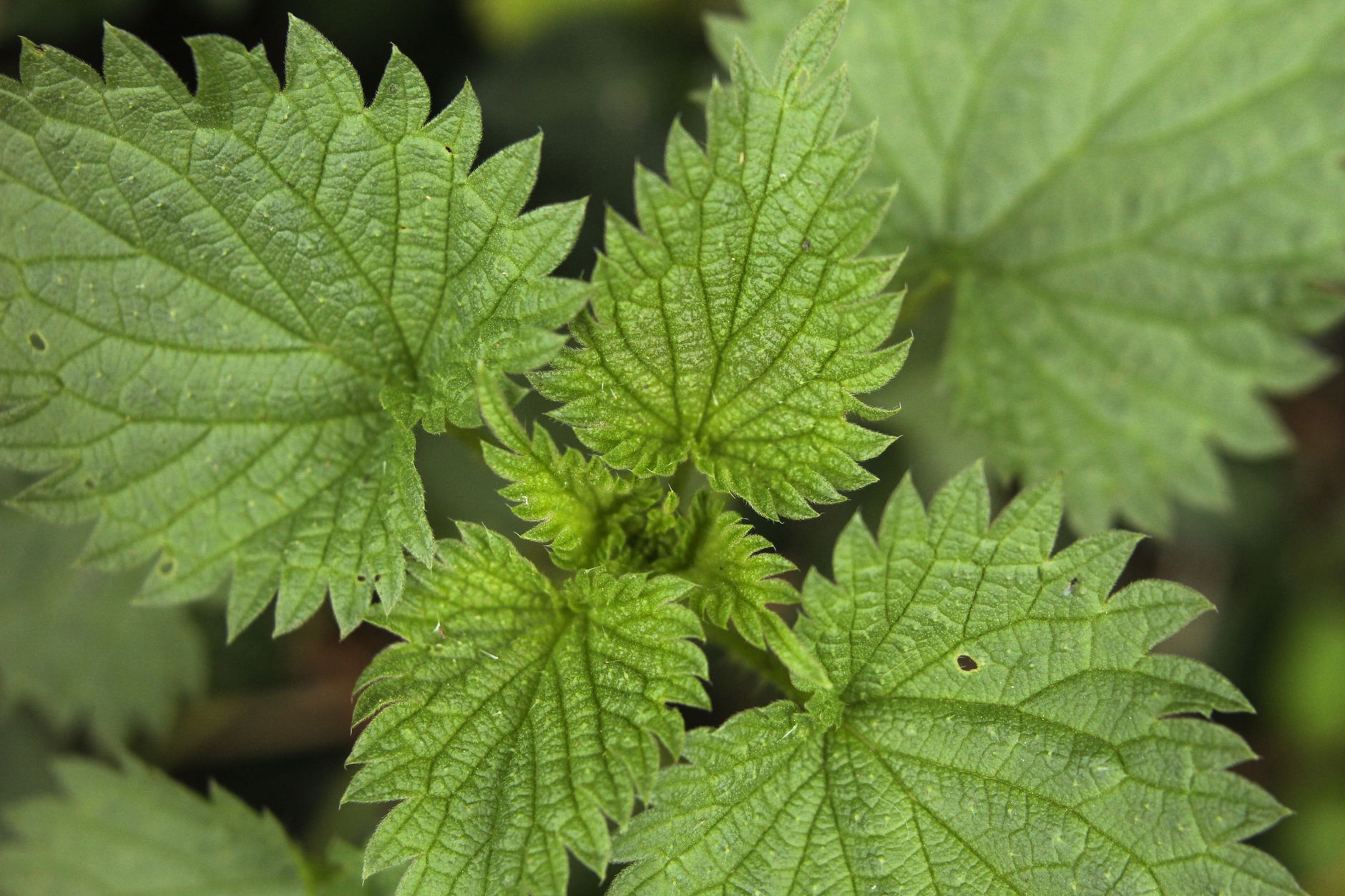
A notable botanical feature of the Japanese yam is its vine growth. The plant produces heart-shaped leaves and small, aerial tubers known as mukago (yam berries), which are also edible and nutrient-dense. The underground tuber, however, remains the primary focus of both agriculture and medicine, requiring loose, well-draining, and deep volcanic soil to develop its signature elongated, nutrient-rich roots.
The Bioactive Chemistry: What Makes It a Superfood?
The pharmacological efficacy of the Japanese yam is attributed to its rich array of secondary metabolites and structural macromolecules. When the yam is grated or crushed, it undergoes a transformation, releasing a viscous, slimy substance. Far from being a mere culinary curiosity, this mucilage is a complex matrix of glycoproteins, water-soluble polysaccharides, and digestive enzymes that serve vital protective roles within the plant and offer immense therapeutic benefits to the human gastrointestinal tract.
Among the most biologically active compounds found within Dioscorea species is diosgenin. Diosgenin is a naturally occurring steroidal saponin that serves as a precursor for the semi-synthetic production of progesterone, estrogen, cortisone, and other steroid hormones. While the human body cannot directly synthesize hormones from diosgenin in the same manner as a laboratory, clinical studies suggest that diosgenin exerts direct phytoestrogenic, anti-inflammatory, and lipid-lowering effects within biological systems.
Furthermore, Japanese yam contains a highly specialized storage protein known as dioscorin. Dioscorin makes up a substantial portion of the soluble protein content in the tuber. Molecular analyses have revealed that dioscorin possesses potent antioxidant properties, acting as a scavenger of reactive oxygen species (ROS). It also exhibits carbonic anhydrase and trypsin inhibitory activities, which contribute to its immunomodulatory and anti-hypertensive mechanisms in human physiology.

Historical Context and Traditional Medicine Systems
In Traditional Chinese Medicine (TCM), the dried root of Dioscorea opposita is known as Shan Yao (Chinese Yam). It is classified as an elite herb in the Shennong Ben Cao Jing, a foundational text of Chinese herbalism compiled thousands of years ago. Within this framework, Shan Yao is unique because it simultaneously tonifies both Yin and Yang, addressing deficiencies across three primary meridian systems: the Spleen, Lung, and Kidney.
For the Spleen, Shan Yao is utilized to treat digestive weakness, chronic fatigue, poor appetite, and loose stools by strengthening the digestive fire (Spleen Qi). For the Lungs, it is prescribed to address chronic dry cough, wheezing, and respiratory weakness, owing to its deeply lubricating, demulcent properties. For the Kidneys, it is viewed as an essential tonic to preserve essence (Jing), manage frequent urination, alleviate lower back weakness, and address reproductive issues such as nocturnal emissions or vaginal discharge.
In Japanese Kampo medicine, the yam is utilized in similar ways, frequently incorporated into complex herbal formulations designed to restore metabolic vitality and counteract the degenerative effects of aging. The traditional consumption of raw grated yam (known as Tororo) over hot rice or noodles was intentionally popularized as a functional food therapy to help laborers withstand the oppressive heat and humidity of Japanese summers, promoting rapid recovery from physical exhaustion.

Deep-Dive into the Health Benefits of Japanese Yam
1. Gastrointestinal Health and Digestive Support
One of the most immediate and palpable benefits of Japanese yam is its soothing effect on the gastrointestinal tract. The mucilage of the yam is rich in soluble dietary fibers and mucopolysaccharides that act as a demulcent. Upon ingestion, this viscous gel forms a protective, anti-inflammatory barrier along the mucosal lining of the esophagus, stomach, and intestines. This protective coating is highly beneficial for individuals suffering from gastrointestinal disorders such as gastritis, peptic ulcers, acid reflux, and inflammatory bowel diseases (IBD) like ulcerative colitis.
Additionally, Japanese yam is exceptionally rich in natural digestive enzymes, particularly amylase and diastase. These enzymes facilitate the efficient breakdown of complex carbohydrates into easily absorbable simple sugars, significantly reducing the digestive burden on the pancreas and stomach. Because it can be consumed raw, these heat-sensitive enzymes remain completely intact and active during ingestion. The high concentration of resistant starch also acts as a potent prebiotic, selectively nourishing beneficial gut bacteria such as Bifidobacteria and Lactobacilli, which in turn produce short-chain fatty acids (SCFAs) like butyrate to support colon health and systemic immunity.
2. Hormonal Regulation, Menopause, and Reproductive Support
The endocrine-modulating properties of Japanese yam have made it a subject of extensive pharmacological research. The steroidal saponin diosgenin plays a central role here. While the human digestive tract does not convert diosgenin into progesterone or DHEA through metabolic pathways, diosgenin interacts directly with estrogen receptors throughout the body, acting as a selective estrogen receptor modulator (SERM). This adaptogenic estrogenic activity helps buffer hormonal fluctuations, providing relief from common menopausal symptoms such as hot flashes, night sweats, mood disturbances, and vaginal dryness.
Furthermore, clinical and animal studies suggest that diosgenin supports ovarian function and may aid in regulating menstrual cycles in premenopausal women. In men, the saponins in Japanese yam have been shown to support healthy testosterone synthesis, improve sperm quality, and enhance overall libido and vitality. By supporting the adrenal glands and helping regulate the hypothalamic-pituitary-adrenal (HPA) axis, Japanese yam acts as an adaptogen, reducing the hormonal imbalances caused by chronic emotional or physiological stress.
3. Glycemic Control and Metabolic Health
Despite being a starchy tuber, Japanese yam is an excellent food choice for metabolic health and blood glucose management. The key to this paradox lies in its structural carbohydrates. The abundant mucilage and soluble fiber significantly delay gastric emptying and slow down the enzymatic hydrolysis of carbohydrates in the small intestine. This results in a slow, sustained release of glucose into the bloodstream, preventing the sharp postprandial insulin spikes associated with highly processed starches.
Scientific studies have also revealed that the active compounds in Dioscorea, particularly diosgenin and specific water-soluble polysaccharides, improve insulin sensitivity at the cellular level. They achieve this by upregulating the expression of glucose transporter 4 (GLUT4) in skeletal muscle and adipose tissues, allowing cells to clear glucose from the blood more efficiently. Additionally, the presence of amylase inhibitors in the yam further modulates carbohydrate digestion, making it a valuable dietary intervention for individuals managing type 2 diabetes or metabolic syndrome.
4. Cardiovascular Protection and Lipid Optimization
The cardiovascular benefits of Japanese yam are multi-faceted, addressing cholesterol management, blood pressure regulation, and vascular health. The soluble fibers and steroidal saponins within the root bind to bile acids and dietary cholesterol in the intestinal lumen, promoting their excretion and reducing the hepatic synthesis of low-density lipoprotein (LDL) cholesterol. This lipotropic action helps maintain a healthy lipid profile, reducing the risk of atherosclerosis and arterial plaque accumulation.
Moreover, the storage protein dioscorin has been shown to exhibit Angiotensin-Converting Enzyme (ACE) inhibitory activity. ACE inhibitors are a primary class of clinical medications used to treat hypertension by relaxing blood vessels and reducing blood volume. By naturally inhibiting this enzyme, dioscorin helps maintain optimal vascular tone and healthy blood pressure levels. The high potassium-to-sodium ratio of the raw tuber further supports this effect, promoting fluid balance and alleviating cardiovascular strain.
5. Immunomodulation and Anti-Inflammatory Effects
Chronic, low-grade inflammation is widely recognized as the underlying driver of most modern degenerative diseases, including arthritis, cardiovascular disease, and neurodegeneration. Japanese yam contains a potent array of anti-inflammatory agents, including dioscorin, allantoin, and various phenolic compounds. Allantoin, in particular, is a well-known cell-proliferant and healing agent that stimulates tissue regeneration and dampens localized inflammatory cascades.
On an immunological level, the bioactive polysaccharides in Japanese yam have been shown to stimulate macrophage activity, enhance phagocytosis, and promote the production of critical immunoglobulins and cytokines. This immunomodulatory effect means that instead of blindly suppressing or over-activating the immune system, the compounds in the yam help tune the immune response—boosting defense mechanisms against viral and bacterial pathogens while simultaneously quelling auto-inflammatory responses that can lead to tissue damage.
Supplemental Forms and Modern Applications
For individuals seeking to harness the therapeutic benefits of Japanese yam without consuming large quantities of the fresh root, the modern health industry offers several highly effective supplemental forms. These preparations allow for standardized dosing of key active ingredients, particularly diosgenin and soluble polysaccharides.
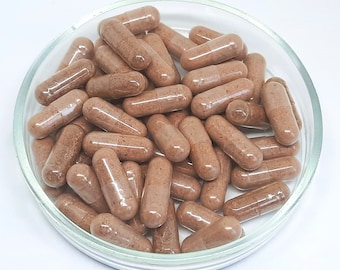
Standardized capsules typically contain concentrated extracts of either Dioscorea opposita or Dioscorea villosa (wild yam). These capsules are highly favored for their convenience and targeted efficacy, particularly for managing menopausal symptoms, supporting adrenal health, and reducing systemic inflammation. When choosing a supplement, it is crucial to opt for products that specify their standardization percentage of diosgenin (often ranging from 10% to 20%) to ensure clinical-grade potency. For general wellness, powdered extracts of dried Shan Yao are widely used in custom herbal blends, teas, and smoothies to gently nourish the digestive system and boost daily energy levels.
Culinary Preparation and Traditional Recipes
In Japanese gastronomy, the culinary preparation of the yam is an art form designed to maximize both flavor and therapeutic value. Because of its unique structural properties, it is one of the very few yams that can be consumed raw. Grated raw Japanese yam is known as Tororo. It has a slippery, viscous, and creamy consistency that is incredibly refreshing. It is traditionally seasoned with dashi, soy sauce, and mirin, and then poured over hot barley rice (a dish called Mugitoro) or cold soba noodles (Tororo Soba).
When cooked, the texture of the yam changes dramatically. Sliced and lightly sautéed or grilled, it loses its slipperiness and takes on a delightfully crisp, nutty character similar to a water chestnut. In Japanese home cooking, grated yams are also used as a natural binding agent and rising helper in dishes like Okonomiyaki (savory cabbage pancakes). The addition of the grated root imparts an exceptionally fluffy, airy texture to the batter, replacing the need for excess flour or artificial raising agents while infusing the meal with highly digestible prebiotic fibers.
Dosage, Safety, Side Effects, and Contraindications
When consumed as a whole food, Japanese yam is exceptionally safe and well-tolerated by the vast majority of individuals. However, there are specific practical and physiological considerations to keep in mind, particularly regarding raw handling and therapeutic supplementation:
- Handling Precautions (Itchiness): The peel and outer flesh of raw Japanese yam contain microscopic needle-like crystals of calcium oxalate (known as raphides). When these crystals come into contact with sensitive skin during peeling or grating, they can cause temporary, intense itching or mild contact dermatitis. To prevent this, it is recommended to wear gloves, or to soak the peeled root in a mild vinegar-and-water solution, which neutralizes and dissolves the oxalate crystals. Cooking or drying the root also completely destroys these raphides.
- Hormone-Sensitive Conditions: Because diosgenin possesses mild phytoestrogenic properties, individuals with severe hormone-sensitive conditions—such as breast, ovarian, or uterine cancer, endometriosis, or uterine fibroids—should exercise caution when consuming high-dose standardized supplements. While dietary intake is generally safe, concentrated capsules should be discussed with an oncology or endocrine specialist.
- Suggested Dosages:
- Fresh Root: 50 to 100 grams daily is a standard, health-promoting culinary serving.
- Dried Herb (Shan Yao): 9 to 15 grams per day, typically prepared as a decoction or steeped in hot water as a therapeutic tea.
- Standardized Extract Capsules: 500 to 1000 mg daily of an extract standardized to contain 10-20% diosgenin, ideally split into two doses taken with meals.

Conclusion: Integrating Japanese Yam into a Modern Wellness Routine
The Japanese yam stands out as a premier example of food as medicine. From its historical status as a restorative mountain tonic to its modern application in digestive, endocrine, and cardiovascular health, this versatile tuber offers a comprehensive suite of benefits. Its rich array of mucopolysaccharides, digestive enzymes, storage proteins like dioscorin, and active saponins like diosgenin work synergistically to support the body’s innate healing and regulatory pathways.
Whether enjoyed raw as a cooling, prebiotic-rich Tororo over grains, added to traditional soups, or taken as a standardized extract capsule for targeted hormonal and anti-inflammatory support, integrating Japanese yam into your wellness routine is a powerful way to promote long-term vitality, robust digestion, and metabolic balance. As modern science continues to unravel the biochemical secrets of this ancient root, its status as a vital superfood remains firmly validated.
Disclaimer: For informational purposes only. Not medical advice. Consult a qualified healthcare professional before use.