The Definitive Guide to Skullcap: Botanical Profiles, Bioactive Compounds, and Therapeutic Health Benefits
The botanical genus Scutellaria, collectively known as Skullcap, represents one of the most clinically significant and historically rich groups of therapeutic herbs in both Western herbalism and Traditional Chinese Medicine (TCM). For centuries, distinct cultures separated by vast oceans identified the therapeutic potential of these unique, helmet-flowered plants belonging to the mint family (Lamiaceae). Today, modern pharmacology, clinical trials, and biochemistry are validating what traditional practitioners have long known: Skullcap is a powerhouse of therapeutic potential, offering profound support for the nervous system, cognitive health, immune function, and inflammatory modulation.
To fully understand Skullcap, one must first recognize that the term refers primarily to two distinct species with different phytochemical profiles and clinical applications: American Skullcap (Scutellaria lateriflora) and Chinese Skullcap (Scutellaria baicalensis). While they share some similarities, American Skullcap is traditionally valued as a premiere nervine trophorestorative to soothe an overactive nervous system, whereas Chinese Skullcap, known as Huang Qin, is celebrated for its powerful anti-inflammatory, antimicrobial, and systemic cooling properties. This comprehensive guide provides an exhaustive analysis of both species, their biochemical constituents, historical significance, health benefits, and safe usage guidelines.
Botanical Characteristics and Ecological Origins
The genus name Scutellaria is derived from the Latin word “scutella,” meaning a small dish, tray, or shield, which refers to the unique shape of the persistent calyx that covers the seeds after the flowers have fallen. This structure resembles a miniature helmet or cap, giving rise to the common name “Skullcap.”
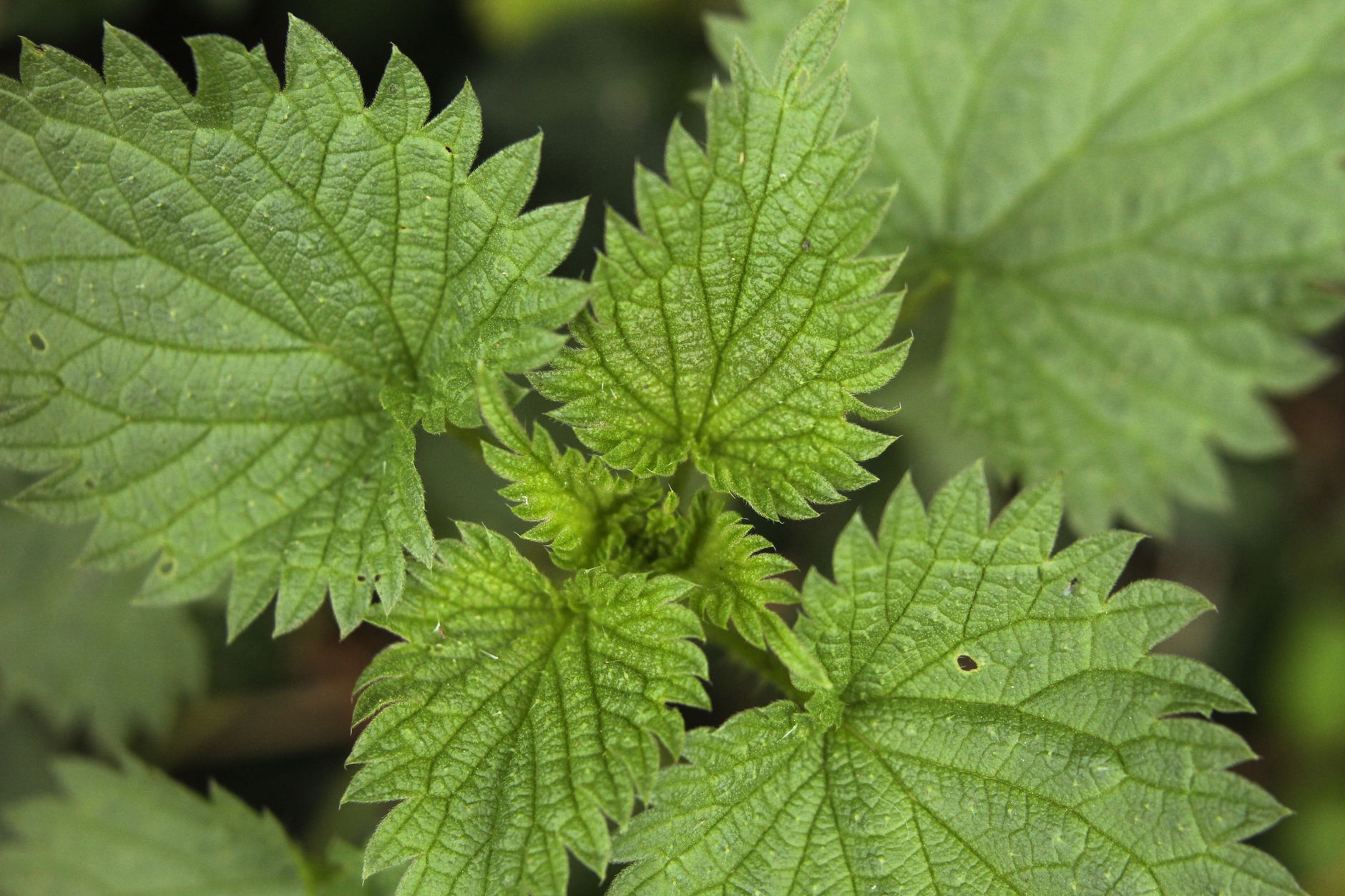
Scutellaria lateriflora, or American Skullcap, is a hardy perennial herb native to wet woods, meadows, and swamp margins throughout North America. It features upright, square stems typical of the Lamiaceae family, reaching heights of one to three feet. Its delicate, opposite, ovate leaves boast serrated edges, and during the mid-to-late summer, it produces one-sided racemes of small, two-lipped tubular flowers of a striking blue-to-purple hue.
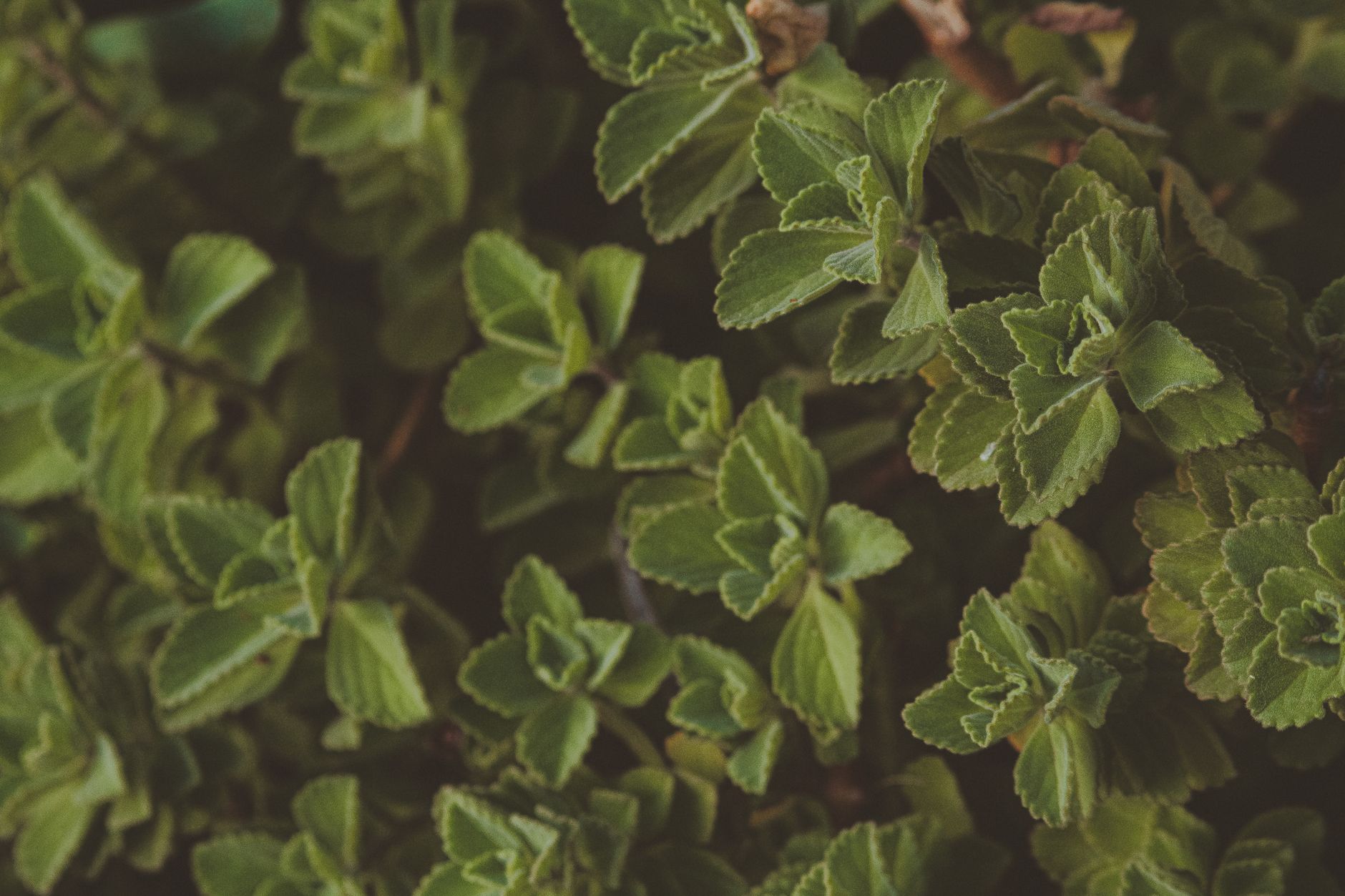
In contrast, Scutellaria baicalensis, native to East Asia—including China, Siberia, Mongolia, and Korea—thrives in sunny, dry sandy soils and grassy slopes. The plant is slightly smaller, with lanceolate leaves and larger, deeper purple flowers. The primary therapeutic part of Scutellaria baicalensis is its thick, golden-yellow taproot, which reflects its high concentration of yellow-pigmented flavonoids and explains its Chinese name, “Huang Qin,” which translates literally to “yellow herb.”
Historical Context and Traditional Medicine Systems
The therapeutic legacy of Skullcap spans two highly developed, independent medical traditions. By examining how ancestral healers utilized these plants, we gain valuable insights into their physiological affinities.
American Skullcap in Western Herbalism
Native American tribes, including the Cherokee, Iroquois, and Micmac, utilized American Skullcap extensively. It was traditionally employed as a gynecological aid to promote menstruation, relieve breast pain, and facilitate recovery after childbirth. It was also highly regarded for its profound calming effects on the nervous system, used to soothe hysteria, nervous tension, and physical tremors.
During the 19th century, the Eclectic medical movement in the United States—a group of physicians who integrated botanical medicine with conventional practices—embraced Scutellaria lateriflora as an essential nervine. They prescribed it to treat chorea (involuntary movement disorders), epilepsy, neuralgia, insomnia, and “delirium tremens” caused by alcohol withdrawal. It earned the colloquial name “Mad-Dog Weed” because of its historical use in treating the intense nervous excitability associated with rabies infections.

Chinese Skullcap (Huang Qin) in Traditional Chinese Medicine
In Traditional Chinese Medicine, Scutellaria baicalensis is a foundational herb, first documented in the ancient text Shennong Bencao Jing (The Divine Farmer’s Herb-Root Classic), written over two thousand years ago. Within the TCM framework, Huang Qin is classified as an herb that “clears heat and dries dampness.” It is traditionally used to address pathological heat conditions in the upper burner (the chest, lungs, and head), making it a staple remedy for respiratory tract infections, high fevers, irritability, and hot inflammatory skin conditions.
Furthermore, Huang Qin is utilized to soothe “internal damp-heat” manifesting as gastrointestinal distress, diarrhea, or jaundice. It is also famous for its clinical use in “quieting the fetus” during pregnancy, particularly when excessive heat in the maternal body threatens to cause premature contractions or bleeding.
The Complex Phytochemistry of Scutellaria
The therapeutic efficacy of Skullcap is driven by an extraordinarily rich and unique cocktail of bioactive secondary metabolites, dominated by unique lipophilic and hydrophilic flavonoids, volatile oils, iridoids, and diterpenes. Although American and Chinese Skullcaps share some overlapping compounds, their specific chemical profiles differ, leading to distinct therapeutic emphasis.

The Dominant Flavonoids and Their Mechanisms
The root of Scutellaria baicalensis is particularly renowned for containing massive concentrations of specific flavones that are rarely found in other botanical families. The most well-studied of these include:
- Baicalin and Baicalein: Baicalin is a glycoside compound that is metabolized by intestinal microbiota into its aglycone form, baicalein. Baicalein is highly bioavailable and easily crosses the blood-brain barrier. It acts as a potent antioxidant, a selective GABA-A receptor positive allosteric modulator, and an inhibitor of the inflammatory cascade.
- Wogonin and Wogonoside: Wogonin possesses profound neuroprotective and anti-inflammatory properties. It operates partly by downregulating the expression of inducible nitric oxide synthase (iNOS) and cyclooxygenase-2 (COX-2), thereby decreasing the production of pro-inflammatory nitric oxide and prostaglandins.
- Oroxylin A: A highly bioactive flavone that has demonstrated strong anti-cancer, anti-inflammatory, and neuroprotective properties. Interestingly, unlike baicalein, oroxylin A has been shown to act as a GABA-A receptor antagonist in certain pathways, contributing to improved cognitive performance, memory consolidation, and alertness.
- Chrysin: Found in both species, chrysin is a well-known flavonoid that exhibits mild anxiolytic properties through its interaction with central benzodiazepine receptors, and has also been studied for its ability to inhibit the aromatase enzyme, which converts testosterone to estrogen.
In the aerial parts of Scutellaria lateriflora, we find a unique composition of flavonoids including scutellarin, baicalin, apigenin, and luteolin. Additionally, American Skullcap contains significant levels of the amino acids glutamine and gamma-aminobutyric acid (GABA) directly in its raw tissues, which contributes synergistically to its immediate calming effect on the central nervous system.
Detailed Scientific Health Benefits of Skullcap
1. Anxiolytic Activity and Central Nervous System Support
One of the most widely recognized uses of American Skullcap (Scutellaria lateriflora) is its ability to reduce anxiety, acute stress, and nervous tension without inducing significant motor impairment or daytime lethargy. Unlike pharmaceutical sedatives, which often cause severe dependency and cognitive fog, Skullcap modulates the nervous system gently.
The primary mechanism behind this benefit is the herb’s ability to bind to the benzodiazepine site of the GABA-A (gamma-aminobutyric acid) receptor. GABA is the primary inhibitory neurotransmitter in the human brain, responsible for slowing down overactive neuronal firing. By acting as a positive allosteric modulator of GABA-A, compounds like baicalein and scutellarin increase the receptor’s affinity for GABA, facilitating a profound calming effect on the mind and body. This action stabilizes an overactive sympathetic nervous system (the “fight-or-flight” response), making it highly beneficial for individuals suffering from generalized anxiety disorder (GAD), panic attacks, ADHD, and chronic stress.
2. Neuroprotection and Cognitive Preservation
Both species of Skullcap display impressive neuroprotective properties that make them valuable in the fight against neurodegenerative diseases such as Alzheimer’s, Parkinson’s, and age-related cognitive decline. Chronic neuroinflammation and oxidative stress are the primary drivers of neuronal death in these conditions.
Baicalein and wogonin have been shown to inhibit the activation of microglia—the resident immune cells of the brain. When chronically activated, microglia release a destructive storm of pro-inflammatory cytokines, reactive oxygen species (ROS), and nitric oxide, which damages surrounding neurons. Furthermore, research indicates that baicalein directly inhibits the aggregation of amyloid-beta proteins and alpha-synuclein, the toxic proteins responsible for forming the plaques and tangles characteristic of Alzheimer’s and Parkinson’s diseases. By maintaining blood-brain barrier integrity and preventing excitotoxicity (neuronal death caused by excess glutamate), Skullcap acts as a comprehensive shield for the brain.
3. Potent Anti-Inflammatory and Antioxidant Action
Systemic, low-grade inflammation is the root cause of almost every chronic modern illness, including cardiovascular disease, diabetes, arthritis, and autoimmune conditions. Scutellaria baicalensis is a premier natural anti-inflammatory agent, often compared in efficacy to non-steroidal anti-inflammatory drugs (NSAIDs) but with significantly fewer gastrointestinal side effects.
The active constituents in Skullcap downregulate the arachidonic acid cascade. Specifically, baicalein and wogonin inhibit the activity of cyclooxygenase-2 (COX-2) and 5-lipoxygenase (5-LOX), the enzymes responsible for synthesizing inflammatory prostaglandins and leukotrienes. Additionally, Skullcap compounds block the activation of Nuclear Factor-kappa B (NF-kB), a master genetic switch that controls the transcription of multiple inflammatory cytokines, such as Tumor Necrosis Factor-alpha (TNF-α), Interleukin-6 (IL-6), and Interleukin-1-beta (IL-1β). Concurrently, its rich flavonoid profile acts as a direct scavenger of free radicals, raising levels of endogenous antioxidant enzymes like superoxide dismutase (SOD) and glutathione peroxidase.
4. Antimicrobial, Antiviral, and Immunomodulatory Benefits
In an era of increasing antibiotic resistance, the antimicrobial properties of Chinese Skullcap have attracted significant scientific interest. Huang Qin exhibits a broad spectrum of activity against bacteria, viruses, and fungi.
- Antiviral Properties: Baicalin and baicalein have demonstrated powerful inhibitory effects against various viral pathogens, including influenza viruses (H1N1, H3N2), respiratory syncytial virus (RSV), herpes simplex virus (HSV), and even coronaviruses. They achieve this by inhibiting viral entry into host cells, interfering with viral replication enzymes (such as neuraminidase and viral polymerases), and preventing the runaway immune response known as a “cytokine storm.”
- Antibacterial and Biofilm Disruption: Skullcap extracts have been shown to inhibit the growth of pathogenic bacteria, including Staphylococcus aureus (including MRSA), Helicobacter pylori, and oral pathogens like Streptococcus mutans. Crucially, Skullcap can disrupt bacterial biofilms—protective matrices that bacteria build around themselves to resist antibiotics—making resistant bacterial strains susceptible to treatment once again.
5. Cardiovascular Protection and Metabolic Support
The cardioprotective and metabolic benefits of Scutellaria baicalensis are deeply tied to its ability to modulate vascular health and lipid metabolism. Research indicates that wogonin and baicalein possess vasodilatory properties, helping to lower blood pressure by promoting nitric oxide production in endothelial cells and blocking calcium channels in vascular smooth muscle.
Additionally, Skullcap supports metabolic health by helping to regulate blood glucose levels and lipid profiles. It activates Adenosine Monophosphate-Activated Protein Kinase (AMPK), often called the metabolic master switch. AMPK activation enhances insulin sensitivity, promotes glucose uptake into skeletal muscles, and inhibits lipogenesis (fat accumulation) in the liver. This makes Skullcap a highly promising supportive herb for managing metabolic syndrome, type 2 diabetes, and non-alcoholic fatty liver disease (NAFLD).
Forms of Administration and Supplementation
Depending on the therapeutic goal, Skullcap is consumed in several forms, each possessing distinct advantages regarding bioavailability and convenience.
Standardized Extracts and Capsules
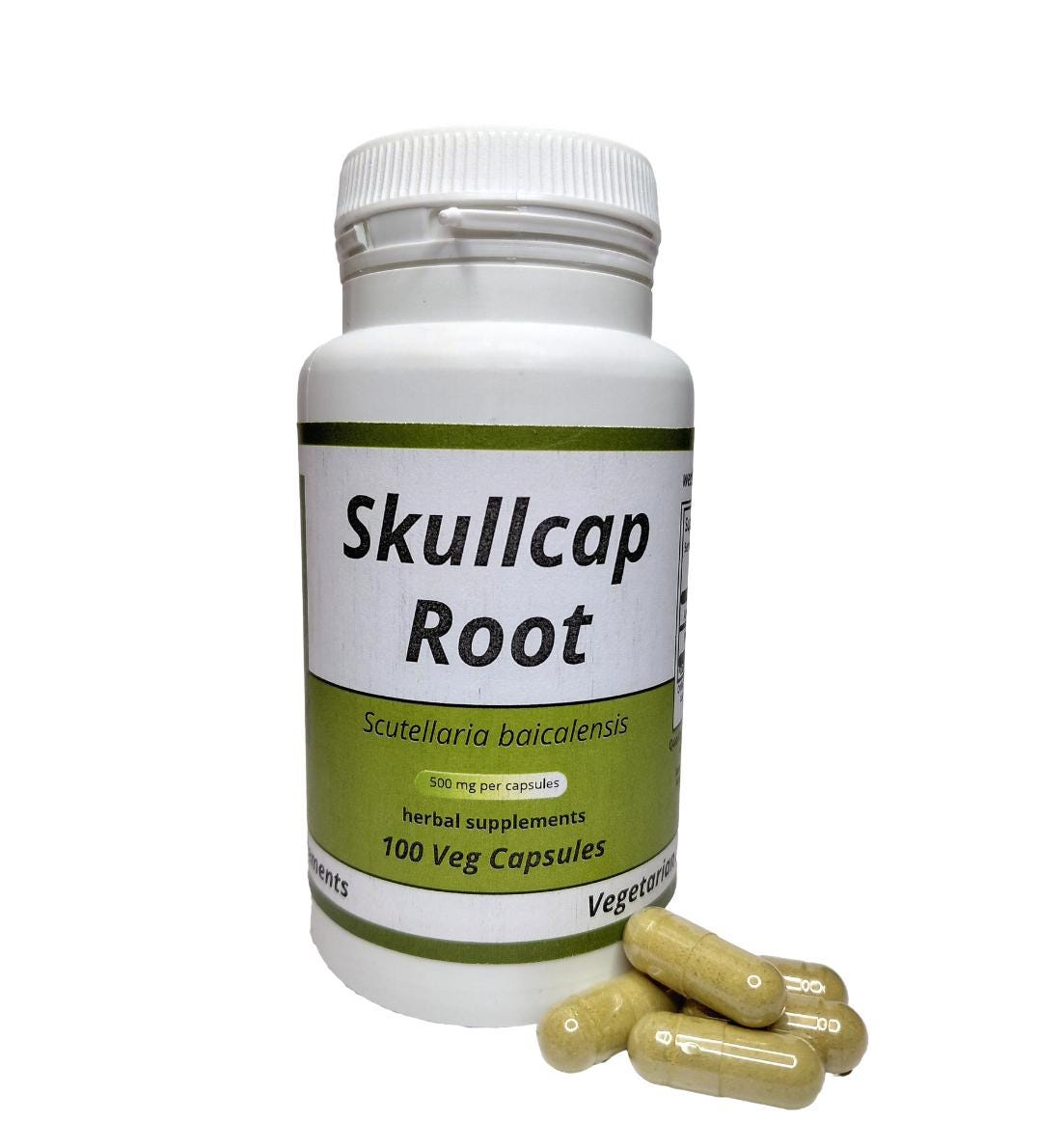
Capsules containing standardized extracts of Scutellaria baicalensis are highly popular for systemic anti-inflammatory, neuroprotective, and metabolic support. These capsules are typically standardized to contain a specific percentage of the active flavonoid baicalin (often ranging from 30% to 95%). This allows for precise, high-dose therapeutic targeting. Capsules are highly convenient for daily use and bypass the intensely bitter taste of the raw root.
Liquid Alcohol Tinctures
For American Skullcap (Scutellaria lateriflora), fresh-plant alcohol tinctures are widely considered the gold standard. Many of the volatile and delicate compounds in American Skullcap are highly sensitive to heat and oxidation during drying processes. A liquid extract prepared from fresh, organic flowering tops captures the full spectrum of active compounds, including the volatile oils and active glycosides, ensuring rapid absorption and fast-acting relief from acute anxiety or tension.
Teas and Infusions
Dried leaves of American Skullcap can be brewed into a relaxing herbal tea. While less concentrated than tinctures, drinking hot Skullcap infusions is an excellent, gentle ritual to support sleep hygiene and unwind after a stressful day. For Chinese Skullcap, the hard root is typically decocted (simmered for 20-30 minutes) rather than infused, extracting the water-soluble baicalin glycosides to create a potent, medicinal beverage.
Dosage Guidelines and Practical Application
When incorporating Skullcap into a health regimen, it is crucial to use the appropriate dosage corresponding to the specific species and form of the herb. Below are the generally accepted clinical ranges:
American Skullcap (Scutellaria lateriflora)
- Liquid Tincture (1:2 fresh or 1:5 dry, 40-50% ethanol): 2 to 4 mL, taken up to three times daily in a small amount of water.
- Dried Herb Infusion: 1 to 2 teaspoons of dried leaf steeped in 8 ounces of boiling water for 10-15 minutes. Drink 2 to 3 times daily.
- Standardized Powder/Capsules: 350 to 500 mg, taken twice daily.
Chinese Skullcap (Scutellaria baicalensis – Root)
- Standardized Extract (Standardized to 80-90% Baicalin): 250 to 500 mg, taken 1 to 2 times daily.
- Decoction (Raw Root): 3 to 9 grams of the dried root simmered in water daily.
- Fluid Extract (1:5): 2 to 6 mL, taken three times daily.
Safety, Side Effects, and Drug Interactions
When sourced from high-quality, reputable manufacturers, both species of Skullcap are generally considered safe and well-tolerated by most individuals. However, as with all pharmacologically active herbs, certain precautions must be observed.
The Historical Context of Adulteration
In the late 20th century, reports emerged linking “Skullcap” to cases of hepatotoxicity (liver damage). Upon rigorous botanical and chemical investigation, it was discovered that these products had been heavily adulterated with plants belonging to the genus Teucrium (commonly known as Germander). Germander contains highly toxic diterpenes that cause severe liver damage. True, pure Scutellaria lateriflora and Scutellaria baicalensis are not inherently hepatotoxic. To ensure safety, consumers must purchase products from verified brands that perform stringent identity testing, such as High-Performance Thin-Layer Chromatography (HPTLC).
Potential Side Effects
Some individuals may experience mild side effects, which can include:
- Mild gastrointestinal discomfort or loose stools (more common with high doses of Chinese Skullcap root).
- Drowsiness or excessive relaxation, especially if American Skullcap is combined with alcohol or other sedative substances.
- Slight hypoglycemia, as Chinese Skullcap can lower blood glucose levels.
Contraindications and Drug Interactions
Due to its systemic pharmacological actions, Skullcap should be used with caution in the following circumstances:
- Pregnancy and Lactation: While Chinese Skullcap has been used traditionally to quiet the fetus, it should only be used under the close supervision of a qualified healthcare practitioner. American Skullcap should be avoided during pregnancy due to its historical use as an emmenagogue (stimulating blood flow in the pelvic area).
- Sedative Medications: Because of its strong affinity for GABA-A receptors, Skullcap may potentiate the effects of pharmaceutical sedatives, sleep medications, and anxiolytics, including benzodiazepines (e.g., Xanax, Valium), barbiturates, and over-the-counter sleep aids.
- Hypoglycemic Drugs: Since Scutellaria baicalensis can lower blood glucose levels, individuals taking insulin or oral diabetes medications must monitor their blood sugar closely to prevent hypoglycemia.
- Surgery: Due to its mild blood-thinning effects and impact on the central nervous system, it is recommended to discontinue the use of Skullcap at least two weeks before scheduled surgical procedures.
Conclusion
Skullcap stands out as a versatile and potent genus in botanical medicine. Whether utilizing the aerial leaves of American Skullcap to restore and calm a frayed nervous system, or employing the vibrant gold root of Chinese Skullcap to combat systemic inflammation, viral infections, and oxidative stress, these plants offer scientifically validated pathways to healing. By understanding their phytochemistry, respecting traditional applications, and prioritizing quality and purity, we can safely harness the profound health-promoting benefits of Skullcap to support vitality and longevity in the modern world.
Disclaimer: For informational purposes only. Not medical advice. Consult a qualified healthcare professional before use.