The Ultimate Guide to Wild Strawberry Leaf: Health Benefits, Bioactive Compounds, and Traditional Uses
While the sweet, vibrant fruit of the wild strawberry (Fragaria vesca) has captured human culinary interest for millennia, its foliage holds an equally prestigious place in the annals of traditional herbal medicine. Wild strawberry leaves are a powerhouse of bioactive compounds, historically revered as a natural therapeutic agent for digestive ailments, systemic inflammation, metabolic imbalances, and skin conditions. Today, modern pharmacology is beginning to validate many of these historical applications, highlighting the plant’s rich phytochemistry and therapeutic adaptability.
This comprehensive guide dives deep into the botanical characteristics, historical contexts, phytochemistry, physiological mechanisms, and practical clinical applications of wild strawberry leaf. Whether you are an herbalist, a health enthusiast, or looking to integrate natural remedies into your wellness regimen, this guide offers an exhaustive, science-backed exploration of this overlooked botanical treasure.
Botanical Overview and Taxonomy of Fragaria vesca
The wild strawberry, scientifically classified as Fragaria vesca, belongs to the Rosaceae (rose) family. This perennial herbaceous plant is native throughout the Northern Hemisphere, thriving in diverse habitats ranging from open woodlands and forest clearings to meadows and rocky slopes. Unlike cultivated garden strawberries (Fragaria × ananassa), which are complex polyploid hybrids, Fragaria vesca is a diploid species, possessing a simpler genetic structure that yields highly concentrated secondary metabolites.
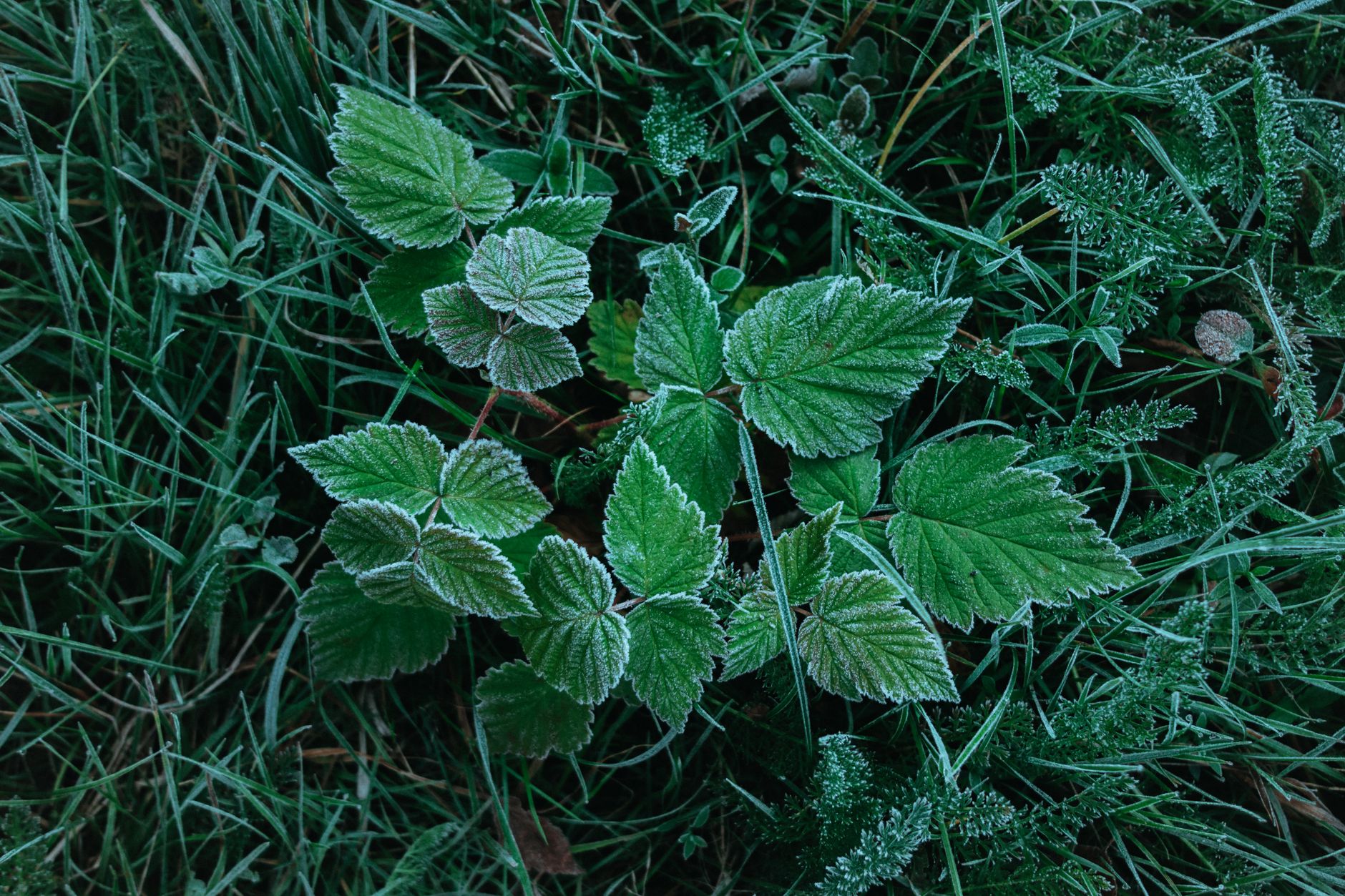
The morphological characteristics of the wild strawberry leaf are crucial for proper botanical identification. The leaves are trifoliate—arranged in groups of three leaflets—attached to long, slender, hairy petioles that emerge from a central crown. Each leaflet is obovate to ovate in shape, featuring sharply serrated margins and a distinct venous structure. The upper surface of the leaf typically exhibits a bright, vibrant green hue with a smooth or slightly sparse hairy texture, while the underside is noticeably paler and covered in soft, silky, pubescent hairs that provide protection against moisture loss and herbivory.

Understanding the physiological cycle of the plant is vital for wild harvesting. The leaves are at their biochemical peak during the late spring and early summer months, just as the plant begins to flower but before the energy of the rhizome is entirely diverted to fruit production. During this window, the concentration of active tannins, volatile oils, and flavonoids within the foliage reaches its maximum potential, rendering the harvested leaves highly potent for dried preservation or fresh extraction.
Historical Context and Traditional Medicine Systems
The medicinal use of wild strawberry leaf spans centuries, across various cultures and traditional medicine systems. In European folk medicine, the leaves were recognized as a cooling, drying, and astringent remedy. Renowned historical herbalists, including Pedanius Dioscorides and later medieval writers like John Gerard and Nicholas Culpeper, documented the use of Fragaria leaves to soothe internal inflammations, cool hot fevers, and act as a reliable diuretic to cleanse the kidneys and bladder.
In Native American traditional medicine, various tribes utilized wild strawberry leaf infusions as a vital digestive tonic. The Cherokee and Iroquois nations, among others, formulated decoctions from the roots and leaves to treat acute gastrointestinal distress, including diarrhea and dysentery. The high astringency of the leaves made them a primary choice for treating oral thrush, bleeding gums, and painful sore throats. Furthermore, the leaves were frequently applied topically as poultices to soothe inflamed skin, treat minor burns, and accelerate the healing of slow-closing wounds.
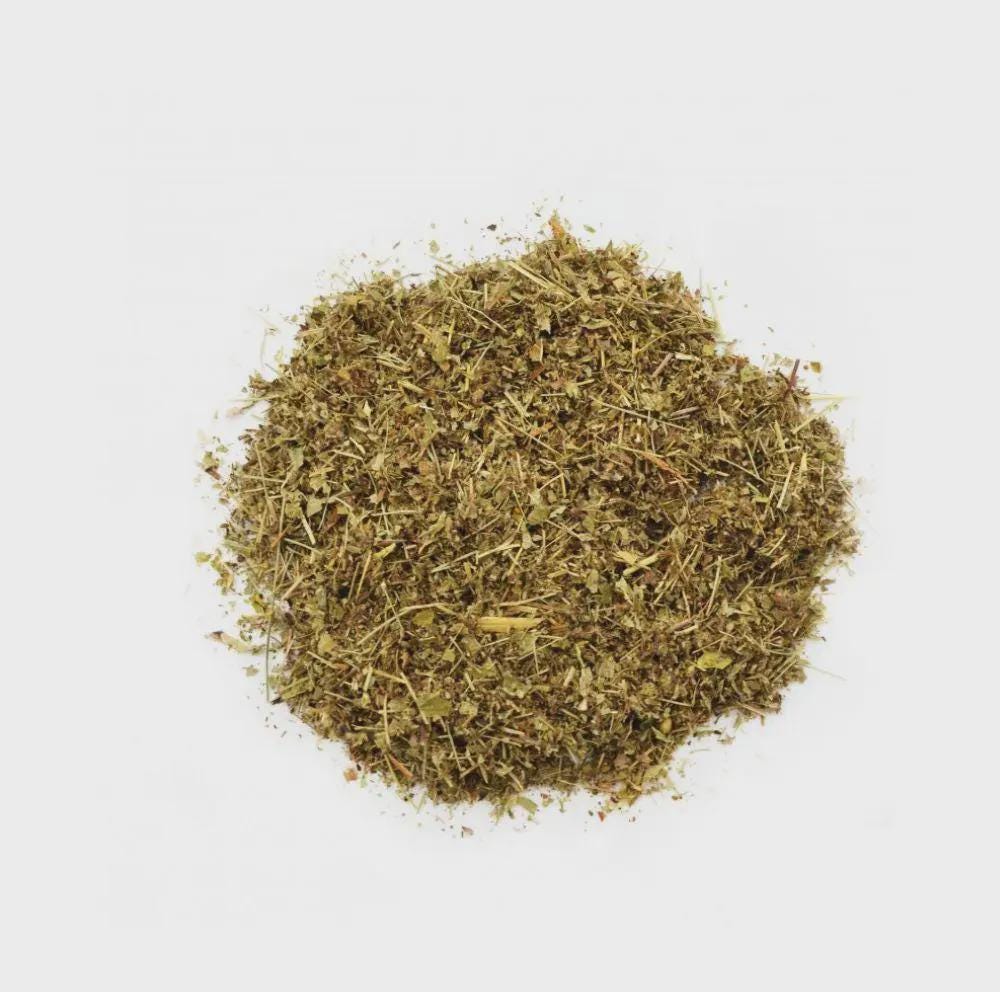
During the 18th and 19th centuries in Europe, the leaves were often consumed as a daily general health tonic. Known as “Schwarzer Tee” alternatives or herbal substitutes during times of tea shortages, infusions of dried wild strawberry leaves provided a caffeine-free, mineral-dense beverage that not only pleased the palate with its mild, earthy, slightly sweet flavor profile but also fortified the body’s natural defenses against seasonal pathogens and metabolic stagnation.
Phytochemical Profile: The Science of the Leaf
The therapeutic efficacy of wild strawberry leaf is directly linked to its complex, synergistic phytochemical composition. Unlike synthetic pharmaceuticals that isolate a single active ingredient, the medicinal profile of Fragaria vesca relies on a matrix of polyphenols, flavonoids, organic acids, and essential minerals that work in tandem to produce physiological effects.
To appreciate how wild strawberry leaf interacts with human biology, we must examine its key primary and secondary metabolites:
- Tannins (Ellagitannins and Condensed Tannins): Making up to 10% of the leaf’s dry weight, tannins are the dominant active constituents. They include monomeric ellagitannins, such as pedunculagin, and oligomeric compounds like agrimoniin. These polyphenols are highly astringent; they bind to and precipitate proteins, forming a protective, anti-inflammatory barrier over mucosal membranes and raw tissues.
- Flavonoids: The leaves contain abundant flavonols, principally quercetin, kaempferol, and their glycosidic derivatives (such as rutin and quercitrin). These compounds are celebrated for their profound antioxidant, anti-inflammatory, and vasodilatory properties, helping to modulate cellular signaling pathways and combat oxidative stress.
- Proanthocyanidins: Often referred to as condensed tannins, these oligomeric compounds provide powerful vascular protection, neutralizing free radicals and reinforcing collagen structures throughout the body’s connective tissues and blood vessel walls.
- Phenolic Acids: Chlorogenic acid, caffeic acid, gallic acid, and ellagic acid are present in significant quantities. These acids exhibit strong antimicrobial, antiviral, and chemoprotective properties, contributing to systemic cellular health and cellular regeneration.
- Volatile Oils: Though present in trace amounts, the essential oil of the leaf contains monoterpenes and sesquiterpenes, which provide subtle aromatic qualities and contribute mild antimicrobial and antispasmodic effects when brewed as an infusion.
- Mineral and Nutrient Content: Wild strawberry leaves are naturally rich in essential minerals, most notably calcium, iron, magnesium, potassium, and silica, alongside significant levels of Vitamin C (ascorbic acid). This makes the leaf an excellent nutritive supplement for replenishing vital electrolytes and supporting bone, skin, and vascular integrity.
In-Depth Health Benefits and Mechanisms of Action
1. Gastrointestinal and Digestive Restoration
The primary clinical application of wild strawberry leaf centers on its action within the gastrointestinal tract. The dense concentration of tannins exerts a powerful astringent effect. When consumed as an infusion, these tannins interact with the inflamed mucosal lining of the stomach and intestines, precipitating surface proteins to form a temporary, micro-thin protective membrane. This barrier serves a dual purpose: it insulates the raw, irritated gut wall from aggressive gastric juices and pathogenic toxins, while simultaneously reducing the secretion of fluids into the intestinal lumen.
Consequently, wild strawberry leaf is an exceptional natural remedy for managing acute, non-specific diarrhea, irritable bowel syndrome (IBS) flare-ups, and general enteritis. By toning the relaxed, hyper-secretory tissues of the digestive tract, it helps restore normal bowel motility and solidifies stools without paralyzing the natural peristaltic action of the intestines—a common and undesirable side effect of many synthetic anti-diarrheal medications.
2. Cellular Defense, Antioxidant, and Anti-Inflammatory Activity
Every cell in the human body is subjected to oxidative stress caused by reactive oxygen species (ROS) and environmental toxins. The flavonoids (quercetin and kaempferol) and phenolic acids (ellagic and gallic acids) within wild strawberry leaves act as potent radical scavengers. They donate electrons to unstable free radicals, effectively neutralizing them before they can initiate lipid peroxidation of cell membranes or induce DNA damage.
Furthermore, these phytochemicals modulate key cellular inflammatory cascades. Research indicates that ellagic acid and quercetin downregulate the expression of pro-inflammatory cytokines, including tumor necrosis factor-alpha (TNF-α), interleukin-6 (IL-6), and the inflammatory enzymes cyclooxygenase-2 (COX-2) and inducible nitric oxide synthase (iNOS). This systemic reduction in inflammatory mediators makes wild strawberry leaf a valuable supportive herb for chronic inflammatory conditions, such as rheumatoid arthritis, osteoarthritis, and metabolic inflammation.
3. Cardiovascular and Vasodilatory Support
The cardiovascular benefits of Fragaria vesca leaf are largely attributed to its impact on endothelial function and vascular tone. The oligomeric proanthocyanidins and flavonoids help maintain the elasticity of blood vessels by preventing the degradation of collagen and elastin fibers. Additionally, active compounds in the leaf stimulate the endothelial production of nitric oxide (NO)—a key gas signaling molecule that instructs the smooth muscle surrounding blood vessels to relax.
This vasodilatory response promotes improved peripheral circulation, lowers systemic vascular resistance, and aids in the gentle regulation of blood pressure. The antioxidant properties also work to prevent the oxidation of low-density lipoprotein (LDL) cholesterol; oxidized LDL is a primary driver in the formation of arterial plaques, meaning that regular consumption of wild strawberry leaf tea can be an active component of a long-term strategy to prevent atherosclerosis and support overall cardiovascular longevity.
4. Renal Cleansing and Urinary Tract Health
As a natural, mild diuretic, wild strawberry leaf encourages the kidneys to excrete excess water and sodium from the body without depleting essential potassium stores, thanks to the herb’s naturally high mineral content. This gentle diuretic action helps flush the urinary tract, clearing out metabolic wastes, excess uric acid, and potential bacterial pathogens that may be colonizing the bladder or urethra.
By increasing urine volume and flow, wild strawberry leaf assists in preventing the crystallization of minerals that lead to the formation of kidney stones. It is also frequently utilized in herbal formulations targeting cystitis and urinary tract infections (UTIs), where its soothing, anti-inflammatory, and mild antimicrobial properties work directly on the mucosal linings of the urinary passages to alleviate pain, burning, and irritation during urination.
5. Oral Health, Topical Wound Healing, and Astringency
The localized astringent and antimicrobial properties of the leaf make it a stellar topical therapeutic agent. When prepared as a concentrated decoction or mouthwash, wild strawberry leaf effectively treats oral inflammatory conditions such as gingivitis, bleeding gums, aphthous ulcers (canker sores), and pharyngitis (sore throat). The tannins tighten loose, inflamed gum tissues, reducing bleeding and creating a hostile environment for periodontal pathogens.
Topically, cool compresses soaked in wild strawberry leaf infusion can be applied to minor cuts, abrasions, eczema outbreaks, and insect bites. The herb aids in drawing together the edges of minor wounds (wound contraction), minimizing localized edema, limiting capillary bleeding, and preventing secondary bacterial infections, thereby facilitating a faster and cleaner dermal regeneration process.
Modern Delivery Systems: Supplements and Standardized Extracts
While traditional herbalism relies heavily on raw infusions, the modern wellness industry has developed various delivery methods to standardize and maximize the therapeutic potential of wild strawberry leaf. For individuals seeking targeted systemic benefits, such as chronic anti-inflammatory support or metabolic regulation, standardized capsules and liquid extracts provide a convenient and highly concentrated alternative to loose herbal teas.

Capsules and tableted supplements typically contain either finely pulverized, low-temperature dehydrated wild strawberry leaves or highly concentrated dry extracts standardized to contain a specific percentage of active polyphenols or ellagitannins. These delivery systems bypass the taste profile of the herb—which can be intensely astringent for some—and ensure a consistent, measurable dose of active constituents with every serving. Standardized capsules are especially favored by travelers or individuals seeking consistent joint, cardiovascular, or gastrointestinal support on a daily basis.
Liquid extracts and alcohol-based tinctures offer another highly bioavailable format. Tinctures (typically prepared at a 1:5 ratio using a hydro-ethanolic solvent) are exceptionally efficient at extracting both the water-soluble tannins and the alcohol-soluble flavonoids and volatile oils. This liquid format allows for rapid absorption through the oral mucosa and stomach lining, making it an excellent choice for acute digestive discomfort, vascular spasms, or rapid immune support.
Practical Preparation, Usage, and Dosage Guidelines
To safely unlock the full therapeutic spectrum of wild strawberry leaf, proper preparation and dosing are key. The herb can be enjoyed and utilized in several distinct preparation styles depending on the therapeutic target:
1. Traditional Herbal Infusion (Tea)
This is the classic method for addressing digestive upset, mild urinary issues, or simply enjoying a nutritive, daily antioxidant beverage. To prepare:
- Place 1 to 2 teaspoons of high-quality dried wild strawberry leaves (or 2 tablespoons of freshly crushed leaves) into a ceramic or glass teapot.
- Pour 8 to 10 ounces of freshly boiled water (ideal temperature around 200°F or 93°C) directly over the leaves.
- Cover the vessel tightly to prevent the volatile compounds from escaping in the steam.
- Allow the mixture to steep for 10 to 15 minutes. For a more astringent, tannin-rich brew (ideal for active diarrhea), extend the steeping time to 20 minutes.
- Strain the liquid and drink warm. You may consume up to 3 cups per day.
2. Concentrated Oral Rinse or Topical Decoction
For oral health or dermal applications, a stronger extraction is necessary to pull out the maximum density of mucosal-protecting tannins. To prepare:
- In a small saucepan, combine 3 tablespoons of dried wild strawberry leaves with 12 ounces of cold water.
- Bring the mixture to a gentle boil over medium-low heat, then immediately reduce the heat to low, cover, and let it simmer for 15 to 20 minutes.
- Remove from heat and let it cool completely with the lid on.
- Strain the liquid. Use this concentrated liquid as a gargle for sore throats, a mouthwash for bleeding gums, or soak a clean cotton cloth in it to use as a soothing skin compress. Do not swallow large amounts of this concentrated decoction, as the high tannin concentration may cause mild, temporary nausea.

3. Standardized Supplementation Dosage
When utilizing commercial capsules or tinctures, always refer to the specific manufacturer’s label instructions, as concentrations can vary wildly. However, general herbal guidelines suggest:
- Standardized Dry Extract Capsules: 350 mg to 500 mg, taken 1 to 2 times daily with a full glass of water.
- Liquid Tincture (1:5 extraction): 2 to 4 mL (approximately 40 to 80 drops), diluted in a small amount of water or juice, taken up to 3 times daily.
Safety, Contraindications, and Drug Interactions
While wild strawberry leaf is widely regarded as a exceptionally safe, gentle, and non-toxic herb suitable for long-term use by most individuals, certain precautions and contraindications should be noted to prevent adverse events:
1. Rosaceae Family Allergies
Individuals with known allergies or hypersitivities to plants within the Rosaceae family—including strawberries, raspberries, blackberries, apples, peaches, or plums—must exercise caution when consuming wild strawberry leaf. Although allergic reactions to the foliage are rare compared to the fruit, they can manifest as localized oral itching, skin rashes, hives, or mild digestive distress. Perform a skin patch test or consult an allergist if you suspect a potential cross-reactivity.
2. Pregnancy and Lactation Considerations
In traditional midwifery, wild strawberry leaf (often combined with red raspberry leaf) has occasionally been used as a uterine tonic to prepare the body for labor. However, due to its mild potential to stimulate uterine smooth muscle activity, pregnant individuals should avoid consuming highly concentrated extracts or therapeutic doses of wild strawberry leaf during the first and second trimesters, unless under the direct supervision of a qualified healthcare practitioner or certified midwife. Standard, occasional consumption of a mild tea is generally considered safe, but caution is always warranted during pregnancy.
3. High Tannin Sensitivity and Nutrient Absorption
The dense tannin content of Fragaria vesca can cause mild stomach upset or nausea in individuals with highly sensitive stomachs, especially if consumed in large quantities on an empty stomach. Furthermore, tannins are natural chelating agents; they bind to essential dietary minerals, most notably non-heme iron (found in plant-based foods) and calcium, inhibiting their absorption in the digestive tract. To avoid nutritional deficiencies, it is highly recommended to consume wild strawberry leaf tea or supplements at least one to two hours apart from major meals or daily mineral supplements.
4. Pharmaceutical Drug Interactions
Because of its blood-pressure-lowering (vasodilatory) and mild diuretic properties, wild strawberry leaf may theoretically potentiate the effects of prescription antihypertensive medications (such as beta-blockers or ACE inhibitors) and pharmaceutical diuretics (such as furosemide). If you are currently taking medications for cardiovascular or renal disorders, consult with your primary care physician before integrating therapeutic doses of wild strawberry leaf into your regimen to prevent blood pressure from dropping too low or experiencing electrolyte imbalances.
Conclusion: Integrating Wild Strawberry Leaf Into Modern Wellness
The wild strawberry leaf stands as a prime example of nature’s quiet potency. Behind its delicate, serrated appearance lies a highly structured assembly of healing compounds—from protein-binding tannins that soothe the gut, to potent flavonoids that quell systemic inflammation and protect the vascular system. Far from being a mere byproduct of a beloved summer fruit, the foliage of Fragaria vesca deserves a permanent place in the modern herbal toolkit.
Whether utilized as a warm, daily wellness tea to fortify cellular health, a targeted remedy for acute digestive disturbances, or as standardized capsules to support cardiovascular and metabolic longevity, this versatile herb bridges the gap between ancient botanical wisdom and modern physiological science. By understanding its chemical nature, respecting its potency, and administering it with care, you can harness the profound health benefits of wild strawberry leaf to support a vibrant, balanced, and naturally aligned lifestyle.
Disclaimer: For informational purposes only. Not medical advice. Consult a qualified healthcare professional before use.