The Ultimate Guide to Blue Mallow (Malva sylvestris): Health Benefits, Phytochemistry, and Practical Uses
In the vast kingdom of botanical medicine, few plants bridge the gap between striking visual beauty and profound therapeutic efficacy as seamlessly as Blue Mallow (Malva sylvestris). Known colloquially as common mallow, high mallow, or wild mallow, this resilient perennial herb has been a cornerstone of traditional European, Mediterranean, and Asian herbalism for millennia. Today, modern pharmacognosy and clinical research are validating what ancient healers knew intuitively: Blue Mallow is a powerhouse of soothing mucilage, potent antioxidants, and anti-inflammatory compounds.
This comprehensive guide offers an exhaustive, scientifically rigorous exploration of Blue Mallow. We will delve into its botanical profile, trace its rich ethnobotanical history, dissect its complex phytochemical makeup, and analyze its diverse health benefits. Furthermore, we will provide practical instructions on how to incorporate this elegant botanical into your daily wellness regimen.
Botanical Profile and Taxonomical Overview
Blue Mallow belongs to the Malvaceae family, a botanical group famous for producing plants rich in mucilage—a thick, gooey substance composed of polysaccharides. This family also includes well-known plants such as marshmallow (Althaea officinalis), hibiscus (Hibiscus sabdariffa), and okra (Abelmoschus esculentus). Malva sylvestris is native to Europe, North Africa, and Western Asia, though it has naturalized across many temperate regions of the world, including North America and Australia.
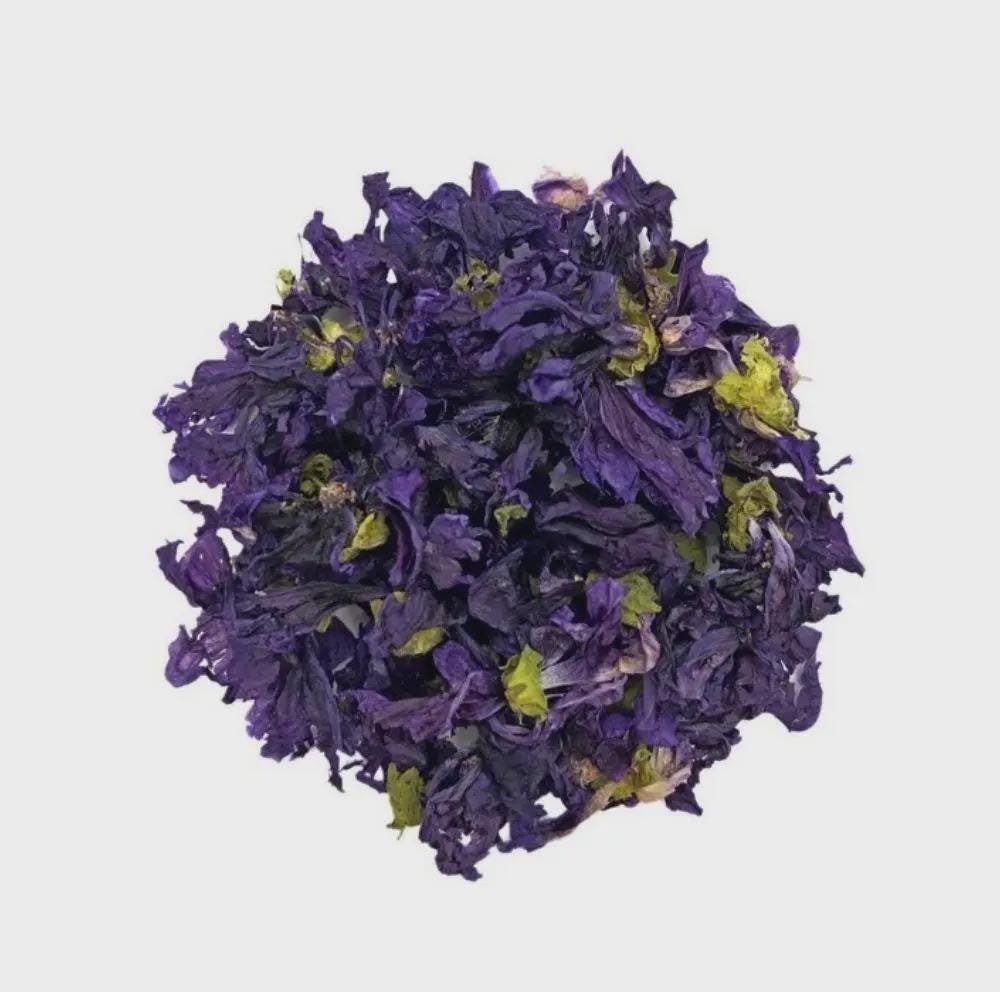
Physically, the plant is characterized by its erect, branching stems that can grow up to three to four feet in height. It features palmately lobed, kidney-shaped leaves with serrated margins. However, its most defining feature is its striking flowers. These blossoms display five inversely heart-shaped petals boasting a deep violet-blue or magenta hue, accented by darker, radiating veins. These petals contain highly concentrated pigments that shift in color depending on the pH of their environment, a property that has long fascinated chemists and herbalists alike.

The plant thrives in disturbed soils, along roadsides, in sunny meadows, and in coastal fields. Its adaptability and resilience are mirrored in its chemical robustness. Every part of the plant—from the deep-growing taproot to the leaves and flowers—possesses medicinal properties, though the delicate flowers and nutrient-dense leaves are most commonly harvested for therapeutic preparations.
Ethnobotanical History: A Legacy of Healing
The historical usage of Blue Mallow stretches back to antiquity. In ancient Rome and Greece, the plant was regarded not only as a medicine but also as a highly nutritious food source. The famous Roman statesman and writer Cicero mentioned consuming mallow dishes, while the Greek philosopher Pythagoras advocated for its use to promote mental tranquility and physical balance.
Throughout the Middle Ages, Blue Mallow was cultivated extensively in monastery gardens across Europe. It was classified as an “omnimorbia”—a cure-all—due to its versatile soothing properties. Traditional healers used mallow preparations to treat a wide array of ailments, ranging from dry coughs and sore throats to stomach ulcers, skin inflammations, and urinary tract infections. It was also utilized as an antidote to stings and insect bites when applied as a fresh poultice.
In traditional Chinese medicine (TCM) and Ayurvedic systems, related species of mallow were utilized to clear heat, resolve dampness, and soothe irritated mucous membranes. The common thread across all these historical traditions is the recognition of the plant’s cooling, moistening, and softening nature—qualities highly valued in treating conditions characterized by heat, dryness, and irritation.
Phytochemical Profile: The Science Behind the Magic
The therapeutic efficacy of Blue Mallow is a direct result of its complex and synergistic phytochemical composition. When we analyze the plant in a laboratory setting, several key classes of bioactive compounds emerge as the primary drivers of its health benefits.
1. Mucilaginous Polysaccharides
The most prominent active component of Blue Mallow is its high concentration of mucilage. This is a complex mixture of water-soluble polysaccharides, primarily composed of L-rhamnose, D-galactose, D-galacturonic acid, and D-glucuronic acid. When these polysaccharides come into contact with water, they swell to form a slippery, gelatinous gel. This gel acts as a physical barrier, coating and protecting inflamed or irritated mucous membranes throughout the respiratory, gastrointestinal, and urinary tracts.
2. Anthocyanins and Polyphenols
The vibrant blue-violet color of the flowers is due to an abundance of anthocyanins. The primary anthocyanin found in Blue Mallow is malvin (malvidin 3,5-diglucoside), along with delphinidin and cyanidin derivatives. Anthocyanins are exceptionally potent antioxidants that scavenge free radicals, reduce oxidative stress, and protect cellular structures from damage. Additionally, the plant contains rich profiles of phenolic acids (such as ferulic, caffeic, and chlorogenic acids) and flavonoids (including quercetin, kaempferol, and apigenin), which contribute to its systemic anti-inflammatory actions.

3. Tannins and Terpenoids
Blue Mallow contains moderate amounts of tannins, which exert a mild astringent effect. This astringency works in tandem with the soothing mucilage; while the mucilage coats and hydrates tissues, the tannins help to tone, tighten, and strengthen compromised cellular barriers. Terpenoids and sterols (such as beta-sitosterol) are also present, contributing to the plant’s antimicrobial and immune-modulating properties.
Comprehensive Health Benefits of Blue Mallow
Given its rich array of bioactive compounds, Blue Mallow offers a broad spectrum of preventative and therapeutic health benefits. Below, we examine the primary systems of the body that benefit most from this versatile herb.
1. Respiratory System Support: The Ultimate Demulcent
One of the most well-established clinical applications of Blue Mallow is the treatment of upper respiratory tract irritation. When a person suffers from a dry, hacking cough, bronchitis, laryngitis, or a sore throat, the delicate tissues of the pharynx and larynx become inflamed and hypersensitive.
The mucilage in Blue Mallow acts as a classic demulcent. Upon consumption as a tea or syrup, it forms a soothing, protective layer over the irritated sensory nerve endings in the throat. This physical coating directly dampens the cough reflex, reduces the urge to cough, and facilitates the healing of underlying tissues. Furthermore, its mild expectorant properties help to thin and loosen stubborn, viscous mucus, making it easier to clear from the bronchial pathways.
2. Gastrointestinal Health and Mucosal Integrity
The digestive tract is lined with a delicate mucosal barrier that is highly susceptible to irritation from stomach acid, inflammatory foods, pathogens, and stress. Blue Mallow serves as an excellent natural ally for maintaining gastrointestinal health.
For individuals suffering from gastroesophageal reflux disease (GERD), gastritis, or peptic ulcers, Blue Mallow tea can help neutralize the irritating effects of excess hydrochloric acid by coating the stomach lining. In the lower digestive tract, the herb’s mucilaginous fibers absorb water and add bulk to the stool. This action helps to soothe irritable bowel syndrome (IBS) symptoms, acting as a gentle, non-habit-forming bulk laxative to relieve constipation while simultaneously calming diarrhea by absorbing excess liquid and toxins.
3. Dermatological Applications: Soothing and Wound Healing
When applied topically, Blue Mallow acts as an exceptional emollient and vulnerability agent (wound healer). The combination of soothing mucilage, astringent tannins, and anti-inflammatory flavonoids makes it highly effective for managing various skin conditions.
- Eczema and Psoriasis: Its deep hydrating and anti-inflammatory properties help soothe itching, reduce redness, and restore the skin’s natural lipid barrier.
- Wound and Burn Healing: Blue Mallow stimulates tissue regeneration. Studies suggest that its extracts can promote cell proliferation and collagen synthesis, speeding up the recovery of minor cuts, abrasions, and sunburns.
- Anti-Aging and Skin Hydration: Due to its high antioxidant content, topical formulations of Blue Mallow protect the skin from UV-induced oxidative damage and premature aging, while its polysaccharides lock in moisture to plumb and soften the skin.
4. Anti-Inflammatory and Immune-Modulating Properties
Chronic inflammation is the root cause of many degenerative diseases. The high concentration of anthocyanins and flavonoids in Blue Mallow exerts systemic anti-inflammatory effects by inhibiting key inflammatory pathways and enzymes, such as cyclooxygenase (COX-2) and inducible nitric oxide synthase (iNOS).
Additionally, research indicates that the polysaccharides in Blue Mallow can modulate the immune system. They help activate macrophages and stimulate the release of specific cytokines, thereby enhancing the body’s natural defense mechanisms against viral and bacterial pathogens without over-activating the immune response.
Forms of Administration and Modern Supplements
In modern herbal medicine, Blue Mallow is utilized in several different forms to suit specific therapeutic needs. Understanding these forms allows consumers and practitioners to maximize the therapeutic potential of the plant.
Capsules and Standardized Dietary Supplements
For those seeking targeted therapeutic dosages without the preparation time of traditional teas, standardized capsules and dietary supplements are highly convenient. These products are typically formulated using concentrated dry extracts of the flowers or leaves, ensuring a consistent level of bioactive compounds, such as polyphenols or mucilaginous polysaccharides, in every serving.
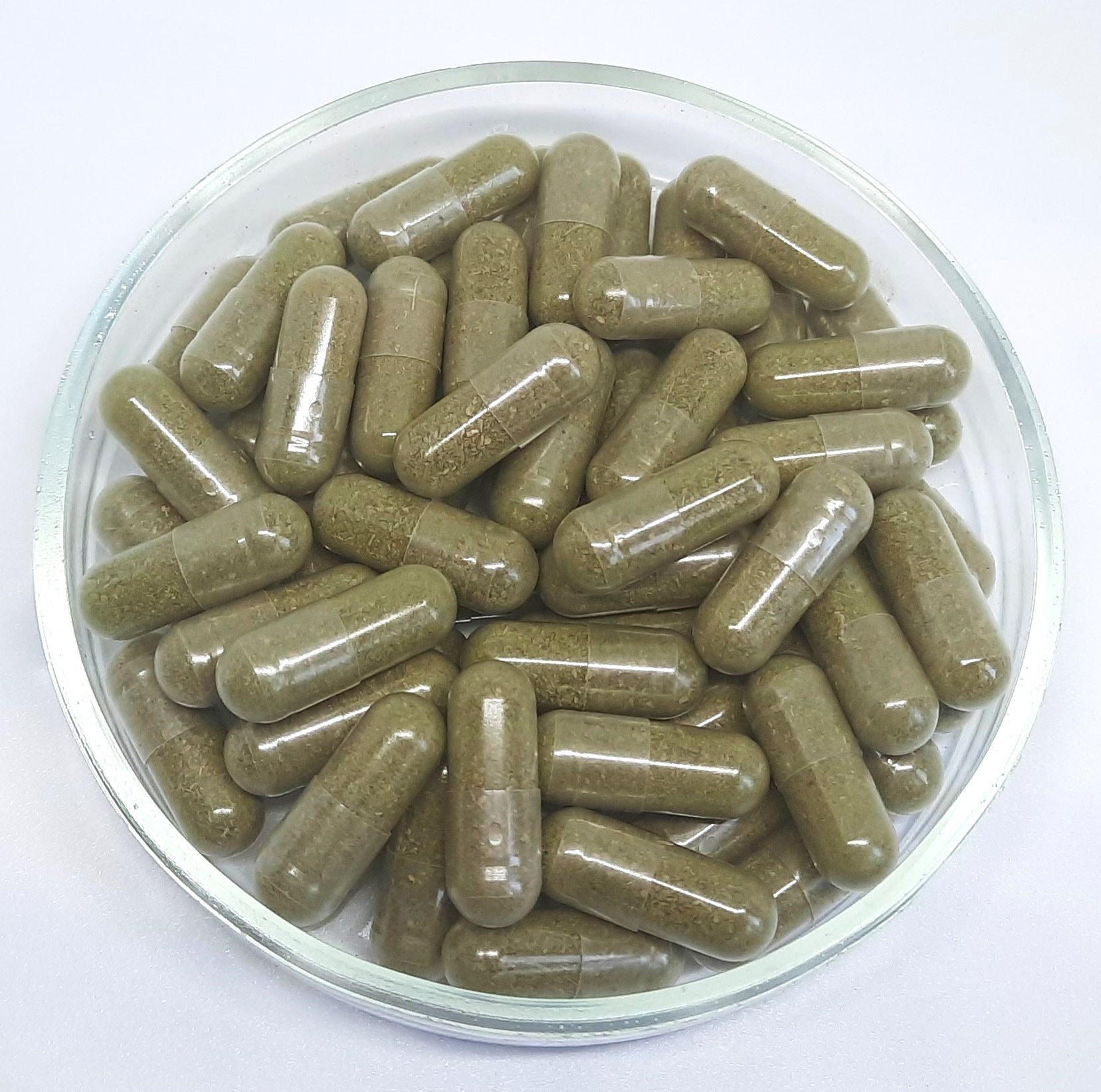
Capsules are particularly beneficial for systemic conditions, such as chronic low-grade inflammation, digestive tract lining support, and overall immune system maintenance. When purchasing supplements, look for reputable brands that offer third-party testing for purity, potency, and the absence of heavy metals or contaminants.
Traditional Herbal Infusions (Teas)
Brewing a tea is the time-tested method for extracting the water-soluble mucilage and antioxidants from Blue Mallow. Depending on the desired therapeutic outcome, two brewing methods are highly recommended:
- Hot Infusion: Add 1–2 teaspoons of dried Blue Mallow flowers and leaves to a cup of hot water (around 190°F / 88°C). Steep for 10–15 minutes. This method is excellent for extracting the vibrant anthocyanins and volatile compounds, yielding a beautiful blue or purple tea that turns pink with a squeeze of lemon (due to the pH change). This is ideal for sore throats and respiratory support.
- Cold Infusion (The Mucilage Method): To maximize the extraction of the thick, soothing mucilage, place 2 tablespoons of dried herb in a jar of room-temperature or cold water. Allow it to steep for 4 to 8 hours (or overnight). Strain and drink. This method preserves the delicate polysaccharide structures from heat degradation, resulting in a highly viscous, soothing drink perfect for digestive and urinary tract healing.
Topical Poultices, Salves, and Cosmetics
For skin issues, a strong herbal infusion can be cooled and applied directly as a compress. Alternatively, the dried herb can be finely ground and mixed with warm water to create a poultice. In the cosmetic industry, Blue Mallow extract is a prized ingredient in high-end creams, serums, and lotions designed for sensitive, dry, or aging skin.
Dosage Guidelines and Practical Usage
While Blue Mallow is a exceptionally safe herb with a long history of dietary use, adhering to sensible dosage guidelines ensures optimal efficacy and safety. The table below outlines standard recommended dosages for various forms of administration:

| Form of Preparation | Standard Recommended Dosage | Frequency of Use |
|---|---|---|
| Dried Flower/Leaf Tea | 1 to 2 teaspoons (approx. 2-4g) per cup of water | 3 to 4 times daily as needed |
| Standardized Capsules | 400mg to 600mg per capsule | 1 to 2 times daily with meals |
| Liquid Extract / Tincture (1:5) | 2ml to 4ml dissolved in water or juice | 3 times daily |
| Topical Compress / Wash | Strong infusion (double the strength of standard tea) | Apply to affected area 2 to 3 times daily |
Safety, Contraindications, and Potential Drug Interactions
Blue Mallow is generally classified as safe (GRAS – Generally Recognized as Safe) with no known toxicity or severe side effects reported in scientific literature. It is gentle enough for children and elderly individuals when used in appropriate dosages. However, as with any therapeutic botanical, there are a few important considerations to keep in mind:
1. Delayed Drug Absorption
Because Blue Mallow is rich in mucilage, it forms a physical barrier along the mucosal lining of the stomach and small intestine. While this is highly beneficial for healing inflammation, it can temporarily slow down or reduce the absorption of orally administered prescription medications, vitamins, or mineral supplements.
Precaution: To prevent any potential interactions, it is highly recommended to consume Blue Mallow preparations (especially concentrated cold infusions or supplements) at least 1 to 2 hours before or after taking any oral pharmaceutical medications.
2. Pregnancy and Lactation
While there are no specific studies indicating harm, comprehensive safety data regarding the use of concentrated Blue Mallow extracts during pregnancy and lactation is limited. Pregnant or nursing mothers should consult with their healthcare provider before incorporating therapeutic doses of Blue Mallow supplements into their routine, though occasional culinary use of the leaves or a weak cup of tea is generally considered safe.
3. Blood Sugar Management
Some preliminary animal studies suggest that the rich polysaccharide content of Blue Mallow may assist in slowing carbohydrate digestion, potentially leading to a mild hypoglycemic (blood sugar lowering) effect. Individuals with diabetes or those taking blood sugar-lowering medications should monitor their glucose levels closely when starting a regular regimen of Blue Mallow.
Conclusion: The Timeless Value of Blue Mallow
Blue Mallow stands as a testament to the enduring power of plant-based medicine. It represents a beautiful convergence of history, aesthetics, and modern science. Whether you are seeking a natural, soothing remedy for a persistent dry cough, looking to heal a compromised digestive tract, aiming to calm sensitive skin, or simply looking to enjoy a stunningly beautiful and antioxidant-rich herbal tea, Malva sylvestris offers a safe, gentle, and highly effective solution.
By understanding its phytochemical complexity, choosing the right form of administration, and respecting proper dosage guidelines, you can successfully harness the rich therapeutic legacy of this vibrant blue treasure of the natural world.
Disclaimer: For informational purposes only. Not medical advice. Consult a qualified healthcare professional before use.