
The Definitive Guide to Rhodiola Rosea: Science, Health Benefits, and Practical Applications of the Ultimate Adaptogen
In the modern era of chronic stressors, cognitive demands, and metabolic imbalances, human search for systemic resilience has turned toward the ancient plant kingdom. Among the elite class of botanical agents known as adaptogens, none possesses a more formidable scientific profile or a richer history of empirical validation than Rhodiola Rosea. Commonly known as the “Golden Root,” “Arctic Root,” or “Siberian Ginseng,” this extraordinary perennial plant thrives in some of the coldest, most inhospitable alpine regions of Europe, Asia, and North America. It is within these extreme environmental conditions that the plant synthesizes a dense arsenal of highly specialized secondary metabolites designed to survive physiological stress—compounds that, when consumed by humans, confer remarkable physiological adaptability, cognitive enhancement, and metabolic optimization.
This comprehensive guide explores the deep botanical, historical, and chemical complexities of Rhodiola Rosea. Backed by clinical trials and preclinical pharmacological research, we will analyze the precise cellular mechanisms through which this potent botanical mitigates burnout, boosts cellular energy production, protects the central nervous system, and balances the endocrine response to acute and chronic stress.
Historical Context and Ethnobotanical Heritage
The human relationship with Rhodiola Rosea spans millennia, deeply woven into the survival strategies of circumpolar and high-altitude populations. For generations, traditional healers in northern Europe and Asia recognized that the thick, fragrant rhizomes of this plant could fortify the human body against bitter cold, physical exhaustion, and the psychological weight of prolonged winters. In Scandinavian folklore, Viking warriors relied on Rhodiola Rosea to sustain their legendary physical stamina, enhance mental focus, and accelerate recovery after intense physical battles.
Further east, across the vast expanses of Siberia, local populations consumed a tea brewed from the golden root to prevent altitude sickness, treat infectious respiratory ailments, and promote overall longevity. In traditional Chinese medicine (TCM), where it is known as Hong Jing Tian, Rhodiola was prized for its ability to tonify the vital life force (Qi), nourish the blood, and clear heat from the lungs. Emperors of the Chinese dynasties would dispatch elite expeditions deep into the Altai Mountains of Siberia to harvest and return with this rare, prized botanical commodity.
The modern scientific journey of Rhodiola Rosea accelerated significantly during the mid-20th century. During the height of the Cold War, the Soviet Union launched intensive, classified research programs aimed at identifying natural substances that could enhance the performance of military personnel, elite athletes, cosmonauts, and industrial workers. Under the guidance of pioneering pharmacologist Dr. Nikolai Lazarev, who coined the term “adaptogen” in 1947, and later Dr. Israel Brekhman, Soviet scientists conducted extensive clinical investigations into Rhodiola Rosea. This research confirmed its unique ability to increase non-specific resistance to multiple physical, chemical, and biological stressors without causing adverse side effects or disrupting normal homeostatic parameters.
Botanical Characteristics and Ecological Niche
Taxonomically classified within the Crassulaceae family, Rhodiola rosea is a dioecious, succulent herbaceous plant. It is primarily characterized by its ability to thrive in challenging alpine locations, such as rocky cliffs, glacial moraines, and cold mountain crevices at elevations reaching up to 3,000 meters. The plant exhibits striking morphological adaptations to conserve moisture and resist extreme UV radiation, featuring fleshy, glaucous green leaves arranged spirally along erect, stout stems that grow from a thick, woody, fragrant rhizome.
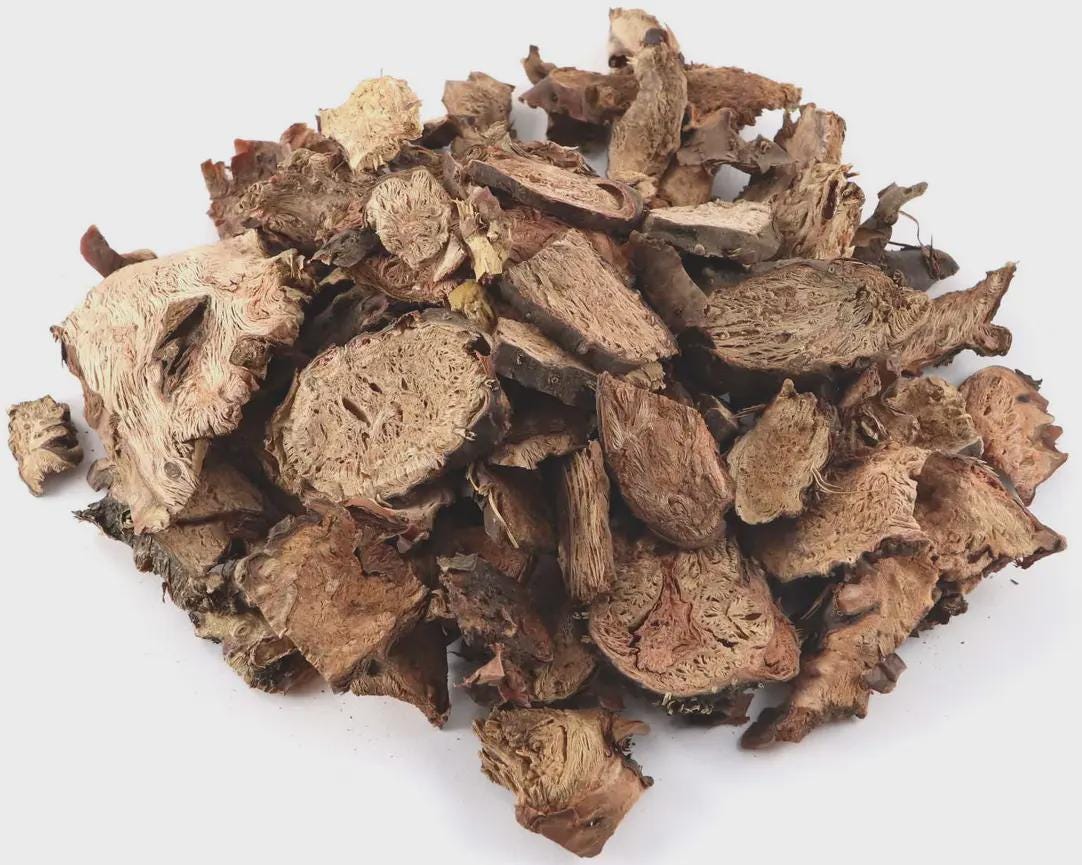
The most biochemically vital portion of the plant is its subterranean root and rhizome system. When sliced, the fresh rhizome releases a distinct, pleasant aroma reminiscent of old roses—a characteristic that inspired its botanical name, rosea, coined by the famous Swedish taxonomist Carl Linnaeus. This scent is attributed to the presence of volatile monoterpenes, including geraniol and rosiridol. The evolutionary pressure of surviving sub-zero temperatures, thin atmospheric oxygen, and intense solar radiation forces the root system to accumulate a diverse suite of defensive phytochemicals. These same molecules act as potent biological response modifiers when introduced to the human biochemistry.
The Phytochemical Blueprint: Bioactive Compounds
The therapeutic efficacy of Rhodiola Rosea is not the result of a single molecule, but rather a synergistic interplay of over 140 distinct bioactive compounds. These molecules fall into several primary chemical classifications, each contributing to the herb’s multi-systemic physiological effects:
- Phenylpropanoids (The Rosavins): This class includes rosavin, rosin, and rosarin. Crucially, these specific phenylpropanoids are unique to the species Rhodiola rosea. Their presence serves as the definitive chemical fingerprint used in laboratory assays to distinguish authentic *R. rosea* from other related species within the Rhodiola genus (such as *R. crenulata* or *R. quadrifida*).
- Phenylethanol Derivatives: This category is led by salidroside (also known as rhodioloside) and its aglycone precursor, p-tyrosol. Salidroside is one of the most pharmacologically active compounds in the plant, celebrated for its profound neuroprotective, anti-inflammatory, and cellular energy-promoting properties.
- Flavonoids: Including tricin, herbacetin, and rhodionin, these compounds provide potent antioxidant protection, neutralizing reactive oxygen species (ROS) and mitigating systemic oxidative stress.
- Monoterpenes and Triterpenes: Such as rosiridol and daucosterol, which contribute to the herb’s overall antimicrobial and immunomodulatory profiles.
- Proanthocyanidins: Highly complex condensed tannins that exert cardiovascular-protective and vascular-strengthening properties.
In the pharmaceutical and nutraceutical industries, commercial preparations of Rhodiola Rosea are typically standardized to contain a specific, biologically active ratio: 3% rosavins and 1% salidroside. This natural 3:1 ratio mirrors the phytochemical fingerprint of wild Siberian Rhodiola and is considered the therapeutic gold standard for achieving optimal adaptogenic synergy.
Primary Health Benefits and Scientific Mechanisms of Action
1. Modulation of the Stress Response: The HPA Axis and Sympathoadrenal System
At the core of Rhodiola Rosea’s adaptogenic power is its capacity to balance the human body’s stress response networks. When an individual encounters a physical or emotional stressor, the Sympathoadrenal System (SAS) and the Hypothalamic-Pituitary-Adrenal (HPA) axis are activated. This cascade triggers the release of catecholamines (adrenaline and noradrenaline) and glucocorticoids (principally cortisol) into the bloodstream.
While acute activation is life-saving, chronic activation of this system leads to elevated cortisol, systemic inflammation, neural atrophy, and profound burnout. Rhodiola Rosea acts as a molecular thermostat for this system. Research demonstrates that salidroside and rosavins downregulate the overexpression of Corticotropin-Releasing Factor (CRF) and decrease the secretion of cortisol, preventing the HPA axis from falling into a state of chronic hyper-reactivity.
Furthermore, Rhodiola modulates the expression of neuropeptide Y (NPY) and heat shock proteins (specifically Hsp70). Hsp70 acts as a molecular chaperone, protecting cellular proteins from degradation under physical or thermal stress. By maintaining healthy levels of Hsp70 and preventing the depletion of NPY, Rhodiola Rosea shields cellular integrity and prevents the structural and functional collapse that typically follows prolonged physiological or psychological stress.
2. Cognitive Enhancement, Neuroprotection, and Neurotransmitter Regulation
Rhodiola Rosea is highly regarded in modern neuropharmacology as a potent, non-stimulant cognitive enhancer (nootropic). Unlike synthetic stimulants that force the rapid release of neurotransmitters and lead to subsequent receptor downregulation and “crashes,” Rhodiola optimizes brain chemistry through subtle, sustainable pathways:
- Monoamine Oxidase (MAO) Inhibition: Research indicates that compounds within Rhodiola Rosea naturally inhibit the activity of Monoamine Oxidase-A (MAO-A) and Monoamine Oxidase-B (MAO-B). These enzymes are responsible for breaking down key neurotransmitters: serotonin, dopamine, and norepinephrine. By inhibiting MAO, Rhodiola increases the availability and lifespan of these mood- and focus-regulating chemicals within the synaptic cleft.
- Enhancement of Blood-Brain Barrier Permeability: It facilitates the transport of neurotransmitter precursors, such as 5-hydroxytryptophan (5-HTP) and L-tyrosine, across the blood-brain barrier, thereby accelerating the synthesis of serotonin and dopamine in the central nervous system.
- Upregulation of BDNF: Brain-Derived Neurotrophic Factor (BDNF) is a vital protein that stimulates neurogenesis, promotes synaptic plasticity, and supports long-term memory formation. Salidroside has been shown to upregulate BDNF expression in the hippocampus, offering neuroprotective benefits against neurodegenerative decline and age-related cognitive impairment.
- Acetylcholinesterase (AChE) Modulation: Rhodiola exhibits mild inhibitory action against AChE, the enzyme that degrades acetylcholine. Acetylcholine is the primary neurotransmitter involved in memory consolidation, executive function, and focus. By preserving its levels, Rhodiola enhances mental processing speed and sustained attention during demanding cognitive tasks.
3. Cellular Energy Optimization, ATP Production, and Athletic Performance
Beyond its neurological effects, Rhodiola Rosea is an exceptional ergogenic aid that optimizes cellular energy kinetics. The human body relies on adenosine triphosphate (ATP) generated within the mitochondria to power every biological process, from muscle contraction to neural transmission.
Preclinical studies show that Rhodiola Rosea stimulates the synthesis and resynthesis of ATP in skeletal muscle and brain tissue during intense physical exertion. This effect is driven primarily by its active constituent, salidroside, which activates AMP-activated protein kinase (AMPK). AMPK is the master regulator of energy homeostasis in the body; its activation stimulates mitochondrial biogenesis, enhances glucose uptake in skeletal muscles, and promotes fatty acid oxidation.
By shifting metabolism toward efficient mitochondrial respiration, Rhodiola increases the body’s maximal oxygen uptake ($VO_2$ max) and delays the onset of anaerobic metabolism. This translates to reduced lactic acid accumulation in muscle tissue, lower markers of muscle damage (such as creatine kinase and lactate dehydrogenase), and faster physical recovery times for athletes. Furthermore, it protects myocardial tissue from ischemic injury during intense physical training by maintaining balanced coronary blood flow and mitigating oxidative damage to cardiac cells.
4. Alleviation of Mental Fatigue, Burnout, and Depressive Symptoms
Modern clinical psychiatry has shown significant interest in Rhodiola Rosea for its potential as an adjunctive or standalone intervention for mild-to-moderate depression, generalized anxiety disorder (GAD), and occupational burnout.
In a landmark phase III randomized, double-blind, placebo-controlled clinical trial, participants diagnosed with mild-to-moderate depression who received standardized Rhodiola Rosea extract demonstrated statistically significant improvements in overall depressive symptoms, insomnia, emotional instability, and somatization, compared to the placebo group. The therapeutic efficacy is believed to result from the dual action of serotonergic upregulation and the reduction of inflammatory cytokines, such as tumor necrosis factor-alpha (TNF-α) and interleukin-6 (IL-6), which are increasingly recognized as primary drivers of neuroinflammation and treatment-resistant depressive states.
In patients experiencing burnout or chronic fatigue syndrome (CFS), clinical evaluations have shown that daily supplementation with Rhodiola Rosea significantly improves morning cortisol curves, enhances mental alertness, reduces self-reported fatigue, and improves executive function within just one to two weeks of commencing therapy.
5. Metabolic and Immunomodulatory Support
Emerging research suggests that Rhodiola Rosea’s bioactive compounds play a supportive role in regulating metabolic health and immune function. Through the activation of the AMPK pathway, Rhodiola improves insulin sensitivity and cellular glucose transport via the upregulation of glucose transporter 4 (GLUT4) translocation. This makes it a promising botanical candidate for supporting metabolic health, healthy blood glucose management, and lipid metabolism.
Immunologically, Rhodiola acts as a biological response modifier. It enhances the phagocytic activity of macrophages, stimulates the proliferation of T-lymphocytes and natural killer (NK) cells, and helps modulate the immune response, offering systemic protection against environmental pathogens without triggering autoimmune hyper-reactivity.
Selecting Quality Supplements and Understanding Formulations
The global surge in demand for Rhodiola Rosea has led to a highly saturated supplement market, making quality control, identification, and standardization critical considerations for consumers and clinicians alike.
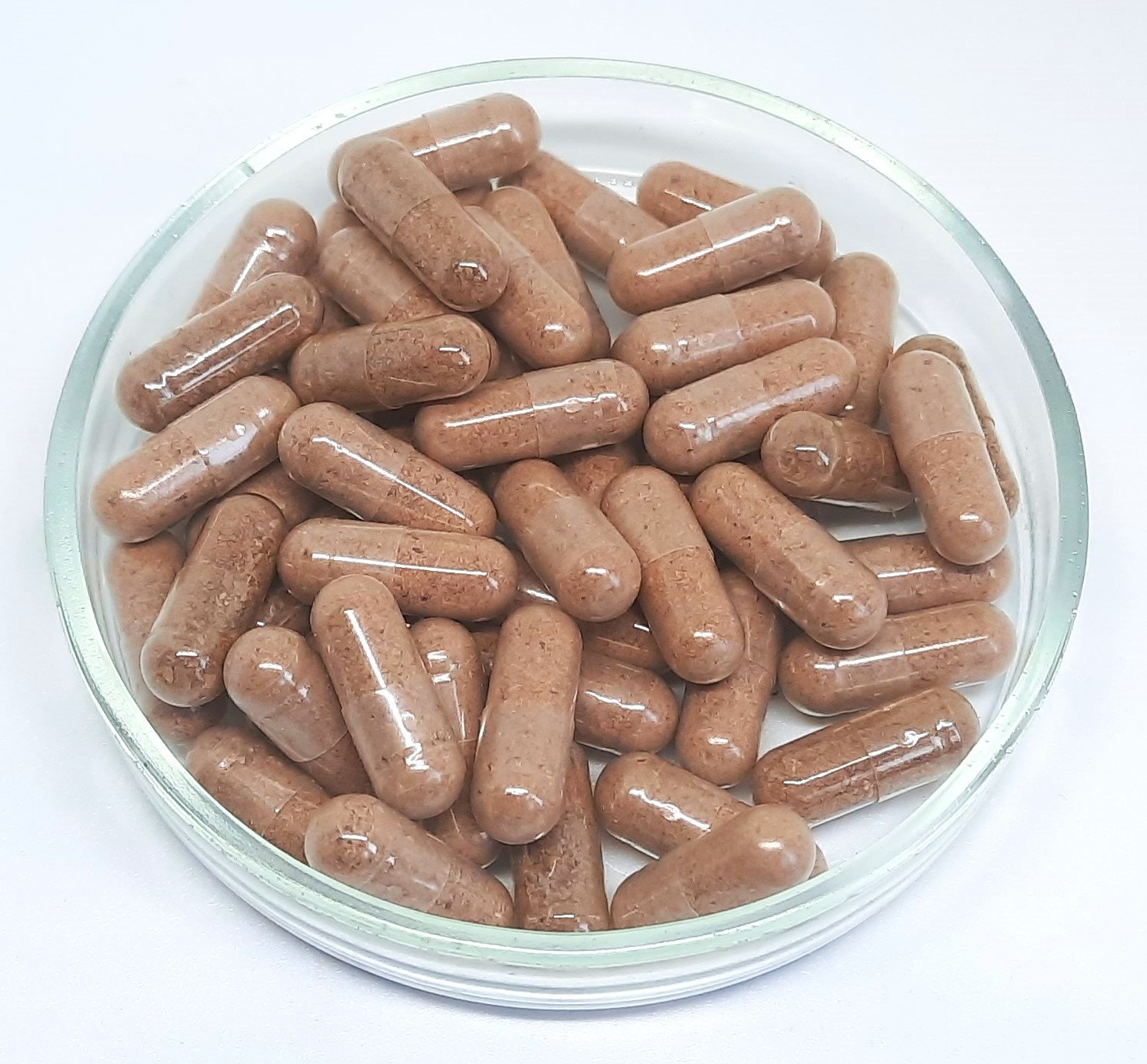
When selecting a Rhodiola Rosea supplement, it is vital to review the ingredient label for specific standardization metrics. Look for extracts standardized to contain at least 3% rosavins and 1% salidroside. This ratio ensures that the product is derived from genuine Rhodiola rosea rather than cheaper species like Rhodiola crenulata, which contains high levels of salidroside but lacks the unique rosavin compounds. Additionally, prioritizing brands that perform third-party testing for heavy metals, pesticides, and microbial contaminants ensures you are consuming a pure, therapeutically viable extract free from adulteration.
Dosage Protocols, Cycling Strategies, and Safety Profiles
To maximize the clinical benefits of Rhodiola Rosea while minimizing the potential for desensitization, it is highly recommended to follow structured dosage and scheduling guidelines:
Recommended Daily Dosages
- For Cognitive Enhancement, Anxiety, and Burnout: 200 mg to 400 mg per day of an extract standardized to 3% rosavins and 1% salidroside.
- For Athletic Endurance and Physical Performance: 300 mg to 600 mg taken approximately 45 to 60 minutes prior to physical training or athletic competition.
- For Mild-to-Moderate Depressive Symptoms: Up to 680 mg per day, often divided into two equal doses of 340 mg.

Administration Timing and Cycling Protocols
Due to its mild energizing and stimulating qualities, Rhodiola Rosea should ideally be consumed on an empty stomach first thing in the morning or early in the afternoon. Avoid taking Rhodiola late in the evening, as its ATP-boosting and neurotransmitter-sparing properties can interfere with natural sleep architecture and delay sleep onset.
To prevent metabolic adaptation and maintain cellular sensitivity to its active constituents, many phytotherapists suggest cycling Rhodiola Rosea. Common protocols include using the herb for 6 to 12 weeks followed by a 1- to 2-week cessation period, or a “5 days on, 2 days off” weekly routine. This strategy preserves the long-term efficacy of its adaptogenic actions on the HPA axis and neuroreceptor sites.
Safety, Side Effects, and Contraindications
Rhodiola Rosea has an excellent safety profile and is generally very well tolerated. In clinical trials, adverse effects are rare, typically mild, and easily managed. Occasional side effects may include mild dizziness, dry mouth, or transient gastrointestinal upset when starting supplementation.
However, specific contraindications apply. Individuals diagnosed with bipolar disorder or those prone to manic episodes should avoid Rhodiola Rosea due to its potential to trigger manic or hypomanic states through its stimulating action on monoaminergic pathways. Additionally, because of its potential interactions with prescription medications, consultation with a qualified medical professional is essential if you are taking:
- Selective Serotonin Reuptake Inhibitors (SSRIs) or MAOIs: Combining Rhodiola with these medications can theoretically increase the risk of serotonin syndrome.
- Antihypertensive Medications: Rhodiola may exert a mild hypotensive effect, which could potentiate the actions of blood-pressure-lowering drugs.
- Hypoglycemic Medications: Due to its ability to improve insulin sensitivity and lower blood glucose, concurrent use may require dosage adjustments of diabetes medications under medical supervision.
Conclusion: The Future of Adaptogenic Medicine
Rhodiola Rosea stands out as a premier adaptogen, demonstrating how traditional herbal wisdom can align perfectly with modern scientific discovery. From the rugged cliffs of high-altitude mountain ranges to cutting-edge biochemical laboratories, this resilient plant has proven its ability to help the human body adapt, survive, and thrive amidst stress.
By regulating stress pathways, elevating neurotransmitter availability, boosting cellular energy, and protecting vulnerable neural structures, Rhodiola Rosea offers a comprehensive, multi-targeted approach to modern wellness. Whether your goal is to overcome professional burnout, sharpen your cognitive focus, improve physical endurance, or cultivate emotional stability, incorporating high-quality, standardized Rhodiola Rosea into your routine provides a powerful tool for building systemic resilience and achieving optimal health.
Disclaimer: For informational purposes only. Not medical advice. Consult a qualified healthcare professional before use.