
Chaste Tree Berry (Vitex agnus-castus): The Definitive Guide to Science, Benefits, and Clinical Applications
For thousands of years, Chaste Tree Berry, botanically known as Vitex agnus-castus, has occupied a central role in traditional pharmacopeias across the Mediterranean and Central Asia. Often referred to simply as “Vitex” or “Chasteberry,” this resilient deciduous shrub is celebrated for its profound ability to modulate the delicate human endocrine system. Unlike many synthetic interventions that introduce exogenous hormones into the body, Vitex works via upstream neuroendocrine pathways, encouraging the pituitary gland to optimize its own production of key reproductive hormones. Today, a robust body of clinical research supports its traditional use, confirming its efficacy in managing premenstrual syndrome (PMS), regulating irregular menstrual cycles, combating hormonal acne, and supporting fertility.
This comprehensive guide delivers an exhaustive, science-backed exploration of Chaste Tree Berry. We will examine its botanical characteristics, delve deep into its multi-layered historical usage, decode its complex phytochemical profile, and break down the precise biochemical mechanisms by which it interacts with dopamine receptors and the hypothalamic-pituitary-ovarian (HPO) axis. Additionally, we will outline practical dosage protocols, potential side effects, and essential safety considerations for integrating this powerful botanical into modern therapeutic regimens.
Botanical Overview and Ecological Profile
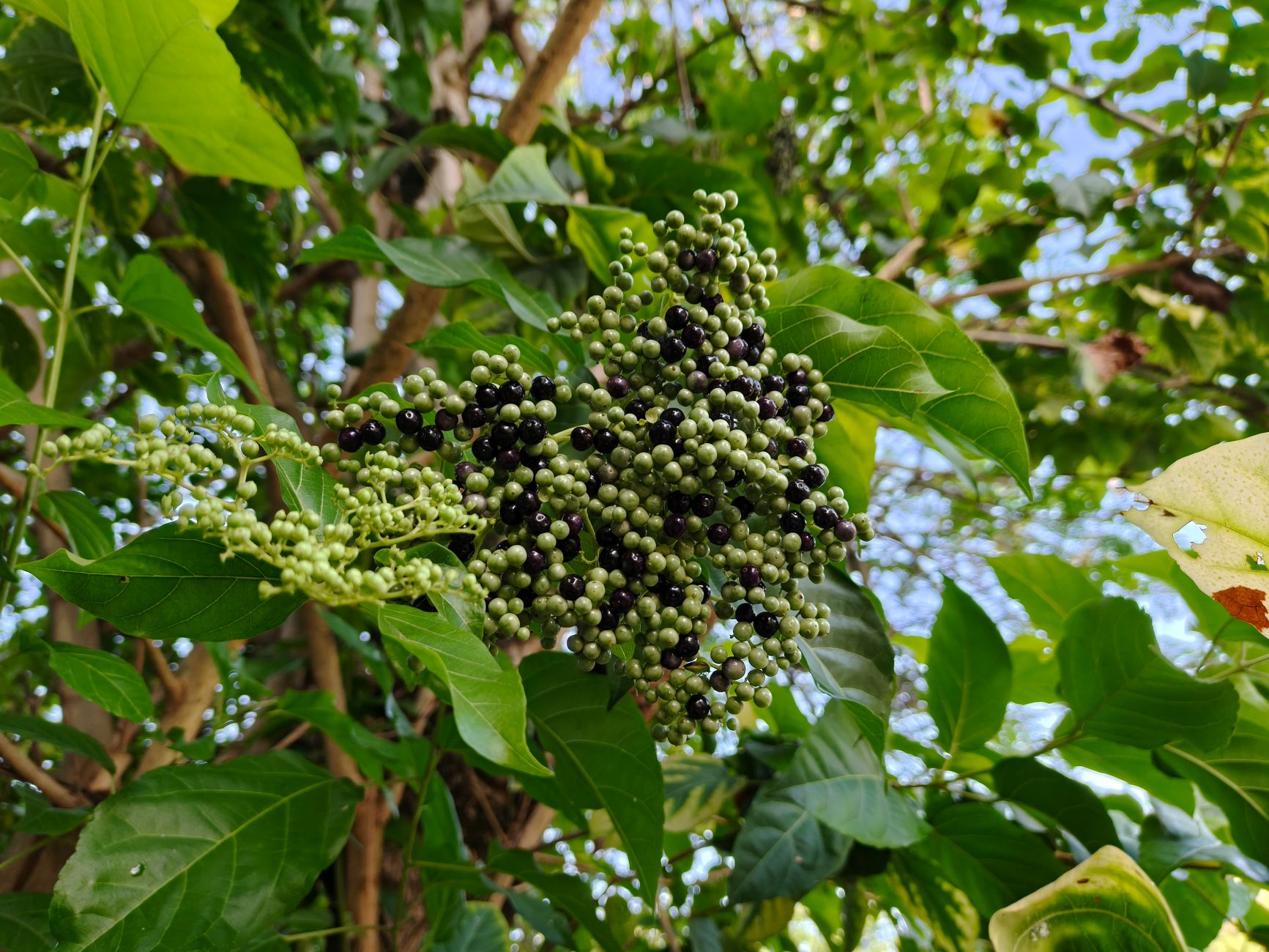
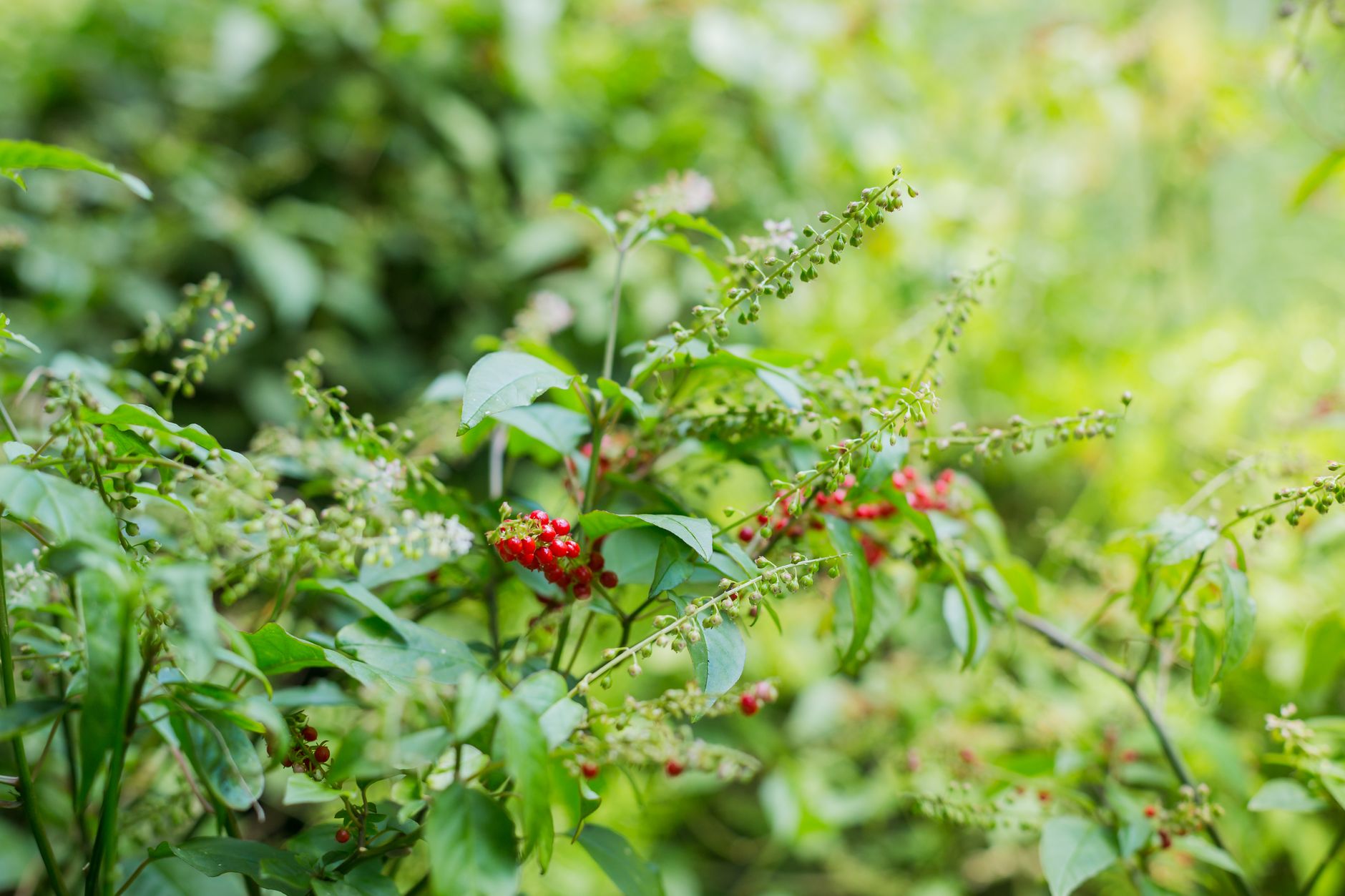
Chaste Tree Berry is a member of the Lamiaceae (mint) family, though it was historically classified under Verbenaceae. Characterized by its palmate, hand-shaped leaves that resemble those of hemp, the shrub can grow up to several meters in height. During mid-to-late summer, it produces dense, terminal spikes of highly fragrant, lavender-blue, pink, or white flowers. These flowers eventually give way to hard, dark purple-to-black drupes, which are the primary medicinally active parts of the plant. These berries are roughly the size of peppercorns and possess a distinct warm, aromatic, and slightly bitter flavor profile.
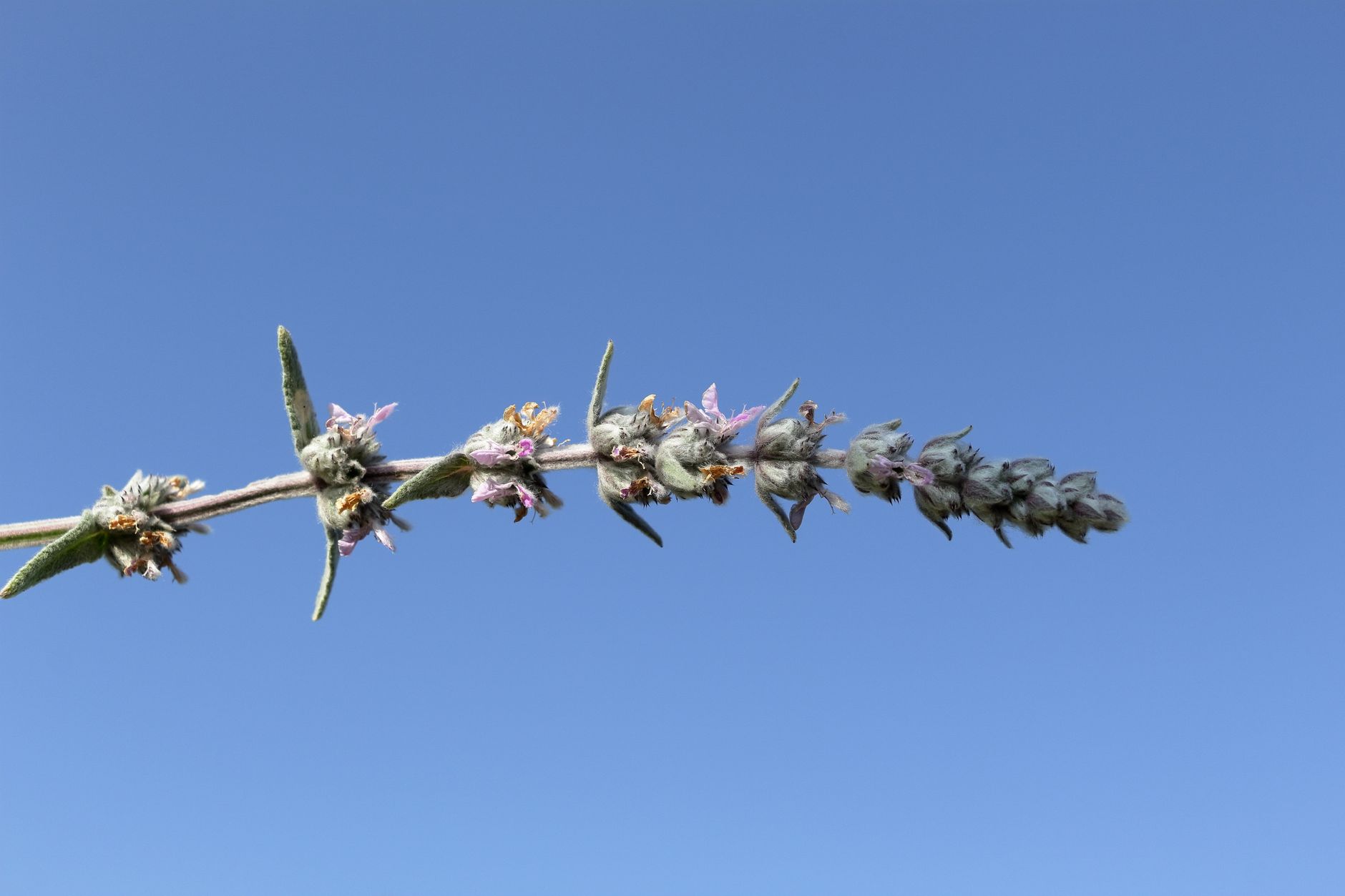
Native to the warm, temperate shorelines of the Mediterranean basin, Southern Europe, and Western Asia, the plant thrives in damp soils, frequently lining stream banks, river valleys, and coastal areas. It is exceptionally hardy, possessing high drought tolerance once established, and thrives in full sun. The plant’s resilience and vigorous growth habit reflect its concentration of secondary metabolites—compounds developed by the plant to defend against environmental stressors, pathogens, and UV radiation, which coincidentally serve as the source of its therapeutic power in human physiology.
Historical Roots and Traditional Applications
The history of Chaste Tree Berry is rich with folklore, ethnobotanical applications, and classical medical theory. The common name “Chasteberry” and the species name agnus-castus (derived from the Greek agnos and Latin castus, both meaning “chaste”) stem from the ancient belief that the plant could suppress libido. In ancient Greece, the renowned physician Hippocrates (circa 460–377 BCE) recommended the use of Vitex for controlling localized inflammation, managing postpartum hemorrhage, and treating splenomegaly. Dioscorides, the celebrated Greek physician and pharmacologist, noted in his seminal work De Materia Medica that the seeds could reduce sexual desire, leading Athenian women during the festival of Thesmophoria to strew the leaves on their beds to preserve their chastity in honor of the goddess Demeter.

In the medieval era, this traditional belief was embraced by Christian monastic communities. Monks consumed the ground berries as a culinary spice in their communal dining halls to assist them in maintaining their vows of celibacy, earning the botanical the colloquial name “Monk’s Pepper.” Meanwhile, in Traditional European Medicine (TEM), Vitex was widely utilized as an emmenagogue—an agent designed to stimulate and normalize menstrual flow—and as a remedy for “hysteria,” a historical umbrella term for various emotional and somatic symptoms now understood to be related to premenstrual dysphoric disorder (PMDD) and hormonal fluctuations. It was also utilized to stimulate lactation in nursing mothers, a use that hints at its complex, dose-dependent relationship with the hormone prolactin.
Chemical Composition: The Molecular Architecture of Vitex
The therapeutic efficacy of Chaste Tree Berry is not attributable to a single active ingredient, but rather to a complex, synergistic matrix of bioactive secondary metabolites. Isolating single compounds from Vitex often results in a loss of clinical efficacy, indicating that the holistic interaction of these phytochemicals is required to achieve its endocrine-balancing effects. The primary classes of bioactive compounds found within the dried drupes include:
- Iridoid Glycosides: The primary marker compounds used for standardization in pharmaceutical preparations are agnuside and aucubin. While these compounds are not direct hormonal modulators themselves, they serve as crucial indicators of extract quality and possess significant anti-inflammatory and hepatoprotective activities.
- Diterpenes: Labdane-type diterpenes, including rotundifuran, 6beta,7beta-diacetoxy-13-hydroxy-8(14)-labden, and clerodadienols, represent some of the most pharmacologically active constituents. These diterpenes are responsible for the plant’s dopaminergic activity, directly binding to dopamine D2 receptors in the anterior pituitary.
- Flavonoids: Vitex contains a rich spectrum of lipophilic and hydrophilic flavonoids, including casticin, penduletin, chrysosplenol D, artemetin, and luteolin. Casticin, in particular, has been extensively researched for its anti-inflammatory, pro-apoptotic (in cancer cell lines), and selective estrogen receptor modulating (SERM) properties.
- Essential Oils: The volatile oil fraction of the berry is rich in monoterpenes and sesquiterpenes, including alpha-pinene, beta-caryophyllene, sabinene, limonene, and 1,8-cineole. These compounds contribute to the herb’s antimicrobial, spasmolytic, and digestive properties.
- Triglycerides and Fatty Acids: The seeds yield essential fatty acids, including oleic, linoleic, palmitic, and stearic acids, which support cellular membrane integrity and aid in the absorption of the herb’s lipophilic constituents.
Mechanisms of Action: How Vitex Modulates the Endocrine System
Unlike synthetic hormone replacement therapies or oral contraceptives that flood the bloodstream with synthetic estrogens or progestins, Chaste Tree Berry operates as an indirect endocrine regulator. It exerts its primary effects by communicating with the central nervous system, specifically modulating the hypothalamic-pituitary-ovarian (HPO) axis. Understanding this mechanism requires looking at several distinct, highly integrated biological pathways:
1. Dopaminergic Activity and Prolactin Inhibition
The core mechanism of Vitex is its potent dopaminergic activity. The labdane diterpenes present in the extract structurally mimic dopamine, the primary neurochemical responsible for inhibiting the secretion of prolactin from the lactotroph cells of the anterior pituitary gland. By binding directly to dopamine D2 (D2R) receptors, Vitex suppresses excessive prolactin release. High levels of prolactin (hyperprolactinemia), even when subtle or transient (such as during periods of acute psychological stress), can disrupt the pulsatile release of Gonadotropin-Releasing Hormone (GnRH) from the hypothalamus.
2. Normalization of the Luteal Phase and Progesterone Enhancement
By suppressing transient hyperprolactinemia, Vitex restores the normal pulsatile release of luteinizing hormone (LH) and follicle-stimulating hormone (FSH). Under normal physiological conditions, a mid-cycle surge of LH triggers ovulation and prompts the remnants of the ovarian follicle to transform into the corpus luteum. The corpus luteum is the body’s primary producer of progesterone during the second half of the menstrual cycle (the luteal phase). When prolactin is chronically elevated, it inhibits this LH surge, leading to “luteal phase defect” or corpus luteum insufficiency. By restoring correct LH signaling, Vitex enhances the development of the corpus luteum, thereby boosting endogenous progesterone production and correcting the common hormonal state known as “estrogen dominance.”
3. Modulation of the Opioidergic and Estrogenic Systems
In addition to its dopaminergic pathway, research indicates that compounds within Chaste Tree Berry bind to mu- and kappa-opioid receptors. The opioidergic system is deeply involved in regulating pain perception, mood, and the hypothalamic control of reproduction. This explains why Vitex is highly effective in mitigating the psychological symptoms of PMS, such as anxiety, irritability, and depressive moods. Furthermore, certain flavonoids in Vitex demonstrate selective estrogen receptor modulation (SERM) activity, binding preferentially to estrogen receptor-beta (ER-beta) rather than estrogen receptor-alpha (ER-alpha). ER-beta is abundant in brain, bone, and vascular tissues, where it exerts protective, non-proliferative effects, helping to stabilize mood and support cardiovascular health without overstimulating uterine or breast tissue.
Clinically Validated Health Benefits of Chaste Tree Berry
1. Alleviation of Premenstrual Syndrome (PMS) and PMDD
The clinical efficacy of Vitex in treating the physical and psychological symptoms of PMS is highly documented. Double-blind, placebo-controlled clinical trials have repeatedly demonstrated that Vitex extract significantly reduces PMS symptoms, including irritability, mood swings, anxiety, anger, headaches, and bloating. In a landmark randomized controlled trial published in the British Medical Journal (BMJ), researchers found that over three menstrual cycles, standard Vitex extract (specifically the Ze 440 extract) reduced PMS symptoms by over 50% in more than half of the active group, showing a clear superiority over the placebo.
For those suffering from Premenstrual Dysphoric Disorder (PMDD)—a severe, disabling extension of PMS—Vitex has been evaluated alongside selective serotonin reuptake inhibitors (SSRIs), the conventional pharmacological standard of care. Studies have shown that while SSRIs may resolve depressive symptoms slightly faster, Vitex offers a highly comparable therapeutic outcome with significantly fewer side effects, especially regarding sexual dysfunction, fatigue, and gastrointestinal distress.
2. Relief from Cyclic Mastalgia (Breast Tenderness)
Cyclic mastalgia, characterized by bilateral breast pain and swelling that worsens during the premenstrual phase, is a direct consequence of elevated prolactin levels and an unfavorable estrogen-to-progesterone ratio. Elevated prolactin sensitizes breast tissue, making it highly reactive to cyclic hormonal changes. By stimulating dopamine receptors and lowering prolactin secretion, Vitex rapidly reduces breast tissue congestion, swelling, and pain. Clinical trials comparing Vitex to conventional treatments (such as bromocriptine or topical NSAIDs) have demonstrated that Chasteberry provides equal, if not superior, relief with an exceptional safety profile, making it a first-line natural treatment for cyclic breast pain.
3. Regulation of Irregular Menstrual Cycles and Amenorrhea
Oligomenorrhea (infrequent periods), polymenorrhea (too-frequent periods), and secondary amenorrhea (the cessation of menstruation in women of reproductive age) are frequently caused by underlying hormonal imbalances, specifically corpus luteum insufficiency and elevated prolactin. By restoring a rhythmic, pulsatile secretion of LH and promoting a healthy luteal phase, Vitex acts as a natural cycle regulator. It helps establish a predictable 28-to-30-day cycle, ensuring that ovulation occurs regularly and that the uterine lining builds up and sheds in a coordinated, healthy manner.
4. Supporting Fertility and Addressing Luteal Phase Defects
For couples struggling with unexplained infertility, Vitex can be an invaluable clinical tool. Luteal phase defect (LPD) is a leading cause of early-stage infertility and recurrent early miscarriage. In women with LPD, the corpus luteum fails to produce sufficient progesterone to sustain a thick, nutrient-rich endometrial lining, preventing a fertilized ovum from successfully implanting. By optimizing LH levels and enhancing progesterone synthesis, Vitex extends the duration of the luteal phase, giving a fertilized egg the necessary time and hormonal support to implant and thrive. A notable clinical trial using a combination supplement containing Vitex and green tea extract showed a significantly higher rate of pregnancy in the active group compared to the placebo group after three months of use.
5. Management of Hormonal Acne
Hormonal acne typically manifests as painful, cystic blemishes along the jawline, chin, and neck, spiking in severity during the premenstrual week. This condition is driven by relative progesterone deficiency, which allows circulating androgens (such as testosterone and dihydrotestosterone) to exert a greater effect on the sebaceous glands, leading to excess sebum production and clogged pores. By restoring the correct balance between estrogen and progesterone and reducing PMS-related stress hormones, Vitex helps decrease sebum viscosity and reduces the incidence and severity of inflammatory hormonal breakouts from the inside out.
Forms of Supplementation: Selecting the Right Delivery System
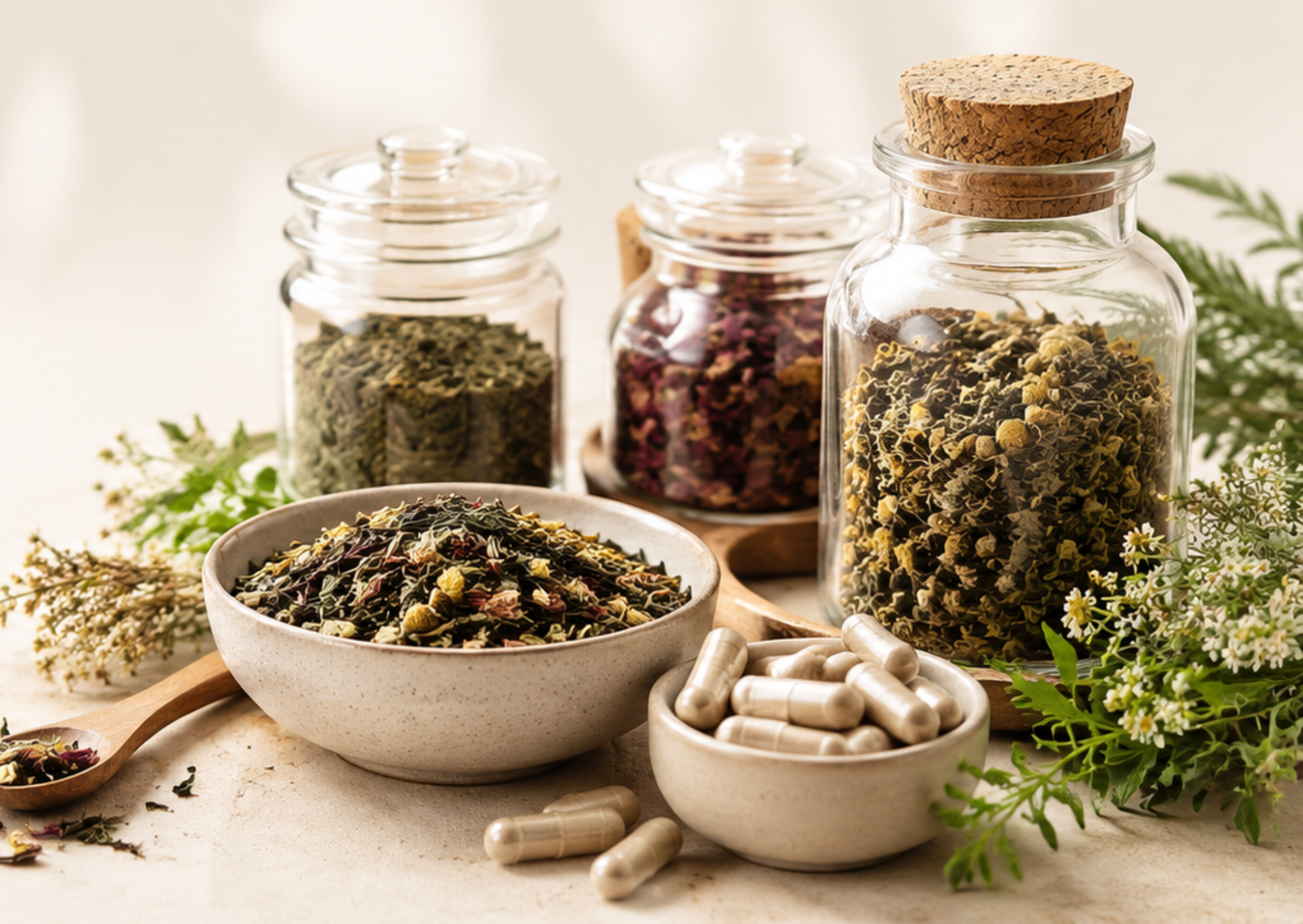
To achieve clinical efficacy, choosing the correct delivery format and quality of Chaste Tree Berry is critical. Because many of the active compounds (especially the diterpenes and flavonoids) are lipophilic (fat-soluble), standard water infusions (teas) are generally less effective than concentrated extracts. The primary supplement forms available on the market include:

- Standardized Dry Extracts (Capsules/Tablets): This is the most clinically validated format. Look for products standardized to contain specific percentages of active marker compounds, typically 0.5% to 0.6% agnuside or 0.1% to 0.18% casticin. Standardized extracts, such as the European-sourced Ze 440 or BNO 1095, offer consistent, reproducible dosing that mirrors the therapeutic protocols used in landmark scientific studies.
- Liquid Tinctures (Hydroethanolic Extracts): Liquid extracts utilize a water-and-ethanol solvent mixture to capture both the water-soluble iridoid glycosides and the alcohol-soluble diterpenes and essential oils. Tinctures offer excellent bioavailability, quick absorption, and allow for easy dose adjustments, though the strong, bitter taste can be a deterrent for some individuals.
- Whole Powdered Berries: This represents the raw, un-concentrated herb. While it provides the full, natural spectrum of the plant’s constituents, larger doses (typically in the range of 500 mg to 1000 mg) are required to match the potency of concentrated extracts. This format is ideal for long-term, low-dose tonic support rather than acute clinical intervention.
Dosage Protocols, Administration, and Timing
When implementing a Vitex protocol, clinical timing is just as important as the dosage itself. Because Chaste Tree Berry works by retraining the hypothalamic-pituitary-ovarian axis, it requires a sustained, cumulative stimulus to shift endocrine patterns. The body’s pituitary-gonadal feedback loop operates on monthly cycles, meaning changes do not happen overnight.
To maximize the clinical efficacy of your supplementation, adhere to the following guidelines:
- Morning Administration: Vitex should ideally be taken once daily in the early morning on an empty stomach, approximately 30 minutes before breakfast. This timing aligns with the natural circadian rhythm of the pituitary gland, which is highly active during sleep and early morning hours, maximizing the herb’s dopaminergic and prolactin-inhibiting effects.
- Standard Dosage Ranges:
- Standardized Extract: 20 mg to 40 mg of concentrated dry extract daily.
- Liquid Tincture (1:5 extraction ratio): 1.5 mL to 3.0 mL (approx. 30 to 60 drops) daily.
- Powdered Berry Capsules: 400 mg to 500 mg daily.
- The Rule of Three Cycles: Patient compliance is critical. Clinical trials demonstrate that while some improvements may be felt within the first cycle, the full therapeutic benefits of Chaste Tree Berry generally manifest after three to six consecutive months of daily use. It is recommended to use the herb continuously throughout the entire menstrual cycle (including during menstruation) rather than cycling on and off, unless otherwise directed by a healthcare professional.
Side Effects, Safety Profile, and Contraindications
Chaste Tree Berry is exceptionally well-tolerated by the vast majority of users, with serious adverse events being exceedingly rare. Clinical trials report an adverse effect profile that is virtually indistinguishable from placebo. However, because of its powerful hormonal modulating effects, there are several key side effects, contraindications, and drug interactions that must be carefully managed:
Potential Side Effects
In a small percentage of sensitive individuals, mild, transient side effects may occur. These can include mild gastrointestinal distress (such as bloating, nausea, or diarrhea), minor acne flares (which usually resolve within the first month as the body adjusts), temporary headaches, dizziness, and mild changes in menstrual flow (such as a temporarily heavier period as the uterine lining normalizes).
Contraindications and High-Risk Groups
- Pregnancy and Lactation: Vitex is strictly contraindicated during pregnancy. Because it alters luteinizing hormone and progesterone levels, it could theoretically disrupt the delicate hormonal balance required to sustain a pregnancy. While it was traditionally used to promote milk flow, modern clinical safety data is insufficient to recommend its use during lactation without direct medical supervision, as its prolactin-lowering effects could theoretically suppress milk production if taken in high doses.
- Hormone-Sensitive Cancers: Women diagnosed with, or possessing a high genetic risk for, hormone-sensitive conditions—such as breast, uterine, or ovarian cancers, as well as severe uterine fibroids or endometriosis—should consult an oncologist before using Vitex, due to its potential (albeit weak and selective) estrogen receptor binding.
- In Vitro Fertilization (IVF) and Assisted Reproductive Technologies: Vitex should not be used concurrently with IVF drugs or other ovarian stimulants. The herb can interfere with the tightly controlled, synthetic hormonal protocols required for these procedures, potentially leading to ovarian hyperstimulation or cycle cancellation.
Known Drug Interactions
Because Vitex works through dopaminergic and endocrine pathways, it can interact with several classes of pharmaceutical medications:
- Dopamine Antagonists and Agonists: Medications that block dopamine receptors (such as antipsychotics like haloperidol or antiemetics like metoclopramide) or those that stimulate them (such as Parkinson’s medications like levodopa or bromocriptine) may interact with Vitex, either reducing the drug’s efficacy or compounding its side effects.
- Oral Contraceptives and Hormone Replacement Therapy (HRT): Since Vitex naturally modulates estrogen and progesterone levels, combining it with exogenous synthetic hormones (such as birth control pills, patches, or hormonal IUDs) may alter the efficacy of the medication. While it will not necessarily “cancel out” birth control, the combination can lead to breakthrough bleeding, spotting, or reduced contraceptive reliability.
Conclusion: The Master Regulator of Female Reproductive Health
Chaste Tree Berry stands out as a premier example of botanical medicine’s ability to offer elegant, physiological solutions to complex endocrine imbalances. By utilizing a neuroendocrine pathway to regulate dopamine, normalize prolactin, and naturally elevate progesterone, Vitex addresses the root causes of menstrual dysfunction, PMS, cyclic mastalgia, and luteal-phase fertility challenges. Rather than overriding the body’s innate wisdom, Vitex works as a gentle, persistent catalyst, guiding the endocrine system back to its natural rhythm.
For those seeking a natural, clinically validated approach to hormonal harmony, Vitex is a highly effective option. However, because of its systemic effects, successful treatment relies on patient education, precise dosing, and clinical patience. When integrated mindfully, ideally under the guidance of a qualified healthcare practitioner, Chaste Tree Berry remains a cornerstone of natural reproductive healthcare, offering a time-tested, scientific path to long-term vitality and hormonal balance.
Disclaimer: For informational purposes only. Not medical advice. Consult a qualified healthcare professional before use.