The Comprehensive Guide to Walnut Shell Partitions (Walnut Septa): Nature’s Hidden Therapeutic Powerhouse
For centuries, the walnut tree (Juglans regia) has been celebrated worldwide for its highly nutritious kernels, rich in omega-3 fatty acids and antioxidants. However, in the shadow of this global culinary staple lies an overlooked botanical treasure: the walnut shell partition, scientifically known as the walnut septum or Diaphragma juglandis. These thin, woody, membranous walls that separate the halves of the walnut kernel are typically discarded as agricultural waste. Yet, in traditional medicine systems across Eastern Europe, Central Asia, and China, walnut septa have long been revered as a potent therapeutic agent.
Modern pharmacological research is finally catching up to this ancient wisdom, validating the use of walnut septa for endocrine support, metabolic regulation, cardiovascular health, and cellular defense. This exhaustive guide provides an in-depth, scientifically validated analysis of the biological mechanisms, phytochemical composition, and clinical applications of walnut shell partitions.
1. Botanical Profile and Structural Characteristics of Walnut Septa
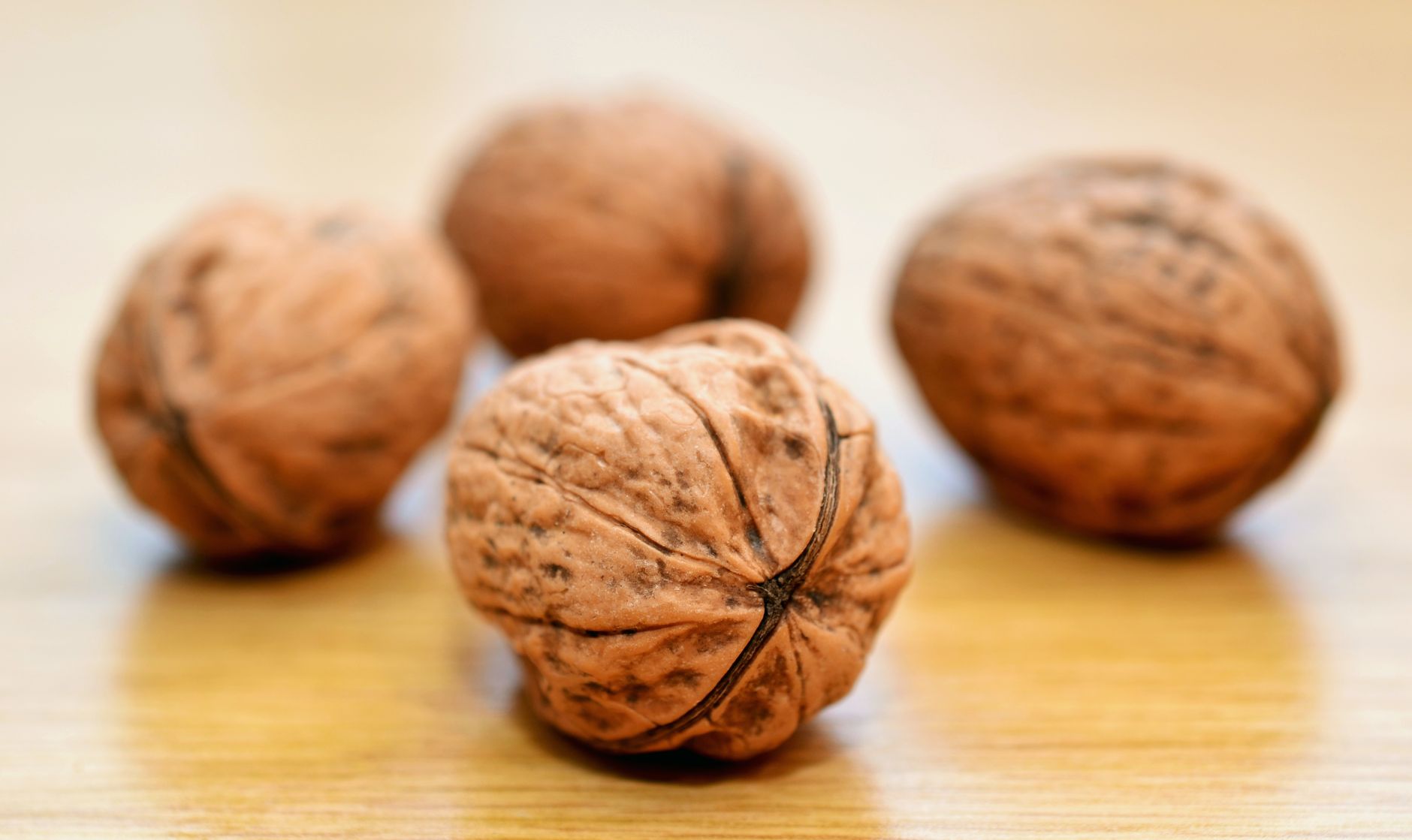
To appreciate the therapeutic value of the walnut septum, one must first understand its biological purpose within the fruit of the Juglans regia tree. The walnut is botanically classified as a drupe. Inside the hard outer green husk (hull) lies the lignified endocarp (the shell), which encloses the seed (the kernel). Separating the lobes of this seed is the septum—a thin, fibrous, diaphragmatic partition.
Biologically, the partition wall serves as a protective barrier and a vascular conduit. During the growth phase of the drupe, the septum transports crucial nutrients, minerals, and defense compounds from the tree’s vascular system into the developing seed. Because of this specialized transport role, the septum accumulates a highly concentrated repository of bioactive secondary metabolites. These compounds protect the vulnerable seed from fungal pathogens, oxidative degradation, and insect predation. When dried, these partition walls turn a deep reddish-brown color, indicating a dense concentration of polymerized tannins and polyphenols.
In the framework of Traditional Chinese Medicine (TCM), where it is known as Fen Xin Mu, the septum is classified as an astringent herb. It is believed to possess a neutral energetic property, targeting the Kidney and Spleen meridians. By securing the essence (Jing) and resolving dampness, it has historically been deployed to treat conditions associated with fluid leakage, cognitive decline, and metabolic fatigue.
2. The Phytochemical Profile: A Scientific Breakdown
The therapeutic efficacy of walnut shell partitions is directly tied to their complex chemical matrix. Unlike the edible kernel, which is rich in lipids and proteins, the septum is a dense lignocellulosic structure saturated with specialized secondary metabolites. Understanding these active components reveals how walnut septa exert their physiological effects on the human body.
Polyphenols and Flavonoids
Walnut septa are exceptional sources of natural antioxidants. Analytical chemistry techniques, including High-Performance Liquid Chromatography (HPLC), have identified a vast array of phenolic acids and flavonoids within the membrane. These include gallic acid, ellagic acid, syringic acid, chlorogenic acid, rutin, quercetin, and hyperoside. These molecules act as powerful free radical scavengers, neutralizing reactive oxygen species (ROS) and preventing oxidative stress at the cellular level.
Tannins (Hydrolyzable and Condensed)
The characteristic bitter taste and astringent feel of walnut septum tea are due to its high concentration of tannins. The partitions contain both condensed tannins (proanthocyanidins) and hydrolyzable tannins (ellagitannins and gallotannins). When ingested, hydrolyzable tannins are metabolized by the human gut microbiota into urolithins—metabolites known for their profound anti-inflammatory, anti-aging, and prebiotic properties.

Naphthoquinones (Juglone)
Juglone (5-hydroxy-1,4-naphthoquinone) is a unique organic compound found primarily in plants of the Juglandaceae family. While highly concentrated in green walnut hulls, trace therapeutic amounts are also present in the internal partition walls. Juglone exhibits potent antimicrobial, antifungal, and antiparasitic properties, making it a critical player in the septum’s defensive chemical arsenal.
Essential Minerals and High Iodine Content
One of the most biologically significant attributes of walnut septa is their mineral composition. They are notably rich in bioavailable iodine. Iodine is a critical micronutrient required for the synthesis of thyroid hormones. In addition to iodine, the septa contain significant levels of potassium, magnesium, zinc, iron, and manganese, all of which act as essential cofactors in numerous enzymatic reactions across the human body.
3. Key Health Benefits of Walnut Shell Partitions
Due to this rich phytochemistry, walnut shell partitions offer a broad range of physiological benefits. Below, we explore the primary areas where modern science and traditional practice intersect to support human health.
A. Endocrine Support and Thyroid Regulation
The thyroid gland requires iodine to synthesize thyroxine (T4) and triiodothyronine (T3), hormones that regulate metabolism, body temperature, heart rate, and cellular energy production. A deficiency in bioavailable iodine can lead to hypothyroidism, sluggish metabolism, chronic fatigue, and the development of a goiter.
Walnut septa have historically been used in Eastern European folk medicine as a natural remedy for thyroid disorders. The high content of organic, bioavailable iodine within the partitions makes them an excellent supportive therapy for individuals suffering from mild iodine deficiency and subclinical hypothyroidism. Unlike synthetic iodine supplements, which can sometimes trigger autoimmune thyroid responses if dosed incorrectly, the natural iodine in walnut septa is absorbed gradually alongside protective antioxidants, offering a gentler therapeutic path.
B. Blood Sugar Regulation and Anti-Diabetic Action
Type 2 diabetes mellitus is characterized by insulin resistance and chronic hyperglycemia. Research indicates that the aqueous extract of walnut septa can play a significant role in managing blood glucose levels through multiple metabolic pathways:
- Alpha-Glucosidase Inhibition: The polyphenols and tannins in walnut septa have been shown to inhibit alpha-glucosidase, an enzyme located in the brush border of the small intestine that breaks down complex carbohydrates into glucose. By slowing this enzymatic process, walnut septa help prevent postprandial (post-meal) blood sugar spikes.
- Insulin Sensitization: Bioactive compounds in the septa help activate AMP-activated protein kinase (AMPK), a master regulator of energy homeostasis. AMPK activation increases GLUT4 glucose transporter translocation to cell membranes, facilitating glucose uptake into skeletal muscle and adipose tissue without requiring excess insulin.
- Protection of Pancreatic Beta Cells: The intense antioxidant profile of the septa protects the insulin-producing beta cells of the pancreas from oxidative damage, preserving their structural and functional integrity over time.
C. Cardiovascular Protection and Lipid Optimization
Cardiovascular diseases (CVD) remain a leading cause of mortality worldwide. Atherosclerosis, the hardening and narrowing of the arteries, is driven by chronic inflammation and the oxidation of Low-Density Lipoprotein (LDL) cholesterol. Walnut septa contribute to cardiovascular wellness through several mechanisms:
First, the high concentrations of ellagic acid and gallic acid prevent the oxidation of LDL cholesterol. Oxidized LDL is highly atherogenic; by preventing this oxidation process, walnut septa reduce the formation of arterial plaque. Second, the active compounds encourage the production of endothelial nitric oxide (NO), a vasodilator that relaxes blood vessels, improves blood flow, and helps maintain healthy, normal blood pressure levels. Finally, studies suggest that regular consumption of walnut septum extracts helps balance lipid profiles by lowering total cholesterol and triglycerides while supporting High-Density Lipoprotein (HDL) levels.
D. Anti-Inflammatory, Antioxidant, and Anti-Aging Actions
At the root of almost all chronic degenerative diseases, including arthritis, neurodegeneration, and cellular senescence, lies chronic low-grade inflammation and oxidative stress. The massive antioxidant capacity of walnut septa provides powerful systemic defense.
The ellagitannins present in the septa are metabolized by gut bacteria into urolithin A. Urolithin A has gained significant scientific attention for its ability to stimulate mitophagy—the process by which cells clear out damaged, dysfunctional mitochondria and replace them with healthy ones. This cellular rejuvenation process is a key pathway in anti-aging therapy, helping to preserve muscle function, cognitive sharpness, and overall metabolic vitality as the body ages.

E. Gastrointestinal Health and Microbiome Modulation
The high tannin content of walnut septa makes them highly effective for soothing gastrointestinal upset. Tannins exert a mild astringent effect on the mucous membranes of the digestive tract, helping to reduce inflammation, tone the intestinal walls, and alleviate acute diarrhea.
Furthermore, the polyphenols in walnut septa act as prebiotic substances. While human digestive enzymes cannot fully break down these complex molecules, beneficial gut microbes (such as Bifidobacteria and Lactobacilli) feed on them. This selective feeding helps optimize the gut microbiome, suppressing pathogenic bacteria while promoting a diverse, healthy microbial ecosystem. A balanced microbiome is essential not only for digestion but also for immune function and the gut-brain axis.
4. Modern Delivery Systems: Capsules, Extracts, and Supplements
While drinking traditional walnut septum tea remains highly popular, modern botanical science has developed more convenient and standardized delivery methods. Today, consumers can access the benefits of walnut septa through high-quality capsules and concentrated liquid extracts.
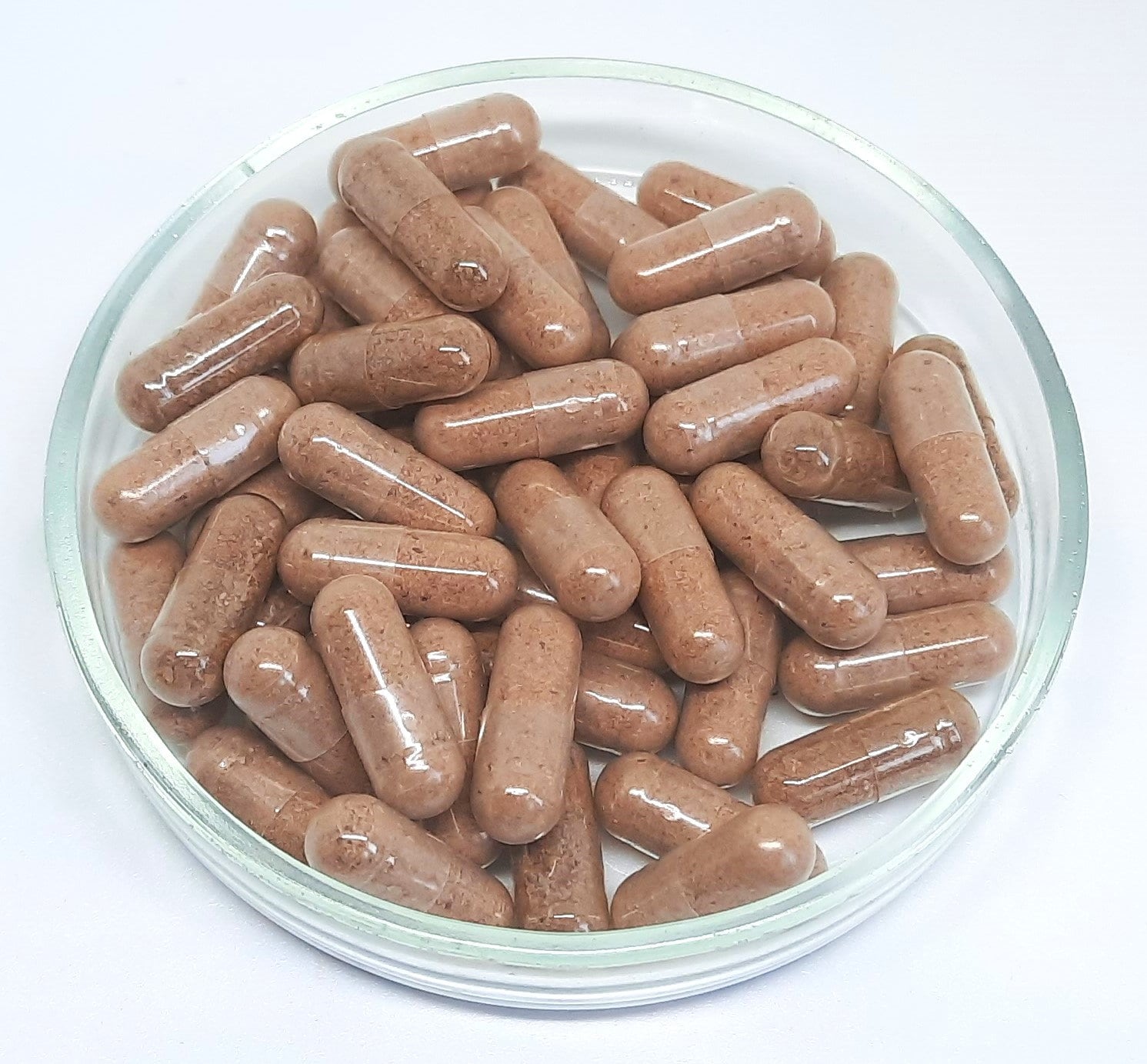
Capsules containing finely micronized walnut septum powder or standardized dry extracts offer several advantages over liquid decoctions. First, they mask the intensely bitter, astringent taste of the raw partitions, making them much easier to consume daily. Second, encapsulation ensures a precise and consistent dosage of active compounds, such as iodine and polyphenols, which can vary wildly in home-brewed teas depending on water temperature and steeping time.
For those seeking targeted metabolic or thyroid support, look for standardized supplements that guarantee a specific concentration of total polyphenols. Capsules are highly convenient for modern lifestyles, allowing individuals to integrate this traditional remedy easily into their daily wellness routines.
5. Practical Applications, Preparation, and Dosage Guidelines
For those who prefer a traditional, hands-on approach to herbalism, dried walnut shell partitions can be easily prepared at home. There are two primary methods of preparation: aqueous decoctions (teas) and alcohol-based tinctures.
How to Prepare a Walnut Septum Decoction (Tea)
A decoction is the preferred method for extracting the water-soluble compounds, minerals, and tannins from the tough, woody structure of the septum.
- Take approximately 1 to 2 tablespoons of dried walnut septa (about 5–10 grams).
- Place the septa in a small saucepan and add 2 cups (500 ml) of filtered water.
- Bring the mixture to a boil, then reduce the heat to low, cover the pot, and let it simmer gently for 15 to 20 minutes. The liquid will turn a deep, dark reddish-brown color.
- Remove from heat and let it steep for another 10 minutes.
- Strain the liquid through a fine-mesh sieve or cheesecloth to remove the woody pieces.
- Drink 1/2 cup of this tea up to twice daily, preferably 30 minutes before meals. Because of its astringent and bitter taste, you may add a touch of raw honey or lemon if desired.
Preparing an Alcohol-Based Tincture
An alcohol tincture is highly effective at extracting the hydrophobic active compounds, such as juglone and certain flavonoids, while offering a shelf-life of several years.
- Fill a clean glass jar about half-full with dried walnut septa.
- Pour high-proof food-grade alcohol (such as 80-proof vodka or brandy) over the septa, ensuring they are completely submerged with at least an inch of liquid above them.
- Seal the jar tightly and store it in a cool, dark place (like a pantry) for 4 to 6 weeks. Shake the jar vigorously every few days to aid the extraction process.
- After 6 weeks, strain the liquid through a coffee filter into a clean amber dropper bottle.
- A standard serving is typically 20 to 30 drops diluted in a small glass of water, taken 1 to 2 times daily.

6. Safety, Precautions, and Potential Side Effects
While walnut shell partitions are a natural botanical product with a long history of safe use, they are biochemically potent and should be used with mindfulness and respect. Consider the following safety guidelines before beginning any regimen:
- Tree Nut Allergies: Although the septum is not the edible kernel, individuals with severe allergies to walnuts or other tree nuts must avoid walnut septa entirely to prevent potential anaphylactic or allergic reactions.
- Thyroid Conditions: Because of the high iodine content, individuals with hyperthyroidism, Graves’ disease, or those taking thyroid medications (such as levothyroxine) should consult their endocrinologist before using walnut septa. Excess iodine intake can alter thyroid function in sensitive individuals.
- Gastrointestinal Sensitivity: Due to the high tannin content, drinking large quantities of the tea on an empty stomach may cause mild nausea or stomach irritation in sensitive individuals. Always start with a lower dose to assess your personal tolerance.
- Pregnancy and Lactation: There is currently insufficient clinical data regarding the safety of walnut septum extracts during pregnancy and breastfeeding. It is advised to avoid therapeutic use during these times unless directed by a qualified healthcare professional.
- Drug Interactions: Because of its potential blood-sugar-lowering and blood-pressure-lowering effects, those taking insulin, oral anti-diabetic medications, or antihypertensive drugs should monitor their levels closely, as dosage adjustments of prescription medications may be necessary.
7. Conclusion: Embracing the Full Circle of Nature
The walnut septum serves as a powerful reminder of nature’s efficiency. What modern commercial processing often discards as useless waste, ancient botanical systems and modern pharmacology recognize as a potent medicine. Packed with thyroid-supporting iodine, heart-healthy polyphenols, gut-balancing tannins, and longevity-promoting ellagitannins, the humble walnut shell partition is a true health ally.
Whether enjoyed as a warm, restorative decoction, taken as a potent alcohol tincture, or consumed as a standardized capsule, incorporating walnut septa into your wellness routine can help harmonize the endocrine system, stabilize metabolic pathways, and provide comprehensive cellular protection. As clinical interest in this botanical continue to grow, the walnut septum is firmly securing its rightful place in the modern natural health movement.
Disclaimer: For informational purposes only. Not medical advice. Consult a qualified healthcare professional before use.