Iceland Moss: Unearthing the Profound Health Benefits of Cetraria islandica – A Definitive Deep-Dive Guide
Nestled within the rugged, pristine landscapes of the Northern Hemisphere, particularly the volcanic terrain of Iceland, thrives a remarkable organism often mistaken for a common plant: Iceland Moss (Cetraria islandica). Far from being a true moss, this resilient species is, in fact, a lichen – a symbiotic organism comprising a fungus and an alga. For centuries, this unassuming natural wonder has been a cornerstone of traditional medicine and even a survival food in harsh climates, its humble appearance belying a complex array of potent bioactive compounds. Today, scientific inquiry is increasingly validating the ancestral wisdom surrounding Iceland Moss, revealing its significant potential as a multifaceted natural health ally. This exhaustive guide aims to unravel the intricate tapestry of Iceland Moss’s health benefits, delving into its botanical characteristics, historical significance, chemical composition, and practical applications, providing an unparalleled resource for understanding this extraordinary lichen.
Botanical Profile: The Resilient Architect of the Tundra
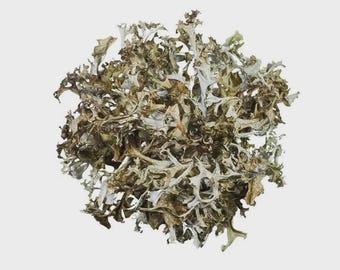
Cetraria islandica is a fascinating exemplar of adaptation and ecological synergy. It belongs to the family Parmeliaceae and is characterized by a thalloid structure, meaning it lacks true roots, stems, and leaves. Instead, its body, or thallus, consists of flattened, irregularly branched, and often curled lobes that can range in color from olive green to grayish-brown, frequently displaying reddish-brown tips. These lobes are typically somewhat leathery or cartilaginous when fresh, becoming brittle when dry. It can grow up to 10 centimeters in height, forming dense mats across its preferred habitats.
Its natural habitat spans the subarctic and arctic regions, flourishing in nutrient-poor, acidic soils, rocky outcrops, heathlands, and open woodlands across Iceland, Scandinavia, Russia, and even parts of North America. Its ability to thrive in such harsh, exposed environments is a testament to its robust cellular machinery and its capacity to synthesize protective compounds, which are precisely the agents that contribute to its medicinal value. The lichen’s slow growth rate, however, underscores the importance of sustainable harvesting practices to preserve its populations.
A Rich Tapestry of History and Traditional Uses
The journey of Iceland Moss from a subsistence food to a revered herbal remedy is deeply embedded in the annals of Northern European history. For centuries, particularly in Iceland and Scandinavia, it was a crucial famine food, ground into flour to make bread or porridge, providing sustenance during lean times when conventional crops failed. Its high carbohydrate content, primarily in the form of complex polysaccharides, offered vital caloric support, even if its somewhat bitter taste required careful preparation.
Beyond its role in survival, Iceland Moss gained significant recognition for its medicinal properties. Traditional healers and folk practitioners observed its profound effects, especially on respiratory and digestive ailments. It was widely used to alleviate persistent coughs, sore throats, bronchitis, and even lung conditions like tuberculosis, owing to its soothing, mucilaginous properties. For digestive complaints, it was employed to quell stomach upset, stimulate appetite, and address conditions ranging from diarrhea to gastritis. Its inclusion in various European pharmacopoeias dating back centuries, such as the German and British Pharmacopoeias, further solidified its status as a valuable medicinal herb, a testament to generations of empirical observation and successful therapeutic applications.
The Science Behind the Sensation: A Symphony of Bioactive Compounds
The remarkable health benefits of Iceland Moss are attributable to a complex synergy of bioactive compounds, each contributing to its therapeutic profile. Modern phytochemical analysis has identified several key constituents:
Polysaccharides: The Mucilaginous Soothers
The most abundant and perhaps most notable compounds are water-soluble polysaccharides, primarily **lichenin** and **isolichenin**. These are complex carbohydrates, essentially a type of glucomannan, which constitute a significant portion (up to 70%) of the lichen’s dry weight. When exposed to water, these polysaccharides swell considerably, forming a thick, viscous mucilage. This mucilaginous property is central to many of Iceland Moss’s traditional uses. They create a protective coating over mucous membranes, soothing irritation, reducing inflammation, and offering a demulcent effect. Beyond their physical protective role, these polysaccharides, similar to beta-glucans found in mushrooms and oats, exhibit immunomodulatory properties. They can interact with immune cells, potentially stimulating macrophage activity and enhancing overall immune responses, contributing to the body’s defense mechanisms against pathogens.
Lichen Acids: The Potent Protectors
Iceland Moss is also rich in a diverse group of secondary metabolites known as lichen acids, or depsides and depsidones. Key examples include **usnic acid**, **fumarprotocetraric acid**, **protolichesterinic acid**, and **cetraria acid**. These compounds are largely responsible for the lichen’s characteristic bitter taste and a significant portion of its antimicrobial, anti-inflammatory, and antioxidant activities. Usnic acid, in particular, is well-studied for its broad-spectrum antimicrobial effects against bacteria (including some antibiotic-resistant strains), fungi, and even some viruses. It acts by disrupting cellular metabolism and inhibiting enzyme systems in microorganisms. Other lichen acids contribute to the plant’s anti-inflammatory capabilities by modulating various inflammatory pathways, such as inhibiting pro-inflammatory cytokines and enzymes like COX-2. Furthermore, many of these lichen acids possess potent antioxidant properties, scavenging free radicals and protecting cellular structures from oxidative damage, which is a key contributor to aging and chronic diseases.
Minerals, Vitamins, and Bitter Principles
Beyond these primary compounds, Iceland Moss also contains various trace elements, B vitamins, and other bitter principles that stimulate digestive secretions and enhance overall gut function. The synergistic interplay of these diverse compounds creates a holistic therapeutic effect that is greater than the sum of its individual parts.

Unveiling the Health Benefits: A Deep Dive
The intricate chemical composition of Iceland Moss translates into a broad spectrum of scientifically recognized and traditionally validated health benefits, making it a compelling natural remedy for a variety of conditions.
1. Exceptional Respiratory Health Support
One of the most celebrated uses of Iceland Moss is its profound impact on respiratory health. The high concentration of mucilaginous polysaccharides (lichenin and isolichenin) forms a protective, soothing layer over the irritated mucous membranes of the throat, larynx, and bronchi. This demulcent action effectively coats and protects inflamed tissues, reducing irritation and the urge to cough. For dry, unproductive coughs, it helps to alleviate the scratchiness and discomfort. For productive coughs, while not directly an expectorant, its soothing action can ease the expulsion of mucus by reducing irritation and inflammation in the airways, making breathing more comfortable. It is widely used for:
- Sore Throats and Pharyngitis: Provides immediate relief by coating the inflamed throat.
- Coughs (Dry and Irritating): Reduces the frequency and intensity of coughing fits.
- Bronchitis and Asthma: Soothes bronchial passages, potentially reducing inflammation and irritation.
- Common Cold and Flu Symptoms: Eases coughs, hoarseness, and general respiratory discomfort associated with upper respiratory tract infections.
The anti-inflammatory properties of its lichen acids further contribute to reducing swelling and irritation in the respiratory system, offering comprehensive relief.
2. Promoting Digestive Harmony and Gastric Protection
Iceland Moss is equally efficacious in nurturing digestive health. The mucilage acts as a protective barrier within the gastrointestinal tract, much like it does in the respiratory system. It coats the stomach lining and intestinal walls, shielding them from irritants, stomach acid, and digestive enzymes. This protective effect makes it particularly beneficial for:
- Gastritis and Peptic Ulcers: Helps to soothe the inflamed mucosal lining and promote healing.
- Indigestion and Heartburn: Can alleviate discomfort by neutralizing excess acid and coating the esophagus.
- Loss of Appetite: The bitter principles in Iceland Moss stimulate the production of digestive juices, enhancing appetite and improving overall digestion. This traditional use is particularly valuable during recovery from illness or in cases of general debility.
- Irregular Bowel Movements: The mucilaginous fiber can act as a mild bulk-forming laxative, promoting regularity without harsh stimulation, and can also help normalize stool consistency in cases of mild diarrhea by absorbing excess water.
Furthermore, the polysaccharides can act as prebiotics, nourishing beneficial gut bacteria and promoting a healthy microbiome, which is crucial for overall digestive health and immune function.
3. Robust Immune System Support
The immunomodulatory properties of Iceland Moss, primarily attributed to its complex polysaccharides, are gaining increasing scientific attention. These compounds are structurally similar to beta-glucans, known immune activators. They can stimulate various immune cells, including macrophages, lymphocytes, and natural killer cells, enhancing the body’s ability to identify and combat pathogens. This immune-boosting effect means Iceland Moss can contribute to:
- Strengthening General Immunity: Regular consumption may help to bolster the body’s natural defenses, making it more resilient to infections.
- Faster Recovery from Illness: By supporting immune function, it can aid in a more rapid and complete recovery from colds, flu, and other infectious diseases.
4. Potent Antimicrobial and Antiviral Properties
The lichen acids, especially usnic acid, bestow Iceland Moss with significant antimicrobial capabilities. Usnic acid is a powerful natural antibiotic that has demonstrated efficacy against a range of Gram-positive bacteria, including strains of Staphylococcus aureus and Mycobacterium tuberculosis. It also exhibits antifungal activity against various yeasts and dermatophytes. While research into its antiviral properties is ongoing, some studies suggest it may possess inhibitory effects against certain viruses. These properties make Iceland Moss valuable for:
- Combating Infections: Can be used topically for minor wounds and skin infections, or internally to support the body in fighting respiratory and gastrointestinal infections.
- Oral Hygiene: Some traditional uses include chewing the dried lichen for oral health, potentially due to its antimicrobial action against bacteria that cause gum disease and bad breath.
5. Anti-inflammatory Effects
Chronic inflammation is a root cause of many modern diseases. Iceland Moss, through its blend of lichen acids, exhibits notable anti-inflammatory effects. These compounds can modulate inflammatory pathways, such as inhibiting the production of pro-inflammatory cytokines and enzymes like COX-2, which are key mediators of inflammation in the body. This makes Iceland Moss a valuable adjunctive therapy for:
- Reducing Inflammation: Beneficial in inflammatory conditions affecting the respiratory and digestive tracts.
- Pain Relief: While not a primary analgesic, its anti-inflammatory action can indirectly contribute to reducing pain associated with inflammatory conditions.
6. Antioxidant Powerhouse
Many of the lichen acids found in Iceland Moss, along with other phenolic compounds, possess significant antioxidant activity. They work by scavenging harmful free radicals, which are unstable molecules that can damage cells, DNA, and proteins, leading to oxidative stress, accelerated aging, and the development of chronic diseases like cancer, heart disease, and neurodegenerative disorders. By neutralizing these free radicals, Iceland Moss contributes to:
- Cellular Protection: Safeguards cells from oxidative damage.
- Anti-aging Effects: Supports overall cellular health and longevity.
- Disease Prevention: Reduces the burden of oxidative stress, potentially lowering the risk of various chronic illnesses.
Practical Applications and Forms of Consumption
Iceland Moss is available in various forms, allowing for versatile application depending on the intended therapeutic effect and user preference. Careful preparation is key to harnessing its benefits, especially due to its inherent bitterness.
1. Teas and Infusions
This is one of the most common methods of consumption. To prepare a soothing tea, particularly for respiratory or digestive issues, it is often recommended to use cold maceration or a very gentle simmer. A typical preparation involves soaking 1-2 teaspoons of dried Iceland Moss in a cup of cold water for several hours, then gently warming (not boiling) and straining. This method helps to extract the mucilaginous polysaccharides while minimizing the release of overly bitter lichen acids. For stimulating appetite or for stronger antimicrobial effects, a decoction (simmering for 10-15 minutes) can be made, though it will be more bitter.
2. Syrups and Lozenges
Iceland Moss syrups are particularly popular for coughs and sore throats, especially for children, as the sweetness helps to mask the bitter taste. These often combine Iceland Moss extract with other soothing herbs and honey. Lozenges and pastilles offer convenient, localized relief for irritated throats and hoarseness, slowly releasing the demulcent mucilage directly where it’s needed.
3. Tinctures and Extracts
Alcoholic or glycerine-based tinctures provide a concentrated form of Iceland Moss, allowing for precise dosing and rapid absorption. These are often preferred by herbalists for their potency and extended shelf life, offering a convenient way to integrate its benefits into a daily regimen.
4. Capsules and Supplements
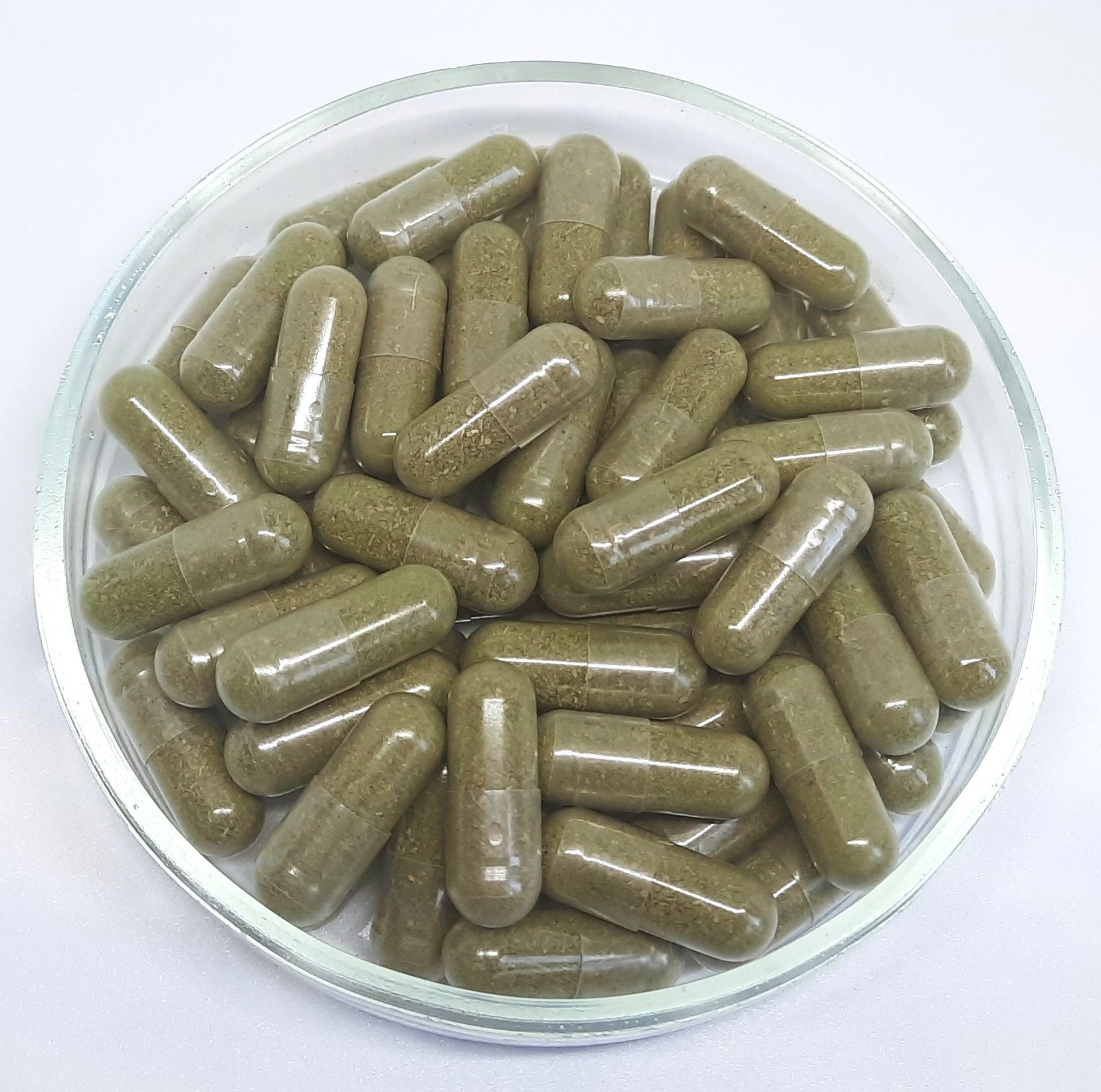
For those who find the taste challenging or prefer a standardized dose, Iceland Moss is available in capsule form. These supplements typically contain powdered lichen or concentrated extracts, offering a convenient way to consume the herb without the need for preparation. This form ensures consistent delivery of bioactive compounds and is often chosen for general immune support, digestive regulation, or as part of a long-term wellness strategy.
Dosage and Preparation Guidelines
The appropriate dosage of Iceland Moss can vary depending on the form, concentration, and the specific health condition being addressed. General guidelines often suggest:
- For Teas: 1-2 grams of dried lichen steeped in 1 cup of water, 2-3 times daily. For cold maceration, soak for 2-4 hours or overnight.
- For Syrups/Lozenges: Follow product-specific instructions, as concentrations vary widely.
- For Tinctures: Typically 1-2 ml, 2-3 times daily, diluted in water.
- For Capsules: Usually 500-1000 mg of powdered lichen or equivalent extract, 1-3 times daily.
It is always crucial to start with the lowest effective dose and observe your body’s response. When using commercially prepared products, adhere strictly to the manufacturer’s dosage recommendations. Due to its unique bitter taste, some individuals may find it more palatable when mixed with honey, fruit juice, or other herbs like peppermint.
Potential Side Effects and Contraindications
Iceland Moss is generally considered safe for most people when consumed in recommended doses. However, like all natural remedies, it is not without potential considerations:
- Bitter Taste: The strong bitter principles can be off-putting for some, and in high concentrations, may cause mild stomach upset or nausea in very sensitive individuals.
- Gastrointestinal Discomfort: Very rarely, individuals may experience mild digestive upset such as bloating or diarrhea, particularly if consuming very large quantities.
- Allergic Reactions: While uncommon, allergic reactions to lichens are possible. Discontinue use if you experience symptoms like rash, itching, or swelling.
- Pregnancy and Breastfeeding: Due to a lack of sufficient safety data, Iceland Moss is generally not recommended for use during pregnancy or breastfeeding. It is always best to consult with a healthcare provider.
- Drug Interactions: There is limited research on potential drug interactions. Theoretically, the immunomodulatory effects could interact with immunosuppressant drugs. Additionally, the mucilaginous content could potentially interfere with the absorption of orally administered medications if taken simultaneously. It is advisable to take Iceland Moss at least two hours apart from other medications.
As with any herbal supplement, individuals with pre-existing medical conditions or those taking prescription medications should consult a healthcare professional before incorporating Iceland Moss into their regimen.
Sourcing and Sustainability
Given the slow growth rate of lichens and their sensitivity to environmental changes, sustainable sourcing of Iceland Moss is paramount. When purchasing Iceland Moss products, look for reputable suppliers who practice ethical wild-harvesting or cultivation methods that minimize ecological impact. Organic certification can also be an indicator of responsible sourcing and purity, ensuring the product is free from pesticides and heavy metals.
Conclusion: An Ancient Remedy for Modern Wellness
Iceland Moss stands as a powerful testament to the enduring wisdom of traditional herbal medicine, now increasingly corroborated by contemporary scientific research. From its humble origins as a survival food in the unforgiving Northern climes to its esteemed position in modern pharmacopoeias, Cetraria islandica offers a rich array of health benefits. Its unique blend of mucilaginous polysaccharides provides unparalleled soothing for respiratory and digestive ailments, while its potent lichen acids deliver significant antimicrobial, anti-inflammatory, and antioxidant protection. As we navigate an era where natural, holistic approaches to health are gaining traction, Iceland Moss emerges as a versatile and potent ally for supporting respiratory function, promoting digestive equilibrium, and bolstering immune resilience. Embracing this resilient lichen is to embrace a piece of ancient wisdom, a natural marvel poised to contribute significantly to holistic well-being in the modern world.
Disclaimer: For informational purposes only. Not medical advice. Consult a qualified healthcare professional before use.