The Profound Health Benefits of White Dead Nettle (Lamium album): An Exhaustive Deep-Dive Guide
In the vast tapestry of botanical medicine, certain plants stand out for their enduring legacy and remarkable therapeutic properties. Among these revered herbs is the White Dead Nettle, scientifically known as Lamium album. Often mistaken for its stinging cousin due to a superficial resemblance, this gentle yet potent member of the mint family (Lamiaceae) offers a wealth of health benefits that have been cherished in traditional medicine for centuries. From soothing inflammation to supporting women’s health and bolstering respiratory function, White Dead Nettle presents a multifaceted approach to natural well-being. This exhaustive guide delves deep into the botanical characteristics, historical significance, complex phytochemical profile, and the evidence-backed health advantages of this often-overlooked herbaceous powerhouse.
Botanical Profile: Distinguishing the Gentle Giant
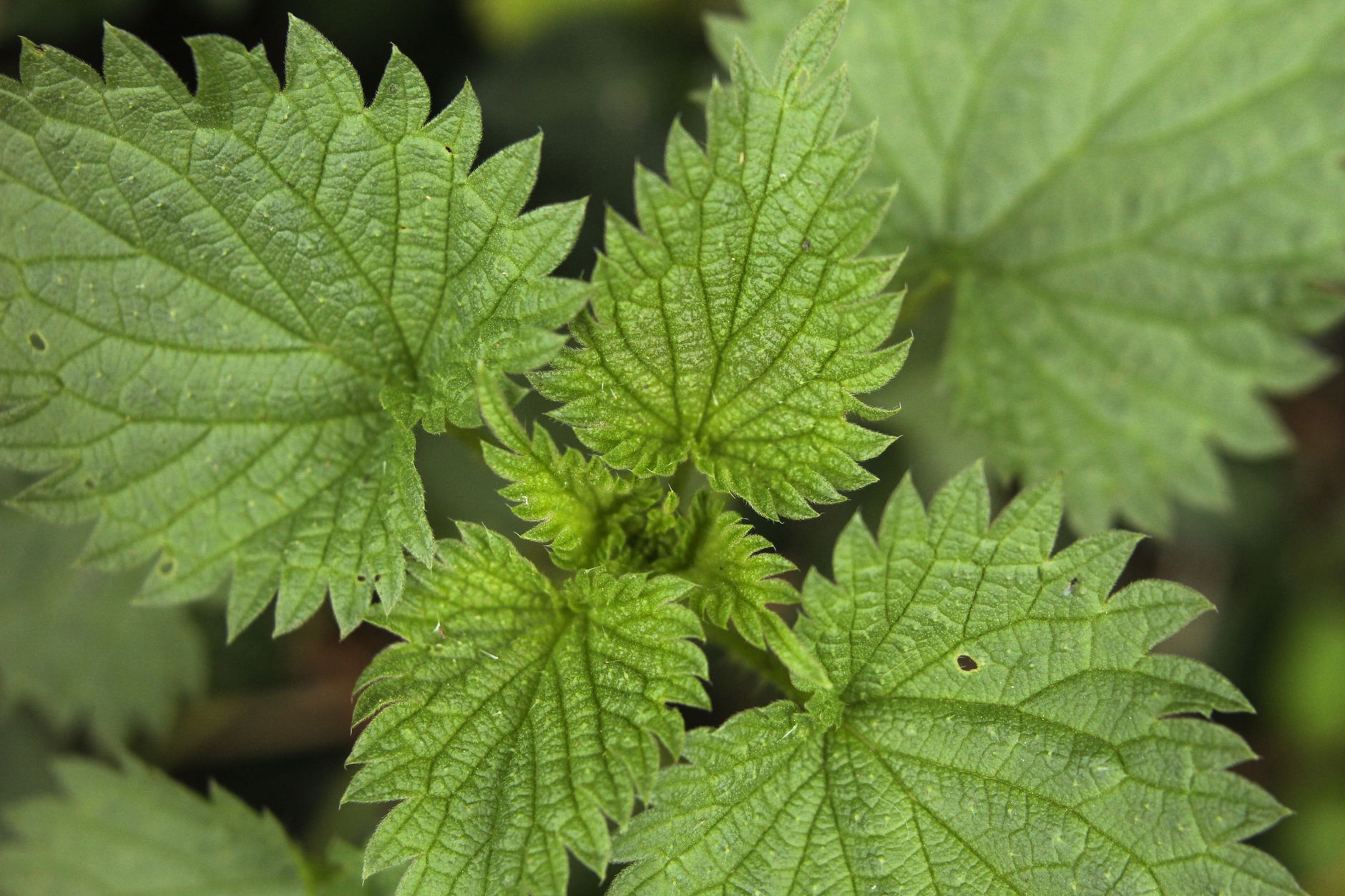
Lamium album, commonly referred to as White Dead Nettle, is a perennial herbaceous plant native to Eurasia. It thrives in various habitats, including hedgerows, woodland edges, disturbed ground, and meadows, often appearing as a common “weed.” Its name, “dead nettle,” is a crucial differentiator: unlike the stinging nettle (Urtica dioica), White Dead Nettle does not possess stinging hairs, making it safe to handle and consume. The plant typically grows to a height of 30-80 centimeters, featuring square stems characteristic of the mint family. Its leaves are opposite, ovate to heart-shaped, serrated at the edges, and somewhat wrinkled, resembling those of the stinging nettle, though they lack the stinging urticating trichomes.
The most distinctive feature of Lamium album is its pure white, tubular, two-lipped flowers, which appear in whorls in the leaf axils from spring through autumn. These delicate blossoms are highly attractive to bees, hence another common name, “bee nettle.” The upper lip of the flower forms a hood, while the lower lip is typically three-lobed. The entire plant, especially when crushed, emits a mild, slightly earthy aroma. Understanding these botanical nuances is essential for accurate identification and appreciation of its unique medicinal properties, setting it apart from other plants and establishing its distinct place in the herbal pharmacopoeia.
A Walk Through History: Traditional Uses of White Dead Nettle
The therapeutic utility of White Dead Nettle is not a recent discovery; its medicinal applications are deeply embedded in the annals of traditional European herbalism, tracing back through centuries. Ancient Greek and Roman texts do not explicitly mention Lamium album, possibly due to its relatively less dramatic appearance compared to other herbs, but its uses gained prominence in medieval European folk medicine. Herbalists and apothecaries of the era recognized its gentle yet effective properties, primarily focusing on its astringent, anti-inflammatory, and expectorant actions.
Historically, White Dead Nettle was widely employed for a range of ailments. It was a common remedy for respiratory conditions, including coughs, bronchitis, and catarrh, where its demulcent and expectorant qualities were highly valued for soothing irritated mucous membranes and aiding in the expulsion of phlegm. Women’s health also greatly benefited from this herb; it was traditionally used to address menstrual irregularities, particularly heavy bleeding (menorrhagia), and to alleviate symptoms associated with leucorrhea (vaginal discharge) due to its purported tonic and astringent effects on the uterine tissues. Furthermore, its topical application in poultices and washes was common for treating minor wounds, burns, skin rashes, and hemorrhoids, underscoring its historical role as a versatile vulnerary and anti-inflammatory agent for dermatological concerns. The continuous thread of these traditional applications serves as a testament to its perceived efficacy and foundational knowledge that modern research now seeks to validate.
The Phytochemical Powerhouse: Unveiling White Dead Nettle’s Bioactive Compounds
The profound health benefits attributed to White Dead Nettle are not mere folklore but are increasingly supported by scientific investigations into its intricate biochemical composition. The plant is a rich reservoir of diverse bioactive compounds, each contributing synergistically to its therapeutic spectrum. Understanding these constituents is key to appreciating the herb’s holistic efficacy.
- Flavonoids: Potent Antioxidants and Anti-inflammatories
White Dead Nettle is particularly rich in flavonoids, a class of polyphenolic compounds renowned for their robust antioxidant and anti-inflammatory capabilities. Key flavonoids identified include quercetin, kaempferol, rutin, apigenin, and luteolin. These compounds function by scavenging free radicals, thereby mitigating oxidative stress, a primary contributor to cellular damage and chronic diseases. Furthermore, flavonoids exert anti-inflammatory effects by inhibiting various pro-inflammatory enzymes and pathways, such as cyclooxygenase (COX) and lipoxygenase (LOX), and by modulating the production of inflammatory cytokines. This dual action is crucial for reducing inflammation throughout the body, from joint pain to internal organ irritation.
- Iridoid Glycosides: Targeted Anti-inflammatory and Analgesic Effects
Another significant group of compounds found in Lamium album are iridoid glycosides, with lamioside and alboside being prominent examples. These compounds are believed to contribute significantly to the herb’s anti-inflammatory and analgesic (pain-relieving) properties. Iridoids are known to influence various physiological processes, including immune responses and inflammation cascades, offering a more specific mechanism for pain and inflammation management compared to general antioxidant effects.
- Mucilage: The Soothing Demulcent
The presence of mucilage, a complex polysaccharide, is responsible for White Dead Nettle’s demulcent properties. When ingested, mucilage forms a soothing, protective layer over mucous membranes in the digestive and respiratory tracts. This protective barrier helps to reduce irritation, inflammation, and discomfort, making the herb particularly effective for soothing sore throats, coughs, gastric irritation, and even urinary tract discomfort.
- Tannins: Astringency and Antiseptic Action
Tannins are phenolic compounds that impart an astringent taste and effect. In White Dead Nettle, tannins contribute to its ability to tighten and tone tissues, reduce secretions, and provide mild antiseptic properties. This makes the herb valuable for conditions involving excessive discharge, such as heavy menstrual bleeding, leucorrhea, and diarrhea. Topically, tannins help to constrict blood vessels and promote wound healing by creating a protective layer that aids tissue regeneration and prevents infection.
- Phenolic Acids: Broader Antioxidant and Antimicrobial Spectrum
Beyond flavonoids, White Dead Nettle also contains various phenolic acids, including caffeic acid and rosmarinic acid. These compounds further bolster the herb’s antioxidant capacity and exhibit notable antimicrobial properties, helping to combat certain bacteria and fungi, thereby contributing to its antiseptic qualities and potential role in immune support.
- Saponins and Essential Oils: Supporting Roles
While present in smaller quantities, saponins may contribute to its expectorant actions, aiding in the loosening of mucus. Trace amounts of essential oils provide some aromatic qualities and may also possess mild antimicrobial or anti-inflammatory effects, adding to the herb’s overall therapeutic synergy.
The intricate interplay of these diverse phytochemicals allows White Dead Nettle to exert its wide array of beneficial effects, making it a truly holistic herbal remedy.

The Comprehensive Health Benefits of White Dead Nettle
The rich biochemical tapestry of White Dead Nettle translates into a broad spectrum of health benefits, addressing various bodily systems. Modern research, while still emerging in some areas, increasingly supports the traditional uses of this versatile herb.
1. Potent Anti-inflammatory and Analgesic Properties
One of the most well-documented benefits of White Dead Nettle is its powerful anti-inflammatory action. The synergistic effect of flavonoids, iridoid glycosides, and phenolic acids contributes significantly to this property. These compounds work by modulating key inflammatory pathways within the body. For instance, some flavonoids can inhibit the activity of cyclooxygenase (COX-1 and COX-2) enzymes, which are central to the production of prostaglandins, mediators of pain and inflammation. Similarly, they can suppress the production of pro-inflammatory cytokines such as TNF-alpha and interleukins. This comprehensive anti-inflammatory effect makes White Dead Nettle a valuable ally in managing conditions characterized by chronic inflammation, including various forms of arthritis, muscular pain, joint stiffness, and even systemic inflammatory responses. Its analgesic properties, stemming from its ability to reduce inflammation and potentially influence pain perception pathways, offer natural relief without the side effects often associated with conventional pain medications.
2. Superior Respiratory Health Support
For centuries, White Dead Nettle has been a go-to remedy for respiratory ailments, and its chemical composition perfectly explains this efficacy. The mucilage content provides a demulcent action, coating and soothing irritated mucous membranes throughout the respiratory tract. This protective layer reduces throat scratchiness, cough irritation, and inflammation in the bronchial passages. Additionally, saponins and certain flavonoids act as mild expectorants, helping to thin and loosen tenacious phlegm and mucus, making it easier to expel. This makes the herb particularly beneficial for conditions such as bronchitis, catarrh, stubborn coughs, and even asthma, where clearing airways and reducing inflammation are paramount. Regular consumption as a tea can significantly alleviate discomfort and promote clearer breathing.
3. Enhancing Digestive System Wellness
White Dead Nettle offers substantial support for digestive health through its combined astringent, demulcent, and anti-inflammatory properties. The tannins present in the herb exert an astringent effect on the gastrointestinal lining, helping to reduce excessive secretions and tighten tissues. This action is particularly useful in managing diarrhea, where it can help to slow down bowel motility and reduce fluid loss. Simultaneously, the mucilage content provides a soothing, protective barrier over the gastric and intestinal mucosa, which can alleviate irritation from conditions like gastritis, peptic ulcers, and general indigestion. By reducing inflammation in the gut and providing a protective coating, White Dead Nettle promotes a calmer and more balanced digestive environment, supporting overall gut integrity and function.
4. A Cornerstone for Women’s Health and Uterine Support
Perhaps one of the most celebrated traditional uses of White Dead Nettle is its application in women’s health. It is revered for its ability to tone the uterine tissues and help regulate menstrual cycles. The astringent action of tannins is particularly relevant here, as it can help reduce excessive menstrual bleeding (menorrhagia) by constricting blood vessels and firming up uterine tissues. Beyond heavy bleeding, it has been traditionally used to address other gynecological concerns such as leucorrhea (excessive vaginal discharge), again owing to its astringent and mild antiseptic qualities that help to reduce discharge and maintain a healthy vaginal environment. Some herbalists also recommend it for postpartum recovery, believing it aids in uterine contraction and healing after childbirth. The plant’s overall anti-inflammatory and tonic properties contribute to a healthier reproductive system, offering a gentle yet effective herbal support for various female physiological processes.
5. Promoting Skin Health and Accelerating Wound Healing
Topically, White Dead Nettle is an exceptional herb for skin care and wound management. Its astringent properties, primarily from tannins, help to constrict pores, reduce oiliness, and dry out weeping skin conditions. The antiseptic qualities, attributed to tannins and phenolic acids, aid in preventing infections in minor cuts, scrapes, and abrasions. Furthermore, the powerful anti-inflammatory compounds (flavonoids, iridoid glycosides) work to reduce redness, swelling, and itching associated with skin irritations like eczema, rashes, insect bites, and minor burns. When applied as a poultice or compress, White Dead Nettle can accelerate the healing process by promoting tissue regeneration, reducing inflammation, and creating a clean environment for recovery, making it a valuable addition to any natural first-aid kit for dermatological concerns.
6. Supporting Urinary Tract Health
While not its most prominent benefit, White Dead Nettle possesses mild diuretic properties that can contribute to urinary tract health. By gently increasing urine flow, it can assist the body in flushing out waste products and potentially bacteria, thus supporting kidney and bladder function. The demulcent action of mucilage also extends to the urinary tract, helping to soothe irritated bladder linings and potentially reduce discomfort associated with mild urinary tract infections (UTIs) or general bladder irritation. This makes it a supportive herb for maintaining a healthy urinary system, though it should not replace medical treatment for acute infections.
7. An Antioxidant Powerhouse for Cellular Protection
The high concentration of flavonoids and phenolic acids makes White Dead Nettle a formidable antioxidant. Antioxidants are crucial for neutralizing free radicals, unstable molecules that cause oxidative stress, leading to cellular damage, accelerated aging, and contributing to the development of numerous chronic diseases, including cardiovascular disease, neurodegenerative disorders, and certain cancers. By effectively scavenging these free radicals, White Dead Nettle helps protect cells and tissues from damage, preserves cellular integrity, and supports overall physiological function. This protective effect underscores its role in promoting longevity and disease prevention, making it a valuable herb for general well-being and proactive health maintenance.
8. Immune System Modulation and Antimicrobial Action
Through its anti-inflammatory, antioxidant, and mild antiseptic properties, White Dead Nettle indirectly supports and modulates the immune system. By reducing the overall inflammatory burden and protecting cells from oxidative damage, it helps the immune system function more efficiently. The phenolic acids and tannins contribute to its mild antimicrobial effects, potentially inhibiting the growth of certain bacteria and fungi. While not a potent antimicrobial on its own, its combined actions can help the body resist minor infections and maintain a robust immune response, particularly beneficial during cold and flu season or when the body is under stress.
Practical Applications: Integrating White Dead Nettle into Your Wellness Routine
White Dead Nettle is a versatile herb that can be incorporated into a natural health regimen in various forms, depending on the desired effect and convenience. Its adaptability makes it accessible for both internal and external applications.
1. Herbal Teas and Infusions
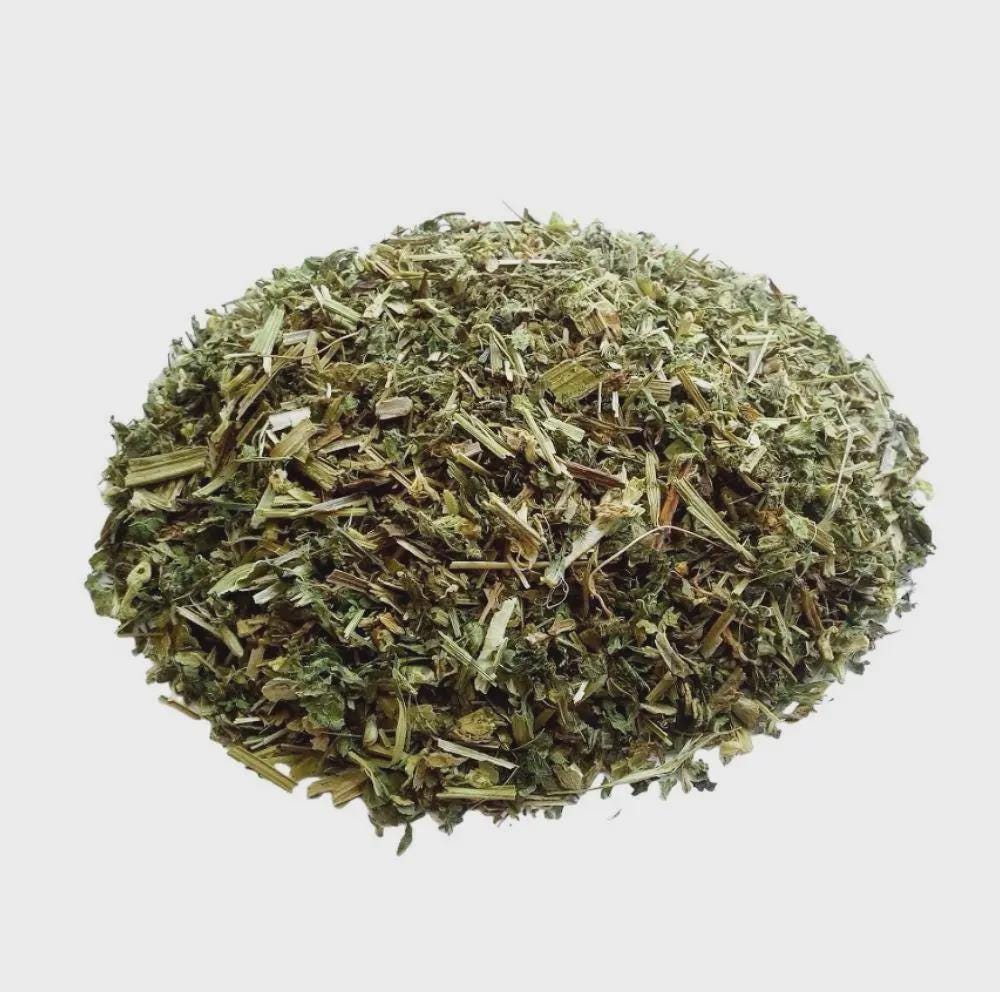
The most common and gentle way to consume White Dead Nettle is as an herbal tea. An infusion is prepared by pouring hot (but not boiling) water over dried or fresh leaves and flowers, allowing them to steep for 5-10 minutes. This method is ideal for respiratory issues, digestive complaints, and general well-being. The warmth and moisture also enhance its demulcent properties, providing immediate soothing relief for sore throats.
2. Tinctures
Tinctures are concentrated liquid extracts of the herb, typically made by soaking the plant material in alcohol and water. This form offers a more potent and shelf-stable option, allowing for precise dosing and easy absorption. Tinctures are often preferred for systemic conditions like chronic inflammation, women’s health issues, or when a stronger therapeutic effect is desired. They are usually taken by diluting a few drops in water.
3. Poultices and Compresses for Topical Use
For external applications, such as for skin conditions, minor wounds, or hemorrhoids, White Dead Nettle can be used as a poultice or a compress. A poultice involves crushing fresh leaves and flowers to create a paste, which is then directly applied to the affected area. A compress is made by soaking a clean cloth in a strong infusion or diluted tincture and applying it to the skin. These topical applications leverage the herb’s astringent, anti-inflammatory, and antiseptic properties to promote healing and reduce irritation.
4. Culinary Uses
The young leaves of White Dead Nettle are edible and nutritious. They can be added to salads, cooked like spinach, or incorporated into soups and stews. When cooked, their flavor is mild and slightly earthy, making them a nutritious addition to the diet, providing vitamins, minerals, and other beneficial compounds in a whole-food form.
5. Capsules and Supplements
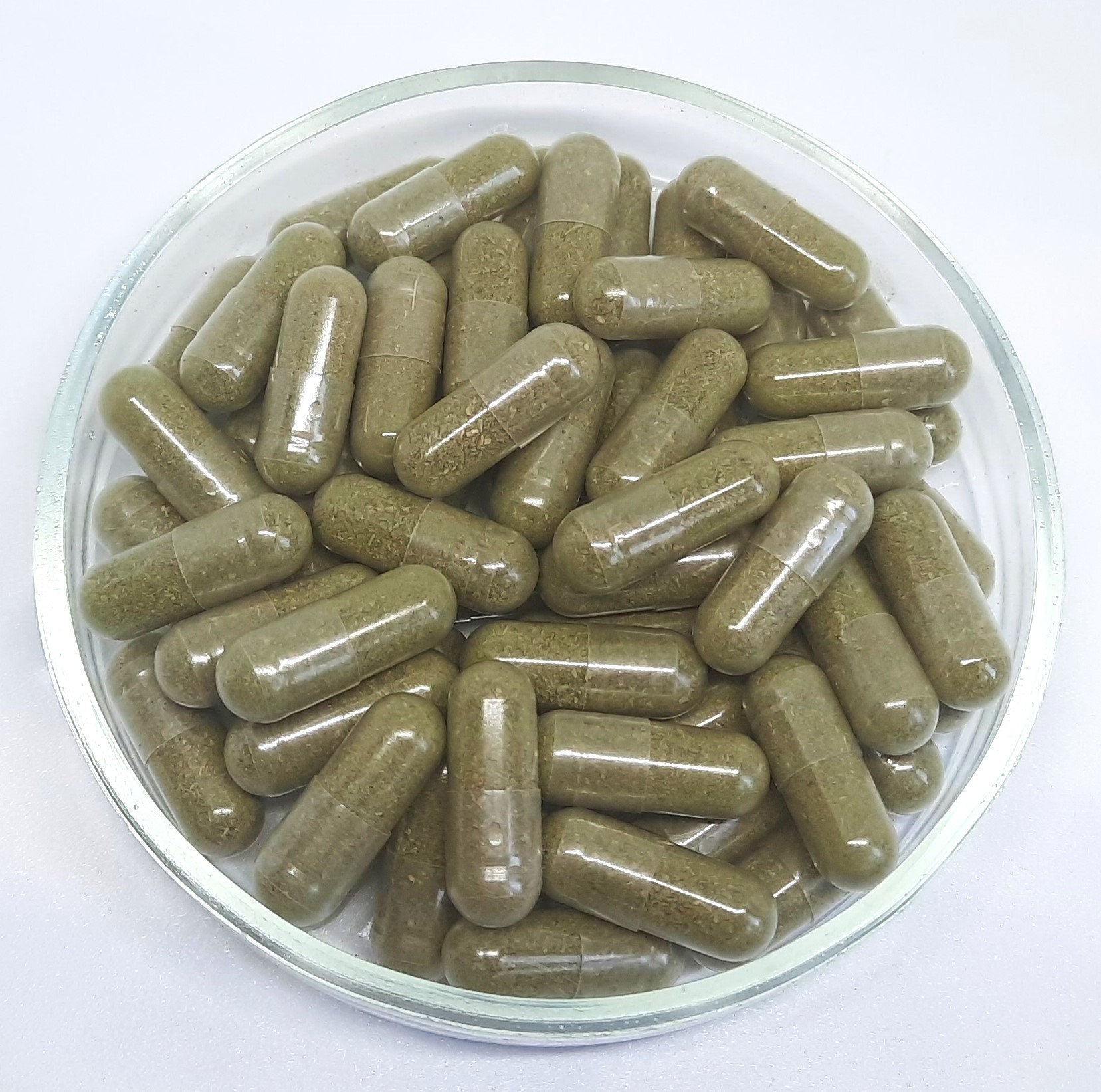
For those seeking convenience and standardized dosing, White Dead Nettle is also available in capsule or tablet form. These supplements typically contain dried, powdered herb or concentrated extracts. This method ensures a consistent dosage of the active compounds, making it a popular choice for individuals who wish to integrate White Dead Nettle into their daily routine without the need for preparation. When choosing supplements, it’s crucial to select reputable brands that ensure purity and potency.
Dosage Recommendations and Preparation Guidelines
While White Dead Nettle is generally considered safe for most individuals, appropriate dosing is crucial for maximizing benefits and minimizing potential side effects. Dosage can vary based on the form of the herb, the concentration, and individual needs. It is always advisable to consult with a qualified healthcare practitioner or an experienced herbalist before starting any new herbal regimen, especially if you have underlying health conditions or are taking other medications.
- For Herbal Tea/Infusion: Typically, 1-2 teaspoons of dried herb (leaves and flowers) steeped in 1 cup (240ml) of hot water for 5-10 minutes. This can be consumed 2-3 times daily. For fresh herb, use a slightly larger quantity, about 1 tablespoon.
- For Tincture: Standard dosing often ranges from 1-4 ml (20-80 drops) of a 1:5 extract, taken 2-3 times per day. Always follow the specific instructions on the product label, as concentrations can vary.
- For Capsules/Supplements: Follow the manufacturer’s recommendations, which typically range from 300-500 mg of powdered herb or extract, 1-2 times daily. Ensure the product specifies the standardization if it’s an extract, indicating the concentration of active compounds.
- For Topical Applications (Poultices/Compresses): Apply as needed to the affected area. For compresses, a strong infusion can be used, soaked in a cloth, and applied for 15-30 minutes, several times a day.
It is always recommended to start with the lowest effective dose and gradually increase if needed, while monitoring your body’s response. Consistency is key when using herbal remedies for chronic conditions.
Potential Side Effects and Precautions
White Dead Nettle is widely regarded as a safe herb with a low incidence of side effects, especially when consumed within recommended dosages. However, as with any natural remedy, certain precautions should be observed:
- Pregnancy and Breastfeeding: Due to insufficient research on its effects during pregnancy and lactation, it is generally advised for pregnant and breastfeeding women to avoid White Dead Nettle or use it only under strict medical supervision. Its traditional use for uterine toning might be a concern during pregnancy.
- Drug Interactions: Although rare, the herb’s mild diuretic and astringent properties could theoretically interact with certain medications. Individuals taking blood thinners, diuretics, or medications for diabetes or blood pressure should exercise caution and consult their doctor before use. The tannins could also interfere with the absorption of some medications if taken simultaneously.
- Allergic Reactions: While uncommon, individuals sensitive to plants in the Lamiaceae (mint) family may experience allergic reactions. Discontinue use if any adverse symptoms such as skin rash, itching, or digestive upset occur.
- Underlying Health Conditions: People with pre-existing medical conditions, particularly those affecting the liver, kidneys, or blood clotting, should seek professional medical advice before incorporating White Dead Nettle into their health regimen.
Overall, for most healthy adults, White Dead Nettle is a safe and beneficial herb when used appropriately. Adhering to recommended dosages and being mindful of individual sensitivities are the best practices for safe and effective use.

Conclusion: Embracing the Gentle Power of White Dead Nettle
The White Dead Nettle (Lamium album) stands as a testament to the profound healing power of nature, offering a diverse array of health benefits rooted in centuries of traditional use and increasingly validated by modern scientific inquiry. From its distinctive botanical features that set it apart from its stinging counterpart to its rich tapestry of bioactive compounds like flavonoids, iridoids, mucilage, and tannins, every aspect of this humble plant contributes to its remarkable therapeutic efficacy.
As a potent anti-inflammatory and analgesic, a comprehensive supporter of respiratory and digestive health, a valuable ally in women’s well-being, and an effective agent for skin care and wound healing, White Dead Nettle truly embodies a holistic approach to natural medicine. Its antioxidant and mild antimicrobial properties further solidify its role in immune modulation and overall cellular protection. Whether enjoyed as a soothing tea, a concentrated tincture, a convenient supplement, or a topical application, Lamium album provides a gentle yet powerful means to enhance vitality and address a wide range of health concerns. Embracing this versatile herb can be a significant step towards a more natural and balanced path to wellness, always with the understanding that consulting with healthcare professionals ensures its safe and effective integration into your personal health journey.
Disclaimer: For informational purposes only. Not medical advice. Consult a qualified healthcare professional before use.