Unlocking the Power of Nature: A Deep Dive into the Health Benefits of Cocklebur Herb (Cang Er Zi)
In the vast tapestry of traditional medicine, certain herbs stand out for their enduring legacy and remarkable therapeutic potential. Among these is the Cocklebur Herb, scientifically known as Xanthium sibiricum or Xanthium strumarium, widely recognized in Traditional Chinese Medicine (TCM) as “Cang Er Zi.” Often overlooked in mainstream herbal discourse, this humble plant boasts a rich profile of bioactive compounds that underpin its diverse health benefits. From alleviating stubborn allergic rhinitis and sinusitis to exhibiting potent anti-inflammatory and even preliminary anti-cancer properties, Cocklebur Herb represents a profound connection between ancient wisdom and modern scientific inquiry. This exhaustive guide delves into the intricate mechanisms, historical applications, and evidence-based insights surrounding Cocklebur Herb, aiming to illuminate its significant role in natural health and wellness.
As we navigate the complexities of contemporary health challenges, the search for natural remedies that are both effective and sustainable intensifies. Cocklebur Herb emerges as a compelling candidate, offering a multifaceted approach to wellness. Its traditional uses, honed over centuries, provide a strong foundation for understanding its therapeutic scope, while ongoing scientific research begins to unravel the biochemical pathways through which it exerts its beneficial effects. Join us as we explore the fascinating world of Cang Er Zi, a plant with a prickly exterior but a profound healing essence.
Botanical Profile and Historical Roots of Cocklebur Herb
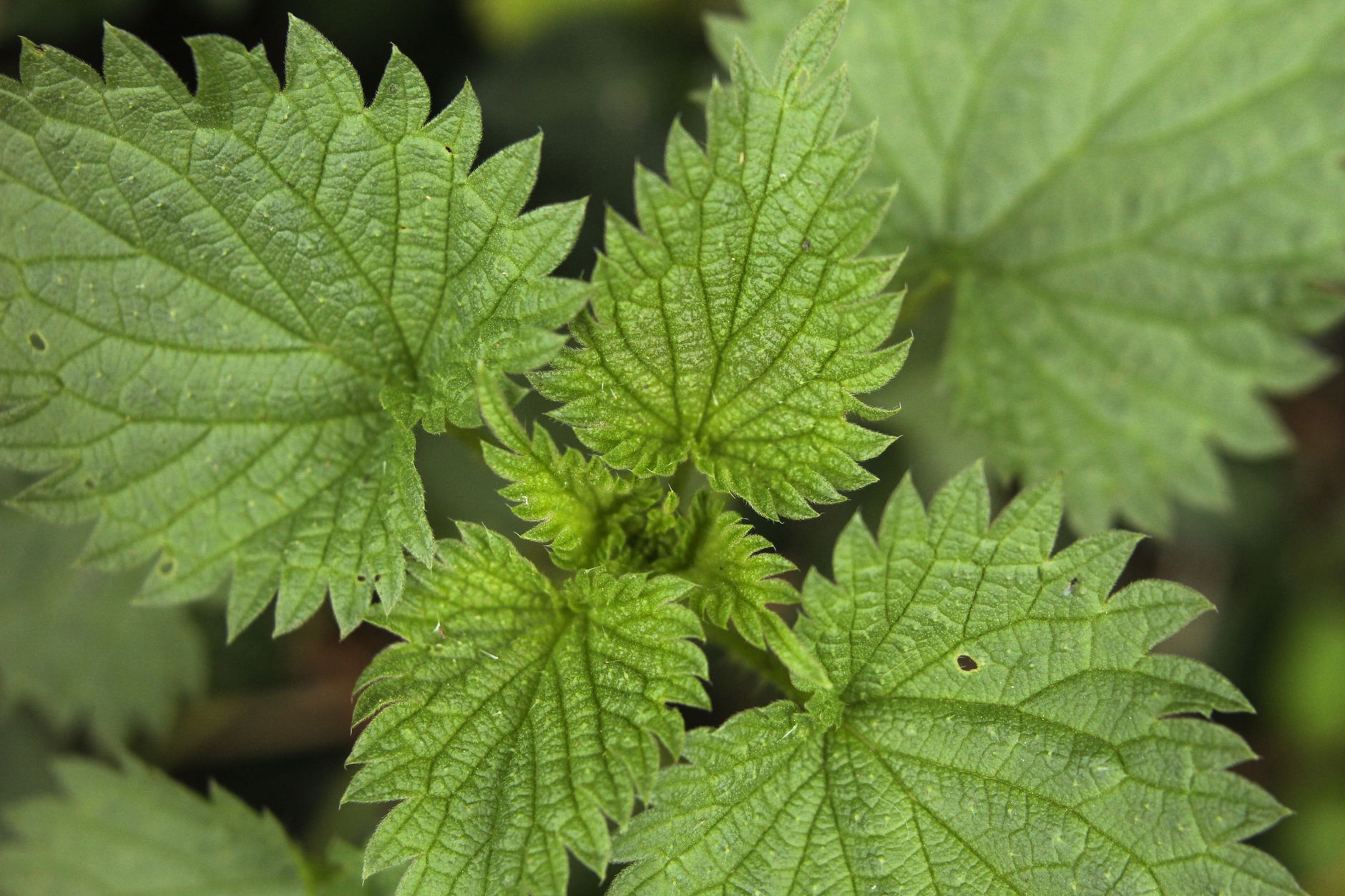
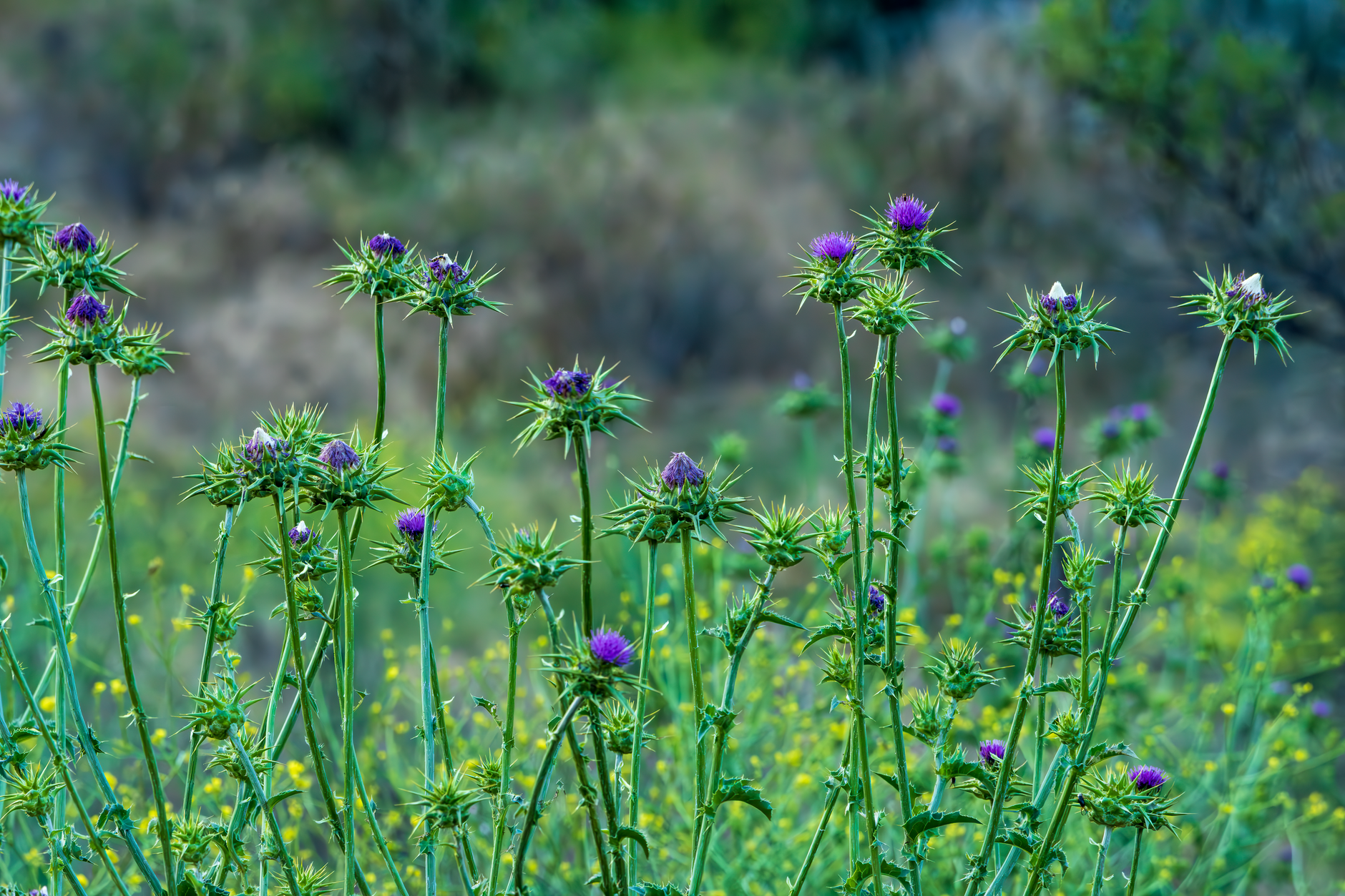
The Cocklebur plant, a member of the Asteraceae (sunflower) family, is a ubiquitous annual herb found across temperate regions worldwide, often thriving in disturbed soils, roadsides, and agricultural fields. While there are several species, Xanthium sibiricum and Xanthium strumarium are the primary species utilized medicinally, particularly their dried fruits, which are traditionally prepared. The plant itself is characterized by its rough, hairy stems, lobed leaves, and, most distinctively, its burred fruits covered in hooked spines, which readily attach to fur and clothing, aiding in seed dispersal – a characteristic that gives the plant its common name, “cocklebur.”
The historical journey of Cocklebur Herb is predominantly rooted in Traditional Chinese Medicine (TCM), where it has been documented for over a thousand years. In TCM, Cang Er Zi is classified as a warm, pungent, and slightly toxic herb, traditionally associated with the lung and liver meridians. Its primary function has been to “dispel wind-cold” and “unblock nasal passages,” making it a cornerstone for treating various respiratory ailments, including chronic rhinitis, sinusitis, and the common cold. Beyond respiratory issues, ancient texts also describe its use for relieving pain, especially rheumatic conditions, and for addressing certain skin afflictions like pruritus and urticaria. This extensive historical application underscores its versatility and effectiveness within a holistic healing framework, paving the way for modern investigations into its underlying pharmacological actions.
The Pharmacological Blueprint: Bioactive Compounds of Cocklebur Herb
The remarkable therapeutic properties of Cocklebur Herb are attributed to a complex symphony of bioactive compounds residing within its fruits, leaves, and stems. Scientific analysis has revealed a rich chemical profile, predominantly comprising sesquiterpene lactones, flavonoids, caffeic acid derivatives, and other volatile compounds. Understanding these constituents is crucial for comprehending the herb’s mechanisms of action.
Among the most significant compounds are the **sesquiterpene lactones**, including xanthatin, xanthumin, xanthol, xanthinin, and xanthium lactone. These compounds are largely responsible for many of Cocklebur Herb’s observed pharmacological activities, particularly its anti-inflammatory, analgesic, and antimicrobial effects. For instance, xanthatin has been extensively studied for its ability to inhibit inflammatory mediators and pathways. It can modulate nitric oxide production, prostaglandin synthesis, and the expression of pro-inflammatory cytokines such as TNF-α and IL-6, thereby reducing inflammatory responses at a cellular level. Similarly, xanthumin contributes to pain relief by interacting with various receptors and pathways involved in nociception.

Beyond sesquiterpene lactones, **flavonoids** like quercetin and kaempferol derivatives are also present. These compounds are renowned for their potent antioxidant properties, helping to neutralize free radicals and reduce oxidative stress, which is a common underlying factor in many chronic diseases. Flavonoids also possess anti-inflammatory and immune-modulating effects, contributing to the herb’s overall therapeutic spectrum. **Caffeic acid derivatives** further enhance its antioxidant capacity and may also play a role in its anti-inflammatory and antiviral activities. Other constituents include fatty acids, alkaloids, and phenolic acids, each contributing to the synergistic effects observed when the whole herb is used. The precise interaction and bioavailability of these compounds are what give Cocklebur Herb its holistic efficacy, moving beyond the impact of any single isolated component.
Comprehensive Health Benefits of Cocklebur Herb
The array of bioactive compounds in Cocklebur Herb translates into a wide spectrum of health benefits, ranging from targeted relief for specific ailments to broader systemic support.
1. Exceptional Relief for Respiratory Ailments: Allergic Rhinitis and Sinusitis
One of the most celebrated and scientifically supported uses of Cocklebur Herb is its profound efficacy in treating respiratory conditions, particularly allergic rhinitis (hay fever) and chronic sinusitis. The herb’s ability to “dispel wind-cold” in TCM terms corresponds to its modern pharmacological actions of reducing inflammation, alleviating congestion, and exhibiting antihistaminic properties. The sesquiterpene lactones, especially xanthatin, actively inhibit the release of histamine from mast cells, thereby reducing the allergic cascade responsible for sneezing, itching, and rhinorrhea. Furthermore, these compounds help to decrease the production of inflammatory cytokines and chemokines in the nasal passages, which are critical drivers of nasal inflammation and congestion in allergic reactions and infections. By reducing swelling and promoting the drainage of mucus, Cocklebur Herb effectively clears blocked sinuses, mitigates nasal discharge, and restores comfortable breathing. This decongestant action is not merely symptomatic relief but addresses the underlying inflammatory processes, offering a more sustainable solution for chronic sufferers.
2. Potent Anti-inflammatory and Analgesic Properties
Beyond respiratory relief, Cocklebur Herb exhibits significant anti-inflammatory and analgesic effects that extend to various parts of the body. Its compounds, particularly xanthatin, have been shown to inhibit key inflammatory enzymes such as cyclooxygenase-2 (COX-2) and lipoxygenase (LOX), similar to how conventional non-steroidal anti-inflammatory drugs (NSAIDs) operate, but potentially with fewer side effects. By suppressing these pathways, the herb effectively reduces the production of prostaglandins and leukotrienes, which are powerful mediators of pain and inflammation. This makes it a valuable natural agent for conditions such as arthritis, myalgia (muscle pain), and other inflammatory musculoskeletal disorders. The analgesic effect is thought to be multifaceted, involving both the reduction of inflammation and direct interaction with pain perception pathways, offering a holistic approach to pain management without the sole reliance on opioids or synthetic anti-inflammatories.
3. Antimicrobial and Antifungal Efficacy
Traditional uses of Cocklebur Herb often included treating various infections, and modern research supports its antimicrobial and antifungal capabilities. Extracts of Xanthium species have demonstrated inhibitory effects against a range of bacteria, including common pathogens like *Staphylococcus aureus*, *Escherichia coli*, and *Pseudomonas aeruginosa*. This antibacterial action is attributed to the disruption of bacterial cell membranes and interference with their metabolic processes by compounds such as xanthatin. Moreover, the herb has shown promise against certain fungal strains, making it potentially useful for treating dermatological fungal infections and other candidal overgrowths. This broad-spectrum activity positions Cocklebur Herb as a natural alternative or adjuvant therapy in managing infectious conditions, particularly those that might exhibit resistance to conventional treatments.

4. Dermatological Benefits: Skin Health and Wound Healing
The anti-inflammatory, antimicrobial, and antioxidant properties of Cocklebur Herb contribute significantly to its utility in dermatological applications. It has been traditionally used to manage various skin conditions such as eczema, psoriasis, pruritus (itching), and urticaria (hives). By reducing inflammation and oxidative stress, the herb can alleviate the redness, swelling, and discomfort associated with these conditions. Its antimicrobial action helps prevent secondary infections in compromised skin, while its ability to modulate immune responses can soothe allergic skin reactions. Some studies also suggest its potential role in accelerating wound healing by promoting cell proliferation and collagen synthesis, making it a valuable ingredient in natural skin care formulations aimed at repair and regeneration. The topical application of prepared extracts or poultices leverages these benefits directly at the site of concern.
5. Promising Anticancer Potential (Research Stage)
Emerging research has shed light on the potential anticancer activities of Cocklebur Herb, particularly its sesquiterpene lactones. Studies have indicated that compounds like xanthatin can induce apoptosis (programmed cell death) in various cancer cell lines, including those of liver, breast, colon, and lung cancers, while often sparing healthy cells. Mechanisms include inhibiting cell proliferation, suppressing angiogenesis (the formation of new blood vessels that feed tumors), and interfering with cell cycle progression. While these findings are largely from *in vitro* (test-tube) and *in vivo* (animal) studies, they highlight a compelling area for future research and drug development. It is crucial to emphasize that Cocklebur Herb is not a proven cancer cure and should not be used as a primary cancer treatment without strict medical supervision. However, its potential as a complementary therapy or a source for novel anticancer agents is a vibrant field of study.
6. Antioxidant Powerhouse
The presence of flavonoids and caffeic acid derivatives imbues Cocklebur Herb with robust antioxidant capabilities. These compounds actively scavenge free radicals, which are unstable molecules that can cause cellular damage, contribute to aging, and increase the risk of chronic diseases. By reducing oxidative stress, Cocklebur Herb helps protect cells and tissues from damage, supports overall cellular health, and potentially mitigates the onset or progression of various degenerative conditions. This antioxidant power is fundamental to many of its other benefits, acting as a foundational support for systemic wellness.
Traditional Preparations and Modern Applications
Historically, Cocklebur Herb (Cang Er Zi) has been predominantly used in traditional medicine as a decoction. The dried fruits are typically processed – often stir-fried with wine or salt to reduce potential toxicity and enhance therapeutic efficacy – and then boiled in water to create a medicinal tea. This decoction is consumed orally for internal conditions like respiratory ailments, or applied topically as a wash for skin issues. Poultices made from the crushed herb have also been used externally for localized pain and inflammation. In TCM, Cang Er Zi is frequently combined with other herbs, such as Magnolia Flower (Xin Yi Hua) for synergistic effects in clearing nasal passages, or with herbs like Licorice Root (Gan Cao) for detoxification and harmonizing purposes.
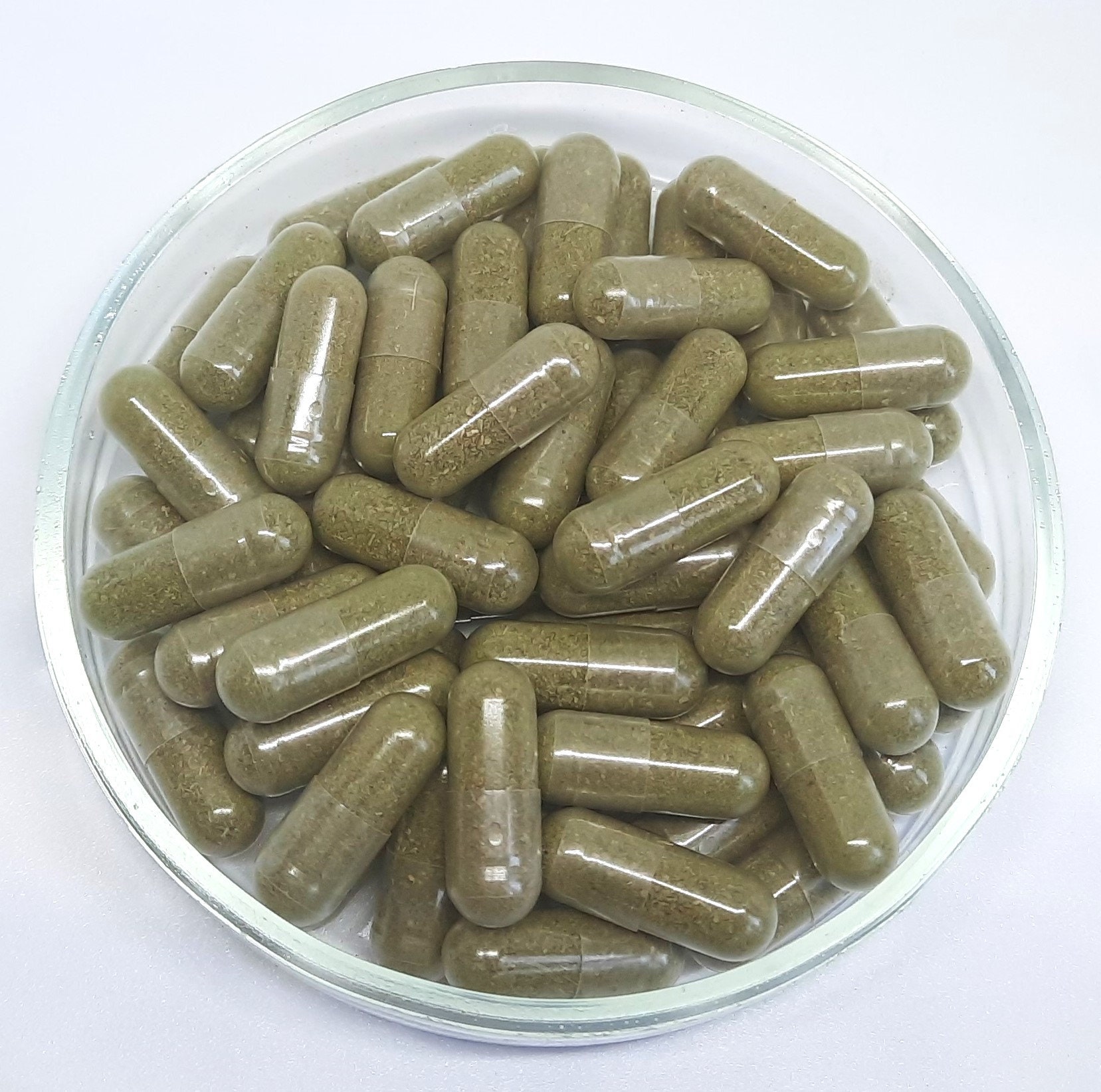
In modern herbalism and nutraceuticals, Cocklebur Herb is available in various forms to cater to contemporary preferences and dosages. Extracts, both liquid and powdered, offer a more concentrated and standardized approach to administration. These extracts can be found in encapsulated forms, making consumption convenient and precise. Tinctures, which are alcohol-based extractions, provide another liquid option for easy dosing. The standardization of these products often aims to quantify the concentration of key bioactive compounds, ensuring consistency in potency. However, it is essential to remember that the “whole herb” approach, as practiced in traditional medicine, often emphasizes the synergistic interplay of all compounds, which might be partially lost in highly fractionated extracts. Nevertheless, modern formulations make the benefits of Cocklebur Herb accessible to a wider audience, facilitating its integration into daily health routines under proper guidance.
Safety, Dosage, and Important Considerations
While Cocklebur Herb offers a wealth of benefits, it is crucial to approach its use with informed caution. The plant, particularly its seeds and young sprouts, contains compounds like carboxyatractyloside and xanthostrumarin, which can be toxic if consumed in large quantities or in improper preparations. Unprocessed Cocklebur can lead to liver damage, nephrotoxicity, gastrointestinal upset, and in severe cases, even death. This highlights the absolute necessity of using professionally prepared and processed forms of the herb.
In Traditional Chinese Medicine, the fruits of *Xanthium sibiricum* are typically stir-fried (chao) to reduce their toxicity and enhance their therapeutic properties. The typical dosage for dried, processed Cang Er Zi in decoction ranges from 3-9 grams per day, depending on the specific condition, the individual’s constitution, and the practitioner’s recommendation. For modern encapsulated extracts, dosages will vary widely based on concentration and should strictly adhere to manufacturer guidelines or the advice of a qualified healthcare practitioner.
Contraindications include pregnancy and breastfeeding, as the safety profile for these groups has not been established. Individuals with pre-existing liver conditions should avoid Cocklebur Herb due to its potential hepatotoxicity. It may also interact with certain medications, including anticoagulants and anti-diabetic drugs, necessitating a thorough consultation with a healthcare professional before use. Symptoms of toxicity can include nausea, vomiting, abdominal pain, drowsiness, and jaundice. Discontinue use immediately and seek medical attention if any adverse reactions occur. Always source Cocklebur Herb products from reputable suppliers who can guarantee proper processing and quality control, ensuring that the benefits are realized without undue risk.
Conclusion: Embracing the Enduring Legacy of Cocklebur Herb
Cocklebur Herb, or Cang Er Zi, stands as a testament to the enduring power of natural medicine, bridging ancient wisdom with contemporary scientific understanding. Its rich array of bioactive compounds, particularly the sesquiterpene lactones, underpins its well-documented efficacy in addressing a range of health concerns, most notably allergic rhinitis, sinusitis, and various inflammatory conditions. The herb’s antimicrobial, antioxidant, and even emerging anticancer properties further solidify its position as a valuable botanical asset in the pursuit of holistic well-being.
However, the journey with Cocklebur Herb must be undertaken with respect for its potent nature and potential toxicities. Proper processing, informed dosing, and professional guidance are paramount to harnessing its therapeutic benefits safely and effectively. As research continues to unravel the intricate mechanisms of this versatile plant, Cocklebur Herb promises to remain a subject of fascination and a source of natural relief for those who seek to integrate traditional remedies into a modern health paradigm. By embracing this powerful herb responsibly, we can unlock its full potential and contribute to a deeper appreciation of nature’s profound healing capabilities.
Disclaimer: For informational purposes only. Not medical advice. Consult a qualified healthcare professional before use.