The Comprehensive Guide to Horseradish: Exploring the Scientific Prowess and Therapeutic Potency of Armoracia rusticana
Horseradish (Armoracia rusticana) is far more than a pungent condiment served alongside roast beef or integrated into cocktail sauces. For centuries, this perennial plant of the Brassicaceae family—sharing a lineage with broccoli, cabbage, and mustard—has been revered by herbalists and clinical researchers alike for its profound medicinal properties. Characterized by its long, tapered white root and large, coarse green leaves, horseradish represents a concentrated source of bioactive secondary metabolites. These compounds, specifically glucosinolates, provide the plant with its signature “heat” and its formidable ability to combat pathogens, reduce inflammation, and support systemic health. This guide serves as an exhaustive deep-dive into the botanical, chemical, and therapeutic dimensions of horseradish, providing a professional overview of why this root remains a cornerstone of natural pharmacology.
Botanical Characteristics and Ecological Origins
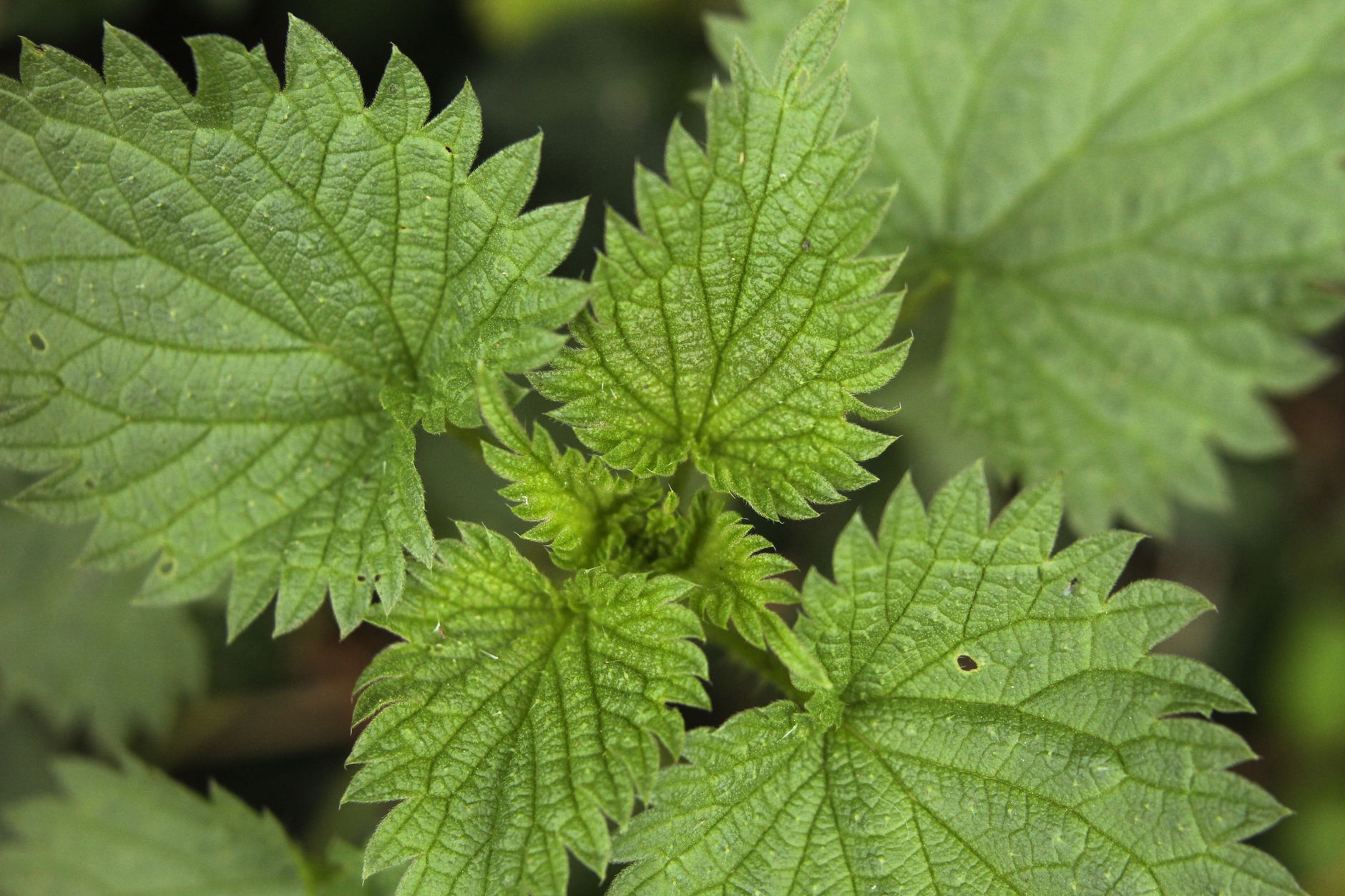
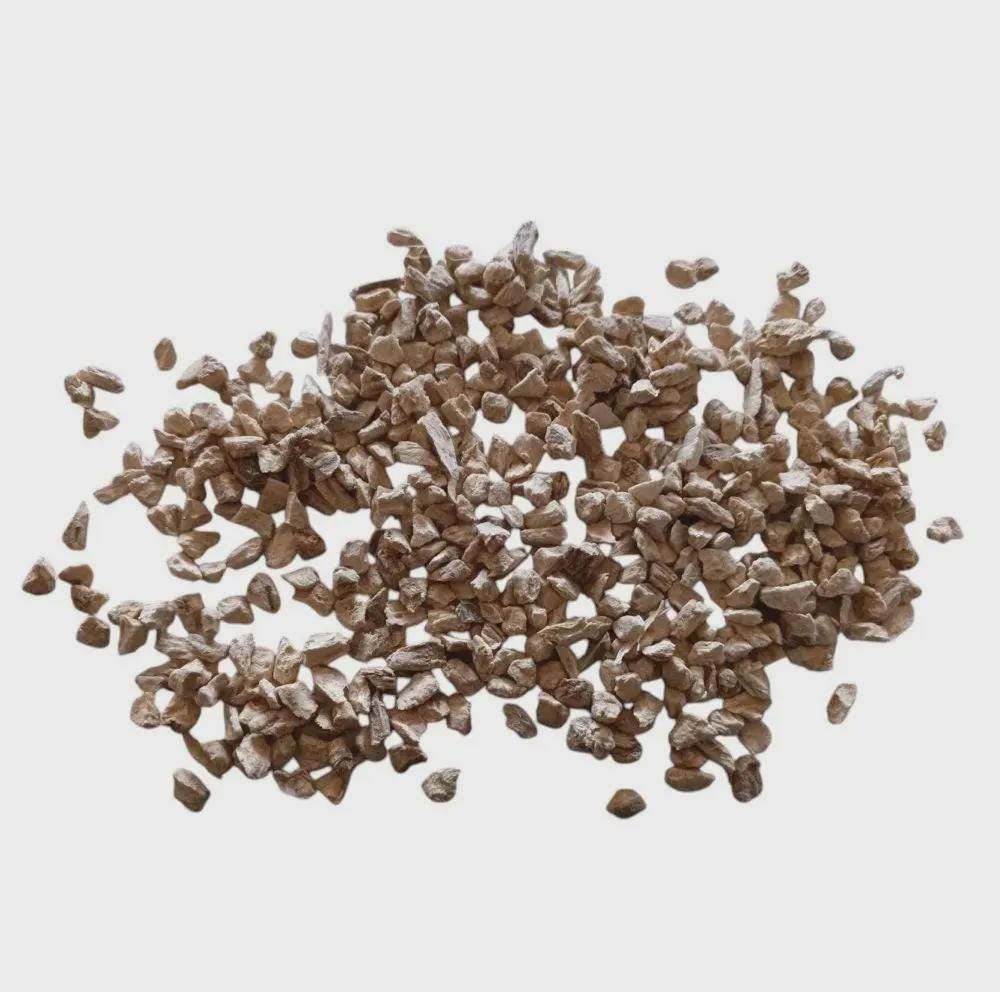
The botanical profile of horseradish is as robust as its flavor. Native to Southeastern Europe and Western Asia, Armoracia rusticana is an incredibly hardy plant that thrives in temperate climates. It features a deep-reaching taproot system that can penetrate several feet into the soil, allowing the plant to accumulate a rich array of minerals and nutrients from the earth. The leaves can grow up to a meter in height, but the true medicinal treasure lies beneath the surface. The root itself is relatively odorless until it is bruised, cut, or grated. This physical disruption triggers an enzymatic reaction that releases the volatile oils responsible for the plant’s therapeutic efficacy. Understanding the plant’s morphology is essential for recognizing how it concentrates its active ingredients during the growing season, typically harvested in the late autumn or early spring when the concentration of glucosinolates is at its peak.
The Complex Chemistry of Horseradish: Glucosinolates and Isothiocyanates
The health benefits of horseradish are primarily derived from its unique chemical composition, dominated by a group of sulfur-containing compounds known as glucosinolates. The most prominent glucosinolate in horseradish is sinigrin. When the root cells are ruptured, an enzyme called myrosinase comes into contact with sinigrin, hydrolyzing it into allyl isothiocyanate (AITC). This volatile compound is the primary agent behind the “sinus-clearing” effect of the plant. Unlike the capsaicin in chili peppers, which stimulates heat receptors in the mouth, AITC targets the TRPA1 receptors in the nasal passages and lungs, facilitating an immediate physiological response. Beyond sinigrin, horseradish contains gluconasturtiin and significant levels of Vitamin C, potassium, calcium, and magnesium, all of which contribute to its antioxidant capacity.
From a molecular perspective, allyl isothiocyanate is a potent electrophile. It interacts with various cellular pathways to induce a protective response against oxidative stress and microbial invasion. Research indicates that these isothiocyanates can influence phase II detoxification enzymes in the liver, helping the body to neutralize and excrete carcinogens and environmental toxins. The concentration of these compounds in horseradish is significantly higher—up to ten times more—than in other cruciferous vegetables like broccoli, making it an exceptionally dense source of chemopreventive agents. The synergy between these phytochemicals and the plant’s mineral content creates a multifaceted therapeutic profile that supports the immune, respiratory, and urinary systems.
Respiratory Health and Sinusitis Management
One of the most clinically recognized uses of horseradish is in the treatment of respiratory ailments. Because allyl isothiocyanate is volatile, it travels through the respiratory tract quickly upon ingestion. This action stimulates the mucous membranes, thinning thick mucus and promoting its expulsion—a process known as expectoration. For individuals suffering from chronic sinusitis, bronchitis, or the common cold, horseradish acts as a natural decongestant. By increasing blood flow to the respiratory tissues and thinning secretions, it helps to clear blocked airways and reduce the pressure associated with sinus infections. Furthermore, its antimicrobial properties ensure that it doesn’t just treat the symptoms but also addresses the underlying bacterial or viral load.
Historical Context and Traditional Medicine
The history of horseradish spans thousands of years, with mentions in Egyptian records dating back to 1500 BCE. The Ancient Greeks utilized it as a rub for lower back pain and as an aphrodisiac, while in the Middle Ages, it gained prominence in Central Europe as a treatment for scurvy due to its high Vitamin C content. In traditional Jewish culture, horseradish is used during the Passover Seder as a “bitter herb,” symbolizing the harshness of slavery. However, beyond its symbolic use, it was a staple in “Four Thieves Vinegar” and other medieval tinctures used to ward off the plague and other infectious diseases. This deep historical usage underscores a long-standing human recognition of the plant’s potent antibacterial and preservative qualities.
Antibacterial and Urinary Tract Benefits
Horseradish is a powerful natural antibiotic. Numerous laboratory studies have demonstrated that its volatile oils are effective against a wide range of pathogenic bacteria, including Escherichia coli, Staphylococcus aureus, and Salmonella typhimurium. One of the most effective applications of horseradish is in the management of urinary tract infections (UTIs). The active compounds are excreted through the urine, where they exert an antimicrobial effect directly on the bladder and urinary tract lining. In Germany, a standardized combination of horseradish root and nasturtium herb is an approved medical treatment for acute and recurrent UTIs, often serving as a viable alternative to synthetic antibiotics for uncomplicated infections. This prevents the disruption of the gut microbiome typically associated with pharmaceutical antibiotics while effectively clearing the infection.
Antioxidant Properties and Cancer Prevention
Modern oncology has taken a keen interest in the glucosinolates found in horseradish. These compounds are precursors to isothiocyanates, which have been shown to inhibit the growth of cancer cells and induce apoptosis (programmed cell death) in various tumor lines. Specifically, research into lung, colon, and stomach cancers suggests that regular consumption of horseradish may lower the risk of malignancy. The high levels of peroxidase enzymes in the root also play a role in neutralizing free radicals. Peroxidase is an enzyme that breaks down hydrogen peroxide, a metabolic byproduct that can cause DNA damage if left unchecked. By enhancing the body’s internal antioxidant defenses, horseradish helps maintain cellular integrity and long-term health.
The Rise of Horseradish Supplements and Capsules
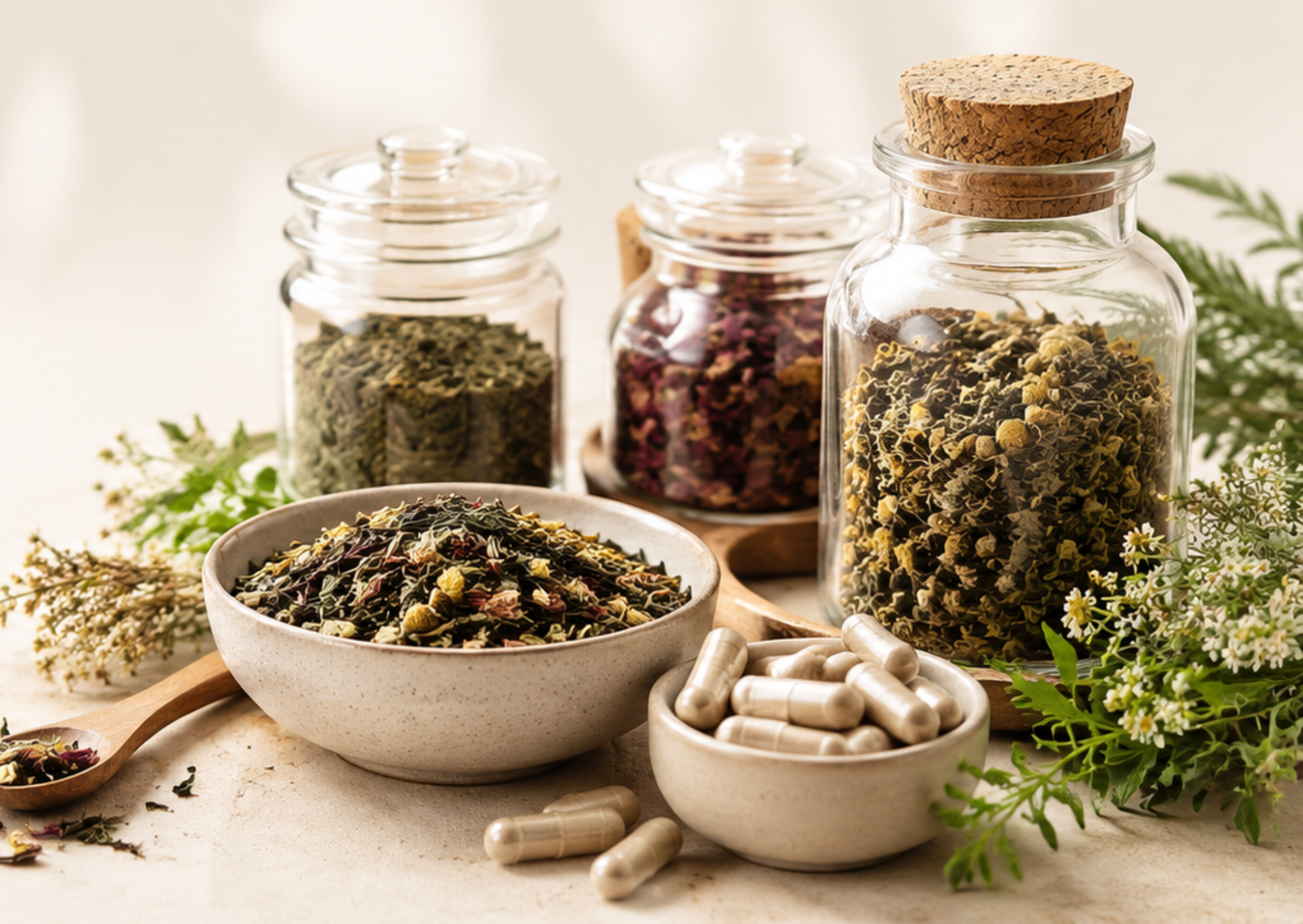
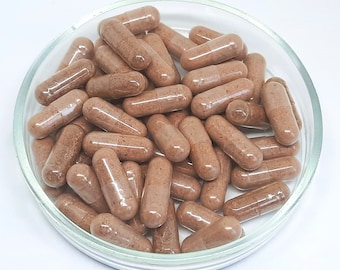
While fresh horseradish root is highly effective, its intense heat and short shelf life make it difficult for some individuals to consume regularly. This has led to the development of horseradish capsules and supplements. These products are often standardized to contain specific levels of glucosinolates, ensuring a consistent therapeutic dose without the overwhelming sensory experience of eating the raw root. Capsules are particularly beneficial for those using horseradish for chronic conditions like sinusitis or urinary tract support, as they allow for precise dosing and can be combined with other herbs like garlic or vitamin C for enhanced immune support. When selecting a supplement, it is vital to choose products that utilize freeze-drying or low-heat processing, as high temperatures can denature the myrosinase enzyme and reduce the efficacy of the sinigrin conversion.
Digestive Health and Metabolic Support
In traditional herbalism, horseradish is classified as a “digestive stimulant.” Its pungent flavor stimulates the production of saliva and gastric juices, which are essential for the efficient breakdown of proteins and fats. For individuals with a sluggish digestive system, a small amount of horseradish before a heavy meal can prevent bloating and indigestion. Furthermore, some studies suggest that the compounds in horseradish may influence thermogenesis—the process by which the body burns calories to produce heat. While not a “weight loss miracle,” its ability to stimulate circulation and metabolic activity makes it a valuable addition to a health-conscious diet. It also acts as a mild diuretic, helping the body flush out excess fluids and reduce edema without depleting essential electrolytes.
Anti-Inflammatory and Analgesic Effects
Topical and internal applications of horseradish have long been used to manage pain. When applied as a poultice, the root acts as a rubefacient, meaning it increases local blood circulation to the skin’s surface. This creates a warming sensation that can soothe sore muscles and arthritic joints. Internally, the anti-inflammatory properties of isothiocyanates help to reduce systemic inflammation. Chronic inflammation is a known driver of many modern diseases, including cardiovascular disease and autoimmune disorders. By modulating inflammatory cytokines, horseradish contributes to a more balanced immune response. This dual action—stimulating the immune system to fight pathogens while cooling chronic inflammation—highlights the adaptogenic-like qualities of this potent root.
Practical Usage, Dosage, and Culinary Integration
Integrating horseradish into a daily routine can be done through various methods. For culinary use, fresh grating is always superior, as the volatile oils dissipate quickly once the root is exposed to air. To preserve the heat, one can add vinegar to the grated root immediately, which stabilizes the isothiocyanates. In terms of therapeutic dosage, most traditional protocols suggest 1/2 to 1 teaspoon of freshly grated root two to three times per day for acute respiratory or urinary issues. For those using capsules, following the manufacturer’s guidance (typically 500mg to 1000mg daily) is recommended. It is important to drink plenty of water when consuming horseradish to assist the kidneys in flushing the active compounds through the urinary system.

Safety Considerations and Contraindications
While horseradish is generally safe for most people when consumed in culinary amounts, its high potency requires caution in specific contexts. Due to its intense stimulating effect on the digestive tract, individuals with stomach ulcers, acid reflux, or inflammatory bowel diseases (like Crohn’s or Ulcerative Colitis) should avoid concentrated doses. Furthermore, horseradish contains small amounts of goitrogens, which can interfere with iodine uptake in the thyroid if consumed in massive quantities over long periods. Those with hypothyroidism should consult a healthcare provider before starting a daily supplement regimen. Finally, because of its diuretic and stimulant properties, it is generally advised that pregnant or nursing women avoid medicinal doses, although standard culinary use is typically considered safe.
Conclusion: The Enduring Value of the Horseradish Root
Horseradish stands as a testament to the power of plant-based medicine. Its ability to bridge the gap between a simple kitchen ingredient and a potent pharmacological agent is rare. From its sinus-clearing volatile oils to its cancer-fighting glucosinolates and its ability to treat resistant urinary tract infections, Armoracia rusticana offers a wealth of benefits for the modern health seeker. Whether consumed as a fresh condiment, a dried herb in teas, or a standardized capsule, horseradish remains one of nature’s most effective tools for maintaining respiratory clarity, microbial balance, and cellular health. As research continues to uncover the nuances of its biochemical pathways, the respect for this humble, pungent root is only set to grow in the global medical community.
Disclaimer: For informational purposes only. Not medical advice. Consult a qualified healthcare professional before use.