Hawthorn Berry: An Exhaustive Guide to Its Profound Health Benefits for Heart and Beyond
In the vast pantheon of natural remedies, few herbs command as much reverence and scientific attention as the Hawthorn Berry. Revered for centuries across diverse cultures, this humble fruit of the Crataegus species has earned its reputation as the ultimate “heart herb.” From ancient folk medicine to modern clinical trials, Hawthorn’s capacity to nurture and strengthen the cardiovascular system stands as its most celebrated attribute, yet its benefits extend far beyond the confines of cardiac support. This comprehensive guide will embark on a definitive deep-dive into the multifaceted health advantages of Hawthorn Berry, meticulously exploring its rich historical context, its complex array of bioactive compounds, the intricate mechanisms through which it exerts its therapeutic effects, and practical strategies for incorporating this powerful botanical into a holistic wellness regimen.
The Enduring Legacy of Hawthorn: Botanical Profile and Historical Roots
Hawthorn refers to a genus of shrubs and small trees belonging to the Rosaceae family, scientifically known as Crataegus. With hundreds of species found predominantly in temperate regions of North America, Europe, and Asia, the most commonly used medicinal varieties include Crataegus monogyna (common hawthorn) and Crataegus laevigata (midland hawthorn), though other species like Crataegus pinnatifida are also widely recognized, especially in traditional Chinese medicine. These resilient plants are characterized by their thorny branches, lobed leaves, white or pink blossoms that appear in spring, and the distinctive small, reddish-orange berries (haws) that ripen in late summer and autumn.
The historical reverence for Hawthorn is truly global and spans millennia. In Traditional Chinese Medicine (TCM), the berries, known as “Shan Zha,” have been utilized for digestive disorders, particularly those related to meat consumption, as well as for invigorating blood circulation and dispelling blood stasis, which aligns with modern understanding of its cardiovascular effects. European folk medicine, stretching back to the Roman Empire, championed Hawthorn as a remedy for heart ailments, digestive complaints, and even as a mild sedative. Medieval herbalists like Culpeper noted its benefits for the heart and circulation. Indigenous cultures in North America also incorporated Hawthorn into their medicinal practices, using various parts of the plant for heart conditions, digestive issues, and as a food source. Beyond medicine, Hawthorn trees hold significant cultural symbolism, often associated with protection, fertility, and enchantment in Celtic and other European mythologies, further cementing its deep roots in human history.

Unlocking Hawthorn’s Bioactive Powerhouse: Key Phytochemicals and Their Mechanisms
The therapeutic efficacy of Hawthorn Berry is not attributable to a single compound but rather to a complex synergy of diverse phytochemicals, predominantly concentrated in its leaves, flowers, and berries. Understanding these active constituents provides crucial insight into the herb’s profound physiological effects.
Flavonoids and Proanthocyanidins: The Cardiovascular Guardians
-
Oligomeric Proanthocyanidins (OPCs): These powerful antioxidants are perhaps the most significant class of compounds in Hawthorn. OPCs, including epicatechin, procyanidins, and their oligomers, are potent free radical scavengers. Their mechanism involves directly neutralizing reactive oxygen species, thereby reducing oxidative stress on vascular tissues. This protection is critical for maintaining endothelial integrity, which is the inner lining of blood vessels, essential for proper vasodilation and preventing the initiation of atherosclerosis. OPCs also contribute to the anti-inflammatory effects of Hawthorn, modulating inflammatory pathways that can damage the cardiovascular system.
-
Flavonoids (e.g., Vitexin, Rutin, Quercetin, Hyperoside): These are another prominent group of polyphenolic compounds. Flavonoids in Hawthorn contribute significantly to its antioxidant and anti-inflammatory profile. They work by inhibiting enzymes involved in inflammatory cascades and by directly scavenging free radicals. More specifically for cardiovascular health, flavonoids can help relax blood vessels by increasing the bioavailability of nitric oxide (NO), a crucial vasodilator. Vitexin, in particular, has been studied for its ability to improve coronary blood flow and strengthen heart muscle contractions (positive inotropic effect) without significantly increasing heart rate, making it beneficial for conditions like mild congestive heart failure. Rutin and quercetin further enhance capillary strength and reduce permeability, improving microcirculation and reducing edema.
Triterpenes: Anti-inflammatory and Cardioprotective
-
Ursolic Acid and Oleanolic Acid: These triterpenoid compounds are found in various medicinal plants and contribute to Hawthorn’s therapeutic spectrum. They possess significant anti-inflammatory properties by inhibiting key enzymes like cyclooxygenase (COX) and lipoxygenase (LOX), which are involved in prostaglandin and leukotriene synthesis, respectively. In the context of cardiovascular health, their anti-inflammatory action helps to mitigate chronic inflammation within the arterial walls, a known precursor to atherosclerosis. Some research also suggests triterpenes may exert mild hypotensive effects and offer protection against myocardial damage, though their role is often synergistic with the more dominant flavonoids.
Phenolic Acids: Complementary Antioxidant Support
-
Caffeic Acid and Chlorogenic Acid: These phenolic acids are additional contributors to Hawthorn’s impressive antioxidant capacity. Similar to flavonoids, they help protect cells from oxidative damage, which is fundamental to preventing age-related decline and chronic diseases, including cardiovascular conditions. Chlorogenic acid, in particular, has been investigated for its potential to modulate glucose and lipid metabolism, offering complementary support for metabolic health, which is intrinsically linked to cardiovascular well-being.
The combined action of these diverse compounds underscores Hawthorn’s holistic approach to cardiovascular health. They work in concert to protect the heart and blood vessels from oxidative stress, reduce inflammation, improve circulation, and enhance cardiac contractility, making it a truly remarkable botanical ally.

The Comprehensive Health Benefits of Hawthorn Berry
Hawthorn Berry’s therapeutic impact is predominantly centered on the cardiovascular system, but its rich phytochemical profile also confers benefits to other bodily systems.
I. Cardiovascular Health – The Unrivaled Heart Tonic
Hawthorn’s reputation as a premier heart tonic is firmly supported by extensive research and centuries of traditional use. Its multifaceted action targets several key aspects of cardiovascular function.
A. Supporting Healthy Blood Pressure Regulation
One of Hawthorn’s most celebrated benefits is its ability to contribute to the maintenance of healthy blood pressure levels. This effect is achieved through several intricate mechanisms. Firstly, Hawthorn promotes vasodilation, the widening of blood vessels, primarily by enhancing the production and bioavailability of nitric oxide (NO) within endothelial cells. Nitric oxide is a critical signaling molecule that signals smooth muscle cells in arterial walls to relax, leading to reduced peripheral vascular resistance and, consequently, lower blood pressure. Secondly, some studies suggest that Hawthorn may exert a mild angiotensin-converting enzyme (ACE) inhibitory effect. ACE inhibitors are a class of pharmaceutical drugs that prevent the conversion of angiotensin I to angiotensin II, a potent vasoconstrictor, thus relaxing blood vessels and lowering blood pressure. While not as potent as pharmaceutical ACE inhibitors, this mild action contributes to Hawthorn’s overall hypotensive properties. Additionally, certain compounds in Hawthorn may possess a mild diuretic effect, helping the body excrete excess sodium and water, which can further contribute to blood pressure reduction, particularly in individuals sensitive to fluid retention.
B. Enhancing Cardiac Function and Circulation
Hawthorn is renowned for its positive inotropic effects, meaning it can strengthen the force of heart muscle contractions without significantly increasing heart rate or oxygen demand, which is a critical distinction from some conventional cardiac medications. This enhanced contractility improves the heart’s pumping efficiency, leading to better circulation throughout the body. Furthermore, Hawthorn improves coronary blood flow, ensuring that the heart muscle itself receives an adequate supply of oxygen and nutrients. This improved myocardial perfusion is vital for cardiac health and can be particularly beneficial for individuals experiencing symptoms of mild angina or those with compromised coronary circulation. Clinical trials have shown Hawthorn extracts to be effective in improving symptoms and exercise tolerance in patients with early-stage congestive heart failure (CHF), reducing fatigue, shortness of breath, and palpitations by supporting the heart’s overall function and mitigating associated symptoms.
C. Regulating Cholesterol and Lipid Levels
Beyond its direct impact on blood pressure and heart function, Hawthorn also offers benefits for lipid metabolism, contributing to healthier cholesterol profiles. The potent antioxidant compounds, particularly flavonoids and proanthocyanidins, play a crucial role here by protecting low-density lipoprotein (LDL) cholesterol from oxidation. Oxidized LDL is a highly atherogenic particle, meaning it contributes significantly to the formation of plaque in arteries. By preventing LDL oxidation, Hawthorn helps to reduce the risk of atherosclerosis and subsequent cardiovascular events. Moreover, some animal and preliminary human studies indicate that Hawthorn may influence lipid synthesis and excretion, potentially leading to reductions in total cholesterol, LDL cholesterol, and triglycerides, while supporting healthy high-density lipoprotein (HDL) cholesterol levels. This comprehensive approach to lipid management underscores Hawthorn’s utility in a preventative cardiovascular strategy.
D. Potent Antioxidant & Anti-Inflammatory Properties for Vascular Health
The cardiovascular benefits of Hawthorn are intricately linked to its superior antioxidant and anti-inflammatory capabilities. Oxidative stress, characterized by an imbalance between free radicals and the body’s ability to detoxify them, is a major contributor to endothelial dysfunction, arterial stiffness, and the development of atherosclerosis. Hawthorn’s rich array of flavonoids, OPCs, and phenolic acids efficiently scavenges these harmful free radicals, protecting cellular structures, particularly the delicate endothelial lining of blood vessels, from damage. Simultaneously, chronic low-grade inflammation within arterial walls is a key driver of cardiovascular disease progression. Hawthorn’s anti-inflammatory compounds help to modulate inflammatory pathways, reducing the inflammatory burden on the vascular system. By mitigating both oxidative stress and inflammation, Hawthorn helps to preserve the structural integrity and functional elasticity of blood vessels, ensuring optimal blood flow and reducing the risk of plaque formation and other vascular pathologies.
II. Digestive System Support
While often overshadowed by its cardiac applications, Hawthorn has a long history of use in traditional medicine for digestive ailments. In TCM, “Shan Zha” is a renowned digestive aid, particularly for breaking down fatty and protein-rich foods and alleviating indigestion, bloating, and abdominal distension. The berries contain dietary fiber, which supports healthy bowel movements and microbiota diversity. The flavonoids and other polyphenols may also exert a beneficial influence on the gut microbiome, promoting a healthy balance of bacteria crucial for optimal digestion and nutrient absorption. Hawthorn’s mild bitter compounds can stimulate digestive enzymes and bile flow, further assisting the breakdown of food and easing digestive discomfort after meals.
III. Anxiety and Stress Reduction
Beyond its physical effects, Hawthorn has also been traditionally employed as a nervine, an herb that calms the nervous system. While not a potent sedative, it is believed to exert mild anxiolytic (anxiety-reducing) effects. This may be partly due to its general ability to improve cardiovascular function, as a healthier heart can contribute to a greater sense of calm and well-being. Additionally, some research suggests that certain compounds in Hawthorn may interact with neurotransmitter systems, such as GABA (gamma-aminobutyric acid), which is involved in regulating nerve excitability and promoting relaxation. For individuals experiencing mild anxiety, nervous tension, or stress-related palpitations, Hawthorn may offer a gentle and supportive calming effect without the strong sedative properties of some other herbal remedies.
IV. Broad-Spectrum Anti-inflammatory and Antioxidant Effects
The powerful antioxidant and anti-inflammatory properties of Hawthorn are not exclusive to the cardiovascular system; they contribute to overall health and disease prevention throughout the body. By reducing systemic oxidative stress, Hawthorn helps protect cells and tissues from damage that underlies numerous chronic diseases, including certain neurodegenerative conditions, metabolic disorders, and even the aging process itself. Its anti-inflammatory compounds can help to alleviate inflammatory responses in various tissues, potentially benefiting conditions characterized by chronic inflammation. This broad-spectrum protective action underscores Hawthorn’s role as a general tonic for maintaining cellular health and resilience.
V. Skin Health Support
The antioxidant capabilities of Hawthorn Berry also extend to skin health. By neutralizing free radicals generated by environmental stressors like UV radiation and pollution, Hawthorn compounds can help protect skin cells from oxidative damage, which is a primary factor in premature skin aging, including the formation of wrinkles and age spots. Its anti-inflammatory properties can also help soothe irritated skin and reduce redness. Furthermore, improved microcirculation, a benefit of Hawthorn, ensures better delivery of nutrients and oxygen to skin cells, promoting a healthier complexion and supporting the skin’s natural regeneration processes. Some cosmetic formulations have begun to incorporate Hawthorn extracts for these protective and rejuvenating properties.
Practical Applications and Forms of Hawthorn Berry
Hawthorn Berry is versatile and can be incorporated into a wellness routine in several forms, each offering distinct advantages.
A. Dried Berries and Herbs for Teas and Tinctures
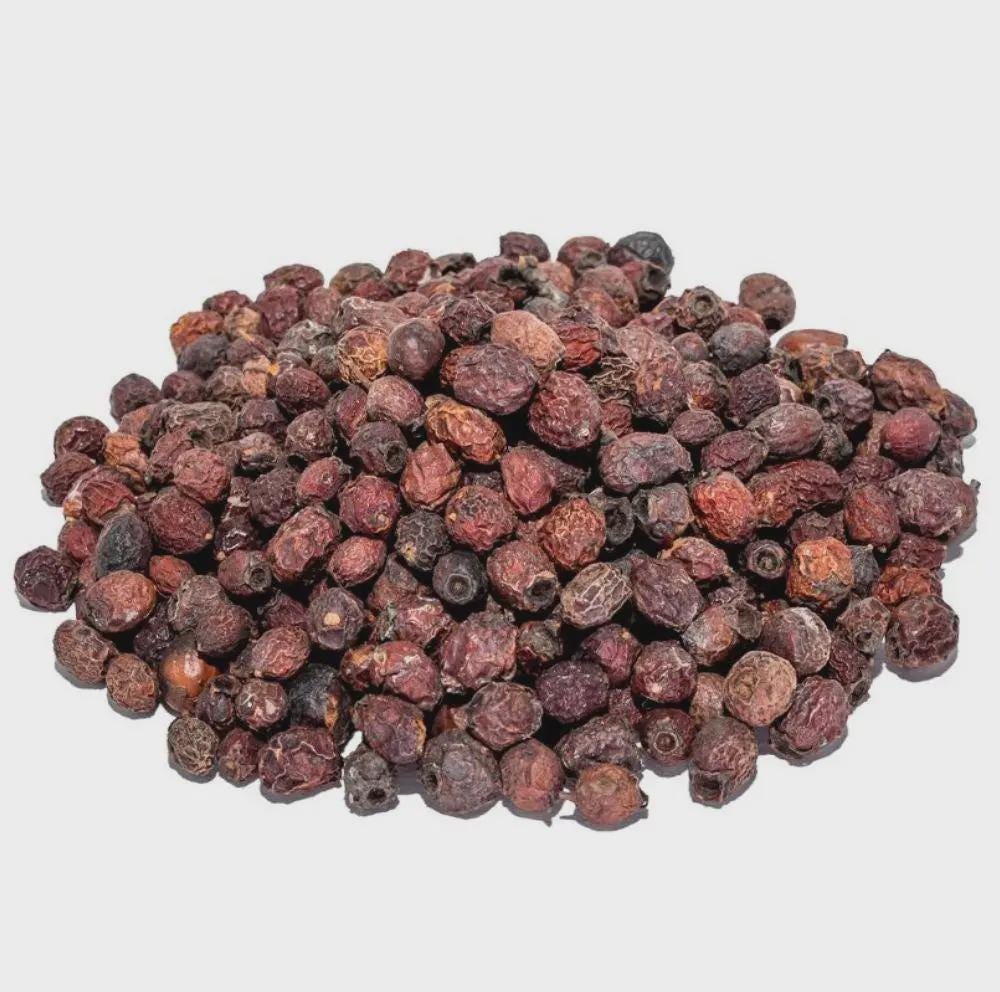
One of the most traditional ways to consume Hawthorn is in its dried form. The dried berries, leaves, and flowers can be brewed into a healthful tea. A strong infusion, typically made by steeping 1-2 teaspoons of dried herb per cup of hot water for 10-15 minutes, can be consumed 2-3 times daily. Teas offer a gentle and traditional way to receive the herb’s benefits, allowing for the slow extraction of water-soluble compounds. For a more concentrated form, a tincture can be prepared by macerating the dried herb in alcohol, extracting a broader spectrum of compounds, including those less soluble in water. Tinctures are potent and convenient, typically taken in drops or small doses mixed with water.
B. Standardized Extracts and Supplements
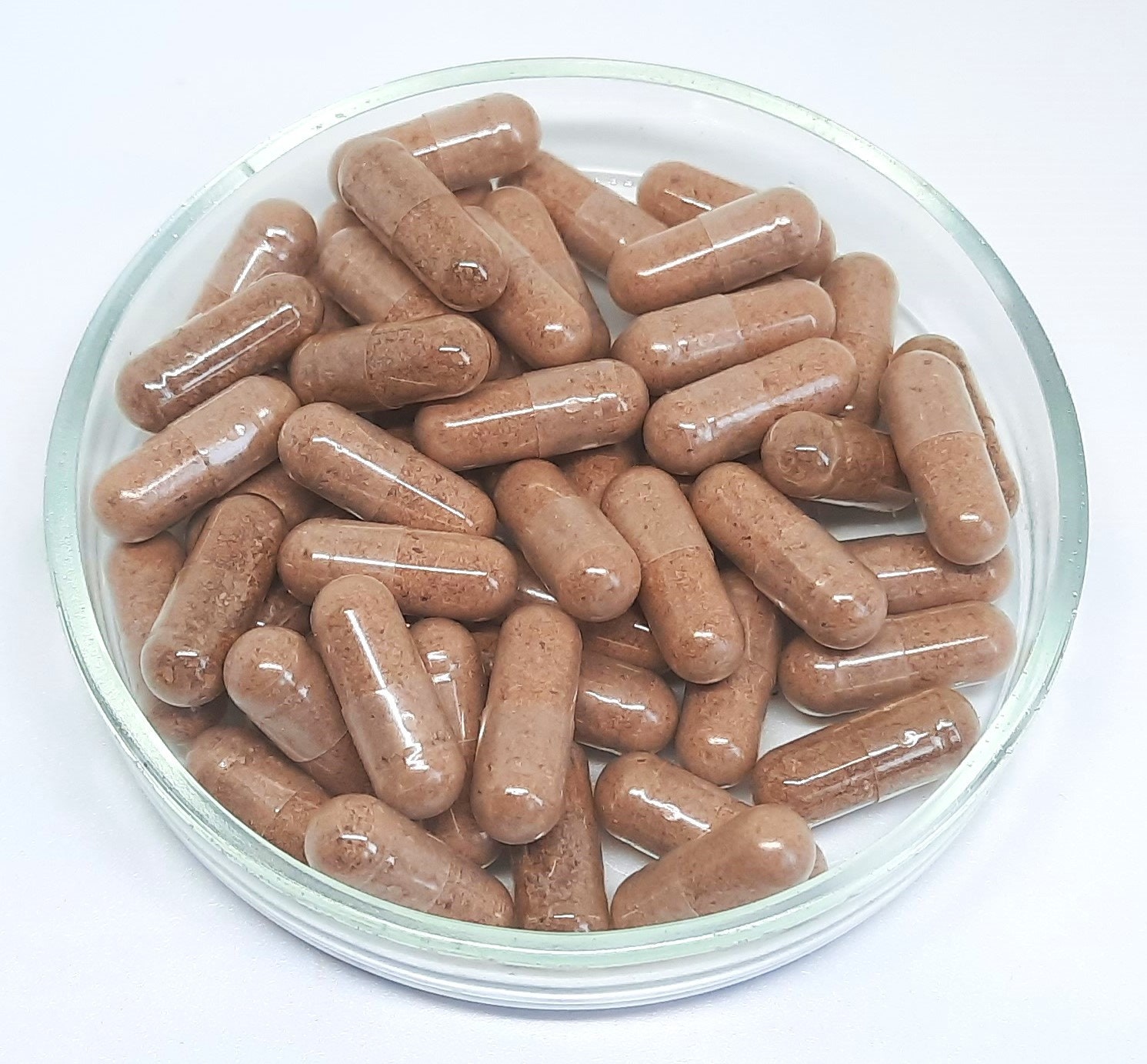
For therapeutic consistency and convenience, standardized Hawthorn extracts are widely available in capsule or tablet form. These extracts are often standardized to contain a specific percentage of active compounds, such as 1.5-2.2% flavonoids or 18-20% oligomeric proanthocyanidins (OPCs). Standardization ensures that each dose delivers a consistent amount of the key beneficial compounds, which is particularly important for managing chronic conditions like mild congestive heart failure where precise dosing has been studied. These supplements offer a practical way to ensure a consistent intake of Hawthorn’s active ingredients, making them a preferred choice for many seeking targeted cardiovascular support.
C. Culinary Uses
Beyond medicinal applications, Hawthorn berries are also edible and can be enjoyed in various culinary preparations. Their tart and tangy flavor makes them suitable for jams, jellies, preserves, sauces, and even fruit leathers. In some cultures, Hawthorn berries are used to make wines, liqueurs, or fermented beverages. While culinary uses may not deliver the same concentrated therapeutic doses as standardized extracts, they offer a delicious way to enjoy the general health benefits and unique flavor of this remarkable fruit.
Dosage, Safety, and Potential Considerations
While Hawthorn is generally considered safe for most people when taken appropriately, it is crucial to approach its usage with awareness and, ideally, under the guidance of a healthcare professional, especially for those with existing medical conditions or those taking other medications.
General Dosage Recommendations:
- Standardized Extracts: Common dosages range from 160-900 mg per day, divided into 2-3 doses. Extracts are often standardized to contain 1.5-2.2% flavonoids or 18-20% OPCs. For mild to moderate congestive heart failure, studies have often used doses around 300 mg three times daily of an extract standardized to 1.8% vitexin.
- Dried Berries/Leaves/Flowers (Tea): 1-2 teaspoons per cup, steeped for 10-15 minutes, 2-3 times daily.
- Tincture: Typically 1-4 ml, 2-3 times daily, depending on concentration.
It’s important to note that the effects of Hawthorn often take time to become apparent, usually several weeks to a few months, due to its gentle and cumulative action. Consistency is key.
Potential Side Effects:
Hawthorn is generally well-tolerated. Mild side effects, though infrequent, can include:
- Dizziness or lightheadedness (especially with blood pressure drops).
- Nausea or mild stomach upset.
- Fatigue.
- Headache.
Drug Interactions:
This is the most critical area for caution, as Hawthorn’s cardiovascular effects can interact with pharmaceutical medications. Consult your doctor or pharmacist if you are taking any of the following:
- Blood Pressure Medications: Hawthorn can augment the effects of antihypertensive drugs, potentially leading to excessive drops in blood pressure (hypotension). This includes ACE inhibitors, beta-blockers, calcium channel blockers, and diuretics.
- Heart Medications:
- Digoxin: Hawthorn may enhance the effects of digoxin, a medication used for heart failure and irregular heartbeats, potentially leading to digoxin toxicity.
- Beta-blockers: Hawthorn can add to the bradycardia (slowed heart rate) and hypotensive effects of beta-blockers.
- Calcium Channel Blockers: Similar to beta-blockers, Hawthorn may enhance their effects.
- Anticoagulants and Antiplatelet Drugs: While not a strong blood thinner itself, some theoretical concern exists that Hawthorn might mildly increase the risk of bleeding in individuals taking blood thinners like warfarin (Coumadin) or antiplatelet drugs like aspirin or clopidogrel.
- Nitrates: Hawthorn may enhance the vasodilatory effects of nitrates.
Contraindications and Warnings:
- Pregnancy and Breastfeeding: Due to a lack of sufficient safety data, Hawthorn is generally not recommended for pregnant or breastfeeding women.
- Surgery: Discontinue Hawthorn at least two weeks before any scheduled surgery due to potential interactions with anesthesia and a theoretical risk of increased bleeding.
- Children: Its use in children is not well-studied and should be avoided without professional medical advice.
- Self-Diagnosis: Hawthorn should not be used as a substitute for prescribed medication for serious heart conditions, nor should it delay seeking professional medical attention for cardiac symptoms.
Always “start low and go slow” with new supplements, especially if you have pre-existing health conditions or are on medication. Monitoring blood pressure and heart rate when combining Hawthorn with conventional medications is advisable.

Conclusion: Hawthorn Berry – A Natural Cornerstone for Holistic Wellness
The Hawthorn Berry stands as an extraordinary testament to the power of botanical medicine, a true gem in the realm of natural health. Its profound and extensively researched benefits for cardiovascular health – encompassing blood pressure regulation, enhanced cardiac function, improved circulation, and robust antioxidant and anti-inflammatory protection – firmly establish it as a cornerstone for maintaining a healthy heart. Beyond its celebrated cardiac applications, Hawthorn offers valuable support for digestive health, provides a gentle calming effect for anxiety, and contributes to overall cellular vitality through its broad-spectrum phytochemical actions. From ancient remedies to modern scientific inquiry, the evidence consistently points to Hawthorn as a safe and effective ally for well-being.
However, as with all potent natural remedies, respectful and informed usage is paramount. While Hawthorn’s historical safety profile is excellent, its significant physiological effects necessitate careful consideration, particularly when integrated with conventional medications. Embracing Hawthorn Berry as part of a holistic health strategy, alongside a balanced diet, regular exercise, and stress management, offers a powerful pathway to optimizing vitality. Always engage in a thoughtful dialogue with your healthcare provider to ensure that Hawthorn aligns safely and effectively with your individual health needs and goals, unlocking the full potential of this remarkable “heart herb.”
Disclaimer: For informational purposes only. Not medical advice. Consult a qualified healthcare professional before use.