The Unveiling of Galangal: A Comprehensive Deep Dive into Its Profound Health Benefits
In the vast and intricate tapestry of natural remedies, certain botanicals stand out for their profound historical significance and remarkable therapeutic potential. Among these revered plants, Galangal, specifically Alpinia galanga and its close cousin Alpinia officinarum (often referred to as Lesser Galangal), emerges as a true powerhouse. Originating from Southeast Asia, this aromatic rhizome, often mistaken for or compared to ginger, possesses a distinct peppery, citrusy, and slightly piney flavor profile that has graced countless culinary dishes across Thailand, Indonesia, Malaysia, and Vietnam for centuries. Beyond its gastronomic appeal, Galangal has been a cornerstone in traditional medicine systems worldwide, cherished for its multifaceted health-promoting properties. This exhaustive guide aims to unravel the mysteries of Galangal, exploring its rich history, intricate chemical composition, and the myriad of evidence-backed health benefits that make it an invaluable addition to a holistic wellness regimen.
A Journey Through Time: Botanical Overview and Historical Roots
Galangal, a member of the ginger family (Zingiberaceae), is a perennial herb characterized by its robust, subterranean rhizome – the part most commonly used for both culinary and medicinal purposes. The plant itself can grow up to 6 feet tall, adorned with long, spear-shaped leaves and clusters of pale green flowers. While Greater Galangal (Alpinia galanga) is more prevalent in culinary applications, Lesser Galangal (Alpinia officinarum) often features more prominently in traditional medicinal formulations due to its concentrated active compounds. Native to Southeast Asia, particularly Indonesia, its cultivation spread throughout the region and eventually to other parts of Asia, the Middle East, and even Europe through ancient trade routes.
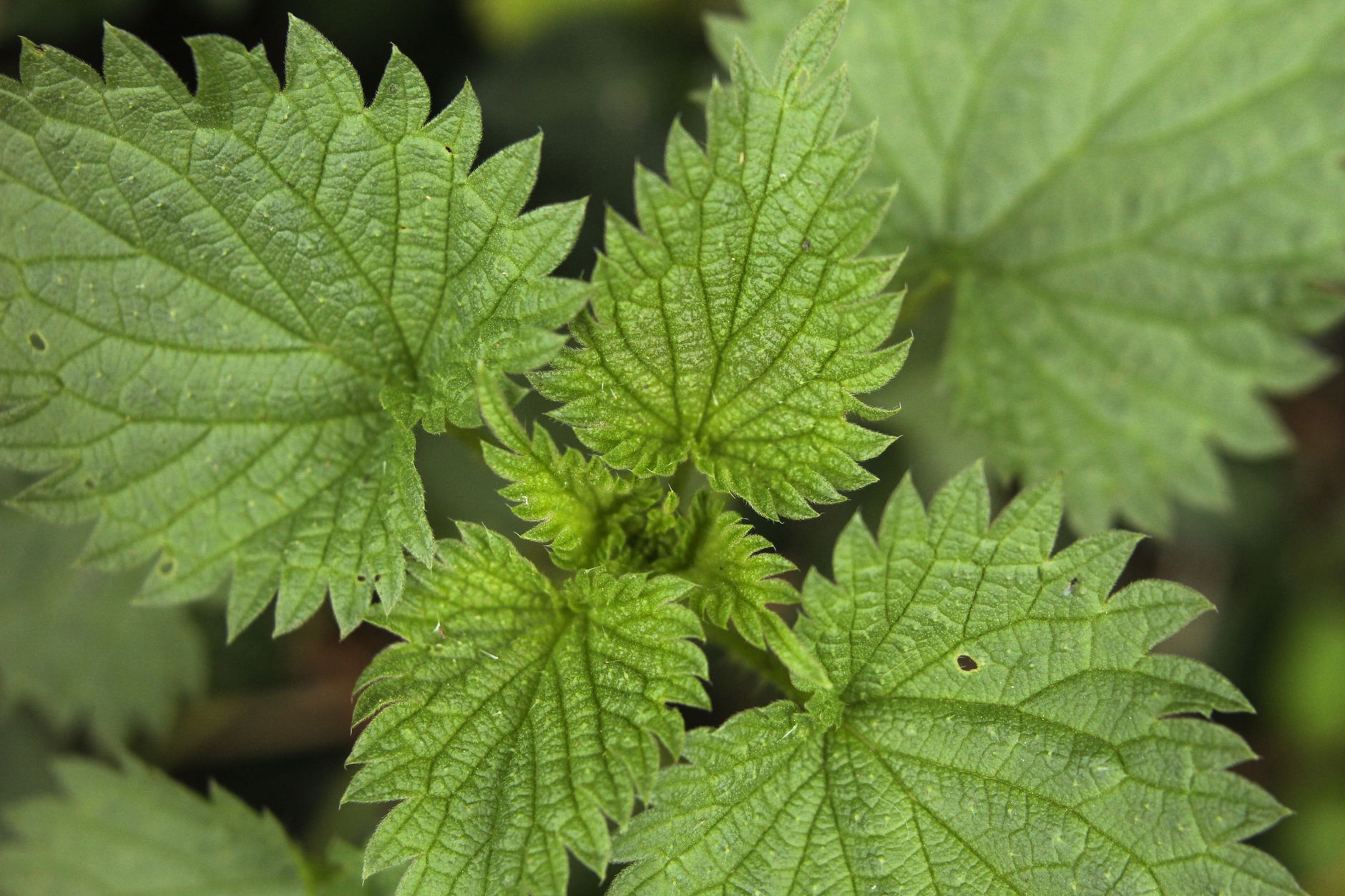
The historical reverence for Galangal is deeply embedded in various ancient healing traditions. In Ayurvedic medicine, it was utilized for its warming properties, believed to aid digestion, alleviate respiratory issues, and purify the blood. Traditional Chinese Medicine (TCM) recognizes Galangal as a potent herb for dispelling cold, warming the spleen and stomach, and treating conditions like abdominal pain, vomiting, and diarrhea. Arabic physicians, notably Avicenna, introduced Galangal to Europe in the Middle Ages, where it gained popularity as a spice and a remedy for digestive complaints, fevers, and even as an aphrodisiac. Its widespread adoption across diverse cultures underscores its efficacy and versatility, cementing its status as a time-honored herbal ally.
The Bioactive Symphony: Unpacking Galangal’s Key Compounds and Their Mechanisms
The remarkable therapeutic properties of Galangal are not attributable to a single compound but rather to a synergistic interplay of its diverse phytochemical constituents. Modern scientific research has meticulously isolated and identified these bioactive components, shedding light on the molecular mechanisms underpinning Galangal’s health benefits. The primary classes of compounds responsible for its medicinal actions include diarylheptanoids, flavonoids, volatile oils, and phenolic compounds.
1. Diarylheptanoids: The Core Anti-Inflammatory Agents
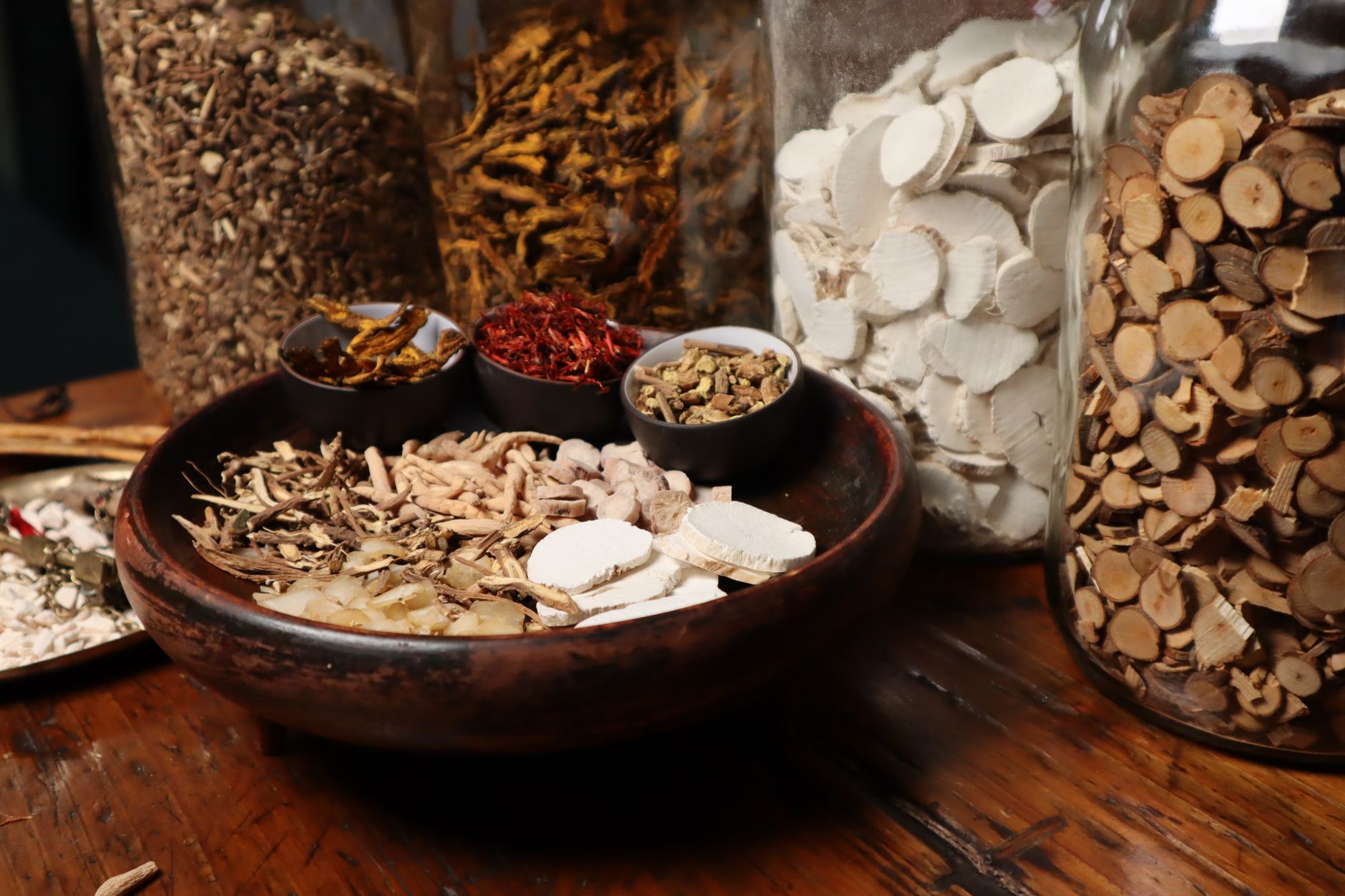
Perhaps the most characteristic and potent compounds in Galangal are its diarylheptanoids, particularly galangals (e.g., 1′-acetoxychavicol acetate, 1′-acetoxygalangol acetate) and the flavonoid galangin. These compounds are extensively studied for their significant anti-inflammatory and antioxidant activities. They exert their effects by modulating key inflammatory pathways in the body. For instance, galangals have been shown to inhibit the production of pro-inflammatory mediators such as prostaglandins (by suppressing cyclooxygenase-2, COX-2 enzyme activity) and leukotrienes. They can also downregulate the expression of various cytokines, including TNF-alpha and interleukins, which are central to the inflammatory cascade. This direct intervention in inflammatory signaling makes diarylheptanoids crucial contributors to Galangal’s pain-relieving and swelling-reducing capabilities.
2. Flavonoids: Potent Antioxidants and Beyond
Galangal is rich in various flavonoids, with kaempferol and quercetin being prominent examples, in addition to galangin itself, which is a flavanol. Flavonoids are renowned for their powerful antioxidant properties, acting as free radical scavengers that protect cells from oxidative damage. Oxidative stress is a fundamental contributor to aging and a myriad of chronic diseases, including cardiovascular disorders, neurodegenerative conditions, and cancer. Beyond their antioxidant prowess, flavonoids also exhibit anti-inflammatory, antiviral, and even some anti-cancer activities, further enhancing Galangal’s therapeutic spectrum. They can modulate enzyme activities, inhibit platelet aggregation, and improve vascular health, contributing to a broad range of protective effects.
3. Volatile Oils: Aromatic Power and Antimicrobial Action
The characteristic pungent aroma and flavor of Galangal are due to its essential oils, a complex mixture of volatile compounds. Key constituents include cineol (eucalyptol), pinene, limonene, eugenol, and various sesquiterpenes. These volatile oils contribute significantly to Galangal’s carminative (gas-relieving), anti-nausea, and antimicrobial properties. Cineol, for example, is known for its expectorant and anti-inflammatory effects, while eugenol possesses strong antiseptic and analgesic qualities. The synergistic action of these volatile compounds provides broad-spectrum protection against various pathogens and aids in soothing digestive discomfort.
4. Phenolic Compounds: Diverse Protective Roles
Beyond the categories mentioned, Galangal also contains other beneficial phenolic compounds. These compounds, similar to flavonoids, contribute to the herb’s overall antioxidant capacity. They can help protect DNA from damage, support cellular health, and may play a role in modulating cellular proliferation, thereby contributing to potential anti-cancer effects. The presence of a wide array of phenolics ensures a comprehensive defense against oxidative stress and inflammation.
Comprehensive Health Benefits: A Deep Dive into Galangal’s Therapeutic Actions
The rich chemical profile of Galangal translates into an impressive array of health benefits, validated by traditional wisdom and increasingly supported by modern scientific investigation.
1. Potent Anti-Inflammatory Properties
One of Galangal’s most celebrated attributes is its powerful anti-inflammatory capacity. The diarylheptanoids, such as 1′-acetoxychavicol acetate, and flavonoids like galangin, act as potent inhibitors of inflammatory pathways. They effectively suppress the production of pro-inflammatory cytokines (e.g., TNF-α, IL-1β, IL-6) and enzymes like COX-2, which are critical drivers of inflammation and pain. This makes Galangal a promising natural remedy for inflammatory conditions such such as arthritis, inflammatory bowel disease, and muscle soreness. Unlike some conventional anti-inflammatory drugs that come with significant side effects, Galangal offers a natural alternative that targets inflammation at multiple molecular levels, potentially reducing swelling, redness, and discomfort without adverse reactions.
2. Robust Antioxidant Defense
Oxidative stress, caused by an imbalance between free radicals and the body’s antioxidant defenses, is a key factor in the pathogenesis of numerous chronic diseases and accelerates the aging process. Galangal is exceptionally rich in antioxidants, including flavonoids and phenolic compounds, which effectively neutralize free radicals and mitigate oxidative damage. These compounds scavenge reactive oxygen species (ROS), protect lipids from peroxidation, and enhance the activity of endogenous antioxidant enzymes such as superoxide dismutase (SOD) and glutathione reductase. By fortifying the body’s antioxidant defenses, Galangal helps protect cellular integrity, reduces the risk of chronic diseases, and supports overall cellular health and longevity.
3. Digestive Aid and Nausea Relief
Galangal has a long history of use as a digestive stimulant and carminative. Its pungent flavor and volatile oils help stimulate digestive enzymes, promoting efficient breakdown and absorption of food. It is particularly effective in alleviating symptoms of indigestion, bloating, and flatulence by relaxing the smooth muscles of the gastrointestinal tract and reducing gas formation. Furthermore, Galangal exhibits strong anti-emetic properties, making it a traditional and effective remedy for nausea and vomiting. Studies suggest it can help calm the stomach and alleviate motion sickness, morning sickness, and chemotherapy-induced nausea, often performing comparably to pharmaceutical anti-emetics in some contexts by influencing serotonin receptors in the gut.
4. Immune System Support and Antimicrobial Action
The diverse bioactive compounds in Galangal contribute to its significant immune-modulating and antimicrobial properties. Its essential oils, particularly cineol and pinene, possess potent antibacterial, antiviral, and antifungal activities, helping the body combat a wide range of pathogens. Traditional medicine systems have long utilized Galangal to treat respiratory infections, sore throats, and digestive infections. Beyond direct antimicrobial action, its anti-inflammatory and antioxidant effects also support overall immune function, helping the immune system operate optimally and reduce systemic inflammation that can suppress immune responses. This makes Galangal a valuable ally in bolstering natural defenses against common illnesses.
5. Potential Anti-Cancer Properties
Emerging research has highlighted Galangal’s impressive potential in cancer prevention and treatment, primarily through its diarylheptanoids and flavonoids. In vitro and in vivo studies have demonstrated that compounds like 1′-acetoxychavicol acetate and galangin can induce apoptosis (programmed cell death) in various cancer cell lines, including those of breast, colon, gastric, lung, and liver cancers. These compounds also exhibit anti-proliferative effects, inhibiting the uncontrolled growth of cancer cells, and can suppress angiogenesis (the formation of new blood vessels that feed tumors). While these findings are promising, it is crucial to emphasize that Galangal is not a substitute for conventional cancer treatment, but rather an area of exciting ongoing research for its potential as an adjunctive therapy or preventative agent.
6. Pain Relief (Analgesic Effects)
Linked intrinsically to its anti-inflammatory mechanisms, Galangal also offers significant analgesic properties. By reducing inflammation and modulating pain pathways, it can help alleviate various types of pain, including musculoskeletal pain, headaches, and menstrual cramps. Its ability to inhibit COX-2 enzymes means it can effectively block the synthesis of pain-inducing prostaglandins, offering a natural alternative for pain management without the potential gastrointestinal side effects associated with NSAIDs. This makes it a valuable herb for those seeking natural relief from chronic or acute pain.
7. Cognitive and Brain Health Support
The antioxidant and anti-inflammatory effects of Galangal extend to neuroprotection. Oxidative stress and chronic inflammation are significant contributors to neurodegenerative diseases like Alzheimer’s and Parkinson’s. By neutralizing free radicals and reducing neuroinflammation, Galangal’s active compounds may help protect brain cells from damage, preserve cognitive function, and potentially slow down age-related cognitive decline. Some studies also suggest it may improve memory and learning capabilities by enhancing brain antioxidant status and reducing neuronal damage.
8. Cardiovascular Health Benefits
Preliminary research suggests that Galangal may offer benefits for cardiovascular health. Its antioxidant properties help protect the cardiovascular system from oxidative damage, which is a major factor in the development of atherosclerosis and heart disease. Furthermore, some studies indicate its potential to help regulate cholesterol levels and support healthy blood pressure, although more extensive human clinical trials are needed to fully substantiate these claims. Its anti-inflammatory actions also reduce systemic inflammation, a known risk factor for cardiovascular events.
Traditional Applications and Modern Practical Usage
Galangal’s versatility extends from the kitchen to the medicine cabinet, offering numerous ways to incorporate its benefits into daily life.
Culinary Uses: The Flavor of Southeast Asia
In Southeast Asian cuisine, fresh Galangal rhizome is an indispensable ingredient. Its distinctive flavor elevates dishes like Thai Tom Yum and Tom Kha Gai soups, Indonesian rendangs, and various Malaysian and Vietnamese curries and stir-fries. It can be sliced, pounded into pastes, or infused into broths. Dried Galangal, often found sliced or powdered, offers a more concentrated flavor and is suitable for longer cooking times or for use in spice blends. Its unique taste adds depth and complexity, distinguishing these cuisines from those primarily using ginger.

Herbal Remedies: Teas, Tinctures, and Poultices
For medicinal purposes, Galangal can be consumed as a tea, prepared by simmering fresh or dried slices in hot water. This infusion is excellent for digestive issues, nausea, and as a warming tonic. Tinctures, which are concentrated alcoholic extracts, offer a convenient way to harness its compounds. Topically, crushed fresh Galangal can be made into a poultice and applied to the skin to alleviate muscle pain, joint inflammation, or certain skin conditions, leveraging its anti-inflammatory and antiseptic properties.
Supplements: Capsules and Extracts for Targeted Support
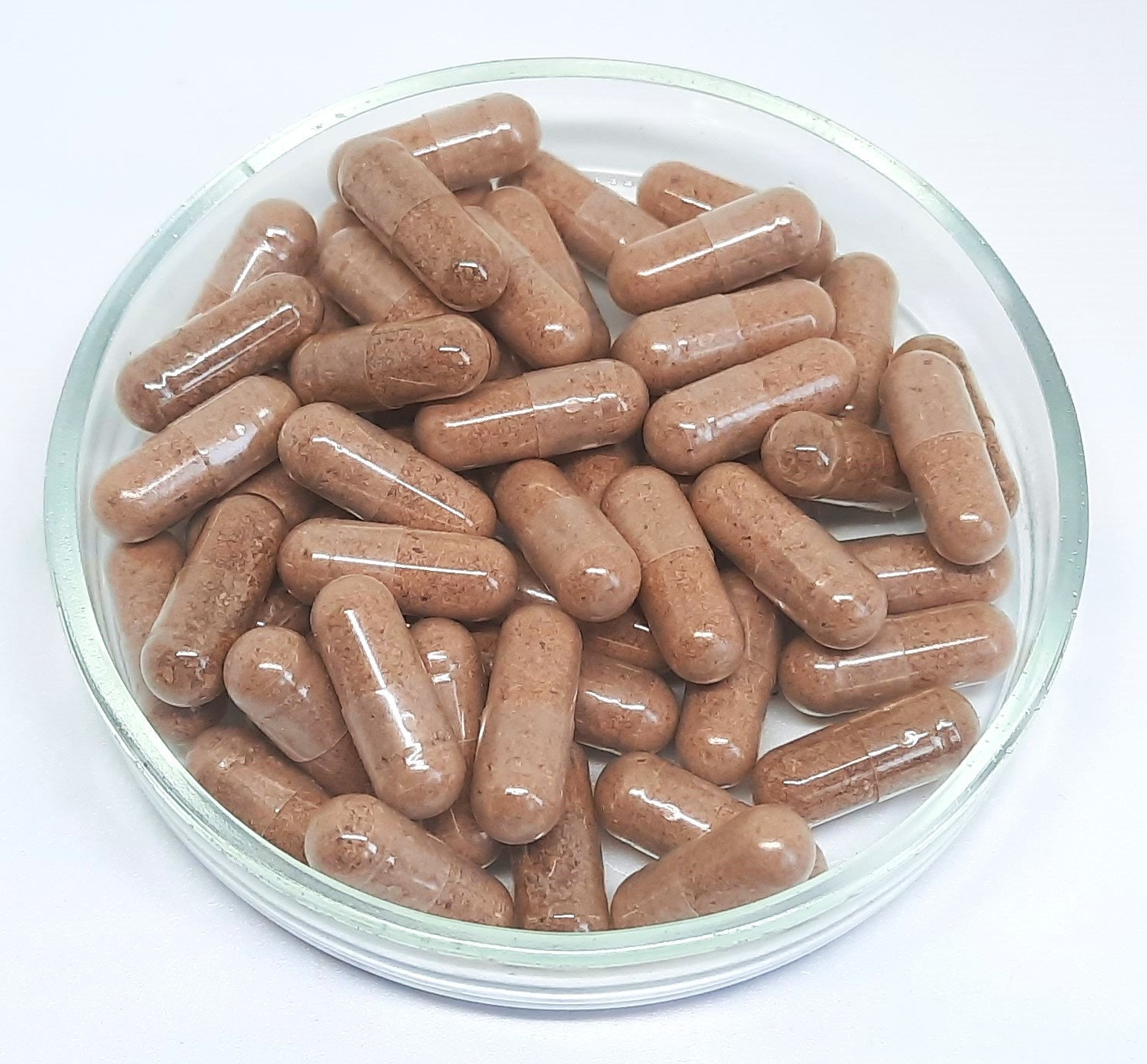
For those seeking targeted therapeutic doses or convenience, Galangal is available in supplement form, typically as capsules containing powdered rhizome or standardized extracts. These supplements provide a consistent dosage of active compounds, making it easier to integrate Galangal into a daily wellness routine for specific health concerns like chronic inflammation, digestive support, or immune boosting.
Dosage, Preparation, and Considerations
While Galangal is generally considered safe for consumption, especially in culinary amounts, understanding appropriate dosages and potential considerations is important for therapeutic use.
- Fresh Galangal: Typically, 1-2 inches of fresh rhizome can be used in cooking or steeped for tea.
- Dried Galangal: 1-2 grams of dried slices or powder steeped in hot water 2-3 times daily for tea.
- Powdered Galangal: 0.5-1 gram of powdered rhizome can be taken daily, often mixed with water or food.
- Extracts/Supplements: Follow the manufacturer’s recommended dosage, as concentrations vary widely. Standardized extracts are generally preferred for therapeutic consistency.
Potential Side Effects and Interactions: Galangal is well-tolerated by most individuals. However, in very high doses, it may cause mild gastrointestinal upset, heartburn, or skin irritation if applied topically to sensitive skin. Pregnant and breastfeeding women should consult a healthcare professional before using Galangal in medicinal quantities due to insufficient research on its safety in these populations. Individuals on blood-thinning medications or those with gallstones should also exercise caution and seek medical advice, as Galangal may have anticoagulant properties and stimulate bile flow.

Future Research and Concluding Thoughts
The journey into Galangal’s health benefits reveals a fascinating synergy between ancient wisdom and modern science. While traditional uses have long underscored its value, contemporary research is now meticulously dissecting its biochemical pathways and validating its efficacy against a spectrum of ailments. The evidence for its anti-inflammatory, antioxidant, digestive, antimicrobial, and potential anti-cancer properties is robust and continues to grow. However, like many herbal remedies, more comprehensive human clinical trials are needed to establish optimal dosages, long-term safety, and precise mechanisms of action for specific health conditions.
As we continue to explore the vast potential of natural medicine, Galangal stands as a shining example of a botanical treasure offering multifaceted health benefits. Whether enjoyed for its unique culinary flavor or embraced for its therapeutic qualities, this powerful rhizome serves as a testament to the profound healing capabilities inherent in nature. Integrating Galangal into a balanced diet and wellness routine can contribute significantly to a healthier, more vibrant life, embodying the holistic approach to well-being that has been cherished across civilizations for millennia.
Disclaimer: For informational purposes only. Not medical advice. Consult a qualified healthcare professional before use.