
The Enigmatic Potency of Lily of the Valley: A Definitive Deep Dive into its Health Benefits and Historical Significance
Nestled within the tranquil shade of woodlands, the delicate, bell-shaped flowers of Lily of the Valley (Convallaria majalis) have captivated humanity for centuries, not merely for their exquisite beauty and enchanting fragrance but also for their profound, albeit potent, medicinal properties. Revered in folklore, embraced by traditional medicine, and scrutinized by modern science, this unassuming perennial stands as a testament to nature’s complex pharmacy. While its charming appearance belies a potent chemical profile, understanding Convallaria majalis requires a deep appreciation for its historical context, its intricate biochemistry, and the careful balance between therapeutic potential and inherent toxicity. This exhaustive guide delves into the multifaceted health benefits attributed to Lily of the Valley, exploring its bioactive compounds, traditional applications, and the critical considerations necessary for its safe and informed engagement.
A Botanical Profile and Its Storied Past: Tracing the Legacy of Convallaria majalis
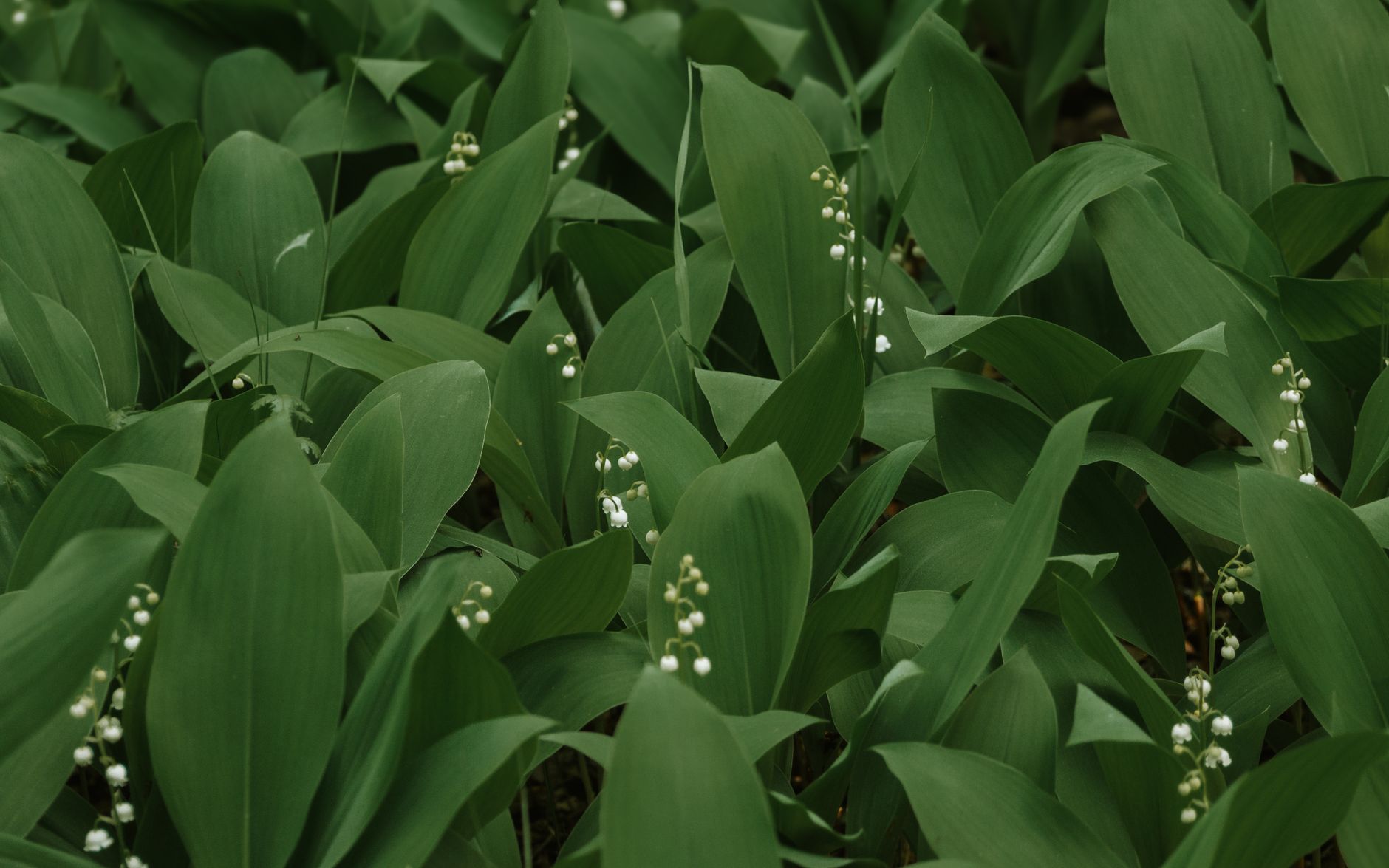
Convallaria majalis, belonging to the Asparagaceae family (formerly Liliaceae), is a rhizomatous perennial herb native to temperate regions of Europe and Asia. Characterized by its broad, lance-shaped leaves and racemes of tiny, nodding white flowers, each exuding an intense, sweet perfume, it has earned common names such as May Bells, Our Lady’s Tears, and Ladders to Heaven. The plant’s botanical structure is as elegant as it is unassuming, typically reaching a height of 15-30 cm, with its fragrance often signaling its presence before the flowers are even spotted.
The historical reverence for Lily of the Valley is as rich and intricate as its fragrance. Its medicinal use dates back centuries, with early European herbalists and physicians acknowledging its powerful effects on the heart. Nicholas Culpeper, a prominent 17th-century English herbalist, praised it for strengthening the brain, comforting the heart, and aiding memory. Legends intertwine with its perceived therapeutic efficacy; it was believed to mend a broken heart and ward off evil spirits, often associated with purity and humility. In ancient Egyptian medicine, similar cardiac-acting plants were utilized, suggesting a long-standing awareness of this plant family’s potent effects.
Beyond Europe, various cultures incorporated Convallaria majalis into their folk medicine, typically for conditions related to cardiovascular issues, dropsy (edema), and nervous complaints. Its use was often shrouded in mystique, limited to experienced practitioners due to its recognized potency. This historical context underscores a consistent thread: Lily of the Valley has been, for millennia, regarded as a formidable botanical agent, demanding respect and precise application.
Unveiling the Chemical Tapestry: Bioactive Compounds and Their Mechanisms of Action
The medicinal prowess of Lily of the Valley is primarily attributed to a complex array of cardiac glycosides, compounds renowned for their potent influence on cardiac muscle function. While all parts of the plant contain these substances, their concentrations vary, with the flowers, leaves, and roots being particularly rich sources. The most prominent and extensively studied cardiac glycosides in Convallaria majalis include convallatoxin, convallatoxol, convallarin, convalloside, and convallamaroside.
The mechanism by which these compounds exert their effects is fascinating and profound. Cardiac glycosides operate by inhibiting the sodium-potassium adenosine triphosphatase (Na+/K+-ATPase) pump, an enzyme crucial for maintaining electrolyte gradients across cell membranes, particularly in cardiac myocytes. This inhibition leads to an accumulation of intracellular sodium ions. In turn, the elevated intracellular sodium reduces the efficiency of the sodium-calcium exchanger (NCX), a protein responsible for extruding calcium from the cell. Consequently, more calcium remains within the cardiac muscle cells, primarily sequestered in the sarcoplasmic reticulum.
The increased intracellular calcium availability enhances the force of myocardial contraction (positive inotropic effect). This means the heart muscle contracts more strongly, pumping blood more efficiently with each beat. Simultaneously, cardiac glycosides also exert effects on the autonomic nervous system, indirectly leading to a reduction in heart rate (negative chronotropic effect) and a decrease in the conduction velocity of electrical impulses through the atrioventricular (AV) node (negative dromotropic effect). These combined actions contribute to the cardiotonic effects for which Lily of the Valley is traditionally valued, making it effective in improving cardiac output and regulating certain arrhythmias, albeit with a narrow therapeutic window.
Beyond cardiac glycosides, Lily of the Valley also contains other bioactive constituents that contribute to its holistic effects. These include saponins, which may contribute to its diuretic and expectorant properties; flavonoids, known for their antioxidant and anti-inflammatory activities; and various volatile oils, which impart its characteristic fragrance and may possess mild sedative or nervine qualities. It is the synergistic interaction of these compounds that defines the plant’s overall therapeutic profile, making it a complex botanical with multiple targets of action within the human physiological system.

Profound Health Benefits: A Closer Look at Lily of the Valley’s Therapeutic Potential
Given its rich chemical composition, Lily of the Valley has been historically employed for a range of health concerns, particularly those affecting the cardiovascular system. Its therapeutic applications, when managed with extreme caution and professional oversight, highlight its potential as a powerful herbal ally.
1. Cardiovascular Support: Strengthening the Heart’s Rhythm and Force
The primary and most significant health benefit associated with Lily of the Valley stems from its potent cardiotonic effects. The cardiac glycosides, such as convallatoxin, mimic the actions of digitalis (derived from foxglove) but are often considered to have a faster onset and elimination from the body, potentially leading to less cumulative toxicity. This makes it historically attractive for conditions where rapid, yet transient, cardiac support is needed, though digitalis remains the pharmaceutical standard.
- Enhanced Myocardial Contractility: By increasing intracellular calcium, Lily of the Valley directly strengthens the force of the heart muscle contractions. This positive inotropic effect is crucial for individuals with congestive heart failure (CHF) or other conditions where the heart’s pumping efficiency is compromised. A stronger contraction means more blood is ejected from the ventric with each beat, improving overall cardiac output and circulation.
- Regulation of Heart Rate: The negative chronotropic effects contribute to a slower, more deliberate heart rate. This can be beneficial in cases of tachycardia (abnormally fast heart rate), allowing the heart more time to fill with blood between beats, which can further optimize pumping efficiency and reduce the heart’s workload.
- Improved Conduction: The negative dromotropic effect helps to slow the conduction of electrical impulses through the AV node. This action can be particularly useful in managing certain supraventricular arrhythmias, such as atrial fibrillation with a rapid ventricular response, by preventing too many impulses from reaching the ventricles.
2. Diuretic and Edema Relief: Alleviating Fluid Retention
Another significant traditional application of Lily of the Valley is its potent diuretic action. This property is closely linked to its cardiovascular benefits, as fluid retention (edema or dropsy) is a common symptom of congestive heart failure. The cardiac glycosides not only act directly on the heart but also influence renal function, leading to increased urine production and excretion of excess fluid.
- Reduced Cardiac Workload: By promoting the excretion of sodium and water, Lily of the Valley helps to reduce the total blood volume. This decrease in circulating fluid lessens the preload on the heart, meaning the heart has less blood to pump with each beat, thereby reducing its overall workload. This indirect effect significantly supports cardiac function and can alleviate symptoms like shortness of breath and peripheral swelling.
- Alleviation of Swelling: For individuals experiencing edema in the ankles, legs, or lungs due to poor circulation or heart failure, the diuretic effect can lead to a noticeable reduction in swelling and associated discomfort. This is particularly relevant for managing the symptoms of chronic heart conditions.
3. Anti-inflammatory and Antioxidant Properties: Cellular Protection
While often overshadowed by its cardiac effects, Lily of the Valley also contains flavonoids and other phenolic compounds that exhibit anti-inflammatory and antioxidant activities. These properties, though less potent than its cardiac effects, contribute to a broader potential for cellular health.
- Combating Oxidative Stress: Antioxidants neutralize free radicals, unstable molecules that can cause cellular damage and contribute to chronic diseases, including cardiovascular conditions. By mitigating oxidative stress, Lily of the Valley may offer a protective effect against cellular degradation and support overall tissue health.
- Reducing Inflammation: Chronic inflammation is implicated in numerous health issues, from autoimmune disorders to cardiovascular disease progression. The anti-inflammatory constituents in Lily of the Valley may help modulate inflammatory pathways, potentially reducing systemic inflammation and its detrimental effects.
4. Traditional Applications for Nervous System and Respiratory Health
Beyond its well-documented cardiovascular actions, traditional herbalism has also employed Lily of the Valley for a variety of other conditions, often at much lower, homeopathic dilutions or specific preparations, demonstrating a nuanced understanding of its wide-ranging effects.
- Nervine and Sedative Effects: Historically, the plant was sometimes used as a mild nervine to calm frayed nerves, alleviate anxiety, and promote relaxation. Its delicate fragrance was also utilized in aromatherapy for its purported soothing qualities, though internal use for these purposes is extremely rare due to toxicity concerns.
- Headache and Vertigo Relief: Folk medicine sometimes suggested Lily of the Valley for certain types of headaches, particularly those accompanied by vertigo or a sense of pressure, perhaps due to its circulatory effects or mild analgesic properties.
- Respiratory Support: Due to the presence of saponins, Lily of the Valley was occasionally used as an expectorant to help clear mucus from the respiratory passages, aiding in conditions like bronchitis or persistent coughs. This application is minor compared to its cardiac uses and almost exclusively relegated to historical texts.
Practical Applications and Forms of Usage: Navigating a Potent Herb
Given the extreme potency and inherent toxicity of Lily of the Valley, its practical application is fundamentally different from that of more benign herbs. It is crucial to emphasize that direct, self-administered herbal preparations from the raw plant are profoundly dangerous and unequivocally not recommended. Historically, and in contemporary regulated settings, Lily of the Valley is used in highly controlled environments or in specific, ultra-diluted forms.
1. Standardized Extracts and Pharmaceutical Preparations
In the past, and to a limited extent in some countries today, Lily of the Valley extracts have been incorporated into pharmaceutical preparations, often alongside other cardiotonic herbs or synthetic compounds. These preparations are meticulously standardized to ensure precise dosing of cardiac glycosides, minimizing the risk of toxicity while maximizing therapeutic effect. Such products are strictly prescription-only and administered under continuous medical supervision due to the narrow therapeutic index of cardiac glycosides.

2. Homeopathic Remedies
One of the most common and safest ways Lily of the Valley is encountered in complementary medicine is through homeopathic preparations. Homeopathy utilizes highly diluted substances, often to the point where no original molecules remain. In this context, Convallaria majalis is traditionally indicated for conditions such as heart weakness with irregular pulse, symptoms of heart failure with edema, and certain rheumatic heart conditions. Homeopathic remedies are selected based on the principle of “like cures like” and are considered energetically rather than biochemically active, making them safe from the toxic effects of the raw plant. However, their efficacy is a subject of ongoing scientific debate.
3. Traditional Herbal Tinctures (Expert Use Only)
In very specific, professional herbal medicine practices (typically in countries with established traditions for potent herbs), extremely diluted tinctures might be prepared and administered by highly experienced practitioners. This requires profound botanical knowledge, understanding of pharmacology, and careful patient monitoring. Such usage is exceptionally rare in modern Western herbalism due to the availability of safer, more predictable pharmaceutical alternatives for cardiac conditions.
Safety, Dosage, and Critical Considerations: A Call for Caution
The discussion of Lily of the Valley’s health benefits would be critically incomplete and irresponsible without an emphatic warning about its inherent toxicity. **Every part of the Convallaria majalis plant—leaves, stems, flowers, berries, and roots—is poisonous when ingested.** The cardiac glycosides, while therapeutically beneficial in precise microdoses, are potent toxins that can disrupt normal heart function and lead to severe, even fatal, consequences in higher concentrations. This is why self-medication with any part of the raw plant or its unstandardized extracts is unequivocally dangerous and should be avoided at all costs.
Symptoms of Toxicity:
- Gastrointestinal Distress: Nausea, vomiting, diarrhea, abdominal pain.
- Cardiac Arrhythmias: Bradycardia (slow heart rate), tachycardia (fast heart rate), irregular heart rhythms, heart block.
- Neurological Symptoms: Drowsiness, confusion, dizziness, visual disturbances (e.g., blurred vision, yellow-green halos), seizures in severe cases.
- Electrolyte Imbalances: Hyperkalemia (elevated potassium levels).
Contraindications and Interactions:
- Pregnancy and Lactation: Absolutely contraindicated due to potential fetal harm and passage into breast milk.
- Pre-existing Heart Conditions: Individuals with heart disease, especially those with certain arrhythmias or pacemaker implants, should never use Lily of the Valley without strict medical supervision.
- Kidney Disease: Impaired kidney function can reduce the elimination of cardiac glycosides, increasing the risk of toxicity.
- Drug Interactions: Lily of the Valley can interact dangerously with other cardiac medications (e.g., digoxin, beta-blockers, calcium channel blockers), diuretics (potentiating electrolyte imbalances), and drugs that affect potassium levels.
Therefore, any consideration of using Lily of the Valley for medicinal purposes must be undertaken exclusively under the direct guidance and supervision of a highly qualified medical professional who understands both conventional pharmacology and the specific nuances of herbal cardiotonics. They would assess the individual’s health status, potential drug interactions, and the precise therapeutic benefits versus risks.

Conclusion: Respecting Nature’s Double-Edged Sword
Lily of the Valley stands as a poignant reminder of nature’s formidable power, embodying both exquisite beauty and potent medicinal potential. Its rich history of use in traditional medicine, particularly for its profound cardiotonic and diuretic effects, is firmly rooted in the science of its cardiac glycosides. These compounds offer legitimate therapeutic benefits for conditions like congestive heart failure and edema by enhancing cardiac contractility, regulating heart rate, and promoting fluid excretion. Furthermore, its ancillary anti-inflammatory and antioxidant properties contribute to a broader spectrum of wellness.
However, the narrative of Convallaria majalis is inextricably linked with a critical caveat: its significant toxicity. The narrow therapeutic window of its active compounds necessitates an extreme level of caution, making self-medication not only unwise but dangerous. While its role in mainstream pharmacology has largely been superseded by more predictable synthetic drugs, its legacy endures in herbal traditions and homeopathic practices, where its potential is accessed through highly controlled or diluted forms. As with all potent botanicals, a deep respect for Lily of the Valley’s dual nature – its capacity to heal and to harm – is paramount. Future research may yet unveil novel applications or safer methods of extracting its benefits, but for now, its engagement demands unwavering professional guidance and a profound appreciation for its powerful chemistry.
Disclaimer: For informational purposes only. Not medical advice. Consult a qualified healthcare professional before use.