
The Definitive Guide to Siberian Ginseng Root: Unearthing the Adaptogenic Power of Eleuthero
In the vast, untamed expanses of Siberia and the dense forests of East Asia thrives a remarkable botanical specimen often lauded as a cornerstone of traditional wellness: Siberian Ginseng Root, scientifically known as Eleutherococcus senticosus. Despite its common moniker, it is crucial to clarify from the outset that Siberian Ginseng is not a “true ginseng” belonging to the Panax genus (such as Asian or American Ginseng). Instead, it stands in its own right as a potent adaptogen, a classification bestowed upon herbs that help the body adapt to various stressors, promoting balance and resilience across physiological systems. This exhaustive guide delves deep into the rich history, intricate biochemistry, and myriad health benefits that position Siberian Ginseng Root as an indispensable natural ally for modern well-being.
For centuries, the indigenous populations of its native regions have revered Eleuthero for its profound ability to invigorate, fortify, and protect. From the harsh Siberian winters to the demanding physical labor, the root offered a natural pathway to enhanced endurance, heightened mental acuity, and robust immunity. Its reputation soared in the mid-20th century when Soviet scientists extensively researched its properties, leading to its widespread use among athletes, cosmonauts, and workers exposed to extreme conditions, solidifying its status as a performance-enhancing and stress-protective agent. Today, global interest continues to grow as scientific inquiry increasingly validates the traditional wisdom surrounding this extraordinary herb.
Botanical Profile and Historical Significance of Eleuthero
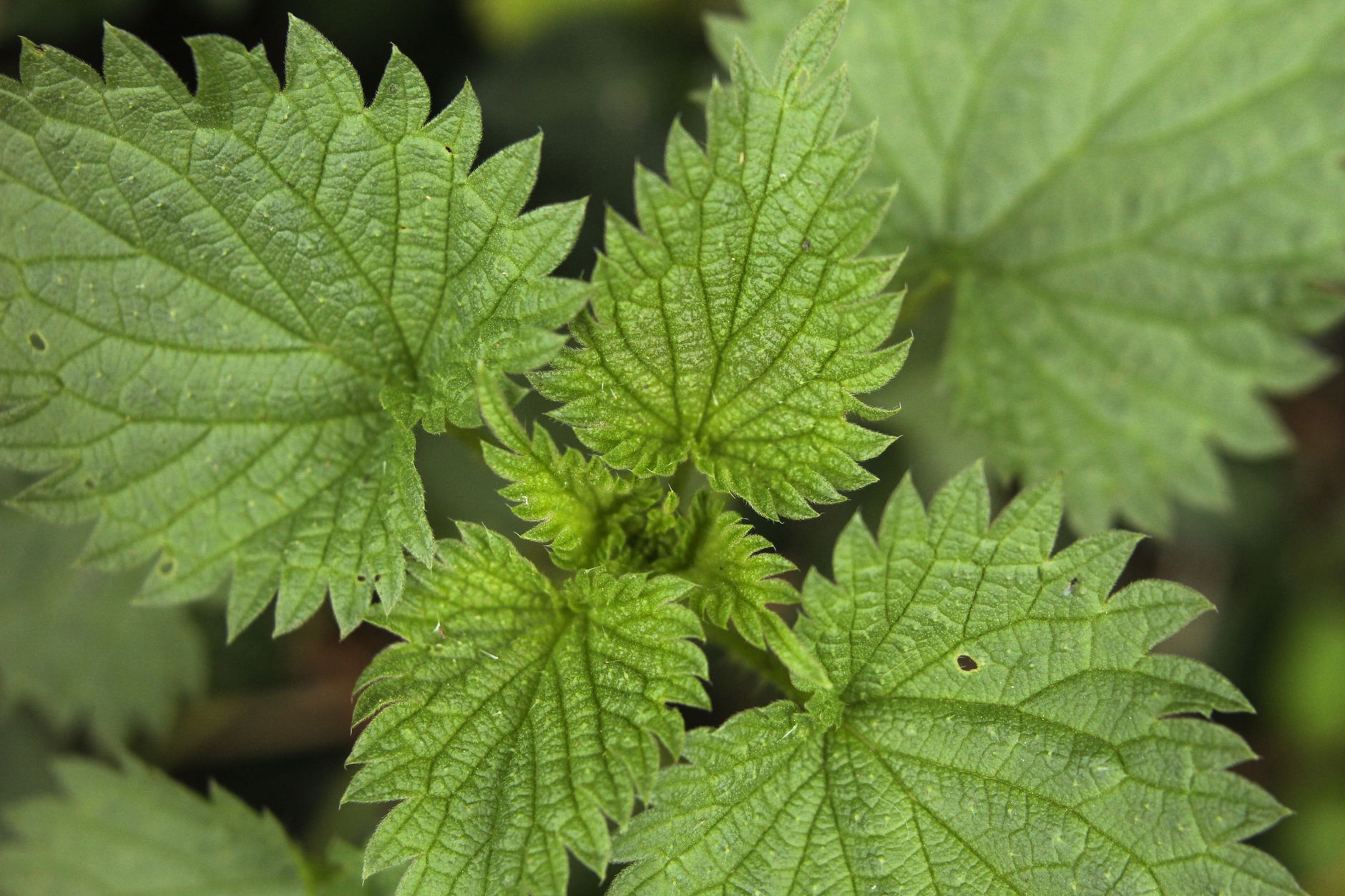
Eleutherococcus senticosus, commonly referred to as Eleuthero, Devil’s Shrub, or more popularly, Siberian Ginseng, belongs to the Araliaceae family, the same botanical family as true ginseng. However, its active compounds and mechanisms of action are distinct. Native to southeastern Russia, northern China, Korea, and Japan, this thorny shrub can grow up to 6 meters tall, producing small, spherical clusters of flowers that yield black, berry-like fruits. It is the woody root and rhizome of the plant that contain the potent bioactive compounds responsible for its medicinal properties.
The historical reverence for Eleuthero dates back over 2,000 years, documented in ancient Chinese texts that extolled its virtues as a tonic for strengthening the body, prolonging life, and enhancing vitality. In traditional Chinese medicine (TCM), it was used to address issues of fatigue, weakness, rheumatism, and to protect against infections. Its robust presence in Russian folk medicine also speaks to its profound efficacy, where it was traditionally employed to boost stamina, resist illness, and improve overall constitutional strength. The pivotal moment for Siberian Ginseng in modern history arrived during the Cold War era when extensive research by Soviet scientists, particularly Dr. Israel Brekhman, brought its adaptogenic qualities to international attention, demonstrating its capacity to improve physical and mental performance under stress.
The Bioactive Arsenal: Key Compounds in Siberian Ginseng Root
The profound health benefits attributed to Siberian Ginseng Root stem from a complex interplay of various bioactive compounds, collectively known as eleutherosides. Unlike the ginsenosides found in Panax ginseng, eleutherosides are specific to Eleutherococcus senticosus and are the primary markers used for standardization of Siberian Ginseng extracts. The most extensively studied eleutherosides include B, D, E, and I, though many others (A, C, F, G, K, L, M) contribute to the herb’s overall pharmacological profile.
Eleutherosides are a class of triterpenoid saponins and phenylpropanoid glycosides. Eleutheroside B (syringin) and Eleutheroside E (syringaresinol diglucoside) are often considered the most significant for their adaptogenic properties. These compounds are believed to exert their effects by modulating various physiological pathways, particularly those involved in the body’s stress response. They are thought to influence the adrenal glands and the hypothalamic-pituitary-adrenal (HPA) axis, helping the body to better manage and recover from physical, chemical, and environmental stressors. This adaptogenic action is not about stimulating or sedating the body, but rather normalizing its functions, helping to restore homeostasis when it is disrupted.
Beyond eleutherosides, Siberian Ginseng Root also contains a rich array of other beneficial constituents. These include polysaccharides, which are known for their immune-modulating properties; flavonoids, potent antioxidants that help protect cells from oxidative damage; and lignans, which can have hormone-balancing and anti-inflammatory effects. Coumarins, triterpenoid saponins, and various other phenolic compounds further contribute to the herb’s diverse therapeutic actions. This synergistic combination of compounds underpins Eleuthero’s multifaceted approach to supporting overall health and well-being.

Comprehensive Health Benefits of Siberian Ginseng Root
1. Unrivaled Adaptogenic Power and Stress Resilience
The cornerstone of Siberian Ginseng Root’s fame lies in its profound adaptogenic capabilities. An adaptogen is defined by its ability to increase the body’s resistance to stress (both physical and mental), reduce the intensity of the stress response, and help the body return to a state of balance (homeostasis). Eleuthero achieves this without causing overstimulation or sedation. Its eleutherosides interact with the HPA axis and adrenal glands, which are central to the body’s stress response. By modulating cortisol levels and supporting adrenal function, Siberian Ginseng helps to prevent adrenal fatigue, a state of chronic stress that can lead to exhaustion, mood disturbances, and impaired immune function. Regular intake can result in a greater capacity to handle daily pressures, improved mental clarity under duress, and a reduction in the overall physiological toll that chronic stress can exact on the body.
2. Robust Immune System Modulation and Support
Siberian Ginseng has been extensively studied for its positive impact on the immune system. Its polysaccharides, in particular, are believed to stimulate the activity of various immune cells, including T-lymphocytes, B-lymphocytes, and natural killer (NK) cells. These cells are vital for identifying and eliminating pathogens, such as viruses and bacteria, as well as abnormal cells. By enhancing non-specific immunity, Eleuthero fortifies the body’s natural defense mechanisms, making it more resilient against common infections like colds, flu, and other respiratory ailments. Research suggests it may also possess direct antiviral properties, further bolstering its role as an immune system ally, especially during periods of seasonal vulnerability or heightened stress, which can suppress immune function.
3. Enhanced Energy, Stamina, and Physical Performance
Historically, Siberian Ginseng was a prized tonic for improving physical endurance and combating fatigue, a tradition well-supported by modern research. The adaptogenic properties of eleutherosides contribute to improved cellular energy production and more efficient utilization of oxygen by muscles. This results in reduced muscle fatigue, increased stamina, and an overall enhancement of physical work capacity. Athletes often turn to Eleuthero to improve their performance, accelerate recovery times, and reduce the physiological stress associated with intense training. For individuals experiencing general fatigue, whether from demanding schedules or chronic conditions, Siberian Ginseng offers a sustained, non-jittery energy boost, helping to improve vitality and overall quality of life without the crash associated with stimulants like caffeine.
4. Cognitive Function and Mental Acuity
Beyond physical endurance, Siberian Ginseng also offers significant benefits for cognitive function. Its adaptogenic effects extend to the brain, helping to improve concentration, memory, and mental alertness, particularly in stressful or fatiguing situations. The herb is thought to enhance cerebral circulation and provide neuroprotective effects, safeguarding brain cells from damage. Users often report improved focus, better problem-solving abilities, and a reduction in mental fog. This makes Eleuthero a valuable supplement for students, professionals, and anyone seeking to maintain optimal brain health and cognitive performance throughout their day.
5. Blood Sugar Regulation Support
Emerging research indicates that Siberian Ginseng Root may play a role in supporting healthy blood sugar levels. Some studies suggest that eleutherosides can help to improve insulin sensitivity and glucose metabolism, potentially leading to lower blood glucose levels. This area of research is particularly promising for individuals looking to manage their blood sugar or prevent the onset of metabolic imbalances. However, it is imperative that individuals with diabetes or those on blood sugar-lowering medications consult their healthcare provider before incorporating Siberian Ginseng into their regimen, as it may potentiate the effects of these medications.
6. Cardiovascular Health Maintenance
Siberian Ginseng has also shown potential in supporting cardiovascular health. Its antioxidant properties help to protect blood vessels from oxidative stress and inflammation, contributing to overall vascular integrity. Some studies suggest it may help to modulate blood pressure, although this effect can be variable and requires more extensive research. By reducing stress and improving circulation, Eleuthero indirectly supports a healthier heart and circulatory system, contributing to long-term cardiovascular well-being.
7. Hormonal Balance and Reproductive Health
While not a direct hormone regulator in the same way some herbs are, Siberian Ginseng’s adaptogenic actions can indirectly support hormonal balance by alleviating stress on the endocrine system, particularly the adrenal glands. Chronic stress can disrupt the delicate balance of hormones, impacting everything from thyroid function to reproductive health. By normalizing the body’s response to stress, Eleuthero helps to create a more stable internal environment, which can positively influence overall hormonal equilibrium. Some traditional uses and anecdotal evidence also suggest it may help with certain menopausal symptoms or generally improve vitality and reproductive health, although more direct scientific evidence in this area is needed.
Forms of Siberian Ginseng Root and Practical Usage
Siberian Ginseng Root is available in various forms, offering flexibility for integration into daily wellness routines. The choice of form often depends on personal preference, desired potency, and convenience.
Dried Herb for Traditional Preparations
Historically, and still commonly used in traditional medicine systems, the dried root of Eleutherococcus senticosus is prepared as teas, decoctions, or added to soups and culinary dishes. This allows for a gentle, sustained intake of its compounds. To prepare a decoction, the dried root pieces are typically simmered in water for an extended period, extracting the water-soluble eleutherosides and polysaccharides. This method offers a connection to ancient practices and can be particularly soothing.

Capsules and Tablets for Convenience and Standardization
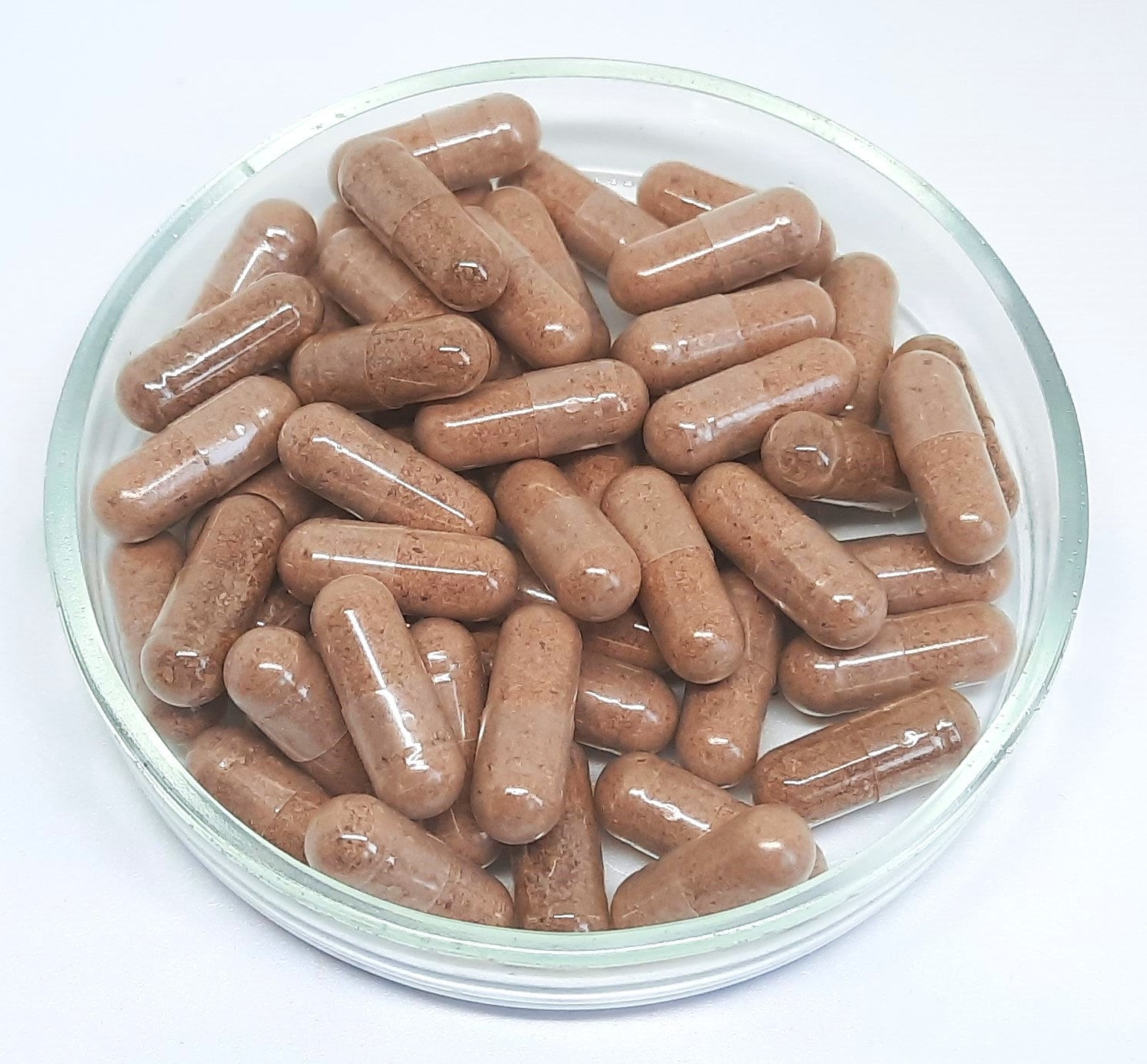
For modern users seeking convenience and precise dosing, Siberian Ginseng is widely available in capsule or tablet form. These products often contain standardized extracts, meaning they are formulated to provide a consistent amount of active eleutherosides per serving. This standardization ensures potency and helps users replicate positive results. When choosing a supplement, look for products that specify the percentage or quantity of eleutherosides to ensure quality and efficacy. Capsules are an excellent choice for consistent daily intake and are easily incorporated into any supplement regimen.
Liquid Extracts and Tinctures for Bioavailability
Liquid extracts and tinctures offer another effective way to consume Siberian Ginseng. These forms are often rapidly absorbed by the body, potentially leading to quicker effects. They also allow for flexible dosing, as drops can be easily adjusted. Tinctures are typically alcohol-based, though alcohol-free glycerin extracts are also available. They can be taken directly or added to water or juice. As with capsules, look for high-quality, standardized liquid extracts from reputable manufacturers.
Dosage and Administration Guidelines
The optimal dosage of Siberian Ginseng Root can vary based on the form of the herb, the concentration of active compounds, and individual health goals. Generally, a common daily dose for standardized extracts (containing 0.8-1.5% eleutherosides) ranges from 200 mg to 400 mg, taken once or twice daily. For dried root powder, higher doses, typically 2-3 grams per day, are often recommended, usually infused as a tea. Tincture dosages often fall within 2-4 ml, two to three times daily.
- Standardized Extracts (Capsules/Tablets): 200-400 mg daily, standardized to 0.8-1.5% eleutherosides.
- Dried Root Powder: 2-3 grams per day, often prepared as a tea or decoction.
- Liquid Extracts/Tinctures: 2-4 ml, two to three times daily.
It is generally recommended to start with a lower dose and gradually increase it to assess individual tolerance and response. As an adaptogen, Siberian Ginseng works best when taken consistently over time, rather than as an acute intervention. Some practitioners suggest cycling its use (e.g., taking it for 6-8 weeks, then taking a break for 1-2 weeks) to maintain its efficacy, though continuous use is also common and often well-tolerated. It is best taken in the morning or early afternoon to avoid potential mild stimulant effects that could interfere with sleep in some sensitive individuals.
Potential Side Effects and Precautions
Siberian Ginseng Root is generally considered safe and well-tolerated for most healthy adults when used appropriately. However, like all potent herbs, it can have potential side effects and interactions. Mild side effects, though uncommon, can include:
- Irritability or mild insomnia (especially if taken late in the day or in very high doses).
- Headache.
- Temporary changes in blood pressure (either slight increases or decreases).
- Stomach upset.
Precautions and Contraindications:
- High Blood Pressure: Individuals with pre-existing high blood pressure should exercise caution and consult a healthcare professional, as some reports suggest it may transiently affect blood pressure.
- Autoimmune Diseases: Due to its immune-modulating effects, individuals with autoimmune conditions (e.g., lupus, rheumatoid arthritis, multiple sclerosis) should consult their doctor before use.
- Medication Interactions: Siberian Ginseng may interact with certain medications, including blood thinners (anticoagulants), diabetes medications, and corticosteroids. Always consult a healthcare provider if you are taking prescription drugs.
- Pregnancy and Lactation: There is insufficient research on the safety of Siberian Ginseng during pregnancy and breastfeeding. It is best to avoid use during these periods.
- Children: Use in children is not recommended without professional medical advice.
Always prioritize sourcing Siberian Ginseng Root from reputable suppliers to ensure purity, potency, and freedom from contaminants. Look for third-party tested products.
Distinguishing Siberian Ginseng from True Ginseng (Panax Species)
A common point of confusion arises from the “ginseng” in its name. While Siberian Ginseng shares the adaptogen classification with Panax ginseng (Asian Ginseng) and Panax quinquefolius (American Ginseng), they are distinct plants with different chemical compositions and subtle differences in their pharmacological profiles. Panax species contain ginsenosides, which are distinct from the eleutherosides found in Eleutherococcus senticosus. True ginsenosides tend to have a more pronounced stimulating effect, often associated with a ‘warm’ energy in TCM. Eleuthero, by contrast, is generally considered to offer a more balanced, sustaining, and less stimulating adaptogenic effect, making it suitable for a wider range of individuals, including those who may find Panax ginseng too potent or stimulating.
Conclusion: Embracing the Enduring Power of Siberian Ginseng Root
Siberian Ginseng Root, or Eleuthero, stands as a testament to nature’s profound capacity to support human health and resilience. From its deep historical roots in traditional medicine to its validation by modern scientific inquiry, this remarkable adaptogen offers a comprehensive array of benefits that address the multifaceted challenges of contemporary life. Its ability to bolster stress resilience, enhance immune function, boost physical and mental energy, and support cognitive health makes it an invaluable natural ally for those striving for optimal well-being.
As we navigate an increasingly demanding world, the consistent and judicious integration of Siberian Ginseng Root into a healthy lifestyle can provide the foundational support needed to maintain balance, vitality, and robust health. Its gentle yet powerful adaptogenic actions offer a pathway to improved endurance, sharpened focus, and a fortified defense system, empowering individuals to thrive amidst stressors and unlock their full potential. Always remember to consult with a qualified healthcare professional before beginning any new supplement regimen, especially if you have underlying health conditions or are taking medications, to ensure it is the right choice for your unique health profile.

Disclaimer: For informational purposes only. Not medical advice. Consult a qualified healthcare professional before use.