Unearthing the Ancient Power: A Definitive Guide to the Health Benefits of Madder (Rubia tinctorum)
For millennia, humanity has turned to the natural world for sustenance, comfort, and healing. Among the vast botanical pharmacopoeia, one plant stands out for its vibrant history and profound therapeutic potential: Madder, scientifically known as Rubia tinctorum. Revered for its brilliant red pigments that have colored textiles and art throughout civilizations, Madder is far more than just a dye plant. Beneath its unassuming green exterior lies a treasure trove of bioactive compounds that offer a remarkable array of health benefits, spanning from urinary tract support to anti-inflammatory prowess and beyond. This comprehensive guide delves deep into the science, history, and practical applications of Madder, aiming to uncover why this ancient herb deserves a prominent place in modern wellness discussions.
A Journey Through Time: The Historical Significance of Madder
The story of Madder is interwoven with the very fabric of human history. Evidence of its use dates back over 5,000 years, with madder-dyed textiles found in ancient Egyptian tombs, Roman ruins, and Viking burial sites. The intense, colorfast red pigment, primarily alizarin, extracted from its roots, was highly prized and symbolized royalty, power, and passion. Beyond its aesthetic appeal, ancient civilizations, including those in traditional Persian, Indian, and Chinese medicine, also recognized and harnessed Madder’s medicinal properties. Early Greek physicians like Hippocrates and Dioscorides documented its use for various ailments, particularly kidney and bladder complaints, as well as skin conditions. This dual identity as both a vital industrial resource and a potent healing agent cemented Madder’s status as a botanical powerhouse across diverse cultures and epochs.
Botanical Profile: Understanding Rubia tinctorum
Rubia tinctorum, commonly known as common madder or dyer’s madder, belongs to the Rubiaceae family, which also includes coffee and cinchona (quinine source). It is a perennial herbaceous plant native to a wide region from the Mediterranean to Central Asia. The plant typically grows to a height of 1-1.5 meters, featuring a scrambling or climbing habit with small hooks on its stems and leaves that help it cling to other vegetation. Its leaves are arranged in whorls around the stem, and it produces small, yellowish-green flowers that eventually give way to black berries. However, the true medicinal and dyeing power of Madder resides in its extensive, fleshy roots. These rhizomatous roots are deep red or reddish-brown on the outside and orange-yellow internally, housing the concentrated pigments and other beneficial compounds that have fascinated scientists and healers for centuries.

The Chemical Core: Key Bioactive Compounds in Madder
The remarkable health benefits attributed to Madder are primarily due to its complex phytochemical profile, rich in anthraquinone derivatives. These compounds are responsible for both the plant’s vibrant color and its therapeutic actions. The most significant bioactive constituents include:
- Alizarin: Perhaps the most well-known compound, alizarin is a potent anthraquinone that gives Madder its characteristic red color. In a medicinal context, it has been extensively studied for its anti-inflammatory, antioxidant, and potential anticancer properties. Its ability to chelate calcium is particularly relevant for kidney stone management.
- Purpurin: Another major anthraquinone, purpurin contributes to the red-orange hue. It shares many properties with alizarin, including anti-inflammatory, antioxidant, and cytotoxic effects against certain cancer cell lines.
- Ruberythric Acid: This is a glycoside of alizarin, meaning alizarin is bound to a sugar molecule. In the body, ruberythric acid can be hydrolyzed to release free alizarin, contributing to its overall therapeutic effects.
- Pseudopurpurin: Chemically similar to purpurin, pseudopurpurin also exhibits biological activity, contributing to the plant’s broader medicinal spectrum.
- Munjistin: A lesser-known anthraquinone, munjistin, particularly prominent in Rubia cordifolia (Indian Madder), also possesses anti-inflammatory, antioxidant, and hepatoprotective properties.
- Xanthopurpurin (Purpuroxanthin): Another anthraquinone derivative found in Madder, contributing to the plant’s diverse bioactivity.
Beyond these anthraquinones, Madder also contains various iridoid glycosides, triterpenoids, and other phenolic compounds, all of which likely contribute synergistically to its comprehensive health benefits. This intricate blend of phytochemicals underscores the complexity and multi-target action of traditional herbal remedies.
Deep Dive into the Health Benefits of Madder
The therapeutic applications of Madder are diverse, supported by centuries of traditional use and an increasing body of modern scientific research.
1. Unparalleled Support for Urinary Tract Health and Kidney Stone Management
One of Madder’s most celebrated and well-researched health benefits is its remarkable ability to support urinary tract health, particularly in the prevention and dissolution of kidney stones. Historically, Madder root was a primary remedy for various urinary complaints. Modern research has shed light on the mechanisms behind these effects:
- Calcium Chelation: The primary mechanism is attributed to alizarin and other anthraquinones. These compounds possess a unique ability to chelate, or bind to, calcium ions. In the context of kidney stones, especially calcium oxalate stones (the most common type), alizarin can interfere with the crystallization process of calcium oxalate, making it less likely for stones to form or grow larger. By binding to calcium, alizarin effectively reduces the free calcium available to combine with oxalate, thereby inhibiting stone formation.
- Stone Dissolution: Beyond prevention, some studies suggest that Madder may help in the dissolution of existing calcium oxalate stones by altering their physical properties and making them more susceptible to breakdown. It’s thought that the anthraquinones incorporate into the stone matrix, weakening its structure.
- Diuretic Properties: Madder has mild diuretic effects, promoting increased urine flow. This helps flush out small crystals and prevents their aggregation, further reducing the risk of stone formation and aiding in the passage of smaller stones.
- Anti-inflammatory Action: Kidney stones often cause inflammation and pain within the urinary tract. Madder’s anti-inflammatory compounds can soothe irritated tissues, reducing discomfort and promoting healing in the bladder and kidneys.
- Antispasmodic Effects: Some traditional uses suggest antispasmodic effects, which could help relax the smooth muscles of the urinary tract, easing the passage of stones and reducing painful spasms.
It is important to note that while Madder has shown promise in managing specific types of kidney stones (calcium oxalate), its efficacy for other stone types may vary. Consultation with a healthcare professional is crucial for appropriate diagnosis and treatment of kidney stones.
2. Potent Anti-inflammatory and Analgesic Properties
Inflammation is a fundamental biological process, but chronic or excessive inflammation underlies numerous diseases, including arthritis, autoimmune conditions, and cardiovascular issues. Madder’s anthraquinone compounds, particularly alizarin and purpurin, exhibit significant anti-inflammatory and analgesic (pain-relieving) effects.
- Modulation of Inflammatory Pathways: Research indicates that Madder constituents can modulate key inflammatory pathways. They are believed to inhibit the activity of cyclooxygenase (COX) enzymes, similar to NSAIDs, which are crucial in the production of pro-inflammatory prostaglandins.
- Cytokine Regulation: Furthermore, these compounds may influence the production and release of pro-inflammatory cytokines such as TNF-alpha, IL-1 beta, and IL-6, thereby dampening the overall inflammatory cascade.
- Reduction of Oxidative Stress: Inflammation and oxidative stress are often intertwined. By also acting as antioxidants, Madder compounds can break this vicious cycle, further reducing tissue damage and inflammation.
These actions make Madder a promising candidate for managing inflammatory conditions, offering a natural approach to alleviate pain and reduce swelling associated with various ailments.
3. Robust Antioxidant Power
Oxidative stress, caused by an imbalance between free radicals and the body’s antioxidant defenses, is a major contributor to aging and a myriad of chronic diseases. Madder is rich in compounds that act as powerful antioxidants, scavenging harmful free radicals and protecting cells from oxidative damage.
- Free Radical Scavenging: The anthraquinones, along with other phenolic compounds in Madder, possess structures that allow them to donate electrons to neutralize free radicals, such as reactive oxygen species (ROS). This effectively stabilizes these highly reactive molecules before they can damage cellular components like DNA, proteins, and lipids.
- Enhancing Endogenous Antioxidant Systems: Some research suggests that Madder extracts may also upregulate the body’s own antioxidant enzymes, such as superoxide dismutase (SOD), catalase, and glutathione peroxidase, providing an additional layer of defense against oxidative stress.
By mitigating oxidative stress, Madder contributes to overall cellular health, supports immune function, and may play a role in preventing chronic diseases linked to oxidative damage.
4. Emerging Evidence for Anticancer Activity
While still primarily in preclinical stages, research into Madder’s potential anticancer properties is gaining momentum. Several anthraquinones isolated from Madder have demonstrated cytotoxic effects against various cancer cell lines in vitro and in some animal models.
- Induction of Apoptosis: Compounds like alizarin and purpurin have been shown to induce apoptosis (programmed cell death) in cancer cells, a critical mechanism for eliminating cancerous growths without causing widespread inflammation.
- Inhibition of Cell Proliferation: Madder extracts can inhibit the uncontrolled proliferation of cancer cells, thereby slowing tumor growth.
- Anti-angiogenesis: Some studies suggest that certain Madder constituents may interfere with angiogenesis, the process by which new blood vessels form to supply tumors with nutrients, effectively starving them.
- Cell Cycle Arrest: By arresting the cell cycle at specific phases, Madder compounds can prevent cancer cells from dividing and multiplying.
It is crucial to emphasize that these findings are preliminary and primarily from laboratory or animal studies. Madder is not a substitute for conventional cancer treatments, and any use in this context should be strictly under medical supervision.
5. Hepatoprotective Effects (Liver Protection)
The liver, a vital organ for detoxification and metabolism, is constantly exposed to various toxins and stressors. Madder has been traditionally used in some systems of medicine to support liver health, and modern research offers insights into potential mechanisms.
- Antioxidant and Anti-inflammatory Action in the Liver: By reducing oxidative stress and inflammation, Madder can protect liver cells from damage induced by toxins, drugs, or disease.
- Enhancing Detoxification Pathways: Some components may modulate liver enzymes involved in detoxification, helping the liver process and eliminate harmful substances more efficiently.
These properties suggest Madder could be beneficial in maintaining liver health and supporting its crucial functions.
6. Skin Health and Dermatological Applications
Given its anti-inflammatory and antimicrobial properties, Madder has also found traditional use in dermatology and skin care. It was often applied topically for various skin conditions.
- Soothing Inflamed Skin: The anti-inflammatory actions can help reduce redness, swelling, and irritation associated with conditions like eczema, psoriasis, and dermatitis.
- Antimicrobial Activity: Some Madder compounds exhibit mild antimicrobial effects, which could be beneficial in managing skin infections or conditions like acne, where bacterial overgrowth plays a role.
- Wound Healing: Traditional remedies sometimes employed Madder for wound healing, likely due to its anti-inflammatory and tissue-regenerating potential, though more robust scientific validation is needed.
7. Potential for Blood Sugar Regulation
Emerging research hints at Madder’s potential role in metabolic health, particularly in influencing blood glucose levels. Preliminary studies suggest that certain Madder extracts may have hypoglycemic effects, meaning they could help lower blood sugar. This effect is thought to involve mechanisms such as improved insulin sensitivity or reduced glucose absorption. While these findings are promising, more extensive research, especially human clinical trials, is required to confirm these effects and understand their clinical relevance in managing conditions like type 2 diabetes.
Traditional Uses and Modern Formulations
The application of Madder has evolved significantly over centuries, from crude root preparations to standardized modern supplements.

Traditional Preparations:
Historically, Madder root was commonly used as a decoction (boiled root in water) for internal consumption, particularly for urinary issues. Poultices made from crushed fresh or dried roots were applied externally for skin ailments and inflammatory conditions. In Ayurvedic and Unani medicine, it was often combined with other herbs to create synergistic formulations targeting specific health concerns.
Modern Supplements:
Today, Madder is most commonly available as a dietary supplement in various forms:
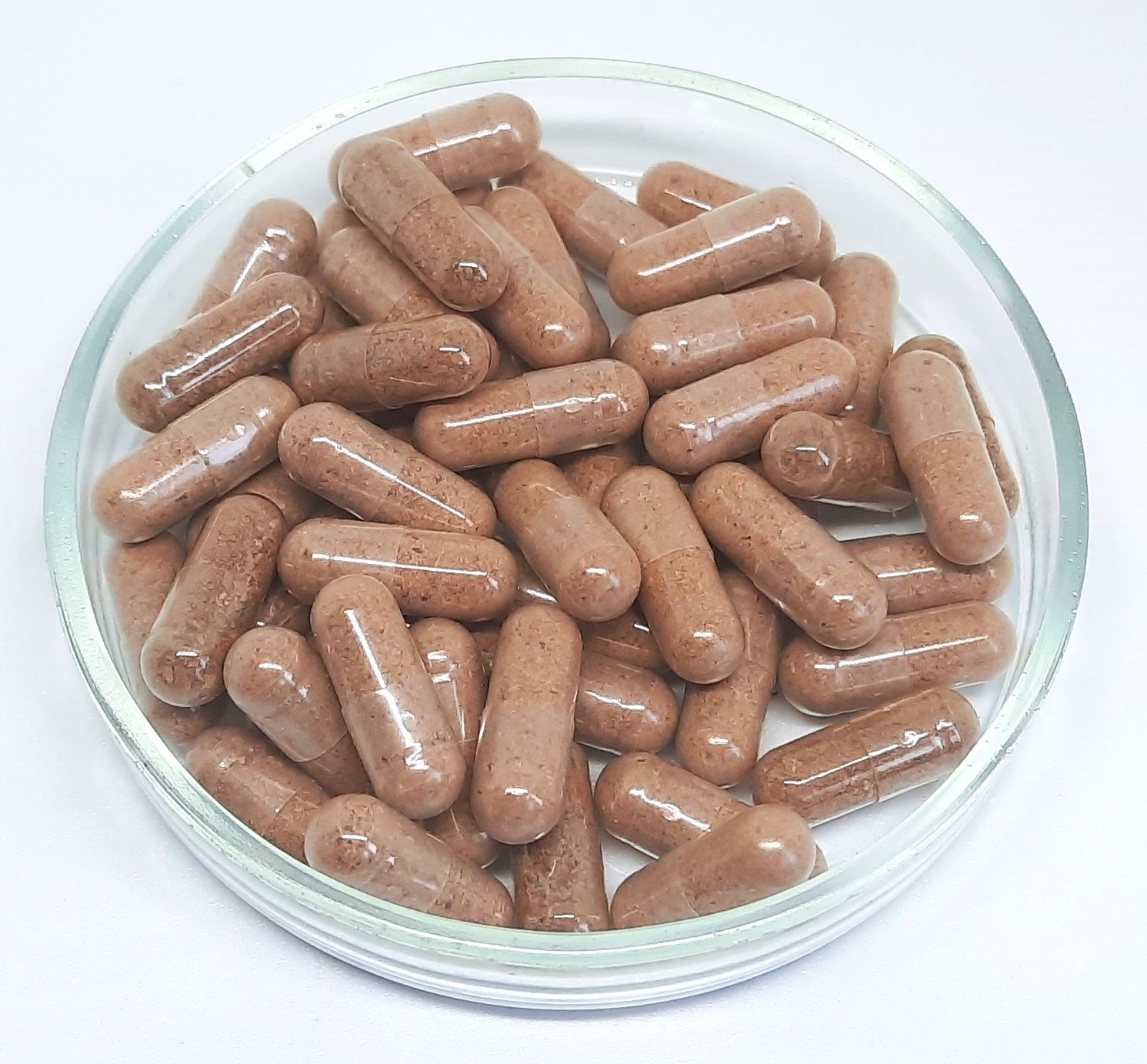
- Capsules/Tablets: These contain standardized extracts or powdered dried root, offering a convenient and precise dosage. Extracts are often concentrated to provide a higher potency of active compounds.
- Tinctures: Liquid extracts made by soaking the root in alcohol or glycerine, allowing for flexible dosing and faster absorption.
- Powdered Root: Dried and ground root can be mixed into beverages or encapsulated at home, offering a more traditional approach.
The standardization of extracts ensures consistent levels of key bioactive compounds, such as anthraquinones, providing a more reliable therapeutic effect compared to raw dried root, where the concentration of active ingredients can vary.
Practical Usage and Dosage Guidelines
While Madder offers a spectrum of benefits, proper usage and dosage are paramount for safety and efficacy. It is always recommended to consult with a qualified healthcare professional or an experienced herbalist before incorporating Madder into your regimen, especially if you have pre-existing health conditions or are taking other medications.
- Kidney Stone Prevention/Support: For this specific application, Madder is often taken in cycles rather than continuously. A common approach might involve taking a standardized extract for a few weeks, then taking a break, and repeating the cycle. Dosages can vary significantly based on the concentration of the extract. For powdered root, traditional doses might range from 1-2 grams per day, typically divided into multiple doses.
- Anti-inflammatory Purposes: Similar dosages of powdered root or standardized extracts can be used. Tinctures might be taken at 2-5 ml, 2-3 times daily, depending on the concentration.
- Starting Dose: It is always prudent to start with a lower dose and gradually increase it, monitoring your body’s response.
- Preparation: If using dried root, a decoction can be made by simmering 1-2 teaspoons of dried, cut root in 1 cup of water for 10-15 minutes, then straining. This can be consumed 1-3 times a day.
Ensure you purchase Madder from reputable suppliers to guarantee purity and quality, as adulteration or contamination can be a concern with herbal products.

Safety, Side Effects, and Precautions
While generally considered safe for short-term use at recommended doses, Madder is not without potential considerations:
- Urine Discoloration: The most common and harmless side effect is the temporary reddish or pinkish discoloration of urine due to the excreted pigments. This is normal and expected.
- Long-Term Use: Concerns have been raised regarding very long-term, high-dose use of Madder root extracts, particularly regarding genotoxicity (potential DNA damage) and carcinogenicity (potential to cause cancer) in animal studies with specific pure anthraquinones like xanthopurpurin and purpurin. However, the relevance of these findings to human consumption of whole Madder root or standardized extracts at therapeutic doses is debated and requires further research. Most recommendations suggest cyclical or short-term use.
- Pregnancy and Lactation: Madder is generally contraindicated during pregnancy and breastfeeding due to insufficient safety data and the potential for certain compounds to cross the placental barrier or enter breast milk.
- Kidney Conditions: While beneficial for calcium oxalate stones, individuals with pre-existing kidney disease, particularly those with conditions other than calcium oxalate stones, should exercise extreme caution and only use Madder under strict medical supervision.
- Drug Interactions: Madder may interact with certain medications, including blood thinners (due to potential mild anticoagulant effects), diuretics, or drugs metabolized by the liver. Always consult your doctor before combining Madder with prescription medications.
- Allergies: As with any botanical, allergic reactions are possible, though rare.
Always adhere to recommended dosages and discontinue use if adverse reactions occur. Prioritize quality, organic, and ethically sourced Madder products.
Conclusion: The Enduring Legacy and Future Promise of Madder
From its ancient origins as a prized dye to its esteemed place in traditional medicine, Madder (Rubia tinctorum) stands as a testament to the enduring power of natural remedies. Its rich historical context is now being complemented by modern scientific inquiry, which is gradually unraveling the complex mechanisms behind its diverse health benefits. With its potent anthraquinone compounds, Madder offers significant promise, particularly in the realm of urinary tract health and kidney stone management, alongside its compelling anti-inflammatory, antioxidant, and potential anticancer properties.
As research continues to deepen our understanding of this remarkable plant, Madder reinforces the concept that ancient wisdom often holds clues to future therapeutic breakthroughs. While it is a powerful ally in natural wellness, responsible and informed usage, guided by professional advice, remains paramount to harnessing its full potential safely and effectively. Embracing Madder means connecting with a legacy of healing that spans millennia, offering a natural path towards enhanced well-being in our modern world.
Disclaimer: For informational purposes only. Not medical advice. Consult a qualified healthcare professional before use.