Unlocking Ancient Wisdom: The Definitive Guide to White Panax Ginseng’s Profound Health Benefits
For millennia, nestled deep within the verdant mountains of East Asia, a revered botanical treasure has quietly sustained human vitality and wellness. Known colloquially as the “King of Herbs” or the “Root of Immortality,” Panax Ginseng, and particularly its meticulously prepared white form, has transcended its traditional origins to become a cornerstone of modern holistic health. White Panax Ginseng, derived from the root of Panax ginseng C.A. Mey, stands as a testament to nature’s profound capacity to support and rejuvenate the human body and mind. This exhaustive guide delves into the rich history, intricate botanical details, potent bioactive compounds, and a comprehensive spectrum of scientifically-backed health benefits that make White Panax Ginseng an unparalleled adaptogen and a powerful ally in the pursuit of optimal health.
A Journey Through Time: The Historical Roots and Cultural Reverence of Ginseng
The story of Panax Ginseng is inextricably woven into the fabric of East Asian medicine, particularly Traditional Chinese Medicine (TCM) and Korean Herbal Medicine. Its use dates back over 2,000 years, with the earliest documented records appearing in the Shennong Ben Cao Jing (The Divine Farmer’s Materia Medica), compiled around the 1st century AD. Ancient texts lauded ginseng for its purported ability to prolong life, enhance wisdom, and improve overall physical prowess. Emperors, scholars, and healers alike prized ginseng for its potent restorative properties, believing it to harmonize the body’s vital energies, or “Qi.” Its rarity and profound reputation made it a symbol of status and an invaluable commodity, often traded along the Silk Road. The distinction between various preparations, such as White and Red Ginseng, emerged over centuries as healers sought to optimize its therapeutic potential through different processing methods, each imparting unique characteristics to the final product.
Botanical Profile: Unveiling the Enigma of Panax Ginseng
Panax ginseng C.A. Mey belongs to the Araliaceae family, a genus renowned for its medicinal plants. Native to the mountainous regions of Korea, Northeast China, and Eastern Siberia, this perennial plant is characterized by its slow growth, often taking four to six years for its fleshy roots to mature sufficiently for harvest. The term “Panax” itself is derived from the Greek words “pan” (all) and “axos” (cure), signifying its historical reputation as a panacea. The plant typically grows to a height of 60-80 cm, featuring palmate leaves arranged in a whorl around the stem, small clusters of greenish-white flowers, and bright red berries. However, it is the subterranean root, with its often human-like shape (hence “ren shen” or “man root” in Chinese), that harbors the plant’s potent therapeutic compounds and is the focus of medicinal use.
White Panax Ginseng: The Art of Preservation and Purity
The distinction between White and Red Panax Ginseng lies in their processing methods. White Panax Ginseng is traditionally prepared by simply sun-drying or air-drying the fresh root after harvest and cleaning. This minimal processing ensures the preservation of the root’s natural composition, retaining its original color and delicate, slightly bitter flavor. In contrast, Red Ginseng undergoes a steaming process before drying, which changes its chemical profile, converting some ginsenosides into others, and giving it a reddish hue and a more robust aroma. The gentle processing of White Ginseng is believed by many to maintain a balanced spectrum of its active components, offering a slightly different, yet equally powerful, set of health benefits compared to its red counterpart. This makes White Panax Ginseng a preferred choice for those seeking a more direct representation of the fresh root’s inherent properties.
The Powerhouse Within: Decoding the Bioactive Compounds – Ginsenosides and Beyond
The remarkable therapeutic effects of White Panax Ginseng are primarily attributed to a diverse array of bioactive compounds, chief among them being triterpenoid saponins known as ginsenosides. Over 150 different ginsenosides have been identified, each possessing unique pharmacological activities. These compounds are typically classified into two main groups based on their aglycone structures: the protopanaxadiol (PPD) group (e.g., Rb1, Rb2, Rc, Rd, Rg3, Rh2) and the protopanaxatriol (PPT) group (e.g., Re, Rf, Rg1, Rg2, Rh1). Each ginsenoside interacts with various biological targets, including neurotransmitter receptors, ion channels, and enzyme systems, contributing to ginseng’s wide-ranging effects.
Beyond ginsenosides, White Panax Ginseng contains a symphony of other beneficial constituents that work synergistically. These include potent polysaccharides (which contribute to immune modulation), peptides, polyacetylenes (known for their anti-inflammatory and anti-cancer properties), flavonoids, essential oils, vitamins (such as B vitamins), and minerals (like selenium and manganese). This complex interplay of compounds underscores why whole-plant extracts often demonstrate superior efficacy compared to isolated components, highlighting the holistic nature of herbal medicine. The meticulous balance of these compounds is critical to ginseng’s adaptogenic qualities, allowing it to exert a normalizing influence on the body’s systems rather than simply stimulating or suppressing them.

Comprehensive Health Benefits of White Panax Ginseng: A Deep Dive
The adaptogenic nature of White Panax Ginseng enables it to influence numerous physiological pathways, offering a broad spectrum of health benefits. Modern scientific research continues to validate many of the traditional uses, shedding light on the intricate mechanisms behind its potent effects.
1. Cognitive Enhancement and Neuroprotection: Sharpening the Mind
White Panax Ginseng is renowned for its capacity to boost cognitive function, earning it the moniker “brain tonic.” Studies indicate it can significantly improve memory, focus, concentration, and overall mental clarity. The ginsenosides, particularly Rg1 and Rb1, appear to play a crucial role by modulating neurotransmitter activity in the brain. For instance, Rg1 can promote acetylcholine release, a neurotransmitter vital for learning and memory, while also stimulating neurite outgrowth. Ginseng’s antioxidant and anti-inflammatory properties further contribute to neuroprotection, shielding brain cells from oxidative damage and inflammation, which are implicated in age-related cognitive decline and neurodegenerative diseases like Alzheimer’s and Parkinson’s. By improving cerebral blood flow and glucose utilization, ginseng ensures the brain receives optimal oxygen and nutrient supply, enhancing its operational efficiency under various conditions, including stress or fatigue.
2. Adaptogenic Support: Boosting Energy and Combating Fatigue
As a true adaptogen, White Panax Ginseng helps the body adapt to and resist physical, chemical, and environmental stressors. It doesn’t act as a stimulant in the way caffeine does; rather, it helps restore physiological balance. Ginseng achieves this by influencing the hypothalamic-pituitary-adrenal (HPA) axis, the body’s central stress response system, helping to normalize cortisol levels during times of stress. Furthermore, ginsenosides have been shown to enhance energy production at a cellular level, improving mitochondrial function and increasing ATP (adenosine triphosphate) synthesis, which is the primary energy currency of the cell. This translates to increased physical stamina, reduced perception of fatigue, and quicker recovery from strenuous activity, making it invaluable for individuals experiencing chronic fatigue or those seeking to enhance athletic performance.
3. Robust Immune System Modulation: Fortifying Defenses
White Panax Ginseng is a powerful immunomodulator, meaning it can help balance and strengthen the immune system, rather than simply boosting it. It achieves this by increasing the activity of various immune cells, including natural killer (NK) cells, macrophages, and T-lymphocytes, which are crucial for identifying and eliminating pathogens and abnormal cells. Ginsenosides can also enhance the production of cytokines, such as interferons and interleukins, which are vital for immune signaling and response. Regular intake can help the body fend off common infections like colds and flu, reduce the severity and duration of illnesses, and even bolster vaccine efficacy. Its anti-inflammatory properties further support immune health by preventing excessive, damaging inflammatory responses.
4. Stress Reduction and Mood Regulation: Cultivating Calm
In our fast-paced world, stress is a ubiquitous challenge. White Panax Ginseng’s adaptogenic qualities extend profoundly to mental and emotional well-being. By modulating the HPA axis and influencing neurotransmitter systems, it helps to mitigate the physiological effects of chronic stress. It can reduce feelings of anxiety, improve mood, and promote a sense of calm and well-being. Some research suggests it may possess antidepressant-like properties by interacting with serotonin and norepinephrine pathways, offering a natural approach to supporting emotional resilience and mental equilibrium without the significant side effects often associated with pharmaceutical interventions.
5. Potent Antioxidant and Anti-inflammatory Properties: Cellular Protection
Oxidative stress and chronic inflammation are underlying causes of numerous chronic diseases, from cardiovascular conditions to certain cancers. White Panax Ginseng is rich in antioxidants that effectively scavenge free radicals, neutralizing their damaging effects on cells and tissues. The ginsenosides, along with other phenolic compounds and flavonoids, protect cellular components like DNA, proteins, and lipids from oxidative damage. Concurrently, ginseng exerts powerful anti-inflammatory effects by modulating key inflammatory pathways, such as NF-κB and COX-2. This dual action of combating oxidative stress and inflammation makes White Panax Ginseng a formidable agent for cellular health and disease prevention, supporting overall systemic integrity.
6. Enhancing Sexual Health and Libido: Reigniting Vitality
Historically, Panax Ginseng has been revered as an aphrodisiac and a tonic for sexual vitality. Modern research supports these traditional claims, particularly concerning male sexual health. Ginseng has been shown to improve erectile dysfunction (ED) by promoting nitric oxide (NO) synthesis in the endothelial cells, which leads to vasodilation and increased blood flow to the penis. It can also enhance sperm quality, motility, and count. For both men and women, ginseng may contribute to increased libido and sexual satisfaction, not necessarily through direct hormonal action, but by improving overall energy, mood, and circulation, which are all crucial for healthy sexual function. Its adaptogenic qualities also help reduce performance anxiety, further contributing to a positive sexual experience.
7. Blood Sugar Regulation: Aiding Metabolic Health
Emerging research highlights White Panax Ginseng’s potential in managing blood glucose levels, making it a subject of interest for individuals with prediabetes or type 2 diabetes. Ginsenosides have been shown to improve insulin sensitivity, enhance glucose uptake by cells, and decrease post-meal blood sugar spikes. Some mechanisms involve influencing pancreatic beta-cell function and inhibiting enzymes involved in carbohydrate digestion. While not a substitute for prescribed diabetes medication, ginseng can be a valuable adjunctive therapy, helping to stabilize blood sugar and reduce the risk of diabetes-related complications. However, individuals on blood-sugar-lowering medications should use ginseng under medical supervision due to the potential for synergistic effects leading to hypoglycemia.
8. Cardiovascular Health: Protecting the Heart
White Panax Ginseng offers several benefits for cardiovascular health. It can help regulate blood pressure, with some studies showing a modest reduction in both systolic and diastolic readings. Ginseng also contributes to lowering harmful LDL cholesterol and triglyceride levels while potentially increasing beneficial HDL cholesterol. Its anti-platelet aggregation effects can help prevent the formation of blood clots, thereby reducing the risk of heart attack and stroke. Furthermore, its ability to improve endothelial function—the health of the inner lining of blood vessels—is crucial for maintaining vascular elasticity and preventing atherosclerosis.
9. Anti-Cancer Potential: Aiding Adjunctive Therapy
While not a cure for cancer, numerous in vitro and animal studies suggest that ginsenosides possess significant anti-cancer properties. They have been shown to inhibit the proliferation of various cancer cell lines, induce apoptosis (programmed cell death) in malignant cells, prevent angiogenesis (the formation of new blood vessels that feed tumors), and suppress metastasis (the spread of cancer). Ginseng may also help reduce the side effects associated with conventional cancer treatments like chemotherapy and radiation, improving the quality of life for cancer patients. It is crucial to emphasize that ginseng should only be used as an adjunctive therapy under the strict guidance of an oncologist and never as a standalone treatment for cancer.
Practical Usage, Forms, and Dosage: Integrating White Panax Ginseng into Your Routine
White Panax Ginseng is available in various forms, offering flexibility in how it can be incorporated into a daily health regimen. The choice of form often depends on personal preference, desired potency, and convenience.
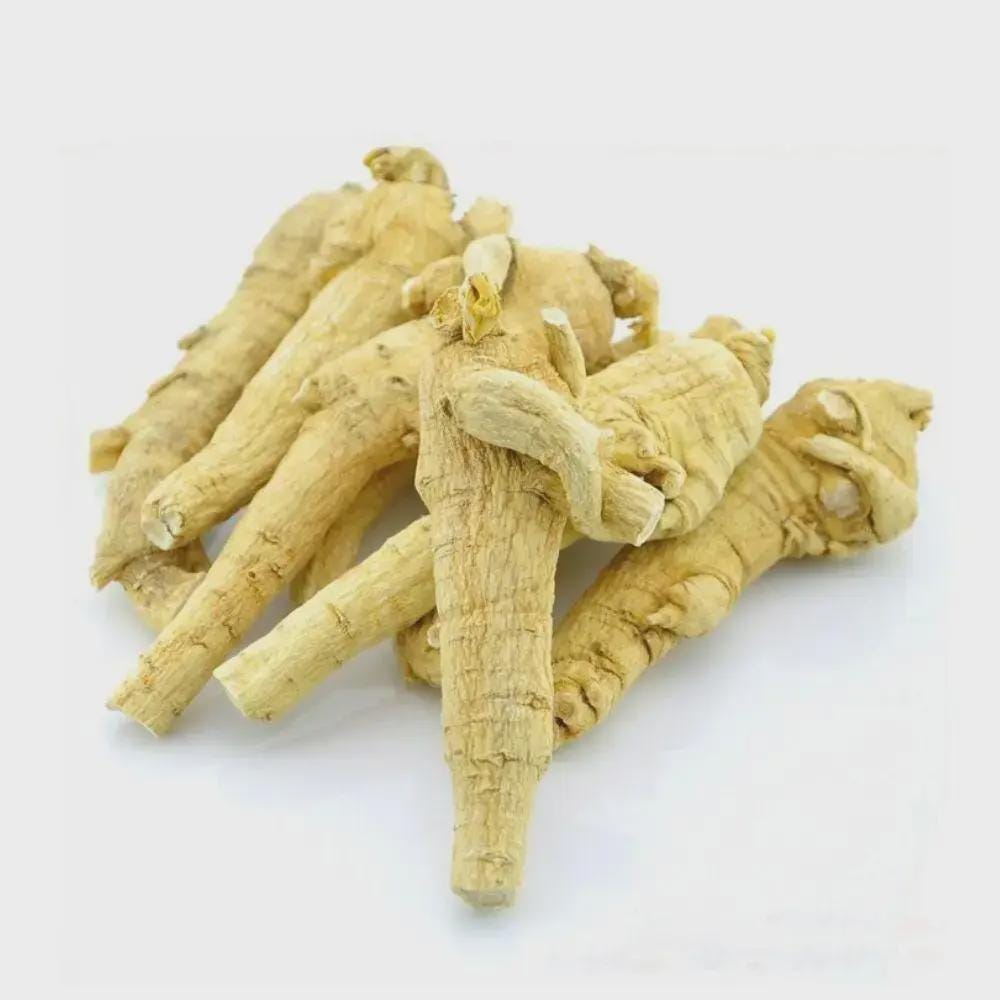
- Whole Root or Slices: The dried root can be sliced and brewed as a tea, decocted into a stronger tonic, or even chewed directly. This is the most traditional form, allowing for a direct connection to the raw herb.
- Powdered Root: Ground into a fine powder, it can be added to smoothies, warm water, or encapsulated.
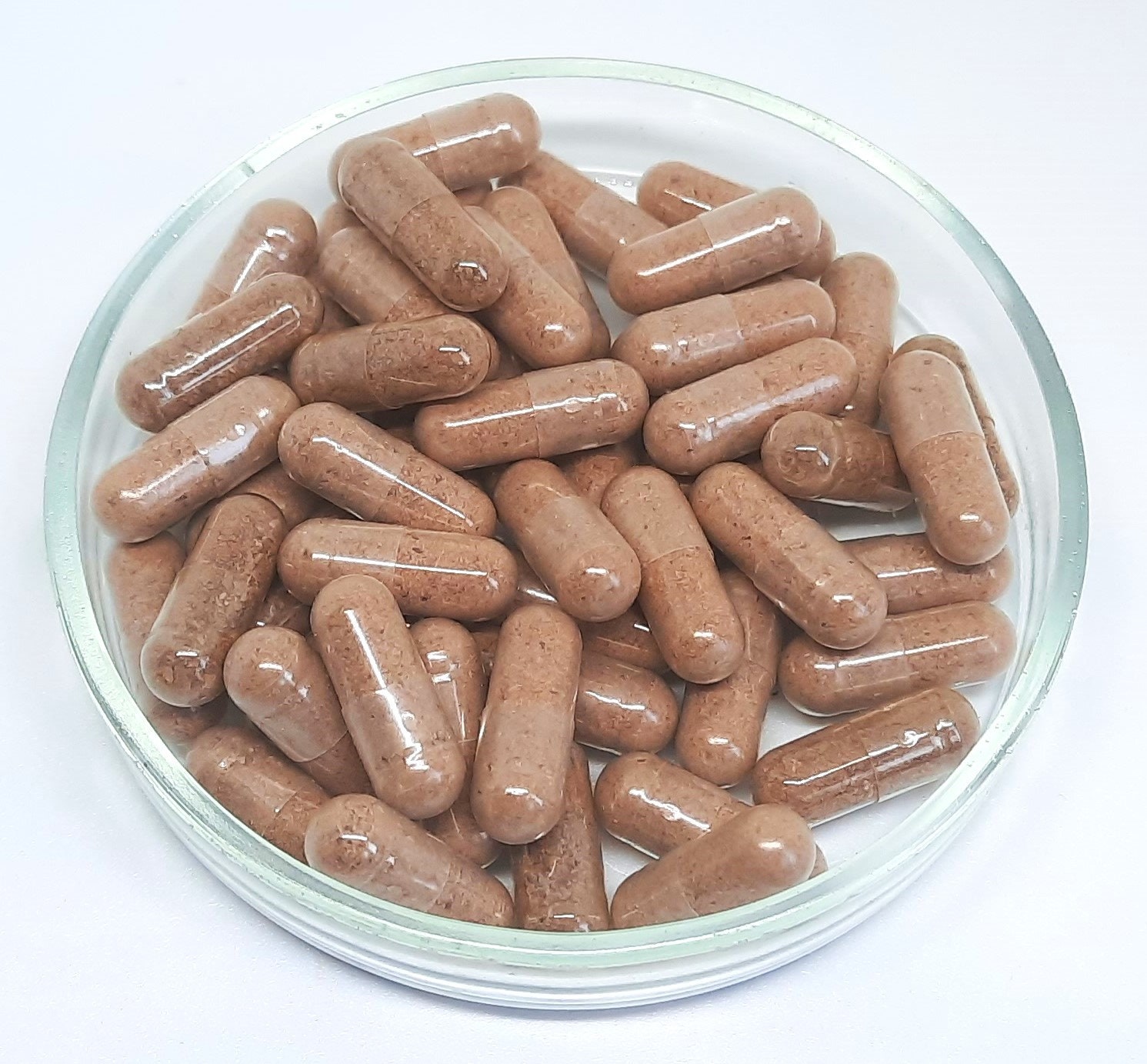
- Extracts and Capsules: These are the most common and convenient forms for standardized dosing. High-quality extracts will specify the percentage of total ginsenosides (typically 4-7% is considered good for White Ginseng). Dosages generally range from 200 mg to 400 mg of standardized extract, taken once or twice daily.
- Teas and Tinctures: Pre-made ginseng teas offer a milder dose, while tinctures provide a concentrated liquid extract.
General dosage recommendations vary widely based on the concentration of ginsenosides and the individual’s health goals. For general well-being and adaptogenic support, a daily intake of 1-2 grams of dried root or an equivalent standardized extract (providing 50-100 mg of ginsenosides) is often suggested. It’s common practice to cycle ginseng use, taking it for 2-3 months followed by a 2-4 week break, to maintain responsiveness and prevent potential tolerance. Always start with a lower dose to assess tolerance and gradually increase if needed.
Safety, Side Effects, and Precautions: Navigating with Care
White Panax Ginseng is generally well-tolerated when taken appropriately. However, like any potent herbal supplement, it can cause side effects and interact with medications. Potential mild side effects include insomnia (especially if taken late in the day due to its energizing effects), nervousness, mild headaches, or digestive upset. Rare side effects may include skin rashes or changes in blood pressure.
**Important Precautions and Interactions:**
- Anticoagulants/Antiplatelet Drugs: Ginseng can have mild anti-platelet effects, potentially increasing the risk of bleeding when combined with blood thinners like warfarin, aspirin, or ibuprofen.
- Diabetes Medications: Due to its blood sugar-lowering effects, ginseng can potentiate the effects of antidiabetic drugs, leading to hypoglycemia (low blood sugar). Close monitoring of blood glucose levels is essential.
- Immunosuppressants: As an immunomodulator, ginseng might interfere with the effects of immunosuppressant medications.
- Stimulants: Combining ginseng with other stimulants like caffeine can amplify effects, potentially leading to increased nervousness or insomnia.
- Hormone-Sensitive Conditions: Ginseng has mild estrogen-like properties and should be used with caution by individuals with hormone-sensitive conditions such as breast cancer, uterine fibroids, or endometriosis.
- Pregnancy and Breastfeeding: Ginseng is not recommended for pregnant or nursing women due to insufficient safety data.
- Children: Its use in children is generally not advised without medical supervision.
Always consult with a healthcare professional before starting any new supplement, especially if you have pre-existing medical conditions, are taking other medications, or are pregnant/breastfeeding. This ensures safe and effective integration of White Panax Ginseng into your health regimen.
Choosing Quality White Panax Ginseng: Ensuring Efficacy
The efficacy of White Panax Ginseng largely depends on its quality. Several factors contribute to a superior product:
- Origin: Korean ginseng is often considered the gold standard due to its meticulous cultivation practices and rich ginsenoside profile. Chinese Panax Ginseng also offers excellent quality.
- Age of Root: Ginseng roots typically reach their peak potency after 4-6 years of growth. Six-year-old roots are highly prized.
- Ginsenoside Content: Look for products that specify the total ginsenoside content on the label, often standardized to a certain percentage (e.g., 4-7%). This ensures consistency in potency.
- Reputable Brands: Choose products from established brands that adhere to good manufacturing practices (GMP) and conduct third-party testing for purity, potency, and absence of contaminants (heavy metals, pesticides).
- Processing Method: Ensure it’s explicitly labeled “White Panax Ginseng” to confirm the gentle drying process.

Conclusion: Embracing the Holistic Power of White Panax Ginseng
White Panax Ginseng, a beacon of ancient herbal wisdom, continues to prove its profound value in the modern pursuit of health and well-being. Its intricate blend of ginsenosides and other bioactive compounds underpins its adaptogenic prowess, enabling it to modulate the body’s responses to stress, enhance cognitive function, fortify the immune system, boost energy, and support a multitude of physiological systems. From its revered status in traditional medicine to its validation through contemporary scientific inquiry, White Panax Ginseng stands as a testament to the enduring power of nature. By understanding its comprehensive benefits, practical applications, and necessary precautions, individuals can responsibly integrate this extraordinary herb into their lifestyle, unlocking a path toward enhanced vitality, resilience, and holistic health. As always, a personalized approach guided by a healthcare professional ensures the safest and most effective journey with this venerable “King of Herbs.”
Disclaimer: For informational purposes only. Not medical advice. Consult a qualified healthcare professional before use.