The Ultimate Guide to Black Currant Leaf: Health Benefits and Uses

The Comprehensive Guide to Black Currant Leaf: Nature’s Potent Phytotherapeutic Powerhouse

While the deep purple, tart berries of the Black Currant plant (Ribes nigrum) have long been celebrated in culinary circles and for their high Vitamin C content, the leaves of this resilient shrub harbor a pharmacological profile that is perhaps even more impressive. Used for centuries in European traditional medicine, Black Currant leaf is emerging in modern clinical research as a versatile therapeutic agent. This exhaustive guide explores the botanical intricacies, historical lineage, complex chemical composition, and the vast array of health benefits provided by Black Currant leaves, offering a definitive resource for health enthusiasts and practitioners alike.

Botanical Profile and Morphology: Understanding Ribes nigrum

The Black Currant is a deciduous shrub belonging to the family Grossulariaceae. Native to northern Europe and northern Asia, it thrives in damp, fertile soils and cool temperate climates. The leaves are the primary focus of herbal medicine, distinguished by their alternate arrangement and palmate shape, typically featuring three to five deeply serrated lobes. One of the most defining characteristics of the Black Currant leaf is the presence of yellow, sessile oil glands on the abaxial (underside) surface. These glands secrete a distinctive, pungent aroma when crushed—a scent often described as musky or “catty,” which is indicative of the plant’s rich volatile oil content.

From a botanical standpoint, the leaves are harvested in the late spring or early summer, specifically before the fruit ripens. It is during this developmental window that the concentration of bioactive secondary metabolites—particularly flavonoids and proanthocyanidins—reaches its peak. The structural integrity of the leaf, characterized by its intricate vascular network, serves as the conduit for the synthesis of these compounds, which the plant utilizes for defense against ultraviolet radiation and oxidative stress. Understanding this biological foundation is essential for recognizing why the leaf offers such concentrated health benefits compared to other parts of the plant.

Black Currant Leaf Botanical Photo

Historical Context and Traditional Applications

The history of Black Currant leaf in herbalism is deeply rooted in European folk medicine, particularly in France, Germany, and Russia. Historically, it was referred to as “the drink of life” or “the panacea of the forest.” Medieval herbalists recognized its potent diuretic properties, frequently prescribing infusions of the dried leaves to treat “dropsy” (edema) and various kidney ailments. In the 18th century, the famed botanist Abbot Pierre Bailly of Montaran popularized the use of Black Currant leaf for promoting longevity and treating inflammatory conditions such as gout and rheumatism.

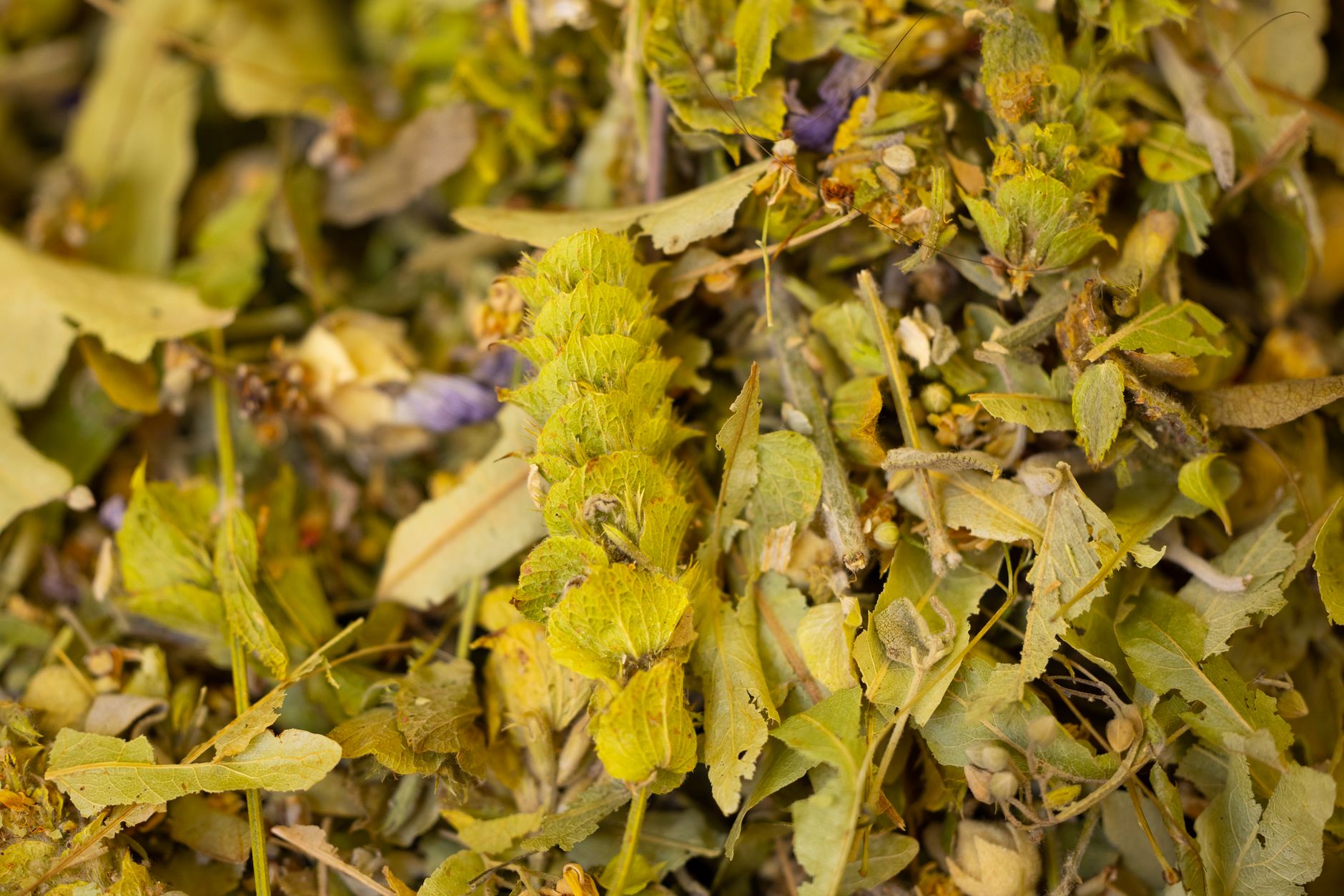
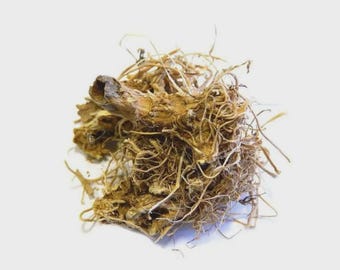
Traditional preparations involved drying the leaves in shaded, well-ventilated areas to preserve their aromatic and medicinal qualities. These dried leaves were then steeped into “tisanes” or herbal teas. Beyond internal use, crushed fresh leaves were sometimes applied topically as poultices to soothe insect bites or minor skin irritations. The cultural legacy of the Black Currant leaf transition from a rustic remedy to a formalized component of the European Pharmacopoeia highlights its enduring efficacy and the respect it has garnered within the scientific community over the centuries.
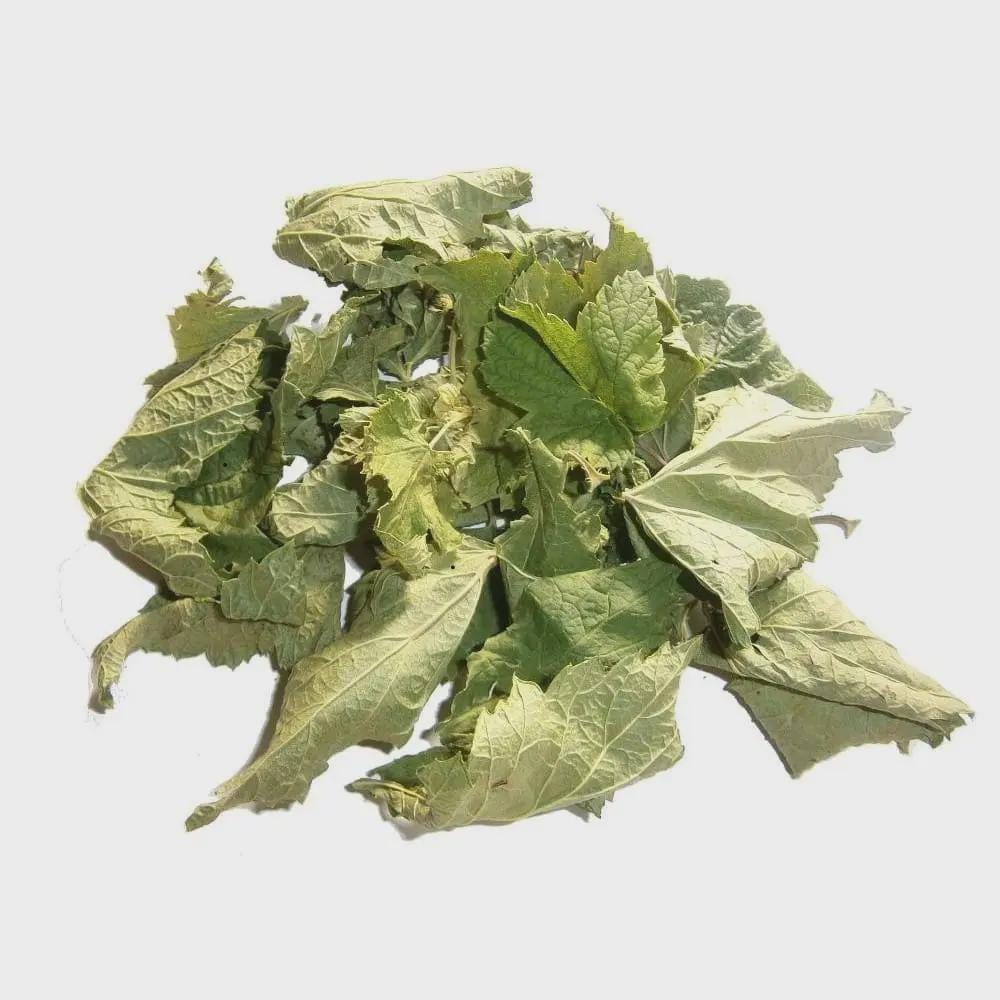
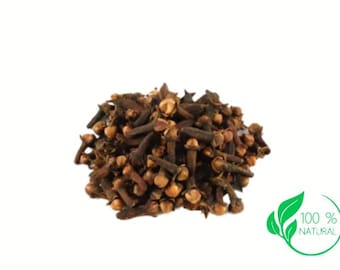
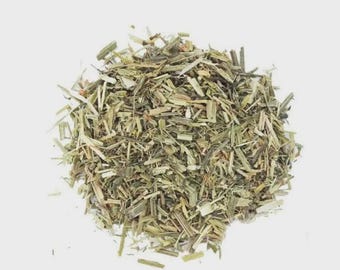
Black Currant Leaf Dried Herb

The Complex Phytochemical Landscape

The therapeutic efficacy of Black Currant leaf is a direct result of its sophisticated chemical composition. Unlike the berries, which are high in anthocyanins, the leaves are rich in a diverse array of polyphenols, specifically flavonol glycosides. The primary bioactive compounds include:

  • Flavonoids: Primarily quercetin, kaempferol, and myricetin derivatives, such as isoquercitrin and rutin. These compounds are renowned for their antioxidant and anti-inflammatory properties.
  • Proanthocyanidins: Oligomeric proanthocyanidins (OPCs) found in the leaves provide significant cardiovascular protection and help stabilize collagen structures in the body.
  • Phenolic Acids: Including chlorogenic acid and caffeic acid, which contribute to the plant’s ability to modulate glucose metabolism and protect against cellular oxidation.
  • Diterpenes and Volatile Oils: These contribute to the antimicrobial effects and the characteristic aroma of the plant.
  • Vitamin C and Minerals: While lower than in the berries, the leaves still contain significant levels of ascorbic acid, alongside magnesium and potassium, which support metabolic function.

The synergy between these compounds—often referred to as the “entourage effect”—is what makes the leaf extract more potent than isolated compounds. For instance, the presence of rutin enhances the bioavailability of other flavonoids, ensuring that the body can effectively absorb and utilize these nutrients to combat systemic inflammation and oxidative damage at a cellular level.

Black Currant Leaf Plant Profile

Anti-Inflammatory Mechanisms and Joint Health

Perhaps the most scientifically validated benefit of Black Currant leaf is its role as an “anti-rheumatic” agent. Modern pharmacological studies have demonstrated that the leaf extract acts as a dual inhibitor of the cyclooxygenase (COX) and lipoxygenase (LOX) pathways. By inhibiting these enzymes, Black Currant leaf reduces the production of pro-inflammatory prostaglandins and leukotrienes, which are the primary drivers of pain and swelling in conditions like osteoarthritis and rheumatoid arthritis.

Furthermore, Black Currant leaf extract has been shown to decrease the expression of pro-inflammatory cytokines such as Tumor Necrosis Factor-alpha (TNF-α) and Interleukin-1 beta (IL-1β). For individuals suffering from chronic joint pain, this means that the leaves do not just mask the pain, but actually help modulate the underlying inflammatory response. This makes it a valuable natural alternative or adjunct to non-steroidal anti-inflammatory drugs (NSAIDs), often with fewer gastrointestinal side effects.

Diuretic and Renal Support: An “Aquaretic” Effect

In the realm of nephrology and urinary health, Black Currant leaf is classified as an “aquaretic.” Unlike synthetic diuretics that force the excretion of both water and essential electrolytes (like potassium), an aquaretic promotes the excretion of water while maintaining electrolyte balance. This is particularly beneficial for flushing the urinary tract and preventing the formation of kidney stones. By increasing urine volume and flow, the leaf helps to expel uric acid, making it an essential tool for managing gout—a condition characterized by the accumulation of uric acid crystals in the joints.

The high flavonoid content also provides a protective effect on the delicate capillaries within the kidneys. By reducing oxidative stress in the renal parenchyma, Black Currant leaf may help support overall kidney function and longevity. This “cleansing” action is why many detox protocols incorporate Black Currant leaf tea to assist the body’s natural filtration processes and reduce systemic fluid retention.

Cardiovascular Benefits and Endothelial Function

The health of the cardiovascular system is heavily dependent on the integrity of the endothelium—the thin layer of cells lining the blood vessels. Black Currant leaves are rich in compounds that stimulate the production of nitric oxide, a molecule that helps blood vessels dilate and maintain flexibility. This vasodilation is crucial for maintaining healthy blood pressure levels and ensuring efficient circulation throughout the body.

Moreover, the potent antioxidants in the leaf prevent the oxidation of LDL cholesterol. Oxidized LDL is a primary contributor to plaque buildup in the arteries (atherosclerosis). By protecting the lipids in the bloodstream from oxidative damage and reducing systemic inflammation, Black Currant leaf supports long-term heart health. The proanthocyanidins also strengthen the vein walls, making it a useful herbal support for those dealing with chronic venous insufficiency or varicose veins.

Modern Supplementation: Capsules and Concentrated Extracts

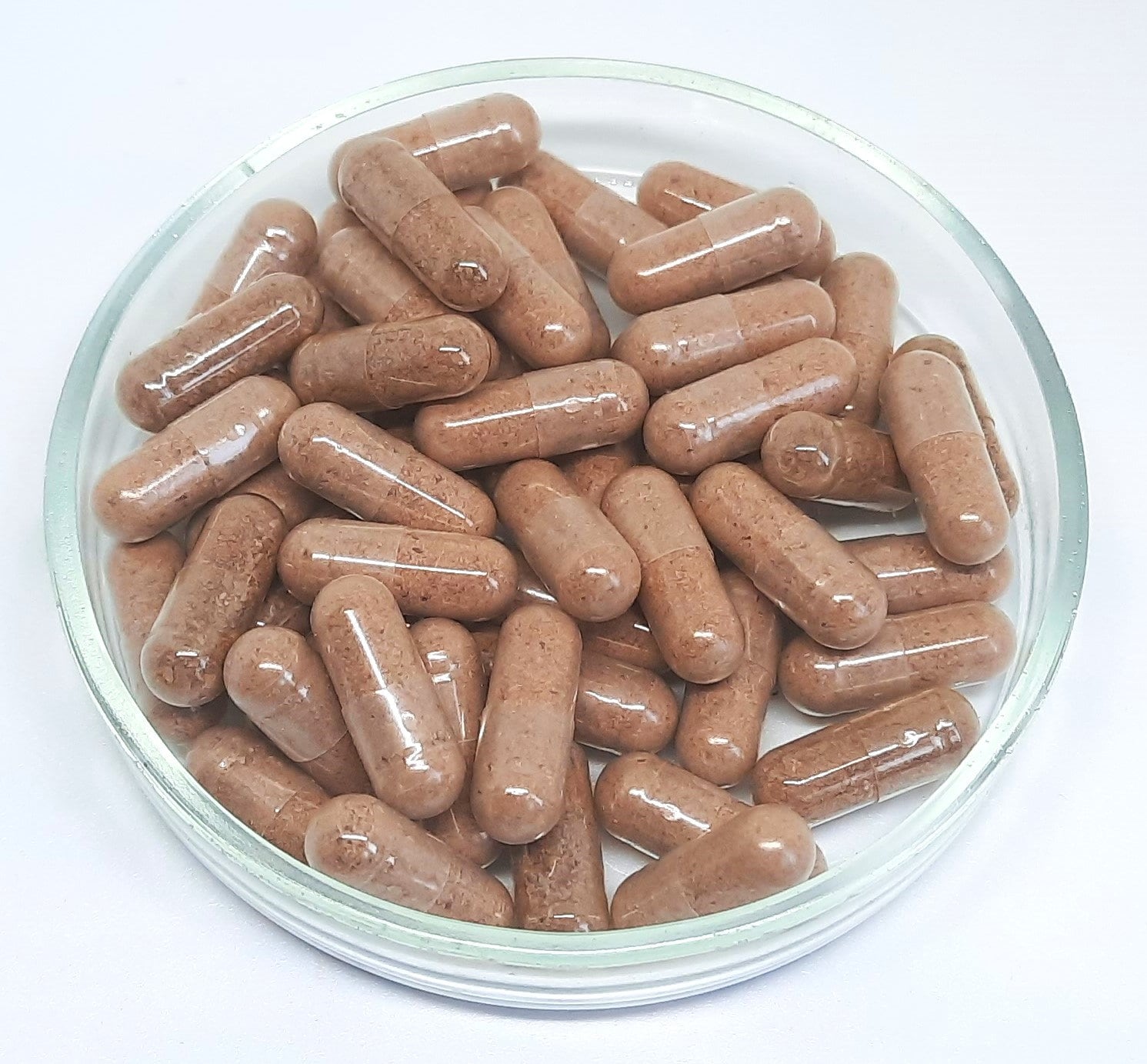
In the contemporary wellness market, the efficacy of Black Currant leaf is often harnessed through concentrated supplements. While tea remains a popular and gentle method of consumption, capsules containing standardized extracts offer a more consistent therapeutic dose of bioactive flavonoids. These supplements are particularly favored by individuals seeking targeted relief from inflammatory conditions or those undergoing intensive metabolic “flushes.”

When selecting a supplement, it is crucial to look for “standardized extracts” that specify the percentage of flavonoids or polyphenols. This ensures that the product contains the active constituents necessary to trigger the physiological responses discussed. Because the active compounds in the leaf are sensitive to heat and light, high-quality capsules utilize cold-processing or specialized drying techniques to maintain the integrity of the molecular structure, providing a convenient and potent way to integrate this ancient herb into a modern lifestyle.

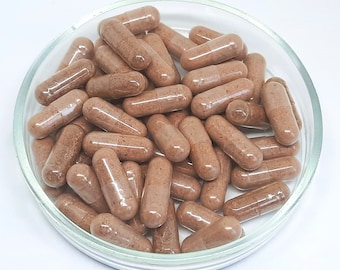
Black Currant Leaf Capsules

Immune Modulation and Antiviral Potential

Emerging research is investigating the antiviral and immunomodulatory properties of Ribes nigrum leaves. Preliminary studies suggest that certain polysaccharides found in the leaves may prevent viruses from adhering to host cells, particularly in the case of respiratory pathogens. While not a replacement for traditional medicine, the high concentration of polyphenols provides a robust support system for the innate immune response.

Additionally, the leaf’s ability to act as an antioxidant “scavenger” helps reduce the “cytokine storm” associated with severe viral infections. By neutralizing free radicals generated during the immune response, Black Currant leaf helps protect healthy tissue from collateral damage during illness. This dual action—supporting the immune system while protecting the body from the stress of infection—makes it a formidable ally during the colder months or during times of high physical stress.

Dosage, Usage, and Safety Considerations

Integrating Black Currant leaf into a daily routine can be done through various methods, each with its own dosage profile. For a standard herbal infusion, one to two teaspoons of dried leaves per cup of boiling water, steeped for 10-15 minutes, is the traditional recommendation, taken up to three times daily. For standardized capsule extracts, a dosage of 500mg to 1000mg per day is common, though it is always advisable to follow the manufacturer’s specific guidelines or consult a healthcare professional.

Safety is a hallmark of Black Currant leaf. It is generally recognized as safe (GRAS) with a very low toxicity profile. However, because of its diuretic effects, individuals with severe heart or kidney failure (where fluid intake is restricted) should exercise caution. Furthermore, while there are no known major drug interactions, those on blood-thinning medications or blood pressure medication should consult their physician, as the herb may have a mild additive effect on circulation and fluid balance.
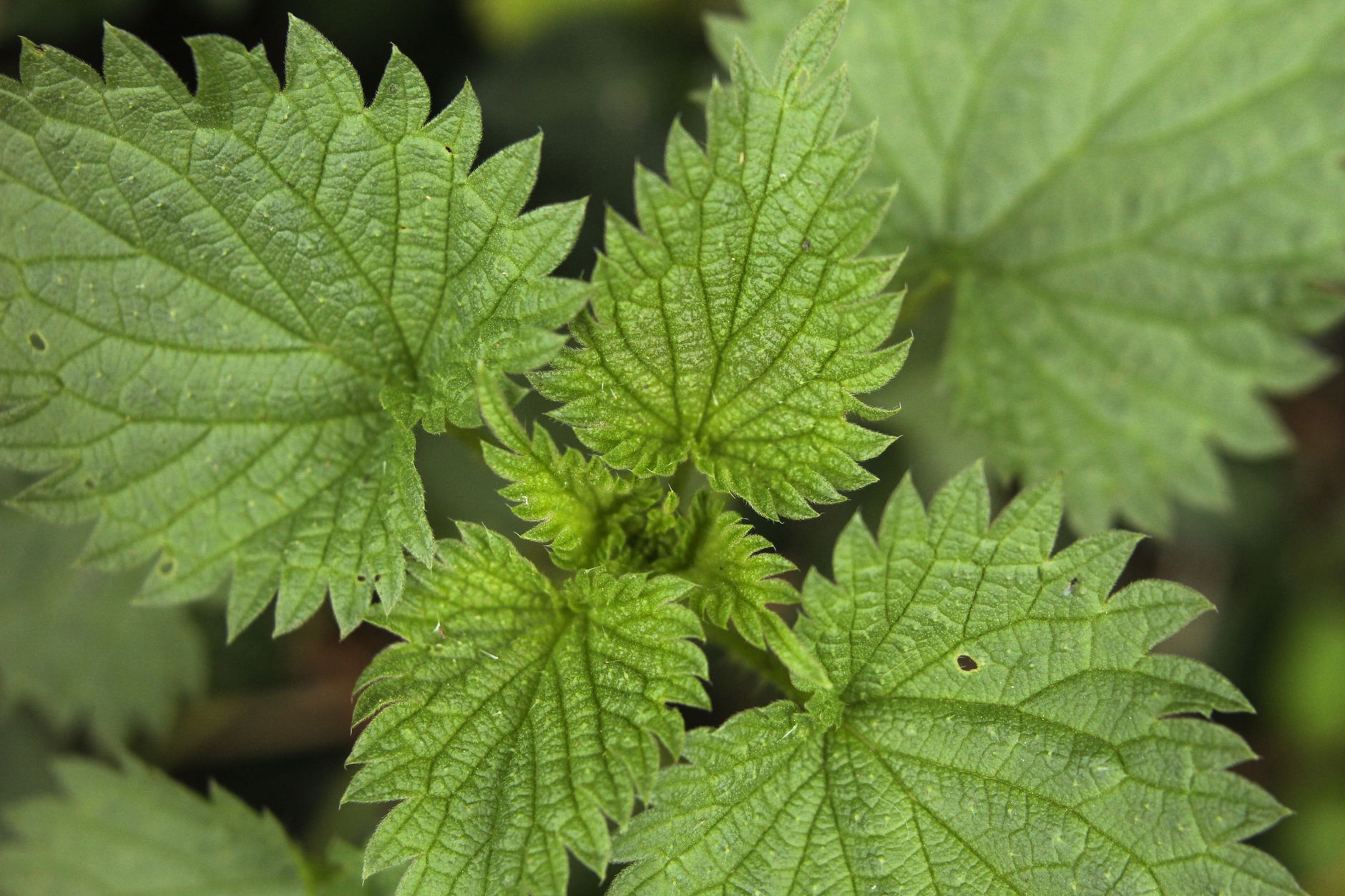
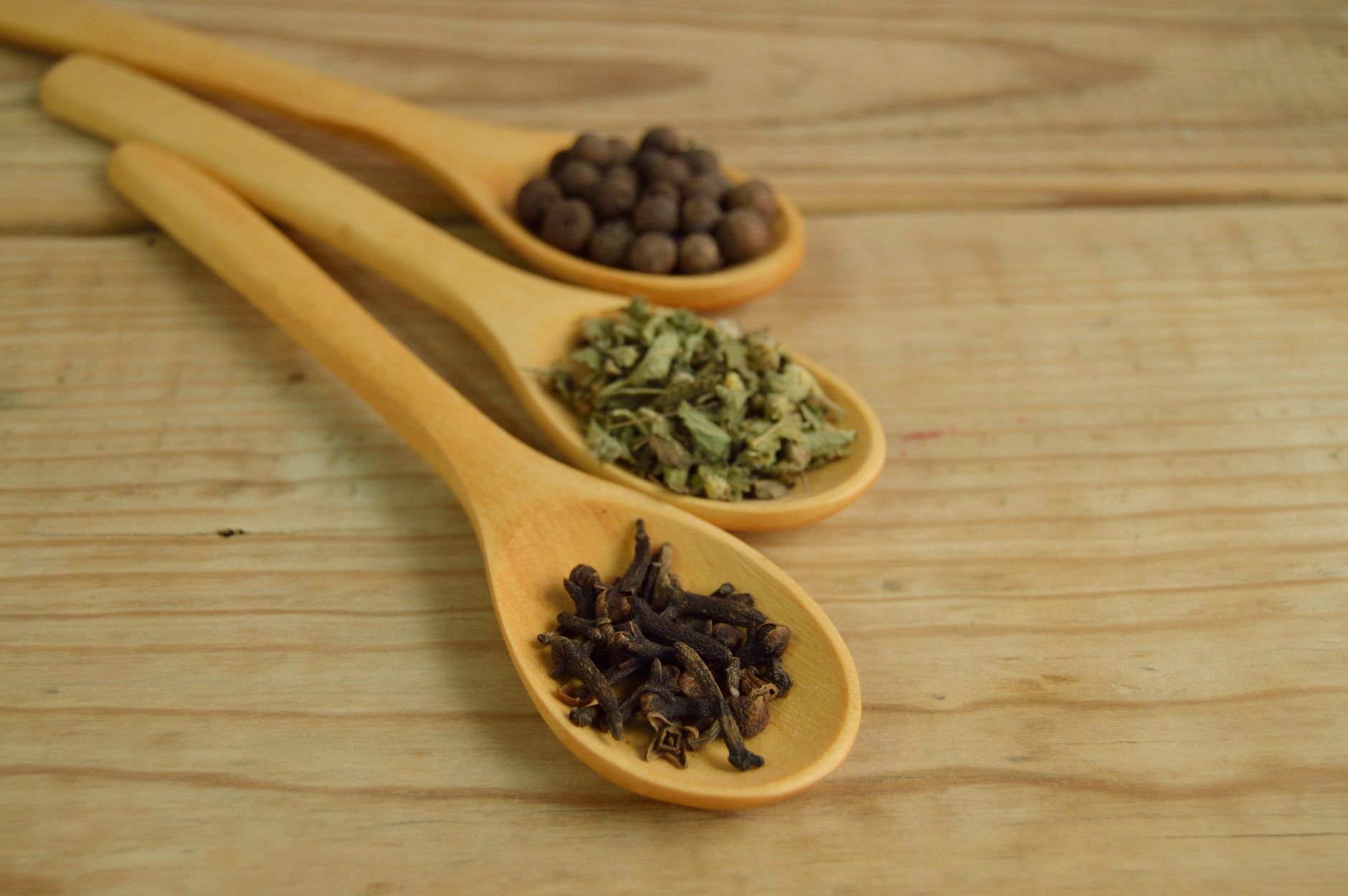
Black Currant Leaf Natural Herb

Conclusion: The Enduring Legacy of the Black Currant Leaf

Black Currant leaf stands as a testament to the power of traditional herbal knowledge when validated by modern science. It is far more than a byproduct of the berry industry; it is a sophisticated biological matrix capable of modulating inflammation, supporting renal and cardiovascular health, and fortifying the immune system. Whether consumed as a fragrant morning tea or as a concentrated dietary supplement, the leaves of Ribes nigrum offer a holistic approach to wellness that addresses the root causes of many chronic health issues.

As we continue to navigate an era defined by oxidative stress and inflammatory lifestyles, returning to these potent botanical allies provides a sustainable and effective pathway to health. The Black Currant leaf, with its rich history and complex chemistry, remains one of nature’s most valuable gifts for those seeking a deeper, more analytical approach to natural medicine.

Disclaimer: For informational purposes only. Not medical advice. Consult a qualified healthcare professional before use.

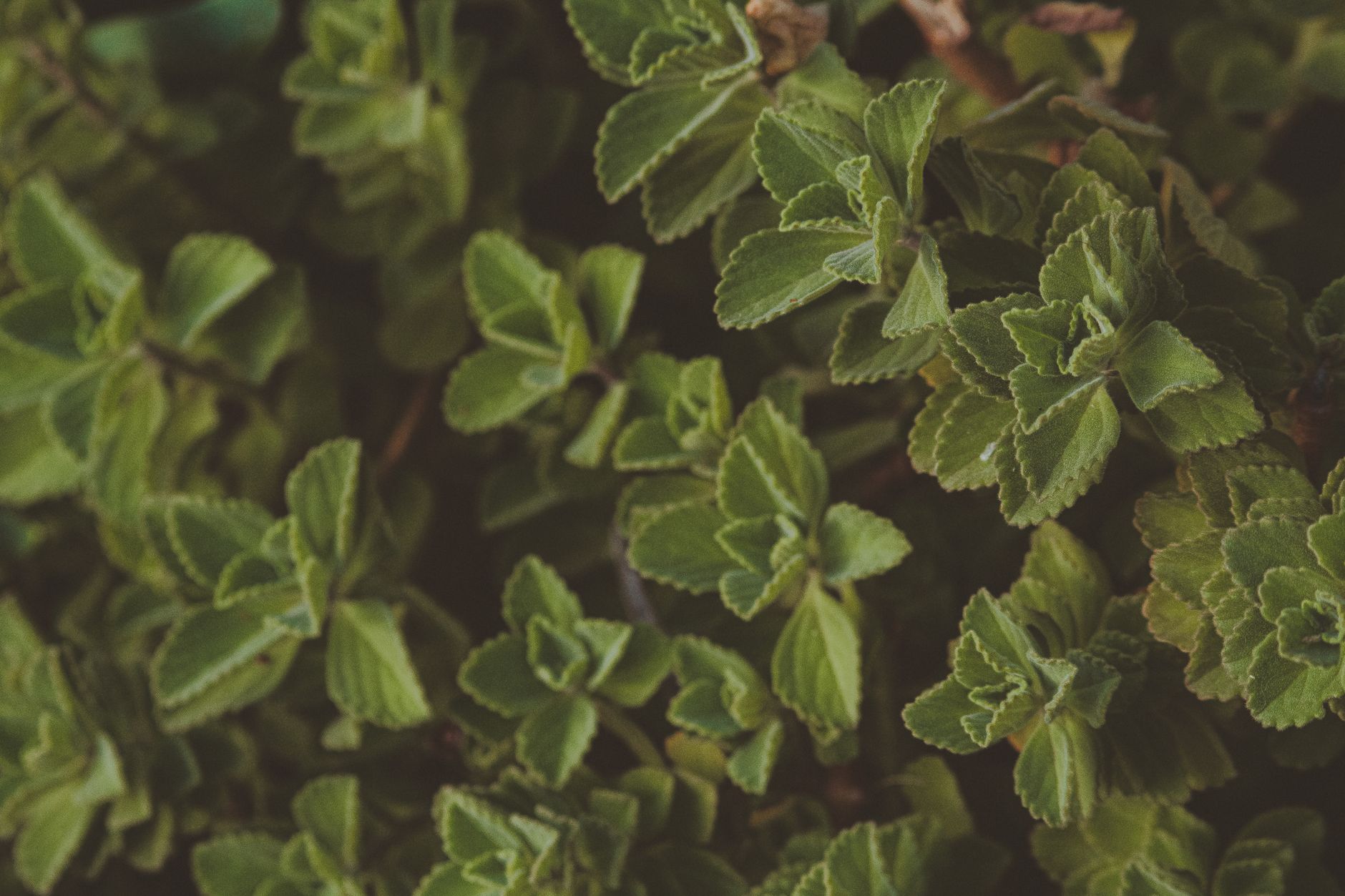
The Ultimate Guide to Lungwort Herb: Health Benefits and Uses

The Comprehensive Guide to Lungwort Herb: Nature’s Premier Respiratory Restorative

Lungwort, known scientifically as Pulmonaria officinalis, is a perennial herb that has occupied a central place in European herbalism for centuries. Belonging to the Boraginaceae family, this plant is easily recognized by its distinctive white-spotted green leaves and its ability to change the color of its flowers from pink to blue as they age. However, its value extends far beyond its aesthetic appeal in woodland gardens. The name “Lungwort” itself is a testament to its long-standing reputation as a therapeutic agent for respiratory ailments. Derived from the Latin “pulmo” (lung), the plant’s appearance—resembling the mottled surface of a human lung—led early herbalists to believe, via the “Doctrine of Signatures,” that it was divinely intended to treat pulmonary conditions. Modern science has since validated many of these traditional uses, uncovering a complex profile of bioactive compounds that support not only the respiratory system but also the skin, digestive tract, and overall cellular health.

In this exhaustive exploration, we will delve into the botanical intricacies, chemical makeup, and multifaceted health benefits of Lungwort. From its historical roots in medieval monasteries to its contemporary applications in concentrated extracts and capsules, this guide provides a definitive overview for those seeking to understand how this ancient botanical can support modern wellness. We will analyze the specific mechanisms of action through which Lungwort exerts its effects, providing a deep-dive into why it remains one of the most respected herbs in the natural pharmacopeia.

Botanical Characteristics and Taxonomy

Lungwort is native to the deciduous forests of Europe and Western Asia, where it thrives in damp, shaded environments rich in humus. As a perennial, it survives the winter through a hardy rhizome system, emerging early in the spring as one of the first nectar sources for pollinators. The plant typically reaches a height of 10 to 12 inches. Its most striking feature is its foliage; the basal leaves are ovate-cordate, covered in bristly hairs, and marked with irregular silvery-white spots. These spots are actually air pockets that reflect light, giving the plant its unique appearance. The flowers are funnel-shaped and grow in terminal cymes, famously transitioning from a reddish-pink hue to a deep violet-blue as the pH within the petals changes during the maturation process.

Lungwort Herb Botanical Photo

From a botanical perspective, the resilience of Pulmonaria officinalis is noteworthy. It has adapted to survive in low-light conditions, utilizing its large leaf surface area to maximize photosynthesis. In herbal medicine, both the leaves and the flowering tops are harvested for their therapeutic properties. Understanding the botanical context is essential because the quality of the herb is often dependent on the specific subspecies and the environment in which it was grown. Wildcrafted Lungwort from unpolluted forest floors is often considered superior due to the absence of synthetic pesticides and the presence of naturally occurring soil minerals that the plant absorbs and concentrates within its tissues.

The Complex Chemical Profile of Lungwort

The efficacy of Lungwort is not the result of a single “miracle” ingredient but rather a synergistic combination of various secondary metabolites. Analyzing the chemical composition of Pulmonaria officinalis reveals a rich array of bioactive compounds that explain its diverse physiological effects. One of the most significant components is mucilage. These complex polysaccharides have a slippery, gel-like consistency when hydrated, allowing them to coat and soothe inflamed mucous membranes. This demulcent action is the primary reason Lungwort is so effective at calming dry, hacking coughs and reducing irritation in the throat and bronchial tubes.

Beyond mucilages, Lungwort contains high concentrations of tannins. Tannins are polyphenolic compounds known for their astringent properties. They help to “shrink” or contract body tissues, which is particularly useful in reducing secretions and toning the lining of the respiratory tract. Furthermore, the herb is a potent source of flavonoids and phenolic acids, including rosmarinic acid. Rosmarinic acid is a well-studied compound with significant antioxidant and anti-inflammatory activities. It works by inhibiting the production of pro-inflammatory leukotrienes and prostaglandins, thereby reducing systemic inflammation. Lungwort also contains saponins, which act as natural expectorants by thinning mucus and making it easier to expel from the lungs.

Lungwort Herb Plant Profile

One of the more unique aspects of Lungwort’s chemistry is its mineral content, specifically its high level of soluble silica. Silica is essential for the health of connective tissues, including those found in the lungs and skin. It aids in the repair of damaged alveolar walls and supports the structural integrity of the respiratory system. Additionally, Lungwort contains allantoin, a compound famous for its ability to stimulate cell proliferation and accelerate wound healing. While allantoin is more commonly associated with Comfrey (another member of the Boraginaceae family), its presence in Lungwort contributes to the herb’s ability to repair irritated internal linings and external skin lesions alike.

Primary Health Benefits: A Respiratory Powerhouse

The most celebrated use of Lungwort is its role in supporting respiratory health. In an era where air pollution, allergens, and respiratory viruses are prevalent, Lungwort offers a multi-faceted approach to pulmonary care. Its mechanism of action is threefold: it acts as a demulcent, an expectorant, and an anti-inflammatory. When a person suffers from bronchitis or a persistent cough, the bronchial tubes are often inflamed and clogged with thick, stubborn mucus. The saponins in Lungwort help to break down this mucus, while the mucilages provide a protective layer that prevents further irritation from dry air or environmental triggers.

For individuals dealing with chronic conditions like asthma or COPD (Chronic Obstructive Pulmonary Disease), Lungwort may offer supportive relief. While it is not a replacement for emergency inhalers, its long-term use can help maintain clearer airways and reduce the frequency of inflammatory “flare-ups.” The antioxidant properties of the plant also play a crucial role here. Respiratory tissues are highly susceptible to oxidative stress caused by inhaled toxins. By neutralizing free radicals, the phenolic compounds in Lungwort help protect the delicate lung parenchyma from long-term damage, potentially slowing the progression of degenerative lung conditions.

Traditional Uses and the Value of the Dried Herb

Historically, Lungwort was a staple in the “physic gardens” of the Middle Ages. It was frequently brewed into strong teas or decoctions to treat what was then called “consumption” (tuberculosis) and other wasting diseases of the chest. The traditional preparation involved drying the leaves slowly in the shade to preserve the delicate volatile oils and active constituents. Dried Lungwort remains a popular choice for herbalists today because it allows for the slow extraction of minerals and mucilages through hot water infusions. A tea made from the dried herb provides a direct, soothing application to the throat and upper respiratory tract, making it an ideal remedy for laryngitis and sore throats.

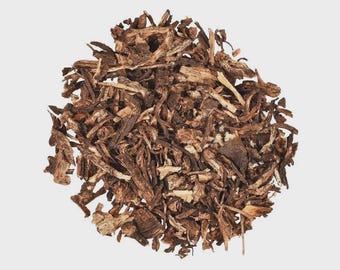
Lungwort Herb Dried Herb

Beyond respiratory issues, traditional medicine utilized Lungwort for digestive complaints and wound healing. The astringent tannins in the herb made it a reliable treatment for diarrhea and hemorrhoids, as it helped to tighten the intestinal lining and reduce fluid loss. Externally, poultices made from the rehydrated dried leaves were applied to cuts, burns, and ulcers. The presence of allantoin and silica helped to speed up the closure of wounds while preventing infection through the herb’s mild antimicrobial properties. This holistic approach—treating the body both internally and externally—highlights the versatility of Lungwort as a comprehensive healing agent.

Modern Applications: The Rise of Lungwort Capsules

In the modern wellness landscape, convenience and standardized dosing are paramount. This has led to the popularity of Lungwort capsules and concentrated extracts. For many, the earthy, slightly bitter taste of Lungwort tea is a barrier to consistent use. Capsules provide a tasteless alternative that delivers a concentrated dose of the herb’s active compounds. Furthermore, high-quality supplements are often standardized to contain specific levels of polyphenols or are manufactured using “full-spectrum” extraction methods that ensure the ratio of active ingredients remains consistent with the original plant material.

Lungwort Herb Capsules

Capsules are particularly beneficial for those using Lungwort for systemic benefits, such as supporting skin health or reducing systemic inflammation. When taken orally in capsule form, the antioxidants are absorbed into the bloodstream, where they can exert their protective effects on a cellular level throughout the body. For smokers or those living in highly polluted urban areas, a daily Lungwort supplement can serve as a “lung tonic,” providing ongoing support against the daily onslaught of environmental oxidative stress. It is important, however, for consumers to choose products that are certified to be free of pyrrolizidine alkaloids (PAs). While Pulmonaria officinalis is generally considered safe and low in these compounds compared to its cousins like Comfrey, reputable manufacturers perform rigorous testing to ensure their extracts are PA-free to prevent any risk of liver toxicity with long-term use.

Secondary Benefits: Skin, Digestion, and Detoxification

While the lungs are the primary target, the benefits of Lungwort extend into other physiological systems. Its impact on skin health is often overlooked. Thanks to the combination of silica and allantoin, Lungwort supports the production of collagen and the repair of skin tissues. It can be used as a facial steam or a wash to help clear up eczema, acne, and minor skin irritations. The antioxidant profile also helps combat the signs of aging by protecting the skin from UV-induced damage and promoting a more resilient skin barrier.

In terms of detoxification, Lungwort acts as a mild diuretic. By increasing the production of urine, it helps the kidneys flush out metabolic waste products and excess sodium. This can be helpful for individuals dealing with mild fluid retention or those looking to support their body’s natural detox pathways. Furthermore, its soothing effect on the digestive tract helps to alleviate inflammation in the gut, making it a useful adjunct for those with sensitive stomachs or inflammatory bowel tendencies. The herb’s ability to modulate inflammation is truly systemic, making it more than just a “lung herb” but rather a “whole-body” restorative.

Dosage, Preparation, and Safety Guidelines

To achieve the best results with Lungwort, proper preparation and dosage are key. For those using the dried herb, a standard infusion consists of 1 to 2 teaspoons of dried leaves steeped in 8 ounces of boiling water for 10 to 15 minutes. Drinking this two to three times daily is typically recommended for acute respiratory issues. If using a tincture, a common dose is 2-4 ml taken three times per day. For capsules, it is essential to follow the manufacturer’s instructions, as concentrations can vary, but a typical dose ranges from 400mg to 1000mg per day.

Lungwort Herb Natural Herb

Safety is a priority when incorporating any new herb into a wellness routine. Lungwort is generally well-tolerated by most adults. However, pregnant and breastfeeding women should avoid its use due to a lack of sufficient safety data in these populations. Individuals with existing liver conditions should also exercise caution and ensure they are using PA-free products. As with any supplement that affects the respiratory system, those with severe asthma or chronic disease should consult with a healthcare professional to ensure there are no contraindications with their current medications. When sourced responsibly and used correctly, Lungwort remains one of the safest and most effective botanical tools for maintaining respiratory vitality.

Conclusion: The Enduring Legacy of Lungwort

Lungwort Herb stands as a bridge between ancient herbal wisdom and modern pharmacological understanding. Its transition from a “Doctrine of Signatures” curiosity to a scientifically backed respiratory aid highlights the enduring value of botanical medicine. Whether utilized as a soothing tea to calm a winter cough or taken as a daily capsule to protect against environmental toxins, Lungwort offers a gentle yet powerful way to support the body’s most vital functions. Its rich chemical profile, featuring mucilages, tannins, and antioxidants like rosmarinic acid, ensures that it will remain a cornerstone of herbal therapy for generations to come. By incorporating this remarkable plant into a holistic health strategy, individuals can take a proactive step toward clearer breathing and enhanced systemic resilience.

Disclaimer: For informational purposes only. Not medical advice. Consult a qualified healthcare professional before use.
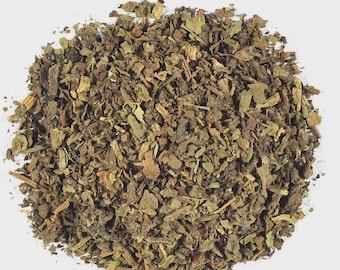
The Ultimate Guide to St. John’s wort: Health Benefits and Uses

The Definitive Guide to St. John’s Wort: Nature’s Potent Neuro-Supportive Botanical

For centuries, Hypericum perforatum, commonly known as St. John’s wort, has occupied a central position in the pharmacopeia of traditional European medicine. Once shrouded in the folklore of the Middle Ages, where it was believed to ward off evil spirits and protect against “melancholia,” this resilient perennial herb has transitioned into one of the most rigorously researched botanical supplements in modern science. Today, it is recognized globally not merely as a weed of the wayside, but as a sophisticated complex of bioactive compounds capable of modulating the human nervous system with an efficacy that often rivals synthetic pharmaceuticals for specific conditions.

St. John’s wort is characterized by its vibrant yellow, five-petaled flowers and its unique leaves, which appear to be perforated when held up to the light—hence the botanical name “perforatum.” These tiny “holes” are actually translucent glandular structures containing essential oils and pigments that house the plant’s medicinal potency. As we delve into the comprehensive profile of this plant, we find a bridge between ancient herbalism and clinical psychiatry, offering a multi-faceted approach to mental health, inflammatory response, and dermatological healing.

Botanical Characteristics and Ecological Distribution

St. John’s wort is a member of the Hypericaceae family and is native to Europe, though it has naturalized in temperate regions throughout Asia, Africa, and the Americas. It thrives in sunny, well-drained soil, often appearing in meadows and along roadsides. The plant typically reaches a height of one to three feet. Its most distinctive feature is the cyme of yellow flowers that bloom most intensely around late June—coinciding with the feast of St. John the Baptist on June 24th, which is where the plant derives its common name. When the buds or flowers are crushed, they release a deep reddish-purple liquid, a phenomenon caused by the presence of hypericin.

The plant’s morphological complexity is a reflection of its chemical diversity. The stems are woody at the base and branched at the top, supporting sessile, oblong leaves. The “perforations” in these leaves are actually secretory pockets containing the plant’s primary secondary metabolites. Understanding these botanical nuances is essential for quality control in the herbal industry, as the concentration of active ingredients fluctuates significantly based on the plant’s maturity, the specific parts harvested, and the geographical location of cultivation.

St. John's wort Botanical Photo

Phytochemistry: The Bioactive Architecture of Hypericum

The therapeutic efficacy of St. John’s wort is not attributed to a single “magic bullet” molecule, but rather to a synergistic interplay of several classes of compounds. The most prominent among these are the naphthodianthrones (primarily hypericin and pseudohypericin) and the phloroglucinol derivatives (specifically hyperforin and adhyperforin). For many years, hypericin was considered the primary antidepressant agent, and most standardized extracts are still calibrated to contain 0.3% hypericin. However, contemporary research has shifted its focus toward hyperforin as the major player in neurotransmitter modulation.

Beyond these two giants, St. John’s wort contains a rich array of flavonoids, including quercetin, rutin, luteolin, and kaempferol. These flavonoids contribute significantly to the plant’s antioxidant and anti-inflammatory properties. Furthermore, the presence of xanthones and essential oils provides a broad spectrum of biological activity, ranging from antimicrobial effects to the inhibition of enzymes like monoamine oxidase (MAO) in vitro, although the clinical significance of MAO inhibition at standard oral doses remains a subject of ongoing debate.

St. John's wort Plant Profile

The Mechanism of Action: Rebalancing the Neurochemistry

To understand how St. John’s wort treats mild-to-moderate depression, one must look at how hyperforin interacts with the neuronal membrane. Unlike traditional Selective Serotonin Reuptake Inhibitors (SSRIs) that primarily target the serotonin transporter (SERT), hyperforin appears to inhibit the reuptake of multiple neurotransmitters, including serotonin, norepinephrine, dopamine, gamma-aminobutyric acid (GABA), and glutamate. It achieves this by increasing the intracellular concentration of sodium ions, which in turn inhibits the transporters responsible for clearing these neurotransmitters from the synaptic cleft.

This “broad-spectrum” approach to neurotransmitter modulation is unique in the world of psychopharmacology. By keeping these mood-regulating chemicals available in the brain for longer periods, St. John’s wort helps to alleviate the symptoms of lethargy, hopelessness, and anxiety associated with depressive disorders. Additionally, chronic administration of Hypericum extracts has been shown to down-regulate beta-adrenergic receptors and up-regulate serotonin receptors in the frontal cortex, suggesting a long-term neuroplastic effect similar to that of conventional antidepressant medications.

Clinical Efficacy in Mood Disorders and Anxiety

The use of St. John’s wort in the treatment of depression is supported by a substantial body of clinical evidence, including numerous meta-analyses published by the Cochrane Collaboration. These studies consistently demonstrate that standardized extracts of St. John’s wort are more effective than placebos and are as effective as standard antidepressants (such as fluoxetine or sertraline) for mild-to-moderate major depression. Crucially, the herbal extract is often associated with significantly fewer side effects—such as nausea, sexual dysfunction, and fatigue—than its synthetic counterparts.

Beyond clinical depression, St. John’s wort is frequently utilized for Somatoform Disorders and Anxiety. In patients who experience physical symptoms caused by emotional distress, the herb acts as a calming agent that stabilizes the autonomic nervous system. It is particularly valued in Europe as a first-line treatment for “burnout” and seasonal affective disorder (SAD), where its ability to modulate the circadian rhythm and interact with melatonin pathways provides a distinct advantage during the darker winter months.

Traditional Preparations and the Role of the Dried Herb

While modern medicine favors the standardized extract, traditional herbalism continues to value the whole-plant approach. Historically, the leaves and flowers of St. John’s wort were dried and prepared as infusions or decoctions. A tea made from the dried herb offers a gentler concentration of bioactive compounds, often used for digestive complaints or as a mild evening tonic. In traditional folk medicine, the dried herb was also steeped in carrier oils—such as olive oil—and placed in the sun to infuse. This process produces a vibrant red oil, known as “St. John’s Oil,” which is prized for its topical healing properties.

The traditional use of the dried herb highlights the importance of harvesting at the peak of the flowering cycle. When the plant is dried correctly, it retains its flavonoid content, providing a source of antioxidants that support general systemic health. While an infusion may not provide the precise hyperforin dosage required for clinical depression, it serves as a valuable tool in holistic wellness for managing temporary stress and promoting metabolic health.

St. John's wort Dried Herb

Women’s Health: Menopause and Hormonal Equilibrium

Recent studies have highlighted the profound benefits of St. John’s wort for women transitioning through perimenopause and menopause. The decline in estrogen during this period often leads to vasomotor symptoms (hot flashes), sleep disturbances, and mood swings. St. John’s wort, especially when combined with Black Cohosh (Cimicifuga racemosa), has been shown to significantly reduce the frequency and severity of hot flashes. This is likely due to the herb’s influence on the hypothalamus, the brain’s temperature-regulating center, as well as its general mood-stabilizing effects.

Furthermore, the herb’s impact on GABAergic pathways makes it an effective natural intervention for Premenstrual Syndrome (PMS). Women who suffer from irritability, breast tenderness, and food cravings during the luteal phase of their cycle may find that St. John’s wort helps to smooth out these hormonal fluctuations. By supporting the liver’s detoxification pathways and modulating neurotransmitter levels, it provides a comprehensive approach to hormonal health that avoids the systemic risks associated with synthetic hormone replacement therapy.

Dermatological and Wound Healing Applications

While St. John’s wort is most famous for its internal effects on the brain, its external applications are equally impressive. Hyperforin possesses potent antibacterial properties, specifically against Staphylococcus aureus and other gram-positive bacteria. This makes St. John’s wort extracts highly effective in treating minor burns, wounds, and skin abrasions. The hypericin content stimulates the growth of fibroblasts and the production of collagen, accelerating the skin’s regenerative process and reducing the likelihood of scar formation.

The anti-inflammatory action of the herb also makes it useful for chronic skin conditions such as eczema and psoriasis. Topical creams containing St. John’s wort can soothe the redness and itching associated with these conditions. Additionally, the herb has been traditionally used to treat nerve pain, such as sciatica or shingles (herpes zoster), due to its affinity for the nervous system. When applied topically, it can help dull the “firing” of peripheral nerves, providing localized relief from neuropathic discomfort.

Modern Supplementation: The Convenience of Capsules

In the modern clinical setting, capsules and tablets are the preferred delivery method for St. John’s wort. This is primarily because the key active ingredient, hyperforin, is notoriously unstable when exposed to light and oxygen. High-quality capsules are manufactured using specialized extraction processes that stabilize these delicate molecules, ensuring that the consumer receives a consistent therapeutic dose. Standardized extracts allow for precise control over the concentration of hypericin and hyperforin, which is vital for achieving the results seen in clinical trials.

For those seeking to address mood disorders, the typical dosage used in studies ranges from 300mg to 900mg of standardized extract per day, often divided into three doses. Using capsules also minimizes the risk of the “staining” associated with the plant’s red pigments and provides a convenient way to integrate the herb into a busy lifestyle. When selecting a supplement, it is crucial to choose brands that utilize “standardized” labels to guarantee the presence of the necessary bioactive fractions.

St. John's wort Capsules

Safety, Side Effects, and Critical Drug Interactions

Despite its natural origin, St. John’s wort is a pharmacologically active substance that requires careful administration. The most common side effects are mild and include gastrointestinal upset, dry mouth, and dizziness. A unique side effect of St. John’s wort is photosensitivity; because hypericin can react with UV light in the skin, individuals taking high doses should avoid excessive sun exposure or use high-SPF sunscreen to prevent rashes or burns.

The most critical concern with St. John’s wort is its potential for drug interactions. The herb is a potent inducer of the Cytochrome P450 enzyme system (specifically CYP3A4) in the liver and the P-glycoprotein drug transporter. This means it can accelerate the metabolism of many prescription medications, effectively lowering their concentration in the bloodstream to sub-therapeutic levels. Notable interactions include:

  • Oral Contraceptives: May lead to breakthrough bleeding or unplanned pregnancy.
  • Warfarin and Anticoagulants: May reduce the blood-thinning effect, increasing the risk of clots.
  • Cyclosporine: Used in transplant patients; levels may drop dangerously low.
  • HIV Medications: Including protease inhibitors.
  • Antidepressants (SSRIs/MAOIs): Combining these with St. John’s wort can lead to “Serotonin Syndrome,” a potentially life-threatening condition caused by excessive serotonin levels.

Practical Usage Summary and Dosage Guidelines

Integrating St. John’s wort into a health regimen should be done with intention and consistency. Because the herb works by modulating receptor sensitivity and neurotransmitter levels over time, it typically takes two to four weeks of daily use before the full therapeutic effects on mood are felt. It is not a “rescue” medication for acute anxiety but rather a long-term tonic for the emotional landscape. For general wellness and mild stress, lower doses or occasional tea consumption may be sufficient.

Always consult with a healthcare professional before beginning a regimen, particularly if you are already taking medication. A qualified herbalist or integrative doctor can help determine the correct dosage based on the specific concentration of the extract being used. As a rule of thumb, look for products that specify “0.3% hypericin” or “3-5% hyperforin” on the label to ensure pharmacological activity. Monitoring your body’s response and maintaining a consistent schedule is the key to unlocking the herb’s potential.

St. John's wort Natural Herb

Conclusion: The Future of Hypericum in Integrative Medicine

St. John’s wort stands as a testament to the power of botanical medicine. It is one of the few herbs that has successfully navigated the transition from ancient folklore to the rigorous scrutiny of modern clinical trials. Its ability to provide relief for depression and anxiety with a superior side-effect profile makes it an invaluable tool in the mental health toolkit. As our understanding of the “gut-brain axis” and the role of neuroinflammation in mood disorders grows, it is likely that St. John’s wort will reveal even more layers of therapeutic potential.

Whether used as a standardized capsule for clinical depression, a soothing tea for daily stress, or a red-infused oil for healing wounds, Hypericum perforatum offers a holistic path to wellbeing. By respecting its potency, understanding its chemistry, and being mindful of its interactions, we can harness this “sunshine herb” to bring balance and light back into the lives of those struggling with the shadows of the mind.

Disclaimer: For informational purposes only. Not medical advice. Consult a qualified healthcare professional before use.

The Ultimate Guide to Lady’s Mantle: Health Benefits and Uses

The Complete Guide to Lady’s Mantle: Health Benefits, Phytochemistry, and Therapeutic Applications

Lady’s Mantle, scientifically known as Alchemilla vulgaris, is a perennial herb that has occupied a place of profound respect in European herbalism for centuries. Often referred to as the “woman’s herb,” its name is derived from the Arabic word “Alkemelych” (alchemy), a testament to the belief held by ancient alchemists that the dew drops collected in its pleated, funnel-like leaves possessed magical properties. In modern herbal medicine, this plant is revered not for magic, but for its potent astringent, anti-inflammatory, and cardioprotective properties. This exhaustive guide explores the multifaceted nature of Lady’s Mantle, providing a deep dive into its botanical profile, chemical complexity, and therapeutic efficacy.

Botanical Profile and Ecological Significance

Alchemilla vulgaris belongs to the Rosaceae family. It is native to the temperate and subarctic regions of Europe and Asia, though it has naturalized in parts of North America. The plant is characterized by its unique morphology: circular, lobed, and serrated leaves that are covered in fine, silky hairs. These hairs allow the plant to exhibit a phenomenon known as guttation, where water droplets are secreted from the edges of the leaves, and the “Lotus effect,” which causes dew to bead into shimmering pearls at the leaf’s center.

The plant typically grows in meadows, pastures, and along the edges of forests, thriving in moist, nutrient-rich soils. Its flowers are small, yellow-green, and lack petals, appearing in dense clusters from late spring through summer. Understanding the botanical structure of Lady’s Mantle is essential for practitioners, as the leaves and flowering tops contain the highest concentration of bioactive compounds. The physical structure of the leaf—resembling a pleated cloak—gave rise to its common name “Lady’s Mantle,” associating it historically with the Virgin Mary’s cloak and its perceived protective qualities for women.

Lady's Mantle Botanical Photo

Deep Dive into Phytochemical Composition

The therapeutic efficacy of Lady’s Mantle is a direct result of its complex chemical architecture. The primary bioactive constituents are tannins, specifically ellagitannins and gallotannins. These compounds range from 6% to 8% of the plant’s dry weight. One of the most significant tannins found in Alchemilla is agrimoniin, a large polyphenolic molecule known for its potent antioxidant and anti-tumor potential. Tannins are responsible for the plant’s strong astringent action, which allows it to shrink and contract body tissues, effectively stopping bleeding and reducing inflammation.

Beyond tannins, Lady’s Mantle is rich in flavonoids such as quercetin, kaempferol, and luteolin. These flavonoids provide significant antioxidant protection by neutralizing free radicals and inhibiting oxidative stress within the cellular environment. Additionally, the plant contains salicylic acid, a precursor to aspirin, which contributes to its analgesic and anti-inflammatory effects. Other notable compounds include palmitic and stearic acids, phytosterols, and various mineral salts. The synergy of these compounds makes Lady’s Mantle a versatile remedy capable of addressing both systemic and localized health concerns.

Lady's Mantle Plant Profile

Historical Context and Traditional Medicine

The history of Lady’s Mantle is steeped in folklore and traditional healing practices across Europe. In the Middle Ages, it was a staple in the “physic gardens” of monasteries. Traditional healers utilized the herb to treat a wide array of conditions, ranging from traumatic wounds on the battlefield to digestive distress. Its reputation as a “vulnerary” (a wound-healing agent) was so great that it was believed to be able to “knit” together torn tissues, whether they were external cuts or internal ruptures.

In various folk traditions, Lady’s Mantle was also used to restore “lost beauty” and promote youthfulness. This was likely due to its astringent effect on the skin, which tightens pores and improves skin texture. Furthermore, in Slavic and Germanic folklore, the plant was often associated with fertility and the protection of expectant mothers. It was common practice to place the dried herb under a pillow to ensure a peaceful sleep or to carry a pouch of the dried leaves to ward off illness during the winter months.

Lady's Mantle Dried Herb

Gynaecological Health: The Women’s Herb

Perhaps the most celebrated application of Lady’s Mantle is in the realm of female reproductive health. Its astringent and tonic properties make it an exceptional remedy for menorrhagia (excessive menstrual bleeding) and metrorrhagia (intermenstrual bleeding). By tightening the uterine tissues and exerting a mild progestogenic effect, it helps to regulate the menstrual cycle and reduce the physical toll of heavy periods. The salicylic acid content also aids in alleviating the pain associated with dysmenorrhea (menstrual cramps).

For women entering menopause, Lady’s Mantle offers relief from hot flashes and night sweats. Its ability to balance hormonal fluctuations naturally, without the side effects often associated with synthetic hormone replacement therapy, makes it a preferred choice in holistic gynaecology. Furthermore, postpartum recovery is another area where this herb shines; sitz baths containing Lady’s Mantle infusions can accelerate the healing of perineal tears and help the uterus return to its pre-pregnancy size more efficiently. It is also historically noted for its role in addressing leucorrhea (vaginal discharge) and promoting overall vaginal health through its antimicrobial and anti-inflammatory actions.

Digestive and Metabolic Support

While Lady’s Mantle is primarily known for gynaecology, its benefits extend deeply into the digestive system. The high tannin content provides a powerful remedy for acute diarrhea. Tannins work by precipitating proteins on the surface of the intestinal mucosa, creating a protective layer that limits the secretion of fluids and calms irritation. This action also makes it useful for treating inflammatory bowel conditions where the integrity of the gut lining is compromised.

Research has also suggested that Lady’s Mantle may have a role in weight management and metabolic health. Some studies indicate that Alchemilla extracts can inhibit the activity of certain enzymes involved in fat absorption and carbohydrate metabolism. By modulating these pathways, the herb may help in maintaining healthy blood sugar levels and preventing the accumulation of adipose tissue. Additionally, its bitter principles stimulate the production of bile and digestive enzymes, improving nutrient absorption and detoxification processes in the liver.

Dermatological Applications and Wound Healing

The skin is another organ that benefits significantly from Alchemilla vulgaris. Its ability to promote collagen synthesis and inhibit elastase (the enzyme that breaks down elastin) makes it a potent anti-aging ingredient in natural skincare. When applied topically as a compress or integrated into creams, it helps to firm the skin, reduce the appearance of fine lines, and soothe inflammatory skin conditions like eczema and acne.

As a wound healer, Lady’s Mantle accelerates the transition from the inflammatory phase to the proliferative phase of healing. Its antimicrobial properties prevent secondary infections in minor cuts and abrasions, while its astringency stops localized capillary bleeding. For oral health, a decoction of Lady’s Mantle used as a mouthwash can treat bleeding gums, mouth ulcers (aphthous ulcers), and sore throats, providing both symptomatic relief and structural support to the delicate mucous membranes of the mouth.

Modern Usage: Capsules and Supplements

In the modern era, Lady’s Mantle is available in various convenient forms, including standardized extracts, tinctures, and capsules. For individuals who find the bitter, astringent taste of the tea unpalatable, capsules provide a precise and easy way to consume the herb. Modern manufacturing processes ensure that the volatile oils and sensitive tannins are preserved, offering a potent therapeutic dose in every serving.

When selecting a supplement, it is vital to look for products that specify the species (Alchemilla vulgaris) and indicate a standardization of key compounds like tannins. Many practitioners recommend capsules for chronic conditions such as regulating the menstrual cycle or supporting metabolic health, as they allow for consistent dosing over an extended period. Capsules are often combined with other synergistic herbs like Raspberry Leaf or Vitex to enhance their efficacy in reproductive health protocols.

Lady's Mantle Capsules

Dosage, Preparation, and Safety Guidelines

To prepare a traditional Lady’s Mantle tea, one should use 1 to 2 teaspoons of the dried herb per cup of boiling water, steeping for approximately 10 to 15 minutes. This long steep time is necessary to extract the heavy tannins. For therapeutic results in acute cases, such as diarrhea or heavy menstrual flow, three cups per day is the standard recommendation. Tinctures (usually a 1:5 ratio in 40% alcohol) are typically dosed at 2-4 ml, taken three times daily.

While Lady’s Mantle is generally considered safe, there are important contraindications to observe. Due to its effect on the uterus, it is traditionally advised to avoid internal use during the first two trimesters of pregnancy, although it may be used under professional guidance in the final weeks to prepare the body for labor. Furthermore, because of its high tannin content, it may interfere with the absorption of certain medications, particularly iron supplements and alkaloids. It is always recommended to consume the herb at least two hours apart from other medications to ensure no drug-nutrient interactions occur.

Lady's Mantle Natural Herb

Conclusion: The Enduring Legacy of Lady’s Mantle

Lady’s Mantle remains one of the most versatile and effective herbs in the botanical apothecary. From its complex phytochemical profile dominated by powerful tannins and flavonoids to its specialized role in women’s health and wound healing, it offers a holistic approach to wellness that is backed by both tradition and emerging science. Whether used as a soothing tea, a topical wash, or a concentrated supplement, Alchemilla vulgaris continues to provide protection and healing, living up to its name as a “mantle” for those in need of natural therapeutic support.

As we continue to explore the pharmacological potential of this ancient plant, it is likely that even more benefits will be uncovered, particularly in the fields of cardiovascular health and oncology. For now, it stands as a cornerstone of herbal medicine, a testament to the enduring power of nature’s pharmacy and a vital tool for anyone seeking to balance their health through the wisdom of plants.

Disclaimer: For informational purposes only. Not medical advice. Consult a qualified healthcare professional before use.

The Ultimate Guide to Elderberry: Health Benefits and Uses

The Comprehensive Guide to Elderberry: Nature’s Premier Immune Defense and Therapeutic Powerhouse

For centuries, the elderberry plant (Sambucus nigra) has been revered as one of the most potent botanical tools in the human apothecary. Often referred to as “the medicine chest of the common people” by Hippocrates, the father of modern medicine, elderberry has transcended its origins in ancient European folklore to become a cornerstone of contemporary nutritional science. This deep-dive guide explores the multifaceted nature of the elderberry, examining its complex botanical profile, its dense concentration of bioactive compounds, and the rigorous scientific evidence supporting its use in modern wellness protocols.

Botanical Profile and Ecological Significance

The European elder, or Sambucus nigra, is a deciduous shrub or small tree belonging to the Adoxaceae family. Native to Europe, North Africa, and parts of Asia, it has since been naturalized in North America. The plant is characterized by its pinnate leaves, flat-topped clusters of creamy-white flowers known as elderflowers, and the characteristic drooping clusters of small, dark purple to black berries that ripen in late summer. Understanding the botany of the elder is crucial because various parts of the plant contain different concentrations of active ingredients, and certain parts—such as the bark, leaves, and raw seeds—contain cyanogenic glycosides that require careful processing to ensure safety.

Elderberry Botanical Photo

The elderberry thrives in nitrogen-rich soils and is frequently found at the edges of forests, in hedgerows, and near abandoned homesteads. From an ecological perspective, the plant is a vital resource for pollinators during the spring blooming season and provides a dense caloric resource for migratory birds in the autumn. The deep pigmentation of the berries is a biological signal of their high anthocyanin content—a defense mechanism the plant uses to protect its seeds from oxidative stress and UV radiation, which, coincidentally, provides the very health benefits humans seek.

Historical Context and Traditional Medicine

The history of elderberry usage is as old as recorded civilization. Archeological evidence suggests that elderberries were cultivated by prehistoric man, and written records from ancient Greece and Rome detail its use for everything from respiratory ailments to skin conditions. In European folklore, the elder tree was often shrouded in mystery and protection; it was believed that a “Mother Elder” resided within the tree, and permission had to be asked before harvesting its bark or fruit. This reverence likely stemmed from the tree’s immense utility—not just as medicine, but as food, dye, and wood for musical instruments.

Elderberry Dried Herb

Traditionally, the dried herb and berries were used to create “rob”—a thickened juice or syrup used to combat the “winter ague.” Throughout the Middle Ages, elderberry preparations were the primary treatment for fevers and bronchial congestion. Herbalists utilized the diaphoretic properties of the flowers to break fevers by inducing sweating, while the berries were employed as a diuretic and laxative to “cleanse the blood.” This historical foundation laid the groundwork for modern pharmacognosy to isolate the specific molecules responsible for these systemic effects.

The Biochemistry of Elderberry: Bioactive Compounds

What sets elderberry apart from other superfruits is its extraordinary chemical complexity. The berries are a rich source of polyphenols, specifically flavonoids, which are secondary metabolites known for their antioxidant and anti-inflammatory properties. The most significant of these are the anthocyanins: cyanidin-3-glucoside and cyanidin-3-sambubioside. These compounds give the berries their deep purple hue and are responsible for the majority of the plant’s therapeutic actions.

Elderberry Plant Profile

Beyond anthocyanins, elderberry contains high levels of quercetin and kaempferol—flavonols that modulate the immune response and provide cardiovascular protection. The fruit is also an excellent source of vitamin C (ascorbic acid), vitamin A (as beta-carotene), and phenolic acids like chlorogenic acid and cinnamic acid. These nutrients work synergistically. For instance, the vitamin C enhances the bioavailability of the flavonoids, while the phenolic acids provide additional protection against oxidative damage to cellular DNA. This chemical synergy is why whole-food extracts of elderberry are often preferred over isolated synthetic vitamins.

Mechanisms of Action: How Elderberry Fights Viruses

One of the most researched aspects of elderberry is its ability to combat viral infections, particularly the influenza virus. The mechanism is fascinatingly mechanical. Viruses like influenza replicate by attaching to and penetrating the walls of healthy cells using tiny spikes called hemagglutinin. Research suggests that the anthocyanins in elderberry can actually bind to these viral spikes, effectively “gumming up” the virus and preventing it from entering the host cell. If the virus cannot enter the cell, it cannot hijack the cell’s machinery to replicate.

Furthermore, elderberry stimulates the immune system by increasing the production of cytokines—messenger proteins that coordinate the body’s response to disease. Studies have shown that elderberry extract increases the production of IL-1, IL-6, IL-8, and TNF-alpha. While “cytokine storms” are a concern in severe disease, the moderate and controlled increase in these proteins induced by elderberry helps the body identify and neutralize pathogens more efficiently during the early stages of an infection. This dual-action approach—inhibiting viral entry while boosting the host’s immune signaling—makes elderberry a unique prophylactic and acute treatment option.

Clinical Evidence and Health Benefits

1. Reducing Severity and Duration of Cold and Flu

Multiple randomized, double-blind, placebo-controlled trials have demonstrated that elderberry syrup can significantly reduce the duration of flu symptoms. In one famous study, patients who took elderberry extract showed significant improvement in symptoms (such as fever, headache, and muscle aches) within 2 to 4 days, whereas the placebo group took 7 to 8 days to reach the same level of recovery. This suggests that elderberry is not just a palliative treatment but an active intervention in the disease progression.

2. Cardiovascular Health and Lipid Modulation

The high antioxidant capacity of elderberry has profound implications for heart health. Anthocyanins have been shown to reduce oxidation of low-density lipoprotein (LDL) cholesterol. Oxidized LDL is a primary driver of atherosclerosis (hardening of the arteries). By preventing this oxidation, elderberry helps maintain arterial flexibility and blood flow. Additionally, some studies suggest that elderberry may help lower blood pressure by inhibiting the angiotensin-converting enzyme (ACE), similar to the mechanism of certain pharmaceutical blood pressure medications.

3. Managing Inflammation and Oxidative Stress

Chronic inflammation is the root cause of many modern diseases, including type 2 diabetes and metabolic syndrome. The polyphenols in elderberry neutralize free radicals—unstable molecules that damage cells. By reducing the overall oxidative load on the body, elderberry supports the health of every organ system, particularly the skin and joints, which are highly susceptible to oxidative damage.

Forms of Consumption: Syrups, Gummies, and Capsules

Because raw elderberries contain sambunigrin, a compound that can release cyanide if ingested in large quantities, the berries must be cooked or processed before consumption. This has led to a wide variety of commercial preparations. Syrups are the most traditional form, often combined with honey or ginger for added respiratory support. Gummies have become popular for children, though consumers should be wary of high sugar content which can counteract the immune benefits.

Elderberry Capsules

For those seeking a more concentrated and convenient delivery system, elderberry capsules and standardized extracts are an excellent choice. These products typically offer a measured dose of anthocyanins, ensuring consistency in therapeutic effect. Capsules are particularly useful for travel or for those who wish to avoid the sweetness of syrups. When choosing a supplement, it is vital to look for “standardized extract” labels, which guarantee that a specific percentage of the active flavonoids is present in every dose.

Safety, Dosage, and Considerations

While elderberry is generally recognized as safe (GRAS), there are important guidelines to follow. First, never consume raw elderberries, leaves, or stems, as they can cause severe nausea, vomiting, and diarrhea. Proper heat treatment neutralizes the toxic glycosides. Pregnant and breastfeeding women should consult a healthcare provider before use, as there is a lack of long-term safety data for these specific populations.

Regarding dosage, most clinical trials use 15ml (one tablespoon) of elderberry syrup four times daily for acute infection, or 300mg to 500mg of a standardized extract capsule daily for general immune support. It is often recommended to take elderberry at the very first sign of a “scratchy throat” or “heavy head,” as its viral-blocking mechanism is most effective before the virus has achieved widespread replication in the body.

Elderberry Natural Herb

Conclusion: Integrating Elderberry into a Modern Lifestyle

The elderberry stands as a bridge between ancient herbal wisdom and modern clinical validation. Its ability to provide robust immune support through viral inhibition and cytokine modulation makes it an indispensable tool during the winter months and high-stress periods. Furthermore, its systemic antioxidant benefits extend its utility far beyond the common cold, offering protection for the heart, skin, and metabolic systems.

By selecting high-quality preparations—whether they be traditionally crafted syrups or scientifically standardized capsules—and respecting the plant’s powerful chemistry, individuals can harness one of nature’s most effective defenses. As we continue to face global health challenges, the humble elderberry reminds us that sometimes the most sophisticated solutions are grown in the soil, refined by history, and perfected by nature.

Disclaimer: For informational purposes only. Not medical advice. Consult a qualified healthcare professional before use.

The Ultimate Guide to kelp: Health Benefits and Uses

The Comprehensive Guide to Kelp: Nature’s Marine Powerhouse for Human Longevity

Kelp is not merely a common seaweed found clinging to rocky coastlines; it is a complex, multicellular marine organism belonging to the order Laminariales. These large brown algae form vast underwater ecosystems known as kelp forests, which are among the most productive and dynamic environments on Earth. For centuries, maritime cultures have recognized kelp as a nutritional cornerstone, yet modern science is only now beginning to fully unravel the sophisticated biochemical pathways through which kelp influences human physiology. From its unparalleled iodine content to its unique sulfated polysaccharides, kelp represents a bridge between the mineral-rich depths of the ocean and the complex metabolic needs of the human body. This guide serves as an exhaustive exploration of kelp, detailing its botanical characteristics, chemical complexity, and the diverse array of health benefits it offers to those who incorporate it into their wellness regimens.

Botanical Characteristics and Ecological Significance

Kelp belongs to the class Phaeophyceae (brown algae). Unlike land plants, kelp does not have roots, stems, or leaves in the traditional vascular sense. Instead, it possesses a “holdfast” that anchors it to the seafloor, a “stipe” which acts as a flexible support structure similar to a stem, and “blades” or “fronds” which are the primary sites of photosynthesis. Some species, such as Macrocystis pyrifera (Giant Kelp), can grow at astonishing rates—sometimes up to 18 inches per day—reaching lengths of over 100 feet. This rapid growth requires an immense uptake of nutrients from the surrounding seawater, which is why kelp is so densely packed with minerals and trace elements. The efficiency with which kelp concentrates sea minerals makes it one of the most nutrient-dense foods on the planet, often containing ten to twenty times the mineral concentration of land-based vegetables.

kelp Botanical Photo

The ecological role of kelp cannot be overstated. By forming dense canopy structures, kelp forests provide critical habitat, nursery grounds, and foraging areas for thousands of marine species, including fish, invertebrates, and marine mammals like sea otters. From a carbon sequestration perspective, kelp is a silent hero in the fight against climate change. It absorbs massive quantities of carbon dioxide and nitrogen from the water, helping to mitigate ocean acidification. When we consume kelp, we are essentially tapping into a highly efficient bio-accumulator that has distilled the essence of the ocean’s chemical profile into an edible, bioactive form.

Historical Context: The Kelp Highway and Ancient Medicine

The relationship between humans and kelp dates back to the Pleistocene epoch. The “Kelp Highway” hypothesis suggests that the first humans to reach the Americas followed the Pacific coastline, thriving on the abundant kelp forest ecosystems that provided a consistent source of food and resources. In East Asia, particularly in Japan and Korea, kelp (known as kombu) has been a dietary staple for millennia, forming the base of “dashi,” the foundational stock of Japanese cuisine. Traditional Chinese Medicine (TCM) has historically utilized various forms of seaweed to treat “hardened” masses, such as goiters and swollen lymph nodes, recognizing its ability to soften tissues and resolve stagnation. Similarly, in the coastal regions of Scotland, Ireland, and Scandinavia, kelp was burned to produce “kelp ash,” which was a vital source of soda ash and iodine during the industrial revolution.

kelp Dried Herb

In traditional Western herbalism, kelp was often prescribed as a nutritive tonic for those suffering from constitutional weakness or “scrofulous” conditions. Its reputation as a thyroid stimulant grew in the 19th century when it was discovered that the iodine in seaweed could prevent and treat endemic goiter—a swelling of the thyroid gland caused by iodine deficiency. Today, the use of dried kelp continues to be a preferred method for those seeking a whole-food source of minerals. Dried kelp can be ground into a powder and used as a salt substitute, providing a savory “umami” flavor while significantly reducing sodium intake and increasing the bioavailability of essential trace elements.

The Complex Chemical Composition of Kelp

The health-promoting properties of kelp are a direct result of its sophisticated chemical profile. Unlike land plants that rely on cellulose for structure, kelp utilizes alginates—unique polysaccharides that provide both flexibility and strength in turbulent ocean currents. Beyond structural components, kelp is a reservoir of bioactive compounds, including sulfated polysaccharides (fucoidans), carotenoids (fucoxanthin), and a full spectrum of vitamins (A, B1, B2, C, D, E, and K). However, it is the mineral density that truly sets kelp apart. It contains significant amounts of calcium, magnesium, potassium, iron, and, most notably, iodine. The iodine in kelp is found in various forms, including inorganic iodide and organically bound iodine, which may offer a more sustained release and better absorption profile than synthetic potassium iodide supplements.

kelp Plant Profile

One of the most researched compounds in kelp is fucoidan. Fucoidans are complex, sulfated polysaccharides that have demonstrated significant anti-inflammatory, anti-viral, and anti-tumor activities in laboratory settings. These molecules work by modulating the immune response and inhibiting the adhesion of harmful pathogens to human cells. Additionally, kelp contains fucoxanthin, a xanthophyll carotenoid that gives the seaweed its brown color. Recent studies have highlighted fucoxanthin’s potential in metabolic health, specifically its ability to stimulate the expression of Uncoupling Protein 1 (UCP1) in white adipose tissue, which effectively “burns” fat by dissipating energy as heat. This unique combination of minerals and rare phytochemicals makes kelp a multifaceted tool for metabolic and cellular health.

Thyroid Health: The Primary Mechanism of Action

The most well-known benefit of kelp is its support for the thyroid gland. The thyroid requires iodine to synthesize the hormones thyroxine (T4) and triiodothyronine (T3). These hormones are the master regulators of the body’s metabolism, influencing everything from heart rate and body temperature to the rate at which we burn calories. Without sufficient iodine, the thyroid cannot produce these hormones, leading to a condition known as hypothyroidism. Symptoms of hypothyroidism include chronic fatigue, weight gain, depression, hair loss, and a constant feeling of being cold. Because the human body cannot produce iodine internally, it must be obtained through the diet, and kelp is the most concentrated natural source available.

However, the relationship between kelp and the thyroid is nuanced. While kelp provides the raw materials for hormone production, it also contains other trace minerals like selenium, which is essential for the enzymatic conversion of T4 (the inactive form) into T3 (the active form). This synergistic effect is often absent in isolated iodine supplements. Furthermore, the natural alginates in kelp may help regulate the absorption of iodine, preventing the sharp spikes that can sometimes trigger thyroid flares in sensitive individuals. By supporting thyroid function, kelp helps maintain high energy levels, supports cognitive clarity, and ensures that the body’s metabolic furnace is burning efficiently.

Metabolic Support and Weight Management

Kelp’s influence on weight management extends beyond its thyroid-stimulating effects. One of its most promising components is the fiber known as alginate. Clinical research has suggested that alginates can inhibit the activity of pancreatic lipase, an enzyme responsible for breaking down fats in the digestive tract. By slowing down or partially blocking the digestion of fat, kelp can reduce the overall caloric absorption from a meal. Moreover, the high fiber content in kelp promotes a sense of satiety, or fullness, which can help prevent overeating and support long-term weight maintenance goals.

As mentioned previously, the carotenoid fucoxanthin plays a critical role in lipid metabolism. Fucoxanthin appears to target abdominal fat (visceral fat), which is the most metabolically active and dangerous type of fat in the human body. By promoting the “browning” of white fat cells—a process where fat cells become more like energy-burning brown fat cells—fucoxanthin helps the body utilize stored energy more effectively. When combined with the metabolic boost provided by improved thyroid function, kelp becomes a powerful ally for those looking to optimize their body composition and metabolic health.

Detoxification and Heavy Metal Chelation

In an increasingly industrialized world, the accumulation of heavy metals and environmental toxins in the body is a growing concern. Kelp offers a natural solution through its high concentration of alginic acid. Alginates are remarkable for their ability to bind to heavy metals such as strontium, barium, tin, cadmium, and even radioactive isotopes in the gastrointestinal tract. Once bound to the alginate, these toxins become insoluble and are excreted from the body through normal digestive processes rather than being absorbed into the bloodstream. This “chelating” effect makes kelp an invaluable tool for those living in polluted urban environments or those undergoing detoxification protocols.

Furthermore, kelp’s antioxidant profile helps protect the liver—the body’s primary detoxification organ—from oxidative stress. The presence of polyphenols and vitamins C and E in kelp helps neutralize free radicals that are generated during the two phases of liver detoxification. By reducing the overall toxic load on the body and supporting the organs responsible for elimination, kelp promotes systemic health and may reduce the risk of chronic diseases associated with environmental toxicity.

Cardiovascular and Blood Sugar Regulation

Emerging research suggests that kelp may play a significant role in cardiovascular health. The sulfated polysaccharides in kelp have been shown to possess anticoagulant and antithrombotic properties, similar to the medication heparin, but in a milder, natural form. This can help improve blood flow and reduce the risk of clot formation. Additionally, the high potassium content in kelp helps balance the effects of sodium in the diet, which is essential for maintaining healthy blood pressure levels. By relaxing the walls of the blood vessels, potassium helps reduce the strain on the cardiovascular system.

kelp Capsules

For those managing blood sugar levels, kelp offers significant benefits. The dietary fiber and specific polyphenols found in kelp can slow the absorption of glucose in the small intestine, preventing the rapid insulin spikes that contribute to insulin resistance and Type 2 diabetes. Some studies have indicated that kelp supplementation can improve glycemic control and lipid profiles in individuals with pre-diabetes. This makes kelp capsules a convenient and effective supplement for those who may not enjoy the taste of seaweed but want to reap the metabolic rewards of its bioactive constituents.

Practical Usage, Dosage, and Safety Considerations

Integrating kelp into a modern lifestyle is relatively simple, but it requires an understanding of potency. Because kelp is so high in iodine, a little goes a long way. For culinary use, dried kelp can be added to soups, stews, and beans (where it helps soften the beans and improve digestibility). Kelp flakes can also be used as a seasoning on salads or popcorn. For those seeking standardized doses, kelp supplements in the form of capsules or tablets are widely available. When choosing a supplement, it is vital to source products that are harvested from clean, unpolluted waters and have been tested for heavy metal contamination, specifically arsenic, which can naturally accumulate in some seaweed species.

kelp Natural Herb

The recommended daily allowance (RDA) for iodine for most adults is 150 micrograms. A single serving of kelp can easily exceed this amount. While the body can often handle higher doses of iodine from whole-food sources, individuals with pre-existing thyroid conditions, such as Hashimoto’s thyroiditis or Grave’s disease, should exercise caution and consult with a healthcare professional before starting a kelp regimen. Excessive iodine intake can, in some cases, trigger thyroid dysfunction or worsen autoimmune conditions. However, when used mindfully, kelp remains one of the safest and most effective ways to ensure mineral sufficiency and support a vibrant, high-functioning metabolism.

Summary of Benefits

  • Thyroid Regulation: Provides the essential iodine and selenium necessary for the production of T3 and T4 hormones.
  • Metabolic Boost: Fucoxanthin stimulates thermogenesis, helping the body burn fat more efficiently.
  • Digestive Health: Alginates act as a prebiotic fiber and help inhibit excess fat absorption.
  • Detoxification: Naturally binds to and removes heavy metals and radioactive isotopes from the digestive tract.
  • Nutrient Density: Supplies a broad spectrum of bioavailable vitamins, minerals, and trace elements often missing from modern soil.
  • Anti-Inflammatory: Fucoidans reduce systemic inflammation and support a balanced immune response.

In conclusion, kelp is much more than a marine botanical; it is a nutritional treasure trove that offers a holistic approach to health. By nourishing the thyroid, protecting the cardiovascular system, and aiding in the elimination of toxins, kelp addresses the core pillars of human vitality. Whether consumed as a traditional food or a modern supplement, this ancient sea giant continues to provide the essential nutrients required for thriving in the modern world.

Disclaimer: For informational purposes only. Not medical advice. Consult a qualified healthcare professional before use.

The Ultimate Guide to St. John’s Wort: Health Benefits and Uses

The Definitive Guide to St. John’s Wort: Nature’s Botanical Shield for Mental and Physical Well-being

St. John’s Wort, botanically known as Hypericum perforatum, stands as one of the most rigorously researched and historically significant medicinal herbs in the pharmacopeia of traditional Western medicine. For millennia, this perennial flowering plant has been revered not merely as a roadside wildflower but as a potent therapeutic agent capable of addressing a spectrum of human ailments ranging from melancholia to severe dermatological trauma. Its distinctive yellow blossoms, which appear to bleed a deep red oil when crushed, have fueled both folkloric legends and sophisticated pharmacological inquiries. In the modern era, St. John’s Wort has transitioned from a staple of medieval herbalism to a frontline natural alternative for managing mild-to-moderate depression, frequently outperforming placebos and matching the efficacy of standard synthetic antidepressants in clinical trials. This guide provides an exhaustive exploration of its botanical properties, chemical complexity, therapeutic applications, and the vital safety protocols required for its use.

Botanical Taxonomy and Physical Characteristics

Hypericum perforatum is a member of the Hypericaceae family. The plant is indigenous to Europe, North Africa, and Western Asia, though it has since naturalized in temperate regions across the globe, including North and South America and Australia. The name “St. John’s Wort” is derived from its tendency to bloom around the feast of St. John the Baptist on June 24th. The “perforatum” portion of its Latin name refers to a unique botanical feature: when the leaves are held up to the light, they appear to be riddled with tiny pinpricks or perforations. These are not actually holes, but rather translucent glandular tissues containing the essential oils and bioactive resins that give the plant its medicinal power.

The plant typically grows to a height of 30 to 90 centimeters, featuring woody branched roots and opposite, sessile leaves. The flowers are bright yellow with five petals, characterized by conspicuous black glandular dots along the margins. These dots are the primary storage sites for hypericin, one of the plant’s most famous bioactive compounds. Understanding the morphology of the plant is crucial for wildcrafters and herbalists, as the concentration of active metabolites fluctuates significantly depending on the plant’s growth stage and environmental stressors. The harvesting of the flowering tops during their peak potency is essential for creating extracts that meet therapeutic standards.

St. John's Wort Botanical Photo

Deep Dive into Phytochemistry: The Bioactive Compounds

The therapeutic efficacy of St. John’s Wort is not attributed to a single “magic bullet” molecule but rather to a complex synergy of phytochemicals. For decades, researchers focused primarily on hypericin and pseudohypericin—naphthodiantrones that give the plant’s oil its signature red hue. While hypericin was once thought to be the sole antidepressant component, modern pharmacology has shifted its focus toward hyperforin, a phloroglucinol derivative. Hyperforin is now recognized as a primary constituent responsible for inhibiting the reuptake of neurotransmitters, though it is notably unstable when exposed to light and oxygen, requiring sophisticated extraction techniques to maintain its integrity.

Beyond these two giants, the plant contains a rich array of flavonoids, including quercetin, rutin, luteolin, and kaempferol. These flavonoids contribute significant antioxidant and anti-inflammatory properties, protecting neural tissues from oxidative stress. Additionally, the presence of tannins (up to 15%) provides the herb with its astringent qualities, making it effective for topical wound healing. Procyanidins and various essential oils further round out the chemical profile, creating a multi-faceted biological tool that interacts with the human body on several levels, from the cellular membrane to the central nervous system.

St. John's Wort Plant Profile

Mechanisms of Action: How St. John’s Wort Affects the Brain

The most celebrated use of St. John’s Wort is in the treatment of depressive disorders. Unlike many pharmaceutical Selective Serotonin Reuptake Inhibitors (SSRIs) that focus almost exclusively on serotonin, St. John’s Wort exhibits a much broader mechanism of action. It appears to inhibit the synaptosomal reuptake of several key neurotransmitters: serotonin, dopamine, norepinephrine, gamma-aminobutyric acid (GABA), and glutamate. By keeping these chemicals available in the synaptic cleft for longer durations, the herb helps to regulate mood, improve emotional resilience, and reduce the symptoms of anxiety that often accompany depression.

Furthermore, St. John’s Wort has been shown to influence the hypothalamic-pituitary-adrenal (HPA) axis, which governs the body’s response to stress. Chronic stress often leads to an overproduction of cortisol, which can damage the hippocampus and lead to depressive states. Research suggests that Hypericum perforatum extracts may downregulate the expression of certain stress-related genes and reduce the hyper-secretion of cortisol. This systemic approach—combining neurotransmitter modulation with endocrine regulation—explains why many patients report a “smoother” transition into wellness compared to the often harsh onset of synthetic medications.

Historical Context and Traditional Medicinal Uses

Historically, St. John’s Wort was viewed through a lens of both medicine and mysticism. In Ancient Greece, physicians like Dioscorides and Hippocrates utilized the herb for its diuretic properties and as a treatment for sciatica. In the Middle Ages, it was believed to have “apotropaic” properties—the power to ward off evil spirits and “demons” (a term often used historically to describe what we now know as mental illness). It was frequently hung over doorways or placed under pillows to protect the inhabitant from melancholy and nocturnal terrors.

In traditional European folk medicine, the “Oil of St. John” was a staple in every household. This was made by infusing the fresh flowers in olive oil and leaving them in the sun for several weeks until the oil turned a deep, blood-red color. This topical application was used to treat burns, nerve pain (neuralgia), and deep muscle bruises. The astringent tannins combined with the antibacterial properties of hyperforin made it an exceptional remedy for preventing infection in open wounds and accelerating the regeneration of skin tissue. This dual legacy of internal emotional support and external physical healing remains the cornerstone of its usage today.

St. John's Wort Dried Herb

The Efficacy of St. John’s Wort in Clinical Depression

The validation of St. John’s Wort in modern science is largely due to the work of the Cochrane Collaboration and numerous meta-analyses. These studies consistently demonstrate that for mild-to-moderate major depression, Hypericum extracts are more effective than a placebo and are as effective as standard antidepressants like fluoxetine (Prozac) or sertraline (Zoloft). Most importantly, these clinical reviews highlight that St. John’s Wort typically results in significantly fewer side effects than its pharmaceutical counterparts. Patients taking the herb are less likely to experience the sexual dysfunction, weight gain, or “emotional blunting” frequently associated with SSRIs.

However, it is critical to note that the efficacy of the herb is highly dependent on the quality of the extract. Most clinical trials utilize standardized extracts containing roughly 0.3% hypericin and 3% to 5% hyperforin. Whole-herb preparations or teas, while traditional, often lack the concentration of active metabolites required to treat clinical depression effectively. For individuals suffering from severe, suicidal, or treatment-resistant depression, St. John’s Wort is generally not recommended as a primary treatment, as the severity of the condition requires immediate and more aggressive intervention under psychiatric supervision.

St. John’s Wort for Hormonal Balance and Menopause

Beyond its reputation as a “mood booster,” St. John’s Wort has shown remarkable promise in addressing the psychological and physical symptoms of menopause and perimenopause. During these transitions, many women experience hot flashes, night sweats, irritability, and sleep disturbances. Studies have indicated that when St. John’s Wort is combined with Black Cohosh (Cimicifuga racemosa), there is a synergistic effect that significantly reduces the frequency and severity of hot flashes while stabilizing mood swings. By supporting the serotonergic system, the herb helps regulate the body’s internal thermostat, providing a non-hormonal alternative for women who cannot or choose not to undergo Hormone Replacement Therapy (HRT).

Standardization, Forms of Administration, and Supplements

In the modern marketplace, St. John’s Wort is available in a variety of delivery formats, including tablets, liquid tinctures, teas, and topical oils. For those seeking the specific antidepressant benefits discovered in clinical trials, standardized capsules are the gold standard. Standardization ensures that each dose contains a consistent amount of the primary bioactive markers, hypericin and hyperforin. This is crucial because the chemical composition of raw plants can vary wildly based on soil quality, altitude, and harvesting time. A liquid tincture offers the benefit of faster absorption and allows for precise titration of dosage, which is useful for individuals who are sensitive to herbal stimulants.

When selecting a supplement, it is vital to look for products that have undergone third-party testing (such as USP or NSF certification) to ensure the absence of heavy metals and pesticides. Because hyperforin is sensitive to environmental degradation, high-quality supplements are often packaged in amber glass or blister packs to prevent light exposure. For topical use, the infused oil should be stored in a cool, dark place to maintain its anti-inflammatory and vulnerary (wound-healing) properties.

St. John's Wort Capsules

Crucial Safety Information: The Cytochrome P450 Interaction

While St. John’s Wort is a natural substance with a favorable side-effect profile for most, it is one of the most pharmacologically reactive herbs in existence. Its primary risk factor is not direct toxicity, but its ability to induce the Cytochrome P450 (CYP3A4) enzyme system in the liver and the P-glycoprotein drug transporter. By “revving up” these metabolic pathways, St. John’s Wort causes the body to process and clear other medications much faster than intended. This can lead to a dangerous drop in the blood concentration of life-saving drugs, effectively rendering them useless.

Medications known to be affected by St. John’s Wort include:

  • Oral Contraceptives: Risk of breakthrough bleeding and unplanned pregnancy.
  • Cyclosporine: A critical immunosuppressant used to prevent organ transplant rejection.
  • Warfarin: A common blood thinner; interactions can lead to clotting issues.
  • Digoxin: Used for heart conditions.
  • HIV Medications: Specifically Protease Inhibitors.
  • Chemotherapy Agents: Can significantly reduce the efficacy of cancer treatments.

Additionally, because St. John’s Wort increases serotonin levels, it must never be combined with prescription SSRIs, SNRIs, or MAOIs. Such combinations can lead to Serotonin Syndrome, a potentially life-threatening condition characterized by confusion, rapid heart rate, tremors, and high fever. Always consult a healthcare professional before integrating this herb into a regimen that includes pharmaceutical drugs.

Dosage Guidelines and Practical Usage

The generally accepted therapeutic dosage for standardized St. John’s Wort extract in the treatment of mild-to-moderate depression is 900mg per day, typically divided into three doses of 300mg each. Some practitioners suggest a single daily dose, though divided doses may help maintain a more stable level of active compounds in the bloodstream. It is important to note that, like most antidepressants, the effects of St. John’s Wort are not immediate. It typically takes 2 to 4 weeks of consistent use before a significant improvement in mood is observed. Users should be cautioned not to increase the dose prematurely if they do not feel an immediate change.

For topical applications, St. John’s Wort oil can be applied directly to the skin 2-3 times daily to treat minor burns, nerve pain, or muscle soreness. However, users must be aware of photosensitivity. Hypericin can make the skin and eyes more sensitive to ultraviolet (UV) light. While this is rare at standard oral doses, those with fair skin or those applying the oil topically should avoid prolonged sun exposure or use high-SPF sunscreen to prevent exaggerated sunburns or skin irritation.

St. John's Wort Natural Herb

Conclusion: The Future of Hypericum in Modern Health

St. John’s Wort remains a paragon of botanical medicine, bridging the gap between ancient wisdom and modern clinical validation. Its multifaceted chemical profile offers a sophisticated approach to mental health that many find more tolerable than synthetic alternatives. As research continues to unfold, we are beginning to understand its potential in neuroprotection, antiviral therapy, and even certain types of cognitive support. However, its power comes with the responsibility of informed use. By respecting its potent interactions with the liver and other medications, and by choosing high-quality, standardized preparations, individuals can safely harness the bright, solar energy of this remarkable plant to improve their quality of life. Whether used as a topical oil for healing physical wounds or as an oral supplement for mending the “bruised” spirit, St. John’s Wort remains one of nature’s most profound gifts to human health.

Disclaimer: For informational purposes only. Not medical advice. Consult a qualified healthcare professional before use.

The Ultimate Guide to Clove Buds: Health Benefits and Uses

The Definitive Guide to Clove Buds: Unveiling Their Extraordinary Health Benefits

For centuries, Clove Buds have been revered not only as a prized spice but also as a potent medicinal powerhouse in traditional healing systems across the globe. Originating from the aromatic flower buds of the *Syzygium aromaticum* tree, these diminutive, nail-shaped wonders are far more than just a fragrant addition to culinary dishes or festive potpourri. Packed with a complex array of bioactive compounds, particularly eugenol, cloves offer an impressive spectrum of health benefits ranging from robust antioxidant defense and powerful anti-inflammatory action to formidable antimicrobial properties and comprehensive digestive support. This exhaustive guide delves deep into the science, history, and practical applications of clove buds, providing a definitive exploration of why this ancient spice deserves a prominent place in your holistic health regimen.

A Journey Through Time: Botanical Profile and Historical Significance of Clove Buds

The clove tree, *Syzygium aromaticum*, belongs to the Myrtaceae family, native to the Maluku Islands (Moluccas), or “Spice Islands,” of Indonesia. It is an evergreen tree that can grow up to 8-12 meters tall, bearing large oval leaves and crimson flowers grouped in terminal clusters. The ‘clove bud’ itself is the unopened flower bud, which is hand-picked when it turns from green to a vivid pinkish-red, then dried until it becomes the dark reddish-brown, pungent spice we recognize. This meticulous harvesting process contributes to its concentrated flavor and medicinal potency.

Historically, cloves have been a cornerstone of ancient civilizations. Records indicate their use in China as far back as 200 BCE, where they were employed as a breath freshener for those addressing the emperor, and as a potent remedy in Traditional Chinese Medicine (TCM) for digestive issues and pain. In India, cloves became integral to Ayurvedic medicine, valued for their warming properties and ability to balance various doshas. By the 1st century CE, cloves had found their way to the Middle East and Europe through elaborate trade routes, becoming one of the most sought-after and expensive spices, often equated in value to gold. Their aromatic allure and therapeutic prowess fueled empires and sparked fierce competition among European colonial powers, profoundly shaping global exploration and commerce.

Clove Buds Botanical Photo

The Bioactive Arsenal: Unpacking the Chemical Composition of Clove Buds

The profound health benefits of clove buds are attributed to their rich and diverse phytochemical composition. The cornerstone of this botanical powerhouse is its essential oil, which can constitute up to 20% of the bud’s weight. Within this oil, and indeed throughout the entire bud, a complex synergy of compounds works to exert its therapeutic effects. Understanding these key components is crucial to appreciating the multifaceted health advantages cloves offer.

Eugenol: The Dominant Phenolic Compound

Eugenol is the most abundant and perhaps the most extensively studied bioactive compound in cloves, typically making up 70-90% of its essential oil. This volatile phenylpropanoid is responsible for much of clove’s characteristic aroma and taste, as well as a significant portion of its medicinal properties. Eugenol is a potent antioxidant, effectively neutralizing harmful free radicals that contribute to cellular damage and chronic diseases. Furthermore, it possesses remarkable anti-inflammatory capabilities, acting by inhibiting key inflammatory mediators and pathways, such as cyclooxygenase (COX) enzymes, similar to how some non-steroidal anti-inflammatory drugs (NSAIDs) function, but often with fewer side effects. Its local anesthetic properties are particularly well-known, making it a traditional remedy for toothaches.

Eugenyl Acetate and Beta-Caryophyllene

Alongside eugenol, eugenyl acetate is another significant component, typically comprising 5-15% of clove essential oil. It contributes to the essential oil’s aroma and, like eugenol, exhibits anti-inflammatory and antioxidant activities. Beta-caryophyllene, a sesquiterpene, is also present in substantial amounts (around 5-10%) and is unique among known compounds for its ability to selectively bind to the cannabinoid receptor type 2 (CB2), a receptor primarily found on immune cells. This interaction contributes significantly to clove’s anti-inflammatory and analgesic effects without the psychoactive properties associated with CB1 receptor activation.

Flavonoids and Other Phenolic Compounds

Clove buds are also rich in a variety of flavonoids, including kaempferol, rhamnetin, and eugenin. These plant pigments are renowned for their powerful antioxidant capabilities, working synergistically with eugenol to combat oxidative stress. Beyond flavonoids, cloves contain other phenolic acids and tannins, which collectively enhance their overall antioxidant, anti-inflammatory, and antimicrobial profiles. The combination of these diverse compounds creates a robust biochemical arsenal, explaining why clove buds can address such a wide array of health concerns.

Clove Buds Plant Profile

The Multifaceted Health Benefits of Clove Buds

The rich biochemical tapestry of clove buds translates into a formidable array of health benefits, supported by both traditional wisdom and emerging scientific research. Each active compound plays a role, often synergistically, in promoting overall wellness.

Powerful Antioxidant Properties

One of the most remarkable benefits of clove buds is their exceptionally high antioxidant capacity. With an ORAC (Oxygen Radical Absorbance Capacity) score that dwarfs many other fruits and vegetables, cloves are champions in the fight against oxidative stress. This stress occurs when there’s an imbalance between free radicals – unstable molecules that can damage cells – and the body’s ability to detoxify them. Eugenol, flavonoids, and other phenolic compounds in cloves act as potent free radical scavengers, neutralizing these damaging molecules and protecting cellular integrity. By reducing oxidative stress, cloves can play a crucial role in preventing chronic diseases, slowing down the aging process, and supporting overall cellular health.

Potent Anti-inflammatory Effects

Chronic inflammation is a root cause of many modern diseases, from arthritis and heart disease to metabolic disorders. Clove buds exhibit significant anti-inflammatory properties, primarily due to eugenol and beta-caryophyllene. These compounds work by inhibiting pro-inflammatory enzymes like COX-1 and COX-2, which are responsible for producing inflammatory mediators such as prostaglandins. Furthermore, they can modulate cytokine production, reducing the release of signaling molecules that perpetuate inflammatory responses. This comprehensive action makes cloves a valuable natural remedy for managing inflammatory conditions, alleviating pain, and supporting the body’s natural healing processes.

Exceptional Antimicrobial & Antiseptic Action

For centuries, cloves have been utilized for their powerful antimicrobial properties, and modern science has validated this traditional use. The eugenol content is largely responsible for these effects, disrupting the cell membranes of various microorganisms, leading to their inactivation. Clove essential oil has demonstrated broad-spectrum activity against a wide range of bacteria, including common oral pathogens, foodborne bacteria like *E. coli* and *Listeria monocytogenes*, and even antibiotic-resistant strains. Beyond bacteria, cloves are effective antifungals, particularly against *Candida albicans*, a common cause of yeast infections. Their antiviral properties are also being explored, making cloves a versatile natural antiseptic and antimicrobial agent.

Oral Health and Dental Care Champion

Perhaps the most widely recognized traditional application of cloves is in dental care. The analgesic and antiseptic properties of eugenol make it an excellent natural remedy for toothaches, gum pain, and oral infections. Applying a whole clove or a diluted drop of clove oil directly to an aching tooth can provide significant temporary relief by numbing the area and reducing inflammation. Moreover, regular use of clove-infused mouthwashes or chewing cloves can help combat bad breath (halitosis) by killing odor-causing bacteria and prevent the buildup of plaque, contributing to overall gum health and reducing the risk of gingivitis and periodontitis.

Digestive Health Support

Clove buds have long been employed in traditional medicine to soothe and support the digestive system. They are carminative, meaning they can help relieve gas and bloating by promoting the expulsion of intestinal gas. Cloves stimulate the secretion of digestive enzymes, which aids in the efficient breakdown and absorption of nutrients from food. Their anti-inflammatory and anti-ulcerogenic properties can also protect the gastric lining, potentially preventing and treating stomach ulcers. For those experiencing nausea or indigestion, a simple clove tea or chewing on a bud can often provide welcome relief, promoting a more comfortable and efficient digestive process.

Potential for Blood Sugar Regulation

Emerging research suggests that compounds in clove buds, particularly nigericin, may play a role in blood sugar regulation. Studies indicate that cloves can mimic insulin in certain ways, helping to transport excess sugar from the blood into cells, thereby improving insulin sensitivity. They may also help reduce the production of glucose in the liver. While more comprehensive human trials are needed, these preliminary findings highlight clove’s potential as a complementary agent in managing blood glucose levels, particularly for individuals with insulin resistance or type 2 diabetes.

Liver Protection and Detoxification

The liver is the body’s primary detoxification organ, constantly working to process toxins and waste products. The powerful antioxidants in clove buds, especially eugenol, can significantly contribute to liver health. By neutralizing free radicals and reducing oxidative stress, cloves protect liver cells from damage. Some research suggests that cloves can enhance the liver’s detoxification pathways and reduce the accumulation of fats, offering hepatoprotective effects against certain liver conditions. This support for liver function underscores clove’s role in overall systemic health.

Supporting Bone Health

Clove buds are a good source of manganese, an essential trace mineral critical for bone formation and maintenance. Manganese plays a vital role in the synthesis of connective tissue and cartilage, and its deficiency can lead to reduced bone mineral density and increased risk of osteoporosis. By incorporating cloves into the diet, individuals can contribute to their daily manganese intake, thus supporting strong and healthy bones alongside other crucial nutrients.

Exploring Cancer-Fighting Potential

While still primarily in the realm of preclinical research, several studies have explored the potential anti-cancer properties of clove compounds. Eugenol, in particular, has shown promise in inducing apoptosis (programmed cell death) in various cancer cell lines, including those of the colon, breast, liver, and prostate, without harming healthy cells. It also appears to inhibit tumor growth and angiogenesis (the formation of new blood vessels that feed tumors). It is crucial to emphasize that these findings are preliminary and conducted *in vitro* or in animal models, and cloves should never be considered a standalone cancer treatment. However, they highlight the significant therapeutic potential that warrants further rigorous investigation.

Respiratory Relief

In traditional medicine, cloves have been used to alleviate symptoms of respiratory ailments such as coughs, colds, asthma, and bronchitis. Their expectorant properties help to loosen mucus and phlegm in the respiratory passages, making it easier to expel. The anti-inflammatory and antimicrobial actions also contribute to soothing irritated airways and fighting off respiratory infections. Clove tea or inhaling diluted clove essential oil in steam can offer relief from congestion and discomfort.

Clove Buds Dried Herb

Practical Usage and Forms of Clove Buds

Clove buds offer versatility in how they can be incorporated into daily life, whether for culinary delight or therapeutic benefit. Each form has its unique applications and considerations.

Whole Cloves

Whole cloves are a staple in kitchens worldwide. They can be simmered in stews, curries, and broths to infuse a warm, pungent flavor. They are also popular in mulled wines, spiced teas, and ciders. For direct therapeutic use, chewing on a whole clove can provide immediate relief for a toothache or freshen breath. They can also be used to make infused oils or vinegars.

Ground Cloves

Ground cloves offer a more intense flavor profile and are perfect for baking, especially in gingerbread, pumpkin pie, and other sweet treats. They can also be added to spice rubs for meats or incorporated into savory dishes. When using ground cloves, remember that their potency is much higher than whole cloves, so a little goes a long way. Store ground cloves in an airtight container to preserve their volatile oils and flavor.

Clove Essential Oil

Clove essential oil is a highly concentrated extract of the beneficial compounds from the clove bud. Due to its potency, it should always be used with extreme caution. For topical application, such as for toothaches or muscle pain, it must be significantly diluted with a carrier oil like coconut or jojoba oil (typically 1-2 drops per teaspoon of carrier oil). It can also be diffused for aromatherapy to uplift mood or cleanse the air. Internal consumption of essential oil is generally not recommended without professional medical guidance due to its high concentration and potential for toxicity.

Herbal Teas and Infusions

A simple and effective way to enjoy the health benefits of cloves is by brewing them into a tea. Steep 1-2 whole cloves in hot water for 5-10 minutes. This infusion can aid digestion, soothe a sore throat, or provide a general boost of antioxidants. For added flavor and benefits, combine cloves with other spices like cinnamon, ginger, or star anise.

Clove Buds Capsules

Clove Bud Supplements and Capsules

For individuals seeking a convenient and standardized way to incorporate clove’s health benefits, dietary supplements in capsule form are available. These supplements typically contain dried, ground clove buds or concentrated extracts standardized to a certain percentage of eugenol or other active compounds. Supplements offer precise dosing, which can be beneficial for specific therapeutic goals. When choosing a clove supplement, it is paramount to select a reputable brand that provides third-party testing for purity, potency, and absence of contaminants. Always adhere to the recommended dosage on the product label and consult with a healthcare professional before starting any new supplement regimen, especially if you have underlying health conditions or are taking other medications.

Dosage and Safety Considerations

While clove buds are generally safe for most people when consumed in culinary amounts, it’s crucial to understand proper usage and potential precautions, especially when using more concentrated forms.

General Culinary Use

For culinary purposes, using whole or ground cloves in recipes is typically safe and offers mild health benefits. There is no specific dosage for culinary use, but moderation is key due to their potent flavor.

Clove Essential Oil Safety

Clove essential oil is extremely potent. It should *never* be ingested undiluted and only consumed internally under strict professional guidance. For topical use, it *must* be heavily diluted (e.g., 1-2 drops per tablespoon of carrier oil) to prevent skin irritation or burns. Always perform a patch test before widespread topical application. Excessive use of clove oil can lead to skin sensitivity, liver damage (if ingested in large amounts), or blood thinning effects.

Who Should Exercise Caution?

  • Pregnant and Breastfeeding Women: Limited research exists on the safety of high doses of cloves or clove essential oil during pregnancy and lactation. It’s best to err on the side of caution and consult a doctor.
  • Individuals with Bleeding Disorders or on Anticoagulant Medication: Eugenol can have blood-thinning effects. If you have a bleeding disorder or are taking blood thinners (e.g., warfarin, aspirin), discuss clove consumption with your doctor.
  • Individuals Undergoing Surgery: Due to potential blood-thinning effects, discontinue clove supplements or high intake of clove tea at least two weeks before any scheduled surgery.
  • Children: Clove essential oil is generally not recommended for infants and young children, even topically, due to its potency.
  • Individuals with Allergies: While rare, some individuals may be allergic to cloves. Discontinue use if you experience any adverse reactions.

Always consult with a healthcare professional before using clove supplements or essential oil, especially if you have pre-existing medical conditions, are taking medications, or are unsure about appropriate dosages.

Clove Buds Natural Herb

Conclusion: Embracing the Ancient Wisdom of Clove Buds

Clove buds, with their rich history and scientifically validated health benefits, stand as a testament to the enduring power of nature’s pharmacy. From their potent antioxidant and anti-inflammatory capabilities to their remarkable antimicrobial and digestive-supportive properties, these tiny flower buds offer a comprehensive approach to wellness. Whether enjoyed as a flavorful spice in your favorite dishes, brewed into a soothing tea, or utilized in more concentrated forms like essential oils or supplements (with appropriate caution), clove buds provide a natural and effective way to enhance your health. By understanding their complex biochemistry and respecting their potency, you can safely and effectively harness the extraordinary therapeutic potential of this ancient, aromatic treasure, integrating it into a mindful and holistic lifestyle.

Disclaimer: For informational purposes only. Not medical advice. Consult a qualified healthcare professional before use.
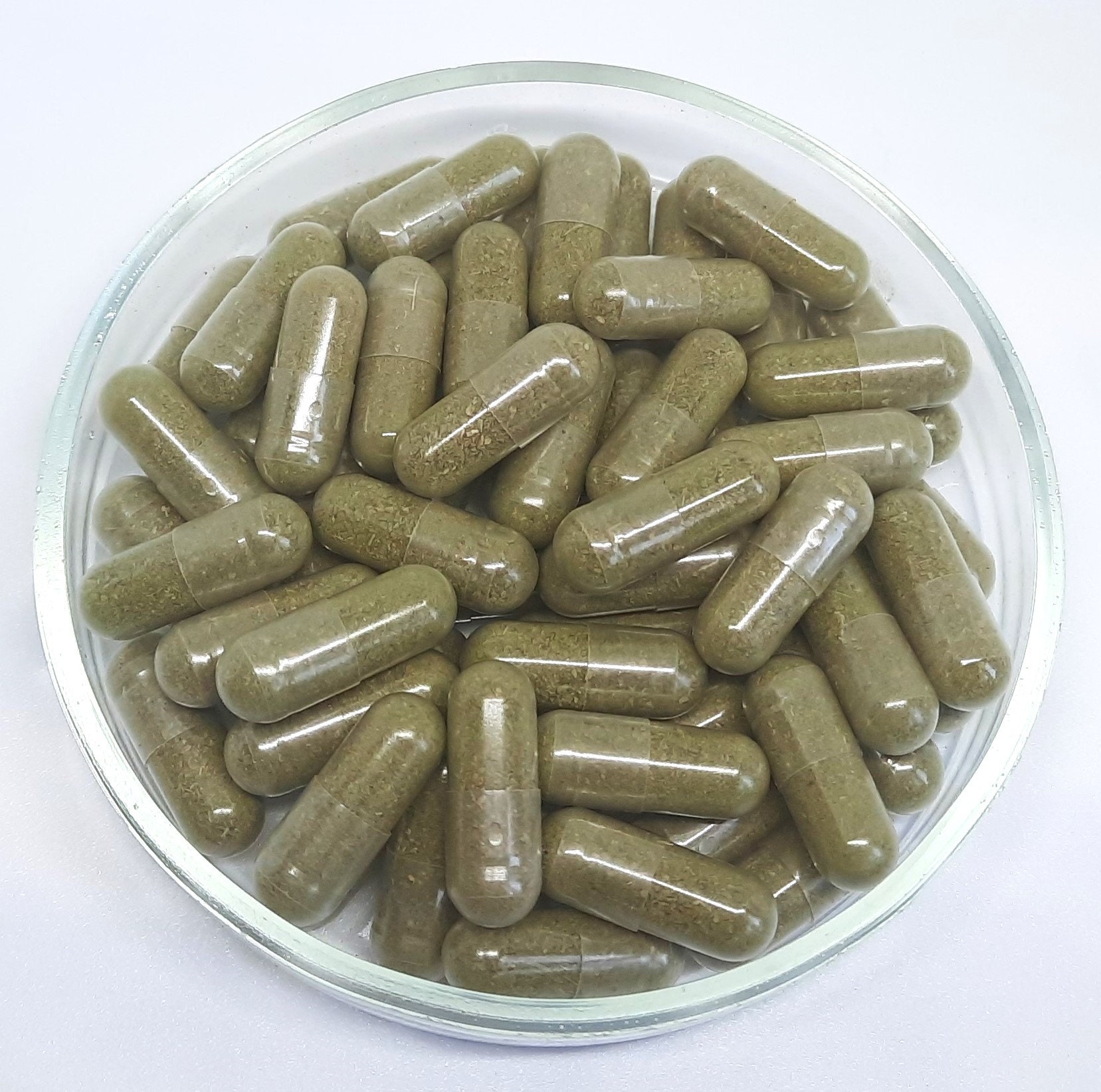
The Ultimate Guide to Fennel Seed: Health Benefits and Uses

The Ancient Elixir: Unveiling the Profound Health Benefits of Fennel Seed (Foeniculum Vulgare)

For millennia, across diverse cultures and continents, certain natural remedies have transcended time, earning their place in the pantheon of holistic wellness. Among these venerable botanicals, fennel seed, derived from the exquisite Foeniculum vulgare plant, stands as a testament to nature’s profound medicinal prowess. More than just a culinary spice lauded for its distinctive anise-like aroma and flavor, fennel seed is a treasure trove of potent bioactive compounds, offering an astonishing array of health benefits that range from digestive solace to hormonal harmony and robust antioxidant defense. This exhaustive guide delves deep into the intricate science and rich history behind fennel seed, meticulously exploring its mechanisms of action, diverse applications, and profound impact on human health. Prepare to embark on a journey that reveals why this humble seed has been revered for centuries and why it continues to be a cornerstone of natural healing today.

Botanical Pedigree and Enduring Historical Significance

Fennel, botanically known as Foeniculum vulgare, belongs to the Apiaceae family, often referred to as the carrot or parsley family. This herbaceous perennial is characterized by its feathery leaves, golden-yellow flowers, and, most importantly, its small, oblong, greenish-brown seeds. Originating from the Mediterranean region, fennel’s cultivation and utilization spread rapidly across the globe, becoming a staple in ancient pharmacopeias and culinary traditions. Its presence is documented in ancient Egyptian papyri, where it was prized for its digestive and diuretic properties. The Greeks called it “marathon” – a name linked to the famed battle of Marathon, where fennel was said to grow abundantly. Roman naturalists like Pliny the Elder extolled its virtues, recommending it for vision improvement and snakebites.

Throughout the Middle Ages, fennel was cultivated in monastery gardens across Europe, valued for its medicinal properties and as a culinary ingredient. It played a significant role in traditional Chinese medicine for alleviating stomach discomfort and in Ayurvedic practices, where it is known as “Saunf,” primarily used as a digestive aid and to balance the ‘Pitta’ dosha. Beyond its practical uses, fennel held symbolic significance, representing strength, courage, and longevity. This enduring legacy across disparate cultures underscores the universal recognition of fennel seed’s therapeutic value, a reputation built on empirical observation and passed down through generations.

Fennel Seed Botanical Photo

The Potent Bioactive Compounds: A Symphony of Natural Chemistry

The remarkable health benefits attributed to fennel seed are not merely anecdotal; they are meticulously rooted in a complex interplay of its rich phytochemical composition. The seed’s distinctive aroma and therapeutic efficacy are primarily due to its volatile oil, which constitutes 1-6% of its weight and is a highly concentrated source of its active compounds. Dominating this essential oil profile are several key constituents, each contributing uniquely to fennel’s pharmacological actions.

  • Anethole: The Star Compound
    Anethole is by far the most abundant and perhaps the most crucial bioactive compound in fennel seed, often making up 50-70% of its essential oil. This phenylpropanoid is responsible for the characteristic anise-like flavor and smell. Beyond its organoleptic properties, anethole is a powerful phytoestrogen, meaning it can mimic estrogen’s effects in the body, which contributes to fennel’s benefits in women’s health. Furthermore, anethole exhibits significant anti-inflammatory, antimicrobial, and antioxidant activities. Its antispasmodic properties are vital for soothing the digestive tract, alleviating cramps and spasms, and it also contributes to its carminative effects, helping to expel gas.
  • Fenchone: The Bitter Counterpart
    Fenchone is another major constituent, typically comprising 10-20% of the essential oil. It lends a slightly bitter, camphoraceous note to fennel’s flavor profile. Fenchone is also a potent antimicrobial agent and plays a role in the seed’s expectorant and anti-inflammatory actions. Its presence creates a synergistic effect with anethole, enhancing the overall therapeutic potential.
  • Estragole (Methyl Chavicol)
    Present in smaller quantities, estragole also contributes to the aromatic qualities and has demonstrated some antimicrobial and antispasmodic properties, further reinforcing fennel’s overall efficacy.
  • Polyphenols and Flavonoids
    Beyond the volatile oils, fennel seeds are rich in a diverse array of polyphenolic compounds, including flavonoids like quercetin, rutin, and kaempferol, along with phenolic acids such as chlorogenic acid. These compounds are renowned for their robust antioxidant activity, scavenging harmful free radicals, and mitigating oxidative stress throughout the body. Their presence contributes significantly to fennel’s anti-inflammatory and disease-preventive capacities.
  • Vitamins and Minerals
    Fennel seeds are also a good source of essential micronutrients. They provide significant amounts of Vitamin C, an important antioxidant, and various B-complex vitamins crucial for energy metabolism. Mineral content includes potassium (vital for blood pressure regulation), magnesium (involved in over 300 enzymatic reactions), calcium, iron, manganese, selenium, and zinc, all of which are indispensable for maintaining optimal physiological function.
  • Dietary Fiber
    The seeds are an excellent source of dietary fiber, both soluble and insoluble. This fiber content is pivotal for digestive health, promoting regularity, supporting a healthy gut microbiome, and contributing to feelings of satiety.

The intricate balance and synergistic interactions of these compounds underscore why fennel seed is such a multifaceted and effective natural remedy, addressing a broad spectrum of health concerns through diverse biological pathways.

Fennel Seed Plant Profile

In-Depth Exploration of Fennel Seed’s Health Benefits

1. A Powerhouse for Digestive Health

Fennel seed is arguably best known and most widely utilized for its profound benefits to the digestive system. Its effectiveness stems from a combination of carminative, antispasmodic, and prokinetic properties, primarily driven by anethole and fenchone. The carminative action helps to relax the smooth muscles of the gastrointestinal tract, thereby reducing spasms and allowing trapped gas to pass more easily. This significantly alleviates common complaints such as bloating, flatulence, and abdominal discomfort. For individuals suffering from Irritable Bowel Syndrome (IBS), the antispasmodic effects can be particularly soothing, helping to calm an overactive bowel and reduce cramping. Moreover, fennel seeds have been traditionally used to stimulate the secretion of digestive enzymes, which enhances the breakdown and absorption of nutrients from food. The high fiber content in fennel seeds also plays a crucial role in maintaining bowel regularity, preventing constipation, and promoting a healthy environment for beneficial gut bacteria, thus contributing to overall gut integrity and function.

2. Potent Anti-inflammatory and Antioxidant Defender

The rich tapestry of polyphenols, flavonoids, and volatile compounds like anethole present in fennel seed confers remarkable anti-inflammatory and antioxidant capabilities. Oxidative stress, caused by an imbalance between free radicals and the body’s ability to neutralize them, is a significant contributor to cellular damage and the progression of numerous chronic diseases, including cardiovascular conditions, neurodegenerative disorders, and certain cancers. Fennel seed’s antioxidants actively scavenge these free radicals, neutralizing their damaging effects and protecting cells and tissues from oxidative assault. Furthermore, the active compounds in fennel have been shown to modulate inflammatory pathways, inhibiting the production of pro-inflammatory mediators. This dual action of combating oxidative stress and dampening inflammation makes fennel seed a valuable ally in preventing chronic disease and supporting the body’s natural defense mechanisms against environmental stressors and age-related decline.

3. Respiratory System Support and Expectorant Action

For centuries, fennel seed has been a traditional remedy for various respiratory ailments. Its essential oils possess expectorant properties, meaning they help to loosen and break up phlegm and mucus in the respiratory passages, making it easier to expel. This makes fennel particularly beneficial for alleviating symptoms of coughs, colds, bronchitis, and even some forms of asthma. The antispasmodic action can also help to relax the bronchial muscles, potentially easing breathing difficulties. Additionally, the antimicrobial properties of anethole and fenchone can help combat the bacterial or viral infections that often underlie respiratory illnesses, offering a comprehensive approach to respiratory relief.

4. Hormonal Balance and Women’s Health Ally

One of the most compelling aspects of fennel seed’s therapeutic profile is its profound impact on women’s health, primarily attributed to the phytoestrogenic activity of anethole. Phytoestrogens are plant-derived compounds that can mimic the effects of estrogen in the body, albeit with a weaker potency. This estrogenic effect makes fennel seed a valuable natural remedy for managing a range of women’s health issues. It has been shown to effectively reduce the severity of menstrual cramps (dysmenorrhea) by relaxing the uterine muscles, thereby alleviating spasms and pain. For women experiencing menopausal symptoms such as hot flashes, night sweats, and vaginal dryness, fennel seed may offer a gentle, natural alternative for relief. Furthermore, fennel has been traditionally used as a galactagogue, meaning it can help stimulate milk production in lactating mothers, though this application should always be discussed with a healthcare provider.

5. Cardiovascular System Protection

Fennel seed contributes to cardiovascular health through multiple mechanisms. Its high potassium content is crucial for maintaining healthy blood pressure levels, as potassium helps to balance sodium in the body and relax blood vessel walls. The dietary fiber in fennel plays a significant role in cholesterol management by binding to bile acids in the digestive tract, facilitating their excretion, and thereby helping to lower LDL (“bad”) cholesterol levels. Moreover, the powerful antioxidant compounds protect the delicate endothelial lining of blood vessels from oxidative damage, reducing the risk of atherosclerosis (hardening of the arteries). By addressing blood pressure, cholesterol, and oxidative stress, fennel seed offers a holistic approach to supporting a healthy heart and circulatory system.

6. Blood Sugar Regulation Potential

While not a primary treatment for diabetes, fennel seed shows promising potential in supporting blood sugar management. The ample dietary fiber content is instrumental here, as it slows down the absorption of sugars into the bloodstream, preventing rapid spikes in blood glucose levels after meals. Emerging research also suggests that certain compounds in fennel may improve insulin sensitivity, allowing the body’s cells to utilize glucose more efficiently. This combination of fiber and bioactive compounds positions fennel seed as a beneficial dietary addition for individuals looking to maintain stable blood sugar levels and potentially reduce their risk of developing type 2 diabetes.

7. Antimicrobial and Antifungal Properties

The essential oil of fennel, particularly due to the presence of anethole and fenchone, exhibits significant antimicrobial and antifungal properties. Studies have demonstrated its efficacy against a range of bacteria, including some common foodborne pathogens, and various fungal species. This natural antiseptic quality contributes to its traditional use in preserving foods and its potential as a natural defense against various infections, both internal and external. These properties can also play a role in maintaining a healthy gut microbiome by inhibiting the overgrowth of harmful microorganisms.

8. Supporting Eye Health

Traditionally, fennel water and extracts have been used in various cultures as an eyewash for soothing irritated eyes and improving vision. While more scientific research is needed to fully substantiate these claims, the presence of antioxidants like Vitamin C and flavonoids in fennel seeds can contribute to overall eye health by protecting ocular tissues from oxidative damage, which is a factor in age-related macular degeneration and cataracts. The anti-inflammatory properties may also help alleviate minor eye irritations.

9. Potential for Weight Management

Fennel seed may also offer benefits for those seeking to manage their weight. The high fiber content promotes satiety, helping to reduce overall calorie intake by making one feel fuller for longer. Additionally, some research suggests that fennel may have mild appetite-suppressing effects and could potentially aid in boosting metabolism, although these areas require further investigation. Its digestive benefits also ensure that the body is efficiently processing nutrients, which is fundamental to healthy weight management.

Practical Ways to Incorporate Fennel Seed into Your Daily Life

Integrating fennel seed into your diet and wellness routine is remarkably simple, given its versatility and delightful flavor profile. From culinary applications to concentrated supplements, there are numerous ways to harness its health-promoting properties.

Culinary Uses: Flavor and Function

Fennel seeds are a staple in many global cuisines, adding a unique, sweet, and aromatic depth. They can be used whole or ground. In Indian cuisine, they are often dry-roasted and added to curries, bread, and pickles. They are also famously consumed as ‘Mukhwas,’ an after-meal digestive and mouth freshener, often candied. In Mediterranean and European cooking, fennel seeds are used to flavor sausages, fish dishes, and roasted vegetables. Sprinkling a teaspoon of roasted fennel seeds over salads or adding them to homemade bread can infuse your meals with both flavor and beneficial compounds. Fennel tea, prepared by steeping crushed seeds in hot water, is a time-honored remedy for digestive upset and can be enjoyed after meals.

Fennel Seed Dried Herb

Supplements and Extracts: Concentrated Benefits

For those seeking a more concentrated dose of fennel seed’s active compounds, various supplemental forms are available. These include capsules containing ground fennel seed powder, tinctures, and essential oil. Fennel essential oil, however, is highly potent and should be used with extreme caution and always diluted, preferably under the guidance of a qualified aromatherapist or healthcare professional. Capsules offer a convenient way to integrate fennel into a daily regimen, particularly for targeting specific issues like digestive discomfort or hormonal support. When choosing supplements, always opt for reputable brands that provide third-party testing for purity and potency to ensure you are receiving a high-quality product.

Fennel Seed Capsules

Dosage, Safety, and Potential Considerations

While fennel seed is generally considered safe for most people when consumed in culinary amounts, it is important to be mindful of dosages, especially when using concentrated forms or for therapeutic purposes. For making fennel tea, typically 1-2 teaspoons of crushed seeds steeped in hot water for 5-10 minutes, consumed 2-3 times daily, is common. If chewing seeds as a digestive aid, a small pinch (half a teaspoon) after meals is usually sufficient.

Important Precautions and Potential Side Effects:

  • Pregnancy and Breastfeeding: Due to its phytoestrogenic effects, fennel seed is generally not recommended in large therapeutic doses during pregnancy, as it could potentially interfere with hormonal balance. While traditionally used as a galactagogue, lactating women should consult their doctor before using fennel supplements or large quantities of fennel tea.
  • Allergies: Individuals with known allergies to plants in the Apiaceae family (e.g., celery, carrot, dill, parsley) may experience cross-reactivity to fennel. Allergic reactions can include skin rashes, respiratory symptoms, or digestive upset.
  • Drug Interactions: Fennel may interact with certain medications. Its fiber content can potentially reduce the absorption of some oral medications. Given its mild estrogenic effects, it might interfere with hormone-sensitive conditions or medications, such as birth control pills or tamoxifen. It may also have mild anti-coagulant properties, potentially interacting with blood-thinning medications.
  • Epilepsy: High doses of fennel essential oil have been anecdotally linked to seizures in susceptible individuals due to compounds like anethole, though this is rare with typical culinary or tea consumption.
  • Photodermatitis: Very rarely, topical application or high consumption of furanocoumarins present in fennel can cause increased skin sensitivity to sunlight, leading to sunburn-like reactions.

As with any potent herbal remedy, it is always prudent to consult with a healthcare professional, especially if you have pre-existing health conditions, are pregnant or breastfeeding, or are taking medications, before incorporating fennel seed into your therapeutic regimen.

Fennel Seed Natural Herb

Conclusion: Embracing the Wholeness of Fennel Seed

Fennel seed, with its rich historical tapestry and scientifically validated health benefits, truly stands as a quintessential example of nature’s pharmacy. From its revered status in ancient civilizations to its contemporary recognition in modern nutritional science, this unassuming seed offers a holistic approach to wellness. Its potent array of bioactive compounds, particularly anethole and fenchone, orchestrate a symphony of therapeutic actions, providing exceptional support for digestive health, offering robust antioxidant and anti-inflammatory protection, balancing hormones, and contributing to cardiovascular and respiratory well-being. Whether enjoyed as a flavorful culinary spice, brewed into a soothing tea, or taken as a concentrated supplement, fennel seed embodies the wisdom of traditional medicine harmoniously blended with the insights of scientific discovery. By integrating this remarkable botanical into your lifestyle, you unlock a wealth of natural benefits, fostering greater vitality and embracing a deeper connection to the enduring power of the plant kingdom.

Disclaimer: For informational purposes only. Not medical advice. Consult a qualified healthcare professional before use.
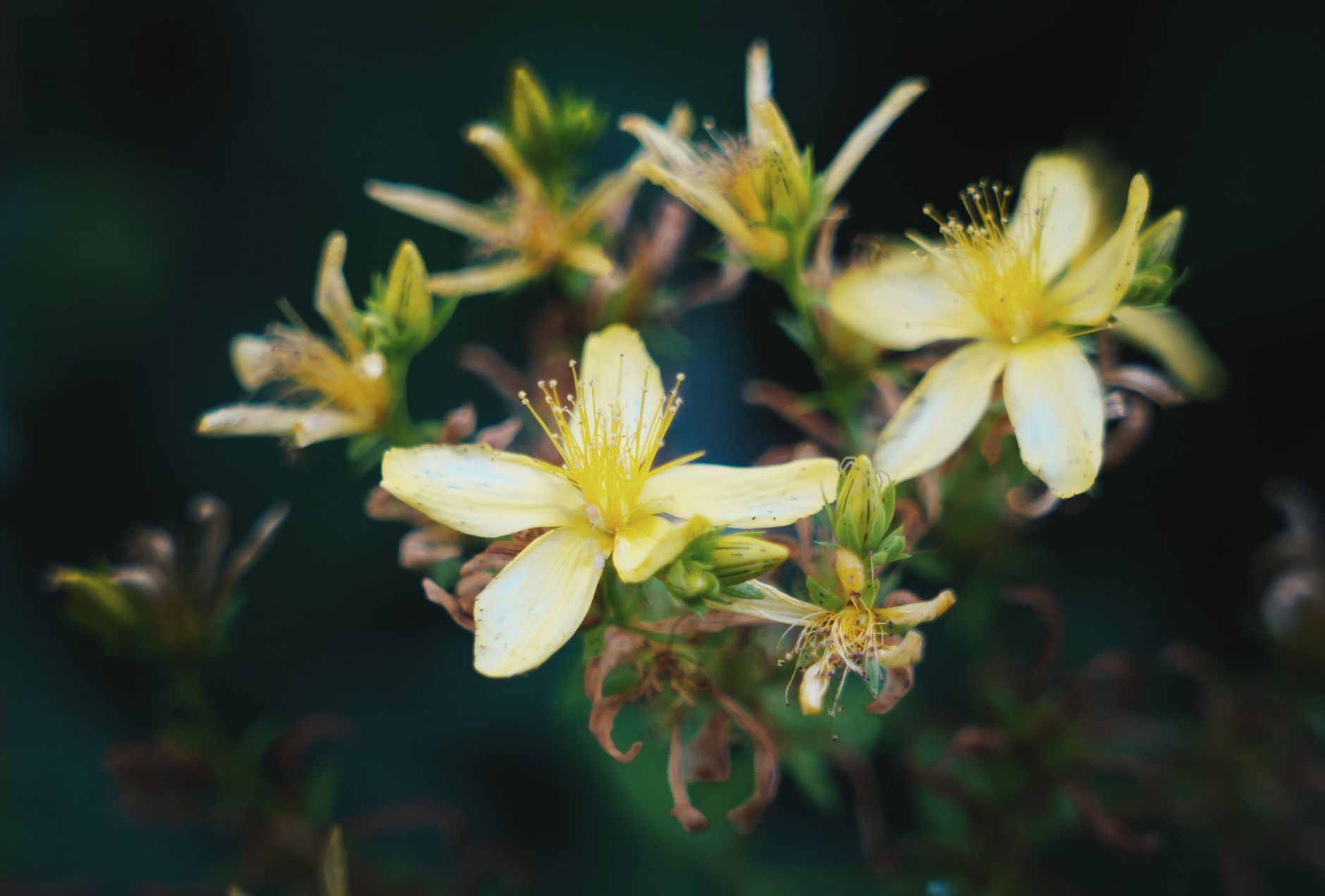
The Ultimate Guide to Black Maca: Health Benefits and Uses

The Definitive Guide to Black Maca: Unearthing Its Potent Health Benefits

Deep within the rugged, high-altitude terrain of the Peruvian Andes lies a botanical marvel, a cruciferous vegetable known as Maca (Lepidium meyenii). Among its various phenotypic varieties, Black Maca stands out as a particularly potent and revered powerhouse, often hailed for its distinct and scientifically supported health benefits. Unlike its red and yellow counterparts, Black Maca is specifically cultivated and sought after for its unique phytochemical profile, which researchers suggest contributes to its superior efficacy in certain areas, particularly male reproductive health, energy enhancement, and cognitive function. This comprehensive guide delves into the profound advantages of incorporating Black Maca into your wellness regimen, exploring its rich history, intricate biochemical composition, and the myriad ways it can elevate your overall health and vitality.

Historical Roots and Andean Reverence: The Legacy of Maca

The history of Maca is intrinsically woven into the fabric of Andean civilization, dating back thousands of years to the indigenous people of Peru. Pre-Incan cultures, and later the Incas themselves, cultivated Maca as a vital food source and a revered medicinal herb. Thriving in extreme conditions at altitudes of 4,000 to 4,500 meters (13,000 to 14,700 feet), where few other crops could survive, Maca became a staple of their diet, providing sustained energy and essential nutrients to withstand the harsh environment. Warriors consumed Maca before battles to boost strength and stamina, while women utilized it for fertility and hormonal balance. Its value was so significant that it was often used as a form of currency and offered as a tribute. The specific distinction between Maca phenotypes, including the black variety, was understood and utilized by these ancient cultures, who passed down their knowledge through generations, recognizing the specific applications of each color for distinct health outcomes.

Black Maca Dried Herb

Botanical Profile and the Uniqueness of Black Maca

Lepidium meyenii, commonly known as Maca, belongs to the Brassicaceae family, which also includes broccoli, kale, and cabbage. It is an annual or biennial plant cultivated for its fleshy hypocotyl, which is the fusion of the stem and taproot. This root, resembling a radish or turnip, is the primary part consumed. While all Maca varieties share a common genetic lineage, they are differentiated by the color of their hypocotyls, primarily yellow, red, and black. Black Maca, characterized by its dark, often purplish-black skin, is considered the rarest and, for many specific applications, the most potent. Its darker pigmentation is indicative of a distinct phytochemical composition, including higher concentrations of certain secondary metabolites responsible for its targeted benefits. The unique growing conditions of the Andes, with its intense UV radiation, extreme temperature fluctuations, and nutrient-rich volcanic soil, contribute significantly to the robust and complex biochemical makeup of this extraordinary plant.

Black Maca Botanical Photo

The Nutritional Powerhouse and Bioactive Compounds of Black Maca

Beyond its traditional acclaim, modern science has begun to unravel the complex nutritional and biochemical tapestry of Black Maca. It is not merely a supplement but a genuine superfood, packed with an impressive array of essential nutrients. Black Maca is rich in carbohydrates, providing a significant energy source, along with a decent amount of protein, including all essential amino acids. It contains healthy fats, particularly linoleic acid, oleic acid, and palmitic acid. Furthermore, it boasts an impressive mineral profile, including substantial amounts of calcium, magnesium, phosphorus, potassium, sulfur, and iron, alongside trace minerals like zinc, iodine, copper, selenium, and manganese. Vitamins are also abundant, with good levels of Vitamin C, B vitamins (B1, B2, B3, B6, B12), and Vitamin E.

However, the true magic of Black Maca lies in its unique spectrum of bioactive compounds. These include:

  • Macamides and Macaenes: These are unique fatty acids found only in Maca. They are believed to be the primary active compounds responsible for many of Maca’s adaptogenic and aphrodisiac effects. Macamides, in particular, are thought to modulate the endocannabinoid system, influencing mood, energy, and stress response without directly affecting hormone levels, but rather optimizing the body’s own hormonal balance.
  • Glucosinolates: Common in cruciferous vegetables, these compounds are responsible for Maca’s pungent flavor. Upon digestion, they break down into isothiocyanates, which are potent antioxidants and have been studied for their potential anti-cancer properties and ability to support detoxification pathways.
  • Alkaloids: While present in smaller quantities, specific alkaloids in Maca, such as lepidilines A and B, may contribute to its adaptogenic effects and influence nerve cell function and overall vitality.
  • Polyphenols and Flavonoids: Black Maca is particularly rich in these powerful antioxidants, which help combat oxidative stress, reduce inflammation, and protect cells from damage caused by free radicals. These compounds contribute to its neuroprotective and overall health-promoting properties.
  • Sterols: Plant sterols like beta-sitosterol are present, which can contribute to cardiovascular health and immune system support.

Black Maca Plant Profile

Profound Health Benefits of Black Maca

The distinctive composition of Black Maca translates into a broad spectrum of health benefits, often surpassing those of other Maca varieties for specific applications.

1. Enhanced Energy, Stamina, and Athletic Performance

One of the most celebrated benefits of Black Maca is its profound ability to boost energy levels and improve stamina without the jitters associated with caffeine. As an adaptogen, Black Maca helps the body adapt to stress, both physical and psychological. Its adaptogenic qualities are thought to work by modulating the hypothalamic-pituitary-adrenal (HPA) axis, which is central to stress response. By optimizing cellular energy production, potentially through enhancing mitochondrial function and improving glucose metabolism, Black Maca can significantly reduce fatigue and increase endurance. Studies have shown that Black Maca can improve swimming endurance and reduce oxidative stress markers in athletes, suggesting its potential to support sustained physical activity and recovery. This makes it an ideal supplement for athletes, active individuals, or anyone looking to overcome daily lethargy and improve their vitality.

2. Superior Male Reproductive Health and Fertility

Perhaps the most significant and well-researched benefit of Black Maca lies in its potent effects on male reproductive health. Numerous studies have specifically highlighted Black Maca’s ability to significantly improve sperm production, motility, and volume. Research indicates that Black Maca can increase spermatogenesis, the process of sperm formation, and enhance the viability of sperm cells. This is thought to be mediated by its unique macamides and macaenes, which may act on the endocrine system to optimize the conditions for sperm health, potentially by influencing the delicate balance of reproductive hormones, albeit indirectly, or by improving the overall cellular environment. It does not typically raise serum testosterone levels but rather helps the body maintain optimal androgen balance and sensitivity. This makes Black Maca a highly sought-after natural remedy for men seeking to improve fertility and overall reproductive function.

3. Cognitive Function and Mental Clarity

Beyond physical energy, Black Maca is also gaining recognition for its neuroprotective properties and its ability to enhance cognitive function. The rich antioxidant profile, including polyphenols and flavonoids, helps protect brain cells from oxidative damage, a key factor in cognitive decline. Furthermore, some studies suggest that Black Maca may improve memory, learning capacity, and focus. This could be attributed to its influence on neurotransmitter systems, such as acetylcholine and serotonin, which play critical roles in cognitive processes and mood regulation. By reducing stress and improving overall well-being, Black Maca indirectly supports better mental clarity and sustained concentration, proving beneficial for students, professionals, and the elderly alike.

4. Mood Enhancement and Stress Reduction

As an adaptogen, Black Maca excels at helping the body manage stress and promoting a sense of well-being. It does this by supporting the adrenal glands, which are responsible for producing stress hormones. By modulating the stress response, Black Maca can help mitigate the physiological and psychological impact of chronic stress, leading to reduced anxiety and improved mood. Its potential to influence neurotransmitters like serotonin and dopamine, which are crucial for mood regulation, further contributes to its antidepressant and anxiolytic effects. Users often report feeling more balanced, resilient, and less susceptible to mood swings when consistently incorporating Black Maca into their routine.

5. Bone Health and Density

Black Maca’s impressive mineral content, particularly calcium, magnesium, and phosphorus, plays a crucial role in maintaining strong and healthy bones. Beyond providing the building blocks, research indicates that Black Maca may have specific benefits for bone density, especially in conditions like osteoporosis. Some studies suggest it can help protect against bone loss, potentially by influencing bone metabolism and promoting the activity of osteoblasts (bone-forming cells). This benefit is particularly relevant for aging individuals and post-menopausal women, for whom bone density is a significant health concern.

6. Powerful Antioxidant Properties

The dark pigmentation of Black Maca is a visual indicator of its high concentration of anthocyanins and other potent antioxidants. These compounds, including various polyphenols, flavonoids, and glucosinolates, work synergistically to neutralize free radicals, unstable molecules that cause cellular damage and contribute to aging and chronic diseases. By reducing oxidative stress, Black Maca supports cellular health, strengthens the immune system, and helps protect against a wide range of degenerative conditions. This robust antioxidant capacity contributes to its overall anti-inflammatory and protective effects throughout the body.

Black Maca vs. Other Maca Varieties: A Distinct Advantage

While all Maca varieties offer health benefits, scientific research has increasingly highlighted the distinct advantages of Black Maca for specific outcomes. Comparative studies have consistently shown Black Maca to be superior to red and yellow varieties in improving sperm count and motility, enhancing physical endurance and energy, and boosting memory and cognitive function. This is attributed to its unique concentration of specific macamides, macaenes, and glucosinolates that are more abundant or structurally distinct in the black phenotype. Therefore, for those specifically targeting improvements in male fertility, athletic performance, or cognitive prowess, Black Maca often emerges as the preferred choice.

Practical Usage and Integration into Your Lifestyle

Black Maca is versatile and can be incorporated into your daily routine in several forms, each offering convenience and varying absorption rates.

Black Maca Capsules

1. Black Maca Powder (Raw or Gelatinized)

The most common form is powdered Black Maca, which can be either raw or gelatinized. Raw Maca powder is simply dried and ground Maca root, retaining all its enzymes and heat-sensitive nutrients. Gelatinized Maca, despite its name, does not contain gelatin. Instead, it undergoes a heating process that breaks down the starch molecules, making it easier to digest for some individuals. This process concentrates the active compounds, potentially increasing their bioavailability, though some heat-sensitive nutrients may be reduced. Both forms can be added to smoothies, juices, yogurts, oatmeal, or even baked goods. Starting with a smaller dose (e.g., 1-2 teaspoons) and gradually increasing as your body adjusts is recommended.

2. Black Maca Capsules and Tablets

For those who prefer a more convenient and precise dosage, Black Maca is widely available in capsule or tablet form. These are often made from concentrated extracts or gelatinized powder, offering a standardized amount of active compounds per serving. Capsules are ideal for busy individuals or those sensitive to the distinct taste of Maca powder. Always check the label for the concentration and recommended dosage from a reputable manufacturer.

3. Liquid Extracts and Tinctures

Less common but equally effective are liquid extracts or tinctures of Black Maca. These forms offer rapid absorption and can be easily added to water or other beverages. They are often concentrated, meaning a smaller dose can provide significant benefits. Liquid extracts are particularly useful for those who have difficulty swallowing pills or prefer a more immediate effect.

Dosage and Recommendations

The optimal dosage of Black Maca can vary based on individual needs, body weight, and the specific form of the supplement. Generally, a typical daily dosage ranges from 1,500 mg to 5,000 mg (1.5 to 5 grams) of powdered Maca. It is always advisable to start with a lower dose, such as 1,500 mg per day, and gradually increase it over several weeks to assess your body’s response. Consistency is key with adaptogenic herbs; noticeable benefits often manifest after several weeks of regular use. It can be taken once daily or divided into two doses. For specific health concerns, consulting with a healthcare professional is recommended to determine the most appropriate dosage and duration of use.

Black Maca Natural Herb

Potential Side Effects and Precautions

Black Maca is generally considered safe for most people when consumed in appropriate doses. However, some individuals may experience mild side effects, especially when starting or taking high doses. These can include digestive upset, such as gas or bloating, or temporary changes in sleep patterns due to its energizing effects. It is often recommended to avoid taking Maca close to bedtime. Pregnant or breastfeeding women, individuals with hormone-sensitive conditions (e.g., certain cancers), or those with thyroid conditions should consult their doctor before using Black Maca, as it can influence hormonal balance. Always choose high-quality, organic Black Maca from reputable sources to ensure purity and potency.

Conclusion: Embrace the Andean Powerhouse for Optimal Health

Black Maca stands as a testament to nature’s profound ability to provide potent solutions for human health. From its ancient origins in the Peruvian Andes to its modern-day recognition as a superfood and adaptogen, its journey is marked by consistent efficacy. With a unique concentration of bioactive compounds, Black Maca offers unparalleled benefits for energy, stamina, male reproductive health, cognitive function, mood, and bone density. By understanding its rich history, intricate science, and practical applications, individuals can harness the extraordinary power of Black Maca to cultivate a life of enhanced vitality, mental clarity, and overall well-being. Incorporating this exceptional root into your daily regimen is not just a step towards better health; it is an embrace of an ancient wisdom revered for centuries, now scientifically validated for its profound impact on modern living.

Disclaimer: For informational purposes only. Not medical advice. Consult a qualified healthcare professional before use.

The Ultimate Guide to Walnut Shell Partitions: Health Benefits and Uses

Unlocking Nature’s Hidden Gem: The Exhaustive Health Benefits of Walnut Shell Partitions

For centuries, the noble walnut (Juglans regia) has been celebrated worldwide not only for its deliciously rich and nutritious kernels but also for its leaves, bark, and even its hard outer shell, all utilized in various traditional medicines. However, there lies a lesser-known, often-discarded component nestled within the walnut’s robust exterior: the thin, papery partitions that separate the individual kernel halves. These delicate internal structures, often overlooked or simply tossed aside, are now gaining significant scientific attention for their profound and diverse health benefits. Far from being mere botanical scaffolding, walnut shell partitions are a powerhouse of bioactive compounds, offering a spectrum of therapeutic properties that range from potent antioxidant and anti-inflammatory effects to specific support for endocrine function, cardiovascular health, and beyond. This comprehensive guide aims to peel back the layers of this unassuming botanical treasure, delving into its historical significance, intricate chemical composition, and the myriad ways it can contribute to holistic well-being.

In an era where natural remedies are increasingly scrutinized and validated by scientific inquiry, walnut shell partitions stand out as a prime example of nature’s pharmacy, offering a compelling array of potential health solutions. Join us as we explore the deep science and traditional wisdom surrounding this often-forgotten component of one of humanity’s oldest cultivated trees, aiming to provide an exhaustive resource for anyone interested in harnessing its unique properties for optimal health.

Botanical Profile and Historical Roots of the Walnut

The common walnut, Juglans regia, is an ancient deciduous tree belonging to the Juglandaceae family, native to a region stretching from the Balkans eastward to the Himalayas and southwest China. Revered since antiquity, walnuts have been cultivated for thousands of years, with archaeological evidence pointing to their consumption as far back as 7000 BCE. The tree itself is majestic, capable of reaching significant heights and living for centuries, a testament to its enduring vitality.

Within the familiar hard shell of the walnut, the kernel is divided into four lobes, separated by intricate, woody septa – these are the walnut shell partitions. These partitions develop as the fruit matures, initially soft and pliable, gradually hardening to protect the developing kernel. While the kernel has always been the primary focus of harvest, traditional medicine systems across diverse cultures intuitively recognized the value of the entire plant, including these internal structures.

Walnut Shell Partitions Botanical Photo

Historically, walnuts were introduced to Europe by the ancient Greeks and Romans, who prized them for their nutritional value and perceived medicinal qualities. Persian walnuts, as they were often called, were considered food for the gods. In traditional Persian, Arab, and European folk medicine, preparations made from various parts of the walnut tree, including the partitions, were employed to treat a wide array of ailments. From digestive complaints to skin conditions and even parasitic infections, the walnut was a versatile component of the herbal pharmacopoeia.

In Eastern European and Russian folk medicine, the partitions gained particular notoriety for their perceived effects on the thyroid gland. Decoctions and tinctures were prepared and used to regulate thyroid function, especially in regions prone to iodine deficiency, long before the scientific understanding of iodine’s role in thyroid health was established. This traditional knowledge, passed down through generations, laid the groundwork for contemporary scientific investigations into the unique properties of walnut shell partitions.

The Rich Phytochemistry: Bioactive Compounds in Walnut Shell Partitions

The remarkable health benefits attributed to walnut shell partitions stem from their complex and concentrated phytochemical profile. These partitions are not inert structural components but rather a rich reservoir of bioactive compounds, many of which are distinct from those found in the walnut kernel itself. Understanding these compounds is key to appreciating their therapeutic mechanisms.

Walnut Shell Partitions Plant Profile

Key Bioactive Compounds:

  • Phenolic Compounds and Polyphenols: These are arguably the most significant class of compounds found in walnut shell partitions, present in remarkably high concentrations.
    • Tannins: Particularly ellagitannins and gallotannins, are abundant. Tannins are powerful natural antioxidants with astringent properties. Ellagitannins, like those found in walnut partitions, are precursors to ellagic acid, a compound known for its robust antioxidant, anti-inflammatory, and potential anti-cancer properties. They can scavenge free radicals, chelate metal ions, and inhibit lipid peroxidation.
    • Flavonoids: Quercetin, kaempferol, and other glycosides are present, contributing to the partitions’ antioxidant and anti-inflammatory capacity. Flavonoids are well-known for their ability to modulate enzyme activities, reduce capillary permeability, and exert protective effects on the cardiovascular system.
    • Phenolic Acids: Including gallic acid, caffeic acid, and ferulic acid, these compounds also possess significant antioxidant and anti-inflammatory effects. Gallic acid, for instance, is a potent antioxidant and has demonstrated antimicrobial and anti-mutagenic properties.
  • Iodine: One of the most historically recognized and scientifically validated components, walnut shell partitions contain natural iodine. This trace element is absolutely critical for the synthesis of thyroid hormones (thyroxine and triiodothyronine), which regulate metabolism, growth, and development. The iodine content in these partitions has been a cornerstone of their traditional use for thyroid support.
  • Juglone: A potent naphthoquinone, juglone is characteristic of the Juglandaceae family. While high concentrations can be toxic, in controlled amounts, juglone has demonstrated significant antimicrobial, anti-parasitic, and even potential anti-cancer activities. Its presence contributes to the traditional use of walnuts in treating parasitic infections.
  • Dietary Fiber: The fibrous nature of the partitions provides insoluble and soluble fiber, which can contribute to digestive health, aid in regularity, and support a healthy gut microbiome.
  • Minerals: Beyond iodine, the partitions may contain trace amounts of other essential minerals, though typically in lower concentrations compared to the kernel.

The synergistic interaction between these various compounds is what gives walnut shell partitions their comprehensive therapeutic potential. The high antioxidant capacity, primarily driven by polyphenols, protects cells from oxidative damage, a root cause of many chronic diseases. The unique combination of iodine and these protective antioxidants makes them particularly interesting for thyroid health, offering both the necessary building block for hormones and protection against the oxidative stress often associated with thyroid dysfunction.

Deep Dive into the Health Benefits of Walnut Shell Partitions

The rich biochemical tapestry of walnut shell partitions translates into a wide array of documented and emerging health benefits, many supported by both traditional wisdom and contemporary scientific investigation.

1. Exceptional Support for Thyroid Health and Endocrine Balance

Perhaps the most historically lauded benefit of walnut shell partitions is their profound impact on thyroid function. This stems primarily from their natural iodine content. Iodine is an indispensable component of thyroid hormones (T3 and T4). A deficiency in iodine can lead to hypothyroidism, goiter (enlargement of the thyroid gland), and a host of metabolic disturbances. Walnut shell partitions offer a natural, bioavailable source of this crucial trace element, helping to ensure adequate thyroid hormone synthesis.

Beyond iodine, the potent antioxidant profile of the partitions (polyphenols, flavonoids) plays a crucial role. The thyroid gland is highly susceptible to oxidative stress, which can damage thyroid cells and impair hormone production. The antioxidants in walnut partitions help to neutralize free radicals, protecting thyroid tissue from damage and supporting optimal function. Some research suggests their potential in regulating hyperthyroidism by modulating hormone production, although this area requires more comprehensive clinical studies. Their adaptogenic qualities may help the body maintain overall endocrine equilibrium, contributing to a balanced metabolic state.

2. Potent Antioxidant and Anti-inflammatory Properties

The sheer concentration of phenolic compounds, including various tannins, flavonoids, and phenolic acids, makes walnut shell partitions a formidable antioxidant agent. These compounds actively scavenge harmful free radicals, which are unstable molecules that can cause cellular damage, contribute to aging, and are implicated in the pathogenesis of numerous chronic diseases, including cardiovascular disease, neurodegenerative disorders, and cancer.

Moreover, the anti-inflammatory effects are equally significant. Chronic low-grade inflammation is a cornerstone of many modern illnesses. The bioactive compounds in walnut shell partitions can modulate inflammatory pathways, inhibiting the production of pro-inflammatory cytokines (e.g., TNF-alpha, IL-6), downregulating enzymes like cyclooxygenase (COX) and lipoxygenase (LOX), and generally attenuating the inflammatory cascade. This dual action of combating oxidative stress and reducing inflammation provides broad-spectrum protection for cellular health and systemic well-being.

3. Cardiovascular Health Enhancement

The benefits extend significantly to the cardiovascular system. The high levels of polyphenols and other antioxidants contribute to several protective mechanisms:

  • Cholesterol Management: Certain compounds may help reduce levels of low-density lipoprotein (LDL) cholesterol (the “bad” cholesterol) and improve the overall lipid profile, thereby reducing the risk of atherosclerosis.
  • Blood Pressure Regulation: Antioxidants can improve endothelial function, the health of the inner lining of blood vessels, leading to better vasodilation and potentially contributing to lower blood pressure.
  • Anti-platelet Effects: Some phytochemicals may exhibit mild anti-platelet aggregation effects, helping to prevent the formation of blood clots that can lead to heart attacks and strokes.
  • Reduced Oxidative Damage: By protecting against oxidative stress in the blood vessels and heart tissue, partitions help maintain the structural integrity and functional efficiency of the cardiovascular system.

4. Digestive Health and Gut Microbiome Modulation

Traditionally, walnut shell partitions were used for various digestive ailments, particularly to address diarrhea. This is primarily due to their high tannin content, which provides astringent properties. Tannins can tighten and tone mucous membranes, reducing fluid secretion and inflammation in the gut, thereby helping to alleviate diarrhea.

Furthermore, the fiber content contributes to healthy bowel function, promoting regularity and preventing constipation. The polyphenols may also exert prebiotic effects, nourishing beneficial gut bacteria and fostering a healthy gut microbiome, which is crucial for nutrient absorption, immune function, and overall digestive balance. The presence of juglone also lends potential anti-parasitic properties, traditionally utilized to expel intestinal worms.

5. Emerging Anticancer Potential

While still primarily investigated in in-vitro and animal studies, the compounds in walnut shell partitions show promising anticancer potential. Ellagic acid, a major metabolite of the ellagitannins found in partitions, is particularly noted for its chemopreventive properties. It has been shown to:

  • Induce Apoptosis: Programmed cell death in cancer cells, without harming healthy cells.
  • Inhibit Cell Proliferation: Slow down the growth and division of various cancer cell lines.
  • Anti-Angiogenesis: Impede the formation of new blood vessels that tumors need to grow and spread.
  • Antioxidant Protection: Prevent DNA damage that can lead to carcinogenesis.

Juglone also contributes to these effects, demonstrating cytotoxicity against a range of cancer cells. It is crucial to emphasize that walnut shell partitions are not a cancer cure, but their rich composition suggests a role in cancer prevention and as an adjunctive therapy, requiring much more clinical research.

6. Blood Sugar Regulation

Preliminary research suggests that walnut shell partitions may play a role in managing blood sugar levels. Their antioxidant and anti-inflammatory properties can protect pancreatic beta cells, which are responsible for insulin production, from oxidative damage. Some compounds may also improve insulin sensitivity in peripheral tissues, allowing cells to utilize glucose more efficiently. Additionally, certain polyphenols might interfere with carbohydrate digestion and glucose absorption in the gut, leading to a more gradual rise in blood sugar after meals. This makes them a potential supportive agent for individuals managing metabolic syndrome or type 2 diabetes, though they should not replace prescribed medications.

7. Immune System Modulation

The comprehensive antioxidant and anti-inflammatory effects of walnut shell partitions naturally support a robust immune system. By reducing the overall inflammatory burden and protecting immune cells from oxidative stress, they enable the immune system to function more efficiently. Moreover, some phytochemicals may directly modulate immune responses, potentially enhancing the body’s ability to fight off infections and maintain immune homeostasis. Their traditional use as an anti-parasitic agent also highlights their role in defending the body against foreign invaders.

Practical Usage and Forms: Harnessing the Power of Walnut Shell Partitions

The versatility of walnut shell partitions allows for several practical methods of preparation and consumption, catering to both traditional preferences and modern convenience.

Traditional Preparations: Decoctions and Tinctures

Historically, the most common way to extract the beneficial compounds from walnut shell partitions was through decoctions or tinctures.

  • Decoctions: This involves simmering the dried partitions in water for an extended period (typically 15-30 minutes) to extract the water-soluble compounds, including many polyphenols and iodine. The resulting liquid is then strained and consumed. Decoctions are a gentle way to access the benefits, often used for digestive issues or as a general tonic.
  • Tinctures: An alcohol-based extraction, tinctures are made by steeping dried partitions in a mixture of alcohol and water for several weeks. Alcohol is a powerful solvent that can extract a broader range of compounds, including those less soluble in water. Tinctures offer a concentrated form, allowing for smaller, more potent dosages. They are often preferred for systemic effects, such as thyroid support or broad antioxidant benefits.

Walnut Shell Partitions Dried Herb

Modern Supplements: Capsules and Powders

For convenience and standardized dosing, walnut shell partitions are increasingly available in modern supplement forms.

  • Capsules: Dried and powdered walnut shell partitions are encapsulated, providing a tasteless and easy-to-take option. These supplements often provide a standardized amount of active compounds, ensuring consistency in dosage.
  • Powders: Fine powders of the partitions can be mixed into smoothies, juices, or food. This allows for flexible dosing and can be a good option for those who prefer not to swallow capsules.

When choosing supplements, look for reputable brands that provide information on the source of their walnuts, extraction methods, and standardization of key active compounds.

Walnut Shell Partitions Capsules

Dosage, Administration, and Important Considerations

Determining the appropriate dosage for walnut shell partitions can vary significantly depending on the form (dried herb, tincture, capsule), the concentration of active compounds, and the individual’s specific health needs and sensitivities. There is no universally established recommended daily allowance, and dosage often relies on traditional use and manufacturer guidelines.

General Guidelines:

  • Dried Herb (for decoction): A common traditional starting point might be 1-2 teaspoons of dried partitions simmered in 1-2 cups of water, consumed once or twice daily.
  • Tincture: Dosages can range from 10-30 drops, 1-3 times daily, depending on the concentration of the tincture and the desired effect. Always follow the product’s specific instructions.
  • Capsules/Powders: Follow the manufacturer’s recommended dosage, which is typically based on the standardization of active ingredients.

Important Precautions:

  • Consult a Healthcare Professional: Before incorporating walnut shell partitions into your regimen, especially if you have pre-existing health conditions (particularly thyroid disorders), are pregnant or breastfeeding, or are taking medications, it is crucial to consult with a doctor or a qualified herbalist.
  • Thyroid Conditions: While traditionally used for thyroid support, individuals with diagnosed thyroid conditions (hyper- or hypothyroidism) should exercise caution due to the iodine content. Excessive iodine can worsen hyperthyroidism or induce hypothyroidism in susceptible individuals. Monitoring by a healthcare provider is essential.
  • Allergies: Individuals with known allergies to walnuts or other tree nuts should avoid consuming walnut shell partitions, as they may trigger allergic reactions.
  • Medication Interactions: The tannins in walnut shell partitions may interfere with the absorption of certain medications or supplements if taken simultaneously. Additionally, due to potential effects on blood clotting (from polyphenols) or blood sugar, caution is advised for those on blood thinners or diabetes medications.
  • Juglone Content: While beneficial in small amounts, high concentrations of juglone can be toxic. Sourcing products from reputable suppliers ensures appropriate processing and safety.
  • Start Low and Go Slow: As with any new supplement, begin with a lower dose to assess your body’s reaction before gradually increasing to the recommended amount.

Future Directions and Research Opportunities

Despite centuries of traditional use and a growing body of preliminary scientific evidence, the full therapeutic potential of walnut shell partitions is still being uncovered. Most current research has focused on in-vitro studies (test tube experiments) and animal models, demonstrating promising results across various health domains. However, robust human clinical trials are necessary to conclusively validate these benefits, establish optimal dosages, and fully understand long-term safety profiles.

Future research will likely delve deeper into:

  • The exact mechanisms by which specific compounds (e.g., specific ellagitannins, novel flavonoids) exert their effects.
  • Their precise role in modulating the gut microbiome and its implications for systemic health.
  • Further investigation into their anticancer potential, possibly as an adjunctive therapy.
  • Clarifying optimal intake levels for iodine from partitions, especially for individuals with varying thyroid statuses.
  • Development of standardized extracts that maximize beneficial compounds while minimizing potential adverse effects.

As scientific methodologies advance, the “forgotten” walnut partition is poised to move from the realm of traditional folk medicine into a more prominent position within evidence-based natural health practices.

Conclusion: Rediscovering a Potent Natural Ally

Walnut Shell Partitions Natural Herb

The humble walnut shell partition, once considered mere refuse, is re-emerging from the shadows as a powerful botanical ally with an extraordinary array of health benefits. From its historical reverence in ancient healing traditions to its contemporary validation through scientific inquiry, these internal structures of the walnut fruit offer a concentrated source of vital nutrients and potent bioactive compounds. Their exceptional antioxidant and anti-inflammatory capabilities lay the groundwork for broad protective effects against chronic diseases, while their specific contributions to thyroid health, cardiovascular function, digestive wellness, and even potential anticancer activities make them a compelling subject for both researchers and individuals seeking natural paths to health.

As we continue to explore and appreciate the intricate pharmacy of the natural world, walnut shell partitions serve as a powerful reminder that sometimes, the most potent remedies are found in the most unexpected and often overlooked places. By understanding their rich phytochemistry and historical applications, and by approaching their use with informed caution and professional guidance, we can unlock the profound therapeutic potential of this remarkable, hidden gem within the majestic walnut.

Disclaimer: For informational purposes only. Not medical advice. Consult a qualified healthcare professional before use.

The Ultimate Guide to Neglected sweetvetch: Health Benefits and Uses

Unveiling the Hidden Power of Neglected Sweetvetch: A Definitive Deep-Dive into Its Health Benefits

In the vast tapestry of botanical medicine, many plants remain unsung heroes, their profound therapeutic potential overlooked by the mainstream. Among these is Neglected sweetvetch, scientifically known as Hedysarum boreale Nutt. ssp. boreale, a resilient legume native to the challenging environments of North America and Eurasia. Despite its understated common name, this remarkable plant harbors a wealth of bioactive compounds that promise a spectrum of health benefits, from robust immune support to potent anti-inflammatory action. This exhaustive guide delves into the intricate science and rich history of Neglected sweetvetch, illuminating its role as a formidable natural ally for holistic well-being.

Often overshadowed by its more famous botanical cousins, Neglected sweetvetch is slowly but surely emerging from obscurity, attracting increasing scientific interest for its unique phytochemical profile and traditional applications. Our journey will explore its botanical identity, trace its historical use through indigenous cultures, meticulously dissect its chemical composition, and extensively detail the myriad ways it can contribute to enhanced human health. Prepare to uncover why this seemingly “neglected” plant deserves a place at the forefront of natural health discourse.

Botanical Profile and Ecological Resilience of Neglected Sweetvetch

Neglected sweetvetch (*Hedysarum boreale* ssp. *boreale*) belongs to the *Fabaceae* family, commonly known as the pea or legume family, a group renowned for its nitrogen-fixing capabilities and diverse medicinal and nutritional contributions. This perennial herb is characterized by its upright growth habit, often reaching heights of 10 to 60 centimeters. Its compound leaves are typically pinnate, composed of multiple elliptical leaflets that give it a delicate, feathery appearance.

The plant’s most striking feature is its inflorescence: dense racemes of vibrant purplish-pink or occasionally white flowers, which bloom in late spring to early summer. These blossoms are not only aesthetically pleasing but also attract a variety of pollinators, playing a crucial role in its ecosystem. The fruit develops into flattened, segmented pods, characteristic of many legumes. Neglected sweetvetch thrives in a range of challenging habitats, including dry, rocky slopes, open woodlands, prairies, and alpine meadows, demonstrating remarkable adaptability and hardiness. Its extensive root system allows it to withstand harsh climatic conditions, and it often grows in areas with poor soil quality, contributing to soil enrichment through its symbiotic relationship with nitrogen-fixing bacteria.

Neglected sweetvetch Botanical Photo

This botanical resilience is a testament to its robust biological makeup, hinting at the potent compounds housed within its leaves, stems, flowers, and roots. Understanding its natural habitat and growth patterns provides context for its traditional uses and informs our appreciation of its inherent vitality. The plant’s deep roots and ability to flourish in nutrient-sparse environments suggest an evolutionary advantage that often correlates with the production of stress-response compounds, many of which prove beneficial to human health.

Historical Context and Traditional Wisdom: Echoes of Ancestral Healing

The moniker “Neglected sweetvetch” might suggest its recent discovery, yet its therapeutic value has been recognized and utilized for centuries by various indigenous communities across its native range. For many Native American tribes, including the Arctic Dene, Gwich’in, and Inuit peoples, sweetvetch species, including *Hedysarum boreale*, were not merely sources of sustenance but also integral components of their traditional medicine chest. The fleshy, starchy roots, often referred to as “Indian potatoes,” were a significant food source, consumed raw, boiled, roasted, or dried and pounded into flour. This historical dietary use underscores its safety and nutritional richness.

Beyond its culinary utility, the medicinal applications of Neglected sweetvetch were diverse and deeply rooted in empirical observation. Indigenous healers traditionally employed various parts of the plant to address a wide array of ailments. Decoctions of the roots were used to treat respiratory conditions, including coughs, colds, and sore throats, suggesting expectorant and anti-inflammatory properties. Topical applications, such as poultices made from crushed roots or leaves, were applied to wounds, boils, and skin irritations to promote healing and reduce inflammation. Some accounts also describe its use as a general tonic to enhance vitality and resilience, particularly during periods of strenuous activity or recovery from illness. The oral histories and practices passed down through generations serve as invaluable testaments to the plant’s efficacy, guiding contemporary scientific inquiry into its therapeutic mechanisms.

The Phytochemical Symphony: Deconstructing Neglected Sweetvetch’s Bioactive Compounds

The profound health benefits attributed to Neglected sweetvetch stem from its intricate cocktail of bioactive compounds. Modern phytochemistry has begun to unravel this complexity, identifying several key classes of molecules that work synergistically to exert their therapeutic effects. Understanding these compounds is crucial to appreciating the plant’s medicinal potential.

One of the most significant groups of compounds found in Neglected sweetvetch are **flavonoids**. These potent plant pigments are renowned for their robust antioxidant and anti-inflammatory properties. Specific flavonoids like quercetin, kaempferol, and their glycosides are commonly found in *Hedysarum* species. Quercetin, for instance, is a well-researched compound that stabilizes mast cells, reduces histamine release, and inhibits the production of pro-inflammatory cytokines, making it a valuable agent in allergic and inflammatory conditions. Kaempferol also exhibits powerful antioxidant activity, protecting cellular structures from damage by free radicals, and has been studied for its potential anti-cancer properties.

Another crucial class of compounds is **saponins**. These natural glycosides are known for their foam-forming properties and diverse biological activities. In *Hedysarum* species, triterpenoid saponins are particularly abundant. These compounds have been linked to several health benefits, including cholesterol-lowering effects (by binding to cholesterol in the digestive tract), immune-modulating properties (acting as adjuvants), and even anti-cancer activity by inducing apoptosis in cancer cells. Some saponins can also contribute to the plant’s expectorant qualities, helping to thin mucus in the respiratory passages.

Neglected sweetvetch Plant Profile

**Polysaccharides**, complex carbohydrates, are also present and contribute significantly to its immune-boosting and adaptogenic potential. These macromolecules can stimulate macrophage activity, enhance natural killer cell function, and modulate cytokine production, thereby fortifying the body’s defenses. Furthermore, some polysaccharides can act as prebiotics, nourishing beneficial gut bacteria and promoting a healthy digestive ecosystem.

**Phenolic acids**, such as caffeic acid, ferulic acid, and chlorogenic acid, represent another important group of antioxidants. These compounds are effective at scavenging free radicals, chelating metal ions, and inhibiting lipid peroxidation, all of which contribute to cellular protection and overall health. Their presence augments the plant’s anti-inflammatory and chemopreventive capabilities.

Beyond these major categories, Neglected sweetvetch also contains trace amounts of other beneficial compounds, including vitamins (e.g., Vitamin C), minerals, essential amino acids (especially in the roots), and possibly alkaloids, although the latter are typically less emphasized in *Hedysarum* species. The synergistic interplay of these various phytochemicals creates a holistic therapeutic effect that is often greater than the sum of individual compounds, a phenomenon known as botanical synergy.

Comprehensive Health Benefits: A Deep Dive into Neglected Sweetvetch’s Therapeutic Prowess

The rich biochemical profile of Neglected sweetvetch translates into a wide array of potential health benefits, touching upon several critical physiological systems. Its traditional uses are increasingly validated by contemporary scientific investigations, offering a compelling case for its broader adoption in natural health protocols.

1. Potent Immune System Modulation and Enhancement

One of the most compelling benefits of Neglected sweetvetch lies in its ability to modulate and strengthen the immune system. The polysaccharides, particularly beta-glucans, are key players in this regard. These complex carbohydrates interact with specific receptors on immune cells, such as macrophages and natural killer (NK) cells, stimulating their activity. This activation leads to an enhanced ability to detect and neutralize pathogens, including viruses and bacteria.

Furthermore, these polysaccharides can promote the production of cytokines, which are signaling molecules that orchestrate the immune response. By fine-tuning cytokine release, Neglected sweetvetch can help balance immune function, preventing both under-response (leaving the body vulnerable) and over-response (leading to autoimmune conditions or excessive inflammation). Its adaptogenic potential also extends to helping the immune system cope with stress, ensuring robust defenses even under challenging conditions. This makes it a valuable botanical for seasonal immune support and for individuals seeking to bolster their general resistance to infections.

2. Superior Anti-inflammatory and Analgesic Properties

Chronic inflammation is a root cause of numerous modern diseases, from cardiovascular issues to neurodegenerative disorders. Neglected sweetvetch offers significant anti-inflammatory benefits, primarily through its flavonoid and phenolic acid content. These compounds exert their effects through multiple pathways.

Flavonoids like quercetin can inhibit the enzymes cyclooxygenase (COX) and lipoxygenase (LOX), which are critical in the synthesis of pro-inflammatory mediators such as prostaglandins and leukotrienes. By blocking these pathways, Neglected sweetvetch can effectively reduce pain, swelling, and redness associated with inflammatory conditions. Additionally, these compounds can suppress the activation of NF-κB, a protein complex that controls transcription of DNA and is central to inflammatory responses. This multi-pronged approach to inflammation makes it a promising natural remedy for conditions like arthritis, muscle soreness, and inflammatory bowel disease. Its traditional use for joint pain and skin inflammation further supports these claims, acting as a natural analgesic by reducing the underlying inflammatory processes that cause discomfort.

3. Robust Antioxidant Defense Against Oxidative Stress

Oxidative stress, caused by an imbalance between free radicals and the body’s ability to detoxify them, contributes to cellular damage, accelerates aging, and is implicated in the pathogenesis of countless chronic diseases. Neglected sweetvetch is a rich source of antioxidants, including flavonoids, phenolic acids, and certain vitamins. These compounds act as powerful free radical scavengers, neutralizing harmful reactive oxygen species (ROS) before they can inflict damage on DNA, proteins, and lipids.

By bolstering the body’s antioxidant defenses, Neglected sweetvetch helps protect cells from oxidative damage, supporting cellular integrity and function. This protective effect extends to vital organs, potentially reducing the risk of conditions associated with oxidative stress, such as cardiovascular disease, certain cancers, and neurodegenerative disorders. The continuous consumption of antioxidant-rich botanicals like sweetvetch can contribute significantly to long-term cellular health and vitality, slowing down degenerative processes.

4. Cardiovascular Health Support and Lipid Regulation

Emerging research and traditional understanding suggest that Neglected sweetvetch may offer benefits for cardiovascular health. Saponins, in particular, play a role in lipid metabolism. They can bind to cholesterol in the gastrointestinal tract, preventing its absorption and promoting its excretion, thereby contributing to lower serum cholesterol levels. This effect can be crucial in managing hypercholesterolemia, a major risk factor for atherosclerosis and heart disease.

Furthermore, the antioxidant and anti-inflammatory properties of flavonoids and phenolic acids found in sweetvetch can protect blood vessels from oxidative damage and inflammation, which are key contributors to endothelial dysfunction and plaque formation. By promoting healthier blood vessel function and reducing oxidative stress, Neglected sweetvetch may contribute to maintaining optimal blood pressure and improving overall circulatory health, serving as a proactive measure against cardiovascular ailments.

5. Digestive Harmony and Gut Microbiome Enhancement

A healthy gut is foundational to overall health, influencing everything from immunity to mood. Neglected sweetvetch can contribute to digestive well-being through several mechanisms. Its mucilaginous components and polysaccharides can act as soothing agents, forming a protective layer over the gastrointestinal lining, which can alleviate irritation and inflammation in conditions like gastritis or irritable bowel syndrome. This demulcent action provides relief and supports the healing of inflamed mucous membranes.

Moreover, the polysaccharides in sweetvetch can serve as prebiotics, non-digestible food ingredients that selectively stimulate the growth and activity of beneficial bacteria in the colon, such as *Bifidobacterium* and *Lactobacillus*. A flourishing gut microbiome is essential for optimal nutrient absorption, vitamin synthesis, and immune regulation, reinforcing the gut-brain axis and overall systemic health. By fostering a balanced microbial ecosystem, Neglected sweetvetch contributes to improved digestion, reduced bloating, and enhanced nutrient assimilation.

6. Metabolic Regulation and Blood Sugar Management Potential

In the context of modern health challenges, the ability to support healthy metabolic function is highly valued. While research specifically on Neglected sweetvetch in this area is ongoing, related *Hedysarum* species and the presence of certain compounds suggest potential benefits for blood sugar regulation. Some flavonoids and polysaccharides have been shown in various plant studies to influence glucose metabolism. These mechanisms might include improving insulin sensitivity, slowing down the absorption of carbohydrates from the gut, or supporting pancreatic beta-cell function.

By potentially modulating blood glucose levels and improving insulin signaling, Neglected sweetvetch could be a supportive botanical for individuals looking to maintain healthy blood sugar balance, or as an adjunct therapy in the management of pre-diabetes and type 2 diabetes. Its role here would be to complement a healthy diet and lifestyle, helping the body manage glucose more efficiently.

7. Adaptogenic Qualities for Stress Resilience

Adaptogens are a unique class of herbs that help the body adapt to various stressors—physical, chemical, or biological—by normalizing physiological functions. While not traditionally classified as a primary adaptogen like ginseng or rhodiola, the overall profile of Neglected sweetvetch, especially its immune-modulating and anti-inflammatory actions, suggests it possesses adaptogenic qualities.

By enhancing cellular resilience and optimizing the body’s stress response systems, it can help reduce the detrimental effects of chronic stress. This can manifest as improved energy levels, enhanced mental clarity, and better overall stress coping mechanisms. The ability to bring the body back to a state of balance, or homeostasis, under adverse conditions is a hallmark of adaptogenic herbs, and Neglected sweetvetch appears to contribute to this systemic harmonization.

Practical Applications and Forms of Neglected Sweetvetch

As Neglected sweetvetch transitions from traditional medicine to modern wellness, it is becoming available in various forms, making it accessible for diverse applications.

Traditional Preparations: Embracing Ancestral Wisdom

Historically, Neglected sweetvetch was primarily consumed as food or prepared as simple herbal remedies. The roots, being the most substantial part, were eaten raw, boiled, or roasted. For medicinal purposes, **decoctions** were common, made by simmering the roots in water for an extended period to extract the active compounds. This produced a potent liquid that could be drunk for internal ailments. **Infusions**, made by steeping leaves and flowers in hot water, were also used, particularly for respiratory support.

Neglected sweetvetch Dried Herb

**Poultices** from crushed fresh or dried plant material (leaves, roots) were applied topically to wounds, skin irritations, and localized inflammation. The dried herb can still be used today to make teas or in culinary applications where its mild, sweet flavor is desired. Sourcing high-quality, sustainably harvested dried herb is crucial for ensuring potency and purity.

Modern Supplements: Convenience Meets Efficacy

For those seeking convenience and standardized dosages, Neglected sweetvetch is increasingly available in modern supplement forms:

  • Capsules: Perhaps the most common form, capsules contain powdered dried root or extract. They offer precise dosing and are easy to incorporate into daily routines.
  • Tinctures: Liquid extracts made by macerating plant material in alcohol or glycerin. Tinctures allow for rapid absorption and flexible dosing, often used by dropping into water or juice.
  • Fluid Extracts: More concentrated than tinctures, fluid extracts provide a higher potency per dose.
  • Standardized Extracts: Some manufacturers may offer extracts standardized to a particular active compound (e.g., specific flavonoid or saponin content), ensuring consistent potency.

Neglected sweetvetch Capsules

When choosing modern supplements, it is paramount to opt for reputable brands that prioritize quality, purity, and transparency in their sourcing and manufacturing processes. Look for products that are third-party tested for contaminants and potency to ensure you are receiving a safe and effective product.

Culinary Uses: Nourishment and Flavor

While primarily recognized for its medicinal properties, the roots of Neglected sweetvetch have a long history as an edible staple. They possess a mild, sweet, and somewhat starchy flavor, making them palatable as a nutritious food source. They can be cooked much like potatoes or other root vegetables – boiled, roasted, or added to stews and soups. The young leaves and shoots may also be consumed in moderation, adding a subtle flavor to salads or cooked greens. Incorporating Neglected sweetvetch into the diet is a way to not only enjoy its unique taste but also to glean its health benefits through a natural, holistic approach.

Dosage, Safety, and Important Considerations

While Neglected sweetvetch is generally considered safe, especially when consumed as food, it’s essential to approach its medicinal use with informed caution. As with any herbal supplement, individual responses can vary, and responsible usage is key.

Recommended Dosages (General Guidelines)

Specific standardized dosages for Neglected sweetvetch are not yet firmly established through extensive clinical trials. Therefore, general recommendations are often based on traditional use and anecdotal evidence. It is always best to follow the dosage instructions provided by a reputable supplement manufacturer or, ideally, consult with a qualified healthcare professional or herbalist.

  • Dried Herb for Tea: Typically, 1-2 teaspoons of dried root or aerial parts steeped in hot water for 10-15 minutes, 2-3 times daily.
  • Root Powder (Capsules): Doses often range from 500 mg to 1500 mg per day, divided into 1-3 doses, depending on the concentration of the extract.
  • Tinctures/Extracts: Dosing will vary significantly based on the concentration of the extract. Follow product-specific instructions, which might be 1-5 ml, 1-3 times daily.

Starting with a lower dose and gradually increasing it while monitoring your body’s response is a prudent approach.

Neglected sweetvetch Natural Herb

Potential Side Effects and Contraindications

Neglected sweetvetch is generally well-tolerated. However, like all botanicals, it can have potential side effects in sensitive individuals:

  • Mild Digestive Upset: Some individuals might experience mild gastrointestinal discomfort, such as bloating or diarrhea, especially when starting with higher doses.
  • Allergic Reactions: Though rare, allergic reactions (skin rash, itching, difficulty breathing) are possible, particularly for individuals with known allergies to plants in the Fabaceae family.
  • Pregnancy and Breastfeeding: Due to a lack of sufficient research on its effects during pregnancy and lactation, it is generally recommended that pregnant or breastfeeding women avoid using Neglected sweetvetch medicinally.
  • Children: Consult a healthcare professional before administering to children.
  • Autoimmune Diseases: Given its immune-modulating properties, individuals with autoimmune conditions should exercise caution and consult their doctor before use, as some immune stimulants can potentially exacerbate certain autoimmune responses.

Interactions with Medications and Other Conditions

It is crucial to consider potential interactions, especially if you are taking prescription medications or have pre-existing health conditions:

  • Blood Thinners: Theoretically, some compounds in sweetvetch might have mild anticoagulant effects. If you are on blood-thinning medications (e.g., Warfarin, Aspirin), consult your doctor, as it could potentially increase the risk of bleeding.
  • Immunosuppressants: As an immune modulator, Neglected sweetvetch might interfere with the effects of immunosuppressant drugs.
  • Diabetes Medications: If sweetvetch impacts blood sugar levels, it could interact with diabetes medications, potentially leading to hypoglycemia. Monitor blood sugar closely and consult your doctor.
  • Other Herbs: Be mindful of combining with other herbs that have similar actions (e.g., other immune boosters, anti-inflammatories) as this could potentially amplify effects.

Always inform your healthcare provider about all supplements and herbs you are taking to ensure safety and avoid adverse interactions.

Conclusion: Reclaiming the Value of a Neglected Gem

Neglected sweetvetch stands as a testament to the profound healing potential often found in nature’s less heralded corners. From its humble botanical origins to its rich history in indigenous medicine, and now through the lens of modern scientific inquiry, this remarkable plant is revealing itself as a powerhouse of health benefits. Its complex array of bioactive compounds – including flavonoids, saponins, and polysaccharides – orchestrates a symphony of therapeutic actions, offering robust support for the immune system, powerful anti-inflammatory effects, potent antioxidant defense, and promising contributions to cardiovascular, digestive, and metabolic health.

As we continue to explore and validate the traditional wisdom surrounding Neglected sweetvetch, its trajectory from obscurity to recognition as a valuable botanical ally is becoming increasingly clear. For those seeking natural pathways to enhance well-being and embrace a holistic approach to health, Neglected sweetvetch represents an exciting opportunity. However, like all potent natural remedies, responsible use, adherence to dosage guidelines, and consultation with healthcare professionals are paramount. By reclaiming the value of this once-overlooked gem, we open new avenues for health, resilience, and a deeper connection to the healing power of the plant kingdom.

Disclaimer: For informational purposes only. Not medical advice. Consult a qualified healthcare professional before use.
The Ultimate Guide to Bloody Geranium: Health Benefits and Uses


The Definitive Guide to Bloody Geranium: Unveiling Its Profound Health Benefits


The Definitive Guide to Bloody Geranium: Unveiling Its Profound Health Benefits

In the expansive and often overlooked world of botanical medicine, certain plants stand out for their enduring legacy and remarkable therapeutic potential. Among these is Geranium sanguineum, commonly known as Bloody Geranium or Bloody Cranesbill. This vibrant, resilient perennial, celebrated for its striking crimson flowers and distinctive foliage, is far more than just an ornamental garden specimen. For centuries, across various cultures, Bloody Geranium has been revered in traditional herbal practices for its potent medicinal properties, particularly its powerful astringent, anti-inflammatory, and antioxidant effects. This comprehensive guide delves deep into the multifaceted health benefits of Bloody Geranium, exploring its rich historical context, its complex phytochemical composition, and the scientific mechanisms through which it contributes to human wellness, offering a definitive resource for enthusiasts and practitioners alike.

Botanical Overview and Characteristics of Geranium sanguineum

Geranium sanguineum, often referred to as Bloody Geranium or Bloody Cranesbill, belongs to the Geraniaceae family, a diverse group encompassing hundreds of species known for their ornamental value and medicinal applications. The epithet “sanguineum” is Latin for “blood-red,” a direct reference to its vibrant, often deep magenta or crimson flowers and, in some varieties, the reddish autumnal hue of its foliage, giving rise to its common name. This hardy herbaceous perennial is native to a vast area spanning Europe and temperate Asia, thriving in diverse habitats from grasslands and woodlands to coastal dunes and rocky slopes.

Characteristically, Bloody Geranium grows in a low, spreading mound, typically reaching heights of 12 to 18 inches (30-45 cm) with a similar spread. Its leaves are deeply lobed and palmate, presenting a delicate, lacy appearance, often turning striking shades of red and orange in the cooler months, adding to its aesthetic appeal. The cup-shaped flowers, typically 1 to 1.5 inches (2.5-4 cm) in diameter, appear singly or in loose clusters, blooming profusely from late spring through summer. The plant’s resilient nature and adaptability to various soil conditions, coupled with its resistance to pests and diseases, underscore its robust biological makeup, which in turn contributes to its potent medicinal properties.

Bloody Geranium Botanical Photo

Historical Context and Traditional Uses: A Legacy of Healing

The therapeutic journey of Bloody Geranium traces back through centuries, deeply woven into the fabric of traditional European folk medicine. Its use predates modern pharmacology, relying instead on observation, experience, and the transfer of knowledge across generations. Historically, the plant’s robust nature and striking appearance were often seen as indicators of its inner strength and efficacy. Early herbalists and traditional healers recognized its potent astringent qualities, primarily utilizing it to staunch bleeding, both internally and externally. Its common name, “Bloody Cranesbill,” might also stem from its historical application in treating conditions involving blood, or perhaps from the reddish staining its roots or leaves could produce.

Across various regions, Bloody Geranium was employed to address a spectrum of ailments. Topically, preparations from the plant were applied to accelerate wound healing, reduce swelling, and combat skin irritations. Poultices made from crushed leaves were a common remedy for minor cuts, scrapes, and burns, providing a protective and healing layer. Internally, decoctions and infusions were prescribed for gastrointestinal complaints, particularly diarrhea and dysentery, leveraging its ability to tighten tissues and reduce fluid secretion in the digestive tract. It was also used to manage conditions affecting the mouth and throat, such as sore throats, gingivitis, and mouth ulcers, where its astringent properties helped soothe inflamed mucous membranes. The wisdom embedded in these traditional practices serves as a foundational testament to Bloody Geranium’s efficacy, guiding modern scientific inquiry into its mechanisms of action.

Phytochemistry: The Powerhouse of Bioactive Compounds

The remarkable health benefits attributed to Bloody Geranium are fundamentally rooted in its rich and complex phytochemical profile. This plant is a veritable natural pharmacy, harboring a diverse array of bioactive compounds that work synergistically to exert their therapeutic effects. Understanding these constituents is key to appreciating the plant’s profound impact on human health.

Bloody Geranium Plant Profile

Tannins: The Astringent and Antioxidant Backbone

Perhaps the most prominent and well-studied class of compounds in Bloody Geranium are tannins. These are water-soluble polyphenols renowned for their ability to bind and precipitate proteins. The plant is particularly rich in hydrolyzable tannins, including ellagitannins and gallotannins. It is these tannins that are primarily responsible for the plant’s potent astringent properties. When applied to tissues, tannins react with the proteins on the surface of mucous membranes or skin, forming a protective, impermeable layer. This action not only helps to tighten and tone tissues but also reduces permeability, thereby minimizing fluid secretion, alleviating inflammation, and staunching minor bleeding. This mechanism explains its traditional use in treating diarrhea, dysentery, and superficial wounds. Beyond their astringency, tannins are also formidable antioxidants, capable of scavenging free radicals and mitigating oxidative stress, contributing significantly to cellular protection and anti-aging effects.

Flavonoids: Antioxidant and Anti-inflammatory Agents

Bloody Geranium also boasts a significant concentration of flavonoids, a broad group of plant metabolites known for their diverse pharmacological activities. Key flavonoids found in the plant often include derivatives of quercetin and kaempferol. These compounds are powerful antioxidants, working to neutralize harmful free radicals that contribute to cellular damage and the onset of chronic diseases. Their antioxidant capacity also contributes to the protection of vascular integrity and supports overall cardiovascular health. Furthermore, flavonoids are well-documented for their anti-inflammatory properties. They can modulate various inflammatory pathways, inhibiting the production of pro-inflammatory cytokines and enzymes like cyclooxygenase (COX) and lipoxygenase (LOX), which are central to the inflammatory cascade. This dual action of antioxidant and anti-inflammatory effects makes flavonoids crucial contributors to Bloody Geranium’s therapeutic profile in managing inflammatory conditions.

Phenolic Acids: Multifaceted Protective Compounds

In addition to tannins and flavonoids, Bloody Geranium contains various phenolic acids, such as gallic acid and ellagic acid. These compounds are potent antioxidants themselves, further bolstering the plant’s capacity to combat oxidative stress. Ellagic acid, in particular, has garnered attention for its potential chemopreventive properties, showing promise in various preclinical studies for its ability to inhibit cancer cell growth and induce apoptosis (programmed cell death) in certain cancer lines. Gallic acid also exhibits notable antioxidant, anti-inflammatory, and antimicrobial activities, enhancing the plant’s overall therapeutic spectrum. These phenolic acids work in concert with other phytochemicals to provide comprehensive cellular protection and contribute to the plant’s overall health-promoting attributes.

Other Bioactive Constituents

While tannins, flavonoids, and phenolic acids form the core of Bloody Geranium’s medicinal strength, the plant may also contain other compounds such as volatile oils (though less prominent than in some other Geranium species), resins, and trace amounts of minerals and vitamins. These components, even in smaller quantities, can contribute to the synergistic effects of the whole plant extract, enhancing its overall efficacy and bioavailability, and providing a holistic approach to wellness.

Comprehensive Health Benefits of Bloody Geranium: A Deep Dive

The rich tapestry of bioactive compounds within Bloody Geranium translates into an impressive array of health benefits that address various bodily systems. These advantages are often interconnected, with the plant’s primary actions creating a ripple effect of positive physiological responses.

1. Potent Antioxidant Protection

One of the most significant benefits of Bloody Geranium stems from its exceptional antioxidant capacity. The high concentrations of tannins, flavonoids, and phenolic acids act as powerful scavengers of free radicals, unstable molecules that can cause oxidative damage to cells, DNA, and proteins. This oxidative stress is a primary driver of aging and a contributing factor to the development of numerous chronic diseases, including cardiovascular disease, neurodegenerative disorders, and certain cancers. By neutralizing these harmful free radicals, Bloody Geranium helps to protect cellular integrity, reduce the burden of oxidative damage, and support the body’s natural defense mechanisms. This sustained cellular protection is fundamental for maintaining overall health, promoting longevity, and preventing the premature onset of age-related conditions.

2. Powerful Anti-inflammatory Effects

Chronic inflammation is a silent epidemic underlying a vast array of modern diseases, from arthritis and inflammatory bowel disease to metabolic syndrome and certain autoimmune conditions. Bloody Geranium exhibits remarkable anti-inflammatory properties, largely due to its flavonoid content and other polyphenols. These compounds work by modulating key inflammatory pathways within the body. They can inhibit the production and release of pro-inflammatory mediators, such as cytokines (e.g., TNF-alpha, interleukins) and prostaglandins, by downregulating enzymes like cyclooxygenase-2 (COX-2) and lipoxygenase (LOX). By dampening the inflammatory cascade, Bloody Geranium can help to reduce pain, swelling, and tissue damage associated with chronic inflammatory states. This makes it a valuable natural adjunct for managing conditions characterized by persistent inflammation, offering a gentle yet effective alternative or complement to conventional anti-inflammatory treatments.

3. Astringent and Wound Healing Properties

The pronounced astringent action of Bloody Geranium is one of its most historically recognized and scientifically validated benefits. The abundant tannins in the plant interact with proteins on the surface of skin and mucous membranes, causing them to contract and form a protective, constrictive layer. This action serves multiple therapeutic purposes. Firstly, it helps to staunch minor bleeding from superficial cuts and abrasions by promoting the coagulation of superficial proteins. Secondly, by tightening pores and reducing fluid secretion, it aids in drying out weeping wounds and diminishing swelling, creating an environment conducive to healing. Thirdly, this protective barrier provides a degree of antimicrobial defense, shielding the wound from further infection. When applied topically, it can accelerate the healing process, reduce the risk of secondary infections, and alleviate discomfort associated with various skin irritations, minor burns, and even hemorrhoids. Internally, this astringency is key to its efficacy in managing digestive issues like diarrhea.

4. Digestive Health Support

Bloody Geranium has a long-standing tradition of use in supporting digestive wellness, primarily targeting conditions characterized by excessive fluid loss or inflammation in the gastrointestinal tract. Its potent astringent properties are particularly effective in managing diarrhea and dysentery. By constricting the tissues in the intestinal lining, the tannins help to reduce excessive fluid secretion and absorption, thereby firming stools and alleviating loose bowel movements. Furthermore, the anti-inflammatory compounds help to soothe the inflamed mucous membranes of the gut, reducing discomfort and promoting healing of the intestinal lining. This dual action makes it a valuable natural remedy for acute episodes of gastrointestinal upset, contributing to a quicker resolution of symptoms and restoration of digestive balance. Its potential antimicrobial properties also play a role in combating gut pathogens that might contribute to these conditions.

5. Immune System Modulation and Antimicrobial Activity

While not a direct immune booster in the conventional sense, Bloody Geranium contributes to immune health through its broad-spectrum protective effects. The reduction in oxidative stress and chronic inflammation frees up immune resources, allowing the body’s defense mechanisms to function more optimally. Moreover, some studies suggest that the plant’s phytochemicals, particularly tannins and phenolic acids, possess mild antimicrobial properties. These compounds can inhibit the growth of certain bacteria and fungi, offering a natural line of defense against common pathogens. This antimicrobial action can be beneficial both internally, by helping to rebalance gut flora, and externally, by reducing the risk of infection in wounds or skin conditions. This indirect immune support, coupled with direct antimicrobial action, enhances the body’s overall resilience against environmental challenges and potential infections.

6. Potential Cardioprotective Benefits

The antioxidant and anti-inflammatory actions of Bloody Geranium extend their protective influence to the cardiovascular system. Oxidative stress and chronic inflammation are significant contributors to the development and progression of atherosclerosis, hypertension, and other heart-related conditions. By mitigating these underlying factors, the compounds in Bloody Geranium can help to protect blood vessels from damage, improve endothelial function, and reduce the risk of plaque formation. While not a standalone treatment for serious cardiovascular diseases, incorporating Bloody Geranium into a holistic wellness regimen could offer supportive benefits in maintaining heart health and reducing long-term risk factors, particularly in conjunction with a healthy lifestyle.

Practical Usage and Forms of Bloody Geranium

Bloody Geranium can be incorporated into a wellness routine through various forms, depending on the desired effect and traditional practices. The specific part of the plant used often varies, with leaves, flowers, and roots all containing beneficial compounds, though the roots are typically richer in tannins.

1. Dried Herb for Teas and Infusions

One of the most common and traditional ways to utilize Bloody Geranium is as a dried herb for making teas or infusions. This method is particularly suitable for internal use, such as for digestive complaints, or for use as a gargle for sore throats. The dried leaves and flowers, and sometimes rhizomes, are steeped in hot water, allowing the water-soluble compounds to be extracted. An infusion is generally prepared by pouring boiling water over one to two teaspoons of dried herb and letting it steep for 10-15 minutes before straining. For a stronger decoction, particularly when using roots, the herb can be simmered in water for a longer period. This gentle preparation allows for the gradual release of beneficial tannins, flavonoids, and other phenolic compounds, making it a soothing and effective internal remedy.

Bloody Geranium Dried Herb

2. Tinctures and Liquid Extracts

For a more concentrated and potent form, Bloody Geranium can be prepared as a tincture. Tinctures are typically alcohol-based extracts that are highly effective at drawing out a broader spectrum of the plant’s active constituents, including compounds that may not be as soluble in water. They offer a convenient way to administer the herb, usually by adding a few drops or a small dose to water or juice. Tinctures are often favored for systemic effects, offering a consistent dosage and longer shelf life. The concentration and specific dosage will vary depending on the product and the individual’s needs, making professional guidance particularly valuable for this form of administration.

3. Topical Applications: Poultices, Compresses, and Washes

For external conditions, Bloody Geranium is highly effective when applied topically. A poultice made from fresh, crushed leaves or a strong decoction can be applied directly to wounds, skin irritations, or areas of inflammation. Compresses soaked in a strong infusion or decoction can provide relief for conditions like eczema, minor burns, or aching joints. Washes or rinses can be prepared from the tea for oral hygiene, to soothe gingivitis, or for use as a gargle for sore throats. These topical applications directly leverage the plant’s astringent, anti-inflammatory, and mild antimicrobial properties to promote localized healing and reduce discomfort, making it an excellent natural first-aid remedy.

4. Capsules and Supplements

With the increasing popularity of herbal medicine, Bloody Geranium is also available in standardized capsule or tablet form. These supplements typically contain powdered dried herb or concentrated extracts, offering a convenient and precisely dosed option for those seeking its internal benefits. Standardized extracts ensure a consistent level of active compounds, providing a reliable therapeutic effect. When choosing encapsulated forms, it is crucial to select products from reputable manufacturers that provide third-party testing and transparency regarding their sourcing and processing methods to ensure purity and potency. These forms are often preferred for long-term supportive care, where consistent internal administration is desired.

Bloody Geranium Capsules

Dosage and Administration Guidelines

Establishing precise dosage guidelines for herbal remedies like Bloody Geranium can be complex, as it often depends on the specific form of the herb, the concentration of active compounds, the individual’s health status, age, weight, and the condition being treated. While traditional usage provides a baseline, modern applications often benefit from a more informed approach.

  • For Teas/Infusions: A common recommendation involves using 1-2 teaspoons (approximately 2-4 grams) of dried Bloody Geranium herb per cup of boiling water. Steeping for 10-15 minutes is usually sufficient. This can be consumed 2-3 times daily for general well-being or acute digestive issues. For a more potent effect, particularly from roots, a decoction might involve simmering 1-2 teaspoons of dried root in a cup of water for 15-20 minutes.
  • For Tinctures: Tincture dosages typically range from 1-5 ml (20-100 drops) up to three times a day, but this is highly dependent on the concentration of the specific tincture. Always follow the manufacturer’s instructions on the product label or seek advice from a qualified herbalist or healthcare practitioner.
  • For Topical Applications: For poultices or compresses, a strong infusion or decoction is recommended. The frequency of application can be several times a day as needed for relief and healing. For oral rinses or gargles, the infusion can be used several times daily, ensuring it is not swallowed if specific constituents are not intended for internal consumption.
  • For Capsules/Supplements: Dosage for encapsulated forms varies significantly based on the extract’s potency and standardization. Typically, doses might range from 200 mg to 500 mg of an extract, taken 1-3 times daily. It is paramount to adhere strictly to the dosage instructions provided on the product label and to consult with a healthcare professional before starting any new supplement regimen, especially for chronic conditions.

It is always advisable to start with the lowest effective dose and gradually increase if necessary, while carefully monitoring for any individual responses. Due to its potent astringency, excessive intake, particularly of highly concentrated forms, could potentially lead to constipation or gastrointestinal discomfort in sensitive individuals. As with all powerful herbal remedies, professional guidance from an experienced herbalist, naturopath, or healthcare provider is highly recommended to ensure safe and effective use, especially for pregnant or breastfeeding individuals, those with pre-existing medical conditions, or those taking other medications.

Bloody Geranium Natural Herb

Potential Side Effects and Precautions

While Bloody Geranium is generally considered safe when used appropriately, particularly in traditional preparations and recommended dosages, it is crucial to be aware of potential side effects and necessary precautions. As with any potent herbal remedy, individual sensitivities and unique physiological responses can vary.

  • Gastrointestinal Discomfort: Due to its high tannin content and strong astringent properties, excessive consumption of Bloody Geranium, especially in concentrated forms, can potentially lead to gastrointestinal upset. This might manifest as constipation, stomach cramps, or nausea in sensitive individuals. Adhering to recommended dosages is crucial to mitigate this risk.
  • Allergic Reactions: Although rare, some individuals may experience allergic reactions to Bloody Geranium, particularly if they have known sensitivities to plants in the Geraniaceae family. Symptoms could include skin rash, itching, or digestive upset. Discontinue use if any adverse reactions occur.
  • Drug Interactions: There is limited extensive research on specific drug interactions with Bloody Geranium. However, its astringent properties could theoretically affect the absorption of certain medications if taken concurrently. Individuals on anticoagulant medications, blood pressure medication, or those with chronic health conditions should exercise caution and consult their healthcare provider before incorporating Bloody Geranium into their regimen. The tannins could interfere with iron absorption, so it’s advisable to take iron supplements at a different time of day.
  • Pregnancy and Lactation: Due to insufficient research on its safety during pregnancy and breastfeeding, it is generally recommended that pregnant and lactating women avoid using Bloody Geranium. The potential effects of its potent compounds on fetal development or infant health are not well-established.
  • Underlying Health Conditions: Individuals with pre-existing liver or kidney conditions, or severe gastrointestinal disorders, should use Bloody Geranium with extreme caution and under medical supervision. The plant’s potent compounds may impact these systems.
  • Quality and Sourcing: Always source Bloody Geranium products from reputable suppliers to ensure purity, potency, and freedom from contaminants. Wild-harvested plants should only be gathered by experienced individuals to avoid misidentification and ensure sustainable practices.

Ultimately, while Bloody Geranium offers a wealth of potential health benefits, a cautious and informed approach is paramount. Consulting with a healthcare professional, especially one knowledgeable in herbal medicine, is always the best course of action to ensure safety and suitability for individual health needs.

Cultivation and Sustainability of Bloody Geranium

Beyond its medicinal attributes, Bloody Geranium is also a remarkably resilient and beautiful plant that is relatively easy to cultivate, making it a sustainable choice for home gardens and larger-scale production. Understanding its cultivation requirements also speaks to its innate hardiness and natural abundance.

Geranium sanguineum thrives in a variety of conditions, preferring full sun to partial shade and well-drained soil. It is tolerant of drought once established and can withstand a wide range of temperatures, from cold winters to hot summers. Its adaptability makes it an excellent candidate for ecological restoration projects and a valuable plant for pollinators. From a sustainability perspective, this means that Bloody Geranium can often be grown without the need for extensive chemical inputs, contributing to healthier ecosystems.

For those interested in growing their own supply for personal use, seeds can be sown in spring or autumn, or divisions can be taken from established plants. Harvesting leaves and flowers can be done throughout the growing season, while roots are best harvested in the autumn after the plant has stored energy for winter. Encouraging the cultivation of Bloody Geranium not only provides a fresh source of herbal medicine but also supports biodiversity and sustainable practices in horticulture and herbalism. Ethical sourcing practices, whether through wild harvesting or cultivation, are crucial to ensure the long-term viability of this valuable botanical resource.

Conclusion: Embracing the Enduring Power of Bloody Geranium

Bloody Geranium, or Geranium sanguineum, stands as a testament to the enduring power and intricate complexity of nature’s pharmacopoeia. From its captivating crimson blooms to its deeply lobed foliage, this plant has offered a quiet yet profound source of healing for centuries. Our deep dive into its botanical characteristics, rich historical uses, and comprehensive phytochemical profile reveals a plant brimming with therapeutic potential, primarily driven by its significant content of tannins, flavonoids, and phenolic acids.

The health benefits attributed to Bloody Geranium are extensive and impactful: its formidable antioxidant capabilities protect cells from oxidative damage and premature aging; its potent anti-inflammatory properties offer relief for a spectrum of inflammatory conditions; and its renowned astringency makes it an invaluable ally for wound healing, skin health, and digestive regulation. Furthermore, its potential to modulate immune responses and exhibit mild antimicrobial effects solidifies its role as a holistic contributor to overall well-being.

As we navigate an increasingly health-conscious world, the demand for natural, effective, and sustainably sourced remedies continues to grow. Bloody Geranium, whether consumed as a soothing tea, applied topically as a healing compress, or taken as a concentrated supplement, offers a compelling natural solution rooted in both traditional wisdom and emerging scientific understanding. While further rigorous research is always welcome to fully elucidate all its mechanisms and applications, the existing evidence strongly supports its position as a valuable herb deserving of greater recognition in modern herbal medicine. Embracing Bloody Geranium means embracing a piece of botanical heritage, a vibrant plant offering a natural pathway to enhanced health and vitality.


Disclaimer: For informational purposes only. Not medical advice. Consult a qualified healthcare professional before use.
The Ultimate Guide to Amaranth Seeds: Health Benefits and Uses

Unlocking the Ancient Power: An Exhaustive Guide to the Health Benefits of Amaranth Seeds

In the vast pantheon of ancient grains, Amaranth seeds stand as a gleaming testament to nature’s profound nutritional wisdom. Once a staple crop revered by the Aztec, Inca, and Maya civilizations, Amaranth is experiencing a resurgence, rightfully earning its place as a superfood in modern dietary practices. More than just a gluten-free alternative, these tiny, nutrient-dense seeds pack an extraordinary punch, offering a comprehensive array of health benefits that range from cardiovascular protection and digestive wellness to robust antioxidant defense and blood sugar regulation. This definitive guide delves into the intricate mechanisms and bioactive compounds that make Amaranth seeds an indispensable addition to a health-conscious lifestyle, exploring their rich history, potent nutritional profile, and diverse applications.

A Journey Through Time: The Historical and Botanical Significance of Amaranth

The story of Amaranth (from the Greek “amarantos,” meaning “unfading” or “everlasting”) is deeply interwoven with the history of ancient Mesoamerican civilizations. For thousands of years, it was a cornerstone of their agriculture, spirituality, and diet, alongside corn and beans. Revered as a sacred grain by the Aztecs, Amaranth was not only consumed for its sustenance but also played a crucial role in religious ceremonies, often molded into figures of deities. Its profound cultural significance led to its suppression during the Spanish conquest, nearly leading to its extinction, as conquistadors sought to dismantle indigenous traditions. Fortunately, pockets of cultivation persisted, preserving this invaluable crop for future generations.

Botanically, Amaranth is not a true cereal grain like wheat or rice, but rather a “pseudo-cereal,” similar to quinoa and buckwheat. It belongs to the Amaranthus genus, which encompasses over 60 species, many of which are cultivated for their edible leaves, stems, or, most notably, their nutrient-rich seeds. The plant itself is hardy and adaptable, thriving in diverse climates and often exhibiting vibrant red or purple hues, a visual indicator of its rich pigment and phenolic content. The seeds themselves are tiny, pearl-like spheres, typically pale gold, brown, or black, each bursting with an impressive array of macro and micronutrients.

Amaranth Seeds Botanical Photo

The Nutritional Powerhouse: Unpacking Amaranth Seeds’ Composition

At the heart of Amaranth seeds’ health benefits lies their extraordinary nutritional profile. They are a veritable treasure trove of essential nutrients, often surpassing traditional grains in several key areas. Amaranth is particularly renowned for its exceptional protein content, often ranging from 13-17%, which is significantly higher than most cereals. Crucially, it stands out as one of the few plant-based sources of complete protein, meaning it contains all nine essential amino acids, including lysine, which is often deficient in other grains. This makes it an invaluable food source for vegetarians, vegans, and anyone seeking to diversify their protein intake.

Beyond protein, Amaranth seeds are an excellent source of dietary fiber, both soluble and insoluble, contributing significantly to digestive health and satiety. They are also packed with an impressive array of micronutrients, including vital minerals such as iron, magnesium, phosphorus, manganese, and calcium, many of which are present in higher concentrations than in common grains. Furthermore, Amaranth seeds provide essential B vitamins, including folate, and a unique lipid profile rich in polyunsaturated fatty acids. This comprehensive nutritional matrix sets the stage for the myriad health advantages these small seeds offer.

Amaranth Seeds Plant Profile

Key Bioactive Compounds and Their Mechanisms of Action

The true magic of Amaranth seeds lies in their unique blend of bioactive compounds, which work synergistically to exert their powerful health effects. Understanding these compounds provides a deeper appreciation for the seed’s therapeutic potential.

1. Squalene: The Rare Lipid with Remarkable Properties

One of the most distinctive bioactive compounds in Amaranth seeds is squalene, a triterpene that is relatively rare in the plant kingdom, typically found in high concentrations in olive oil and shark liver oil. Amaranth seeds are the richest known plant source of squalene, with concentrations up to 8% in the oil. Squalene plays a crucial role in cholesterol biosynthesis in humans, acting as a precursor to sterols. However, its exogenous consumption from Amaranth has been linked to significant health benefits. It acts as a powerful antioxidant, protecting cells from oxidative damage caused by free radicals. Furthermore, squalene has demonstrated hypocholesterolemic effects, helping to reduce total cholesterol and LDL (“bad”) cholesterol levels by inhibiting HMG-CoA reductase, a key enzyme in cholesterol synthesis, and by increasing the excretion of bile acids. Its presence also contributes to skin hydration and elasticity, offering protective benefits against UV radiation and supporting overall skin health.

2. Bioactive Peptides: Nature’s ACE Inhibitors and Anti-Inflammatories

Amaranth protein, upon digestion, releases various bioactive peptides with profound physiological effects. Among these, the most well-studied are those that exhibit Angiotensin-Converting Enzyme (ACE) inhibitory activity. ACE plays a central role in regulating blood pressure by converting angiotensin I to angiotensin II, a potent vasoconstrictor. By inhibiting ACE, these Amaranth-derived peptides can help relax blood vessels, leading to a reduction in blood pressure, thus contributing to cardiovascular health. Other peptides have demonstrated anti-inflammatory properties by modulating signaling pathways involved in inflammation, such as the NF-kB pathway, and by reducing the production of pro-inflammatory cytokines. Furthermore, some peptides have shown potential anti-cancer activity by inducing apoptosis (programmed cell death) in cancer cells and inhibiting tumor growth.

3. Phenolic Compounds and Flavonoids: Potent Antioxidants and Anti-Inflammatories

Amaranth seeds are rich in a diverse array of phenolic compounds, including flavonoids (e.g., rutin, kaempferol, quercetin), phenolic acids (e.g., gallic acid, p-hydroxybenzoic acid), and tannins. These compounds are renowned for their robust antioxidant capacities, acting as free radical scavengers that neutralize harmful reactive oxygen species (ROS) and protect cellular structures from oxidative stress. This antioxidant activity is crucial in preventing chronic diseases, including cardiovascular disease, neurodegenerative disorders, and certain cancers. Beyond their antioxidant effects, these phenolics also possess significant anti-inflammatory properties. They can modulate various inflammatory pathways, inhibit the activity of pro-inflammatory enzymes, and reduce the release of inflammatory mediators, thereby helping to mitigate chronic inflammation within the body.

4. Dietary Fiber: The Gut’s Best Friend

With a high fiber content, Amaranth seeds contribute to both soluble and insoluble dietary fiber. Insoluble fiber adds bulk to stool, facilitating regular bowel movements and preventing constipation, thereby promoting overall digestive regularity. Soluble fiber, on the other hand, forms a gel-like substance in the digestive tract, which can slow down glucose absorption, helping to stabilize blood sugar levels. It also binds to bile acids in the intestine, promoting their excretion and leading to a reduction in blood cholesterol levels. Moreover, soluble fiber acts as a prebiotic, nourishing beneficial gut bacteria and supporting a healthy gut microbiome, which is increasingly recognized for its widespread impact on immunity, mood, and metabolic health.

Comprehensive Health Benefits of Amaranth Seeds

The synergistic action of Amaranth’s rich nutritional profile and bioactive compounds translates into a broad spectrum of health benefits.

1. Exceptional Cardiovascular Health Support

Amaranth seeds are a powerhouse for heart health. The combination of squalene, dietary fiber, and bioactive peptides contributes significantly to a healthy cardiovascular system. Squalene and soluble fiber work in tandem to lower elevated LDL cholesterol and total cholesterol levels, reducing the risk of atherosclerosis. The ACE-inhibitory peptides help regulate blood pressure by promoting vasodilation, while the high magnesium content further supports heart muscle function and helps maintain a steady heartbeat. Regular consumption of Amaranth can therefore be a powerful dietary strategy for preventing and managing hypertension and hyperlipidemia.

2. Robust Digestive Health and Gut Harmony

The substantial fiber content in Amaranth seeds is paramount for optimal digestive function. Insoluble fiber adds bulk, promoting peristalsis and ensuring smooth, regular bowel movements, effectively preventing constipation and supporting a healthy colon. Soluble fiber, acting as a prebiotic, ferments in the gut to produce short-chain fatty acids (SCFAs) like butyrate, which nourish colon cells, reduce inflammation, and contribute to a flourishing gut microbiome. A balanced gut flora is essential not only for digestion but also for immune function and nutrient absorption, making Amaranth a true gut ally.

3. Potent Anti-inflammatory and Antioxidant Defenses

Chronic inflammation and oxidative stress are root causes of many modern diseases. Amaranth seeds offer formidable defenses against both. The diverse array of phenolic compounds, flavonoids, and squalene act as powerful antioxidants, actively neutralizing free radicals and protecting cellular DNA, proteins, and lipids from oxidative damage. Simultaneously, bioactive peptides and phenolics exhibit anti-inflammatory effects by modulating inflammatory pathways, reducing the production of pro-inflammatory cytokines and enzymes. This dual action helps mitigate systemic inflammation and protects against conditions like arthritis, metabolic syndrome, and cardiovascular diseases.

4. Effective Blood Sugar Regulation and Diabetes Management

For individuals managing blood sugar levels, Amaranth seeds present a valuable dietary component. Their high fiber content, particularly soluble fiber, slows down the digestion and absorption of carbohydrates, leading to a more gradual rise in blood glucose levels post-meal. This helps prevent sudden spikes and crashes, improving glycemic control. Moreover, Amaranth has a relatively low glycemic index compared to refined grains. Some research also suggests that certain compounds in Amaranth may improve insulin sensitivity, making it a beneficial food for both preventing type 2 diabetes and supporting its management.

5. Strengthening Bones and Preventing Osteoporosis

Amaranth seeds are an excellent source of several minerals critical for bone health, including calcium, magnesium, and phosphorus. Calcium is the primary structural component of bones, while magnesium plays a vital role in calcium absorption and bone formation. Phosphorus, alongside calcium, forms hydroxyapatite, the main mineral component of bone and teeth. The presence of manganese also contributes to bone mineral density. Regular intake of Amaranth can therefore contribute to maintaining strong bones, reducing the risk of osteoporosis, and supporting overall skeletal integrity, particularly important for aging populations.

6. Boosting Immune System Function

A robust immune system is our primary defense against pathogens and diseases. Amaranth seeds contribute to immune health through their rich content of antioxidants (vitamins C, E, and squalene), minerals (zinc, selenium, iron), and high-quality protein. Antioxidants protect immune cells from oxidative stress, allowing them to function optimally. Zinc is crucial for the development and function of immune cells, while iron is essential for oxygen transport and energy production, supporting the vigorous activity of the immune system. The complete protein ensures the body has the building blocks to synthesize antibodies and other immune components.

7. Promoting Healthy Weight Management

Amaranth seeds can be a valuable ally in weight management strategies. Their high protein and fiber content are key contributors. Protein is known for its satiety-inducing properties, helping to reduce overall calorie intake by keeping you feeling fuller for longer. Similarly, fiber adds bulk to meals and slows digestion, further enhancing satiety and preventing overeating. By promoting fullness and stable blood sugar levels, Amaranth helps curb cravings and supports sustained energy release, making it easier to adhere to a healthy eating plan and achieve weight management goals.

8. A Superior Gluten-Free Alternative

For individuals with celiac disease, gluten sensitivity, or those choosing a gluten-free lifestyle, Amaranth seeds offer a highly nutritious and versatile alternative to wheat and other gluten-containing grains. Being naturally gluten-free, it can be safely incorporated into diets without fear of adverse reactions, providing a wide range of essential nutrients that are sometimes lacking in poorly managed gluten-free diets. Its unique texture and mild, nutty flavor also make it an excellent culinary substitute in various dishes.

9. Enhancing Skin and Hair Health

The benefits of Amaranth extend to external aesthetics, particularly skin and hair health. The high concentration of squalene is a major factor here. Squalene is a natural component of human sebum, providing excellent moisturizing properties, enhancing skin elasticity, and acting as a natural emollient. It helps protect the skin from environmental damage, reduces the appearance of fine lines, and promotes a healthy glow. Furthermore, the complete protein in Amaranth provides essential amino acids necessary for the synthesis of keratin, the primary protein in hair, promoting stronger, healthier hair growth and reducing breakage.

Amaranth Seeds Natural Herb

Practical Usage and Culinary Applications of Amaranth Seeds

Incorporating Amaranth seeds into your diet is both simple and rewarding, given their versatility and delightful, slightly nutty flavor. They can be prepared in numerous ways, offering distinct textures and tastes for various culinary applications:

  • Boiled or Simmered: Similar to quinoa, Amaranth seeds can be boiled with water or broth to create a porridge-like consistency, perfect for a nutritious breakfast or as a side dish to savory meals. Use a 1:3 ratio of seeds to liquid and simmer for about 20 minutes until the liquid is absorbed and the seeds are tender.
  • Popped Amaranth: A unique and popular method is popping Amaranth seeds. Heated in a dry pan over medium-high heat, these tiny seeds puff up like miniature popcorn, creating a light, airy, and crunchy texture. Popped Amaranth can be added to salads, yogurt, granola, or used as a cereal.
  • Amaranth Flour: Ground into a fine flour, Amaranth can be used in baking. It’s an excellent gluten-free alternative for breads, muffins, pancakes, and cookies, though it’s often best combined with other gluten-free flours to achieve desired textures due to its density.
  • Thickener: Due to its starchy nature, cooked Amaranth can also be used as a natural thickener for soups, stews, and sauces.
  • Snacks: Amaranth seeds can be incorporated into energy bars, power balls, and other healthy snack recipes.

Before cooking, it’s often recommended to rinse Amaranth seeds thoroughly under cold water to remove any potential dust or saponins, though Amaranth typically contains less saponin than quinoa. Soaking can also improve digestibility and nutrient absorption.

Amaranth Seeds Dried Herb

Amaranth Supplements and Traditional Uses

While consuming whole Amaranth seeds is the most comprehensive way to reap their benefits, Amaranth is also available in supplemental forms. Amaranth seed oil, rich in squalene, is extracted and sold as a dietary supplement, primarily for its cholesterol-lowering, antioxidant, and skin health benefits. Amaranth protein powder is another option for those looking to boost their protein intake with a complete, plant-based source.

Amaranth Seeds Capsules

Traditionally, beyond the seeds, the leaves of the Amaranth plant have been used as a leafy green vegetable in many cultures, providing additional vitamins, minerals, and antioxidants. In some traditional medicine systems, parts of the Amaranth plant have been used for their anti-inflammatory and antiseptic properties, though the scientific evidence is often more robust for the nutritional and metabolic benefits of the seeds themselves.

Potential Considerations and Precautions

Amaranth seeds are generally very safe and well-tolerated. However, a few considerations are worth noting:

  • Phytic Acid: Like many grains and legumes, Amaranth contains phytic acid (phytate), an antinutrient that can bind to minerals like iron, zinc, and calcium, potentially reducing their absorption. Soaking, sprouting, or cooking Amaranth can significantly reduce phytic acid levels, thereby enhancing nutrient bioavailability.
  • Oxalates: While the seeds contain far less oxalate than the leaves, it’s a component to be mindful of for individuals prone to kidney stones. Cooking generally reduces oxalate content.
  • Allergies: Though rare, some individuals may experience allergic reactions to Amaranth. As with any new food, start with small amounts to assess tolerance.

Conclusion: Amaranth Seeds – A Timeless Superfood for Modern Health

Amaranth seeds, a revered ancient grain, have successfully navigated centuries to re-emerge as a contemporary superfood, offering an unparalleled spectrum of health benefits. From their complete protein profile and abundant fiber to their unique concentration of squalene, bioactive peptides, and powerful phenolic compounds, these tiny seeds are a testament to nature’s profound capacity for nourishment. They support robust cardiovascular health, optimize digestion, bolster immune function, regulate blood sugar, and fortify bone density, all while offering a versatile and delicious gluten-free option. As the understanding of holistic health deepens, Amaranth seeds stand out as a definitive dietary staple, providing a powerful, natural pathway to enhanced well-being and vitality. Embracing Amaranth is not merely a dietary choice; it is an investment in a healthier, more vibrant future, echoing the wisdom of ancient civilizations who understood its everlasting power.

Disclaimer: For informational purposes only. Not medical advice. Consult a qualified healthcare professional before use.

The Ultimate Guide to Amaranth: Health Benefits and Uses

Amaranth: The Resurrected Ancient Grain – A Definitive Deep Dive into Its Profound Health Benefits

In the vast tapestry of global superfoods, few boast a lineage as rich and a nutritional profile as potent as Amaranth. Revered by ancient civilizations and now experiencing a powerful resurgence, this pseudo-cereal, often mistaken for a grain, is a testament to nature’s profound ability to nourish and heal. From the high-altitude fields of the Andes to the bustling markets of modern health enthusiasts, Amaranth (belonging to the genus Amaranthus) stands as an emblem of enduring vitality, offering a spectrum of health benefits that range from cardiovascular protection to bolstering immune function and beyond. This exhaustive guide will unravel the intricate layers of Amaranth’s nutritional power, exploring its historical significance, unique biochemical composition, and the myriad ways it can elevate human health.

A Journey Through Time: Amaranth’s Ancient Roots and Cultural Significance

The story of Amaranth is deeply intertwined with the history of humanity, particularly the pre-Columbian civilizations of Mesoamerica and South America. For the Aztecs, Mayans, and Incas, Amaranth was not merely a food source; it was a sacred crop, a dietary staple alongside corn and beans, and an integral part of their spiritual and ritualistic practices. Known as “kiwicha” in the Andes and “huautli” by the Aztecs, its seeds were ground into flour, popped like popcorn, and even used to create ceremonial figures. Its cultivation was widespread, feeding millions and supporting advanced societies for millennia. However, with the arrival of the Spanish conquistadors, Amaranth faced suppression due to its association with indigenous religious ceremonies, leading to a dramatic decline in its cultivation. Despite this historical setback, Amaranth’s resilience allowed it to persist in remote regions, silently awaiting its modern-day rediscovery as a nutritional powerhouse and a symbol of heritage reclaimed.

Botanical Profile: Understanding the Versatile Amaranth Plant

Amaranth is a member of the Amaranthaceae family, which also includes quinoa and buckwheat, positioning it as a pseudo-cereal rather than a true cereal grain (which belong to the grass family Poaceae). This distinction is crucial, as it contributes to Amaranth’s unique nutritional attributes, particularly its gluten-free status. The plant itself is remarkably adaptable, thriving in diverse climates and poor soils, making it an excellent candidate for sustainable agriculture. It grows into a tall, leafy annual with striking, often reddish-purple or golden flowers that produce thousands of tiny, pearl-like seeds. These seeds are the primary focus of its nutritional appeal, though its leaves are also highly nutritious and consumed as a leafy green vegetable in many cultures. Its robust nature and abundant yield make it an incredibly efficient and sustainable food source, promising great potential for global food security.

Amaranth Botanical Photo

The Nutritional Profile: A Compact Powerhouse of Essential Nutrients

At the heart of Amaranth’s health benefits lies its extraordinary nutritional composition. Gram for gram, Amaranth outshines many conventional grains. It is a complete protein, meaning it contains all nine essential amino acids, a rarity among plant-based foods, and boasts a particularly high concentration of lysine, an amino acid often deficient in other cereals like corn and wheat. Beyond protein, Amaranth is a rich source of dietary fiber, crucial for digestive health, and an impressive array of micronutrients. These include vital minerals such as iron, calcium, magnesium, phosphorus, potassium, and zinc, alongside an abundance of vitamins, including Vitamin C, Vitamin E, folate, and several B vitamins. This dense nutritional profile provides the foundation for its diverse health-promoting properties, making it an invaluable addition to any diet.

Unlocking the Secrets: Key Bioactive Compounds and Their Mechanisms

Amaranth’s health prowess extends beyond its basic nutritional building blocks, residing significantly in its unique array of bioactive compounds. These non-nutrient components work synergistically to exert powerful therapeutic effects throughout the body.

  • Squalene: The Cholesterol-Lowering Lipid
    One of the most remarkable compounds found in Amaranth, particularly in its oil, is squalene. This triterpene is a natural organic compound also found in human skin and shark liver oil. In Amaranth, squalene constitutes a significant percentage of its lipid content, often exceeding 5-8% of the total oil. Squalene plays a pivotal role in cholesterol metabolism; it acts as a precursor in the biosynthesis of steroids, including cholesterol, within the body. However, when consumed exogenously from Amaranth, squalene has been shown to compete with endogenous cholesterol synthesis, and more importantly, it can help reduce levels of LDL (“bad”) cholesterol by influencing its absorption and excretion. Furthermore, squalene is a potent antioxidant, protecting cells from oxidative damage caused by free radicals, thereby contributing to its cardioprotective and potential anti-cancer properties. Its ability to stabilize cell membranes and enhance cellular communication further underscores its therapeutic value.
  • Bioactive Peptides: Nature’s ACE Inhibitors
    Amaranth contains specific protein fractions that, upon digestion, release bioactive peptides. Among these, some have demonstrated potent angiotensin-converting enzyme (ACE) inhibitory activity. ACE is an enzyme that plays a crucial role in the renin-angiotensin system, which regulates blood pressure. By inhibiting ACE, these peptides can prevent the conversion of angiotensin I to angiotensin II (a potent vasoconstrictor), leading to vasodilation and a subsequent reduction in blood pressure. This mechanism positions Amaranth as a promising natural intervention for managing hypertension and promoting cardiovascular health.
  • Phenolic Compounds: Antioxidant and Anti-inflammatory Guardians
    The vibrant colors of Amaranth plants often hint at their rich phenolic content. These compounds, including flavonoids (e.g., rutin, nicotiflorin) and phenolic acids (e.g., gallic acid, p-coumaric acid), are powerful antioxidants. They neutralize harmful free radicals, which are unstable molecules that can damage cells and DNA, leading to chronic diseases, aging, and inflammation. By scavenging these free radicals, phenolic compounds mitigate oxidative stress, a key factor in the development of cardiovascular diseases, neurodegenerative disorders, and various cancers. Moreover, many phenolic compounds possess significant anti-inflammatory properties, modulating inflammatory pathways and reducing systemic inflammation, which is a root cause of numerous chronic conditions.
  • Phytosterols: Plant-Based Cholesterol Blockers
    Amaranth is a notable source of phytosterols, such as β-sitosterol. These plant compounds structurally resemble cholesterol and compete with dietary cholesterol for absorption in the intestines. By occupying absorption sites, phytosterols effectively reduce the amount of cholesterol that enters the bloodstream, thereby contributing to lower LDL cholesterol levels. This mechanism makes Amaranth a valuable dietary component for individuals looking to manage hypercholesterolemia naturally.
  • Dietary Fiber: The Gut’s Best Friend
    Both insoluble and soluble dietary fiber are abundant in Amaranth. Insoluble fiber adds bulk to stool, promoting regular bowel movements and preventing constipation, while also supporting colon health. Soluble fiber forms a gel-like substance in the digestive tract, which helps to slow down glucose absorption, thus stabilizing blood sugar levels. It also binds to bile acids, facilitating their excretion and compelling the liver to use existing cholesterol to produce more bile, thereby contributing to lower blood cholesterol. Furthermore, soluble fiber acts as a prebiotic, feeding beneficial gut bacteria, which in turn produce short-chain fatty acids (SCFAs) that nourish colon cells and support overall gut health and immune function.
  • Essential Amino Acids: A Complete Protein Source
    Unlike most plant-based proteins, Amaranth contains all nine essential amino acids in sufficient quantities, making it a complete protein. Its especially high lysine content is noteworthy, as lysine is often the limiting amino acid in other popular grains like wheat and rice. This makes Amaranth an excellent protein source for vegetarians, vegans, and anyone seeking to enhance their protein intake, supporting muscle repair, enzyme production, and overall cellular function.

Amaranth Plant Profile

Profound Health Benefits: A Comprehensive Overview

The synergy of Amaranth’s rich nutritional profile and its unique bioactive compounds translates into a wide array of significant health benefits:

1. Exceptional Cardiovascular Health Support

Amaranth stands as a formidable ally for heart health. The combination of squalene, phytosterols, and dietary fiber works powerfully to manage cholesterol levels. Squalene and phytosterols actively reduce LDL cholesterol absorption and synthesis, while soluble fiber binds to bile acids, further facilitating cholesterol excretion. The presence of bioactive peptides, acting as natural ACE inhibitors, contributes to blood pressure regulation by promoting vasodilation. Furthermore, Amaranth’s rich antioxidant profile, including phenolic compounds and Vitamin E, protects blood vessels from oxidative damage and inflammation, which are primary drivers of atherosclerosis and other cardiovascular diseases. Regular consumption can thus contribute to a reduced risk of heart attacks and strokes.

2. Superior Digestive Wellness and Gut Microbiome Nurturing

The substantial fiber content in Amaranth is a cornerstone of its digestive benefits. Both insoluble and soluble fibers contribute to optimal gut function. Insoluble fiber aids in bulking stool and promoting regular bowel movements, preventing constipation and supporting the efficient elimination of waste products. Soluble fiber, on the other hand, acts as a prebiotic, fermenting in the colon to feed beneficial gut bacteria. This symbiotic relationship fosters a diverse and healthy gut microbiome, which is intrinsically linked to improved digestion, enhanced nutrient absorption, and a strengthened immune system. A healthy gut environment is also associated with reduced inflammation and a lower risk of chronic diseases.

3. Effective Blood Sugar Regulation and Diabetes Management

Amaranth’s relatively low glycemic index, coupled with its high fiber and protein content, makes it an excellent food choice for managing blood sugar levels. The soluble fiber slows down the digestion and absorption of carbohydrates, preventing rapid spikes in blood glucose after meals. The protein content further contributes to satiety and helps stabilize blood sugar. Studies suggest that Amaranth can improve insulin sensitivity and glucose tolerance, making it a valuable dietary component for individuals with type 2 diabetes or those at risk of developing the condition. Its nutrient density also provides sustained energy without the energy crashes often associated with refined carbohydrates.

4. Potent Antioxidant and Anti-inflammatory Effects

The robust antioxidant arsenal of Amaranth, spearheaded by squalene, phenolic compounds (flavonoids and phenolic acids), and vitamins like C and E, offers comprehensive cellular protection. These compounds tirelessly neutralize free radicals, which are byproducts of metabolism and environmental stressors, thereby mitigating oxidative stress that damages DNA, proteins, and lipids. By reducing oxidative stress, Amaranth helps to prevent cellular aging and the initiation of numerous chronic diseases, including cancers, neurodegenerative disorders, and autoimmune conditions. Furthermore, its anti-inflammatory properties, attributed to various phytonutrients, help to quell systemic inflammation, which is a common underlying factor in many modern ailments.

5. Enhanced Bone Health and Osteoporosis Prevention

Amaranth is a remarkable source of essential minerals crucial for maintaining strong, healthy bones. It is particularly rich in calcium and magnesium, two minerals that work in tandem for bone mineralization. Calcium is the primary structural component of bones, while magnesium plays a critical role in calcium absorption and metabolism, as well as activating Vitamin D, which is essential for bone health. Phosphorus and manganese also contribute to bone density and strength. Regular consumption of Amaranth can help in preventing bone loss and reducing the risk of osteoporosis, especially important for aging populations and those with dietary restrictions that might limit dairy intake.

6. Prevention of Anemia and Improved Blood Health

Amaranth is an excellent plant-based source of iron, a vital mineral for the production of hemoglobin, the protein in red blood cells that transports oxygen throughout the body. Iron deficiency can lead to anemia, characterized by fatigue, weakness, and impaired cognitive function. Amaranth also contains Vitamin C, which significantly enhances the absorption of non-heme iron (iron from plant sources). Furthermore, its folate content is crucial for red blood cell formation and DNA synthesis. This powerful combination makes Amaranth a highly effective dietary intervention for preventing and managing iron-deficiency anemia, particularly beneficial for pregnant women, vegetarians, and individuals with heavy menstrual cycles.

7. Immune System Fortification

The comprehensive nutritional profile of Amaranth, encompassing a wealth of vitamins (C, E, B vitamins), minerals (zinc, selenium), and antioxidants, collectively contributes to a robust immune system. Vitamin C and zinc are well-known for their immune-boosting properties, supporting the production and function of white blood cells, which are the body’s primary defense against pathogens. Antioxidants protect immune cells from damage, allowing them to function optimally. By nurturing the gut microbiome through its fiber content, Amaranth further indirectly supports immune health, as a significant portion of the immune system resides in the gut.

8. Support for Healthy Weight Management

For those aiming for healthy weight management, Amaranth offers several advantages. Its high protein and fiber content promote satiety, helping individuals feel fuller for longer and reducing overall calorie intake. The slow digestion of complex carbohydrates in Amaranth prevents sudden hunger pangs and cravings. Furthermore, its nutrient density ensures that the body receives essential vitamins and minerals, preventing nutrient deficiencies that can sometimes accompany restrictive diets. Its ability to stabilize blood sugar also helps prevent fat storage and promotes sustained energy levels for physical activity.

9. A Gluten-Free Solution for Dietary Needs

As a pseudo-cereal, Amaranth is naturally gluten-free, making it an invaluable and versatile staple for individuals with celiac disease, gluten sensitivity, or those choosing to avoid gluten for other health reasons. It offers a nutritious alternative to traditional gluten-containing grains, expanding dietary options and ensuring that individuals with gluten restrictions can still enjoy a wide array of grain-like foods without compromising their health or taste. Its unique texture and flavor also add diversity to gluten-free cooking and baking.

10. Emerging Anti-Cancer Potential

While research is ongoing, Amaranth shows promising anti-cancer potential, primarily attributed to its high concentrations of squalene, phenolic compounds, and other phytonutrients. Squalene has been studied for its ability to inhibit the growth of various cancer cells and induce apoptosis (programmed cell death) in cancerous cells, while also showing chemopreventive properties. The powerful antioxidant and anti-inflammatory effects of Amaranth’s phenolic compounds also play a crucial role in preventing DNA damage and inhibiting the proliferation of abnormal cells. These synergistic compounds may work to disrupt cancer cell cycles, reduce tumor growth, and prevent metastasis, although more human clinical trials are needed to fully elucidate these mechanisms.

Practical Ways to Incorporate Amaranth into Your Diet

The versatility of Amaranth makes it easy to integrate into a wide range of culinary applications:

  • Whole Grains: Cooked Amaranth seeds can be used as a nutritious alternative to rice or quinoa, served as a side dish, or added to salads and stir-fries. They can also be simmered into a creamy, protein-rich porridge for breakfast, sweetened with fruit or honey.
  • Popped Amaranth: Similar to popcorn, Amaranth seeds can be dry-roasted until they pop, creating a light and airy snack or a crunchy topping for yogurt, soups, and salads.
  • Amaranth Flour: The flour, made from ground seeds, is naturally gluten-free and can be used in baking to enhance the nutritional value of bread, muffins, pancakes, and cookies. Due to its dense nature, it’s often best used in combination with other gluten-free flours.
  • Amaranth Leaves: The young, tender leaves of the Amaranth plant are highly nutritious, resembling spinach or Swiss chard. They can be steamed, sautéed, added to soups, or incorporated into fresh salads, providing a rich source of vitamins, minerals, and antioxidants.

Traditional Uses and Herbal Preparations

Beyond its culinary applications, Amaranth has a long history of traditional medicinal use across cultures. Indigenous communities utilized various parts of the plant for their therapeutic properties. The leaves and roots were often prepared as decoctions or infusions to treat a range of ailments, including digestive issues, inflammation, and skin conditions. Poultices made from crushed Amaranth leaves were applied topically to wounds, burns, and insect bites to promote healing and reduce swelling. The seeds, in addition to being a food staple, were sometimes used in traditional medicine for their perceived ability to boost vitality and aid in recovery from illness. This rich ethnobotanical history underscores the plant’s holistic value, extending its utility beyond mere nutrition to traditional herbal remedies.

Amaranth Dried Herb

Amaranth Supplements and Extracts: Concentrated Benefits

For those seeking to harness the potent benefits of Amaranth in a more concentrated form, various supplements and extracts are available. Amaranth seed oil, rich in squalene and other beneficial lipids, is often marketed for its cholesterol-lowering and antioxidant properties. It can be taken orally as a supplement or applied topically for skin health. Powdered Amaranth, made from ground seeds or leaves, can be added to smoothies, shakes, or incorporated into various recipes to boost nutritional content. Additionally, Amaranth is available in capsule form, providing a convenient way to consume specific dosages of its beneficial compounds. These supplemental forms offer an alternative for individuals who may not regularly consume whole Amaranth but wish to benefit from its unique health-promoting constituents.

Amaranth Capsules

Dosage, Safety, and Potential Considerations

When incorporating whole Amaranth into your diet, there is generally no specific dosage as it is a food item. A typical serving size of cooked Amaranth seeds is about ½ to 1 cup. For Amaranth supplements or oils, it is crucial to follow the manufacturer’s recommended dosage instructions, as concentrations can vary. Always consult with a healthcare professional before starting any new supplement regimen, especially if you have underlying health conditions, are pregnant or breastfeeding, or are taking medications.

Amaranth is generally considered safe for most people. However, like many plant-based foods, it contains some anti-nutrients such as phytates and oxalates. Phytates can inhibit the absorption of certain minerals, but proper preparation methods like soaking, sprouting, or cooking Amaranth can significantly reduce their levels. Oxalates, in high concentrations, can contribute to kidney stone formation in susceptible individuals. Consuming Amaranth in moderation and ensuring a balanced diet typically mitigates these concerns. Allergic reactions, though rare, are possible, as with any food.

Conclusion: Amaranth – A Timeless Superfood for Modern Wellness

From its revered status in ancient civilizations to its current recognition as a nutritional powerhouse, Amaranth has traversed centuries to reclaim its rightful place at the forefront of health and wellness. Its unparalleled nutritional profile, boasting a complete protein, abundant fiber, and a remarkable array of vitamins and minerals, is further amplified by its unique bioactive compounds like squalene, peptides, and potent phenolics. These synergistic elements contribute to a comprehensive spectrum of health benefits, ranging from profound cardiovascular protection and digestive enhancement to blood sugar regulation, immune fortification, and even emerging anti-cancer potential. Amaranth is more than just a gluten-free grain alternative; it is a nutrient-dense superfood, a testament to resilience, and a delicious, versatile ingredient poised to enrich the diets and well-being of individuals worldwide. Embracing Amaranth is not just a culinary choice; it is an investment in holistic health and a nod to the enduring wisdom of ancient traditions.

Amaranth Natural Herb

Disclaimer: For informational purposes only. Not medical advice. Consult a qualified healthcare professional before use.

The Ultimate Guide to Felty Germander: Health Benefits and Uses

Unveiling the Ancient Wisdom: A Deep Dive into the Profound Health Benefits of Felty Germander (Teucrium polium)

In the vast tapestry of botanical medicine, certain plants stand out for their enduring legacy and remarkable array of health-promoting properties. Among these venerable herbs is Felty Germander, scientifically known as Teucrium polium. Revered for centuries across diverse cultures, this unassuming perennial shrub from the Lamiaceae (mint) family has garnered significant attention from both traditional healers and modern researchers. Its unique phytochemical composition translates into a spectrum of therapeutic actions, positioning Felty Germander as a subject of intense interest for those seeking natural pathways to wellness. This exhaustive guide delves into the intricate world of Felty Germander, exploring its rich history, scientific profile, and the myriad health benefits it offers, providing a definitive resource for understanding this powerful herb.

Botanical Profile and Ecological Niche of Felty Germander

Teucrium polium, commonly recognized as Felty Germander, is a diminutive, densely branched perennial subshrub, typically reaching heights of 10-30 centimeters. It is characterized by its distinctive felt-like appearance, a result of the dense covering of white, woolly hairs on its stems and leaves, which gives the plant its common name. The leaves are small, oblong to lanceolate, with crenate or serrated margins, often appearing grayish-green due to the indumentum. Its flowers, usually white to pale yellow or sometimes purplish-pink, are borne in dense, terminal spikes or racemes during the summer months, adding to its visual appeal.

Geographically, Felty Germander thrives predominantly in arid and semi-arid regions, displaying a remarkable adaptability to harsh environments. Its native range extends across the Mediterranean basin, North Africa, and parts of Western Asia, where it can be found flourishing in dry, stony soils, rocky slopes, scrublands, and open woodlands. This resilience to challenging conditions is often indicative of a plant’s robust biological defense mechanisms, which in turn contribute to its rich array of medicinal compounds. The specific morphology and ecological niche of Teucrium polium have played a crucial role in its historical utilization and continue to inform modern botanical research.

Felty Germander Botanical Photo

A Journey Through Time: Historical Context and Traditional Uses

The therapeutic journey of Felty Germander is deeply etched in the annals of traditional medicine, with its use documented for millennia across various ancient civilizations. In classical antiquity, particularly in Greek and Roman medicine, Teucrium species, including what is believed to be T. polium, were highly valued. Dioscorides, the renowned Greek physician and botanist, meticulously described its uses, highlighting its efficacy in treating digestive ailments, respiratory issues, and various inflammatory conditions. He noted its bitter taste and warming properties, often prescribing it as a diuretic, diaphoretic, and emmenagogue.

Across the Middle East and North Africa, Felty Germander has been a cornerstone of folk medicine for generations. It was widely employed in traditional Persian and Arabic medicine as a potent remedy for stomach discomfort, intestinal worms, fever, and jaundice. Herbalists frequently recommended it for liver support and as a general tonic to boost vitality. Its traditional application extended to external uses as well, often in poultices or washes for skin conditions and wound healing, leveraging its antiseptic and anti-inflammatory properties. The enduring presence of Felty Germander in these diverse medical systems underscores its perceived efficacy and safety profile over extensive periods, cementing its reputation as a versatile and potent botanical asset.

Unlocking Nature’s Pharmacy: The Phytochemical Profile of Felty Germander

The remarkable health benefits attributed to Felty Germander are not mere anecdotal tales; they are firmly rooted in its extraordinarily rich and complex phytochemical composition. Modern scientific investigations have meticulously unveiled a treasure trove of bioactive compounds within Teucrium polium, each contributing synergistically to its therapeutic actions. The plant’s arsenal primarily consists of flavonoids, terpenes (including diterpenoids and triterpenoids), phenolic acids, essential oils, and iridoids.

Flavonoids: These ubiquitous plant pigments are potent antioxidants and anti-inflammatory agents. Felty Germander is particularly rich in flavonoids such as apigenin, luteolin, kaempferol, and quercetin derivatives. These compounds exert their antioxidant effects by scavenging free radicals, thereby protecting cellular structures from oxidative damage. Their anti-inflammatory action involves modulating the activity of various enzymes and signaling pathways involved in the inflammatory cascade, such as cyclooxygenase (COX) and lipoxygenase (LOX) enzymes, and inhibiting the release of pro-inflammatory cytokines like TNF-α and IL-6.

Terpenes and Diterpenoids: The *Teucrium* genus is renowned for its characteristic bitter-tasting diterpenoids, such as teupolioside, teucrin A, and teucrin H1-H4. These compounds are particularly significant for their anti-inflammatory, antimicrobial, and potential anticancer activities. Teupolioside, for instance, has demonstrated significant anti-inflammatory effects by inhibiting NF-κB activation, a key regulator of immune responses and inflammation. Other terpenes contribute to the plant’s aromatic profile and may also possess sedative, analgesic, or antispasmodic properties.

Phenolic Acids: Compounds like caffeic acid, rosmarinic acid, and ferulic acid are also present in Felty Germander. These phenolics are powerful antioxidants and contribute to the plant’s antimicrobial and anti-inflammatory properties. Rosmarinic acid, in particular, is well-regarded for its potent antioxidant activity, capable of neutralizing various reactive oxygen species and supporting overall cellular health.

Essential Oils: The volatile fraction of Felty Germander, comprising its essential oil, is a complex mixture of monoterpenes and sesquiterpenes. Components like α-pinene, β-pinene, limonene, and germacrene D contribute to the plant’s characteristic aroma and possess antimicrobial, antifungal, and insecticidal properties. The essential oil also contributes to the herb’s digestive and carminative effects.

Felty Germander Plant Profile

Comprehensive Health Benefits: The Therapeutic Spectrum of Felty Germander

The intricate synergy of its bioactive compounds endows Felty Germander with a wide array of therapeutic properties that have been both traditionally recognized and scientifically validated.

1. Potent Anti-inflammatory Action

One of the most celebrated attributes of Felty Germander is its remarkable anti-inflammatory capacity. Chronic inflammation is a root cause of numerous modern diseases, from autoimmune disorders to cardiovascular disease. The flavonoids, diterpenoids, and phenolic acids present in T. polium work in concert to mitigate inflammatory responses. They achieve this by inhibiting key enzymes like cyclooxygenase-2 (COX-2) and inducible nitric oxide synthase (iNOS), which are crucial for the synthesis of pro-inflammatory mediators. Furthermore, these compounds can suppress the activation of nuclear factor-kappa B (NF-κB), a master regulator of inflammatory gene expression. By modulating these pathways, Felty Germander can help reduce pain, swelling, and tissue damage associated with various inflammatory conditions, offering a natural alternative or adjunct to conventional anti-inflammatory agents.

2. Superior Antioxidant Defense

Oxidative stress, caused by an imbalance between free radicals and antioxidant defenses, plays a central role in aging and the pathogenesis of many chronic diseases. Felty Germander is a powerful antioxidant powerhouse. Its rich content of flavonoids, phenolic acids, and certain terpenes directly scavenges harmful free radicals, such as reactive oxygen species (ROS) and reactive nitrogen species (RNS). Beyond direct scavenging, these compounds also bolster the body’s endogenous antioxidant enzyme systems, enhancing the activity of enzymes like superoxide dismutase (SOD), catalase (CAT), and glutathione peroxidase (GPx). This dual mechanism of action provides comprehensive protection against cellular damage, contributing to anti-aging effects and reducing the risk of oxidative stress-related disorders.

3. Promoting Digestive Health and Gastrointestinal Harmony

Historically, Felty Germander has been a go-to remedy for a spectrum of digestive complaints, and modern research supports these traditional applications. Its carminative properties help alleviate gas and bloating, while its spasmolytic effects can soothe intestinal cramps and spasms, making it beneficial for conditions like irritable bowel syndrome (IBS) or general indigestion. The bitter compounds stimulate the production of digestive enzymes and bile, which are crucial for efficient fat digestion and nutrient absorption. Furthermore, its antimicrobial activity can help maintain a healthy balance of gut flora, addressing issues caused by an overgrowth of pathogenic bacteria. This comprehensive approach to digestive well-being positions Felty Germander as an excellent herbal ally for gastrointestinal health.

4. Antimicrobial and Antifungal Efficacy

The essential oils and various phenolic compounds within Teucrium polium exhibit significant antimicrobial and antifungal properties. Studies have shown its effectiveness against a range of bacteria, including some common pathogens, as well as against various fungal species. This makes it a valuable herb for supporting the body’s defenses against infections, whether internal or external. Its traditional use in treating wounds and skin conditions likely stemmed from these very properties, helping to prevent infection and promote healing.

5. Potential Antidiabetic Effects

Emerging research points to Felty Germander’s potential in managing blood glucose levels, offering hope for individuals with metabolic disorders. Studies indicate that certain extracts of T. polium can enhance insulin sensitivity, facilitate glucose uptake by cells, and inhibit enzymes involved in carbohydrate digestion, such as α-glucosidase. This multi-pronged approach helps to regulate post-prandial blood glucose spikes and may contribute to better glycemic control, making it a promising area for further investigation in the context of diabetes management.

6. Hepatoprotective (Liver-Protective) Qualities

The liver, a vital organ, is constantly exposed to toxins. Felty Germander has demonstrated hepatoprotective effects, helping to shield the liver from damage induced by various stressors. Its antioxidant compounds neutralize harmful substances, while its anti-inflammatory components reduce liver inflammation. Furthermore, some studies suggest it can support liver regeneration and improve detoxification pathways, making it a valuable herb for maintaining optimal liver function and aiding in recovery from liver insults. However, it is crucial to note the historical controversy surrounding liver toxicity with other *Teucrium* species and to use *T. polium* under professional guidance, especially for individuals with pre-existing liver conditions.

7. Immunomodulatory Effects

Beyond its direct antimicrobial actions, Felty Germander may also modulate the immune system, helping to balance immune responses. Its ability to influence cytokine production and cellular immunity suggests it can either boost an underactive immune system or calm an overactive one, contributing to overall immune homeostasis. This immunomodulatory effect makes it potentially beneficial in supporting the body’s natural defense mechanisms while preventing excessive inflammatory reactions that can lead to autoimmune issues.

Forms of Felty Germander and Practical Usage

Felty Germander can be incorporated into wellness routines in several forms, each offering distinct advantages depending on the desired effect and convenience. The choice of form often depends on traditional practices, personal preference, and the specific health goal.

Herbal Teas and Infusions

One of the most common and historically relevant methods of consuming Felty Germander is as a herbal tea or infusion. This involves steeping the dried aerial parts of the plant in hot water, allowing the bioactive compounds to dissolve into the liquid. Teas are excellent for digestive support, general wellness, and for their calming properties. The gentle heat helps release the volatile oils and water-soluble compounds, providing a comforting and therapeutic beverage. This method is particularly suitable for addressing acute symptoms like indigestion or mild inflammation.

Felty Germander Dried Herb

Tinctures

Tinctures are concentrated liquid extracts made by steeping the herb in alcohol, which efficiently extracts a broader spectrum of compounds, including those less soluble in water. They offer a potent and convenient way to consume Felty Germander, as they are easily absorbed and have a longer shelf life than fresh or dried herbs. Tinctures are often preferred for systemic conditions where a higher concentration and consistent dosage are desired, and they can be diluted in water or juice for consumption.

Capsules and Supplements

For individuals seeking a standardized and convenient dosage, Felty Germander is also available in capsule or tablet form. These supplements typically contain powdered dried herb or standardized extracts, ensuring a consistent level of active compounds in each dose. Capsules are ideal for those who dislike the taste of the herb or who need precise dosing for specific therapeutic goals. When choosing supplements, it’s crucial to select reputable brands that provide third-party testing and transparency regarding their sourcing and extraction methods to ensure purity and potency.

Felty Germander Capsules

Dosage and Preparation Guidelines

Determining the appropriate dosage for Felty Germander can vary significantly based on the form of the herb, the individual’s age, health status, and the specific condition being addressed. As with any potent herbal remedy, it is paramount to start with lower doses and gradually increase if necessary, while closely monitoring the body’s response.

  • For Tea/Infusion: A common preparation involves steeping 1-2 teaspoons (approximately 2-5 grams) of dried Felty Germander herb in 250 ml (1 cup) of hot water for 5-10 minutes. This can be consumed 1-3 times daily.
  • For Tincture: Doses typically range from 1-5 ml (20-100 drops) of a 1:5 or 1:10 extract, taken 2-3 times per day. It is essential to follow the specific instructions on the product label, as concentrations can vary.
  • For Capsules/Supplements: Standardized extracts vary widely in potency. Common recommendations might range from 250-500 mg of a high-quality extract, taken 1-2 times daily. Always adhere strictly to the manufacturer’s recommended dosage or, preferably, the advice of a qualified healthcare practitioner.

It is strongly advised to consult with a qualified herbalist, naturopath, or healthcare professional before incorporating Felty Germander into your regimen, especially if you have pre-existing health conditions or are taking other medications. A professional can provide personalized guidance on dosage, potential interactions, and suitability.

Felty Germander Natural Herb

Potential Side Effects and Precautions

While Felty Germander (Teucrium polium) has a long history of traditional use and is generally considered safe when used appropriately, it is crucial to address potential concerns, particularly regarding hepatotoxicity associated with certain *Teucrium* species. Some *Teucrium* species, such as Teucrium chamaedrys (Wall Germander) and Teucrium scorodonia (Wood Germander), have been implicated in cases of liver damage (hepatitis). This toxicity is primarily linked to specific furanoditerpenoids found in those species, which can be metabolized into reactive compounds that damage liver cells.

Crucially, Teucrium polium appears to contain different types and concentrations of furanoditerpenoids compared to the hepatotoxic species, and clinical reports of liver toxicity specifically from *T. polium* are rare to non-existent. However, due to the genus-wide concern, it is vital to exercise caution and ensure product authenticity. Always verify that you are consuming pure Teucrium polium and not another species or a contaminated product.

General precautions include:

  • Pregnancy and Breastfeeding: Due to insufficient research on its effects, pregnant and breastfeeding women should avoid Felty Germander.
  • Liver Conditions: Individuals with pre-existing liver disease should exercise extreme caution and consult a physician before using Felty Germander, regardless of the species.
  • Drug Interactions: Felty Germander may interact with certain medications, including those metabolized by the liver (e.g., cytochrome P450 substrates), blood thinners, and medications for diabetes or blood pressure. Professional medical advice is essential to avoid adverse interactions.
  • Allergies: Individuals with known allergies to plants in the Lamiaceae family (mint family) may experience allergic reactions.
  • Long-term Use: The safety of long-term, high-dose use of Felty Germander has not been extensively studied. It is generally recommended for short to medium-term use or with breaks.

Conclusion: Embracing the Potential of Felty Germander

Felty Germander (Teucrium polium) stands as a testament to the enduring power of natural medicine, offering a remarkable spectrum of health benefits rooted in its complex and potent phytochemical profile. From its historical reverence as a digestive aid and anti-inflammatory agent in ancient civilizations to its modern scientific validation as a powerful antioxidant, antimicrobial, and potential antidiabetic herb, T. polium continues to captivate researchers and wellness enthusiasts alike. Its capacity to modulate inflammation, bolster antioxidant defenses, support liver function, and promote gastrointestinal harmony positions it as a significant botanical asset.

However, like all potent therapeutic agents, understanding its proper application, potential interactions, and safety considerations is paramount. While Teucrium polium itself is generally considered safer than some of its infamous relatives, the wise use of this herb necessitates informed decisions and, ideally, guidance from a qualified healthcare professional. As we continue to unlock the secrets held within the natural world, Felty Germander reminds us of the profound interconnectedness between nature, traditional wisdom, and contemporary scientific understanding, offering a promising avenue for holistic health and well-being when approached with respect and knowledge.

Disclaimer: For informational purposes only. Not medical advice. Consult a qualified healthcare professional before use.
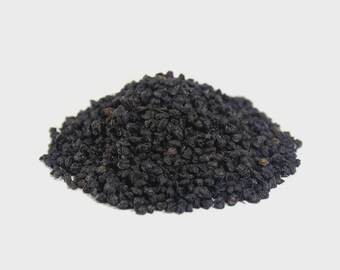
The Ultimate Guide to St. John’s wort: Health Benefits and Uses

Unlocking Nature’s Golden Remedy: A Definitive Deep Dive into the Health Benefits of St. John’s Wort (Hypericum perforatum)

For centuries, humanity has turned to the natural world for solace and healing, and among the vast botanical pharmacy, one golden-flowered herb stands out with a remarkable legacy: St. John’s wort (Hypericum perforatum). Revered since antiquity and extensively studied in modern times, this resilient perennial has garnered significant attention for its profound therapeutic properties, particularly in the realm of mental well-being. Far from being a mere folk remedy, St. John’s wort is a complex botanical powerhouse, boasting a diverse array of bioactive compounds that exert tangible effects on human physiology. This exhaustive guide aims to unravel the intricate science behind St. John’s wort, exploring its rich history, chemical composition, multifaceted health benefits, practical applications, and crucial safety considerations, providing a definitive resource for those seeking to understand this extraordinary herb.

A Journey Through Time: Historical Roots and Nomenclature of St. John’s Wort

The story of St. John’s wort is deeply intertwined with human history, spanning millennia across diverse cultures. Its common name, “St. John’s wort,” is believed to be derived from its flowering period, which typically coincides with the Feast of St. John the Baptist on June 24th. The term “wort” is an Old English word for plant or herb, signifying its widespread traditional use. Botanically, it belongs to the genus Hypericum, a name thought to originate from the Greek “hyper” (above) and “eikon” (picture), possibly referring to its use as an amulet to ward off evil spirits, or simply its distinctive flower structure. The species name, perforatum, alludes to the tiny, translucent dots visible on its leaves when held up to light, which resemble perforations and are actually oil glands containing many of its active compounds.

Ancient Greek physicians like Hippocrates and Pliny the Elder documented the use of St. John’s wort for a variety of ailments, including snakebites, burns, wounds, and nervous disorders. Dioscorides, in his monumental work “De Materia Medica,” described its efficacy for sciatica and as a diuretic. During the Middle Ages, its reputation as a protective herb against witchcraft and evil spirits grew, alongside its continued application for physical wounds and melancholia. Herbalists throughout Europe meticulously passed down knowledge of its potent healing properties, solidifying its place as a cornerstone of traditional medicine for both physical and psychological suffering. This extensive historical precedent laid the groundwork for the rigorous scientific investigations that would later confirm many of its traditional uses.

Botanical Profile and Distinctive Characteristics

Hypericum perforatum is a hardy, herbaceous perennial plant indigenous to Europe, North Africa, and parts of Asia, but has since naturalized globally, thriving in diverse environments ranging from meadows and pastures to roadsides and woodlands. It typically grows to a height of 1 to 3 feet (30 to 90 cm), characterized by numerous branching stems that are woody at the base. The oval, opposite leaves are distinctively dotted with translucent glands that appear as tiny holes (hence perforatum) when viewed against the light, giving it a unique visual identifier. These glandular structures are crucial as they house many of the plant’s potent phytochemicals.

The plant’s most striking feature is its vibrant, star-shaped, golden-yellow flowers, which bloom profusely from late spring through late summer. Each flower possesses five petals, often adorned with black dots or streaks along their edges. When crushed, these dark glands release a reddish-purple liquid, a characteristic attributed to the presence of hypericin and pseudohypericin, key compounds responsible for some of its historical and medicinal fame. This botanical distinctiveness, coupled with its widespread availability, has made St. John’s wort a readily identifiable and accessible medicinal herb for centuries.

St. John's wort Botanical Photo

The Biochemical Symphony: Key Bioactive Compounds of St. John’s Wort

The remarkable therapeutic effects of St. John’s wort are not attributable to a single compound but rather to a synergistic interplay of a complex mixture of phytochemicals. Modern scientific research has identified several classes of compounds responsible for its diverse actions:

  • Naphthodianthrones (Hypericin and Pseudohypericin): These reddish pigments were historically considered the primary active constituents due to their photodynamic properties and early evidence suggesting MAOI (monoamine oxidase inhibitor)-like activity. While their direct antidepressant effect is now understood to be less significant than previously thought for mood disorders, hypericin contributes to its antiviral and topical wound-healing properties.
  • Phloroglucinols (Hyperforin and Adhyperforin): Hyperforin is now widely recognized as the most significant compound responsible for St. John’s wort’s antidepressant effects. It acts as a reuptake inhibitor for several neurotransmitters, including serotonin, norepinephrine, dopamine, GABA, and glutamate, thereby increasing their availability in the synaptic cleft. Adhyperforin shares similar properties.
  • Flavonoids: A diverse group including quercetin, rutin, hyperoside, isoquercitrin, kaempferol, and apigenin. These compounds possess potent antioxidant, anti-inflammatory, and neuroprotective properties. They contribute to the overall mood-stabilizing effects by protecting neuronal cells from oxidative stress and modulating inflammatory pathways.
  • Tannins: Contributing to its astringent properties, tannins play a role in wound healing and possess mild antiseptic qualities.
  • Essential Oils: Though present in smaller quantities, components like alpha-pinene, beta-pinene, and caryophyllene may contribute to its aromatic profile and have some antimicrobial effects.
  • Xanthones: Another class of compounds found in St. John’s wort, which also exhibit antioxidant and anti-inflammatory activities.

The collective action of these compounds, particularly the balance between hyperforin, hypericin, and various flavonoids, underpins the herb’s broad therapeutic spectrum. It is this complex phytocomplex, rather than any isolated compound, that is believed to confer the full range of benefits observed in clinical studies.

St. John's wort Plant Profile

The Crown Jewel of Benefits: Mood Disorders and Depression

The most extensively researched and clinically validated benefit of St. John’s wort lies in its efficacy for mild to moderate depression. Numerous meta-analyses of clinical trials have consistently demonstrated its superiority over placebo and comparable effectiveness to conventional antidepressant medications (SSRIs) with generally fewer and milder side effects. The mechanisms underlying its antidepressant action are multifaceted and involve several biochemical pathways:

  • Neurotransmitter Reuptake Inhibition: Hyperforin, the key phloroglucinol derivative, is a non-selective reuptake inhibitor of several crucial neurotransmitters. It modulates the activity of the transient receptor potential channel TRPC6, which in turn influences the sodium-dependent reuptake transporters for serotonin, norepinephrine, dopamine, GABA (gamma-aminobutyric acid), and glutamate. By preventing these neurotransmitters from being rapidly reabsorbed into presynaptic neurons, hyperforin increases their concentrations in the synaptic cleft, thereby enhancing neurotransmission and improving mood. This broad-spectrum action differentiates St. John’s wort from selective serotonin reuptake inhibitors (SSRIs), which primarily target serotonin.
  • Monoamine Oxidase (MAO) Inhibition (Minor Role): While early research suggested that hypericin might inhibit MAO, an enzyme that breaks down neurotransmitters, current understanding indicates that this effect is relatively weak and does not significantly contribute to its antidepressant properties at therapeutic doses. However, some minor MAO inhibition by other constituents cannot be entirely ruled out.
  • Modulation of Neuroplasticity and Stress Hormones: St. John’s wort has been shown to influence neuroplasticity, the brain’s ability to adapt and form new connections, which is often impaired in depression. It may also help regulate the hypothalamic-pituitary-adrenal (HPA) axis, the body’s central stress response system. By reducing the overactivity of the HPA axis, it can help normalize cortisol levels and alleviate chronic stress, a significant contributor to depressive symptoms.
  • Anti-inflammatory and Neuroprotective Effects: The flavonoids present in St. John’s wort, such as quercetin and rutin, exert powerful antioxidant and anti-inflammatory actions. Chronic inflammation and oxidative stress are increasingly recognized as contributing factors to the pathophysiology of depression. By mitigating these processes, St. John’s wort protects neuronal cells from damage and supports overall brain health, indirectly enhancing mood and cognitive function.

The cumulative effect of these mechanisms contributes to its ability to alleviate symptoms such as low mood, anhedonia (loss of pleasure), fatigue, anxiety, and sleep disturbances often associated with mild to moderate depressive episodes. However, it is crucial to emphasize that St. John’s wort is generally recommended for mild to moderate depression and should not be used as a standalone treatment for severe depression or bipolar disorder without strict medical supervision.

Beyond Mood: A Spectrum of Additional Health Benefits

While its antidepressant properties are paramount, St. John’s wort offers a range of other therapeutic applications:

  • Anxiety and Stress Reduction: Given its positive impact on neurotransmitter balance and HPA axis regulation, St. John’s wort often helps reduce symptoms of generalized anxiety and chronic stress. Its adaptogenic qualities may assist the body in coping with various stressors, promoting a sense of calm and well-being.
  • Anti-inflammatory Properties: The flavonoids and hyperforin contribute significantly to St. John’s wort’s anti-inflammatory actions. Hyperforin has been shown to inhibit inflammatory mediators such as leukotrienes and prostaglandins, while flavonoids scavenge free radicals and reduce oxidative damage, which is a common underlying factor in many inflammatory conditions. This makes it potentially beneficial for conditions involving chronic inflammation.
  • Antioxidant Powerhouse: The rich concentration of flavonoids, including quercetin and rutin, bestows St. John’s wort with formidable antioxidant capabilities. These compounds neutralize harmful free radicals, protecting cells and tissues from oxidative stress, which contributes to aging and various chronic diseases, including neurodegenerative conditions.
  • Wound Healing and Topical Applications: Traditionally, St. John’s wort oil has been renowned for its ability to heal wounds, burns, and soothe nerve pain. Hypericin, in particular, exhibits mild antiseptic and anti-inflammatory effects. When applied topically, it can accelerate tissue regeneration, reduce inflammation, and alleviate pain associated with minor injuries, bruises, and nerve-related discomfort like sciatica or neuralgia. Its traditional use for skin conditions like eczema and psoriasis also suggests a topical anti-inflammatory and soothing effect.
  • Antiviral Potential (Research Area): Early research, particularly concerning hypericin, showed promising antiviral activity against certain enveloped viruses, including HIV and herpes simplex virus (HSV). While these findings generated considerable interest, the concentrations required for significant antiviral effects often exceed safe systemic doses, and its clinical utility as a primary antiviral agent remains largely confined to research rather than general therapeutic recommendation.
  • Alleviation of Menopausal Symptoms: Some studies suggest that St. John’s wort may help alleviate certain menopausal symptoms, particularly mood swings, anxiety, and sleep disturbances, likely due to its mood-regulating effects.

Forms of St. John’s Wort and Practical Considerations

St. John’s wort is available in various forms, each with its own benefits and considerations for practical usage:

St. John's wort Capsules

  • Standardized Extracts (Capsules/Tablets): This is the most common and recommended form for addressing mood disorders. High-quality supplements are standardized to contain a specific concentration of hyperforin (typically 3-5%) or total hypericins (0.2-0.3%). Standardization ensures consistent potency and predictable effects, crucial for therapeutic efficacy. These extracts are often ethanol-based, as ethanol is effective at extracting hyperforin.
  • Dried Herb (Teas, Tinctures): The dried aerial parts of the plant can be steeped to make a tea or extracted into an alcoholic tincture. Traditional herbalists often use this form for general tonic effects, mild stress relief, or as part of broader herbal formulations. While beneficial, the concentration of active compounds in teas and tinctures can vary significantly, making precise therapeutic dosing challenging compared to standardized extracts.

St. John's wort Dried Herb

  • Topical Oils and Creams: St. John’s wort-infused oils are made by macerating fresh or dried flowers in a carrier oil (like olive or sunflower oil) and allowing them to infuse over time, often under sunlight, which helps extract the hypericin. These oils are then used topically for minor cuts, scrapes, burns, nerve pain, and various skin irritations.

Dosage and Administration Guidelines

For the treatment of mild to moderate depression, the typical recommended daily dosage for standardized St. John’s wort extract is generally 300 mg, taken two or three times daily (totaling 600-900 mg per day), standardized to contain 0.3% hypericin or 3-5% hyperforin. It is important to note that St. John’s wort does not produce immediate effects; consistent use over several weeks (typically 2-4 weeks) is often required before noticeable improvements in mood are observed. As with any botanical medicine, it is always advisable to start with a lower dose and gradually increase it, monitoring for individual response and potential side effects.

Critical Considerations: Side Effects, Drug Interactions, and Contraindications

Despite its natural origin and generally good tolerability, St. John’s wort is a potent medicinal herb with significant potential for side effects and, critically, dangerous drug interactions. These aspects must be thoroughly understood and respected:

  • Drug Interactions (The Most Critical Concern): This is the primary reason St. John’s wort must be used with extreme caution and under medical supervision. Hyperforin is a potent inducer of the cytochrome P450 3A4 (CYP3A4) enzyme system in the liver and the P-glycoprotein efflux pump, both of which are crucial for metabolizing and eliminating a vast number of pharmaceutical drugs. This induction leads to accelerated metabolism and reduced plasma concentrations of various medications, potentially rendering them less effective or even ineffective. Key drug classes affected include:
    • Oral Contraceptives: Can lead to reduced efficacy and unintended pregnancies.
    • Anticoagulants (e.g., Warfarin, Coumadin): Can decrease their effectiveness, increasing the risk of blood clots.
    • Immunosuppressants (e.g., Cyclosporine, Tacrolimus): Crucial for transplant patients, St. John’s wort can lead to organ rejection.
    • Antiretrovirals (e.g., used for HIV/AIDS): Can significantly reduce drug levels, leading to treatment failure and increased viral load.
    • Digoxin: A heart medication, its levels can be dangerously reduced.
    • Anticonvulsants (e.g., Phenytoin, Carbamazepine): Can lead to loss of seizure control.
    • Certain Chemotherapy Drugs: Can decrease their effectiveness.
    • Antidepressants (SSRIs, SNRIs): Combining St. John’s wort with other serotonergic drugs can lead to a potentially life-threatening condition called Serotonin Syndrome, characterized by agitation, confusion, rapid heart rate, high blood pressure, dilated pupils, muscle rigidity, and tremors.

    Patients should always inform their healthcare provider and pharmacist about St. John’s wort use, even for seemingly innocuous conditions.

  • Photosensitivity: Hypericin can increase sensitivity to sunlight, particularly in fair-skinned individuals or with high doses. This can manifest as exaggerated sunburn, skin rashes, or blistering. It is advisable to use sunscreen and limit direct sun exposure, especially during peak hours, while taking St. John’s wort.
  • Gastrointestinal Upset: Mild side effects such as nausea, dry mouth, stomach upset, or constipation can occur.
  • Sleep Disturbances: While some find it helps sleep, others may experience restlessness or insomnia, especially if taken too late in the day.
  • Headaches and Dizziness: Some individuals may experience headaches or dizziness.
  • Bipolar Disorder: St. John’s wort is contraindicated in individuals with bipolar disorder as it can potentially induce manic or hypomanic episodes.
  • Pregnancy and Breastfeeding: Due to insufficient research on safety, St. John’s wort is generally not recommended for use during pregnancy or breastfeeding.
  • Surgery: It is typically recommended to discontinue St. John’s wort at least 1-2 weeks before any scheduled surgery due to potential interactions with anesthetics and its effects on the liver’s metabolic pathways.

Choosing a Quality Supplement and Consulting Professionals

Given the variability in product quality and the critical drug interactions, selecting a reputable St. John’s wort supplement is paramount. Look for products from established brands that clearly state standardization for key active compounds, typically hyperforin (3-5%) or total hypericins (0.2-0.3%). Third-party testing for purity and potency is an additional assurance of quality.

Crucially, St. John’s wort is a powerful medicine, not a casual herbal tea. Its use, especially for depression, should always be discussed with a qualified healthcare professional, such as a doctor, psychiatrist, or clinical herbalist. They can help assess its appropriateness, guide dosage, monitor for side effects, and, most importantly, identify and manage potential drug interactions to ensure patient safety.

St. John's wort Natural Herb

Conclusion: A Golden Ally with Caveats

St. John’s wort stands as a testament to the enduring power of botanical medicine, offering a scientifically validated, effective, and often well-tolerated option for individuals grappling with mild to moderate depression and anxiety. Its rich tapestry of bioactive compounds, particularly hyperforin and various flavonoids, orchestrates a symphony of effects that uplift mood, reduce inflammation, and protect cellular health. From its ancient origins as a revered “sun herb” to its current standing as a clinically recognized antidepressant, its journey through human healing is both remarkable and inspiring.

However, the profound efficacy of St. John’s wort comes with significant responsibilities. Its potent pharmacological actions necessitate careful consideration of dosage, potential side effects, and, most critically, its extensive list of drug interactions. Approaching this golden ally with respect, knowledge, and under the guidance of healthcare professionals ensures that its remarkable benefits can be safely harnessed, allowing individuals to navigate the complexities of mental well-being with a powerful gift from nature.

Disclaimer: For informational purposes only. Not medical advice. Consult a qualified healthcare professional before use.
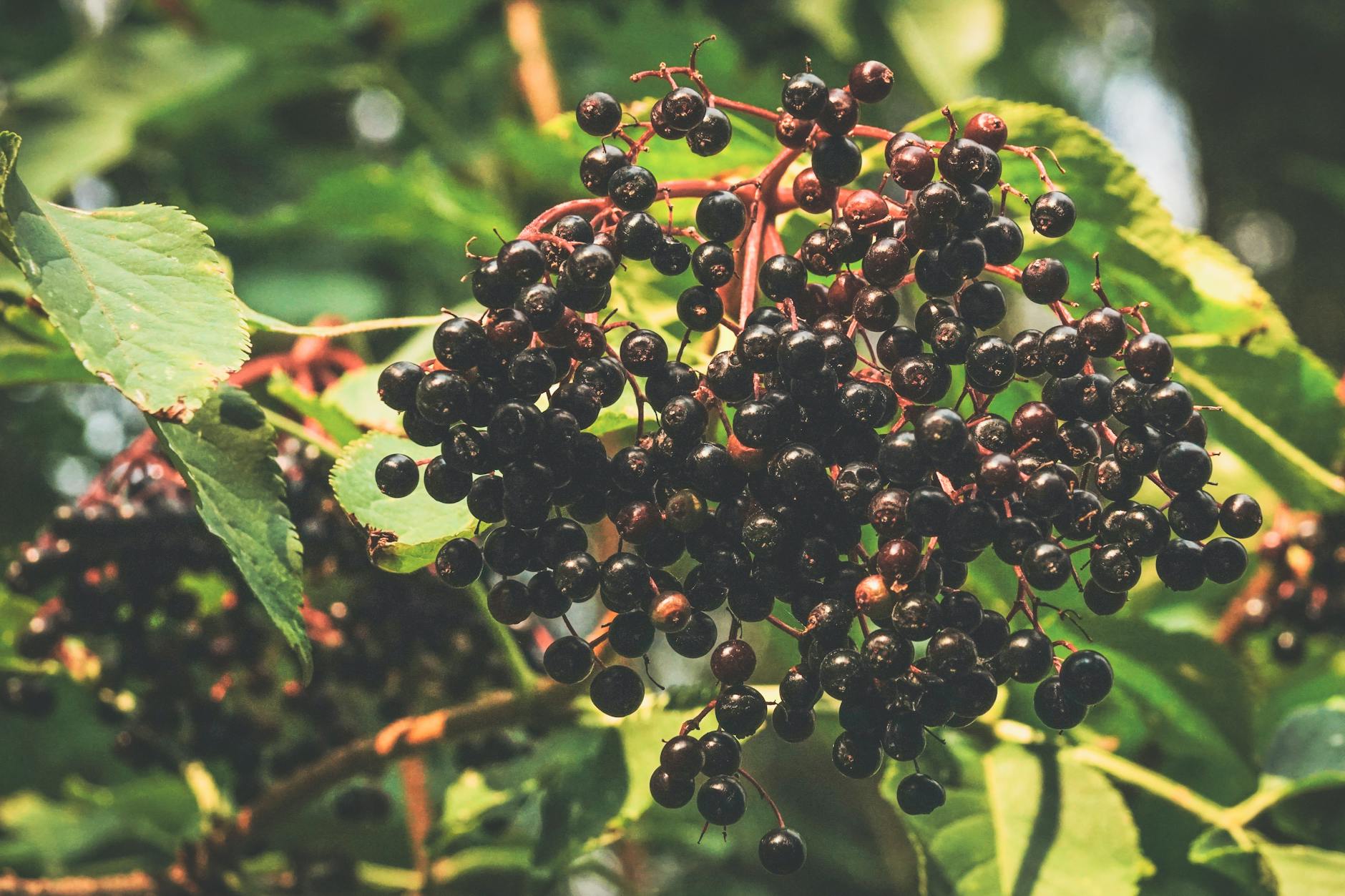
The Ultimate Guide to Jacob’s Ladder: Health Benefits and Uses


Unlocking Nature’s Secret: An Exhaustive Deep Dive into the Health Benefits of Jacob’s Ladder (Polemonium caeruleum)

In the vast and intricate tapestry of botanical remedies, certain plants stand out not only for their beauty but also for a rich history of medicinal application. Among these revered species is Jacob’s Ladder, scientifically known as Polemonium caeruleum. Often overlooked in favor of more widely publicized herbs, this unassuming perennial has been a cornerstone of traditional medicine for centuries, celebrated for its diverse therapeutic properties. From soothing respiratory ailments to calming the nervous system, Jacob’s Ladder offers a spectrum of benefits rooted deeply in its unique phytochemical composition. This definitive guide aims to unravel the mysteries of this remarkable plant, providing an exhaustive exploration of its historical significance, botanical characteristics, potent bioactive compounds, and a comprehensive analysis of its profound health advantages.

Botanical Profile and Ecological Significance of Polemonium caeruleum

Jacob’s Ladder, named for its distinctive ladder-like arrangement of leaflets along the stem, is an elegant herbaceous perennial belonging to the Polemoniaceae family. It typically flourishes in damp, shady woodlands, meadows, and along riverbanks across temperate regions of Europe, Asia, and North America. Growing to a height of 1 to 3 feet (30-90 cm), the plant is characterized by its slender, erect stems adorned with pinnate leaves, each composed of numerous lance-shaped leaflets. Its striking, bell-shaped flowers, predominantly in shades of blue or purple (though white variations exist), bloom in late spring to early summer, attracting a variety of pollinators. Beyond its ornamental appeal, the plant’s robust root system plays a role in soil stabilization, contributing to its ecological importance.

The resilience and widespread distribution of Polemonium caeruleum attest to its adaptability, allowing it to thrive in diverse microclimates. This adaptability, combined with its visually appealing floral display, has made it a favorite in native plant gardens and cottage gardens alike. However, its true value extends far beyond aesthetics, residing within the biochemical treasures harbored within its leaves, stems, and especially its rhizomes and roots.

Jacob's Ladder Botanical Photo

A Journey Through Time: Historical Context and Traditional Uses

The therapeutic legacy of Jacob’s Ladder is deeply embedded in the annals of European herbal medicine, with records dating back centuries. Indigenous peoples and early European settlers alike recognized its potent medicinal properties, integrating it into their traditional healing practices. Historically, the plant was particularly prized for its efficacy in treating respiratory complaints, earning it the common moniker “Ladder to Heaven” in some folk traditions due to its perceived ability to ease breathing difficulties and usher in relief from ailments that often led to early demise. It was widely employed as an expectorant to clear congestion, an antitussive to quell persistent coughs, and a diaphoretic to induce sweating, aiding in fever reduction.

Beyond its respiratory applications, Jacob’s Ladder was also revered as a nervine, traditionally used to soothe nervous tension, alleviate anxiety, and promote restful sleep. Its calming properties made it a popular remedy for conditions ranging from insomnia to mild forms of nervous irritability. In some cultures, it was also employed as an astringent and vulnerary, applied topically to aid in wound healing and reduce inflammation on the skin. The root was often the primary part utilized, prepared as decoctions, tinctures, or poultices, demonstrating a sophisticated understanding of its internal and external therapeutic potential long before modern scientific validation.

The Phytochemical Powerhouse: Unveiling the Bioactive Compounds

The remarkable health benefits attributed to Jacob’s Ladder are inextricably linked to its rich and complex phytochemical profile. Modern scientific investigations have begun to elucidate the specific compounds responsible for its traditional efficacy, revealing a symphony of bioactive molecules working in concert. The primary active constituents identified in Polemonium caeruleum include a diverse array of saponins, flavonoids, phenolic acids, tannins, and coumarins, each contributing unique pharmacological actions.

Saponins: The Expectorant and Anti-inflammatory Agents

A cornerstone of Jacob’s Ladder’s medicinal power lies in its high concentration of triterpenoid saponins. These complex glycosides, characterized by their foaming properties in water, are particularly abundant in the root and rhizome. Saponins exert several crucial effects within the body. Their most well-known action is as potent expectorants; by mildly irritating the mucous membranes of the respiratory tract, they stimulate the production of thinner, more fluid mucus, making it easier to cough up phlegm and clear congested airways. This mechanism is invaluable for conditions like bronchitis, coughs, and colds. Furthermore, saponins have demonstrated significant anti-inflammatory properties, potentially modulating immune responses and reducing inflammatory pathways. Some research also suggests saponins may possess adaptogenic qualities, helping the body adapt to stress, and may even contribute to cardiovascular health by binding to cholesterol in the gut, thereby reducing its absorption.

Flavonoids and Phenolic Acids: Antioxidant and Anti-inflammatory Synergy

Jacob’s Ladder is also rich in various flavonoids and phenolic acids, powerful plant compounds renowned for their antioxidant and anti-inflammatory capabilities. Flavonoids such as quercetin, kaempferol, and their glycosides, along with phenolic acids like caffeic acid and ferulic acid, act as potent free radical scavengers. They neutralize harmful reactive oxygen species (ROS) that contribute to cellular damage, premature aging, and the development of chronic diseases. By mitigating oxidative stress, these compounds protect cellular integrity and support overall health. Their anti-inflammatory action complements that of saponins, working through different biochemical pathways to suppress the release of pro-inflammatory mediators, thereby reducing pain and swelling associated with inflammatory conditions throughout the body.

Jacob's Ladder Plant Profile

Tannins and Coumarins: Astringent, Antiseptic, and Vascular Support

The presence of tannins contributes to the herb’s astringent properties, which are beneficial for toning tissues and reducing secretions. This is particularly useful in managing conditions with excessive mucous production or for promoting wound healing by tightening tissues and forming a protective barrier. Tannins also possess mild antiseptic qualities, helping to inhibit the growth of certain microorganisms. Coumarins, another class of phytochemicals found in Jacob’s Ladder, are known for their potential to influence blood viscosity and may offer mild anticoagulant effects, contributing to cardiovascular health by supporting healthy circulation. While their concentrations are typically lower than those of saponins and flavonoids, their synergistic action enhances the plant’s overall therapeutic profile.

Comprehensive Health Benefits of Jacob’s Ladder

Drawing upon its rich phytochemical composition, Jacob’s Ladder offers a multifaceted approach to health and wellness. Its traditional uses are now being increasingly corroborated by scientific inquiry, highlighting its potential across various physiological systems.

1. Superior Respiratory Health Support

One of the most celebrated benefits of Jacob’s Ladder is its profound impact on respiratory health. The high concentration of saponins makes it an exceptional natural expectorant and antitussive. When ingested, saponins irritate the bronchial mucosa, prompting the body to produce a thinner, more watery mucus. This facilitates the expulsion of accumulated phlegm, toxins, and microbial invaders from the respiratory tract, effectively clearing congestion and easing breathing. Simultaneously, its antitussive properties help to calm persistent, irritating coughs, providing relief for conditions such as bronchitis, asthma, common colds, and seasonal allergies. By promoting clearer airways and reducing the frequency and severity of coughing spells, Jacob’s Ladder supports overall pulmonary function and comfort.

2. Calming the Nervous System and Alleviating Stress

Jacob’s Ladder has long been valued for its nervine properties, offering a gentle yet effective way to modulate the nervous system. Its traditional use as a sedative and anxiolytic is attributed to compounds that interact with neural pathways, promoting relaxation without significant drowsiness in moderate doses. It is believed to help reduce nervous tension, ease anxiety, and alleviate symptoms of stress, making it a valuable aid for individuals struggling with general irritability, restlessness, and mild insomnia. By fostering a sense of calm and promoting mental tranquility, Jacob’s Ladder can contribute to improved sleep quality and enhanced emotional well-being, helping the body and mind to unwind after periods of stress or overstimulation.

3. Potent Anti-inflammatory and Antioxidant Effects

The synergy of flavonoids, phenolic acids, and saponins bestows Jacob’s Ladder with significant anti-inflammatory and antioxidant capabilities. Chronic inflammation is a root cause of many modern diseases, including cardiovascular conditions, autoimmune disorders, and neurodegenerative diseases. The compounds in Jacob’s Ladder work by inhibiting the production of pro-inflammatory cytokines and enzymes, thereby reducing systemic inflammation. Concurrently, their powerful antioxidant activity combats oxidative stress by neutralizing free radicals, protecting cells and tissues from damage. This dual action is crucial for maintaining cellular health, supporting immune function, and potentially reducing the risk of chronic disease development over time.

4. Potential for Cardiovascular Health Enhancement

Emerging research and traditional insights suggest Jacob’s Ladder may offer benefits for cardiovascular health. The saponins, known for their ability to bind cholesterol in the gut, could potentially contribute to maintaining healthy cholesterol levels. Furthermore, the anti-inflammatory and antioxidant properties of the plant’s constituents play a vital role in protecting blood vessels from oxidative damage and inflammation, which are key factors in the development of atherosclerosis and other cardiovascular diseases. The mild presence of coumarins, with their potential impact on blood fluidity, could also contribute to healthy circulation, although more extensive research is needed to fully understand these mechanisms in a cardiovascular context.

5. Immune System Modulation

By reducing oxidative stress and inflammation, Jacob’s Ladder indirectly supports a robust immune system. A body with reduced inflammatory burden and fewer free radicals is better equipped to mount an effective immune response against pathogens. Some components, particularly certain saponins, have also been studied for their potential to directly modulate immune cell activity, enhancing the body’s natural defense mechanisms. While not a primary immune booster in the same vein as Echinacea, its overall supportive action contributes to a balanced and responsive immune system, particularly during periods of increased vulnerability to infections.

6. Diuretic and Kidney Support

Historically, Jacob’s Ladder has been used as a mild diuretic, helping the body to excrete excess fluid and promoting kidney health. While the exact mechanisms are still under investigation, it is believed that certain compounds in the plant may gently stimulate renal function, aiding in detoxification and preventing fluid retention. This property can be beneficial for supporting urinary tract health and potentially assisting in the management of mild edema, promoting a healthy balance of fluids and electrolytes within the body.

Forms of Usage and Practical Application

Jacob’s Ladder can be incorporated into wellness routines through various forms, each offering distinct advantages. The choice of form often depends on the desired therapeutic effect, convenience, and personal preference.

1. Herbal Teas and Infusions

One of the most traditional and gentle ways to consume Jacob’s Ladder is as an herbal tea or infusion. Dried leaves, flowers, or root material can be steeped in hot water to create a soothing beverage. This method is particularly effective for respiratory ailments, providing warmth and direct contact with the throat, and for its calming nervine effects before bedtime. An infusion typically involves steeping about 1-2 teaspoons of dried herb in a cup of hot water for 10-15 minutes.

Jacob's Ladder Dried Herb

2. Tinctures and Liquid Extracts

Tinctures are concentrated liquid extracts made by soaking the plant material in alcohol or a glycerin solution. This method offers a more potent and bioavailable form of the herb, allowing for precise dosing and rapid absorption. Tinctures are often favored for their convenience and longer shelf life. They are particularly useful for targeting specific conditions that require a stronger therapeutic impact, such as chronic coughs or persistent anxiety. Dosage typically ranges from a few drops to a full dropperful, taken diluted in water.

3. Capsules and Supplements

For those seeking a standardized and convenient form of Jacob’s Ladder, encapsulated supplements are an excellent option. These typically contain powdered dried herb or concentrated extracts, providing a consistent dose of active compounds. Capsules are ideal for individuals who may not enjoy the taste of herbal teas or prefer a more discreet method of consumption. They are widely available through reputable herbal supplement retailers and are a popular choice for long-term supportive therapy, ensuring a steady intake of the herb’s beneficial constituents.

Jacob's Ladder Capsules

Dosage and Administration Guidelines

While Jacob’s Ladder is generally considered safe for most individuals when used appropriately, it is crucial to adhere to recommended dosages and consult with a healthcare professional, especially if you have underlying health conditions, are pregnant or breastfeeding, or are taking other medications. General guidelines include:

  • Dried Herb (for Tea): 1-2 teaspoons per cup of hot water, steeped for 10-15 minutes, 2-3 times daily.
  • Tincture: 2-5 ml (approximately 40-100 drops) of a 1:5 concentration, 2-3 times daily, diluted in water.
  • Capsules: Follow the manufacturer’s instructions, as potency can vary. Typically, 200-500 mg of powdered extract, 1-2 times daily.

It is always advisable to start with the lowest effective dose and gradually increase if needed, while monitoring your body’s response. Consistency in use is key to experiencing the full range of benefits from Jacob’s Ladder.

Potential Side Effects and Precautions

Although Jacob’s Ladder is generally well-tolerated, some individuals may experience mild side effects, particularly with excessive doses. These can include stomach upset, nausea, or diarrhea. Due to its saponin content, individuals with sensitive digestive systems should exercise caution. Pregnant and breastfeeding women should avoid using Jacob’s Ladder due to a lack of sufficient safety data. Individuals on blood-thinning medications should consult their doctor before using Jacob’s Ladder, given the potential for coumarin interactions. Always source Jacob’s Ladder from reputable suppliers to ensure purity and avoid contamination.

Jacob's Ladder Natural Herb

Cultivation and Sustainability

Jacob’s Ladder is a relatively easy plant to cultivate in suitable conditions, making it a sustainable choice for home gardeners interested in herbal remedies. It prefers partial shade and consistently moist, well-drained soil. When sourcing Jacob’s Ladder, always prioritize ethically wildcrafted or organically cultivated varieties to ensure both potency and environmental responsibility. Supporting sustainable practices helps protect wild populations and promotes the long-term availability of this valuable herb.

Conclusion: Embracing the Enduring Legacy of Jacob’s Ladder

Jacob’s Ladder stands as a testament to the profound healing power inherent in the natural world. From its humble origins in damp woodlands, this remarkable plant has ascended to prominence in traditional medicine, offering a rich array of health benefits now increasingly validated by modern science. Its potent blend of saponins, flavonoids, phenolic acids, and other bioactive compounds provides comprehensive support for respiratory health, nervous system modulation, anti-inflammatory and antioxidant defense, and potentially even cardiovascular well-being. As we continue to navigate the complexities of modern health, the enduring legacy of Jacob’s Ladder reminds us of the invaluable wisdom contained within botanical remedies. By understanding and respectfully integrating this powerful herb into our wellness practices, we can harness its natural potency to foster greater vitality and holistic well-being.


Disclaimer: For informational purposes only. Not medical advice. Consult a qualified healthcare professional before use.
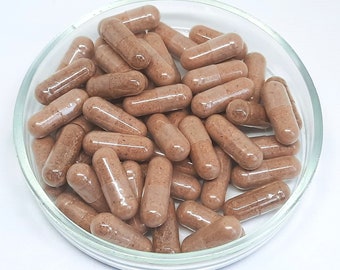
The Ultimate Guide to Black Cumin Seed: Health Benefits and Uses

Black Cumin Seed: The Definitive Guide to Nature’s Ancient Panacea for Modern Health

For millennia, across diverse cultures and continents, one humble seed has garnered an almost mythical reputation for its profound healing properties. Known scientifically as Nigella sativa, and more commonly as Black Cumin Seed, Black Seed, or Kalonji, this botanical treasure is far more than just a culinary spice. Revered in ancient texts, prescribed by traditional healers, and increasingly validated by modern science, Black Cumin Seed stands as a powerhouse of wellness, offering an astonishing array of health benefits that touch nearly every system of the human body. From bolstering immunity and calming inflammation to supporting cardiovascular health and enhancing cognitive function, its multifaceted actions have earned it the esteemed title of “the remedy for everything but death.” This exhaustive guide delves deep into the rich history, potent compounds, and extensive health advantages of Black Cumin Seed, providing a definitive resource for understanding this remarkable gift from nature.

A Journey Through Time: The Historical Significance of Black Cumin Seed

The story of Black Cumin Seed is deeply woven into the fabric of human history, stretching back over 3,000 years. Its earliest known use traces back to ancient Egypt, where it was discovered in the tomb of Pharaoh Tutankhamun, underscoring its immense value and sacred status in funerary practices and daily life. Ancient Egyptians not only used it for its medicinal qualities but also incorporated its oil into cosmetics and culinary preparations, recognizing its potency for both internal and external application.

Further east, Black Cumin Seed holds a prominent place in Islamic tradition, famously cited in a Hadith (saying) of the Prophet Muhammad, who proclaimed, “Indeed, in the black seed is a cure for every disease except death.” This powerful endorsement solidified its status as a divine panacea and led to its widespread adoption throughout the Islamic world as a fundamental component of natural medicine.

Beyond the Middle East, its therapeutic virtues were meticulously documented in ancient Ayurvedic and Unani systems of medicine. In Ayurveda, it was known as ‘Kalonji’ and used to treat a range of conditions from digestive ailments to respiratory issues. Unani physicians meticulously cataloged its properties as a stimulant, diuretic, anti-inflammatory, and immune booster, integrating it into complex herbal formulations. This rich tapestry of historical usage from diverse healing traditions speaks volumes about the enduring trust and efficacy attributed to Black Cumin Seed, laying a robust foundation for contemporary scientific inquiry.

Botanical Profile: Unveiling Nigella sativa

Nigella sativa is an annual flowering plant belonging to the Ranunculaceae family, which also includes buttercups. Native to South and Southwest Asia, it is now cultivated in various parts of the world, including the Middle East, North Africa, and the Indian subcontinent. The plant typically grows to about 20-30 cm in height, bearing delicate, often pale blue or white flowers that mature into large, inflated capsules containing numerous small, matte black seeds.

These seeds, resembling tiny teardrops or irregular pyramids, are the prized component of the plant. When crushed, they emit a pungent, somewhat oregano-like aroma, indicative of their volatile oil content. The robust nature of the plant, thriving in arid and semi-arid regions, reflects its inherent resilience and concentration of protective compounds that contribute to its medicinal power.

Black Cumin Seed Botanical Photo

The Core of its Power: Key Bioactive Compounds

The extraordinary health benefits of Black Cumin Seed are attributed to its complex chemical composition, encompassing a rich spectrum of bioactive compounds. While hundreds of constituents have been identified, research consistently highlights a few key players responsible for its most significant therapeutic effects. These include:

Thymoquinone (TQ)

Thymoquinone is undoubtedly the most studied and pharmacologically active compound in Black Cumin Seed, particularly abundant in its volatile oil. This powerful phytochemical is responsible for many of the seed’s antioxidant, anti-inflammatory, anticancer, and neuroprotective properties. TQ’s mechanisms of action are diverse and profound; it can scavenge free radicals, inhibit lipid peroxidation, and enhance the activity of endogenous antioxidant enzymes such as superoxide dismutase (SOD), catalase (CAT), and glutathione peroxidase (GPx). Furthermore, TQ modulates numerous signaling pathways involved in inflammation, cell proliferation, and apoptosis, making it a central figure in Black Cumin Seed’s therapeutic efficacy.

Nigellone (Dithymoquinone)

Also known as Dithymoquinone, Nigellone is a polymer of Thymoquinone found in the volatile oil. It is particularly recognized for its potent bronchodilatory and anti-histaminic effects, making it highly valuable in supporting respiratory health, especially for individuals suffering from asthma and allergies. Its synergistic action with TQ enhances the overall therapeutic profile of the seed.

Thymohydroquinone (THQ)

Another significant compound, Thymohydroquinone, is an acetylcholinesterase inhibitor, a property that has garnered interest for its potential neuroprotective effects and role in cognitive enhancement. It also contributes to the seed’s antioxidant and anti-inflammatory capacities, working in concert with TQ and other constituents.

Other Important Constituents

  • Fatty Acids: Black Cumin Seed oil is rich in essential fatty acids, particularly linoleic acid (Omega-6) and oleic acid (Omega-9), which are crucial for cell membrane integrity, hormone production, and overall cardiovascular health.
  • Vitamins and Minerals: The seeds contain a good spectrum of vitamins, including B vitamins (B1, B2, B3) and folic acid, along with essential minerals such as calcium, iron, copper, zinc, and phosphorus.
  • Alkaloids: Compounds like nigellidine and nigellimine contribute to various pharmacological effects, including some anti-inflammatory and analgesic properties.
  • Saponins: These compounds offer potential benefits for cholesterol management and immune support.

The synergy between these numerous compounds, rather than the isolated action of a single element, is believed to be the true secret behind Black Cumin Seed’s broad-spectrum efficacy, embodying the holistic principle of phytotherapy.

Black Cumin Seed Plant Profile

The Myriad Health Benefits of Black Cumin Seed: A Deep Dive

The extensive scientific literature now supports many of the traditional claims associated with Black Cumin Seed. Its therapeutic actions are far-reaching, impacting virtually every aspect of health.

1. Potent Anti-inflammatory Properties

Chronic inflammation is a root cause of many modern diseases, from autoimmune disorders to cardiovascular disease and cancer. Black Cumin Seed, particularly through its star compound Thymoquinone, exhibits remarkable anti-inflammatory capabilities. TQ effectively suppresses pro-inflammatory mediators such as prostaglandins and leukotrienes by inhibiting enzymes like cyclooxygenase (COX-2) and lipoxygenase (LOX). It also modulates the production of inflammatory cytokines, including tumor necrosis factor-alpha (TNF-α) and interleukin-6 (IL-6), which are key drivers of inflammation. This comprehensive anti-inflammatory action makes Black Cumin Seed a valuable natural agent for managing conditions like rheumatoid arthritis, osteoarthritis, inflammatory bowel disease, and various allergic reactions, helping to reduce pain, swelling, and tissue damage.

2. Powerful Antioxidant Effects

Oxidative stress, caused by an imbalance between free radicals and antioxidants in the body, contributes significantly to aging and disease progression. Black Cumin Seed is a potent antioxidant. Thymoquinone, in particular, is an exceptional scavenger of free radicals, including superoxide, hydroxyl, and nitric oxide radicals. Furthermore, it boosts the body’s intrinsic antioxidant defense system by increasing the activity of enzymes like superoxide dismutase, catalase, and glutathione peroxidase. By neutralizing harmful free radicals and enhancing endogenous antioxidant capacity, Black Cumin Seed helps protect cells, tissues, and organs from oxidative damage, thereby reducing the risk of chronic diseases and supporting cellular longevity.

3. Immune System Modulation and Support

The immune system is a complex network, and Black Cumin Seed acts as an adaptogen, helping to balance its function rather than simply boosting it. For individuals with weakened immunity, it can enhance the activity of natural killer cells, T-lymphocytes, and B-lymphocytes, which are crucial for fighting infections and identifying abnormal cells. Conversely, in cases of overactive immunity, such as allergies or autoimmune conditions, Black Cumin Seed can help to temper the exaggerated response, reducing inflammation and modulating cytokine production. This immunomodulatory effect is particularly beneficial for those prone to seasonal allergies, asthma, or seeking general immune resilience.

4. Respiratory Health Enhancement

Black Cumin Seed has a long history of use for respiratory ailments, and modern research substantiates these traditional applications. Its key compounds, especially Thymoquinone and Nigellone, exhibit bronchodilatory effects, helping to relax the smooth muscles of the airways and alleviate constriction, which is critical for conditions like asthma and bronchitis. The anti-inflammatory properties further reduce inflammation in the respiratory tract, mitigating symptoms such as wheezing, coughing, and shortness of breath. Its anti-histaminic action also makes it effective in reducing allergic responses that impact the respiratory system, such as allergic rhinitis.

5. Digestive Health Support

A healthy gut is foundational to overall well-being, and Black Cumin Seed offers multiple benefits for the digestive system. It possesses anti-ulcer properties, protecting the gastric mucosa from damage caused by stress, alcohol, or H. pylori infection. The seeds can reduce stomach acidity and strengthen the mucosal barrier. Furthermore, its carminative properties help to alleviate gas, bloating, and indigestion. Black Cumin Seed also demonstrates antimicrobial activity against various gut pathogens and may help foster a balanced gut microbiome, contributing to better nutrient absorption and reduced digestive discomfort.

6. Cardiovascular System Benefits

Heart disease remains a leading cause of mortality worldwide, and Black Cumin Seed offers significant potential for cardiovascular protection. Studies indicate its ability to help lower blood pressure in individuals with mild hypertension, likely due to its diuretic effects and capacity to induce vasorelaxation. It also positively impacts lipid profiles by helping to reduce levels of “bad” LDL cholesterol and triglycerides while potentially increasing “good” HDL cholesterol. Its antioxidant and anti-inflammatory actions help prevent the oxidation of LDL cholesterol, a crucial step in the development of atherosclerosis (hardening of the arteries), and also reduce platelet aggregation, thereby supporting healthy blood flow and reducing the risk of clot formation.

7. Blood Sugar Regulation and Diabetes Management

Black Cumin Seed has shown promise in managing blood glucose levels, a critical aspect of diabetes care. Research suggests it can improve insulin sensitivity in peripheral tissues, reduce glucose absorption from the gastrointestinal tract, and potentially stimulate the regeneration of pancreatic beta cells, which are responsible for insulin production. It also helps to decrease hepatic glucose production and reduce oxidative stress and inflammation often associated with diabetes. These combined effects make it a valuable adjunct therapy for individuals with Type 2 diabetes and those at risk of developing the condition.

8. Neuroprotective Qualities and Cognitive Enhancement

The brain is particularly vulnerable to oxidative stress and inflammation, factors contributing to neurodegenerative diseases. Black Cumin Seed, with its powerful antioxidant and anti-inflammatory compounds, can cross the blood-brain barrier to exert neuroprotective effects. Thymoquinone helps to protect neurons from damage, reduce neuroinflammation, and improve neurotransmitter balance. Some studies suggest it can enhance memory, learning, and overall cognitive function, making it a promising agent for supporting brain health and potentially mitigating the progression of conditions like Alzheimer’s and Parkinson’s disease.

9. Skin and Hair Health

The benefits of Black Cumin Seed extend to external health, offering remarkable improvements for skin and hair. Applied topically, its anti-inflammatory and antimicrobial properties make it effective against various skin conditions such as acne, eczema, psoriasis, and dermatitis, soothing irritation and promoting healing. Its rich fatty acid content, along with vitamins and minerals, nourishes the skin, improving elasticity and reducing signs of aging. For hair, Black Cumin Seed oil can strengthen hair follicles, reduce hair loss, promote hair growth, and combat scalp issues like dandruff, leaving hair healthier and more lustrous.

10. Anti-Cancer Potential

While Black Cumin Seed is not a cure for cancer, extensive research, primarily in vitro and in animal models, points to its significant anti-cancer potential. Thymoquinone has demonstrated the ability to induce apoptosis (programmed cell death) in various cancer cell lines, inhibit cancer cell proliferation, suppress angiogenesis (the formation of new blood vessels that feed tumors), and prevent metastasis (the spread of cancer). It also acts as a chemopreventive agent, protecting healthy cells from carcinogen-induced damage. These findings suggest Black Cumin Seed could be a valuable complementary agent in cancer therapy, though human clinical trials are still needed to fully elucidate its role.

11. Support for Weight Management

In the complex landscape of weight management, Black Cumin Seed offers subtle yet significant support. Its anti-inflammatory effects can help address chronic low-grade inflammation often associated with obesity. Some research indicates it may help to regulate appetite, improve metabolic parameters, and potentially reduce body weight and waist circumference. While not a magic bullet, integrating Black Cumin Seed into a balanced diet and active lifestyle can contribute to a healthier metabolic state.

Forms of Black Cumin Seed and Practical Usage

Black Cumin Seed is remarkably versatile and can be incorporated into one’s health regimen in various forms:

Whole Seeds

The whole seeds can be used in culinary applications, adding a pungent, slightly peppery flavor to bread, curries, vegetable dishes, and stir-fries. They can also be lightly toasted and ground for immediate use in spice blends or as a topping for salads and yogurt. Chewing a small spoonful of seeds daily is a traditional practice for digestive aid.

Black Cumin Seed Dried Herb

Cold-Pressed Black Cumin Seed Oil

This is arguably the most popular and potent form for therapeutic use. The oil retains a high concentration of Thymoquinone and other volatile compounds. It is typically consumed directly (e.g., a teaspoon mixed with honey or water) or applied topically for skin and hair conditions. When selecting an oil, always choose cold-pressed, virgin, and organic varieties to ensure maximum purity and potency.

Capsules and Supplements

For convenience and precise dosing, Black Cumin Seed oil or powdered seed extracts are available in capsule form. These supplements offer a standardized way to incorporate Black Cumin Seed into a daily routine, often providing a guaranteed amount of Thymoquinone content. This form is ideal for those who dislike the taste of the oil or prefer a structured approach to supplementation.

Black Cumin Seed Capsules

Dosage and Safety Considerations

While Black Cumin Seed is generally considered safe for most people when consumed in recommended doses, it’s crucial to approach its use thoughtfully. Typical therapeutic dosages often range from 1 to 3 teaspoons of the oil per day, or 1000-2000 mg of capsule form, often split into two doses. It’s always advisable to start with a lower dose and gradually increase to assess tolerance.

Potential Side Effects:

  • Mild gastrointestinal upset (nausea, bloating, constipation) can occur, especially when starting.
  • Allergic reactions (skin rash) are rare but possible.

Precautions and Contraindications:

  • Pregnancy: High doses of Black Cumin Seed may stimulate uterine contractions, so pregnant women should consult a healthcare professional before use.
  • Blood Thinners: Black Cumin Seed may have anti-platelet effects, potentially increasing the risk of bleeding. Individuals on anticoagulant medications (e.g., Warfarin) should use it with caution and under medical supervision.
  • Blood Pressure & Blood Sugar Medications: It may lower blood pressure and blood sugar. Individuals on medications for these conditions should monitor levels closely and consult their doctor to avoid hypotension or hypoglycemia.
  • Surgery: Due to potential effects on blood clotting and blood sugar, discontinue use at least two weeks before any scheduled surgery.

Always prioritize sourcing high-quality products, preferably organic and cold-pressed, to ensure purity and potency. When in doubt, or if you have underlying health conditions or are taking other medications, consulting with a qualified healthcare professional before incorporating Black Cumin Seed into your routine is highly recommended.

Choosing a Quality Black Cumin Seed Product

To reap the maximum benefits from Black Cumin Seed, selecting a high-quality product is paramount. For oils, look for:

  • Cold-Pressed: This method ensures that the delicate oils and beneficial compounds are extracted without heat, which can degrade their potency.
  • Virgin: Indicates that the oil is extracted from the first pressing of the seeds.
  • Organic: Guarantees that the seeds were grown without synthetic pesticides or fertilizers.
  • Dark Glass Bottle: Protects the oil from light degradation.
  • Thymoquinone Content: Some reputable brands will specify the percentage of Thymoquinone, indicating potency.

For capsules, ensure they contain pure Black Cumin Seed oil or extract without unnecessary fillers, and verify third-party testing for purity and concentration if possible.

Black Cumin Seed Natural Herb

Conclusion: Embracing the “Blessed Seed” for Optimal Health

Black Cumin Seed, or Nigella sativa, is a testament to nature’s profound capacity for healing. Its storied past, spanning millennia and diverse civilizations, is now powerfully corroborated by a growing body of scientific evidence. From its potent anti-inflammatory and antioxidant capabilities, driven primarily by the remarkable Thymoquinone, to its multifaceted support for immune function, respiratory health, digestion, cardiovascular wellness, and even cognitive vitality, this “blessed seed” offers a holistic approach to enhancing well-being. By understanding its rich botanical profile, embracing its historical significance, and integrating its beneficial compounds thoughtfully into a healthy lifestyle, individuals can unlock the ancient secrets of Black Cumin Seed and harness its immense potential to cultivate robust health and vitality in the modern world.

Disclaimer: For informational purposes only. Not medical advice. Consult a qualified healthcare professional before use.

The Ultimate Guide to Elecampane . Inula helenium: Health Benefits and Uses

Elecampane (Inula helenium): A Definitive Deep-Dive Guide to Its Profound Health Benefits

In the vast tapestry of botanical medicine, certain herbs stand out for their enduring legacy and remarkable array of therapeutic properties. Among these venerable plants, Elecampane, scientifically known as Inula helenium, shines brightly. With a history stretching back to antiquity and a re-emerging presence in modern herbalism, Elecampane is far more than just a pretty flower; it is a powerhouse of natural compounds offering comprehensive support for respiratory, digestive, and immune health. This exhaustive guide delves into the intricate mechanisms, historical wisdom, and contemporary applications of Elecampane, aiming to provide a definitive resource for understanding its profound health benefits.

Often overlooked in favor of more common botanicals, Elecampane possesses a unique phytochemical profile that underpins its diverse actions. From its potent expectorant qualities that make it a champion for lung health, to its prebiotic fiber that nourishes the gut microbiome, and its powerful anti-parasitic properties, Inula helenium embodies a holistic approach to wellness. Join us as we explore the journey of this majestic herb, from ancient legends to cutting-edge scientific understanding.

A Journey Through Time: Historical Context and Etymological Roots

The saga of Elecampane is deeply interwoven with human history and folklore. Its very name, Inula helenium, is steeped in myth. The genus name, Inula, is thought to derive from the Greek word ‘helenion,’ which some believe refers to Helen of Troy, who is said to have clutched the flowers of Elecampane in her hand when she was abducted. Another theory suggests that the plant sprang from her tears, associating it with sorrow and healing.

Ancient Greek and Roman physicians, including Hippocrates and Pliny the Elder, lauded Elecampane for its medicinal virtues, particularly for conditions of the lungs and digestive system. Dioscorides, in his seminal work “De Materia Medica,” recommended it for chronic coughs, asthma, and digestive complaints. Throughout the Middle Ages, it was a staple in European monasteries and apothecaries, valued for its ability to “clear the breast” and expel worms. It was also considered a tonic for melancholia and a protector against various ailments. Indigenous cultures across its native range also incorporated Elecampane into their traditional healing practices, further solidifying its reputation as a versatile and potent botanical remedy.

Botanical Profile and Identification: Unveiling the Plant

Elecampane is a striking perennial herb belonging to the Asteraceae (Daisy) family, a vast botanical group that also includes sunflowers, daisies, and chamomile. Native to Europe and Asia, it has since naturalized in parts of North America. It is easily recognizable by its impressive stature, often reaching heights of 5 to 8 feet (1.5 to 2.5 meters), making it one of the tallest members of its family.

The plant features large, ovate-lanceolate basal leaves with serrated margins, which can grow up to two feet long. These leaves are hairy on the underside, giving them a felt-like texture. Its robust, hairy stem culminates in magnificent, solitary or few, large, bright yellow, daisy-like flower heads, which bloom from mid-summer to early autumn. However, it is the thick, fleshy, aromatic roots (rhizomes) that hold the greatest medicinal value. These roots, with their distinct camphoraceous odor and bitter, pungent taste, are harvested in the autumn of the plant’s second or third year for therapeutic use.

Elecampane . Inula helenium Botanical Photo

The Science Behind the Herb: A Deep Dive into Bioactive Compounds

The remarkable health benefits of Elecampane are attributed to its complex synergy of bioactive compounds. Scientific research has elucidated several key constituents, each playing a crucial role in the herb’s therapeutic actions.

Elecampane . Inula helenium Plant Profile

1. Sesquiterpene Lactones (Alantolactone, Isoalantolactone, Dihydroalantolactone)

These are perhaps the most famous and extensively studied compounds in Elecampane. Sesquiterpene lactones, particularly alantolactone and isoalantolactone, are responsible for many of the herb’s most potent effects. They exhibit powerful anti-inflammatory, antimicrobial, and anthelmintic (anti-parasitic) properties. Mechanistically, these compounds are known to inhibit inflammatory pathways, such as the NF-κB pathway, which plays a central role in immune responses and inflammation. Their ability to interfere with microbial cell walls and metabolic processes also contributes to their broad-spectrum antimicrobial activity against bacteria, fungi, and parasites. The distinct bitter and pungent taste of Elecampane is also largely due to these compounds.

2. Inulin

Elecampane root is an incredibly rich source of inulin, a fructan polysaccharide, comprising up to 40-45% of its dry weight. Inulin is a soluble dietary fiber and a well-known prebiotic. As a prebiotic, it resists digestion in the upper gastrointestinal tract and reaches the colon largely intact, where it selectively stimulates the growth and activity of beneficial gut bacteria, such as Bifidobacterium and Lactobacillus species. This fermentation process produces short-chain fatty acids (SCFAs) like butyrate, propionate, and acetate, which are vital for gut health, colonocyte nourishment, immune modulation, and overall metabolic well-being. Inulin also contributes to Elecampane’s demulcent properties, providing a soothing effect on mucous membranes.

3. Essential Oils

The root contains a volatile oil rich in compounds like alantone, camphene, pinene, and thymol. These essential oils contribute to Elecampane’s aromatic profile and possess significant antimicrobial, antiseptic, and expectorant properties. They can help relax bronchial muscles, promote the expulsion of mucus, and inhibit the growth of various pathogens.

4. Flavonoids and Phytosterols

Like many medicinal plants, Elecampane contains flavonoids, which are potent antioxidants. These compounds help to neutralize free radicals, reduce oxidative stress, and protect cellular integrity. Phytosterols, plant compounds structurally similar to cholesterol, may also contribute to the herb’s anti-inflammatory and immune-modulating effects.

5. Polysaccharides

Beyond inulin, other complex polysaccharides in Elecampane contribute to its immunomodulatory effects. These compounds can stimulate various immune cells, enhancing the body’s natural defense mechanisms and supporting overall immune resilience.

Profound Health Benefits of Elecampane: A Comprehensive Exploration

With its rich array of bioactive compounds, Elecampane offers a multifaceted approach to health and wellness. Let’s delve into its primary benefits.

A. Respiratory System Support: The Lung Tonic of Ancient Wisdom

Elecampane is perhaps most revered for its profound benefits to the respiratory system, earning it the traditional title of a “lung tonic.” Its actions are comprehensive, addressing various aspects of respiratory health:

  • Expectorant Action: The sesquiterpene lactones and essential oils in Elecampane stimulate the mucociliary escalator, helping to loosen and expel tenacious phlegm and mucus from the lungs and bronchial passages. This makes it invaluable for productive coughs, bronchitis, and conditions characterized by excessive mucus. It promotes a more efficient clearing of the airways, reducing congestion and making breathing easier.
  • Demulcent and Soothing Properties: The high inulin content and other polysaccharides provide a soothing, protective layer over irritated mucous membranes in the throat and lungs. This demulcent action alleviates irritation, reduces inflammation, and can soothe both dry, hacking coughs and the raw soreness associated with productive coughs. It helps to calm inflamed tissues, providing comfort during respiratory distress.
  • Antimicrobial and Antifungal Effects: The potent sesquiterpene lactones and essential oils exhibit direct antimicrobial activity against a range of respiratory pathogens, including bacteria (e.g., Mycobacterium tuberculosis, Streptococcus species) and fungi (e.g., Candida albicans). This makes Elecampane a valuable adjunct in combating respiratory infections, potentially reducing their severity and duration.
  • Anti-inflammatory Action: By inhibiting key inflammatory pathways, Elecampane helps to reduce inflammation in the bronchial tubes and lung tissue, which is crucial for conditions like asthma, bronchitis, and pleurisy. Reducing inflammation can help to open airways and improve overall lung function.

Collectively, these actions make Elecampane an indispensable herb for managing acute and chronic respiratory conditions, promoting clear airways, and supporting overall lung vitality.

B. Digestive Wellness: A Restorative for the Gut

Beyond its respiratory prowess, Elecampane offers significant benefits for the digestive system, acting as a restorative and tonic:

  • Prebiotic Power for Gut Microbiome: The abundant inulin acts as a powerful prebiotic, nourishing beneficial gut bacteria. This promotes a healthy gut microbiome, which is foundational for efficient digestion, nutrient absorption, immune function, and even mood regulation. A balanced microbiome can mitigate issues like bloating, gas, and irregular bowel movements.
  • Stimulation of Digestive Secretions: The bitter taste of Elecampane, primarily from its sesquiterpene lactones, stimulates the production of digestive enzymes, bile, and stomach acid. This enhanced digestive capacity helps to break down food more efficiently, improving nutrient absorption and alleviating symptoms of indigestion, dyspepsia, and sluggish digestion.
  • Anthelmintic (Anti-parasitic) Properties: Historically and scientifically, Elecampane is renowned for its ability to combat intestinal parasites. The sesquiterpene lactones, especially alantolactone, have demonstrated strong vermifuge (expelling worms) and vermicidal (killing worms) properties against various intestinal worms, including roundworms, hookworms, and pinworms. This makes it a valuable natural remedy in anti-parasitic protocols.
  • Antifungal Activity Against Candida: Elecampane has shown promising activity against pathogenic fungi, particularly Candida albicans, an opportunistic yeast that can overgrow in the gut and lead to various health issues. Its antifungal compounds can help restore a healthy microbial balance.

By optimizing gut flora, enhancing digestive efficiency, and offering protection against pathogens, Elecampane serves as a comprehensive digestive aid.

C. Immune System Modulation: Fortifying Natural Defenses

Elecampane plays a crucial role in supporting and modulating the immune system. Its polysaccharides, alongside other compounds, have immunomodulatory effects, meaning they can help balance and strengthen immune responses. They can stimulate the activity of macrophages and other immune cells, enhancing the body’s ability to identify and neutralize pathogens. Furthermore, its anti-inflammatory and antimicrobial properties reduce the burden on the immune system, allowing it to function more efficiently and defend against infections more effectively.

D. Anti-inflammatory and Antioxidant Potential

Chronic inflammation and oxidative stress are underlying factors in many modern diseases. Elecampane’s sesquiterpene lactones are potent anti-inflammatory agents, working by inhibiting pro-inflammatory mediators and pathways. The flavonoids and other phenolic compounds contribute significant antioxidant activity, scavenging free radicals and protecting cells from oxidative damage. This dual action contributes to systemic wellness, helping to mitigate cellular damage and promoting overall health.

E. Antimicrobial and Antifungal Efficacy

The broad-spectrum antimicrobial properties of Elecampane extend beyond the respiratory and digestive systems. Research indicates its effectiveness against a wide range of bacteria, including antibiotic-resistant strains, and various fungal species. This makes it a valuable herb for supporting the body’s defense against infections, both internally and externally.

F. Skin Health and Topical Applications

Due to its anti-inflammatory and antimicrobial properties, Elecampane has been traditionally used for various skin conditions. Applied topically as a poultice, compress, or infused oil, it can help soothe skin irritations, reduce inflammation in conditions like eczema and psoriasis, and aid in the healing of minor wounds, cuts, and fungal skin infections. Its ability to combat microbial growth makes it beneficial for promoting a clean and healthy skin environment.

Practical Usage and Forms of Elecampane

Elecampane can be incorporated into a wellness routine in various forms, depending on the desired effect and personal preference.

1. Dried Herb for Teas and Decoctions

The dried and cut root is ideal for preparing decoctions. A decoction is made by simmering the root in water for an extended period to extract its medicinal compounds. This method is particularly effective for extracting the herb’s more fibrous components like inulin and the sesquiterpene lactones. It’s excellent for respiratory support and digestive health.

Elecampane . Inula helenium Dried Herb

2. Tinctures

Tinctures are alcohol-based extracts of the herb, offering a concentrated and convenient way to consume Elecampane. They are readily absorbed by the body and can be easily dosed. Tinctures are particularly effective for capturing the essential oils and sesquiterpene lactones, making them excellent for acute respiratory conditions and anti-parasitic protocols.

3. Capsules and Supplements

For those who prefer a convenient and tasteless option, Elecampane is available in capsule form, often containing powdered root or standardized extracts. This ensures consistent dosing and makes it easy to integrate into a daily supplement regimen, especially for long-term gut or immune support.

Elecampane . Inula helenium Capsules

4. Syrups

Elecampane root can be infused into honey or made into a herbal syrup, particularly popular for children or those who find the taste of teas or tinctures too strong. Syrups are excellent for soothing coughs and sore throats.

5. Topical Applications

Infused oils, salves, and poultices made from Elecampane root can be applied externally for skin conditions, minor wounds, or muscular aches.

Dosage and Administration Guidelines

Dosage can vary significantly based on the form of Elecampane, the concentration of the product, and the individual’s specific health needs and sensitivity. It is always recommended to consult with a qualified healthcare practitioner or an experienced herbalist before starting any new herbal regimen.

  • Decoction: Typically, 1-2 teaspoons of dried, cut root simmered in 8 ounces of water for 10-15 minutes, drunk 2-3 times daily.
  • Tincture: Generally, 2-5 ml (40-100 drops) of a 1:5 tincture, 2-3 times daily. Always follow specific product instructions.
  • Capsules: Follow the manufacturer’s recommendations, usually 500-1000 mg of powdered root, 1-3 times daily.

It is advisable to start with a lower dose and gradually increase it, observing the body’s response. Ensure that you source Elecampane from reputable suppliers to guarantee purity and potency.

Safety, Side Effects, and Contraindications

Elecampane is generally considered safe for most people when used appropriately within recommended dosages. However, like all potent herbs, it is not without potential side effects and contraindications:

  • Allergic Reactions: Individuals sensitive to plants in the Asteraceae family (e.g., ragweed, chamomile, calendula, daisies) may experience allergic reactions, such as skin rashes, itching, or respiratory symptoms.
  • Pregnancy and Lactation: There is insufficient scientific data regarding the safety of Elecampane during pregnancy and breastfeeding. It is generally advised to avoid its use during these periods or to consult with a healthcare professional.
  • Drug Interactions: Due to its high inulin content, Elecampane may affect blood sugar levels, potentially interacting with diabetes medications. Its potential to stimulate bile flow could theoretically interact with medications that affect the liver or bile ducts. While not well-documented, caution is advised with blood-thinning medications due to its potential anti-inflammatory effects.
  • Digestive Upset: In some sensitive individuals or at very high doses, the inulin content may cause mild digestive upset, such as gas or bloating.
  • Liver or Kidney Conditions: Individuals with pre-existing liver or kidney conditions should exercise caution and consult a healthcare professional before using Elecampane.

Always listen to your body, and discontinue use if adverse reactions occur. For serious health conditions, Elecampane should be used under professional guidance as part of a comprehensive treatment plan.

Conclusion: Embracing the Ancient Wisdom of Elecampane

Elecampane, Inula helenium, stands as a testament to the enduring power of nature’s pharmacy. From its storied past woven with Greek mythology and ancient healing traditions to its modern-day validation through scientific inquiry, this magnificent herb continues to offer a wealth of therapeutic benefits. Its unique blend of sesquiterpene lactones, inulin, essential oils, and other compounds provides comprehensive support for the respiratory system, acting as a potent expectorant and demulcent; nurtures digestive health by supporting the gut microbiome and combating parasites; and strengthens the immune system through its modulatory and antimicrobial actions.

Elecampane . Inula helenium Natural Herb

As we navigate an increasingly complex world, the wisdom encapsulated within plants like Elecampane offers a valuable path toward holistic well-being. By understanding its profound mechanisms of action and embracing its versatile applications, we can responsibly harness the power of this ancient lung and gut tonic. Whether sought for easing a stubborn cough, balancing gut flora, or fortifying the body’s natural defenses, Elecampane remains a formidable ally in the pursuit of optimal health, truly embodying the phrase “nature’s medicine.” Always remember to seek professional guidance to ensure safe and effective integration of Elecampane into your health regimen.

Disclaimer: For informational purposes only. Not medical advice. Consult a qualified healthcare professional before use.

The Ultimate Guide to Tormentil: Health Benefits and Uses

The Unrivaled Power of Tormentil: A Definitive Deep-Dive into its Profound Health Benefits

In the vast and intricate tapestry of herbal medicine, where ancient wisdom intertwines with modern scientific discovery, certain plants stand out for their enduring efficacy and multifaceted health benefits. Among these botanical treasures is Tormentil, scientifically known as Potentilla erecta (L.) Räusch. Often overshadowed by more mainstream herbs, Tormentil possesses an impressive array of therapeutic properties that have been recognized and utilized for centuries. From its potent astringent qualities that quell digestive distress to its robust anti-inflammatory and wound-healing capabilities, Tormentil represents a powerful natural ally in holistic health. This exhaustive guide delves into the botanical nuances, rich historical context, intricate phytochemistry, and the profound health benefits that make Tormentil an invaluable component of natural wellness protocols.

Botanical Profile and Identification: Unveiling the Septfoil

Tormentil, also commonly referred to as Septfoil, Ewe Daisy, or occasionally Bloodroot (though this term can cause confusion with other species), is a resilient perennial herb belonging to the Rosaceae family, which also includes familiar plants like roses, strawberries, and apples. It thrives in diverse environments, typically favoring heathlands, moorlands, pastures, and woodlands across Europe and parts of Asia. Its name, “Tormentil,” is thought to derive from the Latin “tormentum,” referring to its traditional use in alleviating abdominal pain and discomfort.

The plant is characterized by its slender, branching stems that typically reach heights of 10 to 30 centimeters. Its most distinctive feature is its small, bright yellow flowers, each possessing exactly four petals, a deviation from the typical five-petaled structure found in most members of the Rosaceae family. These delicate blossoms appear from early summer to early autumn, adding a splash of color to the landscapes they inhabit. The leaves are palmate, divided into three or five leaflets, and the stipules at the base of the leaves are often large and leaf-like, giving the appearance of more leaflets. However, the true powerhouse of Tormentil’s medicinal properties lies beneath the soil in its gnarled, thick, and woody rhizome – the underground stem. This rhizome is characteristically reddish-brown on the outside and reddish internally, a color attributed to its rich tannin content, which stains the skin upon contact, hinting at its astringent nature.

Tormentil Botanical Photo

A Journey Through Time: The Enduring Legacy of Tormentil in Traditional Medicine

The therapeutic virtues of Tormentil have been recognized and documented for millennia, establishing its firm place in the annals of traditional European herbalism. Its historical usage traces back to ancient times, where it was valued primarily for its powerful astringent and styptic properties.

During the Middle Ages, Tormentil gained significant prominence across Europe. Herbalists like John Gerard (16th century) and Nicholas Culpeper (17th century) extensively documented its applications. Gerard’s ‘Herball, or Generall Historie of Plants’ described Tormentil as an “excellent remedy for all fluxes and bleedings,” highlighting its efficacy against diarrhea, dysentery, and hemorrhage. Culpeper, in his ‘The English Physitian, or an Astrologo-Physical Discourse of the Vulgar Herbs of This Nation,’ echoed similar sentiments, emphasizing its ability to “stop all fluxes of blood, whether inward or outward.” It was a common ingredient in plague waters and remedies during outbreaks, believed to possess purifying and protective qualities, perhaps due to its antimicrobial action and general strengthening effect on the body.

Beyond internal applications, Tormentil was widely used topically. Decoctions were prepared for washing wounds, treating ulcers, and alleviating various skin conditions, leveraging its ability to tighten tissues, reduce inflammation, and deter infection. Mouthwashes and gargles made from Tormentil were (and still are) traditional remedies for sore throats, gum inflammation, and mouth ulcers. This extensive historical utilization, supported by centuries of anecdotal evidence, lays a strong foundation for the plant’s modern scientific investigation, showcasing a consistent understanding of its core therapeutic strengths even before the advent of sophisticated chemical analysis.

Tormentil Dried Herb

The Chemical Arsenal: Unraveling the Bioactive Compounds of Tormentil

The remarkable therapeutic effects of Tormentil are attributed to its complex and rich phytochemistry, with a particular emphasis on its exceptionally high concentration of tannins. The rhizome, in particular, can contain up to 15-20% (and sometimes even higher) of these potent compounds, making Tormentil one of the richest plant sources of tannins in the plant kingdom. This chemical profile is the bedrock of its traditional and clinically observed benefits.

Key Bioactive Compounds:

  • Tannins (primarily Ellagitannins and Catechins): These are the undisputed stars of Tormentil’s chemical composition. The most prominent ellagitannins include agrimoniin, tormentillin, and pedunculagin. Tannins are water-soluble polyphenols known for their ability to bind with and precipitate proteins. This characteristic underpins their profound biological activities:
    • Astringency: When applied to mucous membranes or skin, tannins cause proteins in the superficial layers of tissue to coagulate and contract. This forms a protective, non-permeable layer, reducing fluid secretion, tightening tissues, and making them more resistant to irritation and infection. This mechanism is crucial for its anti-diarrheal and wound-healing effects.
    • Anti-inflammatory: Tannins can modulate inflammatory pathways by inhibiting pro-inflammatory enzymes and cytokines, such as COX-2 and various interleukins. Their ability to scavenge free radicals also contributes to reducing oxidative stress, a key driver of inflammation.
    • Antimicrobial: Tannins can inhibit the growth of various bacteria, fungi, and even some viruses. They achieve this by binding to microbial cell walls, disrupting enzyme activity, and chelating essential metal ions required for microbial survival.
    • Antioxidant: As polyphenols, tannins are powerful antioxidants, capable of neutralizing harmful free radicals and reactive oxygen species, thereby protecting cellular components from oxidative damage.
  • Flavonoids: Tormentil contains a variety of flavonoids, including derivatives of quercetin and kaempferol. These compounds are well-known for their strong antioxidant, anti-inflammatory, and vasoprotective properties. They often work synergistically with tannins to enhance the overall therapeutic effect, particularly in reducing inflammation and protecting cellular integrity.
  • Triterpenes: Specific triterpenes and triterpene saponins, such as tormentosides, have been identified. These compounds are also recognized for their anti-inflammatory activities and may contribute to adaptogenic effects, helping the body respond to stress.
  • Phenolic Acids: Compounds like caffeic acid and ferulic acid contribute to Tormentil’s antioxidant and anti-inflammatory profile.
  • Other Constituents: The plant also contains resins, essential oils (though in smaller quantities), and polysaccharides, which may further contribute to its overall therapeutic effects and synergistic interactions.

Tormentil Plant Profile

Unveiling the Health Benefits: A Detailed Exploration of Tormentil’s Therapeutic Efficacy

The rich biochemical tapestry of Tormentil translates into a broad spectrum of health benefits, validated by both centuries of traditional use and an increasing body of modern scientific research.

1. Potent Digestive Aid and Anti-Diarrheal Action

Perhaps Tormentil’s most renowned application is its profound ability to soothe and restore digestive health, particularly in cases of diarrhea and dysentery. The exceptionally high tannin content is the primary driver of this effect. Upon ingestion, these tannins interact with proteins in the mucous membranes of the intestinal lining. This interaction causes a mild coagulation and constriction of the superficial tissue layers, forming a protective, non-permeable barrier. This barrier effectively reduces excessive fluid secretion into the gut lumen and diminishes the permeability of the intestinal wall, thereby solidifying loose stools and alleviating diarrhea. Furthermore, the tannins exert an antimicrobial effect directly within the gut, inhibiting the growth and adhesion of various pathogenic bacteria (such as Escherichia coli, Salmonella, and Shigella) and other microorganisms that often cause gastrointestinal infections. This dual action—physical protection and antimicrobial activity—makes Tormentil an exceptionally effective natural remedy for acute and chronic diarrheal conditions, including those associated with inflammatory bowel diseases (IBD) like Crohn’s disease and ulcerative colitis, where its anti-inflammatory properties further contribute to healing.

2. Powerful Anti-Inflammatory Properties

Chronic inflammation is a root cause of numerous health problems, and Tormentil offers significant anti-inflammatory benefits. Its tannins and flavonoids work synergistically to modulate the body’s inflammatory response. They achieve this by inhibiting the production and activity of key pro-inflammatory mediators, such as cytokines (e.g., TNF-α, IL-6), prostaglandins, and leukotrienes. By downregulating these chemical messengers, Tormentil can effectively reduce swelling, pain, and redness associated with inflammatory conditions. This makes it beneficial not only for internal inflammation, such as in the digestive tract but also for external manifestations like inflamed skin conditions, sore throats, and gingivitis. Research suggests its ability to suppress inflammatory pathways without the side effects often associated with conventional anti-inflammatory drugs.

3. Robust Antioxidant Activity

Oxidative stress, caused by an imbalance between free radicals and the body’s ability to detoxify them, contributes to cellular damage and the development of chronic diseases, including cardiovascular disease, neurodegenerative disorders, and cancer. Tormentil’s rich polyphenol content, particularly its tannins and flavonoids, bestows upon it significant antioxidant capabilities. These compounds act as potent free radical scavengers, neutralizing reactive oxygen species and protecting cellular structures, including DNA, proteins, and lipids, from oxidative damage. This cellular protection is fundamental to maintaining overall health, slowing down cellular aging processes, and potentially reducing the risk of oxidative stress-related diseases.

4. Enhances Wound Healing and Skin Health

Tormentil’s astringent and antimicrobial properties make it an outstanding herb for topical applications, particularly for wound healing and various skin conditions. When applied to cuts, scrapes, minor burns, and ulcers, the tannins create a protective layer over the damaged tissue. This not only helps to dry out exudates (pus and fluid) but also contracts the capillaries and minor blood vessels, reducing bleeding and promoting the formation of a protective scab. The antimicrobial action simultaneously prevents infection, which is crucial for successful wound closure. Furthermore, its anti-inflammatory effects can reduce swelling and irritation around the wound, facilitating a quicker and more comfortable healing process. It has been traditionally used to treat eczema, skin ulcers, and even minor frostbite.

5. Supports Oral Health

The same properties that make Tormentil excellent for gut and skin healing extend to oral health. Decoctions or tinctures used as gargles or mouthwashes can provide significant relief for sore throats, inflamed gums (gingivitis), mouth ulcers (aphthous stomatitis), and other oral irritations. The astringency helps to tighten gum tissue and reduce swelling, while the antimicrobial compounds combat bacteria responsible for plaque, bad breath, and infections. Regular use can help maintain a healthy oral microbiome and prevent the progression of periodontal diseases.

6. Antimicrobial and Antiviral Potential

Beyond its general antimicrobial action in the gut, Tormentil has demonstrated broader spectrum activity against a range of pathogens. Studies have shown its efficacy against certain bacteria, fungi, and notably, some viruses. Its tannins can interfere with viral replication and adhesion, particularly noted in some research against the herpes simplex virus (HSV). This broad-spectrum antimicrobial activity provides a natural defense mechanism, making Tormentil a valuable adjunct in combating various infections.

7. Potential Cardiovascular Benefits

While research in this area is less extensive, the antioxidant and anti-inflammatory properties of Tormentil suggest potential indirect benefits for cardiovascular health. By reducing oxidative stress and systemic inflammation, key contributors to atherosclerosis and other heart diseases, Tormentil may support overall cardiovascular well-being. Its ability to improve endothelial function (the inner lining of blood vessels) by reducing oxidative damage could also play a role, although more targeted research is needed to fully elucidate these effects.

8. Immune System Modulation

Emerging research indicates that certain compounds in Tormentil, particularly its polysaccharides and triterpenes, may have immunomodulatory effects. This means they can help balance the immune system, potentially stimulating immune responses when needed and dampening overactive immune reactions. This nuanced effect could be beneficial in managing conditions where immune dysregulation plays a role, such as autoimmune disorders or chronic inflammatory states.

Practical Applications and Forms of Tormentil

Tormentil is available in several forms, catering to diverse needs and preferences, allowing individuals to leverage its benefits in various ways:

  • Dried Root/Rhizome: The most traditional form. The dried and cut rhizome can be used to prepare decoctions (simmered in water for a longer period to extract tougher compounds) for internal use as a tea or externally as a wash, gargle, or compress.
  • Tinctures/Liquid Extracts: These concentrated forms, typically made by steeping the rhizome in alcohol, offer convenient dosing and excellent bioavailability. They are suitable for internal use for digestive issues or can be diluted for topical applications.
  • Powdered Herb/Capsules: For those who prefer a standardized and convenient dosage, powdered Tormentil rhizome is available in capsule form. This method is ideal for internal systemic benefits, particularly for digestive support.

Tormentil Capsules

  • Topical Preparations: Infused oils, salves, ointments, and creams containing Tormentil extract are excellent for addressing skin ailments, wounds, and localized inflammation. Poultices made from the fresh or powdered root can also be applied directly to affected areas.

Dosage varies significantly based on the form, concentration, and the specific condition being treated, as well as individual factors. It is always prudent to start with lower doses and adjust as needed, preferably under the guidance of a qualified healthcare professional or experienced herbalist. Consistency in usage often yields the best results for chronic conditions.

Safety, Side Effects, and Precautions

Tormentil is generally considered safe when used appropriately and within recommended dosages. However, like all potent herbal remedies, certain precautions and potential side effects should be considered:

  • Gastrointestinal Upset: Due to its high tannin content, excessive doses or prolonged use in sensitive individuals might lead to constipation or mild stomach upset. Starting with a lower dose and increasing gradually can help mitigate this.
  • Interactions with Medications and Nutrient Absorption: Tannins have the ability to bind with proteins and other compounds, including certain medications and nutrients (e.g., iron). This binding can potentially reduce their absorption. To avoid this, it is advisable to take Tormentil at least one to two hours apart from other medications or nutrient supplements.
  • Pregnancy and Breastfeeding: There is a lack of sufficient safety data regarding Tormentil use during pregnancy and breastfeeding. Therefore, it is generally recommended to avoid its use in these periods unless specifically advised and supervised by a healthcare provider.
  • Underlying Health Conditions: Individuals with pre-existing medical conditions, especially severe gastrointestinal disorders, should consult a healthcare professional before incorporating Tormentil into their regimen.
  • Allergic Reactions: While rare, allergic reactions can occur with any plant-based product. Discontinue use if symptoms of allergy (e.g., rash, itching, swelling) appear.

Always prioritize consulting a healthcare professional, especially if you are on medication, have a chronic health condition, or are considering long-term use of Tormentil. They can provide personalized advice and ensure its safe and effective integration into your health plan.

Tormentil Natural Herb

Conclusion: Tormentil – A Timeless Herb for Modern Wellness

Tormentil, the humble Septfoil, stands as a testament to the enduring power and wisdom of traditional herbal medicine. Its rich historical tapestry of use, from ancient remedies for fluxes and fevers to medieval plague waters, speaks volumes about its perceived efficacy across generations. Modern scientific inquiry continues to unravel the intricate mechanisms behind its profound health benefits, confirming what herbalists have known for centuries: its high concentration of tannins, coupled with a diverse array of flavonoids and triterpenes, makes it an exceptionally potent natural remedy.

From its unparalleled ability to soothe and restore balance to a troubled digestive system, combat inflammation and oxidative stress, accelerate wound healing, and support oral health, Tormentil offers a multifaceted approach to wellness. As interest in natural and holistic health solutions continues to grow, Tormentil deserves renewed recognition as a valuable, research-backed botanical. While it serves as a powerful natural tool, judicious use and consultation with healthcare professionals are key to harnessing its full potential safely and effectively. Embracing Tormentil means tapping into a rich botanical heritage that continues to offer relevant and potent solutions for modern health challenges, reaffirming its status as a true powerhouse in the natural medicine cabinet.

Disclaimer: For informational purposes only. Not medical advice. Consult a qualified healthcare professional before use.
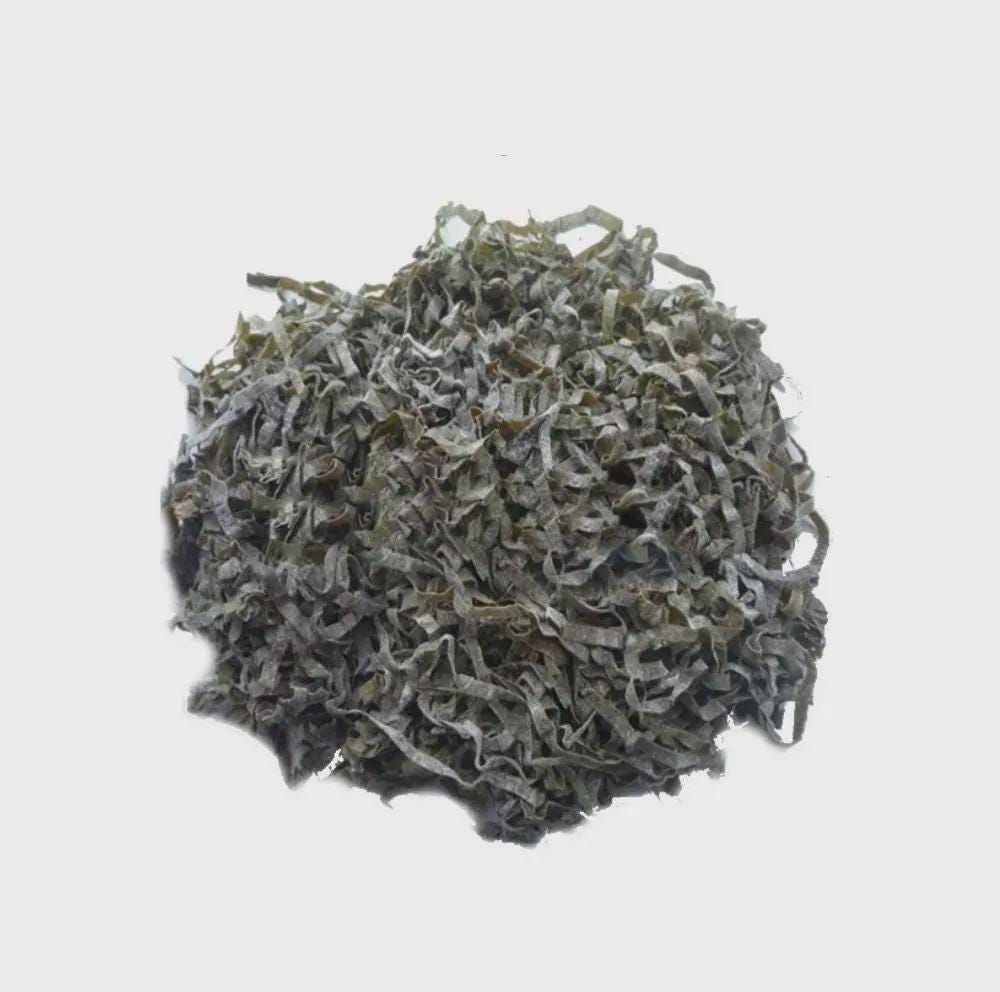
The Ultimate Guide to Lady’s Bedstraw Herb: Health Benefits and Uses

Unveiling the Ancient Wisdom: The Exhaustive Health Benefits of Lady’s Bedstraw Herb (Galium verum)

In the vast and verdant tapestry of the plant kingdom, certain herbs quietly stand out, not with flashy blooms or exotic origins, but with a legacy deeply interwoven with human health and history. One such botanical marvel is Lady’s Bedstraw, scientifically known as Galium verum. This unassuming perennial, with its delicate yellow flowers and distinctive scent, has been cherished across diverse cultures for centuries, not merely for its aesthetic charm or practical uses, but for a profound array of health benefits that are increasingly garnering attention in modern holistic health circles. From supporting vital detoxification pathways to soothing skin ailments and promoting overall well-being, Lady’s Bedstraw offers a gentle yet potent approach to natural healing. This exhaustive guide delves deep into the historical context, intricate biochemistry, and myriad therapeutic applications of this remarkable herb, aiming to provide a definitive resource for anyone seeking to understand its invaluable contributions to health.

Botanical Profile and Identification: A Closer Look at Galium verum

Lady’s Bedstraw, belonging to the Rubiaceae family – a diverse group that also includes coffee and gardenia – is a ubiquitous sight across grasslands, pastures, and coastal areas throughout Europe, Asia, and North America. Its scientific name, Galium verum, directly translates to “true bedstraw,” distinguishing it from other members of the Galium genus. The plant typically grows between 30 to 120 centimeters tall, featuring slender, square stems that often sprawl or climb through other vegetation. Its most striking feature is its whorls of eight to twelve narrow, linear leaves, which are dark green on top and downy underneath. During the summer months, from June to September, Lady’s Bedstraw explodes with a profusion of tiny, fragrant, golden-yellow flowers, arranged in dense, terminal panicles. These small, star-like blossoms release a sweet, honey-like scent, particularly noticeable when the plant is dried, which has historically contributed to its use in bedding.

Identifying Galium verum is relatively straightforward due to its distinctive leaf arrangement and vibrant yellow flowers. It’s essential, however, to differentiate it from other Galium species, such as Cleavers (Galium aparine), which has sticky, grappling stems and white flowers, or Hedge Bedstraw (Galium album), which also has white flowers. Lady’s Bedstraw’s bright yellow inflorescence and the absence of sticky hairs on its stem are key identifying characteristics that ensure correct harvesting for medicinal purposes. Understanding its botanical intricacies is the first step towards appreciating its therapeutic potential.

Lady's Bedstraw Herb Botanical Photo

A Rich Tapestry of History and Folklore: Lady’s Bedstraw Through the Ages

The historical reverence for Lady’s Bedstraw spans millennia, deeply embedded in the folklore, medicine, and daily lives of ancient and medieval European cultures. Its common name, “Lady’s Bedstraw,” is believed to refer to its traditional use as stuffing for mattresses, particularly in the beds of women in childbirth, offering a pleasant aroma and potentially soothing properties. Legend suggests it was even used to line the manger of the infant Jesus, lending it a sacred aura in Christian tradition.

Beyond its aromatic qualities, its practical applications were diverse. The plant contains an enzyme that acts as a natural rennet, capable of curdling milk, making it a crucial ingredient in traditional cheesemaking, especially for crafting cheeses like Cheshire and Double Gloucester, imparting a subtle yellowish hue. As a dye plant, its roots yield a vibrant red pigment, while the flowering tops produce a yellow dye, utilized for coloring textiles.

Medicinally, Lady’s Bedstraw was a staple in the herbal pharmacopeias of the Celts, Norse, Anglo-Saxons, and later medieval apothecaries. It was widely prescribed for conditions ranging from skin diseases and internal inflammations to urinary complaints and lymphatic swellings. Early herbalists such as Dioscorides and Pliny the Elder made references to plants likely belonging to the Galium genus, noting their diuretic and astringent properties. During the Middle Ages, its use expanded, particularly for kidney and bladder stones, gout, and as a general tonic for detoxification. This long-standing historical usage provides a compelling foundation for understanding its modern therapeutic relevance, bridging the gap between ancient wisdom and contemporary scientific inquiry.

Phytochemical Powerhouse: Unveiling the Bioactive Compounds in Lady’s Bedstraw

The remarkable therapeutic effects attributed to Lady’s Bedstraw are not due to a single compound, but rather a complex interplay of numerous bioactive constituents. Modern phytochemical analysis has revealed a rich spectrum of compounds, each contributing to the herb’s multifaceted health benefits. Understanding these components is crucial to appreciating the scientific basis behind its traditional uses.

Among the most prominent active compounds are:

  • Flavonoids: Lady’s Bedstraw is particularly rich in flavonoids such as quercetin, rutin, and kaempferol. These powerful antioxidants play a critical role in neutralizing free radicals, thereby protecting cells from oxidative stress and reducing inflammation throughout the body. Their anti-inflammatory action is often attributed to their ability to inhibit enzymes like cyclooxygenase (COX) and lipoxygenase (LOX), which are key mediators in inflammatory pathways. Flavonoids also contribute to improved cardiovascular health by strengthening capillary walls and supporting healthy circulation.
  • Coumarins: Compounds like scopoletin and esculetin are present, known for their potential anti-inflammatory, anticoagulant, and antispasmodic properties. Scopoletin, in particular, has been studied for its ability to reduce pain and inflammation and to relax smooth muscles, which can be beneficial for conditions involving cramping or tension.
  • Iridoid Glycosides: Asperuloside is a significant iridoid found in Lady’s Bedstraw. Iridoids are often responsible for the bitter taste in many medicinal plants and are associated with a range of biological activities, including anti-inflammatory, antimicrobial, and immune-modulating effects. They can help stimulate detoxification pathways and contribute to the herb’s diuretic properties.
  • Saponins: These natural detergents create foam when mixed with water and are known for their expectorant, anti-inflammatory, and immune-stimulating properties. In Lady’s Bedstraw, saponins may contribute to its diuretic and cleansing effects, helping to dissolve and flush out waste products from the urinary system.
  • Phenolic Acids: Compounds such as caffeic acid and chlorogenic acid are potent antioxidants and possess anti-inflammatory and antimicrobial characteristics. They contribute to the herb’s overall protective effects against cellular damage and infections.
  • Tannins: Abundant in Lady’s Bedstraw, tannins are polyphenolic compounds responsible for the herb’s astringent properties. They help to constrict tissues, reduce secretions, and tighten mucous membranes, making the herb useful for conditions involving excessive fluid discharge or inflammation, both internally and externally.
  • Anthraquinones: Present in smaller amounts, these compounds can exert mild laxative effects and contribute to the plant’s natural pigments.

The synergistic interaction of these diverse compounds underlies the broad spectrum of therapeutic actions observed with Lady’s Bedstraw, making it a truly holistic remedy for various ailments.

Lady's Bedstraw Herb Plant Profile

Comprehensive Health Benefits of Lady’s Bedstraw: A Deep Dive

The therapeutic utility of Lady’s Bedstraw is extensive, addressing multiple body systems. Its gentle yet effective actions make it a valuable addition to a natural health regimen. Let’s explore its key benefits in detail:

Urinary System Support & Diuretic Action

One of the most celebrated attributes of Lady’s Bedstraw is its profound positive impact on the urinary system. It acts as a potent aquaretic diuretic, meaning it increases urine output without significantly altering electrolyte balance, thanks to its high concentration of flavonoids and saponins. These compounds stimulate kidney function, promoting the flushing of excess fluids, toxins, and metabolic waste products from the body. This action is particularly beneficial for individuals suffering from edema or water retention. Historically, Lady’s Bedstraw has been revered for its ability to help dissolve and expel urinary gravel and kidney stones. By increasing urine flow, it helps to prevent the crystallization of minerals that can lead to stone formation and aids in the gentle passage of existing small stones. Furthermore, its antiseptic and anti-inflammatory properties can soothe irritated urinary passages, making it a valuable adjunct in supporting the treatment of bladder infections and other urinary tract inflammatory conditions.

Lymphatic System Detoxification

Lady’s Bedstraw is often considered a premier lymphatic tonic and detoxifier. The lymphatic system, a critical component of the immune system, is responsible for filtering waste products, pathogens, and cellular debris from tissues and transporting lymph fluid back to the bloodstream. When the lymphatic system becomes sluggish, it can lead to fluid retention, immune dysfunction, and generalized toxicity. Lady’s Bedstraw’s unique blend of iridoid glycosides and flavonoids appears to stimulate lymphatic circulation and enhance the drainage of stagnant lymph. This makes it an excellent herb for addressing conditions associated with swollen lymph nodes, glandular swellings (such as in the neck, armpits, or groin), and general lymphatic congestion. By supporting efficient lymphatic drainage, Lady’s Bedstraw helps the body eliminate toxins more effectively, thereby boosting immune function and reducing inflammatory burdens.

Skin Health and Topical Applications

The herb’s versatile properties extend to remarkable benefits for skin health, both internally and externally. Its astringent tannins help to tighten and tone skin tissues, reducing inflammation and weeping in various dermatological conditions. The anti-inflammatory flavonoids and antiseptic phenolic acids contribute to its efficacy in soothing irritated skin. Lady’s Bedstraw has been traditionally used as a poultice or wash for a wide range of skin ailments including eczema, psoriasis, acne, rashes, burns, and minor wounds. Applied topically, it can help reduce redness, itching, and swelling, promote faster healing, and protect against secondary infections. Internally, its detoxifying effects, particularly on the lymphatic system, contribute to clearer, healthier skin by addressing underlying systemic imbalances that often manifest as skin conditions.

Anti-inflammatory and Pain Relief

Chronic inflammation is at the root of many modern diseases, and Lady’s Bedstraw offers a natural approach to mitigating inflammatory responses. Its rich flavonoid content, including quercetin and rutin, exerts significant anti-inflammatory effects by modulating various inflammatory pathways within the body. These compounds can inhibit the production of pro-inflammatory mediators and reduce oxidative stress, which often fuels inflammation. Consequently, Lady’s Bedstraw can be beneficial for individuals experiencing conditions characterized by inflammation and pain, such as arthritis, rheumatism, and general muscle soreness. While not a potent analgesic like pharmaceutical drugs, its gentle anti-inflammatory action can contribute to overall comfort and reduce the systemic inflammatory load over time.

Digestive Aid & Liver Support

Though not its primary claim to fame, Lady’s Bedstraw offers subtle support for the digestive system and liver. The presence of bitter compounds, particularly iridoid glycosides, can stimulate the production of digestive enzymes and bile, which are essential for efficient digestion and nutrient absorption. This choleretic action helps the liver process fats and toxins more effectively, supporting its detoxification functions. Furthermore, the mild laxative effect attributed to its anthraquinone content can help alleviate mild constipation, promoting regular bowel movements. By indirectly supporting the liver and improving digestive efficiency, Lady’s Bedstraw contributes to better overall systemic health and detoxification.

Nervous System Calming & Sleep Aid

Traditionally, Lady’s Bedstraw has also been utilized as a mild nervine, meaning it has a gentle calming effect on the nervous system. While not a strong sedative, it can help alleviate mild anxiety, nervousness, and restlessness, particularly when these conditions are accompanied by lymphatic congestion or a feeling of being “stuck.” Its use as bedding material suggests an inherent association with relaxation and comfort. A warm infusion of Lady’s Bedstraw before bedtime may promote a sense of tranquility, thereby aiding in improved sleep quality without inducing drowsiness or dependence.

Lady's Bedstraw Herb Dried Herb

Practical Applications and Forms of Lady’s Bedstraw

Lady’s Bedstraw is available in various forms, allowing for flexible integration into a holistic health regimen, depending on the desired effect and individual preference:

  • Herbal Tea/Infusion: This is arguably the most common and traditional method of consumption. To prepare, steep 1-2 teaspoons of dried Lady’s Bedstraw herb in a cup of hot water for 10-15 minutes. Strain and drink 2-3 times daily. This method is excellent for general detoxification, urinary support, and lymphatic drainage.
  • Tincture: A concentrated liquid extract made by soaking the herb in alcohol, tinctures offer a convenient and potent way to consume Lady’s Bedstraw. Dosages typically range from 2-5 ml, 2-3 times daily, diluted in water. Tinctures are particularly effective for addressing systemic issues and for those who prefer not to drink teas.
  • Poultice/Compress: For topical skin conditions, a poultice made from fresh or rehydrated dried herb can be applied directly to the affected area. Alternatively, a strong tea or tincture can be used to soak a cloth for a compress, providing soothing relief for eczema, burns, or swollen glands.
  • Ointments/Creams: Lady’s Bedstraw can be infused into oils to create salves, ointments, or creams for localized skin treatment. These preparations combine the herb’s healing properties with moisturizing bases, ideal for chronic skin conditions.
  • Capsules/Supplements: For those seeking convenience and standardized dosages, Lady’s Bedstraw is also available in capsule form. These typically contain powdered dried herb or concentrated extracts. Capsules offer a tasteless and easy way to incorporate the herb into a daily routine, ensuring consistent intake of active compounds.

Lady's Bedstraw Herb Capsules

Dosage, Safety, and Precautions for Lady’s Bedstraw Herb

While Lady’s Bedstraw is generally considered safe for most individuals when used appropriately, it is crucial to approach its use with awareness and caution. As with any herbal remedy, individual responses can vary, and consulting with a qualified healthcare professional or experienced herbalist before beginning any new supplement regimen is always recommended, especially if you have pre-existing health conditions or are taking other medications.

General Dosage Guidelines:

  • Tea/Infusion: For a standard infusion, use 1-2 teaspoons (approximately 2-4 grams) of dried herb per cup of boiling water. Steep for 10-15 minutes, strain, and drink 2-3 times daily.
  • Tincture: Typically, 2-5 ml (approximately 40-100 drops) of a 1:5 tincture, taken 2-3 times daily. Always follow the specific instructions on the product label, as concentrations can vary.
  • Capsules: Follow the manufacturer’s recommendations, which usually range from 500 mg to 1000 mg of powdered herb per capsule, taken 1-3 times daily.

It is generally advisable to start with the lowest effective dose and gradually increase if needed, while monitoring your body’s response.

Potential Side Effects:

Lady’s Bedstraw is known for its mild nature, and side effects are rare. Some individuals may experience mild gastrointestinal upset, such as nausea or stomach discomfort, particularly if consumed on an empty stomach or in excessively large doses. If any adverse reactions occur, discontinue use and consult a healthcare provider.

Contraindications and Precautions:

  • Pregnancy and Breastfeeding: Due to a lack of sufficient research on its effects during pregnancy and lactation, Lady’s Bedstraw should be avoided by pregnant and breastfeeding women.
  • Kidney Conditions: While beneficial for general kidney health and stone prevention, individuals with existing severe kidney disease or those undergoing dialysis should exercise caution and consult their doctor before using Lady’s Bedstraw due to its diuretic properties.
  • Blood Thinners: Some coumarins, even in small amounts, can theoretically affect blood clotting. Individuals taking anticoagulant medications (blood thinners) such as warfarin should consult their physician before using Lady’s Bedstraw.
  • Allergies: Though uncommon, individuals with known allergies to plants in the Rubiaceae family should use Lady’s Bedstraw with caution.
  • Hydration: As a diuretic, ensure adequate fluid intake when using Lady’s Bedstraw to prevent dehydration.

Always prioritize sourcing Lady’s Bedstraw from reputable suppliers to ensure quality, purity, and freedom from contaminants. Look for organic or wild-harvested options whenever possible.

Lady's Bedstraw Herb Natural Herb

Conclusion: Embracing the Enduring Legacy of Lady’s Bedstraw

Lady’s Bedstraw (Galium verum) stands as a testament to the enduring wisdom of traditional herbal medicine, offering a gentle yet powerful suite of health benefits that resonate deeply with modern wellness pursuits. From its historical reverence in folklore and practical applications to its meticulously uncovered biochemical composition, this humble herb reveals itself as a multifaceted ally for health. Its remarkable capacity to support the urinary and lymphatic systems underscores its role as a premier detoxifier, aiding the body in cleansing and rejuvenation. Furthermore, its benefits for skin health, anti-inflammatory actions, and mild calming effects collectively paint a picture of a truly holistic remedy.

As we navigate an increasingly complex world, the search for natural, sustainable approaches to health becomes ever more pertinent. Lady’s Bedstraw, with its rich heritage and scientifically validated compounds, offers a compelling option for those seeking to enhance their well-being naturally. By understanding its profound mechanisms of action and integrating it judiciously into a healthy lifestyle, we can continue to embrace and benefit from the ancient wisdom encapsulated within this extraordinary plant. Its gentle golden blossoms remind us that sometimes, the most potent healing lies within the unassuming gifts of nature.

Disclaimer: For informational purposes only. Not medical advice. Consult a qualified healthcare professional before use.
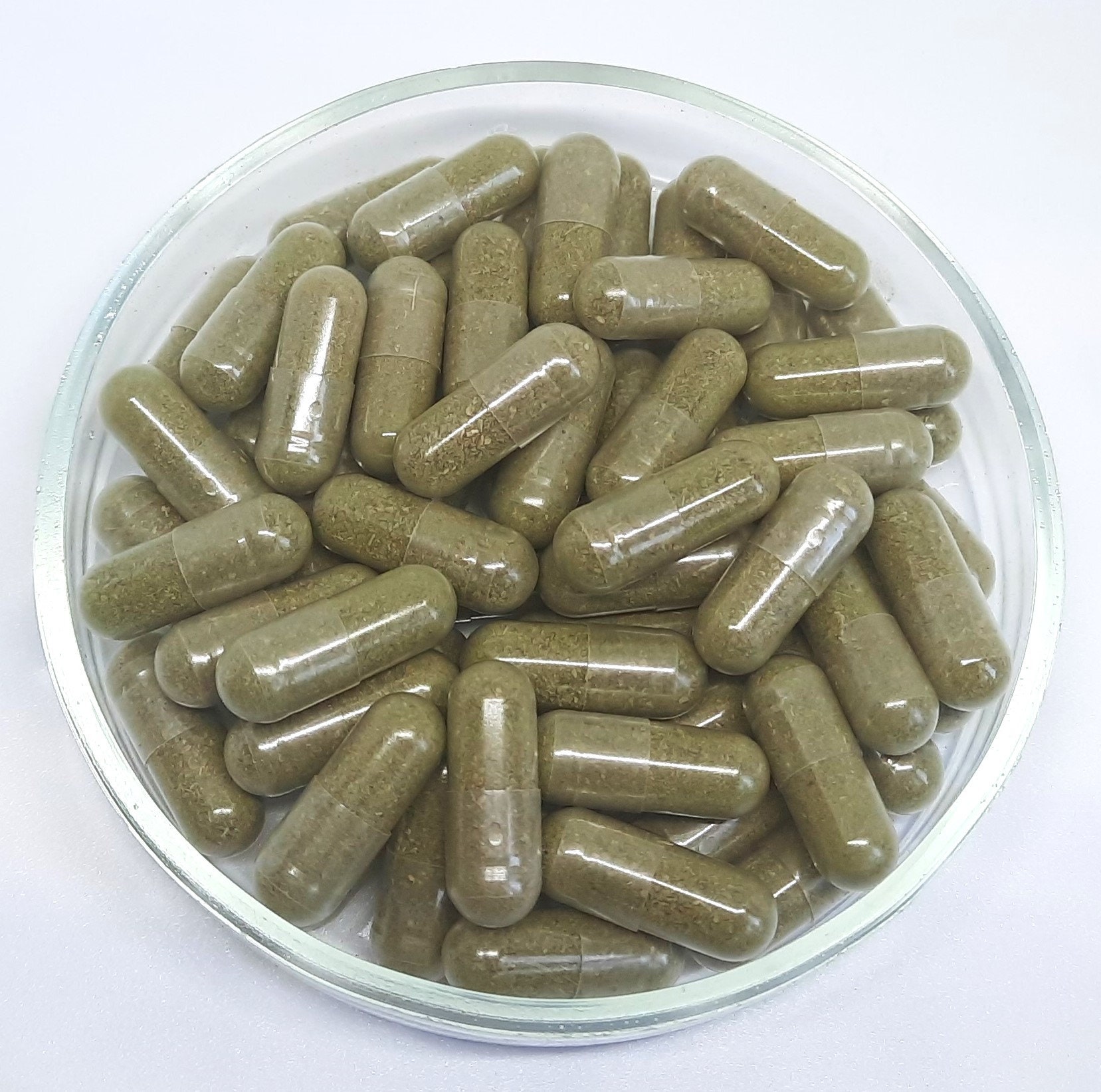
The Ultimate Guide to Lady’s Mantle: Health Benefits and Uses

Unveiling the Ancient Wisdom: A Deep Dive into the Health Benefits of Lady’s Mantle (Alchemilla Vulgaris)

For centuries, nestled within the verdant tapestry of European meadows and woodlands, a unassuming yet profoundly powerful herb has offered solace and healing, particularly to women. Known by the enchanting name Lady’s Mantle, or scientifically as Alchemilla vulgaris, this resilient plant has captivated herbalists, alchemists, and healers alike with its distinctive, dew-collecting leaves and remarkable medicinal properties. Often revered as the “woman’s herb,” its rich history and diverse phytochemical profile position it as a cornerstone in traditional herbal medicine, deserving of a comprehensive exploration into its myriad health benefits.

This exhaustive guide delves into the botanical nuances, historical significance, intricate chemical composition, and the vast array of scientifically recognized and traditionally acclaimed health benefits of Lady’s Mantle. From its potent astringent and anti-inflammatory capabilities to its revered role in supporting women’s reproductive health, we will unpack why Alchemilla vulgaris continues to be a cherished natural remedy in the modern age, offering a definitive resource for anyone seeking to understand the profound potential of this extraordinary plant.

Botanical Profile and Ecological Significance of Lady’s Mantle

Alchemilla vulgaris, belonging to the Rosaceae family alongside roses and strawberries, is a perennial herbaceous plant distinguished by its unique leaf structure. The leaves are typically basal, fan-shaped or kidney-shaped, with finely toothed, lobed margins, often exhibiting nine to eleven shallow lobes. What truly sets Lady’s Mantle apart is its fascinating ability to collect morning dew or guttation droplets in the center of its leaves, forming perfect, shimmering spheres of water. This phenomenon, which earned it the moniker “Alchemilla” from medieval alchemists who believed this pure dew held mystical properties, contributes not only to its aesthetic appeal but also to its rich folklore.

The plant typically grows to a height of 10 to 50 centimeters, producing small, greenish-yellow, inconspicuous flowers arranged in loose clusters during late spring and summer. It thrives in temperate regions across Europe, Asia, and North America, commonly found in meadows, pastures, woodlands, and along stream banks, preferring moist, well-drained soils. Its adaptability and widespread distribution have ensured its accessibility as a traditional remedy for millennia.

Lady's Mantle Botanical Photo

A Journey Through Time: Historical and Traditional Uses

The history of Lady’s Mantle is deeply intertwined with ancient European herbalism and even alchemical practices. Its name, “Lady’s Mantle,” is widely believed to be a reference to the Virgin Mary, with its pleated, fan-like leaves resembling a cloak or mantle, symbolizing protection and nurturing. This association cemented its reputation as a sacred herb, particularly revered for its benefits related to women’s health.

In medieval Europe, alchemists were particularly fascinated by the dew collected on its leaves, believing it to be the purest form of water, capable of transmuting base metals into gold or creating the philosopher’s stone. While these alchemical pursuits did not yield gold, they inadvertently led to a deeper appreciation for the plant’s medicinal properties.

Traditional herbalists across various cultures, including those of the Anglo-Saxons, Celtic peoples, and later European physicians, extensively documented its use. It was predominantly prescribed for gynecological issues, including heavy menstrual bleeding (menorrhagia), painful periods (dysmenorrhea), and to tone the uterus after childbirth. Beyond women’s health, it was also employed as a vulnerary (wound healer), an astringent for diarrhea, and a general tonic. Its versatility and gentle yet effective action solidified its place in the herbal pharmacopeia for centuries, passed down through generations of healers.

Lady's Mantle Dried Herb

The Bioactive Arsenal: Key Compounds and Their Mechanisms of Action

The therapeutic efficacy of Lady’s Mantle is attributable to its complex array of bioactive compounds, which work synergistically to exert its diverse health benefits. Understanding these constituents provides a scientific basis for its traditional uses.

Lady's Mantle Plant Profile

1. Tannins (Ellagitannins and Gallotannins): The Astringent Powerhouses

Lady’s Mantle is exceptionally rich in tannins, particularly ellagitannins and gallotannins. These polyphenolic compounds are responsible for the plant’s powerful astringent properties. When tannins come into contact with tissues, they bind to proteins, forming a protective layer that contracts and tightens the tissue. This action reduces permeability of capillaries, decreases secretions, and helps to constrict blood vessels. In the context of heavy menstrual bleeding, this astringent effect can help reduce blood flow by toning the uterine tissues. For digestive issues like diarrhea, tannins help by reducing inflammation and excessive fluid secretion in the gut lining. On the skin, they promote wound healing by forming a protective barrier and reducing exudation.

2. Flavonoids (Quercetin, Kaempferol Derivatives): Antioxidant and Anti-inflammatory Agents

The herb contains various flavonoids, including derivatives of quercetin and kaempferol. Flavonoids are well-known for their potent antioxidant capabilities, scavenging free radicals and protecting cells from oxidative stress, which is a major contributor to chronic diseases and aging. Beyond their antioxidant role, flavonoids also exhibit significant anti-inflammatory actions. They can modulate various inflammatory pathways, such as inhibiting the production of pro-inflammatory cytokines and enzymes like cyclooxygenase (COX) and lipoxygenase (LOX). This contributes to pain reduction, particularly associated with menstrual cramps, and general anti-inflammatory effects throughout the body.

3. Phytosterols: Hormonal Modulators

Lady’s Mantle contains phytosterols, plant compounds that have structural similarities to cholesterol and certain hormones. While not directly hormones, some phytosterols can interact with hormonal pathways in the body, acting as mild phytoestrogens. This means they can weakly bind to estrogen receptors, potentially helping to balance hormonal fluctuations, particularly beneficial during perimenopause or for women experiencing symptoms related to estrogen dominance or deficiency. This contributes to its reputation as a “woman’s herb” for menstrual and menopausal support.

4. Salicylic Acid: Analgesic and Anti-inflammatory Precursor

Traces of salicylic acid, the precursor to aspirin, are present in Lady’s Mantle. Salicylic acid is a well-established anti-inflammatory and analgesic compound, contributing to the herb’s ability to alleviate pain and reduce inflammation. This further enhances its efficacy in managing conditions like dysmenorrhea (menstrual cramps) and inflammatory skin conditions.

5. Saponins and Glycosides: Supporting Diverse Functions

The plant also contains saponins, which can have expectorant, immunomodulatory, and anti-inflammatory properties. Glycosides are another class of compounds that contribute to the plant’s overall therapeutic profile, often acting in conjunction with other constituents to enhance their effects or provide additional specific benefits.

Comprehensive Health Benefits of Lady’s Mantle

The synergistic action of these bioactive compounds underpins the wide spectrum of health benefits attributed to Lady’s Mantle, with a particular emphasis on women’s health.

1. Unparalleled Support for Women’s Reproductive Health

Lady’s Mantle truly shines in its profound benefits for women, addressing various aspects of the menstrual cycle, fertility, and postpartum recovery.

  • Regulating Menstrual Cycles and Alleviating Menstrual Pain (Dysmenorrhea): The astringent properties of tannins are pivotal here. They help to tone and strengthen the uterine musculature, which can be beneficial in cases of heavy or prolonged bleeding (menorrhagia) by promoting vascular constriction and tissue contraction. Furthermore, the anti-inflammatory compounds like flavonoids and salicylic acid work to reduce the uterine cramping and pain associated with dysmenorrhea. By modulating prostaglandin production, which contributes to uterine contractions, Lady’s Mantle helps to ease discomfort and promote a more balanced menstrual flow.
  • Managing Heavy Menstrual Bleeding (Menorrhagia): This is one of the most historically acclaimed uses. The high tannin content acts as a powerful hemostatic agent, meaning it helps to stop bleeding. By constricting blood vessels and fortifying capillary walls in the uterus, Lady’s Mantle can significantly reduce excessive blood loss during menstruation, thereby preventing iron-deficiency anemia and improving overall well-being.
  • Perimenopausal and Menopausal Symptom Relief: While not a direct hormone replacement, the phytoestrogenic compounds in Lady’s Mantle can offer mild support during the perimenopausal and menopausal transitions. They may help to gently balance hormonal fluctuations, potentially easing symptoms such as hot flashes, night sweats, and mood swings. This gentle modulating effect can be a comforting natural alternative or adjunct for women navigating this life stage.
  • Postpartum Recovery and Uterine Toning: Traditionally, Lady’s Mantle was used after childbirth to help the uterus contract back to its pre-pregnancy size and position. Its astringent and tonic properties aid in the involution of the uterus, strengthening uterine tissues, and helping to prevent excessive postpartum bleeding. It can also support the healing of any minor tears or wounds in the reproductive tract.
  • Vaginal Health and Discharge: The astringent nature of Lady’s Mantle makes it beneficial for managing excessive vaginal discharge (leucorrhea). It helps to tone the mucous membranes, reducing secretions and providing a mild antiseptic effect that can deter microbial overgrowth, thus contributing to overall vaginal health when used topically as a wash or douche.

2. Potent Digestive Support and Relief

The astringent and anti-inflammatory actions of Lady’s Mantle extend significantly to the gastrointestinal tract.

  • Combating Diarrhea and Dysentery: High tannin levels make Lady’s Mantle an excellent natural remedy for acute diarrhea. The tannins form a protective layer on the intestinal lining, reducing fluid secretion, tightening the mucosal barrier, and decreasing inflammation. This helps to firm stools and alleviate symptoms of digestive upset, including those associated with mild cases of dysentery.
  • Soothing Gastric Irritations and Ulcers: Its anti-inflammatory properties can help calm an irritated stomach lining and may contribute to the healing of minor gastric ulcers. By reducing inflammation and providing a protective coating, it can offer relief from discomfort associated with gastritis and other inflammatory conditions of the digestive system.
  • General Digestive Tonic: As a mild bitter, it can also stimulate digestive juices and improve overall digestive function, promoting better nutrient absorption and alleviating symptoms of indigestion.

3. Skin Health and Accelerated Wound Healing

Lady’s Mantle’s astringent, anti-inflammatory, and vulnerary (wound-healing) properties make it a valuable herb for topical applications.

  • Accelerating Wound and Cut Healing: When applied externally as a poultice, compress, or wash, the tannins help to constrict blood vessels, reduce bleeding, and form a protective scab, thereby accelerating the healing process of minor cuts, scrapes, and abrasions. They also have a mild antiseptic effect that can help prevent infection.
  • Soothing Skin Irritations and Rashes: The anti-inflammatory flavonoids and salicylic acid content can reduce redness, swelling, and itching associated with various skin conditions, including eczema, acne, and insect bites. Its gentle astringency helps to tighten pores and reduce oiliness, which can be beneficial for acne-prone skin.
  • Promoting Skin Firmness: The collagen-supporting effects of certain plant compounds, combined with the astringent properties, can contribute to a firmer, more toned appearance of the skin, making it a traditional ingredient in some natural cosmetic formulations.

4. Robust Anti-inflammatory and Antioxidant Properties

Beyond specific applications, the general anti-inflammatory and antioxidant effects of Lady’s Mantle offer systemic health benefits.

  • Cellular Protection: The rich concentration of flavonoids acts as powerful antioxidants, neutralizing free radicals that cause oxidative stress and cellular damage. This protective action is fundamental in preventing chronic diseases, supporting healthy aging, and maintaining overall cellular integrity.
  • Systemic Inflammation Reduction: By modulating inflammatory pathways, Lady’s Mantle can contribute to reducing systemic inflammation, which is implicated in numerous chronic health conditions, from arthritis to cardiovascular disease. This broad anti-inflammatory effect supports general well-being and helps the body cope with daily stressors.

5. Oral Health Benefits

Its astringent and anti-inflammatory properties also make Lady’s Mantle an excellent choice for oral hygiene.

  • Alleviating Gum Inflammation (Gingivitis): Used as a mouthwash or gargle, it can help to reduce inflammation, swelling, and bleeding of the gums. The tannins help to tighten gum tissue, making it more resistant to bacterial invasion and inflammation.
  • Healing Mouth Ulcers and Sores: Its protective and healing properties can expedite the recovery of canker sores, mouth ulcers, and other minor oral irritations.

Practical Usage and Forms of Lady’s Mantle

Lady’s Mantle is available in several forms, each suited for different applications and preferences. The choice of form often depends on the specific health concern and desired potency.

1. Herbal Tea (Infusion)

This is the most common and traditional way to consume Lady’s Mantle. An infusion is ideal for internal use, particularly for women’s health issues, digestive complaints, and general tonic effects.

  • Preparation: Steep 1-2 teaspoons of dried Lady’s Mantle herb in 1 cup (240ml) of hot water for 10-15 minutes. Strain and drink.
  • Dosage: Typically, 2-3 cups per day, especially during the specified phases of the menstrual cycle or when experiencing acute symptoms.

2. Tincture

A tincture is an alcohol extract of the herb, offering a more concentrated and potent form, which can be easily absorbed and convenient for consistent dosing.

  • Preparation: Tinctures are usually commercially prepared, often using fresh or dried herb extracted in alcohol.
  • Dosage: Follow the manufacturer’s recommendations, usually 2-5 ml, 2-3 times per day, diluted in water. It is particularly effective for heavy bleeding or acute pain where a stronger action is desired.

3. Capsules and Tablets

For those who prefer a convenient, standardized dose without the taste of the herb, capsules or tablets are an excellent option. These often contain powdered dried herb or extracts.

  • Dosage: Dosage varies greatly depending on the concentration of the extract. Always adhere to the product label instructions. Typically, a standard dose might range from 300-500 mg, 2-3 times daily.

Lady's Mantle Capsules

4. Topical Applications (Compresses, Washes, Poultices)

For skin issues, wound healing, or vaginal health, topical applications are highly effective.

  • Compress: Soak a clean cloth in a strong infusion of Lady’s Mantle and apply it to affected skin areas, wounds, or swollen joints.
  • Wash/Douche: A cooled, strained infusion can be used as a gentle external wash for skin irritations or as a vaginal douche for discharge or postpartum healing (ensure sterility for internal use).
  • Poultice: Freshly crushed leaves or powdered dried herb mixed with a little water can be applied directly to wounds or inflammatory skin conditions.

Lady's Mantle Natural Herb

Important Considerations, Side Effects, and Contraindications

While Lady’s Mantle is generally considered safe for most people when used appropriately, it is crucial to be aware of potential side effects and contraindications.

  • Pregnancy and Breastfeeding: Lady’s Mantle is traditionally used to tone the uterus after childbirth, but its use during pregnancy is often advised against, particularly in the early stages, due to its potential uterine stimulating effects. There is insufficient research on its safety during breastfeeding, so caution is recommended. Always consult a healthcare professional before use during these periods.
  • Hormone-Sensitive Conditions: Due to its mild phytoestrogenic activity, individuals with hormone-sensitive conditions such as endometriosis, uterine fibroids, or hormone-dependent cancers should exercise caution and consult their doctor before using Lady’s Mantle.
  • Digestive Upset: In some sensitive individuals, the high tannin content might cause mild stomach upset, nausea, or constipation if taken in very large doses or on an empty stomach.
  • Iron Absorption: Tannins can interfere with the absorption of non-heme iron (plant-based iron). If you are prone to iron deficiency or are taking iron supplements, it might be advisable to consume Lady’s Mantle separately from iron-rich meals or supplements.
  • Drug Interactions: Lady’s Mantle might interact with certain medications. For example, its astringent properties could potentially affect the absorption of orally administered drugs. Individuals taking blood thinners (anticoagulants), hormone replacement therapy, or any other prescription medications should consult their healthcare provider before incorporating Lady’s Mantle into their regimen.
  • Allergies: As with any botanical product, allergic reactions are possible, though rare. Discontinue use if you experience any adverse symptoms.

Conclusion: Lady’s Mantle – A Timeless Ally in Natural Healing

Lady’s Mantle, Alchemilla vulgaris, stands as a testament to the enduring power of nature’s pharmacy. Its rich tapestry of historical use, coupled with a compelling array of bioactive compounds, solidifies its position as a highly valuable medicinal herb. From its profound ability to support women’s reproductive health by regulating menstrual cycles, alleviating pain, and aiding postpartum recovery, to its significant contributions to digestive and skin health, Lady’s Mantle offers a gentle yet effective path to well-being.

Its astringent tannins, antioxidant flavonoids, and anti-inflammatory compounds work in concert to provide a holistic approach to various ailments. As we increasingly turn towards natural and traditional remedies, understanding the intricate mechanisms and practical applications of herbs like Lady’s Mantle becomes paramount. While deeply rooted in ancient wisdom, its benefits remain relevant and scientifically supported in contemporary wellness practices. For anyone seeking a natural ally, particularly for women’s specific health concerns, Lady’s Mantle offers a time-honored solution, reminding us of the potent healing gifts found in our natural world. As always, it is recommended to consult with a qualified healthcare professional or herbalist before incorporating any new herbal remedy into your health routine, especially if you have pre-existing conditions or are taking other medications.

Disclaimer: For informational purposes only. Not medical advice. Consult a qualified healthcare professional before use.

The Ultimate Guide to Rowan berries: Health Benefits and Uses

The Radiant Red Elixir: Unveiling the Profound Health Benefits of Rowan Berries

Deep within the ancient forests and along rugged coastlines, a vibrant treasure awaits discovery: the Rowan berry. Adorning the graceful branches of the Mountain Ash tree with their striking clusters of scarlet, these berries, often overlooked in the modern diet, boast a rich history steeped in folklore, protection, and potent medicinal properties. Far more than just an autumnal adornment, Rowan berries (Sorbus aucuparia) are a nutritional powerhouse, brimming with an extraordinary array of bioactive compounds that offer a comprehensive spectrum of health benefits. This exhaustive guide delves into the botanical wonders, historical significance, chemical composition, and extensive therapeutic potential of these remarkable berries, aiming to provide a definitive resource for health enthusiasts and natural wellness seekers alike.

Botanical Overview and Identification of Sorbus aucuparia

The Rowan tree, scientifically known as Sorbus aucuparia, is a deciduous tree belonging to the Rosaceae family, making it a relative of apples, pears, and roses. It is widely recognized across temperate regions of Europe, Asia, and North America, often thriving in challenging environments, from mountainous terrain to urban parks. Colloquially known as Mountain Ash due to its resemblance to the Ash tree’s foliage, despite not being a true ash, its distinctive features make it easily identifiable. The tree typically grows to a moderate height, characterized by smooth, grey bark and pinnate leaves, which are composed of numerous small, serrated leaflets arranged along a central stem. In late spring, it produces clusters of creamy-white flowers that eventually mature into the tree’s crowning glory: bright orange-red to scarlet berries, typically appearing in dense bunches in late summer and autumn.

These berries, small and spherical, are the focal point of its medicinal and nutritional value. While visually appealing, raw Rowan berries possess a distinct tart and somewhat astringent flavor, primarily due to their chemical composition. Their resilience and widespread distribution have cemented their place not only in the ecosystem but also in human culture and traditional medicine across various civilizations. The iconic color and robust nature of the Rowan tree and its fruit hint at the powerful compounds concentrated within, promising a wealth of health advantages that we will thoroughly explore.

Rowan berries Botanical Photo

A Tapestry of History, Folklore, and Traditional Uses

The Rowan tree and its berries are deeply interwoven into the cultural fabric of many societies, particularly in Celtic, Norse, and Slavic traditions. Historically, the Rowan was revered not only for its practical uses but also for its profound spiritual significance. In ancient Celtic lore, it was considered a sacred tree, symbolizing protection, wisdom, and courage. Druids often used Rowan wood in their ceremonies, believing it offered protection against evil spirits and ill fortune. Its vibrant red berries were thought to contain potent magic, mirroring the color of blood and life force, and were often carried as amulets or planted near homes for guardianship.

Norse mythology associated the Rowan with the god Thor, who was said to have clung to a Rowan tree to save himself from a raging river. This story further solidified its reputation as a tree of protection and strength. Similarly, in Slavic cultures, Rowan berries were used in charms and rituals to ward off malevolent forces and ensure prosperity. Beyond its mystical associations, the Rowan berry found practical application in traditional medicine. Historically, these berries were highly valued for their ability to combat scurvy, thanks to their exceptionally high vitamin C content, a vital resource during long winters when fresh produce was scarce. Indigenous peoples and European folk healers utilized Rowan berries as a remedy for sore throats, coughs, fevers, and as a general tonic to boost vitality and immunity. Its astringent properties were also leveraged to treat digestive complaints and topical wounds. The rich tapestry of its historical and folkloric significance undoubtedly points to a long-standing recognition of its inherent power and health-promoting capabilities.

The Nutritional Powerhouse: Bioactive Compounds of Rowan Berries

The extraordinary health benefits attributed to Rowan berries are directly linked to their complex and diverse phytochemical profile. These small, bright berries are a veritable treasure trove of vitamins, minerals, organic acids, and a vast array of potent antioxidant compounds. Understanding these bioactive constituents is key to appreciating the depth of their therapeutic actions.

Vitamin C (Ascorbic Acid)

Rowan berries are famously rich in Vitamin C, often surpassing citrus fruits in concentration, particularly when fresh. This essential water-soluble vitamin is a cornerstone of immune system function, acting as a powerful antioxidant that protects cells from oxidative damage caused by free radicals. Vitamin C is also crucial for the biosynthesis of collagen, a vital protein for healthy skin, blood vessels, bones, and cartilage. Furthermore, it plays a key role in iron absorption and the metabolism of proteins, underscoring its broad impact on overall physiological well-being. Its abundance in Rowan berries historically made them a critical anti-scurvy food.

Antioxidant Flavonoids (Quercetin, Rutin, Kaempferol, etc.)

Flavonoids are a large group of plant pigments with significant antioxidant and anti-inflammatory properties. Rowan berries are particularly rich in several notable flavonoids, including quercetin, rutin, and kaempferol. These compounds work by directly scavenging harmful free radicals, thereby reducing oxidative stress throughout the body. Oxidative stress is implicated in the development and progression of numerous chronic diseases, including cardiovascular disease, neurodegenerative disorders, and certain cancers. By mitigating this stress, flavonoids help protect cellular integrity, reduce inflammation, and support healthy cellular function. Their synergistic action with Vitamin C further amplifies the overall antioxidant capacity of the berries.

Anthocyanins

The vibrant red and orange hues of Rowan berries are primarily due to their high concentration of anthocyanins. These potent pigments are a type of flavonoid and are renowned for their exceptional antioxidant capabilities. Anthocyanins have been extensively studied for their protective effects on the cardiovascular system, helping to strengthen blood vessels, improve circulation, and potentially lower blood pressure. They also exhibit neuroprotective properties, supporting cognitive function and reducing the risk of age-related neurological decline. Furthermore, anthocyanins are particularly beneficial for vision, known to improve night vision and protect the eyes from oxidative damage, contributing to overall ocular health.

Carotenoids (Beta-carotene, Zeaxanthin, Lutein)

In addition to anthocyanins, Rowan berries contain various carotenoids, including beta-carotene, which is a precursor to Vitamin A. Vitamin A is essential for healthy vision, immune function, and skin integrity. Lutein and zeaxanthin, other prominent carotenoids found in Rowan berries, are crucial for eye health. These compounds accumulate in the retina and macula, acting as natural filters against harmful blue light and providing antioxidant protection against oxidative damage, which can contribute to age-related macular degeneration and cataracts. Their presence underscores the berry’s comprehensive support for visual acuity and ocular protection.

Organic Acids (Sorbic Acid, Malic Acid, Citric Acid, Tartaric Acid)

Rowan berries contain several organic acids that contribute to their characteristic tart taste and offer unique health benefits. Sorbic acid, in particular, is a natural preservative and possesses strong antimicrobial and antifungal properties, historically utilized to preserve foods. Malic acid, citric acid, and tartaric acid are also present, playing roles in cellular metabolism and energy production. These acids contribute to the berries’ refreshing quality and may aid in digestion and detoxification processes within the body. It is worth noting that raw Rowan berries contain parasorbic acid, which can cause gastrointestinal upset; however, cooking or freezing converts this to the benign sorbic acid, making the berries safe for consumption.

Tannins

The slight astringency of Rowan berries can be attributed to the presence of tannins. These compounds are natural polyphenols known for their ability to bind with proteins, which gives them their characteristic puckering sensation. In terms of health benefits, tannins possess notable anti-inflammatory, antimicrobial, and antioxidant properties. In the digestive system, tannins can help soothe inflamed mucous membranes, potentially alleviating symptoms of diarrhea or indigestion. Their antimicrobial action can also contribute to balancing gut flora and protecting against certain pathogens.

Dietary Fiber

Like many berries, Rowan berries are a good source of dietary fiber. Fiber is indispensable for maintaining a healthy digestive system, promoting regular bowel movements, and preventing constipation. It also acts as a prebiotic, feeding beneficial gut bacteria and fostering a healthy gut microbiome, which is intrinsically linked to overall immunity and mental well-being. Furthermore, dietary fiber helps regulate blood sugar levels by slowing down the absorption of glucose, and it contributes to a feeling of satiety, which can be beneficial for weight management.

Rowan berries Plant Profile

Unveiling the Profound Health Benefits

The intricate symphony of bioactive compounds in Rowan berries translates into a remarkable array of health benefits that support numerous bodily systems. Each component works synergistically to promote wellness and protect against various ailments.

Robust Immune System Support

One of the most celebrated benefits of Rowan berries is their profound ability to bolster the immune system. The exceptionally high Vitamin C content is a primary driver, as it is crucial for the production and function of white blood cells, which are the body’s first line of defense against pathogens. Beyond Vitamin C, the rich assortment of flavonoids and anthocyanins acts as powerful antioxidants, protecting immune cells from damage and reducing the overall inflammatory load that can suppress immune responses. Regular consumption can significantly enhance the body’s resistance to common infections such as colds and flu, promoting a more resilient immune defense mechanism. These berries don’t just provide raw materials; they actively help modulate the immune system for optimal function.

Potent Antioxidant and Anti-inflammatory Action

The antioxidant capacity of Rowan berries is truly exceptional. Oxidative stress, a state where there is an imbalance between the production of free radicals and the body’s ability to neutralize them, is a key factor in aging and the development of chronic diseases. The anthocyanins, flavonoids, and Vitamin C in Rowan berries are expert free radical scavengers, effectively neutralizing these damaging molecules before they can harm cells and tissues. This protective action extends to their formidable anti-inflammatory properties. These compounds can modulate inflammatory pathways in the body, such as by inhibiting enzymes like COX-2 (cyclooxygenase-2), which are involved in the production of pro-inflammatory mediators. By reducing chronic inflammation, Rowan berries can play a significant role in mitigating the risk and symptoms of conditions like arthritis, metabolic syndrome, and other inflammatory disorders.

Cardiovascular Health Guardian

Rowan berries offer compelling benefits for cardiovascular health, targeting several key areas. The anthocyanins and flavonoids contribute to improved endothelial function, the health of the inner lining of blood vessels, which is critical for blood flow regulation and prevention of atherosclerosis. These antioxidants help prevent the oxidation of LDL (bad) cholesterol, a crucial step in plaque formation within arteries. Furthermore, some studies suggest that the bioactive compounds may contribute to blood pressure regulation by promoting vasodilation – the widening of blood vessels. By reducing oxidative stress, inflammation, and supporting healthy blood vessel function, Rowan berries can be a valuable dietary component in reducing the risk of heart disease and stroke.

Digestive Harmony and Gut Health

The fiber content of Rowan berries is excellent for promoting digestive regularity and preventing constipation. Beyond bulk, dietary fiber acts as a prebiotic, nourishing beneficial gut bacteria and supporting a thriving gut microbiome. A healthy gut is fundamental for nutrient absorption, immune function, and even mental well-being. Additionally, the tannins present in Rowan berries have astringent properties that can help soothe inflamed mucous membranes in the digestive tract, potentially offering relief from mild diarrhea or indigestion. Their mild antimicrobial action may also help maintain a healthy balance of gut flora, guarding against the overgrowth of harmful pathogens.

Liver Support and Detoxification

The liver is the body’s primary detoxification organ, and it is constantly exposed to toxins. Rowan berries can play a supportive role in maintaining liver health. Their abundant antioxidants, particularly flavonoids and anthocyanins, help protect liver cells from oxidative damage induced by toxins, pollutants, and metabolic byproducts. By reducing oxidative stress, these compounds can aid the liver’s natural detoxification pathways (Phase I and Phase II metabolism), ensuring that harmful substances are efficiently processed and eliminated from the body. This hepatoprotective effect makes Rowan berries a beneficial addition for promoting overall liver function and resilience.

Vision Enhancement and Eye Protection

The synergistic action of carotenoids and anthocyanins in Rowan berries makes them exceptionally beneficial for eye health. Lutein and zeaxanthin, specific carotenoids, accumulate in the macula of the eye, where they act as natural sunscreens, filtering out harmful high-energy blue light and protecting the delicate photoreceptor cells from oxidative damage. This protection is vital in reducing the risk of age-related macular degeneration (AMD) and cataracts. Anthocyanins, on the other hand, are known to improve microcirculation in the eyes, enhance rhodopsin regeneration (a pigment essential for night vision), and reduce eye strain, contributing to sharper vision and overall ocular vitality.

Blood Sugar Regulation and Anti-Diabetic Potential

Emerging research suggests that Rowan berries may offer benefits in blood sugar regulation and could have anti-diabetic potential. The dietary fiber helps to slow down the absorption of sugars into the bloodstream, preventing rapid spikes in blood glucose levels after meals. Furthermore, certain polyphenols found in Rowan berries may improve insulin sensitivity, allowing cells to utilize glucose more efficiently. Some studies indicate that these compounds can inhibit alpha-glucosidase, an enzyme responsible for breaking down complex carbohydrates into glucose, further contributing to better glycemic control. These mechanisms make Rowan berries a potentially valuable dietary aid for individuals managing blood sugar levels or at risk of developing type 2 diabetes.

Skin Health and Anti-Aging Properties

The high Vitamin C content of Rowan berries is crucial for collagen synthesis, the protein responsible for skin elasticity and firmness. Adequate collagen production helps maintain a youthful complexion, reducing the appearance of wrinkles and promoting skin repair. Moreover, the broad spectrum of antioxidants protects skin cells from damage caused by UV radiation, pollution, and other environmental stressors, which are major contributors to premature aging. The anti-inflammatory properties can also help soothe skin irritations and conditions, fostering a healthier and more radiant complexion from within.

Traditional and Modern Applications

Incorporating Rowan berries into one’s diet requires an understanding of their unique properties and traditional preparation methods to maximize their benefits and palatability.

Culinary Uses

Raw Rowan berries are quite tart and can cause mild stomach upset due to parasorbic acid. However, cooking or freezing them converts the parasorbic acid into the innocuous sorbic acid, making them safe and delicious. Traditionally, Rowan berries are transformed into delectable jams, jellies, and preserves, often combined with apples or other fruits to balance their tartness. They also make excellent syrups, wines, and vinegars, adding a distinctive flavor profile. The sharp, slightly bitter taste of Rowan berries pairs exceptionally well with rich, fatty foods like game meats (venison, duck), strong cheeses, or as a vibrant accompaniment to roasted vegetables. In some cultures, they are used to make fruit leather or a potent, invigorating tea.

Rowan berries Dried Herb

Herbal Remedies

Beyond culinary delights, Rowan berries have a long history as herbal remedies. Dried berries can be steeped to create infusions or teas, which are traditionally used to alleviate symptoms of colds, sore throats, and mild fevers. Tinctures, made by extracting the berries’ compounds in alcohol, offer a more concentrated form for therapeutic use. The astringent properties of the berries have also been utilized in gargles for mouth sores or throat inflammation, and in poultices for minor skin ailments. As a general tonic, Rowan berry preparations have been consumed to boost energy and support overall vitality, particularly during times of convalescence or seasonal changes.

Commercial Products and Supplements

With growing interest in natural health, Rowan berries are now available in various commercial forms for convenience and concentrated efficacy. These include dried berry powder, which can be added to smoothies, yogurts, or oatmeal; concentrated extracts; and encapsulated supplements. Many supplements aim to standardize the content of key bioactive compounds, such as anthocyanins, to ensure consistent therapeutic doses. These products offer a practical way to incorporate the benefits of Rowan berries into a daily health regimen, especially for those without access to fresh berries or who prefer a more convenient form of consumption.

Rowan berries Capsules

How to Incorporate Rowan Berries into Your Diet

To safely and effectively enjoy the health benefits of Rowan berries, proper preparation is essential. Harvesting is best done after the first frost, as the cold helps to naturally soften the berries and begin the conversion of parasorbic acid, making them less bitter and more palatable. If harvested before frost, freezing them for a few days achieves a similar effect. Once harvested and prepared, a world of culinary possibilities opens up.

  • Jams and Jellies: The classic application. Rowan jelly, often made with apples or crabapples, is a delicious accompaniment to toast, cheeses, or roasted meats.
  • Syrups: A concentrated syrup can be made by simmering berries with sugar and water, then straining. This syrup can be drizzled over pancakes, added to sparkling water, or used in cocktails.
  • Sauces and Chutneys: The tartness of Rowan berries makes them an excellent base for savory sauces and chutneys, particularly those paired with game or poultry.
  • Teas and Infusions: Dried Rowan berries can be used to brew a healthful and flavorful tea. Steep a teaspoon of dried berries in hot water for 5-10 minutes.
  • Baked Goods: Incorporate cooked and mashed Rowan berries into muffins, crumbles, or pies for a unique flavor and nutritional boost.

Safety, Precautions, and Dosage

While Rowan berries are largely safe when properly prepared, it’s important to be aware of certain precautions. As previously mentioned, raw Rowan berries contain parasorbic acid, which can cause indigestion, nausea, vomiting, or diarrhea. Therefore, it is crucial to cook or freeze the berries before consumption to convert this compound into the harmless sorbic acid. The traditional wisdom of waiting for the first frost or simply freezing them immediately after harvest is a simple and effective safety measure.

Individuals who are pregnant or breastfeeding should exercise caution and consult with a healthcare professional before consuming Rowan berry products, especially in concentrated forms, due to limited research on their effects during these periods. While generally safe, some individuals may experience allergic reactions, though these are rare. There are no well-established drug interactions, but theoretically, the vitamin K content (though not exceptionally high) could interact with blood-thinning medications. As with any herbal supplement, it is always advisable to consult a healthcare provider, especially if you have underlying health conditions or are taking medications.

For dosage, there are no universally standardized guidelines. For culinary uses, consumption is typically moderate, as part of a varied diet. When using supplements, it is critical to follow the manufacturer’s recommended dosage instructions or seek personalized advice from a qualified health practitioner. Starting with a lower dose and gradually increasing it while monitoring for any adverse effects is a prudent approach for any new supplement.

Rowan berries Natural Herb

Conclusion

The humble Rowan berry, with its striking autumnal hue and rich historical narrative, stands as a testament to nature’s profound capacity for healing and nourishment. From ancient folklore to modern scientific inquiry, its value as a powerful health tonic has been consistently affirmed. Packed with an extraordinary concentration of Vitamin C, diverse flavonoids, potent anthocyanins, and an array of beneficial organic acids and fiber, Rowan berries offer a holistic approach to wellness. Their remarkable antioxidant and anti-inflammatory properties fortify the immune system, safeguard cardiovascular health, support optimal digestion, enhance vision, protect the liver, and even contribute to blood sugar regulation and skin vitality. As a cherished natural remedy and a versatile culinary ingredient, the Rowan berry invites us to reconnect with the wisdom of tradition and embrace the vibrant health benefits offered by the natural world. By understanding its composition and proper preparation, we can unlock the full potential of this radiant red elixir and integrate it into a balanced, health-conscious lifestyle.

Disclaimer: For informational purposes only. Not medical advice. Consult a qualified healthcare professional before use.

The Ultimate Guide to Angelica: Health Benefits and Uses

The Profound Health Benefits of Angelica: An Exhaustive Deep-Dive Guide

Angelica, a revered genus of aromatic plants belonging to the Apiaceae family, has graced the annals of traditional medicine for millennia across diverse cultures. From the frosty tundras of the Nordic regions to the bustling pharmacies of ancient China, the various species of Angelica have been hailed as potent healers, offering a spectrum of therapeutic advantages that continue to fascinate modern science. Often celebrated as a versatile herbal panacea, Angelica encompasses several prominent species, most notably Angelica archangelica (Garden Angelica or Norwegian Angelica), Angelica sinensis (Dong Quai or “female ginseng”), and Angelica gigas (Korean Angelica). While each species boasts unique nuances in its phytochemical composition and traditional applications, they collectively contribute to Angelica’s formidable reputation as a cornerstone of natural health. This exhaustive guide delves into the historical significance, botanical characteristics, rich chemical composition, and an extensive array of health benefits attributed to this remarkable herb, providing a definitive resource for understanding its profound impact on human well-being.

A Journey Through Time: Historical Context and Global Recognition

The story of Angelica is deeply interwoven with human history, folklore, and medicinal practice. In European tradition, Angelica archangelica earned its name from the Archangel Michael, who, according to legend, revealed its medicinal properties during a devastating plague, marking it as a powerful protector against disease and evil. During the Middle Ages, it was widely cultivated in monasteries and apothecaries, valued for its digestive, respiratory, and anti-infective qualities. Its strong, aromatic scent and warming properties made it a popular ingredient in tonics, liqueurs (like Benedictine and Chartreuse), and culinary preparations, particularly in Scandinavian countries where it was used to flavor bread, fish, and spirits, and even eaten as a vegetable.

Across the vast Eurasian continent, Angelica sinensis, known as Dong Quai or “female ginseng,” has been a central herb in Traditional Chinese Medicine (TCM) for over two thousand years. Revered for its ability to “nourish blood,” “regulate menstruation,” and “invigorate blood circulation,” Dong Quai is an indispensable component in countless traditional formulas aimed at supporting women’s health. Similarly, Angelica gigas, or Korean Angelica, holds a significant place in Korean traditional medicine, where it is utilized for its analgesic, anti-inflammatory, and immune-modulating properties, often employed in formulas for neurological and cardiovascular complaints. The enduring presence of Angelica in diverse global pharmacopeias underscores its consistent efficacy and adaptability to various health needs, establishing it as a truly globally recognized botanical.

Botanical Profile: Unveiling the Magnificent Angelica

Angelica plants are typically biennial or short-lived perennials, often growing quite tall, sometimes reaching heights of up to 6-8 feet. They are characterized by large, deeply cut leaves, hollow stems, and umbrella-like clusters (umbels) of small white or greenish-white flowers that bloom in mid-to-late summer. The root, stem, leaves, and seeds all possess medicinal properties, with the root generally considered the most potent part. Angelica archangelica thrives in moist, cool climates, often found in riverbanks, damp meadows, and coastal areas across Northern Europe, Greenland, and parts of North America. Its robust growth and aromatic presence make it a distinctive member of the plant kingdom.

Angelica Botanical Photo

The different Angelica species, while sharing a common genus, exhibit subtle variations in their morphology and preferred habitats. For instance, Angelica sinensis prefers high-altitude, cold, damp environments in the mountainous regions of China, characterized by its reddish-brown, thick, and highly aromatic roots. Understanding these botanical distinctions is crucial, as they often correlate with differences in their primary active compounds and traditional applications. Despite their differences, the overarching characteristic of Angelica species is their rich repository of phytochemicals, which are responsible for their extensive therapeutic potential.

The Powerhouse of Bioactive Compounds: A Phytochemical Symphony

The extensive health benefits of Angelica are primarily attributed to its complex and diverse phytochemical profile. This herbal powerhouse contains a symphony of bioactive compounds that work synergistically to exert their therapeutic effects. The most prominent classes of compounds include coumarins, flavonoids, volatile oils, polysaccharides, and various phytosterols and fatty acids.

  • Coumarins: These compounds are perhaps the most distinctive and well-studied constituents of Angelica. Furocoumarins (e.g., imperatorin, psoralen, bergapten) and dihydrofurocoumarins (e.g., osthol, oxypeucedanin) are particularly abundant. Coumarins are recognized for their antispasmodic, anti-inflammatory, anticoagulant, and vasodilatory properties. They contribute significantly to Angelica’s ability to relax smooth muscles, alleviate pain, improve blood circulation, and protect against cardiovascular diseases. Some coumarins also exhibit phototoxic effects, which is an important consideration for topical application.
  • Flavonoids: Present in significant quantities, flavonoids like quercetin, kaempferol, and apigenin derivatives are powerful antioxidants. They combat oxidative stress by scavenging free radicals, thereby protecting cells from damage and reducing the risk of chronic diseases. Flavonoids also contribute to Angelica’s anti-inflammatory, anti-allergic, and immune-modulating effects.
  • Volatile Oils (Essential Oils): The characteristic aroma of Angelica comes from its essential oil, rich in monoterpenes and sesquiterpenes such as alpha-pinene, limonene, beta-phellandrene, and ligustilide. These volatile compounds contribute to the herb’s carminative (gas-relieving), antispasmodic, and antimicrobial properties. Ligustilide, particularly prominent in Angelica sinensis, is noted for its smooth muscle relaxant and neuroprotective effects.
  • Polysaccharides: These complex carbohydrates play a crucial role in Angelica’s immune-modulating activities. They can stimulate immune cells, enhance antibody production, and generally bolster the body’s defense mechanisms against pathogens and diseases.
  • Phytosterols and Fatty Acids: Compounds like beta-sitosterol and various fatty acids (e.g., linoleic acid) also contribute to the herb’s overall health benefits, particularly in supporting cardiovascular health and reducing inflammation.

Angelica Plant Profile

The synergistic interaction of these diverse compounds creates a holistic therapeutic effect that often surpasses the sum of individual components. This complex interplay is a hallmark of herbal medicine and underscores Angelica’s profound efficacy.

Comprehensive Health Benefits of Angelica

Angelica’s rich phytochemical composition translates into a wide array of health benefits affecting multiple bodily systems. Each benefit is rooted in the specific actions of its bioactive compounds, offering a natural approach to wellness.

1. Digestive Health and Comfort

Angelica has long been revered as a powerful digestive aid. Its volatile oils, particularly those found in Angelica archangelica, stimulate the production of digestive juices, including stomach acid and bile, thereby improving the breakdown and absorption of nutrients. The carminative properties help to relieve uncomfortable symptoms of indigestion, such as bloating, gas, and abdominal cramps, by promoting the expulsion of intestinal gas. Furthermore, its antispasmodic coumarins can soothe muscle spasms in the gastrointestinal tract, alleviating conditions like irritable bowel syndrome (IBS) and general stomach discomfort. Angelica can also act as an appetite stimulant, making it beneficial for individuals experiencing loss of appetite due to various reasons, by gently priming the digestive system.

2. Potent Anti-inflammatory Properties

Chronic inflammation is a root cause of many modern diseases. Angelica’s anti-inflammatory prowess stems primarily from its coumarins and flavonoids. These compounds work through multiple pathways, including inhibiting the production of pro-inflammatory mediators such as prostaglandins and leukotrienes, and modulating the activity of inflammatory enzymes like COX-2. This comprehensive anti-inflammatory action makes Angelica valuable in managing conditions characterized by inflammation, from joint pain and arthritis to inflammatory bowel diseases and skin inflammations. By reducing systemic inflammation, Angelica can contribute to overall cellular health and disease prevention.

3. Powerful Antioxidant Effects

Oxidative stress, caused by an imbalance between free radical production and the body’s ability to neutralize them, leads to cellular damage and accelerates aging and disease progression. The flavonoids and certain coumarins within Angelica are potent antioxidants. They effectively scavenge harmful free radicals, protecting cellular structures, DNA, and lipids from oxidative damage. This antioxidant activity is crucial for maintaining cellular integrity, supporting healthy aging, and reducing the risk of chronic degenerative diseases, including cardiovascular disease, neurodegenerative disorders, and certain cancers. Regular intake of Angelica can significantly bolster the body’s natural defense against oxidative assault.

4. Hormonal Balance and Women’s Health (Emphasis on Angelica sinensis)

Angelica sinensis, or Dong Quai, is arguably most famous for its profound impact on women’s health. It is often referred to as “female ginseng” due to its ability to regulate and balance the female reproductive system. Dong Quai works by modulating estrogen levels, improving uterine tone, and enhancing blood circulation to the pelvic region. These actions make it exceptionally beneficial for:

  • Menstrual Irregularities: It helps to regulate irregular periods, ease premenstrual syndrome (PMS) symptoms such as cramps, bloating, and mood swings, and reduce menstrual pain (dysmenorrhea). Its antispasmodic effects on the uterus contribute directly to pain relief.
  • Menopausal Symptoms: Dong Quai can alleviate common menopausal complaints like hot flashes, night sweats, and vaginal dryness by supporting hormonal balance. While it is not a direct phytoestrogen, it appears to help the body adapt to hormonal fluctuations.
  • Postpartum Recovery: Traditionally, it has been used to aid recovery after childbirth, helping the uterus return to its normal size and supporting blood replenishment.
  • Fertility Support: By improving uterine blood flow and overall reproductive health, it may support fertility in some women.

While primarily associated with Dong Quai, other Angelica species also possess properties that can indirectly support women’s health through their anti-inflammatory and circulatory benefits.

5. Cardiovascular Support and Blood Circulation

Angelica offers significant benefits for cardiovascular health, primarily through its coumarin constituents. These compounds exhibit vasodilatory effects, meaning they help to relax and widen blood vessels, leading to improved blood flow and potentially lower blood pressure. Some coumarins, such as imperatorin, also possess anti-platelet aggregation properties, reducing the risk of blood clot formation and thereby decreasing the likelihood of conditions like stroke and heart attack. By enhancing peripheral circulation, Angelica can also alleviate symptoms associated with poor blood flow, such as cold hands and feet or leg cramps.

6. Respiratory Health and Immune Modulation

Angelica has a long history of use in treating respiratory conditions. Its expectorant properties help to loosen and expel phlegm from the respiratory tract, making it beneficial for coughs, bronchitis, and colds. The antispasmodic action can also help to relieve spasmodic coughs and ease bronchial constriction. Furthermore, the polysaccharides found in Angelica species are powerful immune modulators. They can stimulate various immune cells, enhancing the body’s ability to fight off infections from viruses and bacteria. This dual action of clearing airways and strengthening immunity makes Angelica a valuable ally during cold and flu season.

7. Nervous System Support and Stress Reduction

Certain compounds in Angelica, particularly ligustilide from Angelica sinensis, have demonstrated neuroprotective effects. They can help to protect brain cells from damage and improve cognitive function. Additionally, Angelica possesses mild anxiolytic properties, meaning it can help to reduce anxiety and promote a sense of calm. This is attributed to its ability to modulate neurotransmitter activity and relax the nervous system, making it a potential aid for those experiencing stress, mild anxiety, or sleep disturbances.

8. Skin Health and Photoprotection

The antioxidant and anti-inflammatory properties of Angelica extend to skin health. By combatting free radical damage, it can help protect skin cells from environmental stressors and reduce signs of premature aging. Some studies suggest that certain coumarins might offer photoprotective qualities, although caution is needed due to other phototoxic coumarins. Traditionally, Angelica has been used in topical applications for various skin conditions, benefiting from its anti-inflammatory and antimicrobial actions to soothe irritation and promote healing.

Forms of Angelica and Practical Usage

Angelica is available in various forms, catering to different preferences and therapeutic needs. The choice of form often depends on the specific health concern and the desired method of administration.

Dried Herb and Traditional Preparations

The dried root of Angelica is commonly used to prepare teas, decoctions, and tinctures. To make a tea or decoction, dried Angelica root can be simmered in hot water, allowing its soluble compounds to infuse into the liquid. This method is excellent for digestive issues, respiratory support, and general tonic effects. Tinctures, which involve steeping the herb in alcohol, offer a more concentrated form and have a longer shelf life, making them convenient for consistent daily use. Traditional use often involves combining Angelica with other herbs to create synergistic formulas, especially in TCM, where the whole plant’s energetic qualities are carefully considered.

Angelica Dried Herb

Supplements: Capsules and Extracts

For those seeking a more convenient and standardized dosage, Angelica is widely available in capsule form, containing powdered dried root or concentrated extracts. Extracts are often standardized to contain a specific percentage of active compounds, such as ligustilide in Dong Quai extracts, ensuring consistent potency. These supplements are popular for targeted support, such as hormonal balance for women, or for individuals who prefer not to prepare herbal teas. Essential oils derived from Angelica are also available, though they should be used with extreme caution and typically under the guidance of a qualified aromatherapist, due to their potent concentration.

Angelica Capsules

Dosage and Administration Guidelines

The appropriate dosage of Angelica can vary significantly depending on the species used, the specific health condition being addressed, the form of the herb (dried root, extract, tincture), and individual factors like age, weight, and overall health. It is always recommended to consult with a qualified healthcare professional or a knowledgeable herbalist before starting any new herbal regimen, especially for chronic conditions or if you are taking other medications.

  • Dried Root (for tea/decoction): A common dosage might range from 2-5 grams of dried root steeped in hot water, consumed 2-3 times daily.
  • Tincture: Typically, 1-4 ml of a 1:5 tincture (1 part herb to 5 parts liquid) taken 2-3 times per day.
  • Encapsulated Extracts: Dosages vary widely based on standardization. For Dong Quai, a common range might be 500-1000 mg of extract, 1-3 times daily. Always follow the manufacturer’s recommendations on the product label.

It is generally advisable to start with a lower dose and gradually increase it while monitoring for effects and any potential adverse reactions. Consistent use over several weeks or months is often necessary to observe the full therapeutic benefits of Angelica, especially for conditions like hormonal imbalance.

Potential Side Effects and Precautions

While Angelica is generally considered safe for most people when used appropriately, certain precautions and potential side effects should be considered:

  • Photosensitivity: Some coumarins in Angelica can increase sensitivity to sunlight (phototoxicity), leading to sunburn, rashes, or skin irritation, especially with topical use or high internal doses. It is advisable to use sunscreen and limit sun exposure when using Angelica.
  • Anticoagulant Effects: Due to its coumarin content, Angelica can have anticoagulant (blood-thinning) properties. Individuals taking anticoagulant medications (e.g., warfarin, aspirin) or those with bleeding disorders should use Angelica with extreme caution and only under medical supervision, as it may increase the risk of bleeding. It should also be avoided before surgery.
  • Pregnancy and Lactation: Angelica sinensis (Dong Quai) is traditionally contraindicated during pregnancy due to its potential to stimulate uterine contractions. All Angelica species should generally be avoided during pregnancy and lactation unless specifically advised by a healthcare provider.
  • Estrogen-Sensitive Conditions: While Dong Quai is considered an adaptogen for hormonal balance, individuals with estrogen-sensitive conditions (e.g., breast cancer, uterine fibroids, endometriosis) should exercise caution and consult a doctor before use.
  • Diabetes: Some research suggests Angelica may affect blood sugar levels, so individuals with diabetes should monitor their glucose carefully.
  • Allergic Reactions: As with any botanical, allergic reactions (skin rash, hives, difficulty breathing) are possible, particularly in individuals sensitive to plants in the Apiaceae family (e.g., celery, parsley, carrots).

Always source Angelica products from reputable suppliers to ensure purity, potency, and absence of contaminants. Discontinue use if adverse reactions occur and seek medical advice.

Angelica Natural Herb

Conclusion: Angelica – A Timeless Herbal Ally

Angelica stands as a testament to the enduring power of nature’s pharmacy. With its rich historical tapestry, diverse botanical forms, and an intricate symphony of bioactive compounds, this remarkable herb offers an unparalleled array of health benefits. From soothing digestive woes and alleviating inflammation to balancing hormones and supporting cardiovascular well-being, Angelica has proven its efficacy across generations and cultures. Its role as a potent antioxidant, immune modulator, and nervous system supporter further solidifies its status as a cornerstone of holistic health. While modern science continues to unravel the complex mechanisms behind its therapeutic actions, the timeless wisdom of traditional medicine has long recognized Angelica as a profound ally in the pursuit of vitality and wellness. As with all powerful botanicals, responsible usage, informed by historical knowledge and scientific understanding, coupled with professional guidance, is key to unlocking its full potential as a natural path to enhanced health.

Disclaimer

The information provided in this article is for educational purposes only and is not intended as a substitute for professional medical advice, diagnosis, or treatment. Always seek the advice of your physician or other qualified healthcare provider with any questions you may have regarding a medical condition. Do not disregard professional medical advice or delay in seeking it because of something you have read in this article. Herbal remedies can interact with medications and may not be suitable for everyone. Consult with a healthcare professional before starting any new herbal supplement regimen.

Disclaimer: For informational purposes only. Not medical advice. Consult a qualified healthcare professional before use.