The Ultimate Guide to Buckthorn Bark . Frangula alnus: Health Benefits and Uses

The Definitive Guide to Buckthorn Bark (Frangula alnus): Unveiling Its Potent Health Benefits and Traditional Uses

In the vast realm of botanical medicine, certain plants stand out for their profound historical significance and well-documented efficacy. Among these, Buckthorn Bark, scientifically known as Frangula alnus (and often referred to as Alder Buckthorn), holds a venerable position, primarily recognized for its potent laxative properties. This comprehensive guide delves deep into the multifaceted aspects of Buckthorn Bark, exploring its rich history, intricate botanical profile, pivotal bioactive compounds, and the compelling health benefits it offers, particularly in the context of digestive health. We will unravel the scientific mechanisms behind its action, provide practical guidance on its safe and effective use, and discuss essential precautions, aiming to equip you with an exhaustive understanding of this remarkable natural remedy.

Botanical Overview: Understanding Frangula alnus

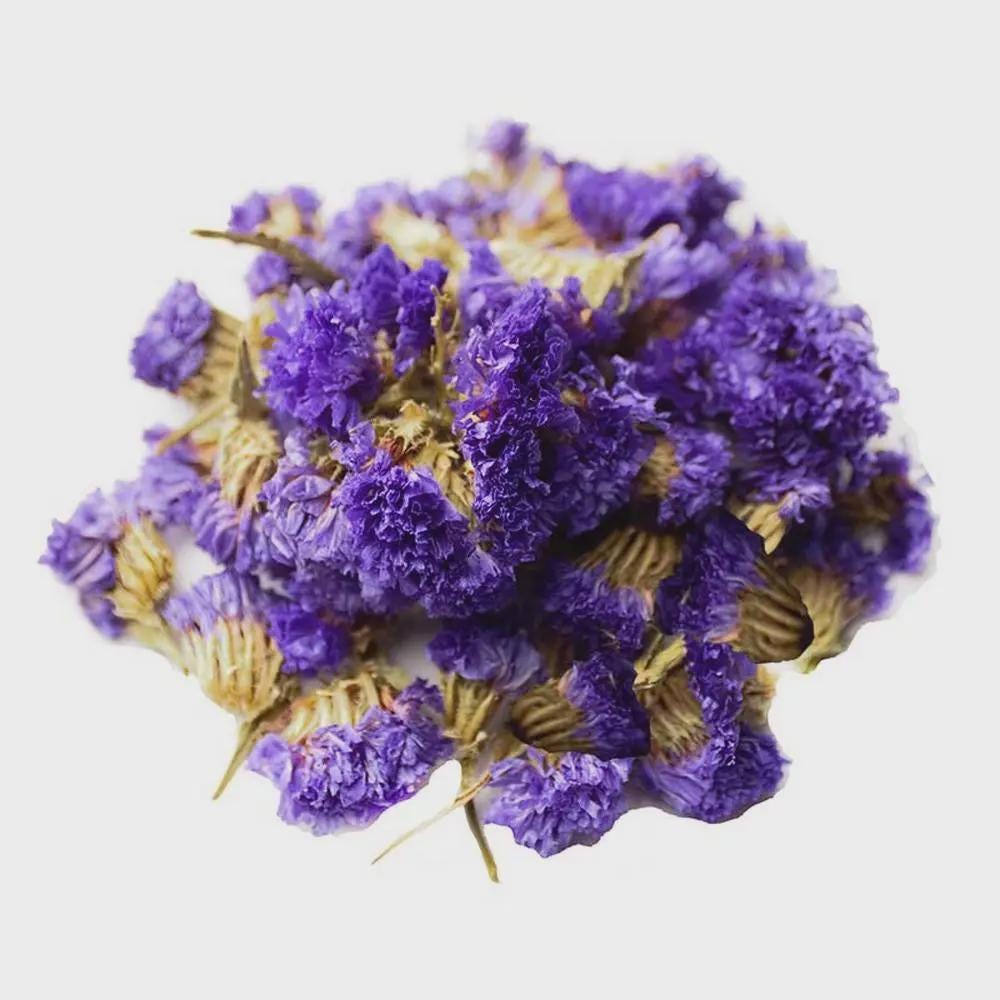
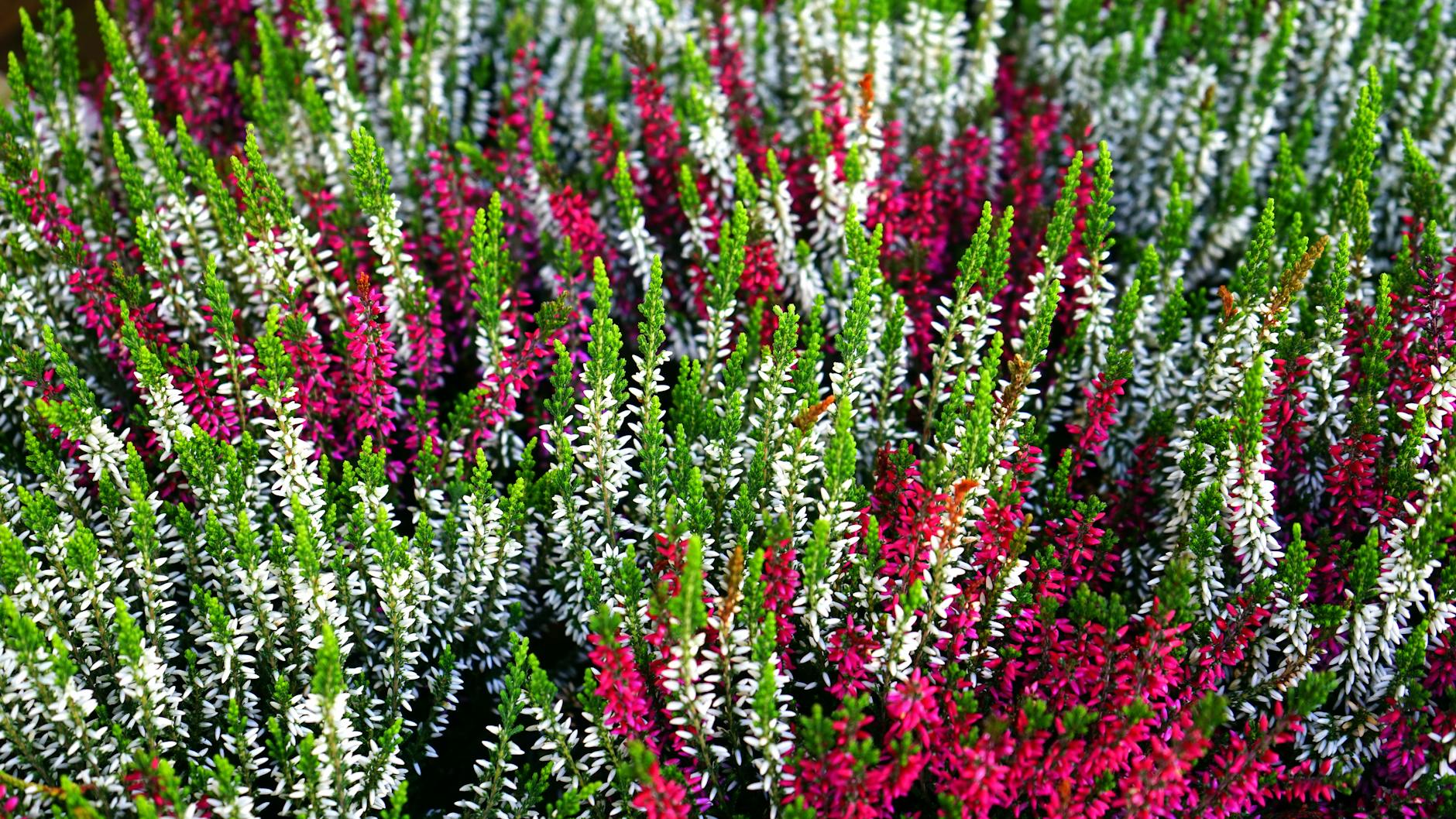
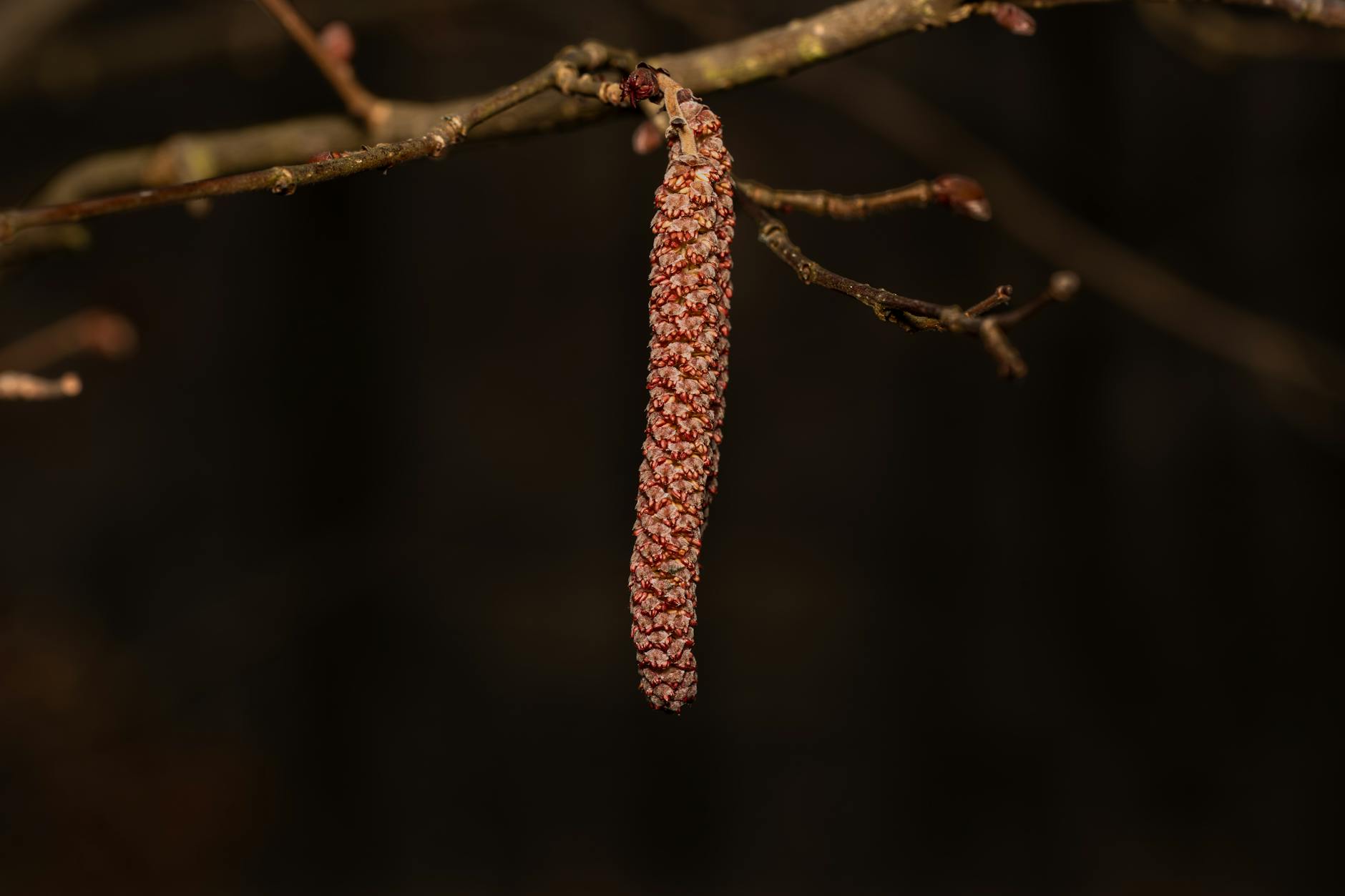
Frangula alnus, commonly known as Alder Buckthorn or Glossy Buckthorn, is a deciduous shrub or small tree belonging to the Rhamnaceae family. It is native to Europe, Asia, and northern Africa, thriving in damp woods, fens, hedges, and heathlands. The plant typically grows between 3 to 6 meters (10 to 20 feet) tall, distinguished by its smooth, dark brown bark, which is often adorned with prominent, pale lenticels. Its leaves are alternate, oval, and entire, featuring distinct parallel veins that run from the central midrib to the margins. Small, greenish-white flowers bloom in clusters in the leaf axils during late spring, giving way to berries that ripen from green to red, eventually turning black in late summer or early autumn. It is crucial to note that the fresh bark and berries of Frangula alnus are toxic and must not be consumed without proper processing, a detail we will elaborate on further.

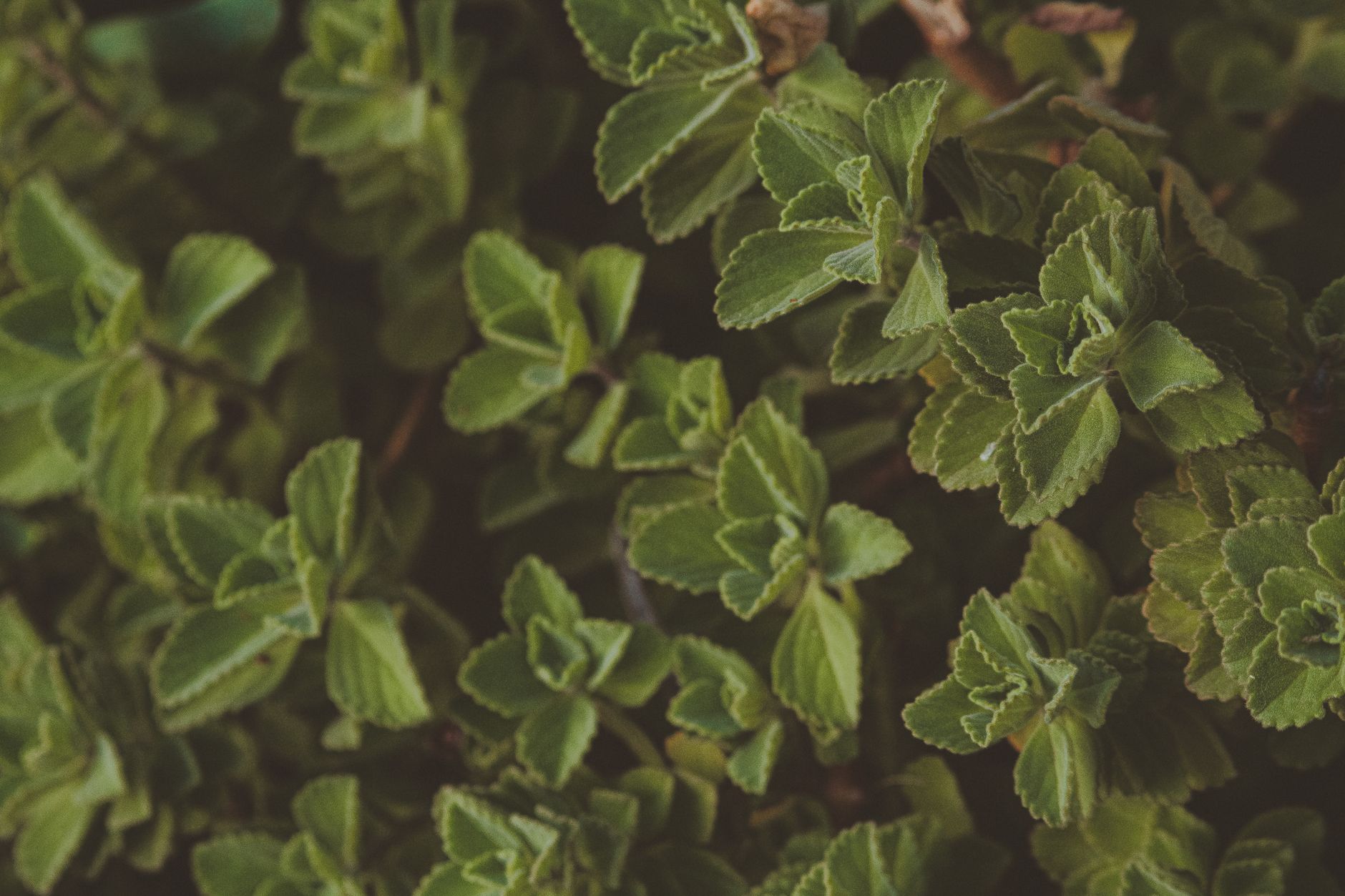
Buckthorn Bark . Frangula alnus Botanical Photo

A Journey Through Time: Historical Context and Ethnobotanical Significance

The use of Buckthorn Bark in traditional medicine spans centuries, with records indicating its application across various cultures. Its name, “Breaking Buckthorn,” is thought to derive from its traditional use as a cathartic, effectively “breaking up” hardened stools and relieving severe constipation. European herbalists have long valued it for its powerful purgative effects, making it a staple in formulations aimed at clearing the digestive tract. Early practitioners understood its potent nature, often prescribing it for acute constipation or as a preparatory agent for certain medical procedures. The knowledge of processing – specifically drying and aging the bark – was passed down through generations, a critical step to mitigate the adverse effects of its fresh form and enhance its therapeutic properties. This historical wisdom underscores the careful and informed approach required when utilizing such a powerful botanical.

Unlocking the Power: Key Bioactive Compounds and Their Mechanisms of Action

The therapeutic efficacy of Buckthorn Bark is primarily attributed to a distinct class of natural compounds known as anthraquinone glycosides. These are the active constituents responsible for its well-established laxative effects. The most significant of these include glucofrangulins A and B, frangulins A and B, and emodin. Understanding how these compounds interact with the human body is key to appreciating the herb’s digestive benefits.

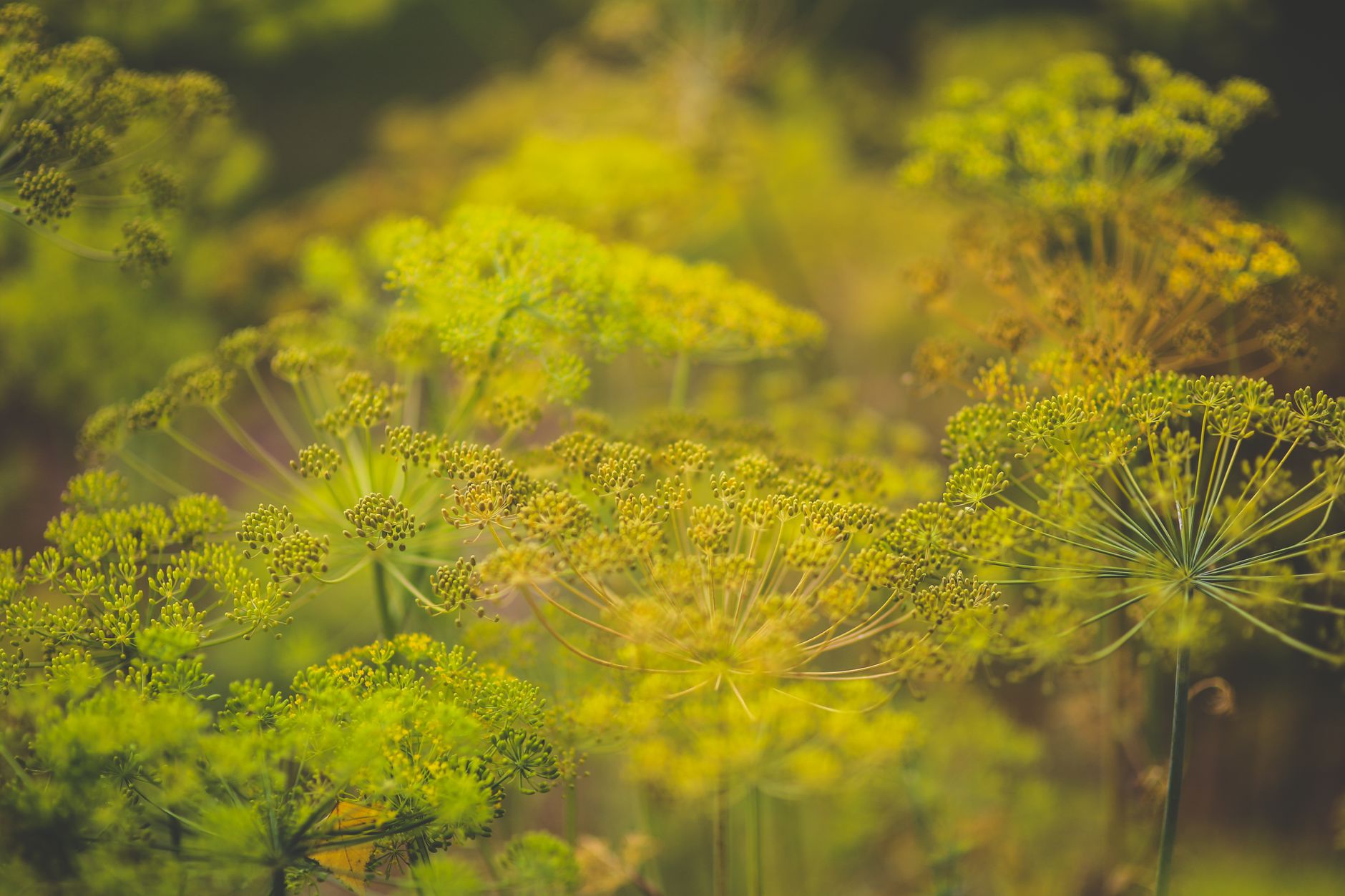
Buckthorn Bark . Frangula alnus Plant Profile

The Anthraquinone Mechanism: A Detailed Explanation

When Buckthorn Bark is ingested, the anthraquinone glycosides themselves are largely inactive in their initial form. They are considered “pro-drugs” that require enzymatic activation. This activation primarily occurs in the large intestine, where resident colonic bacteria metabolize the glycosides, cleaving off the sugar molecules to release the active anthraquinones (aglycones). These activated compounds then exert a dual effect on the colon:

  • Stimulation of Peristalsis: The active anthraquinones irritate the nerve endings in the colonic mucosa, directly stimulating the smooth muscles of the intestinal wall. This leads to an increase in the frequency and amplitude of colonic contractions, effectively accelerating the transit time of fecal matter through the large intestine.
  • Inhibition of Water and Electrolyte Absorption: Concurrently, these compounds modify the permeability of the intestinal epithelial cells, inhibiting the absorption of water and electrolytes (such as sodium and chloride ions) from the colon back into the bloodstream. This results in a higher osmotic pressure within the intestinal lumen, drawing more water into the bowel. The increased water content softens the stool, increases its bulk, and makes it easier to pass.

The combination of increased peristalsis and enhanced water retention in the stool leads to a powerful cathartic effect, typically manifesting 6 to 12 hours after ingestion. This delayed action is due to the time required for the anthraquinone glycosides to reach the large intestine and undergo bacterial metabolism.

Primary Health Benefits: Relief from Constipation

The paramount health benefit of Buckthorn Bark is its efficacy as a stimulant laxative for the short-term relief of occasional constipation. For individuals struggling with infrequent bowel movements, hard stools, or difficulty passing stool, Buckthorn Bark offers a natural and potent solution. It is particularly useful in cases where other gentle methods have proven insufficient.

Targeting Occasional Constipation

Buckthorn Bark is not intended for chronic, long-term use, but rather for acute or episodic constipation. Its strong action makes it suitable for quickly re-establishing regular bowel function. The relief it provides is often predictable, making it a reliable option for many. It works by addressing the two main issues in constipation: slow transit time and hardened stools. By promoting colonic motility and increasing stool hydration, it facilitates a smoother and more comfortable bowel evacuation.

Preparatory Use for Medical Procedures

In some clinical settings, under strict medical supervision, Buckthorn Bark or its extracts may be used as part of a bowel preparation regimen before diagnostic procedures such as colonoscopies or certain surgical interventions. Its powerful purgative effect helps to thoroughly cleanse the bowel, which is essential for clear visualization during examination or to minimize surgical complications.

Practical Usage: Forms, Dosage, and Preparation

To safely and effectively utilize Buckthorn Bark, understanding its various forms, recommended dosages, and proper preparation is paramount. The most critical aspect is ensuring the bark is processed correctly to neutralize potential toxins present in its fresh state.

The Crucial Step: Processing the Bark

Fresh Buckthorn Bark contains compounds called anthrones and free anthraquinones, which can cause severe gastrointestinal irritation, vomiting, and colic. To render it safe for consumption, the bark must be either:

  • Aged: Dried and stored for at least one year. During this period, enzymatic processes convert the irritating anthrones into less harsh anthraquinone glycosides.
  • Heat-Treated: Dried and then heated to a temperature of about 100°C (212°F) for several hours. This accelerates the conversion process, making the bark safe for use much sooner than natural aging.

Always ensure that any Buckthorn Bark product you purchase specifies that it has been properly aged or heat-treated.

Forms of Administration

Buckthorn Bark is available in several forms, catering to different preferences and needs:

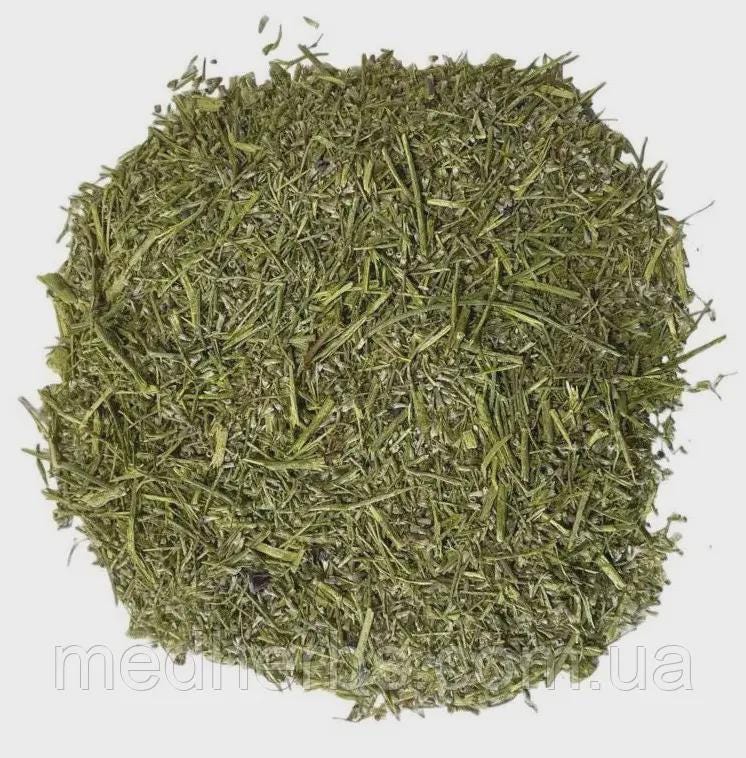
  • Dried Bark: This is the traditional form, used to prepare decoctions (teas). The dried bark is simmered in water to extract the active compounds.
  • Extracts and Tinctures: Liquid preparations offer a convenient and often more concentrated form. They are typically taken diluted in water.
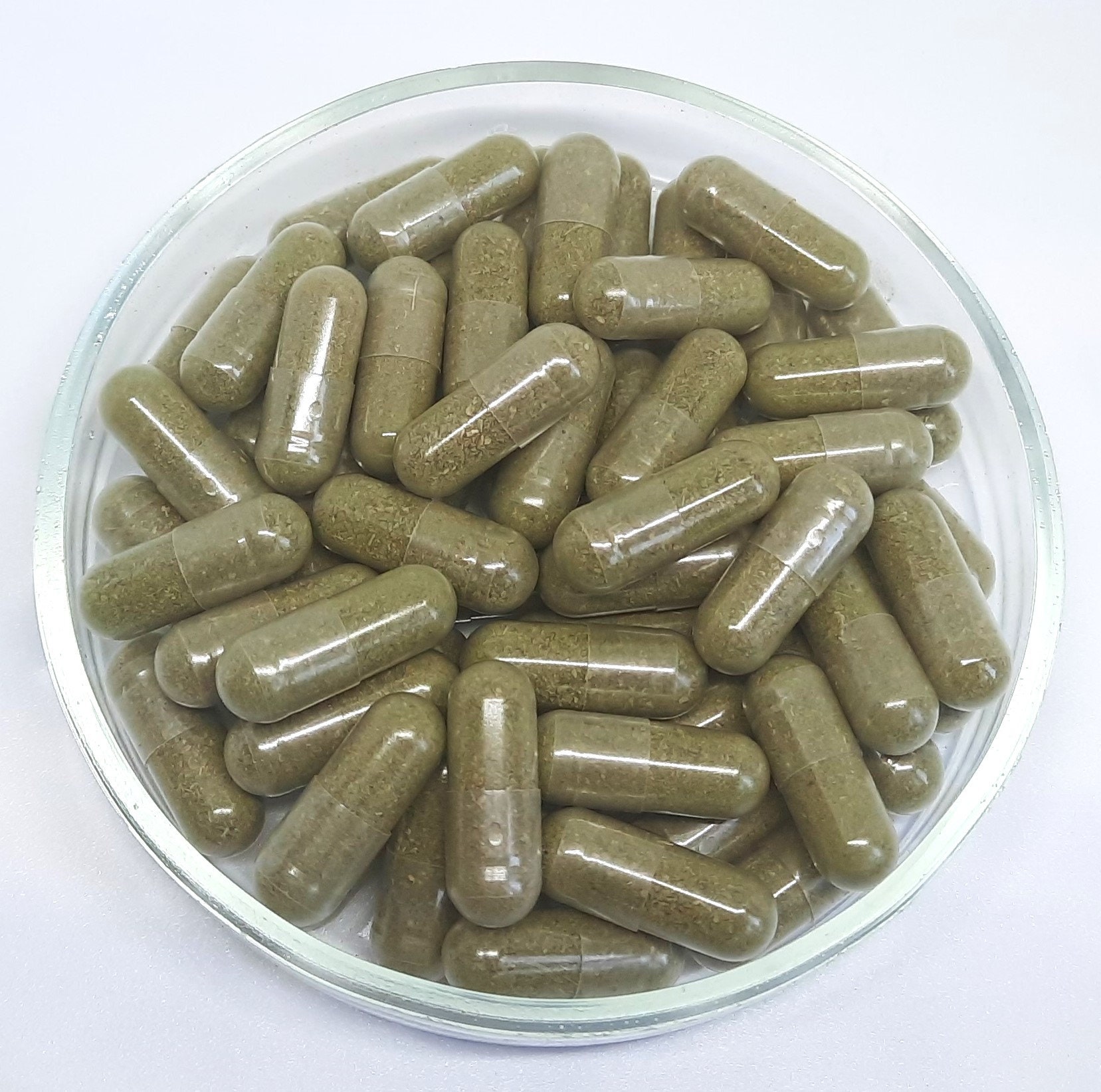
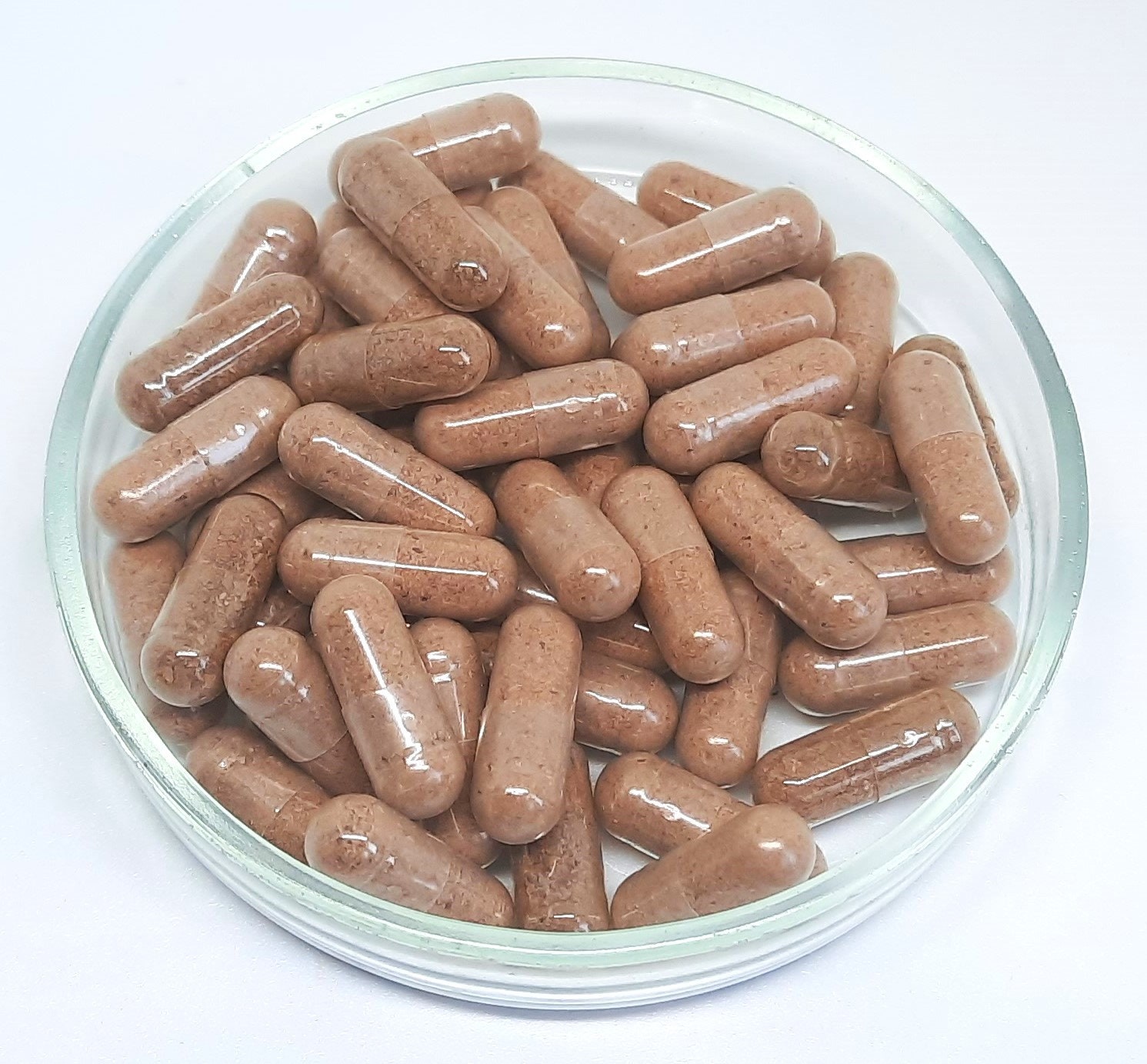
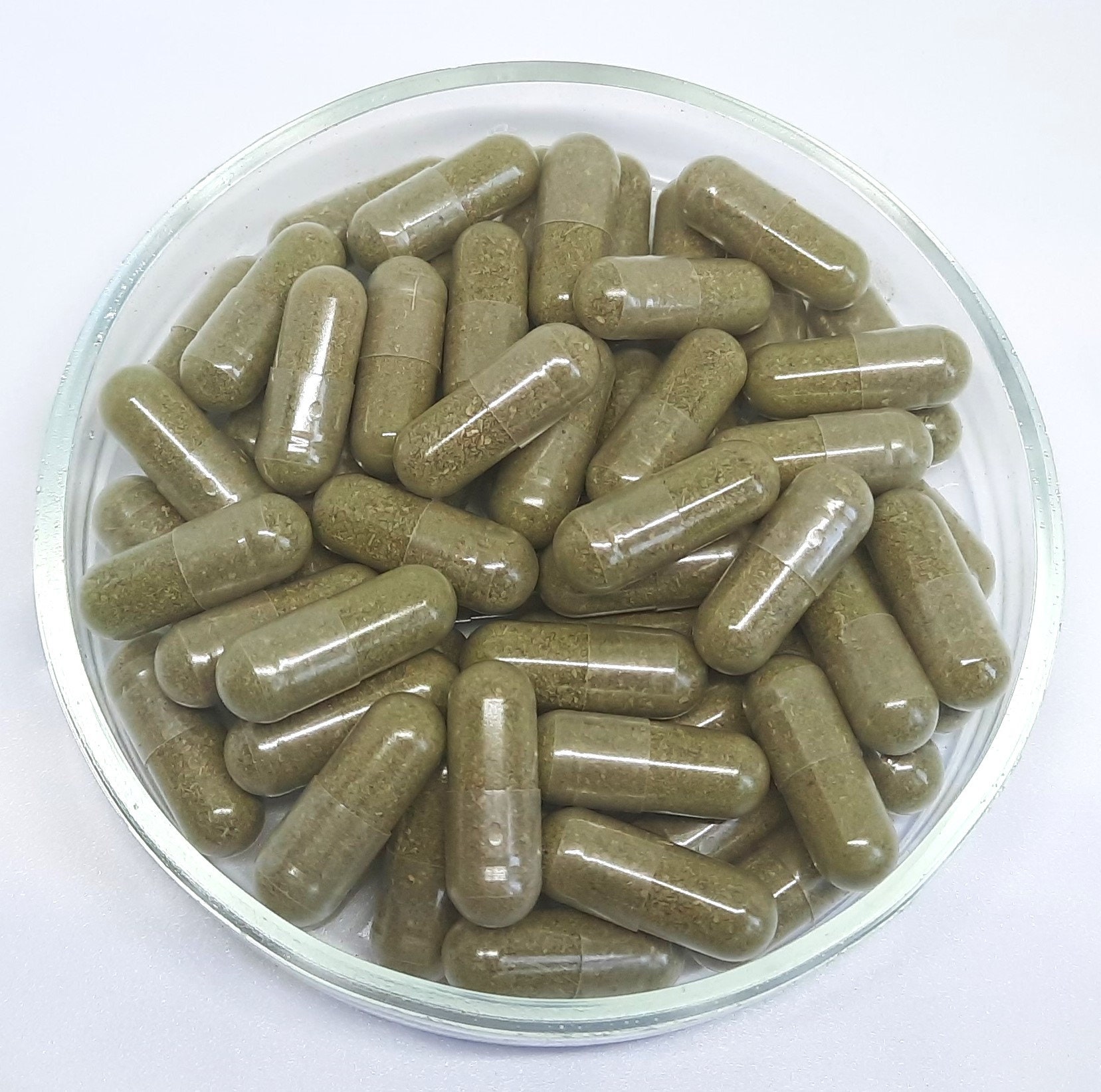
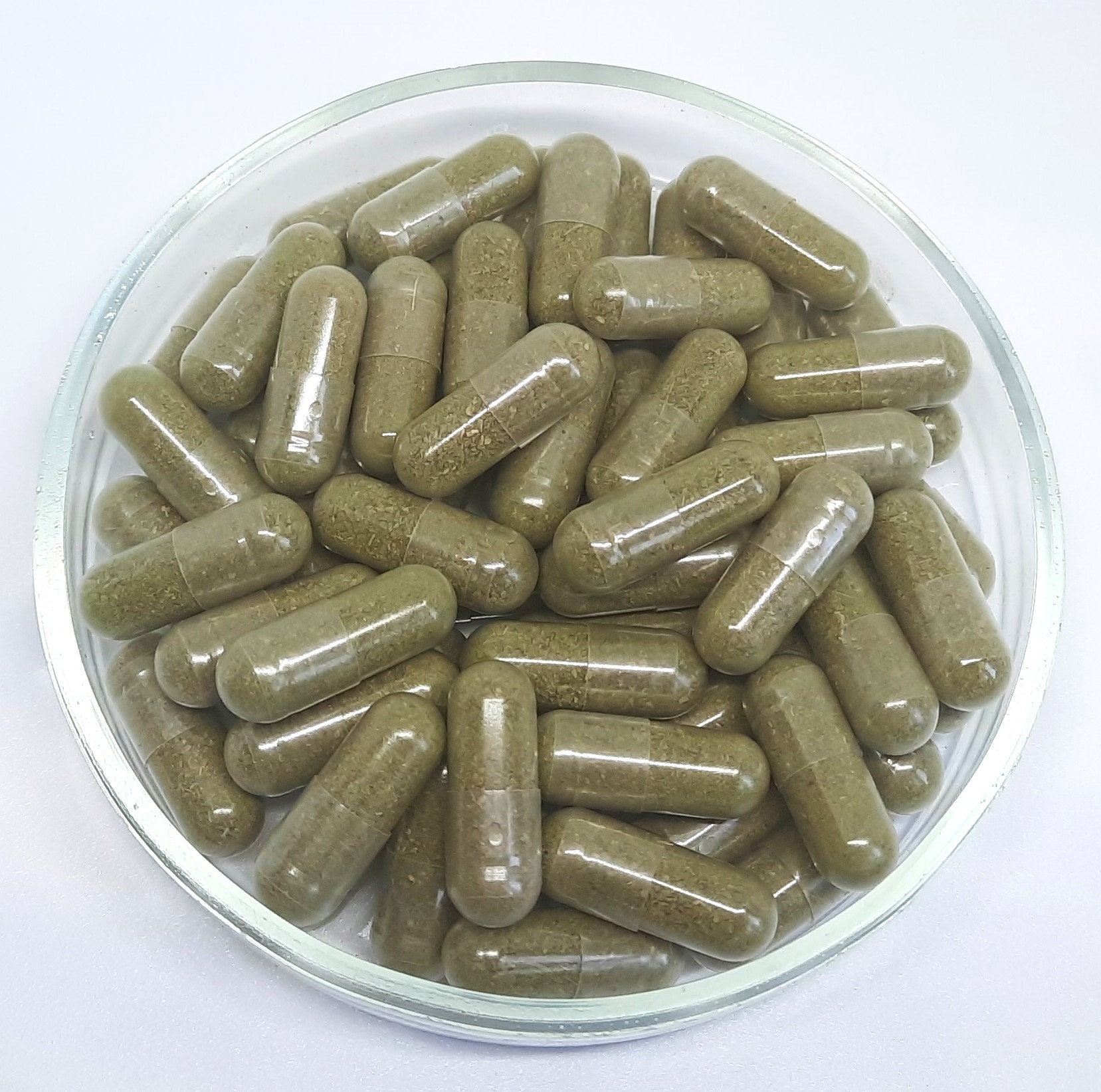
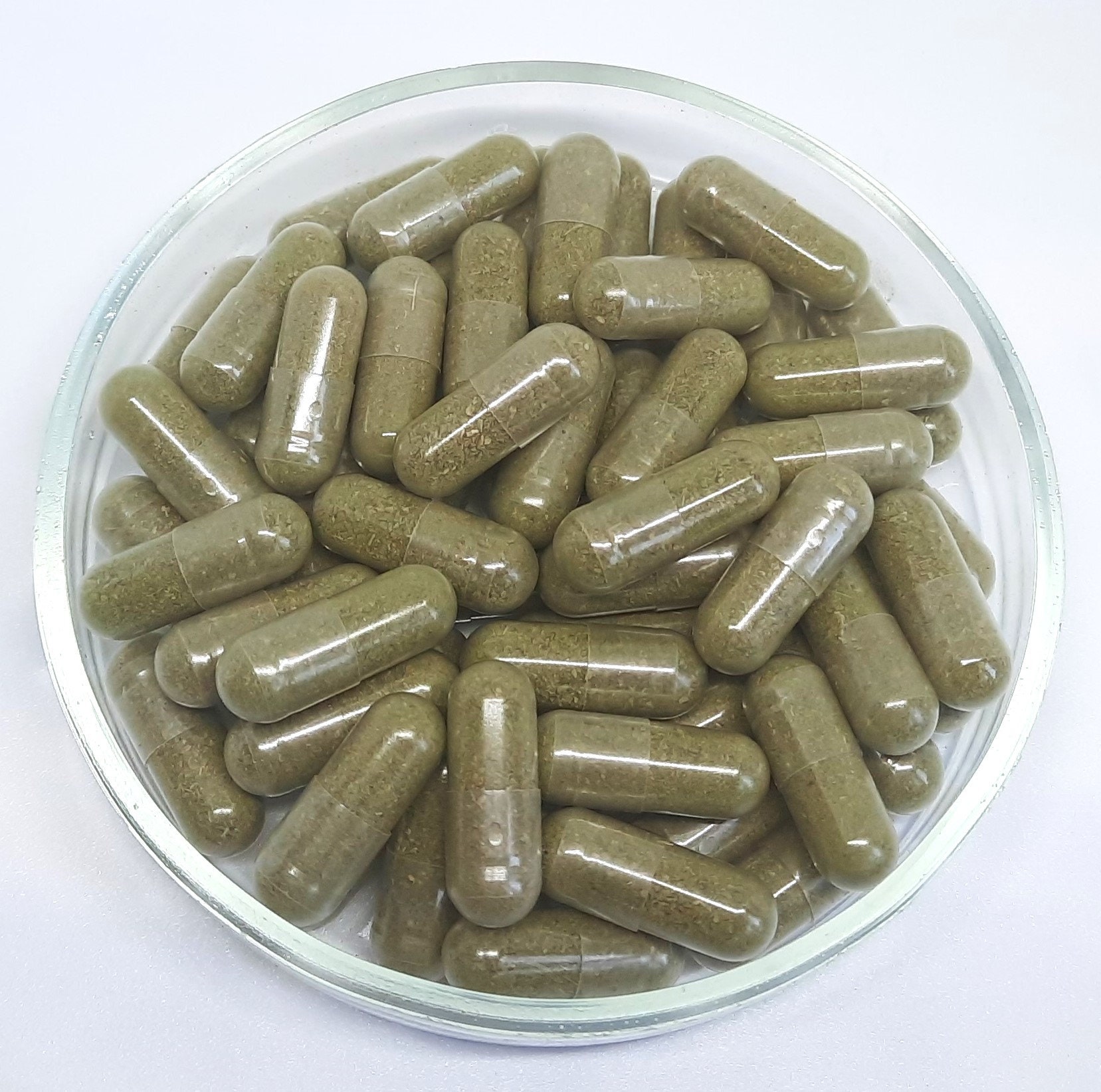
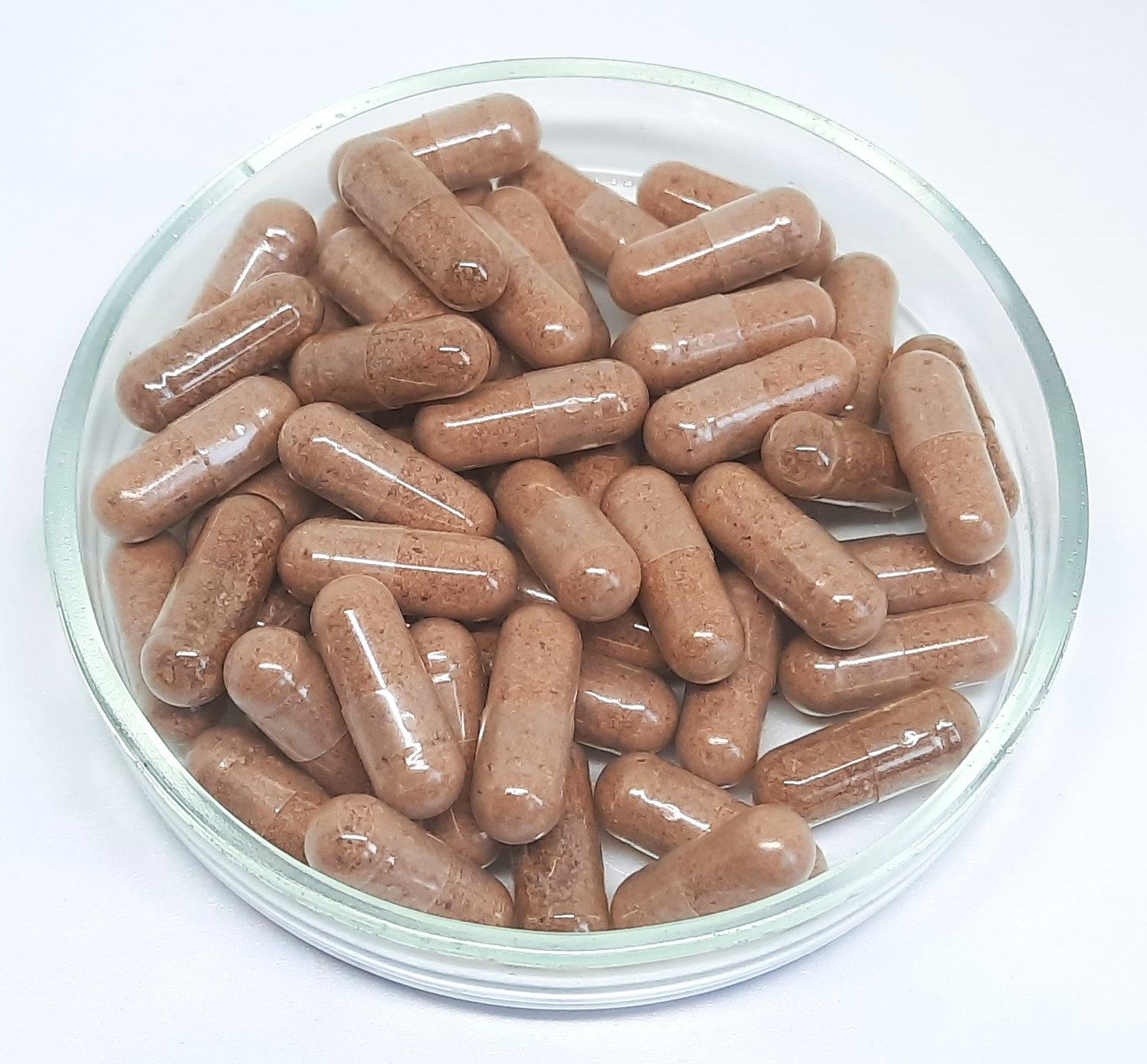
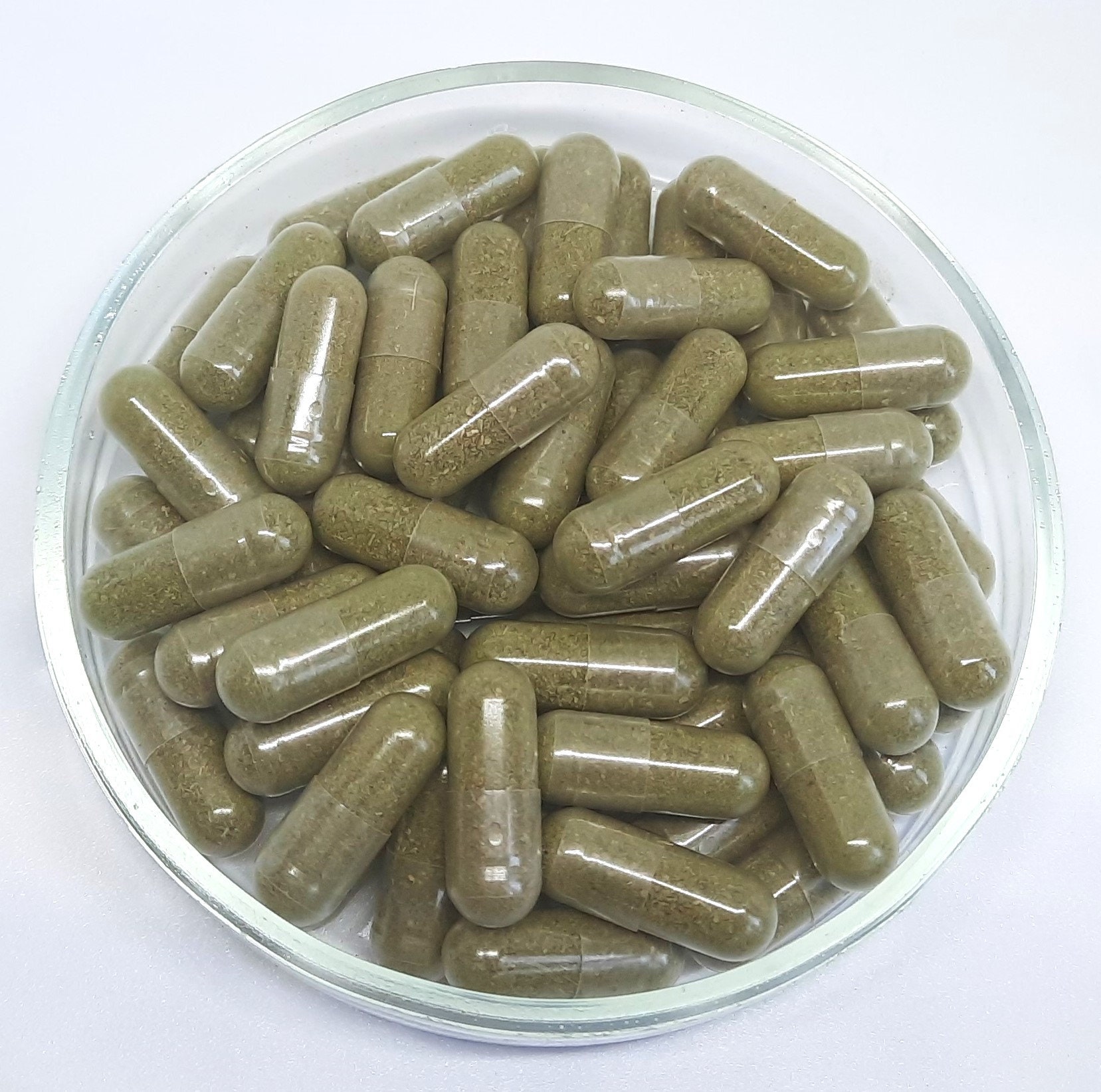
  • Capsules and Tablets: For those who prefer a standardized dose and easy administration, Buckthorn Bark is available in encapsulated or tablet form. These usually contain powdered bark or concentrated extracts.
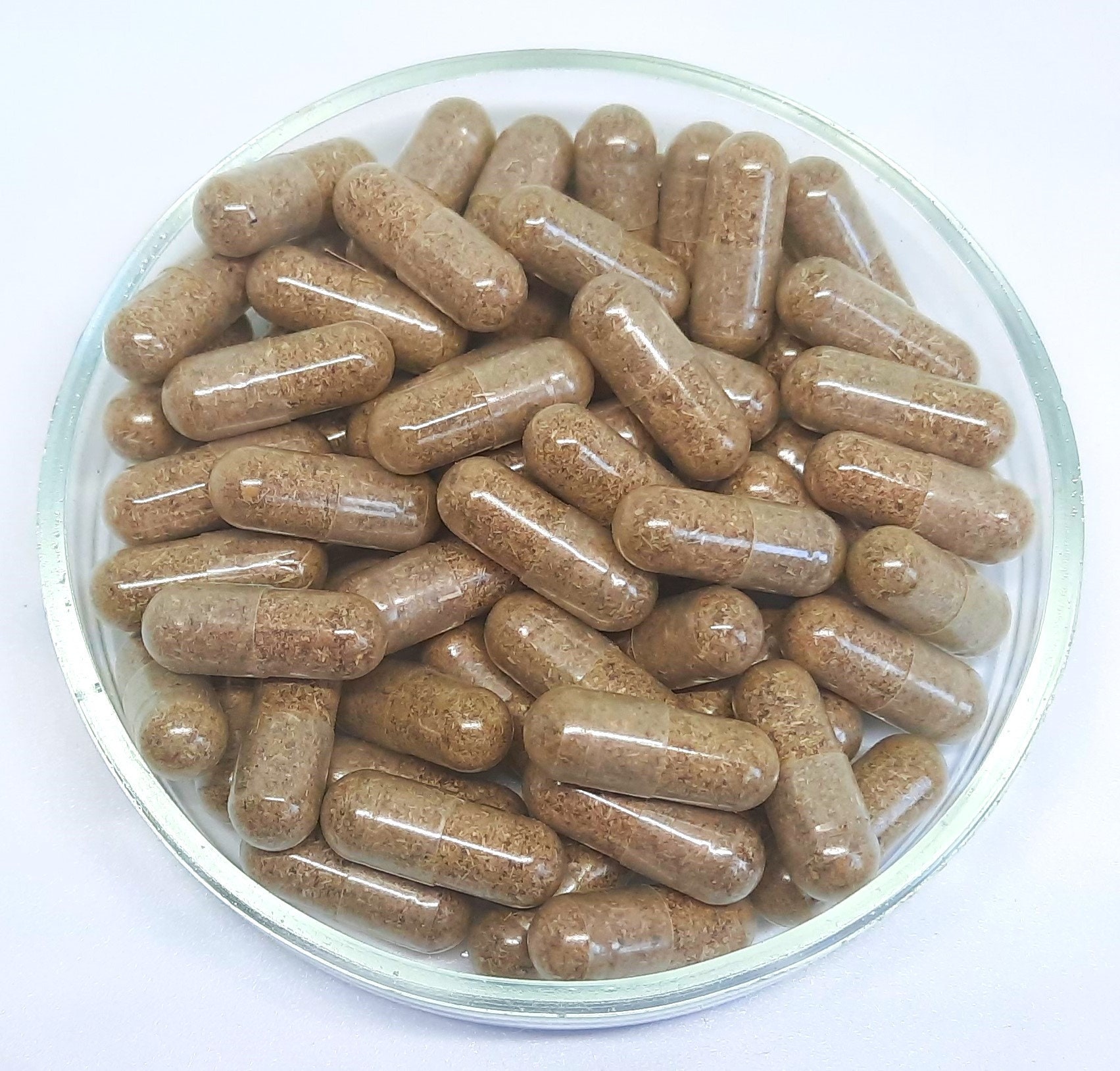
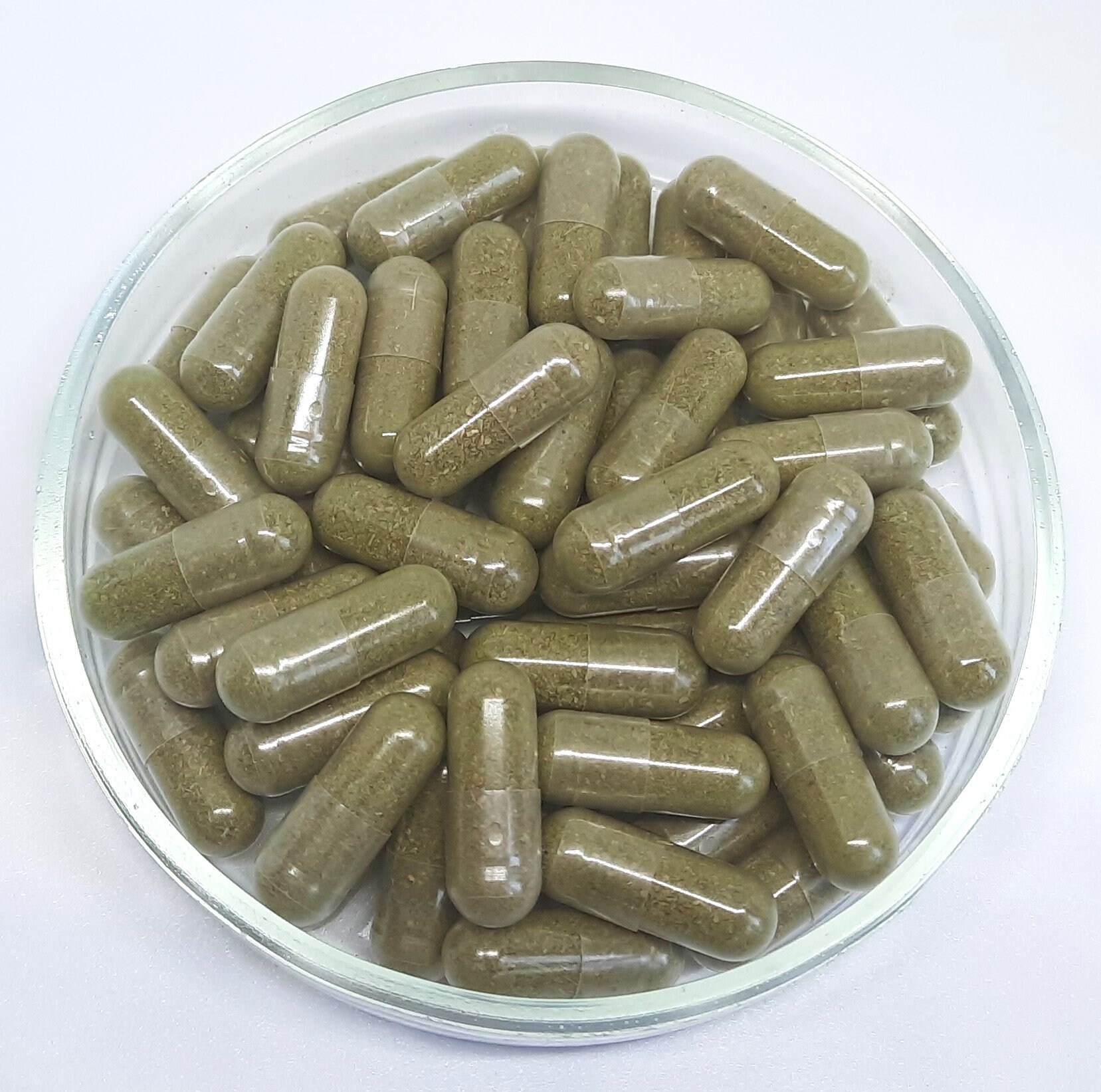
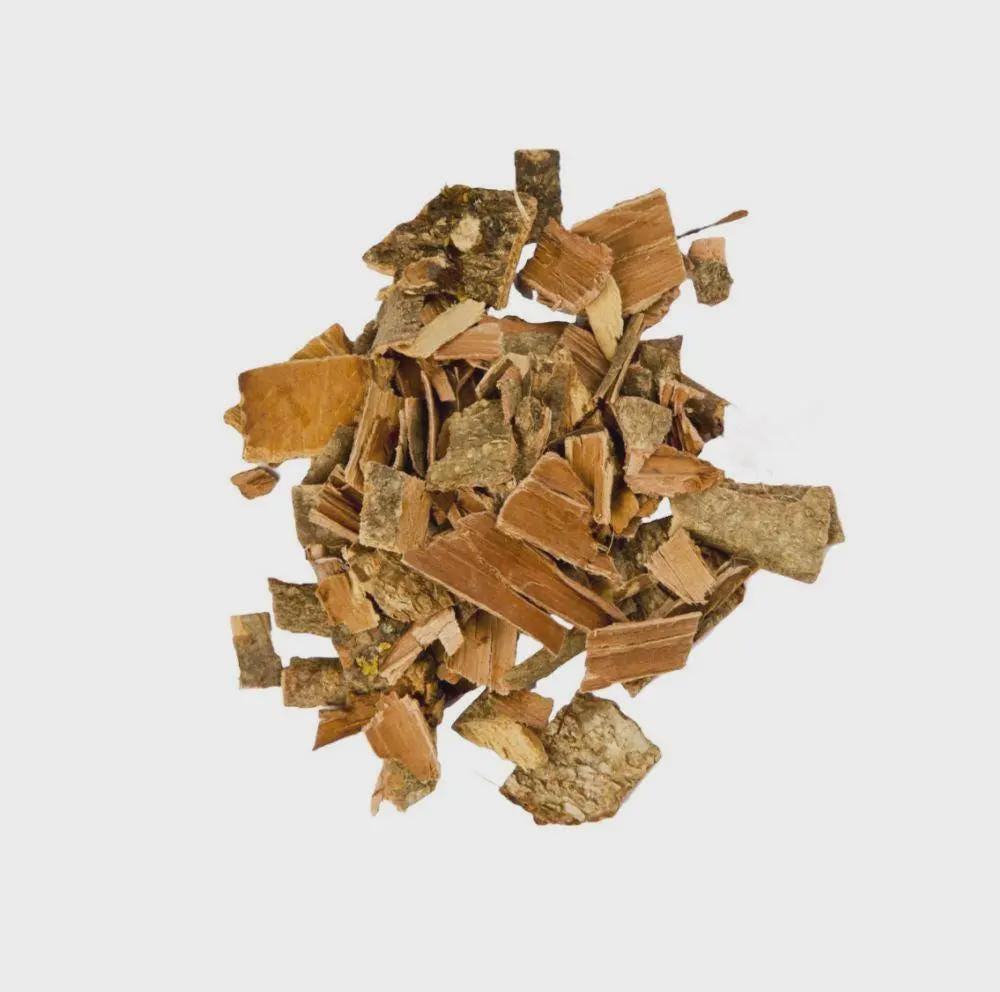
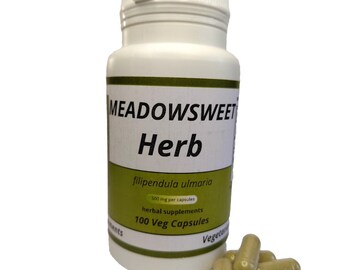
Buckthorn Bark . Frangula alnus Capsules

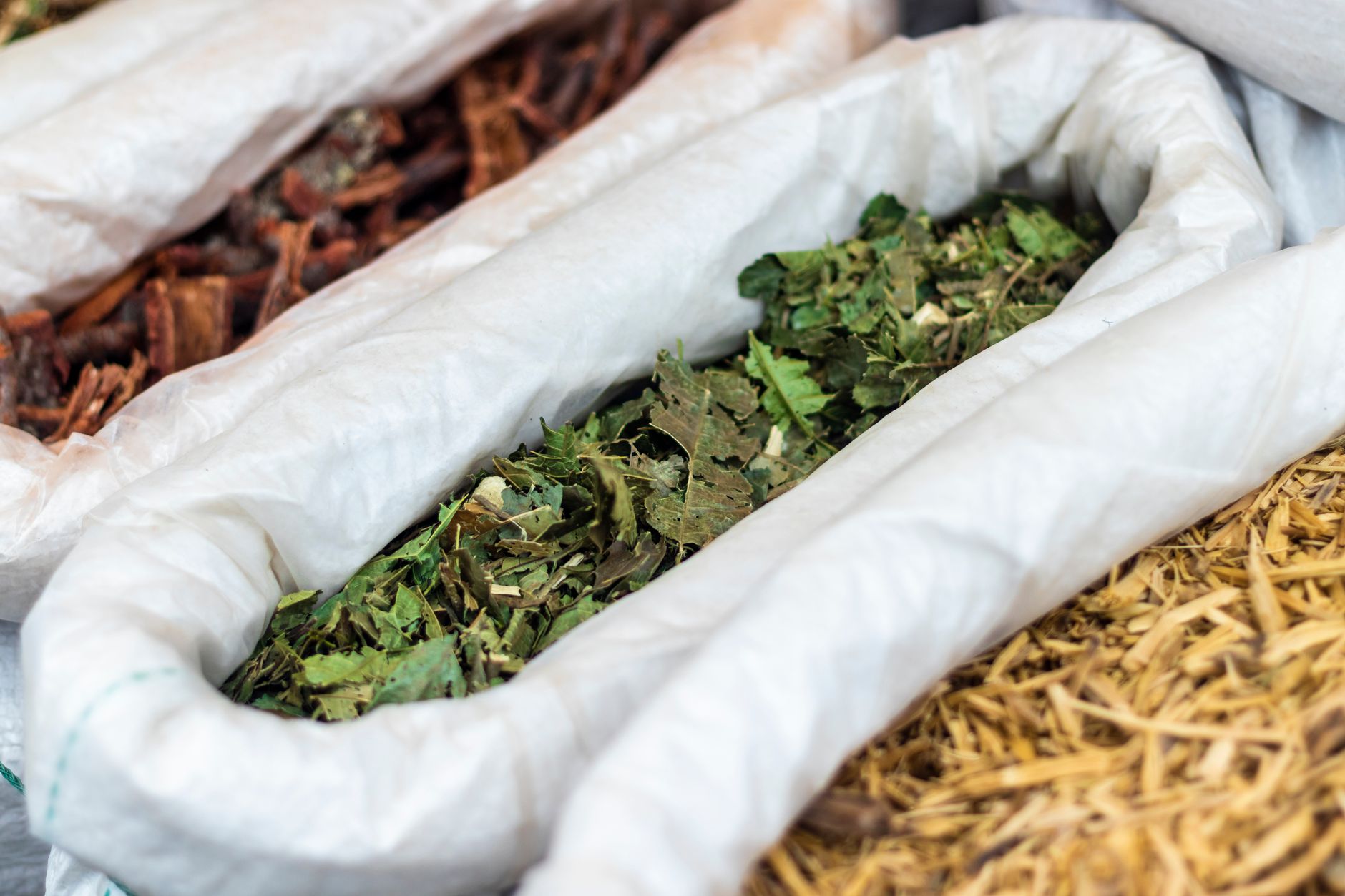
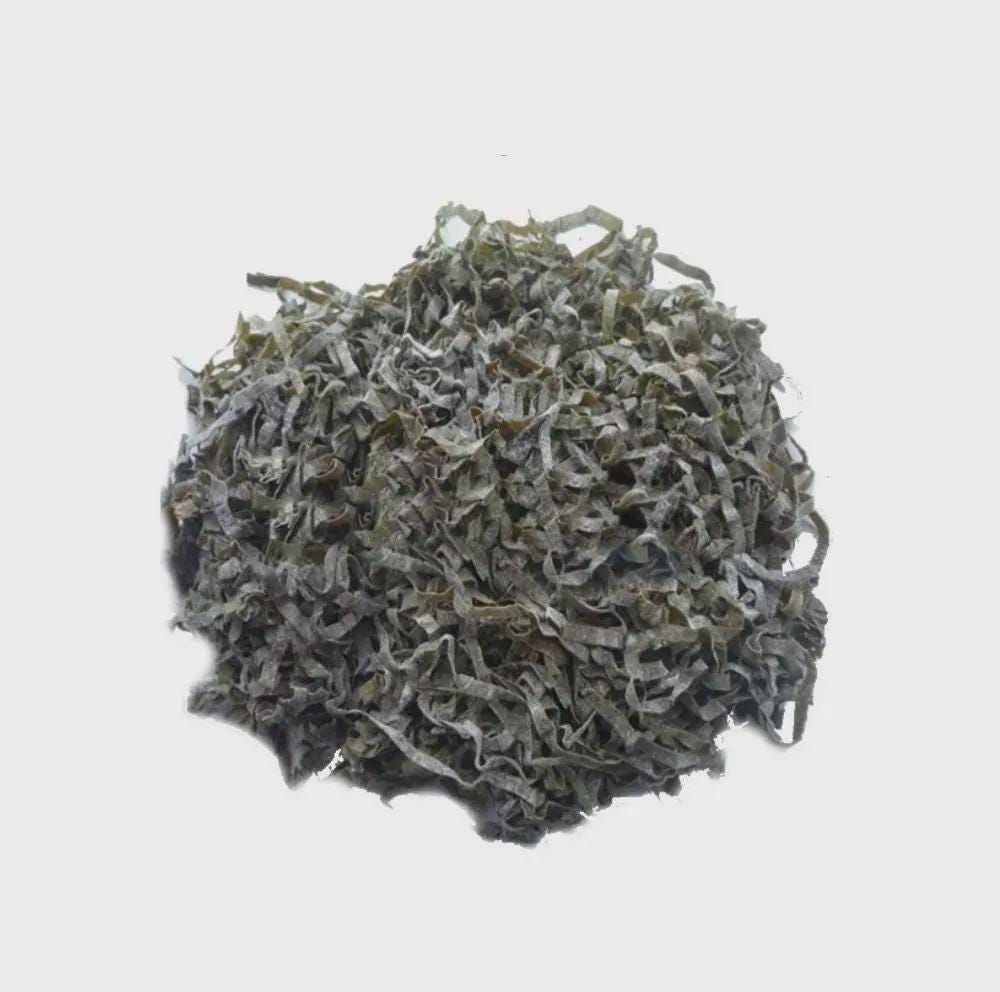
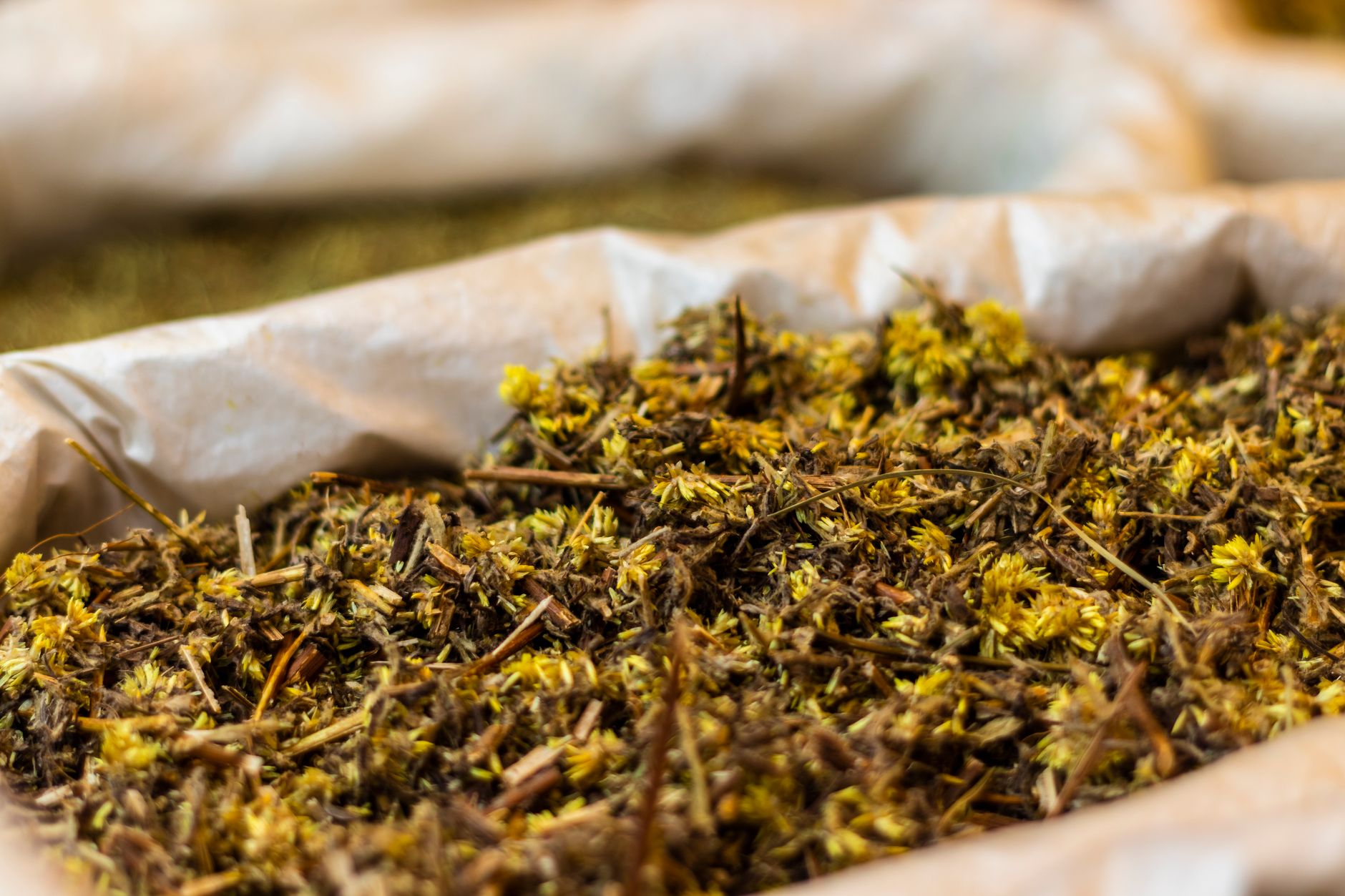
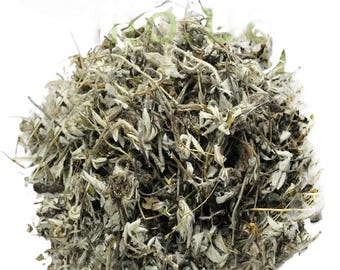
When opting for dried bark for traditional preparations, the quality and proper processing are key. Sourcing from reputable suppliers ensures that the herb has undergone the necessary steps to make it safe and effective.

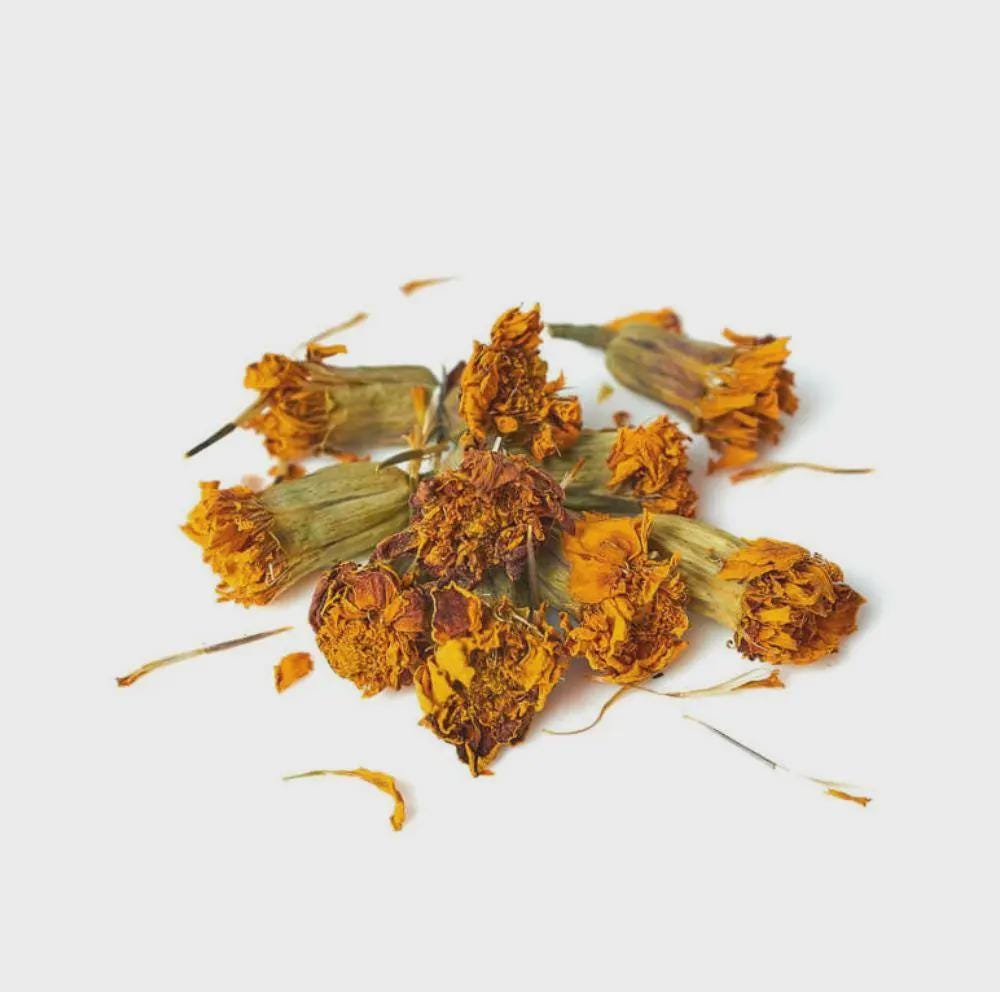
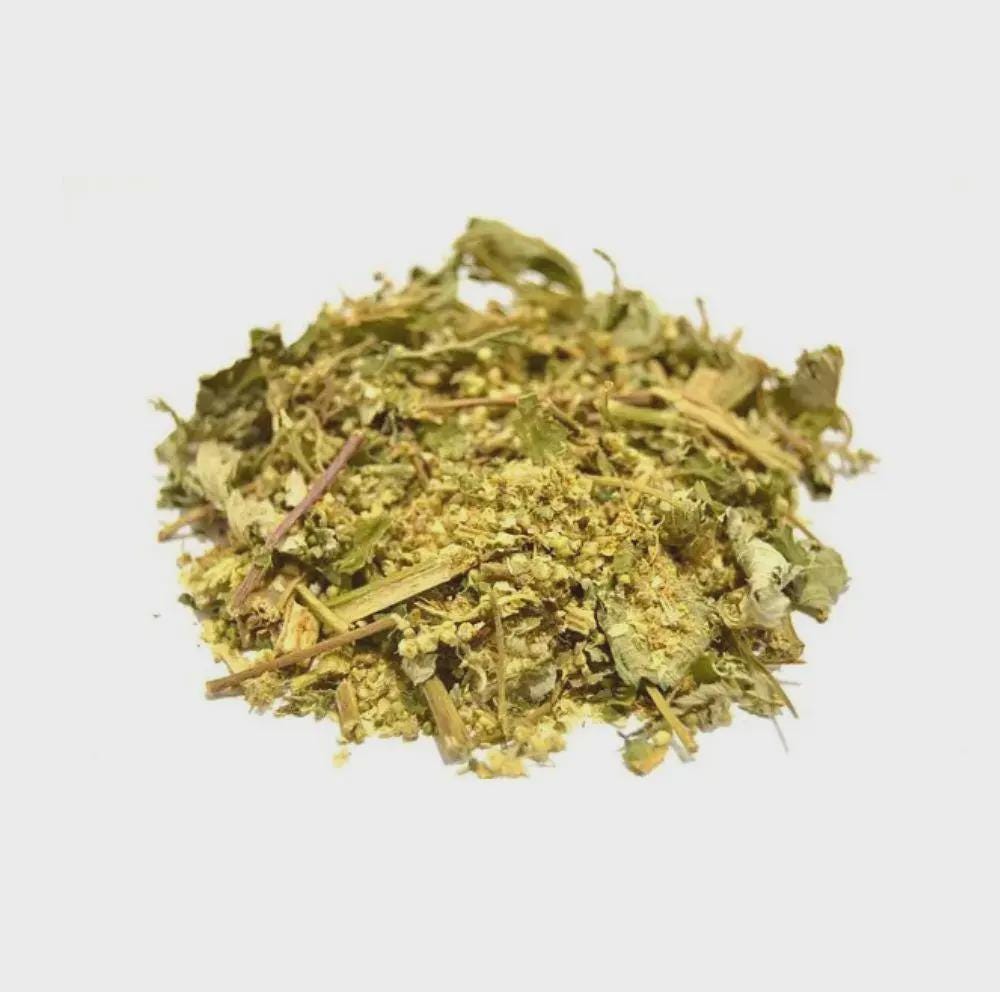
Buckthorn Bark . Frangula alnus Dried Herb

General Dosage Guidelines

Dosage can vary significantly based on the form, concentration, and individual sensitivity. It is always recommended to start with the lowest effective dose and increase gradually if necessary. Typical dosages might include:

  • Decoction (Tea): 0.5 to 2 grams of dried, aged bark simmered in 150-200 ml of water for 5-10 minutes, strained, and consumed once daily, preferably in the evening.
  • Tincture: 1-3 ml of a 1:5 or 1:10 tincture, taken once daily.
  • Capsules/Tablets: Follow manufacturer’s instructions, usually providing a standardized amount of anthraquinone glycosides, typically equivalent to 10-30 mg of hydroxyanthracene derivatives.

The onset of action is usually within 6-12 hours, so evening administration is common to facilitate a morning bowel movement. It is crucial not to exceed recommended dosages as this can lead to increased side effects.
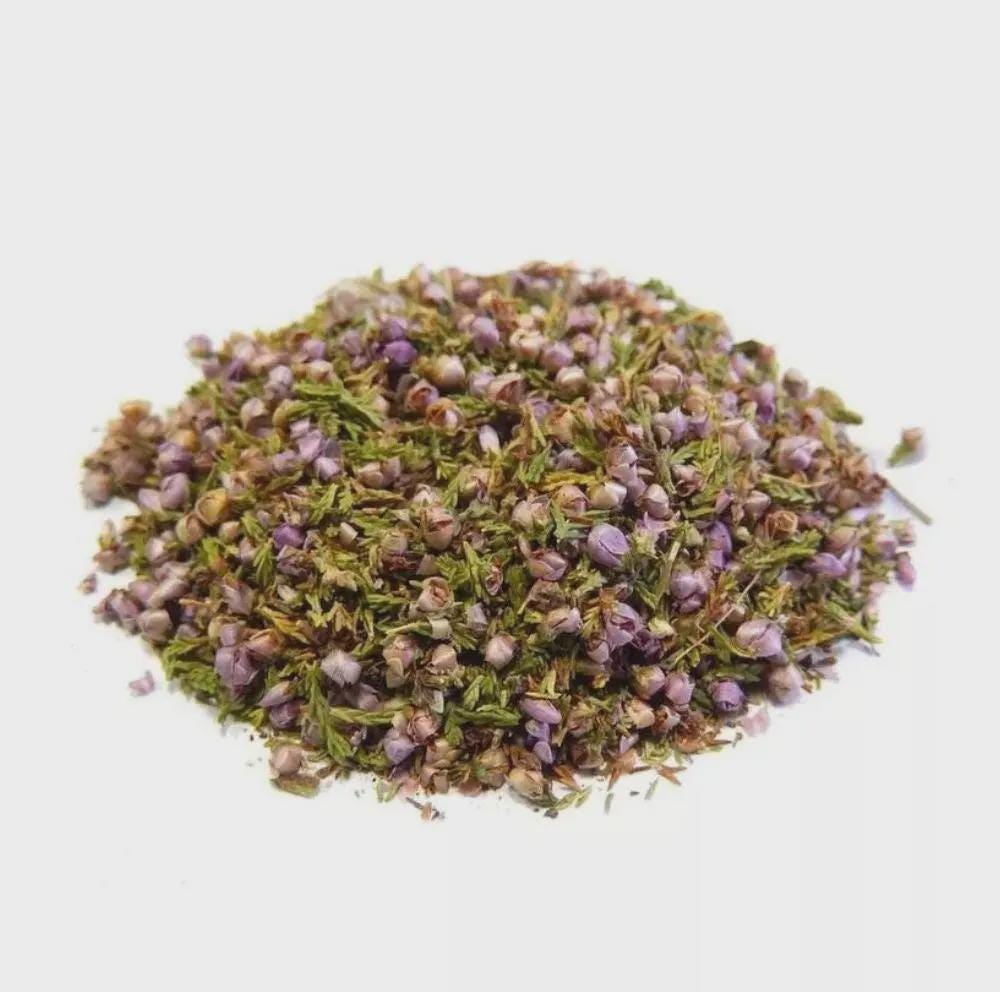
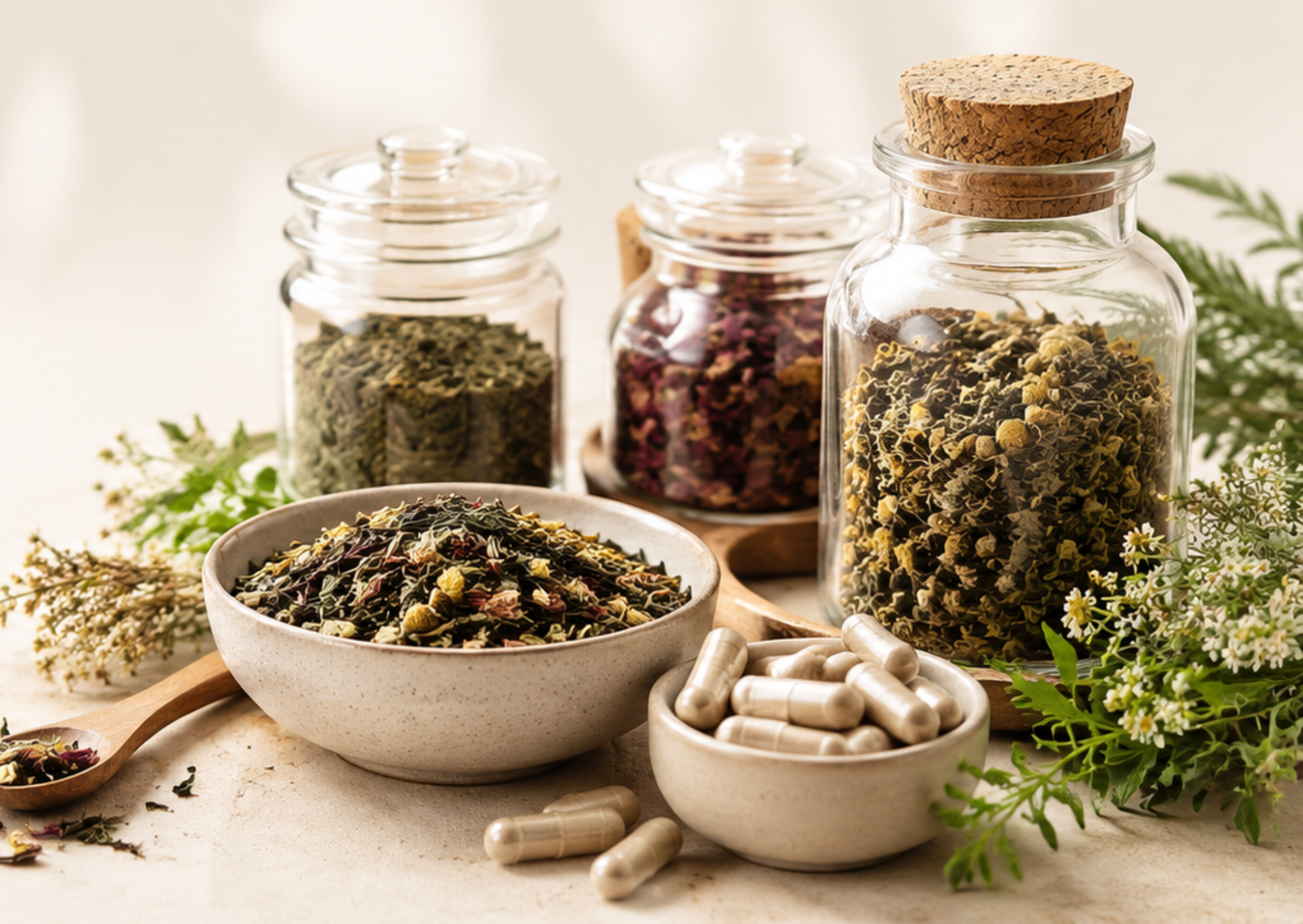
Buckthorn Bark . Frangula alnus Natural Herb

Important Precautions, Side Effects, and Contraindications

Despite its efficacy, Buckthorn Bark is a powerful herb that requires careful consideration due to potential side effects and contraindications. Proper use and awareness of these factors are crucial for safety.

Toxicity of Fresh Bark and Berries

As mentioned, fresh Buckthorn Bark and the unripe berries contain compounds that are highly irritating to the gastrointestinal tract, leading to severe abdominal pain, nausea, vomiting, and excessive diarrhea. Only properly aged or heat-treated bark should ever be used for medicinal purposes. This distinction cannot be overemphasized.

Potential Side Effects

Even with properly processed bark, stimulant laxatives can cause side effects, especially with overuse or in sensitive individuals:

  • Abdominal Cramps and Discomfort: Due to increased intestinal contractions.
  • Diarrhea: If the dose is too high.
  • Electrolyte Imbalance: Prolonged use can lead to significant loss of potassium and other electrolytes, potentially causing muscle weakness, cardiac irregularities, and fatigue.
  • Laxative Dependence (“Lazy Bowel Syndrome”): Chronic use can weaken the natural muscular tone of the colon, making it reliant on external stimulation for bowel movements. This can worsen constipation over time.
  • Melanosis Coli: A benign but visible pigmentation of the colon lining, often reversible upon cessation of use.

Contraindications

Buckthorn Bark should be avoided by individuals with certain health conditions:

  • Pregnancy and Breastfeeding: Anthraquinones can potentially pass into breast milk or stimulate uterine contractions.
  • Inflammatory Bowel Diseases (IBD): Such as Crohn’s disease or ulcerative colitis, as it can exacerbate inflammation.
  • Appendicitis or Undiagnosed Abdominal Pain: Laxatives can worsen these conditions or mask symptoms of a serious underlying issue.
  • Intestinal Obstruction: Due to any cause.
  • Children Under 12: Unless specifically recommended and supervised by a healthcare professional.
  • Dehydration or Electrolyte Imbalance: Its use can worsen these conditions.

Drug Interactions

Buckthorn Bark can interact with several medications:

  • Diuretics: Concomitant use can increase the risk of potassium depletion.
  • Corticosteroids: Can also increase potassium loss.
  • Cardiac Glycosides (e.g., Digoxin): Potassium depletion caused by Buckthorn Bark can potentiate the effects of cardiac glycosides, increasing the risk of toxicity.

Always consult a healthcare professional before using Buckthorn Bark, especially if you have existing health conditions, are pregnant or breastfeeding, or are taking other medications. Its use should be restricted to short periods, typically no longer than one week, to avoid adverse effects and dependence.

Sustainable Sourcing and Ethical Considerations

As with any natural resource, the sourcing of Buckthorn Bark carries environmental implications. Frangula alnus is not currently listed as endangered, but responsible wildcrafting practices are important to ensure its long-term viability in its native habitats. Sustainable harvesting methods, which involve taking only a portion of the bark from individual plants and allowing for regeneration, are crucial. Supporting suppliers who adhere to ethical sourcing practices helps protect plant populations and ecosystems. In some regions, *Frangula alnus* is considered an invasive species, particularly in North America, where it outcompetes native flora. In such contexts, harvesting for medicinal purposes, if done responsibly and with appropriate permits, could potentially contribute to managing its population, but this requires careful ecological assessment.

Conclusion: A Powerful Natural Ally for Digestive Health, Used with Wisdom

Buckthorn Bark (Frangula alnus) stands as a powerful testament to the efficacy of traditional herbal medicine, primarily celebrated for its robust action as a stimulant laxative. Its ability to relieve occasional constipation, stemming from the unique properties of its anthraquinone glycosides, has solidified its place in natural health practices for centuries. However, the narrative of Buckthorn Bark is incomplete without a profound emphasis on safety, proper processing, and judicious use. The mandatory aging or heat treatment of the bark is a non-negotiable step to neutralize its inherent toxicity and unlock its therapeutic potential. While offering significant benefits for acute digestive challenges, its potent nature mandates short-term use, strict adherence to dosage guidelines, and a thorough understanding of its contraindications and potential drug interactions. As with all powerful herbal remedies, Buckthorn Bark is best integrated into a health regimen under the guidance of a qualified healthcare professional, ensuring that its profound benefits are harnessed safely and responsibly for optimal digestive wellness.

Disclaimer: For informational purposes only. Not medical advice. Consult a qualified healthcare professional before use.

The Ultimate Guide to Mouseear Hawkweed Herb: Health Benefits and Uses

The Definitive Guide to Mouseear Hawkweed Herb: Unlocking Nature’s Potent Diuretic and Health Enhancer

In the vast tapestry of botanical medicine, certain plants quietly hold a legacy of profound healing and wellness. Among these verdant treasures is Mouseear Hawkweed, scientifically known as *Hieracium pilosella*. Often overlooked in favor of more mainstream herbs, this unassuming perennial has a rich history of traditional use and is now gaining renewed attention for its diverse and potent health benefits. This exhaustive guide delves deep into the world of Mouseear Hawkweed, exploring its botanical characteristics, historical significance, complex phytochemistry, and the compelling health advantages it offers, making it a valuable addition to any holistic health regimen.

Botanical Overview: Unveiling Hieracium Pilosella

Mouseear Hawkweed, a member of the Asteraceae (daisy) family, is a charming and resilient plant native to Europe and North Asia, though it has naturalized in many other parts of the world, including North America. Its common name, “Mouseear,” is derived from its distinctively hairy, oval-shaped leaves that grow in a basal rosette, bearing a striking resemblance to the ear of a mouse. These leaves are typically gray-green on top and whitish underneath due to a dense covering of star-shaped hairs.

The plant produces bright yellow, dandelion-like flowers, usually solitary or in small clusters, atop slender, leafless stalks that can reach heights of 6 to 30 centimeters. These cheerful blooms typically appear from late spring through late summer. *Hieracium pilosella* is a hardy plant, capable of thriving in various conditions, from meadows and pastures to roadsides and arid, rocky soils, a testament to its robust nature. Its ability to spread via stolons (runners) contributes to its characteristic ground-covering growth habit, making it both a successful colonizer and a persistent presence in its environment.

Mouseear Hawkweed Herb Botanical Photo

A Journey Through Time: Historical Context and Traditional Uses

The therapeutic virtues of Mouseear Hawkweed have been recognized and documented across centuries and cultures. Its medicinal use dates back to antiquity, with herbalists and folk practitioners utilizing its various parts for a spectrum of ailments. In traditional European herbalism, particularly in France, Germany, and parts of Eastern Europe, it earned a reputation primarily as a powerful diuretic and a remedy for respiratory complaints.

Historically, healers employed Mouseear Hawkweed to address issues related to fluid retention, kidney stones, and various urinary tract disorders. Its potent diuretic action was highly valued for flushing toxins from the body and supporting renal function. Beyond its kidney-centric applications, the herb was also traditionally used as an astringent to stop bleeding and promote wound healing, both internally and externally. For respiratory conditions, particularly persistent coughs and bronchitis, infusions of the herb were consumed to alleviate symptoms, acting as an expectorant and offering anti-inflammatory relief to the respiratory passages. Its bitter taste was also thought to stimulate digestion and liver function, leading to its inclusion in various detoxification protocols. The herb’s perceived ability to cleanse the blood further cemented its place in traditional spring tonics and purificatory rituals.

The Phytochemical Powerhouse: Bioactive Compounds of Mouseear Hawkweed

The impressive array of health benefits attributed to Mouseear Hawkweed is deeply rooted in its complex and diverse phytochemical profile. Modern scientific inquiry, building upon centuries of empirical knowledge, has begun to unravel the specific bioactive compounds responsible for its therapeutic actions. The herb is particularly rich in flavonoids, coumarins, phenolic acids, triterpenes, and other beneficial secondary metabolites, each contributing synergistically to its overall efficacy.

Mouseear Hawkweed Herb Plant Profile

* **Flavonoids:** These powerful plant pigments are abundant in *Hieracium pilosella* and include compounds like luteolin, apigenin, and quercetin derivatives. Flavonoids are renowned for their potent antioxidant, anti-inflammatory, and protective effects on the cardiovascular system. They play a crucial role in scavenging free radicals, reducing oxidative stress, and modulating inflammatory pathways. In Mouseear Hawkweed, they contribute significantly to its diuretic and kidney-supportive properties.
* **Coumarins:** Present in the herb, coumarins such as umbelliferone contribute to its antimicrobial and anti-inflammatory activities. Some coumarins also possess mild anticoagulant properties, although this effect is typically not significant enough to be a primary concern in standard herbal preparations.
* **Phenolic Acids:** Caffeic acid and chlorogenic acid are examples of phenolic acids found in Mouseear Hawkweed. These compounds are excellent antioxidants and contribute to the herb’s anti-inflammatory and potential hepatoprotective effects. They help protect cells from damage and support the body’s natural detoxification processes.
* **Triterpenes:** Saponins and other triterpenoid compounds are also present. These compounds can have various effects, including anti-inflammatory, antimicrobial, and adaptogenic properties. In the context of Mouseear Hawkweed, they may contribute to its traditional use in respiratory conditions and its overall tonic effects.
* **Tannins:** These astringent compounds contribute to the herb’s historical use in wound healing and as an anti-diarrheal. Tannins can help to tighten tissues, reduce inflammation, and possess antimicrobial properties.
* **Mucilage:** While not a primary active compound, the presence of mucilage can contribute to the herb’s soothing properties, particularly for irritated mucous membranes in the respiratory and digestive tracts.

The synergistic interplay of these diverse compounds is what gives Mouseear Hawkweed its broad spectrum of therapeutic actions, distinguishing it as a valuable polyherbal remedy.

The Compelling Health Benefits of Mouseear Hawkweed Herb

The rich phytochemistry of *Hieracium pilosella* translates into a multitude of health benefits, making it a versatile and effective herbal ally.

1. Potent Diuretic and Kidney Support

This is arguably the most celebrated benefit of Mouseear Hawkweed. The herb acts as a powerful aquaretic, meaning it promotes the excretion of water from the body without causing significant loss of essential electrolytes like potassium, a common drawback of some pharmaceutical diuretics. This potassium-sparing effect is particularly advantageous for long-term use.

* **Mechanism of Action:** The diuretic action is primarily attributed to the flavonoids and coumarins present in the herb. These compounds appear to enhance renal blood flow and directly influence the reabsorption of water and sodium in the kidney tubules. By increasing urine output, Mouseear Hawkweed helps to:
* **Reduce Fluid Retention:** Alleviating edema and swelling caused by various conditions, including mild congestive heart failure, premenstrual syndrome (PMS), and venous insufficiency.
* **Support Kidney Function:** Facilitating the flushing of waste products and toxins from the kidneys, thereby promoting overall renal health.
* **Prevent Kidney Stone Formation:** By increasing urine volume and potentially altering urine composition, it may help prevent the crystallization of salts that lead to stone formation.
* **Support Urinary Tract Health:** Its diuretic and mild antiseptic properties can help flush out bacteria from the urinary tract, making it a valuable adjunct in managing and preventing urinary tract infections (UTIs).
* **Manage Mild Hypertension:** By reducing excess fluid volume in the body, it can contribute to a modest reduction in blood pressure, especially in cases where fluid retention is a contributing factor.

2. Anti-inflammatory Properties

Chronic inflammation is a root cause of many modern diseases. Mouseear Hawkweed contains several compounds with demonstrated anti-inflammatory activities, notably flavonoids and phenolic acids.

* **Mechanism of Action:** These phytochemicals work by modulating various inflammatory pathways within the body. They can inhibit the production of pro-inflammatory mediators such as prostaglandins and leukotrienes, and suppress the activity of enzymes like cyclooxygenase (COX) and lipoxygenase (LOX). This anti-inflammatory action makes the herb potentially beneficial for:
* **Alleviating Pain and Swelling:** In conditions like arthritis, muscle aches, and general inflammatory states.
* **Supporting Respiratory Health:** Reducing inflammation in the bronchial passages, which is beneficial for conditions like bronchitis and asthma.
* **Promoting Overall Well-being:** By reducing systemic inflammation, it contributes to a healthier internal environment and can support immune function.

3. Potent Antioxidant Effects

Oxidative stress, caused by an imbalance between free radicals and antioxidants, contributes to cellular damage and the development of chronic diseases. Mouseear Hawkweed is a rich source of antioxidants.

* **Mechanism of Action:** The flavonoids, phenolic acids, and coumarins act as potent free radical scavengers, neutralizing harmful reactive oxygen species (ROS) before they can inflict damage upon cells, DNA, and proteins. By combating oxidative stress, the herb helps to:
* **Protect Cellular Integrity:** Safeguarding cells from damage and supporting their optimal function.
* **Reduce the Risk of Chronic Diseases:** Contributing to the prevention of conditions linked to oxidative stress, such as cardiovascular diseases, neurodegenerative disorders, and certain cancers.
* **Support Anti-aging Processes:** By protecting tissues from oxidative degradation, it can contribute to healthier aging.

4. Antimicrobial and Antiviral Potential

Historically, Mouseear Hawkweed was used to combat infections, and modern research hints at its capacity for antimicrobial action.

* **Mechanism of Action:** While research is ongoing, certain compounds within the herb, including coumarins and some flavonoids, have shown inhibitory effects against various bacteria and viruses in *in vitro* studies. This suggests the herb may possess properties that:
* **Fight Bacterial Infections:** Especially within the urinary tract, complementing its diuretic action.
* **Support Immune Response to Viruses:** Traditional uses for respiratory infections suggest a potential role in combating viral pathogens, though more direct research is needed.

5. Support for Respiratory Health

As mentioned in its traditional uses, Mouseear Hawkweed has been employed for conditions affecting the respiratory system.

* **Mechanism of Action:** Its anti-inflammatory, expectorant, and possibly antimicrobial properties work in concert to:
* **Soothe Irritated Airways:** Reducing inflammation in the bronchi and lungs.
* **Relieve Coughs:** Acting as an expectorant to help clear mucus and phlegm from the respiratory passages, making coughs more productive.
* **Ease Congestion:** By reducing inflammation and promoting clearance, it can help alleviate symptoms of bronchitis, asthma, and common colds.

6. Wound Healing and Skin Health

Applied topically or taken internally, Mouseear Hawkweed has been traditionally used to aid in skin healing.

* **Mechanism of Action:** The herb’s astringent tannins, anti-inflammatory flavonoids, and antioxidant compounds contribute to:
* **Accelerated Wound Closure:** By tightening tissues and reducing inflammation, it can support the natural healing process of cuts, scrapes, and minor burns.
* **Reduced Risk of Infection:** Its mild antimicrobial properties can help protect open wounds from bacterial colonization.
* **Skin Regeneration:** By reducing oxidative stress and inflammation, it supports healthy skin cell regeneration.

7. Liver Support and Detoxification

Though not its primary indication, Mouseear Hawkweed’s overall tonic and diuretic effects lend themselves to supporting liver function.

* **Mechanism of Action:** By enhancing the elimination of toxins via the kidneys and possessing antioxidant compounds, it can indirectly reduce the burden on the liver, aiding in the body’s natural detoxification processes. Its phenolic acids may also offer direct hepatoprotective effects.

Practical Usage: Incorporating Mouseear Hawkweed into Your Wellness Routine

Mouseear Hawkweed is available in several forms, catering to different preferences and therapeutic needs.

Mouseear Hawkweed Herb Dried Herb

1. Herbal Infusions (Teas)

This is perhaps the most traditional and gentle way to consume Mouseear Hawkweed. An infusion allows for the extraction of water-soluble compounds.

* **Preparation:** Steep 1-2 teaspoons of dried herb (leaves and flowering tops) in 8 ounces (240 ml) of hot water for 10-15 minutes. Strain and drink.
* **Dosage:** Typically, 2-3 cups per day, especially when targeting fluid retention or urinary tract support. The taste is somewhat bitter, which can be masked with honey or lemon if desired.

2. Tinctures

Tinctures are alcohol-based extracts that offer a concentrated form of the herb, allowing for easier dosing and better preservation.

* **Preparation:** Tinctures are usually made by macerating the fresh or dried herb in an alcohol-water solution.
* **Dosage:** Follow the instructions on the product label, which typically ranges from 1-5 ml, 2-3 times per day, diluted in a small amount of water. Tinctures are particularly effective for rapid absorption and systemic action.

3. Poultices and Compresses (External Use)

For skin issues, minor wounds, or localized inflammation, the herb can be applied topically.

* **Preparation:** Crush fresh leaves or moisten dried herb to create a paste. Apply directly to the affected area and cover with a clean cloth. For a compress, steep the herb in hot water, soak a cloth, and apply.
* **Usage:** Useful for minor cuts, scrapes, insect bites, or areas of swelling.

Modern Applications: Capsules and Standardized Supplements

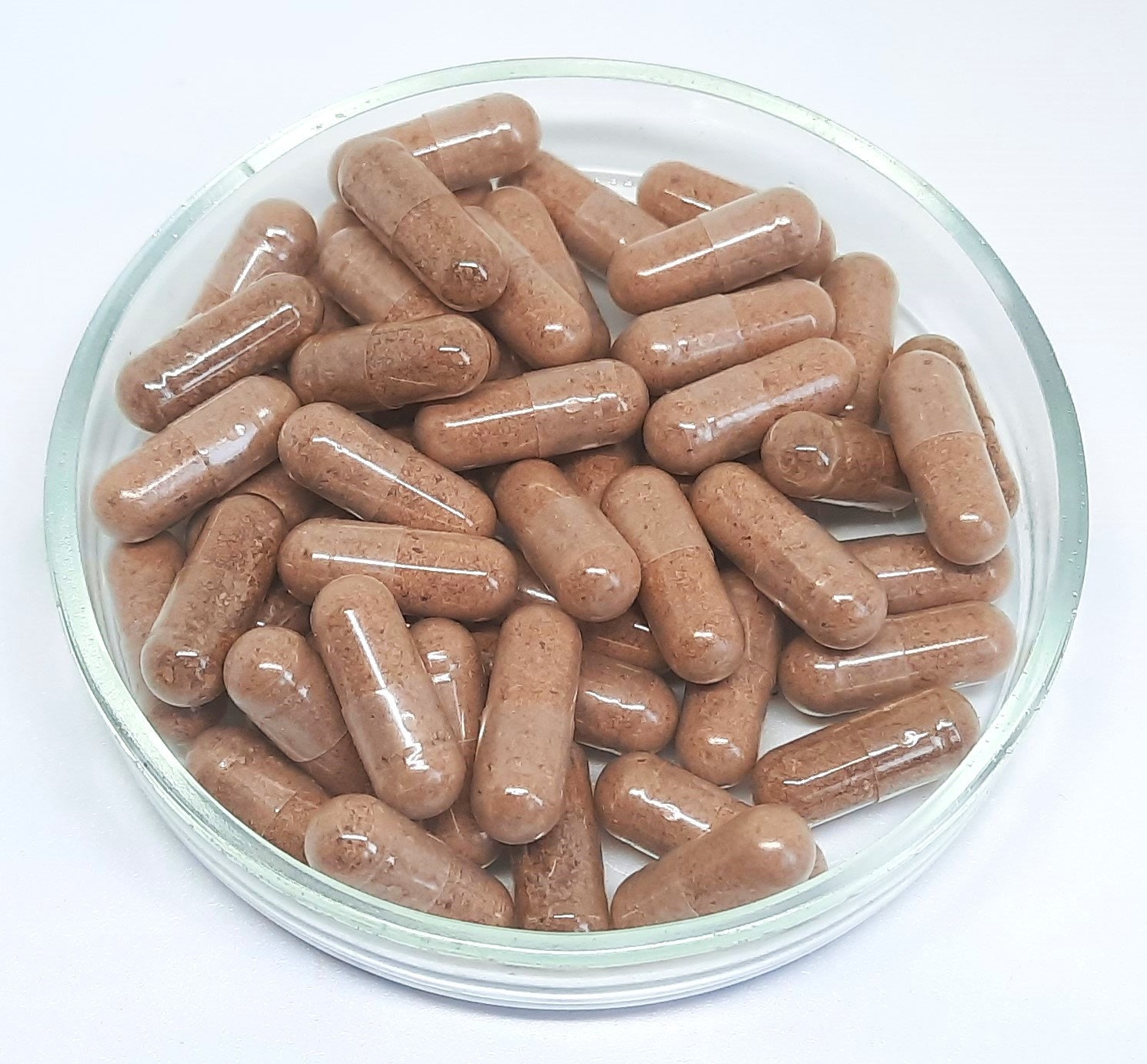
For those seeking convenience, precise dosing, and a consistent level of active compounds, Mouseear Hawkweed is also available in supplement form, most commonly as capsules.

Mouseear Hawkweed Herb Capsules

* **Capsules:** These typically contain powdered dried herb or standardized extracts. Standardized extracts are processed to ensure a specific concentration of key active compounds, offering reliability in potency.
* **Advantages:** Capsules provide a convenient way to consume the herb without its bitter taste. They are ideal for individuals looking for a consistent daily intake for long-term health support.
* **Dosage:** Always adhere to the dosage recommendations provided on the product label, as concentrations can vary between brands and formulations. Common doses for powdered herb capsules range from 500 mg to 1500 mg per day, divided into multiple doses.

Dosage, Safety, and Precautions: Important Considerations

While Mouseear Hawkweed is generally considered safe for most adults when used appropriately, it is crucial to approach its use with awareness and caution.

General Dosage Guidelines:

* **Dried Herb for Tea:** 1-2 teaspoons steeped in 8 oz hot water, 2-3 times daily.
* **Tincture (1:5, 40% alcohol):** 1-5 ml, 2-3 times daily.
* **Capsules:** As per product label, typically 500-1500 mg daily of powdered herb.

It is always best to start with a lower dose and gradually increase it as needed, observing your body’s response. For specific health conditions, consulting with a qualified healthcare practitioner or a clinical herbalist is highly recommended to determine the optimal dosage and duration of use.

Potential Side Effects:

Mouseear Hawkweed is generally well-tolerated. However, some individuals might experience:

* **Mild Digestive Upset:** Due to its bitter taste or active compounds, some may experience slight stomach discomfort.
* **Allergic Reactions:** As a member of the Asteraceae family, individuals with known allergies to plants like ragweed, chamomile, or daisies should use it with caution, as cross-reactivity is possible.
* **Excessive Diuresis:** Overconsumption, especially in conjunction with other diuretics, could lead to excessive fluid loss and electrolyte imbalances, though this is rare with typical doses.

Contraindications and Precautions:

* **Pregnancy and Breastfeeding:** There is insufficient safety data for Mouseear Hawkweed during pregnancy and lactation. Therefore, it is best to avoid its use during these periods.
* **Kidney Conditions:** While beneficial for kidney health, individuals with severe kidney disease or those undergoing dialysis should avoid using Mouseear Hawkweed without explicit medical supervision, as its diuretic properties could exacerbate certain conditions or interfere with treatments.
* **Heart Conditions:** Individuals with heart conditions, especially those on medications for blood pressure or fluid retention, should consult their doctor before using Mouseear Hawkweed due to its diuretic and potential blood pressure-lowering effects.
* **Medication Interactions:**
* **Diuretics:** Concurrent use with pharmaceutical diuretics could lead to excessive fluid loss and electrolyte imbalances (e.g., potassium depletion).
* **Anticoagulants/Antiplatelets:** Due to the presence of coumarins, though generally mild, caution is advised for individuals on blood-thinning medications.
* **Lithium:** Diuretics can affect lithium levels in the body, potentially leading to toxicity. Avoid concurrent use.
* **Diabetes Medications:** While not well-studied, any herb influencing fluid balance could potentially affect blood sugar regulation. Monitor blood sugar closely if using with antidiabetic drugs.
* **Dehydration:** Individuals prone to dehydration should use Mouseear Hawkweed cautiously and ensure adequate fluid intake.

Always inform your healthcare provider about all herbs and supplements you are taking, especially if you have underlying health conditions or are on prescription medications.

Mouseear Hawkweed Herb Natural Herb

Conclusion: Mouseear Hawkweed – A Natural Ally for Wellness

Mouseear Hawkweed (*Hieracium pilosella*) stands as a testament to the profound healing potential embedded within the natural world. From its humble origins in European meadows to its revered status in traditional medicine, this remarkable herb offers a compelling profile of health benefits, predominantly centered around its potent diuretic, anti-inflammatory, and antioxidant actions. Its rich phytochemical composition, featuring a symphony of flavonoids, coumarins, and phenolic acids, provides a scientific basis for its historical applications in supporting kidney health, combating fluid retention, soothing inflammation, and aiding the body’s detoxification processes.

Whether embraced as a traditional tea, a concentrated tincture, or a convenient capsule, Mouseear Hawkweed presents itself as a valuable natural ally for those seeking to enhance their well-being. However, like all potent remedies, its use demands respect and informed caution. By understanding its mechanisms, adhering to recommended dosages, and acknowledging potential interactions, individuals can responsibly harness the ancient wisdom and modern insights surrounding Mouseear Hawkweed, integrating this exceptional herb into a holistic approach to vibrant health. As research continues to unfold, *Hieracium pilosella* is poised to reclaim its rightful place as a vital component in the repertoire of botanical medicine.

Disclaimer: For informational purposes only. Not medical advice. Consult a qualified healthcare professional before use.
The Ultimate Guide to Beet: Health Benefits and Uses

The Beetroot Marvel: An Exhaustive Deep Dive into the Profound Health Benefits of Beta vulgaris

Often overlooked yet undeniably vibrant, the beetroot (Beta vulgaris) stands as a quintessential superfood, a testament to nature’s potent pharmacy. From its earthy roots to its leafy greens, every part of this crimson gem offers an astounding array of health-promoting compounds. Beyond its distinctive color and sweet, earthy flavor, beetroot has been revered for centuries in traditional medicine and is now a focal point of modern scientific inquiry, revealing a comprehensive profile of benefits ranging from cardiovascular support and enhanced athletic performance to potent antioxidant and anti-inflammatory effects. This definitive guide delves into the intricate mechanisms and extensive advantages of incorporating beets into your diet, exploring their rich history, diverse bioactive components, and practical applications for optimal health.

A Journey Through Time: The Historical Significance of Beetroot

The history of beetroot is as rich and layered as its nutritional composition. Originating in prehistoric times along the coasts of North Africa, Asia, and Europe, wild beets were initially cultivated for their greens, with the roots primarily used for medicinal purposes. Ancient Greeks consumed beet leaves, while the Romans utilized beets for fever reduction and digestive health. Historical texts from the Middle Ages indicate beets were used as a treatment for various ailments, including digestive issues and blood-related conditions. It wasn’t until the 16th century that the round, fleshy root we recognize today began to gain culinary prominence. Over time, different cultivars emerged, leading to the diverse types of beets we see, including sugar beets for industrial sugar production and red beets for their culinary and medicinal value. This enduring legacy underscores beetroot’s consistent role as a valuable plant resource throughout human civilization.

Botanical Profile: Understanding the Plant Behind the Power

Beta vulgaris is a species in the Amaranthaceae family, which also includes spinach and quinoa. It is a herbaceous biennial plant, meaning it completes its life cycle over two years. In its first year, it develops the edible taproot and a rosette of leaves. In the second year, if left undisturbed, it produces a tall flowering stem with small green flowers, followed by seeds. The most commonly consumed part is the root, which can vary in shape from round to cylindrical and in color from deep crimson to golden, white, or even striped. The leaves, often referred to as beet greens, are also highly nutritious and can be consumed similarly to spinach or Swiss chard.

Beet Botanical Photo

Its robust nature and adaptability to various climates have allowed beets to become a staple crop globally, contributing significantly to both agricultural economies and public health. The vibrant coloration of the red beet, in particular, is due to unique pigments that are at the heart of many of its celebrated health benefits.

The Nutritional Cornucopia: A Symphony of Micronutrients

Beetroot is far more than just its striking color; it’s a nutritional powerhouse, packed with an impressive array of vitamins, minerals, and dietary fiber, all while being remarkably low in calories. A typical serving of beets provides substantial amounts of:

  • Vitamins: Rich in Vitamin C, an essential antioxidant; Folate (Vitamin B9), crucial for cell growth and function; and smaller amounts of Vitamin B6, B1, B2, and Vitamin K.
  • Minerals: A significant source of Manganese, vital for bone health and metabolism; Potassium, important for blood pressure regulation; Iron, essential for oxygen transport; Magnesium, involved in muscle and nerve function; and Copper, Phosphorus, and Zinc.
  • Dietary Fiber: Both soluble and insoluble fiber contribute to digestive health, satiety, and blood sugar regulation.

However, the true magic of beets lies beyond these basic nutrients, residing in a complex tapestry of unique bioactive compounds.

Unveiling the Bioactive Compounds: The Scientific Core of Beet’s Benefits

The profound health benefits attributed to beetroot stem primarily from its distinctive profile of bioactive compounds, each playing a crucial role in promoting wellness. Understanding these compounds is key to appreciating the root’s multifaceted therapeutic potential.

Beet Plant Profile

Dietary Nitrates: The Nitric Oxide Pathway Catalyst

Perhaps the most extensively studied bioactive compounds in beets are their high concentrations of inorganic nitrates. When consumed, these dietary nitrates are converted by oral bacteria into nitrites, which are then further reduced to nitric oxide (NO) in the body. Nitric oxide is a potent vasodilator, meaning it relaxes and widens blood vessels, thereby improving blood flow and reducing blood pressure. This intricate biochemical pathway is central to many of beet’s cardiovascular and athletic performance benefits. The production of NO from nitrates is particularly advantageous under conditions of low oxygen (hypoxia), making it crucial for tissue oxygenation and cellular efficiency, especially during physical exertion.

Betalains: The Potent Antioxidants and Anti-inflammatory Pigments

The striking red and yellow hues of beets are due to betalains, a class of unique nitrogen-containing pigments not found in many other plants. Betalains are divided into two main groups: betacyanins (red-violet pigments like betanin and isobetanin) and betaxanthins (yellow-orange pigments). These compounds are exceptionally powerful antioxidants, scavenging free radicals and protecting cells from oxidative damage, which is a major contributor to chronic diseases and aging. Moreover, betalains exhibit significant anti-inflammatory properties, inhibiting inflammatory enzymes and pathways, thus helping to reduce systemic inflammation. Their structural stability in the gut also allows them to exert effects throughout the digestive tract.

Other Noteworthy Phytochemicals: A Symphony of Support

  • Flavonoids and Polyphenols: Beets contain a variety of other phenolic compounds and flavonoids, which contribute to their overall antioxidant capacity and exert protective effects against various diseases.
  • Saponins: These compounds have demonstrated cholesterol-lowering properties and may support immune function.
  • Carotenoids: While less abundant than in other vegetables, beets do contain some carotenoids, which are beneficial for eye health and provide additional antioxidant support.
  • Amino Acids: Beets are a good source of various amino acids, including betaine, which plays a role in liver function and cellular methylation processes.

The Extensive Health Benefits of Beetroot: A Detailed Exploration

With its remarkable array of nutrients and bioactive compounds, beetroot offers a plethora of scientifically backed health advantages.

1. Revolutionary Cardiovascular Health Support

The most celebrated benefit of beetroot is its profound impact on cardiovascular health, primarily driven by its high nitrate content. As detailed, dietary nitrates convert into nitric oxide, which relaxes the smooth muscles of blood vessels, leading to vasodilation. This process effectively lowers both systolic and diastolic blood pressure, making beets a valuable dietary intervention for individuals with hypertension. Regular consumption can significantly contribute to maintaining healthy blood pressure levels, thereby reducing the risk of heart disease, stroke, and other cardiovascular complications. Beyond blood pressure, beets may also improve endothelial function (the inner lining of blood vessels) and reduce arterial stiffness, leading to better overall vascular health.

2. Unleashing Athletic Performance and Stamina

For athletes and fitness enthusiasts, beetroot has emerged as a natural ergogenic aid. The increased nitric oxide production from beet nitrates enhances oxygen delivery to muscles during exercise, improving efficiency and reducing the oxygen cost of physical activity. This leads to several performance benefits: increased stamina, reduced fatigue, and improved exercise duration, particularly in high-intensity endurance sports. Studies have shown that consuming beet juice before exercise can extend time to exhaustion, improve sprint performance, and enhance recovery. The improved blood flow also aids in faster removal of metabolic byproducts from muscles, contributing to quicker recovery post-exertion.

3. Potent Antioxidant and Anti-inflammatory Powerhouse

The vibrant betalain pigments in beetroot are not merely aesthetic; they are powerful free-radical scavengers. By neutralizing harmful free radicals, betalains protect cells, DNA, and lipids from oxidative damage, a key factor in aging and the development of chronic diseases like cancer and heart disease. Furthermore, these compounds possess significant anti-inflammatory properties. They can inhibit pro-inflammatory enzymes like cyclooxygenase-2 (COX-2), similar to how some pharmaceutical anti-inflammatory drugs work, effectively reducing systemic inflammation. This dual action makes beets an excellent food for mitigating cellular stress and promoting overall cellular health.

4. Supporting Liver Detoxification and Function

Beetroot plays a crucial role in supporting liver health and detoxification processes. The betalains, alongside other compounds like betaine (trimethylglycine), enhance phase II detoxification enzymes in the liver. These enzymes are responsible for conjugating toxins with other molecules, making them water-soluble and easier for the body to excrete. Betaine, in particular, is involved in methylation pathways, which are vital for numerous metabolic processes, including liver fat metabolism and homocysteine regulation. By promoting efficient detoxification, beets help the liver neutralize and eliminate harmful substances, protecting it from damage and improving its overall function.

5. Enhancing Digestive Health and Gut Microbiome

Rich in dietary fiber, beetroot is a boon for digestive health. Both soluble and insoluble fibers contribute to a healthy gut. Insoluble fiber adds bulk to stool, promoting regular bowel movements and preventing constipation. Soluble fiber feeds beneficial gut bacteria, acting as a prebiotic and fostering a diverse and healthy gut microbiome. A thriving gut microbiome is linked to improved digestion, enhanced nutrient absorption, bolstered immune function, and even better mood. The unique compounds in beets may also have a positive influence on the gut environment, reducing inflammation and supporting intestinal barrier integrity.

Beet Dried Herb

6. Boosting Brain Health and Cognitive Function

The nitrate-derived nitric oxide in beetroot also extends its benefits to brain health. Improved blood flow to the brain, a direct result of vasodilation, can enhance cognitive function, particularly in areas associated with executive functions like decision-making and working memory. Research suggests that regular consumption of beet products may help slow age-related cognitive decline by ensuring adequate oxygen and nutrient supply to brain cells. Furthermore, the antioxidant and anti-inflammatory properties of betalains protect brain cells from oxidative stress and inflammation, which are implicated in neurodegenerative diseases.

7. Potential Anti-Cancer Properties

Emerging research suggests that beetroot, particularly its betalains, may possess significant anti-cancer properties. Studies indicate that betacyanins can inhibit the proliferation of cancer cells and induce apoptosis (programmed cell death) in various cancer lines, including colon, breast, prostate, and pancreatic cancer cells. These compounds may also modulate gene expression involved in cancer progression and metastasis. While more human trials are needed, the preliminary evidence highlights beetroot’s potential as a chemopreventive agent and a supportive food in cancer therapy.

8. Aiding Blood Sugar Regulation

Despite its natural sweetness, beetroot has a relatively low glycemic index and can play a supportive role in blood sugar management. The high fiber content slows down glucose absorption in the gut, preventing rapid spikes in blood sugar levels after meals. Some studies also suggest that certain compounds in beets may improve insulin sensitivity, although this area requires further investigation. For individuals managing diabetes or seeking to prevent metabolic disorders, incorporating beets into a balanced diet can be a beneficial strategy.

9. Supporting Eye Health

While not as concentrated as in other colorful vegetables, beets do contain some carotenoids like lutein and zeaxanthin, which are crucial for eye health. These antioxidants accumulate in the retina and macula, protecting the eyes from harmful high-energy light waves and oxidative damage, thereby potentially reducing the risk of age-related macular degeneration and cataracts.

10. Enhancing Bone Health

Beetroot contributes to bone health through its supply of essential minerals such as manganese, magnesium, and copper. Manganese is critical for bone formation and the synthesis of connective tissues. Magnesium plays a role in calcium absorption and bone mineralization, while copper is involved in collagen production, a vital component of bone structure. Additionally, the presence of nitrates might indirectly benefit bone health by improving overall vascular supply to bone tissue.

Practical Applications: Incorporating Beet into Your Lifestyle

Beetroot is remarkably versatile and can be enjoyed in numerous forms, each offering distinct advantages.

  • Fresh Beets: Raw beets can be grated into salads, spiralized into noodles, or juiced. Cooked beets, whether roasted, boiled, or steamed, make a delicious and nutritious side dish. Their earthy sweetness pairs well with both savory and sweet preparations.
  • Beet Juice: Fresh beet juice is a highly concentrated source of nitrates and other compounds. Many athletes prefer beet juice for its immediate impact on performance.
  • Beet Powder: Made from dried and ground beets, beet powder is a convenient way to add beet’s benefits to smoothies, yogurts, or baked goods. It retains much of the nutritional value.

Beet Capsules

Beet Supplements and Capsules

For those who find the taste or preparation of fresh beets challenging, or for individuals seeking a precise dosage, beet supplements and capsules offer a convenient alternative. These are typically made from concentrated beet powder and standardized for nitrate content. They provide a reliable way to harness the benefits of beets, particularly for cardiovascular health and athletic performance. When choosing supplements, it is crucial to opt for reputable brands that provide third-party testing and transparency regarding their nitrate levels. While supplements can be effective, they should not entirely replace a diet rich in whole foods, as whole beets offer a broader spectrum of nutrients and fiber that work synergistically.

Potential Side Effects and Considerations

While generally safe and beneficial for most people, there are a few considerations when consuming beetroot:

  • Beeturia: A harmless condition where urine or stool turns pink or red after consuming beets due to the excretion of betalains. This is more common in individuals with iron deficiency.
  • Oxalates: Beets contain oxalates, which can contribute to kidney stone formation in susceptible individuals. Those prone to kidney stones should consume beets in moderation.
  • Drug Interactions: Due to their blood pressure-lowering effects, individuals on medication for hypertension should consult their doctor to ensure beet consumption does not lead to excessively low blood pressure.
  • Digestive Upset: Some individuals may experience mild digestive upset, especially when introducing large amounts of beets into their diet due to the fiber content. Starting with smaller portions is advisable.

Conclusion: The Enduring Power of Beetroot

Beetroot is unequivocally a nutritional powerhouse, a testament to the profound healing and performance-enhancing capabilities found in nature. From its ancient origins to its modern scientific validation, the humble beet has consistently proven its worth. Its unique composition of dietary nitrates, potent betalain antioxidants, and a wealth of essential vitamins and minerals orchestrates a symphony of health benefits, including superior cardiovascular health, enhanced athletic endurance, robust anti-inflammatory action, detoxification support, and improved cognitive function. Whether enjoyed raw, cooked, juiced, or supplemented, integrating this vibrant root into your daily regimen is a powerful step towards achieving holistic well-being and unlocking your body’s full potential.

Beet Natural Herb

Summary of Usage and Dosage Recommendations

For general health benefits, a serving of about 70-100 grams of whole beets (raw or cooked) a few times a week is beneficial. For specific purposes like athletic performance or blood pressure management, higher doses of concentrated beet juice or supplements might be considered, often in the range of 250-500 ml of beet juice (providing 300-500 mg of nitrates) consumed 2-3 hours before exercise or daily for blood pressure. Beet powder dosages typically range from 1-2 teaspoons per day. Always consult with a healthcare professional before making significant dietary changes or starting new supplements, especially if you have underlying health conditions or are on medication.

Disclaimer: For informational purposes only. Not medical advice. Consult a qualified healthcare professional before use.

The Ultimate Guide to Black Currant: Health Benefits and Uses

The Unveiling of a Superfruit: Exploring the Profound Health Benefits of Black Currant

Often overshadowed by more widely publicized superfoods, the humble black currant (Ribes nigrum) stands as a true nutritional powerhouse, brimming with an extraordinary array of vitamins, antioxidants, and essential fatty acids. This darkly pigmented berry, with its unique tart-sweet flavor profile, has been cherished across cultures for centuries, not just for its culinary versatility but, more importantly, for its profound medicinal properties. In an era where individuals are increasingly seeking natural avenues for health optimization, the black currant emerges as a quintessential candidate, offering a spectrum of benefits from bolstering immunity and enhancing vision to combating inflammation and promoting cardiovascular health. This definitive guide aims to meticulously unravel the intricate tapestry of black currant’s health benefits, delving deep into its historical roots, chemical composition, and the scientific mechanisms underpinning its impressive therapeutic potential.

A Journey Through Time and Taxonomy: The Rich Heritage of Ribes nigrum

Origins and Traditional Uses

The lineage of the black currant stretches back through the annals of history, originating in the temperate regions of northern Europe and Asia. For millennia, indigenous communities recognized its potent properties, integrating it into their folk medicine practices. Early texts and oral traditions reveal its widespread use as a remedy for various ailments, from fevers and infections to rheumatic pain and digestive complaints. During the Middle Ages, its reputation grew, with herbalists valuing its diuretic and diaphoretic qualities. Perhaps its most celebrated historical application was in preventing scurvy, owing to its remarkably high Vitamin C content, a vital resource for sailors and explorers during long voyages when fresh produce was scarce. This historical reverence laid the groundwork for modern scientific inquiry, compelling researchers to investigate the empirical basis for these long-held beliefs.

Botanical Profile and Cultivation

Botanically classified as Ribes nigrum within the Grossulariaceae family, the black currant is a deciduous shrub that thrives in cooler climates, preferring moist, fertile soils. The plant is characterized by its lobed leaves, inconspicuous flowers, and, most notably, its clusters of glossy, spherical berries that ripen from green to a deep, lustrous black. The berries possess a distinctive aromatic pungency, often described as a complex blend of tart, earthy, and musky notes, which intensifies as they mature. Cultivation practices have evolved over centuries, from wild harvesting to systematic farming, allowing for the widespread availability of this potent fruit, both fresh and in various processed forms. Its robust nature and adaptability have cemented its place in gardens and commercial orchards across its native range and beyond.

Black Currant Botanical Photo

The Nutritional Powerhouse: Deconstructing Black Currant’s Bioactive Compounds

The therapeutic efficacy of black currant is not attributed to a single compound but rather to a synergistic orchestra of bioactive constituents working in concert. This complex phytochemical profile is what truly elevates it to its superfood status, offering a multi-faceted approach to health and wellness.

A Symphony of Antioxidants: Anthocyanins and Polyphenols

At the forefront of black currant’s beneficial compounds are its extraordinary levels of anthocyanins, the pigments responsible for its deep purple-black hue. These powerful antioxidants belong to the flavonoid class of polyphenols and are present in exceptionally high concentrations, often surpassing those found in other popular berries like blueberries. Specific anthocyanins prevalent in black currants include cyanidin-3-glucoside, delphinidin-3-rutinoside, cyanidin-3-rutinoside, and delphinidin-3-glucoside. Their mechanism of action involves potent free radical scavenging, neutralizing harmful reactive oxygen species (ROS) that contribute to oxidative stress, cellular damage, and the pathogenesis of numerous chronic diseases, including cardiovascular disease, neurodegenerative disorders, and cancer. Beyond anthocyanins, black currants also contain a rich spectrum of other polyphenols, such as various flavonoids (e.g., quercetin, myricetin) and phenolic acids (e.g., caffeic acid, p-coumaric acid), each contributing to the berry’s overall antioxidant and anti-inflammatory capacity.

The Vitamin C Champion

Black currants are famously lauded for their exceptionally high Vitamin C content, often boasting levels four times greater than oranges and significantly more than many other fruits. This vital water-soluble vitamin is a cornerstone of immune function, acting as a powerful antioxidant itself and playing a crucial role in the synthesis of collagen, a structural protein essential for healthy skin, bones, tendons, and blood vessels. Furthermore, Vitamin C enhances the absorption of non-heme iron from plant-based foods and is integral to the proper functioning of various enzymatic reactions within the body. Its presence in such abundant quantities in black currants underscores its utility as a natural immune booster and protector against cellular degradation.

Black Currant Plant Profile

Essential Fatty Acids: Gamma-Linolenic Acid (GLA)

Beyond the fruit’s pulp, the seeds of the black currant hold another remarkable compound: gamma-linolenic acid (GLA). This omega-6 essential fatty acid is relatively rare in the plant kingdom, with black currant seed oil being one of its richest sources, alongside evening primrose and borage oil. GLA is a precursor to a group of hormone-like substances called prostaglandins (specifically, prostaglandin E1, or PGE1), which play critical roles in regulating inflammation, immune responses, and blood clotting. Unlike other omega-6 fatty acids that can sometimes promote inflammation, GLA is specifically metabolized into anti-inflammatory compounds, making black currant seed oil a valuable asset in managing chronic inflammatory conditions and supporting skin health. Its ability to modulate the body’s inflammatory pathways distinguishes black currant from many other antioxidant-rich fruits.

A Spectrum of Vitamins and Minerals

Completing its impressive nutritional profile, black currants also provide a significant array of other essential vitamins and minerals. These include Vitamin K, crucial for blood clotting and bone health; Vitamin A (in the form of beta-carotene), important for vision and immune function; several B vitamins (B5, B6), vital for energy metabolism and nervous system health; and important minerals such as iron (for oxygen transport), manganese (an antioxidant enzyme cofactor), potassium (for blood pressure and fluid balance), and calcium (for bone health). This comprehensive nutrient density ensures that consuming black currants contributes holistically to various bodily functions and overall well-being.

In-Depth Exploration of Health Benefits: Unlocking Black Currant’s Therapeutic Potential

The intricate blend of anthocyanins, Vitamin C, GLA, and other micronutrients in black currants translates into a wide array of scientifically supported health benefits, impacting multiple physiological systems.

Fortifying the Immune System

Black currant is a formidable ally in immune support. Its extraordinarily high Vitamin C content is paramount, directly stimulating the production and function of white blood cells, which are the body’s primary defense against pathogens. Furthermore, the rich anthocyanin profile contributes by exerting potent antioxidant effects, protecting immune cells from oxidative damage and enhancing their responsiveness. Some studies suggest that black currant extracts can directly inhibit the replication of certain viruses and bacteria, offering a multi-pronged approach to immune defense. Regular consumption may lead to a reduced incidence and duration of common colds and flu-like symptoms, making it an invaluable seasonal prophylactic.

Enhancing Ocular Health and Vision

The vision-enhancing properties of black currants are among its most celebrated benefits, particularly linked to its anthocyanin content. These compounds are believed to improve blood flow to the eyes, which can be beneficial for conditions such as glaucoma. More significantly, anthocyanins aid in the regeneration of rhodopsin, a light-sensitive pigment found in the retina, which is crucial for adaptation to darkness and night vision. Research indicates that black currant consumption can reduce visual fatigue, improve visual acuity in low light conditions, and potentially offer protection against age-related macular degeneration and other oxidative damages to the delicate structures of the eye. Its ability to reduce eye strain from digital device usage also makes it pertinent in modern lifestyles.

Potent Anti-Inflammatory and Pain Relief

Chronic inflammation is a root cause of many debilitating diseases. Black currants offer significant anti-inflammatory effects through multiple pathways. The anthocyanins exert their influence by inhibiting pro-inflammatory enzymes such such as cyclooxygenase (COX-1 and COX-2) and lipoxygenase (LOX), thereby reducing the production of inflammatory mediators. Concurrently, the GLA found in black currant seed oil is converted into anti-inflammatory prostaglandins. This dual action makes black currant a powerful natural agent for mitigating systemic inflammation. It has shown promise in alleviating symptoms associated with inflammatory conditions like arthritis, muscle soreness post-exercise, and even chronic pain syndromes. Its ability to temper the inflammatory cascade without the side effects often associated with pharmaceutical anti-inflammatories makes it an attractive natural alternative.

Cardiovascular Wellness

The comprehensive antioxidant and anti-inflammatory profile of black currants contributes significantly to cardiovascular health. Anthocyanins protect the delicate endothelial lining of blood vessels from oxidative stress, improving vascular elasticity and function. They also help to reduce the oxidation of low-density lipoprotein (LDL) cholesterol, a key step in the formation of atherosclerotic plaques. The potassium content in black currants plays a role in regulating blood pressure by counteracting the effects of sodium, while GLA can also contribute to healthier blood lipid profiles and improved blood vessel relaxation. Together, these effects help to lower the risk of hypertension, atherosclerosis, and other forms of cardiovascular disease, supporting overall heart and circulatory health.

Promoting Digestive Health

Black currants are a good source of dietary fiber, which is fundamental for a healthy digestive system. Fiber adds bulk to stool, promoting regular bowel movements and preventing constipation. Beyond its mechanical benefits, the presence of various polyphenols, including anthocyanins, can exert prebiotic effects, nourishing beneficial gut bacteria and fostering a healthy gut microbiome. A balanced gut microbiota is increasingly recognized as crucial for nutrient absorption, immune modulation, and even mental well-being. By supporting gut integrity and microbial diversity, black currants indirectly contribute to overall health and disease prevention.

Nurturing Skin Health

The skin, as the body’s largest organ, benefits immensely from black currant’s nutrient density. Its high Vitamin C content is vital for collagen synthesis, helping to maintain skin elasticity, firmness, and reducing the appearance of wrinkles. The powerful antioxidants protect skin cells from environmental damage, including UV radiation and pollution, which contribute to premature aging. Moreover, the GLA from black currant seed oil is particularly beneficial for skin health, aiding in the maintenance of the skin barrier function, reducing moisture loss, and alleviating symptoms of inflammatory skin conditions like eczema, psoriasis, and dermatitis. Topical applications of black currant oil can soothe irritation and promote healing, while internal consumption nurtures skin from within.

Supporting Kidney Health

Historically, black currants have been employed as a natural diuretic and for urinary tract health. Their ability to promote urine flow can help in flushing out toxins and may reduce the risk of kidney stone formation. The antioxidant and anti-inflammatory properties also extend to the kidneys, protecting these vital organs from oxidative damage and inflammation, which can impair their filtering function over time. While not a cure for kidney disease, regular consumption within a balanced diet may offer supportive benefits for renal health and function.

Exercise Performance and Recovery

Emerging research indicates that black currants may offer unique advantages for athletes and physically active individuals. The improved blood flow attributed to anthocyanins can enhance oxygen and nutrient delivery to muscles during exercise, potentially improving endurance and performance. Post-exercise, the anti-inflammatory properties help to mitigate muscle damage and reduce delayed onset muscle soreness (DOMS), accelerating recovery times. By reducing oxidative stress and inflammation induced by intense physical activity, black currants can aid in faster recuperation and sustained training capacity, making them a valuable functional food for sports nutrition.

Practical Integration: How to Incorporate Black Currant into Your Lifestyle

Embracing the health benefits of black currant can be both delicious and straightforward, given its versatility in various forms.

Fresh and Frozen Berries

When in season (typically summer months), fresh black currants are an unparalleled treat, offering the full spectrum of their nutrients. They can be enjoyed on their own, added to cereals, yogurts, or fruit salads. Frozen black currants, available year-round, retain much of their nutritional value and are excellent for smoothies, baking into muffins or pies, or creating vibrant sauces and compotes.

Juices and Syrups

Black currant juice, known for its distinct tartness, is a popular way to consume the berries. It can be enjoyed pure or mixed with other fruit juices to balance the flavor. Concentrated syrups are also available, often used in culinary applications or diluted with water for a refreshing, healthful drink. When opting for juices or syrups, it’s advisable to choose unsweetened varieties to minimize sugar intake.

Dried Black Currant

Dried black currants offer a convenient, shelf-stable option. They make a nutritious snack, can be added to trail mixes, oatmeal, or used in baking as a tart alternative to raisins or cranberries. The drying process concentrates the flavors and many of the beneficial compounds, though some heat-sensitive vitamins like Vitamin C might be reduced.

Black Currant Dried Herb

Black Currant Seed Oil

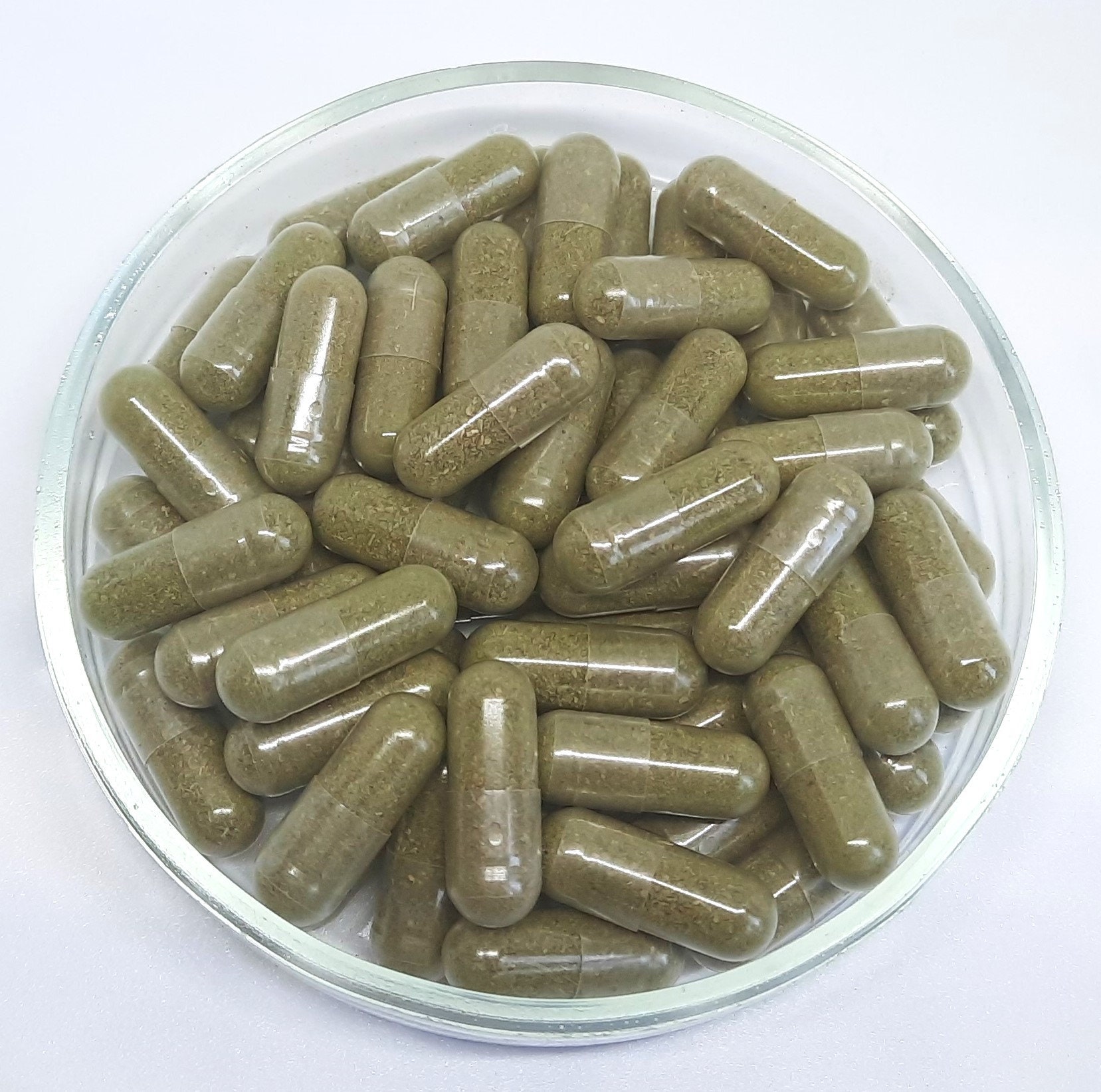
For those specifically seeking the benefits of GLA, black currant seed oil is an excellent source. It can be taken orally as a dietary supplement, often in capsule form, or used topically to support skin health, particularly for inflammatory skin conditions. It’s crucial to choose cold-pressed, unrefined oil to preserve its delicate fatty acid profile.

Black Currant Supplements (Capsules, Extracts)

For a more concentrated and consistent dose of black currant’s active compounds, supplements in the form of capsules or standardized extracts are widely available. These often come as black currant berry extract, focusing on anthocyanins, or black currant seed oil, emphasizing GLA. Extracts are particularly useful for targeted benefits, such as eye health or inflammation reduction. When choosing supplements, look for reputable brands that provide transparency regarding their sourcing, extraction methods, and standardization of active ingredients to ensure potency and purity.

Black Currant Capsules

Considerations and Dosage: Maximizing Benefits Safely

While black currant is generally safe and highly beneficial, understanding proper usage and potential considerations is important for maximizing its advantages.

General Recommendations

There is no established Recommended Dietary Allowance (RDA) for black currants specifically. For fresh or frozen berries, incorporating a handful (around 100-150 grams) into your daily diet is a good general guideline. For supplements, dosages vary widely depending on the form (e.g., berry extract, seed oil) and the concentration of active compounds. Always follow the manufacturer’s instructions on supplement labels or consult a healthcare professional for personalized advice, especially when addressing specific health concerns. Starting with a lower dose and gradually increasing it allows the body to adjust.

Potential Side Effects and Interactions

Black currants are generally well-tolerated. However, in some individuals, very high consumption might lead to mild digestive upset, such as stomach discomfort or loose stools, primarily due to their fiber content. Individuals taking anticoagulant medications (blood thinners) should exercise caution with very high doses of black currant extract or seed oil. Black currant contains Vitamin K, which can affect blood clotting, and GLA might also have mild anticoagulant effects. Therefore, it is imperative to consult a doctor before adding black currant supplements to your regimen if you are on such medications. Allergic reactions, though rare, are also possible in sensitive individuals.

Quality and Sourcing

The efficacy and safety of black currant products are highly dependent on their quality. When purchasing fresh or frozen berries, opt for organic options to minimize pesticide exposure. For juices, prioritize 100% pure juice with no added sugars or artificial ingredients. When choosing supplements, look for reputable brands that provide third-party testing for purity and potency. Standardized extracts, which guarantee a certain percentage of active compounds (like anthocyanins or GLA), are often preferred for their consistent therapeutic effects. Understanding the source and processing methods can significantly impact the beneficial compounds retained in the final product.

Black Currant Natural Herb

Conclusion: Black Currant: A Testament to Nature’s Potency

The black currant, with its rich tapestry of history, intricate botanical profile, and unparalleled nutritional density, truly earns its designation as a superfruit. From its exceptional capacity to fortify the immune system and safeguard vision to its profound anti-inflammatory prowess and comprehensive cardiovascular support, the benefits of Ribes nigrum are both diverse and deeply rooted in scientific validation. Its unique blend of potent anthocyanins, abundant Vitamin C, and the distinctive presence of gamma-linolenic acid sets it apart in the realm of health-promoting foods. As we navigate an increasingly health-conscious world, the black currant offers a natural, delicious, and powerfully effective means to enhance well-being and resilience. Incorporating this remarkable berry, whether fresh, frozen, juiced, or in supplement form, into a balanced lifestyle is a testament to embracing nature’s potent pharmacy, promising a richer, healthier, and more vibrant existence.

Disclaimer: For informational purposes only. Not medical advice. Consult a qualified healthcare professional before use.

The Ultimate Guide to Wild Bilberries: Health Benefits and Uses

The Unrivaled Power of Wild Bilberries: A Definitive Deep-Dive into Their Extraordinary Health Benefits

In the expansive realm of natural superfoods, few command as much respect and scientific interest as the Wild Bilberry (Vaccinium myrtillus). Often mistaken for its larger, sweeter American cousin, the blueberry, this diminutive dark berry native to the ancient forests and heathlands of Northern Europe stands apart with a unique nutritional profile and an exceptional array of health-promoting compounds. Revered for centuries in traditional medicine, modern science is now validating what ancient healers instinctively knew: Wild Bilberries are a veritable powerhouse for human health, offering profound benefits ranging from enhanced vision to robust cardiovascular support and beyond. This exhaustive guide delves into the intricate mechanisms, historical significance, and diverse applications of this remarkable berry, aiming to provide a comprehensive understanding of why Wild Bilberries deserve their esteemed place in the pantheon of nature’s finest remedies.

Botanical Identity and Distinctive Characteristics

The Wild Bilberry, scientifically known as Vaccinium myrtillus, belongs to the Ericaceae family, which also includes cranberries and blueberries. Unlike cultivated blueberries (typically Vaccinium corymbosum), bilberries grow wild on low-lying shrubs, thriving in acidic soil conditions across Scandinavia, Northern Europe, and parts of North America. A crucial distinguishing feature lies in their flesh: while blueberries have light-colored flesh, bilberries boast a deep, dark purple pulp that stains the fingers and mouth, a direct indicator of their extraordinarily high concentration of anthocyanins. These vibrant pigments are the cornerstone of the bilberry’s potent medicinal properties, making the wild variety significantly richer in these beneficial compounds compared to its cultivated counterparts. The small, spherical berries typically ripen in mid to late summer, offering a tart yet subtly sweet flavor profile that hints at their complex chemical composition.

Wild Bilberries Botanical Photo

A Rich Tapestry of History and Traditional Wisdom

The use of Wild Bilberries for medicinal purposes dates back centuries, deeply ingrained in European folklore and herbal traditions. During the Middle Ages, bilberries were often employed to treat various ailments, particularly digestive issues such as diarrhea and dysentery, thanks to their astringent properties. Their reputation for supporting vision also has historical roots. Perhaps the most widely cited historical account comes from World War II, where British Royal Air Force pilots reportedly consumed bilberry jam to improve their night vision during nighttime bombing raids. While direct scientific proof linking the jam to immediate night vision improvement in pilots is anecdotal and debated, this narrative undeniably propelled bilberries into the spotlight as a vision-enhancing superfood, sparking significant scientific inquiry into their ophthalmic benefits. Beyond vision, traditional practitioners also utilized bilberry leaves and fruits for their anti-inflammatory and antiseptic qualities, applying them topically for skin conditions or consuming them for their perceived ability to purify the blood.

Wild Bilberries Dried Herb

The Potent Bioactive Compounds: An Arsenal of Health

The extraordinary health benefits of Wild Bilberries are fundamentally attributed to their complex phytochemical profile, dominated by a diverse group of polyphenols. At the forefront are anthocyanins, the vibrant pigments responsible for the bilberry’s characteristic deep blue-purple hue. Bilberries contain over 15 distinct anthocyanin glycosides, including significant concentrations of delphinidin, cyanidin, malvidin, peonidin, and petunidin. These compounds are powerful antioxidants, acting as potent free radical scavengers that neutralize reactive oxygen species (ROS) and reduce oxidative stress throughout the body. Their antioxidant capacity is often considered superior to that of vitamin C and E, operating through multiple pathways to protect cellular integrity.

Beyond anthocyanins, bilberries are also rich in other beneficial flavonoids, such as quercetin, catechins, and proanthocyanidins. These compounds work synergistically with anthocyanins, amplifying their antioxidant and anti-inflammatory effects. Phenolic acids, including chlorogenic acid and gallic acid, contribute further to the berry’s robust antioxidant defense system. Tannins, particularly condensed tannins, provide the astringent properties historically noted for digestive health. Furthermore, Wild Bilberries offer a modest but valuable supply of essential micronutrients, including vitamin C, vitamin K, manganese, and dietary fiber, all contributing to overall health and well-being. This comprehensive blend of bioactive molecules renders bilberries an exceptionally potent nutraceutical.

Wild Bilberries Plant Profile

Comprehensive Health Benefits of Wild Bilberries

1. Unparalleled Support for Eye Health and Vision

Perhaps the most celebrated benefit of Wild Bilberries lies in their profound impact on ocular health. The anthocyanins in bilberries are uniquely capable of crossing the blood-retinal barrier, allowing them to exert direct therapeutic effects within the eye. A primary mechanism involves their role in the regeneration of rhodopsin, a light-sensitive pigment found in the rod cells of the retina, which is crucial for night vision and adaptation to low-light conditions. Anthocyanins accelerate the rate at which rhodopsin is replenished after being bleached by light, thereby improving visual acuity in dim environments and reducing eye fatigue.

Furthermore, the potent antioxidant and anti-inflammatory properties of bilberry anthocyanins provide critical protection against various degenerative eye conditions. They help to shield the delicate cells of the retina from oxidative damage caused by free radicals, which is a major contributing factor to age-related macular degeneration (AMD), cataracts, and glaucoma. By strengthening capillaries and improving blood circulation to the eyes, bilberries also enhance nutrient delivery and waste removal, which is vital for maintaining the health of the intricate ocular structures. For individuals with diabetic retinopathy, a complication of diabetes that damages blood vessels in the retina, bilberry extracts have shown promise in stabilizing capillary walls and reducing leakage, thereby potentially slowing disease progression and preserving vision.

2. Potent Antioxidant and Anti-inflammatory Properties

The high concentration of anthocyanins, flavonoids, and phenolic acids positions Wild Bilberries as one of nature’s most powerful antioxidants. These compounds effectively neutralize harmful free radicals, which are unstable molecules that can damage cellular structures, DNA, and proteins, leading to chronic diseases and accelerated aging. By scavenging these free radicals, bilberries help mitigate oxidative stress, a fundamental driver of inflammation and cellular dysfunction throughout the body. This systemic protective effect is crucial for maintaining overall health and preventing a myriad of chronic ailments.

Beyond their direct antioxidant action, bilberries also exhibit significant anti-inflammatory capabilities. They modulate various inflammatory pathways, inhibiting the production of pro-inflammatory cytokines such as TNF-alpha and interleukins, and suppressing enzymes like cyclooxygenase-2 (COX-2), which are central to the inflammatory cascade. This dual action of combating oxidative stress and quelling inflammation makes Wild Bilberries a formidable agent in protecting against conditions where chronic inflammation plays a key role, including arthritis, metabolic syndrome, and neurodegenerative disorders.

3. Cardiovascular Health and Vascular Integrity

The protective effects of Wild Bilberries extend significantly to the cardiovascular system, making them a valuable ally in maintaining heart and circulatory health. The anthocyanins and other polyphenols contribute to improved endothelial function, the health of the inner lining of blood vessels. By promoting the production of nitric oxide (NO), they facilitate vasodilation, leading to improved blood flow and contributing to the maintenance of healthy blood pressure levels. This relaxation of blood vessels reduces the strain on the heart and lowers the risk of hypertension.

Moreover, bilberries help manage cholesterol levels by inhibiting the oxidation of low-density lipoprotein (LDL) cholesterol, often referred to as “bad” cholesterol. Oxidized LDL is a key instigator in the development of atherosclerosis, the hardening and narrowing of arteries. By preventing this crucial step, bilberries can reduce plaque formation and improve arterial flexibility. Their anti-platelet aggregation effects further contribute to cardiovascular protection by reducing the risk of blood clot formation, which can lead to heart attacks and strokes. The comprehensive vascular support offered by bilberries underscores their potential in a holistic approach to cardiovascular wellness.

4. Blood Sugar Regulation and Diabetes Management

For individuals concerned with blood sugar control, Wild Bilberries offer compelling benefits. Research suggests that anthocyanins can positively influence several aspects of glucose metabolism. They may help to improve insulin sensitivity, allowing the body’s cells to more efficiently absorb glucose from the bloodstream, thereby lowering blood sugar levels. Furthermore, bilberry compounds have been shown to inhibit carbohydrate-digesting enzymes, such as alpha-glucosidase, which can slow down the absorption of glucose after a meal, leading to a more gradual rise in blood sugar.

The anti-inflammatory and antioxidant properties of bilberries are particularly relevant in the context of diabetes, as chronic oxidative stress and inflammation are known to contribute to insulin resistance and pancreatic beta-cell dysfunction. By mitigating these damaging processes, bilberries help protect the cells responsible for insulin production and reduce the complications associated with prolonged high blood sugar, such as diabetic neuropathy and retinopathy. This multi-faceted approach to glucose management positions bilberries as a valuable dietary addition for individuals seeking to support their metabolic health.

5. Digestive Health and Gut Microbiome Support

Wild Bilberries have a long history of traditional use for digestive complaints, and modern science is beginning to unravel the mechanisms behind these benefits. The tannins present in bilberries are astringent, meaning they can help to tighten and tone mucous membranes, which may be beneficial in alleviating diarrhea by reducing fluid secretion and inflammation in the gut lining. This historical application makes bilberries a time-honored natural remedy for occasional gastrointestinal upset.

Beyond their direct astringent effects, the rich fiber content of bilberries supports healthy digestion by promoting regular bowel movements and adding bulk to stool. More profoundly, the polyphenols in bilberries, particularly anthocyanins, act as prebiotics. They are not fully digested in the upper gastrointestinal tract and thus reach the colon, where they are fermented by beneficial gut bacteria. This fermentation process nourishes a healthy gut microbiome, leading to the production of short-chain fatty acids (SCFAs) like butyrate, which are vital for gut barrier integrity, immune function, and overall metabolic health. A balanced gut microbiome is increasingly recognized as central to systemic health, and bilberries contribute significantly to fostering this crucial balance.

6. Cognitive Function and Neuroprotection

Emerging research highlights the potential of Wild Bilberries to support brain health and cognitive function. The powerful antioxidants and anti-inflammatory compounds found in bilberries are critical for protecting neuronal cells from oxidative damage and inflammation, two key contributors to neurodegenerative diseases like Alzheimer’s and Parkinson’s. By reducing neuroinflammation, bilberries help maintain a healthy brain environment conducive to optimal cognitive performance.

Anthocyanins have also been shown to cross the blood-brain barrier and directly influence signaling pathways in the brain. They can enhance cerebral blood flow, ensuring that brain cells receive an adequate supply of oxygen and nutrients, which is essential for memory, learning, and overall cognitive processing. Furthermore, some studies suggest that bilberry extracts may stimulate neurogenesis (the formation of new neurons) and improve synaptic plasticity, thereby supporting long-term brain health and potentially mitigating age-related cognitive decline. The neuroprotective qualities of bilberries underscore their promise as a natural strategy for maintaining mental sharpness.

7. Skin Health and Anti-Aging Effects

The same potent antioxidants that protect internal organs also confer significant benefits for skin health. By neutralizing free radicals, bilberries help protect skin cells from environmental damage, particularly from UV radiation and pollution, which are major causes of premature skin aging, including wrinkles, fine lines, and age spots. Their ability to combat oxidative stress helps maintain the integrity of collagen and elastin, the proteins responsible for skin’s firmness and elasticity, thus promoting a more youthful appearance.

Additionally, the anti-inflammatory properties of bilberries can help soothe irritated skin and reduce redness associated with conditions like eczema and rosacea. Improved microcirculation, a benefit derived from their vascular support, can also enhance the delivery of nutrients to skin cells, supporting their regeneration and overall vitality. Some traditional uses even include topical applications for minor wounds and skin lesions, reflecting their inherent antiseptic and healing properties.

8. Anti-Cancer Potential (Emerging Research)

While still an area of active research, preliminary studies suggest that the rich polyphenol content of Wild Bilberries may possess anti-cancer properties. These compounds have been observed to interfere with various stages of cancer development, including inhibiting the proliferation of cancer cells, inducing apoptosis (programmed cell death) in cancerous cells, and suppressing angiogenesis (the formation of new blood vessels that feed tumors). Their antioxidant and anti-inflammatory actions also play a role in preventing the cellular damage that can initiate carcinogenesis. While bilberries should not be considered a standalone cancer treatment, their inclusion in a health-promoting diet may contribute to a broader strategy for cancer prevention and support during conventional therapies.

Integrating Wild Bilberries into Your Wellness Routine

The versatility of Wild Bilberries allows for their easy incorporation into various dietary and supplemental regimens. When fresh, they can be enjoyed raw, added to smoothies, yogurts, cereals, or used in baking. Their tartness makes them a delightful addition to sweet and savory dishes alike.

Dried bilberries offer a convenient year-round option, perfect for snacking, mixing into trail mixes, or rehydrating for culinary uses. The leaves of the bilberry plant can also be steeped to make a healthful tea, traditionally used for blood sugar support and digestive complaints.

For those seeking a concentrated dose of bilberry’s active compounds, particularly for targeted health benefits like vision support, standardized extracts and supplements are widely available. These often come in capsule or powder form, ensuring a consistent and potent delivery of anthocyanins. When selecting supplements, it is crucial to look for products standardized to a specific percentage of anthocyanins, usually ranging from 25% to 36%, to ensure efficacy and quality.

Wild Bilberries Capsules

Dosage and Safety Considerations

While Wild Bilberries are generally considered safe for consumption, especially as a food, specific dosages for therapeutic benefits typically involve standardized extracts. For eye health, common recommendations range from 80 to 160 mg of bilberry extract (standardized to 25% anthocyanins) taken two to three times daily. For other benefits, dosages may vary. It is always advisable to consult with a healthcare professional before starting any new supplement regimen, especially if you have pre-existing medical conditions, are pregnant or breastfeeding, or are taking other medications.

Potential side effects are rare but may include mild digestive upset in some individuals, particularly with very high doses. Bilberries may also have a mild anti-platelet effect, so individuals on blood-thinning medications should exercise caution and seek medical advice. As with all natural products, source quality and purity are paramount to ensure maximum benefit and safety.

Wild Bilberries Natural Herb

Conclusion: Embracing the Wild Bilberry for Optimal Health

The Wild Bilberry stands as a testament to nature’s profound ability to provide potent health solutions. From its rich historical legacy in traditional medicine to its rigorous validation by modern scientific inquiry, this humble berry has consistently demonstrated an extraordinary range of therapeutic benefits. Its unparalleled concentration of anthocyanins, coupled with a synergistic array of other powerful bioactive compounds, makes it a superior choice for supporting vision, bolstering cardiovascular health, regulating blood sugar, enhancing cognitive function, and providing comprehensive antioxidant and anti-inflammatory protection.

As we navigate an increasingly health-conscious world, the Wild Bilberry emerges not just as a superfood, but as a foundational element for holistic well-being. Whether enjoyed fresh, dried, or as a high-quality standardized extract, incorporating Wild Bilberries into your daily routine offers a powerful and delicious way to cultivate robust health and embrace the enduring wisdom of nature. Their ongoing scientific study continues to uncover new facets of their remarkable potential, solidifying their status as an indispensable ally in the pursuit of optimal health and vitality.

Disclaimer: For informational purposes only. Not medical advice. Consult a qualified healthcare professional before use.
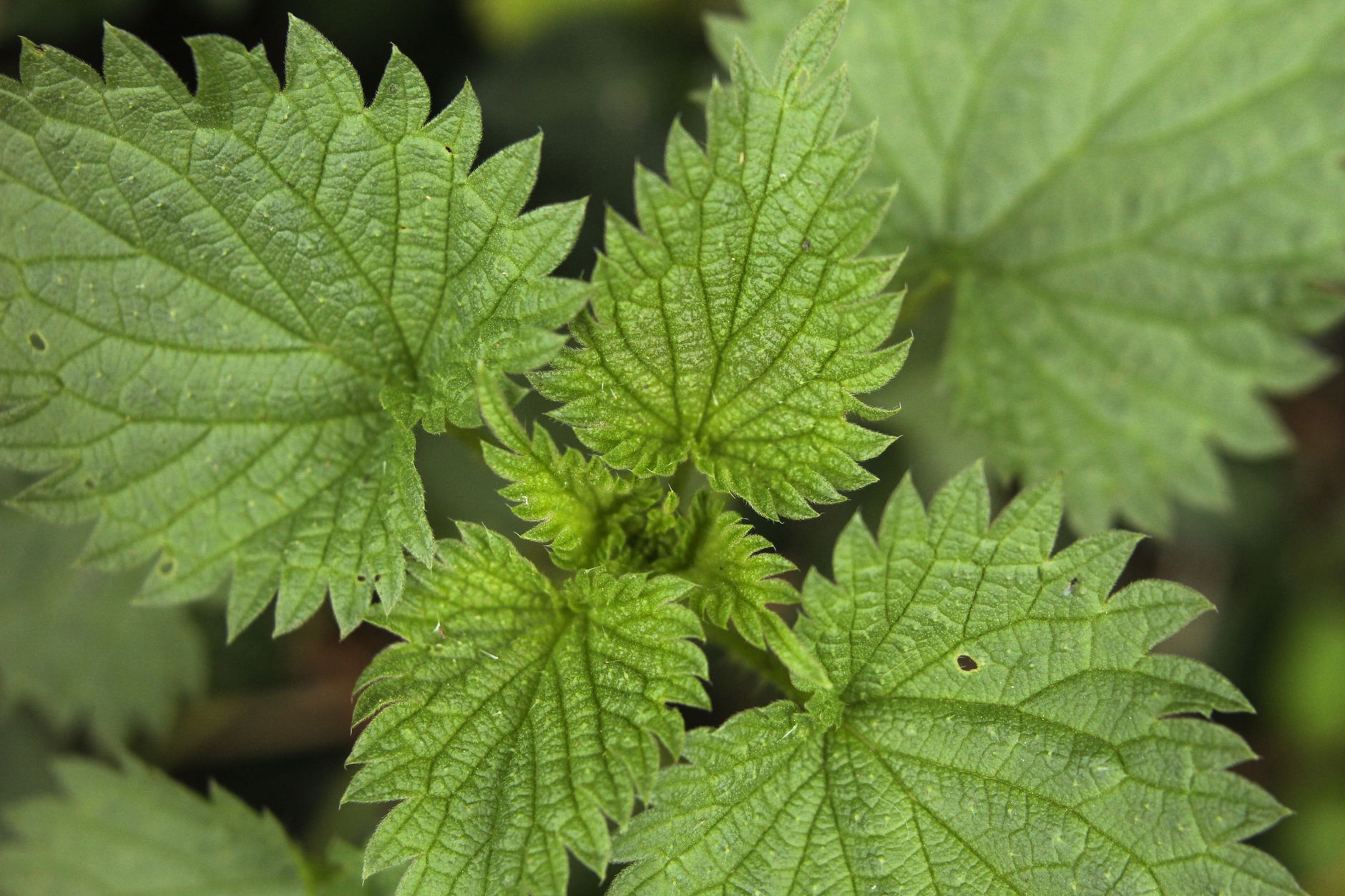
The Ultimate Guide to Rose Buds: Health Benefits and Uses

The Ancient Elixir of Wellness: Unveiling the Profound Health Benefits of Rose Buds

For millennia, the rose has captivated humanity not merely with its intoxicating fragrance and unparalleled beauty, but also with its deeply rooted medicinal properties. Beyond the romantic symbolism and ornamental allure, the humble rose bud, in its nascent stage of development, encapsulates a concentrated wealth of bioactive compounds. This comprehensive guide delves into the exhaustive health benefits of rose buds, transforming them from a mere floral decoration into a powerhouse of natural wellness, offering a holistic approach to health rooted in ancient traditions and validated by modern scientific understanding.

From the sun-drenched gardens of Persia to the hallowed halls of ancient Rome, rose buds have been revered as a versatile therapeutic agent. This definitive exploration aims to illuminate the intricate mechanisms behind their healing prowess, explore their rich historical context, dissect their potent chemical composition, and provide practical insights into how to harness their myriad advantages for a healthier, more vibrant life.

Botanical Majesty and Timeless Tradition: The Rose Bud’s Storied Past

The rose bud, specifically from species like Rosa damascena (the Damask Rose), Rosa gallica (French Rose), and Rosa centifolia (Cabbage Rose), represents the nascent stage of the rose flower, typically harvested before the petals fully unfurl. This early harvest is crucial, as it is believed that at this stage, the plant concentrates a unique spectrum of beneficial compounds, making the buds particularly potent. While the fully bloomed rose offers its own set of advantages, the buds possess a distinct profile of delicate flavor and concentrated essence, often preferred for culinary and medicinal infusions.

Historically, the use of rose buds stretches back to antiquity. Ancient Egyptians utilized rose petals and buds for their medicinal and cosmetic properties, often incorporating them into perfumed oils and medicinal preparations. The Romans, renowned for their lavish baths, frequently infused their water with roses for their soothing and aromatic qualities. In Persia, rose water and rose bud tea became integral to daily life and sophisticated cuisine, with physicians like Avicenna documenting their extensive medicinal applications, particularly for digestive and emotional ailments. The Silk Road facilitated the spread of rose cultivation and knowledge to China, where it seamlessly integrated into Traditional Chinese Medicine (TCM) as a ‘cooling’ herb, often prescribed for regulating qi, soothing liver stagnation, and promoting circulation. Similarly, Ayurvedic medicine in India recognized the rose for its balancing properties, particularly for Pitta dosha, often used in tonics and herbal formulations for skin and emotional well-being.

Rose Buds Botanical Photo

The Chemical Symphony: Dissecting the Bioactive Compounds of Rose Buds

The profound health benefits attributed to rose buds are not merely anecdotal; they are meticulously supported by their intricate and diverse phytochemical composition. These tiny, fragrant packages are a treasure trove of bioactive compounds, each contributing synergistically to their therapeutic effects. Understanding these constituents is key to appreciating the depth of their healing potential.

  • Polyphenols: The Antioxidant Powerhouses

    Rose buds are exceptionally rich in various polyphenolic compounds, which are renowned for their potent antioxidant and anti-inflammatory activities. Key amongst these are flavonoids such as quercetin, kaempferol, and anthocyanins, which are responsible for the subtle reddish hues found in some rose varieties. These flavonoids work by scavenging harmful free radicals, thereby protecting cellular structures from oxidative damage, which is a major contributor to aging and chronic diseases. They also play a critical role in modulating inflammatory pathways within the body. Tannins, another significant group of polyphenols found in rose buds, particularly gallic acid and ellagic acid, contribute to their astringent properties and offer additional antioxidant and antimicrobial benefits.

  • Terpenes and Terpenoids: Aromatic Therapeutic Agents

    The characteristic enchanting fragrance of roses largely stems from a complex blend of volatile organic compounds, primarily terpenes and terpenoids. Geraniol, citronellol, and nerol are prominent examples, also found in rose essential oil. While rose buds contain these compounds in smaller quantities than the essential oil, their presence contributes to the subtle aromatherapy benefits and potential anxiolytic (anxiety-reducing) effects when consumed as a tea. These compounds are also being studied for their antimicrobial and anti-inflammatory properties.

  • Vitamins and Minerals: Essential Micronutrients

    Rose buds are a notable source of Vitamin C (ascorbic acid), a powerful antioxidant and crucial cofactor for numerous enzymatic reactions in the body, including collagen synthesis and immune function. Although rose hips (the fruit of the rose) are more famously known for their Vitamin C content, the buds also contribute significantly. Additionally, rose buds contain B vitamins (such as riboflavin and thiamine), Vitamin K, and essential minerals like calcium, potassium, iron, and magnesium, all vital for maintaining various bodily functions, from bone health to nerve transmission.

  • Pectin: The Soluble Fiber

    The presence of pectin, a soluble dietary fiber, is particularly beneficial for digestive health. Pectin acts as a prebiotic, feeding beneficial gut bacteria, and contributes to the mild laxative effect of rose buds by adding bulk to stool and promoting regularity. It can also help regulate blood sugar levels and may have a role in cholesterol management.

  • Other Trace Compounds

    Beyond these major categories, rose buds also contain trace amounts of carotenoids (precursors to Vitamin A), fatty acids, and organic acids, further enriching their nutritional and therapeutic profile, contributing to their overall synergistic effects.

Rose Buds Plant Profile

The Unfolding Tapestry of Health: Comprehensive Benefits of Rose Buds

The intricate chemical composition of rose buds translates into a broad spectrum of health benefits, impacting multiple physiological systems. This section details these advantages, exploring the mechanisms through which rose buds contribute to overall well-being.

1. Potent Antioxidant Protection: Guarding Against Cellular Damage

The abundant polyphenols, particularly flavonoids and anthocyanins, along with Vitamin C, render rose buds exceptionally powerful antioxidants. In the body, these compounds act as free radical scavengers, neutralizing reactive oxygen species (ROS) that arise from metabolism, environmental toxins, and stress. By mitigating oxidative stress, rose buds help protect DNA, proteins, and lipids from damage, which is a fundamental process in aging and the pathogenesis of numerous chronic diseases, including cardiovascular disease, neurodegenerative disorders, and certain cancers. This cellular protection is crucial for maintaining cellular integrity and optimal organ function over time.

2. Significant Anti-inflammatory Properties: Soothing Internal Fire

Chronic inflammation is a silent threat underlying many modern health conditions, from autoimmune disorders to metabolic syndrome. The flavonoids and tannins present in rose buds exhibit significant anti-inflammatory effects by modulating various inflammatory pathways. They can inhibit the activity of pro-inflammatory enzymes like COX-2 and lipoxygenase, and downregulate the production of inflammatory cytokines (signaling molecules). This anti-inflammatory action makes rose buds a valuable natural remedy for alleviating symptoms associated with inflammatory conditions such such as arthritis, irritable bowel syndrome (IBS), gastritis, and skin inflammation (e.g., eczema, acne), promoting internal harmony and comfort.

3. Digestive System Support: Promoting Gut Harmony

Rose buds have long been revered for their beneficial effects on the digestive system. Their mild laxative properties, attributed to tannins and pectin, help to relieve constipation and promote regular bowel movements without causing harsh irritation. Pectin, a soluble fiber, also acts as a prebiotic, nourishing beneficial gut bacteria and fostering a healthy gut microbiome, which is essential for nutrient absorption, immune function, and overall digestive comfort. Furthermore, the anti-inflammatory compounds can help soothe irritation and reduce spasms in the gastrointestinal tract, making rose bud tea a gentle remedy for indigestion, bloating, and mild stomach discomfort.

4. Skin Health and Radiance: A Natural Elixir for the Complexion

The skin benefits immensely from the internal and external application of rose bud derivatives. Internally, the high Vitamin C content is critical for collagen synthesis, the structural protein that maintains skin elasticity and firmness, thereby reducing the appearance of wrinkles and promoting a youthful glow. The powerful antioxidants protect skin cells from oxidative damage caused by UV radiation and environmental pollutants, preventing premature aging. Externally, rose bud infusions or rose water act as a natural astringent, helping to tone and tighten the skin, reduce pore size, and balance oil production. Their anti-inflammatory properties can calm redness, soothe irritated skin, and aid in the management of conditions like acne, rosacea, and dermatitis, promoting a clear, luminous complexion.

5. Mood Enhancement and Stress Relief: A Calming Embrace

The subtle, uplifting fragrance of rose buds is more than just pleasant; it possesses therapeutic qualities. The aromatic compounds, primarily terpenes, have been shown to exert anxiolytic and mood-enhancing effects through aromatherapy. Consuming rose bud tea can induce a sense of calm, reduce feelings of stress and anxiety, and promote relaxation. This effect is often attributed to the compounds interacting with neuroreceptors, helping to regulate the nervous system and potentially improve sleep quality. Traditionally, rose buds have been used to alleviate symptoms of mild depression and promote emotional balance, offering a gentle solace in times of mental fatigue or emotional distress.

6. Immune System Boost: Fortifying Natural Defenses

The rich concentration of Vitamin C in rose buds is a cornerstone of their immune-boosting capabilities. Vitamin C is a critical nutrient for the proper functioning of the immune system, supporting the production and activity of white blood cells (lymphocytes and phagocytes) that combat infections. As an antioxidant, it also protects immune cells from oxidative damage, ensuring they can effectively respond to pathogens. Regular consumption of rose bud tea can contribute to a stronger immune response, helping the body ward off common colds, flu, and other seasonal illnesses, enhancing overall resilience.

7. Menstrual Health and Hormonal Balance: A Gentle Regulator

In traditional medicine systems, rose buds have been employed to support women’s health, particularly concerning menstrual cycles. They are believed to have emmenagogue properties, which can help stimulate and regulate menstrual flow. The anti-inflammatory and antispasmodic effects can significantly alleviate menstrual cramps (dysmenorrhea) and discomfort associated with premenstrual syndrome (PMS), such as bloating and irritability. While the precise hormonal mechanisms are still under research, the traditional usage suggests a harmonizing effect on the female reproductive system, offering a gentle, natural alternative for managing menstrual challenges.

8. Cardiovascular Health Support: Protecting the Heart

The comprehensive antioxidant and anti-inflammatory profile of rose buds extends its benefits to cardiovascular health. By reducing oxidative stress, rose buds help protect blood vessels from damage and prevent the oxidation of LDL cholesterol, a key step in the formation of arterial plaque (atherosclerosis). The anti-inflammatory compounds further contribute by reducing chronic inflammation within the arterial walls. Some studies suggest that the polyphenols might also contribute to improving endothelial function, supporting healthy blood pressure levels, and overall vascular integrity, thereby reducing the risk of heart disease.

9. Detoxification and Liver Support: Aiding Natural Cleansing

Rose buds possess mild diuretic properties, which means they can gently promote urine production, assisting the kidneys in flushing out excess fluids and toxins from the body. Furthermore, their antioxidant content supports liver function, the body’s primary detoxification organ. By protecting liver cells from oxidative damage, rose buds help maintain the liver’s efficiency in processing and eliminating metabolic waste products and environmental toxins, contributing to a holistic internal cleansing process.

Integrating Rose Buds into Your Wellness Routine: Practical Applications

The versatility of rose buds allows for numerous practical applications, making it easy to incorporate their health benefits into daily life. Whether consumed internally or applied topically, they offer a delightful and effective path to well-being.

1. Rose Bud Tea (Infusion): The Quintessential Method

The most popular way to enjoy rose buds is by brewing them into a delicate and aromatic tea. Simply steep 1-2 teaspoons of dried rose buds in a cup of hot (not boiling) water for 5-10 minutes. The ideal temperature is around 180-200°F (82-93°C) to preserve the delicate volatile compounds without scalding them. The resulting infusion is light, floral, and subtly sweet, making it a perfect calming beverage before bed or a soothing drink throughout the day. It can be enjoyed plain or lightly sweetened with honey.

Rose Buds Dried Herb

2. Culinary Uses: A Touch of Elegance and Health

Rose buds, particularly the dried variety, can be used to infuse flavor and nutrients into a variety of culinary creations. They can be added to jams, jellies, and desserts like puddings, cakes, and ice cream. Rose water, derived from rose petals, is a common ingredient in Middle Eastern and Indian cuisine, often used in sweets, rice dishes, and beverages. Dried rose buds can also be incorporated into spice blends, herbal salts, or even sprinkled over salads and yogurt for an aromatic and visually appealing touch.

3. Topical Applications: Skin’s Best Friend

For external use, rose bud infusions can be cooled and used as a facial toner or mist to hydrate, soothe, and balance the skin. Rose-infused oils, made by steeping dried rose buds in a carrier oil like jojoba or almond oil, can be used for massage, as a facial serum, or added to bathwater for a luxurious and therapeutic soak that nourishes the skin and relaxes the mind. Rose bud poultices can be applied directly to inflamed skin to reduce redness and irritation.

4. Rose Bud Extracts and Supplements: Concentrated Wellness

For those seeking a more concentrated dose of rose bud benefits, various supplements are available. These often come in the form of capsules containing powdered rose bud extract or tinctures, which are liquid herbal extracts. These forms can be particularly beneficial for addressing specific health concerns or for individuals who prefer a convenient, measured dosage. When choosing supplements, it’s crucial to select reputable brands that ensure purity and potency.

Rose Buds Capsules

5. Aromatherapy and Home Fragrance: Enhancing the Atmosphere

While rose essential oil is typically distilled from fully bloomed petals, dried rose buds still retain a delicate fragrance that can be harnessed for aromatherapy. They can be included in potpourri blends to naturally scent living spaces, promoting a calming and uplifting atmosphere. A sachet of dried rose buds placed in a pillowcase can also contribute to a peaceful night’s sleep.

Dosage, Safety, and Considerations

Rose buds are generally considered safe for most individuals when consumed in moderation. However, as with any herbal remedy, it is prudent to be aware of potential considerations:

  • Dosage: For rose bud tea, 1-2 teaspoons of dried buds steeped in 8 ounces of hot water, consumed 1-3 times daily, is a common recommendation. For supplements, always follow the manufacturer’s instructions or consult with a healthcare professional.
  • Allergies: While rare, individuals with known allergies to roses or other plants in the Rosaceae family should exercise caution.
  • Pregnancy and Breastfeeding: There is limited scientific data on the safety of rose bud consumption during pregnancy and breastfeeding. It is always best to consult a doctor before using any herbal remedies during these periods.
  • Medication Interactions: Rose buds may have mild diuretic or laxative effects, which could potentially interact with certain medications. If you are on prescription drugs, particularly blood thinners, diuretics, or medications for diabetes or blood pressure, consult your healthcare provider before incorporating rose buds into your routine.
  • Sourcing Quality: Always opt for organic, pesticide-free rose buds from a reputable source to ensure purity and avoid contaminants.

Conclusion: Embracing the Timeless Wisdom of Rose Buds

The journey through the health benefits of rose buds reveals a remarkable convergence of ancient wisdom and contemporary scientific understanding. From their profound antioxidant and anti-inflammatory capabilities to their supportive roles in digestion, skin health, and emotional well-being, rose buds offer a holistic and gentle approach to enhancing overall vitality. Their rich tapestry of bioactive compounds makes them a true natural marvel, capable of nurturing the body, calming the mind, and uplifting the spirit.

By consciously integrating rose buds into your daily routine, whether through a soothing cup of tea, a culinary delight, or a topical application, you embrace a tradition of wellness that has stood the test of time. As a definitive deep-dive guide, this exploration aims to empower you with the knowledge to unlock the full potential of this exquisite botanical, inviting you to experience the myriad ways in which the humble rose bud can contribute to a more balanced, healthier, and fragrant life.

Rose Buds Natural Herb

Disclaimer: For informational purposes only. Not medical advice. Consult a qualified healthcare professional before use.
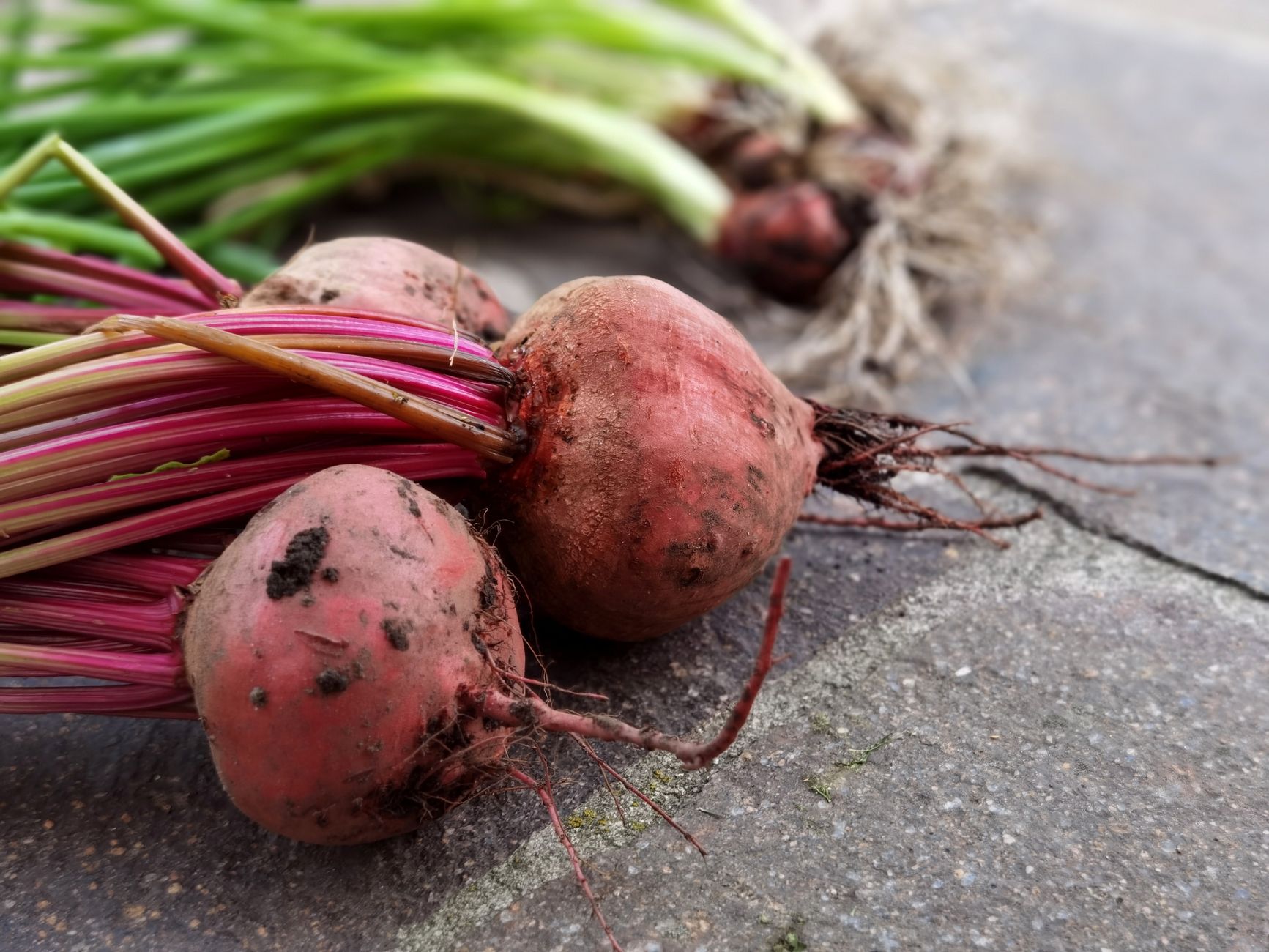
The Ultimate Guide to Marigold: Health Benefits and Uses

The Golden Healer: Unveiling the Profound Health Benefits of Marigold (Calendula officinalis)

For centuries, the vibrant petals of the Marigold flower have not only brightened gardens but have also served as a cornerstone in traditional medicine across diverse cultures. While several species bear the name “Marigold,” the focus of medicinal use predominantly falls on Calendula officinalis, often referred to simply as Calendula. This cheerful, sun-kissed bloom is far more than just an ornamental plant; it is a veritable powerhouse of bioactive compounds, offering a spectrum of health benefits that range from soothing irritated skin to bolstering internal health. This exhaustive guide delves into the historical reverence, intricate phytochemistry, and evidence-based applications of Marigold, illuminating its profound role as a natural therapeutic agent in modern wellness.

A Botanical Tapestry: Understanding Calendula officinalis

Calendula officinalis, a member of the Asteraceae (daisy) family, is an annual plant native to Southern Europe and the Mediterranean region. It is easily recognizable by its brilliant orange or yellow flowers, which typically bloom from early summer until the first frost. The name “Calendula” is derived from the Latin word “calendae,” meaning “little calendar” or “first day of the month,” a probable reference to its tendency to bloom almost continuously throughout the year in favorable climates, or perhaps to its use in ancient Roman calendars. The plant typically grows between 30 to 60 centimeters tall, featuring lance-shaped leaves and resinous, potent flowers that are the primary source of its medicinal properties. These capitula (flower heads) are rich in a complex array of compounds, making them highly valued in herbal medicine, cosmetics, and even culinary applications.

Marigold Botanical Photo

Echoes Through Time: Marigold’s Historical Significance and Traditional Uses

The therapeutic journey of Marigold is deeply interwoven with human history, dating back to ancient civilizations. In ancient Egypt, Marigold was revered for its rejuvenating properties, used in beauty regimens and thought to possess properties that could help slow the aging process. The ancient Greeks and Romans utilized its petals in culinary dishes, as a dye, and for various medicinal purposes, primarily for digestive ailments and skin conditions. During the Middle Ages, Marigold gained prominence in Europe, where it was often called “poor man’s saffron” due to its ability to impart color to foods. Herbalists prescribed it for fever, measles, smallpox, and jaundice, highlighting its perceived role in detoxification and systemic healing.

Native American tribes and practitioners of Ayurvedic medicine also incorporated Marigold into their healing traditions. They recognized its potent anti-inflammatory and wound-healing capabilities, applying poultices made from its flowers to soothe skin irritations, treat stings, bites, and reduce inflammation. The flower’s internal use was often aimed at supporting liver function and digestive health. This extensive historical utilization across continents underscores Marigold’s enduring reputation as a versatile and efficacious herbal remedy, a testament to its multifaceted benefits long before modern scientific validation.

The Pharmacological Blueprint: Bioactive Compounds in Marigold

The remarkable therapeutic effects of Marigold are attributable to its rich and complex phytochemical profile. Its petals, leaves, and stems contain a diverse range of bioactive compounds, each contributing to its overall medicinal efficacy. Understanding these constituents is key to appreciating the plant’s vast potential.

Marigold Plant Profile

Flavonoids

Flavonoids are perhaps the most well-known group of antioxidants in Marigold. Quercetin, rutin, and isorhamnetin are prominent examples. These compounds exhibit powerful antioxidant activity, neutralizing harmful free radicals that contribute to oxidative stress and cellular damage. Beyond their antioxidant role, flavonoids also possess significant anti-inflammatory properties, inhibiting enzymes involved in inflammatory pathways, such as cyclooxygenase (COX) and lipoxygenase (LOX). This dual action makes them crucial in mitigating chronic inflammation and protecting against various degenerative diseases.

Triterpene Glycosides and Saponins

These compounds, particularly oleanolic acid glycosides like calendulosides, are primary contributors to Marigold’s anti-inflammatory and wound-healing capabilities. Triterpenes can modulate the immune response, reduce swelling, and promote the synthesis of collagen, a vital protein for skin repair and integrity. Their presence explains why Marigold is so effective in topical preparations for skin regeneration and irritation relief.

Carotenoids

The vibrant orange and yellow hues of Marigold petals are primarily due to their high concentration of carotenoids, including lutein, zeaxanthin, and beta-carotene. Lutein and zeaxanthin are particularly vital for eye health, accumulating in the macula of the retina where they filter harmful blue light and protect against oxidative damage, playing a critical role in preventing age-related macular degeneration (AMD) and cataracts. Beta-carotene is a precursor to Vitamin A, essential for vision, immune function, and skin health.

Volatile Oils

Marigold contains small amounts of essential oils, composed of compounds like alpha-cadinol, germacrene-D, and menthone. While less concentrated than in some other medicinal plants, these volatile oils contribute to the plant’s distinctive aroma and possess mild antimicrobial and antispasmodic properties.

Polysaccharides

Water-soluble polysaccharides found in Marigold have demonstrated immunostimulatory effects. These complex carbohydrates can activate immune cells, such as macrophages, thereby enhancing the body’s natural defense mechanisms against pathogens and supporting overall immune health.

Phenolic Acids

Compounds like caffeic acid and chlorogenic acid are also present, contributing to the overall antioxidant and anti-inflammatory effects, further synergizing with the flavonoids to provide broad-spectrum protection.

The Golden Arsenal: Key Health Benefits of Marigold

The synergy of these bioactive compounds translates into a wide array of scientifically supported health benefits, solidifying Marigold’s status as a versatile medicinal plant.

1. Potent Anti-inflammatory Action

One of Marigold’s most celebrated attributes is its remarkable anti-inflammatory capacity. The triterpenes, flavonoids, and saponins work in concert to inhibit the release of pro-inflammatory cytokines and enzymes, such as COX-2. This mechanism makes Marigold highly effective in reducing swelling, redness, and pain associated with various inflammatory conditions. Topically, it is invaluable for soothing skin inflammation from rashes, eczema, and sunburns. Internally, it can help alleviate inflammation in the digestive tract, making it beneficial for conditions like irritable bowel syndrome (IBS) or gastritis.

2. Superior Wound Healing and Skin Regeneration

Marigold has an exceptional ability to accelerate the healing of wounds, cuts, burns, and abrasions. Its compounds stimulate cellular proliferation, promote collagen synthesis, and enhance angiogenesis (the formation of new blood vessels), all crucial steps in the wound repair process. Furthermore, its anti-inflammatory and antimicrobial properties help prevent infection and reduce scarring. Clinical studies have shown that calendula creams can significantly improve wound healing time, reduce pain after surgical procedures, and even aid in healing diabetic foot ulcers, making it a cornerstone in dermatological and wound care.

3. Powerful Antioxidant Protection

The rich concentration of flavonoids, carotenoids, and phenolic acids endows Marigold with significant antioxidant capabilities. These compounds actively scavenge free radicals, unstable molecules that cause oxidative stress, leading to cellular damage and contributing to chronic diseases, premature aging, and even certain cancers. By neutralizing these free radicals, Marigold helps protect cells and tissues from oxidative damage, promoting overall cellular health and longevity.

4. Vision Protection and Eye Health

The high levels of lutein and zeaxanthin in Marigold are critical for maintaining optimal eye health. These carotenoids are preferentially absorbed into the macula and retina, where they act as natural filters for harmful blue light and potent antioxidants, protecting delicate eye tissues from oxidative stress. Regular intake of Marigold or its extracts can significantly reduce the risk and progression of age-related macular degeneration (AMD) and cataracts, two leading causes of vision impairment in older adults. It can also help alleviate eye strain and improve visual acuity.

5. Digestive System Support

Internally, Marigold acts as a soothing tonic for the digestive tract. Its anti-inflammatory and antispasmodic properties can alleviate symptoms of indigestion, cramps, and gastric ulcers. It may help calm an irritated stomach lining and promote healthy mucosal integrity. Some traditional uses also point to its cholagogic effect, meaning it can stimulate bile production and flow, aiding in fat digestion and liver detoxification processes.

6. Immune System Modulation and Support

The polysaccharides and other compounds in Marigold have been shown to modulate and support the immune system. They can enhance the activity of immune cells, such as macrophages and lymphocytes, which are essential for identifying and eliminating pathogens. This immunostimulatory effect can help the body fend off infections and strengthen overall immune resilience, particularly during seasonal changes or periods of increased susceptibility.

7. Antimicrobial and Antifungal Properties

Marigold exhibits significant antimicrobial activity against various bacteria, viruses, and fungi. This makes it an excellent natural remedy for preventing and treating minor skin infections, fungal conditions like athlete’s foot or ringworm, and even some oral infections. Its ability to combat pathogens without harsh chemicals is a major advantage in many topical and oral hygiene applications.

8. Potential Anti-cancer Properties

Emerging research suggests that Marigold may possess anti-cancer properties. Studies have indicated that certain compounds within Marigold, particularly triterpenoids and flavonoids, can inhibit the proliferation of cancer cells, induce apoptosis (programmed cell death) in various cancer lines, and even suppress tumor growth. While more extensive clinical trials are needed, these preliminary findings highlight Marigold’s potential as a complementary agent in cancer prevention and treatment strategies.

Practical Applications and Forms of Marigold

Marigold’s versatility extends to its various forms of application, allowing individuals to harness its benefits internally or externally, depending on the specific health concern.

Topical Applications: Creams, Ointments, and Infused Oils

For skin-related issues, topical preparations are most common. Marigold-infused oils, salves, creams, and ointments are readily available and widely used. These are excellent for treating:

  • Cuts, scrapes, and minor burns
  • Diaper rash and other skin irritations
  • Eczema and psoriasis flare-ups
  • Dry, chapped skin
  • Sunburn relief
  • Post-surgical wound healing
  • Fungal infections like athlete’s foot or ringworm

To make a simple Marigold oil at home, dried flowers can be steeped in a carrier oil (like olive or almond oil) for several weeks, then strained. This infused oil can then be used directly or as a base for salves.

Internal Applications: Teas, Tinctures, and Extracts

For internal benefits, Marigold can be consumed as a tea or tincture. Marigold tea, made by steeping dried flowers in hot water, is a gentle way to support digestive health, boost immunity, and provide a systemic anti-inflammatory effect. Tinctures, which are concentrated alcoholic or glycerin extracts, offer a more potent internal dose and are often used for chronic conditions or when a stronger effect is desired. They are convenient and have a longer shelf life.

Marigold Dried Herb

Supplements: Capsules and Standardized Extracts

For individuals seeking specific health benefits, particularly for eye health or systemic antioxidant support, Marigold is available in supplement form. These often come as capsules containing standardized extracts of lutein and zeaxanthin, ensuring a consistent and potent dose of these critical carotenoids. Other supplements may contain a broader spectrum extract of the whole flower, aiming for a more comprehensive range of Marigold’s beneficial compounds. These provide a convenient way to incorporate Marigold into a daily wellness routine.

Marigold Capsules

Dosage and Safety Considerations

While Marigold is generally considered safe for most people, especially in topical applications, it’s crucial to adhere to recommended dosages and be aware of potential considerations:

  • Topical Use: Apply creams or ointments 2-3 times daily to affected areas. Perform a patch test first to check for allergic reactions, though these are rare.
  • Internal Use (Tea): Typically, 1-2 teaspoons of dried flowers steeped in hot water for 5-10 minutes, consumed 2-3 times a day.
  • Internal Use (Tincture): Follow product-specific instructions, usually 1-2 ml, 2-3 times daily.
  • Supplements: Dosage varies widely based on the concentration of active compounds (especially lutein/zeaxanthin). Always follow the manufacturer’s recommendations or consult with a healthcare professional.

Precautions:

  • Allergies: Individuals with known allergies to plants in the Asteraceae/Compositae family (e.g., ragweed, daisies, chrysanthemums) should exercise caution, as they may be sensitive to Marigold.
  • Pregnancy and Breastfeeding: Due to a lack of sufficient research, Marigold is generally not recommended for use during pregnancy or breastfeeding, especially internally.
  • Surgery: Marigold may have mild anticoagulant properties. It’s advisable to discontinue internal use at least two weeks before any scheduled surgery to prevent increased bleeding.
  • Drug Interactions: While rare, Marigold may theoretically interact with sedative medications due to its mild calming properties, or with blood-thinning medications. Consult a healthcare provider if you are on prescription drugs.

Who Can Benefit from Marigold?

Marigold offers benefits to a wide demographic:

  • Individuals with Skin Conditions: Anyone suffering from eczema, psoriasis, dermatitis, or generally sensitive skin.
  • Those Seeking Wound Care: Excellent for accelerating healing of minor cuts, scrapes, burns, and post-surgical incisions.
  • People Concerned About Eye Health: Particularly beneficial for older adults at risk of AMD or cataracts, and anyone spending significant time in front of screens.
  • Individuals with Digestive Issues: Can offer relief for mild indigestion, gastritis, or inflammatory bowel conditions.
  • Immune Support Seekers: Useful for bolstering general immunity during cold and flu season.
  • Natural Health Enthusiasts: A staple for those preferring botanical remedies for general wellness and preventative care.

Conclusion: Marigold, A Timeless Botanical Treasure

From ancient apothecaries to modern scientific laboratories, the humble Marigold flower continues to prove its immense value as a therapeutic plant. Its rich symphony of flavonoids, triterpenes, carotenoids, and other bioactive compounds underpins its powerful anti-inflammatory, antioxidant, wound-healing, and vision-protective properties. Whether applied topically to soothe irritated skin, consumed as a calming tea, or taken as a targeted supplement for eye health, Marigold stands as a testament to nature’s profound capacity to heal and nurture. As research continues to unveil its full potential, Marigold remains a golden beacon in the realm of natural health, offering a gentle yet potent path to enhanced well-being.

Marigold Natural Herb

Disclaimer: For informational purposes only. Not medical advice. Consult a qualified healthcare professional before use.
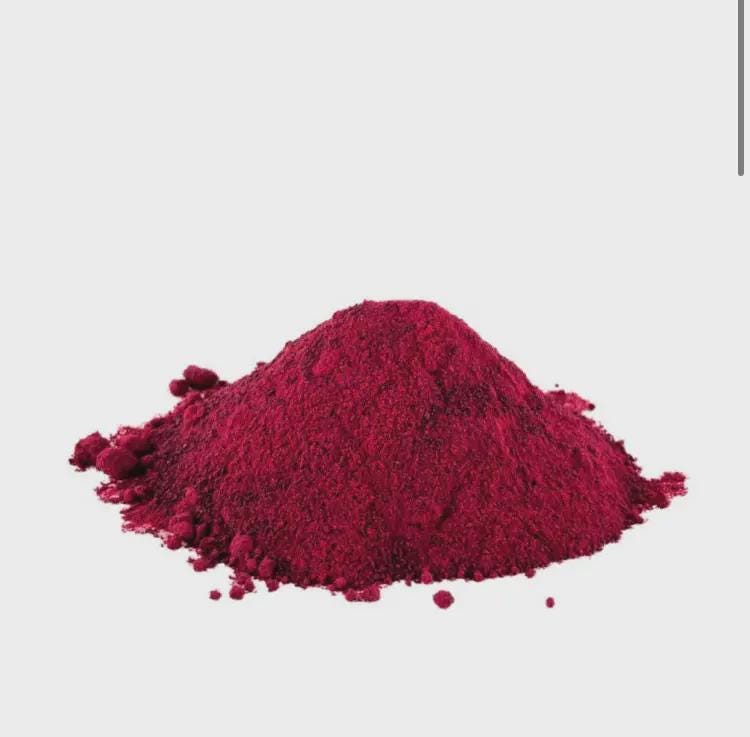
The Ultimate Guide to Bladderwrack: Health Benefits and Uses

The Definitive Guide to Bladderwrack: Unveiling Its Profound Health Benefits

In the vast underwater gardens of our planet, a humble brown seaweed known as Bladderwrack (Fucus vesiculosus) thrives, silently accumulating an impressive array of nutrients and bioactive compounds. For centuries, this marine botanical has been revered by coastal communities for its unique properties, first as a readily available food source and later as a potent therapeutic agent in traditional medicine. Today, modern science is increasingly validating these ancient insights, spotlighting Bladderwrack as a powerhouse of health benefits, ranging from vital thyroid support and metabolic enhancement to robust antioxidant and anti-inflammatory action. This comprehensive guide delves deep into the intricate world of Bladderwrack, exploring its botanical essence, historical significance, complex chemical profile, and the myriad ways it can contribute to holistic well-being.

Bladderwrack: A Botanical Overview and Its Marine Habitat

Bladderwrack, scientifically classified as Fucus vesiculosus, is a common type of brown algae, a macroalga belonging to the Fucaceae family. It is easily recognizable by its flattened, branching fronds and characteristic air bladders (vesicles), which are typically found in pairs along the midrib. These air bladders serve a crucial function, providing buoyancy to the seaweed, allowing it to float closer to the water’s surface to maximize sunlight exposure for photosynthesis. It primarily inhabits the intertidal zones of temperate coasts, particularly along the Atlantic and Pacific oceans, flourishing in rocky shores where it can anchor itself firmly and withstand the dynamic forces of tides and waves. Its resilient nature allows it to endure periods of both submersion and exposure, a testament to its robust cellular structure and adaptive biochemistry. The color of Bladderwrack can vary from greenish-brown to dark brown or black, often becoming more intense when dried, reflecting its rich pigment content, notably fucoxanthin.

Bladderwrack Botanical Photo

A Journey Through Time: Historical Context and Traditional Uses

The therapeutic journey of Bladderwrack is steeped in history, predating many modern pharmaceutical interventions. Its earliest recorded uses trace back to the ancient Greeks, who recognized its potential as a medicine, though specific applications were not extensively documented. However, it was during the 18th century that Bladderwrack truly gained prominence in European herbal medicine, particularly in France, where it was extensively prescribed by physicians like Dr. Duchesne-Duparc for treating conditions associated with goiter. The observation that coastal populations, who regularly consumed seaweed, had a lower incidence of goiter, eventually led to the understanding that this was linked to the seaweed’s rich iodine content, a vital element for thyroid hormone synthesis.

Beyond goiter, traditional practitioners across various cultures employed Bladderwrack for a diverse range of ailments. It was used as a laxative due to its mucilaginous fiber content, as a diuretic to reduce fluid retention, and as a topical application for skin conditions, including rheumatism and gout, owing to its anti-inflammatory properties. Its purported ability to aid in weight loss also made it a popular remedy, particularly during the Victorian era. The ingenuity of these early healers, who intuited the profound health benefits of this marine plant long before the advent of sophisticated scientific analysis, underscores the enduring wisdom embedded in traditional botanical practices.

Bladderwrack Dried Herb

The Bioactive Treasury: Unpacking Bladderwrack’s Chemical Composition

The remarkable health benefits of Bladderwrack stem from its extraordinarily rich and complex chemical profile. It is a veritable treasure trove of bioactive compounds, each contributing to its synergistic therapeutic effects. Understanding these constituents is key to appreciating the profound impact Bladderwrack can have on human health.

  • Iodine: The Thyroid Maestro
    Perhaps the most celebrated component of Bladderwrack is its naturally occurring, organic iodine. Unlike synthetic iodine, the iodine in seaweed is bound to complex organic molecules, which some research suggests may enhance its bioavailability and reduce the risk of adverse effects associated with rapid iodine release. Iodine is an essential trace element absolutely critical for the synthesis of thyroid hormones, triiodothyronine (T3) and thyroxine (T4), which regulate virtually every metabolic process in the body.
  • Fucoidans: The Immunomodulatory Polysaccharides
    These sulfated polysaccharides are a class of complex carbohydrates found almost exclusively in brown seaweeds. Fucoidans are arguably Bladderwrack’s most intensely studied compounds, recognized for their impressive array of biological activities, including significant anti-inflammatory, antioxidant, anticoagulant, antiviral, immunomodulatory, and even anti-cancer properties. Their unique structure allows them to interact with various biological pathways, influencing cellular signaling and immune responses.
  • Fucoxanthin: The Xanthophyll Carotenoid
    A prominent pigment in brown seaweeds, fucoxanthin is a powerful xanthophyll carotenoid, responsible for Bladderwrack’s characteristic brownish hue. Beyond its role in photosynthesis, fucoxanthin exhibits robust antioxidant capabilities, protecting cells from oxidative damage. Emerging research also points to its potential in metabolic health, fat metabolism, and anti-diabetic effects.
  • Phlorotannins: The Marine Polyphenols
    These are unique phenolic compounds found exclusively in brown algae. Structurally distinct from terrestrial plant tannins, phlorotannins are potent antioxidants, often exhibiting greater scavenging activity than many terrestrial polyphenols. They also possess significant anti-inflammatory, antimicrobial, and anti-proliferative properties, contributing to Bladderwrack’s broad spectrum of health benefits.
  • Alginates: The Dietary Fiber Giants
    Bladderwrack is rich in alginates, a type of soluble dietary fiber. Alginates are known for their ability to form a viscous gel in water, which can contribute to satiety, slow gastric emptying, and support digestive health by promoting regular bowel movements and acting as a prebiotic for beneficial gut bacteria.
  • Essential Minerals and Vitamins
    Beyond these unique compounds, Bladderwrack is a comprehensive source of vital micronutrients, including magnesium, calcium, potassium, sodium, zinc, copper, iron, and selenium. It also provides a spectrum of vitamins, such as vitamins A, C, E, K, and a range of B-complex vitamins, making it a truly nutrient-dense botanical.

Bladderwrack Plant Profile

The Profound Health Benefits of Bladderwrack: A Deep Dive

1. Unparalleled Thyroid Support and Metabolic Regulation

The most renowned benefit of Bladderwrack is its profound impact on thyroid health, primarily due to its rich and bioavailable iodine content. The thyroid gland, a butterfly-shaped organ in the neck, requires iodine to synthesize the hormones T3 (triiodothyronine) and T4 (thyroxine). These hormones are fundamental to regulating metabolism, energy production, body temperature, heart rate, and brain development. Inadequate iodine intake leads to hypothyroidism, characterized by symptoms like fatigue, weight gain, cold sensitivity, and cognitive sluggishness, and can manifest physically as a goiter. By providing a natural, organic source of iodine, Bladderwrack helps ensure the thyroid gland has the essential building blocks for optimal hormone production, thereby supporting a healthy metabolic rate and overall systemic function. This natural iodine delivery system is often preferred over synthetic forms due to its gradual release and incorporation into thyroid tissues.

2. Potent Anti-inflammatory and Antioxidant Power

Chronic inflammation and oxidative stress are root causes of numerous chronic diseases, including cardiovascular disease, neurodegenerative disorders, and cancer. Bladderwrack is a formidable ally in combating these detrimental processes, thanks to its arsenal of fucoidans, phlorotannins, and fucoxanthin. Fucoidans exhibit potent anti-inflammatory effects by modulating immune responses, inhibiting pro-inflammatory cytokines such as TNF-α and IL-6, and suppressing key enzymes like COX-2, which are implicated in inflammatory pathways. Similarly, phlorotannins act as powerful free radical scavengers, neutralizing reactive oxygen species (ROS) and preventing cellular damage. Fucoxanthin further augments this antioxidant capacity, protecting lipids, proteins, and DNA from oxidative assault. This multi-pronged approach to inflammation and oxidative stress makes Bladderwrack an excellent natural support for cellular health and disease prevention.

3. Digestive Harmony and Gut Health Enhancement

The high soluble fiber content, particularly alginates, in Bladderwrack plays a crucial role in promoting digestive health. When consumed, alginates absorb water in the gastrointestinal tract, forming a viscous gel. This gel helps to regulate bowel movements, alleviating both constipation and diarrhea by normalizing stool consistency. Furthermore, this gel can act as a protective barrier on the gut lining, potentially soothing irritation and promoting mucosal integrity. Beyond its physical effects, Bladderwrack’s fiber acts as a prebiotic, feeding beneficial gut bacteria. A thriving gut microbiome is essential for nutrient absorption, immune function, and even mood regulation. The fucoidans present may also exhibit direct gut-healing properties, contributing to a balanced and resilient digestive system.

4. Supporting Healthy Weight Management

Bladderwrack’s contribution to weight management is multifaceted, stemming primarily from its thyroid-stimulating and fiber-rich profile. By optimizing thyroid function through its iodine content, Bladderwrack can help normalize a sluggish metabolism, which is a common factor in unexplained weight gain and difficulty losing weight. A more efficient metabolism means the body burns calories more effectively. Additionally, the alginate fiber promotes satiety by expanding in the stomach and creating a feeling of fullness, thereby reducing overall calorie intake. This reduction in appetite, combined with the potential fat-oxidation properties of fucoxanthin (which some studies suggest can promote thermogenesis and fat burning, particularly in adipose tissue), makes Bladderwrack a compelling natural adjunct for those seeking to manage their weight responsibly, alongside a balanced diet and regular exercise.

5. Radiant Skin Health and Anti-Aging Potential

The skin, as the body’s largest organ, is constantly exposed to environmental aggressors and intrinsic aging processes. Bladderwrack offers significant benefits for skin health, both internally and externally. Its rich antioxidant profile (phlorotannins, fucoxanthin, vitamins C and E) protects skin cells from oxidative damage caused by UV radiation and pollution, which are major contributors to premature aging, wrinkles, and hyperpigmentation. Furthermore, the hydrating properties of its mucilaginous compounds can improve skin elasticity and moisture retention, leading to a plumper, more youthful complexion. Topically, Bladderwrack extracts are increasingly found in cosmeceuticals for their ability to soothe irritated skin, reduce redness, and provide a protective barrier, leveraging its anti-inflammatory and moisturizing actions.

6. Cardiovascular Health Guardian

Maintaining a healthy cardiovascular system is paramount for longevity, and Bladderwrack offers several mechanisms of support. Its soluble fiber content, particularly alginates, can help reduce cholesterol levels by binding to bile acids in the gut and facilitating their excretion, thus preventing their reabsorption and prompting the liver to use more cholesterol to produce new bile acids. Fucoidans are also recognized for their potential anticoagulant properties, helping to prevent excessive blood clot formation, which is a risk factor for heart attacks and strokes. Moreover, the general anti-inflammatory and antioxidant effects contribute to maintaining the integrity of blood vessels and reducing arterial plaque buildup, factors critical for optimal blood flow and pressure regulation.

7. Enhancing Immune System Function

A robust immune system is our first line of defense against pathogens. Fucoidans from Bladderwrack have been extensively studied for their immunomodulatory effects. They can enhance the activity of various immune cells, including macrophages and natural killer (NK) cells, which are crucial for identifying and destroying invading microbes and cancerous cells. Research indicates that fucoidans can stimulate the production of cytokines, which are signaling molecules that help coordinate immune responses. Furthermore, some studies suggest that fucoidans possess antiviral and antibacterial properties, potentially offering protection against a range of infections by interfering with pathogen attachment to host cells or directly inhibiting their replication.

8. Blood Sugar Regulation Support

For individuals concerned with blood sugar balance, Bladderwrack may offer beneficial support. The soluble fibers, such as alginates, can help slow down the absorption of glucose from the digestive tract into the bloodstream, leading to a more gradual rise in blood sugar levels after meals. This “flattening” of the glucose curve can be particularly helpful for managing insulin sensitivity and reducing the burden on the pancreas. Preliminary research on fucoxanthin also suggests it may play a role in improving insulin sensitivity and glucose metabolism, although more human studies are needed in this specific area. By contributing to improved metabolic health, Bladderwrack indirectly supports healthier blood sugar levels.

9. Anti-Cancer Potential

Perhaps one of the most exciting and actively researched areas of Bladderwrack’s benefits is its potential anti-cancer properties, primarily attributed to fucoidans and phlorotannins. Studies have indicated that fucoidans can induce apoptosis (programmed cell death) in various cancer cell lines, inhibit angiogenesis (the formation of new blood vessels that feed tumors), and suppress tumor metastasis (the spread of cancer cells). Phlorotannins also exhibit anti-proliferative effects, preventing the uncontrolled growth of cancer cells. While these findings are largely from in vitro and animal studies, they highlight the significant therapeutic potential of Bladderwrack’s compounds in adjunctive cancer therapies and prevention strategies, warranting further human clinical investigation.

Practical Usage and Forms of Bladderwrack

Bladderwrack is available in several forms, catering to diverse preferences and applications. The most common include:

  • Dried Herb: The whole or cut and sifted dried seaweed can be steeped to make a nourishing tea, added to culinary dishes for its umami flavor and nutrient boost, or used in traditional poultices.
  • Powder: Ground Bladderwrack powder is highly versatile and can be easily incorporated into smoothies, juices, soups, or even baked goods. This form offers a concentrated dose of its beneficial compounds.
  • Tinctures: Liquid extracts made by soaking Bladderwrack in alcohol or glycerin provide a convenient and bioavailable way to consume the herb, often with precise dosing.
  • Capsules/Tablets: For those who prefer a standardized and taste-neutral option, Bladderwrack supplements are widely available in capsule or tablet form, typically containing dried and powdered extract.
  • Topical Applications: Extracts of Bladderwrack are increasingly found in skincare products, including creams, serums, and masks, designed to leverage its hydrating, anti-aging, and anti-inflammatory properties directly on the skin.

Bladderwrack Capsules

Dosage, Recommendations, and Important Precautions

While Bladderwrack offers a spectrum of health benefits, it is crucial to approach its consumption with informed awareness. The appropriate dosage can vary significantly based on the form of the supplement, the concentration of active compounds, individual health status, and specific health goals. Generally, dosages for dried Bladderwrack herb can range from 0.5 to 2 grams per day, often taken in divided doses or as an infusion. For standardized extracts in capsules, it is imperative to follow the manufacturer’s recommendations or the advice of a healthcare professional. Due to its potent iodine content, moderation is key.

Potential Side Effects and Precautions:

  • Iodine Overload: Excessive iodine intake can be detrimental, especially for individuals with pre-existing thyroid conditions such as hyperthyroidism or autoimmune thyroid diseases (e.g., Hashimoto’s, Graves’ disease). It can potentially exacerbate these conditions or even induce thyroid dysfunction in susceptible individuals. Symptoms of iodine excess can mirror those of deficiency, making self-diagnosis difficult.
  • Heavy Metals: Like all seaweeds, Bladderwrack can absorb heavy metals (e.g., arsenic, lead, cadmium, mercury) from its marine environment. Sourcing from reputable suppliers who conduct third-party testing for contaminants is crucial to minimize this risk.
  • Blood Thinners: Due to the potential anticoagulant effects of fucoidans, individuals taking blood-thinning medications (e.g., warfarin, aspirin) should exercise caution and consult their physician before using Bladderwrack to avoid increased bleeding risk.
  • Allergies: Individuals with allergies to iodine or seafood should avoid Bladderwrack.
  • Pregnancy and Breastfeeding: Pregnant and breastfeeding women should consult a healthcare professional before using Bladderwrack, as the effects of high iodine intake on fetal and infant development are not fully established.
  • Drug Interactions: Bladderwrack may interact with certain medications, including thyroid hormones, antithyroid drugs, and lithium. Always discuss any herbal supplements with your doctor, especially if you are on prescription medication.

Bladderwrack Natural Herb

Conclusion: Harnessing the Power of the Sea for Optimal Health

Bladderwrack stands as a testament to the profound healing potential embedded within the natural world. From its ancient recognition as a goiter remedy to its modern-day scientific validation as a multifaceted health supplement, this remarkable brown seaweed continues to reveal layers of benefits. Its rich synergy of iodine, fucoidans, fucoxanthin, phlorotannins, and essential minerals provides comprehensive support for thyroid function, metabolic health, inflammation reduction, antioxidant defense, digestion, cardiovascular wellness, and even holds promise in the fight against cancer. As we continue to unlock the intricate mechanisms of its bioactive compounds, Bladderwrack solidifies its position as a superfood of the sea. However, as with any potent natural remedy, judicious use, careful sourcing, and professional guidance are paramount to safely harness its extraordinary power and integrate it effectively into a personalized wellness regimen. Embrace the wisdom of the ocean and consider Bladderwrack as a valuable addition to your journey towards optimal health.

Disclaimer: For informational purposes only. Not medical advice. Consult a qualified healthcare professional before use.
The Ultimate Guide to Agrimony Herb: Health Benefits and Uses

Unveiling the Power of Agrimony Herb: A Definitive Deep-Dive into Its Holistic Health Benefits

In the vast tapestry of traditional herbal medicine, certain plants stand out for their enduring legacy and remarkable versatility. Among these revered botanicals is Agrimony, scientifically known as Agrimonia eupatoria. Often overlooked in modern discourse, this humble perennial has been a cornerstone of natural healing for centuries, celebrated across diverse cultures for its profound impact on human health. From soothing digestive woes to nurturing skin and supporting urinary tract function, Agrimony’s therapeutic spectrum is impressively broad, rooted in a rich array of bioactive compounds.

This exhaustive guide aims to meticulously unpack the multifaceted health benefits of Agrimony herb. We will journey through its fascinating history, delve into the intricate science behind its efficacy by exploring its key chemical constituents, and provide detailed insights into its practical applications. Prepare to discover why Agrimony, the “church steeples” or “sticklewort” of folklore, remains a potent and invaluable ally in the pursuit of holistic wellness.

Botanical Profile and Identification of Agrimonia Eupatoria

Agrimonia eupatoria, commonly known as Agrimony, is a charming member of the Rosaceae family, sharing kinship with roses, strawberries, and apples. It is a native of the temperate regions of the Northern Hemisphere, flourishing across Europe, Asia, and North America. This herbaceous perennial typically grows to a height of 1 to 2 meters, characterized by its slender, erect stems covered in fine hairs. Its leaves are pinnate, featuring several pairs of toothed leaflets and smaller intermingled ones, giving them a somewhat feathery appearance.

One of Agrimony’s most distinctive features is its striking inflorescence. From late spring through summer, it produces long, spiky racemes of small, bright yellow, five-petaled flowers, which bloom progressively from the bottom upwards. These flower spikes bear a resemblance to miniature church steeples, hence one of its whimsical common names. Following flowering, the plant develops burr-like fruits equipped with hooks, designed for easy dispersal by adhering to animal fur or clothing—a clever evolutionary strategy that earned it the moniker “sticklewort.” Agrimony thrives in well-drained soils, often found gracing meadows, roadsides, woodland edges, and uncultivated fields, preferring sunny to partially shaded locations.

Agrimony Herb Botanical Photo

A Glimpse into Agrimony’s Rich History and Traditional Uses

The historical reverence for Agrimony as a medicinal herb spans millennia, firmly establishing its place in the annals of ethnobotanical wisdom. Its therapeutic applications have been meticulously documented by ancient civilizations, passed down through generations, and refined by empirical observation.

Ancient Roots and Medieval Applications

In ancient Greece, Agrimony was highly valued by physicians such as Pliny the Elder and Dioscorides, who prescribed it for various ailments, particularly those related to the liver, spleen, and digestive system. Its astringent qualities made it a popular choice for treating wounds and skin lesions, preventing infection and promoting rapid healing. During the Roman Empire, its use continued, often being incorporated into concoctions aimed at detoxifying the body and alleviating urinary issues.

Medieval European herbalists further solidified Agrimony’s reputation. It was a staple in monastic gardens and apothecaries, often prepared as a tea or poultice. The herb was affectionately known as “eupatoria” in reference to Mithridates Eupator, the King of Pontus, who was fabled for his extensive knowledge of medicinal plants. Beyond its physical healing properties, Agrimony was also attributed with magical qualities, believed to ward off evil spirits and break curses. It was used in “sleep draughts” to induce a profound slumber, though this use was more rooted in folklore than pharmacology.

Beyond Europe: Global Traditions

While primarily recognized for its European heritage, similar species of Agrimony have been utilized in other traditional medical systems. For instance, in Traditional Chinese Medicine (TCM), related species like Agrimonia pilosa are used for their hemostatic properties, to stop bleeding, and to treat conditions such as dysentery and chronic coughs. This cross-cultural recognition underscores the fundamental efficacy and broad applicability of the Agrimony genus.

Throughout these historical periods, a common thread was Agrimony’s perceived ability to cleanse and tone. It was a go-to remedy for liver congestion, jaundice, poor digestion, and various forms of inflammation, making it a truly versatile and foundational herb in the traditional pharmacopeia.

Unlocking the Chemistry: Key Bioactive Compounds in Agrimony

The remarkable therapeutic benefits of Agrimony are not merely anecdotal; they are intricately linked to a sophisticated ensemble of bioactive compounds working in concert. Modern phytochemical research has begun to unravel the complex symphony of molecules within Agrimonia eupatoria, identifying several key constituents responsible for its diverse actions.

Tannins: The Astringent Powerhouses

Perhaps the most prominent and well-studied compounds in Agrimony are its tannins, particularly condensed tannins (proanthocyanidins) and hydrolysable tannins. These polyphenolic compounds are responsible for Agrimony’s characteristic astringent taste and its powerful ability to contract and tone tissues. Tannins exert their effects by precipitating proteins, which leads to the formation of a protective layer on mucous membranes and skin. This action helps to:

  • Reduce Inflammation: By forming a barrier, tannins protect inflamed tissues from irritants, thereby reducing swelling and discomfort.
  • Halt Bleeding: Their protein-binding capacity helps to constrict small blood vessels and coagulate blood, making Agrimony valuable for treating minor cuts and internal bleeding.
  • Combat Diarrhea: By tightening the intestinal lining, tannins can reduce excessive fluid secretion and absorption, firming up stools.
  • Offer Antimicrobial Protection: The protein-binding effect can also inhibit the growth of bacteria and other microorganisms on skin and mucous membranes.

Flavonoids: Potent Antioxidants and Anti-inflammatories

Agrimony is rich in various flavonoids, including apigenin, luteolin, quercetin, and their glycosides. These plant pigments are renowned for their potent antioxidant and anti-inflammatory properties. Flavonoids operate by:

  • Scavenging Free Radicals: They neutralize harmful free radicals, protecting cells from oxidative damage, which is a major contributor to chronic diseases and aging.
  • Modulating Immune Response: Certain flavonoids can modulate immune cell activity, helping to dampen excessive inflammatory responses.
  • Strengthening Capillaries: They can improve vascular integrity, reducing capillary fragility and permeability.

Triterpenes: Anti-inflammatory and Hepatoprotective Agents

Saponin-like triterpenes, such as ursolic acid and tormentic acid, are also present in Agrimony. These compounds contribute to the herb’s anti-inflammatory and hepatoprotective (liver-protective) effects. They are believed to influence various cellular pathways involved in inflammation and cellular repair, offering support for liver health and general tissue repair.

Coumarins: Anticoagulant and Anti-inflammatory Aspects

While present in smaller amounts, coumarins like umbelliferone contribute to Agrimony’s diverse pharmacological profile. Some coumarins are known for their anticoagulant properties, though the concentration in Agrimony is generally not high enough to pose a significant risk of bleeding. They also exhibit anti-inflammatory and antimicrobial activities.

Volatile Oils and Other Minor Constituents

Agrimony contains small quantities of volatile oils, which contribute to its distinctive aroma and may offer some antiseptic properties. Other compounds include polysaccharides, which can have immune-modulating effects, and phenolic acids, which further bolster its antioxidant capacity. The synergistic action of these myriad compounds is what gives Agrimony its holistic healing power, often exceeding the sum of its individual parts.

Agrimony Herb Plant Profile

Comprehensive Health Benefits: A Deep Dive into Agrimony’s Therapeutic Actions

The complex phytochemistry of Agrimony translates into a wide array of health benefits, addressing concerns across multiple bodily systems. Its actions are primarily characterized by astringent, anti-inflammatory, antioxidant, and mild diuretic properties.

1. Digestive System Support and Liver Health

Agrimony’s most celebrated traditional use is undoubtedly its profound impact on the digestive system and its allied organs, particularly the liver and gallbladder. The high concentration of tannins is crucial here. They act as natural astringents, toning the mucous membranes of the gastrointestinal tract. This can be immensely beneficial for:

  • Diarrhea and Dysentery: By constricting the intestinal lining, Agrimony reduces excessive fluid secretion and helps to firm loose stools, offering symptomatic relief from acute and chronic diarrhea. Its mild antiseptic properties may also help combat gut pathogens.
  • Indigestion and Dyspepsia: Agrimony tea can stimulate the secretion of digestive juices, aiding in the breakdown of food and alleviating symptoms of indigestion, bloating, and gas.
  • Liver and Gallbladder Tonic: Historically, Agrimony has been revered as a ‘liver tonic’. It is believed to support the liver’s detoxification processes and stimulate bile flow from the liver and gallbladder. Improved bile flow is vital for fat digestion and absorption, and for the elimination of toxins and waste products. This choleretic and cholekinetic action can be beneficial for individuals experiencing mild liver sluggishness or those looking to support overall liver function.
  • Inflammatory Bowel Conditions: While not a cure, the anti-inflammatory flavonoids and tannins can help soothe inflamed gut linings associated with conditions like irritable bowel syndrome (IBS) or mild forms of inflammatory bowel disease (IBD), though professional medical advice is always necessary for such conditions.

2. Topical Healing for Skin Conditions

The astringent and antiseptic qualities of Agrimony make it an excellent natural remedy for various skin ailments. Applied topically, it can accelerate healing and reduce irritation:

  • Wound Healing: The tannins form a protective layer over wounds, minor cuts, and abrasions, helping to stop bleeding, prevent infection, and promote the formation of new tissue. This sealing effect also reduces fluid loss from the wound site.
  • Skin Inflammations: For conditions like eczema, rashes, and insect bites, compresses or washes made from Agrimony can significantly reduce redness, itching, and inflammation due to its anti-inflammatory compounds.
  • Acne and Blemishes: Its astringent properties can help to tighten pores and reduce oiliness, while its antiseptic action can combat bacteria contributing to acne breakouts.
  • Sore Throats and Mouth Ulcers: As a gargle, Agrimony can soothe inflamed mucous membranes in the mouth and throat, offering relief from pharyngitis, tonsillitis, and canker sores.

3. Urinary Tract Health and Diuretic Action

Agrimony possesses mild diuretic properties, making it beneficial for supporting kidney and urinary tract health. It can help to:

  • Flush Toxins: By promoting increased urine production, Agrimony aids the body in flushing out waste products and toxins from the kidneys and bladder.
  • Prevent Urinary Tract Infections (UTIs): Regular use, particularly as a tea, may help to prevent recurrent UTIs by ensuring a consistent flow of urine, which helps to wash out pathogenic bacteria from the urinary system. Its anti-inflammatory effects can also soothe irritation within the tract.
  • Support Kidney Function: While not a treatment for severe kidney disease, Agrimony can provide gentle support for overall kidney function and has been traditionally used to address mild fluid retention.

4. Respiratory System Support

Agrimony offers soothing relief for the respiratory system, particularly for conditions affecting the upper airways:

  • Coughs and Sore Throats: As an expectorant, it can help to loosen and expel phlegm from the respiratory tract. Its demulcent (soothing) action, attributed to mucilage, helps to relieve irritation and inflammation in the throat and bronchial passages, calming persistent coughs.
  • Hoarseness: Gargling with Agrimony tea can help to reduce inflammation of the vocal cords, providing relief from hoarseness and laryngitis.

5. Anti-inflammatory and Antioxidant Power

The rich concentration of flavonoids and tannins in Agrimony confers significant anti-inflammatory and antioxidant benefits throughout the body. Chronic inflammation and oxidative stress are implicated in a myriad of chronic diseases, from cardiovascular issues to neurodegenerative disorders. By combating these underlying processes, Agrimony contributes to overall cellular health and disease prevention. Its ability to quench free radicals protects cells from damage, while its anti-inflammatory compounds help to mitigate systemic inflammatory responses.

6. Potential for Blood Sugar Regulation

Emerging research, primarily from animal and in vitro studies, suggests that Agrimony may have a role in blood sugar management. Some studies indicate that certain compounds in Agrimony could help improve insulin sensitivity and reduce blood glucose levels. While promising, this area requires much more extensive human clinical trials to confirm its efficacy and safety as a complementary therapy for diabetes. It should never replace conventional diabetes treatments without medical supervision.

7. Emotional and Mental Well-being (Bach Flower Remedy)

Beyond its physical applications, Agrimony holds a unique place in the Bach Flower Remedies system, where it is used to address specific emotional states. Dr. Edward Bach identified Agrimony as the remedy for those who hide their troubles behind a cheerful facade, presenting a brave face to the world while suffering inwardly. It helps individuals to genuinely express their feelings, confront their pain, and achieve inner peace, moving from an outwardly cheerful but inwardly tormented state to one of true serenity and self-acceptance.

Practical Usage and Forms of Agrimony Herb

Agrimony can be incorporated into a wellness routine in various forms, depending on the desired effect and personal preference. The whole herb, including flowers, leaves, and stems, is typically used for medicinal preparations.

Agrimony Herb Dried Herb

1. Herbal Tea (Infusion)

This is arguably the most common and traditional method of consuming Agrimony, especially for internal complaints like digestive issues, liver support, or urinary tract health. An infusion allows for the extraction of water-soluble compounds, including tannins, flavonoids, and some volatile oils.

  • Preparation: Add 1-2 teaspoons of dried Agrimony herb (leaves and flowers) to 1 cup (250 ml) of hot water. Steep for 5-10 minutes, then strain.
  • Dosage: Typically, 2-3 cups per day are recommended. For a more potent decoction (better for extracting tougher plant parts like roots, though less common for Agrimony aerial parts), simmer the herb in water for 10-15 minutes.

2. Tinctures

Tinctures are concentrated liquid extracts made by soaking the herb in alcohol, which extracts a broader spectrum of compounds, including those less soluble in water. They offer a convenient and potent way to consume Agrimony.

  • Preparation: Tinctures are usually purchased commercially from reputable herbal suppliers.
  • Dosage: Dosage varies significantly by concentration, but a typical recommendation might be 2-5 ml, 2-3 times per day, diluted in a small amount of water. Always follow the manufacturer’s instructions.

3. Topical Applications: Compresses, Washes, and Poultices

For skin conditions, wounds, and sore throats, topical applications are highly effective:

  • Compress: Prepare a strong Agrimony tea (double the herb quantity). Allow it to cool slightly. Soak a clean cloth in the tea, wring out excess, and apply it to the affected skin area for 15-30 minutes, several times a day.
  • Wash/Rinse: Use cooled Agrimony tea as a skin wash for acne, rashes, or as a gargle for sore throats and mouth ulcers.
  • Poultice: For more localized issues, a fresh poultice can be made by crushing fresh Agrimony leaves and applying them directly to the skin, secured with a bandage. For dried herb, mix powdered Agrimony with a little hot water to form a paste.

4. Capsules and Supplements

For those seeking convenience and precise dosing, Agrimony is also available in capsule or tablet form. These supplements typically contain standardized extracts or powdered dried herb, offering a modern way to access its benefits.

Agrimony Herb Capsules

  • Preparation & Dosage: Always adhere strictly to the dosage instructions provided on the product label. Concentrations can vary significantly between brands.
  • Considerations: When choosing supplements, look for products from reputable manufacturers that provide third-party testing for purity and potency.

Dosage and Preparation Guidelines

While Agrimony is generally considered safe for most people when used appropriately, it’s crucial to adhere to recommended dosages and consult with a healthcare professional, especially if you have underlying health conditions or are taking other medications. General guidelines are as follows:

  • Dried Herb for Tea: 1-2 teaspoons (approximately 2-4g) of dried herb per cup (250 ml) of hot water, steeped for 5-10 minutes. Drink 2-3 cups daily.
  • Tincture (1:5 ratio, 25% alcohol): 2-5 ml, 2-3 times per day.
  • Capsules/Tablets: Follow the manufacturer’s specific instructions, as potency varies. Common doses range from 300-500 mg, 1-3 times daily.
  • Topical Use: Stronger infusions (2-3 tablespoons per cup of water) can be used for compresses or washes, as needed.

For children, pregnant or breastfeeding women, or individuals with severe liver or kidney conditions, professional medical advice is absolutely essential before using Agrimony.

Potential Side Effects and Precautions

Agrimony is generally well-tolerated, but like all potent herbs, it is not without potential considerations:

  • Photosensitivity: Agrimony contains coumarins, which can increase sensitivity to sunlight in some individuals, potentially leading to sunburn. This is more likely with high doses and prolonged exposure. It’s advisable to use sunscreen if consuming Agrimony regularly and spending time outdoors.
  • Gastrointestinal Upset: Due to its high tannin content, excessive consumption can sometimes lead to stomach upset, nausea, or constipation in sensitive individuals. Starting with lower doses and gradually increasing is recommended.
  • Anticoagulant Effects: Although generally mild, the coumarins in Agrimony theoretically could interact with anticoagulant medications (blood thinners) like warfarin, increasing the risk of bleeding. Individuals on such medications should avoid Agrimony or use it only under strict medical supervision.
  • Diabetes Medication: Given its potential to influence blood sugar levels, individuals with diabetes on medication should use Agrimony with caution and monitor their blood glucose closely, consulting their doctor beforehand.
  • Pregnancy and Breastfeeding: Due to a lack of sufficient research on its safety in these populations, Agrimony is generally not recommended for pregnant or breastfeeding women.
  • Allergies: Individuals allergic to other plants in the Rosaceae family may also be sensitive to Agrimony.
  • Iron Absorption: The tannins in Agrimony can bind to non-heme iron (iron from plant sources), potentially reducing its absorption. If you have iron deficiency, consume Agrimony separately from iron-rich meals or supplements.

Cultivation and Sustainability

Agrimony is a relatively easy herb to cultivate in a home garden, preferring full sun to partial shade and well-drained soil. It can be grown from seed or by dividing established plants. Its ability to thrive in various conditions contributes to its sustainability as a medicinal resource. When harvesting, it’s advisable to collect the aerial parts (leaves and flowering spikes) during the summer months when the plant is in full bloom, as this is when the concentration of beneficial compounds is typically highest. Dry the harvested herb thoroughly in a cool, dark, well-ventilated area to preserve its medicinal qualities for future use.

Agrimony Herb Natural Herb

Conclusion: Agrimony – A Time-Tested Ally for Modern Wellness

Agrimony, Agrimonia eupatoria, stands as a testament to the enduring wisdom of traditional herbal medicine. Its rich historical tapestry, woven through ancient civilizations and medieval apothecaries, finds validation in modern phytochemical research, which steadily uncovers the complex mechanisms behind its efficacy. From its potent astringent tannins and antioxidant flavonoids to its liver-supportive triterpenes, Agrimony offers a holistic array of benefits that address numerous aspects of health.

Whether employed to soothe a troubled digestive system, calm inflamed skin, support urinary tract function, or even offer solace for emotional well-being, Agrimony’s versatility is truly remarkable. As we navigate an increasingly complex world, reconnecting with the healing power of nature, as embodied by this humble yet mighty herb, offers a profound pathway to enhancing overall health and vitality. By embracing the time-tested wisdom surrounding Agrimony, coupled with responsible usage and informed understanding, we can unlock the full potential of this invaluable botanical ally for a more balanced and vibrant life.

Disclaimer: For informational purposes only. Not medical advice. Consult a qualified healthcare professional before use.

The Ultimate Guide to Bilberry Leaf: Health Benefits and Uses

The Profound Health Benefits of Bilberry Leaf: An Exhaustive Deep Dive into Nature’s Hidden Gem

For centuries, the humble bilberry plant (Vaccinium myrtillus) has been celebrated for its succulent, dark berries, revered for their vision-enhancing and antioxidant properties. However, a lesser-known, yet equally potent, part of this remarkable plant holds a treasure trove of health benefits: the Bilberry Leaf. Often overshadowed by its fruity counterpart, Bilberry Leaf possesses a unique phytochemical profile, rich in a distinct array of flavonoids, phenolic acids, and tannins that offer a broad spectrum of therapeutic actions. This comprehensive guide will delve deep into the historical significance, intricate chemical composition, and multifaceted health advantages of Bilberry Leaf, positioning it as a powerful botanical ally in modern wellness.

Unveiling the Bilberry Plant: A Botanical and Historical Overview

The Bilberry plant, scientifically known as Vaccinium myrtillus, is a low-growing deciduous shrub belonging to the Ericaceae family, which also includes cranberries and blueberries. Native to the heathlands, moors, and woodlands of Northern Europe, North America, and parts of Asia, it thrives in acidic soils and cool climates. While its dark blue-purple berries are famously rich in anthocyanins, the leaves, often discarded, have long been utilized in traditional European herbal medicine for a variety of ailments, particularly those related to blood sugar management and digestive health. Its common names – European Blueberry, Whortleberry, and Huckleberry – hint at its widespread recognition and historical integration into regional pharmacopeias.

Historically, the leaves were dried and brewed into teas, used as poultices, or incorporated into various concoctions. Traditional healers observed its efficacy in supporting digestive function, soothing inflammation, and even aiding in the management of diabetes-like symptoms long before modern science could elucidate its mechanisms. This deep-rooted traditional use provides a compelling foundation for contemporary research into the leaf’s therapeutic potential, validating centuries of anecdotal evidence with emerging scientific insights.

Bilberry Leaf Botanical Photo

The Bioactive Powerhouse: A Closer Look at Bilberry Leaf’s Chemical Composition

The profound health benefits of Bilberry Leaf stem from its intricate symphony of bioactive compounds. Unlike the berries, which are characterized by high levels of anthocyanins, the leaves are particularly rich in a diverse range of other polyphenols, including flavonoids, phenolic acids, and tannins. These compounds work synergistically to exert a wide array of therapeutic effects, making Bilberry Leaf a true powerhouse of natural medicine.

Flavonoids: These plant pigments are renowned for their potent antioxidant and anti-inflammatory properties. In Bilberry Leaf, key flavonoids include:

  • Quercetin: A ubiquitous flavonoid celebrated for its powerful antioxidant, anti-inflammatory, antihistamine, and immunomodulatory actions. It helps protect cells from oxidative damage, reduces the production of pro-inflammatory mediators, and supports cardiovascular health.
  • Kaempferol: Another significant flavonoid with strong antioxidant and anti-inflammatory attributes. Research suggests kaempferol may play a role in cancer prevention, cardiovascular protection, and blood sugar regulation.
  • Catechins: A class of flavonoids also found in green tea, catechins like epigallocatechin gallate (EGCG) contribute to the leaf’s antioxidant capacity, protecting against cellular damage and supporting metabolic health.

Phenolic Acids: These organic acids contribute significantly to the antioxidant and anti-inflammatory profile of Bilberry Leaf. Notable examples include:

  • Chlorogenic Acid: Widely recognized for its presence in coffee, chlorogenic acid is a potent antioxidant that has been extensively studied for its ability to help regulate blood sugar levels, improve lipid metabolism, and offer cardioprotective benefits. It achieves this by inhibiting glucose-6-phosphatase, an enzyme involved in glucose production in the liver, and by slowing down the absorption of glucose from the intestines.
  • Gallic Acid and Ellagic Acid: These compounds are known for their antioxidant, anti-inflammatory, and antimicrobial properties. They contribute to the overall protective effects of the leaf against oxidative stress and support the body’s natural defense mechanisms.

Tannins: These astringent compounds are responsible for the slightly bitter taste often associated with herbal teas. In Bilberry Leaf, tannins offer several therapeutic benefits, including:

  • Astringent Properties: Tannins have the ability to bind to proteins, which leads to a tightening of tissues. This effect is particularly useful in managing conditions like diarrhea, where they can help reduce fluid secretion and inflammation in the gut lining.
  • Antimicrobial Effects: By forming complexes with microbial proteins, tannins can inhibit the growth of various bacteria and fungi, contributing to the leaf’s traditional use in treating infections.
  • Antioxidant Activity: Many tannins also possess significant antioxidant capacities, further bolstering the leaf’s ability to combat oxidative stress.

Bilberry Leaf Plant Profile

Deep Dive into the Health Benefits of Bilberry Leaf: Mechanisms and Applications

The rich array of bioactive compounds in Bilberry Leaf translates into a multitude of health benefits, supported by both traditional wisdom and emerging scientific research. Understanding the specific mechanisms behind these benefits provides a clearer picture of its immense therapeutic value.

1. Exceptional Blood Sugar Regulation and Anti-Diabetic Potential

Perhaps one of the most historically significant and scientifically promising benefits of Bilberry Leaf is its remarkable ability to support healthy blood sugar levels. This effect is multifaceted and involves several key mechanisms:

  • Alpha-Glucosidase Inhibition: The compounds in Bilberry Leaf, particularly phenolic acids like chlorogenic acid and certain flavonoids, have been shown to inhibit alpha-glucosidase, an enzyme in the small intestine responsible for breaking down complex carbohydrates into absorbable glucose. By slowing this process, Bilberry Leaf can reduce the rate at which glucose enters the bloodstream after a meal, leading to a more gradual rise in blood sugar.
  • Enhanced Insulin Sensitivity: Some research suggests that Bilberry Leaf extracts may improve insulin sensitivity, meaning the body’s cells become more responsive to insulin. This allows glucose to be more efficiently taken up from the blood and utilized for energy, thereby lowering blood glucose levels.
  • Antioxidant Protection of Pancreatic Beta Cells: The pancreas produces insulin, specifically the beta cells. Oxidative stress can damage these delicate cells, impairing insulin production. The potent antioxidants in Bilberry Leaf protect these beta cells from oxidative damage, preserving their function and supporting healthy insulin secretion.
  • Reduced Glucose Absorption: Beyond enzyme inhibition, components of the leaf may directly reduce the absorption of glucose from the gut, further contributing to its blood sugar-lowering effects.

These combined actions make Bilberry Leaf a compelling natural adjunct for individuals managing blood sugar fluctuations or those at risk of developing type 2 diabetes, reinforcing its long-standing traditional use in this area.

2. Cardiovascular Health Support and Endothelial Protection

Maintaining a healthy cardiovascular system is paramount for overall well-being, and Bilberry Leaf offers significant support through its anti-inflammatory and antioxidant properties:

  • Antioxidant Defense for Endothelial Cells: The inner lining of blood vessels, the endothelium, is highly susceptible to oxidative stress, which can lead to dysfunction and contribute to atherosclerosis. The flavonoids and phenolic acids in Bilberry Leaf act as powerful free radical scavengers, protecting endothelial cells from damage and promoting vascular integrity.
  • Reduction of LDL Oxidation: Low-density lipoprotein (LDL) cholesterol, particularly oxidized LDL, is a major contributor to plaque formation in arteries. Bilberry Leaf’s antioxidants help prevent the oxidation of LDL, thereby reducing a key step in the development of atherosclerosis.
  • Anti-inflammatory Effects on Blood Vessels: Chronic low-grade inflammation plays a crucial role in various cardiovascular diseases. By modulating inflammatory pathways, Bilberry Leaf helps to reduce inflammation within the arterial walls, contributing to better blood flow and vessel elasticity.
  • Potential for Blood Pressure Regulation: Some studies indicate that certain plant polyphenols can exert angiotensin-converting enzyme (ACE) inhibitory effects, similar to a class of pharmaceutical drugs used to lower blood pressure. While more research is needed specifically on Bilberry Leaf, its flavonoid content suggests a potential role in supporting healthy blood pressure levels.

3. Digestive Health and Gut Microbiome Harmony

The health of our digestive system is intricately linked to overall well-being. Bilberry Leaf has been traditionally used for various gastrointestinal complaints, and modern understanding sheds light on why:

  • Astringent Action for Diarrhea Relief: The high tannin content in Bilberry Leaf provides a powerful astringent effect. Tannins help to tighten and tone the mucous membranes of the gut, reducing excessive fluid secretion and inflammation, which can be highly beneficial in alleviating symptoms of diarrhea and mild gastrointestinal discomfort.
  • Anti-inflammatory Effects on the Gut Lining: Flavonoids and phenolic acids contribute to reducing inflammation throughout the digestive tract, potentially offering relief for conditions characterized by gut inflammation.
  • Antimicrobial Properties: The tannins and other compounds may help to inhibit the growth of pathogenic bacteria and fungi in the gut, contributing to a healthier microbial balance.
  • Support for Gut Barrier Function: By reducing inflammation and oxidative stress, Bilberry Leaf may help maintain the integrity of the gut barrier, preventing “leaky gut” and its associated systemic issues.

Bilberry Leaf Dried Herb

4. Potent Anti-inflammatory and Antioxidant Power

Oxidative stress and chronic inflammation are fundamental drivers of most chronic diseases, including cardiovascular disease, neurodegenerative disorders, and metabolic syndrome. Bilberry Leaf stands out as a formidable defender against these cellular threats:

  • Free Radical Scavenging: The synergistic action of flavonoids, phenolic acids, and tannins enables Bilberry Leaf to effectively neutralize harmful free radicals, preventing them from damaging cellular components like DNA, proteins, and lipids.
  • Modulation of Inflammatory Pathways: Beyond direct antioxidant activity, compounds in Bilberry Leaf can modulate key inflammatory pathways. They can inhibit the activity of pro-inflammatory enzymes such as cyclooxygenase-2 (COX-2) and inducible nitric oxide synthase (iNOS), and suppress the production of inflammatory cytokines like TNF-alpha and interleukins. This broad-spectrum anti-inflammatory action makes it beneficial for systemic inflammation.

5. Potential for Skin Health and Wound Healing

The antioxidant and anti-inflammatory properties of Bilberry Leaf extend to skin health, offering protective and regenerative benefits:

  • Protection Against UV Damage: By scavenging free radicals generated by UV radiation, Bilberry Leaf may help protect skin cells from photoaging and damage.
  • Collagen Support: Antioxidants are crucial for maintaining collagen integrity, which is essential for skin elasticity and youthful appearance.
  • Traditional Topical Applications: Historically, Bilberry Leaf preparations were applied topically to soothe minor skin irritations and aid in wound healing due to their astringent and anti-inflammatory effects.

6. Immune System Modulation

A robust immune system is crucial for fending off infections and maintaining overall health. The polyphenols in Bilberry Leaf contribute to immune support:

  • Immunomodulatory Effects: Flavonoids, in particular, can modulate immune responses, helping to balance the immune system. They can enhance certain immune functions while dampening excessive or inappropriate inflammatory responses.
  • Antioxidant Protection for Immune Cells: Immune cells are particularly vulnerable to oxidative stress during active immune responses. The antioxidants in Bilberry Leaf help protect these cells, ensuring their optimal function.

7. Urinary Tract Health

While Bilberry fruit is often associated with urinary tract benefits (primarily due to proanthocyanidins preventing bacterial adhesion), the leaf also offers some support:

  • Mild Diuretic Properties: Bilberry Leaf may possess mild diuretic effects, helping to increase urine flow and flush the urinary tract, which can be beneficial in preventing the accumulation of bacteria.
  • Anti-inflammatory Action: Reducing inflammation in the urinary tract can alleviate discomfort associated with various conditions.

How to Incorporate Bilberry Leaf into Your Wellness Routine

Embracing the benefits of Bilberry Leaf can be done through various forms, catering to different preferences and needs. Understanding the available options ensures safe and effective integration into a daily regimen.

1. Herbal Tea (Infusion)

This is perhaps the most traditional and gentle way to consume Bilberry Leaf. A tea provides a warm, soothing delivery method and allows for direct absorption of water-soluble compounds.

  • Preparation: Steep 1-2 teaspoons of dried Bilberry Leaf in 8 ounces (240ml) of hot, but not boiling, water for 5-10 minutes. Use a tea infuser or strain the leaves before drinking.
  • Dosage: Typically, 1-3 cups of Bilberry Leaf tea per day are recommended. It can be consumed with meals to aid in blood sugar management or between meals for general wellness.
  • Benefits: Ideal for digestive complaints, general antioxidant support, and a gentle approach to blood sugar regulation.

2. Tinctures

Tinctures are concentrated liquid extracts, often made with alcohol, which allow for rapid absorption of active compounds. They offer a potent and convenient alternative to teas.

  • Preparation: Tinctures are usually purchased pre-made from reputable herbal suppliers.
  • Dosage: Follow the manufacturer’s recommendations, typically 20-60 drops (1-3ml) 1-3 times daily, diluted in water or juice.
  • Benefits: Higher concentration of compounds, longer shelf life, and ease of use for consistent daily intake.

3. Capsules and Supplements

For those seeking precise dosages and convenience, Bilberry Leaf is available in capsule form, often as a standardized extract. This ensures a consistent amount of active compounds per serving.

  • Standardization: Look for products standardized to specific active compounds, such as chlorogenic acid or total flavonoids, to ensure potency and quality.
  • Dosage: Dosage can vary widely depending on the concentration of the extract. Common recommendations range from 200mg to 500mg of extract, 1-3 times daily. Always adhere to the dosage instructions provided by the manufacturer or as advised by a healthcare professional.
  • Benefits: Convenience, accurate dosing, and often higher concentrations of specific beneficial compounds for targeted therapeutic effects.

Bilberry Leaf Capsules

Potential Side Effects, Precautions, and Contraindications

While Bilberry Leaf is generally considered safe for most people when consumed in appropriate amounts, it is essential to be aware of potential interactions and precautions. As with any herbal remedy, consulting a healthcare professional before starting new supplementation is highly recommended, especially for individuals with underlying health conditions or those taking medications.

  • Blood Sugar Levels: Due to its blood sugar-lowering effects, individuals with diabetes or hypoglycemia should use Bilberry Leaf with caution and monitor their blood glucose levels closely. It may potentiate the effects of anti-diabetic medications, potentially leading to dangerously low blood sugar.
  • Anticoagulant/Antiplatelet Medications: Some sources suggest that Bilberry Leaf, particularly in very high doses, might theoretically enhance the effects of anticoagulant (blood-thinning) medications due to its flavonoid content, though this is less established than for the fruit. Caution is advised for individuals on Warfarin, Aspirin, or other blood thinners.
  • Pregnancy and Breastfeeding: There is insufficient scientific evidence regarding the safety of Bilberry Leaf during pregnancy and breastfeeding. Therefore, it is generally advised to avoid its use during these periods.
  • Surgery: Due to potential effects on blood clotting, it is recommended to discontinue Bilberry Leaf supplements at least two weeks prior to any scheduled surgery.
  • Gastrointestinal Upset: While often used for digestive health, in some sensitive individuals, very high doses of tannins can cause mild gastrointestinal upset, nausea, or constipation.

General Dosage Recommendations

Exact dosages can vary significantly based on the form of Bilberry Leaf, the concentration of active compounds, and individual health needs. The following are general guidelines:

  • Dried Leaf for Tea: 1-2 teaspoons per cup, 1-3 times daily.
  • Standardized Extracts (Capsules): Typically 200-500mg, 1-3 times daily, depending on the extract’s standardization for specific compounds (e.g., 25% chlorogenic acid). Always follow product-specific instructions.
  • Tincture: As per manufacturer’s instructions, usually 1-3 ml (20-60 drops) diluted in water, 1-3 times daily.

It is crucial to start with the lowest effective dose and gradually increase if needed, while monitoring your body’s response. For targeted therapeutic use, consulting with a qualified herbalist or healthcare provider experienced in botanical medicine is the most prudent approach to determine an individualized and safe dosage.

Bilberry Leaf Natural Herb

Conclusion: Bilberry Leaf – A Comprehensive Herbal Ally

The Bilberry Leaf, once an unsung hero overshadowed by its more famous berries, is steadily gaining recognition for its remarkable and distinct health benefits. Its rich profile of flavonoids, phenolic acids, and tannins positions it as a powerful botanical agent with significant potential in supporting blood sugar regulation, enhancing cardiovascular health, soothing digestive issues, and acting as a robust antioxidant and anti-inflammatory agent. From traditional herbal teas to modern standardized extracts, Bilberry Leaf offers a versatile and accessible means to harness nature’s healing power.

As scientific research continues to validate and expand upon its traditional uses, Bilberry Leaf is emerging as a valuable tool in holistic health management. By understanding its intricate mechanisms of action and incorporating it judiciously, individuals can tap into the profound wellness advantages offered by this often-overlooked gift from the natural world. Always remember to prioritize professional medical advice when considering new supplements, ensuring that your journey towards optimal health is both informed and safe.

Disclaimer: For informational purposes only. Not medical advice. Consult a qualified healthcare professional before use.

The Ultimate Guide to Bearberry Leaf: Health Benefits and Uses

The Definitive Guide to Bearberry Leaf (Uva Ursi): Unveiling Its Profound Health Benefits

In the vast tapestry of botanical medicine, few herbs command as much historical reverence and scientific intrigue as Bearberry Leaf, scientifically known as Arctostaphylos uva-ursi. Often referred to simply as Uva Ursi, which translates from Latin as “bear’s grape,” this resilient evergreen shrub has been a cornerstone of traditional healing practices for centuries. Its leaves, laden with a unique spectrum of bioactive compounds, offer a compelling array of health benefits, primarily celebrated for their potent influence on urinary tract health. This comprehensive guide delves deep into the world of Bearberry Leaf, exploring its botanical origins, chemical composition, historical significance, and the science-backed advantages it offers for human well-being, providing an exhaustive resource for those seeking to understand this remarkable natural remedy.

A Journey Through Time: Botanical Overview and Historical Significance of Bearberry Leaf

Arctostaphylos uva-ursi is a low-growing, trailing evergreen shrub belonging to the Ericaceae family, which also includes cranberries and blueberries. Native to the northern latitudes of Europe, Asia, and North America, it thrives in rocky, sandy soils and coniferous forests, often forming dense groundcover. Its distinctive features include small, leathery, spatulate leaves, bell-shaped pinkish-white flowers, and bright red berries that are a favorite food source for bears and other wildlife – hence its common name. The leaves, which are harvested for medicinal use, retain their vibrant green color throughout the year, symbolizing their robust vitality.

The history of Bearberry Leaf as a therapeutic agent is rich and extensive. Indigenous cultures across North America, including the Ojibwe, Cree, and Salish peoples, utilized Uva Ursi for a variety of ailments. They traditionally employed it as a diuretic, an astringent, and a remedy for bladder and kidney infections. Its berries were also consumed, often mixed with pemmican or other foods. European folk medicine similarly embraced Bearberry Leaf, with records dating back to the 13th century in Welsh medical texts. It gained significant recognition in Western herbalism in the 18th century, particularly through its inclusion in the London Pharmacopoeia, solidifying its status as a reputable urinary antiseptic. Across diverse cultures, the consistent application of Bearberry Leaf for urinary issues underscores a long-standing understanding of its specific therapeutic properties, passed down through generations of herbalists and healers.

Bearberry Leaf Botanical Photo

The Chemical Arsenal: Unpacking Bearberry Leaf’s Bioactive Compounds

The profound health benefits attributed to Bearberry Leaf are directly linked to its intricate biochemical composition, a complex synergy of compounds working in concert. The most significant and well-studied of these are the phenolic glycosides, predominantly arbutin, alongside its isomer methylarbutin. However, the plant also contains a diverse array of other phytochemicals, including various flavonoids, tannins, and triterpenes, each contributing to its overall therapeutic profile.

Arbutin and Hydroquinone: The Core Mechanism

Arbutin is the primary active constituent responsible for Bearberry Leaf’s renowned antiseptic properties. When ingested, arbutin is largely absorbed in the small intestine and then circulates in the bloodstream. Upon reaching the kidneys, particularly in an alkaline urine environment, arbutin is hydrolyzed by enzymes and gut bacteria (beta-glucosidase) to release hydroquinone. Hydroquinone is the metabolite directly responsible for the antimicrobial action. It exerts its effect by disrupting bacterial cell membranes and inhibiting various bacterial enzyme systems, making it particularly effective against common urinary tract pathogens like Escherichia coli, Proteus mirabilis, and Staphylococcus saprophyticus. The crucial detail here is the pH dependency: for optimal conversion to active hydroquinone and subsequent antimicrobial efficacy, the urine must be alkaline (pH 8 or higher). This often necessitates dietary adjustments, such as avoiding acidic foods and possibly consuming alkalinizing agents like baking soda, to maximize the therapeutic potential.

Tannins: Astringency and Anti-inflammatory Action

Bearberry Leaf is notably rich in tannins, particularly gallic acid, ellagic acid, and their derivatives. These polyphenolic compounds are responsible for the herb’s astringent properties, meaning they can contract and tighten tissues. In the context of the urinary tract, tannins help to soothe irritated mucous membranes, reduce inflammation, and may form a protective layer that hinders bacterial adherence. Beyond their localized effects, tannins contribute to the plant’s broader anti-inflammatory and antioxidant profile, helping to mitigate oxidative stress and systemic inflammation.

Flavonoids: Antioxidant and Anti-inflammatory Support

The presence of various flavonoids, such as quercetin, kaempferol, and myricetin, further enhances Bearberry Leaf’s therapeutic scope. Flavonoids are powerful antioxidants, scavenging free radicals and reducing oxidative damage to cells and tissues. They also possess significant anti-inflammatory properties, often acting by inhibiting enzymes involved in inflammatory pathways, such as cyclooxygenase (COX) and lipoxygenase (LOX). This multifaceted action not only supports the primary antimicrobial effects but also provides a more holistic healing environment within the body, reducing secondary inflammation often associated with infections.

Triterpenes and Other Compounds

While less prominent than arbutin, tannins, and flavonoids, Bearberry Leaf also contains triterpenes, which may offer additional anti-inflammatory and adaptogenic benefits. The synergistic interaction of all these compounds ensures that Bearberry Leaf provides a comprehensive therapeutic approach, addressing not only the direct cause of infection but also supporting the body’s natural healing and protective mechanisms.

Bearberry Leaf Plant Profile

The Health Benefits of Bearberry Leaf: A Deep Dive

The intricate chemical composition of Bearberry Leaf translates into a compelling array of health benefits, predominantly centered around its impact on the genitourinary system. However, its properties extend beyond this primary focus, offering broader systemic advantages.

1. Unrivaled Support for Urinary Tract Health

This is arguably the most celebrated and scientifically substantiated benefit of Bearberry Leaf. Its efficacy in addressing urinary tract infections (UTIs) and related inflammatory conditions of the bladder (cystitis) and urethra (urethritis) is well-documented. As detailed earlier, the key mechanism involves arbutin’s transformation into hydroquinone within alkaline urine. This potent antiseptic directly targets the bacteria responsible for the vast majority of UTIs, particularly E. coli. Hydroquinone not only inhibits bacterial growth but can also act as a bactericide, killing the microorganisms outright. The astringent tannins simultaneously help to tone and protect the inflamed mucous membranes of the urinary tract, reducing irritation and promoting faster healing. Furthermore, the mild diuretic action of Bearberry Leaf helps to flush out bacteria from the urinary system, preventing their adhesion and proliferation. This combined antimicrobial, anti-inflammatory, and flushing action makes Uva Ursi an exceptionally effective natural intervention for acute, uncomplicated UTIs, often providing relief from symptoms such as painful urination, frequent urges, and discomfort.

2. Potent Anti-inflammatory Properties

Beyond its direct antimicrobial effects, Bearberry Leaf exhibits significant anti-inflammatory capabilities, attributable to its rich content of flavonoids and tannins. These compounds work through multiple pathways to mitigate inflammation. Flavonoids, for instance, can inhibit the activity of pro-inflammatory enzymes like COX-2, which are central to the production of inflammatory mediators. Tannins contribute by stabilizing cellular membranes and reducing the permeability of blood vessels, thereby decreasing fluid leakage and swelling at inflammatory sites. This systemic anti-inflammatory action not only aids in reducing the discomfort associated with UTIs but also suggests potential benefits for other inflammatory conditions throughout the body, though more targeted research is needed in these areas. For instance, reducing generalized inflammation can support overall immune function and alleviate symptoms in various chronic inflammatory states.

3. Powerful Antioxidant Defense

The plant’s phenolic compounds, including arbutin, hydroquinone, and a wide spectrum of flavonoids and tannins, are potent antioxidants. They effectively scavenge free radicals, which are unstable molecules that can cause oxidative damage to cellular structures, DNA, and proteins. Oxidative stress is implicated in the pathogenesis of numerous chronic diseases, including cardiovascular disease, neurodegenerative disorders, and various forms of cancer, as well as the aging process itself. By neutralizing these harmful free radicals, Bearberry Leaf helps to protect cells from damage, supports cellular repair mechanisms, and contributes to overall cellular health and longevity. This antioxidant activity plays a crucial supportive role, not only in combating infections but also in promoting general wellness and disease prevention.

4. Potential for Skin Lightening and Hyperpigmentation Management

The hydroquinone derived from arbutin has a long history of use in dermatological applications, particularly for managing hyperpigmentation disorders. Hydroquinone is a potent tyrosinase inhibitor, meaning it blocks the enzyme tyrosinase which is crucial for melanin synthesis in the skin. By reducing melanin production, topical applications of Bearberry Leaf extracts (or purified arbutin/hydroquinone) can effectively lighten dark spots, freckles, melasma, and other forms of hyperpigmentation. This application requires careful formulation and dosage, as concentrated hydroquinone can be irritating or even cytotoxic. However, within controlled formulations, Bearberry Leaf offers a natural approach to achieving a more even skin tone, aligning with traditional cosmetic uses that span centuries.

5. Gentle Diuretic Action

While often overshadowed by its antimicrobial prowess, Bearberry Leaf also possesses mild diuretic properties. This means it can increase urine flow, which is beneficial in two key ways. Firstly, for urinary tract infections, increased urine production helps to physically flush out bacteria from the bladder and urethra, preventing them from adhering to the urinary tract walls and multiplying. Secondly, a gentle diuretic action can aid in the elimination of excess fluid and waste products from the body, contributing to kidney health and potentially helping to alleviate mild edema. This action is typically gentler than pharmaceutical diuretics, making it a supportive rather than aggressive approach to fluid balance.

6. Astringent Effects for Tissue Toning

The high tannin content of Bearberry Leaf imparts significant astringent properties. When applied topically or ingested, tannins cause a mild contraction of tissues and blood vessels. In the urinary tract, this effect can help to tone the mucous membranes, reduce inflammation, and create a protective barrier against invading pathogens. Beyond UTIs, this astringency has historically been utilized in traditional medicine for various conditions requiring tissue toning, such as mild diarrhea, hemorrhoids, and even as a gargle for sore throats, though these applications are less frequently studied in modern contexts.

Practical Usage of Bearberry Leaf: Forms and Preparations

Bearberry Leaf is available in several forms, each offering distinct advantages for administration and dosage. Understanding these forms is key to safe and effective use.

Bearberry Leaf Capsules and Supplements

For convenience and precise dosing, encapsulated Bearberry Leaf extracts are a popular choice. These supplements often provide standardized amounts of arbutin, ensuring a consistent therapeutic dose. They are easy to integrate into a daily regimen and are particularly favored by those seeking a straightforward approach to managing urinary tract health. When selecting a supplement, it is prudent to choose products from reputable manufacturers that clearly state the percentage of active compounds, such as arbutin, and are free from unnecessary fillers or additives. Consulting a healthcare provider for appropriate dosage and duration is always recommended.

Bearberry Leaf Capsules

Dried Herb for Teas and Infusions

Traditional herbalists often recommend preparing Bearberry Leaf as a tea or infusion. This method allows for a gentle extraction of the plant’s constituents and can be a soothing way to consume the herb. To prepare, steep 1-2 teaspoons of dried bearberry leaves in a cup of hot (but not boiling) water for 10-15 minutes, then strain. Some practitioners prefer a cold infusion, soaking the leaves for several hours or overnight, as this method may extract more arbutin while extracting fewer tannins, which can sometimes be irritating to the stomach in high concentrations. The taste can be quite bitter due to the tannins, so it is often combined with other herbs or a touch of honey.

Bearberry Leaf Dried Herb

Tinctures and Liquid Extracts

Tinctures are concentrated liquid extracts made by soaking the dried herb in alcohol or a glycerin-water solution. They offer a potent and rapidly absorbed form of Bearberry Leaf. Dosages are typically measured in drops or small spoonfuls and can be easily adjusted. Tinctures are often preferred for their convenience and longer shelf life compared to fresh teas.

Dosage, Safety, and Important Precautions

While Bearberry Leaf is a powerful natural remedy, it is crucial to use it responsibly and be aware of its potential side effects and contraindications. Its potency necessitates careful consideration of dosage and duration.

Recommended Dosage

Typical dosages for adults for acute urinary tract issues generally involve:

  • Dried Leaf Tea/Infusion: 2-4 grams of dried leaf, steeped in 150ml of water, 3-4 times daily.
  • Standardized Extract (Capsules): Doses providing 400-800 mg of arbutin per day, divided into several doses.
  • Liquid Extract/Tincture: As directed by the manufacturer, usually 1-3 ml, 2-3 times daily.

It is essential to consult with a qualified healthcare professional or a seasoned herbalist to determine the appropriate dosage for your specific condition and individual health profile.

Alkaline Urine Requirement Revisited

For optimal efficacy in urinary tract infections, maintaining an alkaline urine pH is paramount. This can be achieved by avoiding acidic foods (e.g., citrus fruits, cranberry juice) and consuming alkaline-forming foods (e.g., vegetables, most fruits, legumes). In some cases, a healthcare provider might recommend a small amount of baking soda or potassium citrate to help alkalinize the urine, under strict supervision, for short periods.

Important Precautions and Contraindications

  • Duration of Use: Bearberry Leaf should generally be used for short periods only, typically no longer than 5-7 days, and not more than five times a year. Long-term use can lead to liver damage due to the cumulative effects of hydroquinone.
  • Pregnancy and Breastfeeding: Uva Ursi is contraindicated during pregnancy and breastfeeding due to its potential stimulating effect on uterine contractions and the possible passage of hydroquinone into breast milk.
  • Children: Not recommended for children under 12 years of age.
  • Kidney or Liver Disease: Individuals with pre-existing kidney or liver conditions should strictly avoid Bearberry Leaf due to the potential for increased organ stress.
  • Side Effects: High doses or prolonged use can cause side effects such as nausea, vomiting, stomach upset, and a greenish-brown discoloration of urine. In rare cases, more severe symptoms like tinnitus or convulsions have been reported with extremely high doses.
  • Drug Interactions: Bearberry Leaf may interact with certain medications. For example, it can decrease the effectiveness of acidic drugs and increase the effects of alkaline drugs. It should also not be used concurrently with cranberry products or vitamin C, as these acidify the urine, thereby hindering arbutin’s conversion to active hydroquinone.

Always prioritize seeking advice from a healthcare professional before incorporating Bearberry Leaf or any new herbal supplement into your health regimen, especially if you have underlying health conditions or are taking other medications. This ensures safe and effective integration with your overall health plan.

Bearberry Leaf Natural Herb

Conclusion: Bearberry Leaf – A Time-Honored Botanical Ally

Bearberry Leaf, or Uva Ursi, stands as a testament to the enduring power of natural medicine. With a rich history spanning millennia and supported by a growing body of scientific understanding, its efficacy, particularly in the realm of urinary tract health, is undeniable. Its unique composition, dominated by arbutin, tannins, and flavonoids, provides a multifaceted approach to wellness, offering not only potent antimicrobial and anti-inflammatory effects but also significant antioxidant protection. From ancient healing rituals to modern supplementary forms, Bearberry Leaf continues to offer a compelling natural alternative for those seeking to harness the wisdom of traditional herbalism. However, like all powerful medicines, its use demands respect, knowledge, and adherence to safe practices. By understanding its mechanisms, proper application, and necessary precautions, individuals can responsibly unlock the profound health benefits of this remarkable botanical ally, ensuring that Uva Ursi remains a valued component of holistic well-being for generations to come.

Disclaimer: For informational purposes only. Not medical advice. Consult a qualified healthcare professional before use.

The Ultimate Guide to Sidebells Wintergreen: Health Benefits and Uses

Unveiling the Profound Health Benefits of Sidebells Wintergreen: A Definitive Deep-Dive Guide

In the vast tapestry of botanical medicine, certain plants stand out for their enduring legacy and remarkable therapeutic properties. Among these, Sidebells Wintergreen, scientifically known as Orthilia secunda (formerly Pyrola secunda), emerges as a powerful, yet often overlooked, natural remedy. This unassuming perennial herb, with its delicate, one-sided cluster of bell-shaped flowers, has been a cornerstone of traditional healing practices across various cultures for centuries. From soothing urinary discomfort to alleviating inflammatory conditions, Sidebells Wintergreen offers a spectrum of health benefits rooted in its rich phytochemical composition. This exhaustive guide aims to unravel the intricate mechanisms, historical significance, and practical applications of this extraordinary botanical, providing a definitive resource for those seeking to understand its full potential.

Botanical Overview and Identification: A Closer Look at Orthilia secunda

Sidebells Wintergreen, a member of the Ericaceae family, which also includes blueberries and rhododendrons, is distinguished by several unique botanical features. It typically grows in cool, moist, coniferous and mixed forests across North America, Europe, and Asia, often forming small colonies. The plant’s common name, “Sidebells,” is derived from its characteristic inflorescence: a raceme of small, greenish-white to cream-colored, bell-shaped flowers that all hang to one side of the stem, creating a striking and easily identifiable visual. Its evergreen leaves are basal, leathery, and orbicular to ovate, providing a deep green contrast against the forest floor throughout the year, hence the “Wintergreen” part of its name. While sharing the “Wintergreen” moniker with Gaultheria procumbens, it is crucial to note that Orthilia secunda is a distinct species with a different chemical profile and specific therapeutic applications.

The rhizomatous root system allows Sidebells Wintergreen to spread and thrive, often in humus-rich soils. Its resilience and presence in diverse ecosystems underscore its adaptive nature and widespread availability for those with the knowledge to identify and sustainably harvest it. The plant’s subtle beauty belies its potent medicinal properties, making it a true treasure of the natural world, waiting to be rediscovered and appreciated in modern herbalism.

Sidebells Wintergreen Botanical Photo

Historical Context and Traditional Uses: A Legacy of Healing

The therapeutic utility of Sidebells Wintergreen is deeply embedded in the historical pharmacopoeias of various indigenous cultures. Native American tribes, particularly in the northern regions, revered this plant for its diverse medicinal applications. They traditionally employed infusions and decoctions of the leaves for a wide range of ailments, notably as a potent diuretic and urinary antiseptic. It was a go-to remedy for bladder infections, kidney stones, and general urinary tract discomfort, often consumed as a “tea” to flush the system and alleviate symptoms. Beyond urinary complaints, Native American healers also utilized Sidebells Wintergreen for rheumatic conditions, joint pain, and as a topical application for wounds and skin irritations, demonstrating an intuitive understanding of its anti-inflammatory and antiseptic properties.

Similarly, in European folk medicine, Sidebells Wintergreen found its place as a valued herb. Herbalists in regions where it grew wild incorporated it into treatments for conditions such as gout, arthritis, and general inflammatory states. Its astringent qualities were also harnessed for digestive complaints, particularly mild diarrhea, and as a gargle for sore throats. The dried herb was often crushed and applied as a poultice to external wounds to promote healing and prevent infection. This rich historical tapestry of use highlights a consistent pattern of efficacy across different cultures and eras, laying a strong foundation for contemporary scientific investigation into its bioactive compounds.

Sidebells Wintergreen Dried Herb

Phytochemical Profile: The Science Behind the Benefits

The remarkable health benefits of Sidebells Wintergreen are attributable to its complex array of bioactive compounds. Scientific research has begun to unravel the intricate phytochemical composition of Orthilia secunda, identifying several key classes of constituents that act synergistically to produce its therapeutic effects. Understanding these compounds is crucial for appreciating the plant’s medicinal potential.

Arbutin and Other Phenolic Glycosides

One of the most prominent and well-researched compounds in Sidebells Wintergreen is arbutin. This phenolic glycoside is a cornerstone of its efficacy, particularly in urinary tract health. Upon ingestion, arbutin is hydrolyzed in the intestinal tract to hydroquinone, which is then conjugated in the liver and excreted via the kidneys. It is within the alkaline environment of the urinary tract that hydroquinone exerts its potent antiseptic effects, inhibiting the growth of various pathogenic bacteria, including common culprits responsible for urinary tract infections (UTIs) like E. coli. This specific mechanism of action makes Sidebells Wintergreen an excellent natural choice for preventing and managing UTIs, providing a gentle yet effective antimicrobial action localized to the urinary system. Other related phenolic glycosides may also contribute to this synergistic urinary antiseptic effect.

Flavonoids: Antioxidant and Anti-inflammatory Power

Sidebells Wintergreen is also rich in various flavonoids, including derivatives of quercetin and kaempferol. Flavonoids are a large group of plant metabolites known for their powerful antioxidant and anti-inflammatory properties. As antioxidants, they actively scavenge free radicals, unstable molecules that cause oxidative stress and cellular damage, contributing to chronic diseases, aging, and inflammation. By neutralizing these free radicals, flavonoids help protect cells and tissues from oxidative damage, supporting overall cellular health and reducing the burden on the body’s natural defense systems. Furthermore, flavonoids contribute significantly to the herb’s anti-inflammatory capabilities by modulating various inflammatory pathways, including the inhibition of cyclooxygenase (COX) enzymes, which are key mediators in the production of inflammatory prostaglandins. This dual action of antioxidant and anti-inflammatory effects positions Sidebells Wintergreen as a valuable agent in combating systemic inflammation and oxidative stress.

Tannins: Astringent and Protective Agents

Tannins are another important class of compounds found in Sidebells Wintergreen, contributing to its astringent and protective properties. These polyphenolic compounds have the ability to bind to proteins, forming a protective layer on mucous membranes and skin. This astringent action is responsible for the traditional use of Sidebells Wintergreen in tightening tissues, reducing secretions, and promoting wound healing. In the digestive tract, tannins can help alleviate mild diarrhea by reducing intestinal inflammation and forming a protective barrier that reduces fluid loss. On the skin, their astringent effects can help to soothe irritation, reduce redness, and promote the healing of minor cuts, scrapes, and burns. Moreover, tannins exhibit antiseptic properties, further enhancing the herb’s ability to protect against microbial invaders and support tissue regeneration.

Other Potential Bioactive Compounds

While arbutin, flavonoids, and tannins are the primary documented active constituents, research into the full phytochemical profile of Orthilia secunda continues. It is plausible that other compounds, such as triterpenoids, iridoids, or trace elements, contribute to the plant’s overall therapeutic efficacy through complex synergistic interactions. The holistic nature of herbal medicine often means that the combined action of multiple compounds yields greater benefits than any single isolated component, a phenomenon known as synergy.

Sidebells Wintergreen Plant Profile

Comprehensive Health Benefits: Exploring the Therapeutic Potential

Leveraging its rich phytochemical composition, Sidebells Wintergreen offers a diverse range of health benefits, addressing various bodily systems and promoting overall well-being. Each benefit is underpinned by specific mechanisms of action, highlighting the plant’s sophisticated therapeutic potential.

1. Exceptional Urinary Tract Health Support

The reputation of Sidebells Wintergreen as a premier herb for urinary tract health is well-deserved and scientifically supported, primarily due to its high concentration of arbutin. As detailed earlier, arbutin metabolizes into hydroquinone, which, in the alkaline environment of the urine, acts as a potent urinary antiseptic. This action is critical for inhibiting the proliferation of bacteria, fungi, and other microorganisms that commonly cause urinary tract infections (UTIs) and bladder inflammation. Unlike some pharmaceutical antibiotics that can disrupt the gut microbiome, the action of hydroquinone is largely localized to the urinary system, offering a targeted approach with potentially fewer systemic side effects.

Furthermore, the diuretic properties of Sidebells Wintergreen aid in increasing urine flow, which mechanically helps to flush out pathogens from the bladder and urethra. This dual action—antiseptic and diuretic—makes it an invaluable herb for both preventing recurrent UTIs and alleviating symptoms during acute episodes, such as burning sensation, frequent urination, and discomfort. Its anti-inflammatory flavonoids also contribute by reducing inflammation within the urinary tract lining, providing symptomatic relief and promoting healing of irritated tissues.

2. Powerful Anti-inflammatory and Analgesic Properties

Sidebells Wintergreen excels as a natural anti-inflammatory and mild analgesic, making it a potential ally in managing various pain and inflammatory conditions. The flavonoids present in the herb, such as quercetin and its derivatives, are known to modulate key inflammatory pathways. They achieve this by inhibiting enzymes like cyclooxygenase (COX-1 and COX-2) and lipoxygenase (LOX), which are critical in the biosynthesis of pro-inflammatory mediators like prostaglandins and leukotrienes. By dampening these inflammatory cascades, Sidebells Wintergreen can help reduce swelling, redness, and pain associated with conditions such as arthritis, gout, muscle aches, and general systemic inflammation.

Additionally, the tannins contribute to the analgesic effect through their astringent action, which can help to constrict capillaries and reduce fluid accumulation in inflamed tissues, thereby lessening pressure and pain. This makes Sidebells Wintergreen a valuable adjunctive therapy for chronic inflammatory diseases, offering a gentle yet effective way to manage symptoms and improve quality of life without the harsh side effects often associated with conventional anti-inflammatory drugs. Its traditional use for rheumatic conditions further underscores its efficacy in this regard.

3. Robust Antioxidant Defense

In an environment replete with environmental toxins and metabolic stressors, the body is constantly under assault from free radicals, leading to oxidative stress. Sidebells Wintergreen provides a formidable defense against this cellular damage through its rich concentration of antioxidants, particularly flavonoids and other phenolic compounds. These compounds possess electron-donating properties, allowing them to neutralize free radicals and prevent them from causing widespread damage to DNA, proteins, and lipids within cells. By mitigating oxidative stress, Sidebells Wintergreen supports cellular integrity and function, which is fundamental to preventing chronic diseases such as cardiovascular disease, neurodegenerative disorders, and certain cancers.

The sustained antioxidant activity contributes to overall cellular longevity and vitality, potentially offering anti-aging benefits by protecting tissues from degradation. Regular consumption of antioxidant-rich botanicals like Sidebells Wintergreen can bolster the body’s intrinsic antioxidant defenses, enhance cellular repair mechanisms, and promote a resilient physiological state, thereby contributing significantly to long-term health and well-being.

4. Accelerated Wound Healing and Dermatological Applications

The traditional use of Sidebells Wintergreen for skin ailments and wound care is well-supported by its antiseptic, astringent, and anti-inflammatory properties. Tannins, in particular, play a crucial role here. When applied topically, they bind to proteins on the skin’s surface, creating a protective layer that helps to seal minor cuts, abrasions, and burns. This astringent action reduces bleeding, minimizes fluid loss, and forms a barrier against microbial invasion, thereby promoting faster and cleaner wound healing.

Beyond wound closure, the antiseptic properties of hydroquinone (derived from arbutin, even if applied topically) and tannins help to prevent infections in open wounds, while flavonoids reduce inflammation and redness, soothing irritated skin. For conditions like eczema, minor rashes, insect bites, and mild sunburn, Sidebells Wintergreen preparations (e.g., poultices, salves, or compresses) can provide significant relief, reduce discomfort, and accelerate the natural healing process. Its ability to calm irritated skin and support tissue regeneration makes it a valuable botanical for a range of dermatological concerns.

5. Support for Digestive Health

While primarily known for urinary benefits, Sidebells Wintergreen has also been traditionally employed to support digestive health, primarily due to its astringent and anti-inflammatory actions. The tannins help to tone the mucous membranes of the gastrointestinal tract, which can be beneficial in cases of mild diarrhea by reducing excessive fluid secretion and inflammation. By forming a protective layer, tannins can help to soothe irritated intestinal linings, making it a gentle remedy for digestive upset.

Furthermore, its general anti-inflammatory properties can contribute to reducing inflammation within the gut, which can be a factor in various digestive discomforts. While not a primary treatment for severe gastrointestinal conditions, for minor irritations, mild dyspepsia, or occasional loose stools, an infusion of Sidebells Wintergreen can provide comforting relief and support the restoration of normal digestive function.

6. Traditional Respiratory Support

Historically, Sidebells Wintergreen has also seen use in some traditional systems for respiratory complaints, though this area has less contemporary scientific elucidation compared to its urinary benefits. Its mild anti-inflammatory and astringent properties might have contributed to its use in soothing irritated mucous membranes of the respiratory tract. For coughs, colds, and minor congestion, traditional practitioners would sometimes prepare warm infusions, believing they could help to reduce inflammation, alleviate throat irritation, and potentially aid in expectoration by loosening phlegm. While not a potent bronchodilator or expectorant like some other herbs, its soothing effects on irritated tissues could offer symptomatic relief during mild respiratory infections. Further research is warranted to fully understand its potential in this domain.

Practical Applications and Forms of Use

Sidebells Wintergreen can be incorporated into a wellness regimen through various preparations, each offering distinct advantages depending on the desired therapeutic effect. Proper preparation and dosage are paramount for maximizing benefits and ensuring safety.

Teas and Infusions

One of the most common and traditional methods of utilizing Sidebells Wintergreen is as a tea or infusion. This method is particularly effective for urinary tract issues and general systemic support. To prepare, steep 1-2 teaspoons of dried Sidebells Wintergreen leaves in 8 ounces of hot (but not boiling) water for 10-15 minutes. Covering the cup during steeping helps to retain volatile compounds. The resulting infusion can be consumed 2-3 times daily. The warm liquid also contributes to hydration, which is beneficial for urinary health.

Tinctures

Tinctures offer a concentrated form of Sidebells Wintergreen, making them convenient for consistent dosing and longer shelf life. Tinctures are typically made by steeping the herb in alcohol, which extracts a broad spectrum of its active compounds. Standard dosages generally range from 1-2 ml, 2-3 times daily, though specific recommendations may vary based on the concentration of the tincture and individual needs. Tinctures are absorbed quickly into the bloodstream, offering a potent and efficient delivery method for systemic effects.

Topical Applications: Poultices and Salves

For localized pain, inflammation, or skin conditions, Sidebells Wintergreen can be applied topically. A fresh or dried poultice, made by crushing the leaves and mixing with a small amount of water to form a paste, can be applied directly to affected areas, such as minor wounds, insect bites, or arthritic joints. Salves and creams infused with Sidebells Wintergreen extract provide a more convenient and less messy topical option, allowing the active compounds to penetrate the skin and exert their anti-inflammatory, antiseptic, and astringent effects directly where needed.

Sidebells Wintergreen Capsules

Supplements and Capsules

For individuals seeking convenience and precise dosing, Sidebells Wintergreen is also available in capsule form as standardized extracts or powdered herb. These supplements provide a consistent amount of active compounds, simplifying integration into a daily health regimen. When choosing encapsulated supplements, it is crucial to opt for reputable brands that provide transparency regarding sourcing, extraction methods, and standardization, ensuring product purity and potency. Standardization to key compounds like arbutin can offer an extra layer of assurance regarding the supplement’s efficacy. Always follow the dosage instructions provided by the manufacturer or consult with a qualified healthcare practitioner for personalized guidance.

Dosage and Preparation Guidelines: Ensuring Safe and Effective Use

While Sidebells Wintergreen is generally considered safe for most individuals when used appropriately, adhering to recommended dosages and preparation guidelines is essential. As with any herbal remedy, starting with a lower dose and gradually increasing it while observing the body’s response is a prudent approach.

  • For Teas/Infusions: Typically, 1-2 teaspoons of dried herb steeped in 8 ounces of hot water, consumed 2-3 times daily. For acute urinary tract support, some herbalists may suggest up to 4 cups daily for short periods.
  • For Tinctures: The general recommendation is 1-2 ml (20-40 drops) of a 1:5 or 1:10 tincture, 2-3 times per day. Always check the specific product label for concentration and suggested dosage.
  • For Capsules/Supplements: Follow the manufacturer’s instructions, as potency can vary widely between brands and formulations. Standardized extracts may offer more precise dosing of active compounds.
  • For Topical Applications: Poultices can be applied as needed. Salves or creams should be applied 2-3 times daily to the affected area.

It is important to ensure that the water used for teas and tinctures is not boiling if the intention is to preserve delicate volatile compounds. For optimal urinary antiseptic action, it is beneficial to maintain a slightly alkaline urine pH, which can be supported by dietary choices (e.g., avoiding highly acidic foods) and sufficient hydration, as this promotes the conversion of arbutin to active hydroquinone.

Sidebells Wintergreen Natural Herb

Potential Side Effects and Precautions: A Holistic Approach to Safety

Despite its beneficial properties, Sidebells Wintergreen is a potent herb and should be used with awareness of potential side effects and contraindications. While generally well-tolerated, individuals may react differently.

Common Precautions:

  • Pregnancy and Breastfeeding: Due to insufficient research on its effects during pregnancy and lactation, Sidebells Wintergreen should be avoided by pregnant and breastfeeding women. The hydroquinone component, while beneficial, could potentially pose risks.
  • Kidney Disease: Individuals with pre-existing severe kidney disease should exercise caution and consult a healthcare professional before use, as its diuretic and urinary antiseptic actions could interact with kidney function or medications.
  • Allergies: People with known allergies to plants in the Ericaceae family (e.g., blueberries, cranberries) should use Sidebells Wintergreen with caution, as cross-reactivity is possible.
  • Liver Concerns: While hydroquinone is metabolized in the liver, generally at safe levels for most, individuals with severe liver conditions should consult a doctor before extended use.
  • Long-Term Use: Prolonged, high-dose use of arbutin-containing herbs is generally not recommended due to theoretical concerns about hydroquinone’s potential toxicity at very high, sustained levels. It is best used for acute conditions or intermittently for chronic issues, under professional guidance.

Drug Interactions:

Sidebells Wintergreen may interact with certain medications. Its diuretic properties could potentially enhance the effects of diuretic drugs, leading to electrolyte imbalances. Individuals on medications for kidney conditions, liver disease, or those with sensitive digestive systems should always consult a healthcare provider or qualified herbalist before incorporating Sidebells Wintergreen into their regimen. This ensures a comprehensive approach to health that considers all potential interactions and individual health circumstances.

Conclusion: Embracing the Natural Wisdom of Sidebells Wintergreen

Sidebells Wintergreen (Orthilia secunda) stands as a testament to the profound healing power inherent in the natural world. From its delicate botanical structure to its rich tapestry of historical uses and its scientifically validated phytochemical profile, this remarkable herb offers a compelling array of health benefits. Its exceptional efficacy in promoting urinary tract health, coupled with its significant anti-inflammatory, antioxidant, and wound-healing properties, positions it as a valuable asset in both traditional and modern herbal medicine. By understanding its mechanisms of action, respecting its traditional applications, and adhering to safe usage guidelines, individuals can harness the gentle yet potent therapeutic potential of Sidebells Wintergreen to support their health and well-being. As with all botanical remedies, responsible and informed use, ideally under the guidance of a healthcare professional, is key to unlocking its full benefits and integrating this ancient wisdom into contemporary health practices.

Disclaimer: For informational purposes only. Not medical advice. Consult a qualified healthcare professional before use.
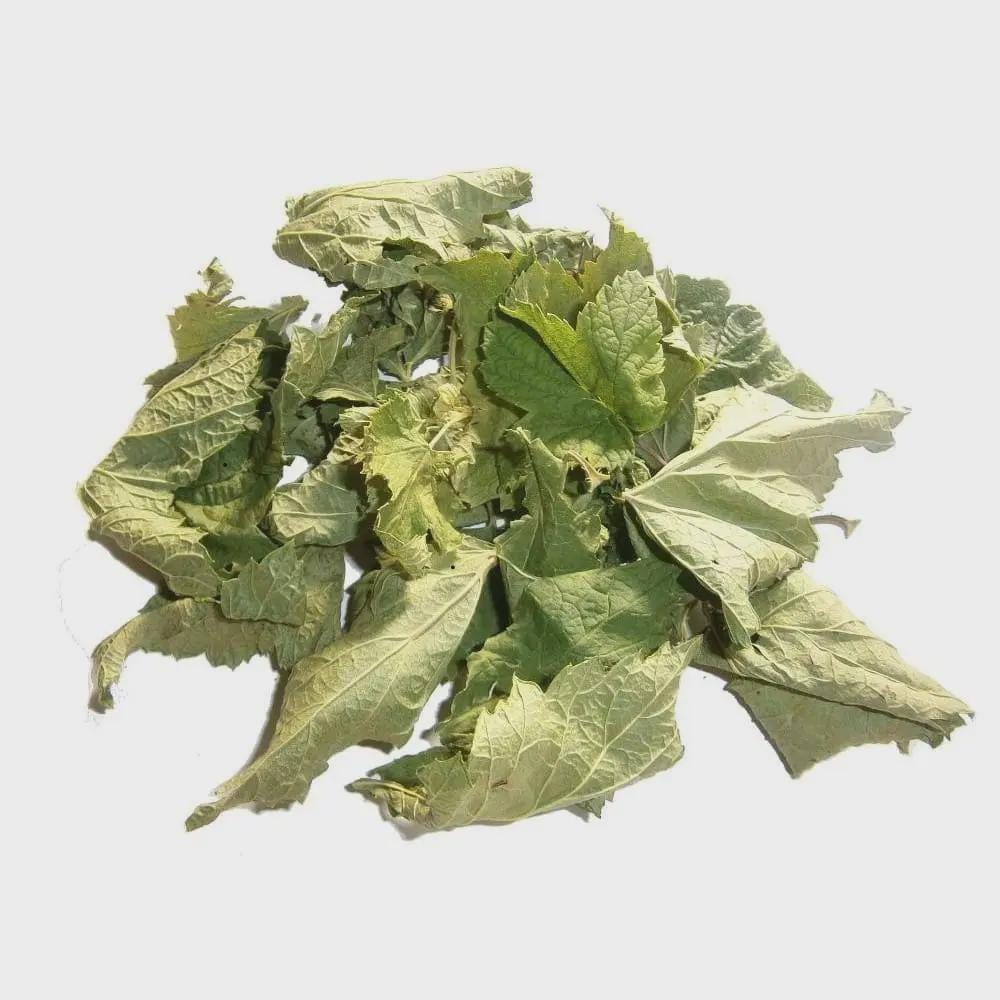
The Ultimate Guide to Burdock: Health Benefits and Uses

The Profound Healing Power of Burdock: An Exhaustive Guide to its Health Benefits

For centuries, nestled within the sprawling tapestry of traditional medicine across continents, a humble biennial plant known as Burdock (Arctium lappa) has held a revered place. Far from being a mere weed with its characteristic prickly burrs, Burdock is a botanical powerhouse, celebrated for its root, leaves, and seeds, all brimming with an astonishing array of bioactive compounds. From ancient Chinese herbal texts to European folk remedies and indigenous practices, its reputation as a potent detoxifier, skin healer, and general wellness enhancer has endured. This definitive guide delves deep into the multifaceted health benefits of Burdock, exploring its rich history, intricate chemical composition, and practical applications, providing an unparalleled understanding of this remarkable natural remedy.

A Journey Through Time: Burdock’s Enduring Legacy in Traditional Medicine

The historical reverence for Burdock is as deep-rooted as the plant itself. In Traditional Chinese Medicine (TCM), Burdock root, known as Niúbàng, has been employed for thousands of years to “clear heat and remove toxins,” particularly those affecting the skin and blood. It was a staple in formulations for conditions like measles, sore throats, and various inflammatory skin issues, valued for its cooling and purifying properties. Similarly, in European herbalism, Burdock was a cornerstone of “blood purifying” remedies, used extensively for gout, rheumatism, and a wide spectrum of skin conditions, from eczema and psoriasis to boils and acne. Dioscorides, the ancient Greek physician, noted its use for snake bites and stomach ailments, while medieval herbalists like Nicholas Culpeper extolled its virtues for kidney and bladder stones. Indigenous North American tribes also integrated Burdock into their materia medica, utilizing its roots for joint pain, digestive complaints, and as a general tonic. This consistent historical usage across diverse cultures underscores its significant therapeutic value, paving the way for modern scientific inquiry.

Botanical Profile: Unveiling the Characteristics of Arctium lappa

Burdock, scientifically classified as Arctium lappa, belongs to the Asteraceae (or Compositae) family, which also includes sunflowers and daisies. It is a biennial plant, meaning it completes its life cycle over two years. In its first year, it produces large, broad, heart-shaped leaves close to the ground, and develops a deep, fleshy taproot that can grow over a meter long. This root is the most commonly used part of the plant for medicinal purposes and culinary applications, particularly in East Asian cuisine where it’s known as ‘gobo’. In its second year, the plant sends up a tall, branching flower stalk, bearing purplish thistle-like flowers that eventually develop into the iconic burrs – small, round, prickly seed heads famous for inspiring Velcro due to their hook-like structures. These burrs facilitate seed dispersal by attaching to animal fur and clothing. Burdock thrives in temperate climates and is often found in disturbed soils, roadsides, and open woodlands across Europe, Asia, and North America, where it has naturalized.

Burdock Botanical Photo

The Bioactive Treasure Trove: Key Chemical Constituents of Burdock

The remarkable health benefits of Burdock are attributable to its incredibly rich and diverse phytochemical profile. Each part of the plant, but especially the root, is packed with a synergy of compounds that work together to exert its therapeutic effects. Understanding these constituents is key to appreciating Burdock’s medicinal prowess.

  • Inulin: This potent fructan is one of the most abundant compounds in Burdock root, constituting up to 50% of its composition. Inulin is a powerful prebiotic fiber, meaning it selectively feeds beneficial gut bacteria (like Bifidobacteria and Lactobacilli). This promotion of a healthy gut microbiome is fundamental to digestive health, immune function, and even mental well-being. Furthermore, inulin helps regulate blood sugar levels by slowing glucose absorption and has been linked to improved mineral absorption and satiety.
  • Lignans (Arctiin and Arctigenin): These are among Burdock’s most thoroughly researched compounds. Arctiin and its aglycone, arctigenin, are phytoestrogens with potent antioxidant, anti-inflammatory, and even potential anticancer properties. They have been studied for their ability to inhibit tumor cell growth, induce apoptosis (programmed cell death) in various cancer lines, and modulate immune responses. Their anti-inflammatory actions help mitigate cellular damage and chronic disease progression.
  • Phenolic Acids: Burdock is rich in various phenolic acids, including caffeic acid, chlorogenic acid, and cynarin. These compounds are renowned for their powerful antioxidant capabilities, effectively scavenging free radicals and reducing oxidative stress, which is a key driver of aging and chronic diseases. They also contribute to Burdock’s anti-inflammatory and hepatoprotective (liver-protective) effects.
  • Flavonoids: Quercetin, luteolin, and other flavonoids present in Burdock contribute significantly to its antioxidant and anti-inflammatory profile. Flavonoids are essential for protecting cells from damage, supporting cardiovascular health, and modulating immune system responses. They enhance the overall therapeutic efficacy of the plant.
  • Volatile Oils: While present in smaller quantities, volatile oils found in Burdock contribute to its unique aroma and possess mild antimicrobial and antiseptic properties, which can be beneficial in topical applications and overall immune support.
  • Tannins: These astringent compounds give Burdock its characteristic slightly bitter taste. Tannins have antiseptic and anti-inflammatory effects, contributing to its traditional use for skin conditions and as a digestive aid.
  • Mucilage: The presence of mucilage provides a soothing and demulcent effect on mucous membranes, particularly beneficial for the digestive and urinary tracts, helping to alleviate irritation and inflammation.
  • Vitamins and Minerals: Burdock root is also a good source of essential nutrients, including B vitamins (folic acid, riboflavin, pyridoxine), Vitamin C, Vitamin E, and minerals such as potassium, magnesium, manganese, iron, and zinc, all vital for overall health and physiological function.

Burdock Plant Profile

Comprehensive Health Benefits: Unpacking Burdock’s Therapeutic Actions

The synergy of Burdock’s diverse compounds translates into a broad spectrum of health benefits, addressing multiple bodily systems and offering holistic support.

1. Potent Detoxifier and Blood Purifier

Burdock’s reputation as a “blood purifier” is arguably its most celebrated traditional use, and modern science provides plausible explanations for this. It acts as a diuretic, promoting increased urine output, which helps the kidneys efficiently filter waste products from the blood and excrete them. Furthermore, Burdock is a diaphoretic, stimulating sweat production, another pathway for toxin elimination through the skin. Perhaps most importantly, it is a choleretic, meaning it stimulates bile production and flow from the liver and gallbladder. Bile is crucial for digesting fats and carrying away metabolic waste products and toxins processed by the liver. By enhancing these natural detoxification pathways, Burdock aids the body in systematically cleansing the blood and supporting overall liver and kidney function, making it an excellent tonic for maintaining metabolic hygiene.

2. Superior Skin Health and Dermatological Applications

Burdock’s profound impact on skin health is well-documented, both historically and through emerging research. Its ability to purify the blood, reduce inflammation, and exhibit antimicrobial properties makes it an invaluable remedy for a variety of dermatological conditions. For issues like acne, eczema, psoriasis, and boils, Burdock works internally by detoxifying the body, which often manifests as clearer skin. Its anti-inflammatory constituents, such as lignans and flavonoids, help reduce redness, swelling, and itching associated with these conditions. Topically, its antiseptic properties can aid in preventing infection in open sores or inflamed areas, while its mucilage content offers a soothing effect. By improving liver function and gut health, which are intrinsically linked to skin conditions, Burdock addresses the root causes rather than just the symptoms, promoting long-term skin vitality.

3. Digestive Health and Gut Microbiome Support

The high concentration of inulin in Burdock root positions it as an exceptional ally for digestive health. As a prebiotic, inulin nourishes the beneficial bacteria in the gut, leading to a more balanced and robust gut microbiome. A healthy microbiome is critical for efficient digestion, nutrient absorption, and immune function. Furthermore, the fiber content in Burdock promotes regular bowel movements, preventing constipation and supporting the elimination of waste. The mucilage components provide a demulcent effect, soothing irritated mucous membranes throughout the digestive tract, which can be beneficial for conditions like irritable bowel syndrome (IBS) or gastritis. By fostering a healthy gut environment, Burdock contributes to overall digestive harmony and nutrient utilization.

4. Potent Anti-inflammatory and Antioxidant Properties

Chronic inflammation and oxidative stress are foundational to many chronic diseases, including cardiovascular disease, neurodegenerative disorders, and certain cancers. Burdock is replete with compounds that actively combat both. Its lignans, such as arctigenin, exhibit significant anti-inflammatory actions by modulating various inflammatory pathways. Phenolic acids and flavonoids contribute robust antioxidant activity, neutralizing harmful free radicals that damage cells and tissues. This dual action makes Burdock a powerful preventive and therapeutic agent against cellular damage and systemic inflammation, supporting cellular integrity and promoting overall longevity and health.

5. Immune System Modulator

Burdock’s rich nutrient profile and its array of bioactive compounds contribute to its immune-modulating capabilities. The prebiotics inulin fosters a healthy gut microbiome, which is intrinsically linked to a strong immune system (approximately 70% of immune cells reside in the gut). Furthermore, its antioxidant properties protect immune cells from damage, while its potential antimicrobial and antiviral actions, supported by volatile oils and other constituents, may help the body fend off pathogens. By reducing inflammation, Burdock also allows the immune system to function more efficiently, preventing overreactions and ensuring a balanced immune response.

6. Blood Sugar Regulation Potential

Given its high inulin content, Burdock root shows promise in supporting healthy blood sugar levels. Inulin is a non-digestible carbohydrate that does not spike blood glucose, and it can help slow the absorption of sugars from other foods in the digestive tract. This can lead to more stable blood sugar levels, potentially benefiting individuals managing type 2 diabetes or those at risk. Additionally, some studies suggest that other compounds in Burdock may influence glucose metabolism, though more human clinical trials are needed to fully understand and confirm these effects. It is important to note that Burdock should not replace prescribed diabetes medications.

7. Emerging Anti-Cancer Research

While research is still in its early stages, particularly *in vitro* and animal studies have highlighted the potential anti-cancer properties of Burdock, primarily attributed to its lignans, arctiin, and arctigenin. These compounds have demonstrated the ability to inhibit the proliferation of various cancer cells (including breast, colon, pancreatic, and liver cancer cells), induce apoptosis (programmed cell death), and potentially interfere with tumor angiogenesis (the formation of new blood vessels that feed tumors). While these findings are promising, it is crucial to understand that Burdock is not a standalone cancer treatment, and human clinical trials are necessary to validate these preliminary observations.

8. Joint Health and Anti-Arthritic Effects

Historically, Burdock was used to alleviate symptoms of rheumatism and gout. Its potent anti-inflammatory properties are central to this benefit. By reducing systemic inflammation, Burdock can help mitigate pain and swelling associated with arthritic conditions. Its detoxifying actions, particularly its ability to support kidney function and eliminate uric acid, can be especially beneficial for gout sufferers, where uric acid crystal accumulation in joints causes severe pain. While not a cure, Burdock can be a valuable complementary therapy for managing joint discomfort and promoting overall musculoskeletal well-being.

Practical Applications: Incorporating Burdock into Your Wellness Regimen

Burdock’s versatility extends beyond its medicinal benefits, making it an adaptable addition to both culinary and herbal practices.

Culinary Uses: “Gobo” in the Kitchen

The root of Burdock, known as “gobo” in Japanese cuisine, is a staple vegetable, revered for its earthy flavor and crisp texture. It can be prepared in numerous ways:

  • Stir-fries: Sliced or julienned gobo adds a unique flavor and crunch.
  • Soups and Stews: It contributes depth and nutrition to broths and hearty dishes.
  • Pickled: A popular method to preserve its flavor and beneficial compounds.
  • Tempura: Young gobo root can be thinly sliced and deep-fried.
  • Cooked Greens: Young leaves and stalks can be cooked like spinach or chard.

Herbal Preparations: Traditional and Modern Forms

For therapeutic purposes, Burdock is typically consumed as a tea, tincture, or encapsulated supplement.

  • Decoctions (for roots): To make a powerful tea from dried Burdock root, simmer 1-2 teaspoons of dried root in 8-10 ounces of water for 10-15 minutes, then strain. Drink 2-3 times daily. This method extracts the beneficial compounds more effectively from the harder root material.
  • Tinctures: These are concentrated liquid extracts made by steeping Burdock root in alcohol. Tinctures offer a convenient and potent way to consume Burdock, with typical dosages ranging from 2-4 ml, 2-3 times a day, diluted in water.
  • Poultices and Compresses: For topical skin conditions, a poultice can be made from crushed fresh Burdock leaves or a strong root decoction can be used as a compress, applied directly to the affected area to soothe inflammation and promote healing.

Burdock Dried Herb

Supplements: Capsules and Tablets

For those seeking convenience and standardized dosing, Burdock root supplements are widely available in capsule or tablet form. These typically contain powdered Burdock root extract or dried root. Doses can vary, but generally range from 500 mg to 1500 mg per day, often split into multiple doses. It is crucial to choose high-quality supplements from reputable brands to ensure purity and potency. Always follow the manufacturer’s recommended dosage unless advised otherwise by a healthcare professional.

Burdock Capsules

Dosage, Safety, and Important Considerations

While Burdock is generally considered safe for most people when consumed in appropriate doses, it is essential to be aware of potential side effects and contraindications.

  • General Dosage:
    • Dried Root Decoction: 2-6 grams (approx. 1-2 teaspoons) simmered in 250ml water, 2-3 times daily.
    • Tincture (1:5 in 45% alcohol): 2-8 ml, 3 times daily.
    • Capsules/Tablets: 500-1500 mg per day, as directed by product label.
  • Potential Side Effects: Burdock is usually well-tolerated. However, some individuals might experience mild gastrointestinal upset, such as gas or bloating, especially when starting. Allergic reactions, though rare, can occur, particularly in individuals sensitive to plants in the Asteraceae family (e.g., ragweed, daisies, chrysanthemums). Symptoms may include skin rash, itching, or swelling.
  • Contraindications and Interactions:
    • Pregnancy and Breastfeeding: Burdock’s safety during pregnancy and lactation has not been sufficiently established, and it is generally advised to avoid its use.
    • Diuretics: Burdock has diuretic properties; combining it with pharmaceutical diuretics may lead to excessive fluid loss or electrolyte imbalance.
    • Blood Thinners: Theoretically, Burdock may interact with anticoagulant medications due to some compounds that could affect blood clotting, though concrete evidence is limited. Exercise caution.
    • Diabetes Medications: Given its potential to lower blood sugar, individuals with diabetes on medication should monitor their blood glucose levels closely to avoid hypoglycemia.
    • Allergies: People with known allergies to plants in the Asteraceae family should avoid Burdock.
    • Surgery: Due to potential effects on blood clotting and blood sugar, discontinue Burdock at least two weeks before any scheduled surgery.
  • Purity: Ensure that Burdock root is sourced from a reputable supplier, as false labelling or contamination with toxic belladonna root (which resembles burdock) has been reported in the past. Always choose certified organic and lab-tested products.

As with any herbal remedy, it is always advisable to consult with a qualified healthcare professional or a trained herbalist before incorporating Burdock into your health regimen, especially if you have underlying health conditions or are taking other medications.

Burdock Natural Herb

Conclusion: Burdock – A Testament to Nature’s Healing Wisdom

From its humble beginnings as a “common weed” to its celebrated status in traditional medicine and its increasing recognition in modern scientific research, Burdock stands as a compelling testament to the profound healing wisdom inherent in nature. Its remarkable synergy of bioactive compounds, including inulin, lignans, phenolic acids, and flavonoids, underpins its extensive range of health benefits – from its unparalleled ability to detoxify the blood and enhance skin clarity, to its crucial role in supporting digestive health, combating inflammation, boosting immunity, and potentially regulating blood sugar and even fighting cancer. Whether incorporated culinarily as a nutritious vegetable or utilized therapeutically as a tea, tincture, or supplement, Burdock offers a holistic approach to wellness. As we continue to uncover the depths of its therapeutic actions, Arctium lappa remains a powerful, versatile, and deeply respected natural remedy, holding immense potential for those seeking to cultivate vibrant health through the gifts of the botanical world.

Disclaimer: For informational purposes only. Not medical advice. Consult a qualified healthcare professional before use.

The Ultimate Guide to Senna Leaf: Health Benefits and Uses

Unlocking the Power of Nature: An Exhaustive Guide to Senna Leaf’s Health Benefits

In the vast tapestry of botanical medicine, few herbs command as much historical reverence and scientific scrutiny as Senna Leaf. Renowned primarily for its profound effectiveness as a natural laxative, this unassuming plant has journeyed through millennia, from ancient healing rituals to modern pharmaceutical preparations. Its potent compounds offer a reliable solution for one of the most common digestive complaints globally: constipation. Beyond its well-established role in promoting regularity, a deeper dive into Senna reveals a fascinating interplay of biochemistry, traditional wisdom, and crucial considerations for safe and effective use. This comprehensive guide aims to unravel the intricate health benefits of Senna Leaf, exploring its botanical origins, active constituents, mechanisms of action, and practical applications, providing an unparalleled resource for understanding this powerful herb.

Botanical Profile and Historical Roots of Senna Leaf

Senna, scientifically known primarily as Senna alexandrina (a species that encompasses both Cassia senna and Cassia angustifolia, historically recognized as Alexandrian and Tinnevelly Senna, respectively), belongs to the sprawling Fabaceae family, which also includes peas and beans. This hardy shrub thrives in arid and semi-arid regions, predominantly in North Africa, the Middle East, and India. Its distinctive pinnate leaves, vibrant yellow flowers, and elongated seed pods are characteristic features. The leaves, and sometimes the pods, are the parts typically harvested for medicinal use, prized for their concentration of active compounds.

The history of Senna is as rich and ancient as the civilizations that first discovered its properties. Its medicinal use dates back over a thousand years, with documented evidence of its application in traditional healing systems. Ancient Egyptian physicians were among the first to recognize and utilize Senna, incorporating it into various purgative preparations, particularly for cleansing rituals and addressing bowel irregularities. Arab physicians, such as Avicenna, further propagated its use throughout the Islamic world and into medieval Europe, where it quickly became a staple in apothecaries. Ayurvedic medicine in India and Traditional Chinese Medicine also integrated Senna into their pharmacopeias, valuing its ability to “clear heat” and “purify the intestines.” This enduring legacy underscores Senna’s consistent recognition across diverse cultures as a potent and effective botanical remedy.

Senna Leaf Botanical Photo

Bioactive Compounds: The Powerhouse Behind Senna’s Efficacy

The remarkable therapeutic effects of Senna Leaf are primarily attributed to a class of compounds known as anthraquinone glycosides, specifically sennosides. These are the key bioactive constituents responsible for its laxative properties. Sennosides A, B, C, and D are the most prominent, with sennosides A and B being the most abundant and well-studied. These compounds are essentially prodrugs, meaning they are inactive in their original form and require metabolic transformation to exert their effects.

When ingested, sennosides pass largely undigested through the stomach and small intestine. It is in the colon that the true magic happens. Gut bacteria, part of our complex microbiome, play a crucial role by hydrolyzing the sennosides, cleaving off their sugar components and converting them into active metabolites, primarily rhein anthrones. These rhein anthrones are the actual effector molecules that interact with the colonic mucosa. Besides sennosides, Senna Leaf also contains other compounds such as flavonoids, which contribute to its overall antioxidant profile, mucilage, which can have a soothing effect on mucous membranes, and resins, though their medicinal contribution is less understood compared to the sennosides. The synergy of these components, though dominated by the anthraquinones, contributes to the herb’s holistic action.

Senna Leaf Plant Profile

The Intricate Mechanism of Action: How Senna Promotes Bowel Regularity

The laxative mechanism of Senna is multifaceted and remarkably effective, primarily targeting the large intestine. Once the sennosides are metabolized by colonic bacteria into rhein anthrones, these active compounds exert a dual action on the colon:

  1. Stimulation of Colonic Motility: Rhein anthrones directly irritate and stimulate the smooth muscle of the colon wall. This stimulation increases the frequency and strength of peristaltic contractions, the wave-like movements that propel fecal matter through the digestive tract. By accelerating transit time, stool spends less time in the colon, reducing the opportunity for excessive water reabsorption.
  2. Inhibition of Water and Electrolyte Absorption & Promotion of Secretion: The active metabolites interfere with the colon’s ability to absorb water and electrolytes, particularly sodium and chloride, from the intestinal lumen. Simultaneously, they stimulate the active secretion of chloride ions and, consequently, water into the colon. This influx of fluid into the intestinal lumen increases stool volume and softens its consistency, making it easier to pass. The combined effect of increased peristalsis and enhanced fluid content results in a more efficient and comfortable bowel movement, typically occurring within 6 to 12 hours after ingestion. This delayed action is due to the time required for the sennosides to reach the colon and be metabolized by bacteria.

This distinct mechanism differentiates Senna from other types of laxatives. Unlike bulk-forming laxatives that absorb water to add mass, or osmotic laxatives that draw water into the bowel, Senna actively influences both the fluid balance and the muscular contractions of the colon. This makes it particularly effective for acute constipation and for situations requiring reliable bowel evacuation, such as before medical procedures.

Primary Health Benefit: Potent and Reliable Constipation Relief

The most celebrated and scientifically validated health benefit of Senna Leaf is its efficacy in treating various forms of constipation. It is widely recognized as a stimulant laxative, a classification that speaks to its direct action on the intestinal walls. For individuals experiencing occasional constipation due to dietary changes, stress, travel, or medication side effects, Senna can provide swift and dependable relief. Its predictable onset of action, typically within 6-12 hours, allows users to time its administration for optimal effect, often taken before bedtime to induce a morning bowel movement.

Beyond occasional use, Senna is also employed in specific medical contexts. It is frequently prescribed or recommended for bowel preparation before colonoscopies, surgeries, or other diagnostic procedures that require a thoroughly cleansed colon. In these scenarios, its powerful purgative effect ensures effective evacuation. Furthermore, Senna plays a crucial role in managing opioid-induced constipation, a common and debilitating side effect of pain medications. Often combined with a stool softener, Senna helps counteract the severe slowing of intestinal motility caused by opioids, significantly improving patients’ quality of life. Its consistent performance has cemented its status as a cornerstone in both over-the-counter remedies and prescribed treatments for constipation.

Senna Leaf Dried Herb

Exploring Other Potential (and Debated) Health Benefits

While constipation relief remains its primary and most evidence-backed benefit, Senna Leaf has been historically associated with, and is sometimes marketed for, other health claims. It’s crucial to approach these with a critical perspective, differentiating between traditional beliefs and modern scientific validation.

1. Detoxification and Internal Cleansing

The concept of “detox” often aligns with herbal remedies that promote bowel regularity. Proponents suggest that by efficiently eliminating waste and toxins from the colon, Senna contributes to an overall internal cleansing process. While it undeniably helps remove fecal matter, which contains metabolic waste and other compounds, the idea of a specific “detoxification” beyond the body’s natural processes (liver, kidneys, lymphatic system) through increased bowel movements lacks robust scientific backing. Senna facilitates waste elimination, but it doesn’t directly enhance the liver’s detoxifying enzymes or purify the blood in the way a “detox” supplement might imply.

2. Support for Weight Management

Senna is occasionally promoted for weight loss. This connection, however, is largely misguided and potentially harmful. Any perceived weight loss from Senna use is primarily due to the loss of water and fecal matter, not a reduction in body fat. It works as a laxative, not a fat burner or metabolism booster. Relying on laxatives for weight management can lead to dangerous dehydration, electrolyte imbalances, and the development of laxative dependence, ultimately disrupting healthy digestive function without addressing actual fat loss.

3. Anti-Inflammatory and Antiparasitic Properties

Some traditional uses of Senna have alluded to anti-inflammatory effects and even antiparasitic actions. While certain anthraquinones in other plants have demonstrated anti-inflammatory properties in laboratory settings, direct and significant anti-inflammatory benefits from Senna Leaf, particularly in humans for conditions like systemic inflammation, are not well-established. Similarly, while traditional medicine sometimes employed Senna for parasitic infections, modern scientific evidence supporting its efficacy as an antiparasitic agent in humans is limited and inconclusive. Its primary role remains as a laxative.

Forms of Senna and Practical Usage Considerations

Senna Leaf is available in various forms, catering to different preferences and needs, each with its own advantages for practical usage. Understanding these forms helps in selecting the most appropriate option for individual circumstances.

  • Dried Herb (Loose Leaf or Tea Bags): This is perhaps the most traditional way to consume Senna. Dried leaves can be steeped in hot water to make a purgative tea. This method allows for some flexibility in dosage, as the steeping time and amount of herb can be adjusted, though consistency can vary. Many traditional blends for “detox” or “cleansing” teas prominently feature Senna.
  • Capsules and Tablets: These forms offer the greatest convenience and dosage control. Senna supplements often come in standardized extracts, meaning the concentration of sennosides is precisely measured, ensuring consistent potency. This eliminates the variability associated with teas and makes it easier to follow specific dosage recommendations. They are discreet and easy to take with water.
  • Powder: Senna leaf powder can be mixed into beverages or food. While offering versatility, it can be more challenging to measure an exact dose compared to standardized capsules.
  • Liquid Extracts and Syrups: These forms are also available, sometimes marketed for children (though Senna use in children should always be under strict medical supervision due to potential side effects). Liquids can offer quicker absorption for some, but again, careful dosing is paramount.

Senna Leaf Capsules

Dosage, Administration, and Best Practices for Senna Use

Responsible use of Senna Leaf hinges on adherence to recommended dosages and understanding administration guidelines. The typical adult dose of Senna for constipation relief ranges from 15 to 30 mg of sennosides per day, usually taken as a single dose before bedtime. This allows the active compounds sufficient time to be processed in the colon, leading to a bowel movement the following morning. It is always advisable to start with the lowest effective dose and gradually increase if necessary, under the guidance of a healthcare professional. For specific bowel preparation procedures, doses may be higher and are strictly guided by medical protocols.

When using Senna, adequate hydration is crucial. Because Senna works by increasing water content in the stool, ensuring sufficient fluid intake helps prevent dehydration and supports its effectiveness. It is also imperative to emphasize that Senna is intended for short-term use only, typically no more than seven consecutive days. Prolonged or excessive use carries significant risks, including the development of laxative dependence, electrolyte imbalances (especially potassium loss), dehydration, and damage to the colonic muscle, a condition known as “cathartic colon.” Always read product labels carefully, as concentrations of sennosides can vary between different formulations and brands. Consulting with a physician or pharmacist before starting Senna, especially if you have underlying health conditions or are taking other medications, is a critical best practice.

Safety Profile, Side Effects, and Contraindications

While generally safe when used appropriately and for short durations, Senna Leaf is a potent laxative and is not without potential side effects and contraindications. Understanding these is vital for responsible use.

Common Side Effects:

  • Abdominal Cramping and Discomfort: Due to its stimulant action on the colon, mild to moderate abdominal cramps are a common side effect. This can sometimes be mitigated by adjusting the dose or ensuring adequate hydration.
  • Flatulence: Increased gas production can occur as gut bacteria process the sennosides.
  • Discolored Urine: Senna metabolites can cause urine to turn a reddish-brown or yellowish-brown color, which is harmless and temporary.
  • Diarrhea: Taking too high a dose can lead to loose stools or diarrhea.

Serious Concerns with Overuse or Long-Term Use:

  • Electrolyte Imbalance: Chronic use, particularly at high doses, can lead to significant loss of electrolytes, especially potassium. Hypokalemia (low potassium) can impair heart function, lead to muscle weakness, and exacerbate the effects of certain medications.
  • Dehydration: Excessive fluid loss through repeated bowel movements can lead to dehydration, especially if fluid intake is insufficient.
  • Laxative Dependence (Cathartic Colon): Prolonged reliance on stimulant laxatives like Senna can cause the colon to lose its natural muscle tone and ability to contract, leading to a condition known as “cathartic colon.” This can result in chronic constipation that is even more difficult to treat, creating a vicious cycle of laxative use.
  • Liver Damage: Although rare, there have been isolated reports of liver toxicity associated with very high doses or prolonged use of anthraquinone-containing laxatives.

Contraindications:

  • Pregnancy and Breastfeeding: Senna is generally not recommended during pregnancy or breastfeeding, as its active compounds can be transferred to the fetus or infant, potentially causing adverse effects.
  • Inflammatory Bowel Disease (IBD): Individuals with conditions like Crohn’s disease or ulcerative colitis should avoid Senna as it can exacerbate inflammation and symptoms.
  • Appendicitis or Undiagnosed Abdominal Pain: Senna should not be used if appendicitis is suspected or if there is undiagnosed severe abdominal pain, as it could mask symptoms or worsen the condition.
  • Intestinal Obstruction: Any form of intestinal blockage is a strict contraindication, as Senna could worsen the obstruction.
  • Children: Senna use in children, especially infants, should only occur under strict medical supervision.

Drug Interactions:

Senna can interact with certain medications. It can decrease the absorption of other drugs due to rapid bowel transit. More critically, due to its potential to cause potassium loss, it can interact dangerously with:

  • Diuretics: Especially thiazide diuretics, increasing the risk of hypokalemia.
  • Corticosteroids: Further increasing potassium loss.
  • Cardiac Glycosides (e.g., Digoxin): Hypokalemia can enhance the toxicity of these heart medications, leading to serious cardiac arrhythmias.

Always inform your healthcare provider about all medications and supplements you are taking before using Senna.

Choosing a Quality Senna Product

When purchasing Senna Leaf products, opt for reputable brands that prioritize quality and safety. Look for products that specify the amount of sennosides per serving, indicating a standardized extract. Organic or wild-harvested options can minimize exposure to pesticides. Third-party testing for purity and potency provides an extra layer of assurance regarding the product’s quality and absence of contaminants. Always check the expiration date and storage instructions to maintain efficacy.

Conclusion: Harnessing Senna’s Power Responsibly

Senna Leaf stands as a powerful and historically validated botanical remedy, primarily distinguished by its profound ability to provide reliable relief from constipation. Its unique mechanism, involving the activation of sennosides by gut bacteria to stimulate colonic motility and increase stool water content, makes it a highly effective solution for occasional bowel irregularity, surgical preparation, and managing specific forms of medically induced constipation. While traditional applications have hinted at broader benefits like detoxification, it is critical to ground our understanding in scientific evidence, which overwhelmingly points to its role as a stimulant laxative.

To harness Senna’s benefits safely, adherence to appropriate dosages, strict adherence to short-term use, and a thorough understanding of its potential side effects and contraindications are paramount. It is a tool for acute relief, not a long-term solution for chronic digestive issues or a means for unhealthy weight loss. As with any potent herbal medicine, the key to beneficial outcomes lies in informed and responsible utilization. Always engage with a healthcare professional before incorporating Senna into your health regimen, ensuring it aligns with your individual health profile and does not interfere with existing conditions or medications. When used judiciously, Senna Leaf remains an invaluable component of the herbal pharmacopeia, offering dependable support for digestive health when truly needed.

Senna Leaf Natural Herb

Disclaimer: For informational purposes only. Not medical advice. Consult a qualified healthcare professional before use.

The Ultimate Guide to Buckthorn bark: Health Benefits and Uses

Unlocking Nature’s Potent Digestive Aid: The Exhaustive Health Benefits of Buckthorn Bark

For centuries, humanity has turned to the bountiful wisdom of the plant kingdom to address a myriad of health concerns. Among the pantheon of revered botanicals, Buckthorn bark stands as a testament to nature’s profound medicinal capabilities, particularly within the realm of digestive health. Known scientifically as Frangula alnus (formerly Rhamnus frangula), this unassuming shrub has earned its esteemed reputation primarily as a powerful and effective natural laxative, but its benefits extend far beyond simple bowel regularity. This definitive guide delves into the intricate historical tapestry, complex phytochemistry, and diverse health advantages offered by Buckthorn bark, providing an exhaustive exploration for those seeking to understand and harness its therapeutic potential.

In an era increasingly focused on holistic wellness and natural remedies, understanding the nuanced actions of traditional herbs like Buckthorn bark is paramount. We will unravel the scientific mechanisms behind its potent effects, detail its historical applications across different cultures, and provide practical insights into its safe and effective utilization, ensuring a comprehensive understanding of this remarkable botanical ally. From its stimulating impact on gut motility to its broader support for liver and digestive processes, Buckthorn bark represents a cornerstone of herbal medicine, deserving of meticulous examination and respect.

Botanical Overview: Understanding the Source of Potency

Buckthorn bark is derived from the Alder Buckthorn, a deciduous shrub or small tree native to Europe, northern Africa, and western Asia. Bearing the botanical name Frangula alnus, it is often confused with its close relative, Rhamnus cathartica (Common Buckthorn or Purging Buckthorn), which, while also possessing laxative properties, is generally considered more aggressive and is an invasive species in many regions. The bark of Frangula alnus, however, is the subject of most medicinal applications due to its milder yet effective action after proper curing.

The plant typically grows to a height of 3-6 meters, thriving in damp, acidic soils found in woodlands, fens, and hedgerows. Its smooth, dark reddish-brown bark is distinctive, featuring prominent lenticels (small, corky pores). The leaves are oval, glossy green, and alternate along the stem, while small, greenish-white flowers bloom in clusters from May to June, eventually giving way to small, round berries that ripen from green to red, and finally to a dark purple or black. It is crucial to note that the fresh bark and berries are purgative and emetic and should never be consumed directly. Only aged or heat-treated bark is suitable for medicinal use, as the fresh plant contains compounds that can cause severe gastrointestinal distress.

Buckthorn bark Botanical Photo

A Journey Through Time: Historical Context and Traditional Uses

The use of Buckthorn bark in traditional medicine dates back many centuries, with its efficacy being documented across various cultures. Its prominent role as a purgative was recognized by herbalists and physicians as early as the 13th century. Nicholas Culpeper, the renowned 17th-century English herbalist, praised Buckthorn for its ability to “cleanse the body of phlegm and watery humors,” indicating its widespread application in humoral medicine, a dominant medical theory of the time.

Throughout medieval Europe, Buckthorn bark was a staple in monastic gardens and apothecary shops, frequently prescribed for constipation, digestive sluggishness, and conditions believed to be caused by an accumulation of bodily “toxins.” It was often included in complex herbal formulations designed to purify the blood and improve overall systemic health. The recognition of its potent effects led to its inclusion in pharmacopeias and traditional medical texts, cementing its status as a reliable and powerful herbal remedy. Indigenous cultures in regions where the plant grew also incorporated it into their healing practices, often recognizing its detoxifying and cleansing properties.

Buckthorn bark Dried Herb

The traditional preparation involved harvesting the bark and then carefully aging it for at least one year. This crucial curing process is essential for its safe medicinal use, as fresh bark contains anthrone glycosides, which are too harsh and can induce severe vomiting and cramps. During the aging period, these harsh compounds undergo oxidation, converting into the less irritating but equally effective anthraquinone glycosides, predominantly glucofrangulin and frangulin, which are responsible for its therapeutic laxative action. This meticulous preparation highlights the deep understanding of plant chemistry possessed by ancient herbalists, long before the advent of modern scientific analysis.

Phytochemistry: The Bioactive Powerhouse of Buckthorn Bark

The impressive therapeutic actions of Buckthorn bark are attributed to a rich and complex array of bioactive compounds. The most significant and well-studied among these are the **anthraquinone glycosides**, primarily glucofrangulin A and B, and frangulin A and B. These compounds are present in their inactive O-glycoside forms in the bark, protecting them from degradation in the upper digestive tract.

Upon reaching the colon, the anthraquinone glycosides are metabolized by resident gut bacteria. These bacteria cleave off the sugar component, converting the inactive glycosides into their active aglycone forms, known as anthrones and anthranols. These active metabolites exert their laxative effect through several distinct mechanisms:

  • Stimulation of Peristalsis: The active anthraquinones directly irritate the smooth muscle lining of the colon, stimulating increased rhythmic contractions (peristalsis). This accelerates the transit time of fecal matter through the bowel, promoting more frequent and easier bowel movements.
  • Inhibition of Water Reabsorption: They interfere with the absorption of water and electrolytes (sodium and chloride ions) from the colon lumen back into the bloodstream. By reducing water reabsorption, more water is retained within the stool, making it softer and increasing its volume.
  • Increased Secretion of Water and Electrolytes: In addition to inhibiting reabsorption, anthraquinones also stimulate the active secretion of water and electrolytes into the intestinal lumen, further contributing to the softening and bulk of the stool.

Buckthorn bark Plant Profile

Beyond the primary anthraquinone glycosides, Buckthorn bark also contains other valuable compounds that contribute to its overall therapeutic profile:

  • Flavonoids: These powerful plant pigments are renowned for their antioxidant and anti-inflammatory properties. While not directly responsible for the laxative effect, flavonoids may contribute to the bark’s broader supportive actions, potentially reducing oxidative stress and inflammation within the gut lining.
  • Tannins: Tannins are astringent compounds that can have mild antiseptic and anti-inflammatory effects. In Buckthorn bark, they may help to modulate the overall digestive environment, though their primary role is often overshadowed by the anthraquinones.
  • Saponins: These soap-like compounds can affect nutrient absorption and possess expectorant properties, though their specific contribution to the laxative action of Buckthorn bark is less pronounced than that of the anthraquinones.

The synergistic interaction of these various phytochemicals contributes to the holistic efficacy of Buckthorn bark, making it more than just a simple purgative, but a comprehensive botanical agent for digestive well-being.

Primary Health Benefits: A Deep Dive into Therapeutic Actions

The health benefits of Buckthorn bark are predominantly centered around its profound impact on the digestive system, making it an invaluable natural remedy for various gastrointestinal complaints. Let’s explore these benefits in detail:

1. Powerful and Reliable Laxative Action

The most well-known and extensively studied benefit of Buckthorn bark is its potent laxative effect. It is classified as a stimulant laxative, meaning it directly acts on the intestinal wall to induce bowel movements. This mechanism, as detailed in the phytochemistry section, involves the anthraquinone glycosides stimulating peristalsis and altering fluid and electrolyte balance in the colon.

For individuals suffering from occasional constipation, Buckthorn bark can provide significant relief. It typically produces a bowel movement within 8-12 hours after ingestion, making it suitable for evening administration to facilitate morning elimination. Unlike some harsh chemical laxatives, Buckthorn bark, when properly prepared and used in appropriate doses, offers a more natural means of restoring bowel regularity without causing undue irritation or discomfort, provided the correct preparation (aged bark) is used.

Its efficacy lies in its direct action on the large intestine, ensuring that the active compounds are released precisely where they are needed to initiate a bowel movement. This targeted approach minimizes systemic side effects often associated with other types of laxatives that may be absorbed more broadly.

2. Comprehensive Digestive Health Support

Beyond its direct laxative effect, Buckthorn bark contributes to overall digestive health by promoting a more efficient and harmonious functioning of the gastrointestinal tract. By stimulating regular bowel movements, it helps to prevent the accumulation of waste products and toxins in the colon, which can otherwise lead to a range of symptoms including bloating, gas, abdominal discomfort, and a feeling of sluggishness.

Regular elimination is crucial for maintaining a healthy gut microbiome, as it prevents the overgrowth of harmful bacteria that thrive in stagnant environments. While Buckthorn bark itself doesn’t directly modulate the microbiome in the same way probiotics do, its role in facilitating waste removal creates a more hospitable environment for beneficial gut flora. Furthermore, by alleviating chronic constipation, it can reduce the strain on the digestive system and improve nutrient absorption by ensuring a cleaner intestinal lining.

3. Liver and Gallbladder Support (Choleretic Action)

Emerging research and traditional practices suggest that Buckthorn bark may also offer supportive benefits for the liver and gallbladder. It is believed to possess choleretic properties, meaning it can stimulate the production and flow of bile from the liver. Bile plays a critical role in the digestion and absorption of fats and fat-soluble vitamins, and its efficient flow is essential for detoxification processes.

By promoting healthy bile production and release, Buckthorn bark can indirectly aid the liver in its detoxification functions and support optimal gallbladder activity. Improved bile flow can help prevent the stagnation of bile, which can contribute to gallbladder issues and impaired fat digestion. This aspect of its action complements its laxative effect, offering a more holistic approach to digestive and detox support.

4. Potential Anti-inflammatory and Antioxidant Properties

While the primary focus of Buckthorn bark research is on its laxative effects, the presence of flavonoids and tannins within its chemical composition suggests potential anti-inflammatory and antioxidant activities. Flavonoids are well-known free radical scavengers, helping to neutralize harmful free radicals that can cause cellular damage and contribute to chronic diseases.

In the context of digestive health, these properties could theoretically help to mitigate low-grade inflammation in the gut lining, which can be a contributing factor to various digestive disturbances. While not a primary anti-inflammatory agent like some other herbs, its contribution to reducing oxidative stress may offer broader protective benefits to the gastrointestinal system and overall cellular health. Further research is needed to fully elucidate these ancillary benefits in the context of Buckthorn bark’s total pharmacological profile.

Practical Usage and Forms of Buckthorn Bark

Buckthorn bark is available in various forms, catering to different preferences and needs. Understanding these forms and their appropriate uses is vital for safe and effective supplementation.

Dried Bark for Decoctions and Teas

Traditionally, the most common method of consumption has been as a decoction or tea prepared from the dried and aged bark. To prepare a decoction, a specific amount of dried bark is simmered in water for a period, allowing the active compounds to leach into the liquid. This method ensures the extraction of the anthraquinone glycosides and other beneficial constituents.

The dried bark must be sourced from reputable suppliers who guarantee proper aging (at least one year) or heat treatment to eliminate the harsh, unoxidized anthrones. This traditional preparation allows for a customizable strength, though consistent dosing can be more challenging than with standardized extracts.

Tinctures

Tinctures are concentrated liquid extracts of Buckthorn bark, typically made by steeping the bark in alcohol and water. This method effectively extracts the active compounds and offers a convenient, shelf-stable form. Tinctures are often favored for their fast absorption and ease of dosage, usually administered by drops in water or juice. The concentration of tinctures can vary, so it is essential to follow the manufacturer’s specific dosage instructions.

Capsules and Tablets (Standardized Extracts)

For modern convenience and precise dosing, Buckthorn bark is widely available in capsule or tablet form, often as standardized extracts. Standardization ensures that each dose contains a consistent amount of the active anthraquinone glycosides, which is crucial for predictable therapeutic effects and safety. This form is particularly beneficial for those who find the taste of the bark unpalatable or prefer a more convenient method of ingestion.

Buckthorn bark Capsules

When choosing capsules or supplements, always opt for products from reputable brands that provide transparency about their sourcing, extraction methods, and standardization levels. This ensures the product’s quality, purity, and efficacy, and most importantly, that the bark used has been correctly aged or treated to prevent adverse effects.

Dosage and Administration Guidelines

The appropriate dosage of Buckthorn bark can vary significantly based on the form (dried bark, tincture, standardized extract), the individual’s sensitivity, and the desired effect. It is always recommended to start with the lowest effective dose and gradually increase if necessary, while adhering strictly to manufacturer guidelines or professional advice.

  • Dried Bark (Decoction): A common traditional dosage for a decoction might involve simmering 0.5-2 grams of dried, aged bark in 150 ml of water for 5-10 minutes, straining, and consuming once daily, preferably in the evening.
  • Tincture: Doses typically range from 1-5 ml, taken 1-3 times daily, depending on concentration. Again, start low.
  • Standardized Extracts (Capsules/Tablets): These are usually standardized to contain a certain percentage of anthraquinone glycosides. A typical effective dose often provides 10-30 mg of hydroxyanthracene derivatives per day, calculated as glucofrangulin. Always check the product label for specific recommendations.

Regardless of the form, Buckthorn bark should ideally be taken in the evening, as its effects usually manifest 8-12 hours later. It is paramount to ensure adequate hydration when using Buckthorn bark, as its mechanism involves drawing water into the colon. Drinking plenty of water throughout the day will support its action and prevent dehydration.

Important Considerations and Potential Side Effects

While Buckthorn bark is a powerful natural remedy, it is crucial to use it responsibly and be aware of its contraindications and potential side effects. It is a potent herb and should not be used indiscriminately.

  • Not for Long-Term Use: Buckthorn bark, like other stimulant laxatives, is intended for short-term relief of occasional constipation (generally no more than 1-2 weeks). Prolonged use can lead to dependency, where the colon becomes reliant on external stimulation, potentially worsening constipation when the herb is discontinued. Chronic use can also lead to electrolyte imbalances (particularly potassium loss), which can affect heart function and muscle strength.
  • Contraindications: Buckthorn bark is contraindicated in several conditions. It should not be used by individuals with inflammatory bowel diseases (e.g., Crohn’s disease, ulcerative colitis), appendicitis, intestinal obstruction, abdominal pain of unknown origin, or during pregnancy and breastfeeding. The anthraquinones can pass into breast milk and may cause diarrhea in infants.
  • Potential Side Effects: Possible side effects include abdominal cramps, discomfort, and diarrhea, especially with excessive doses or if the bark is not properly aged. In rare cases, chronic abuse can lead to a condition known as melanosis coli, a benign discoloration of the colon lining, though this typically resolves upon discontinuation.
  • Drug Interactions: Buckthorn bark can interact with certain medications. Its laxative effect can decrease the absorption of orally administered drugs. The loss of potassium due to prolonged use can potentiate the effects of cardiac glycosides (like digoxin) and antiarrhythmic drugs, and it can also interact with diuretics and corticosteroids.
  • Professional Consultation: Always consult with a healthcare professional or a qualified herbalist before using Buckthorn bark, especially if you have underlying health conditions, are taking other medications, or are unsure about the correct preparation and dosage.

Buckthorn bark Natural Herb

Conclusion: Harnessing Nature’s Digestive Power Responsibly

Buckthorn bark stands as a powerful testament to the enduring efficacy of traditional herbal medicine. Its rich history of use, coupled with modern scientific understanding of its anthraquinone glycosides, firmly establishes its role as a highly effective natural laxative. By stimulating colonic peristalsis and enhancing water retention in the stool, it offers reliable relief for occasional constipation and contributes to overall digestive wellness.

Beyond its primary laxative action, the presence of other bioactive compounds like flavonoids and tannins suggests broader supportive roles, including potential antioxidant and anti-inflammatory benefits, and its choleretic properties point towards an ability to support liver and gallbladder function. However, the true strength of Buckthorn bark lies in its well-defined mechanism for restoring bowel regularity when used appropriately.

As with all potent herbal remedies, responsible use is paramount. Adhering to proper preparation, understanding recommended dosages, and being acutely aware of its contraindications and potential for side effects are crucial. When approached with respect and knowledge, Buckthorn bark can be a valuable addition to a natural health regimen, offering a time-honored solution for digestive challenges and a deeper connection to the therapeutic bounty of the natural world. Its continued study promises to further unveil the full spectrum of its benefits, solidifying its place as a revered botanical for centuries to come.

Disclaimer: For informational purposes only. Not medical advice. Consult a qualified healthcare professional before use.
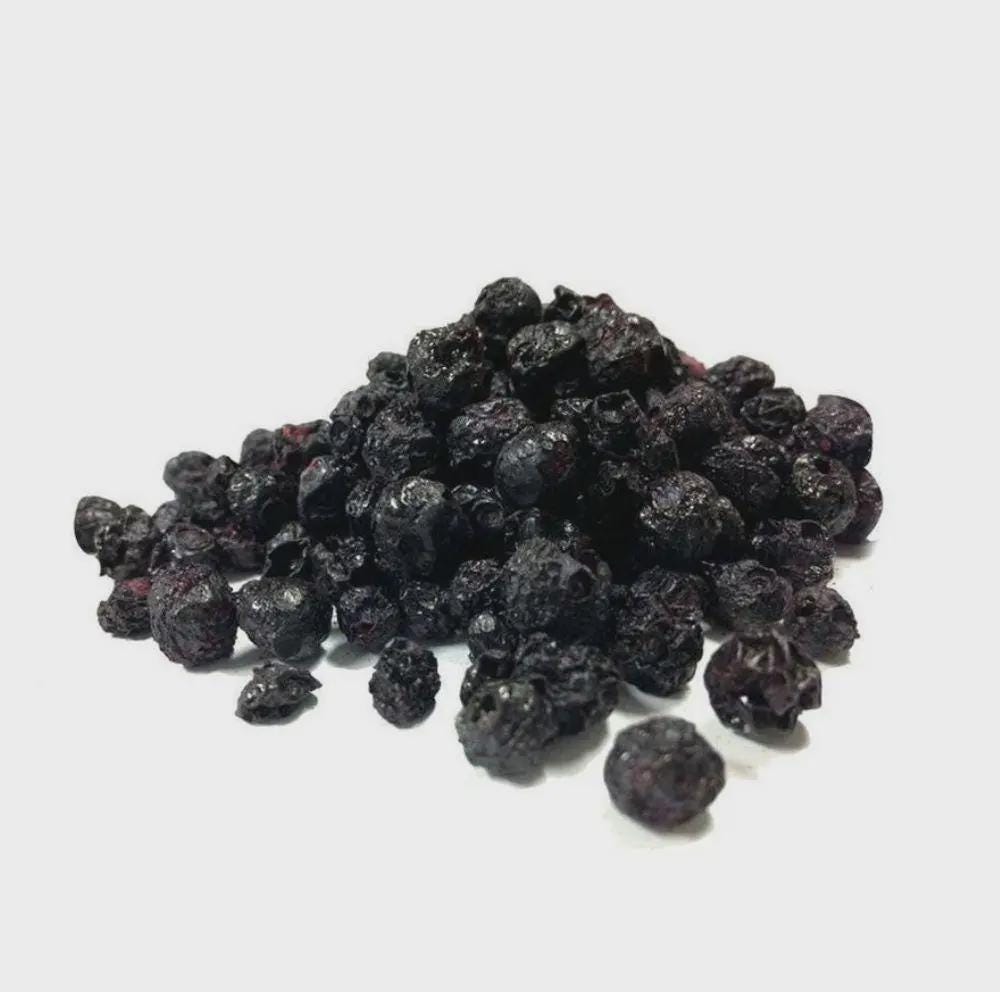
The Ultimate Guide to Forget Me Not Flower: Health Benefits and Uses

The Unveiling of Forget Me Not Flower: A Deep Dive into Its Profound Health Benefits and Holistic Potential

The Forget Me Not flower, scientifically known as *Myosotis*, is much more than a delicate symbol of remembrance and enduring love. While its cultural significance has long overshadowed its medicinal properties, a closer examination of its phytochemical composition and traditional uses reveals a plant brimming with overlooked health potential. From ancient folklore to emerging scientific inquiry, the humble Forget Me Not is gradually gaining recognition as a valuable contributor to holistic well-being. This exhaustive guide aims to delve into the intricate world of Forget Me Not, exploring its botanical profile, historical journey, rich biochemical makeup, and the myriad of health benefits it may offer, all while providing practical insights into its safe and effective utilization.

Botanical Overview: Understanding the Myosotis Genus

The genus *Myosotis* belongs to the Boraginaceae family, encompassing over 50 species of flowering plants. Native to temperate regions across Europe, Asia, and North America, these charming annual or perennial herbs are instantly recognizable by their small, five-petaled flowers, typically a striking blue with a yellow or white center, though pink and white varieties also exist. The name *Myosotis* itself is derived from Ancient Greek, meaning “mouse’s ear,” a reference to the shape of the plant’s leaves. They thrive in moist, shady environments, often found gracing meadows, woodlands, and stream banks, forming enchanting carpets of sapphire blue. Their delicate appearance belies a surprising resilience and a complex internal chemistry that hints at significant therapeutic value.

Forget Me Not Flower Botanical Photo

These plants typically grow between 5 to 30 centimeters tall, featuring fuzzy stems and alternate, simple leaves. The inflorescence is a cyme, a cluster of flowers that unfurl progressively. While *Myosotis scorpioides* (true forget-me-not) is one of the most common and widely recognized species, various others like *Myosotis sylvatica* (wood forget-me-not) and *Myosotis alpestris* (alpine forget-me-not) share similar characteristics and, to varying degrees, phytochemical profiles that are of interest for their potential health benefits. Understanding these botanical distinctions is crucial when considering the specific properties and safety aspects of using different Forget Me Not species for medicinal purposes.

Historical and Cultural Significance: More Than Just a Symbol

The cultural resonance of the Forget Me Not flower is profound and widespread. Its name, steeped in legend, often speaks of enduring love, faithful remembrance, and sorrowful farewells. One popular German legend tells of a knight and his lady walking by a river; he picked a bunch of the blue flowers for her but slipped and fell into the water, crying out “Forget me not!” as he was swept away. This tale cemented its symbolism across Europe. In the Victorian language of flowers, it signified true love and remembrance. It also holds significance in various movements, including Freemasonry and Alzheimer’s awareness, where it represents memory and solidarity.

Despite its rich symbolic history, documented traditional medicinal uses of Forget Me Not in major European herbal traditions are less extensive compared to other well-known herbs. However, anecdotal evidence and some localized folk remedies suggest its application for a range of ailments. In certain European villages, infusions were sometimes used as a mild diuretic or a remedy for lung conditions, while poultices were applied to soothe skin irritations. These applications, though not always extensively documented in classical pharmacopoeias, indicate an underlying recognition of its potential therapeutic qualities long before modern scientific analysis. It is this blend of cultural reverence and quiet traditional use that lays the groundwork for contemporary exploration into its health benefits.

Phytochemical Profile: The Bioactive Powerhouse Within

The therapeutic potential of the Forget Me Not flower lies within its complex array of bioactive compounds. Modern phytochemistry has begun to unravel the constituents that contribute to its observed effects, revealing a rich tapestry of molecules, each playing a role in the plant’s overall health-promoting capabilities.

Key categories of compounds identified in *Myosotis* species include:

* **Flavonoids:** These are a diverse group of plant pigments and potent antioxidants. Quercetin, rutin, kaempferol, and their glycosides are often found in Forget Me Not. Flavonoids are renowned for their free-radical scavenging abilities, anti-inflammatory properties, and potential to support cardiovascular health and modulate immune responses. They act by inhibiting various enzymes involved in inflammatory pathways and protecting cellular structures from oxidative damage.
* **Phenolic Acids:** Such as caffeic acid, chlorogenic acid, and rosmarinic acid derivatives. These compounds are also powerful antioxidants and contribute significantly to the plant’s anti-inflammatory and antimicrobial activities. They can interfere with processes that generate reactive oxygen species and help maintain cellular integrity.
* **Tannins:** These astringent compounds give the plant a slightly bitter taste and are known for their ability to bind to proteins. In medicinal contexts, tannins contribute to anti-inflammatory, antimicrobial, and wound-healing properties. They can help tighten tissues, reduce secretions, and protect mucous membranes.
* **Alkaloids:** This is a critical class of compounds. Some *Myosotis* species are known to contain pyrrolizidine alkaloids (PAs), such as myosoline and related compounds. While certain alkaloids can have significant pharmacological effects, PAs are often associated with hepatotoxicity (liver damage) and are a major safety concern, especially with internal consumption over time. This aspect necessitates careful consideration and species-specific research when discussing the medicinal use of Forget Me Not.
* **Polysaccharides:** These complex carbohydrates can possess immunomodulatory effects, supporting the body’s natural defense mechanisms.
* **Volatile Compounds:** While not as prominent as in some aromatic herbs, the plant does contain trace amounts of essential oils that contribute to its subtle scent and may have minor antimicrobial or calming effects.

Forget Me Not Flower Plant Profile

The synergistic interaction of these compounds, particularly the interplay between flavonoids and phenolic acids, is believed to be responsible for the Forget Me Not’s purported health benefits. However, the presence of potentially harmful compounds like Pyrrolizidine Alkaloids underscores the paramount importance of meticulous research, proper identification of species, and responsible usage, especially for internal applications.

Unveiling the Health Benefits of Forget Me Not Flower

Building upon its rich phytochemical profile, Forget Me Not flower presents several potential health benefits, primarily rooted in its antioxidant, anti-inflammatory, and protective properties. While much of the scientific research is still in its nascent stages or focused on *in vitro* and animal models, the traditional uses and chemical composition provide compelling avenues for exploration.

1. Potent Antioxidant Properties for Cellular Protection

One of the most significant health benefits attributed to Forget Me Not is its robust antioxidant capacity. The high concentrations of flavonoids, phenolic acids, and other polyphenols within the plant are crucial for this activity. Antioxidants function by neutralizing free radicals, which are unstable molecules that can cause oxidative stress, leading to cellular damage, accelerated aging, and the development of chronic diseases such such as cardiovascular disease, neurodegenerative disorders, and even certain types of cancer.

By effectively scavenging these free radicals, the compounds in Forget Me Not help protect cell membranes, DNA, and proteins from oxidative damage. This cellular protection is fundamental to maintaining overall health and preventing disease. Regular intake of antioxidant-rich compounds, whether through diet or carefully considered herbal supplements, can support the body’s natural defense mechanisms against environmental aggressors and metabolic byproducts, contributing to enhanced vitality and longevity.

2. Anti-inflammatory Effects for Soothing Discomfort

Inflammation is the body’s natural response to injury or infection, but chronic or uncontrolled inflammation can contribute to a wide array of health problems, including arthritis, autoimmune conditions, and inflammatory bowel diseases. Forget Me Not’s anti-inflammatory properties are largely due to its flavonoid and phenolic acid content. These compounds can modulate various pathways involved in the inflammatory cascade.

Mechanisms include the inhibition of pro-inflammatory enzymes like cyclooxygenase (COX) and lipoxygenase (LOX), which are targets for many conventional anti-inflammatory drugs. Furthermore, these bioactive compounds may help reduce the production of inflammatory cytokines, chemical messengers that exacerbate inflammation. By dampening these inflammatory signals, Forget Me Not may offer relief from pain and swelling associated with inflammatory conditions, both internally and when applied topically.

3. Promoting Skin Health and Radiance

The combination of antioxidant and anti-inflammatory properties makes Forget Me Not a promising candidate for skin care applications. Oxidative stress from UV radiation and environmental pollutants is a major contributor to premature skin aging, characterized by fine lines, wrinkles, and loss of elasticity. The antioxidants in Forget Me Not can help neutralize these damaging free radicals, thereby protecting skin cells from degradation and supporting a youthful appearance.

Moreover, its anti-inflammatory compounds can soothe irritated skin, reduce redness, and calm conditions such as eczema, dermatitis, and acne. When incorporated into topical preparations like creams, salves, or compresses, Forget Me Not can help restore balance to compromised skin, promote healing, and enhance overall skin radiance. Its gentle nature makes it suitable for sensitive skin types, offering a natural approach to dermatological well-being.

4. Potential Respiratory Support and Demulcent Properties

Traditional folk medicine sometimes hinted at Forget Me Not’s utility for respiratory ailments. While specific scientific validation is limited, the plant’s mucilaginous content (a type of polysaccharide) combined with its anti-inflammatory effects suggests potential benefits for the respiratory system. Mucilage forms a soothing, protective layer over mucous membranes, which can help relieve irritation in the throat and airways.

This demulcent action, coupled with potential anti-inflammatory effects, could make Forget Me Not beneficial for alleviating coughs, soothing sore throats, and reducing the discomfort associated with mild bronchitis or colds. An herbal infusion might help to clear congested airways and ease respiratory distress by reducing inflammation and providing a protective coating to irritated tissues.

5. Diuretic and Detoxifying Potential

Certain traditional uses and the presence of specific compounds suggest that Forget Me Not may possess mild diuretic properties. Diuretics promote increased urine production, which can aid the body in flushing out excess fluids and waste products. This detoxifying action can support kidney function and contribute to overall systemic cleansing.

By facilitating the elimination of toxins through the urinary system, Forget Me Not might indirectly support various bodily functions, potentially reducing the burden on the liver and kidneys. This property could be particularly beneficial for individuals looking to gently cleanse their system or manage mild fluid retention, always with the understanding that severe conditions require professional medical advice.

Practical Applications and Forms of Consumption

The Forget Me Not flower can be utilized in various forms, depending on the desired effect and the specific species being used. It is crucial to source the herb from reputable suppliers and, given the concerns about pyrrolizidine alkaloids (PAs), to ensure the species is verified as safe for internal use or to limit usage to external applications where PA risk is negligible.

Herbal Teas and Infusions

One of the most common and gentle ways to consume Forget Me Not is as an herbal tea. Dried Forget Me Not flowers and leaves can be steeped in hot water, much like any other herbal infusion. This method extracts the water-soluble compounds, including many flavonoids and phenolic acids, providing a comforting and potentially therapeutic beverage. The taste is generally mild, sometimes described as slightly earthy with a delicate floral note.

Preparation involves adding 1-2 teaspoons of dried herb to a cup of hot water, allowing it to steep for 5-10 minutes, and then straining. This can be enjoyed once or twice daily. This form is often preferred for its subtle effects and ease of preparation, offering a pleasant way to incorporate its benefits into a daily routine.

Forget Me Not Flower Dried Herb

Tinctures and Liquid Extracts

For a more concentrated form, Forget Me Not can be prepared as a tincture or liquid extract. Tinctures are typically made by steeping the plant material in alcohol, which extracts a broader spectrum of compounds, including some that are less water-soluble. This allows for higher potency and easier dosage control.

Tinctures are usually taken in small doses (a few drops to a teaspoon) diluted in water, offering a convenient way to harness the herb’s benefits. Due to the concentration, careful consideration of the species used and potential PA content is even more critical when opting for tinctures for internal use.

Topical Applications: Creams, Salves, and Compresses

For skin health and localized anti-inflammatory effects, Forget Me Not can be infused into oils to create salves, creams, or lotions. A simple compress made with a strong herbal infusion can also be applied directly to affected skin areas. These topical applications are particularly beneficial for soothing irritation, reducing redness, and promoting healing for conditions like eczema, minor burns, and insect bites.

The risk of systemic toxicity from PAs is significantly reduced with topical application, making this a generally safer way to utilize Forget Me Not’s benefits, especially if there’s any uncertainty about the PA content of the specific species. Always perform a patch test first to ensure no allergic reaction.

Supplements and Capsules

As the interest in herbal remedies grows, Forget Me Not is becoming available in supplement form, often as capsules containing dried powdered herb or standardized extracts. These offer a convenient way to consume the herb, ensuring a consistent dosage of active compounds.

Forget Me Not Flower Capsules

When considering capsules or other supplements, it is paramount to choose products from reputable manufacturers who provide clear information about the *Myosotis* species used, extraction methods, and crucially, any testing for the presence and levels of pyrrolizidine alkaloids. Quality assurance is key to ensure safety and efficacy.

Considerations, Precautions, and Potential Side Effects

While the Forget Me Not flower offers intriguing health benefits, it is absolutely crucial to address potential risks, primarily concerning the presence of pyrrolizidine alkaloids (PAs).

* **Pyrrolizidine Alkaloids (PAs):** Many species within the Boraginaceae family, including some *Myosotis* species, contain PAs. These compounds can be hepatotoxic (damaging to the liver) and, with chronic exposure, potentially carcinogenic. The concentration of PAs varies significantly between species and even within the same species depending on growing conditions. **Therefore, extreme caution is advised for internal consumption.** It is highly recommended to use only *Myosotis* species confirmed to be free of PAs or to have negligible, safe levels, especially for prolonged internal use. Consultation with a qualified herbalist or healthcare professional is essential before using Forget Me Not internally, particularly if you have pre-existing liver conditions or are taking liver-metabolized medications.
* **Pregnancy and Lactation:** Due to the potential presence of PAs and the lack of comprehensive safety data, Forget Me Not should be avoided by pregnant and breastfeeding women.
* **Drug Interactions:** Individuals on medications, particularly those affecting liver function (e.g., acetaminophen, statins) or blood clotting, should exercise caution and consult a healthcare provider before using Forget Me Not, as interactions are theoretically possible, though not well-documented.
* **Allergies:** As with any botanical product, allergic reactions are possible. Discontinue use if you experience any adverse symptoms such as skin rash, itching, or digestive upset. Always perform a patch test for topical applications.
* **Sourcing and Identification:** Given the critical safety concerns, accurately identifying the specific *Myosotis* species and sourcing from reputable suppliers who can guarantee purity and safety (e.g., tested for PA content) is paramount. Self-foraging for internal use is not recommended due to the difficulty in species identification and variability in PA content.

Forget Me Not Flower Natural Herb

For external applications, the risk of PA absorption is generally considered much lower, making topical use a safer option for most individuals seeking its skin-benefiting and anti-inflammatory effects.

Future Research and Unexplored Potential

Despite its growing recognition, the Forget Me Not flower remains an underexplored botanical in the realm of modern science. Future research endeavors are crucial to fully unlock and validate its therapeutic potential while simultaneously establishing clear safety guidelines. Key areas for investigation include:

* **Comprehensive Phytochemical Profiling:** Detailed analysis of various *Myosotis* species to precisely quantify and identify all bioactive compounds, including the exact types and concentrations of pyrrolizidine alkaloids, across different growing conditions.
* **Pharmacological Studies:** *In vitro* and *in vivo* studies to elucidate the precise mechanisms of action for its antioxidant, anti-inflammatory, and other purported effects. This includes investigating its impact on specific cellular pathways and disease models.
* **Clinical Trials:** Well-designed human clinical trials are essential to confirm efficacy, determine optimal dosages, and establish safety profiles for various health conditions, particularly for species confirmed to be PA-free or to have negligible levels.
* **Formulation and Delivery:** Research into optimal extraction methods and formulation strategies to maximize bioavailability and minimize any potential risks.
* **Species-Specific Benefits:** Distinguishing the unique properties and safety profiles of different *Myosotis* species, as their chemical compositions can vary.

Such rigorous scientific inquiry will be instrumental in transitioning Forget Me Not from a historically revered symbol and folk remedy to a scientifically validated and safely utilized therapeutic agent in modern herbal medicine.

Conclusion: A Blossoming Promise in Herbal Medicine

The Forget Me Not flower, with its profound cultural symbolism and delicate beauty, holds a quiet yet compelling promise in the world of herbal medicine. Its rich phytochemical profile, abundant in antioxidants and anti-inflammatory compounds, suggests a powerful ally for cellular protection, skin health, and systemic well-being. From soothing respiratory discomfort to aiding in detoxification, the traditional wisdom surrounding this charming bloom is gradually being illuminated by modern scientific investigation.

However, the journey to fully harness its benefits must be approached with informed caution, particularly regarding the potential presence of pyrrolizidine alkaloids in certain species. Responsible sourcing, accurate identification, and professional consultation are not merely recommendations but essential prerequisites for safe and effective use. As research continues to unfold, the Forget Me Not flower stands poised to transcend its role as a mere emblem of remembrance, blossoming into a recognized and valuable contributor to our holistic health, inviting us to remember and appreciate its profound natural gifts. Embrace its potential wisely, and let this small blue flower remind you of the vast healing power encapsulated within the natural world.

Disclaimer: For informational purposes only. Not medical advice. Consult a qualified healthcare professional before use.

The Ultimate Guide to Forget Me Not Herb: Health Benefits and Uses

The Definitive Guide to Forget Me Not Herb: Unveiling Its Profound Health Benefits

In the vast tapestry of the botanical world, certain plants capture our imagination not only with their delicate beauty but also with their hidden medicinal prowess. Among these, the unassuming Forget Me Not herb, scientifically known as Myosotis spp., stands out. Renowned for its vibrant, sky-blue petals and its evocative name symbolizing remembrance and enduring love, this humble flower has quietly served various traditional healing practices for centuries. Far from being merely an ornamental garden favorite, the Forget Me Not possesses a spectrum of therapeutic properties that warrant a deep, professional exploration. This comprehensive guide aims to peel back the layers of folklore and reveal the scientifically plausible health benefits, historical significance, and practical applications of this remarkable herb, cementing its place as a valuable ally in natural wellness.

A Botanical & Etymological Journey: Understanding Forget Me Not (Myosotis spp.)

The genus Myosotis belongs to the family Boraginaceae, encompassing over 50 species of flowering plants, predominantly annuals or perennials. The most commonly recognized and utilized species include Myosotis sylvatica (wood forget-me-not), Myosotis scorpioides (true forget-me-not), and Myosotis arvensis (field forget-me-not). These charming plants are characterized by their small, five-petaled flowers, typically blue with a yellow or white center, though pink and white varieties also exist. They often grow in damp, shady areas, woodlands, and meadows across Europe, Asia, and North America, thriving in temperate climates. Their widespread distribution has contributed to their integration into diverse cultural narratives and traditional medicine systems.

The name Myosotis itself is derived from Ancient Greek, meaning “mouse’s ear,” a poetic descriptor referring to the shape and soft, fuzzy texture of the leaves of some species. The common name “Forget Me Not” carries a deeply romantic and poignant history, originating from German folklore. Legend tells of a knight and his lady walking by a river; he picked a bunch of the blue flowers for her but, losing his balance, fell into the swift current. As he was swept away, he cried out, “Forget me not!” This tale, among others, has cemented the flower’s universal symbolism of everlasting love, loyalty, and remembrance, themes that subtly extend into its traditional uses for emotional and mental well-being, even if less scientifically substantiated than its physical benefits.

Forget Me Not Herb Botanical Photo

Historical Echoes: Forget Me Not Through the Ages

While not as prominently documented as some other powerhouse herbs, the Forget Me Not has a quiet yet persistent presence in historical herbalism. Its initial uses often intertwined with its symbolic meaning. In medieval Europe, the herb was sometimes used in concoctions believed to enhance memory or cure forgetfulness, a direct nod to its evocative name. Beyond such folkloric applications, its more tangible properties were recognized by herbalists. Traditional European folk medicine utilized Forget Me Not primarily for its perceived anti-inflammatory, astringent, and soothing qualities.

Historically, the aerial parts of the plant – leaves and flowers – were gathered and prepared as infusions or poultices. It was often recommended for external applications to soothe skin irritations, minor wounds, and inflammatory skin conditions like eczema or rashes. Internally, mild infusions were administered for coughs, bronchitis, and to support kidney function, acting as a gentle diuretic. These traditional applications, passed down through generations, provide a crucial framework for understanding and investigating the herb’s modern therapeutic potential, even as scientific scrutiny now seeks to validate these long-held beliefs through phytochemical analysis and pharmacological studies.

Forget Me Not Herb Dried Herb

The Phytochemical Riches: Unlocking Forget Me Not’s Bioactive Compounds

The therapeutic efficacy of Forget Me Not herb, like all medicinal plants, lies in its complex array of bioactive compounds. Modern phytochemistry has begun to shed light on the specific constituents responsible for its observed health benefits, moving beyond anecdotal evidence to a more scientific understanding. The primary classes of compounds identified in Myosotis spp. that contribute to its medicinal properties include flavonoids, phenolic acids, tannins, and mucilage.

Flavonoids: These are a broad group of polyphenolic compounds widely recognized for their potent antioxidant and anti-inflammatory activities. Key flavonoids likely present in Forget Me Not include derivatives of quercetin and kaempferol. Quercetin, for instance, is a well-studied flavonoid known for its ability to scavenge free radicals, chelate metal ions, and inhibit lipid peroxidation, thereby protecting cells from oxidative damage. It also plays a role in modulating immune responses and inhibiting inflammatory enzymes. Kaempferol exhibits similar protective effects, contributing significantly to the herb’s potential in combating oxidative stress and systemic inflammation.

Phenolic Acids: These non-flavonoid polyphenols are another significant contributor to the herb’s antioxidant and antimicrobial profile. Caffeic acid and rosmarinic acid are examples of phenolic acids commonly found in plants of the Boraginaceae family. Rosmarinic acid, in particular, is a powerful antioxidant and anti-inflammatory agent, known for its ability to neutralize free radicals and reduce the production of pro-inflammatory mediators. These compounds work synergistically with flavonoids to enhance the overall protective capacity of the herb.

Tannins: These are astringent polyphenols responsible for the puckering sensation in the mouth when consuming unripe fruit or strong tea. In Forget Me Not, tannins contribute to its traditional use in wound healing and skin care. Their astringent properties help to constrict tissues, reduce bleeding, and form a protective layer over minor cuts and abrasions, making them useful for topical applications. Tannins also possess mild antiseptic qualities, helping to prevent infection.

Mucilage: This gelatinous substance, primarily composed of polysaccharides, is a common constituent in many soothing herbs. In Forget Me Not, mucilage provides demulcent properties, meaning it forms a protective, soothing film over mucous membranes. This action is particularly beneficial for irritated respiratory and digestive tracts, helping to alleviate coughs, sore throats, and gastric discomfort by reducing irritation and inflammation.

While some members of the Boraginaceae family, such as Comfrey (Symphytum officinale), contain pyrrolizidine alkaloids (PAs) that can be hepatotoxic, the Myosotis genus is generally considered to contain very low or negligible amounts of these compounds, particularly in the aerial parts used medicinally, and is therefore largely regarded as safe for moderate use. Nevertheless, awareness of plant family constituents is always prudent for comprehensive understanding.

Forget Me Not Herb Plant Profile

The Spectrum of Wellness: Unveiling the Health Benefits of Forget Me Not Herb

Leveraging its rich phytochemical composition, Forget Me Not herb offers a range of potential health benefits, both internally and externally. These benefits stem from its antioxidant, anti-inflammatory, astringent, and demulcent properties.

Potent Antioxidant Powerhouse

One of the most significant contributions of Forget Me Not to health is its robust antioxidant capacity. The flavonoids and phenolic acids present in the herb are formidable free radical scavengers. Free radicals are unstable molecules that can cause oxidative stress, leading to cellular damage, accelerated aging, and contributing to the development of numerous chronic diseases, including cardiovascular issues, neurodegenerative disorders, and certain cancers. By neutralizing these harmful molecules, Forget Me Not helps protect cellular integrity, reduces oxidative burden, and supports the body’s natural defense mechanisms. This systemic protection can translate into enhanced overall vitality and resilience against environmental stressors.

Anti-Inflammatory & Analgesic Properties

Chronic inflammation is a root cause of many health problems, from autoimmune diseases to metabolic disorders. The anti-inflammatory compounds in Forget Me Not, particularly flavonoids like quercetin and phenolic acids such as rosmarinic acid, can modulate key inflammatory pathways in the body. They may help to inhibit the production of pro-inflammatory cytokines and enzymes, thereby reducing inflammatory responses. This makes the herb potentially beneficial for alleviating symptoms associated with various inflammatory conditions, such as joint discomfort, muscle soreness, and internal inflammatory states. Its mild analgesic effect, stemming from its ability to reduce inflammation, can also contribute to pain relief.

Dermatological Health & Skin Rejuvenation

The skin, being our largest organ, is constantly exposed to environmental aggressors and susceptible to various inflammatory conditions. Forget Me Not’s combined antioxidant, anti-inflammatory, and astringent properties make it an excellent herb for dermatological care. Its antioxidants protect skin cells from UV radiation damage and pollution, contributing to anti-aging effects. The anti-inflammatory compounds soothe irritated skin, making it beneficial for conditions like eczema, psoriasis, dermatitis, and acne. The tannins provide an astringent effect, which can help to tighten pores, reduce oiliness, and promote the healing of minor cuts, scrapes, and insect bites by forming a protective barrier and reducing localized swelling. Used topically, it can help restore skin balance and promote a healthier complexion.

Respiratory Support & Mucolytic Action

Forget Me Not has traditionally been used to address respiratory ailments, a benefit largely attributed to its mucilage content and soothing properties. When consumed as an infusion, the mucilage forms a protective, demulcent layer over the irritated mucous membranes of the throat and respiratory passages. This helps to reduce irritation, alleviate dry coughs, and soothe sore throats. Furthermore, its potential mild mucolytic action may help to thin and loosen phlegm, making it easier to expel and providing relief from congestion associated with colds, bronchitis, and other upper respiratory tract infections. This gentle action helps to restore comfort and facilitate clearer breathing.

Diuretic & Detoxification Aid

Historically, Forget Me Not has been employed as a mild diuretic, aiding the body in expelling excess fluids and supporting kidney function. While not a potent diuretic, its gentle action can assist in reducing mild edema and promoting the excretion of waste products through the urinary system. This subtle detoxification support can contribute to overall bodily cleansing and the maintenance of fluid balance. By supporting the kidneys, it indirectly helps the body to maintain homeostasis and eliminate metabolic byproducts, contributing to a feeling of lightness and well-being.

Traditional Uses for Emotional Well-being and Symbolic Resonance

While direct scientific evidence linking Forget Me Not to specific cognitive or emotional benefits is limited, its symbolic association with memory and remembrance has historically extended into traditional applications for mental and emotional support. Folkloric uses sometimes involved the herb in remedies aimed at improving focus or alleviating feelings of melancholy, drawing a metaphorical parallel between its name and its intended effect. Although these uses lean more into cultural and anecdotal realms rather than pharmacological ones, the act of engaging with an herb deeply rooted in such meaningful symbolism can, in itself, offer a sense of comfort and connection, contributing to a holistic approach to well-being.

Practical Applications & Forms of Forget Me Not Herb

Forget Me Not herb can be incorporated into a wellness routine through various preparations, each offering distinct advantages and methods of delivery. The choice of form often depends on the desired effect and convenience.

Herbal Tea/Infusion

One of the simplest and most traditional ways to utilize Forget Me Not is as a herbal tea. An infusion is prepared by steeping dried leaves and flowers in hot water. This method is ideal for respiratory support, gentle detoxification, and harnessing its internal anti-inflammatory and antioxidant benefits. The warmth of the tea also adds to its soothing properties, particularly for sore throats. Typically, one to two teaspoons of dried herb are steeped in a cup of hot water for 5-10 minutes. The resulting tea has a mild, earthy flavor.

Tinctures & Extracts

For a more concentrated and potent form, tinctures or liquid extracts of Forget Me Not can be used. These are typically prepared by steeping the fresh or dried herb in alcohol, which extracts a broader spectrum of active compounds. Tinctures offer convenience and a longer shelf life, allowing for precise dosing. They can be taken directly or added to water or juice. This form is often preferred when targeting systemic benefits or for situations requiring a stronger therapeutic effect than a tea might provide.

Topical Preparations (Poultices, Compresses, Salves)

For localized skin conditions, inflammation, or minor wounds, topical applications are highly effective. A poultice can be made by crushing fresh leaves and flowers and applying them directly to the affected area. Alternatively, a strong tea or tincture diluted in water can be used as a compress. For ongoing skin care, the herb can be infused into oils to create salves, balms, or creams, allowing for sustained application and deeper penetration of its beneficial compounds for conditions like eczema, rashes, or bruising.

Capsules & Supplements

In modern herbalism, standardized extracts of Forget Me Not are increasingly available in capsule or tablet form. These supplements offer a convenient and consistent way to consume the herb, especially for those seeking its systemic benefits without the need for preparation. Capsules ensure accurate dosing and are often formulated to contain specific concentrations of active compounds. When choosing encapsulated supplements, it is crucial to select products from reputable brands that prioritize quality, purity, and transparency in their sourcing and manufacturing processes.

Forget Me Not Herb Capsules

Dosage, Safety, and Considerations

While Forget Me Not herb is generally considered safe for most individuals when used appropriately, it is always prudent to approach herbal remedies with an informed perspective. Dosage can vary significantly based on the form of the herb (tea, tincture, capsule), the concentration of active compounds, and individual factors such as age, health status, and specific health goals.

For **herbal tea/infusion**, a common recommendation is to consume 1-3 cups per day, using 1-2 teaspoons of dried herb per cup. **Tinctures** typically involve 20-60 drops (or as directed by the product label), 1-3 times daily. **Capsules** should always follow the manufacturer’s suggested dosage, which usually ranges from 500mg to 1500mg daily, depending on the extract strength. For topical applications, preparations can be applied as needed.

Regarding **safety**, Forget Me Not is generally well-tolerated. However, individuals with known allergies to plants in the Boraginaceae family should exercise caution. As mentioned, while some related plants contain pyrrolizidine alkaloids (PAs) that are toxic to the liver, Myosotis species commonly used for medicinal purposes are considered to contain negligible amounts or none, especially in the aerial parts. Nevertheless, long-term, excessive consumption of any herb is generally not recommended without professional guidance.

Contraindications and Interactions: Pregnant and breastfeeding women should consult a healthcare professional before using Forget Me Not herb, as its effects on these populations have not been thoroughly studied. Individuals on medication, particularly those affecting blood clotting, blood pressure, or diuretics, should also seek medical advice to avoid potential interactions. Always begin with a small dose to assess individual sensitivity and monitor for any adverse reactions.

Sourcing and Quality: To ensure safety and efficacy, it is paramount to source Forget Me Not herb from reputable suppliers who provide organically grown or sustainably wild-harvested material. This minimizes exposure to pesticides and ensures the purity of the herb. When purchasing supplements, look for third-party tested products that provide transparent information about their ingredients and manufacturing processes.

Forget Me Not Herb Natural Herb

Cultivating Your Own Forget Me Not Herb

For those interested in a direct and reliable source, cultivating Forget Me Not in a home garden is a delightful and practical option. These plants are relatively easy to grow and can self-seed readily, creating charming patches of blue flowers. They prefer moist, well-drained soil and partial shade, mimicking their natural woodland habitats. Seeds can be sown directly in the garden in spring or autumn. Growing your own ensures you have access to fresh, uncontaminated plant material for teas, tinctures, or topical preparations, fostering a deeper connection with this beneficial herb.

Conclusion

The delicate Forget Me Not herb, often cherished solely for its symbolic beauty, reveals itself upon closer examination to be a subtly potent natural remedy. With a historical lineage rooted in traditional European folk medicine and a modern understanding illuminated by phytochemical research, its capacity to provide antioxidant protection, reduce inflammation, soothe skin ailments, and support respiratory and urinary health is increasingly evident. From soothing infusions to concentrated extracts and topical applications, Forget Me Not offers versatile avenues for integrating its benefits into a holistic wellness regimen. As with all herbal medicines, informed usage and consultation with healthcare professionals are key to harnessing its full potential safely and effectively. This exploration into the profound health benefits of Forget Me Not herb underscores the enduring wisdom of nature and encourages a renewed appreciation for the intricate power held within even the most unassuming of plants.

Disclaimer: For informational purposes only. Not medical advice. Consult a qualified healthcare professional before use.
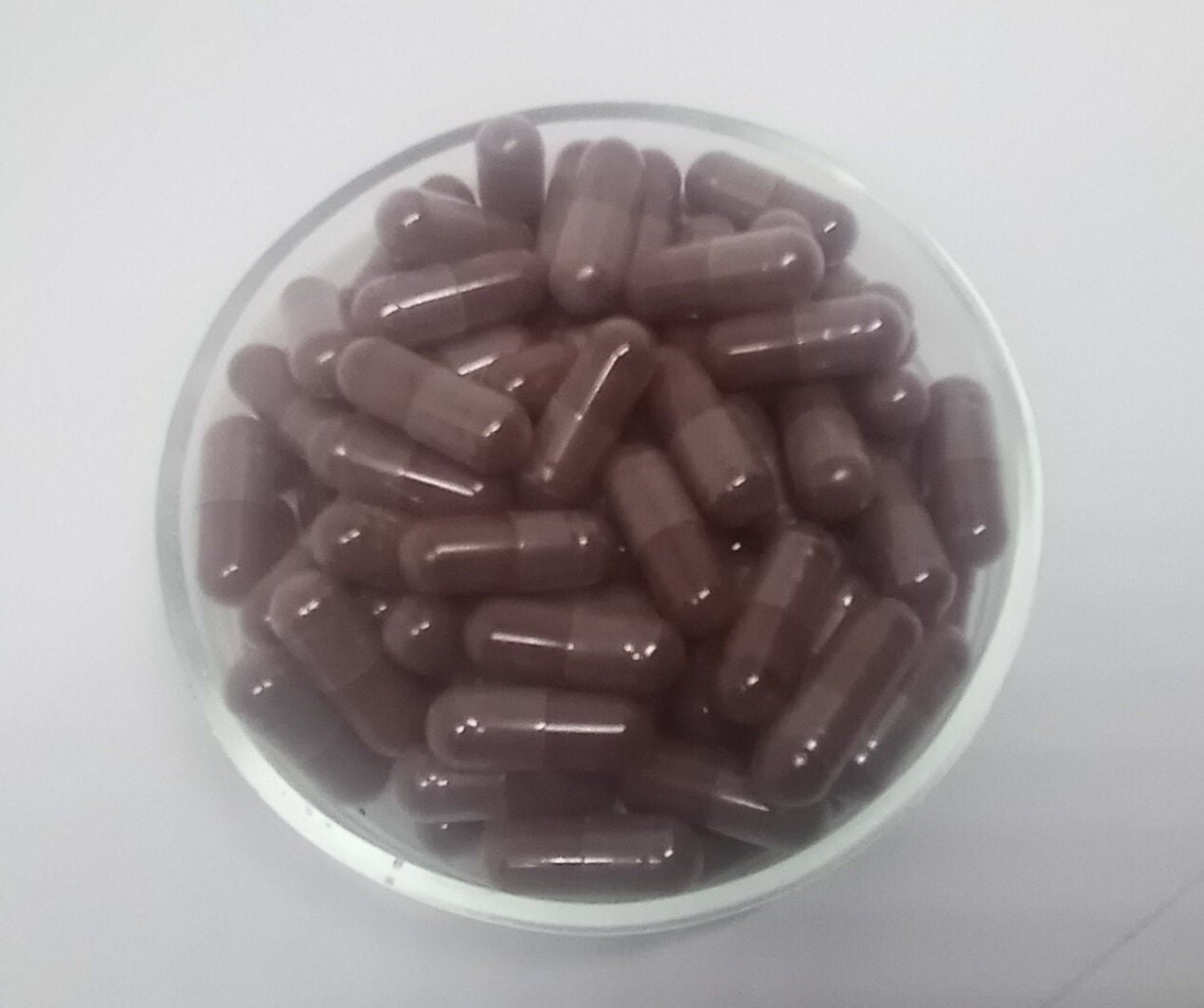
The Ultimate Guide to SEA BUCKTHORN Berries: Health Benefits and Uses

The Golden Elixir of the Himalayas: Unveiling the Profound Health Benefits of Sea Buckthorn Berries

Nestled in the harsh, high-altitude environments of Asia and Europe, an unassuming shrub bears a treasure trove of vibrant orange berries: Sea Buckthorn. For centuries, this resilient plant, scientifically known as Hippophae rhamnoides, has been revered in traditional medicine systems across the globe, hailed as a panacea for a myriad of ailments. From ancient Tibetan texts to the modern scientific laboratory, the golden berries of Sea Buckthorn are increasingly recognized as a potent superfood, brimming with an unparalleled spectrum of bioactive compounds that offer profound health benefits. This definitive guide delves deep into the intricate world of Sea Buckthorn, exploring its rich history, remarkable nutritional profile, and the evidence-backed mechanisms through which it contributes to human well-being, solidifying its status as a vital component of holistic health.

A Journey Through Time: Botanical Profile and Historical Significance

The Sea Buckthorn plant is a hardy, deciduous shrub belonging to the Elaeagnaceae family. Characterized by its thorny branches and clusters of bright orange-yellow berries, it thrives in challenging conditions, from the coastal regions of Europe to the arid mountains of the Himalayas. Its resilience is matched only by its nutritional density. Historically, the use of Sea Buckthorn dates back millennia. Ancient Greeks reportedly fed it to their horses to promote shiny coats and robust health, leading to its genus name, Hippophae, which translates to “shiny horse.” In Tibetan and Mongolian medicine, it was a fundamental component, mentioned in the Sibu Yi Dian (The Four Medical Tantras) as early as the 8th century, used for invigorating blood circulation, alleviating coughs, improving digestion, and treating skin conditions.

The plant’s adaptogenic qualities and extensive medicinal applications made it a staple in Ayurvedic and traditional Chinese medicine as well, where it was employed to combat fatigue, enhance stamina, and fortify the body’s natural defenses. The berries, leaves, and oil extracted from the seeds and fruit pulp were all utilized, showcasing a comprehensive understanding of the plant’s diverse therapeutic properties long before modern scientific methods could validate them. This rich ethnobotanical history provides a compelling backdrop to the contemporary resurgence of interest in Sea Buckthorn, as researchers worldwide meticulously dissect its biochemical composition to understand the scientific basis of its traditional uses.

SEA BUCKTHORN Berries Botanical Photo

The Nutritional Powerhouse: Bioactive Compounds of Sea Buckthorn

The extraordinary health benefits of Sea Buckthorn berries stem from their uniquely rich and diverse nutritional profile. They are not merely a source of vitamins but a complex matrix of over 190 bioactive compounds, each playing a synergistic role in promoting health and combating disease. This makes Sea Buckthorn a true botanical marvel, offering a comprehensive array of micronutrients and phytochemicals rarely found together in such concentrations in a single plant.

Vitamins and Minerals: Essential Building Blocks

  • Vitamin C (Ascorbic Acid): Sea Buckthorn berries are renowned for their exceptionally high Vitamin C content, often 10 to 15 times greater than that of oranges. This powerful antioxidant is crucial for immune function, collagen synthesis, and protecting cells from oxidative damage. Its presence significantly boosts the body’s ability to ward off infections and repair tissues.
  • Vitamin E (Tocopherols and Tocotrienols): A potent lipid-soluble antioxidant, Vitamin E protects cell membranes from free radical damage, supports immune health, and plays a vital role in skin health and anti-aging processes. Sea Buckthorn contains all eight forms of Vitamin E, offering a comprehensive protective effect.
  • Vitamin A (Carotenoids): The vibrant orange hue of the berries is indicative of their high carotenoid content, including beta-carotene, lycopene, zeaxanthin, and lutein. These precursors to Vitamin A are essential for vision, immune function, and skin health, acting as powerful antioxidants within the body.
  • B Vitamins: Including B1 (thiamine), B2 (riboflavin), B3 (niacin), B6 (pyridoxine), and B9 (folate), these vitamins are crucial for energy metabolism, nerve function, and red blood cell production.
  • Vitamin K: Essential for blood clotting and bone health.
  • Minerals: A comprehensive spectrum of essential minerals such as potassium, calcium, magnesium, iron, zinc, selenium, and phosphorus are present, supporting various physiological functions from electrolyte balance to bone density and enzymatic reactions.

The Unique Fatty Acid Profile: Omega Powerhouse

Perhaps one of the most distinguishing features of Sea Buckthorn is its extraordinary fatty acid composition. It is one of the few plant sources that contain all four main omega fatty acids:

  • Omega-3 (Alpha-Linolenic Acid – ALA): Crucial for brain health, reducing inflammation, and cardiovascular function.
  • Omega-6 (Linoleic Acid – LA): Essential for skin integrity, hormone production, and overall cellular function.
  • Omega-9 (Oleic Acid): Known for its cardiovascular benefits, helping to maintain healthy cholesterol levels.
  • Omega-7 (Palmitoleic Acid): This rare monounsaturated fatty acid is a true star of Sea Buckthorn. Omega-7 is critical for the health of mucous membranes throughout the body (digestive, respiratory, genitourinary tracts, and eyes). It promotes regeneration, hydration, and elasticity of skin and mucous membranes, making it invaluable for addressing dryness, inflammation, and supporting tissue repair.

Antioxidants and Phytochemicals: Defense Against Oxidative Stress

Beyond vitamins and fatty acids, Sea Buckthorn is a treasure chest of potent antioxidants and other beneficial plant compounds:

  • Flavonoids: Quercetin, kaempferol, isorhamnetin, and myricetin are among the numerous flavonoids found. These powerful antioxidants exhibit anti-inflammatory, antiviral, and anti-cancer properties, protecting cells from free radical damage and modulating immune responses.
  • Phenolic Compounds: Including gallic acid and ellagic acid, these compounds contribute significantly to the berries’ antioxidant and anti-inflammatory capacity.
  • Phytosterols: Beta-sitosterol is particularly abundant, known for its cholesterol-lowering effects and immune-modulating properties.
  • Superoxide Dismutase (SOD): An enzyme that acts as a primary antioxidant defense, neutralizing the superoxide radical, one of the most damaging free radicals in the body.

SEA BUCKTHORN Berries Plant Profile

Deep Dive into Health Benefits: Mechanisms and Applications

The comprehensive array of bioactive compounds in Sea Buckthorn translates into a wide spectrum of health benefits, supported by both traditional wisdom and contemporary scientific research.

1. Unrivaled Support for Skin Health and Anti-Aging

Sea Buckthorn is arguably most celebrated for its profound impact on skin health, working both internally and externally. The synergistic action of its components makes it a powerful ally against various skin concerns and the signs of aging. Omega-7 fatty acid plays a pivotal role by nourishing and moisturizing the skin from within, promoting cellular regeneration, and supporting the production of collagen and elastin, which are vital for skin elasticity and firmness. It helps to repair damaged skin cells and maintain the integrity of the skin barrier, reducing transepidermal water loss and combating dryness.

Furthermore, the high concentrations of Vitamins C and E, along with carotenoids and flavonoids, provide robust antioxidant protection against UV radiation-induced damage and environmental pollutants. These antioxidants neutralize free radicals that accelerate skin aging, helping to reduce the appearance of fine lines and wrinkles. Studies suggest Sea Buckthorn oil can be highly effective in treating inflammatory skin conditions such as eczema, psoriasis, rosacea, and acne due to its anti-inflammatory properties and ability to promote healing. It helps to soothe irritation, reduce redness, and accelerate wound healing, making it a valuable natural remedy for maintaining a healthy, radiant complexion.

2. Bolstering the Immune System

The exceptional Vitamin C content of Sea Buckthorn berries is a cornerstone of its immune-boosting capabilities. Vitamin C is essential for the production and function of white blood cells, which are the body’s primary defenders against pathogens. Beyond Vitamin C, the rich array of flavonoids, carotenoids, and other antioxidants further fortifies the immune system by reducing oxidative stress and inflammation, which can otherwise suppress immune responses. These compounds also exhibit antiviral and antibacterial properties, helping the body to resist infections and recover more quickly. Regular consumption of Sea Buckthorn can significantly enhance the body’s resilience against common colds, flu, and other infectious diseases, making it a powerful natural immune modulator.

3. Cardiovascular Wellness

Sea Buckthorn offers significant benefits for heart health through multiple mechanisms. The presence of flavonoids like quercetin and isorhamnetin has been linked to improved blood vessel elasticity, reduced blood pressure, and decreased risk of atherosclerosis (hardening of the arteries). These compounds exert anti-inflammatory effects and protect against oxidative damage to the cardiovascular system. Phytosterols, particularly beta-sitosterol, contribute to healthy cholesterol levels by inhibiting the absorption of dietary cholesterol in the gut, thereby reducing LDL (“bad”) cholesterol. The balanced profile of omega-3, -6, -7, and -9 fatty acids further supports cardiovascular function by reducing inflammation, improving lipid profiles, and helping to maintain healthy blood pressure. These combined actions make Sea Buckthorn a valuable dietary addition for promoting long-term heart health.

4. Supporting Digestive Health

The benefits of Sea Buckthorn extend profoundly to the digestive system, primarily due to its rich content of Omega-7 fatty acid and potent anti-inflammatory compounds. Omega-7 plays a crucial role in maintaining the health and integrity of mucous membranes lining the entire gastrointestinal tract, from the esophagus to the colon. It aids in the repair and regeneration of these membranes, making it highly effective in soothing and healing conditions such as stomach ulcers, acid reflux (GERD), and inflammatory bowel diseases (IBD) like Crohn’s disease and ulcerative colitis. The anti-inflammatory properties of flavonoids and other antioxidants help to reduce gut inflammation, alleviate discomfort, and promote a healthier digestive environment. By improving the mucosal barrier, Sea Buckthorn can also protect against pathogens and toxins, fostering overall gut wellness.

5. Liver Protection and Detoxification

The liver is the body’s primary detoxification organ, and Sea Buckthorn offers substantial support for its function. The berries’ high antioxidant content, including Vitamin E, carotenoids, and flavonoids, helps protect liver cells from oxidative stress and damage caused by toxins, alcohol, and certain medications. Some research suggests that Sea Buckthorn may help reduce liver fat accumulation, making it potentially beneficial in the management of non-alcoholic fatty liver disease (NAFLD). Its ability to reduce inflammation also contributes to healthier liver function, supporting the organ’s vital roles in metabolism, nutrient storage, and detoxification processes.

6. Enhancing Eye Health

With its impressive array of carotenoids, Sea Buckthorn is an excellent natural resource for maintaining optimal eye health. Lutein and zeaxanthin, in particular, are powerful antioxidants that accumulate in the retina, where they protect the delicate photoreceptor cells from harmful blue light and oxidative damage. These compounds are crucial for preventing age-related macular degeneration (AMD) and cataracts. Furthermore, the Omega-7 fatty acid can significantly alleviate symptoms of dry eye syndrome by nourishing the mucous membranes of the eyes, improving tear film stability, and reducing inflammation of the ocular surface. This multifaceted approach makes Sea Buckthorn a valuable supplement for preserving vision and ensuring long-term eye comfort.

7. Anti-inflammatory and Pain Relief Properties

Chronic inflammation is at the root of many modern diseases, and Sea Buckthorn’s potent anti-inflammatory properties offer significant therapeutic potential. The flavonoids and other phenolic compounds in the berries can modulate inflammatory pathways in the body, including the inhibition of enzymes like COX-2, which are involved in pain and inflammation. This makes Sea Buckthorn beneficial for conditions characterized by inflammation, such as arthritis, joint pain, and inflammatory skin conditions. By reducing systemic inflammation, it not only alleviates discomfort but also supports the body’s overall healing processes and reduces the risk of inflammation-related chronic diseases.

8. Metabolic Health and Blood Sugar Regulation

Emerging research suggests that Sea Buckthorn may also play a role in metabolic health. Some studies indicate its potential to improve insulin sensitivity and help regulate blood sugar levels, which could be beneficial for individuals with type 2 diabetes or those at risk. The complex interplay of its antioxidants, fiber, and fatty acids may contribute to these effects by reducing oxidative stress and inflammation that often accompany metabolic dysfunction. While more research is needed, these initial findings underscore Sea Buckthorn’s potential as a valuable natural adjunct in managing metabolic disorders.

Practical Applications and Forms of Sea Buckthorn

Sea Buckthorn can be incorporated into one’s diet and health regimen in various forms, offering versatility and convenience to suit individual preferences and needs.

Fresh, Frozen, or Dried Berries

The most direct way to consume Sea Buckthorn is to eat the berries themselves. Fresh berries, though tart, can be juiced, blended into smoothies, or used in jams, jellies, and sauces. Frozen berries retain most of their nutritional value and can be stored for extended periods, making them a convenient option. Dried berries offer a concentrated source of nutrients and can be added to cereals, yogurts, or trail mixes.

SEA BUCKTHORN Berries Dried Herb

Sea Buckthorn Oil

Sea Buckthorn oil is one of the most popular and potent forms, typically available as two main types:

  • Sea Buckthorn Seed Oil: Extracted from the seeds, this oil is rich in Omega-3 and Omega-6 fatty acids, Vitamin E, and antioxidants. It’s often used internally for cardiovascular health, brain function, and overall antioxidant support.
  • Sea Buckthorn Fruit (Pulp) Oil: Derived from the fleshy part of the berry, this oil is a powerhouse of Omega-7, Omega-9, Vitamin C, carotenoids, and flavonoids. It is particularly valued for skin, hair, and mucous membrane health, used both internally and topically for conditions like dry skin, eczema, and digestive issues.

Both oils can be consumed directly, added to food, or applied topically to the skin. When purchasing, look for cold-pressed, organic varieties to ensure maximum nutrient retention and purity.

Supplements (Capsules and Powders)

For those seeking convenience and standardized dosages, Sea Buckthorn is widely available in supplement form, including capsules and powders. Capsules often contain concentrated extracts of either the berries or the oil (seed or fruit oil), providing a measured dose of the active compounds. Powders, made from dried and ground berries, can be easily mixed into drinks, smoothies, or food, offering a versatile way to incorporate the benefits of the whole berry.

SEA BUCKTHORN Berries Capsules

Traditional Uses Converging with Modern Science

The enduring legacy of Sea Buckthorn in traditional medicine systems is now being validated and expanded upon by rigorous scientific research. The historical applications for improving vision, healing wounds, boosting immunity, and enhancing overall vitality are all finding strong corroboration in modern studies that identify specific bioactive compounds and elucidate their physiological mechanisms of action. This convergence highlights the wisdom embedded in ancient practices and underscores the potential of natural remedies like Sea Buckthorn to contribute significantly to contemporary health and wellness strategies.

SEA BUCKTHORN Berries Natural Herb

Dosage and Considerations

While Sea Buckthorn is generally considered safe for most individuals, it is always prudent to approach supplementation with informed caution. Dosage can vary significantly depending on the form of Sea Buckthorn (berries, juice, oil, extract, powder) and the specific health concern being addressed. For general wellness, a typical daily intake might range from a tablespoon of juice or 1-2 ml of oil to capsules providing standardized extracts. It is advisable to start with a lower dose and gradually increase it, monitoring the body’s response.

Potential side effects are generally mild and uncommon but can include temporary digestive upset, such as mild nausea or diarrhea, especially when starting with higher doses of oil. Individuals on blood-thinning medications (anticoagulants) should consult their healthcare provider before using Sea Buckthorn, as its Vitamin K content and potential effects on blood clotting could theoretically interfere with these medications. Similarly, pregnant or breastfeeding women and individuals with pre-existing medical conditions should seek professional medical advice before incorporating Sea Buckthorn into their regimen. Always prioritize high-quality, reputable sources for Sea Buckthorn products to ensure purity and potency.

Conclusion: The Enduring Promise of Sea Buckthorn

Sea Buckthorn berries stand as a testament to nature’s profound capacity to provide powerful medicinal resources. From its humble origins in harsh landscapes to its revered status in ancient healing traditions and its validation in modern science, this golden berry embodies a remarkable synergy of nutrients. Its unparalleled wealth of vitamins, minerals, omega fatty acids (especially the rare Omega-7), and an extensive arsenal of antioxidants offers a holistic approach to health, supporting everything from radiant skin and robust immunity to a healthy heart and digestive system. As we continue to seek natural, effective ways to enhance our well-being, Sea Buckthorn emerges not just as a superfood, but as a definitive cornerstone for comprehensive health, promising vitality and resilience for those who embrace its golden embrace. Integrating this ancient marvel into a balanced lifestyle offers a pathway to harnessing its profound benefits and unlocking a more vibrant, healthier future.

Disclaimer: For informational purposes only. Not medical advice. Consult a qualified healthcare professional before use.
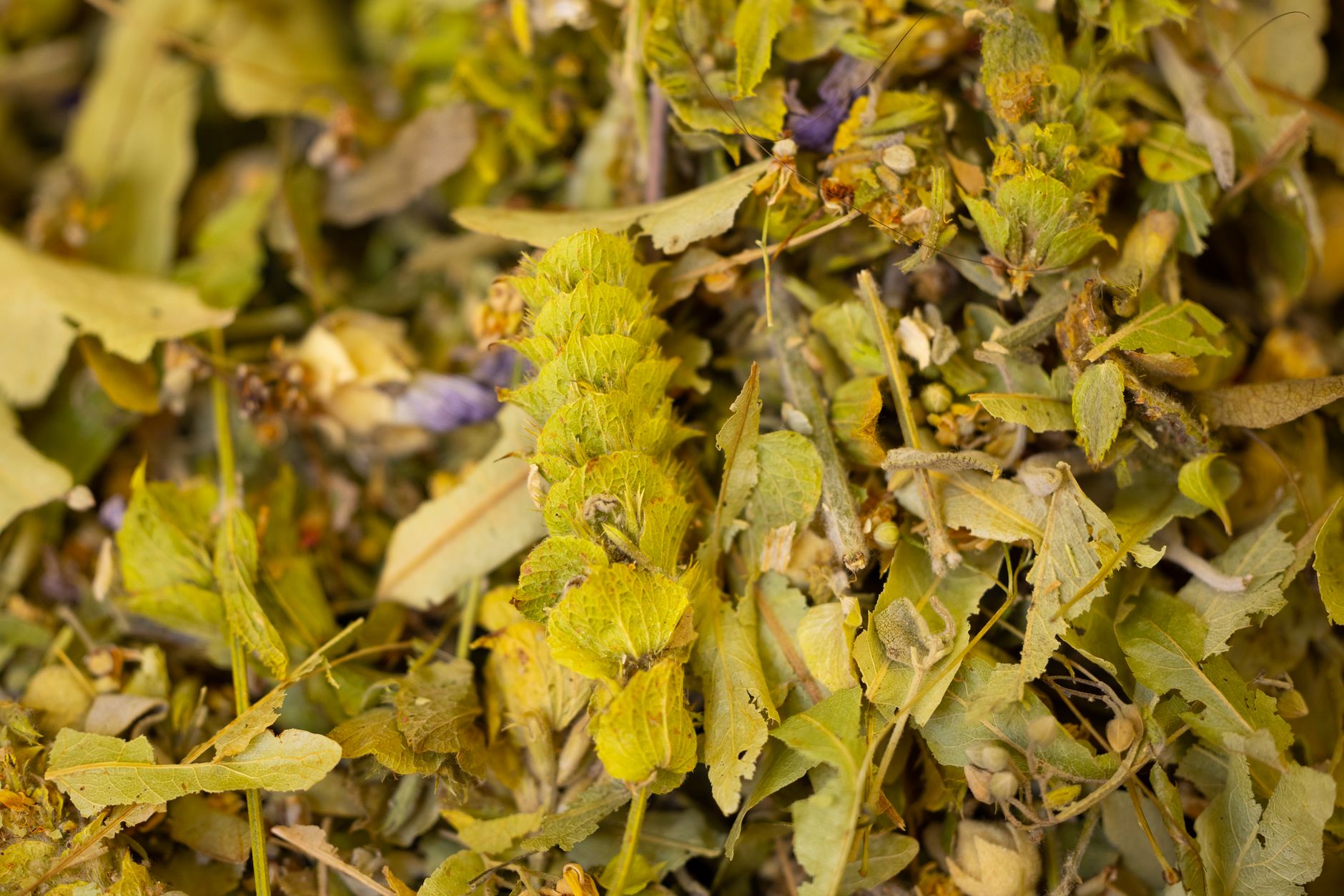
The Ultimate Guide to Sea kelp: Health Benefits and Uses

The Ocean’s Elixir: A Definitive Deep-Dive into the Profound Health Benefits of Sea Kelp

The vast, mysterious depths of our oceans harbor a treasure trove of natural wonders, and among them, few can rival the nutritional prowess and therapeutic potential of Sea Kelp. More than just a simple marine plant, Sea Kelp (specifically various species of brown algae such as *Laminaria digitata*, *Macrocystis pyrifera*, and *Ascophyllum nodosum*) stands as a powerhouse of vitamins, minerals, antioxidants, and unique bioactive compounds. For centuries, coastal communities have revered this macroscopic algae as a vital food source and a potent medicinal herb, recognizing its profound ability to nourish, protect, and restore balance within the human body. In an era increasingly focused on holistic wellness and natural remedies, Sea Kelp emerges as a definitive superfood, offering a spectrum of health benefits ranging from thyroid support and metabolic enhancement to robust immune defense and detoxification. This exhaustive guide delves into the intricate mechanisms, historical significance, and practical applications of Sea Kelp, aiming to provide a comprehensive understanding of why this marine marvel deserves a place in your pursuit of optimal health.

A Journey Through Time: Historical Context and Traditional Uses of Sea Kelp

The story of Sea Kelp’s integration into human health practices is as ancient as the coastal civilizations themselves. For thousands of years, indigenous populations across the globe, particularly in East Asia (Japan, Korea, China) and among coastal Native American tribes, have incorporated various forms of kelp into their diets and traditional medicine systems. In Japan, where kelp varieties like Kombu are culinary staples, its consumption has been linked to the remarkable longevity and health of the population. Ancient texts and oral traditions reveal its use not only as a readily available food source, especially during lean times, but also as a powerful therapeutic agent.

Historically, Sea Kelp was employed to treat goiter, a visible swelling of the thyroid gland, long before the scientific understanding of iodine’s role in thyroid function emerged. Its efficacy in this regard was a testament to empirical observation. Beyond thyroid ailments, traditional healers utilized kelp for its perceived ability to strengthen bones, improve digestion, enhance vitality, and even as a wound dressing due to its perceived antimicrobial properties. Coastal farming communities also recognized its value as a natural fertilizer, enriching soil with essential minerals and organic matter. This deep-rooted history underscores Sea Kelp’s enduring legacy as a fundamental component of human wellness, passed down through generations who intuitively understood its life-giving properties from the sea.

Botanical Overview: Understanding the Giant of the Ocean

Sea Kelp is not a true plant in the botanical sense, but rather a type of large, brown seaweed belonging to the class Phaeophyceae. These magnificent algae thrive in the cold, nutrient-rich waters of temperate and polar coastlines around the world, forming expansive underwater forests that are critical ecosystems, providing habitat and food for countless marine species. Kelp can grow remarkably fast, some species reaching lengths of over 100 feet at rates of up to two feet per day under ideal conditions, making it one of the fastest-growing organisms on Earth.

Structurally, kelp consists of several distinct parts: a holdfast, which anchors it to the seabed (but does not absorb nutrients like roots); a stipe, resembling a stem; and fronds or blades, which are leaf-like structures where photosynthesis primarily occurs. Many species also feature pneumatocysts, or gas-filled bladders, which help the fronds float closer to the surface to maximize light exposure. This unique morphology allows kelp to efficiently absorb an astonishing array of minerals and trace elements directly from the surrounding seawater, concentrating them within its tissues. It is this efficient bioaccumulation of marine nutrients that ultimately contributes to kelp’s unparalleled health benefits.

Sea kelp Botanical Photo

The Marine Matrix: Bioactive Compounds and Nutritional Profile of Sea Kelp

The extraordinary health benefits attributed to Sea Kelp stem directly from its exceptionally rich and diverse nutritional profile. Unlike land plants, kelp has access to the full spectrum of minerals dissolved in seawater, making it a concentrated source of essential micronutrients often lacking in modern diets. But beyond conventional vitamins and minerals, kelp also boasts a remarkable array of unique bioactive compounds that contribute significantly to its therapeutic efficacy.

Key Bioactive Compounds and Nutrients:

* **Iodine:** Perhaps kelp’s most renowned constituent, iodine is absolutely critical for the synthesis of thyroid hormones (thyroxine T4 and triiodothyronine T3). These hormones regulate virtually every metabolic process in the body, influencing energy production, growth, development, and nervous system function. Kelp is one of the richest natural sources of this essential trace mineral.
* **Fucoidans:** These complex sulfated polysaccharides are unique to brown algae and are responsible for many of kelp’s profound medicinal properties. Fucoidans exhibit potent anti-inflammatory, antiviral, immune-modulating, anticoagulant, and even anti-cancer effects, making them a subject of intense scientific research.
* **Alginates:** Another class of polysaccharides, alginates are a type of soluble dietary fiber. They form a gel-like substance when mixed with water, which can aid in digestion, promote satiety, and most notably, bind to heavy metals and toxins in the digestive tract, facilitating their excretion from the body.
* **Fucoxanthin:** This carotenoid pigment gives brown algae its characteristic color. Fucoxanthin is a powerful antioxidant, protecting cells from oxidative damage. Emerging research also suggests its potential role in weight management by promoting fat burning and supporting healthy blood sugar metabolism.
* **Polyphenols and Flavonoids:** Like many plant-based foods, kelp is rich in various polyphenols, including phlorotannins, which are potent antioxidants. These compounds help neutralize free radicals, reduce inflammation, and offer protective effects against chronic diseases.
* **Vitamins:** Kelp provides a broad spectrum of vitamins, including B vitamins (B1, B2, B3, B5, B6, B9/folate), which are vital for energy metabolism and nervous system health; Vitamin K, crucial for blood clotting and bone health; Vitamin C, a powerful antioxidant and immune booster; and Vitamin E, another fat-soluble antioxidant.
* **Minerals:** Beyond iodine, kelp is an excellent source of essential macrominerals and trace elements, including calcium, magnesium, potassium, iron, zinc, selenium, copper, and manganese. These minerals are fundamental for bone strength, nerve function, muscle contraction, enzyme activity, and cellular health.

This intricate synergy of macro- and micronutrients, combined with its unique bioactive compounds, positions Sea Kelp as an unparalleled natural supplement for comprehensive health support.

Sea kelp Plant Profile

Unveiling the Health Benefits: A Detailed Exploration

The diverse biochemical composition of Sea Kelp translates into a multitude of profound health benefits, impacting nearly every system in the body.

1. Unrivaled Thyroid Health and Metabolic Regulation

The most celebrated benefit of Sea Kelp is its exceptional iodine content, which is indispensable for optimal thyroid function. The thyroid gland utilizes iodine to synthesize the hormones T3 (triiodothyronine) and T4 (thyroxine). These hormones are the primary regulators of metabolism, dictating the rate at which cells convert nutrients into energy. Adequate thyroid function is crucial for maintaining a healthy body weight, regulating body temperature, supporting brain development and cognitive function, and ensuring proper heart rate and digestive processes. A deficiency in iodine can lead to hypothyroidism, characterized by symptoms like fatigue, weight gain, cold intolerance, dry skin, hair loss, and impaired cognitive function, and can also manifest as goiter. By providing a natural, bioavailable source of iodine, Sea Kelp helps ensure the thyroid gland has the raw material it needs to function efficiently, thereby supporting overall metabolic health and energy levels.

2. Potent Antioxidant and Anti-inflammatory Properties

Chronic inflammation and oxidative stress are recognized as underlying drivers of many modern chronic diseases, including cardiovascular disease, diabetes, neurodegenerative disorders, and certain cancers. Sea Kelp is a powerful ally in combating these detrimental processes due to its rich concentration of antioxidants, particularly fucoxanthin and various polyphenols (phlorotannins), as well as the anti-inflammatory properties of fucoidans. These compounds work synergistically to neutralize harmful free radicals, reduce oxidative damage to cells and DNA, and modulate inflammatory pathways within the body. By quelling oxidative stress and dampening chronic inflammation, Sea Kelp contributes to cellular protection, supports healthy aging, and reduces the risk of developing inflammation-related conditions.

3. Cardiovascular Health Support

Maintaining a healthy cardiovascular system is paramount for longevity, and Sea Kelp offers several mechanisms to support heart health. Its soluble fiber content, particularly alginates, can help reduce cholesterol levels by binding to bile acids in the digestive tract, promoting their excretion and prompting the liver to draw more cholesterol from the blood to produce new bile acids. The potassium in kelp plays a crucial role in regulating blood pressure by counteracting the effects of sodium, helping to relax blood vessel walls. Furthermore, the anti-inflammatory and antioxidant compounds within kelp protect blood vessels from damage, reduce arterial plaque formation, and support overall endothelial function, contributing to a reduced risk of heart disease and stroke.

4. Digestive Health and Gut Microbiome Enhancement

A healthy gut is the cornerstone of overall wellness, and Sea Kelp significantly contributes to digestive vitality. Its high fiber content, especially alginates, acts as a powerful prebiotic, feeding beneficial gut bacteria and fostering a balanced gut microbiome. A thriving microbiome is essential for nutrient absorption, immune function, and even mood regulation. The fiber also adds bulk to stool, promoting regular bowel movements and preventing constipation, while simultaneously supporting the integrity of the intestinal lining. Moreover, the unique polysaccharides in kelp may have a soothing effect on the digestive tract, potentially reducing inflammation and discomfort.

5. Potential for Weight Management

In the ongoing battle against excess weight, Sea Kelp presents a promising natural adjunct. Its fiber content promotes satiety, helping individuals feel fuller for longer and reducing overall caloric intake. More importantly, research on fucoxanthin, a carotenoid found in kelp, suggests its potential role in fat metabolism. Studies indicate that fucoxanthin may activate proteins involved in fat oxidation and thermogenesis (heat production), particularly in abdominal white adipose tissue. This unique mechanism could contribute to increased energy expenditure and a reduction in body fat, making Sea Kelp a valuable component of a comprehensive weight management strategy when combined with a healthy diet and regular exercise.

6. Skin, Hair, and Nail Vitality

The beauty benefits of Sea Kelp extend beyond internal health. The rich array of minerals, including iodine, iron, zinc, and selenium, combined with vitamins (especially B vitamins and Vitamin C), are vital for healthy skin, strong hair, and robust nails. These nutrients support collagen production, promote cellular regeneration, enhance hydration, and protect against environmental damage. Regular consumption of kelp can contribute to a more radiant complexion, stronger hair follicles, reduced hair loss, and resilient nails, reflecting its deep nourishing effects from within.

7. Bone Strength and Density

Sea Kelp is an excellent source of several key nutrients crucial for maintaining strong bones and preventing osteoporosis. It provides significant amounts of calcium and magnesium, both fundamental building blocks of bone tissue. Furthermore, it is rich in Vitamin K, which plays a critical role in bone mineralization by activating proteins necessary for bone matrix formation. The synergistic action of these nutrients ensures proper bone density and reduces the risk of fractures, especially important as we age.

8. Blood Sugar Regulation

For individuals concerned about blood sugar balance, Sea Kelp offers potential benefits. Its high fiber content helps slow down the absorption of glucose into the bloodstream, preventing sharp spikes in blood sugar after meals. Additionally, some research suggests that compounds like fucoxanthin may improve insulin sensitivity and glucose metabolism, contributing to better blood sugar control. This makes kelp a valuable dietary component for those managing or seeking to prevent type 2 diabetes.

9. Immune System Enhancement

A robust immune system is our primary defense against pathogens and illnesses. Sea Kelp provides a wealth of immune-boosting nutrients, including Vitamin C, zinc, and selenium, which are essential for the proper functioning of immune cells. More specifically, the fucoidans in kelp have been extensively studied for their immunomodulatory effects. They can stimulate the activity of natural killer cells, macrophages, and T-cells, enhancing the body’s ability to identify and neutralize threats like viruses, bacteria, and even abnormal cells. This comprehensive immune support makes kelp a valuable addition during cold and flu season or for general immune resilience.

10. Heavy Metal Detoxification

In our modern world, exposure to heavy metals like lead, mercury, and cadmium is an unfortunate reality. Sea Kelp, particularly due to its alginate content, offers a natural mechanism for detoxification. Alginates have a unique ability to bind to heavy metals and other toxins in the gastrointestinal tract, forming complexes that prevent their absorption and facilitate their safe excretion from the body. This chelating property makes kelp a valuable supplement for supporting the body’s natural detoxification pathways and reducing the burden of environmental pollutants.

Forms of Sea Kelp: Integrating into Your Lifestyle

Sea Kelp’s versatility allows for its incorporation into the diet in various forms, catering to different preferences and needs.

Dried Kelp (Herb)

Traditional and culinary uses often involve dried kelp. Whole dried kelp blades, such as Kombu, are a staple in East Asian cuisine, used to make nutrient-rich broths (dashi), added to stews, or rehydrated and incorporated into salads. Dried kelp flakes can be sprinkled over meals as a seasoning, adding a savory “umami” flavor and a boost of minerals. This form allows for direct integration into cooking and offers a raw, minimally processed option.

Sea kelp Dried Herb

Kelp Supplements (Capsules and Powders)

For those seeking a convenient and standardized way to consume Sea Kelp, supplements are widely available. Kelp powder can be easily added to smoothies, juices, or yogurt, offering a concentrated dose of its beneficial compounds. Kelp capsules provide a precise dosage, making it simple to track intake and ensure consistent nutrient delivery. These supplemental forms are particularly popular for individuals targeting specific health goals, such as thyroid support or mineral repletion, without altering their dietary habits significantly.

Sea kelp Capsules

Other Culinary Applications

Beyond dried forms, kelp is increasingly finding its way into modern culinary innovations. Kelp noodles, made from the gel-like interior of kelp, offer a gluten-free and low-calorie alternative to traditional pasta. Kelp can also be found in certain fermented foods, snacks, and even in some health drinks, showcasing its adaptability and growing popularity as a functional food ingredient.

Dosage, Safety Considerations, and Precautions

While Sea Kelp offers remarkable health benefits, its potency, particularly its high iodine content, necessitates careful consideration of dosage and potential precautions.

Iodine Content Variation and Risks:

The iodine content in Sea Kelp can vary significantly depending on the species, harvest location, processing methods, and time of year. While iodine is essential, excessive intake can be detrimental, potentially leading to iodine-induced hyperthyroidism or even exacerbating existing thyroid conditions like Hashimoto’s thyroiditis or Graves’ disease. The recommended daily allowance (RDA) for iodine for most adults is 150 micrograms (mcg), with a tolerable upper intake level (UL) of 1,100 mcg. Many kelp supplements can contain hundreds or even thousands of micrograms of iodine per serving. It is crucial to choose supplements that provide standardized iodine content and to follow recommended dosages carefully.

Heavy Metal Contamination:

Like all marine organisms, kelp can accumulate heavy metals from the seawater. Therefore, sourcing is paramount. Opt for kelp products that are sustainably harvested from unpolluted waters and, ideally, third-party tested for heavy metals like lead, mercury, cadmium, and arsenic. Reputable brands will usually provide this information.

Drug Interactions:

Sea Kelp may interact with certain medications:
* **Thyroid Medications:** Due to its iodine content, kelp can interfere with medications for thyroid disorders (e.g., levothyroxine) and should not be used concurrently without medical supervision.
* **Anticoagulants (Blood Thinners):** Kelp contains Vitamin K, which plays a role in blood clotting, and its fucoidans can have anticoagulant properties. Therefore, individuals taking blood-thinning medications like warfarin should consult their doctor before using kelp supplements.
* **Blood Pressure Medications:** The potassium in kelp, while beneficial, could potentially interact with certain blood pressure medications.

Who Should Exercise Caution?

* **Individuals with pre-existing thyroid conditions:** Especially those with hyperthyroidism, autoimmune thyroid disease (Hashimoto’s, Graves’), or those on thyroid medication.
* **Pregnant and breastfeeding women:** Should consult a healthcare provider due to the critical balance of iodine needed during these periods.
* **Children:** Dosage should be carefully managed under professional guidance.
* **Individuals with allergies to iodine or seafood.**

It is always strongly recommended to consult with a healthcare professional or a qualified nutritionist before incorporating Sea Kelp supplements into your routine, especially if you have pre-existing health conditions or are taking medications. They can help determine an appropriate and safe dosage based on your individual needs and health status.

Sea kelp Natural Herb

Conclusion: Embracing the Abundance of the Sea

Sea Kelp stands as a testament to the ocean’s boundless capacity to provide for human health. From its ancient roots in traditional medicine to its modern recognition as a scientific marvel, this powerful marine algae offers an unparalleled spectrum of health benefits. Its rich concentration of iodine supports vital thyroid function and metabolism, while its unique bioactive compounds like fucoidans, alginates, and fucoxanthin bestow potent antioxidant, anti-inflammatory, and immune-modulating properties. By enhancing cardiovascular health, nurturing a balanced gut microbiome, aiding in weight management, bolstering bone density, and assisting in detoxification, Sea Kelp serves as a comprehensive tonic for the entire body.

As we navigate the complexities of contemporary health and wellness, incorporating natural, nutrient-dense foods and supplements becomes increasingly important. Sea Kelp, whether enjoyed as a culinary staple, a convenient powder, or a precise capsule, represents a bridge between ancient wisdom and modern nutritional science. With informed usage and due diligence regarding sourcing and dosage, embracing the ocean’s elixir can be a transformative step towards optimizing your health and unlocking a deeper sense of vitality. The deep blue sea continues to share its secrets, and in Sea Kelp, we find a truly definitive guide to robust, holistic well-being.

Disclaimer: For informational purposes only. Not medical advice. Consult a qualified healthcare professional before use.

The Ultimate Guide to HAZEL Bark: Health Benefits and Uses

Discover the Unrivaled Health Benefits of HAZEL Bark: A Definitive Deep-Dive Guide

In the vast tapestry of botanical medicine, certain plants stand out for their profound and multifaceted therapeutic properties. Among these revered natural remedies, the bark of the HAZEL tree (genus Corylus) has quietly served as a cornerstone of traditional healing for millennia. Often overshadowed by its more famous nuts, HAZEL bark is a treasure trove of bioactive compounds, offering a spectrum of health benefits ranging from potent anti-inflammatory action to remarkable skin-healing capabilities. This comprehensive guide delves into the intricate world of HAZEL bark, exploring its botanical origins, historical significance, scientific composition, and practical applications, providing an exhaustive resource for anyone seeking to understand and harness its natural power.

A Botanical Deep Dive: Understanding the HAZEL Tree (Corylus species)

The HAZEL tree, primarily known through species such as *Corylus avellana* (Common Hazel or European Hazel) and *Corylus americana* (American Hazelnut), belongs to the Betulaceae family, which also includes birches and alders. These deciduous shrubs or small trees are native to the temperate regions of the Northern Hemisphere, flourishing across Europe, Asia, and North America. Characterized by their distinct broad, serrated leaves and characteristic catkins that appear in late winter, HAZEL trees are resilient and adaptable, often forming dense thickets in woodlands and hedgerows.

While the edible HAZELNUTS are the most commercially recognized product, the bark of the HAZEL tree holds significant medicinal value. The bark, typically smooth and greyish-brown on younger branches, becoming more furrowed and exfoliating with age, is harvested for its rich concentration of therapeutic compounds. Sustainable harvesting practices are crucial to ensure the longevity of HAZEL populations, often involving careful pruning rather than felling, allowing the tree to continue its life cycle and contribute to local ecosystems. The inner bark, or phloem, is particularly prized for its medicinal properties, often processed into various forms for therapeutic use.

HAZEL Bark Botanical Photo

The Ancient Wisdom: Historical and Traditional Uses of HAZEL Bark

The use of HAZEL bark in traditional medicine spans across numerous cultures and civilizations, cementing its place as a revered herbal remedy throughout history. Evidence suggests that early humans utilized various parts of the HAZEL tree, not just for sustenance but also for medicinal purposes. In European folk medicine, HAZEL bark was widely recognized for its astringent, anti-inflammatory, and febrifugal (fever-reducing) properties. Herbalists frequently prescribed decoctions of HAZEL bark to address a range of ailments, including digestive disturbances like diarrhea and dysentery, due to its ability to tighten tissues and reduce fluid loss.

Beyond internal applications, HAZEL bark found extensive use in topical treatments. Its strong astringent qualities made it an ideal ingredient for washes, compresses, and poultices applied to wounds, sores, ulcers, and various skin irritations. It was also commonly employed to alleviate the discomfort associated with varicose veins and hemorrhoids, where its tissue-toning effects were highly valued. Furthermore, some traditional practices incorporated HAZEL bark into remedies for respiratory complaints and even as an antipyretic to combat fevers associated with colds and flu. Across the Atlantic, Native American tribes also recognized the therapeutic potential of the indigenous *Corylus americana*, utilizing its bark for similar purposes, highlighting a universal appreciation for its medicinal attributes.

HAZEL Bark Dried Herb

Unveiling the Power: Bioactive Compounds in HAZEL Bark

The remarkable therapeutic effects of HAZEL bark are attributed to a complex synergy of bioactive compounds, each contributing to its overall medicinal profile. A detailed phytochemical analysis reveals a rich array of constituents that underscore its potent health-promoting capabilities.

  • Tannins: The Astringent and Anti-inflammatory Powerhouses: HAZEL bark is particularly rich in tannins, complex polyphenolic compounds that are responsible for its characteristic astringent properties. These tannins, including gallotannins and condensed tannins (proanthocyanidins), exert their effects by binding to proteins, which leads to the tightening and strengthening of tissues. This action is invaluable for reducing inflammation, sealing minor cuts, and soothing irritated mucous membranes. Beyond their astringent nature, tannins possess significant anti-inflammatory and antioxidant properties, helping to quell inflammatory cascades and protect cells from oxidative damage.

  • Flavonoids: Potent Antioxidants and Anti-inflammatories: The bark also contains a substantial amount of flavonoids, a diverse group of plant pigments with powerful antioxidant, anti-inflammatory, and immunomodulatory activities. Key flavonoids found in HAZEL bark may include quercetin, kaempferol, and their glycosides. Quercetin, in particular, is widely studied for its ability to stabilize mast cells, reduce histamine release, and inhibit various enzymes involved in inflammatory processes, thereby offering relief from allergic reactions and general inflammation. These compounds work synergistically to protect cellular integrity and support overall health.

  • Phenolic Acids: Antioxidant and Antimicrobial Defense: Phenolic acids, such as caffeic acid, gallic acid, and ferulic acid, are another crucial class of compounds present in HAZEL bark. These acids are renowned for their robust antioxidant capacity, effectively scavenging free radicals and mitigating oxidative stress, which is implicated in aging and numerous chronic diseases. Furthermore, several phenolic acids exhibit antimicrobial properties, contributing to HAZEL bark’s traditional use in fighting minor infections and supporting gastrointestinal health by inhibiting the growth of undesirable microorganisms.

  • Terpenoids: Emerging Therapeutic Potential: While perhaps less abundant than tannins and flavonoids, certain terpenoids may also be present, contributing to the bark’s aroma and potentially offering additional therapeutic benefits. Terpenoids are a vast group of natural products, some of which are known for anti-inflammatory, antimicrobial, and even anticancer activities. Their precise roles in HAZEL bark are areas of ongoing research, but they likely contribute to the holistic effect of the plant.

  • Other Bioactive Constituents: Beyond these primary classes, HAZEL bark contains a complex matrix of other compounds, including lignans, sterols, and various trace elements, all of which contribute to the plant’s overall bioactivity and therapeutic potential. The synergistic interaction of these diverse constituents is believed to be responsible for the comprehensive range of health benefits observed with HAZEL bark.

HAZEL Bark Plant Profile

The Science-Backed Benefits of HAZEL Bark

Leveraging its rich phytochemical profile, HAZEL bark offers a multitude of health benefits, many of which are increasingly supported by modern scientific inquiry and traditional wisdom.

Potent Anti-inflammatory Properties

One of the most significant and widely recognized benefits of HAZEL bark is its exceptional anti-inflammatory capacity. The high concentration of tannins and flavonoids works to modulate the body’s inflammatory response. These compounds help to inhibit key enzymes and signaling pathways involved in inflammation, such as cyclooxygenase (COX) and lipoxygenase (LOX) pathways, which are responsible for producing prostaglandins and leukotrienes—critical mediators of inflammation. This action can significantly reduce swelling, redness, and pain associated with various inflammatory conditions. For instance, it holds promise in alleviating symptoms of inflammatory joint conditions like arthritis, muscle soreness from physical exertion, and potentially even internal inflammatory issues affecting the digestive tract or respiratory system.

Robust Antioxidant Activity

HAZEL bark is a powerful antioxidant, primarily due to its abundant phenolic acids and flavonoids. These compounds act as scavengers of free radicals, unstable molecules that can cause oxidative stress and cellular damage, leading to premature aging and the development of chronic diseases like cardiovascular disease, neurodegenerative disorders, and certain cancers. By neutralizing these harmful free radicals, HAZEL bark helps protect cellular integrity, DNA, and essential proteins, thereby supporting overall cellular health and enhancing the body’s natural defense mechanisms against environmental stressors and internal metabolic byproducts.

Astringent Qualities for Skin and Mucous Membranes

The remarkable astringent properties of HAZEL bark, mainly attributed to its high tannin content, make it an excellent natural remedy for skin and mucous membrane issues. When applied topically, tannins bind to proteins in the skin and superficial tissues, causing them to contract and tighten. This action helps to reduce pore size, diminish excess oil, and create a protective barrier that can aid in the healing of minor cuts, abrasions, and sores. It is particularly effective for inflammatory skin conditions such as eczema, acne, and insect bites, offering a soothing and protective effect. Furthermore, its astringent nature makes it valuable for conditions like hemorrhoids, where it can help to reduce swelling and discomfort, and for oral health, as a gargle to firm gums and alleviate mouth sores.

Digestive Health Support

Historically, HAZEL bark has been a go-to remedy for various digestive complaints, and modern understanding supports these traditional uses. Its astringent properties are particularly beneficial for mitigating diarrhea by reducing fluid secretion into the intestines and tightening the gut lining, which can decrease the frequency and liquidity of stools. The potential antimicrobial effects of its phenolic compounds can also help to address certain pathogenic bacteria that might contribute to digestive upsets. Additionally, its anti-inflammatory properties can soothe an irritated gastrointestinal tract, promoting a healthier and more balanced digestive environment.

Immune System Modulation

While not a direct immune stimulant in the sense of echinacea, HAZEL bark’s array of antioxidants and anti-inflammatory compounds contributes to overall immune system health. By reducing oxidative stress and chronic inflammation, it allows the immune system to function more efficiently and respond effectively to challenges. Its mild antimicrobial properties also lend support in combating minor infections, acting as a supportive agent for the body’s natural defenses. The general wellness supported by its diverse compounds can indirectly bolster immune resilience.

Cardiovascular Health (Emerging Research)

The significant antioxidant and anti-inflammatory components within HAZEL bark suggest a promising role in cardiovascular health. Oxidative stress and chronic inflammation are key drivers in the development and progression of atherosclerosis and other heart-related conditions. By mitigating these factors, HAZEL bark could potentially contribute to maintaining healthy blood vessels, improving endothelial function, and reducing the risk of cardiovascular events. While more targeted research is needed, the general protective effects of its compounds align with established strategies for heart health.

Antimicrobial and Antifungal Potential

Laboratory studies and traditional applications point to HAZEL bark’s capacity to inhibit the growth of certain bacteria and fungi. The presence of tannins and phenolic acids creates an environment less conducive to microbial proliferation. This attribute can be harnessed in topical applications for minor skin infections and internally for supporting the body’s defense against certain gut pathogens, further validating its historical use in addressing infectious conditions.

Practical Applications: How to Incorporate HAZEL Bark into Your Wellness Routine

HAZEL bark can be integrated into a natural wellness regimen in several forms, each offering unique benefits and methods of administration. It’s crucial to select high-quality, sustainably sourced products to ensure efficacy and safety.

Forms of HAZEL Bark

  • Decoctions (Teas): This is one of the most traditional and effective ways to extract the water-soluble compounds from HAZEL bark. A decoction is prepared by simmering the dried bark in water for an extended period (typically 15-30 minutes), allowing for a potent infusion. It is ideal for internal use for digestive issues or as a general tonic, and it can also be cooled and used as a topical wash or compress.

  • Tinctures: Tinctures are alcohol-based extracts that provide a concentrated form of HAZEL bark’s beneficial compounds. They are convenient for internal use, offering a precise dosage that can be easily added to water or juice. Tinctures tend to have a longer shelf life compared to decoctions.

  • Powders and Capsules: Dried HAZEL bark can be ground into a fine powder. This powder can then be encapsulated for easy internal consumption, providing a standardized dose without the taste of the herb. Powdered bark can also be used in topical preparations, mixed with a carrier (like water or aloe vera gel) to create pastes or poultices for skin conditions.

  • Topical Preparations: Beyond decoctions used as washes, HAZEL bark can be incorporated into salves, creams, and ointments for direct application to the skin. These formulations are excellent for targeting localized inflammation, skin irritations, wounds, and conditions like hemorrhoids or varicose veins. The astringent and anti-inflammatory effects are particularly beneficial when applied topically.

HAZEL Bark Capsules

Dosage Guidelines

Dosage can vary significantly based on the form of HAZEL bark, the concentration of the product, and the individual’s specific health needs. Always start with a lower dose and gradually increase as needed, while monitoring your body’s response.

  • For Decoctions: Typically, 1-2 teaspoons of dried bark per cup of water, simmered for 15-30 minutes. Drink 2-3 cups per day. For topical washes, a stronger decoction can be made.

  • For Tinctures: Generally, 2-5 mL (40-100 drops) up to three times daily, diluted in water. Always follow the specific instructions provided by the manufacturer.

  • For Capsules: Doses often range from 500 mg to 1000 mg, taken 1-3 times daily, depending on the concentration and recommended use. Adhere strictly to the product’s label.

  • For Topical Applications: Use as needed. Apply prepared washes, compresses, or salves directly to the affected area several times a day.

Sourcing and Quality

When incorporating HAZEL bark into your routine, the quality of the product is paramount. Seek out reputable suppliers who prioritize organic, wild-crafted, or sustainably harvested bark. Purity and proper processing are key to ensuring the maximum therapeutic benefit and avoiding contaminants. Look for products that clearly state the botanical name (e.g., *Corylus avellana*) and provide transparency regarding their sourcing and manufacturing processes.

Safety, Precautions, and Potential Side Effects

While HAZEL bark is generally considered safe for most adults when used appropriately, it is essential to be aware of potential precautions and side effects, especially given its potent bioactive compounds.

  • Pregnancy and Breastfeeding: Due to the lack of sufficient research on its effects during pregnancy and lactation, HAZEL bark should be avoided by pregnant and breastfeeding women.

  • Allergic Reactions: Individuals with known allergies to other plants in the Betulaceae family (like birch, alder) or to HAZELNUTS may potentially experience an allergic reaction to HAZEL bark, though this is rare. Discontinue use if signs of an allergic reaction appear.

  • Medication Interactions: The high tannin content in HAZEL bark may interfere with the absorption of certain medications and nutrients if taken concurrently. It is advisable to take HAZEL bark preparations at least 2 hours apart from other medications or supplements. Individuals on blood-thinning medications should exercise caution due to potential interactions, although direct evidence is limited.

  • Long-term Use: While generally safe, very high doses or extremely prolonged internal use of tannin-rich herbs might theoretically interfere with nutrient absorption or cause gastrointestinal upset in sensitive individuals. It is often recommended to use such remedies periodically or under the guidance of a healthcare professional.

  • Existing Medical Conditions: Individuals with pre-existing medical conditions, particularly those affecting the digestive system, liver, or kidneys, should consult a healthcare professional before incorporating HAZEL bark into their regimen.

Always consult with a qualified healthcare provider or a knowledgeable herbalist before starting any new herbal remedy, especially if you have underlying health conditions or are taking other medications. This ensures safe and effective integration of HAZEL bark into your health and wellness journey.

Conclusion: Embracing the Natural Wisdom of HAZEL Bark

HAZEL bark stands as a testament to nature’s profound capacity to provide potent healing compounds. From its ancient roots in traditional medicine to its modern scientific validation, this humble bark offers an impressive spectrum of benefits, particularly its anti-inflammatory, antioxidant, and astringent properties. Whether utilized for soothing skin irritations, supporting digestive health, or bolstering overall well-being, HAZEL bark represents a valuable natural ally.

As we increasingly turn towards holistic and plant-based approaches to health, understanding and responsibly utilizing remedies like HAZEL bark becomes ever more important. By appreciating its rich history, comprehending its complex chemical composition, and adhering to informed usage guidelines, individuals can safely unlock the remarkable potential of this often-overlooked botanical powerhouse. Always remember to prioritize quality sourcing and professional guidance to ensure a beneficial and safe experience with HAZEL bark.

HAZEL Bark Natural Herb

Disclaimer: For informational purposes only. Not medical advice. Consult a qualified healthcare professional before use.

The Ultimate Guide to Heather: Health Benefits and Uses

Unearthing the Ancient Wisdom: A Definitive Deep-Dive into the Remarkable Health Benefits of Heather (Calluna vulgaris)

For centuries, across the windswept moors and rugged landscapes of Europe, a resilient, unassuming plant has flourished, its vibrant purple blooms painting vast expanses with a captivating hue. This plant is Heather, scientifically known as *Calluna vulgaris*, a botanical marvel steeped in folklore, traditional medicine, and an ever-growing body of scientific appreciation for its profound health benefits. Often celebrated for its role in crafting exquisite honey and its enduring beauty, Heather’s true power lies within its intricate chemical composition, offering a spectrum of therapeutic properties that have been harnessed by healers for generations.

This comprehensive guide embarks on an exhaustive journey into the world of Heather, unraveling its botanical secrets, tracing its historical significance, dissecting its rich phytochemical profile, and meticulously detailing the myriad ways it can contribute to a robust and holistic approach to well-being. From supporting urinary tract health to combating inflammation and bolstering antioxidant defenses, *Calluna vulgaris* stands as a testament to nature’s profound healing capabilities. Prepare to delve into the depths of this extraordinary herb, exploring its traditional applications and the modern scientific insights that validate its ancient wisdom.

Botanical Profile and Ecological Significance: The Enduring Charm of Calluna vulgaris

*Calluna vulgaris*, commonly known as Heather, Ling, or Scots Heather, belongs to the Ericaceae family, a diverse group of flowering plants that thrive in acidic soils. It is an evergreen dwarf shrub, typically growing between 20 to 50 centimeters tall, though some varieties can reach up to a meter. Its distinctive features include tiny, scale-like leaves arranged in opposing pairs along the stems, and a profusion of small, bell-shaped, usually purplish-pink flowers that bloom from late summer to autumn, transforming entire landscapes into a sea of color. White-flowered varieties are also cherished, particularly in folklore.

Heather is extraordinarily hardy, capable of withstanding harsh conditions, including strong winds, poor soils, and grazing. It forms extensive heathlands, moorlands, and bog ecosystems across much of Europe, from the Arctic Circle to the Mediterranean, and has been naturalized in parts of North America. Ecologically, Heather plays a crucial role, providing habitat and food for numerous species, contributing to soil stabilization, and enriching biodiversity. Its roots have a symbiotic relationship with mycorrhizal fungi, enabling it to thrive in nutrient-poor environments. This robust nature hints at the resilience and potent properties it holds within its delicate appearance.

Heather Botanical Photo

A Tapestry of Time: Historical and Traditional Uses of Heather

The story of Heather is intricately woven into the cultural and medicinal fabric of various civilizations, particularly those in Northern Europe. Its uses extend far beyond mere aesthetics, encompassing practical applications, spiritual symbolism, and, most importantly, a rich legacy in traditional herbal medicine.

In ancient Celtic and Norse traditions, Heather was revered. White Heather, a rarer variant, was considered a symbol of good luck, protection, and purity, often worn by travelers to ward off evil spirits and to grant wishes. It was also believed to bring peace and tranquility. Beyond superstition, its practical uses were manifold. The tough, woody stems were fashioned into brooms, ropes, and thatch for roofing. Its resilient foliage provided bedding for humans and livestock, and its dense growth offered shelter on exposed terrain. Heather-infused dyes were used to color wool and fabrics, yielding shades of yellow, orange, and brown. The flowers are, of course, a vital source of nectar for bees, producing the distinctive and highly prized Heather honey, renowned for its strong flavor, thixotropic nature, and exceptional nutritional value.

Medicinally, traditional healers utilized Heather for a broad spectrum of ailments. Its most prominent application was as a diuretic and urinary antiseptic, frequently prescribed for bladder and kidney complaints, including cystitis and kidney stones. It was also used as a diaphoretic to induce sweating and break fevers, and its astringent properties made it a remedy for diarrhea and other digestive disturbances. Externally, poultices and washes made from Heather were applied to wounds, skin irritations, and rheumatic joints to alleviate pain and promote healing. This extensive historical usage provides a powerful precursor to modern scientific investigations into its active compounds.

Phytochemical Composition: Unveiling Heather’s Bioactive Arsenal

The remarkable health benefits attributed to Heather are deeply rooted in its complex and diverse phytochemical profile. Modern scientific analysis has confirmed the presence of a wide array of bioactive compounds, each contributing synergistically to the plant’s therapeutic efficacy. Understanding these constituents is key to appreciating Heather’s profound impact on human health.

Heather Plant Profile

The most significant classes of compounds found in *Calluna vulgaris* include:

* **Flavonoids:** These are perhaps the most studied and pharmacologically active compounds in Heather. Key flavonoids include **quercetin**, **kaempferol**, **myricetin**, and their glycosides. Flavonoids are renowned for their potent antioxidant properties, capable of neutralizing free radicals and protecting cells from oxidative damage. Furthermore, they exhibit significant anti-inflammatory effects by modulating various inflammatory pathways, such as inhibiting cyclooxygenase (COX) enzymes and reducing the production of pro-inflammatory cytokines. They also contribute to vascular health by strengthening capillary walls and improving circulation.
* **Phenolic Acids:** Compounds like **caffeic acid**, **p-coumaric acid**, and **gallic acid** are present in Heather. These phenolic acids are powerful antioxidants and contribute to the herb’s antimicrobial and anti-inflammatory actions. They often work in conjunction with flavonoids to enhance overall protective effects.
* **Tannins:** Heather is rich in condensed tannins, specifically proanthocyanidins. These compounds are responsible for Heather’s characteristic astringent taste and its ability to bind to proteins. Medicinally, tannins confer antiseptic, anti-inflammatory, and antidiarrheal properties. In the gut, they can help tighten mucosal tissues, reduce inflammation, and inhibit the growth of pathogenic bacteria. Topically, they aid in wound healing by forming a protective layer over damaged tissues.
* **Arbutin:** While more concentrated in closely related plants like Uva Ursi (Bearberry), arbutin and its derivative, hydroquinone, are present in Heather. Arbutin is a phenolic glycoside that, when metabolized in the urinary tract, releases hydroquinone, which possesses potent antiseptic properties. This compound is critical to Heather’s efficacy in treating urinary tract infections.
* **Coumarins:** These natural organic compounds contribute to Heather’s aroma and possess mild anti-inflammatory and anticoagulant properties, though their concentration in Heather is generally lower than other key compounds.
* **Triterpenes:** Though present in smaller quantities, triterpenes can contribute to the plant’s overall anti-inflammatory and potentially cytotoxic (anti-cancer) activities, an area that warrants further research.
* **Volatile Oils:** While not as prominent as in some aromatic herbs, Heather contains trace amounts of volatile oils that may contribute to its traditional uses and overall therapeutic profile.

The synergistic interplay of these diverse compounds creates a powerful botanical medicine, explaining why Heather has been so consistently valued across different healing traditions.

Comprehensive Health Benefits: The Therapeutic Spectrum of Heather

With its rich tapestry of bioactive compounds, Heather offers a multitude of health benefits, addressing various bodily systems and contributing to overall wellness.

1. Exceptional Support for Urinary Tract Health and Diuretic Action

One of the most historically recognized and scientifically validated benefits of Heather is its profound positive impact on the urinary system. Heather acts as an effective diuretic, gently increasing urine flow, which helps to flush out waste products, toxins, and potentially harmful bacteria from the kidneys, bladder, and urethra. This flushing action is crucial for maintaining urinary tract hygiene and preventing the accumulation of substances that could lead to stone formation or infection.

Beyond its diuretic effect, the presence of arbutin (and its metabolite hydroquinone) and tannins confers significant antiseptic properties. Hydroquinone directly inhibits the growth of bacteria commonly responsible for urinary tract infections (UTIs), such as *E. coli*. The tannins, with their astringent action, can help soothe inflamed mucous membranes within the urinary tract, reducing discomfort and promoting healing. Consequently, Heather is a valuable natural remedy for addressing conditions like cystitis (bladder inflammation), urethritis (urethral inflammation), and even as a preventative measure for recurrent UTIs, offering a gentle yet effective alternative to more aggressive interventions.

2. Potent Anti-inflammatory and Analgesic Properties

Chronic inflammation is a root cause of many modern diseases, from arthritis to cardiovascular conditions. Heather’s rich concentration of flavonoids (especially quercetin and kaempferol) and phenolic acids makes it a formidable natural anti-inflammatory agent. These compounds work through various mechanisms, including inhibiting the activity of pro-inflammatory enzymes like cyclooxygenase (COX-1 and COX-2) and lipoxygenase (LOX), which are responsible for producing inflammatory mediators such as prostaglandins and leukotrienes.

Furthermore, Heather’s active constituents can modulate the release of inflammatory cytokines (e.g., TNF-alpha, IL-6), thereby reducing the overall inflammatory cascade. This broad-spectrum anti-inflammatory action translates into significant pain relief, making Heather a traditional and effective remedy for conditions characterized by inflammation and pain. It can alleviate symptoms associated with rheumatic conditions, arthritis, gout, and general muscle aches. Whether consumed as a tea or applied topically as a compress, Heather can help soothe inflamed tissues and promote comfort.

3. A Powerful Antioxidant Shield Against Oxidative Stress

In an environment rife with pollution, stress, and processed foods, our bodies are constantly exposed to free radicals, unstable molecules that can cause oxidative stress and cellular damage. This damage is implicated in aging and the development of numerous chronic diseases, including heart disease, cancer, and neurodegenerative disorders. Heather stands out as a potent antioxidant powerhouse, thanks primarily to its high content of flavonoids and phenolic acids.

These compounds act as free radical scavengers, neutralizing reactive oxygen species (ROS) before they can harm cellular structures like DNA, proteins, and lipids. Quercetin, in particular, is a renowned antioxidant that works synergistically with other compounds in Heather to enhance its protective capabilities. By mitigating oxidative stress, Heather contributes significantly to cellular health, supporting the body’s natural defense mechanisms, and potentially slowing down the aging process. This protective effect extends to vital organs, including the cardiovascular system and the brain, helping to preserve their function and reduce the risk of long-term damage.

4. Enhancing Digestive Health and Astringent Action

Heather’s traditional use in treating digestive complaints is well-founded, primarily due to its significant tannin content. Tannins possess strong astringent properties, meaning they can bind to proteins and contract tissues. In the digestive tract, this action can help to tighten and tone the mucous membranes, reducing excessive fluid secretion and inflammation.

This makes Heather particularly effective in managing conditions characterized by loose stools or diarrhea. By reducing gut inflammation and creating a less hospitable environment for pathogens, tannins can help restore normal bowel function. Furthermore, the mild antiseptic properties of Heather can help combat harmful bacteria or other microorganisms that might contribute to gastrointestinal distress. It can be a soothing remedy for an irritated gut lining, promoting a healthier digestive environment and aiding in the body’s natural healing processes following minor digestive upsets.

Heather Dried Herb

5. Promoting Skin Health and Wound Healing

The multifaceted properties of Heather extend to dermatological applications. Its astringent, antiseptic, and anti-inflammatory compounds make it an excellent natural remedy for various skin conditions. Applied topically, Heather can help cleanse minor wounds, reduce inflammation from irritations, and promote faster healing.

The tannins create a protective barrier over compromised skin, which can help prevent infection and reduce oozing, while the anti-inflammatory flavonoids soothe redness and swelling. Traditional uses included making poultices or washes from Heather to treat minor cuts, burns, eczema, and rashes. Its gentle yet effective action helps restore the skin’s natural balance and accelerate tissue repair, making it a valuable addition to natural skincare routines, particularly for sensitive or inflamed skin.

6. Potential Cardiovascular Support

While not a primary cardiovascular herb, Heather’s antioxidant and anti-inflammatory properties contribute indirectly yet significantly to cardiovascular health. By reducing oxidative stress, it helps protect blood vessel walls from damage caused by free radicals, which is a key factor in the development of atherosclerosis (hardening of the arteries). The anti-inflammatory effects further reduce systemic inflammation, a known risk factor for heart disease. Furthermore, some flavonoids have been linked to improved vascular function and circulation. Regular consumption of Heather, as part of a balanced diet and healthy lifestyle, can contribute to maintaining healthy blood pressure and supporting overall cardiovascular integrity.

7. Immune System Modulation

Heather contributes to a robust immune system primarily through its comprehensive antioxidant and anti-inflammatory actions. By reducing the overall burden of oxidative stress and chronic inflammation, the immune system is better equipped to function optimally. The mild antimicrobial properties also provide a layer of defense against common pathogens. While not a direct immune stimulant like Echinacea, Heather supports the immune system by fostering a healthy internal environment where immune cells can perform their duties more effectively, making the body more resilient to illness.

Practical Applications: Integrating Heather into Your Wellness Routine

Heather is a versatile herb that can be incorporated into a holistic wellness strategy through various forms, catering to different needs and preferences.

Heather Tea (Infusion): The Traditional Brew

The most common and arguably most enjoyable way to consume Heather is as a tea. A warm infusion of Heather flowers and leaves offers a gentle yet effective way to harness its diuretic, antiseptic, and anti-inflammatory benefits.
* **Preparation:** Steep 1-2 teaspoons of dried Heather herb (flowers and leaves) in a cup of boiling water for 10-15 minutes. Strain and enjoy.
* **Dosage:** Typically, 2-3 cups per day, especially beneficial for urinary tract support or general detoxification.
* **Benefits:** Ideal for soothing the urinary tract, easing digestive discomfort, reducing general inflammation, and enjoying its mild calming effects.

Tinctures: Concentrated Herbal Power

Tinctures are alcohol-based extracts that offer a more concentrated form of Heather’s active compounds. They are convenient for precise dosing and can be absorbed quickly by the body.
* **Preparation:** Commercial tinctures are widely available. If making your own, dried Heather is steeped in an alcohol-water solution for several weeks.
* **Dosage:** Follow product-specific instructions, generally 1-2 ml, 2-3 times a day, diluted in water.
* **Benefits:** Provides a potent and readily available source of Heather’s compounds for targeted therapeutic use, such as acute urinary tract support or systemic inflammation.

Capsules and Supplements: Modern Convenience

For those who prefer a convenient, pre-measured dose or who dislike the taste of herbal teas, Heather is also available in capsule or tablet form. These supplements often contain standardized extracts, ensuring a consistent level of active compounds.
* **Dosage:** Adhere strictly to the manufacturer’s recommendations on the product label.
* **Benefits:** Offers ease of use and portability, ensuring a consistent intake of Heather’s beneficial compounds, especially for long-term supportive care. Always choose reputable brands to ensure purity and potency.

Heather Capsules

Topical Preparations: External Healing

For skin issues or localized pain, Heather can be used externally.
* **Compresses/Poultices:** A strong infusion can be used to soak a cloth for a compress, applied to inflamed joints, bruises, or skin irritations. Fresh or dried herb can also be made into a poultice.
* **Infused Oils/Salves:** Heather can be infused into carrier oils, which are then used to create balms or salves for massage onto sore muscles or problem skin areas.
* **Benefits:** Direct application for alleviating joint pain, soothing skin irritations, promoting wound healing, and reducing localized inflammation.

Dosage, Safety, and Precautions: Responsible Use of Heather

While Heather is generally considered a safe herb for most individuals when used appropriately, it is crucial to approach its use with awareness and caution.

* **General Dosage Guidelines:**
* **Tea:** 1-2 teaspoons of dried herb steeped in 1 cup of boiling water, 2-3 times daily.
* **Tincture:** 1-2 ml (20-40 drops) 2-3 times daily, diluted in water.
* **Capsules:** Follow specific product instructions, as concentrations vary widely.
* These are general guidelines; individual needs and product potencies may differ.

* **Potential Side Effects:** Heather is very well-tolerated. Side effects are rare but may include mild gastrointestinal upset in sensitive individuals. As a diuretic, increased urination is an expected effect.

* **Contraindications and Precautions:**
* **Pregnancy and Breastfeeding:** Due to a lack of sufficient research on its safety during pregnancy and lactation, Heather should be avoided by pregnant and breastfeeding women.
* **Kidney or Heart Conditions:** Individuals with severe kidney or heart conditions should consult a healthcare professional before using Heather, especially due to its diuretic properties, which could potentially interact with existing medications or fluid balance.
* **Allergies:** While rare, individuals with known allergies to plants in the Ericaceae family should exercise caution.
* **Drug Interactions:** Heather’s diuretic effects could potentially interact with prescribed diuretic medications, leading to an additive effect. Its mild anti-inflammatory properties might also theoretically interact with blood-thinning medications, though this is less documented. Always discuss any herbal supplements with your doctor if you are on prescription medication.
* **Children:** Use in children should be under the guidance of a qualified healthcare practitioner.

Always prioritize consulting a qualified healthcare professional, especially if you have pre-existing health conditions, are taking medications, or are considering using Heather for specific therapeutic purposes. They can provide personalized advice and ensure its safe and effective integration into your health regimen.

Heather Natural Herb

Conclusion: Embracing the Enduring Legacy of Heather

From the rugged beauty of the moors to the pages of ancient herbal texts and the laboratories of modern science, Heather (*Calluna vulgaris*) emerges as a truly remarkable plant with an enduring legacy of therapeutic benefits. Its rich phytochemical composition, particularly its abundance of powerful flavonoids, phenolic acids, tannins, and arbutin, underpins its well-documented efficacy as a diuretic, urinary antiseptic, anti-inflammatory, antioxidant, and digestive aid.

Whether seeking natural support for urinary tract health, relief from inflammatory conditions, a boost to antioxidant defenses, or gentle digestive regulation, Heather offers a holistic and time-tested solution. Its versatility in forms, from comforting teas to concentrated tinctures and convenient capsules, allows for flexible integration into diverse wellness routines. As we continue to rediscover the profound wisdom embedded in nature, Heather stands as a shining example of an unassuming plant capable of contributing significantly to our health and vitality. By understanding its science and respecting its traditional uses, we can responsibly harness the quiet power of this ancient botanical ally, embracing its unique contribution to a life of well-being.

Disclaimer: For informational purposes only. Not medical advice. Consult a qualified healthcare professional before use.

The Ultimate Guide to Cinquefoil: Health Benefits and Uses

Unveiling Cinquefoil: A Definitive Deep-Dive into the Enduring Health Benefits of Potentilla

In the vast tapestry of botanical medicine, certain plants stand out not only for their historical legacy but also for their potent and multifaceted therapeutic properties, continually affirmed by contemporary research. Among these revered botanicals is Cinquefoil, primarily represented by species such as Potentilla erecta (Common Tormentil) and Potentilla reptans (Creeping Cinquefoil), a humble yet remarkably powerful herb that has graced pharmacopoeias and folk remedies for centuries. Known colloquially by various names like Tormentil, Bloodroot, or Septfoil, Cinquefoil offers an intricate array of health benefits, ranging from its well-documented astringent and anti-inflammatory actions to its potential as an antimicrobial and antioxidant powerhouse. This comprehensive guide aims to meticulously unravel the layers of Cinquefoil’s medicinal prowess, delving into its botanical characteristics, historical significance, complex phytochemistry, and the profound impact of its bioactive compounds on human health, offering a definitive resource for enthusiasts and practitioners alike.

Botanical Overview and Identification: The Versatile Nature of Potentilla

The genus Potentilla, belonging to the illustrious rose family (Rosaceae), is remarkably diverse, encompassing hundreds of species found across temperate regions of the Northern Hemisphere. While many species are ornamental, several have a rich history of medicinal application. Among the most medicinally significant is Potentilla erecta, commonly known as Tormentil or Upright Cinquefoil. This perennial herb is characterized by its slender, often branching stems, deeply lobed leaves typically arranged in a palmate fashion, and distinctive small, four-petaled yellow flowers. Unlike most members of the rose family which bear five petals, Tormentil’s four-petaled bloom is a key identifier, giving rise to its other common name, Septfoil, reflecting the seven leaflets often seen on its lower leaves.

The rhizome, or underground stem, of Potentilla erecta is the primary part utilized for medicinal purposes. It is typically gnarled, reddish-brown externally, and deep red internally, a characteristic that hints at its rich content of tannins. These tannins, responsible for its potent astringency, are a cornerstone of its therapeutic profile. Other notable species include Potentilla reptans, or Creeping Cinquefoil, which spreads extensively via stolons, and Potentilla anserina, or Silverweed, also recognized for its medicinal attributes. Understanding the specific species is crucial for therapeutic applications, as the concentration and profile of active compounds can vary significantly, with Potentilla erecta generally being the most studied and utilized for its potent astringent and anti-inflammatory effects.

Cinquefoil Botanical Photo

A Glimpse Through Time: Historical Context and Traditional Uses

The medicinal journey of Cinquefoil is deeply interwoven with human history, spanning millennia across various cultures. Ancient Greek physicians, including Hippocrates and Dioscorides, were among the first to document its use, recognizing its remarkable ability to staunch bleeding and treat diarrheal conditions. Its name, “Cinquefoil,” derived from the Old French “cinq feuilles” (five leaves), attests to the common five-leaflet arrangement of many species, though as noted, P. erecta can present variations. In medieval Europe, Cinquefoil was considered a panacea, a revered remedy for a multitude of ailments. Herbalists and apothecaries prescribed it for fevers, dysentery, stomach complaints, and even as an antidote for poisons. Its astringent properties were highly valued in topical applications for wounds, sores, and inflammation of the mouth and throat.

During the Middle Ages, Cinquefoil was not only a medicinal staple but also imbued with magical significance, often included in protective charms and amulets. The doctrine of signatures, a belief that plants revealed their medicinal purpose through their appearance, likely contributed to its historical reverence; its root’s reddish hue suggested a connection to blood, thus reinforcing its use for bleeding disorders. Traditional Chinese Medicine (TCM) also incorporates various Potentilla species, utilizing them for conditions such as dysentery, hemorrhages, and inflammatory skin conditions. This enduring global recognition underscores Cinquefoil’s profound efficacy and its consistent role as a vital botanical ally throughout human civilization, laying the groundwork for modern scientific inquiry into its mechanisms of action.

The Phytochemical Powerhouse: Bioactive Compounds and Their Mechanisms

The remarkable therapeutic properties of Cinquefoil are attributable to a complex symphony of bioactive compounds working in concert. The rhizome, in particular, is extraordinarily rich in these phytochemicals, which contribute to its diverse pharmacological effects. Foremost among them are the **tannins**, especially condensed tannins (proanthocyanidins) and hydrolyzable tannins (gallic acid derivatives). These compounds are responsible for Cinquefoil’s most renowned characteristic: its potent astringency. Tannins exert their effects by precipitating proteins, forming a protective layer on mucous membranes and inflamed tissues. This action helps to tighten and strengthen tissues, reduce fluid secretion, and create a barrier against pathogens, explaining its efficacy in treating diarrhea, ulcers, and skin lesions.

Beyond tannins, Cinquefoil contains a significant array of **flavonoids**, such as quercetin, kaempferol, and their glycosides. Flavonoids are well-established antioxidants, capable of scavenging free radicals and reducing oxidative stress, which is a key contributor to chronic diseases and inflammation. They also possess anti-inflammatory, antiallergic, and antiviral properties, modulating various cellular pathways involved in immune responses and inflammation. **Triterpenes** and **triterpene saponins** are another important class of compounds found in Cinquefoil. These can contribute to its anti-inflammatory effects, and some saponins exhibit adaptogenic properties, helping the body to adapt to stress. Other constituents include **phenolic acids**, **volatile oils**, and **resins**, all of which contribute synergistically to the overall therapeutic profile, making Cinquefoil a true example of herbal synergy, where the whole plant extract offers benefits that often surpass those of isolated compounds.

Cinquefoil Plant Profile

Comprehensive Health Benefits of Cinquefoil: A Deep Dive

The diverse phytochemical composition of Cinquefoil translates into a broad spectrum of health benefits, many of which are now supported by a growing body of scientific evidence, building upon centuries of traditional knowledge.

1. Powerful Astringent and Anti-diarrheal Properties

This is arguably Cinquefoil’s most celebrated attribute. The high concentration of tannins, particularly in the rhizome of Potentilla erecta, gives it exceptional astringent capabilities. When consumed, these tannins interact with proteins on the mucosal lining of the gastrointestinal tract, causing them to coagulate. This action forms a protective, impermeable layer over the irritated or inflamed gut wall, thereby reducing excessive fluid secretion, decreasing gut motility, and tightening the intestinal tissues. This effectively helps to alleviate acute and chronic diarrhea, dysentery, and other conditions characterized by loose stools. The protective barrier also helps to soothe irritation and protect the underlying tissues from further damage by toxins and pathogens, making it a highly effective natural remedy for various forms of gastroenteritis.

2. Potent Anti-inflammatory and Analgesic Effects

Cinquefoil’s anti-inflammatory properties are significant and contribute to its use in a wide range of conditions. Flavonoids, triterpenes, and other phenolic compounds present in the plant modulate various inflammatory pathways. They can inhibit the production of pro-inflammatory mediators such such as prostaglandins and leukotrienes, which are key drivers of pain and swelling. By dampening the inflammatory cascade, Cinquefoil can help to reduce pain and discomfort associated with conditions like arthritis, irritable bowel syndrome (IBS), and generalized inflammatory states. This dual action of astringency and anti-inflammation makes it particularly valuable for mucosal inflammation, such as in stomatitis, gingivitis, and inflammatory bowel diseases.

3. Robust Antioxidant Powerhouse

Oxidative stress, caused by an imbalance between free radicals and the body’s antioxidant defenses, is a fundamental contributor to aging and the development of numerous chronic diseases, including cardiovascular disease, neurodegenerative disorders, and cancer. Cinquefoil is rich in phenolic compounds, including flavonoids and phenolic acids, which are potent antioxidants. These compounds effectively scavenge free radicals, neutralize reactive oxygen species (ROS), and protect cellular structures, including DNA, proteins, and lipids, from oxidative damage. By mitigating oxidative stress, Cinquefoil helps to preserve cellular integrity, support overall cellular health, and potentially reduce the risk of oxidative stress-related diseases.

4. Antimicrobial and Antiviral Potential

The protective action of Cinquefoil extends beyond physical barriers. Its rich tannin content, along with other bioactive compounds, exhibits notable antimicrobial properties. Tannins can inhibit the growth of various bacteria, fungi, and even some viruses by denaturing their proteins and interfering with their cell walls or replication processes. This broad-spectrum antimicrobial activity contributes to its efficacy in treating infectious diarrheas, oral infections, and topical skin infections. Research indicates its potential against pathogens like *Staphylococcus aureus*, *Escherichia coli*, and *Candida albicans*, suggesting a role in combating both bacterial and fungal invaders, making it a valuable adjunct in supporting the body’s fight against microbial threats.

5. Enhanced Wound Healing and Dermatological Applications

The synergistic action of Cinquefoil’s astringent, anti-inflammatory, and antimicrobial properties makes it an excellent herb for external applications. When applied topically, the tannins form a protective film over wounds, cuts, and burns, promoting faster tissue regeneration and reducing the risk of infection. This protective layer also helps to stop minor bleeding and reduce exudation from weeping sores. Its anti-inflammatory components soothe irritated skin, alleviate itching, and reduce redness, making it beneficial for conditions like eczema, psoriasis, hemorrhoids, and even sunburn. Cinquefoil compresses or washes can be incredibly effective in accelerating the healing process and providing symptomatic relief for various dermatological complaints.

6. Gastrointestinal Health Beyond Diarrhea

While primarily known for its anti-diarrheal effects, Cinquefoil’s benefits for the gastrointestinal system are more expansive. Its protective astringent layer can help to soothe and heal inflamed mucosal linings, potentially aiding in the management of gastric ulcers and mild forms of inflammatory bowel disease (IBD) such as colitis. By reducing inflammation and creating a barrier, it can help to reduce pain and discomfort associated with digestive disorders, contributing to overall gut health. The antimicrobial action further ensures a healthier gut environment by curbing the proliferation of pathogenic microorganisms, thus fostering a more balanced gut microbiome indirectly.

7. Potential for Cardiovascular Support

Emerging research hints at Cinquefoil’s potential role in cardiovascular health. Its antioxidant properties help protect blood vessels from oxidative damage, a key factor in atherosclerosis. Furthermore, some studies suggest that certain compounds in Potentilla species may have mild hypotensive effects, contributing to blood pressure regulation. While not a primary cardiovascular treatment, its overall anti-inflammatory and antioxidant profile provides a foundational support for maintaining vascular integrity and reducing systemic inflammation, which are critical for long-term cardiovascular well-being.

8. Immune System Modulation

The flavonoids and other polyphenols found in Cinquefoil can exert immunomodulatory effects. By reducing inflammation and oxidative stress, they help to create an environment where the immune system can function more optimally. Its antimicrobial properties also indirectly support the immune system by reducing the burden of pathogens. While not a direct immune stimulant, Cinquefoil contributes to immune resilience by mitigating factors that can weaken immune responses and by providing protective actions against common invaders, making it a valuable tonic during times of general health challenge.

Forms of Cinquefoil and Practical Usage

Cinquefoil is a versatile herb that can be incorporated into health regimens in various forms, catering to different needs and preferences.

Dried Herb and Traditional Preparations

The dried rhizome of Cinquefoil is the most common form for traditional use. It can be prepared as a decoction, which involves simmering the dried root in water for a period to extract its active compounds, particularly the tannins. This strong tea is excellent for internal use for digestive issues or as a gargle for sore throats and mouth inflammations. For external applications, a stronger decoction can be used as a wash, compress, or poultice for wounds, skin irritations, or hemorrhoids. The earthy, slightly bitter taste is characteristic of its high tannin content.

Cinquefoil Dried Herb

Tinctures and Liquid Extracts

Tinctures are alcoholic extracts of the herb, offering a concentrated and convenient form for internal consumption. They allow for easy dosage adjustment and have a longer shelf life than decoctions. Liquid extracts are also available, often made with glycerin or other solvents, providing an alcohol-free alternative. These forms are particularly effective for systemic conditions, allowing for rapid absorption of the bioactive compounds into the bloodstream, making them ideal for addressing acute digestive complaints or systemic inflammation.

Cinquefoil Capsules and Supplements

For those who prefer a convenient and tasteless option, Cinquefoil is available in capsule form, often containing standardized extracts of the rhizome. These supplements provide a precise dosage of the active compounds, making it easier to integrate into a daily wellness routine. They are particularly suitable for long-term use in managing chronic conditions or as a daily supplement for antioxidant support and gut health. When choosing capsules, look for products that specify the species (e.g., Potentilla erecta) and ideally provide information on the standardization of active compounds, such as tannin content, to ensure consistent potency.

Cinquefoil Capsules

Topical Applications: Creams, Ointments, and Poultices

Beyond internal use, Cinquefoil’s dermatological benefits are harnessed through topical preparations. Infused oils, creams, and ointments containing Cinquefoil extract can be applied directly to the skin to soothe inflammation, promote wound healing, and alleviate symptoms of various skin conditions. Fresh or dried herb poultices, applied directly to the affected area, provide an intensive localized treatment for deeper wounds, bruises, or severe skin irritations, leveraging the herb’s full spectrum of healing compounds.

Dosage and Administration: Navigating Usage Safely

While Cinquefoil is generally considered safe for most individuals when used appropriately, precise dosing can vary significantly depending on the specific species, the form of the herb (dried root, tincture, extract, capsule), the concentration of active compounds, and the individual’s health condition and sensitivity. It is always paramount to consult with a qualified healthcare professional or an experienced herbalist before initiating any new herbal regimen, especially for chronic conditions, during pregnancy or breastfeeding, or if taking other medications.

General guidelines, however, can be offered:

  • For Decoctions (Dried Root): Typically, 1-2 grams of dried rhizome per cup of water, simmered for 10-15 minutes, can be consumed 2-3 times daily for digestive complaints.
  • For Tinctures: Dosages often range from 1-4 mL, 2-3 times daily, depending on the concentration (often 1:5 or 1:10 extract ratios).
  • For Capsules/Standardized Extracts: Follow the manufacturer’s instructions, as potency can vary widely. Products standardized for tannin content might provide specific recommendations.
  • For Topical Use: Apply decoctions, creams, or poultices as needed to the affected area, usually 2-3 times per day.

It is generally recommended to start with the lowest effective dose and gradually increase if necessary, while carefully monitoring for any effects or adverse reactions. Long-term use should also be discussed with a healthcare provider.

Cinquefoil Natural Herb

Potential Side Effects and Precautions

Despite its long history of safe use, Cinquefoil is not without potential considerations. Due to its high tannin content, excessive or prolonged internal use can sometimes lead to mild gastrointestinal upset, such as nausea or constipation, especially in sensitive individuals. Tannins can also interfere with the absorption of iron and other minerals if taken concurrently with meals or mineral supplements. Therefore, it’s advisable to take Cinquefoil preparations between meals if concerned about nutrient absorption.

Individuals with known allergies to plants in the Rosaceae family should exercise caution. Pregnant and breastfeeding women should avoid Cinquefoil unless specifically advised by a healthcare professional, due to insufficient research regarding its safety in these populations. People with underlying medical conditions, particularly those affecting digestion or blood clotting, or those on prescription medications (e.g., blood thinners, antacids), should seek medical advice before using Cinquefoil to avoid potential interactions or adverse effects. As with all herbal remedies, quality control is paramount; sourcing Cinquefoil from reputable suppliers ensures purity and potency.

Conclusion: Cinquefoil – A Timeless Botanical Treasure for Modern Wellness

Cinquefoil, with its rich historical legacy and scientifically validated health benefits, stands as a testament to the enduring power of nature’s pharmacy. From its humble origins as a medieval panacea to its contemporary recognition as a potent astringent, anti-inflammatory, antioxidant, and antimicrobial agent, Potentilla erecta and its relatives offer a comprehensive suite of therapeutic properties. Its high concentration of tannins, coupled with a diverse array of flavonoids and triterpenes, provides a robust foundation for addressing a wide spectrum of health concerns, particularly those related to gastrointestinal distress, inflammation, and skin integrity. As interest in natural health solutions continues to grow, Cinquefoil shines as a profound example of a botanical treasure, bridging ancient wisdom with modern scientific understanding. By understanding its botanical nuances, phytochemical richness, and practical applications, individuals can harness the remarkable healing potential of Cinquefoil to support overall well-being and embrace a more holistic approach to health, always with an informed and cautious perspective.

Disclaimer: For informational purposes only. Not medical advice. Consult a qualified healthcare professional before use.

The Ultimate Guide to Small flowering Willow: Health Benefits and Uses

The Definitive Guide to Small Flowering Willow: Unearthing Its Profound Health Benefits

In the vast and intricate tapestry of natural medicine, certain herbs stand out for their focused yet potent therapeutic properties. Among these botanical treasures is the Small Flowering Willow, scientifically known as Epilobium parviflorum. While it may not possess the widespread renown of ginseng or turmeric, this unassuming perennial herb has garnered significant attention, particularly in European folk medicine, for its remarkable benefits, especially concerning men’s health and urinary tract wellness. This exhaustive guide delves deep into the essence of Small Flowering Willow, exploring its rich history, intricate biochemistry, and the profound health advantages it offers, making a compelling case for its inclusion in a holistic wellness regimen.

Botanical Overview: The Humble yet Potent Epilobium parviflorum

Small Flowering Willow, or Epilobium parviflorum, belongs to the Onagraceae family, commonly known as the willowherb family. It is a perennial herbaceous plant native to Europe, Asia, and parts of North Africa. The plant typically grows to a height of 10 to 80 centimeters, characterized by its slender, often reddish stems, lance-shaped leaves, and delicate, small pale pink to purplish flowers that bloom from mid-summer to early autumn. Despite its modest appearance, the entire aerial part of the plant – leaves, stems, and flowers – is traditionally harvested for its medicinal properties.

The name “willowherb” itself hints at the plant’s visual resemblance to willow leaves, though they are botanically distinct. Epilobium parviflorum thrives in damp, marshy areas, along riverbanks, and in woodlands, often growing in profusion in disturbed soils. Its adaptability and widespread distribution have made it a readily accessible folk remedy across various cultures for centuries. Understanding its natural habitat and growth patterns provides insight into its hardy nature and the traditional methods of its collection and preparation, often involving wildcrafting techniques passed down through generations.

Small flowering Willow Botanical Photo

A Journey Through Time: Historical Context and Traditional Uses

The use of Small Flowering Willow in herbal medicine dates back centuries, particularly in European traditional practices. While it might not appear in ancient Roman or Greek texts as prominently as some other herbs, its efficacy was widely recognized and documented in later folk medicine. The plant’s reputation truly soared in the 20th century, largely thanks to the Austrian herbalist Maria Treben, whose popular book “Health from God’s Pharmacy” brought renewed attention to its potent benefits, especially for prostate and urinary tract issues. Treben championed Small Flowering Willow as a specific remedy for various conditions affecting the prostate gland, from benign prostatic hyperplasia (BPH) to other urinary discomforts, a claim that resonated deeply with countless individuals seeking natural alternatives.

Before Treben’s popularization, traditional healers across Central and Eastern Europe used various species of Epilobium for their anti-inflammatory, astringent, and diuretic properties. It was employed to treat a range of ailments, including digestive complaints, skin conditions, and, crucially, problems related to the bladder and kidneys. The preparation was typically in the form of a simple tea or infusion, brewed from the dried aerial parts of the plant. This long history of empirical use provides a strong foundation for current scientific investigations into its mechanisms of action, highlighting a wisdom passed down through generations of healers who observed and utilized nature’s pharmacy effectively.

Small Flowering Willow Dried Herb

Unveiling the Chemistry: Bioactive Compounds of Small Flowering Willow

The therapeutic prowess of Small Flowering Willow is attributed to its complex symphony of bioactive compounds. Scientific research has begun to isolate and identify the specific constituents responsible for its acclaimed health benefits. These compounds work synergistically, contributing to the herb’s anti-inflammatory, antioxidant, antiproliferative, and hormone-modulating effects. Understanding this biochemical profile is key to appreciating its multifaceted action within the body.

Key Bioactive Compounds:

  • Flavonoids: These powerful plant pigments are abundant in Small Flowering Willow, including compounds like quercetin, myricetin, kaempferol, and their glycosides. Flavonoids are renowned for their potent antioxidant activity, scavenging free radicals and reducing oxidative stress. They also exhibit significant anti-inflammatory properties by inhibiting various enzymatic pathways involved in inflammation, such as COX-2, and modulating the release of pro-inflammatory cytokines. In the context of prostate health, some flavonoids have been implicated in influencing hormone metabolism.
  • Tannins: Epilobium parviflorum is particularly rich in tannins, especially ellagitannins (like oenothein B) and gallotannins. Tannins are polyphenolic compounds known for their astringent properties, which contribute to the herb’s ability to tone tissues and reduce secretions. More importantly, certain tannins, notably oenothein B, have demonstrated significant anti-androgenic effects, influencing the metabolism of sex hormones, which is critical for prostate health. They can also possess antimicrobial and antioxidant activities.
  • Phenolic Acids: Compounds such as gallic acid, caffeic acid, chlorogenic acid, and p-coumaric acid are present, contributing to the herb’s antioxidant and anti-inflammatory profile. Phenolic acids play a vital role in protecting cells from damage caused by free radicals and oxidative stress, thereby supporting overall cellular health and reducing the burden of inflammation.
  • Phytosterols: These plant sterols, structurally similar to cholesterol, can compete with cholesterol for absorption in the gut. More relevant to prostate health, certain phytosterols, such as beta-sitosterol, found in Epilobium species, have been widely studied for their ability to alleviate symptoms of benign prostatic hyperplasia (BPH) by improving urinary flow and reducing inflammation.
  • Triterpenes: While less extensively studied in Epilobium compared to other compounds, triterpenes are a diverse group of natural products known for their anti-inflammatory, anticancer, and hepatoprotective activities. Their presence likely contributes to the overall therapeutic spectrum of Small Flowering Willow.

The intricate interplay of these compounds is what makes Small Flowering Willow a powerful botanical ally. It’s not just one active ingredient, but the harmonious synergy of its chemical constituents that delivers its comprehensive health benefits.

Small Flowering Willow Plant Profile

Primary Health Benefit: Comprehensive Support for Prostate Health

The most celebrated and scientifically investigated benefit of Small Flowering Willow is its profound support for prostate health, particularly in managing symptoms associated with Benign Prostatic Hyperplasia (BPH). BPH is a common condition among aging men, characterized by an enlarged prostate gland, which can lead to uncomfortable urinary symptoms such as frequent urination, weak urine stream, difficulty starting urination, and nocturia (waking up at night to urinate). Small Flowering Willow addresses these issues through several interconnected mechanisms.

Mechanisms of Action for Prostate Health:

  1. 5-alpha Reductase Inhibition: One of the primary drivers of BPH is the conversion of testosterone into dihydrotestosterone (DHT) by the enzyme 5-alpha reductase. DHT is a more potent androgen that stimulates prostate cell growth. Extracts of Small Flowering Willow, particularly its ellagitannins like oenothein B, have been shown to inhibit the activity of 5-alpha reductase. By reducing DHT levels within the prostate, the herb helps to prevent further growth of the prostate gland and may even contribute to a reduction in its size, thereby alleviating the pressure on the urethra and improving urinary flow.
  2. Anti-androgenic Effects: Beyond 5-alpha reductase inhibition, certain compounds in Small Flowering Willow may directly interfere with androgen receptor binding or modulate other hormonal pathways that contribute to prostate cell proliferation. This multi-pronged approach to hormonal balance is crucial for long-term prostate health management.
  3. Anti-inflammatory Properties: Inflammation is increasingly recognized as a significant factor in the progression of BPH and associated urinary symptoms. The flavonoids and phenolic acids present in Small Flowering Willow exert potent anti-inflammatory effects. They achieve this by inhibiting pro-inflammatory enzymes (like COX-2) and modulating the release of inflammatory mediators (cytokines). Reducing inflammation in the prostate can significantly alleviate discomfort, pain, and the urgency associated with an enlarged prostate, contributing to improved quality of life.
  4. Antiproliferative Effects: Studies suggest that certain compounds in Epilobium parviflorum may possess antiproliferative properties, meaning they can inhibit the abnormal growth and multiplication of prostate cells. This effect contributes to the herb’s potential in managing BPH by directly targeting the cellular mechanisms responsible for prostate enlargement. While not a cure for prostate cancer, these properties highlight its role in maintaining a healthy prostatic environment.

The comprehensive action of Small Flowering Willow on hormonal balance, inflammation, and cellular proliferation makes it a highly valued natural remedy for men seeking to manage BPH symptoms and support overall prostate wellness. Its efficacy is particularly appreciated by those looking for a gentle yet effective alternative or complementary approach to conventional treatments.

Broader Health Benefits: Beyond Prostate Support

While prostate health remains its flagship benefit, the rich phytochemical profile of Small Flowering Willow extends its therapeutic reach to several other areas of health, offering a range of benefits that underscore its value as a versatile medicinal herb.

1. Urinary Tract Health (Beyond Prostate):

Small Flowering Willow is not just beneficial for the prostate but also supports the wider urinary system. Its mild diuretic properties can help flush out toxins and waste products from the kidneys and bladder, promoting urinary tract cleansing. Furthermore, its anti-inflammatory and antiseptic qualities may help soothe irritated urinary passages and potentially assist in preventing or managing minor urinary tract infections (UTIs) by creating an environment less conducive to bacterial growth. This makes it a valuable herb for maintaining overall urinary system integrity in both men and women.

2. Kidney Health:

By promoting healthy urine flow and possessing anti-inflammatory attributes, Small Flowering Willow indirectly supports kidney function. While not a direct treatment for severe kidney diseases, its gentle diuretic action can aid in reducing fluid retention and supporting the kidneys’ natural filtration processes. The antioxidant compounds also protect kidney cells from oxidative damage, contributing to long-term renal health.

3. Potent Anti-inflammatory Properties:

The robust anti-inflammatory action of Small Flowering Willow, primarily driven by its flavonoids and phenolic acids, extends beyond the prostate to benefit the entire body. Chronic inflammation is a root cause of many modern diseases, from arthritis to cardiovascular conditions. By modulating inflammatory pathways, the herb can help reduce systemic inflammation, potentially alleviating pain and discomfort associated with inflammatory conditions, and contributing to overall well-being. This systemic effect highlights its potential as a general anti-inflammatory agent.

4. Antioxidant Powerhouse:

Oxidative stress, caused by an imbalance between free radicals and antioxidants, leads to cellular damage and accelerates aging and disease progression. The high concentration of flavonoids, tannins, and phenolic acids in Small Flowering Willow makes it a potent antioxidant. These compounds effectively neutralize free radicals, protecting cells, tissues, and DNA from oxidative damage. This cellular protection is fundamental to preventing chronic diseases, supporting immune function, and promoting healthy aging.

5. Skin Health Support (Topical Applications):

Due to its anti-inflammatory, astringent, and potentially antimicrobial properties, Small Flowering Willow has also been used topically in traditional remedies. It can be applied as a compress or wash to soothe various skin irritations, including mild eczema, acne, and other inflammatory dermatological conditions. The astringent tannins can help tone the skin and reduce excess oil, while anti-inflammatory compounds alleviate redness and swelling, promoting clearer, healthier skin. Its gentle nature makes it suitable for sensitive skin types.

6. Digestive Aid:

Traditionally, some Epilobium species were used to soothe digestive complaints. The astringent qualities of its tannins may help tighten gut lining and reduce mild diarrhea, while its anti-inflammatory effects could potentially calm irritation in the gastrointestinal tract, contributing to overall digestive comfort. However, its primary focus remains on urinary and prostate health.

Forms of Small Flowering Willow: From Tea to Tinctures

Small Flowering Willow is available in various forms, allowing individuals to choose the most suitable method for incorporation into their health regimen. The choice often depends on desired potency, convenience, and traditional preference.

1. Teas and Infusions:

This is the most traditional way to consume Small Flowering Willow. Dried herb is steeped in hot water, allowing its soluble compounds to infuse into the liquid. Teas offer a gentle, hydrating method of delivery and are often preferred for daily maintenance or mild symptoms. The ritual of preparing and consuming herbal tea can also be a calming and therapeutic experience.

2. Tinctures:

Tinctures are concentrated liquid extracts made by macerating the herb in alcohol (or sometimes glycerin or apple cider vinegar). This extraction method effectively draws out a broad spectrum of the herb’s active compounds, including those less soluble in water. Tinctures offer higher potency and better absorption compared to teas, and their liquid form allows for flexible dosing, typically administered in drops mixed with water.

3. Capsules and Supplements:

For convenience and precise dosing, Small Flowering Willow is widely available in capsule form. These supplements often contain standardized extracts, meaning they are formulated to provide a consistent amount of key active compounds, such as oenothein B. Capsules are an excellent option for individuals seeking a reliable and easy-to-integrate source of the herb’s benefits without the taste or preparation time associated with teas or tinctures.

Small flowering Willow Capsules

Practical Usage and Dosage Guidelines

Determining the appropriate dosage for Small Flowering Willow can vary depending on the form of the herb, the concentration of the product, and individual health needs. It is always advisable to consult with a healthcare professional, especially one knowledgeable in herbal medicine, before starting any new supplement regimen.

General Guidelines:

  • For Tea/Infusion: Typically, 1-2 teaspoons of dried herb steeped in 200-250 ml of hot water for 10-15 minutes, consumed 1-2 times daily. For stronger effects, up to three cups a day may be suggested by traditional practitioners.
  • For Tincture: Dosage can range from 1-2 ml, 2-3 times daily, depending on the concentration of the tincture. Always follow the product-specific instructions provided by the manufacturer.
  • For Capsules/Supplements: Doses often range from 300 mg to 500 mg of standardized extract, taken 1-2 times daily. Look for products that specify the concentration of active compounds, such as oenothein B, for more reliable efficacy.

For best results, Small Flowering Willow is often recommended for consistent, long-term use, especially for chronic conditions like BPH. It may take several weeks to months to observe significant improvements in symptoms. Starting with a lower dose and gradually increasing it while monitoring your body’s response is a sensible approach.

Potential Side Effects and Precautions

Small Flowering Willow is generally considered safe for most people when consumed in recommended doses. Side effects are rare and typically mild, primarily involving gastrointestinal upset like nausea or diarrhea. However, certain precautions and considerations are important:

  • Pregnancy and Breastfeeding: Due to a lack of sufficient research on its effects in pregnant and breastfeeding women, it is best to avoid using Small Flowering Willow during these periods.
  • Hormone-Sensitive Conditions: Given its potential to influence hormone metabolism, individuals with hormone-sensitive conditions (e.g., prostate cancer, breast cancer, endometriosis) should exercise caution and consult a doctor before use.
  • Medication Interactions: While direct interactions are not well-documented, theoretical interactions exist due to its various compounds. Individuals taking medications, especially blood thinners, hormone therapies, or medications for prostate conditions, should consult their healthcare provider to avoid potential adverse effects or altered drug efficacy.
  • Allergies: Individuals with known allergies to plants in the Onagraceae family should avoid Epilobium parviflorum.
  • Surgery: Due to its potential influence on blood clotting (though minor), it is advisable to discontinue use at least two weeks before any scheduled surgery.

Quality and Sourcing: Ensuring Efficacy and Safety

The efficacy and safety of herbal remedies heavily rely on the quality of the raw material and the manufacturing process. When choosing Small Flowering Willow products, consider the following:

  • Reputable Suppliers: Purchase from trusted brands known for their commitment to quality, purity, and transparency in sourcing.
  • Organic or Wild-Harvested: Opt for organically grown or sustainably wild-harvested herbs to ensure they are free from pesticides, herbicides, and other chemical contaminants.
  • Standardized Extracts: For capsules and tinctures, look for products that are standardized to contain a specific percentage of key active compounds, such as oenothein B. This ensures consistent potency and predictable therapeutic effects.
  • Third-Party Testing: Products that undergo third-party testing for purity, potency, and contaminants (heavy metals, microbes) offer an extra layer of assurance regarding their quality and safety.

Small Flowering Willow Natural Herb

Conclusion: Small Flowering Willow – A Natural Legacy for Wellness

Small Flowering Willow (Epilobium parviflorum) stands as a testament to the enduring power of traditional herbal medicine, now increasingly validated by modern scientific inquiry. From its humble origins in European folk remedies, championed by figures like Maria Treben, to its current recognition as a significant natural prostate remedy, its journey highlights a potent botanical with targeted benefits.

Rich in flavonoids, tannins, phenolic acids, and phytosterols, this herb offers a complex symphony of bioactive compounds that synergistically contribute to its therapeutic effects. Its primary role in supporting prostate health through anti-androgenic, anti-inflammatory, and antiproliferative mechanisms makes it an invaluable natural ally for men managing BPH symptoms. Beyond this, its comprehensive benefits extend to general urinary tract wellness, kidney support, systemic anti-inflammatory actions, and powerful antioxidant protection, underlining its holistic contribution to health.

As interest in natural and complementary therapies continues to grow, Small Flowering Willow provides a compelling option for those seeking to enhance their well-being, particularly in areas of prostate and urinary health. When sourced responsibly and used judiciously, ideally under the guidance of a healthcare professional, this small but mighty willowherb truly embodies a legacy of natural healing, offering a profound contribution to a balanced and healthy life.

Disclaimer: For informational purposes only. Not medical advice. Consult a qualified healthcare professional before use.

The Ultimate Guide to Meadowsweet Herb: Health Benefits and Uses

Unveiling the Power of Meadowsweet Herb: A Definitive Guide to Its Profound Health Benefits

In the vast tapestry of botanical medicine, certain plants stand out for their exceptional healing properties and rich historical legacy. Among these revered herbs, Meadowsweet (Filipendula ulmaria) shines as a true botanical marvel. Often heralded as nature’s aspirin, this fragrant perennial has been a cornerstone of traditional medicine across Europe and Asia for centuries. Far more than a simple pain reliever, Meadowsweet offers a complex array of health benefits, ranging from potent anti-inflammatory and digestive support to antioxidant and diuretic effects. This exhaustive guide delves deep into the science, history, and practical applications of Meadowsweet, providing an unparalleled understanding of why this unassuming herb deserves a prominent place in modern holistic health.

A Journey Through Time: Botanical Profile and Historical Significance of Meadowsweet

Meadowsweet, scientifically known as Filipendula ulmaria, is a graceful perennial herb belonging to the Rosaceae family, which also includes roses, apples, and strawberries. It is easily recognized by its clusters of creamy-white, almond-scented flowers that bloom in profusion from early summer to autumn. Thriving in damp meadows, fens, and riverbanks, particularly in temperate regions of Europe and Western Asia, its distinctive aroma is often described as a delicate blend of honey, almonds, and vanilla, making it a favorite for strewing and flavoring in ancient times.

The historical reverence for Meadowsweet is profound. Its medicinal use dates back to the Iron Age, with archaeological findings suggesting its presence in ancient burial sites. The Druids, ancient Celtic priests, considered Meadowsweet one of their three most sacred herbs, using it in rituals and for its healing properties. In medieval Europe, it was a popular strewing herb, used to freshen homes and banquet halls, not only for its pleasant scent but also for its supposed ability to ward off illness and evil spirits. It was also a common ingredient in mead, adding flavor and preservative qualities.

The true scientific breakthrough concerning Meadowsweet emerged in the 19th century. In 1838, the active compound salicylic acid was first isolated from the flowers of Meadowsweet by German chemists, leading to the synthesis of acetylsalicylic acid – the well-known pain reliever, aspirin. This historical connection underscores Meadowsweet’s long-standing reputation as a natural analgesic and anti-inflammatory agent, making it a foundational botanical in the evolution of modern pharmacology. Unlike synthetic aspirin, however, Meadowsweet delivers its powerful compounds in a gentler, buffered form, often alleviating the gastric irritation associated with its pharmaceutical counterpart.

Meadowsweet Herb Botanical Photo

The Chemical Symphony: Unpacking Meadowsweet’s Bioactive Compounds

The therapeutic prowess of Meadowsweet is attributed to a sophisticated interplay of various bioactive compounds working synergistically. This complex biochemical profile provides a holistic approach to healing, distinguishing it from isolated pharmaceutical agents. Understanding these key constituents is crucial to appreciating the herb’s wide-ranging benefits.

Primary among its active constituents are the **salicylates**, particularly methyl salicylate and gaultherin (a salicylate glycoside), which are precursors to salicylic acid. When ingested, these compounds are metabolized in the digestive tract into salicylic acid, the active ingredient renowned for its anti-inflammatory and analgesic effects. Unlike synthetic aspirin, which is acetylsalicylic acid and can be harsh on the stomach lining, the salicylates in Meadowsweet are bound to sugars, forming glycosides. This structure allows for a slower release of salicylic acid, which is then buffered by other compounds in the plant, such as mucilage and tannins, significantly reducing the risk of gastric irritation often associated with synthetic salicylates. This natural buffering mechanism is a key reason why Meadowsweet is often tolerated better by individuals with sensitive stomachs.

**Flavonoids** represent another critical class of compounds found abundantly in Meadowsweet, including quercetin, kaempferol, rutin, and spiraeoside. These potent antioxidants are responsible for much of the herb’s protective and anti-inflammatory actions. Flavonoids combat oxidative stress by neutralizing free radicals, thereby protecting cells from damage and reducing inflammation at a cellular level. Quercetin, in particular, is well-studied for its ability to modulate immune response and inhibit inflammatory pathways, contributing to the herb’s effectiveness in conditions like arthritis and allergic reactions.

**Tannins**, predominantly ellagitannins and gallotannins, impart Meadowsweet with its characteristic astringent properties. These compounds interact with proteins in the mucous membranes, creating a protective layer that helps to reduce inflammation, alleviate irritation, and constrict tissues. This astringent action is invaluable for digestive health, helping to soothe inflamed gut linings, reduce hyperacidity, and combat diarrhea. Furthermore, tannins contribute to the herb’s antimicrobial effects, providing a natural defense against various pathogens.

Other significant compounds include **volatile oils**, such as salicylaldehyde, which contribute to the herb’s distinctive scent and possess antiseptic properties. **Mucilage**, a gelatinous substance, provides a soothing and protective coating to mucous membranes, particularly in the digestive and urinary tracts, further enhancing its gastroprotective and demulcent qualities. The combined action of these compounds makes Meadowsweet a multifaceted therapeutic agent, offering a harmonious and balanced approach to health and healing.

Meadowsweet Herb Plant Profile

Comprehensive Health Benefits: A Deep Dive into Meadowsweet’s Healing Prowess

The synergistic action of Meadowsweet’s rich biochemical profile translates into an impressive spectrum of health benefits, addressing numerous bodily systems. Its balanced nature makes it a highly versatile and valuable addition to a holistic health regimen.

1. Potent Anti-inflammatory and Analgesic Action

Meadowsweet’s reputation as “nature’s aspirin” is well-earned, primarily due to its salicylate content. These compounds, once metabolized into salicylic acid, exert their anti-inflammatory effects by inhibiting cyclooxygenase (COX) enzymes, particularly COX-2, which are central to the production of pro-inflammatory prostaglandins. Unlike many synthetic NSAIDs, the salicylates in Meadowsweet are delivered in a buffered form, minimizing gastric irritation while still effectively reducing pain and inflammation. This makes it an invaluable herb for conditions characterized by chronic inflammation and pain, such as osteoarthritis, rheumatoid arthritis, gout, headaches (including tension headaches and migraines), muscular aches, and general body pain. Its ability to gently soothe inflammation without causing stomach upset is a significant advantage, particularly for individuals who cannot tolerate conventional pain medications.

2. Exceptional Digestive System Support and Gastric Protection

One of Meadowsweet’s most remarkable attributes is its profound ability to support and protect the digestive system. This is a multi-faceted benefit derived from its unique blend of compounds. The tannins present in Meadowsweet act as powerful astringents, helping to tighten and tone the mucous membranes of the digestive tract. This action reduces inflammation, helps to stop diarrhea by decreasing fluid secretion, and can be beneficial in conditions like irritable bowel syndrome (IBS), gastritis, and ulcerative colitis. Furthermore, the mucilage forms a protective, demulcent coating over irritated tissues, soothing inflammation and promoting healing of the stomach lining. This makes Meadowsweet particularly effective in ameliorating symptoms of hyperacidity, heartburn, acid reflux (GERD), and even protecting against stomach ulcers. The flavonoids also contribute to gastric protection by their antioxidant and anti-inflammatory properties, safeguarding the integrity of the gastric mucosa.

Meadowsweet Herb Dried Herb

3. Diuretic and Detoxifying Properties for Renal Health

Meadowsweet exhibits mild diuretic properties, encouraging increased urine production and excretion. This action aids the body in flushing out excess fluids, toxins, and metabolic waste products. By promoting urination, Meadowsweet supports kidney function and helps to alleviate conditions associated with fluid retention, such as edema and swelling. Its diuretic and antiseptic qualities also make it beneficial for urinary tract health, helping to clear minor urinary tract infections (UTIs) by flushing out bacteria and soothing inflammation in the bladder and urethra. This gentle detoxification pathway contributes to overall systemic cleansing and wellbeing.

4. Natural Antacid and Heartburn Relief

For individuals suffering from indigestion, acid reflux, and heartburn, Meadowsweet offers a natural and gentle solution. Its combined action of mucilage and tannins helps to coat and protect the irritated esophageal and gastric linings, while its mild alkalinity and anti-inflammatory properties help to neutralize excess stomach acid and soothe the burning sensation. Unlike many conventional antacids that merely suppress acid production, Meadowsweet works by harmonizing digestive function, making it a more holistic approach to gastric discomfort.

5. Powerful Antioxidant Defense

The rich concentration of flavonoids, such as quercetin and kaempferol, along with other phenolic compounds, bestows Meadowsweet with significant antioxidant capabilities. These compounds are crucial in neutralizing harmful free radicals that contribute to oxidative stress, cellular damage, and the aging process. By protecting cells and tissues from oxidative damage, Meadowsweet supports overall cellular health, may reduce the risk of chronic diseases, and contributes to a more robust immune system. This antioxidant activity is fundamental to its general health-promoting effects.

6. Antimicrobial and Antiseptic Qualities

Meadowsweet contains compounds, particularly tannins and volatile oils, that possess mild antimicrobial and antiseptic properties. This makes the herb useful in combating various bacterial and fungal pathogens, both internally and externally. When used as a gargle, it can help soothe sore throats and mouth irritations. Internally, its antimicrobial action, combined with its anti-inflammatory effects, supports the body’s natural defense mechanisms against infections, particularly those affecting the digestive and urinary tracts.

7. Respiratory Support for Colds and Flu

Beyond its analgesic properties for fever, Meadowsweet can also offer support for respiratory conditions. Its expectorant properties help to thin and loosen mucus, making it easier to expel from the respiratory passages. This makes it a valuable herb for relieving symptoms of colds, flu, bronchitis, and upper respiratory catarrh, promoting clearer breathing and reducing congestion.

Practical Usage and Forms of Meadowsweet Herb

Meadowsweet can be incorporated into a wellness routine in several forms, each offering distinct advantages. The choice of form often depends on the desired effect and individual preference.

  • Herbal Tea/Infusion: This is arguably the most traditional and popular method of consumption. Dried flowers and leaves are steeped in hot water, creating a pleasant-tasting and soothing brew. This form is excellent for digestive issues, general anti-inflammatory effects, and respiratory support.
  • Tinctures: An alcoholic or glycerin extract of the herb, tinctures are concentrated and offer a convenient way to consume Meadowsweet. They are easily absorbed and can be precisely dosed, making them suitable for acute conditions or when a stronger effect is desired.
  • Capsules/Tablets: For those who prefer a standardized dose and convenience, Meadowsweet is available in capsule or tablet form. These often contain powdered dried herb or concentrated extracts.
  • Topical Applications: Infusions or diluted tinctures can be used externally as compresses, poultices, or washes to soothe irritated skin, reduce inflammation in joints, or cleanse minor wounds due to its astringent and antiseptic properties.
  • Culinary Use: Historically, Meadowsweet flowers were used to flavor wines, vinegars, desserts, and mead, imparting a delicate almond-like aroma.

Meadowsweet Herb Capsules

Dosage and Preparation Guidelines

While Meadowsweet is generally considered safe, appropriate dosage is important to maximize benefits and minimize potential risks. It is always advisable to consult with a qualified healthcare professional or herbalist before starting any new herbal regimen, especially for specific health conditions or if you are taking other medications.

  • For Tea/Infusion: Steep 1-2 teaspoons of dried herb (flowers and leaves) in 1 cup of hot water for 5-10 minutes. Strain and drink 2-3 cups daily, ideally before meals for digestive benefits or throughout the day for anti-inflammatory effects.
  • For Tincture: Standard dosage often ranges from 2-5 mL (40-100 drops), 2-3 times daily, or as directed by a practitioner.
  • For Capsules: Follow the manufacturer’s instructions, as potency can vary significantly between brands. Typically, dosages range from 300-500 mg, 1-3 times daily.

Meadowsweet Herb Natural Herb

Potential Side Effects and Precautions

Despite its gentle nature, Meadowsweet is not suitable for everyone, and certain precautions must be observed due to its salicylate content:

  • Aspirin Allergy: Individuals with a known allergy or hypersensitivity to aspirin or other salicylates should avoid Meadowsweet.
  • Anticoagulant Medications: As salicylates can have a mild blood-thinning effect, Meadowsweet should be used with caution by individuals taking anticoagulant drugs (blood thinners) like warfarin, or antiplatelet drugs.
  • Children with Viral Infections (Reye’s Syndrome): Similar to aspirin, Meadowsweet should not be given to children or teenagers with viral infections (especially chickenpox or flu-like symptoms) due to the theoretical risk of Reye’s syndrome, a rare but serious condition affecting the brain and liver.
  • Pregnancy and Breastfeeding: There is insufficient scientific evidence regarding the safety of Meadowsweet during pregnancy and breastfeeding. Therefore, it is generally recommended to avoid its use during these periods.
  • Asthma: Individuals with asthma, particularly aspirin-sensitive asthma, should use Meadowsweet with caution, as salicylates can sometimes trigger bronchoconstriction.
  • Gastric Irritation (Rare): While generally gentle on the stomach, excessive doses or individual sensitivities might rarely lead to mild stomach upset.

Always source Meadowsweet from reputable suppliers to ensure purity and potency, and consider starting with a lower dose to assess individual tolerance.

Conclusion: Meadowsweet – A Legacy of Gentle Healing

Meadowsweet herb stands as a testament to the enduring wisdom of traditional medicine, offering a multifaceted approach to health that seamlessly blends ancient knowledge with modern scientific understanding. From its historical role as a sacred herb and the precursor to aspirin to its scientifically validated anti-inflammatory, digestive, diuretic, and antioxidant properties, Filipendula ulmaria is truly a powerhouse of natural healing. Its unique ability to deliver the benefits of salicylates in a naturally buffered form makes it an invaluable alternative for those seeking gentle relief from pain and inflammation, particularly for digestive sensitivities.

As we navigate an increasingly complex world of health and wellness, the gentle yet profound efficacy of Meadowsweet serves as a powerful reminder of nature’s capacity to provide potent remedies. By understanding its rich botanical profile, historical significance, and the intricate mechanisms of its bioactive compounds, we can harness the full potential of this exceptional herb to promote holistic wellbeing and enhance our journey towards optimal health. Embrace the legacy of Meadowsweet, and discover the harmonious balance it can bring to your life.

Disclaimer: For informational purposes only. Not medical advice. Consult a qualified healthcare professional before use.
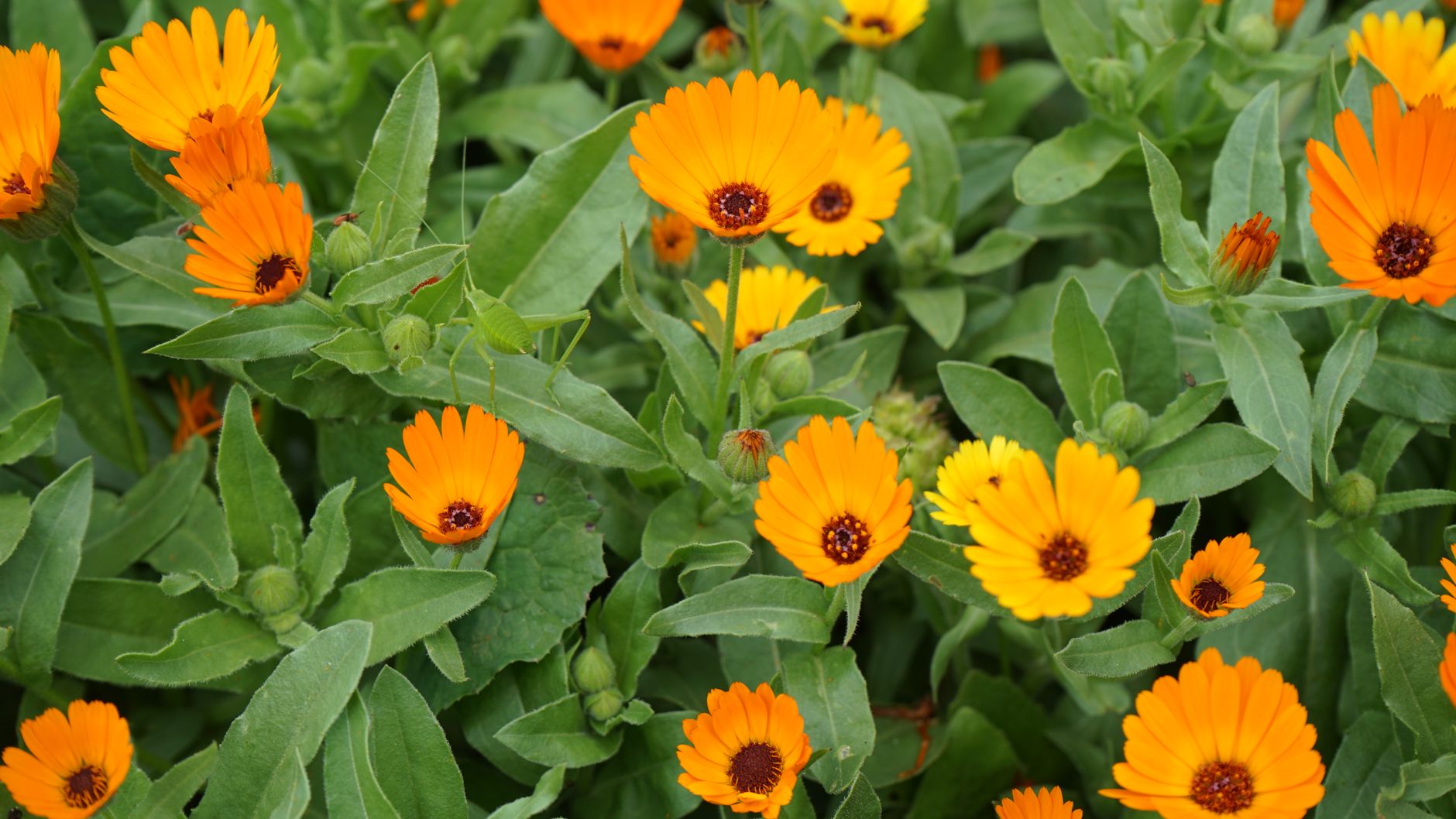
The Ultimate Guide to Dill Seeds: Health Benefits and Uses

The Undeniable Power of Dill Seeds: An Exhaustive Guide to Their Profound Health Benefits

For millennia, various cultures around the globe have revered dill, not just for its distinctive culinary zest, but more profoundly for its remarkable medicinal properties. While the fresh herb (Anethum graveolens) is a familiar sight in kitchens, it is the often-underestimated dill seeds that harbor a concentrated wealth of therapeutic compounds. These tiny, oval, ridged seeds possess a potent aromatic profile and a nutritional composition that positions them as a true superfood in the realm of natural health. Far beyond their ability to elevate pickles and stews, dill seeds offer a comprehensive spectrum of health advantages, ranging from digestive solace to chronic disease prevention. This exhaustive guide delves deep into the science, history, and practical applications of dill seeds, uncovering the intricate mechanisms behind their celebrated health benefits and establishing them as an indispensable ally for holistic well-being.

A Botanical Journey and Historical Roots of Anethum graveolens

Dill, scientifically known as Anethum graveolens, belongs to the Apiaceae family, a distinguished group that also includes carrots, parsley, and celery. Native to Eastern Europe and the Mediterranean region, dill is an annual herb characterized by its delicate, feathery leaves and distinctive yellow umbels of flowers. It is from these flowers that the small, flattened, oval seeds are harvested, embodying a more pungent and potent flavor profile compared to their leafy counterparts. The name “dill” itself is believed to originate from the Old Norse word “dilla,” meaning “to lull” or “to soothe,” a direct nod to its traditional use as a carminative and sleep aid.

The historical reverence for dill seeds stretches back thousands of years. Ancient Egyptian texts, dating as far back as 1500 BC, mention dill as a potent medicinal herb, used for its soothing properties and to ward off evil spirits. The Greeks and Romans also recognized its value, incorporating it into their diets and medicines. Roman gladiators were believed to rub dill seed oil on their bodies to promote healing and muscle strength. In medieval Europe, dill seeds were a common ingredient in traditional remedies, employed to alleviate digestive discomfort, calm colicky babies, and even to protect against witchcraft. Ayurvedic medicine in India and Traditional Chinese Medicine also integrated dill seeds into their pharmacopeias, utilizing them for a range of conditions from digestive ailments to respiratory issues. This rich tapestry of historical usage underscores the enduring recognition of dill seeds as a powerful natural remedy across diverse civilizations.

Dill Seeds Botanical Photo

The Robust Nutritional Profile of Dill Seeds

Beyond their aromatic allure, dill seeds are a nutritional powerhouse, packed with an array of essential vitamins, minerals, and dietary fiber that contribute significantly to overall health. While consumed in relatively small quantities, their concentrated nutrient density makes them a valuable addition to any diet. They are an excellent source of calcium, a mineral critical for bone health, nerve function, and muscle contraction. Furthermore, dill seeds provide a significant amount of iron, vital for oxygen transport and energy production, and manganese, an essential cofactor for numerous enzymes involved in metabolism and antioxidant defense. Other minerals present include magnesium, phosphorus, potassium, and zinc, each playing distinct roles in maintaining bodily functions.
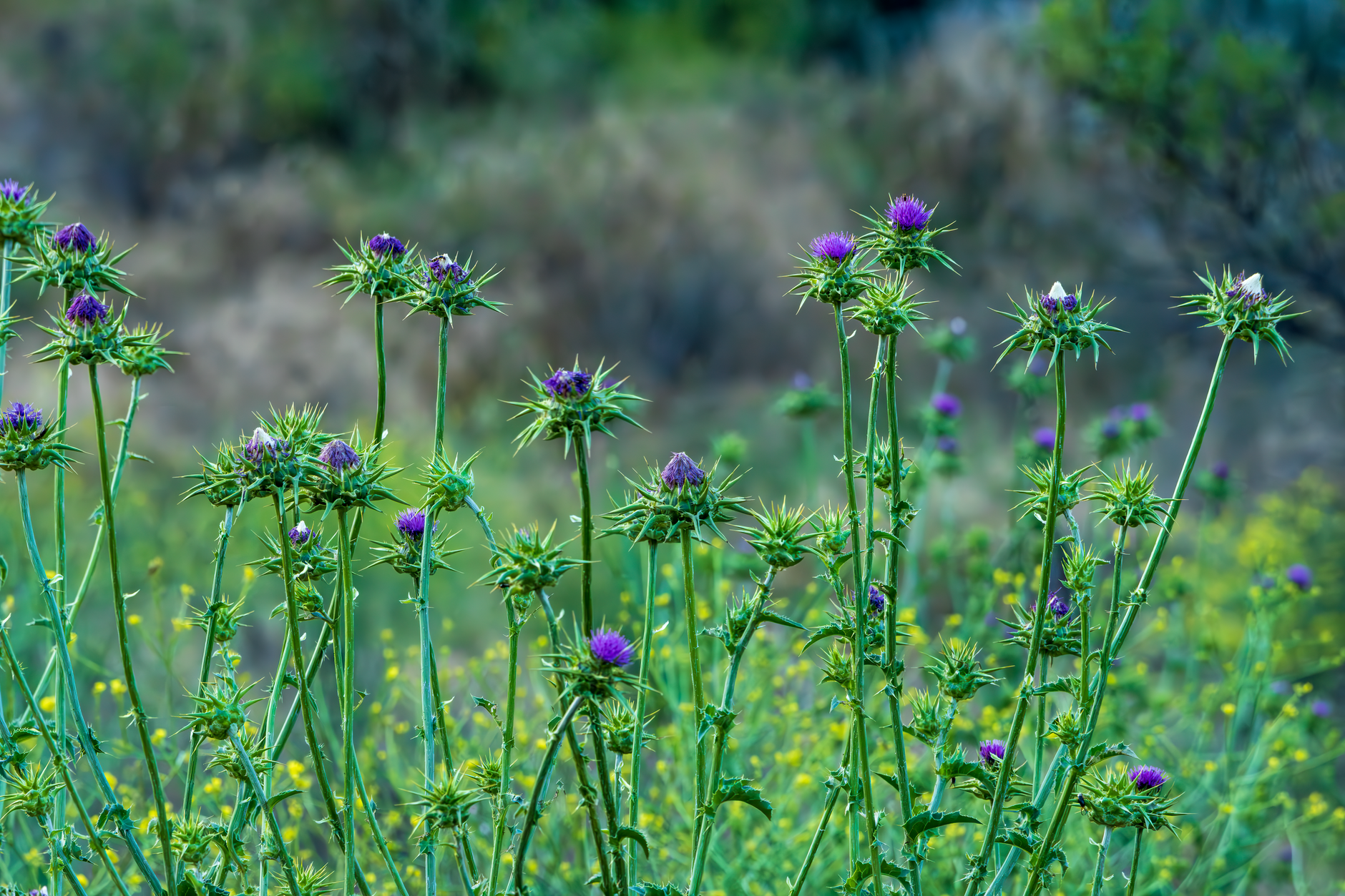
In terms of vitamins, dill seeds contain noteworthy levels of Vitamin A (primarily as beta-carotene), important for vision, immune function, and skin health, and Vitamin C, a powerful antioxidant that supports immunity and collagen synthesis. They also offer a spectrum of B-complex vitamins, including folate, riboflavin, and niacin, which are crucial for cellular metabolism and energy production. Moreover, the high fiber content in dill seeds supports digestive regularity, helps regulate blood sugar levels, and contributes to satiety, aiding in weight management. This synergistic blend of micronutrients and fiber lays the groundwork for the extensive health benefits attributed to these unassuming seeds.

Unlocking the Power: Bioactive Compounds and Their Mechanisms

The profound health benefits of dill seeds are primarily attributed to their rich concentration of bioactive compounds, particularly their essential oils, flavonoids, and coumarins. These phytochemicals work in concert, exhibiting a wide range of therapeutic actions within the body.

Essential Oils: The Aromatic Architects of Health

The characteristic aroma and much of the medicinal efficacy of dill seeds stem from their volatile essential oil content, which can comprise up to 2-4% of the seed’s weight. The predominant compounds in dill seed essential oil include:

  • Carvone: This monoterpene ketone is perhaps the most significant compound in dill seeds, responsible for much of its distinctive flavor and many of its therapeutic effects. Carvone acts as a potent carminative, helping to relax the smooth muscles of the digestive tract, thereby alleviating gas, bloating, and spasms. Its antispasmodic properties are well-documented, making it effective in managing conditions like irritable bowel syndrome (IBS) and menstrual cramps. Furthermore, carvone exhibits significant antimicrobial and antifungal activities, disrupting microbial cell membranes and inhibiting their growth.
  • Limonene: Another prevalent monoterpene, limonene is also found in citrus peels. It is recognized for its anti-inflammatory, antioxidant, and even potential anticancer properties. Limonene can help to neutralize free radicals, reduce oxidative stress, and has been studied for its role in modulating immune responses.
  • Alpha-Phellandrene: This cyclic monoterpene contributes to the aroma and possesses anti-inflammatory and analgesic properties. It interacts with various cellular pathways to mitigate inflammatory responses, offering pain relief and reducing swelling.
  • Dillapiole: A phenylpropanoid, dillapiole is known for its mild diuretic and carminative effects. It contributes to the overall digestive benefits of dill seeds and may have some insecticidal properties.
  • Myristicin: Another phenylpropanoid, myristicin, is present in smaller quantities. It is known for its potential to stimulate detoxification enzymes, particularly in the liver, aiding in the body’s natural cleansing processes.

Flavonoids: Potent Antioxidant Defenders

Dill seeds are also a good source of various flavonoids, including quercetin, kaempferol, and vicenin. Flavonoids are a class of polyphenolic compounds renowned for their powerful antioxidant and anti-inflammatory capabilities. They function by scavenging free radicals, unstable molecules that cause cellular damage and contribute to chronic diseases such as heart disease, cancer, and neurodegenerative disorders. By neutralizing these free radicals, flavonoids protect cellular integrity and reduce oxidative stress. Moreover, they can modulate inflammatory pathways, inhibiting the production of pro-inflammatory cytokines and enzymes, thereby alleviating systemic inflammation.

Coumarins: Under-Explored Potential

While less studied in dill seeds compared to essential oils and flavonoids, coumarins are another class of phytochemicals present. Coumarins are known for their anticoagulant, anti-inflammatory, and antimicrobial properties. Their presence further adds to the complex array of beneficial compounds in dill seeds, suggesting additional therapeutic avenues.

Dill Seeds Plant Profile

Comprehensive Health Benefits: A Deep Dive

The synergistic action of these bioactive compounds translates into a remarkable array of health benefits that make dill seeds a valuable addition to a health-conscious lifestyle.
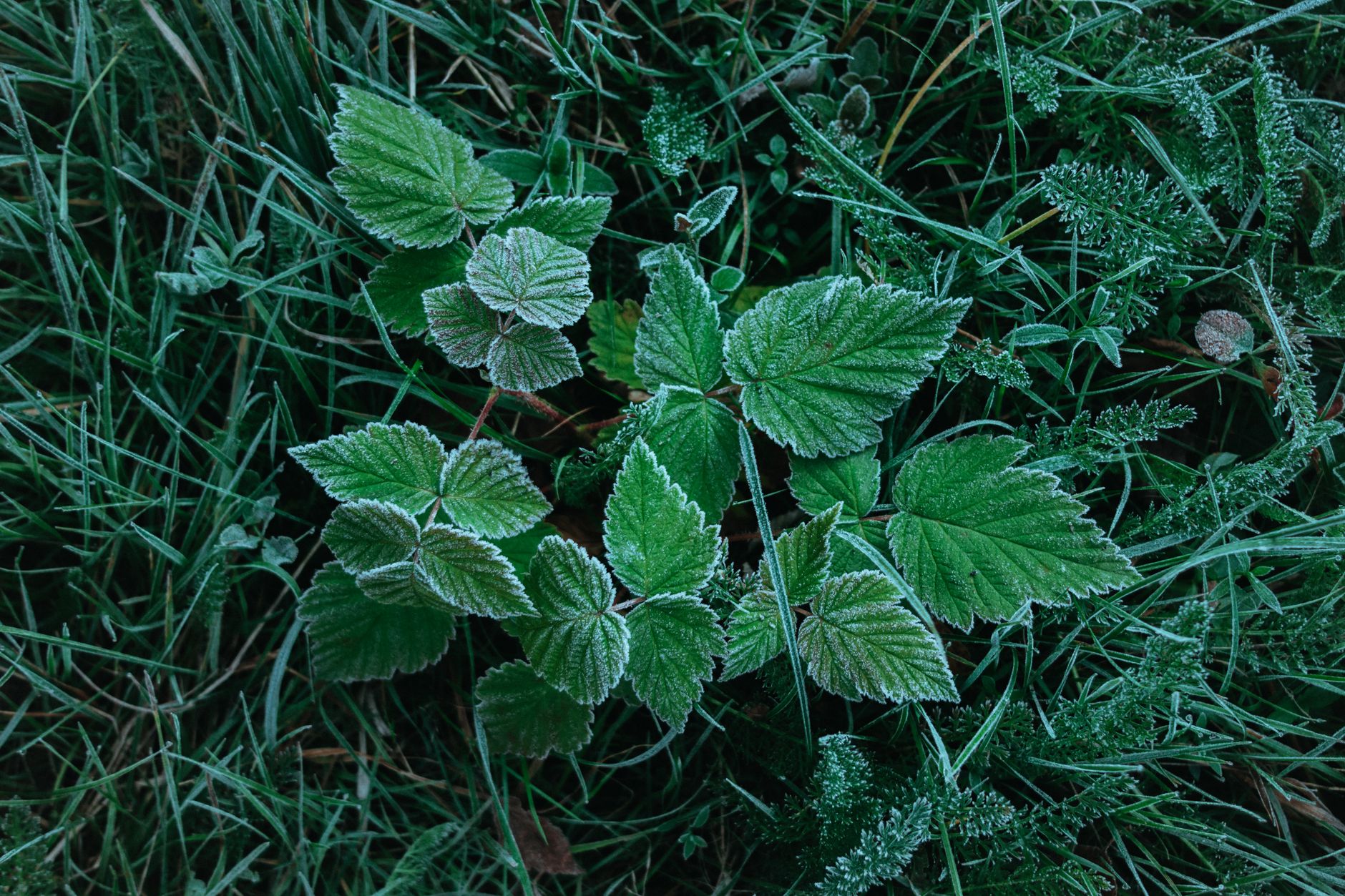
1. Unparalleled Digestive Health Support
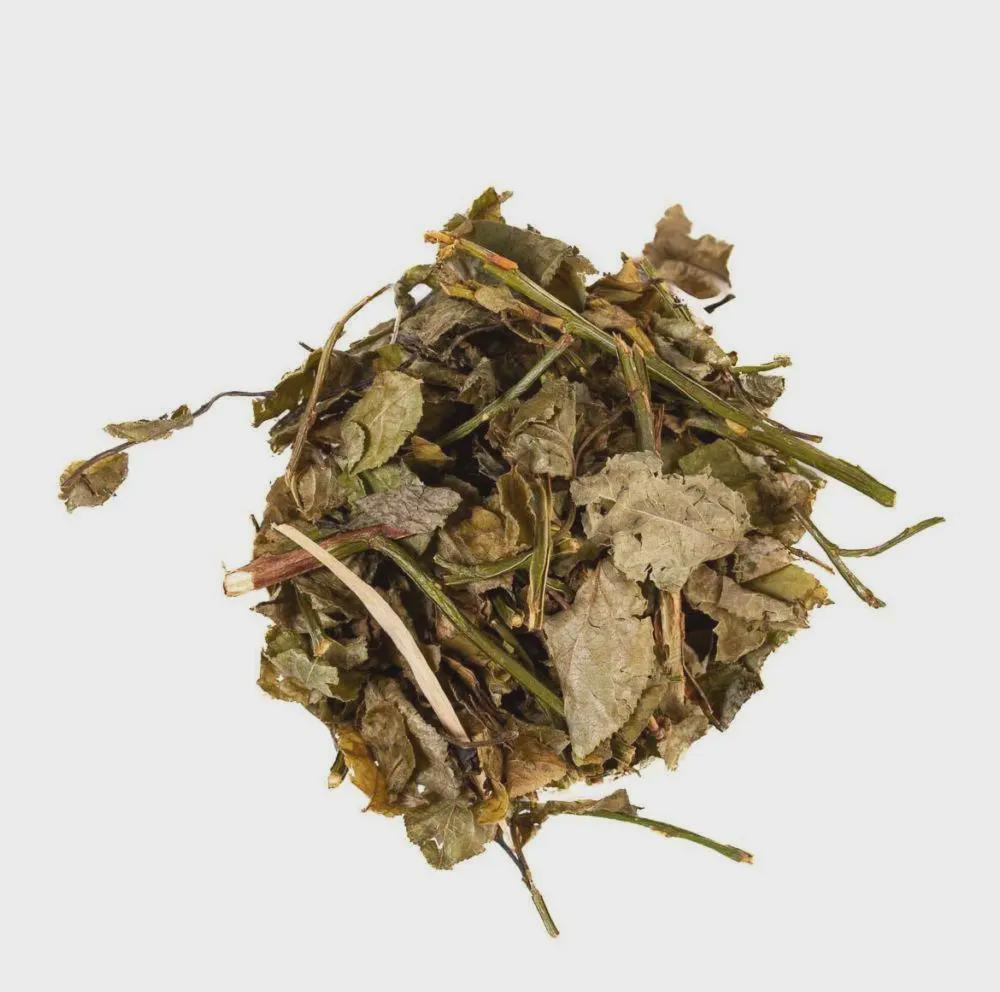
Dill seeds are perhaps most celebrated for their profound impact on digestive health. Their potent carminative and antispasmodic properties make them a go-to remedy for a host of gastrointestinal discomforts. The essential oils, particularly carvone, relax the smooth muscles of the gastrointestinal tract, facilitating the expulsion of trapped gas and alleviating bloating, flatulence, and abdominal distension. This antispasmodic action also extends to reducing cramping and spasms associated with conditions like irritable bowel syndrome (IBS) and general indigestion. Furthermore, dill seeds are known to stimulate the secretion of digestive enzymes, aiding in the more efficient breakdown and absorption of nutrients. They can also act as a mild appetite stimulant and have been traditionally used to relieve colic in infants. Emerging research even suggests their potential in protecting the gastric lining, offering some anti-ulcerogenic effects.

2. Potent Anti-inflammatory and Antioxidant Powerhouse

Chronic inflammation and oxidative stress are underlying drivers of many modern chronic diseases, including cardiovascular disease, diabetes, and certain cancers. Dill seeds stand out as a formidable natural defense against these cellular aggressors. The high concentration of flavonoids like quercetin and kaempferol, along with phenolic acids and essential oil compounds such as limonene, provides a powerful antioxidant shield. These compounds actively neutralize free radicals, preventing oxidative damage to DNA, proteins, and lipids. Simultaneously, their anti-inflammatory properties work by inhibiting the production of pro-inflammatory mediators and enzymes (like COX-2), thereby reducing systemic inflammation. This dual action is crucial for maintaining cellular health and reducing the risk of inflammation-related pathologies.

3. Promoting Healthy Blood Sugar Regulation

For individuals concerned with blood sugar management, dill seeds offer a promising natural intervention. Studies have indicated that dill seeds possess hypoglycemic properties, meaning they can help lower elevated blood glucose levels. The mechanisms behind this effect are thought to involve several pathways: improving insulin sensitivity, stimulating insulin secretion from pancreatic beta cells, and inhibiting alpha-glucosidase, an enzyme responsible for breaking down complex carbohydrates into glucose in the gut. By slowing down carbohydrate absorption and enhancing the body’s response to insulin, dill seeds can contribute to more stable blood sugar levels, making them a valuable adjunct for those managing type 2 diabetes or seeking to prevent its onset.

4. Supporting Cardiovascular Health and Cholesterol Management

The heart-healthy benefits of dill seeds are multifaceted, stemming from their antioxidant, anti-inflammatory, and lipid-modulating effects. Their rich fiber content aids in reducing LDL (“bad”) cholesterol by binding to bile acids in the gut, promoting their excretion. The powerful antioxidants protect LDL cholesterol from oxidation, a critical step in the development of atherosclerosis (hardening of the arteries). Furthermore, some compounds in dill seeds may help regulate blood pressure by acting as natural vasodilators, relaxing blood vessels and improving blood flow. By mitigating oxidative stress, inflammation, and unfavorable lipid profiles, dill seeds contribute significantly to overall cardiovascular wellness and a reduced risk of heart disease.

5. Bolstering Bone Health

Dill seeds are a surprisingly good source of calcium, a mineral fundamentally essential for strong bones and teeth. Adequate calcium intake is crucial throughout life to prevent osteoporosis, a condition characterized by brittle bones. Beyond calcium, the presence of other essential minerals like magnesium, phosphorus, and manganese in dill seeds further supports bone metabolism and density. Manganese, for instance, is involved in the formation of bone cartilage and bone collagen, making dill seeds a holistic contributor to skeletal integrity.

6. Potent Antimicrobial and Antifungal Properties

The essential oils found in dill seeds, particularly carvone and limonene, demonstrate significant antimicrobial and antifungal activities. Research has shown their efficacy against various strains of bacteria, including some common foodborne pathogens, and fungi. This makes dill seeds beneficial not only for internal health, by potentially inhibiting the growth of harmful gut bacteria or fungi, but also as a natural food preservative and a traditional remedy for topical infections. Their ability to disrupt microbial cell membranes and inhibit their replication makes them a versatile natural antiseptic.

7. Promoting Relaxation and Improved Sleep

True to its ancient etymology, dill seeds possess mild sedative and anxiolytic (anxiety-reducing) properties. Traditional medicine has long utilized dill seed infusions to calm nerves, reduce anxiety, and promote restful sleep. Certain compounds in dill seeds may interact with neurotransmitters in the brain, such as GABA (gamma-aminobutyric acid), which has a calming effect on the central nervous system. This makes dill seeds a gentle natural aid for those struggling with insomnia, nervousness, or general stress, offering a soothing alternative to harsher sedatives.

8. Supporting Respiratory Health

Dill seeds have been traditionally used as an expectorant, helping to loosen and expel mucus from the respiratory tract. This property can provide relief from coughs, colds, and mild congestion. Their anti-inflammatory and antimicrobial actions also contribute to alleviating symptoms associated with respiratory infections, offering a gentle way to support lung health and ease breathing.

9. Alleviating Menstrual Discomfort

For women, dill seeds can be a valuable ally in managing menstrual health. They possess emmenagogue properties, meaning they can help stimulate or regulate menstrual flow, potentially aiding those with irregular periods. More significantly, their antispasmodic and anti-inflammatory effects can provide considerable relief from dysmenorrhea (menstrual cramps). By relaxing the uterine muscles and reducing inflammatory prostaglandins, dill seeds can ease the pain and discomfort associated with menstruation, offering a natural alternative to conventional pain relievers.

10. Potential in Cancer Prevention

While research is ongoing, the robust antioxidant and anti-inflammatory profile of dill seeds, coupled with specific compounds like limonene and certain flavonoids, suggests a potential role in cancer prevention. These compounds have been shown in in-vitro and animal studies to exhibit antiproliferative effects, inhibiting the growth of cancer cells, and promoting apoptosis (programmed cell death) in various cancer lines. They may also support detoxification pathways in the liver, helping the body eliminate carcinogens. While not a cure, incorporating dill seeds into a healthy diet could contribute to a strategy for reducing cancer risk.

Traditional Uses and Modern Culinary Applications

Dill seeds, with their distinctive pungent, slightly bitter, and subtly sweet flavor profile, have a long and varied history of culinary and medicinal uses. Traditionally, they were commonly infused into teas or decoctions to treat digestive ailments, promote sleep, or alleviate menstrual cramps. Ground dill seeds were sometimes mixed with honey or other carriers for topical applications as a poultice to soothe minor skin irritations or aid wound healing, leveraging their antimicrobial properties.

In modern kitchens, dill seeds are a staple, especially in Eastern European, Nordic, and Indian cuisines. They are most famously associated with pickling, imparting their signature flavor to cucumbers, cabbage, and other vegetables. They are also widely used in baking, particularly in rye bread and other savory loaves, adding a warm, aromatic depth. Whole or ground, dill seeds can enhance the flavor of fish dishes, roasted vegetables, stews, soups, and even salads. They pair exceptionally well with potatoes, cabbage, and root vegetables. Toasting the seeds lightly before use can intensify their flavor, releasing their essential oils and adding a nutty dimension.

Dill Seeds Dried Herb

Dill Seed Supplements and Concentrated Extracts

For those seeking to leverage the health benefits of dill seeds in a more concentrated and convenient form, various supplements and extracts are available. These typically come in capsules, tinctures, or essential oil formulations. Standardized extracts ensure a consistent dose of key bioactive compounds, such as carvone or flavonoids, allowing for targeted therapeutic applications. Dill seed essential oil, for instance, is a highly concentrated form and is often used in aromatherapy for its calming effects or diluted and applied topically for pain relief and muscle spasms. Capsules provide a convenient way to integrate dill seeds into a daily health regimen, especially for digestive support or blood sugar management, without altering the taste of meals. When opting for supplements, it is crucial to choose reputable brands that provide third-party testing and clear labeling regarding concentration and purity.

Dill Seeds Capsules

Practical Incorporation and Dosage Considerations

Integrating dill seeds into your diet is simple and versatile. They can be added whole to soups, stews, salads, and vegetable dishes. Ground dill seeds can be used as a spice rub for meats or fish, or blended into dressings and dips. For a soothing digestive aid, a simple dill seed tea can be prepared by crushing a teaspoon of seeds and steeping them in hot water for 5-10 minutes. A typical culinary dosage would be 1/2 to 1 teaspoon of whole or ground seeds per serving.

For therapeutic purposes, specific dosages may be recommended. For example, a common recommendation for digestive issues is 1-2 grams of crushed dill seeds steeped in hot water, consumed 2-3 times daily. For blood sugar management, studies have often used doses equivalent to several grams of dill seed extract. When using supplements, always adhere to the manufacturer’s recommended dosage or consult with a healthcare professional, especially when addressing specific health conditions. As with any herbal remedy, consistency is key to experiencing the full spectrum of benefits.

Potential Side Effects and Precautions

While dill seeds are generally considered safe for most people when consumed in moderate culinary amounts, certain precautions should be observed, especially with higher therapeutic doses or concentrated extracts.

  • Allergies: Individuals with known allergies to other plants in the Apiaceae family (e.g., carrots, celery, parsley, caraway) may experience allergic reactions to dill, including skin rashes, swelling, or respiratory symptoms.
  • Medication Interactions: Dill seeds may have mild blood-thinning properties and could potentially interact with anticoagulant medications (e.g., Warfarin, Aspirin), increasing the risk of bleeding. They may also affect blood sugar levels, necessitating careful monitoring for individuals on diabetes medications to avoid hypoglycemia.
  • Pregnancy and Breastfeeding: While culinary amounts are likely safe, high therapeutic doses of dill seed extracts or essential oil are generally not recommended during pregnancy due to potential emmenagogue effects. Consult a healthcare provider before using dill seeds therapeutically during pregnancy or breastfeeding.
  • Photosensitivity: In rare instances, excessive topical application of dill essential oil or very high oral doses may increase sensitivity to sunlight (photosensitivity), leading to skin reactions upon sun exposure.
  • Hypotension: Given its potential to mildly lower blood pressure, individuals with naturally low blood pressure should exercise caution with large doses.

Always consult with a healthcare professional before incorporating dill seeds into a therapeutic regimen, particularly if you have pre-existing health conditions or are taking medications.

Conclusion: Embracing the Holistic Power of Dill Seeds

From ancient apothecaries to modern scientific laboratories, the humble dill seed has consistently revealed itself as a botanical marvel, brimming with compounds that confer an extraordinary array of health benefits. Its rich history as a digestive aid, tranquilizer, and flavor enhancer is now powerfully supported by scientific elucidation of its essential oils, flavonoids, and other phytochemicals. Whether it’s soothing digestive discomfort, combating inflammation, stabilizing blood sugar, protecting cardiovascular health, or even offering solace to the mind, dill seeds stand as a testament to nature’s profound capacity to heal and nourish.

As we increasingly seek natural and holistic approaches to health, embracing the simple yet potent power of dill seeds offers an accessible and delicious pathway to enhanced well-being. By thoughtfully integrating these tiny seeds into our diets and considering their broader therapeutic applications, we unlock a tradition of wellness that has spanned civilizations and continues to enrich lives today. Their comprehensive nutritional profile and multifaceted actions firmly establish dill seeds not just as a culinary spice, but as a vital component of a truly vibrant and healthful lifestyle.

Dill Seeds Natural Herb

Disclaimer: For informational purposes only. Not medical advice. Consult a qualified healthcare professional before use.