The Unrivaled Power of Wild Bilberries: A Definitive Deep-Dive into Their Extraordinary Health Benefits
In the expansive realm of natural superfoods, few command as much respect and scientific interest as the Wild Bilberry (Vaccinium myrtillus). Often mistaken for its larger, sweeter American cousin, the blueberry, this diminutive dark berry native to the ancient forests and heathlands of Northern Europe stands apart with a unique nutritional profile and an exceptional array of health-promoting compounds. Revered for centuries in traditional medicine, modern science is now validating what ancient healers instinctively knew: Wild Bilberries are a veritable powerhouse for human health, offering profound benefits ranging from enhanced vision to robust cardiovascular support and beyond. This exhaustive guide delves into the intricate mechanisms, historical significance, and diverse applications of this remarkable berry, aiming to provide a comprehensive understanding of why Wild Bilberries deserve their esteemed place in the pantheon of nature’s finest remedies.
Botanical Identity and Distinctive Characteristics
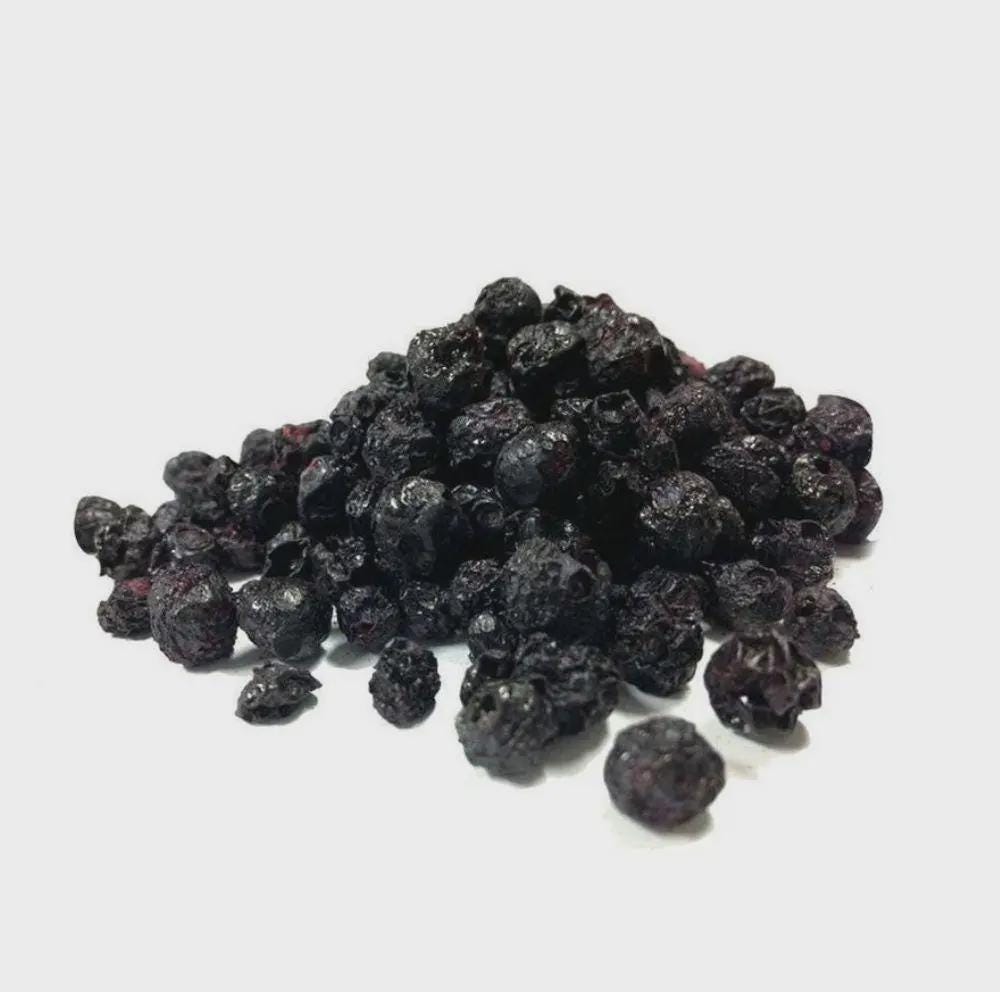
The Wild Bilberry, scientifically known as Vaccinium myrtillus, belongs to the Ericaceae family, which also includes cranberries and blueberries. Unlike cultivated blueberries (typically Vaccinium corymbosum), bilberries grow wild on low-lying shrubs, thriving in acidic soil conditions across Scandinavia, Northern Europe, and parts of North America. A crucial distinguishing feature lies in their flesh: while blueberries have light-colored flesh, bilberries boast a deep, dark purple pulp that stains the fingers and mouth, a direct indicator of their extraordinarily high concentration of anthocyanins. These vibrant pigments are the cornerstone of the bilberry’s potent medicinal properties, making the wild variety significantly richer in these beneficial compounds compared to its cultivated counterparts. The small, spherical berries typically ripen in mid to late summer, offering a tart yet subtly sweet flavor profile that hints at their complex chemical composition.

A Rich Tapestry of History and Traditional Wisdom
The use of Wild Bilberries for medicinal purposes dates back centuries, deeply ingrained in European folklore and herbal traditions. During the Middle Ages, bilberries were often employed to treat various ailments, particularly digestive issues such as diarrhea and dysentery, thanks to their astringent properties. Their reputation for supporting vision also has historical roots. Perhaps the most widely cited historical account comes from World War II, where British Royal Air Force pilots reportedly consumed bilberry jam to improve their night vision during nighttime bombing raids. While direct scientific proof linking the jam to immediate night vision improvement in pilots is anecdotal and debated, this narrative undeniably propelled bilberries into the spotlight as a vision-enhancing superfood, sparking significant scientific inquiry into their ophthalmic benefits. Beyond vision, traditional practitioners also utilized bilberry leaves and fruits for their anti-inflammatory and antiseptic qualities, applying them topically for skin conditions or consuming them for their perceived ability to purify the blood.
The Potent Bioactive Compounds: An Arsenal of Health
The extraordinary health benefits of Wild Bilberries are fundamentally attributed to their complex phytochemical profile, dominated by a diverse group of polyphenols. At the forefront are anthocyanins, the vibrant pigments responsible for the bilberry’s characteristic deep blue-purple hue. Bilberries contain over 15 distinct anthocyanin glycosides, including significant concentrations of delphinidin, cyanidin, malvidin, peonidin, and petunidin. These compounds are powerful antioxidants, acting as potent free radical scavengers that neutralize reactive oxygen species (ROS) and reduce oxidative stress throughout the body. Their antioxidant capacity is often considered superior to that of vitamin C and E, operating through multiple pathways to protect cellular integrity.
Beyond anthocyanins, bilberries are also rich in other beneficial flavonoids, such as quercetin, catechins, and proanthocyanidins. These compounds work synergistically with anthocyanins, amplifying their antioxidant and anti-inflammatory effects. Phenolic acids, including chlorogenic acid and gallic acid, contribute further to the berry’s robust antioxidant defense system. Tannins, particularly condensed tannins, provide the astringent properties historically noted for digestive health. Furthermore, Wild Bilberries offer a modest but valuable supply of essential micronutrients, including vitamin C, vitamin K, manganese, and dietary fiber, all contributing to overall health and well-being. This comprehensive blend of bioactive molecules renders bilberries an exceptionally potent nutraceutical.

Comprehensive Health Benefits of Wild Bilberries
1. Unparalleled Support for Eye Health and Vision
Perhaps the most celebrated benefit of Wild Bilberries lies in their profound impact on ocular health. The anthocyanins in bilberries are uniquely capable of crossing the blood-retinal barrier, allowing them to exert direct therapeutic effects within the eye. A primary mechanism involves their role in the regeneration of rhodopsin, a light-sensitive pigment found in the rod cells of the retina, which is crucial for night vision and adaptation to low-light conditions. Anthocyanins accelerate the rate at which rhodopsin is replenished after being bleached by light, thereby improving visual acuity in dim environments and reducing eye fatigue.
Furthermore, the potent antioxidant and anti-inflammatory properties of bilberry anthocyanins provide critical protection against various degenerative eye conditions. They help to shield the delicate cells of the retina from oxidative damage caused by free radicals, which is a major contributing factor to age-related macular degeneration (AMD), cataracts, and glaucoma. By strengthening capillaries and improving blood circulation to the eyes, bilberries also enhance nutrient delivery and waste removal, which is vital for maintaining the health of the intricate ocular structures. For individuals with diabetic retinopathy, a complication of diabetes that damages blood vessels in the retina, bilberry extracts have shown promise in stabilizing capillary walls and reducing leakage, thereby potentially slowing disease progression and preserving vision.
2. Potent Antioxidant and Anti-inflammatory Properties
The high concentration of anthocyanins, flavonoids, and phenolic acids positions Wild Bilberries as one of nature’s most powerful antioxidants. These compounds effectively neutralize harmful free radicals, which are unstable molecules that can damage cellular structures, DNA, and proteins, leading to chronic diseases and accelerated aging. By scavenging these free radicals, bilberries help mitigate oxidative stress, a fundamental driver of inflammation and cellular dysfunction throughout the body. This systemic protective effect is crucial for maintaining overall health and preventing a myriad of chronic ailments.
Beyond their direct antioxidant action, bilberries also exhibit significant anti-inflammatory capabilities. They modulate various inflammatory pathways, inhibiting the production of pro-inflammatory cytokines such as TNF-alpha and interleukins, and suppressing enzymes like cyclooxygenase-2 (COX-2), which are central to the inflammatory cascade. This dual action of combating oxidative stress and quelling inflammation makes Wild Bilberries a formidable agent in protecting against conditions where chronic inflammation plays a key role, including arthritis, metabolic syndrome, and neurodegenerative disorders.
3. Cardiovascular Health and Vascular Integrity
The protective effects of Wild Bilberries extend significantly to the cardiovascular system, making them a valuable ally in maintaining heart and circulatory health. The anthocyanins and other polyphenols contribute to improved endothelial function, the health of the inner lining of blood vessels. By promoting the production of nitric oxide (NO), they facilitate vasodilation, leading to improved blood flow and contributing to the maintenance of healthy blood pressure levels. This relaxation of blood vessels reduces the strain on the heart and lowers the risk of hypertension.
Moreover, bilberries help manage cholesterol levels by inhibiting the oxidation of low-density lipoprotein (LDL) cholesterol, often referred to as “bad” cholesterol. Oxidized LDL is a key instigator in the development of atherosclerosis, the hardening and narrowing of arteries. By preventing this crucial step, bilberries can reduce plaque formation and improve arterial flexibility. Their anti-platelet aggregation effects further contribute to cardiovascular protection by reducing the risk of blood clot formation, which can lead to heart attacks and strokes. The comprehensive vascular support offered by bilberries underscores their potential in a holistic approach to cardiovascular wellness.
4. Blood Sugar Regulation and Diabetes Management
For individuals concerned with blood sugar control, Wild Bilberries offer compelling benefits. Research suggests that anthocyanins can positively influence several aspects of glucose metabolism. They may help to improve insulin sensitivity, allowing the body’s cells to more efficiently absorb glucose from the bloodstream, thereby lowering blood sugar levels. Furthermore, bilberry compounds have been shown to inhibit carbohydrate-digesting enzymes, such as alpha-glucosidase, which can slow down the absorption of glucose after a meal, leading to a more gradual rise in blood sugar.
The anti-inflammatory and antioxidant properties of bilberries are particularly relevant in the context of diabetes, as chronic oxidative stress and inflammation are known to contribute to insulin resistance and pancreatic beta-cell dysfunction. By mitigating these damaging processes, bilberries help protect the cells responsible for insulin production and reduce the complications associated with prolonged high blood sugar, such as diabetic neuropathy and retinopathy. This multi-faceted approach to glucose management positions bilberries as a valuable dietary addition for individuals seeking to support their metabolic health.
5. Digestive Health and Gut Microbiome Support
Wild Bilberries have a long history of traditional use for digestive complaints, and modern science is beginning to unravel the mechanisms behind these benefits. The tannins present in bilberries are astringent, meaning they can help to tighten and tone mucous membranes, which may be beneficial in alleviating diarrhea by reducing fluid secretion and inflammation in the gut lining. This historical application makes bilberries a time-honored natural remedy for occasional gastrointestinal upset.
Beyond their direct astringent effects, the rich fiber content of bilberries supports healthy digestion by promoting regular bowel movements and adding bulk to stool. More profoundly, the polyphenols in bilberries, particularly anthocyanins, act as prebiotics. They are not fully digested in the upper gastrointestinal tract and thus reach the colon, where they are fermented by beneficial gut bacteria. This fermentation process nourishes a healthy gut microbiome, leading to the production of short-chain fatty acids (SCFAs) like butyrate, which are vital for gut barrier integrity, immune function, and overall metabolic health. A balanced gut microbiome is increasingly recognized as central to systemic health, and bilberries contribute significantly to fostering this crucial balance.
6. Cognitive Function and Neuroprotection
Emerging research highlights the potential of Wild Bilberries to support brain health and cognitive function. The powerful antioxidants and anti-inflammatory compounds found in bilberries are critical for protecting neuronal cells from oxidative damage and inflammation, two key contributors to neurodegenerative diseases like Alzheimer’s and Parkinson’s. By reducing neuroinflammation, bilberries help maintain a healthy brain environment conducive to optimal cognitive performance.
Anthocyanins have also been shown to cross the blood-brain barrier and directly influence signaling pathways in the brain. They can enhance cerebral blood flow, ensuring that brain cells receive an adequate supply of oxygen and nutrients, which is essential for memory, learning, and overall cognitive processing. Furthermore, some studies suggest that bilberry extracts may stimulate neurogenesis (the formation of new neurons) and improve synaptic plasticity, thereby supporting long-term brain health and potentially mitigating age-related cognitive decline. The neuroprotective qualities of bilberries underscore their promise as a natural strategy for maintaining mental sharpness.
7. Skin Health and Anti-Aging Effects
The same potent antioxidants that protect internal organs also confer significant benefits for skin health. By neutralizing free radicals, bilberries help protect skin cells from environmental damage, particularly from UV radiation and pollution, which are major causes of premature skin aging, including wrinkles, fine lines, and age spots. Their ability to combat oxidative stress helps maintain the integrity of collagen and elastin, the proteins responsible for skin’s firmness and elasticity, thus promoting a more youthful appearance.
Additionally, the anti-inflammatory properties of bilberries can help soothe irritated skin and reduce redness associated with conditions like eczema and rosacea. Improved microcirculation, a benefit derived from their vascular support, can also enhance the delivery of nutrients to skin cells, supporting their regeneration and overall vitality. Some traditional uses even include topical applications for minor wounds and skin lesions, reflecting their inherent antiseptic and healing properties.
8. Anti-Cancer Potential (Emerging Research)
While still an area of active research, preliminary studies suggest that the rich polyphenol content of Wild Bilberries may possess anti-cancer properties. These compounds have been observed to interfere with various stages of cancer development, including inhibiting the proliferation of cancer cells, inducing apoptosis (programmed cell death) in cancerous cells, and suppressing angiogenesis (the formation of new blood vessels that feed tumors). Their antioxidant and anti-inflammatory actions also play a role in preventing the cellular damage that can initiate carcinogenesis. While bilberries should not be considered a standalone cancer treatment, their inclusion in a health-promoting diet may contribute to a broader strategy for cancer prevention and support during conventional therapies.
Integrating Wild Bilberries into Your Wellness Routine
The versatility of Wild Bilberries allows for their easy incorporation into various dietary and supplemental regimens. When fresh, they can be enjoyed raw, added to smoothies, yogurts, cereals, or used in baking. Their tartness makes them a delightful addition to sweet and savory dishes alike.
Dried bilberries offer a convenient year-round option, perfect for snacking, mixing into trail mixes, or rehydrating for culinary uses. The leaves of the bilberry plant can also be steeped to make a healthful tea, traditionally used for blood sugar support and digestive complaints.
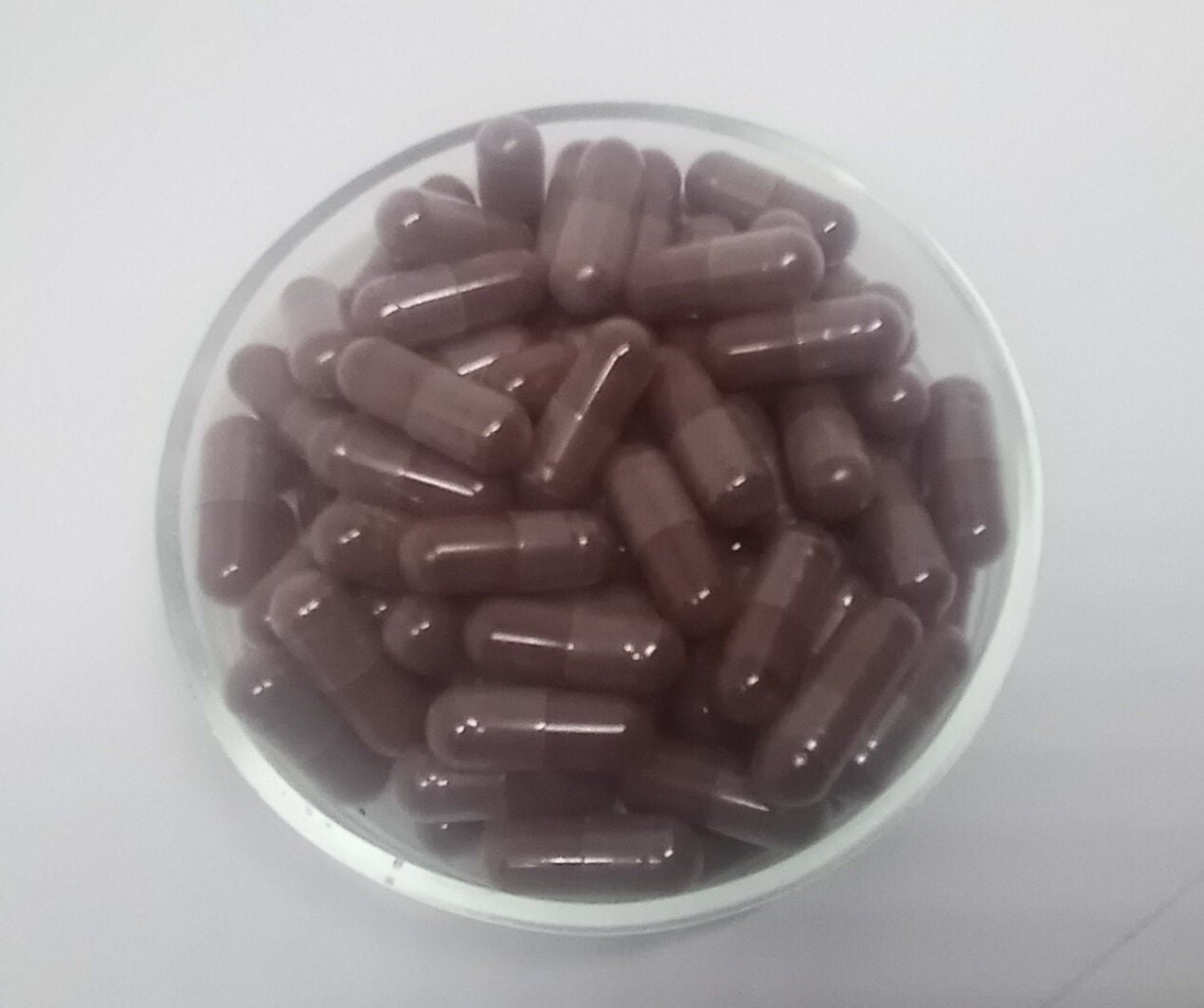
For those seeking a concentrated dose of bilberry’s active compounds, particularly for targeted health benefits like vision support, standardized extracts and supplements are widely available. These often come in capsule or powder form, ensuring a consistent and potent delivery of anthocyanins. When selecting supplements, it is crucial to look for products standardized to a specific percentage of anthocyanins, usually ranging from 25% to 36%, to ensure efficacy and quality.
Dosage and Safety Considerations
While Wild Bilberries are generally considered safe for consumption, especially as a food, specific dosages for therapeutic benefits typically involve standardized extracts. For eye health, common recommendations range from 80 to 160 mg of bilberry extract (standardized to 25% anthocyanins) taken two to three times daily. For other benefits, dosages may vary. It is always advisable to consult with a healthcare professional before starting any new supplement regimen, especially if you have pre-existing medical conditions, are pregnant or breastfeeding, or are taking other medications.
Potential side effects are rare but may include mild digestive upset in some individuals, particularly with very high doses. Bilberries may also have a mild anti-platelet effect, so individuals on blood-thinning medications should exercise caution and seek medical advice. As with all natural products, source quality and purity are paramount to ensure maximum benefit and safety.
Conclusion: Embracing the Wild Bilberry for Optimal Health
The Wild Bilberry stands as a testament to nature’s profound ability to provide potent health solutions. From its rich historical legacy in traditional medicine to its rigorous validation by modern scientific inquiry, this humble berry has consistently demonstrated an extraordinary range of therapeutic benefits. Its unparalleled concentration of anthocyanins, coupled with a synergistic array of other powerful bioactive compounds, makes it a superior choice for supporting vision, bolstering cardiovascular health, regulating blood sugar, enhancing cognitive function, and providing comprehensive antioxidant and anti-inflammatory protection.
As we navigate an increasingly health-conscious world, the Wild Bilberry emerges not just as a superfood, but as a foundational element for holistic well-being. Whether enjoyed fresh, dried, or as a high-quality standardized extract, incorporating Wild Bilberries into your daily routine offers a powerful and delicious way to cultivate robust health and embrace the enduring wisdom of nature. Their ongoing scientific study continues to uncover new facets of their remarkable potential, solidifying their status as an indispensable ally in the pursuit of optimal health and vitality.
Disclaimer: For informational purposes only. Not medical advice. Consult a qualified healthcare professional before use.