

The Definitive Guide to Bladderwrack: Unveiling Its Profound Health Benefits
In the vast underwater gardens of our planet, a humble brown seaweed known as Bladderwrack (Fucus vesiculosus) thrives, silently accumulating an impressive array of nutrients and bioactive compounds. For centuries, this marine botanical has been revered by coastal communities for its unique properties, first as a readily available food source and later as a potent therapeutic agent in traditional medicine. Today, modern science is increasingly validating these ancient insights, spotlighting Bladderwrack as a powerhouse of health benefits, ranging from vital thyroid support and metabolic enhancement to robust antioxidant and anti-inflammatory action. This comprehensive guide delves deep into the intricate world of Bladderwrack, exploring its botanical essence, historical significance, complex chemical profile, and the myriad ways it can contribute to holistic well-being.
Bladderwrack: A Botanical Overview and Its Marine Habitat
Bladderwrack, scientifically classified as Fucus vesiculosus, is a common type of brown algae, a macroalga belonging to the Fucaceae family. It is easily recognizable by its flattened, branching fronds and characteristic air bladders (vesicles), which are typically found in pairs along the midrib. These air bladders serve a crucial function, providing buoyancy to the seaweed, allowing it to float closer to the water’s surface to maximize sunlight exposure for photosynthesis. It primarily inhabits the intertidal zones of temperate coasts, particularly along the Atlantic and Pacific oceans, flourishing in rocky shores where it can anchor itself firmly and withstand the dynamic forces of tides and waves. Its resilient nature allows it to endure periods of both submersion and exposure, a testament to its robust cellular structure and adaptive biochemistry. The color of Bladderwrack can vary from greenish-brown to dark brown or black, often becoming more intense when dried, reflecting its rich pigment content, notably fucoxanthin.

A Journey Through Time: Historical Context and Traditional Uses
The therapeutic journey of Bladderwrack is steeped in history, predating many modern pharmaceutical interventions. Its earliest recorded uses trace back to the ancient Greeks, who recognized its potential as a medicine, though specific applications were not extensively documented. However, it was during the 18th century that Bladderwrack truly gained prominence in European herbal medicine, particularly in France, where it was extensively prescribed by physicians like Dr. Duchesne-Duparc for treating conditions associated with goiter. The observation that coastal populations, who regularly consumed seaweed, had a lower incidence of goiter, eventually led to the understanding that this was linked to the seaweed’s rich iodine content, a vital element for thyroid hormone synthesis.
Beyond goiter, traditional practitioners across various cultures employed Bladderwrack for a diverse range of ailments. It was used as a laxative due to its mucilaginous fiber content, as a diuretic to reduce fluid retention, and as a topical application for skin conditions, including rheumatism and gout, owing to its anti-inflammatory properties. Its purported ability to aid in weight loss also made it a popular remedy, particularly during the Victorian era. The ingenuity of these early healers, who intuited the profound health benefits of this marine plant long before the advent of sophisticated scientific analysis, underscores the enduring wisdom embedded in traditional botanical practices.

The Bioactive Treasury: Unpacking Bladderwrack’s Chemical Composition
The remarkable health benefits of Bladderwrack stem from its extraordinarily rich and complex chemical profile. It is a veritable treasure trove of bioactive compounds, each contributing to its synergistic therapeutic effects. Understanding these constituents is key to appreciating the profound impact Bladderwrack can have on human health.
- Iodine: The Thyroid Maestro
Perhaps the most celebrated component of Bladderwrack is its naturally occurring, organic iodine. Unlike synthetic iodine, the iodine in seaweed is bound to complex organic molecules, which some research suggests may enhance its bioavailability and reduce the risk of adverse effects associated with rapid iodine release. Iodine is an essential trace element absolutely critical for the synthesis of thyroid hormones, triiodothyronine (T3) and thyroxine (T4), which regulate virtually every metabolic process in the body. - Fucoidans: The Immunomodulatory Polysaccharides
These sulfated polysaccharides are a class of complex carbohydrates found almost exclusively in brown seaweeds. Fucoidans are arguably Bladderwrack’s most intensely studied compounds, recognized for their impressive array of biological activities, including significant anti-inflammatory, antioxidant, anticoagulant, antiviral, immunomodulatory, and even anti-cancer properties. Their unique structure allows them to interact with various biological pathways, influencing cellular signaling and immune responses. - Fucoxanthin: The Xanthophyll Carotenoid
A prominent pigment in brown seaweeds, fucoxanthin is a powerful xanthophyll carotenoid, responsible for Bladderwrack’s characteristic brownish hue. Beyond its role in photosynthesis, fucoxanthin exhibits robust antioxidant capabilities, protecting cells from oxidative damage. Emerging research also points to its potential in metabolic health, fat metabolism, and anti-diabetic effects. - Phlorotannins: The Marine Polyphenols
These are unique phenolic compounds found exclusively in brown algae. Structurally distinct from terrestrial plant tannins, phlorotannins are potent antioxidants, often exhibiting greater scavenging activity than many terrestrial polyphenols. They also possess significant anti-inflammatory, antimicrobial, and anti-proliferative properties, contributing to Bladderwrack’s broad spectrum of health benefits. - Alginates: The Dietary Fiber Giants
Bladderwrack is rich in alginates, a type of soluble dietary fiber. Alginates are known for their ability to form a viscous gel in water, which can contribute to satiety, slow gastric emptying, and support digestive health by promoting regular bowel movements and acting as a prebiotic for beneficial gut bacteria. - Essential Minerals and Vitamins
Beyond these unique compounds, Bladderwrack is a comprehensive source of vital micronutrients, including magnesium, calcium, potassium, sodium, zinc, copper, iron, and selenium. It also provides a spectrum of vitamins, such as vitamins A, C, E, K, and a range of B-complex vitamins, making it a truly nutrient-dense botanical.
The Profound Health Benefits of Bladderwrack: A Deep Dive
1. Unparalleled Thyroid Support and Metabolic Regulation
The most renowned benefit of Bladderwrack is its profound impact on thyroid health, primarily due to its rich and bioavailable iodine content. The thyroid gland, a butterfly-shaped organ in the neck, requires iodine to synthesize the hormones T3 (triiodothyronine) and T4 (thyroxine). These hormones are fundamental to regulating metabolism, energy production, body temperature, heart rate, and brain development. Inadequate iodine intake leads to hypothyroidism, characterized by symptoms like fatigue, weight gain, cold sensitivity, and cognitive sluggishness, and can manifest physically as a goiter. By providing a natural, organic source of iodine, Bladderwrack helps ensure the thyroid gland has the essential building blocks for optimal hormone production, thereby supporting a healthy metabolic rate and overall systemic function. This natural iodine delivery system is often preferred over synthetic forms due to its gradual release and incorporation into thyroid tissues.
2. Potent Anti-inflammatory and Antioxidant Power
Chronic inflammation and oxidative stress are root causes of numerous chronic diseases, including cardiovascular disease, neurodegenerative disorders, and cancer. Bladderwrack is a formidable ally in combating these detrimental processes, thanks to its arsenal of fucoidans, phlorotannins, and fucoxanthin. Fucoidans exhibit potent anti-inflammatory effects by modulating immune responses, inhibiting pro-inflammatory cytokines such as TNF-α and IL-6, and suppressing key enzymes like COX-2, which are implicated in inflammatory pathways. Similarly, phlorotannins act as powerful free radical scavengers, neutralizing reactive oxygen species (ROS) and preventing cellular damage. Fucoxanthin further augments this antioxidant capacity, protecting lipids, proteins, and DNA from oxidative assault. This multi-pronged approach to inflammation and oxidative stress makes Bladderwrack an excellent natural support for cellular health and disease prevention.
3. Digestive Harmony and Gut Health Enhancement
The high soluble fiber content, particularly alginates, in Bladderwrack plays a crucial role in promoting digestive health. When consumed, alginates absorb water in the gastrointestinal tract, forming a viscous gel. This gel helps to regulate bowel movements, alleviating both constipation and diarrhea by normalizing stool consistency. Furthermore, this gel can act as a protective barrier on the gut lining, potentially soothing irritation and promoting mucosal integrity. Beyond its physical effects, Bladderwrack’s fiber acts as a prebiotic, feeding beneficial gut bacteria. A thriving gut microbiome is essential for nutrient absorption, immune function, and even mood regulation. The fucoidans present may also exhibit direct gut-healing properties, contributing to a balanced and resilient digestive system.
4. Supporting Healthy Weight Management
Bladderwrack’s contribution to weight management is multifaceted, stemming primarily from its thyroid-stimulating and fiber-rich profile. By optimizing thyroid function through its iodine content, Bladderwrack can help normalize a sluggish metabolism, which is a common factor in unexplained weight gain and difficulty losing weight. A more efficient metabolism means the body burns calories more effectively. Additionally, the alginate fiber promotes satiety by expanding in the stomach and creating a feeling of fullness, thereby reducing overall calorie intake. This reduction in appetite, combined with the potential fat-oxidation properties of fucoxanthin (which some studies suggest can promote thermogenesis and fat burning, particularly in adipose tissue), makes Bladderwrack a compelling natural adjunct for those seeking to manage their weight responsibly, alongside a balanced diet and regular exercise.
5. Radiant Skin Health and Anti-Aging Potential
The skin, as the body’s largest organ, is constantly exposed to environmental aggressors and intrinsic aging processes. Bladderwrack offers significant benefits for skin health, both internally and externally. Its rich antioxidant profile (phlorotannins, fucoxanthin, vitamins C and E) protects skin cells from oxidative damage caused by UV radiation and pollution, which are major contributors to premature aging, wrinkles, and hyperpigmentation. Furthermore, the hydrating properties of its mucilaginous compounds can improve skin elasticity and moisture retention, leading to a plumper, more youthful complexion. Topically, Bladderwrack extracts are increasingly found in cosmeceuticals for their ability to soothe irritated skin, reduce redness, and provide a protective barrier, leveraging its anti-inflammatory and moisturizing actions.
6. Cardiovascular Health Guardian
Maintaining a healthy cardiovascular system is paramount for longevity, and Bladderwrack offers several mechanisms of support. Its soluble fiber content, particularly alginates, can help reduce cholesterol levels by binding to bile acids in the gut and facilitating their excretion, thus preventing their reabsorption and prompting the liver to use more cholesterol to produce new bile acids. Fucoidans are also recognized for their potential anticoagulant properties, helping to prevent excessive blood clot formation, which is a risk factor for heart attacks and strokes. Moreover, the general anti-inflammatory and antioxidant effects contribute to maintaining the integrity of blood vessels and reducing arterial plaque buildup, factors critical for optimal blood flow and pressure regulation.
7. Enhancing Immune System Function
A robust immune system is our first line of defense against pathogens. Fucoidans from Bladderwrack have been extensively studied for their immunomodulatory effects. They can enhance the activity of various immune cells, including macrophages and natural killer (NK) cells, which are crucial for identifying and destroying invading microbes and cancerous cells. Research indicates that fucoidans can stimulate the production of cytokines, which are signaling molecules that help coordinate immune responses. Furthermore, some studies suggest that fucoidans possess antiviral and antibacterial properties, potentially offering protection against a range of infections by interfering with pathogen attachment to host cells or directly inhibiting their replication.
8. Blood Sugar Regulation Support
For individuals concerned with blood sugar balance, Bladderwrack may offer beneficial support. The soluble fibers, such as alginates, can help slow down the absorption of glucose from the digestive tract into the bloodstream, leading to a more gradual rise in blood sugar levels after meals. This “flattening” of the glucose curve can be particularly helpful for managing insulin sensitivity and reducing the burden on the pancreas. Preliminary research on fucoxanthin also suggests it may play a role in improving insulin sensitivity and glucose metabolism, although more human studies are needed in this specific area. By contributing to improved metabolic health, Bladderwrack indirectly supports healthier blood sugar levels.
9. Anti-Cancer Potential
Perhaps one of the most exciting and actively researched areas of Bladderwrack’s benefits is its potential anti-cancer properties, primarily attributed to fucoidans and phlorotannins. Studies have indicated that fucoidans can induce apoptosis (programmed cell death) in various cancer cell lines, inhibit angiogenesis (the formation of new blood vessels that feed tumors), and suppress tumor metastasis (the spread of cancer cells). Phlorotannins also exhibit anti-proliferative effects, preventing the uncontrolled growth of cancer cells. While these findings are largely from in vitro and animal studies, they highlight the significant therapeutic potential of Bladderwrack’s compounds in adjunctive cancer therapies and prevention strategies, warranting further human clinical investigation.
Practical Usage and Forms of Bladderwrack
Bladderwrack is available in several forms, catering to diverse preferences and applications. The most common include:
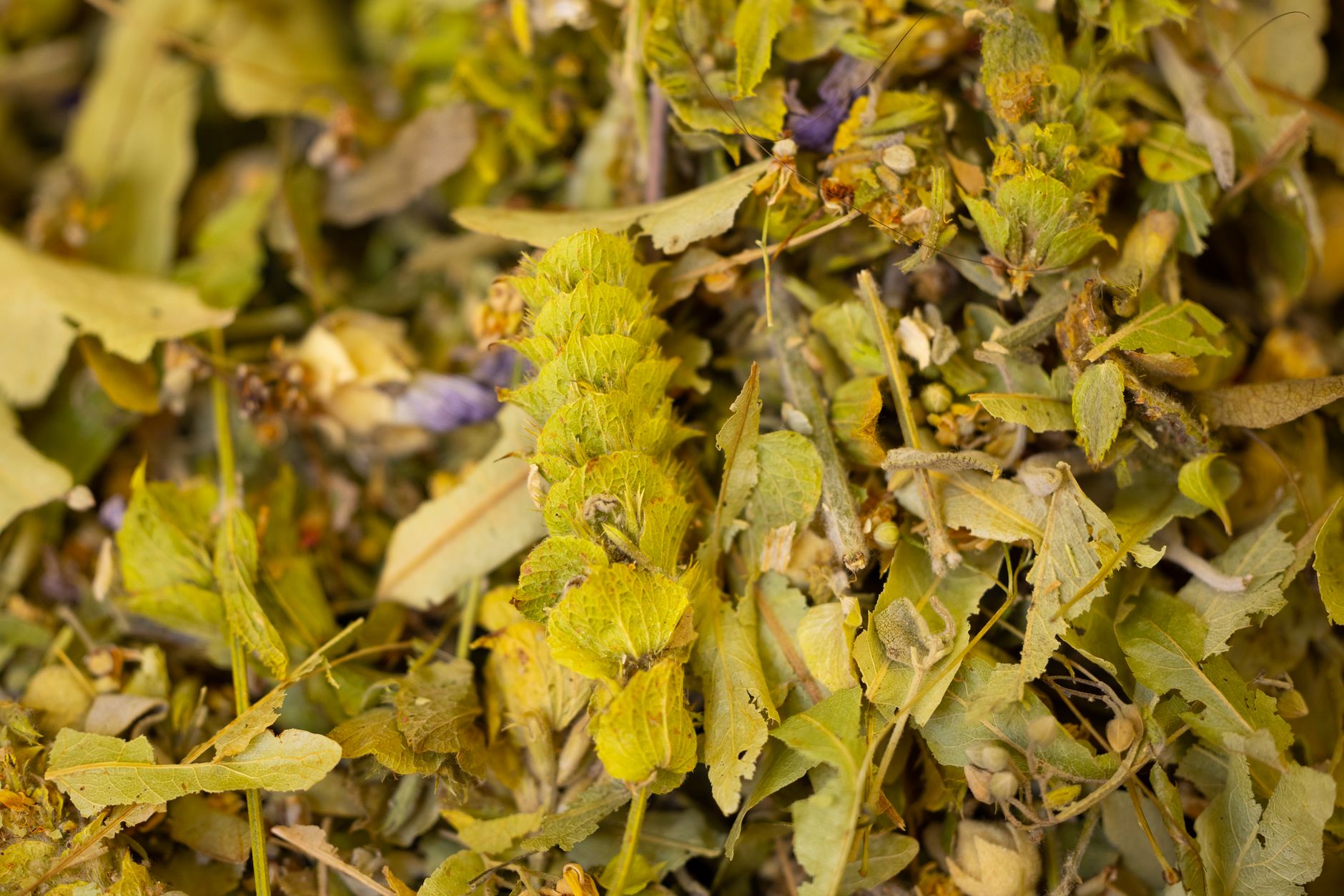
- Dried Herb: The whole or cut and sifted dried seaweed can be steeped to make a nourishing tea, added to culinary dishes for its umami flavor and nutrient boost, or used in traditional poultices.
- Powder: Ground Bladderwrack powder is highly versatile and can be easily incorporated into smoothies, juices, soups, or even baked goods. This form offers a concentrated dose of its beneficial compounds.
- Tinctures: Liquid extracts made by soaking Bladderwrack in alcohol or glycerin provide a convenient and bioavailable way to consume the herb, often with precise dosing.
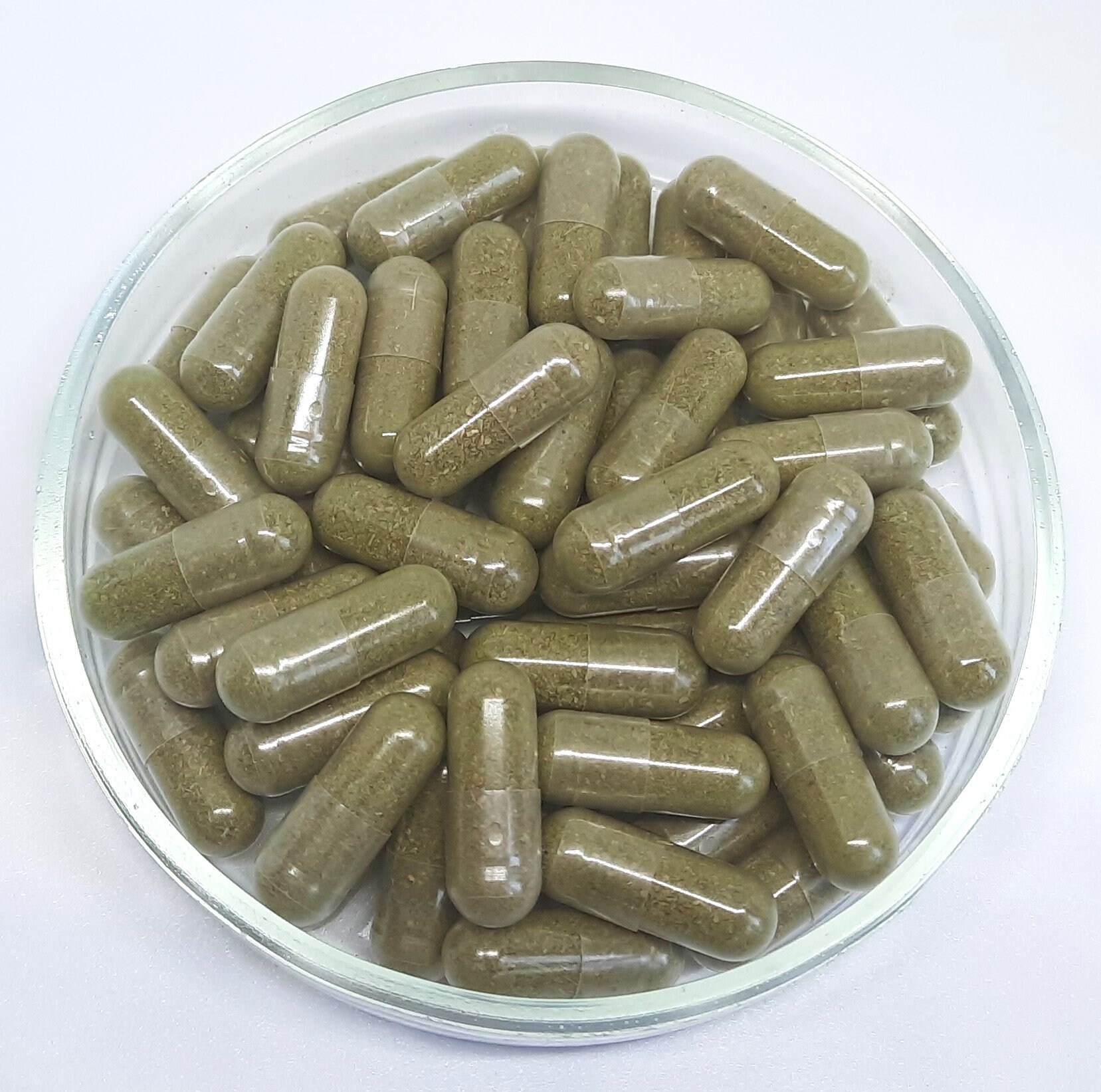
- Capsules/Tablets: For those who prefer a standardized and taste-neutral option, Bladderwrack supplements are widely available in capsule or tablet form, typically containing dried and powdered extract.
- Topical Applications: Extracts of Bladderwrack are increasingly found in skincare products, including creams, serums, and masks, designed to leverage its hydrating, anti-aging, and anti-inflammatory properties directly on the skin.
Dosage, Recommendations, and Important Precautions
While Bladderwrack offers a spectrum of health benefits, it is crucial to approach its consumption with informed awareness. The appropriate dosage can vary significantly based on the form of the supplement, the concentration of active compounds, individual health status, and specific health goals. Generally, dosages for dried Bladderwrack herb can range from 0.5 to 2 grams per day, often taken in divided doses or as an infusion. For standardized extracts in capsules, it is imperative to follow the manufacturer’s recommendations or the advice of a healthcare professional. Due to its potent iodine content, moderation is key.
Potential Side Effects and Precautions:
- Iodine Overload: Excessive iodine intake can be detrimental, especially for individuals with pre-existing thyroid conditions such as hyperthyroidism or autoimmune thyroid diseases (e.g., Hashimoto’s, Graves’ disease). It can potentially exacerbate these conditions or even induce thyroid dysfunction in susceptible individuals. Symptoms of iodine excess can mirror those of deficiency, making self-diagnosis difficult.
- Heavy Metals: Like all seaweeds, Bladderwrack can absorb heavy metals (e.g., arsenic, lead, cadmium, mercury) from its marine environment. Sourcing from reputable suppliers who conduct third-party testing for contaminants is crucial to minimize this risk.
- Blood Thinners: Due to the potential anticoagulant effects of fucoidans, individuals taking blood-thinning medications (e.g., warfarin, aspirin) should exercise caution and consult their physician before using Bladderwrack to avoid increased bleeding risk.
- Allergies: Individuals with allergies to iodine or seafood should avoid Bladderwrack.
- Pregnancy and Breastfeeding: Pregnant and breastfeeding women should consult a healthcare professional before using Bladderwrack, as the effects of high iodine intake on fetal and infant development are not fully established.
- Drug Interactions: Bladderwrack may interact with certain medications, including thyroid hormones, antithyroid drugs, and lithium. Always discuss any herbal supplements with your doctor, especially if you are on prescription medication.

Conclusion: Harnessing the Power of the Sea for Optimal Health
Bladderwrack stands as a testament to the profound healing potential embedded within the natural world. From its ancient recognition as a goiter remedy to its modern-day scientific validation as a multifaceted health supplement, this remarkable brown seaweed continues to reveal layers of benefits. Its rich synergy of iodine, fucoidans, fucoxanthin, phlorotannins, and essential minerals provides comprehensive support for thyroid function, metabolic health, inflammation reduction, antioxidant defense, digestion, cardiovascular wellness, and even holds promise in the fight against cancer. As we continue to unlock the intricate mechanisms of its bioactive compounds, Bladderwrack solidifies its position as a superfood of the sea. However, as with any potent natural remedy, judicious use, careful sourcing, and professional guidance are paramount to safely harness its extraordinary power and integrate it effectively into a personalized wellness regimen. Embrace the wisdom of the ocean and consider Bladderwrack as a valuable addition to your journey towards optimal health.
Disclaimer: For informational purposes only. Not medical advice. Consult a qualified healthcare professional before use.