Unveiling the Power of Agrimony Herb: A Definitive Deep-Dive into Its Holistic Health Benefits
In the vast tapestry of traditional herbal medicine, certain plants stand out for their enduring legacy and remarkable versatility. Among these revered botanicals is Agrimony, scientifically known as Agrimonia eupatoria. Often overlooked in modern discourse, this humble perennial has been a cornerstone of natural healing for centuries, celebrated across diverse cultures for its profound impact on human health. From soothing digestive woes to nurturing skin and supporting urinary tract function, Agrimony’s therapeutic spectrum is impressively broad, rooted in a rich array of bioactive compounds.
This exhaustive guide aims to meticulously unpack the multifaceted health benefits of Agrimony herb. We will journey through its fascinating history, delve into the intricate science behind its efficacy by exploring its key chemical constituents, and provide detailed insights into its practical applications. Prepare to discover why Agrimony, the “church steeples” or “sticklewort” of folklore, remains a potent and invaluable ally in the pursuit of holistic wellness.
Botanical Profile and Identification of Agrimonia Eupatoria
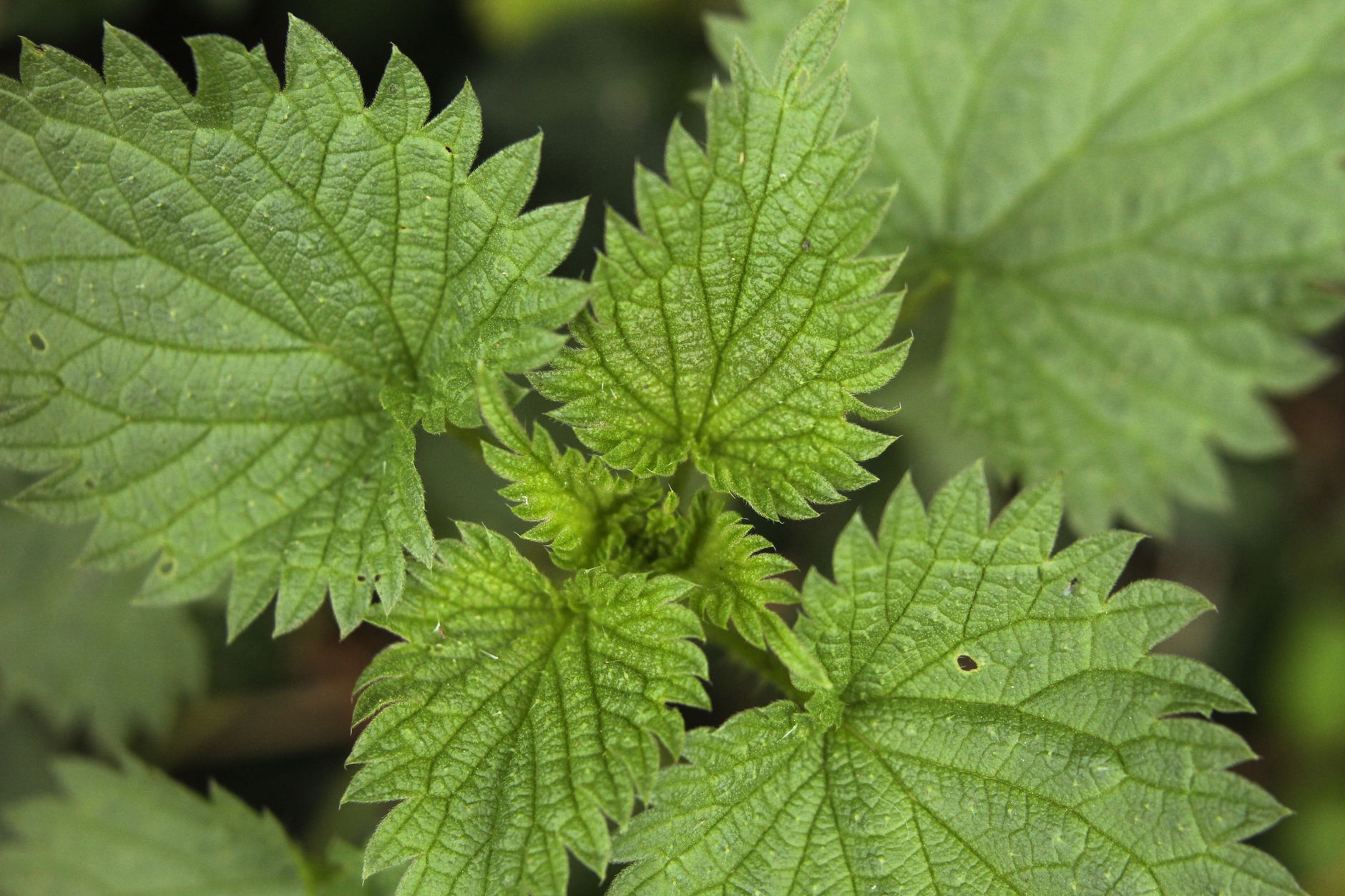
Agrimonia eupatoria, commonly known as Agrimony, is a charming member of the Rosaceae family, sharing kinship with roses, strawberries, and apples. It is a native of the temperate regions of the Northern Hemisphere, flourishing across Europe, Asia, and North America. This herbaceous perennial typically grows to a height of 1 to 2 meters, characterized by its slender, erect stems covered in fine hairs. Its leaves are pinnate, featuring several pairs of toothed leaflets and smaller intermingled ones, giving them a somewhat feathery appearance.
One of Agrimony’s most distinctive features is its striking inflorescence. From late spring through summer, it produces long, spiky racemes of small, bright yellow, five-petaled flowers, which bloom progressively from the bottom upwards. These flower spikes bear a resemblance to miniature church steeples, hence one of its whimsical common names. Following flowering, the plant develops burr-like fruits equipped with hooks, designed for easy dispersal by adhering to animal fur or clothing—a clever evolutionary strategy that earned it the moniker “sticklewort.” Agrimony thrives in well-drained soils, often found gracing meadows, roadsides, woodland edges, and uncultivated fields, preferring sunny to partially shaded locations.
A Glimpse into Agrimony’s Rich History and Traditional Uses
The historical reverence for Agrimony as a medicinal herb spans millennia, firmly establishing its place in the annals of ethnobotanical wisdom. Its therapeutic applications have been meticulously documented by ancient civilizations, passed down through generations, and refined by empirical observation.
Ancient Roots and Medieval Applications
In ancient Greece, Agrimony was highly valued by physicians such as Pliny the Elder and Dioscorides, who prescribed it for various ailments, particularly those related to the liver, spleen, and digestive system. Its astringent qualities made it a popular choice for treating wounds and skin lesions, preventing infection and promoting rapid healing. During the Roman Empire, its use continued, often being incorporated into concoctions aimed at detoxifying the body and alleviating urinary issues.
Medieval European herbalists further solidified Agrimony’s reputation. It was a staple in monastic gardens and apothecaries, often prepared as a tea or poultice. The herb was affectionately known as “eupatoria” in reference to Mithridates Eupator, the King of Pontus, who was fabled for his extensive knowledge of medicinal plants. Beyond its physical healing properties, Agrimony was also attributed with magical qualities, believed to ward off evil spirits and break curses. It was used in “sleep draughts” to induce a profound slumber, though this use was more rooted in folklore than pharmacology.
Beyond Europe: Global Traditions
While primarily recognized for its European heritage, similar species of Agrimony have been utilized in other traditional medical systems. For instance, in Traditional Chinese Medicine (TCM), related species like Agrimonia pilosa are used for their hemostatic properties, to stop bleeding, and to treat conditions such as dysentery and chronic coughs. This cross-cultural recognition underscores the fundamental efficacy and broad applicability of the Agrimony genus.
Throughout these historical periods, a common thread was Agrimony’s perceived ability to cleanse and tone. It was a go-to remedy for liver congestion, jaundice, poor digestion, and various forms of inflammation, making it a truly versatile and foundational herb in the traditional pharmacopeia.
Unlocking the Chemistry: Key Bioactive Compounds in Agrimony
The remarkable therapeutic benefits of Agrimony are not merely anecdotal; they are intricately linked to a sophisticated ensemble of bioactive compounds working in concert. Modern phytochemical research has begun to unravel the complex symphony of molecules within Agrimonia eupatoria, identifying several key constituents responsible for its diverse actions.
Tannins: The Astringent Powerhouses
Perhaps the most prominent and well-studied compounds in Agrimony are its tannins, particularly condensed tannins (proanthocyanidins) and hydrolysable tannins. These polyphenolic compounds are responsible for Agrimony’s characteristic astringent taste and its powerful ability to contract and tone tissues. Tannins exert their effects by precipitating proteins, which leads to the formation of a protective layer on mucous membranes and skin. This action helps to:
- Reduce Inflammation: By forming a barrier, tannins protect inflamed tissues from irritants, thereby reducing swelling and discomfort.
- Halt Bleeding: Their protein-binding capacity helps to constrict small blood vessels and coagulate blood, making Agrimony valuable for treating minor cuts and internal bleeding.
- Combat Diarrhea: By tightening the intestinal lining, tannins can reduce excessive fluid secretion and absorption, firming up stools.
- Offer Antimicrobial Protection: The protein-binding effect can also inhibit the growth of bacteria and other microorganisms on skin and mucous membranes.
Flavonoids: Potent Antioxidants and Anti-inflammatories
Agrimony is rich in various flavonoids, including apigenin, luteolin, quercetin, and their glycosides. These plant pigments are renowned for their potent antioxidant and anti-inflammatory properties. Flavonoids operate by:
- Scavenging Free Radicals: They neutralize harmful free radicals, protecting cells from oxidative damage, which is a major contributor to chronic diseases and aging.
- Modulating Immune Response: Certain flavonoids can modulate immune cell activity, helping to dampen excessive inflammatory responses.
- Strengthening Capillaries: They can improve vascular integrity, reducing capillary fragility and permeability.
Triterpenes: Anti-inflammatory and Hepatoprotective Agents
Saponin-like triterpenes, such as ursolic acid and tormentic acid, are also present in Agrimony. These compounds contribute to the herb’s anti-inflammatory and hepatoprotective (liver-protective) effects. They are believed to influence various cellular pathways involved in inflammation and cellular repair, offering support for liver health and general tissue repair.
Coumarins: Anticoagulant and Anti-inflammatory Aspects
While present in smaller amounts, coumarins like umbelliferone contribute to Agrimony’s diverse pharmacological profile. Some coumarins are known for their anticoagulant properties, though the concentration in Agrimony is generally not high enough to pose a significant risk of bleeding. They also exhibit anti-inflammatory and antimicrobial activities.
Volatile Oils and Other Minor Constituents
Agrimony contains small quantities of volatile oils, which contribute to its distinctive aroma and may offer some antiseptic properties. Other compounds include polysaccharides, which can have immune-modulating effects, and phenolic acids, which further bolster its antioxidant capacity. The synergistic action of these myriad compounds is what gives Agrimony its holistic healing power, often exceeding the sum of its individual parts.

Comprehensive Health Benefits: A Deep Dive into Agrimony’s Therapeutic Actions
The complex phytochemistry of Agrimony translates into a wide array of health benefits, addressing concerns across multiple bodily systems. Its actions are primarily characterized by astringent, anti-inflammatory, antioxidant, and mild diuretic properties.
1. Digestive System Support and Liver Health
Agrimony’s most celebrated traditional use is undoubtedly its profound impact on the digestive system and its allied organs, particularly the liver and gallbladder. The high concentration of tannins is crucial here. They act as natural astringents, toning the mucous membranes of the gastrointestinal tract. This can be immensely beneficial for:
- Diarrhea and Dysentery: By constricting the intestinal lining, Agrimony reduces excessive fluid secretion and helps to firm loose stools, offering symptomatic relief from acute and chronic diarrhea. Its mild antiseptic properties may also help combat gut pathogens.
- Indigestion and Dyspepsia: Agrimony tea can stimulate the secretion of digestive juices, aiding in the breakdown of food and alleviating symptoms of indigestion, bloating, and gas.
- Liver and Gallbladder Tonic: Historically, Agrimony has been revered as a ‘liver tonic’. It is believed to support the liver’s detoxification processes and stimulate bile flow from the liver and gallbladder. Improved bile flow is vital for fat digestion and absorption, and for the elimination of toxins and waste products. This choleretic and cholekinetic action can be beneficial for individuals experiencing mild liver sluggishness or those looking to support overall liver function.
- Inflammatory Bowel Conditions: While not a cure, the anti-inflammatory flavonoids and tannins can help soothe inflamed gut linings associated with conditions like irritable bowel syndrome (IBS) or mild forms of inflammatory bowel disease (IBD), though professional medical advice is always necessary for such conditions.
2. Topical Healing for Skin Conditions
The astringent and antiseptic qualities of Agrimony make it an excellent natural remedy for various skin ailments. Applied topically, it can accelerate healing and reduce irritation:
- Wound Healing: The tannins form a protective layer over wounds, minor cuts, and abrasions, helping to stop bleeding, prevent infection, and promote the formation of new tissue. This sealing effect also reduces fluid loss from the wound site.
- Skin Inflammations: For conditions like eczema, rashes, and insect bites, compresses or washes made from Agrimony can significantly reduce redness, itching, and inflammation due to its anti-inflammatory compounds.
- Acne and Blemishes: Its astringent properties can help to tighten pores and reduce oiliness, while its antiseptic action can combat bacteria contributing to acne breakouts.
- Sore Throats and Mouth Ulcers: As a gargle, Agrimony can soothe inflamed mucous membranes in the mouth and throat, offering relief from pharyngitis, tonsillitis, and canker sores.
3. Urinary Tract Health and Diuretic Action
Agrimony possesses mild diuretic properties, making it beneficial for supporting kidney and urinary tract health. It can help to:
- Flush Toxins: By promoting increased urine production, Agrimony aids the body in flushing out waste products and toxins from the kidneys and bladder.
- Prevent Urinary Tract Infections (UTIs): Regular use, particularly as a tea, may help to prevent recurrent UTIs by ensuring a consistent flow of urine, which helps to wash out pathogenic bacteria from the urinary system. Its anti-inflammatory effects can also soothe irritation within the tract.
- Support Kidney Function: While not a treatment for severe kidney disease, Agrimony can provide gentle support for overall kidney function and has been traditionally used to address mild fluid retention.
4. Respiratory System Support
Agrimony offers soothing relief for the respiratory system, particularly for conditions affecting the upper airways:
- Coughs and Sore Throats: As an expectorant, it can help to loosen and expel phlegm from the respiratory tract. Its demulcent (soothing) action, attributed to mucilage, helps to relieve irritation and inflammation in the throat and bronchial passages, calming persistent coughs.
- Hoarseness: Gargling with Agrimony tea can help to reduce inflammation of the vocal cords, providing relief from hoarseness and laryngitis.
5. Anti-inflammatory and Antioxidant Power
The rich concentration of flavonoids and tannins in Agrimony confers significant anti-inflammatory and antioxidant benefits throughout the body. Chronic inflammation and oxidative stress are implicated in a myriad of chronic diseases, from cardiovascular issues to neurodegenerative disorders. By combating these underlying processes, Agrimony contributes to overall cellular health and disease prevention. Its ability to quench free radicals protects cells from damage, while its anti-inflammatory compounds help to mitigate systemic inflammatory responses.
6. Potential for Blood Sugar Regulation
Emerging research, primarily from animal and in vitro studies, suggests that Agrimony may have a role in blood sugar management. Some studies indicate that certain compounds in Agrimony could help improve insulin sensitivity and reduce blood glucose levels. While promising, this area requires much more extensive human clinical trials to confirm its efficacy and safety as a complementary therapy for diabetes. It should never replace conventional diabetes treatments without medical supervision.
7. Emotional and Mental Well-being (Bach Flower Remedy)
Beyond its physical applications, Agrimony holds a unique place in the Bach Flower Remedies system, where it is used to address specific emotional states. Dr. Edward Bach identified Agrimony as the remedy for those who hide their troubles behind a cheerful facade, presenting a brave face to the world while suffering inwardly. It helps individuals to genuinely express their feelings, confront their pain, and achieve inner peace, moving from an outwardly cheerful but inwardly tormented state to one of true serenity and self-acceptance.
Practical Usage and Forms of Agrimony Herb
Agrimony can be incorporated into a wellness routine in various forms, depending on the desired effect and personal preference. The whole herb, including flowers, leaves, and stems, is typically used for medicinal preparations.

1. Herbal Tea (Infusion)
This is arguably the most common and traditional method of consuming Agrimony, especially for internal complaints like digestive issues, liver support, or urinary tract health. An infusion allows for the extraction of water-soluble compounds, including tannins, flavonoids, and some volatile oils.
- Preparation: Add 1-2 teaspoons of dried Agrimony herb (leaves and flowers) to 1 cup (250 ml) of hot water. Steep for 5-10 minutes, then strain.
- Dosage: Typically, 2-3 cups per day are recommended. For a more potent decoction (better for extracting tougher plant parts like roots, though less common for Agrimony aerial parts), simmer the herb in water for 10-15 minutes.
2. Tinctures
Tinctures are concentrated liquid extracts made by soaking the herb in alcohol, which extracts a broader spectrum of compounds, including those less soluble in water. They offer a convenient and potent way to consume Agrimony.
- Preparation: Tinctures are usually purchased commercially from reputable herbal suppliers.
- Dosage: Dosage varies significantly by concentration, but a typical recommendation might be 2-5 ml, 2-3 times per day, diluted in a small amount of water. Always follow the manufacturer’s instructions.
3. Topical Applications: Compresses, Washes, and Poultices
For skin conditions, wounds, and sore throats, topical applications are highly effective:
- Compress: Prepare a strong Agrimony tea (double the herb quantity). Allow it to cool slightly. Soak a clean cloth in the tea, wring out excess, and apply it to the affected skin area for 15-30 minutes, several times a day.
- Wash/Rinse: Use cooled Agrimony tea as a skin wash for acne, rashes, or as a gargle for sore throats and mouth ulcers.
- Poultice: For more localized issues, a fresh poultice can be made by crushing fresh Agrimony leaves and applying them directly to the skin, secured with a bandage. For dried herb, mix powdered Agrimony with a little hot water to form a paste.
4. Capsules and Supplements
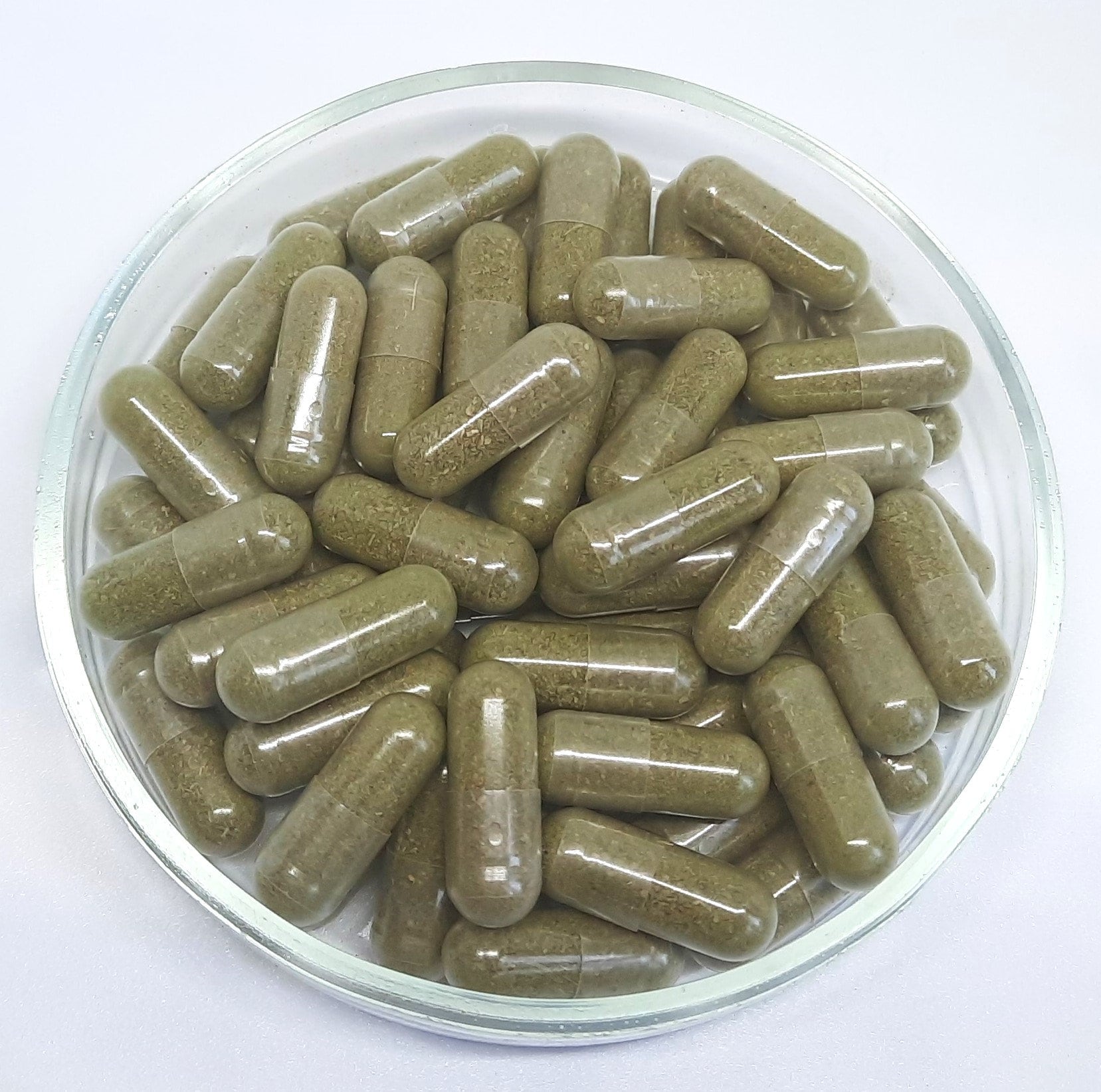
For those seeking convenience and precise dosing, Agrimony is also available in capsule or tablet form. These supplements typically contain standardized extracts or powdered dried herb, offering a modern way to access its benefits.
- Preparation & Dosage: Always adhere strictly to the dosage instructions provided on the product label. Concentrations can vary significantly between brands.
- Considerations: When choosing supplements, look for products from reputable manufacturers that provide third-party testing for purity and potency.
Dosage and Preparation Guidelines
While Agrimony is generally considered safe for most people when used appropriately, it’s crucial to adhere to recommended dosages and consult with a healthcare professional, especially if you have underlying health conditions or are taking other medications. General guidelines are as follows:
- Dried Herb for Tea: 1-2 teaspoons (approximately 2-4g) of dried herb per cup (250 ml) of hot water, steeped for 5-10 minutes. Drink 2-3 cups daily.
- Tincture (1:5 ratio, 25% alcohol): 2-5 ml, 2-3 times per day.
- Capsules/Tablets: Follow the manufacturer’s specific instructions, as potency varies. Common doses range from 300-500 mg, 1-3 times daily.
- Topical Use: Stronger infusions (2-3 tablespoons per cup of water) can be used for compresses or washes, as needed.
For children, pregnant or breastfeeding women, or individuals with severe liver or kidney conditions, professional medical advice is absolutely essential before using Agrimony.
Potential Side Effects and Precautions
Agrimony is generally well-tolerated, but like all potent herbs, it is not without potential considerations:
- Photosensitivity: Agrimony contains coumarins, which can increase sensitivity to sunlight in some individuals, potentially leading to sunburn. This is more likely with high doses and prolonged exposure. It’s advisable to use sunscreen if consuming Agrimony regularly and spending time outdoors.
- Gastrointestinal Upset: Due to its high tannin content, excessive consumption can sometimes lead to stomach upset, nausea, or constipation in sensitive individuals. Starting with lower doses and gradually increasing is recommended.
- Anticoagulant Effects: Although generally mild, the coumarins in Agrimony theoretically could interact with anticoagulant medications (blood thinners) like warfarin, increasing the risk of bleeding. Individuals on such medications should avoid Agrimony or use it only under strict medical supervision.
- Diabetes Medication: Given its potential to influence blood sugar levels, individuals with diabetes on medication should use Agrimony with caution and monitor their blood glucose closely, consulting their doctor beforehand.
- Pregnancy and Breastfeeding: Due to a lack of sufficient research on its safety in these populations, Agrimony is generally not recommended for pregnant or breastfeeding women.
- Allergies: Individuals allergic to other plants in the Rosaceae family may also be sensitive to Agrimony.
- Iron Absorption: The tannins in Agrimony can bind to non-heme iron (iron from plant sources), potentially reducing its absorption. If you have iron deficiency, consume Agrimony separately from iron-rich meals or supplements.
Cultivation and Sustainability
Agrimony is a relatively easy herb to cultivate in a home garden, preferring full sun to partial shade and well-drained soil. It can be grown from seed or by dividing established plants. Its ability to thrive in various conditions contributes to its sustainability as a medicinal resource. When harvesting, it’s advisable to collect the aerial parts (leaves and flowering spikes) during the summer months when the plant is in full bloom, as this is when the concentration of beneficial compounds is typically highest. Dry the harvested herb thoroughly in a cool, dark, well-ventilated area to preserve its medicinal qualities for future use.
Conclusion: Agrimony – A Time-Tested Ally for Modern Wellness
Agrimony, Agrimonia eupatoria, stands as a testament to the enduring wisdom of traditional herbal medicine. Its rich historical tapestry, woven through ancient civilizations and medieval apothecaries, finds validation in modern phytochemical research, which steadily uncovers the complex mechanisms behind its efficacy. From its potent astringent tannins and antioxidant flavonoids to its liver-supportive triterpenes, Agrimony offers a holistic array of benefits that address numerous aspects of health.
Whether employed to soothe a troubled digestive system, calm inflamed skin, support urinary tract function, or even offer solace for emotional well-being, Agrimony’s versatility is truly remarkable. As we navigate an increasingly complex world, reconnecting with the healing power of nature, as embodied by this humble yet mighty herb, offers a profound pathway to enhancing overall health and vitality. By embracing the time-tested wisdom surrounding Agrimony, coupled with responsible usage and informed understanding, we can unlock the full potential of this invaluable botanical ally for a more balanced and vibrant life.
Disclaimer: For informational purposes only. Not medical advice. Consult a qualified healthcare professional before use.