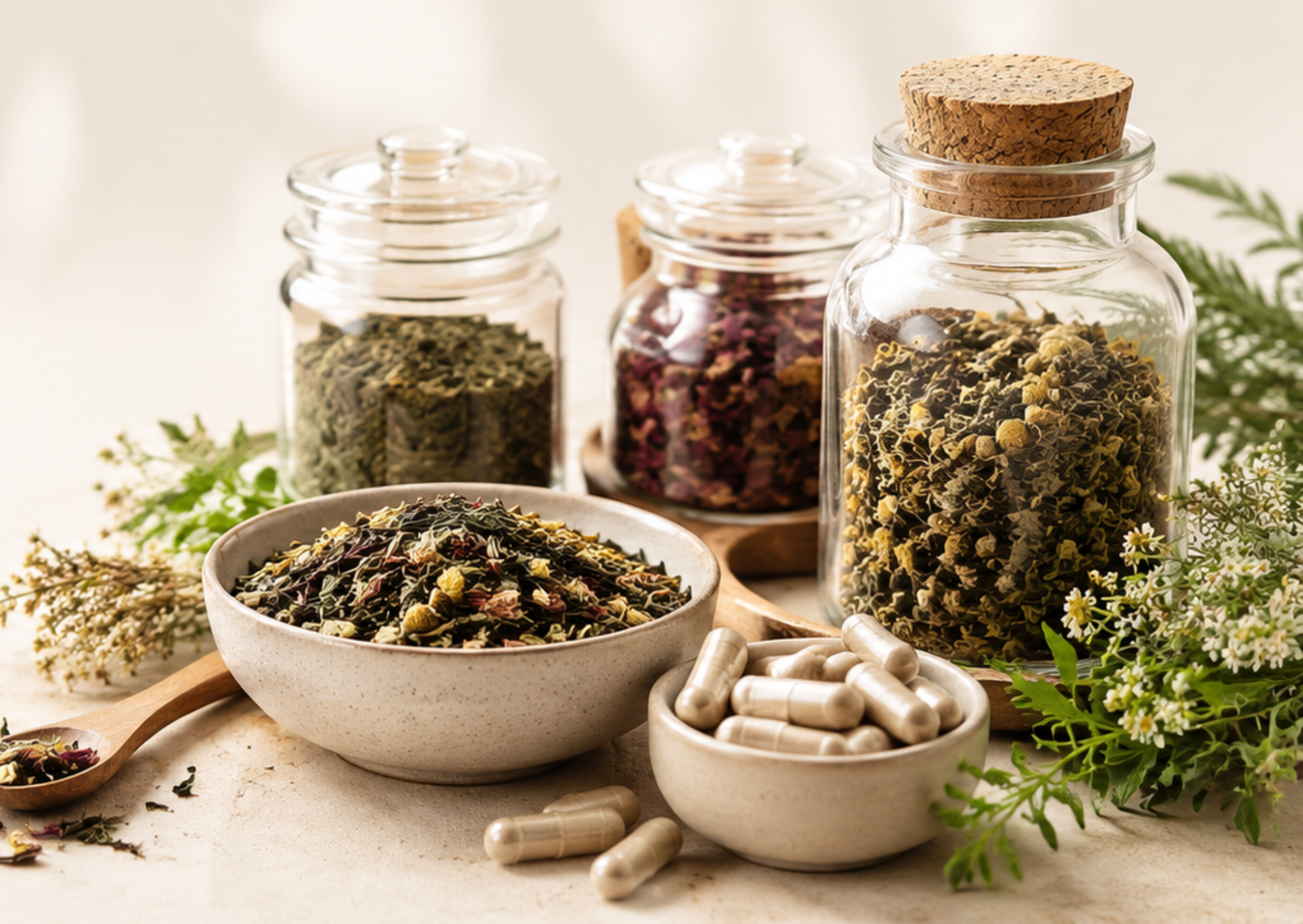

The Definitive Guide to Buckthorn Bark (Frangula alnus): Unveiling Its Potent Health Benefits and Traditional Uses
In the vast realm of botanical medicine, certain plants stand out for their profound historical significance and well-documented efficacy. Among these, Buckthorn Bark, scientifically known as Frangula alnus (and often referred to as Alder Buckthorn), holds a venerable position, primarily recognized for its potent laxative properties. This comprehensive guide delves deep into the multifaceted aspects of Buckthorn Bark, exploring its rich history, intricate botanical profile, pivotal bioactive compounds, and the compelling health benefits it offers, particularly in the context of digestive health. We will unravel the scientific mechanisms behind its action, provide practical guidance on its safe and effective use, and discuss essential precautions, aiming to equip you with an exhaustive understanding of this remarkable natural remedy.
Botanical Overview: Understanding Frangula alnus
Frangula alnus, commonly known as Alder Buckthorn or Glossy Buckthorn, is a deciduous shrub or small tree belonging to the Rhamnaceae family. It is native to Europe, Asia, and northern Africa, thriving in damp woods, fens, hedges, and heathlands. The plant typically grows between 3 to 6 meters (10 to 20 feet) tall, distinguished by its smooth, dark brown bark, which is often adorned with prominent, pale lenticels. Its leaves are alternate, oval, and entire, featuring distinct parallel veins that run from the central midrib to the margins. Small, greenish-white flowers bloom in clusters in the leaf axils during late spring, giving way to berries that ripen from green to red, eventually turning black in late summer or early autumn. It is crucial to note that the fresh bark and berries of Frangula alnus are toxic and must not be consumed without proper processing, a detail we will elaborate on further.

A Journey Through Time: Historical Context and Ethnobotanical Significance
The use of Buckthorn Bark in traditional medicine spans centuries, with records indicating its application across various cultures. Its name, “Breaking Buckthorn,” is thought to derive from its traditional use as a cathartic, effectively “breaking up” hardened stools and relieving severe constipation. European herbalists have long valued it for its powerful purgative effects, making it a staple in formulations aimed at clearing the digestive tract. Early practitioners understood its potent nature, often prescribing it for acute constipation or as a preparatory agent for certain medical procedures. The knowledge of processing – specifically drying and aging the bark – was passed down through generations, a critical step to mitigate the adverse effects of its fresh form and enhance its therapeutic properties. This historical wisdom underscores the careful and informed approach required when utilizing such a powerful botanical.
Unlocking the Power: Key Bioactive Compounds and Their Mechanisms of Action
The therapeutic efficacy of Buckthorn Bark is primarily attributed to a distinct class of natural compounds known as anthraquinone glycosides. These are the active constituents responsible for its well-established laxative effects. The most significant of these include glucofrangulins A and B, frangulins A and B, and emodin. Understanding how these compounds interact with the human body is key to appreciating the herb’s digestive benefits.

The Anthraquinone Mechanism: A Detailed Explanation
When Buckthorn Bark is ingested, the anthraquinone glycosides themselves are largely inactive in their initial form. They are considered “pro-drugs” that require enzymatic activation. This activation primarily occurs in the large intestine, where resident colonic bacteria metabolize the glycosides, cleaving off the sugar molecules to release the active anthraquinones (aglycones). These activated compounds then exert a dual effect on the colon:
- Stimulation of Peristalsis: The active anthraquinones irritate the nerve endings in the colonic mucosa, directly stimulating the smooth muscles of the intestinal wall. This leads to an increase in the frequency and amplitude of colonic contractions, effectively accelerating the transit time of fecal matter through the large intestine.
- Inhibition of Water and Electrolyte Absorption: Concurrently, these compounds modify the permeability of the intestinal epithelial cells, inhibiting the absorption of water and electrolytes (such as sodium and chloride ions) from the colon back into the bloodstream. This results in a higher osmotic pressure within the intestinal lumen, drawing more water into the bowel. The increased water content softens the stool, increases its bulk, and makes it easier to pass.
The combination of increased peristalsis and enhanced water retention in the stool leads to a powerful cathartic effect, typically manifesting 6 to 12 hours after ingestion. This delayed action is due to the time required for the anthraquinone glycosides to reach the large intestine and undergo bacterial metabolism.
Primary Health Benefits: Relief from Constipation
The paramount health benefit of Buckthorn Bark is its efficacy as a stimulant laxative for the short-term relief of occasional constipation. For individuals struggling with infrequent bowel movements, hard stools, or difficulty passing stool, Buckthorn Bark offers a natural and potent solution. It is particularly useful in cases where other gentle methods have proven insufficient.
Targeting Occasional Constipation
Buckthorn Bark is not intended for chronic, long-term use, but rather for acute or episodic constipation. Its strong action makes it suitable for quickly re-establishing regular bowel function. The relief it provides is often predictable, making it a reliable option for many. It works by addressing the two main issues in constipation: slow transit time and hardened stools. By promoting colonic motility and increasing stool hydration, it facilitates a smoother and more comfortable bowel evacuation.
Preparatory Use for Medical Procedures
In some clinical settings, under strict medical supervision, Buckthorn Bark or its extracts may be used as part of a bowel preparation regimen before diagnostic procedures such as colonoscopies or certain surgical interventions. Its powerful purgative effect helps to thoroughly cleanse the bowel, which is essential for clear visualization during examination or to minimize surgical complications.
Practical Usage: Forms, Dosage, and Preparation
To safely and effectively utilize Buckthorn Bark, understanding its various forms, recommended dosages, and proper preparation is paramount. The most critical aspect is ensuring the bark is processed correctly to neutralize potential toxins present in its fresh state.
The Crucial Step: Processing the Bark
Fresh Buckthorn Bark contains compounds called anthrones and free anthraquinones, which can cause severe gastrointestinal irritation, vomiting, and colic. To render it safe for consumption, the bark must be either:
- Aged: Dried and stored for at least one year. During this period, enzymatic processes convert the irritating anthrones into less harsh anthraquinone glycosides.
- Heat-Treated: Dried and then heated to a temperature of about 100°C (212°F) for several hours. This accelerates the conversion process, making the bark safe for use much sooner than natural aging.
Always ensure that any Buckthorn Bark product you purchase specifies that it has been properly aged or heat-treated.
Forms of Administration
Buckthorn Bark is available in several forms, catering to different preferences and needs:
- Dried Bark: This is the traditional form, used to prepare decoctions (teas). The dried bark is simmered in water to extract the active compounds.
- Extracts and Tinctures: Liquid preparations offer a convenient and often more concentrated form. They are typically taken diluted in water.
- Capsules and Tablets: For those who prefer a standardized dose and easy administration, Buckthorn Bark is available in encapsulated or tablet form. These usually contain powdered bark or concentrated extracts.
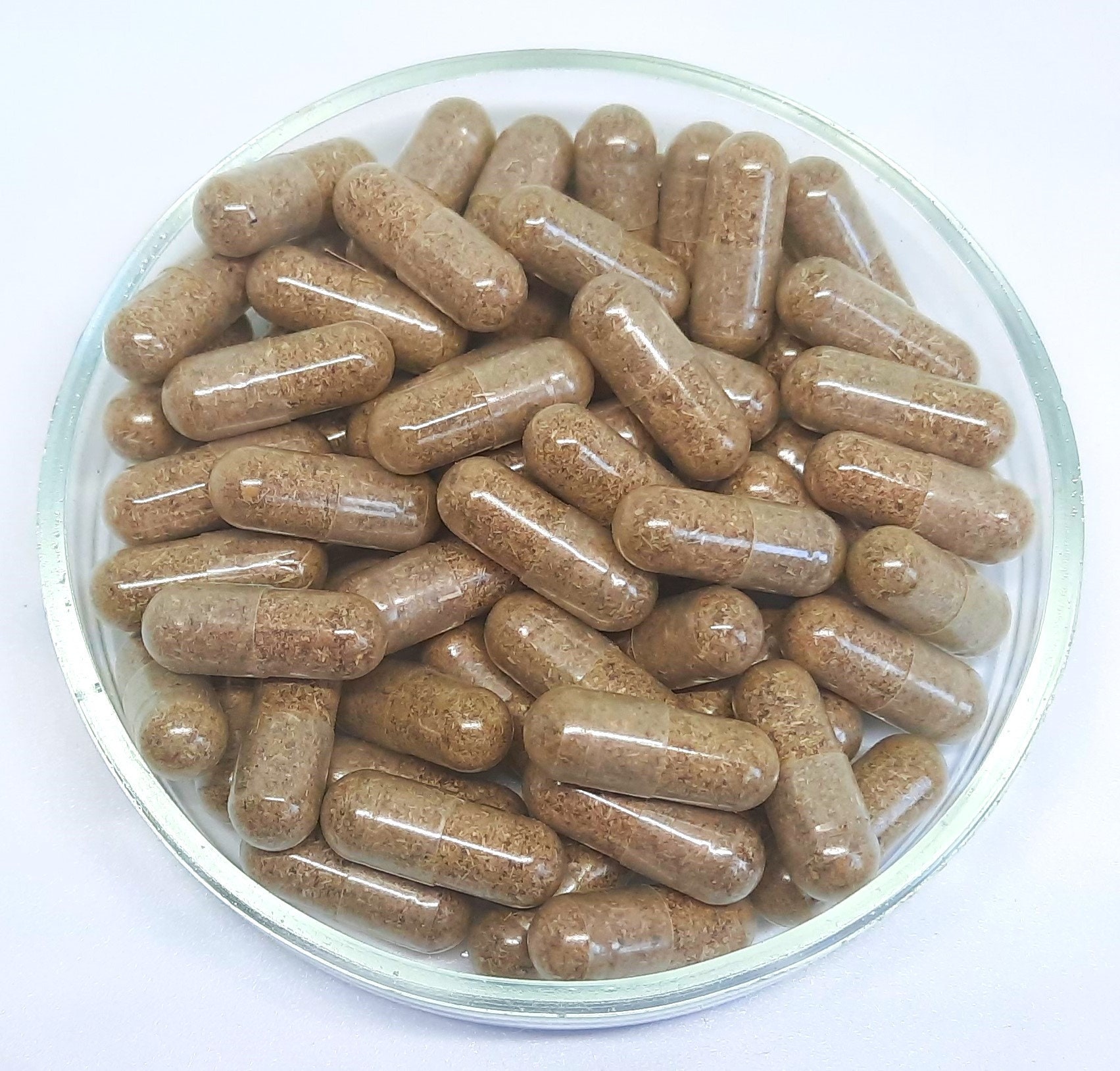
When opting for dried bark for traditional preparations, the quality and proper processing are key. Sourcing from reputable suppliers ensures that the herb has undergone the necessary steps to make it safe and effective.

General Dosage Guidelines
Dosage can vary significantly based on the form, concentration, and individual sensitivity. It is always recommended to start with the lowest effective dose and increase gradually if necessary. Typical dosages might include:
- Decoction (Tea): 0.5 to 2 grams of dried, aged bark simmered in 150-200 ml of water for 5-10 minutes, strained, and consumed once daily, preferably in the evening.
- Tincture: 1-3 ml of a 1:5 or 1:10 tincture, taken once daily.
- Capsules/Tablets: Follow manufacturer’s instructions, usually providing a standardized amount of anthraquinone glycosides, typically equivalent to 10-30 mg of hydroxyanthracene derivatives.
The onset of action is usually within 6-12 hours, so evening administration is common to facilitate a morning bowel movement. It is crucial not to exceed recommended dosages as this can lead to increased side effects.
Important Precautions, Side Effects, and Contraindications
Despite its efficacy, Buckthorn Bark is a powerful herb that requires careful consideration due to potential side effects and contraindications. Proper use and awareness of these factors are crucial for safety.
Toxicity of Fresh Bark and Berries
As mentioned, fresh Buckthorn Bark and the unripe berries contain compounds that are highly irritating to the gastrointestinal tract, leading to severe abdominal pain, nausea, vomiting, and excessive diarrhea. Only properly aged or heat-treated bark should ever be used for medicinal purposes. This distinction cannot be overemphasized.
Potential Side Effects
Even with properly processed bark, stimulant laxatives can cause side effects, especially with overuse or in sensitive individuals:
- Abdominal Cramps and Discomfort: Due to increased intestinal contractions.
- Diarrhea: If the dose is too high.
- Electrolyte Imbalance: Prolonged use can lead to significant loss of potassium and other electrolytes, potentially causing muscle weakness, cardiac irregularities, and fatigue.
- Laxative Dependence (“Lazy Bowel Syndrome”): Chronic use can weaken the natural muscular tone of the colon, making it reliant on external stimulation for bowel movements. This can worsen constipation over time.
- Melanosis Coli: A benign but visible pigmentation of the colon lining, often reversible upon cessation of use.
Contraindications
Buckthorn Bark should be avoided by individuals with certain health conditions:
- Pregnancy and Breastfeeding: Anthraquinones can potentially pass into breast milk or stimulate uterine contractions.
- Inflammatory Bowel Diseases (IBD): Such as Crohn’s disease or ulcerative colitis, as it can exacerbate inflammation.
- Appendicitis or Undiagnosed Abdominal Pain: Laxatives can worsen these conditions or mask symptoms of a serious underlying issue.
- Intestinal Obstruction: Due to any cause.
- Children Under 12: Unless specifically recommended and supervised by a healthcare professional.
- Dehydration or Electrolyte Imbalance: Its use can worsen these conditions.
Drug Interactions
Buckthorn Bark can interact with several medications:
- Diuretics: Concomitant use can increase the risk of potassium depletion.
- Corticosteroids: Can also increase potassium loss.
- Cardiac Glycosides (e.g., Digoxin): Potassium depletion caused by Buckthorn Bark can potentiate the effects of cardiac glycosides, increasing the risk of toxicity.
Always consult a healthcare professional before using Buckthorn Bark, especially if you have existing health conditions, are pregnant or breastfeeding, or are taking other medications. Its use should be restricted to short periods, typically no longer than one week, to avoid adverse effects and dependence.
Sustainable Sourcing and Ethical Considerations
As with any natural resource, the sourcing of Buckthorn Bark carries environmental implications. Frangula alnus is not currently listed as endangered, but responsible wildcrafting practices are important to ensure its long-term viability in its native habitats. Sustainable harvesting methods, which involve taking only a portion of the bark from individual plants and allowing for regeneration, are crucial. Supporting suppliers who adhere to ethical sourcing practices helps protect plant populations and ecosystems. In some regions, *Frangula alnus* is considered an invasive species, particularly in North America, where it outcompetes native flora. In such contexts, harvesting for medicinal purposes, if done responsibly and with appropriate permits, could potentially contribute to managing its population, but this requires careful ecological assessment.
Conclusion: A Powerful Natural Ally for Digestive Health, Used with Wisdom
Buckthorn Bark (Frangula alnus) stands as a powerful testament to the efficacy of traditional herbal medicine, primarily celebrated for its robust action as a stimulant laxative. Its ability to relieve occasional constipation, stemming from the unique properties of its anthraquinone glycosides, has solidified its place in natural health practices for centuries. However, the narrative of Buckthorn Bark is incomplete without a profound emphasis on safety, proper processing, and judicious use. The mandatory aging or heat treatment of the bark is a non-negotiable step to neutralize its inherent toxicity and unlock its therapeutic potential. While offering significant benefits for acute digestive challenges, its potent nature mandates short-term use, strict adherence to dosage guidelines, and a thorough understanding of its contraindications and potential drug interactions. As with all powerful herbal remedies, Buckthorn Bark is best integrated into a health regimen under the guidance of a qualified healthcare professional, ensuring that its profound benefits are harnessed safely and responsibly for optimal digestive wellness.
Disclaimer: For informational purposes only. Not medical advice. Consult a qualified healthcare professional before use.