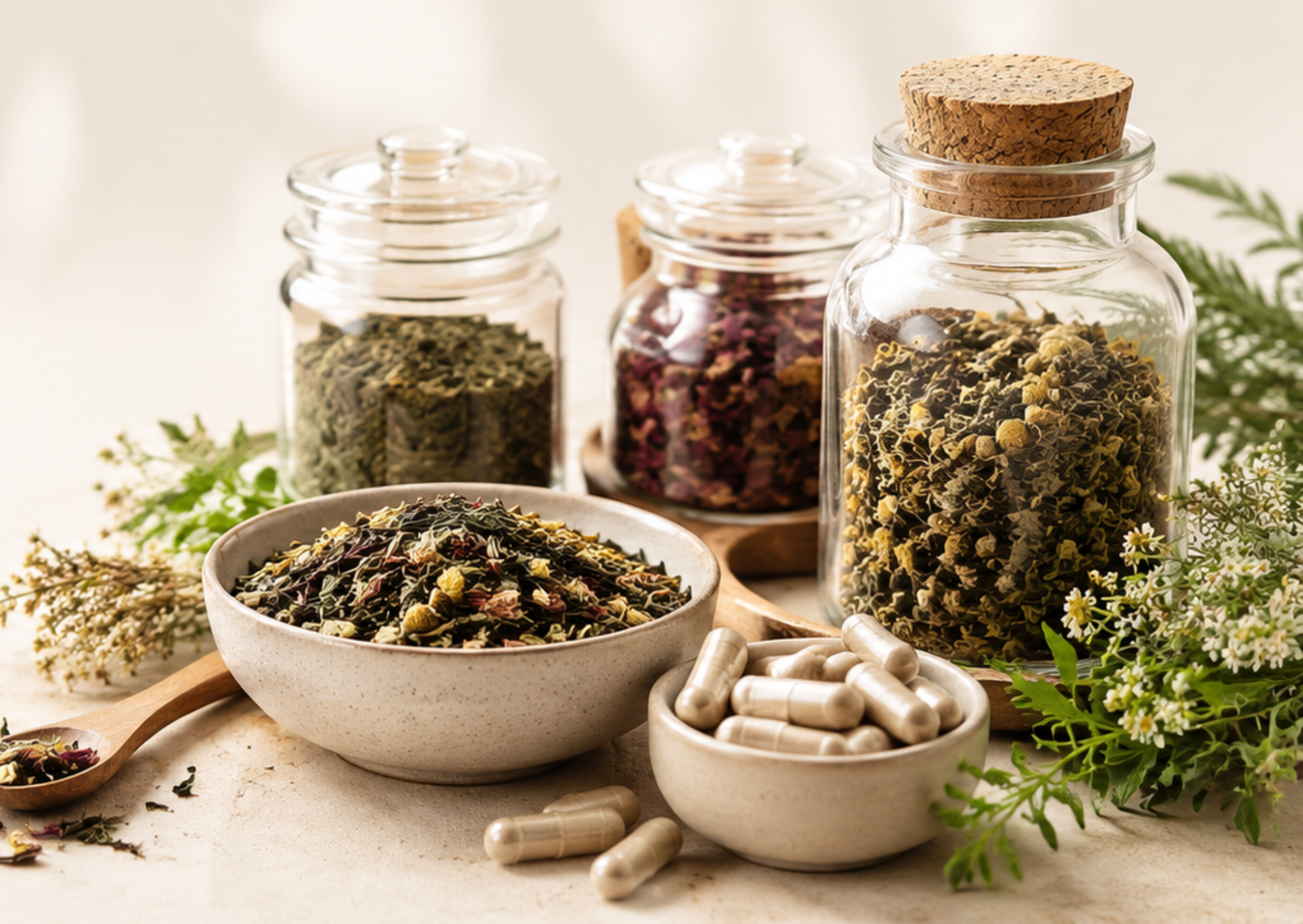

Unveiling the Profound Health Benefits of Sidebells Wintergreen: A Definitive Deep-Dive Guide
In the vast tapestry of botanical medicine, certain plants stand out for their enduring legacy and remarkable therapeutic properties. Among these, Sidebells Wintergreen, scientifically known as Orthilia secunda (formerly Pyrola secunda), emerges as a powerful, yet often overlooked, natural remedy. This unassuming perennial herb, with its delicate, one-sided cluster of bell-shaped flowers, has been a cornerstone of traditional healing practices across various cultures for centuries. From soothing urinary discomfort to alleviating inflammatory conditions, Sidebells Wintergreen offers a spectrum of health benefits rooted in its rich phytochemical composition. This exhaustive guide aims to unravel the intricate mechanisms, historical significance, and practical applications of this extraordinary botanical, providing a definitive resource for those seeking to understand its full potential.
Botanical Overview and Identification: A Closer Look at Orthilia secunda
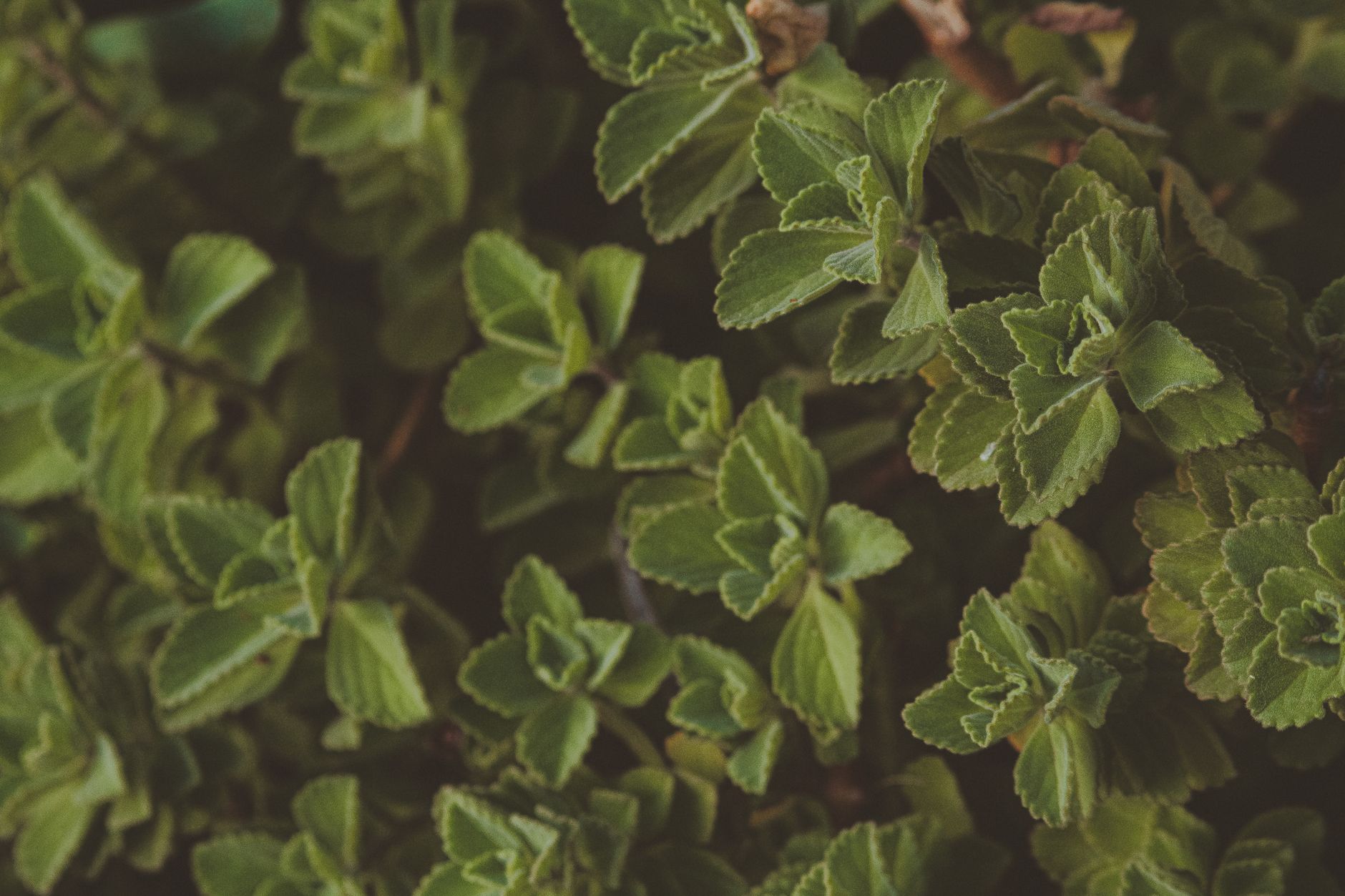
Sidebells Wintergreen, a member of the Ericaceae family, which also includes blueberries and rhododendrons, is distinguished by several unique botanical features. It typically grows in cool, moist, coniferous and mixed forests across North America, Europe, and Asia, often forming small colonies. The plant’s common name, “Sidebells,” is derived from its characteristic inflorescence: a raceme of small, greenish-white to cream-colored, bell-shaped flowers that all hang to one side of the stem, creating a striking and easily identifiable visual. Its evergreen leaves are basal, leathery, and orbicular to ovate, providing a deep green contrast against the forest floor throughout the year, hence the “Wintergreen” part of its name. While sharing the “Wintergreen” moniker with Gaultheria procumbens, it is crucial to note that Orthilia secunda is a distinct species with a different chemical profile and specific therapeutic applications.
The rhizomatous root system allows Sidebells Wintergreen to spread and thrive, often in humus-rich soils. Its resilience and presence in diverse ecosystems underscore its adaptive nature and widespread availability for those with the knowledge to identify and sustainably harvest it. The plant’s subtle beauty belies its potent medicinal properties, making it a true treasure of the natural world, waiting to be rediscovered and appreciated in modern herbalism.
Historical Context and Traditional Uses: A Legacy of Healing
The therapeutic utility of Sidebells Wintergreen is deeply embedded in the historical pharmacopoeias of various indigenous cultures. Native American tribes, particularly in the northern regions, revered this plant for its diverse medicinal applications. They traditionally employed infusions and decoctions of the leaves for a wide range of ailments, notably as a potent diuretic and urinary antiseptic. It was a go-to remedy for bladder infections, kidney stones, and general urinary tract discomfort, often consumed as a “tea” to flush the system and alleviate symptoms. Beyond urinary complaints, Native American healers also utilized Sidebells Wintergreen for rheumatic conditions, joint pain, and as a topical application for wounds and skin irritations, demonstrating an intuitive understanding of its anti-inflammatory and antiseptic properties.
Similarly, in European folk medicine, Sidebells Wintergreen found its place as a valued herb. Herbalists in regions where it grew wild incorporated it into treatments for conditions such as gout, arthritis, and general inflammatory states. Its astringent qualities were also harnessed for digestive complaints, particularly mild diarrhea, and as a gargle for sore throats. The dried herb was often crushed and applied as a poultice to external wounds to promote healing and prevent infection. This rich historical tapestry of use highlights a consistent pattern of efficacy across different cultures and eras, laying a strong foundation for contemporary scientific investigation into its bioactive compounds.

Phytochemical Profile: The Science Behind the Benefits
The remarkable health benefits of Sidebells Wintergreen are attributable to its complex array of bioactive compounds. Scientific research has begun to unravel the intricate phytochemical composition of Orthilia secunda, identifying several key classes of constituents that act synergistically to produce its therapeutic effects. Understanding these compounds is crucial for appreciating the plant’s medicinal potential.
Arbutin and Other Phenolic Glycosides
One of the most prominent and well-researched compounds in Sidebells Wintergreen is arbutin. This phenolic glycoside is a cornerstone of its efficacy, particularly in urinary tract health. Upon ingestion, arbutin is hydrolyzed in the intestinal tract to hydroquinone, which is then conjugated in the liver and excreted via the kidneys. It is within the alkaline environment of the urinary tract that hydroquinone exerts its potent antiseptic effects, inhibiting the growth of various pathogenic bacteria, including common culprits responsible for urinary tract infections (UTIs) like E. coli. This specific mechanism of action makes Sidebells Wintergreen an excellent natural choice for preventing and managing UTIs, providing a gentle yet effective antimicrobial action localized to the urinary system. Other related phenolic glycosides may also contribute to this synergistic urinary antiseptic effect.
Flavonoids: Antioxidant and Anti-inflammatory Power
Sidebells Wintergreen is also rich in various flavonoids, including derivatives of quercetin and kaempferol. Flavonoids are a large group of plant metabolites known for their powerful antioxidant and anti-inflammatory properties. As antioxidants, they actively scavenge free radicals, unstable molecules that cause oxidative stress and cellular damage, contributing to chronic diseases, aging, and inflammation. By neutralizing these free radicals, flavonoids help protect cells and tissues from oxidative damage, supporting overall cellular health and reducing the burden on the body’s natural defense systems. Furthermore, flavonoids contribute significantly to the herb’s anti-inflammatory capabilities by modulating various inflammatory pathways, including the inhibition of cyclooxygenase (COX) enzymes, which are key mediators in the production of inflammatory prostaglandins. This dual action of antioxidant and anti-inflammatory effects positions Sidebells Wintergreen as a valuable agent in combating systemic inflammation and oxidative stress.
Tannins: Astringent and Protective Agents
Tannins are another important class of compounds found in Sidebells Wintergreen, contributing to its astringent and protective properties. These polyphenolic compounds have the ability to bind to proteins, forming a protective layer on mucous membranes and skin. This astringent action is responsible for the traditional use of Sidebells Wintergreen in tightening tissues, reducing secretions, and promoting wound healing. In the digestive tract, tannins can help alleviate mild diarrhea by reducing intestinal inflammation and forming a protective barrier that reduces fluid loss. On the skin, their astringent effects can help to soothe irritation, reduce redness, and promote the healing of minor cuts, scrapes, and burns. Moreover, tannins exhibit antiseptic properties, further enhancing the herb’s ability to protect against microbial invaders and support tissue regeneration.
Other Potential Bioactive Compounds
While arbutin, flavonoids, and tannins are the primary documented active constituents, research into the full phytochemical profile of Orthilia secunda continues. It is plausible that other compounds, such as triterpenoids, iridoids, or trace elements, contribute to the plant’s overall therapeutic efficacy through complex synergistic interactions. The holistic nature of herbal medicine often means that the combined action of multiple compounds yields greater benefits than any single isolated component, a phenomenon known as synergy.

Comprehensive Health Benefits: Exploring the Therapeutic Potential
Leveraging its rich phytochemical composition, Sidebells Wintergreen offers a diverse range of health benefits, addressing various bodily systems and promoting overall well-being. Each benefit is underpinned by specific mechanisms of action, highlighting the plant’s sophisticated therapeutic potential.
1. Exceptional Urinary Tract Health Support
The reputation of Sidebells Wintergreen as a premier herb for urinary tract health is well-deserved and scientifically supported, primarily due to its high concentration of arbutin. As detailed earlier, arbutin metabolizes into hydroquinone, which, in the alkaline environment of the urine, acts as a potent urinary antiseptic. This action is critical for inhibiting the proliferation of bacteria, fungi, and other microorganisms that commonly cause urinary tract infections (UTIs) and bladder inflammation. Unlike some pharmaceutical antibiotics that can disrupt the gut microbiome, the action of hydroquinone is largely localized to the urinary system, offering a targeted approach with potentially fewer systemic side effects.
Furthermore, the diuretic properties of Sidebells Wintergreen aid in increasing urine flow, which mechanically helps to flush out pathogens from the bladder and urethra. This dual action—antiseptic and diuretic—makes it an invaluable herb for both preventing recurrent UTIs and alleviating symptoms during acute episodes, such as burning sensation, frequent urination, and discomfort. Its anti-inflammatory flavonoids also contribute by reducing inflammation within the urinary tract lining, providing symptomatic relief and promoting healing of irritated tissues.
2. Powerful Anti-inflammatory and Analgesic Properties
Sidebells Wintergreen excels as a natural anti-inflammatory and mild analgesic, making it a potential ally in managing various pain and inflammatory conditions. The flavonoids present in the herb, such as quercetin and its derivatives, are known to modulate key inflammatory pathways. They achieve this by inhibiting enzymes like cyclooxygenase (COX-1 and COX-2) and lipoxygenase (LOX), which are critical in the biosynthesis of pro-inflammatory mediators like prostaglandins and leukotrienes. By dampening these inflammatory cascades, Sidebells Wintergreen can help reduce swelling, redness, and pain associated with conditions such as arthritis, gout, muscle aches, and general systemic inflammation.
Additionally, the tannins contribute to the analgesic effect through their astringent action, which can help to constrict capillaries and reduce fluid accumulation in inflamed tissues, thereby lessening pressure and pain. This makes Sidebells Wintergreen a valuable adjunctive therapy for chronic inflammatory diseases, offering a gentle yet effective way to manage symptoms and improve quality of life without the harsh side effects often associated with conventional anti-inflammatory drugs. Its traditional use for rheumatic conditions further underscores its efficacy in this regard.
3. Robust Antioxidant Defense
In an environment replete with environmental toxins and metabolic stressors, the body is constantly under assault from free radicals, leading to oxidative stress. Sidebells Wintergreen provides a formidable defense against this cellular damage through its rich concentration of antioxidants, particularly flavonoids and other phenolic compounds. These compounds possess electron-donating properties, allowing them to neutralize free radicals and prevent them from causing widespread damage to DNA, proteins, and lipids within cells. By mitigating oxidative stress, Sidebells Wintergreen supports cellular integrity and function, which is fundamental to preventing chronic diseases such as cardiovascular disease, neurodegenerative disorders, and certain cancers.
The sustained antioxidant activity contributes to overall cellular longevity and vitality, potentially offering anti-aging benefits by protecting tissues from degradation. Regular consumption of antioxidant-rich botanicals like Sidebells Wintergreen can bolster the body’s intrinsic antioxidant defenses, enhance cellular repair mechanisms, and promote a resilient physiological state, thereby contributing significantly to long-term health and well-being.
4. Accelerated Wound Healing and Dermatological Applications
The traditional use of Sidebells Wintergreen for skin ailments and wound care is well-supported by its antiseptic, astringent, and anti-inflammatory properties. Tannins, in particular, play a crucial role here. When applied topically, they bind to proteins on the skin’s surface, creating a protective layer that helps to seal minor cuts, abrasions, and burns. This astringent action reduces bleeding, minimizes fluid loss, and forms a barrier against microbial invasion, thereby promoting faster and cleaner wound healing.
Beyond wound closure, the antiseptic properties of hydroquinone (derived from arbutin, even if applied topically) and tannins help to prevent infections in open wounds, while flavonoids reduce inflammation and redness, soothing irritated skin. For conditions like eczema, minor rashes, insect bites, and mild sunburn, Sidebells Wintergreen preparations (e.g., poultices, salves, or compresses) can provide significant relief, reduce discomfort, and accelerate the natural healing process. Its ability to calm irritated skin and support tissue regeneration makes it a valuable botanical for a range of dermatological concerns.
5. Support for Digestive Health
While primarily known for urinary benefits, Sidebells Wintergreen has also been traditionally employed to support digestive health, primarily due to its astringent and anti-inflammatory actions. The tannins help to tone the mucous membranes of the gastrointestinal tract, which can be beneficial in cases of mild diarrhea by reducing excessive fluid secretion and inflammation. By forming a protective layer, tannins can help to soothe irritated intestinal linings, making it a gentle remedy for digestive upset.
Furthermore, its general anti-inflammatory properties can contribute to reducing inflammation within the gut, which can be a factor in various digestive discomforts. While not a primary treatment for severe gastrointestinal conditions, for minor irritations, mild dyspepsia, or occasional loose stools, an infusion of Sidebells Wintergreen can provide comforting relief and support the restoration of normal digestive function.
6. Traditional Respiratory Support
Historically, Sidebells Wintergreen has also seen use in some traditional systems for respiratory complaints, though this area has less contemporary scientific elucidation compared to its urinary benefits. Its mild anti-inflammatory and astringent properties might have contributed to its use in soothing irritated mucous membranes of the respiratory tract. For coughs, colds, and minor congestion, traditional practitioners would sometimes prepare warm infusions, believing they could help to reduce inflammation, alleviate throat irritation, and potentially aid in expectoration by loosening phlegm. While not a potent bronchodilator or expectorant like some other herbs, its soothing effects on irritated tissues could offer symptomatic relief during mild respiratory infections. Further research is warranted to fully understand its potential in this domain.
Practical Applications and Forms of Use
Sidebells Wintergreen can be incorporated into a wellness regimen through various preparations, each offering distinct advantages depending on the desired therapeutic effect. Proper preparation and dosage are paramount for maximizing benefits and ensuring safety.
Teas and Infusions
One of the most common and traditional methods of utilizing Sidebells Wintergreen is as a tea or infusion. This method is particularly effective for urinary tract issues and general systemic support. To prepare, steep 1-2 teaspoons of dried Sidebells Wintergreen leaves in 8 ounces of hot (but not boiling) water for 10-15 minutes. Covering the cup during steeping helps to retain volatile compounds. The resulting infusion can be consumed 2-3 times daily. The warm liquid also contributes to hydration, which is beneficial for urinary health.
Tinctures
Tinctures offer a concentrated form of Sidebells Wintergreen, making them convenient for consistent dosing and longer shelf life. Tinctures are typically made by steeping the herb in alcohol, which extracts a broad spectrum of its active compounds. Standard dosages generally range from 1-2 ml, 2-3 times daily, though specific recommendations may vary based on the concentration of the tincture and individual needs. Tinctures are absorbed quickly into the bloodstream, offering a potent and efficient delivery method for systemic effects.
Topical Applications: Poultices and Salves
For localized pain, inflammation, or skin conditions, Sidebells Wintergreen can be applied topically. A fresh or dried poultice, made by crushing the leaves and mixing with a small amount of water to form a paste, can be applied directly to affected areas, such as minor wounds, insect bites, or arthritic joints. Salves and creams infused with Sidebells Wintergreen extract provide a more convenient and less messy topical option, allowing the active compounds to penetrate the skin and exert their anti-inflammatory, antiseptic, and astringent effects directly where needed.
Supplements and Capsules
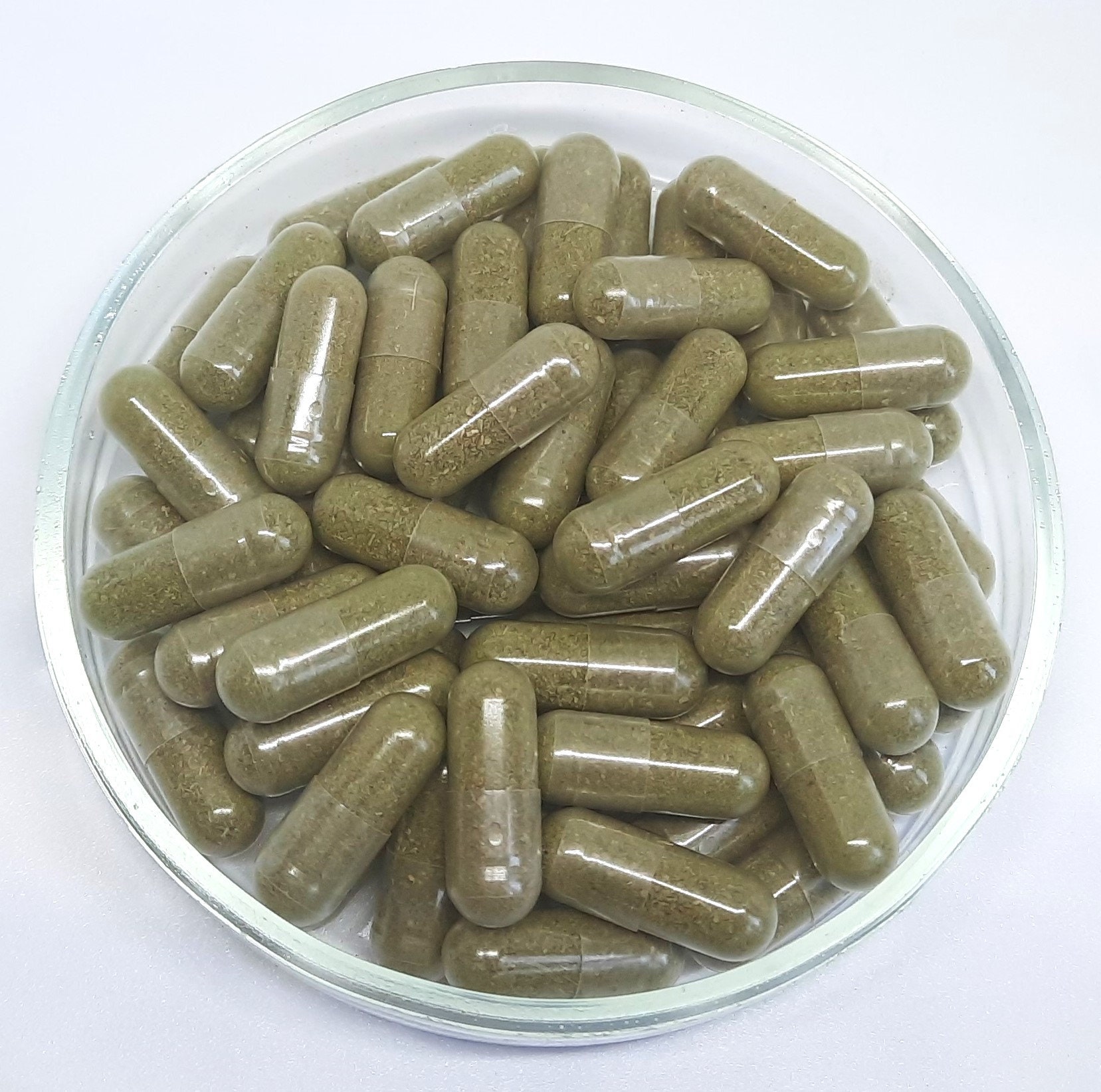
For individuals seeking convenience and precise dosing, Sidebells Wintergreen is also available in capsule form as standardized extracts or powdered herb. These supplements provide a consistent amount of active compounds, simplifying integration into a daily health regimen. When choosing encapsulated supplements, it is crucial to opt for reputable brands that provide transparency regarding sourcing, extraction methods, and standardization, ensuring product purity and potency. Standardization to key compounds like arbutin can offer an extra layer of assurance regarding the supplement’s efficacy. Always follow the dosage instructions provided by the manufacturer or consult with a qualified healthcare practitioner for personalized guidance.
Dosage and Preparation Guidelines: Ensuring Safe and Effective Use
While Sidebells Wintergreen is generally considered safe for most individuals when used appropriately, adhering to recommended dosages and preparation guidelines is essential. As with any herbal remedy, starting with a lower dose and gradually increasing it while observing the body’s response is a prudent approach.
- For Teas/Infusions: Typically, 1-2 teaspoons of dried herb steeped in 8 ounces of hot water, consumed 2-3 times daily. For acute urinary tract support, some herbalists may suggest up to 4 cups daily for short periods.
- For Tinctures: The general recommendation is 1-2 ml (20-40 drops) of a 1:5 or 1:10 tincture, 2-3 times per day. Always check the specific product label for concentration and suggested dosage.
- For Capsules/Supplements: Follow the manufacturer’s instructions, as potency can vary widely between brands and formulations. Standardized extracts may offer more precise dosing of active compounds.
- For Topical Applications: Poultices can be applied as needed. Salves or creams should be applied 2-3 times daily to the affected area.
It is important to ensure that the water used for teas and tinctures is not boiling if the intention is to preserve delicate volatile compounds. For optimal urinary antiseptic action, it is beneficial to maintain a slightly alkaline urine pH, which can be supported by dietary choices (e.g., avoiding highly acidic foods) and sufficient hydration, as this promotes the conversion of arbutin to active hydroquinone.

Potential Side Effects and Precautions: A Holistic Approach to Safety
Despite its beneficial properties, Sidebells Wintergreen is a potent herb and should be used with awareness of potential side effects and contraindications. While generally well-tolerated, individuals may react differently.
Common Precautions:
- Pregnancy and Breastfeeding: Due to insufficient research on its effects during pregnancy and lactation, Sidebells Wintergreen should be avoided by pregnant and breastfeeding women. The hydroquinone component, while beneficial, could potentially pose risks.
- Kidney Disease: Individuals with pre-existing severe kidney disease should exercise caution and consult a healthcare professional before use, as its diuretic and urinary antiseptic actions could interact with kidney function or medications.
- Allergies: People with known allergies to plants in the Ericaceae family (e.g., blueberries, cranberries) should use Sidebells Wintergreen with caution, as cross-reactivity is possible.
- Liver Concerns: While hydroquinone is metabolized in the liver, generally at safe levels for most, individuals with severe liver conditions should consult a doctor before extended use.
- Long-Term Use: Prolonged, high-dose use of arbutin-containing herbs is generally not recommended due to theoretical concerns about hydroquinone’s potential toxicity at very high, sustained levels. It is best used for acute conditions or intermittently for chronic issues, under professional guidance.
Drug Interactions:
Sidebells Wintergreen may interact with certain medications. Its diuretic properties could potentially enhance the effects of diuretic drugs, leading to electrolyte imbalances. Individuals on medications for kidney conditions, liver disease, or those with sensitive digestive systems should always consult a healthcare provider or qualified herbalist before incorporating Sidebells Wintergreen into their regimen. This ensures a comprehensive approach to health that considers all potential interactions and individual health circumstances.
Conclusion: Embracing the Natural Wisdom of Sidebells Wintergreen
Sidebells Wintergreen (Orthilia secunda) stands as a testament to the profound healing power inherent in the natural world. From its delicate botanical structure to its rich tapestry of historical uses and its scientifically validated phytochemical profile, this remarkable herb offers a compelling array of health benefits. Its exceptional efficacy in promoting urinary tract health, coupled with its significant anti-inflammatory, antioxidant, and wound-healing properties, positions it as a valuable asset in both traditional and modern herbal medicine. By understanding its mechanisms of action, respecting its traditional applications, and adhering to safe usage guidelines, individuals can harness the gentle yet potent therapeutic potential of Sidebells Wintergreen to support their health and well-being. As with all botanical remedies, responsible and informed use, ideally under the guidance of a healthcare professional, is key to unlocking its full benefits and integrating this ancient wisdom into contemporary health practices.
Disclaimer: For informational purposes only. Not medical advice. Consult a qualified healthcare professional before use.