The Definitive Guide to Bearberry Leaf (Uva Ursi): Unveiling Its Profound Health Benefits
In the vast tapestry of botanical medicine, few herbs command as much historical reverence and scientific intrigue as Bearberry Leaf, scientifically known as Arctostaphylos uva-ursi. Often referred to simply as Uva Ursi, which translates from Latin as “bear’s grape,” this resilient evergreen shrub has been a cornerstone of traditional healing practices for centuries. Its leaves, laden with a unique spectrum of bioactive compounds, offer a compelling array of health benefits, primarily celebrated for their potent influence on urinary tract health. This comprehensive guide delves deep into the world of Bearberry Leaf, exploring its botanical origins, chemical composition, historical significance, and the science-backed advantages it offers for human well-being, providing an exhaustive resource for those seeking to understand this remarkable natural remedy.
A Journey Through Time: Botanical Overview and Historical Significance of Bearberry Leaf
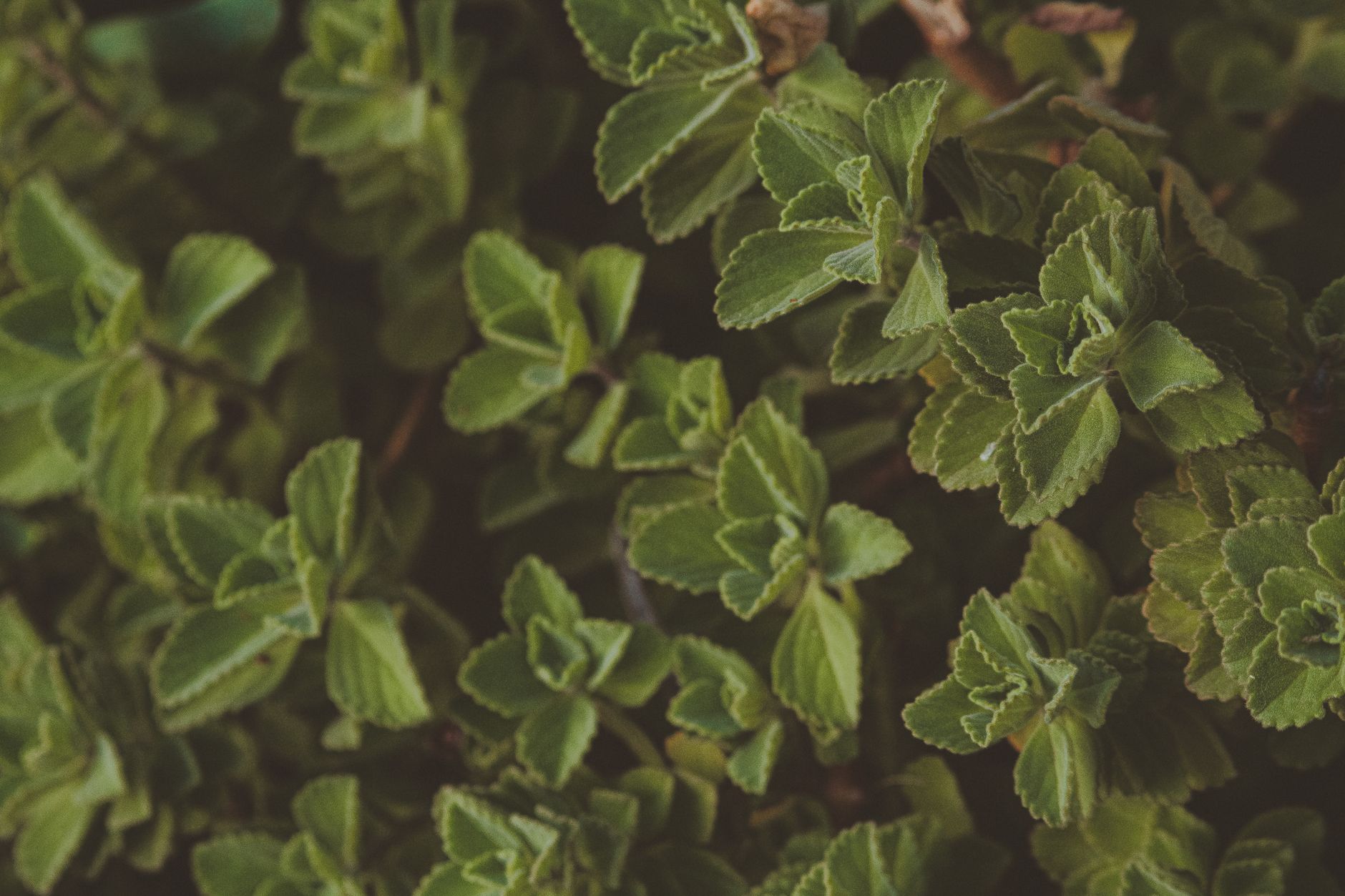
Arctostaphylos uva-ursi is a low-growing, trailing evergreen shrub belonging to the Ericaceae family, which also includes cranberries and blueberries. Native to the northern latitudes of Europe, Asia, and North America, it thrives in rocky, sandy soils and coniferous forests, often forming dense groundcover. Its distinctive features include small, leathery, spatulate leaves, bell-shaped pinkish-white flowers, and bright red berries that are a favorite food source for bears and other wildlife – hence its common name. The leaves, which are harvested for medicinal use, retain their vibrant green color throughout the year, symbolizing their robust vitality.
The history of Bearberry Leaf as a therapeutic agent is rich and extensive. Indigenous cultures across North America, including the Ojibwe, Cree, and Salish peoples, utilized Uva Ursi for a variety of ailments. They traditionally employed it as a diuretic, an astringent, and a remedy for bladder and kidney infections. Its berries were also consumed, often mixed with pemmican or other foods. European folk medicine similarly embraced Bearberry Leaf, with records dating back to the 13th century in Welsh medical texts. It gained significant recognition in Western herbalism in the 18th century, particularly through its inclusion in the London Pharmacopoeia, solidifying its status as a reputable urinary antiseptic. Across diverse cultures, the consistent application of Bearberry Leaf for urinary issues underscores a long-standing understanding of its specific therapeutic properties, passed down through generations of herbalists and healers.
The Chemical Arsenal: Unpacking Bearberry Leaf’s Bioactive Compounds
The profound health benefits attributed to Bearberry Leaf are directly linked to its intricate biochemical composition, a complex synergy of compounds working in concert. The most significant and well-studied of these are the phenolic glycosides, predominantly arbutin, alongside its isomer methylarbutin. However, the plant also contains a diverse array of other phytochemicals, including various flavonoids, tannins, and triterpenes, each contributing to its overall therapeutic profile.
Arbutin and Hydroquinone: The Core Mechanism
Arbutin is the primary active constituent responsible for Bearberry Leaf’s renowned antiseptic properties. When ingested, arbutin is largely absorbed in the small intestine and then circulates in the bloodstream. Upon reaching the kidneys, particularly in an alkaline urine environment, arbutin is hydrolyzed by enzymes and gut bacteria (beta-glucosidase) to release hydroquinone. Hydroquinone is the metabolite directly responsible for the antimicrobial action. It exerts its effect by disrupting bacterial cell membranes and inhibiting various bacterial enzyme systems, making it particularly effective against common urinary tract pathogens like Escherichia coli, Proteus mirabilis, and Staphylococcus saprophyticus. The crucial detail here is the pH dependency: for optimal conversion to active hydroquinone and subsequent antimicrobial efficacy, the urine must be alkaline (pH 8 or higher). This often necessitates dietary adjustments, such as avoiding acidic foods and possibly consuming alkalinizing agents like baking soda, to maximize the therapeutic potential.
Tannins: Astringency and Anti-inflammatory Action
Bearberry Leaf is notably rich in tannins, particularly gallic acid, ellagic acid, and their derivatives. These polyphenolic compounds are responsible for the herb’s astringent properties, meaning they can contract and tighten tissues. In the context of the urinary tract, tannins help to soothe irritated mucous membranes, reduce inflammation, and may form a protective layer that hinders bacterial adherence. Beyond their localized effects, tannins contribute to the plant’s broader anti-inflammatory and antioxidant profile, helping to mitigate oxidative stress and systemic inflammation.
Flavonoids: Antioxidant and Anti-inflammatory Support
The presence of various flavonoids, such as quercetin, kaempferol, and myricetin, further enhances Bearberry Leaf’s therapeutic scope. Flavonoids are powerful antioxidants, scavenging free radicals and reducing oxidative damage to cells and tissues. They also possess significant anti-inflammatory properties, often acting by inhibiting enzymes involved in inflammatory pathways, such as cyclooxygenase (COX) and lipoxygenase (LOX). This multifaceted action not only supports the primary antimicrobial effects but also provides a more holistic healing environment within the body, reducing secondary inflammation often associated with infections.
Triterpenes and Other Compounds
While less prominent than arbutin, tannins, and flavonoids, Bearberry Leaf also contains triterpenes, which may offer additional anti-inflammatory and adaptogenic benefits. The synergistic interaction of all these compounds ensures that Bearberry Leaf provides a comprehensive therapeutic approach, addressing not only the direct cause of infection but also supporting the body’s natural healing and protective mechanisms.
The Health Benefits of Bearberry Leaf: A Deep Dive
The intricate chemical composition of Bearberry Leaf translates into a compelling array of health benefits, predominantly centered around its impact on the genitourinary system. However, its properties extend beyond this primary focus, offering broader systemic advantages.
1. Unrivaled Support for Urinary Tract Health
This is arguably the most celebrated and scientifically substantiated benefit of Bearberry Leaf. Its efficacy in addressing urinary tract infections (UTIs) and related inflammatory conditions of the bladder (cystitis) and urethra (urethritis) is well-documented. As detailed earlier, the key mechanism involves arbutin’s transformation into hydroquinone within alkaline urine. This potent antiseptic directly targets the bacteria responsible for the vast majority of UTIs, particularly E. coli. Hydroquinone not only inhibits bacterial growth but can also act as a bactericide, killing the microorganisms outright. The astringent tannins simultaneously help to tone and protect the inflamed mucous membranes of the urinary tract, reducing irritation and promoting faster healing. Furthermore, the mild diuretic action of Bearberry Leaf helps to flush out bacteria from the urinary system, preventing their adhesion and proliferation. This combined antimicrobial, anti-inflammatory, and flushing action makes Uva Ursi an exceptionally effective natural intervention for acute, uncomplicated UTIs, often providing relief from symptoms such as painful urination, frequent urges, and discomfort.
2. Potent Anti-inflammatory Properties
Beyond its direct antimicrobial effects, Bearberry Leaf exhibits significant anti-inflammatory capabilities, attributable to its rich content of flavonoids and tannins. These compounds work through multiple pathways to mitigate inflammation. Flavonoids, for instance, can inhibit the activity of pro-inflammatory enzymes like COX-2, which are central to the production of inflammatory mediators. Tannins contribute by stabilizing cellular membranes and reducing the permeability of blood vessels, thereby decreasing fluid leakage and swelling at inflammatory sites. This systemic anti-inflammatory action not only aids in reducing the discomfort associated with UTIs but also suggests potential benefits for other inflammatory conditions throughout the body, though more targeted research is needed in these areas. For instance, reducing generalized inflammation can support overall immune function and alleviate symptoms in various chronic inflammatory states.
3. Powerful Antioxidant Defense
The plant’s phenolic compounds, including arbutin, hydroquinone, and a wide spectrum of flavonoids and tannins, are potent antioxidants. They effectively scavenge free radicals, which are unstable molecules that can cause oxidative damage to cellular structures, DNA, and proteins. Oxidative stress is implicated in the pathogenesis of numerous chronic diseases, including cardiovascular disease, neurodegenerative disorders, and various forms of cancer, as well as the aging process itself. By neutralizing these harmful free radicals, Bearberry Leaf helps to protect cells from damage, supports cellular repair mechanisms, and contributes to overall cellular health and longevity. This antioxidant activity plays a crucial supportive role, not only in combating infections but also in promoting general wellness and disease prevention.
4. Potential for Skin Lightening and Hyperpigmentation Management
The hydroquinone derived from arbutin has a long history of use in dermatological applications, particularly for managing hyperpigmentation disorders. Hydroquinone is a potent tyrosinase inhibitor, meaning it blocks the enzyme tyrosinase which is crucial for melanin synthesis in the skin. By reducing melanin production, topical applications of Bearberry Leaf extracts (or purified arbutin/hydroquinone) can effectively lighten dark spots, freckles, melasma, and other forms of hyperpigmentation. This application requires careful formulation and dosage, as concentrated hydroquinone can be irritating or even cytotoxic. However, within controlled formulations, Bearberry Leaf offers a natural approach to achieving a more even skin tone, aligning with traditional cosmetic uses that span centuries.
5. Gentle Diuretic Action
While often overshadowed by its antimicrobial prowess, Bearberry Leaf also possesses mild diuretic properties. This means it can increase urine flow, which is beneficial in two key ways. Firstly, for urinary tract infections, increased urine production helps to physically flush out bacteria from the bladder and urethra, preventing them from adhering to the urinary tract walls and multiplying. Secondly, a gentle diuretic action can aid in the elimination of excess fluid and waste products from the body, contributing to kidney health and potentially helping to alleviate mild edema. This action is typically gentler than pharmaceutical diuretics, making it a supportive rather than aggressive approach to fluid balance.
6. Astringent Effects for Tissue Toning
The high tannin content of Bearberry Leaf imparts significant astringent properties. When applied topically or ingested, tannins cause a mild contraction of tissues and blood vessels. In the urinary tract, this effect can help to tone the mucous membranes, reduce inflammation, and create a protective barrier against invading pathogens. Beyond UTIs, this astringency has historically been utilized in traditional medicine for various conditions requiring tissue toning, such as mild diarrhea, hemorrhoids, and even as a gargle for sore throats, though these applications are less frequently studied in modern contexts.
Practical Usage of Bearberry Leaf: Forms and Preparations
Bearberry Leaf is available in several forms, each offering distinct advantages for administration and dosage. Understanding these forms is key to safe and effective use.
Bearberry Leaf Capsules and Supplements
For convenience and precise dosing, encapsulated Bearberry Leaf extracts are a popular choice. These supplements often provide standardized amounts of arbutin, ensuring a consistent therapeutic dose. They are easy to integrate into a daily regimen and are particularly favored by those seeking a straightforward approach to managing urinary tract health. When selecting a supplement, it is prudent to choose products from reputable manufacturers that clearly state the percentage of active compounds, such as arbutin, and are free from unnecessary fillers or additives. Consulting a healthcare provider for appropriate dosage and duration is always recommended.

Dried Herb for Teas and Infusions
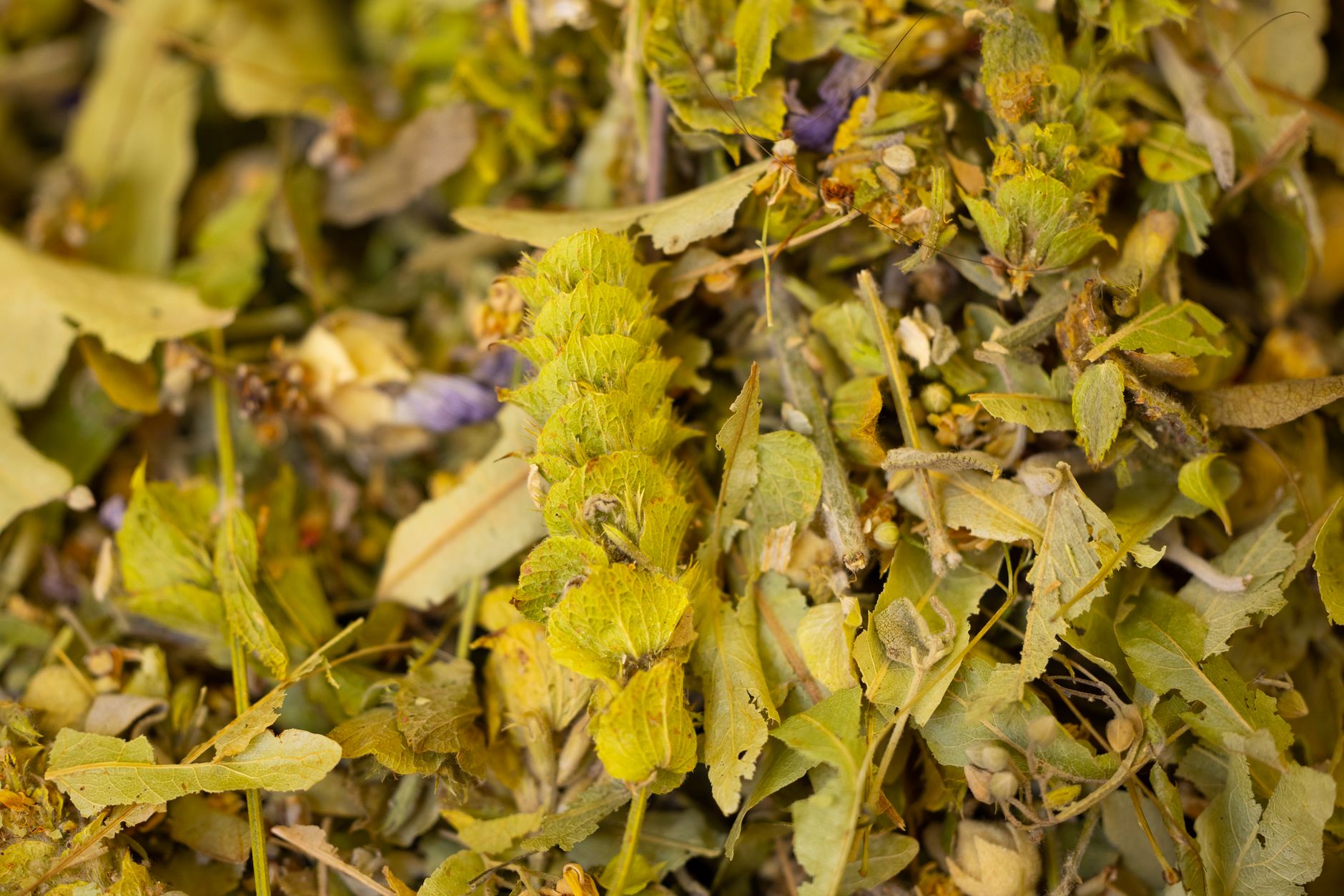
Traditional herbalists often recommend preparing Bearberry Leaf as a tea or infusion. This method allows for a gentle extraction of the plant’s constituents and can be a soothing way to consume the herb. To prepare, steep 1-2 teaspoons of dried bearberry leaves in a cup of hot (but not boiling) water for 10-15 minutes, then strain. Some practitioners prefer a cold infusion, soaking the leaves for several hours or overnight, as this method may extract more arbutin while extracting fewer tannins, which can sometimes be irritating to the stomach in high concentrations. The taste can be quite bitter due to the tannins, so it is often combined with other herbs or a touch of honey.

Tinctures and Liquid Extracts
Tinctures are concentrated liquid extracts made by soaking the dried herb in alcohol or a glycerin-water solution. They offer a potent and rapidly absorbed form of Bearberry Leaf. Dosages are typically measured in drops or small spoonfuls and can be easily adjusted. Tinctures are often preferred for their convenience and longer shelf life compared to fresh teas.
Dosage, Safety, and Important Precautions
While Bearberry Leaf is a powerful natural remedy, it is crucial to use it responsibly and be aware of its potential side effects and contraindications. Its potency necessitates careful consideration of dosage and duration.
Recommended Dosage
Typical dosages for adults for acute urinary tract issues generally involve:
- Dried Leaf Tea/Infusion: 2-4 grams of dried leaf, steeped in 150ml of water, 3-4 times daily.
- Standardized Extract (Capsules): Doses providing 400-800 mg of arbutin per day, divided into several doses.
- Liquid Extract/Tincture: As directed by the manufacturer, usually 1-3 ml, 2-3 times daily.
It is essential to consult with a qualified healthcare professional or a seasoned herbalist to determine the appropriate dosage for your specific condition and individual health profile.
Alkaline Urine Requirement Revisited
For optimal efficacy in urinary tract infections, maintaining an alkaline urine pH is paramount. This can be achieved by avoiding acidic foods (e.g., citrus fruits, cranberry juice) and consuming alkaline-forming foods (e.g., vegetables, most fruits, legumes). In some cases, a healthcare provider might recommend a small amount of baking soda or potassium citrate to help alkalinize the urine, under strict supervision, for short periods.
Important Precautions and Contraindications
- Duration of Use: Bearberry Leaf should generally be used for short periods only, typically no longer than 5-7 days, and not more than five times a year. Long-term use can lead to liver damage due to the cumulative effects of hydroquinone.
- Pregnancy and Breastfeeding: Uva Ursi is contraindicated during pregnancy and breastfeeding due to its potential stimulating effect on uterine contractions and the possible passage of hydroquinone into breast milk.
- Children: Not recommended for children under 12 years of age.
- Kidney or Liver Disease: Individuals with pre-existing kidney or liver conditions should strictly avoid Bearberry Leaf due to the potential for increased organ stress.
- Side Effects: High doses or prolonged use can cause side effects such as nausea, vomiting, stomach upset, and a greenish-brown discoloration of urine. In rare cases, more severe symptoms like tinnitus or convulsions have been reported with extremely high doses.
- Drug Interactions: Bearberry Leaf may interact with certain medications. For example, it can decrease the effectiveness of acidic drugs and increase the effects of alkaline drugs. It should also not be used concurrently with cranberry products or vitamin C, as these acidify the urine, thereby hindering arbutin’s conversion to active hydroquinone.
Always prioritize seeking advice from a healthcare professional before incorporating Bearberry Leaf or any new herbal supplement into your health regimen, especially if you have underlying health conditions or are taking other medications. This ensures safe and effective integration with your overall health plan.

Conclusion: Bearberry Leaf – A Time-Honored Botanical Ally
Bearberry Leaf, or Uva Ursi, stands as a testament to the enduring power of natural medicine. With a rich history spanning millennia and supported by a growing body of scientific understanding, its efficacy, particularly in the realm of urinary tract health, is undeniable. Its unique composition, dominated by arbutin, tannins, and flavonoids, provides a multifaceted approach to wellness, offering not only potent antimicrobial and anti-inflammatory effects but also significant antioxidant protection. From ancient healing rituals to modern supplementary forms, Bearberry Leaf continues to offer a compelling natural alternative for those seeking to harness the wisdom of traditional herbalism. However, like all powerful medicines, its use demands respect, knowledge, and adherence to safe practices. By understanding its mechanisms, proper application, and necessary precautions, individuals can responsibly unlock the profound health benefits of this remarkable botanical ally, ensuring that Uva Ursi remains a valued component of holistic well-being for generations to come.
Disclaimer: For informational purposes only. Not medical advice. Consult a qualified healthcare professional before use.