

The Ocean’s Elixir: A Definitive Deep-Dive into the Profound Health Benefits of Sea Kelp
The vast, mysterious depths of our oceans harbor a treasure trove of natural wonders, and among them, few can rival the nutritional prowess and therapeutic potential of Sea Kelp. More than just a simple marine plant, Sea Kelp (specifically various species of brown algae such as *Laminaria digitata*, *Macrocystis pyrifera*, and *Ascophyllum nodosum*) stands as a powerhouse of vitamins, minerals, antioxidants, and unique bioactive compounds. For centuries, coastal communities have revered this macroscopic algae as a vital food source and a potent medicinal herb, recognizing its profound ability to nourish, protect, and restore balance within the human body. In an era increasingly focused on holistic wellness and natural remedies, Sea Kelp emerges as a definitive superfood, offering a spectrum of health benefits ranging from thyroid support and metabolic enhancement to robust immune defense and detoxification. This exhaustive guide delves into the intricate mechanisms, historical significance, and practical applications of Sea Kelp, aiming to provide a comprehensive understanding of why this marine marvel deserves a place in your pursuit of optimal health.
A Journey Through Time: Historical Context and Traditional Uses of Sea Kelp
The story of Sea Kelp’s integration into human health practices is as ancient as the coastal civilizations themselves. For thousands of years, indigenous populations across the globe, particularly in East Asia (Japan, Korea, China) and among coastal Native American tribes, have incorporated various forms of kelp into their diets and traditional medicine systems. In Japan, where kelp varieties like Kombu are culinary staples, its consumption has been linked to the remarkable longevity and health of the population. Ancient texts and oral traditions reveal its use not only as a readily available food source, especially during lean times, but also as a powerful therapeutic agent.
Historically, Sea Kelp was employed to treat goiter, a visible swelling of the thyroid gland, long before the scientific understanding of iodine’s role in thyroid function emerged. Its efficacy in this regard was a testament to empirical observation. Beyond thyroid ailments, traditional healers utilized kelp for its perceived ability to strengthen bones, improve digestion, enhance vitality, and even as a wound dressing due to its perceived antimicrobial properties. Coastal farming communities also recognized its value as a natural fertilizer, enriching soil with essential minerals and organic matter. This deep-rooted history underscores Sea Kelp’s enduring legacy as a fundamental component of human wellness, passed down through generations who intuitively understood its life-giving properties from the sea.
Botanical Overview: Understanding the Giant of the Ocean
Sea Kelp is not a true plant in the botanical sense, but rather a type of large, brown seaweed belonging to the class Phaeophyceae. These magnificent algae thrive in the cold, nutrient-rich waters of temperate and polar coastlines around the world, forming expansive underwater forests that are critical ecosystems, providing habitat and food for countless marine species. Kelp can grow remarkably fast, some species reaching lengths of over 100 feet at rates of up to two feet per day under ideal conditions, making it one of the fastest-growing organisms on Earth.
Structurally, kelp consists of several distinct parts: a holdfast, which anchors it to the seabed (but does not absorb nutrients like roots); a stipe, resembling a stem; and fronds or blades, which are leaf-like structures where photosynthesis primarily occurs. Many species also feature pneumatocysts, or gas-filled bladders, which help the fronds float closer to the surface to maximize light exposure. This unique morphology allows kelp to efficiently absorb an astonishing array of minerals and trace elements directly from the surrounding seawater, concentrating them within its tissues. It is this efficient bioaccumulation of marine nutrients that ultimately contributes to kelp’s unparalleled health benefits.

The Marine Matrix: Bioactive Compounds and Nutritional Profile of Sea Kelp
The extraordinary health benefits attributed to Sea Kelp stem directly from its exceptionally rich and diverse nutritional profile. Unlike land plants, kelp has access to the full spectrum of minerals dissolved in seawater, making it a concentrated source of essential micronutrients often lacking in modern diets. But beyond conventional vitamins and minerals, kelp also boasts a remarkable array of unique bioactive compounds that contribute significantly to its therapeutic efficacy.
Key Bioactive Compounds and Nutrients:
* **Iodine:** Perhaps kelp’s most renowned constituent, iodine is absolutely critical for the synthesis of thyroid hormones (thyroxine T4 and triiodothyronine T3). These hormones regulate virtually every metabolic process in the body, influencing energy production, growth, development, and nervous system function. Kelp is one of the richest natural sources of this essential trace mineral.
* **Fucoidans:** These complex sulfated polysaccharides are unique to brown algae and are responsible for many of kelp’s profound medicinal properties. Fucoidans exhibit potent anti-inflammatory, antiviral, immune-modulating, anticoagulant, and even anti-cancer effects, making them a subject of intense scientific research.
* **Alginates:** Another class of polysaccharides, alginates are a type of soluble dietary fiber. They form a gel-like substance when mixed with water, which can aid in digestion, promote satiety, and most notably, bind to heavy metals and toxins in the digestive tract, facilitating their excretion from the body.
* **Fucoxanthin:** This carotenoid pigment gives brown algae its characteristic color. Fucoxanthin is a powerful antioxidant, protecting cells from oxidative damage. Emerging research also suggests its potential role in weight management by promoting fat burning and supporting healthy blood sugar metabolism.
* **Polyphenols and Flavonoids:** Like many plant-based foods, kelp is rich in various polyphenols, including phlorotannins, which are potent antioxidants. These compounds help neutralize free radicals, reduce inflammation, and offer protective effects against chronic diseases.
* **Vitamins:** Kelp provides a broad spectrum of vitamins, including B vitamins (B1, B2, B3, B5, B6, B9/folate), which are vital for energy metabolism and nervous system health; Vitamin K, crucial for blood clotting and bone health; Vitamin C, a powerful antioxidant and immune booster; and Vitamin E, another fat-soluble antioxidant.
* **Minerals:** Beyond iodine, kelp is an excellent source of essential macrominerals and trace elements, including calcium, magnesium, potassium, iron, zinc, selenium, copper, and manganese. These minerals are fundamental for bone strength, nerve function, muscle contraction, enzyme activity, and cellular health.
This intricate synergy of macro- and micronutrients, combined with its unique bioactive compounds, positions Sea Kelp as an unparalleled natural supplement for comprehensive health support.

Unveiling the Health Benefits: A Detailed Exploration
The diverse biochemical composition of Sea Kelp translates into a multitude of profound health benefits, impacting nearly every system in the body.
1. Unrivaled Thyroid Health and Metabolic Regulation
The most celebrated benefit of Sea Kelp is its exceptional iodine content, which is indispensable for optimal thyroid function. The thyroid gland utilizes iodine to synthesize the hormones T3 (triiodothyronine) and T4 (thyroxine). These hormones are the primary regulators of metabolism, dictating the rate at which cells convert nutrients into energy. Adequate thyroid function is crucial for maintaining a healthy body weight, regulating body temperature, supporting brain development and cognitive function, and ensuring proper heart rate and digestive processes. A deficiency in iodine can lead to hypothyroidism, characterized by symptoms like fatigue, weight gain, cold intolerance, dry skin, hair loss, and impaired cognitive function, and can also manifest as goiter. By providing a natural, bioavailable source of iodine, Sea Kelp helps ensure the thyroid gland has the raw material it needs to function efficiently, thereby supporting overall metabolic health and energy levels.
2. Potent Antioxidant and Anti-inflammatory Properties
Chronic inflammation and oxidative stress are recognized as underlying drivers of many modern chronic diseases, including cardiovascular disease, diabetes, neurodegenerative disorders, and certain cancers. Sea Kelp is a powerful ally in combating these detrimental processes due to its rich concentration of antioxidants, particularly fucoxanthin and various polyphenols (phlorotannins), as well as the anti-inflammatory properties of fucoidans. These compounds work synergistically to neutralize harmful free radicals, reduce oxidative damage to cells and DNA, and modulate inflammatory pathways within the body. By quelling oxidative stress and dampening chronic inflammation, Sea Kelp contributes to cellular protection, supports healthy aging, and reduces the risk of developing inflammation-related conditions.
3. Cardiovascular Health Support
Maintaining a healthy cardiovascular system is paramount for longevity, and Sea Kelp offers several mechanisms to support heart health. Its soluble fiber content, particularly alginates, can help reduce cholesterol levels by binding to bile acids in the digestive tract, promoting their excretion and prompting the liver to draw more cholesterol from the blood to produce new bile acids. The potassium in kelp plays a crucial role in regulating blood pressure by counteracting the effects of sodium, helping to relax blood vessel walls. Furthermore, the anti-inflammatory and antioxidant compounds within kelp protect blood vessels from damage, reduce arterial plaque formation, and support overall endothelial function, contributing to a reduced risk of heart disease and stroke.
4. Digestive Health and Gut Microbiome Enhancement
A healthy gut is the cornerstone of overall wellness, and Sea Kelp significantly contributes to digestive vitality. Its high fiber content, especially alginates, acts as a powerful prebiotic, feeding beneficial gut bacteria and fostering a balanced gut microbiome. A thriving microbiome is essential for nutrient absorption, immune function, and even mood regulation. The fiber also adds bulk to stool, promoting regular bowel movements and preventing constipation, while simultaneously supporting the integrity of the intestinal lining. Moreover, the unique polysaccharides in kelp may have a soothing effect on the digestive tract, potentially reducing inflammation and discomfort.
5. Potential for Weight Management
In the ongoing battle against excess weight, Sea Kelp presents a promising natural adjunct. Its fiber content promotes satiety, helping individuals feel fuller for longer and reducing overall caloric intake. More importantly, research on fucoxanthin, a carotenoid found in kelp, suggests its potential role in fat metabolism. Studies indicate that fucoxanthin may activate proteins involved in fat oxidation and thermogenesis (heat production), particularly in abdominal white adipose tissue. This unique mechanism could contribute to increased energy expenditure and a reduction in body fat, making Sea Kelp a valuable component of a comprehensive weight management strategy when combined with a healthy diet and regular exercise.
6. Skin, Hair, and Nail Vitality
The beauty benefits of Sea Kelp extend beyond internal health. The rich array of minerals, including iodine, iron, zinc, and selenium, combined with vitamins (especially B vitamins and Vitamin C), are vital for healthy skin, strong hair, and robust nails. These nutrients support collagen production, promote cellular regeneration, enhance hydration, and protect against environmental damage. Regular consumption of kelp can contribute to a more radiant complexion, stronger hair follicles, reduced hair loss, and resilient nails, reflecting its deep nourishing effects from within.
7. Bone Strength and Density
Sea Kelp is an excellent source of several key nutrients crucial for maintaining strong bones and preventing osteoporosis. It provides significant amounts of calcium and magnesium, both fundamental building blocks of bone tissue. Furthermore, it is rich in Vitamin K, which plays a critical role in bone mineralization by activating proteins necessary for bone matrix formation. The synergistic action of these nutrients ensures proper bone density and reduces the risk of fractures, especially important as we age.
8. Blood Sugar Regulation
For individuals concerned about blood sugar balance, Sea Kelp offers potential benefits. Its high fiber content helps slow down the absorption of glucose into the bloodstream, preventing sharp spikes in blood sugar after meals. Additionally, some research suggests that compounds like fucoxanthin may improve insulin sensitivity and glucose metabolism, contributing to better blood sugar control. This makes kelp a valuable dietary component for those managing or seeking to prevent type 2 diabetes.
9. Immune System Enhancement
A robust immune system is our primary defense against pathogens and illnesses. Sea Kelp provides a wealth of immune-boosting nutrients, including Vitamin C, zinc, and selenium, which are essential for the proper functioning of immune cells. More specifically, the fucoidans in kelp have been extensively studied for their immunomodulatory effects. They can stimulate the activity of natural killer cells, macrophages, and T-cells, enhancing the body’s ability to identify and neutralize threats like viruses, bacteria, and even abnormal cells. This comprehensive immune support makes kelp a valuable addition during cold and flu season or for general immune resilience.
10. Heavy Metal Detoxification
In our modern world, exposure to heavy metals like lead, mercury, and cadmium is an unfortunate reality. Sea Kelp, particularly due to its alginate content, offers a natural mechanism for detoxification. Alginates have a unique ability to bind to heavy metals and other toxins in the gastrointestinal tract, forming complexes that prevent their absorption and facilitate their safe excretion from the body. This chelating property makes kelp a valuable supplement for supporting the body’s natural detoxification pathways and reducing the burden of environmental pollutants.
Forms of Sea Kelp: Integrating into Your Lifestyle
Sea Kelp’s versatility allows for its incorporation into the diet in various forms, catering to different preferences and needs.
Dried Kelp (Herb)
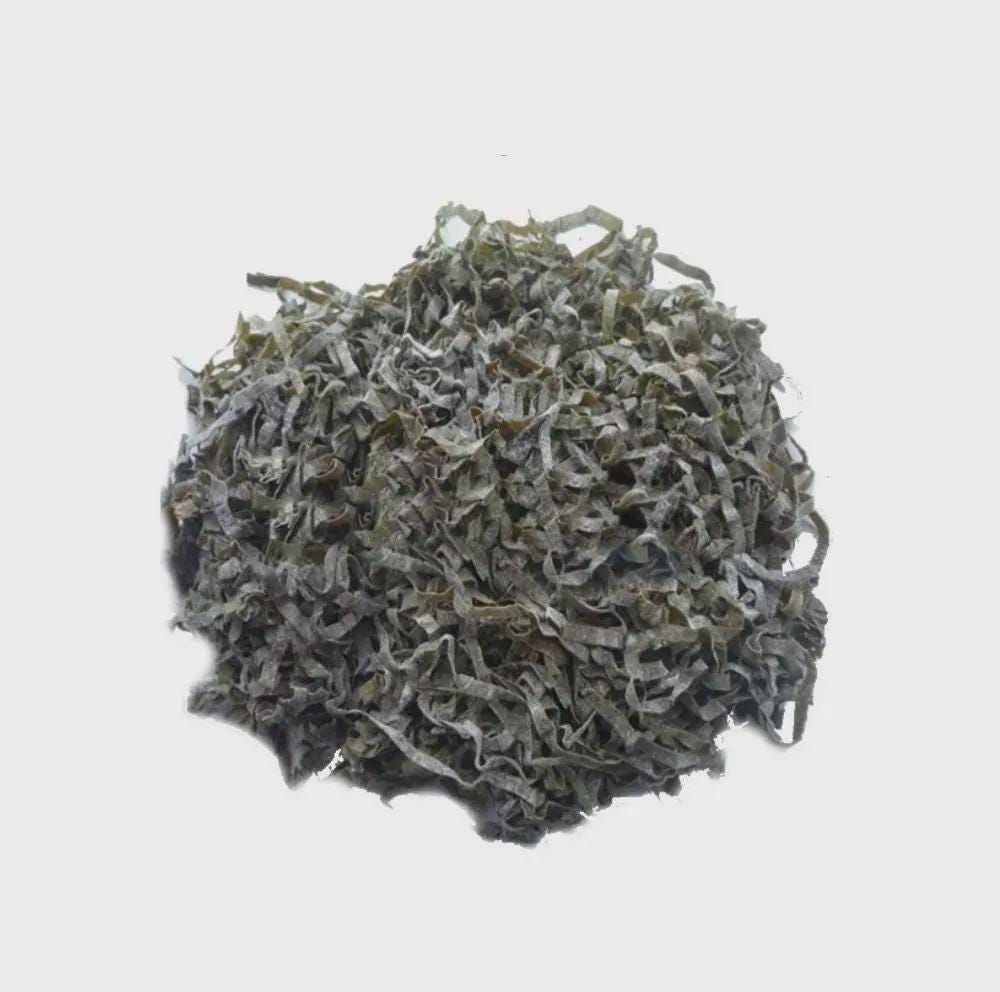
Traditional and culinary uses often involve dried kelp. Whole dried kelp blades, such as Kombu, are a staple in East Asian cuisine, used to make nutrient-rich broths (dashi), added to stews, or rehydrated and incorporated into salads. Dried kelp flakes can be sprinkled over meals as a seasoning, adding a savory “umami” flavor and a boost of minerals. This form allows for direct integration into cooking and offers a raw, minimally processed option.
Kelp Supplements (Capsules and Powders)
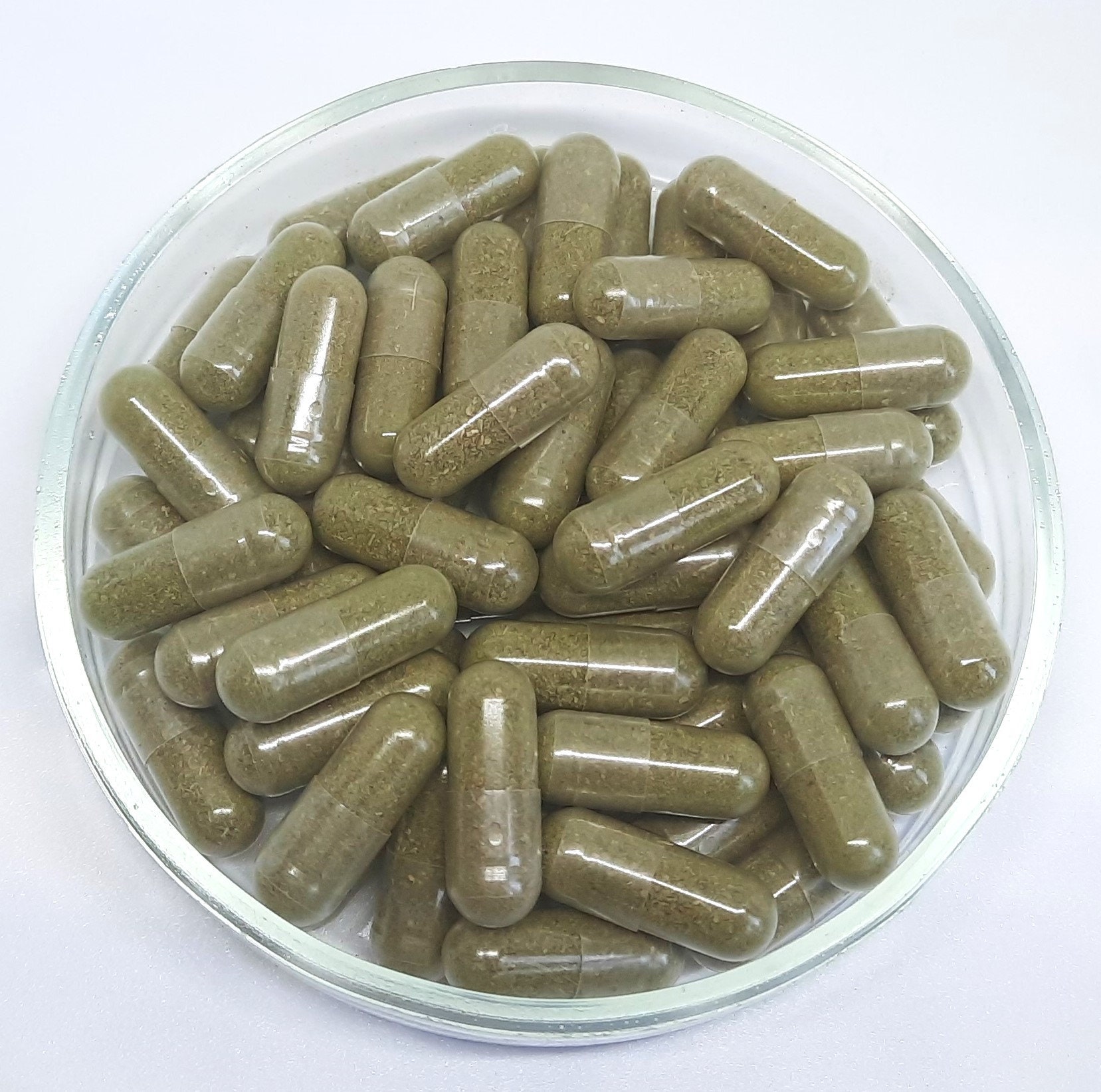
For those seeking a convenient and standardized way to consume Sea Kelp, supplements are widely available. Kelp powder can be easily added to smoothies, juices, or yogurt, offering a concentrated dose of its beneficial compounds. Kelp capsules provide a precise dosage, making it simple to track intake and ensure consistent nutrient delivery. These supplemental forms are particularly popular for individuals targeting specific health goals, such as thyroid support or mineral repletion, without altering their dietary habits significantly.
Other Culinary Applications
Beyond dried forms, kelp is increasingly finding its way into modern culinary innovations. Kelp noodles, made from the gel-like interior of kelp, offer a gluten-free and low-calorie alternative to traditional pasta. Kelp can also be found in certain fermented foods, snacks, and even in some health drinks, showcasing its adaptability and growing popularity as a functional food ingredient.
Dosage, Safety Considerations, and Precautions
While Sea Kelp offers remarkable health benefits, its potency, particularly its high iodine content, necessitates careful consideration of dosage and potential precautions.
Iodine Content Variation and Risks:
The iodine content in Sea Kelp can vary significantly depending on the species, harvest location, processing methods, and time of year. While iodine is essential, excessive intake can be detrimental, potentially leading to iodine-induced hyperthyroidism or even exacerbating existing thyroid conditions like Hashimoto’s thyroiditis or Graves’ disease. The recommended daily allowance (RDA) for iodine for most adults is 150 micrograms (mcg), with a tolerable upper intake level (UL) of 1,100 mcg. Many kelp supplements can contain hundreds or even thousands of micrograms of iodine per serving. It is crucial to choose supplements that provide standardized iodine content and to follow recommended dosages carefully.
Heavy Metal Contamination:
Like all marine organisms, kelp can accumulate heavy metals from the seawater. Therefore, sourcing is paramount. Opt for kelp products that are sustainably harvested from unpolluted waters and, ideally, third-party tested for heavy metals like lead, mercury, cadmium, and arsenic. Reputable brands will usually provide this information.
Drug Interactions:
Sea Kelp may interact with certain medications:
* **Thyroid Medications:** Due to its iodine content, kelp can interfere with medications for thyroid disorders (e.g., levothyroxine) and should not be used concurrently without medical supervision.
* **Anticoagulants (Blood Thinners):** Kelp contains Vitamin K, which plays a role in blood clotting, and its fucoidans can have anticoagulant properties. Therefore, individuals taking blood-thinning medications like warfarin should consult their doctor before using kelp supplements.
* **Blood Pressure Medications:** The potassium in kelp, while beneficial, could potentially interact with certain blood pressure medications.
Who Should Exercise Caution?
* **Individuals with pre-existing thyroid conditions:** Especially those with hyperthyroidism, autoimmune thyroid disease (Hashimoto’s, Graves’), or those on thyroid medication.
* **Pregnant and breastfeeding women:** Should consult a healthcare provider due to the critical balance of iodine needed during these periods.
* **Children:** Dosage should be carefully managed under professional guidance.
* **Individuals with allergies to iodine or seafood.**
It is always strongly recommended to consult with a healthcare professional or a qualified nutritionist before incorporating Sea Kelp supplements into your routine, especially if you have pre-existing health conditions or are taking medications. They can help determine an appropriate and safe dosage based on your individual needs and health status.

Conclusion: Embracing the Abundance of the Sea
Sea Kelp stands as a testament to the ocean’s boundless capacity to provide for human health. From its ancient roots in traditional medicine to its modern recognition as a scientific marvel, this powerful marine algae offers an unparalleled spectrum of health benefits. Its rich concentration of iodine supports vital thyroid function and metabolism, while its unique bioactive compounds like fucoidans, alginates, and fucoxanthin bestow potent antioxidant, anti-inflammatory, and immune-modulating properties. By enhancing cardiovascular health, nurturing a balanced gut microbiome, aiding in weight management, bolstering bone density, and assisting in detoxification, Sea Kelp serves as a comprehensive tonic for the entire body.
As we navigate the complexities of contemporary health and wellness, incorporating natural, nutrient-dense foods and supplements becomes increasingly important. Sea Kelp, whether enjoyed as a culinary staple, a convenient powder, or a precise capsule, represents a bridge between ancient wisdom and modern nutritional science. With informed usage and due diligence regarding sourcing and dosage, embracing the ocean’s elixir can be a transformative step towards optimizing your health and unlocking a deeper sense of vitality. The deep blue sea continues to share its secrets, and in Sea Kelp, we find a truly definitive guide to robust, holistic well-being.
Disclaimer: For informational purposes only. Not medical advice. Consult a qualified healthcare professional before use.