Discover the Unrivaled Health Benefits of HAZEL Bark: A Definitive Deep-Dive Guide
In the vast tapestry of botanical medicine, certain plants stand out for their profound and multifaceted therapeutic properties. Among these revered natural remedies, the bark of the HAZEL tree (genus Corylus) has quietly served as a cornerstone of traditional healing for millennia. Often overshadowed by its more famous nuts, HAZEL bark is a treasure trove of bioactive compounds, offering a spectrum of health benefits ranging from potent anti-inflammatory action to remarkable skin-healing capabilities. This comprehensive guide delves into the intricate world of HAZEL bark, exploring its botanical origins, historical significance, scientific composition, and practical applications, providing an exhaustive resource for anyone seeking to understand and harness its natural power.
A Botanical Deep Dive: Understanding the HAZEL Tree (Corylus species)
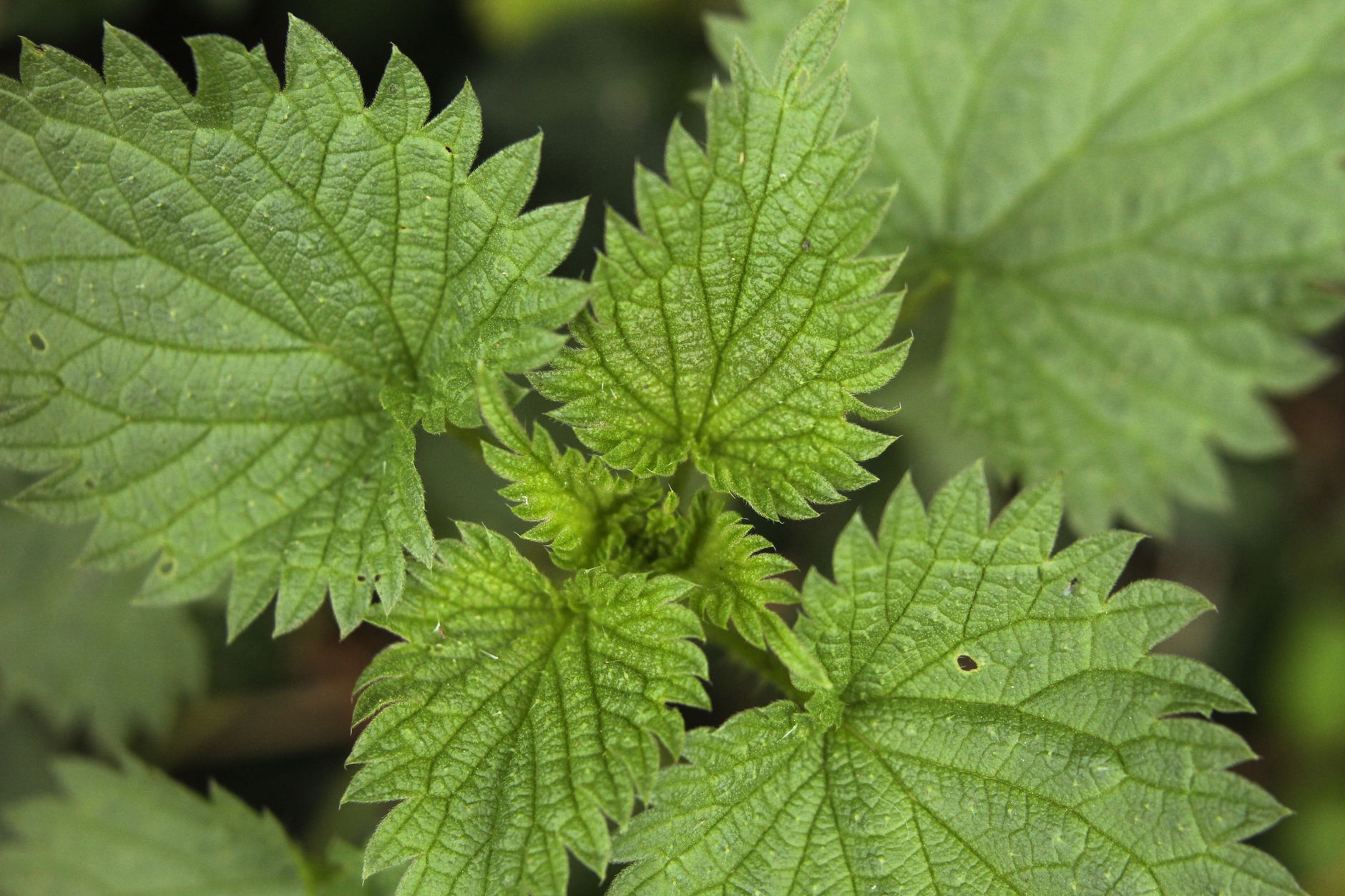
The HAZEL tree, primarily known through species such as *Corylus avellana* (Common Hazel or European Hazel) and *Corylus americana* (American Hazelnut), belongs to the Betulaceae family, which also includes birches and alders. These deciduous shrubs or small trees are native to the temperate regions of the Northern Hemisphere, flourishing across Europe, Asia, and North America. Characterized by their distinct broad, serrated leaves and characteristic catkins that appear in late winter, HAZEL trees are resilient and adaptable, often forming dense thickets in woodlands and hedgerows.
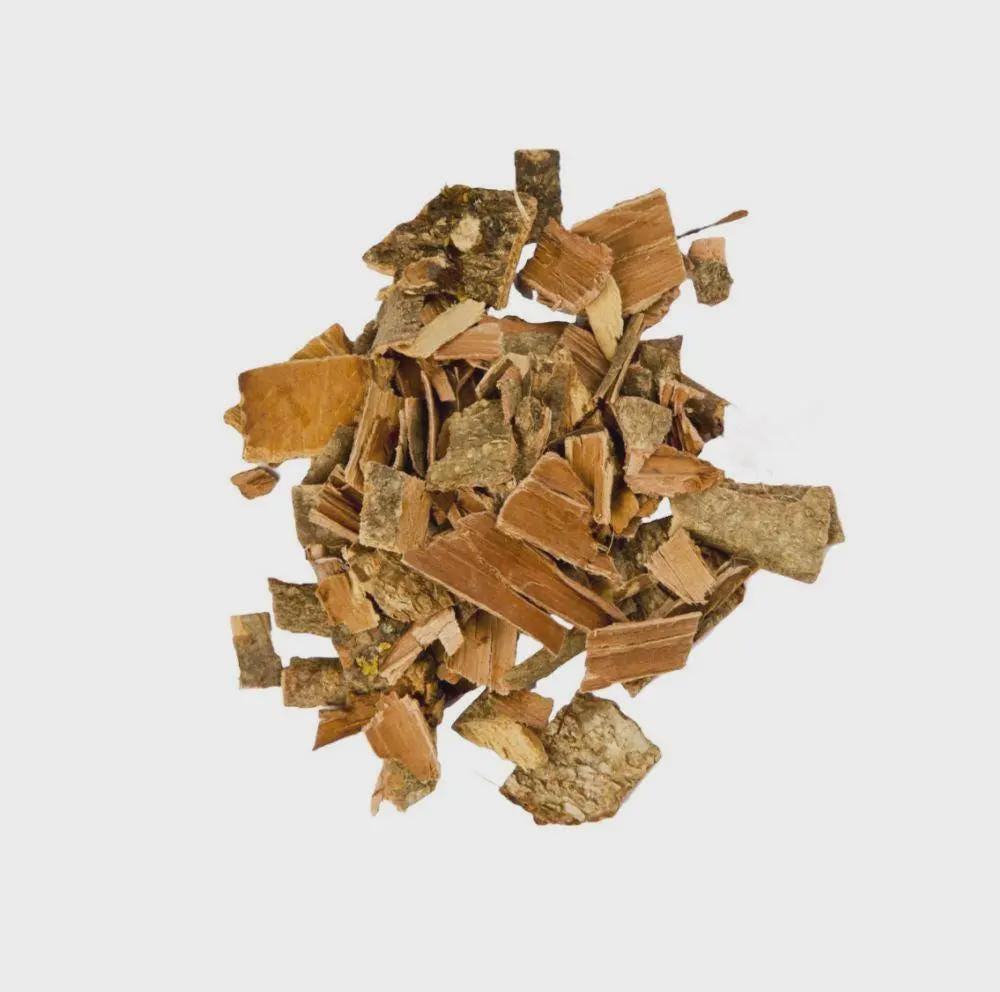
While the edible HAZELNUTS are the most commercially recognized product, the bark of the HAZEL tree holds significant medicinal value. The bark, typically smooth and greyish-brown on younger branches, becoming more furrowed and exfoliating with age, is harvested for its rich concentration of therapeutic compounds. Sustainable harvesting practices are crucial to ensure the longevity of HAZEL populations, often involving careful pruning rather than felling, allowing the tree to continue its life cycle and contribute to local ecosystems. The inner bark, or phloem, is particularly prized for its medicinal properties, often processed into various forms for therapeutic use.
The Ancient Wisdom: Historical and Traditional Uses of HAZEL Bark
The use of HAZEL bark in traditional medicine spans across numerous cultures and civilizations, cementing its place as a revered herbal remedy throughout history. Evidence suggests that early humans utilized various parts of the HAZEL tree, not just for sustenance but also for medicinal purposes. In European folk medicine, HAZEL bark was widely recognized for its astringent, anti-inflammatory, and febrifugal (fever-reducing) properties. Herbalists frequently prescribed decoctions of HAZEL bark to address a range of ailments, including digestive disturbances like diarrhea and dysentery, due to its ability to tighten tissues and reduce fluid loss.
Beyond internal applications, HAZEL bark found extensive use in topical treatments. Its strong astringent qualities made it an ideal ingredient for washes, compresses, and poultices applied to wounds, sores, ulcers, and various skin irritations. It was also commonly employed to alleviate the discomfort associated with varicose veins and hemorrhoids, where its tissue-toning effects were highly valued. Furthermore, some traditional practices incorporated HAZEL bark into remedies for respiratory complaints and even as an antipyretic to combat fevers associated with colds and flu. Across the Atlantic, Native American tribes also recognized the therapeutic potential of the indigenous *Corylus americana*, utilizing its bark for similar purposes, highlighting a universal appreciation for its medicinal attributes.
Unveiling the Power: Bioactive Compounds in HAZEL Bark
The remarkable therapeutic effects of HAZEL bark are attributed to a complex synergy of bioactive compounds, each contributing to its overall medicinal profile. A detailed phytochemical analysis reveals a rich array of constituents that underscore its potent health-promoting capabilities.
-
Tannins: The Astringent and Anti-inflammatory Powerhouses: HAZEL bark is particularly rich in tannins, complex polyphenolic compounds that are responsible for its characteristic astringent properties. These tannins, including gallotannins and condensed tannins (proanthocyanidins), exert their effects by binding to proteins, which leads to the tightening and strengthening of tissues. This action is invaluable for reducing inflammation, sealing minor cuts, and soothing irritated mucous membranes. Beyond their astringent nature, tannins possess significant anti-inflammatory and antioxidant properties, helping to quell inflammatory cascades and protect cells from oxidative damage.
-
Flavonoids: Potent Antioxidants and Anti-inflammatories: The bark also contains a substantial amount of flavonoids, a diverse group of plant pigments with powerful antioxidant, anti-inflammatory, and immunomodulatory activities. Key flavonoids found in HAZEL bark may include quercetin, kaempferol, and their glycosides. Quercetin, in particular, is widely studied for its ability to stabilize mast cells, reduce histamine release, and inhibit various enzymes involved in inflammatory processes, thereby offering relief from allergic reactions and general inflammation. These compounds work synergistically to protect cellular integrity and support overall health.
-
Phenolic Acids: Antioxidant and Antimicrobial Defense: Phenolic acids, such as caffeic acid, gallic acid, and ferulic acid, are another crucial class of compounds present in HAZEL bark. These acids are renowned for their robust antioxidant capacity, effectively scavenging free radicals and mitigating oxidative stress, which is implicated in aging and numerous chronic diseases. Furthermore, several phenolic acids exhibit antimicrobial properties, contributing to HAZEL bark’s traditional use in fighting minor infections and supporting gastrointestinal health by inhibiting the growth of undesirable microorganisms.
-
Terpenoids: Emerging Therapeutic Potential: While perhaps less abundant than tannins and flavonoids, certain terpenoids may also be present, contributing to the bark’s aroma and potentially offering additional therapeutic benefits. Terpenoids are a vast group of natural products, some of which are known for anti-inflammatory, antimicrobial, and even anticancer activities. Their precise roles in HAZEL bark are areas of ongoing research, but they likely contribute to the holistic effect of the plant.
-
Other Bioactive Constituents: Beyond these primary classes, HAZEL bark contains a complex matrix of other compounds, including lignans, sterols, and various trace elements, all of which contribute to the plant’s overall bioactivity and therapeutic potential. The synergistic interaction of these diverse constituents is believed to be responsible for the comprehensive range of health benefits observed with HAZEL bark.

The Science-Backed Benefits of HAZEL Bark
Leveraging its rich phytochemical profile, HAZEL bark offers a multitude of health benefits, many of which are increasingly supported by modern scientific inquiry and traditional wisdom.
Potent Anti-inflammatory Properties
One of the most significant and widely recognized benefits of HAZEL bark is its exceptional anti-inflammatory capacity. The high concentration of tannins and flavonoids works to modulate the body’s inflammatory response. These compounds help to inhibit key enzymes and signaling pathways involved in inflammation, such as cyclooxygenase (COX) and lipoxygenase (LOX) pathways, which are responsible for producing prostaglandins and leukotrienes—critical mediators of inflammation. This action can significantly reduce swelling, redness, and pain associated with various inflammatory conditions. For instance, it holds promise in alleviating symptoms of inflammatory joint conditions like arthritis, muscle soreness from physical exertion, and potentially even internal inflammatory issues affecting the digestive tract or respiratory system.
Robust Antioxidant Activity
HAZEL bark is a powerful antioxidant, primarily due to its abundant phenolic acids and flavonoids. These compounds act as scavengers of free radicals, unstable molecules that can cause oxidative stress and cellular damage, leading to premature aging and the development of chronic diseases like cardiovascular disease, neurodegenerative disorders, and certain cancers. By neutralizing these harmful free radicals, HAZEL bark helps protect cellular integrity, DNA, and essential proteins, thereby supporting overall cellular health and enhancing the body’s natural defense mechanisms against environmental stressors and internal metabolic byproducts.
Astringent Qualities for Skin and Mucous Membranes
The remarkable astringent properties of HAZEL bark, mainly attributed to its high tannin content, make it an excellent natural remedy for skin and mucous membrane issues. When applied topically, tannins bind to proteins in the skin and superficial tissues, causing them to contract and tighten. This action helps to reduce pore size, diminish excess oil, and create a protective barrier that can aid in the healing of minor cuts, abrasions, and sores. It is particularly effective for inflammatory skin conditions such as eczema, acne, and insect bites, offering a soothing and protective effect. Furthermore, its astringent nature makes it valuable for conditions like hemorrhoids, where it can help to reduce swelling and discomfort, and for oral health, as a gargle to firm gums and alleviate mouth sores.
Digestive Health Support
Historically, HAZEL bark has been a go-to remedy for various digestive complaints, and modern understanding supports these traditional uses. Its astringent properties are particularly beneficial for mitigating diarrhea by reducing fluid secretion into the intestines and tightening the gut lining, which can decrease the frequency and liquidity of stools. The potential antimicrobial effects of its phenolic compounds can also help to address certain pathogenic bacteria that might contribute to digestive upsets. Additionally, its anti-inflammatory properties can soothe an irritated gastrointestinal tract, promoting a healthier and more balanced digestive environment.
Immune System Modulation
While not a direct immune stimulant in the sense of echinacea, HAZEL bark’s array of antioxidants and anti-inflammatory compounds contributes to overall immune system health. By reducing oxidative stress and chronic inflammation, it allows the immune system to function more efficiently and respond effectively to challenges. Its mild antimicrobial properties also lend support in combating minor infections, acting as a supportive agent for the body’s natural defenses. The general wellness supported by its diverse compounds can indirectly bolster immune resilience.
Cardiovascular Health (Emerging Research)
The significant antioxidant and anti-inflammatory components within HAZEL bark suggest a promising role in cardiovascular health. Oxidative stress and chronic inflammation are key drivers in the development and progression of atherosclerosis and other heart-related conditions. By mitigating these factors, HAZEL bark could potentially contribute to maintaining healthy blood vessels, improving endothelial function, and reducing the risk of cardiovascular events. While more targeted research is needed, the general protective effects of its compounds align with established strategies for heart health.
Antimicrobial and Antifungal Potential
Laboratory studies and traditional applications point to HAZEL bark’s capacity to inhibit the growth of certain bacteria and fungi. The presence of tannins and phenolic acids creates an environment less conducive to microbial proliferation. This attribute can be harnessed in topical applications for minor skin infections and internally for supporting the body’s defense against certain gut pathogens, further validating its historical use in addressing infectious conditions.
Practical Applications: How to Incorporate HAZEL Bark into Your Wellness Routine
HAZEL bark can be integrated into a natural wellness regimen in several forms, each offering unique benefits and methods of administration. It’s crucial to select high-quality, sustainably sourced products to ensure efficacy and safety.
Forms of HAZEL Bark
-
Decoctions (Teas): This is one of the most traditional and effective ways to extract the water-soluble compounds from HAZEL bark. A decoction is prepared by simmering the dried bark in water for an extended period (typically 15-30 minutes), allowing for a potent infusion. It is ideal for internal use for digestive issues or as a general tonic, and it can also be cooled and used as a topical wash or compress.
-
Tinctures: Tinctures are alcohol-based extracts that provide a concentrated form of HAZEL bark’s beneficial compounds. They are convenient for internal use, offering a precise dosage that can be easily added to water or juice. Tinctures tend to have a longer shelf life compared to decoctions.
-
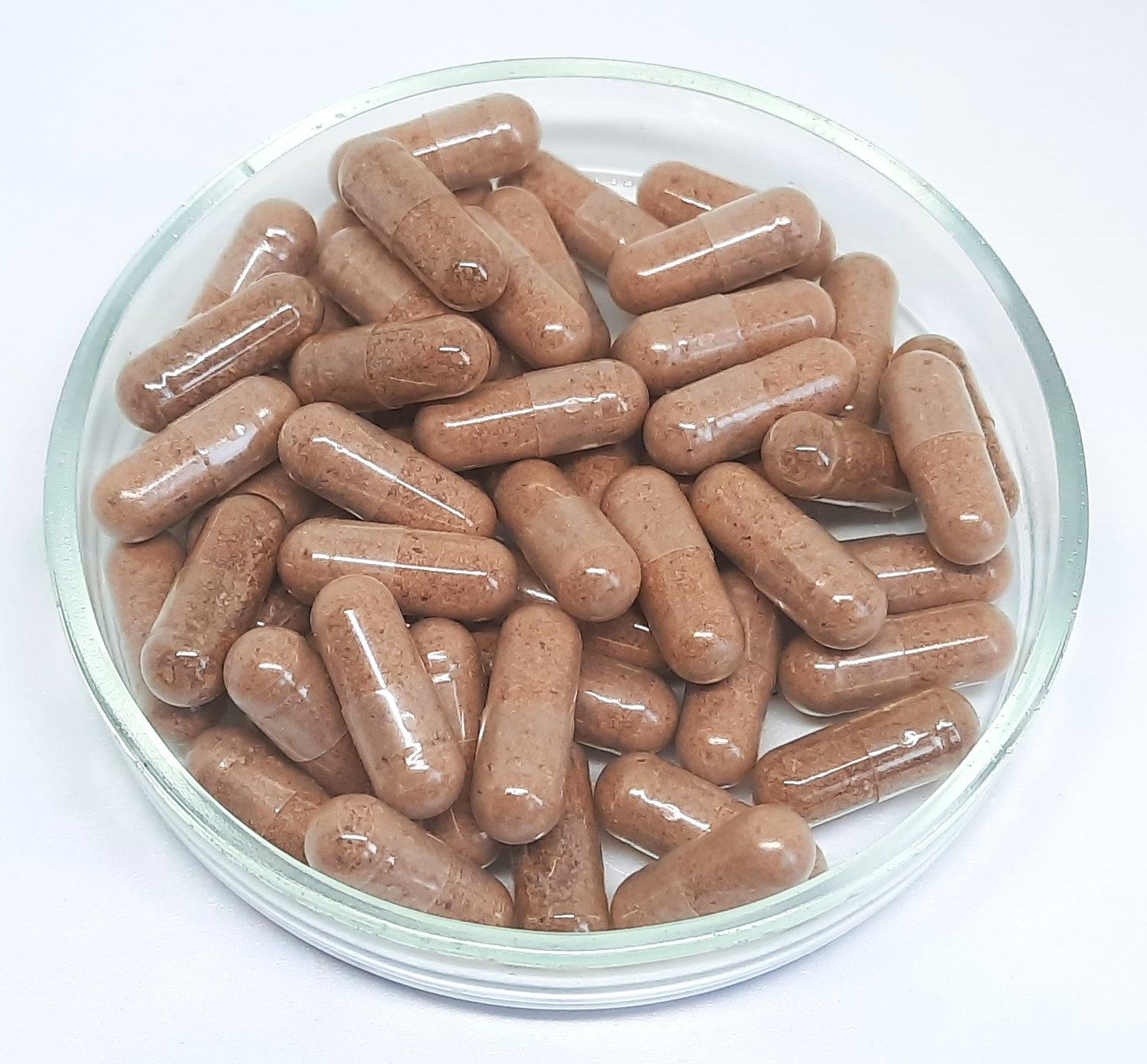
Powders and Capsules: Dried HAZEL bark can be ground into a fine powder. This powder can then be encapsulated for easy internal consumption, providing a standardized dose without the taste of the herb. Powdered bark can also be used in topical preparations, mixed with a carrier (like water or aloe vera gel) to create pastes or poultices for skin conditions.
-
Topical Preparations: Beyond decoctions used as washes, HAZEL bark can be incorporated into salves, creams, and ointments for direct application to the skin. These formulations are excellent for targeting localized inflammation, skin irritations, wounds, and conditions like hemorrhoids or varicose veins. The astringent and anti-inflammatory effects are particularly beneficial when applied topically.
Dosage Guidelines
Dosage can vary significantly based on the form of HAZEL bark, the concentration of the product, and the individual’s specific health needs. Always start with a lower dose and gradually increase as needed, while monitoring your body’s response.
-
For Decoctions: Typically, 1-2 teaspoons of dried bark per cup of water, simmered for 15-30 minutes. Drink 2-3 cups per day. For topical washes, a stronger decoction can be made.
-
For Tinctures: Generally, 2-5 mL (40-100 drops) up to three times daily, diluted in water. Always follow the specific instructions provided by the manufacturer.
-
For Capsules: Doses often range from 500 mg to 1000 mg, taken 1-3 times daily, depending on the concentration and recommended use. Adhere strictly to the product’s label.
-
For Topical Applications: Use as needed. Apply prepared washes, compresses, or salves directly to the affected area several times a day.
Sourcing and Quality
When incorporating HAZEL bark into your routine, the quality of the product is paramount. Seek out reputable suppliers who prioritize organic, wild-crafted, or sustainably harvested bark. Purity and proper processing are key to ensuring the maximum therapeutic benefit and avoiding contaminants. Look for products that clearly state the botanical name (e.g., *Corylus avellana*) and provide transparency regarding their sourcing and manufacturing processes.
Safety, Precautions, and Potential Side Effects
While HAZEL bark is generally considered safe for most adults when used appropriately, it is essential to be aware of potential precautions and side effects, especially given its potent bioactive compounds.
-
Pregnancy and Breastfeeding: Due to the lack of sufficient research on its effects during pregnancy and lactation, HAZEL bark should be avoided by pregnant and breastfeeding women.
-
Allergic Reactions: Individuals with known allergies to other plants in the Betulaceae family (like birch, alder) or to HAZELNUTS may potentially experience an allergic reaction to HAZEL bark, though this is rare. Discontinue use if signs of an allergic reaction appear.
-
Medication Interactions: The high tannin content in HAZEL bark may interfere with the absorption of certain medications and nutrients if taken concurrently. It is advisable to take HAZEL bark preparations at least 2 hours apart from other medications or supplements. Individuals on blood-thinning medications should exercise caution due to potential interactions, although direct evidence is limited.
-
Long-term Use: While generally safe, very high doses or extremely prolonged internal use of tannin-rich herbs might theoretically interfere with nutrient absorption or cause gastrointestinal upset in sensitive individuals. It is often recommended to use such remedies periodically or under the guidance of a healthcare professional.
-
Existing Medical Conditions: Individuals with pre-existing medical conditions, particularly those affecting the digestive system, liver, or kidneys, should consult a healthcare professional before incorporating HAZEL bark into their regimen.
Always consult with a qualified healthcare provider or a knowledgeable herbalist before starting any new herbal remedy, especially if you have underlying health conditions or are taking other medications. This ensures safe and effective integration of HAZEL bark into your health and wellness journey.
Conclusion: Embracing the Natural Wisdom of HAZEL Bark
HAZEL bark stands as a testament to nature’s profound capacity to provide potent healing compounds. From its ancient roots in traditional medicine to its modern scientific validation, this humble bark offers an impressive spectrum of benefits, particularly its anti-inflammatory, antioxidant, and astringent properties. Whether utilized for soothing skin irritations, supporting digestive health, or bolstering overall well-being, HAZEL bark represents a valuable natural ally.
As we increasingly turn towards holistic and plant-based approaches to health, understanding and responsibly utilizing remedies like HAZEL bark becomes ever more important. By appreciating its rich history, comprehending its complex chemical composition, and adhering to informed usage guidelines, individuals can safely unlock the remarkable potential of this often-overlooked botanical powerhouse. Always remember to prioritize quality sourcing and professional guidance to ensure a beneficial and safe experience with HAZEL bark.

Disclaimer: For informational purposes only. Not medical advice. Consult a qualified healthcare professional before use.