Unearthing the Ancient Wisdom: A Definitive Deep-Dive into the Remarkable Health Benefits of Heather (Calluna vulgaris)
For centuries, across the windswept moors and rugged landscapes of Europe, a resilient, unassuming plant has flourished, its vibrant purple blooms painting vast expanses with a captivating hue. This plant is Heather, scientifically known as *Calluna vulgaris*, a botanical marvel steeped in folklore, traditional medicine, and an ever-growing body of scientific appreciation for its profound health benefits. Often celebrated for its role in crafting exquisite honey and its enduring beauty, Heather’s true power lies within its intricate chemical composition, offering a spectrum of therapeutic properties that have been harnessed by healers for generations.
This comprehensive guide embarks on an exhaustive journey into the world of Heather, unraveling its botanical secrets, tracing its historical significance, dissecting its rich phytochemical profile, and meticulously detailing the myriad ways it can contribute to a robust and holistic approach to well-being. From supporting urinary tract health to combating inflammation and bolstering antioxidant defenses, *Calluna vulgaris* stands as a testament to nature’s profound healing capabilities. Prepare to delve into the depths of this extraordinary herb, exploring its traditional applications and the modern scientific insights that validate its ancient wisdom.
Botanical Profile and Ecological Significance: The Enduring Charm of Calluna vulgaris
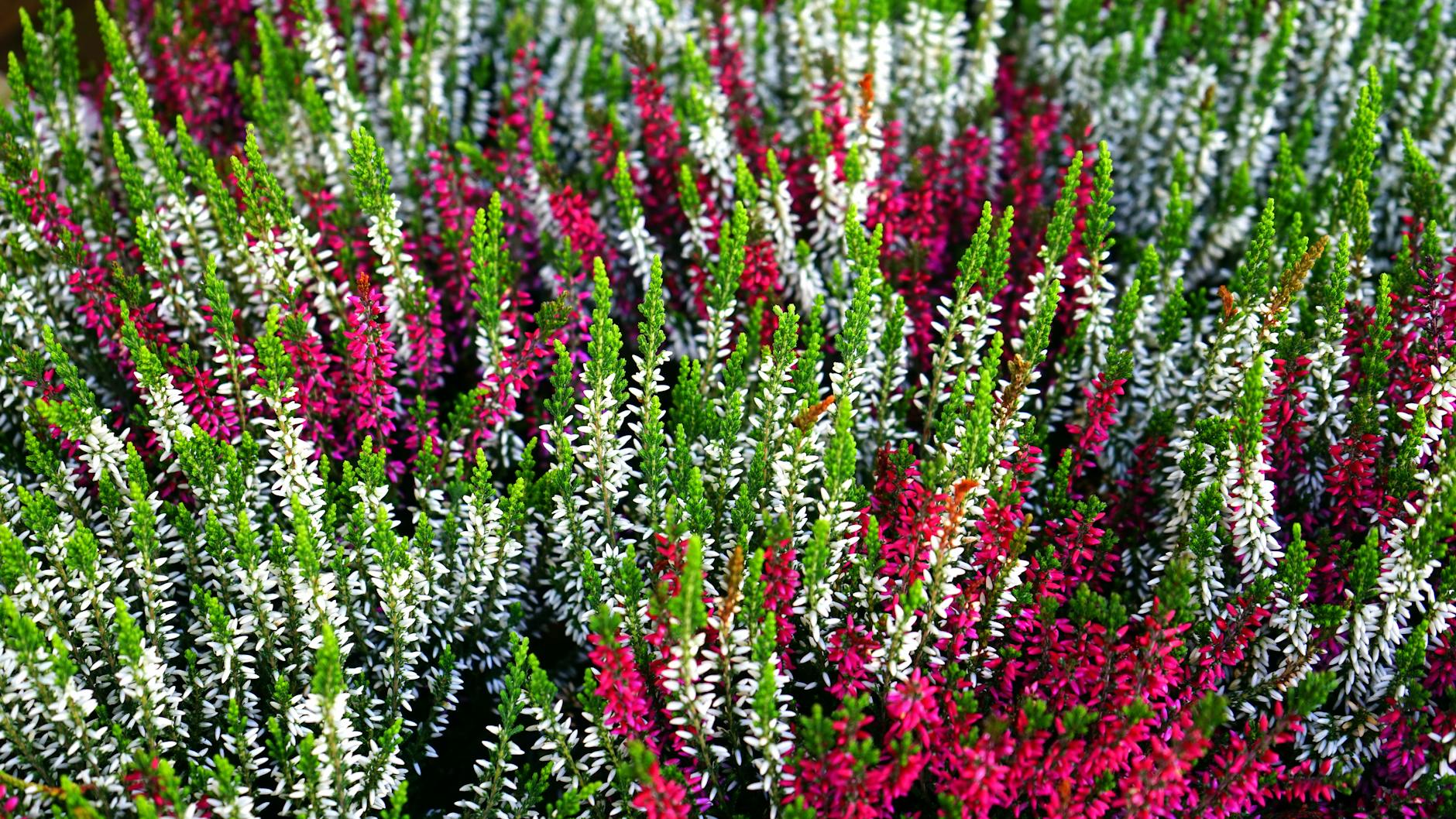
*Calluna vulgaris*, commonly known as Heather, Ling, or Scots Heather, belongs to the Ericaceae family, a diverse group of flowering plants that thrive in acidic soils. It is an evergreen dwarf shrub, typically growing between 20 to 50 centimeters tall, though some varieties can reach up to a meter. Its distinctive features include tiny, scale-like leaves arranged in opposing pairs along the stems, and a profusion of small, bell-shaped, usually purplish-pink flowers that bloom from late summer to autumn, transforming entire landscapes into a sea of color. White-flowered varieties are also cherished, particularly in folklore.
Heather is extraordinarily hardy, capable of withstanding harsh conditions, including strong winds, poor soils, and grazing. It forms extensive heathlands, moorlands, and bog ecosystems across much of Europe, from the Arctic Circle to the Mediterranean, and has been naturalized in parts of North America. Ecologically, Heather plays a crucial role, providing habitat and food for numerous species, contributing to soil stabilization, and enriching biodiversity. Its roots have a symbiotic relationship with mycorrhizal fungi, enabling it to thrive in nutrient-poor environments. This robust nature hints at the resilience and potent properties it holds within its delicate appearance.
A Tapestry of Time: Historical and Traditional Uses of Heather
The story of Heather is intricately woven into the cultural and medicinal fabric of various civilizations, particularly those in Northern Europe. Its uses extend far beyond mere aesthetics, encompassing practical applications, spiritual symbolism, and, most importantly, a rich legacy in traditional herbal medicine.
In ancient Celtic and Norse traditions, Heather was revered. White Heather, a rarer variant, was considered a symbol of good luck, protection, and purity, often worn by travelers to ward off evil spirits and to grant wishes. It was also believed to bring peace and tranquility. Beyond superstition, its practical uses were manifold. The tough, woody stems were fashioned into brooms, ropes, and thatch for roofing. Its resilient foliage provided bedding for humans and livestock, and its dense growth offered shelter on exposed terrain. Heather-infused dyes were used to color wool and fabrics, yielding shades of yellow, orange, and brown. The flowers are, of course, a vital source of nectar for bees, producing the distinctive and highly prized Heather honey, renowned for its strong flavor, thixotropic nature, and exceptional nutritional value.
Medicinally, traditional healers utilized Heather for a broad spectrum of ailments. Its most prominent application was as a diuretic and urinary antiseptic, frequently prescribed for bladder and kidney complaints, including cystitis and kidney stones. It was also used as a diaphoretic to induce sweating and break fevers, and its astringent properties made it a remedy for diarrhea and other digestive disturbances. Externally, poultices and washes made from Heather were applied to wounds, skin irritations, and rheumatic joints to alleviate pain and promote healing. This extensive historical usage provides a powerful precursor to modern scientific investigations into its active compounds.
Phytochemical Composition: Unveiling Heather’s Bioactive Arsenal
The remarkable health benefits attributed to Heather are deeply rooted in its complex and diverse phytochemical profile. Modern scientific analysis has confirmed the presence of a wide array of bioactive compounds, each contributing synergistically to the plant’s therapeutic efficacy. Understanding these constituents is key to appreciating Heather’s profound impact on human health.

The most significant classes of compounds found in *Calluna vulgaris* include:
* **Flavonoids:** These are perhaps the most studied and pharmacologically active compounds in Heather. Key flavonoids include **quercetin**, **kaempferol**, **myricetin**, and their glycosides. Flavonoids are renowned for their potent antioxidant properties, capable of neutralizing free radicals and protecting cells from oxidative damage. Furthermore, they exhibit significant anti-inflammatory effects by modulating various inflammatory pathways, such as inhibiting cyclooxygenase (COX) enzymes and reducing the production of pro-inflammatory cytokines. They also contribute to vascular health by strengthening capillary walls and improving circulation.
* **Phenolic Acids:** Compounds like **caffeic acid**, **p-coumaric acid**, and **gallic acid** are present in Heather. These phenolic acids are powerful antioxidants and contribute to the herb’s antimicrobial and anti-inflammatory actions. They often work in conjunction with flavonoids to enhance overall protective effects.
* **Tannins:** Heather is rich in condensed tannins, specifically proanthocyanidins. These compounds are responsible for Heather’s characteristic astringent taste and its ability to bind to proteins. Medicinally, tannins confer antiseptic, anti-inflammatory, and antidiarrheal properties. In the gut, they can help tighten mucosal tissues, reduce inflammation, and inhibit the growth of pathogenic bacteria. Topically, they aid in wound healing by forming a protective layer over damaged tissues.
* **Arbutin:** While more concentrated in closely related plants like Uva Ursi (Bearberry), arbutin and its derivative, hydroquinone, are present in Heather. Arbutin is a phenolic glycoside that, when metabolized in the urinary tract, releases hydroquinone, which possesses potent antiseptic properties. This compound is critical to Heather’s efficacy in treating urinary tract infections.
* **Coumarins:** These natural organic compounds contribute to Heather’s aroma and possess mild anti-inflammatory and anticoagulant properties, though their concentration in Heather is generally lower than other key compounds.
* **Triterpenes:** Though present in smaller quantities, triterpenes can contribute to the plant’s overall anti-inflammatory and potentially cytotoxic (anti-cancer) activities, an area that warrants further research.
* **Volatile Oils:** While not as prominent as in some aromatic herbs, Heather contains trace amounts of volatile oils that may contribute to its traditional uses and overall therapeutic profile.
The synergistic interplay of these diverse compounds creates a powerful botanical medicine, explaining why Heather has been so consistently valued across different healing traditions.
Comprehensive Health Benefits: The Therapeutic Spectrum of Heather
With its rich tapestry of bioactive compounds, Heather offers a multitude of health benefits, addressing various bodily systems and contributing to overall wellness.
1. Exceptional Support for Urinary Tract Health and Diuretic Action
One of the most historically recognized and scientifically validated benefits of Heather is its profound positive impact on the urinary system. Heather acts as an effective diuretic, gently increasing urine flow, which helps to flush out waste products, toxins, and potentially harmful bacteria from the kidneys, bladder, and urethra. This flushing action is crucial for maintaining urinary tract hygiene and preventing the accumulation of substances that could lead to stone formation or infection.
Beyond its diuretic effect, the presence of arbutin (and its metabolite hydroquinone) and tannins confers significant antiseptic properties. Hydroquinone directly inhibits the growth of bacteria commonly responsible for urinary tract infections (UTIs), such as *E. coli*. The tannins, with their astringent action, can help soothe inflamed mucous membranes within the urinary tract, reducing discomfort and promoting healing. Consequently, Heather is a valuable natural remedy for addressing conditions like cystitis (bladder inflammation), urethritis (urethral inflammation), and even as a preventative measure for recurrent UTIs, offering a gentle yet effective alternative to more aggressive interventions.
2. Potent Anti-inflammatory and Analgesic Properties
Chronic inflammation is a root cause of many modern diseases, from arthritis to cardiovascular conditions. Heather’s rich concentration of flavonoids (especially quercetin and kaempferol) and phenolic acids makes it a formidable natural anti-inflammatory agent. These compounds work through various mechanisms, including inhibiting the activity of pro-inflammatory enzymes like cyclooxygenase (COX-1 and COX-2) and lipoxygenase (LOX), which are responsible for producing inflammatory mediators such as prostaglandins and leukotrienes.
Furthermore, Heather’s active constituents can modulate the release of inflammatory cytokines (e.g., TNF-alpha, IL-6), thereby reducing the overall inflammatory cascade. This broad-spectrum anti-inflammatory action translates into significant pain relief, making Heather a traditional and effective remedy for conditions characterized by inflammation and pain. It can alleviate symptoms associated with rheumatic conditions, arthritis, gout, and general muscle aches. Whether consumed as a tea or applied topically as a compress, Heather can help soothe inflamed tissues and promote comfort.
3. A Powerful Antioxidant Shield Against Oxidative Stress
In an environment rife with pollution, stress, and processed foods, our bodies are constantly exposed to free radicals, unstable molecules that can cause oxidative stress and cellular damage. This damage is implicated in aging and the development of numerous chronic diseases, including heart disease, cancer, and neurodegenerative disorders. Heather stands out as a potent antioxidant powerhouse, thanks primarily to its high content of flavonoids and phenolic acids.
These compounds act as free radical scavengers, neutralizing reactive oxygen species (ROS) before they can harm cellular structures like DNA, proteins, and lipids. Quercetin, in particular, is a renowned antioxidant that works synergistically with other compounds in Heather to enhance its protective capabilities. By mitigating oxidative stress, Heather contributes significantly to cellular health, supporting the body’s natural defense mechanisms, and potentially slowing down the aging process. This protective effect extends to vital organs, including the cardiovascular system and the brain, helping to preserve their function and reduce the risk of long-term damage.
4. Enhancing Digestive Health and Astringent Action
Heather’s traditional use in treating digestive complaints is well-founded, primarily due to its significant tannin content. Tannins possess strong astringent properties, meaning they can bind to proteins and contract tissues. In the digestive tract, this action can help to tighten and tone the mucous membranes, reducing excessive fluid secretion and inflammation.
This makes Heather particularly effective in managing conditions characterized by loose stools or diarrhea. By reducing gut inflammation and creating a less hospitable environment for pathogens, tannins can help restore normal bowel function. Furthermore, the mild antiseptic properties of Heather can help combat harmful bacteria or other microorganisms that might contribute to gastrointestinal distress. It can be a soothing remedy for an irritated gut lining, promoting a healthier digestive environment and aiding in the body’s natural healing processes following minor digestive upsets.
5. Promoting Skin Health and Wound Healing
The multifaceted properties of Heather extend to dermatological applications. Its astringent, antiseptic, and anti-inflammatory compounds make it an excellent natural remedy for various skin conditions. Applied topically, Heather can help cleanse minor wounds, reduce inflammation from irritations, and promote faster healing.
The tannins create a protective barrier over compromised skin, which can help prevent infection and reduce oozing, while the anti-inflammatory flavonoids soothe redness and swelling. Traditional uses included making poultices or washes from Heather to treat minor cuts, burns, eczema, and rashes. Its gentle yet effective action helps restore the skin’s natural balance and accelerate tissue repair, making it a valuable addition to natural skincare routines, particularly for sensitive or inflamed skin.
6. Potential Cardiovascular Support
While not a primary cardiovascular herb, Heather’s antioxidant and anti-inflammatory properties contribute indirectly yet significantly to cardiovascular health. By reducing oxidative stress, it helps protect blood vessel walls from damage caused by free radicals, which is a key factor in the development of atherosclerosis (hardening of the arteries). The anti-inflammatory effects further reduce systemic inflammation, a known risk factor for heart disease. Furthermore, some flavonoids have been linked to improved vascular function and circulation. Regular consumption of Heather, as part of a balanced diet and healthy lifestyle, can contribute to maintaining healthy blood pressure and supporting overall cardiovascular integrity.
7. Immune System Modulation
Heather contributes to a robust immune system primarily through its comprehensive antioxidant and anti-inflammatory actions. By reducing the overall burden of oxidative stress and chronic inflammation, the immune system is better equipped to function optimally. The mild antimicrobial properties also provide a layer of defense against common pathogens. While not a direct immune stimulant like Echinacea, Heather supports the immune system by fostering a healthy internal environment where immune cells can perform their duties more effectively, making the body more resilient to illness.
Practical Applications: Integrating Heather into Your Wellness Routine
Heather is a versatile herb that can be incorporated into a holistic wellness strategy through various forms, catering to different needs and preferences.
Heather Tea (Infusion): The Traditional Brew
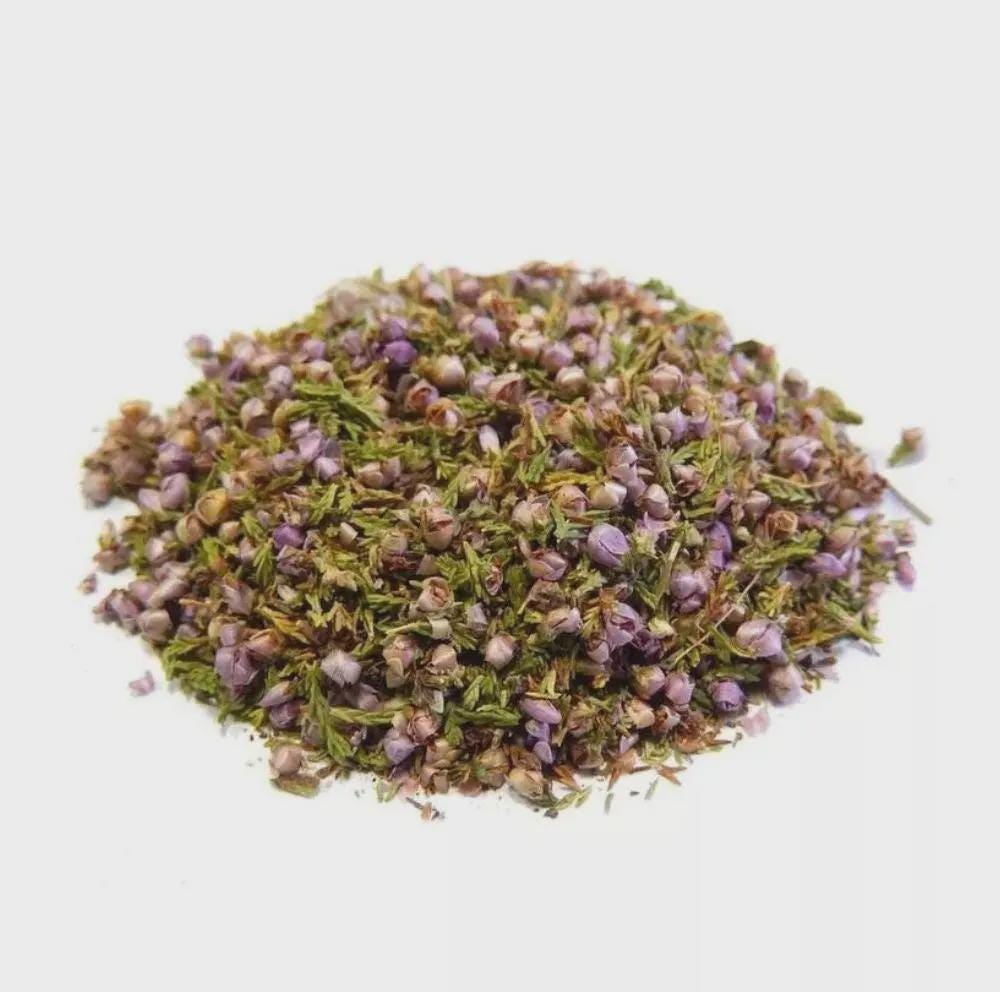
The most common and arguably most enjoyable way to consume Heather is as a tea. A warm infusion of Heather flowers and leaves offers a gentle yet effective way to harness its diuretic, antiseptic, and anti-inflammatory benefits.
* **Preparation:** Steep 1-2 teaspoons of dried Heather herb (flowers and leaves) in a cup of boiling water for 10-15 minutes. Strain and enjoy.
* **Dosage:** Typically, 2-3 cups per day, especially beneficial for urinary tract support or general detoxification.
* **Benefits:** Ideal for soothing the urinary tract, easing digestive discomfort, reducing general inflammation, and enjoying its mild calming effects.
Tinctures: Concentrated Herbal Power
Tinctures are alcohol-based extracts that offer a more concentrated form of Heather’s active compounds. They are convenient for precise dosing and can be absorbed quickly by the body.
* **Preparation:** Commercial tinctures are widely available. If making your own, dried Heather is steeped in an alcohol-water solution for several weeks.
* **Dosage:** Follow product-specific instructions, generally 1-2 ml, 2-3 times a day, diluted in water.
* **Benefits:** Provides a potent and readily available source of Heather’s compounds for targeted therapeutic use, such as acute urinary tract support or systemic inflammation.
Capsules and Supplements: Modern Convenience
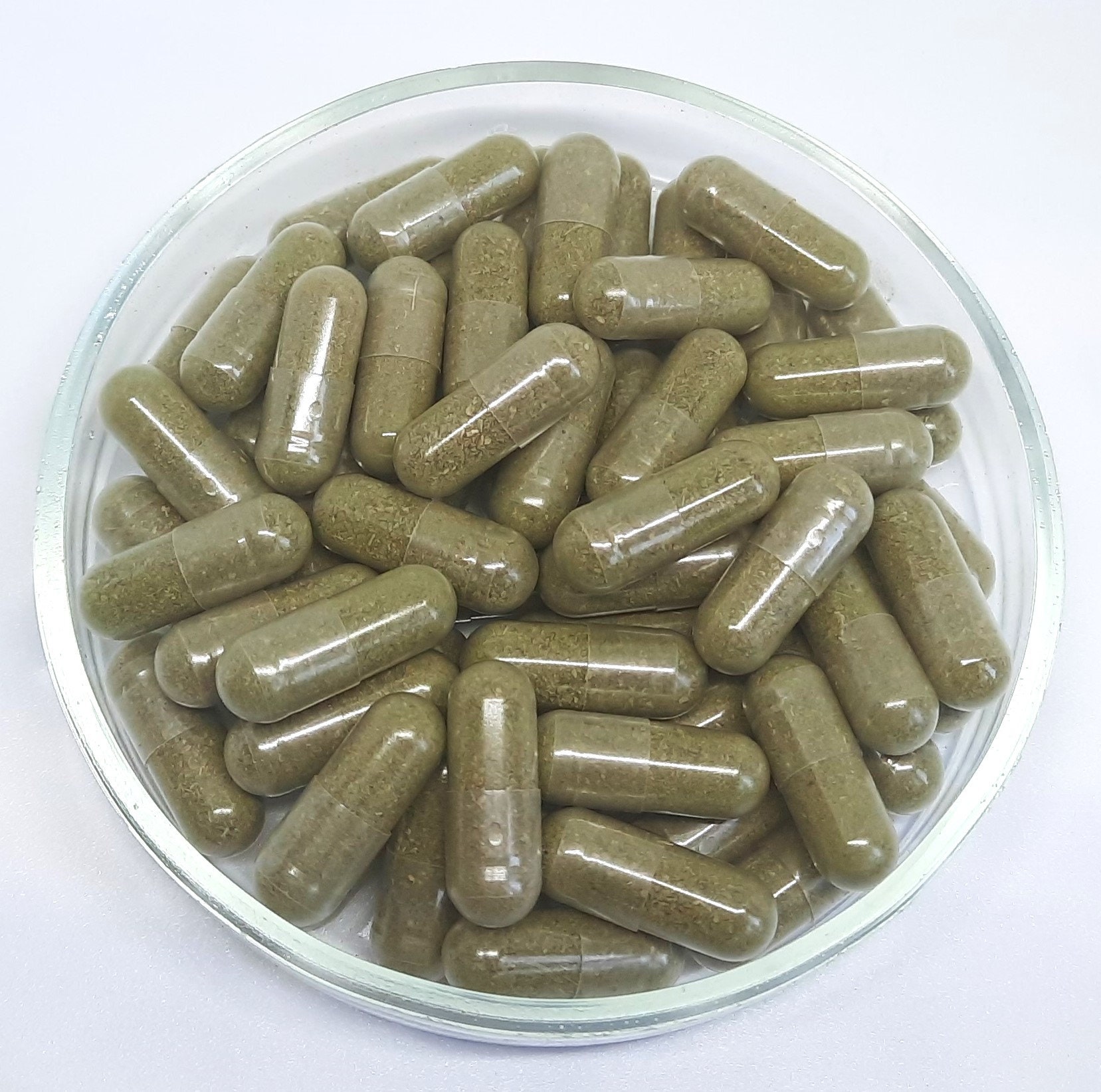
For those who prefer a convenient, pre-measured dose or who dislike the taste of herbal teas, Heather is also available in capsule or tablet form. These supplements often contain standardized extracts, ensuring a consistent level of active compounds.
* **Dosage:** Adhere strictly to the manufacturer’s recommendations on the product label.
* **Benefits:** Offers ease of use and portability, ensuring a consistent intake of Heather’s beneficial compounds, especially for long-term supportive care. Always choose reputable brands to ensure purity and potency.
Topical Preparations: External Healing
For skin issues or localized pain, Heather can be used externally.
* **Compresses/Poultices:** A strong infusion can be used to soak a cloth for a compress, applied to inflamed joints, bruises, or skin irritations. Fresh or dried herb can also be made into a poultice.
* **Infused Oils/Salves:** Heather can be infused into carrier oils, which are then used to create balms or salves for massage onto sore muscles or problem skin areas.
* **Benefits:** Direct application for alleviating joint pain, soothing skin irritations, promoting wound healing, and reducing localized inflammation.
Dosage, Safety, and Precautions: Responsible Use of Heather
While Heather is generally considered a safe herb for most individuals when used appropriately, it is crucial to approach its use with awareness and caution.
* **General Dosage Guidelines:**
* **Tea:** 1-2 teaspoons of dried herb steeped in 1 cup of boiling water, 2-3 times daily.
* **Tincture:** 1-2 ml (20-40 drops) 2-3 times daily, diluted in water.
* **Capsules:** Follow specific product instructions, as concentrations vary widely.
* These are general guidelines; individual needs and product potencies may differ.
* **Potential Side Effects:** Heather is very well-tolerated. Side effects are rare but may include mild gastrointestinal upset in sensitive individuals. As a diuretic, increased urination is an expected effect.
* **Contraindications and Precautions:**
* **Pregnancy and Breastfeeding:** Due to a lack of sufficient research on its safety during pregnancy and lactation, Heather should be avoided by pregnant and breastfeeding women.
* **Kidney or Heart Conditions:** Individuals with severe kidney or heart conditions should consult a healthcare professional before using Heather, especially due to its diuretic properties, which could potentially interact with existing medications or fluid balance.
* **Allergies:** While rare, individuals with known allergies to plants in the Ericaceae family should exercise caution.
* **Drug Interactions:** Heather’s diuretic effects could potentially interact with prescribed diuretic medications, leading to an additive effect. Its mild anti-inflammatory properties might also theoretically interact with blood-thinning medications, though this is less documented. Always discuss any herbal supplements with your doctor if you are on prescription medication.
* **Children:** Use in children should be under the guidance of a qualified healthcare practitioner.
Always prioritize consulting a qualified healthcare professional, especially if you have pre-existing health conditions, are taking medications, or are considering using Heather for specific therapeutic purposes. They can provide personalized advice and ensure its safe and effective integration into your health regimen.

Conclusion: Embracing the Enduring Legacy of Heather
From the rugged beauty of the moors to the pages of ancient herbal texts and the laboratories of modern science, Heather (*Calluna vulgaris*) emerges as a truly remarkable plant with an enduring legacy of therapeutic benefits. Its rich phytochemical composition, particularly its abundance of powerful flavonoids, phenolic acids, tannins, and arbutin, underpins its well-documented efficacy as a diuretic, urinary antiseptic, anti-inflammatory, antioxidant, and digestive aid.
Whether seeking natural support for urinary tract health, relief from inflammatory conditions, a boost to antioxidant defenses, or gentle digestive regulation, Heather offers a holistic and time-tested solution. Its versatility in forms, from comforting teas to concentrated tinctures and convenient capsules, allows for flexible integration into diverse wellness routines. As we continue to rediscover the profound wisdom embedded in nature, Heather stands as a shining example of an unassuming plant capable of contributing significantly to our health and vitality. By understanding its science and respecting its traditional uses, we can responsibly harness the quiet power of this ancient botanical ally, embracing its unique contribution to a life of well-being.
Disclaimer: For informational purposes only. Not medical advice. Consult a qualified healthcare professional before use.