
Unveiling Cinquefoil: A Definitive Deep-Dive into the Enduring Health Benefits of Potentilla
In the vast tapestry of botanical medicine, certain plants stand out not only for their historical legacy but also for their potent and multifaceted therapeutic properties, continually affirmed by contemporary research. Among these revered botanicals is Cinquefoil, primarily represented by species such as Potentilla erecta (Common Tormentil) and Potentilla reptans (Creeping Cinquefoil), a humble yet remarkably powerful herb that has graced pharmacopoeias and folk remedies for centuries. Known colloquially by various names like Tormentil, Bloodroot, or Septfoil, Cinquefoil offers an intricate array of health benefits, ranging from its well-documented astringent and anti-inflammatory actions to its potential as an antimicrobial and antioxidant powerhouse. This comprehensive guide aims to meticulously unravel the layers of Cinquefoil’s medicinal prowess, delving into its botanical characteristics, historical significance, complex phytochemistry, and the profound impact of its bioactive compounds on human health, offering a definitive resource for enthusiasts and practitioners alike.
Botanical Overview and Identification: The Versatile Nature of Potentilla
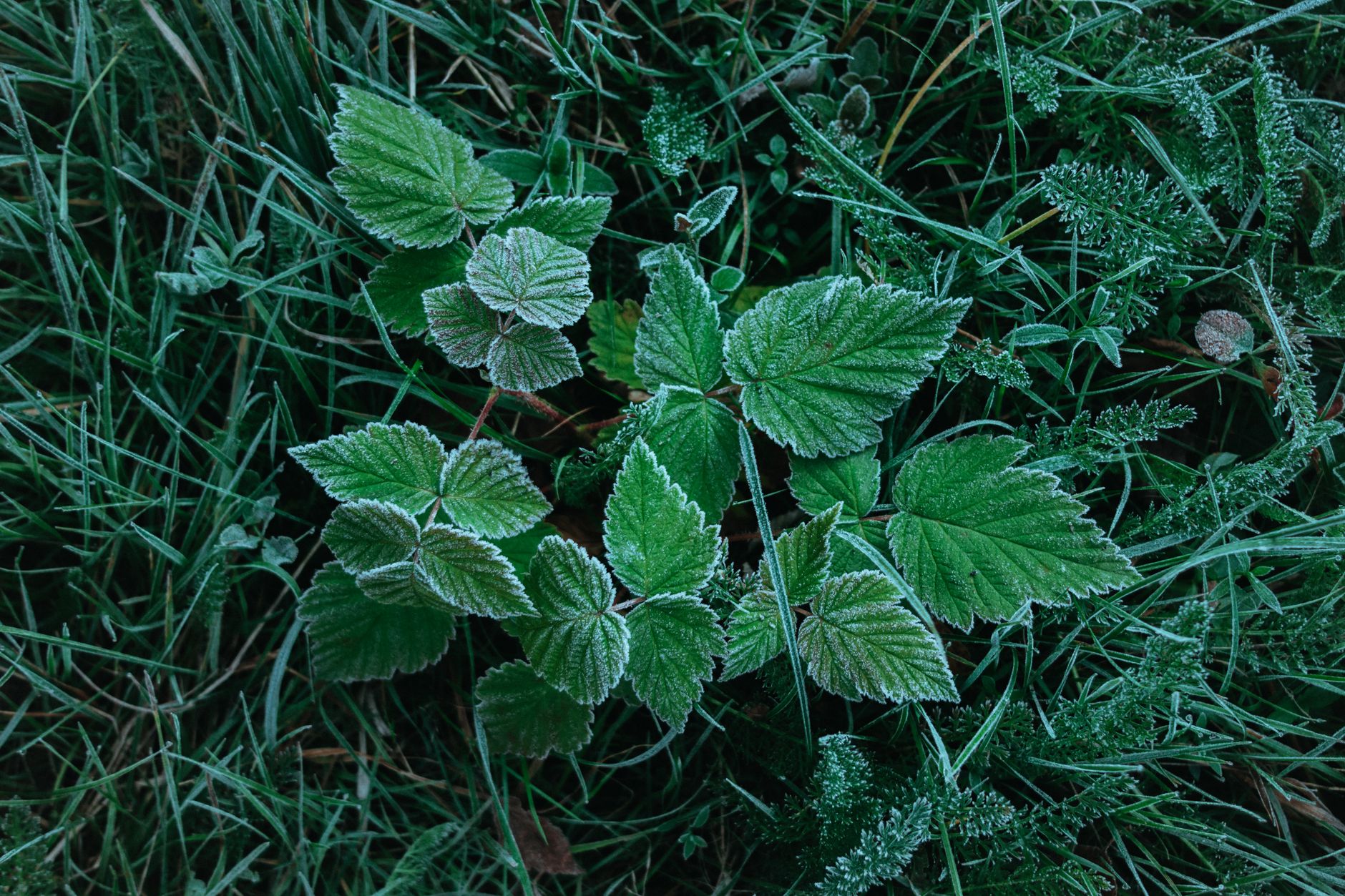
The genus Potentilla, belonging to the illustrious rose family (Rosaceae), is remarkably diverse, encompassing hundreds of species found across temperate regions of the Northern Hemisphere. While many species are ornamental, several have a rich history of medicinal application. Among the most medicinally significant is Potentilla erecta, commonly known as Tormentil or Upright Cinquefoil. This perennial herb is characterized by its slender, often branching stems, deeply lobed leaves typically arranged in a palmate fashion, and distinctive small, four-petaled yellow flowers. Unlike most members of the rose family which bear five petals, Tormentil’s four-petaled bloom is a key identifier, giving rise to its other common name, Septfoil, reflecting the seven leaflets often seen on its lower leaves.
The rhizome, or underground stem, of Potentilla erecta is the primary part utilized for medicinal purposes. It is typically gnarled, reddish-brown externally, and deep red internally, a characteristic that hints at its rich content of tannins. These tannins, responsible for its potent astringency, are a cornerstone of its therapeutic profile. Other notable species include Potentilla reptans, or Creeping Cinquefoil, which spreads extensively via stolons, and Potentilla anserina, or Silverweed, also recognized for its medicinal attributes. Understanding the specific species is crucial for therapeutic applications, as the concentration and profile of active compounds can vary significantly, with Potentilla erecta generally being the most studied and utilized for its potent astringent and anti-inflammatory effects.
A Glimpse Through Time: Historical Context and Traditional Uses
The medicinal journey of Cinquefoil is deeply interwoven with human history, spanning millennia across various cultures. Ancient Greek physicians, including Hippocrates and Dioscorides, were among the first to document its use, recognizing its remarkable ability to staunch bleeding and treat diarrheal conditions. Its name, “Cinquefoil,” derived from the Old French “cinq feuilles” (five leaves), attests to the common five-leaflet arrangement of many species, though as noted, P. erecta can present variations. In medieval Europe, Cinquefoil was considered a panacea, a revered remedy for a multitude of ailments. Herbalists and apothecaries prescribed it for fevers, dysentery, stomach complaints, and even as an antidote for poisons. Its astringent properties were highly valued in topical applications for wounds, sores, and inflammation of the mouth and throat.
During the Middle Ages, Cinquefoil was not only a medicinal staple but also imbued with magical significance, often included in protective charms and amulets. The doctrine of signatures, a belief that plants revealed their medicinal purpose through their appearance, likely contributed to its historical reverence; its root’s reddish hue suggested a connection to blood, thus reinforcing its use for bleeding disorders. Traditional Chinese Medicine (TCM) also incorporates various Potentilla species, utilizing them for conditions such as dysentery, hemorrhages, and inflammatory skin conditions. This enduring global recognition underscores Cinquefoil’s profound efficacy and its consistent role as a vital botanical ally throughout human civilization, laying the groundwork for modern scientific inquiry into its mechanisms of action.
The Phytochemical Powerhouse: Bioactive Compounds and Their Mechanisms
The remarkable therapeutic properties of Cinquefoil are attributable to a complex symphony of bioactive compounds working in concert. The rhizome, in particular, is extraordinarily rich in these phytochemicals, which contribute to its diverse pharmacological effects. Foremost among them are the **tannins**, especially condensed tannins (proanthocyanidins) and hydrolyzable tannins (gallic acid derivatives). These compounds are responsible for Cinquefoil’s most renowned characteristic: its potent astringency. Tannins exert their effects by precipitating proteins, forming a protective layer on mucous membranes and inflamed tissues. This action helps to tighten and strengthen tissues, reduce fluid secretion, and create a barrier against pathogens, explaining its efficacy in treating diarrhea, ulcers, and skin lesions.
Beyond tannins, Cinquefoil contains a significant array of **flavonoids**, such as quercetin, kaempferol, and their glycosides. Flavonoids are well-established antioxidants, capable of scavenging free radicals and reducing oxidative stress, which is a key contributor to chronic diseases and inflammation. They also possess anti-inflammatory, antiallergic, and antiviral properties, modulating various cellular pathways involved in immune responses and inflammation. **Triterpenes** and **triterpene saponins** are another important class of compounds found in Cinquefoil. These can contribute to its anti-inflammatory effects, and some saponins exhibit adaptogenic properties, helping the body to adapt to stress. Other constituents include **phenolic acids**, **volatile oils**, and **resins**, all of which contribute synergistically to the overall therapeutic profile, making Cinquefoil a true example of herbal synergy, where the whole plant extract offers benefits that often surpass those of isolated compounds.
Comprehensive Health Benefits of Cinquefoil: A Deep Dive
The diverse phytochemical composition of Cinquefoil translates into a broad spectrum of health benefits, many of which are now supported by a growing body of scientific evidence, building upon centuries of traditional knowledge.
1. Powerful Astringent and Anti-diarrheal Properties
This is arguably Cinquefoil’s most celebrated attribute. The high concentration of tannins, particularly in the rhizome of Potentilla erecta, gives it exceptional astringent capabilities. When consumed, these tannins interact with proteins on the mucosal lining of the gastrointestinal tract, causing them to coagulate. This action forms a protective, impermeable layer over the irritated or inflamed gut wall, thereby reducing excessive fluid secretion, decreasing gut motility, and tightening the intestinal tissues. This effectively helps to alleviate acute and chronic diarrhea, dysentery, and other conditions characterized by loose stools. The protective barrier also helps to soothe irritation and protect the underlying tissues from further damage by toxins and pathogens, making it a highly effective natural remedy for various forms of gastroenteritis.
2. Potent Anti-inflammatory and Analgesic Effects
Cinquefoil’s anti-inflammatory properties are significant and contribute to its use in a wide range of conditions. Flavonoids, triterpenes, and other phenolic compounds present in the plant modulate various inflammatory pathways. They can inhibit the production of pro-inflammatory mediators such such as prostaglandins and leukotrienes, which are key drivers of pain and swelling. By dampening the inflammatory cascade, Cinquefoil can help to reduce pain and discomfort associated with conditions like arthritis, irritable bowel syndrome (IBS), and generalized inflammatory states. This dual action of astringency and anti-inflammation makes it particularly valuable for mucosal inflammation, such as in stomatitis, gingivitis, and inflammatory bowel diseases.
3. Robust Antioxidant Powerhouse
Oxidative stress, caused by an imbalance between free radicals and the body’s antioxidant defenses, is a fundamental contributor to aging and the development of numerous chronic diseases, including cardiovascular disease, neurodegenerative disorders, and cancer. Cinquefoil is rich in phenolic compounds, including flavonoids and phenolic acids, which are potent antioxidants. These compounds effectively scavenge free radicals, neutralize reactive oxygen species (ROS), and protect cellular structures, including DNA, proteins, and lipids, from oxidative damage. By mitigating oxidative stress, Cinquefoil helps to preserve cellular integrity, support overall cellular health, and potentially reduce the risk of oxidative stress-related diseases.
4. Antimicrobial and Antiviral Potential
The protective action of Cinquefoil extends beyond physical barriers. Its rich tannin content, along with other bioactive compounds, exhibits notable antimicrobial properties. Tannins can inhibit the growth of various bacteria, fungi, and even some viruses by denaturing their proteins and interfering with their cell walls or replication processes. This broad-spectrum antimicrobial activity contributes to its efficacy in treating infectious diarrheas, oral infections, and topical skin infections. Research indicates its potential against pathogens like *Staphylococcus aureus*, *Escherichia coli*, and *Candida albicans*, suggesting a role in combating both bacterial and fungal invaders, making it a valuable adjunct in supporting the body’s fight against microbial threats.
5. Enhanced Wound Healing and Dermatological Applications
The synergistic action of Cinquefoil’s astringent, anti-inflammatory, and antimicrobial properties makes it an excellent herb for external applications. When applied topically, the tannins form a protective film over wounds, cuts, and burns, promoting faster tissue regeneration and reducing the risk of infection. This protective layer also helps to stop minor bleeding and reduce exudation from weeping sores. Its anti-inflammatory components soothe irritated skin, alleviate itching, and reduce redness, making it beneficial for conditions like eczema, psoriasis, hemorrhoids, and even sunburn. Cinquefoil compresses or washes can be incredibly effective in accelerating the healing process and providing symptomatic relief for various dermatological complaints.
6. Gastrointestinal Health Beyond Diarrhea
While primarily known for its anti-diarrheal effects, Cinquefoil’s benefits for the gastrointestinal system are more expansive. Its protective astringent layer can help to soothe and heal inflamed mucosal linings, potentially aiding in the management of gastric ulcers and mild forms of inflammatory bowel disease (IBD) such as colitis. By reducing inflammation and creating a barrier, it can help to reduce pain and discomfort associated with digestive disorders, contributing to overall gut health. The antimicrobial action further ensures a healthier gut environment by curbing the proliferation of pathogenic microorganisms, thus fostering a more balanced gut microbiome indirectly.
7. Potential for Cardiovascular Support
Emerging research hints at Cinquefoil’s potential role in cardiovascular health. Its antioxidant properties help protect blood vessels from oxidative damage, a key factor in atherosclerosis. Furthermore, some studies suggest that certain compounds in Potentilla species may have mild hypotensive effects, contributing to blood pressure regulation. While not a primary cardiovascular treatment, its overall anti-inflammatory and antioxidant profile provides a foundational support for maintaining vascular integrity and reducing systemic inflammation, which are critical for long-term cardiovascular well-being.
8. Immune System Modulation
The flavonoids and other polyphenols found in Cinquefoil can exert immunomodulatory effects. By reducing inflammation and oxidative stress, they help to create an environment where the immune system can function more optimally. Its antimicrobial properties also indirectly support the immune system by reducing the burden of pathogens. While not a direct immune stimulant, Cinquefoil contributes to immune resilience by mitigating factors that can weaken immune responses and by providing protective actions against common invaders, making it a valuable tonic during times of general health challenge.
Forms of Cinquefoil and Practical Usage
Cinquefoil is a versatile herb that can be incorporated into health regimens in various forms, catering to different needs and preferences.
Dried Herb and Traditional Preparations
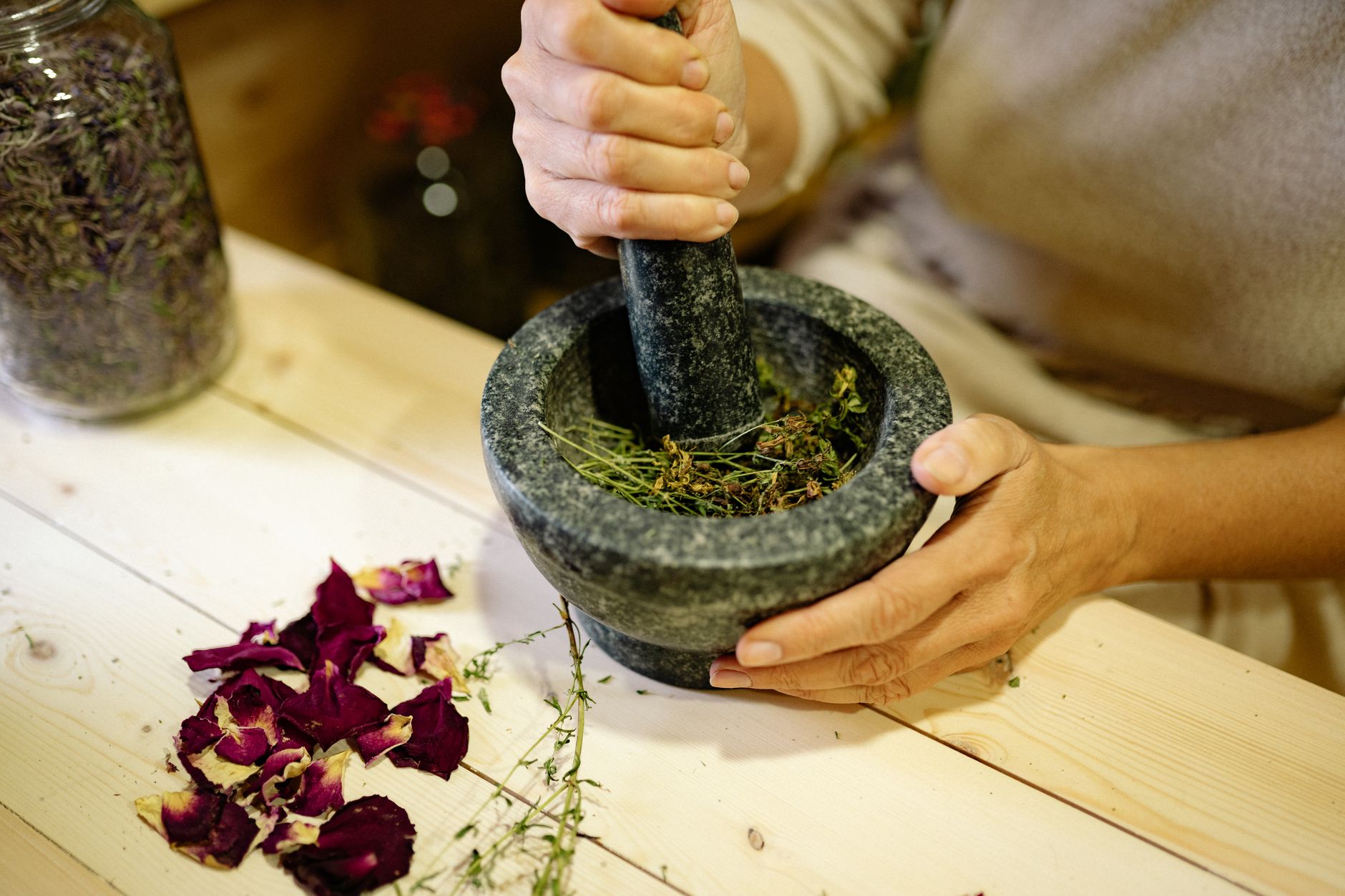
The dried rhizome of Cinquefoil is the most common form for traditional use. It can be prepared as a decoction, which involves simmering the dried root in water for a period to extract its active compounds, particularly the tannins. This strong tea is excellent for internal use for digestive issues or as a gargle for sore throats and mouth inflammations. For external applications, a stronger decoction can be used as a wash, compress, or poultice for wounds, skin irritations, or hemorrhoids. The earthy, slightly bitter taste is characteristic of its high tannin content.

Tinctures and Liquid Extracts
Tinctures are alcoholic extracts of the herb, offering a concentrated and convenient form for internal consumption. They allow for easy dosage adjustment and have a longer shelf life than decoctions. Liquid extracts are also available, often made with glycerin or other solvents, providing an alcohol-free alternative. These forms are particularly effective for systemic conditions, allowing for rapid absorption of the bioactive compounds into the bloodstream, making them ideal for addressing acute digestive complaints or systemic inflammation.
Cinquefoil Capsules and Supplements
For those who prefer a convenient and tasteless option, Cinquefoil is available in capsule form, often containing standardized extracts of the rhizome. These supplements provide a precise dosage of the active compounds, making it easier to integrate into a daily wellness routine. They are particularly suitable for long-term use in managing chronic conditions or as a daily supplement for antioxidant support and gut health. When choosing capsules, look for products that specify the species (e.g., Potentilla erecta) and ideally provide information on the standardization of active compounds, such as tannin content, to ensure consistent potency.

Topical Applications: Creams, Ointments, and Poultices
Beyond internal use, Cinquefoil’s dermatological benefits are harnessed through topical preparations. Infused oils, creams, and ointments containing Cinquefoil extract can be applied directly to the skin to soothe inflammation, promote wound healing, and alleviate symptoms of various skin conditions. Fresh or dried herb poultices, applied directly to the affected area, provide an intensive localized treatment for deeper wounds, bruises, or severe skin irritations, leveraging the herb’s full spectrum of healing compounds.
Dosage and Administration: Navigating Usage Safely
While Cinquefoil is generally considered safe for most individuals when used appropriately, precise dosing can vary significantly depending on the specific species, the form of the herb (dried root, tincture, extract, capsule), the concentration of active compounds, and the individual’s health condition and sensitivity. It is always paramount to consult with a qualified healthcare professional or an experienced herbalist before initiating any new herbal regimen, especially for chronic conditions, during pregnancy or breastfeeding, or if taking other medications.
General guidelines, however, can be offered:
- For Decoctions (Dried Root): Typically, 1-2 grams of dried rhizome per cup of water, simmered for 10-15 minutes, can be consumed 2-3 times daily for digestive complaints.
- For Tinctures: Dosages often range from 1-4 mL, 2-3 times daily, depending on the concentration (often 1:5 or 1:10 extract ratios).
- For Capsules/Standardized Extracts: Follow the manufacturer’s instructions, as potency can vary widely. Products standardized for tannin content might provide specific recommendations.
- For Topical Use: Apply decoctions, creams, or poultices as needed to the affected area, usually 2-3 times per day.
It is generally recommended to start with the lowest effective dose and gradually increase if necessary, while carefully monitoring for any effects or adverse reactions. Long-term use should also be discussed with a healthcare provider.
Potential Side Effects and Precautions
Despite its long history of safe use, Cinquefoil is not without potential considerations. Due to its high tannin content, excessive or prolonged internal use can sometimes lead to mild gastrointestinal upset, such as nausea or constipation, especially in sensitive individuals. Tannins can also interfere with the absorption of iron and other minerals if taken concurrently with meals or mineral supplements. Therefore, it’s advisable to take Cinquefoil preparations between meals if concerned about nutrient absorption.
Individuals with known allergies to plants in the Rosaceae family should exercise caution. Pregnant and breastfeeding women should avoid Cinquefoil unless specifically advised by a healthcare professional, due to insufficient research regarding its safety in these populations. People with underlying medical conditions, particularly those affecting digestion or blood clotting, or those on prescription medications (e.g., blood thinners, antacids), should seek medical advice before using Cinquefoil to avoid potential interactions or adverse effects. As with all herbal remedies, quality control is paramount; sourcing Cinquefoil from reputable suppliers ensures purity and potency.
Conclusion: Cinquefoil – A Timeless Botanical Treasure for Modern Wellness
Cinquefoil, with its rich historical legacy and scientifically validated health benefits, stands as a testament to the enduring power of nature’s pharmacy. From its humble origins as a medieval panacea to its contemporary recognition as a potent astringent, anti-inflammatory, antioxidant, and antimicrobial agent, Potentilla erecta and its relatives offer a comprehensive suite of therapeutic properties. Its high concentration of tannins, coupled with a diverse array of flavonoids and triterpenes, provides a robust foundation for addressing a wide spectrum of health concerns, particularly those related to gastrointestinal distress, inflammation, and skin integrity. As interest in natural health solutions continues to grow, Cinquefoil shines as a profound example of a botanical treasure, bridging ancient wisdom with modern scientific understanding. By understanding its botanical nuances, phytochemical richness, and practical applications, individuals can harness the remarkable healing potential of Cinquefoil to support overall well-being and embrace a more holistic approach to health, always with an informed and cautious perspective.
Disclaimer: For informational purposes only. Not medical advice. Consult a qualified healthcare professional before use.